Skip to content
I’m Amanda from Kinwin in China. I lead OEM/ODM plush programs for brands, retailers, and DTC teams. Clients often ask me: “Is making plushies profitable?” The honest answer: yes—when you design for yield, build for compliance, and price for your channel. Profit is not luck. It’s a system that ties market timing, materials, labor minutes, MOQ, freight, and storytelling into a clean, repeatable model. Below I explain the market levers, the cost stack, the business models, unit economics by run size, pricing/value tactics, and how to forecast demand while reducing overstock risk. I’ll keep the language simple and practical so you can act today.
What market factors—demand cycles, niches, and licensing ecosystems—determine profitability in plush manufacturing?
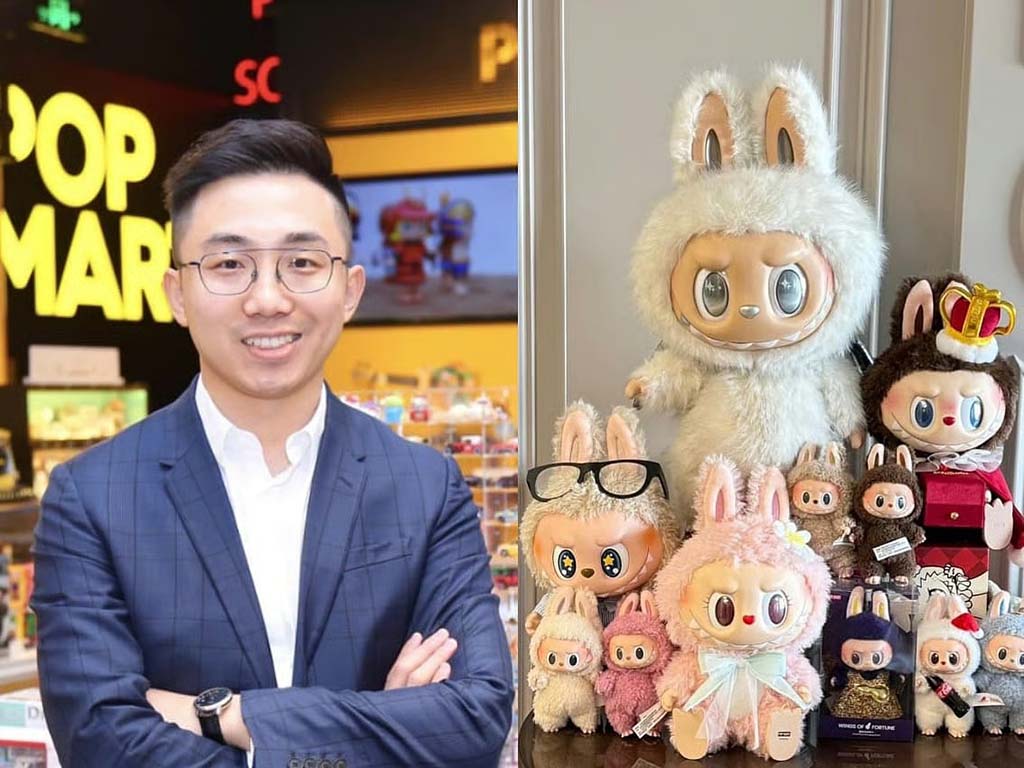
Plush demand runs on rhythms and tribes. Rhythms are seasonal cycles (Q4 holidays, back-to-school, Valentine’s, graduation, summer travel). Tribes are niches: baby cuddle, wildlife/educational, anime/game IP, décor, wellness/weighted, and blind-box minis. Profit grows when your line matches a moment (gifting, move-in, convention) and a tribe (collectors, décor buyers, sensory comfort users). Licensing ecosystems amplify reach but charge royalties and add approvals and compliance steps; you pay for traffic, but you also get sell-through and higher AOV if you execute well.
Timing matters. Launch core animals all year; layer limited drops around seasons and fan events. Use small accessories or palette shifts to create fresh SKUs without new tooling. Watch platform behavior: minis and keychains move on social, while tonal décor bears convert on DTC sites. Profitability rises when you balance evergreen items (predictable volume) with capsules (urgency, margin lift), and when you design photography (texture macros, scale-in-hand, styled rooms) to reduce returns.
Table 1 — Market Profit Levers
| Factor | Why it helps profit | How to apply |
|---|---|---|
| Seasonal moments | Predictable traffic & gifting | Plan color capsules and bundles |
| Niche focus | Clear buyer intent | Match spec: baby, décor, collector, wellness |
| Licensing | Built-in demand | Budget royalties; nail approvals & accuracy |
| Minis & accessories | Low material cost, high perceived value | Clips, keychains, blind-box sets |
| Photo truth | Fewer returns → higher margin | Texture macro, scale-in-hand, room shots |
How do material, labor, and compliance costs shape gross margins for OEM/ODM plush producers?
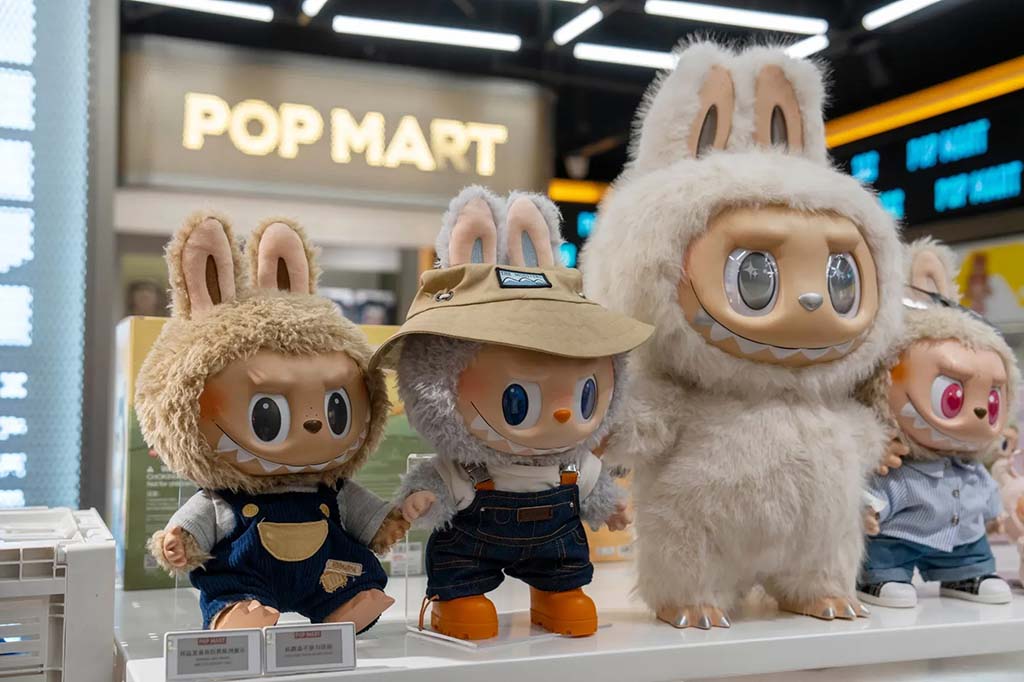
Margin begins at the BOM and ends with landed cost. The BOM stack is shell fabric (minky/velboa/faux fur), fill (hollow polyester or rPET), trims (embroidery thread, safety eyes/nose), labels, and packaging. Shell and labor minutes dominate. Short-pile faces keep embroidery crisp and sewing minutes down; long-pile faux fur elevates look but increases seam control, grooming, and care content. Weighted bases add pellets plus double-pouch work; they lift perceived value but require leakage validation.
Compliance is not optional. For kids’ products you’ll budget for EN71/ASTM/CPSIA testing, plus CPC/DoC and tracking labels. Tie reports to actual lots to avoid rejections. For décor/adult collectible, some retailers require OEKO-TEX or RSL adherence. Smart producers design trims to age grade (0+ embroidery-only; 3+ qualified safety eyes/noses) and keep a fill map (grams per panel) to control shape and labor. The result: fewer resamples, clean audits, and predictable gross margin.
Table 2 — Cost Stack & Margin Guardrails
| Cost block | Main drivers | Profit guardrail |
|---|---|---|
| Shell fabrics | Pile type, GSM, yield | Short-pile face; markers by pile direction |
| Labor minutes | Panel count, SPI, bar-tacks | Simplify joins; jigs; visual SOPs |
| Fill & weight | Fiber yield, pellets | Panel fill grams; double-pouch pellets |
| Compliance | EN71/ASTM/CPSIA, docs | Lot-tied tests; label truth = fewer returns |
| Packaging | Box vs. polybag | Use gift box only where AOV lifts |
Which business models (custom OEM, branded retail, DTC, promotional) yield the highest ROI by order scale?
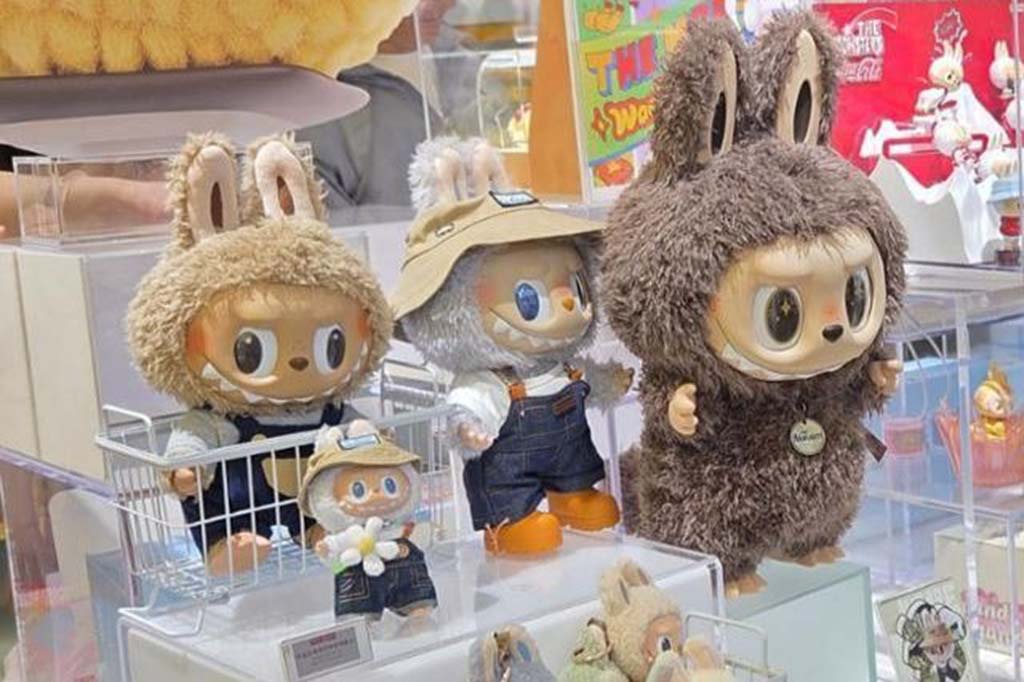
Different models win at different scales and skill sets.
- Custom OEM (B2B): You produce for brands/retailers using their IP or designs. Lower marketing cost, stable POs, modest margin. Profit comes from efficiency and reliability.
- Branded retail/wholesale: You own the brand; retailers buy your line. Higher margin than OEM, but you carry design and inventory risk; require sell-in storytelling and compliance strength.
- DTC e-commerce: Highest gross margin potential but highest CAC (customer acquisition cost). Success depends on photography, UGC, and ops discipline (returns, fulfillment).
- Promotional/corporate: Predictable volume, simple specs, tight prices. Profit from scale, repeat clients, and fast sampling.
ROI peaks when model and scale match: OEM shines for large, steady runs; DTC shines for limited drops with strong community; branded wholesale works for mid-scale with credible sell-in; promo is a utilitarian cashflow play.
Table 3 — Business Model vs. ROI (Directional)
| Model | Capex/Marketing | Typical MOQs | Margin potential | Where it wins |
|---|---|---|---|---|
| Custom OEM | Low marketing | Medium–high | Low–mid | Reliability, long runs |
| Branded retail | Medium marketing | Medium | Mid–high | Story + retailer reach |
| DTC | High marketing/CAC | Low–medium | High (if CAC controlled) | Drops, collectibles |
| Promotional | Low marketing | High by event | Low–mid | Volume, repeat orders |
How do MOQ, tooling, sampling, and freight expenses affect unit economics and cash flow for small vs. large runs?
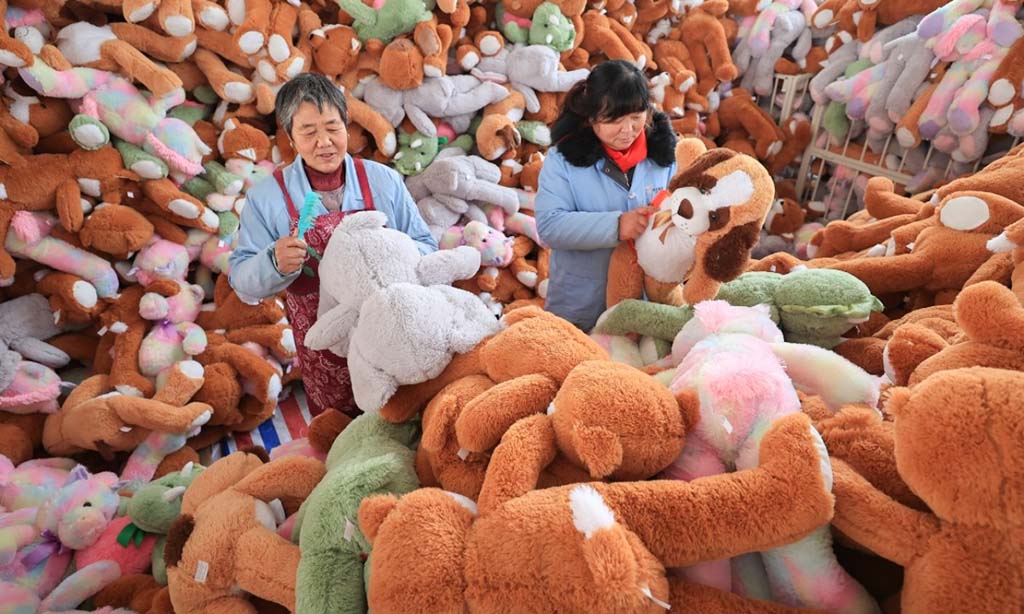
Unit economics change dramatically with scale. MOQs (fabric dyeing, packaging print runs, thread colors) create step costs. Sampling is cheap per project but heavy per unit in small batches. Freight is volumetric; plush ships air (expensive) or ocean (slower, cheaper). Short-pile cushions sometimes allow soft compression; faux fur and sculpted faces usually do not. Cash flow improves when you convert fixed costs into per-unit value (gift boxes only on hero SKUs, not the whole line) and when you time ocean bookings early.
For small runs, reduce panel count, keep short-pile faces, avoid complex accessories, and use palette flips to create variants without new BOMs. For large runs, invest in markers, laser cutting, multi-head embroidery, and metered stuffing to spread capex over volume. Always model DDP vs. FOB to see if consolidated DDP saves your team time and post-arrival friction.
Table 4 — Unit Economics: Small vs. Large Runs
| Element | Small run (cash-tight) | Large run (scale) |
|---|---|---|
| Sampling | Two-pass S1→S2; reuse fabrics | Two-pass S1→S2; color/size ladders |
| Panels & minutes | Fewer panels; simpler joins | More panels OK; automate |
| Packaging | Polybag + insert | Boxes only for hero SKUs |
| Freight | Ocean LCL or air for launches | Ocean FCL; planned compression (short pile) |
| Terms | DDP for simplicity | FOB for control & cost |
| Cash flow | Stage POs; smaller capsules | Forecasted waves; reserved capacity |
What pricing strategies and value levers (certifications, sustainability claims, packaging design) enhance perceived worth and margin?
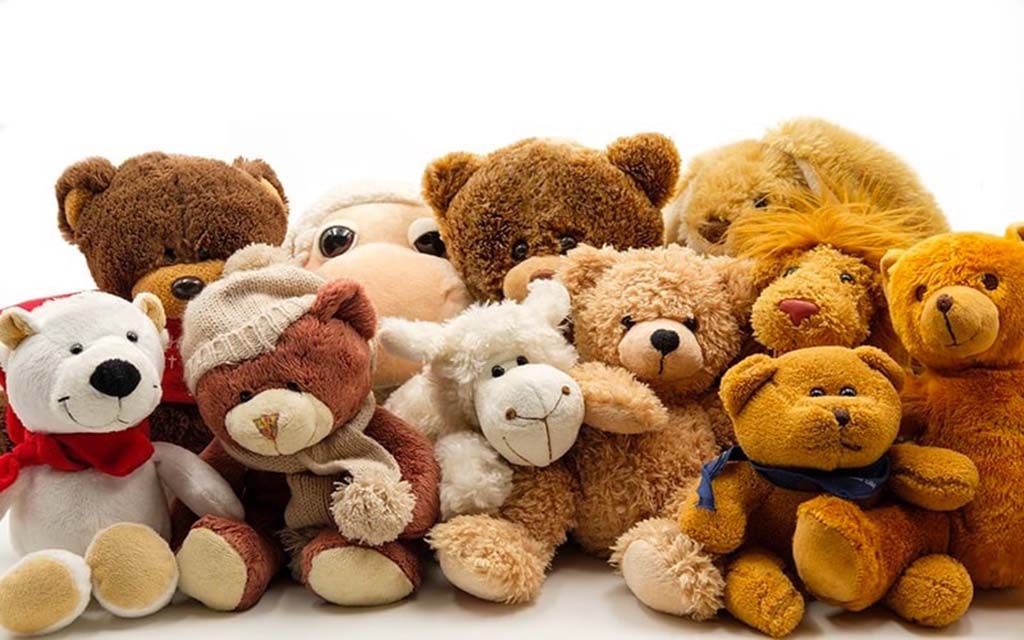
Pricing is a story + proof. The story is handfeel, expression, and purpose; the proof is tests, materials, and care. Three levers lift perceived value:
- Compliance confidence: Clear EN71/ASTM/CPSIA language; tracking labels, care icons that match real testing.
- Material honesty: Short-pile face panels for clarity; faux fur where it truly adds “wow”; double-pouched weights with safety note.
- Presentation: Gift-ready packaging on hero SKUs; tasteful edition tags for capsules; texture macros and scale-in-hand photos.
Sustainability sells when documented. If you use rPET fill or shell, show lot-level certificates. If you claim OEKO-TEX or meet retailer RSLs, say it plainly—no buzzwords. Use bundles (mini + standard), color capsules, and seasonal sleeves to create value without heavy BOM creep. Build a size ladder and price by perceived hug value, not only centimeters.
Table 5 — Margin Levers You Can Turn Now
| Lever | Why it works | Implementation tip |
|---|---|---|
| Compliance clarity | Reduces friction & returns | Put standards + age grade on PDP |
| Face-first materials | Readable expression = “premium” | Velboa/minky on face; trim masks |
| Weighted comfort | Grounded feel, décor use | Double-pouched pellets; clear note |
| Packaging focus | Lifts AOV on key SKUs | Boxes for hero, polybag for core |
| Verified eco claims | Trust → price integrity | Lot-tied rPET docs; avoid vagueness |
How can brands forecast demand, manage overstock risk, and build recurring revenue through collectibles or limited drops?
Good forecasting blends history, events, and community signals. Start with your last 12–18 months of sell-through by size, color, and fabric. Overlay calendar demand (Q4, school terms, conventions, gifting days). Add community signals: wishlists, waitlists, email click heat, UGC velocity, and creator requests. Use these inputs to plan capsules and drops that limit risk while keeping buzz.
To reduce overstock, run small pilot drops, watch 48-hour velocity, then reorder only what proves. Use variant logic: one silhouette, three palettes, two sizes—9 SKUs from one stable build. Offer preorders with realistic dates (especially for collector runs) and maintain spares for defect swaps. For recurring revenue, publish a drop calendar and issue checklists so fans plan repeat visits. Keep core animals always available to smooth cash flow, and use limited editions to create peaks without bloating inventory.
Table 6 — Forecast & Risk Controls
| Control | How it helps | What to track |
|---|---|---|
| Pilot drops | Test demand before big buys | 48-hour sell-through |
| Waitlists & preorders | Turn intent into plan | Opt-in rate, cancel rate |
| Variant strategy | Many SKUs from one build | Per-variant margin |
| Core + capsules | Smooth baseline + peaks | Core reorder cadence |
| Post-launch review | Fix specs that cause returns | Reason codes: size, feel, care |
Conclusion
Yes, making plushies can be profitable—when you align market timing with disciplined engineering, honest materials, lot-tied compliance, and channel-specific pricing. Keep core SKUs steady, use capsules for excitement, and control unit economics with clean specs and smart freight. If you want a partner to turn this framework into sealed PPS and on-time mass with camera-ready texture, email [email protected] or visit kinwintoys.com. My team at Kinwin can help you build a plush business that is soft in hand and strong in margin.