Skip to content
Starting a plush toy business is more than just creating cute products. It requires market knowledge, safe manufacturing, creative branding, and a strong sales strategy. Plush toys appeal to children, adults, collectors, and even corporate buyers, making this a profitable yet competitive market.
As a professional plush toy manufacturer at Kinwin, I have supported many global buyers in launching their plush lines. This guide will take you through the essential steps to build a successful plush toy business from scratch.
What initial market research is essential before starting a plush toy business?
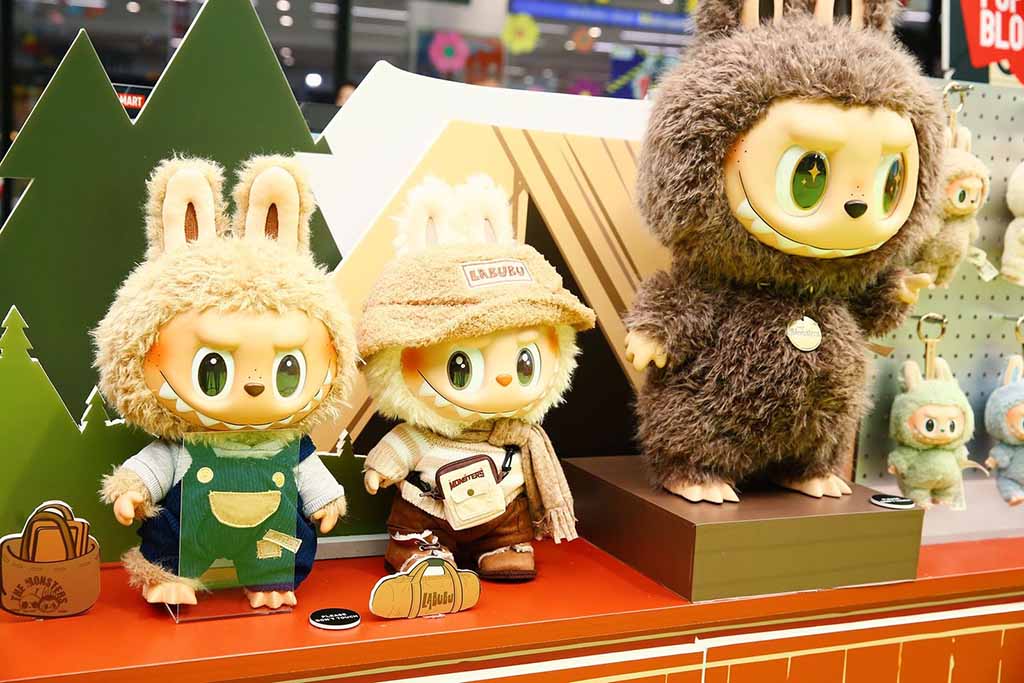
Market research is the foundation of any toy business. Before producing a single plush toy, you must understand demand, competition, and pricing trends.
Key steps in research include:
- Industry trends: Analyze growth in plush segments like weighted plush, eco-friendly toys, and licensed characters.
- Competitor analysis: Identify leading brands, their designs, and price ranges.
- Consumer demand: Study online reviews, forums, and e-commerce platforms like Amazon and Etsy.
- Wholesale demand: Check Alibaba, trade shows, and distributor catalogs.
| Research Area | Tools | Output |
|---|---|---|
| Trends | Google Trends, Statista | Identify rising categories |
| Competitors | Amazon, Walmart, toy stores | Benchmark designs & prices |
| Consumers | Surveys, focus groups | Understand preferences |
| Wholesale | Trade shows, B2B portals | MOQ, pricing models |
Strong research helps you find gaps in the market and design plush toys that stand out.
How do you define your target audience and niche within the plush toy market?
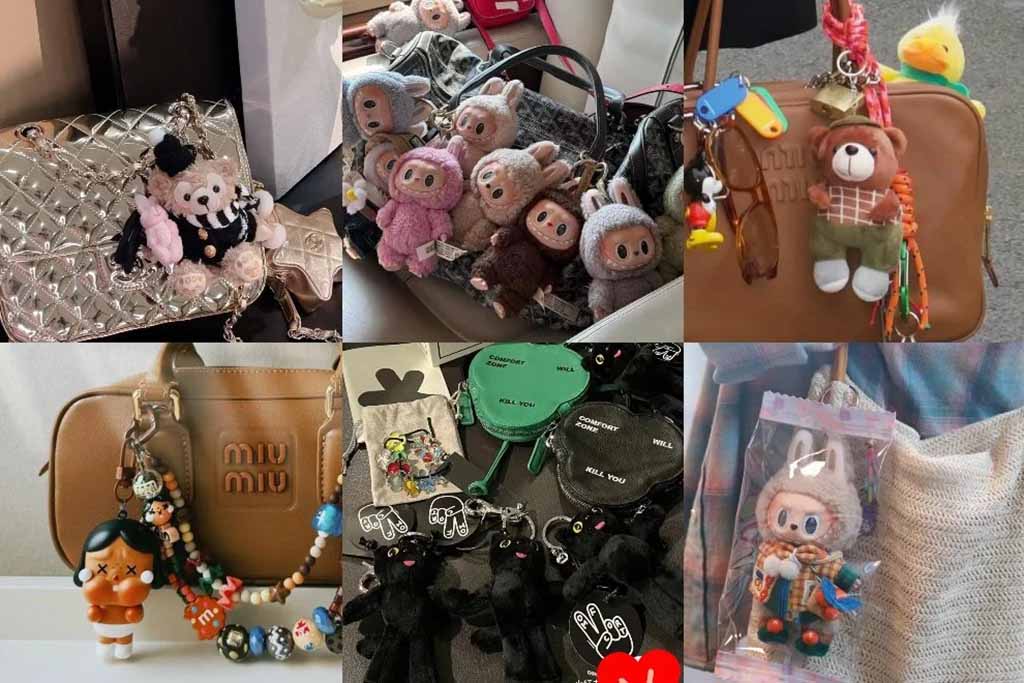
The plush market is diverse—you can’t sell to everyone. Defining your target audience and niche ensures your brand connects with the right buyers.
Potential niches include:
- Baby plush: Focused on safety and softness.
- Collectible plush: For teens and adults, often limited-edition.
- Pet plush toys: Designed for durability and safety.
- Corporate plush mascots: For branding and promotions.
- Eco-friendly plush: Appeals to sustainability-conscious consumers.
| Niche | Target Audience | Key Features |
|---|---|---|
| Baby plush | Parents, gift buyers | Hypoallergenic, certified |
| Collectibles | Teens, adults | Limited edition, unique design |
| Pet toys | Pet owners | Durable, reinforced seams |
| Corporate plush | Companies | Custom logos, mascots |
| Eco plush | Eco-conscious buyers | Organic/recycled stuffing |
At Kinwin, many successful clients start small by focusing on one niche before expanding.
What steps are involved in designing and prototyping plush toys?
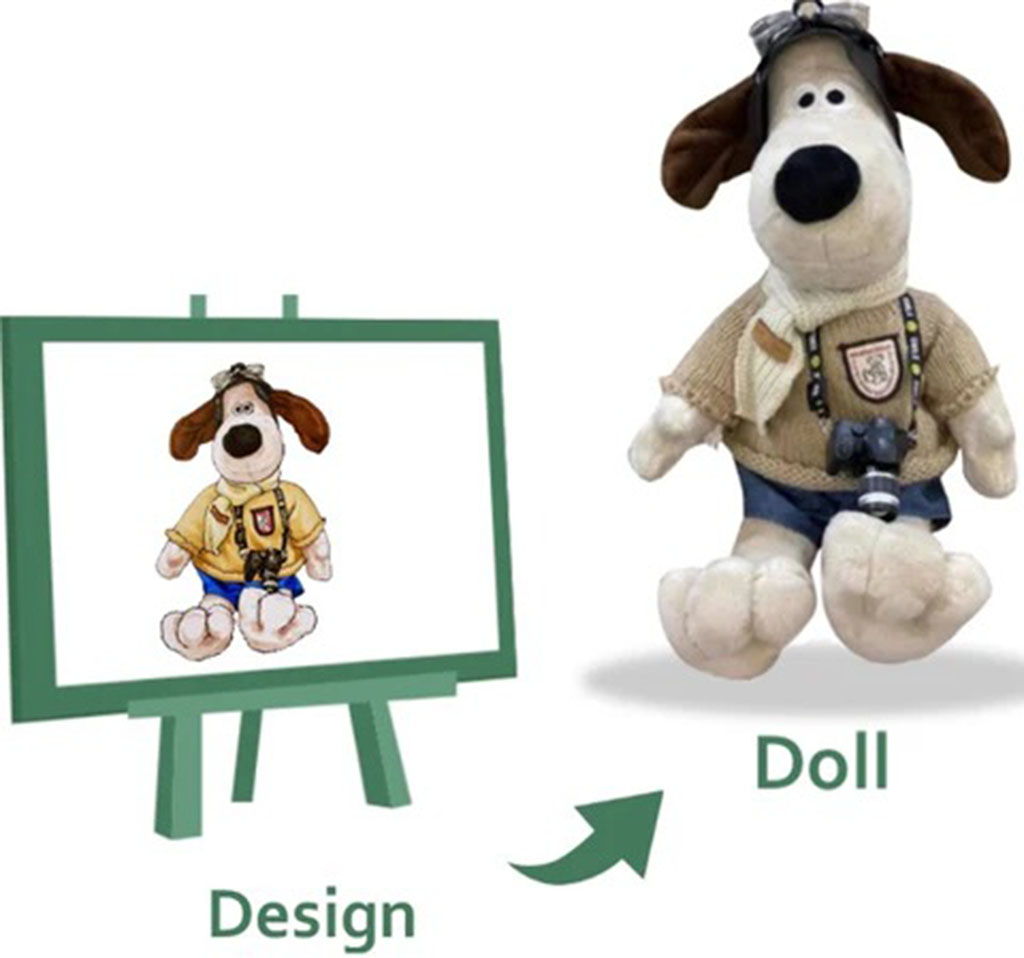
Design and prototyping bring your plush ideas to life. This stage ensures your toy is safe, functional, and appealing.
Steps include:
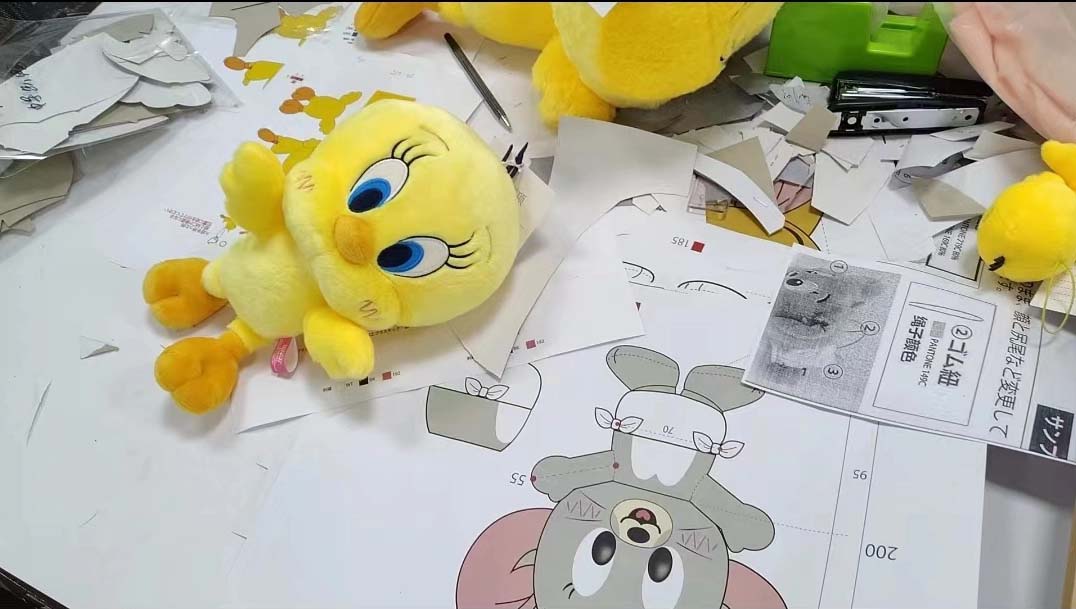
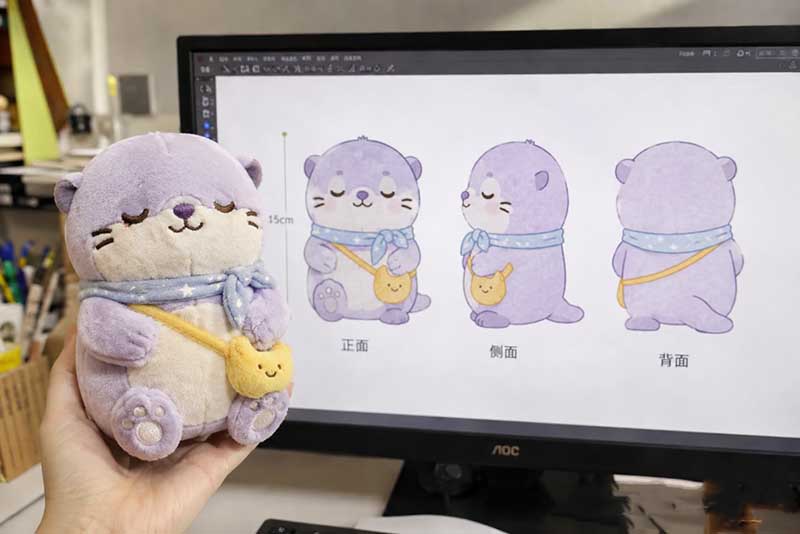
- Sketching & CAD design – Draw 2D and 3D concepts.
- Material selection – Choose fabrics and stuffing that fit your target audience.
- Sample making – Produce a prototype for review.
- Revisions – Adjust design details, seams, or colors.
- Final approval – Approve the sample before mass production.
| Stage | Buyer Role | Manufacturer Role |
|---|---|---|
| Sketch | Provide concept | Suggest improvements |
| Materials | Approve fabrics | Source safe options |
| Prototype | Review & feedback | Create sample |
| Revision | Request changes | Adjust accordingly |
| Approval | Confirm | Prepare for production |
Good prototyping avoids costly mistakes in large orders.
How do you find reliable manufacturers and ensure product quality?
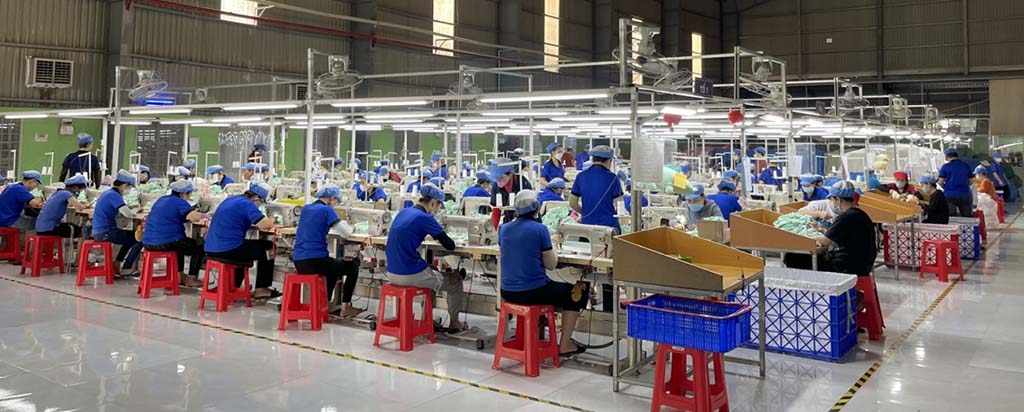
A trustworthy manufacturer is the backbone of your plush toy business. You need a partner with OEM/ODM experience, certifications, and strict quality control.
Checklist for finding manufacturers:
- Experience: Proven track record in plush production.
- Certifications: CE, ASTM, ISO.
- Production capacity: Can handle your MOQs and deadlines.
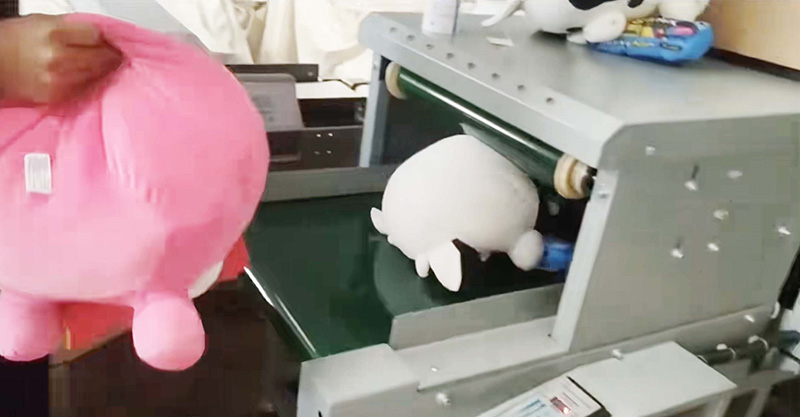
- Quality control: Internal QC and third-party testing.
- Communication: Clear updates and transparency.
| Factor | Why It Matters |
|---|---|
| Experience | Ensures design-to-production success |
| Certifications | Meets global safety standards |
| QC process | Prevents defects |
| MOQ flexibility | Supports startups |
| Communication | Avoids delays |
At Kinwin, we provide full QC reports and testing for every batch, giving buyers peace of mind.
What certifications and safety standards must plush toys comply with?

Safety is not optional—it’s mandatory. Plush toys must comply with international toy safety standards to be legally sold.
Key certifications:
- CE (EN71, Europe): Covers mechanical safety, flammability, and chemicals.
- ASTM F963 (U.S.): Regulates seams, stuffing, and small parts.
- CPSIA (U.S.): Ensures no harmful chemicals like lead.
- ISO 9001: Factory-level quality systems.
| Standard | Region | Focus |
|---|---|---|
| CE (EN71) | Europe | Mechanical, flammability, chemicals |
| ASTM F963 | U.S. | Seams, small parts |
| CPSIA | U.S. | Chemical safety |
| ISO 9001 | Global | Quality consistency |
Compliance ensures smooth customs clearance and consumer trust.
How can branding, packaging, and customization add value to your plush toy line?
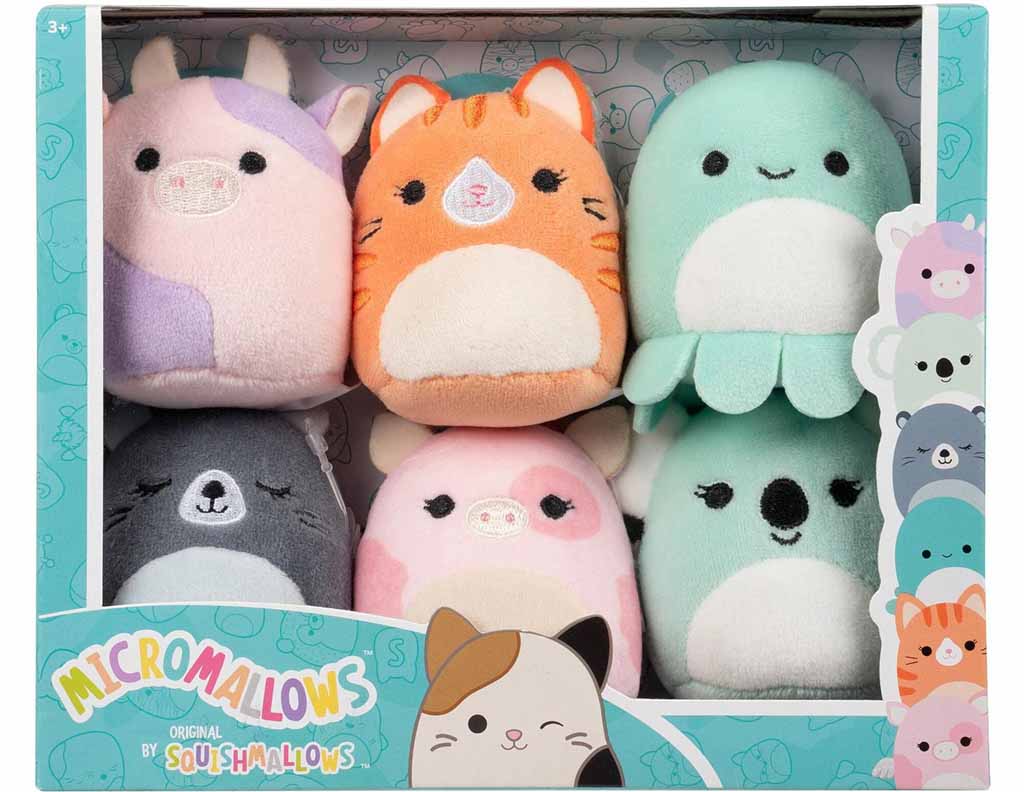
Branding makes your plush toys more than products—it turns them into experiences.
Value-adding options include:
- Logo embroidery on paws or ears.
- Branded tags and labels for recognition.
- Custom packaging like gift boxes, drawstring bags, or eco cartons.
- Accessories such as seasonal outfits or hats.
| Feature | Example | Added Value |
|---|---|---|
| Embroidery | Logo on paw | Brand identity |
| Packaging | Window box | Shelf appeal |
| Seasonal accessories | Santa outfit | Seasonal sales |
| QR tags | Digital campaigns | Interactive engagement |
At Kinwin, we help buyers design full packaging solutions, ready for retail shelves.
What sales channels—online, wholesale, or retail—are best for plush toy businesses?
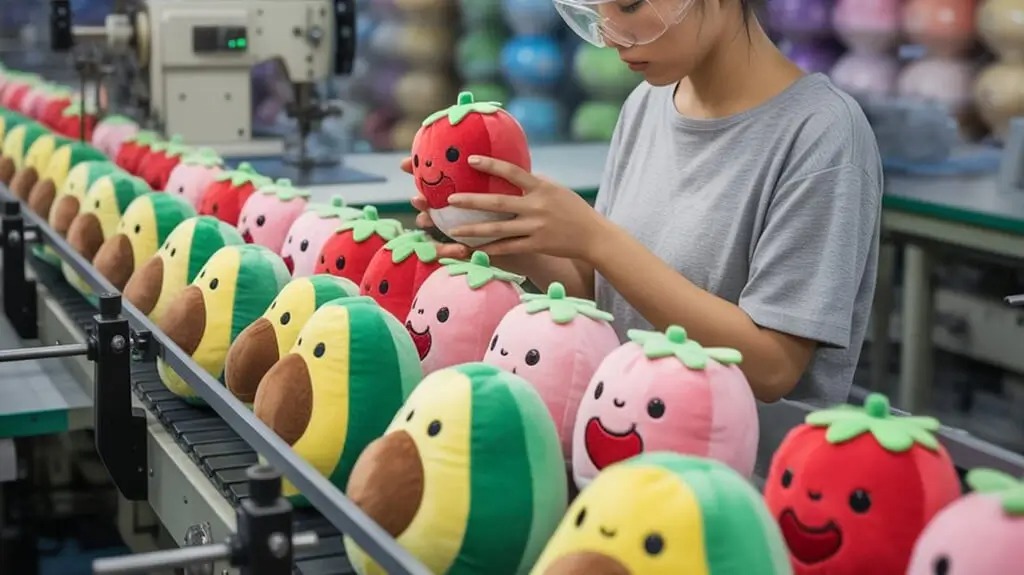
Your sales channels depend on budget, scale, and target market.
Options include:
- Online stores: Amazon, Etsy, Shopify—great for startups.
- Wholesale: Selling bulk to retailers or distributors.
- Retail: Selling through gift shops, toy stores, or supermarkets.
- Corporate orders: Mascots and promotional plush.
| Channel | Advantage | Limitation |
|---|---|---|
| Online | Global reach, low entry cost | High competition |
| Wholesale | Large orders, stable revenue | Lower margins |
| Retail | Brand exposure | Higher overhead |
| Corporate | High-value contracts | Seasonal demand |
Many successful plush businesses use a hybrid model—starting online, then expanding to wholesale and retail.
How do you create a sustainable growth strategy for long-term success?
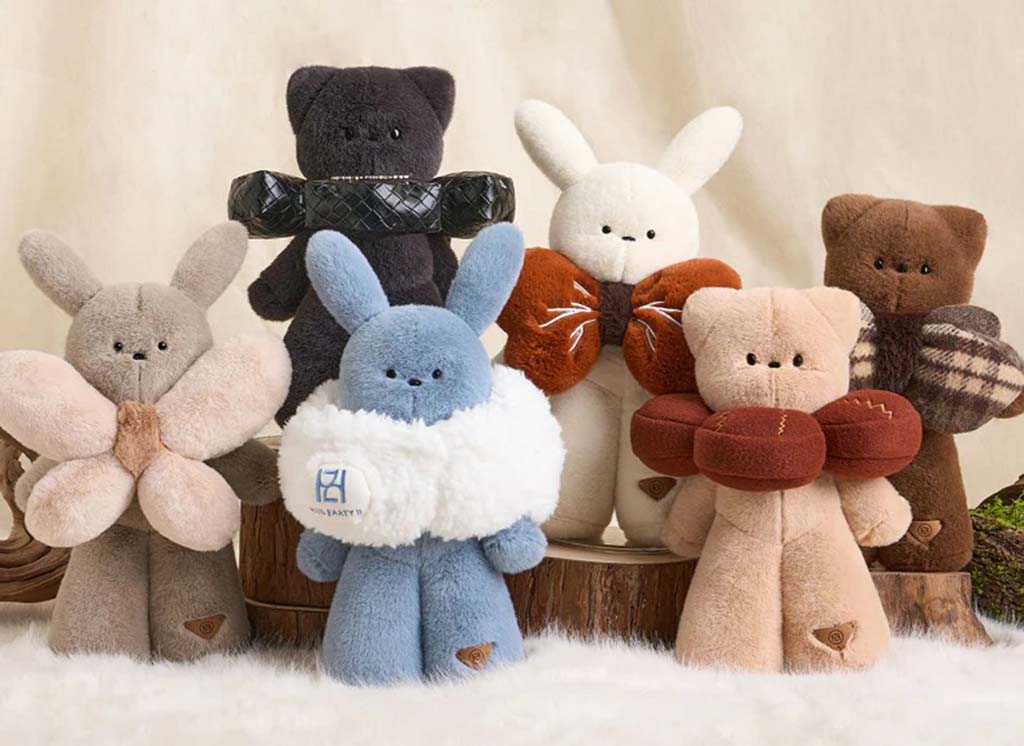
Growth in the plush business comes from balancing creativity, efficiency, and market trends.
Strategies include:
- Diversify product lines (eco plush, weighted plush, licensed plush).
- Optimize supply chain to reduce costs and delays.
- Invest in branding through social media and trade shows.
- Build long-term manufacturer partnerships for reliability.
- Adopt sustainability practices to appeal to conscious consumers.
| Growth Strategy | Benefit |
|---|---|
| Product diversification | Wider audience |
| Supply chain optimization | Lower costs |
| Branding investment | Customer loyalty |
| Manufacturer partnership | Quality assurance |
| Sustainability | Competitive edge |
At Kinwin, we support buyers in scaling from small batches to full retail programs, adapting to market demand.
Conclusion
Starting a plush toy business requires creativity, compliance, and strong partnerships. From research and prototyping to branding and sales, every step builds toward long-term success. At Kinwin, we help global buyers design, manufacture, and scale plush toy lines that meet safety standards and market needs.
Contact us at [email protected] or visit kinwintoys.com to bring your plush toy business idea to life.