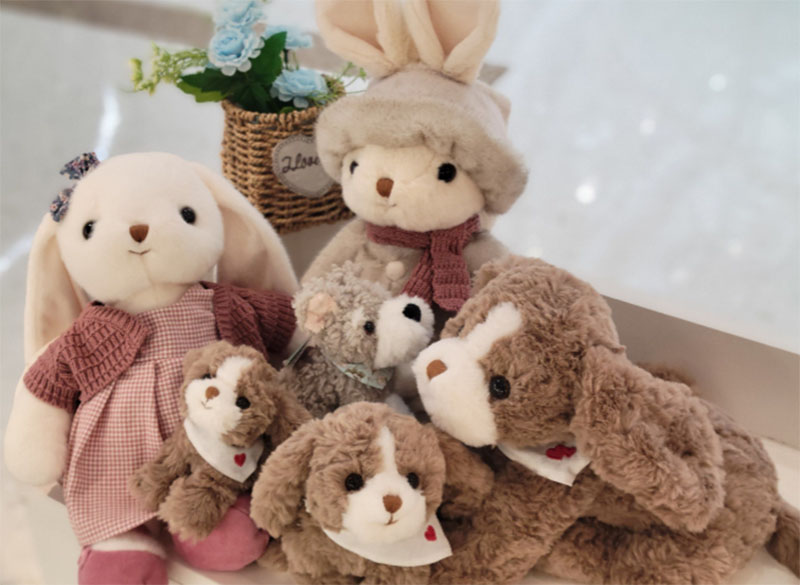
Making a plush toy requires careful planning, skilled craftsmanship, and quality control to ensure a safe and lovable product.
To make a plush toy, start with clear requirement confirmation and design proposals. Then evaluate production feasibility and costs. Develop samples to test designs. Confirm materials and place orders. Proceed with mass production, followed by strict quality inspections. Finally, package and ship the plush toys securely to clients worldwide.
Let’s explore each step in detail.
1.Requirement Confirmation and Design Proposal
Understanding and confirming your product needs is the first critical step in plush toy manufacturing. This phase shapes the entire project, ensuring your ideas are accurately translated into a manufacturable design.
Confirming requirements includes discussing target market, safety standards, size, shape, colors, and special functions. A professional design proposal ensures feasibility and aligns expectations before production.
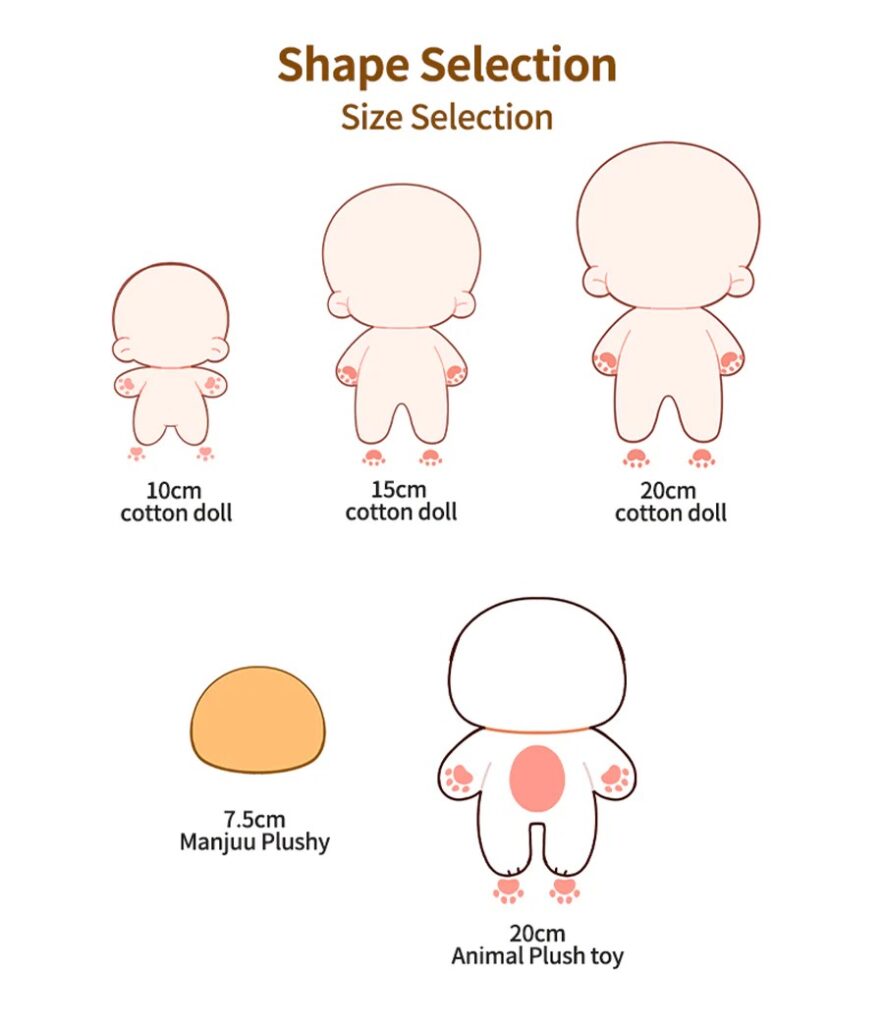
Understanding Requirements and Proposing Designs
At Kinwin, we prioritize detailed communication to capture your vision perfectly. This includes:
Target audience and market: Children’s age group, regional safety regulations (e.g., ASTM, CE), and buyer preferences affect materials and design choices.
Product specifications: Size, weight, color palettes, and functional features like sound, light, or movable parts are discussed thoroughly.
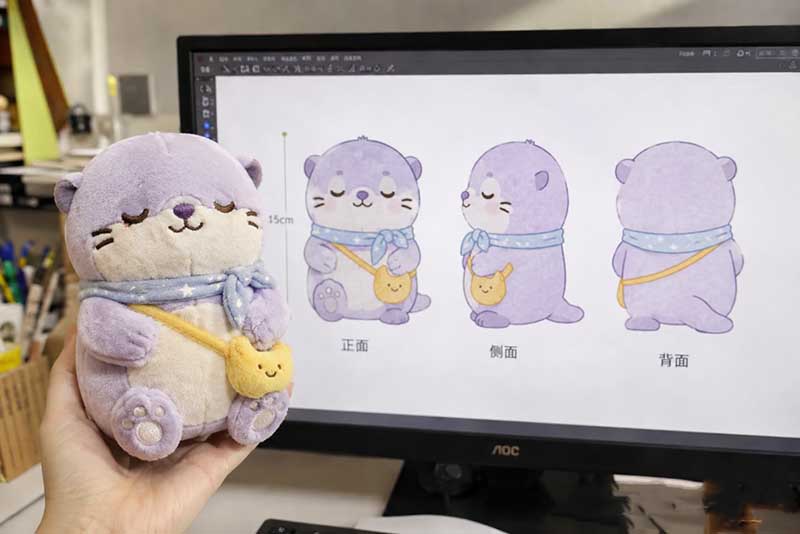
Design feasibility: Our design team evaluates sketches, 2D or 3D files for manufacturability and material suitability. We advise on design adjustments to optimize cost and safety.
Prototyping approach: We present initial proposals with technical drawings and digital mock-ups to secure your approval before sample making.
This detailed approach minimizes misunderstandings and costly revisions later. A well-drafted design proposal aligns expectations and sets a solid foundation for quality and timely delivery.
| Step | Key Focus | Benefit |
| Requirement Gathering | Target market, size, functions | Meets buyer needs and compliance |
| Design Proposal Draft | Feasibility and visual preview | Avoids costly rework |
| Client Approval | Clear confirmation | Ensures shared vision |
2.Process Evaluation and Quotation
Once the design is finalized, evaluating the production process and costs accurately is essential to make an informed decision.
Process evaluation covers materials, labor, machinery, and timelines. A detailed quotation based on this helps clients budget properly and plan purchase volumes.
Evaluating Production and Cost
Material sourcing costs: Prices vary by fabric type (e.g., velboa, minky), fillings (polyester fiber), and accessories (eyes, labels).
Labor and machinery: Complexity of sewing, embroidery, and added features impact labor hours and machine use.
Production volume impact: Larger orders reduce unit costs; small runs might require premium pricing due to setup time.
Lead time estimates: Accurate scheduling affects cost and client satisfaction; rush orders may add premiums.
Packaging and shipping fees: Depending on box types, labeling, and shipping routes, costs vary.
Our transparent quotations break down costs so clients understand value at each stage. This enables better financial planning and reduces surprises.
| Cost Factor | Influences | Impact |
| Materials | Quality, certification, volume | Affects safety and durability |
| Labor | Complexity, volume | Influences unit price |
| Packaging & Shipping | Customization, destination | Total landed cost |
3.Sample Development
Samples serve as a physical proof of concept and help clients verify design, feel, and functionality before mass production.
Developing samples allows testing of fabric choices, colors, stitching, and interactive elements. This step minimizes risks and ensures satisfaction.
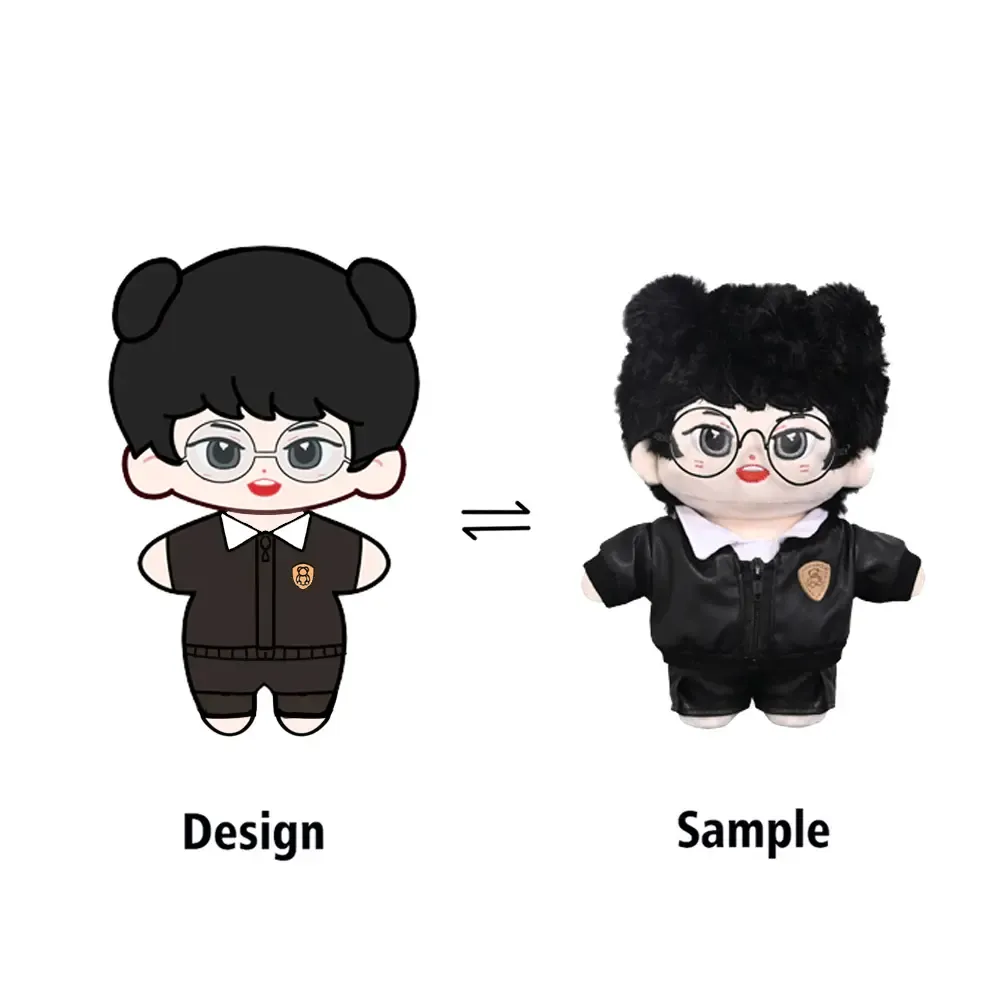
The Role of Samples in Plush Toy Production
Sample making is a vital checkpoint
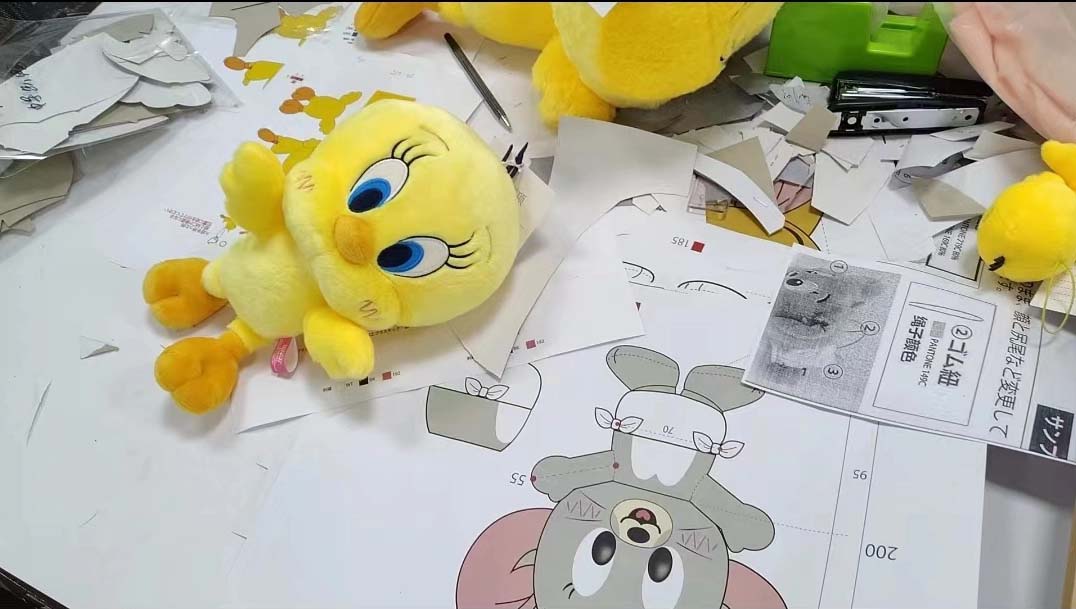
Prototype construction: Using approved designs and materials, a sample is handcrafted or semi-automated.
Testing aesthetics and safety: The sample shows true color, fabric texture, and craftsmanship quality. Safety features like secure eyes and fillings are checked.
Client review and feedback: Videos or photos are shared, or samples shipped, allowing clients to request modifications.
Revisions and re-sampling: Usually 1-2 rounds of adjustments ensure the final sample matches expectations perfectly.
Sample cost and timelines: Samples incur costs and take 7-14 days, but save much time and money long-term by avoiding mass production errors.
This iterative process guarantees your plush toy will delight customers and comply with standards.
| Sample Aspect | Purpose | Client Benefit |
| Visual accuracy | Verify colors and shapes | Ensures product appeal |
| Material feel | Check fabric and stuffing | Confirms comfort and softness |
| Safety check | Test components and construction | Avoids product recalls |
4.Material Confirmation and Order Placement
Material confirmation is a key step that locks down all inputs before committing to production, ensuring quality and compliance.
Confirming fabrics, fillings, accessories, and packaging details prevents costly mistakes. Clear order placement with specifications streamlines the production start.
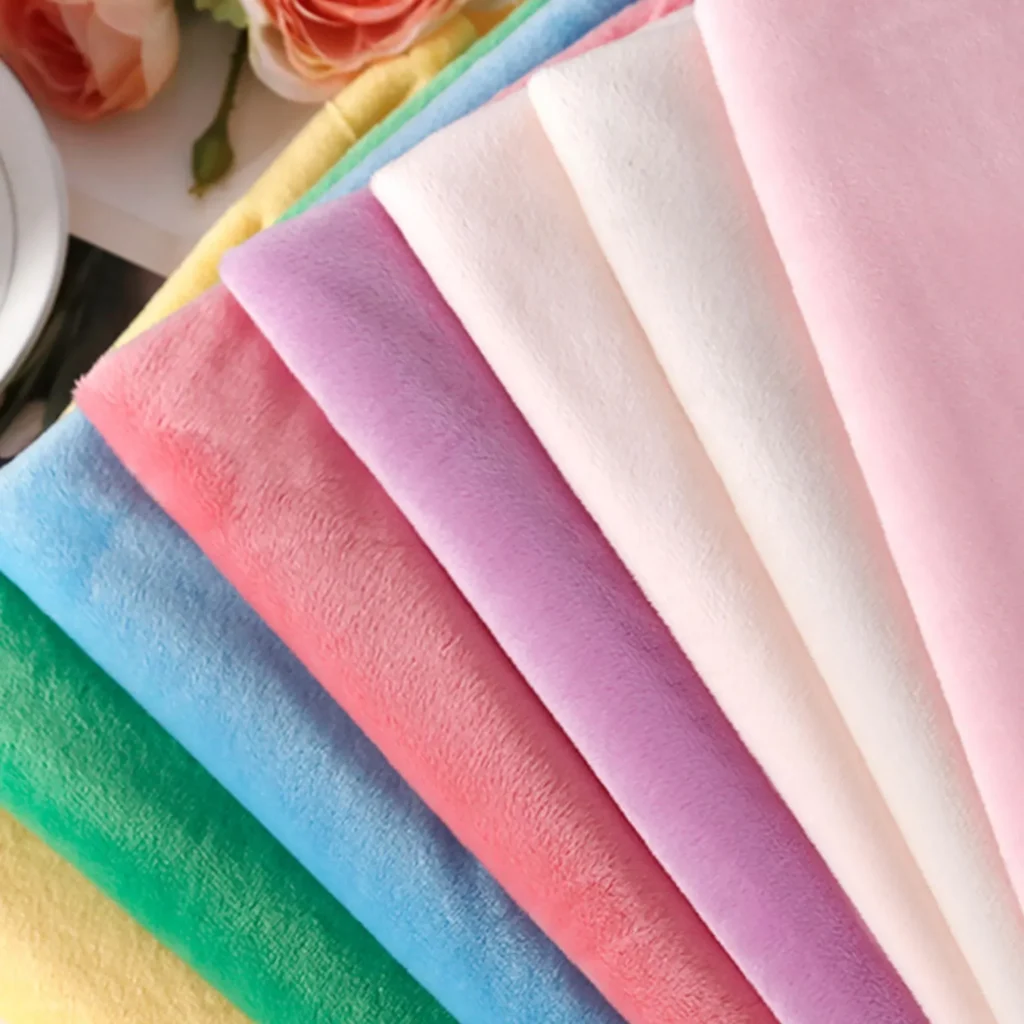
Finalizing Materials and Ordering
Material samples: Fabric swatches, filling samples, and accessory mock-ups for approval.
Certifications: Ensuring all materials meet CE, ASTM, or other required safety standards.
Packaging options: From simple poly bags to branded boxes, we confirm specs with clients.
Order confirmation documents: Clear purchase orders and proforma invoices define quantities, prices, and delivery timelines.
Deposit payments: Upon confirmation, deposits are collected to initiate production scheduling.
This stage is crucial for maintaining trust and smooth workflow.
| Confirmation Item | Details | Importance |
| Fabrics and Fillings | Softness, safety, durability | Affects product feel and lifespan |
| Accessories | Eyes, labels, tags | Branding and safety compliance |
| Packaging | Design and protection | Enhances customer experience |
5.Mass Production
Mass production transforms approved samples into finished products at scale with consistency and efficiency.
Using advanced production lines, skilled workers create plush toys in batches. Regular monitoring ensures consistent quality and on-time delivery.
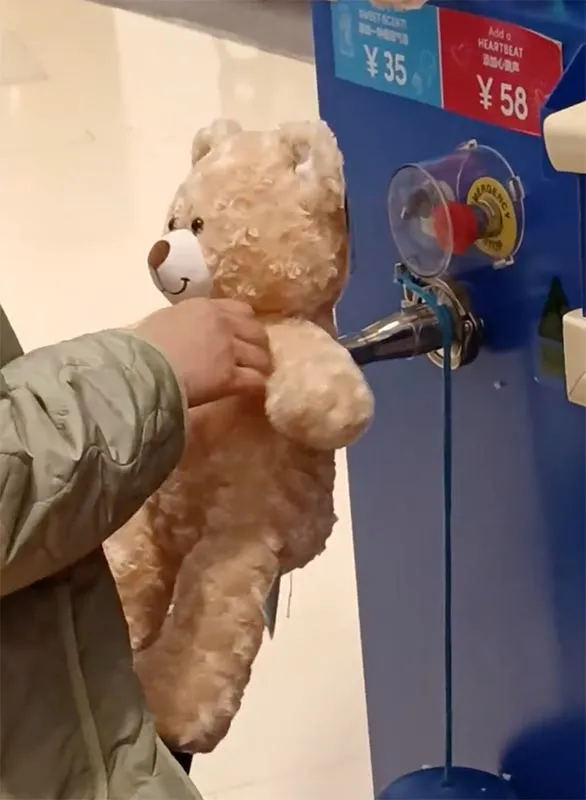
Efficient and Quality Mass Production
Batch scheduling: Multiple production lines work simultaneously to meet order volumes and deadlines.
Worker training: Skilled seamstresses and machinists follow standardized procedures to maintain quality.
Machine use: Automated cutting, sewing, and embroidery reduce errors and speed up processes.
In-process quality checks: Supervisors monitor critical steps to catch defects early.
Flexibility: Adjustments are possible to accommodate urgent changes or smaller batches.
Kinwin’s factory with 15 production lines ensures your order is fulfilled reliably and efficiently.
| Production Aspect | Focus | Benefit |
| Workforce expertise | Skilled craftsmanship | Consistent quality |
| Automation | Cutting and sewing machinery | Faster throughput, less error |
| Quality control | Regular inspections | Defect reduction |
6.Quality Inspection
Before shipping, stringent quality inspections ensure the plush toys meet all client and regulatory requirements.
Quality inspection involves checking size, stitching, safety, color, and packaging. This reduces returns and maintains brand reputation.
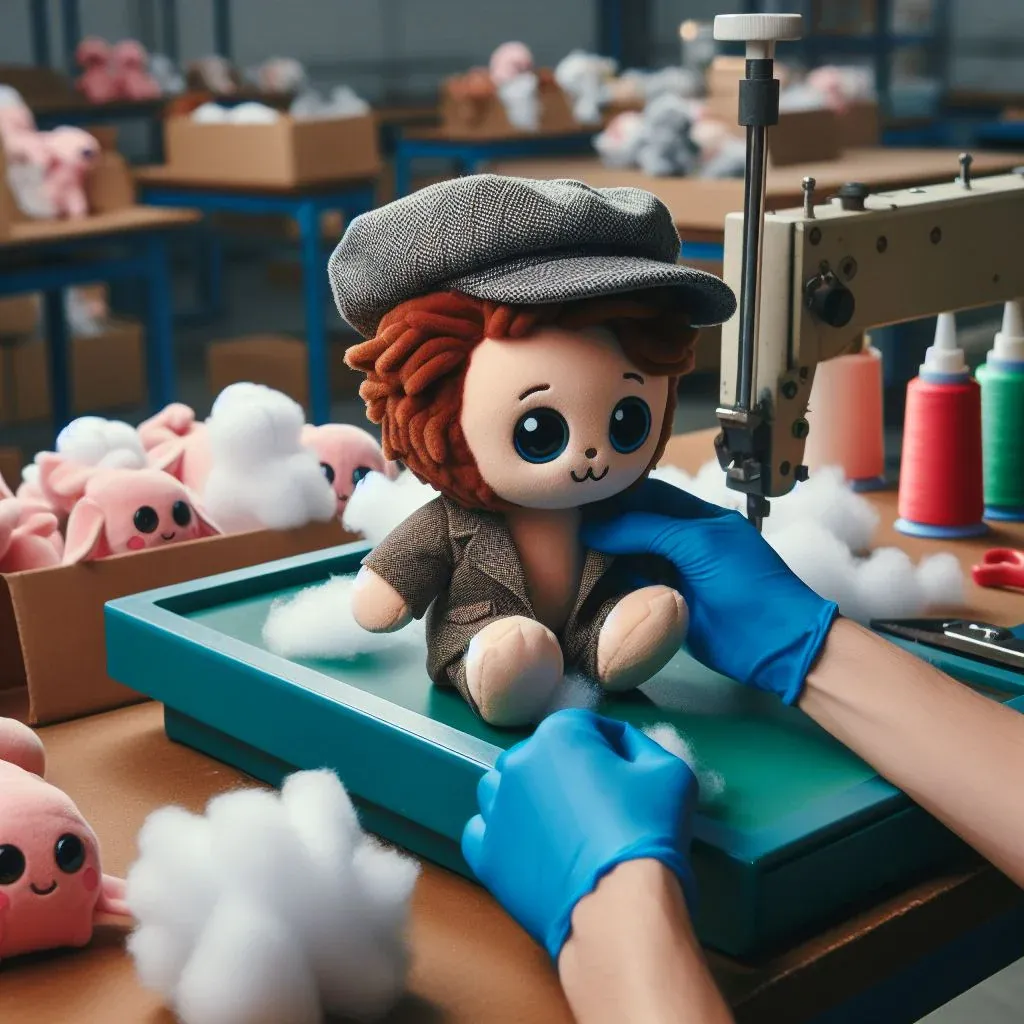
Rigorous Quality Assurance in Plush Toy Manufacturing
Visual checks: No loose threads, correct colors, proper labels.
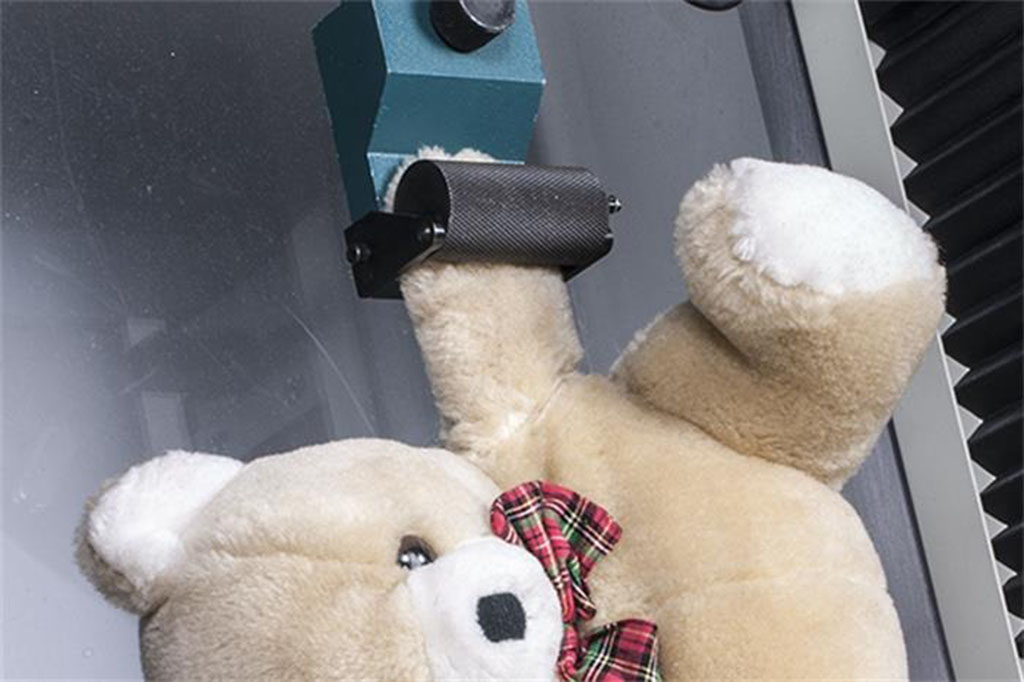
Functional tests: Secure attachments for eyes, noses, and any interactive features.
Safety compliance: Verifying non-toxic materials and choking hazard prevention.
Sample audits: Random batch testing for consistency.
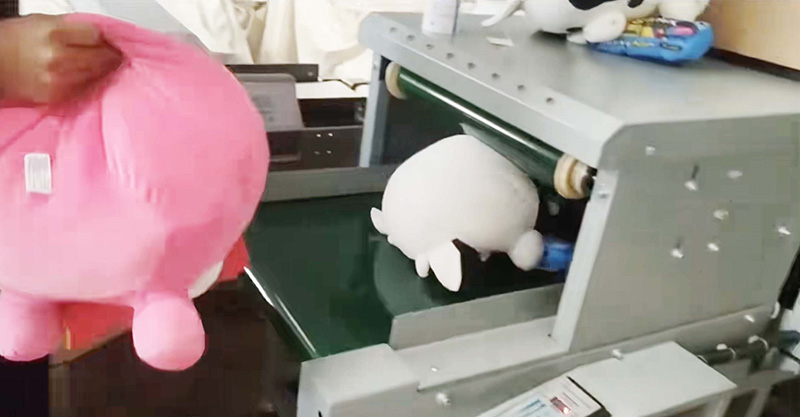
Packing inspection: Correct labeling, box integrity, and product count confirmation.
Passing this stage assures you receive plush toys ready for your customers.
| Inspection Criteria | Purpose | Outcome |
| Stitch quality | Durability and appearance | Long-lasting products |
| Safety components | Child safety compliance | Regulatory approval |
| Packaging accuracy | Brand consistency and protection | Customer satisfaction |
7.Packaging and Shipment
Careful packaging and efficient shipping finalize the manufacturing journey and deliver your products safely to market.
Customized packaging protects plush toys during transit and enhances unboxing experience. Timely shipment coordination avoids delays.
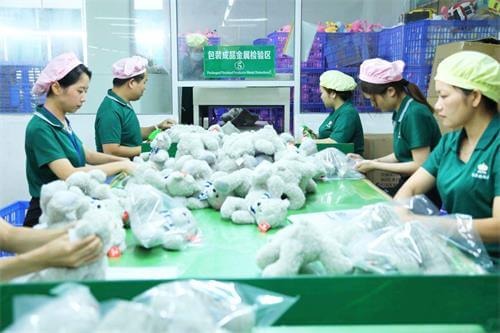
Final Steps to Deliver Your Plush Toys
Standard poly bags: Cost-effective protection for bulk shipments.
Custom printed boxes: Branding opportunity and enhanced customer experience.
Hanging tags and labels: Provide product info and comply with regulations.
Documentation: Accurate packing lists and certificates facilitate customs clearance.
Carrier selection: Air, sea, or express based on budget and urgency.
Tracking and updates: Transparent communication until delivery.
Kinwin assists you through every step to ensure your plush toys arrive safely and on time.
| Packaging Type | Description | Benefit |
| Poly bags | Simple protection | Cost savings |
| Custom boxes | Branded and protective | Enhanced brand image |
| Logistics | Carrier, documents, tracking | Reliable delivery |
Partner with Kinwin for plush toy manufacturing that combines quality, customization, and reliable delivery.
If you’re ready to bring your plush toy ideas to life with professional, trusted partners, contact me at [email protected] or visit Kinwin’s website today to start your project. Let’s create plush toys that delight your customers worldwide.