Skip to content
When someone asks me, “How long do plushies last?”, my factory answer is: most quality plush toys last many years under normal home use—often 5–10+—if materials, stitching, stuffing, and care are done right. Longevity is not luck; it’s engineering. In this guide (written as Amanda from Kinwin), I’ll explain the key factors that govern plush lifespan, how fabric and stitching choices change durability, the role of stuffing in shape retention, the care methods that truly work, how safety and usage patterns accelerate wear, and the durability tests manufacturers run to predict years of service. I’ll keep the English simple and include a table in every section so you can paste the essentials into RFQs and SOPs.
What factors influence the lifespan of plush toys?
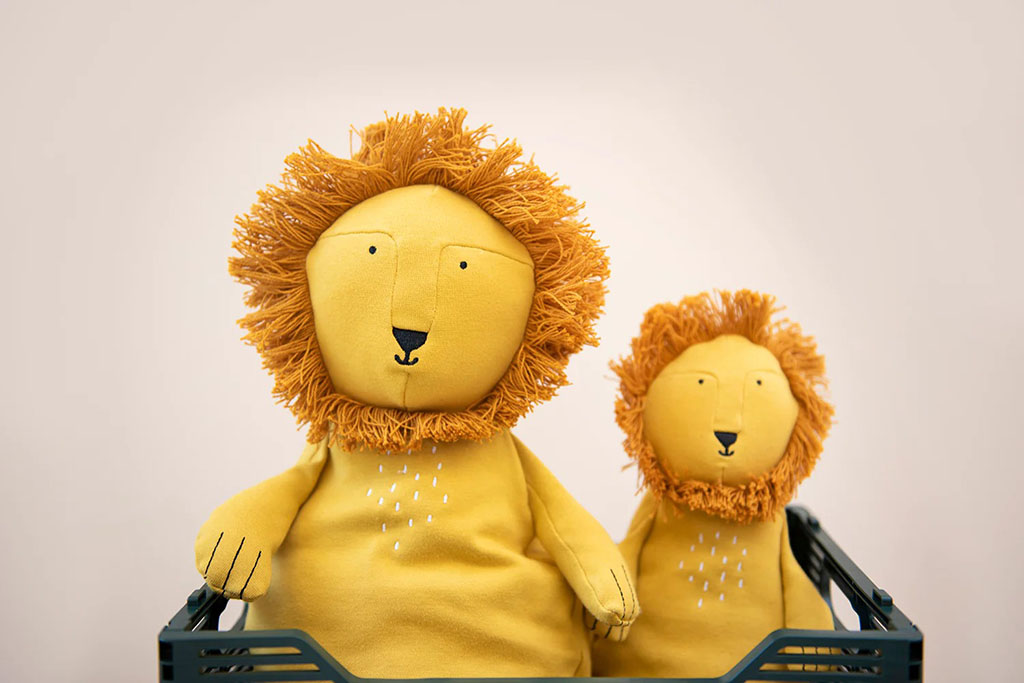
A plush toy’s lifetime is shaped by materials, construction, care, and usage intensity. Materials set the baseline: short plush/velboa with tight backing resists pilling and lint; minky provides premium softness but needs correct seam allowances; faux fur looks dramatic yet requires gentle care. Construction locks those materials into a stable body: seam strength, stitch density, pattern balance, and a realistic fill plan. Care keeps fibers healthy (low heat, gentle wash, air dry). Usage intensity adds the real-world twist: a bedtime companion washed monthly ages faster than a display plush that is rarely handled. Storage also matters—dry, out of direct sun, and away from pets drastically extends life.
Table 1 — Primary lifespan drivers (factory perspective)
| Driver | What It Controls | Signs of Good Practice | Risk if Poorly Managed |
|---|---|---|---|
| Fabric choice & finish | Pilling, lint, color, nap | Short plush for faces; tested minky for bodies; anti-pilling finish | Fuzzing, matting, color fade |
| Stitching & pattern | Seam strength, shape stability | 0.5–0.7 cm seam on curves; correct stitch length; stress-point reinforcement | Seam pops, twist, asymmetry |
| Stuffing recipe | Loft, rebound, posture | Layered PP cotton/microfiber; density map by zone | Lumps, collapse, permanent creases |
| Care/cleaning | Fiber health & hygiene | Bag wash 30 °C, air dry, light brushing | Shrinkage, hard nap, distortion |
| Usage frequency | Mechanical wear | Rotate toys; avoid rough tugs | Flat spots, loosened seams |
| Storage/UV | Color & odor | Dry, shaded, ventilated | Yellowing, odors, brittle trims |
How do fabric type and stitching quality affect durability?
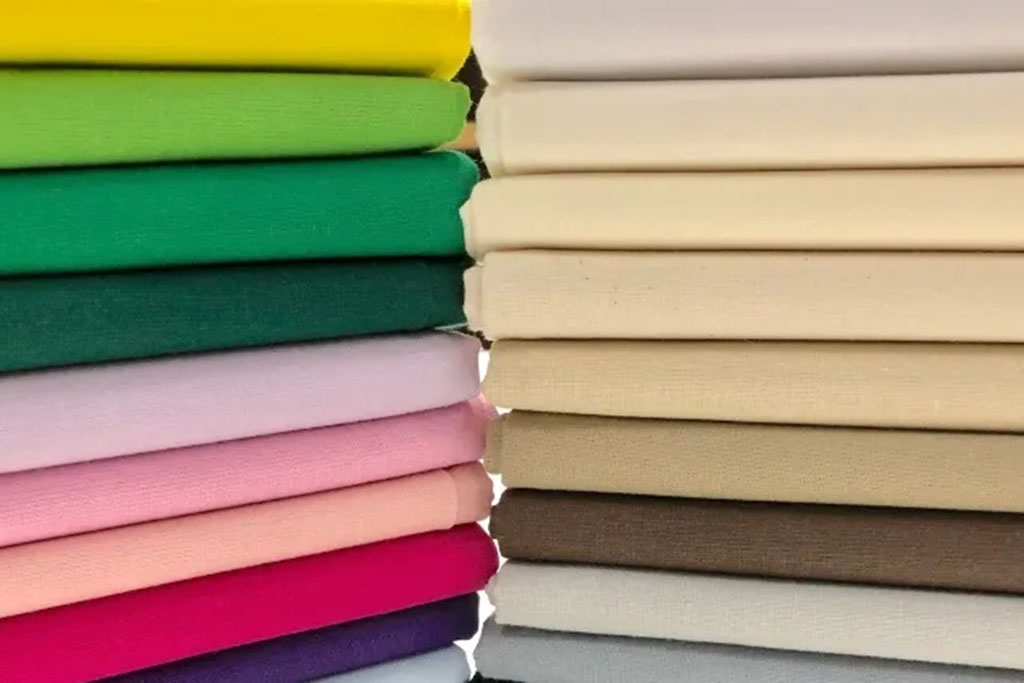
Fabric is the first line of defense. Velboa/short plush (1.5–2.5 mm) with a tight tricot backing delivers crisp faces, strong seams, and low lint—ideal for the “high-touch” zones. Minky (3–5 mm) offers a buttery hand; when properly finished, it resists pilling well, but it needs a slightly wider seam allowance and careful turning to avoid bulky edges. Microfleece is forgiving, stable, and matte; it’s popular in warmer climates or for lightweight bodies. Faux fur (6–25 mm) adds luxury and visual depth but prefers spot cleaning and grooming. On stitching, we standardize stitch length (≈2.5–3.0 mm), reinforce stress curves (neck/hips), and avoid sharp internal corners that concentrate tension.
Table 2 — Fabric & stitching choices that extend life
| Area | Better Choice (Durability) | Why It Lasts Longer | Implementation Note |
|---|---|---|---|
| Face fabric | Velboa/short plush, tight backing | Clean embroidery, low lint | Add thin batting under face |
| Body fabric | Minky 3–5 mm with anti-pilling finish | Soft + resilient nap | Seam allowance 0.5–0.7 cm on curves |
| Lightweight body | Microfleece (anti-pill grade) | Stable seams, easy care | Test darkest color first |
| Premium accents | Faux fur (quality pile binder) | Visual richness if groomed | Trim seam bulk; brush after sew |
| Stitching | Balanced stitch length & tension | Fewer pops under load | Reinforce stress points & openings |
| Patterning | Broad curves; avoid narrow wrists/necks | Easier turning, less stress | Add gentle darts, not tight corners |
How does stuffing material impact long-term shape retention?
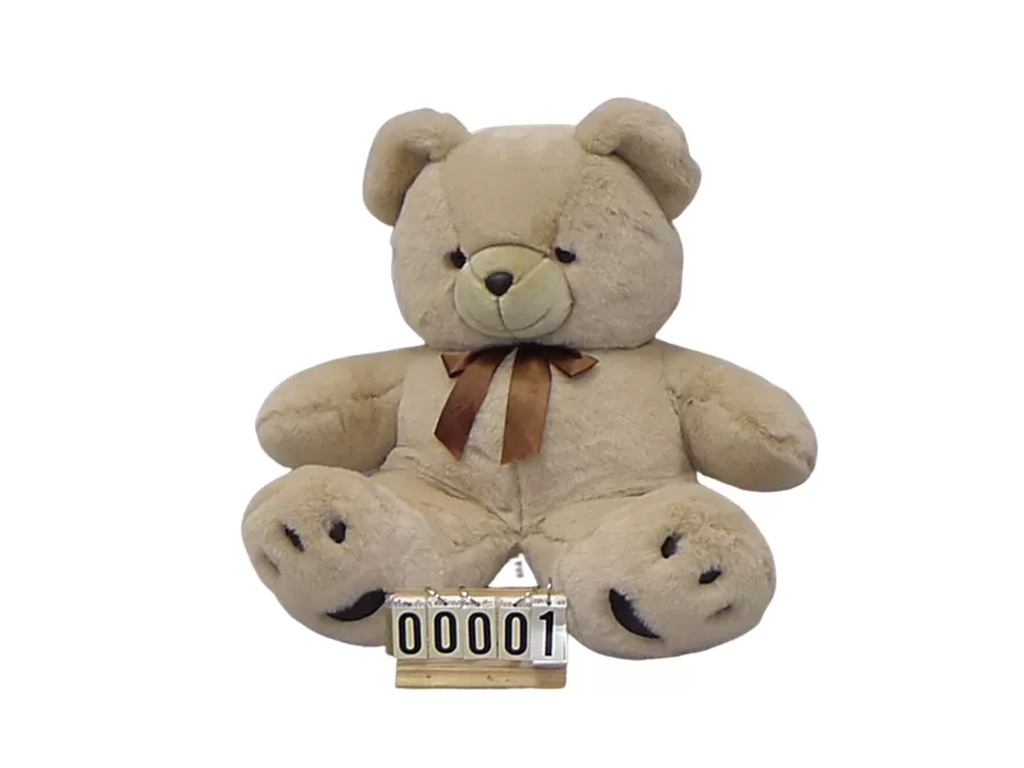
Stuffing is the skeleton of softness. PP cotton (poly fiberfill) is the standard: affordable, springy, easy to shape; quality grades recover well after compression. Microfiber fill (finer denier) gives a silkier, denser hand and often retains a smooth contour longer, especially in “hug zones.” For posture, some designs add a tiny pearl-cotton core or a sealed bead liner low in the belly—this lowers the center of mass for sit-stability without making the toy hard. Avoid over-stuffing the face; the trick is layered density: lighter at cheeks and head, medium in limbs, slightly heavier in the belly/base. Poor stuffing (large clumps, hard wads) shortens life by denting seams and creating permanent ridges.
Table 3 — Stuffing options and lifespan behavior
| Fill Type | Feel & Rebound | Long-Term Shape | Best Use | Watch-Outs |
|---|---|---|---|---|
| PP cotton (standard) | Springy, light | Good if layered well | Most plush bodies | Can lump if inserted in big wads |
| PP cotton (premium) | Smoother, better recovery | Very good | Higher-end lines | Cost ↑; spec by gsm/denier |
| Microfiber fill | Silky, uniform | Excellent face/body smoothness | Premium cuddle zones | Avoid over-packing (hard feel) |
| Pearl-cotton mini core | Subtle structure | Helps posture | Belly/base cores | Keep small; sew in pouch |
| Sealed bead liner | Weighted stability | Prevents slump | Adult/comfort plush | Requires seam reinforcement |
| Recycled rPET batting | Eco story; variable rebound | Good with right grade | Under-face smoothing | Verify recovery vs. spec |
What care and cleaning methods extend plush toy longevity?
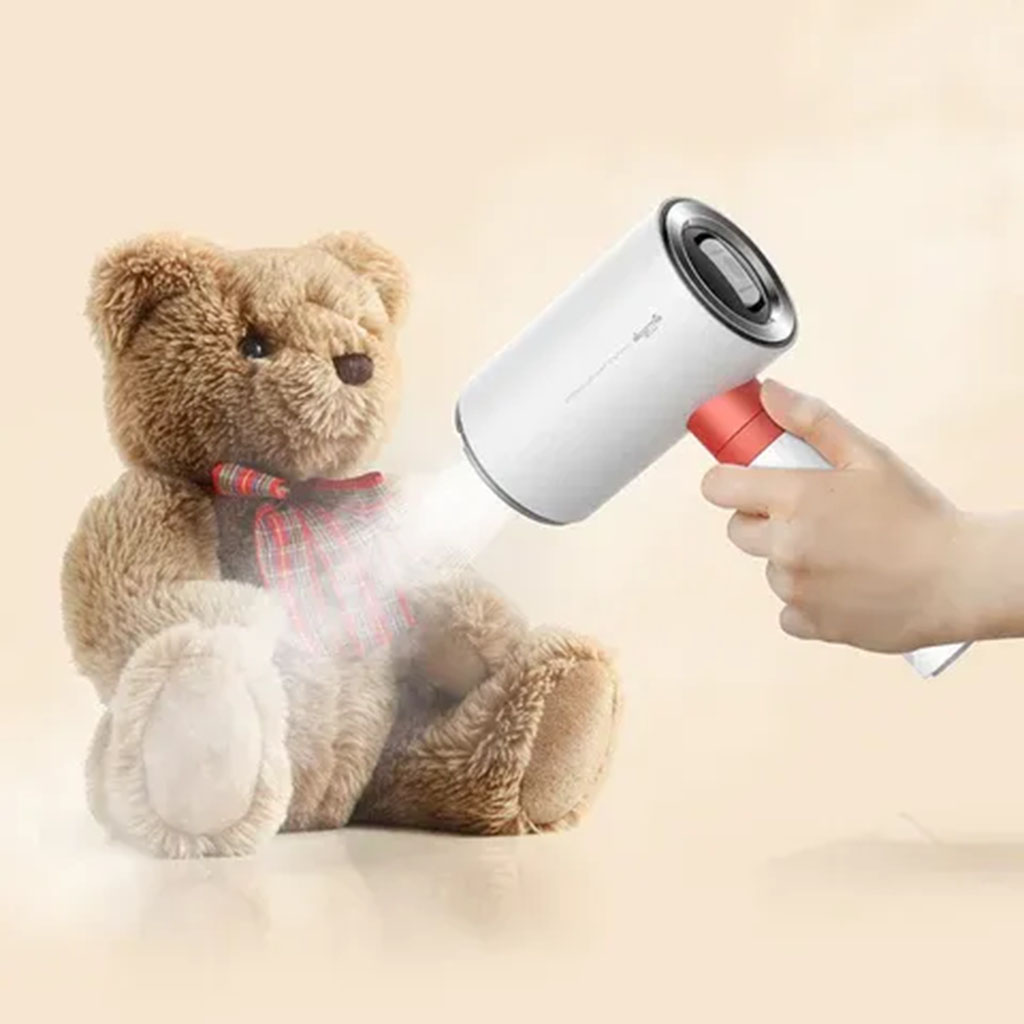
Good care multiplies lifespan. Most modern plush fabrics tolerate gentle bag-wash at 30 °C, mild detergent, and air dry. Skip tumble dryers, high heat, and bleach—heat collapses pile and stiffens fibers; bleach damages color and backing. After drying, brush with the nap or use a light hand steam to lift flattened pile. For quick refresh, air the toy in a shaded, ventilated place. Spot-clean makeup or food marks with a soft cloth and diluted detergent; blot, don’t rub. Store plush dry and out of direct sunlight to prevent yellowing and fading. If a toy has weighted or heatable elements, follow the specific label (e.g., surface clean only, microwave instructions).
Table 4 — Care methods that truly extend life
| Goal | Method | Why It Works | Notes |
|---|---|---|---|
| Routine clean | Bag-wash 30 °C, gentle spin | Low stress on fibers/backing | Close Velcro; wash darkest color solo first |
| Drying | Air dry flat; reshape while damp | Prevents heat damage & warp | Avoid radiators/tumble dryers |
| Nap recovery | Brush/comb with nap; light steam | Restores loft; hides press marks | Test steam on hidden spot |
| Spot cleaning | Mild detergent + soft cloth | Targets stains, saves wash cycles | Blot; avoid harsh scrubbing |
| Odor control | Shade-airing; low-VOC refresh | Ventilates moisture/odors | Avoid perfumes on baby toys |
| Storage | Dry, shaded, breathable bag | Blocks UV & humidity | Desiccant helpful in humid climates |
How do safety and usage frequency affect wear and tear?
Safety is about predictable performance under real use. Babies and toddlers chew, tug ears, and drag toys—this means seam reinforcement, embroidered features, and short pile faces to limit lint. Older kids compress plush during play, so we test seam pull, attachment strength, and washability before choosing a label icon. In adult décor or comfort use, the risk is UV fade, oil from hands, and repeated couch compression; neutral palettes and periodic brushing keep toys looking new. High-frequency use (daily cuddle + monthly wash) shortens lifespan versus display use (occasional dusting). Pets are a separate risk class—pet teeth will breach most seams; keep cherished plush out of reach.
Table 5 — Usage profiles and expected wear patterns
| User Profile | Typical Wear | Build Choices That Help | Care Advice |
|---|---|---|---|
| Infant/toddler | Chew, tug, drool | Embroidered face; short pile; strong seams | Bag-wash more often; air dry |
| School-age play | Squeeze, carry outdoors | Reinforced stress curves; robust fabrics | Spot clean promptly; rotate toys |
| Teen/desk décor | UV/light, hand oils | Matte face; minky body; neutral tones | Shade placement; periodic brushing |
| Adult comfort | Compression, frequent hugging | Balanced density; optional weighted belly | Airing + brush nap routinely |
| Display/collector | Dust, UV | Dust covers; faux fur for drama | Gentle grooming; avoid sun windows |
| Pets in home | Teeth/claw damage | Keep separate from pet toys | Store out of reach |
How do manufacturers test plush toys for durability and lifespan?
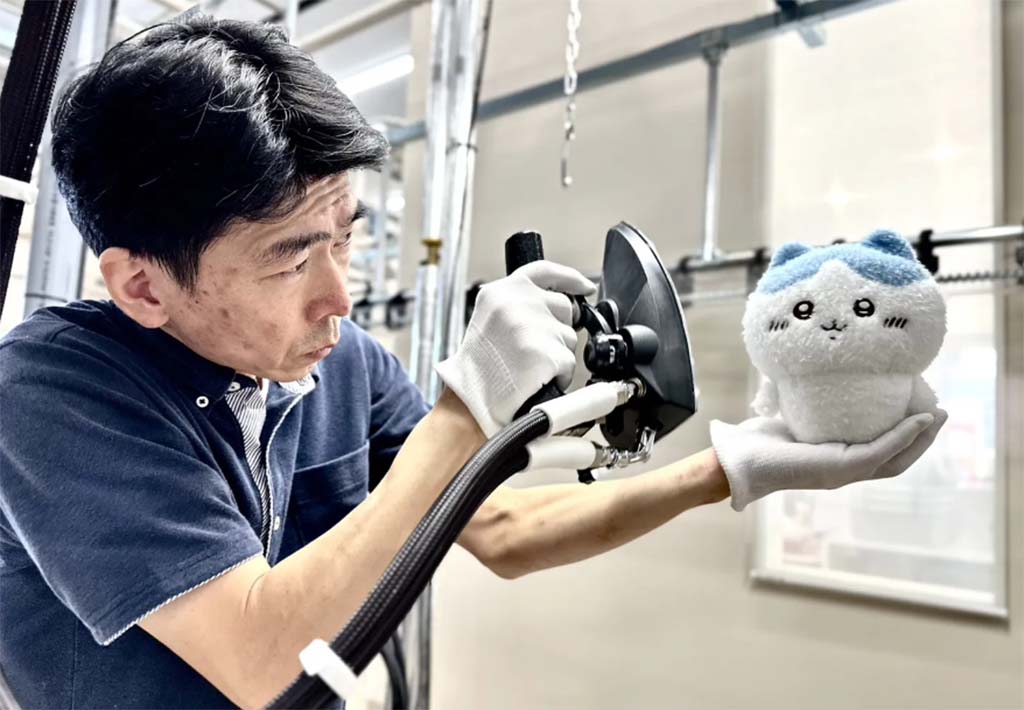
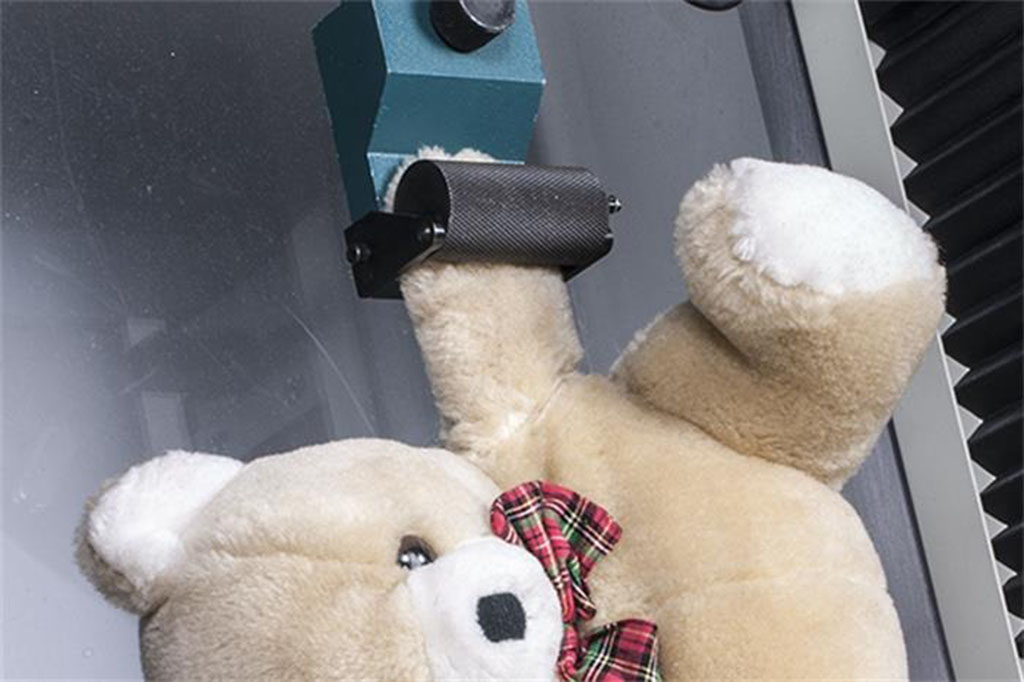
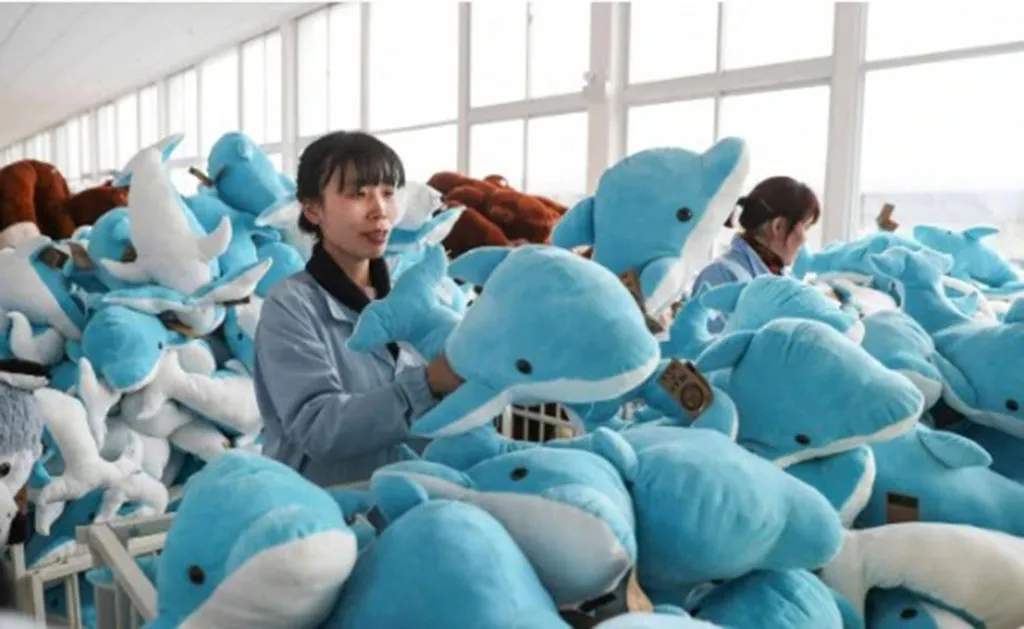
We do not guess. We simulate years of handling using mechanical, chemical, and care tests. Mechanical: seam pull, torque/tension on attachments, drop tests, and cyclic compression on torsos to check recovery. Surface: pilling/abrasion (e.g., Martindale), colorfastness to sweat/saliva, and light exposure checks on critical colors. Care: wash-bag cycles on the darkest colorway to verify the label claim. For posture and silhouette, we run sit/lean tests after compression cycles, and we keep a density map (grams per body zone) to repeat the exact hand-feel in every lot. All findings are documented with photos and linked to tracking labels for traceability.
Table 6 — Durability test plan (factory SOP snapshot)
| Test | What It Proves | Typical Criterion | What We Adjust If It Fails |
|---|---|---|---|
| Seam pull (tensile) | Stitch & seam integrity | Meets or exceeds target N | Stitch length/tension; seam allowance |
| Attachment torque/tension | Eye/nose/trim retention (if used) | Pass without detachment | Switch to embroidery or stronger fix |
| Drop test (1.0–1.2 m) | Impact robustness | No burst or seam pop | Reinforce stress zones; adjust fill |
| Cyclic compression | Recovery & lump resistance | Even recovery; no hard spots | Layer fill; change denier/grade |
| Pilling/abrasion | Surface wear | Grade ≥ target after cycles | Upgrade finish; change fabric |
| Wash-bag validation | Label truthfulness | No bleed, warp, or matting | Change care icon or fabric/finish |
Conclusion
Plush toys last when materials, construction, stuffing, and care pull in the same direction. With the right fabric map, reinforced seams, a layered fill plan, and honest care labels, a well-made plush will look and feel good for years—often long enough to become a keepsake.
If you want plush lines built for longevity, Kinwin can help—from fabric selection and density mapping to wash validation and lot traceability—so every shipment holds its softness and shape in real homes.
Contact: [email protected] | kinwintoys.com