 Skip to content
How to Identify a High-Level Plush Partner
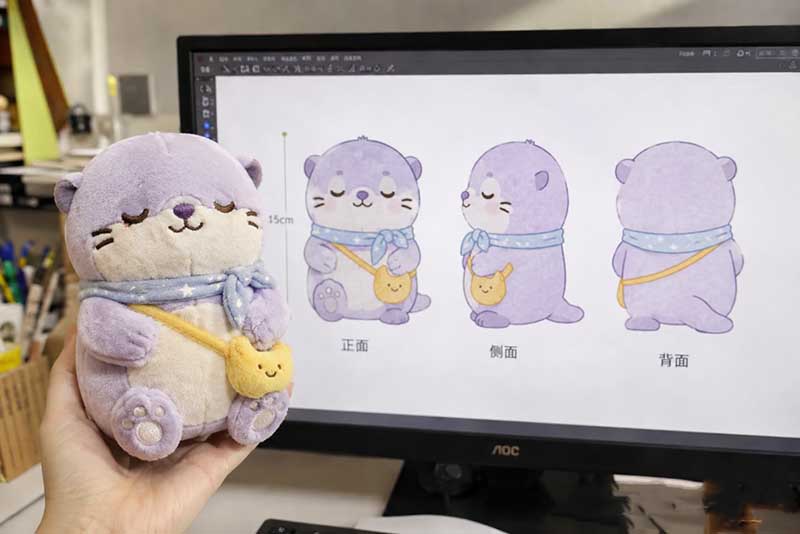
Learn how to identify a high-level plush partner by evaluating engineering ability, quality systems, communication, capacity, cost thinking, compliance, and long-term reliability.
How to Choose a Plush Partner, Not Just a Factory
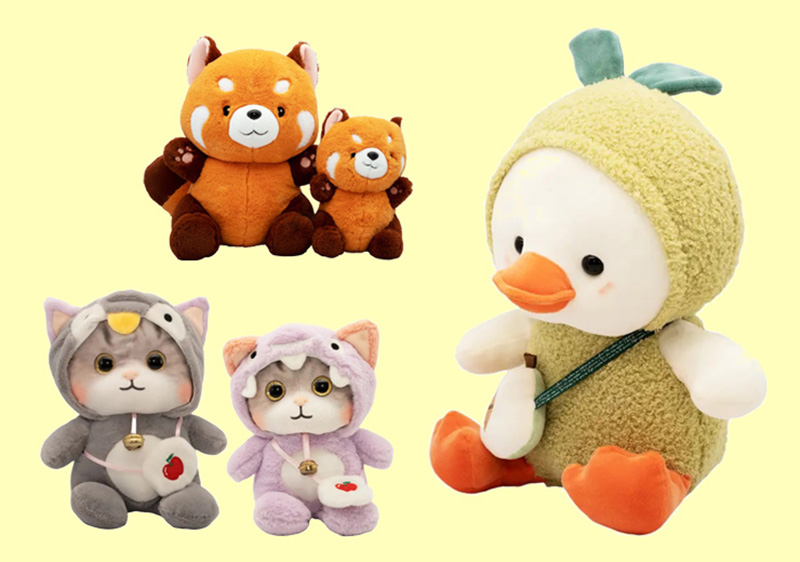
Learn how B2B buyers can choose a plush partner, not just a factory, by evaluating design support, sampling control, quality systems, communication, and long-term project value.
How to Use Samples as Quality Benchmarks
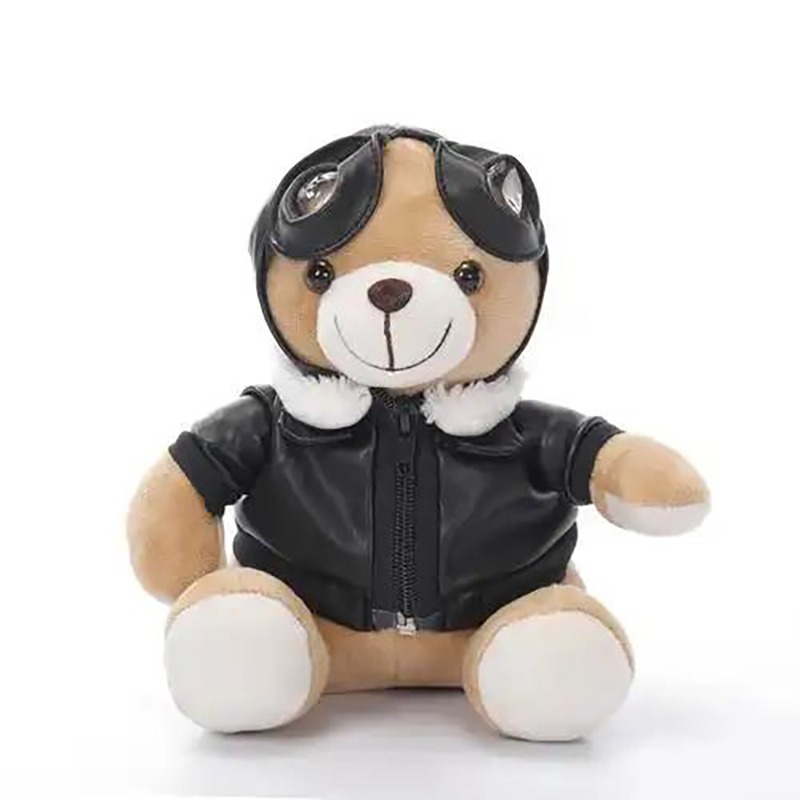
Learn how approved plush toy samples can become reliable quality benchmarks for bulk production, inspection, communication, defect control, packaging, and shipment approval.
Why Experience Matters in Complex Plush Projects
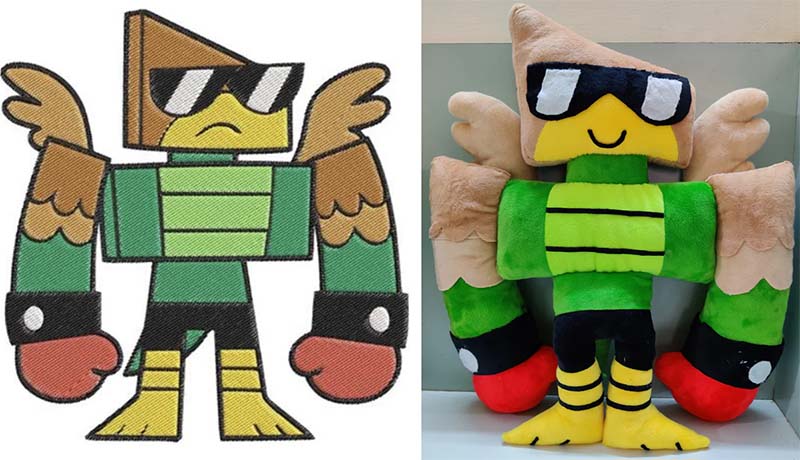
Learn why experienced plush toy factories are essential for complex custom plush projects involving design conversion, sampling, compliance, quality control, packaging, and delivery risk.
Why Transparency Matters in Plush Manufacturing
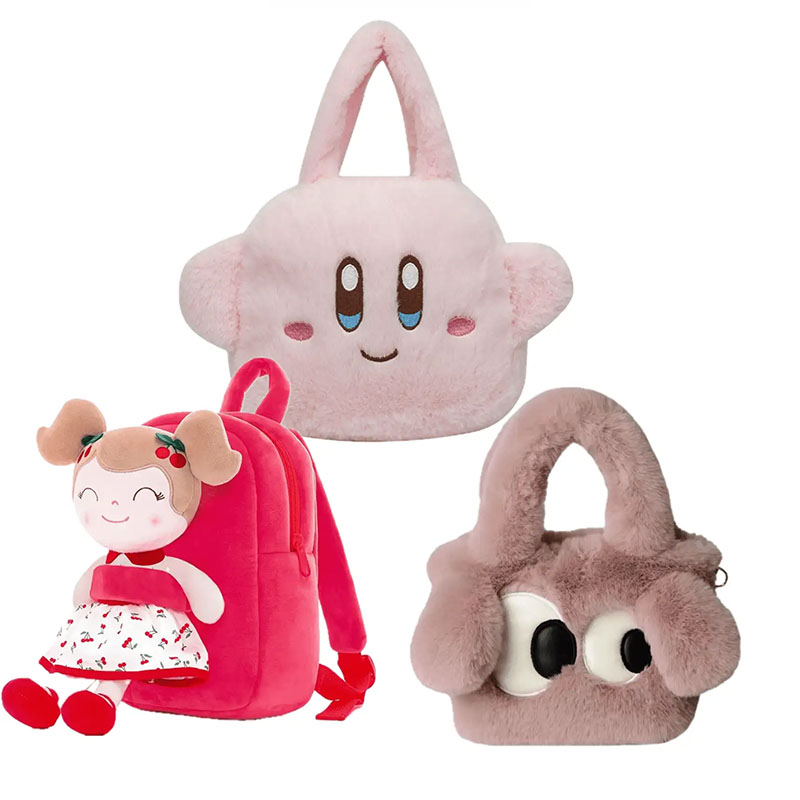
Learn why transparency matters in plush manufacturing and how clear communication, visible processes, sampling records, QC updates, and shipping data reduce buyer risk.
How Professional Factories Reduce Buyer Stress
Learn how professional plush toy factories reduce buyer stress through clear communication, sampling control, quality systems, timelines, compliance support, and reliable delivery.
How to Avoid Choosing the Wrong Plush Toy Factory
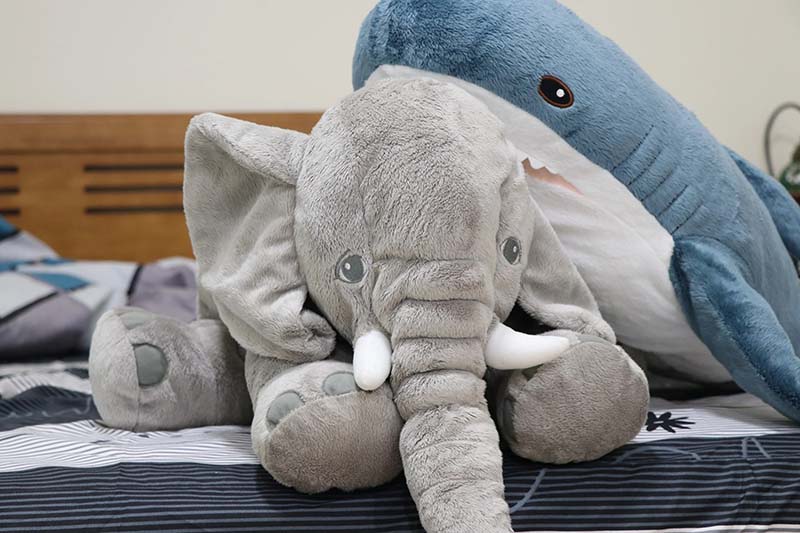
Choosing a plush toy factory is not just about getting a good price. It’s about protecting your brand, your timeline, and your investment. Many buyers only realize they chose the wrong factory after production delays, quality issues, failed compliance tests, or unexpected cost increases. The good news? Most bad decisions show warning signs early. This […]
Factory Visit Checklist for Plush Toy Buyers
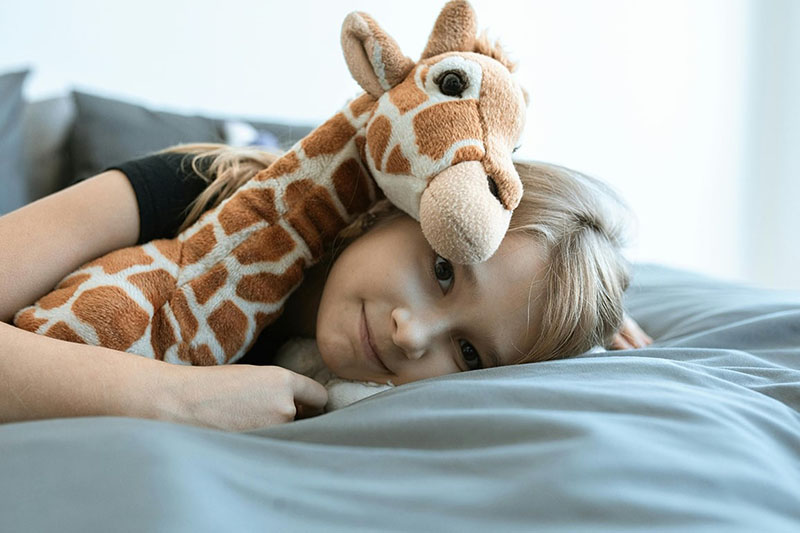
Visiting a plush toy factory is one of the most powerful ways to evaluate a supplier. Photos and video calls are helpful.But walking the production floor, seeing workers in action, and checking material storage in person gives you a completely different level of confidence. However, many buyers visit factories without knowing what to look for. […]
How to Choose a Plush Manufacturer for Japan
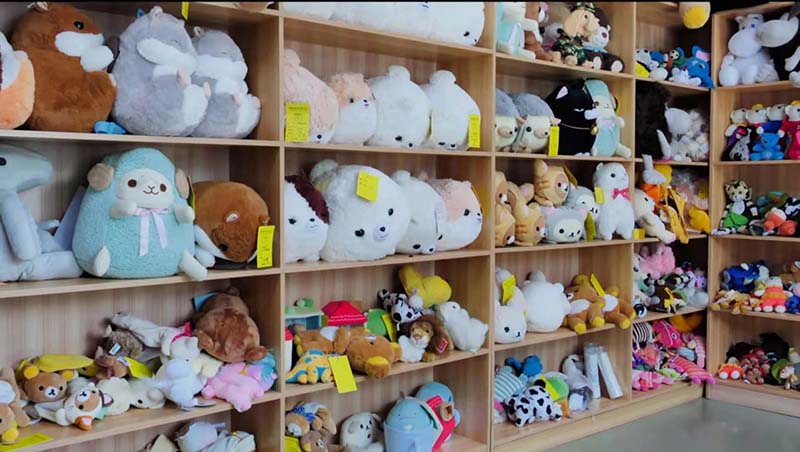
Japan is known for having one of the most detail-oriented and quality-sensitive consumer markets in the world. If you plan to sell plush toys in Japan—whether through retail stores, specialty character shops, or e-commerce platforms—you need a manufacturer that understands Japanese safety standards, chemical regulations, and quality expectations. Japanese buyers care deeply about safety, precision, […]
How to Choose a Plush Manufacturer for Middle East
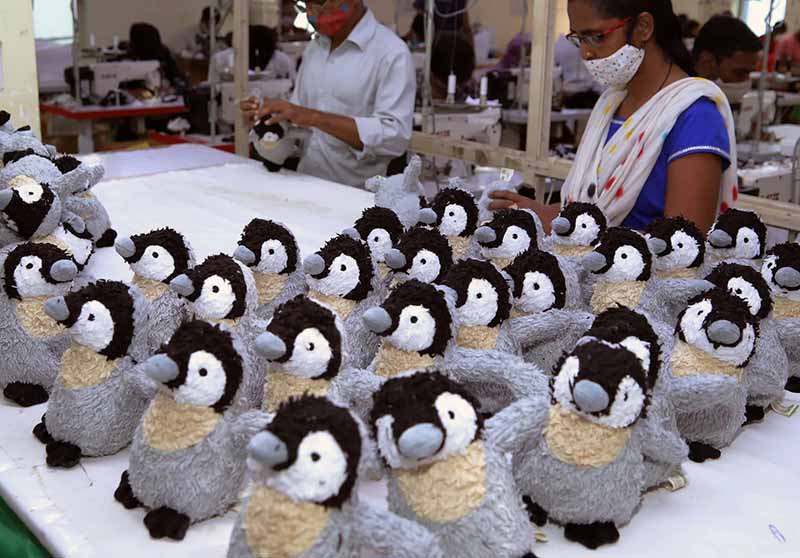
The Middle East is a fast-growing market for plush toys, gift products, promotional items, and character merchandise. However, exporting plush toys to Middle Eastern countries requires understanding regional safety regulations, climate challenges, and cultural preferences. Unlike the EU or U.S., regulations may vary by country—especially within GCC member states—so choosing the right manufacturer is essential […]
