
How to Evaluate Plush Toy Factories for EU Market
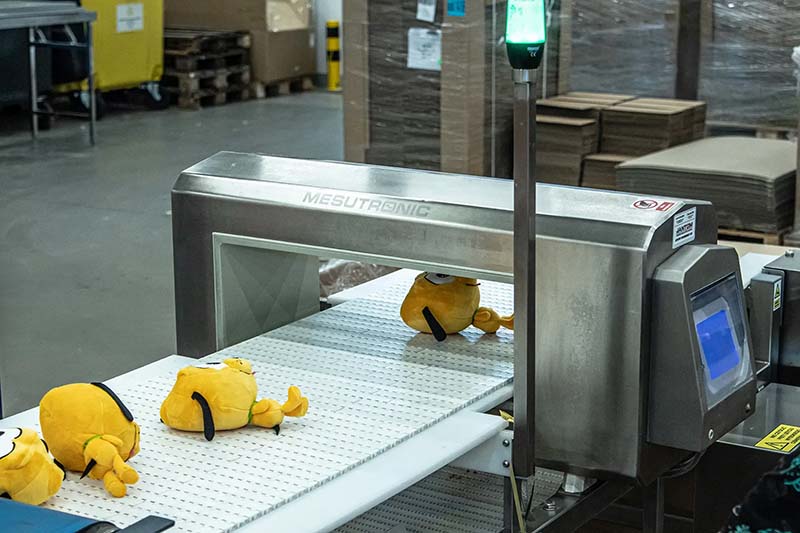
The European Union has some of the strictest toy safety regulations in the world. If your plush toys are entering the EU market, production quality alone is not enough. You must ensure full compliance with EU toy safety directives, chemical restrictions, and labeling requirements. Choosing the wrong manufacturer can result in failed testing, customs rejection, […]
How to Evaluate Plush Toy Factories for US Market
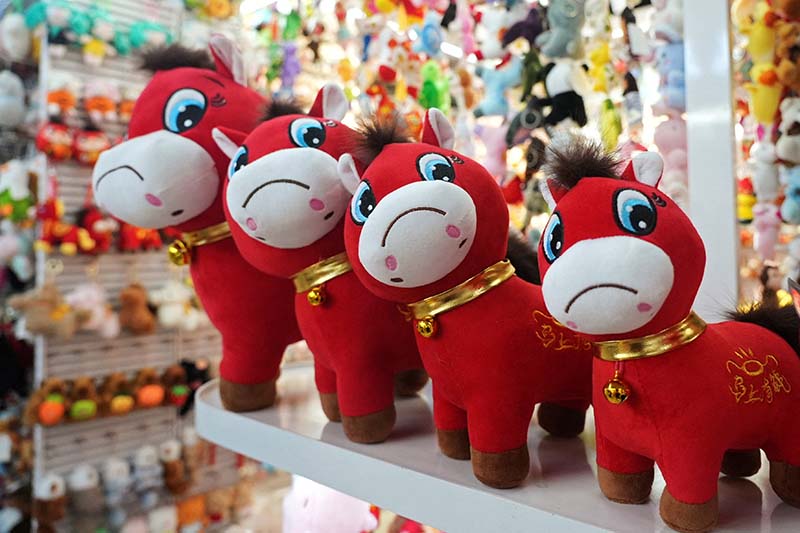
The United States has one of the most strictly enforced toy safety systems in the world. If your plush toys are entering the U.S. market, compliance is not optional—it is legally mandatory. Failing to meet U.S. requirements can result in shipment rejection, product recalls, fines, or long-term brand damage. Choosing a plush toy factory that […]
What Information a Reliable Plush Factory Will Share
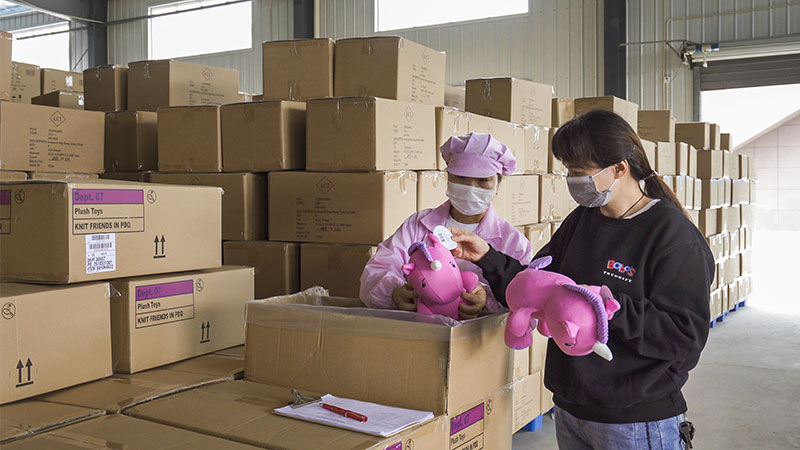
When sourcing custom plush toys, trust doesn’t start with production—it starts with information. Reliable plush factories understand that buyers need clarity before commitment. They don’t wait to be questioned repeatedly. Instead, they proactively share essential details that reduce uncertainty and build confidence. If you’re evaluating potential suppliers, here’s what a truly reliable plush factory should […]
How to Choose a Plush Manufacturer for Export Markets
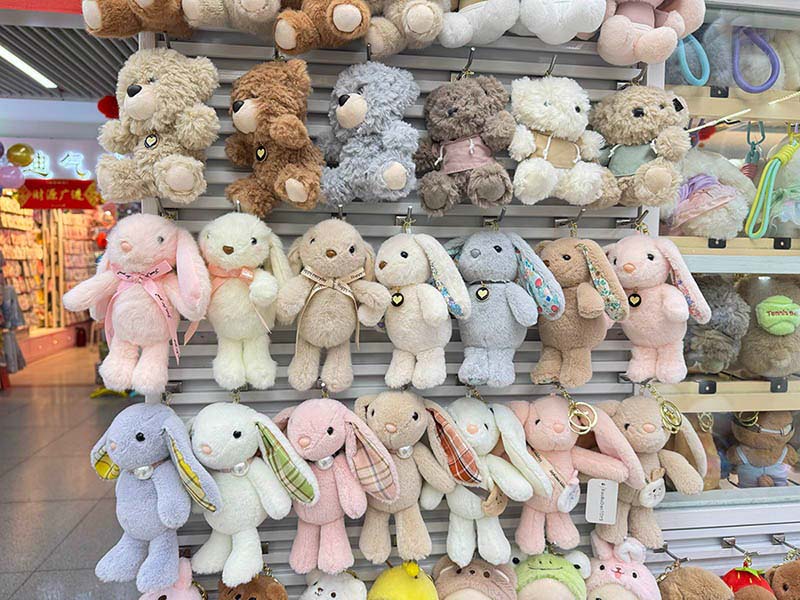
Producing a plush toy is one thing.Exporting it successfully is another. When your target market is overseas—whether the US, EU, UK, Japan, or other regions—manufacturing quality alone is not enough. You also need compliance awareness, documentation accuracy, and smooth export coordination. Choosing a plush manufacturer with real export experience can significantly reduce delays, customs issues, […]
How to Evaluate Factory Transparency
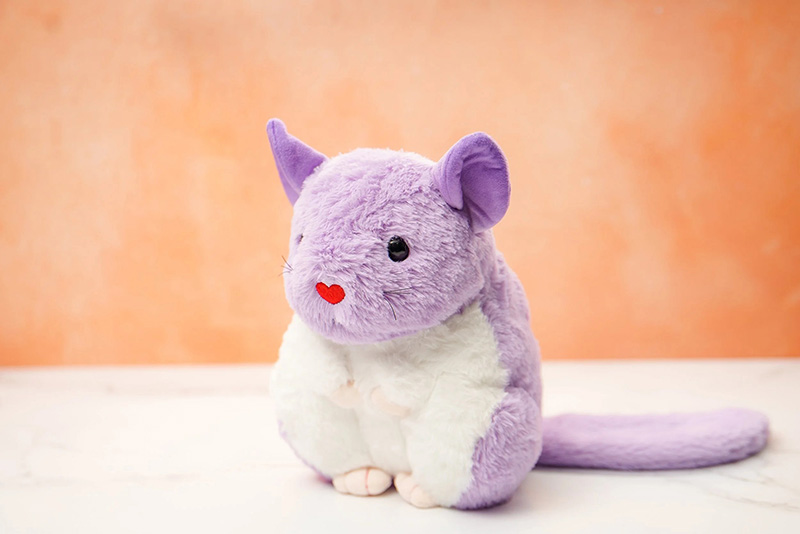
In plush toy manufacturing, transparency builds trust—and trust protects your project. Many suppliers present themselves professionally online. But real transparency goes beyond polished websites and confident emails. It shows in how openly they share information, explain processes, and disclose limitations. A transparent factory doesn’t just want your order. They want long-term cooperation built on clarity […]
How to Choose a Plush Supplier for High-Accuracy Projects
Not all plush projects require extreme precision. But when they do—there is no room for “almost right.” High-accuracy plush projects often involve licensed characters, detailed artwork, tight proportion control, or complex embroidery and printing. In these cases, small deviations in size, symmetry, or stitching can completely change how the product looks—and how customers perceive it. […]
How to Identify Overpromising Plush Suppliers
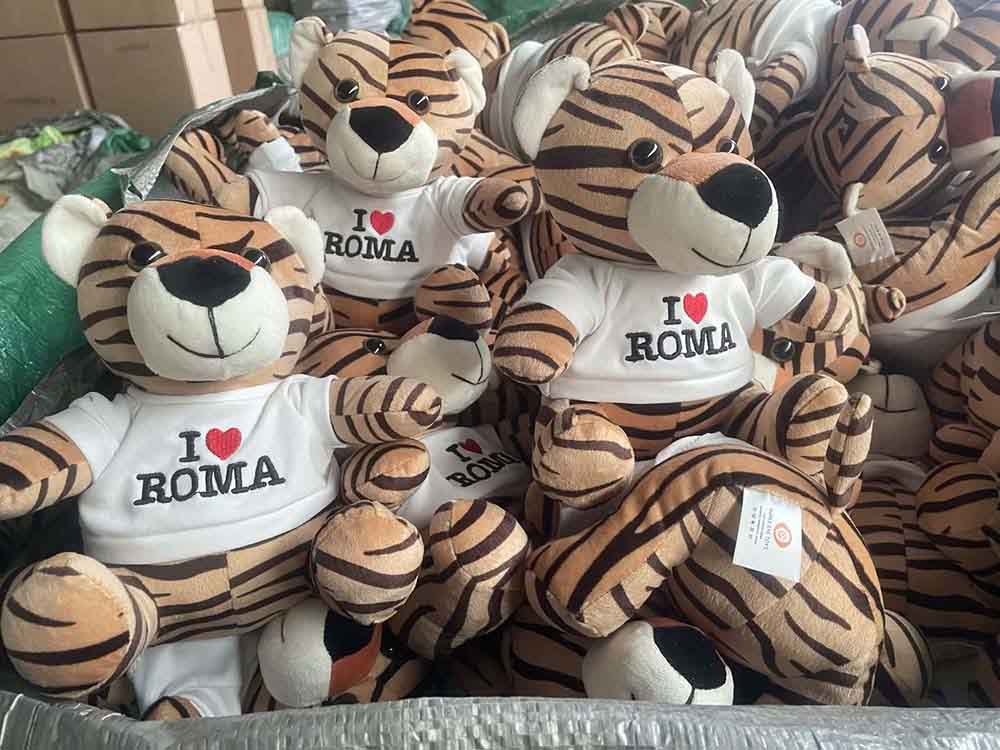
In plush manufacturing, the biggest red flag is not high pricing.It’s unrealistic promises. Overpromising suppliers often sound confident, flexible, and eager to please. They agree quickly, quote aggressively, and assure you “everything is possible.” At first glance, this feels reassuring. But in reality, excessive promises without technical evaluation usually lead to delays, cost increases, quality […]
How to Choose a Plush Manufacturer for IP Projects
IP plush projects are high-visibility, high-risk, and highly controlled.Unlike standard custom plush orders, IP projects must pass multiple approval layers, follow strict usage rules, and maintain near-perfect design accuracy—often under tight timelines. Choosing the wrong manufacturer can result in rejected samples, delayed approvals, licensing disputes, or even IP violations. This guide helps IP owners, licensees, […]
How to Evaluate a Plush Factory’s Risk Control Ability
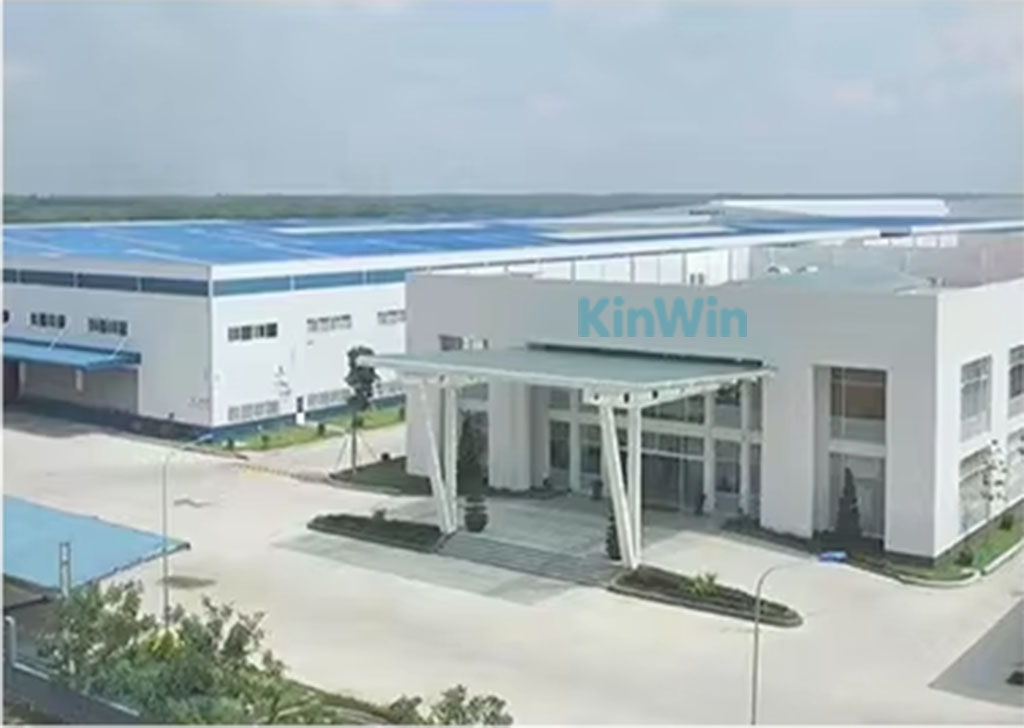
In plush toy manufacturing, most problems don’t come from what buyers can see—they come from what wasn’t identified early enough. Delays, rejected samples, failed tests, cost overruns, or quality issues are rarely “accidents.” They are usually the result of poor risk identification and weak control systems. A factory’s real strength lies in how well it […]
How to Shortlist Plush Toy Suppliers Effectively
Choosing between a small or large plush toy factory is one of the most common—and most misunderstood—decisions in custom plush sourcing. Many buyers assume that large factories are safer, while small factories are more flexible. In reality, both assumptions can be true or false, depending on how the factory operates and what your project actually […]