Our Blogs

The latest trends, inspiration and advice for building your brand and growing your business.

A row of plush stuffed animals including sloth, pig, goose, dog, bear, and fox sitting side by side

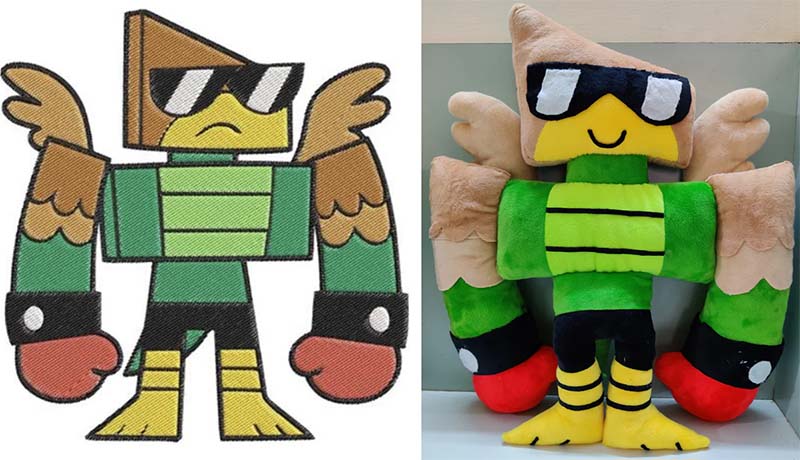
How to Convert Illustrations into Plush Toys

Converting a 2D illustration into a 3D plush toy is a critical step in the development process, but it’s also one of the most challenging. While the concept may look perfect on paper, translating it into a soft, squeezable form requires careful planning, skilled craftsmanship, and technical precision. Before diving

Read More »
Two children sitting on a bed surrounded by colorful plush toys, showing how stuffed animals provide comfort, fun, and companionship during playtime.

How to Improve 2D to 3D Plush Conversion

Converting a 2D design into a 3D plush toy is one of the most crucial challenges in plush toy manufacturing. The process involves taking flat illustrations and turning them into soft, three-dimensional objects that hold their shape, feel comfortable, and look appealing. The issue arises when 2D designs don’t directly

Read More »
Rows of teddy bears move along a large production line while workers carefully assemble and inspect each toy in a busy plush toy factory. The image highlights mass production efficiency, quality control, and the organized manufacturing process behind stuffed toy production.

What Causes Low Plush Toy Replication Accuracy

One of the most common frustrations in custom plush toy development is this:“Why doesn’t the final sample look exactly like my design?” You may have a great concept, a clean illustration, and clear expectations—but when the sample arrives, something feels off. The shape is slightly different, the face looks less

Read More »
A happy child lies on a soft carpet with arms stretched wide, surrounded by several plush toys in different shapes and styles. The image conveys warmth, comfort, and the emotional appeal of plush toys as cozy companions for children.

How to Ensure Plush Sample Equals Mass Production

One of the biggest concerns for plush toy buyers is simple but critical:“Will the bulk production look exactly like the approved sample?” You may spend weeks perfecting a sample—adjusting shape, refining embroidery, selecting the right fabric—only to worry that the final production might not match it. This concern is valid.

Read More »
Two children sitting on a bed surrounded by colorful plush toys, showing how stuffed animals provide comfort, fun, and companionship during playtime.

How to Prevent Sample-to-Production Gaps

One of the biggest concerns for plush toy buyers is this:“Why does the bulk production not match the approved sample?” You may approve a perfect sample—great shape, soft fabric, clean embroidery—only to find that the mass-produced products feel slightly different. Maybe the shape is less defined, the fabric looks off,

Read More »
A vibrant collection of plush bears is arranged in neat vertical rows by color, including orange, mint green, purple, yellow, and blue. The image showcases the visual appeal of colorful stuffed toys and highlights variety in plush toy design and presentation.

How to Lock Plush Toy Specifications After Sampling

Once your plush toy sample is approved, the next step is just as important as the development itself: locking all specifications before mass production begins. At this stage, the sample transitions from a prototype into a production standard. Any unclear or undefined detail can lead to inconsistencies, delays, or quality

Read More »

Ask For A Quick Quote

We will contact you within 24 Hours, please pay attention to the email with the suffix“@kinwinco.com”

For all inquiries, please feel free to reach out at:
email:[email protected]  phone numbe:  0086 13631795102

Ask For A Quick Quote

We will contact you within 24 Hours, please pay attention to the email with the suffix“@kinwinco.com”

For all inquiries, please feel free to reach out at:

(+86)13631795102