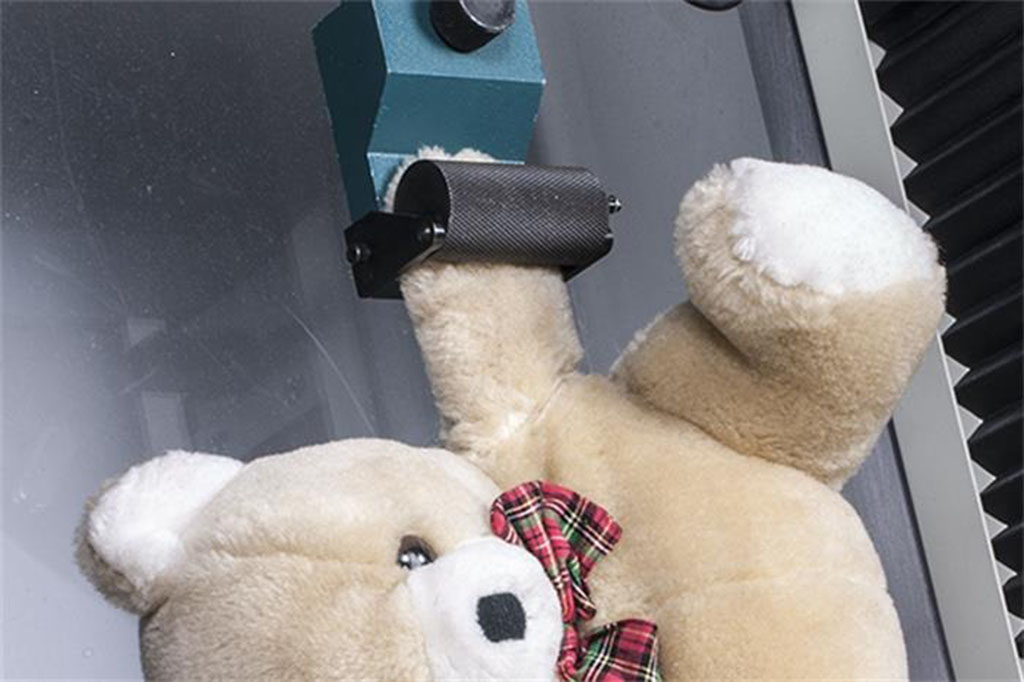
Stuffed animals look simple, but they do far more than “just” sit on a shelf. They carry feelings, memories, and brand stories. For children, they can be best friends and silent listeners. For adults, they can be comfort, nostalgia, and a lifestyle symbol. For businesses, they are powerful tools for branding, gifting, and long-term customer loyalty.
As a Chinese plush toy manufacturer, I always remind buyers: when you understand the function of stuffed animals, you design better products and you choose better suppliers. In this guide, I will walk through the emotional, educational, commercial, and cultural roles of plush toys, using simple language and practical examples from a B2B perspective.
What emotional needs do stuffed animals fulfill for children and adults?
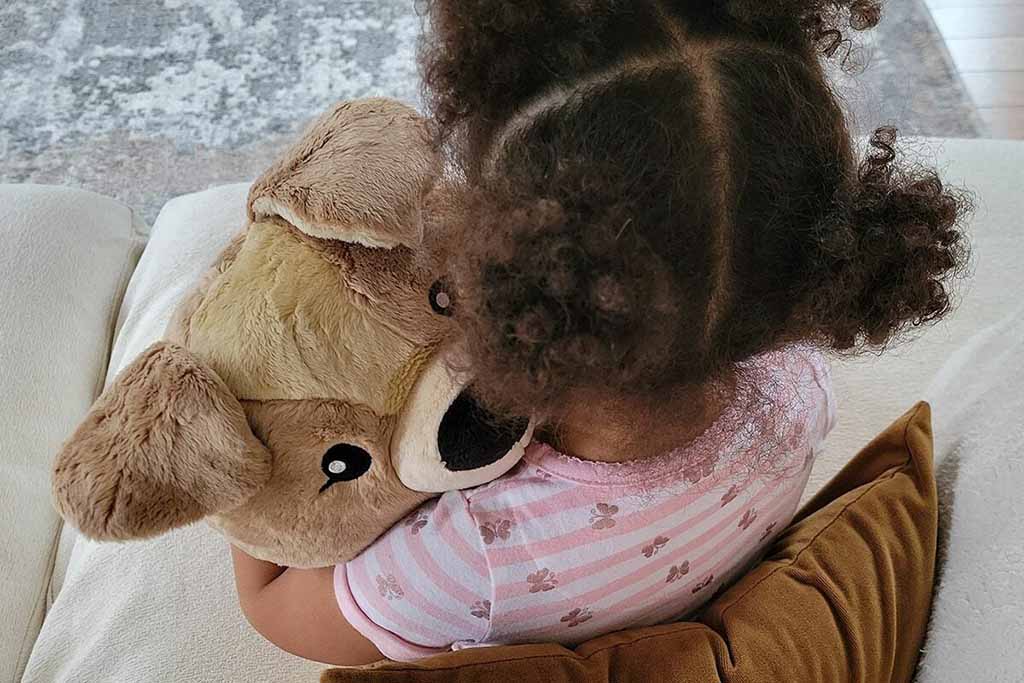
Stuffed animals are emotional tools as much as they are toys. For children, they often become a “transitional object” between parent and outside world. A child may hug a bear when starting kindergarten, sleeping alone, or visiting the doctor. The plush carries the familiar smell and feeling of home, which reduces stress and fear.
Stuffed animals also help children express feelings they cannot put into words. They may “talk” through the toy, act out worries, or repeat safe stories. When a child tells you, “Bear is scared,” it is often their own emotion coming out in a safer way.
For adults, stuffed animals can be anchors in busy or stressful lives. Many young adults keep a plush on their bed or desk as a symbol of comfort, self-care, or an inner child they want to protect. Plush toys also carry memories of travel, relationships, and milestones: a claw machine win, a theme park visit, a graduation gift, a first Valentine’s plush.
From a brand point of view, this emotional layer is extremely valuable. A plush that becomes someone’s “comfort object” will stay in their life for years, not days.
| Emotional Need / Function | Typical User | Example Scenario | Design & Business Insight |
|---|---|---|---|
| Comfort & security | Babies, young kids | Sleeping with the same plush every night | Soft fabrics, simple faces, safe for 0–3 years |
| Transitional support | Kids & teens | First day of school, hospital stays, travel | Portable sizes, washable, strongly attached features |
| Emotional expression | Kids & teens | “My bunny is sad today” | Neutral, gentle expressions; easy to role-play |
| Nostalgia & memory keeping | Young adults & adults | Keeping childhood plush or a gift from a trip | Higher quality, timeless designs; durable materials |
| Stress relief & self-care | Students, office workers | Hugging a plush after work or during study breaks | Ergonomic shapes, soft stuffing, cozy textures |
| Symbol of relationship | Couples, friends | Valentine’s Day, anniversaries, long-distance gifts | Custom messages, themed outfits, higher perceived value |
If you design or source plush toys with these emotional functions in mind, your products will feel more “necessary” to end users, not just “nice to have”.
How do stuffed animals support child development and learning activities?
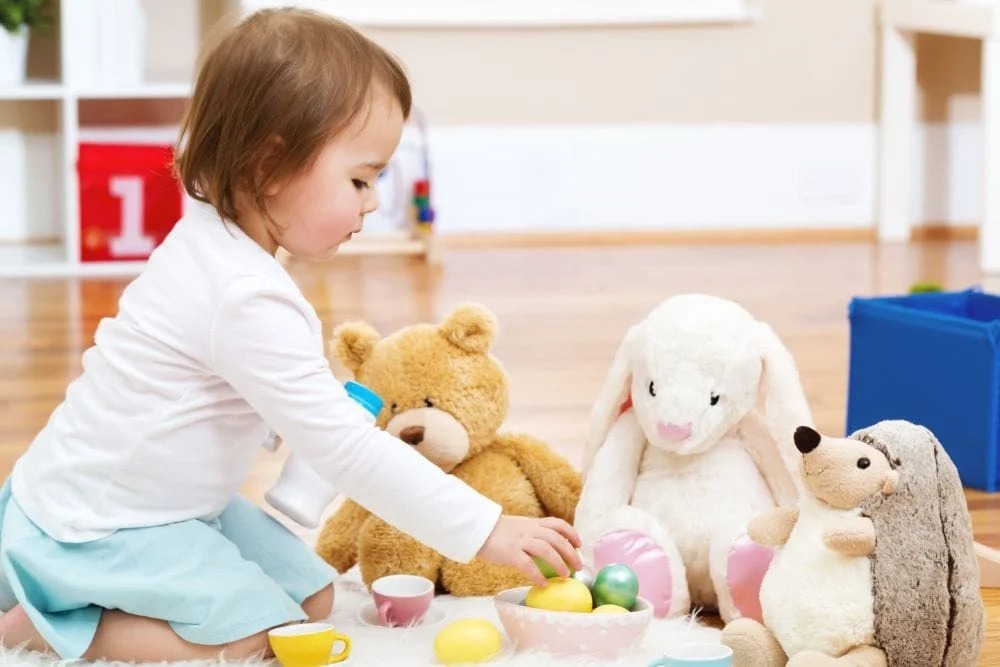
Stuffed animals are quiet learning partners. When we design plush toys for children, we are not only thinking about cuteness. We are also thinking about how the toy will support social, emotional, language, and cognitive development through daily play.
In pretend play, a stuffed animal can be a baby, a teacher, a doctor, or a superhero. This role-playing helps children practice empathy, turn-taking, and problem-solving in a safe way. When a child feeds a plush or puts it to bed, they are learning about care, routines, and responsibility.
Plush toys also support language development. Children talk to the toy and for the toy. Parents and teachers can use plush animals as “helpers” during storytelling, reading, or classroom discussions. A shy child may answer questions more easily if the bear asks instead of the adult.
From a cognitive point of view, stuffed animals can be used in counting, color recognition, shape sorting, and early science (animals, habitats, weather). Simple accessories like clothes, bags, or food items can support fine motor skills and sequencing (“First we dress, then we go out”).
For manufacturers and buyers, this means there is big potential for “playful learning” plush ranges that feel like toys but quietly support development.
| Development Area | How Stuffed Animals Help | Example Activity | Design Suggestions |
|---|---|---|---|
| Social & emotional | Practice caregiving, sharing, conflict solving | Child “comforts” plush after an imagined bad dream | Soft expressions, easy to cuddle, durable stitching |
| Language & communication | Encourage talking and storytelling | Parent uses plush to ask questions during bedtime story | Clear mouth/face features; easy to hold up while speaking |
| Cognitive skills | Support counting, colors, problem solving | Counting plush toys, sorting by size or color | Use varied colors/sizes; optional numbers or symbols |
| Fine motor skills | Improve hand control and coordination | Dressing plush, using zippers, Velcro, buttons | Simple, safe fastenings; clear parts to manipulate |
| Creativity & imagination | Encourage open-ended pretend play | Plush becomes doctor, chef, teacher in child’s stories | Neutral vs themed outfits; sets with matching accessories |
| Routines & independence | Help practice daily tasks | “Brush teeth” or “pack bag” with plush before school | Themed sets (bath time plush, school time plush, etc.) |
When you plan a child-focused plush line, think about which developmental area you want to support. Then design shapes, accessories, and packaging that guide parents and educators to use the toy in that way.
What roles do plush toys play in branding, licensing, and fan culture?
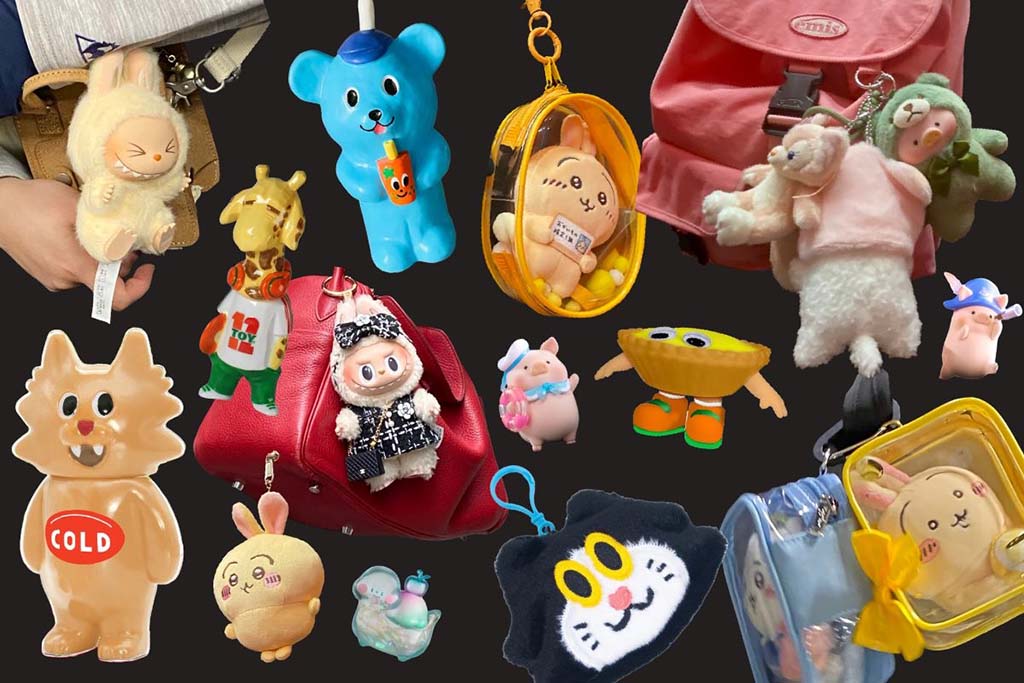
In the branding and licensing world, stuffed animals are walking (and hugging) billboards. They turn 2D logos, sports mascots, game characters, and anime figures into something fans can physically hold and keep.
For brands, a plush mascot does three important jobs:
- Recognition – The character becomes a visual symbol of the brand.
- Emotional bond – Fans feel closer to a brand when they can hug its mascot.
- Longevity – A plush toy stays in a room for years, reminding the owner of the brand daily.
Licensing has turned many characters into global plush bestsellers: game avatars, movie heroes, K-pop characters, VTubers, and more. In fan culture, collectors buy multiple plush versions of the same IP: different outfits, limited editions, seasonal designs, and country-exclusive versions.
Plush toys also work as “content stars”. Fans hold them in photos, bring them to concerts or games, and post them in travel shots. A well-designed plush effectively becomes part of the fan’s identity and personal story.
For B2B buyers, this means plush is not just a product. It is a brand asset that can support campaigns, collaborations, and long-term community building.
| Role in Brand / Fan World | Main Stakeholder | Typical Use Case | Key Design & Production Focus |
|---|---|---|---|
| Brand mascot plush | Corporate brands, events | Giveaways, retail items, lobby or booth displays | Accurate logo/colors, strong personality, durability |
| Licensed character plush | IP owners, studios, labels | Movie, game, anime, sports, K-pop merchandise | Strict style guides, high QC, global safety standards |
| Fan collectible plush | Fandom communities | Limited drops, seasonal outfits, special collabs | Limited runs, premium fabrics, numbered tags |
| Social media “prop” | Influencers, fans | Photo props, outfit matching, travel companions | Photogenic size/colors, good balance and posing |
| Event / stadium plush | Sports clubs, festivals | Match day mascots, concert souvenirs | High energy looks, easy to wave or hold in crowds |
If you are sourcing plush for a brand or IP, choosing a manufacturer that understands style guides, approvals, and licensing timelines is just as important as choosing one that can sew neatly.
How are stuffed animals used in therapy, healthcare, and special education?
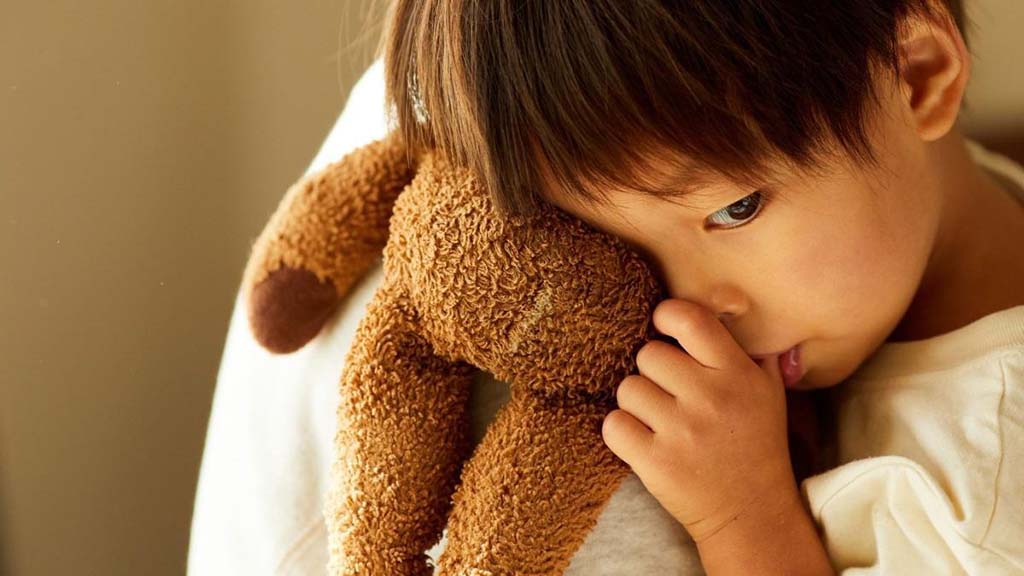
Stuffed animals also work quietly in hospitals, clinics, and special education classrooms. In these settings, they are tools for comfort, communication, and sometimes physical support.
In child psychology and play therapy, therapists often use plush toys to help children process trauma, anxiety, or big transitions like divorce or loss. The child may project feelings onto the toy, which makes talking about hard topics less scary.
In hospitals, soft toys help patients feel less alone. A small, washable plush can reduce fear during injections, blood tests, or long stays. When the plush “gets treatment” first, children may accept medical procedures more easily.
In special education, weighted or sensory plush toys can support children with autism, ADHD, or sensory processing challenges. The weight or different textures give grounding input and can help focus or calm. For some adults with dementia, familiar plush animals can provide comfort and spark memories.
Because these applications involve vulnerable users, safety and hygiene are critical. Fabrics must be tested, seams must be strong, and the toy must be easy to clean or replace.
| Setting / User Group | Function of the Plush | Typical Features Required | Extra Considerations |
|---|---|---|---|
| Child therapy & counseling | Emotional expression, storytelling | Friendly faces, neutral expressions, soft feel | No removable parts; culturally sensitive designs |
| Pediatric hospitals | Comfort, distraction, routine support | Washable fabrics, small/medium size | Hospital logo optional; easy to disinfect |
| Special education (autism, ADHD) | Sensory regulation, focus aid | Weighted bodies, varied textures, simple shapes | Must follow safety rules for weights and fillings |
| Rehabilitation & physiotherapy | Motivation, grip and movement practice | Handles, limbs to move, light resistance | Tailored to age and therapy goals |
| Elderly care & dementia | Comfort, memory support | Familiar animals, gentle expressions, soft feel | Avoid childish styling if targeting adults |
If you plan a therapy or healthcare plush range, it is important to work closely with professionals in those fields and to choose a manufacturer comfortable with extra testing and documentation.
What marketing and gifting functions do plush toys serve for businesses?
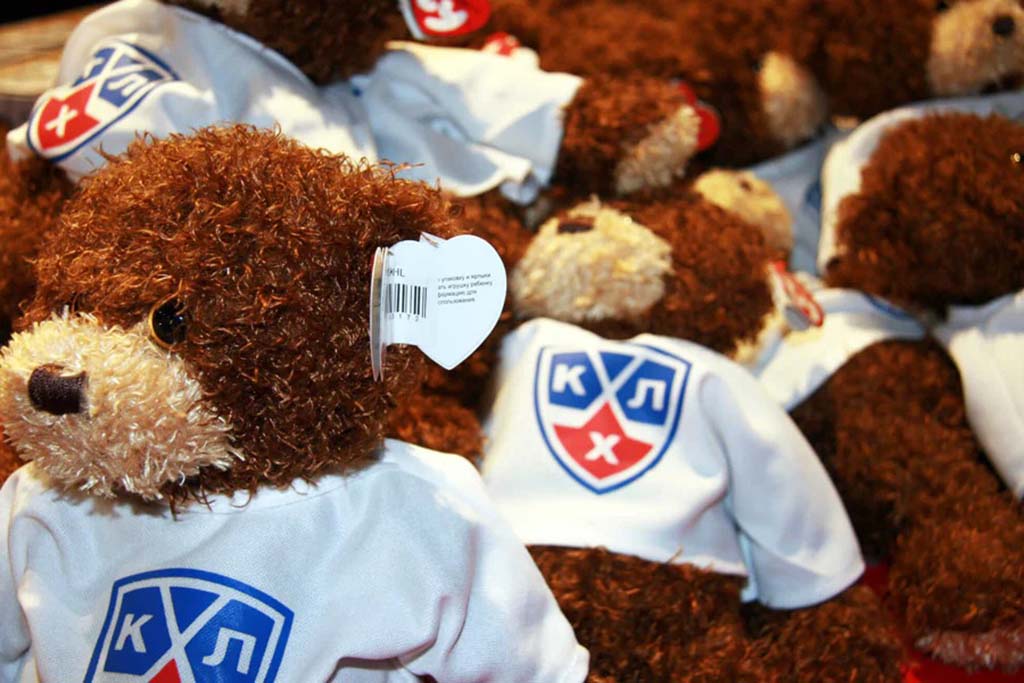
For companies, stuffed animals are powerful marketing and gifting tools. They are more memorable than a pen or keychain, and they often stay with the recipient for a long time.
In marketing, plush toys can be:
- Promotional gifts – With logo and brand colors, given at fairs, store openings, and campaigns.
- Loyalty rewards – Collectible series redeemed with points or purchase milestones.
- On-pack premiums – Small plush attached to food, drink, or household products.
In corporate gifting, plush can represent brand personality. A friendly mascot plush can be part of welcome kits, employee appreciation gifts, or seasonal packages. For hotels, airlines, and theme parks, plush toys also create a strong link between the physical experience and the customer’s memory.
Because plush toys feel warm and personal, they can soften a very “technical” or “serious” brand image in a positive way.
| Business Scenario | Plush Toy Function | Target Audience | Design & Production Priorities |
|---|---|---|---|
| Trade show & events | Attention-grabber and take-home reminder | Visitors, buyers, partners | Simple, strong branding, easy to carry |
| Retail promotion | Gift-with-purchase or collectible series | Families, kids, collectors | Clear series concept, stable supply, attractive POS |
| Corporate gifting | Emotional touch in welcome or thank-you packs | Employees, VIP clients | Higher quality, subtle branding, gift-ready packing |
| Hospitality & travel | Souvenir from a stay or journey | Guests, passengers | Local themes, destination animals or icons |
| Online campaigns | Prize for contests, influencer collaborations | Social media followers, fans | Photogenic design, good shipping size & weight |
When we work with business clients, we always ask first: What role should this plush play in your campaign? Once that is clear, we tailor fabric, size, and cost to fit the specific marketing function.
How do cultural and regional factors shape the perceived function of plush toys?
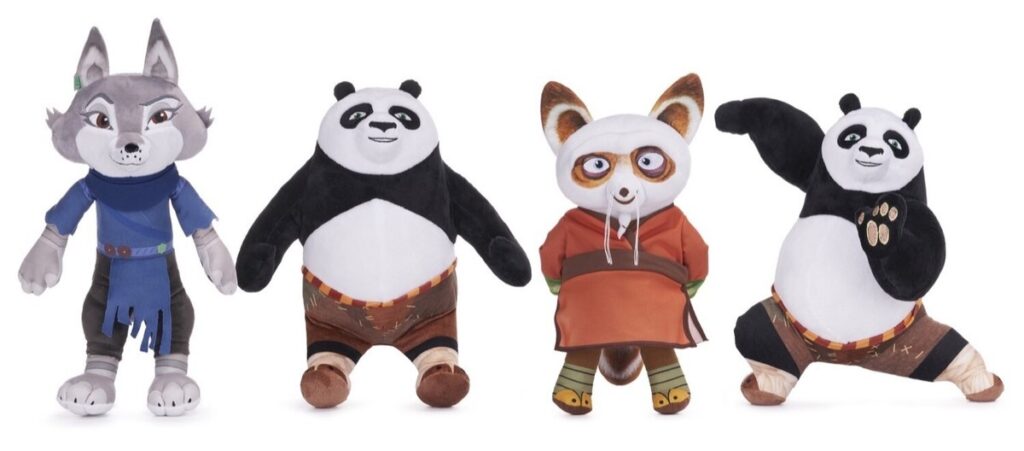
The function of stuffed animals is not exactly the same in every country or region. Culture influences when people give plush toys, how long they keep them, and what designs feel “normal” or “acceptable” for different ages.
In many East Asian markets, plush toys are widely accepted for teens and adults, not only children. Cute “kawaii” designs, character cafes, and keychain plush accessories are part of mainstream lifestyle. A business can safely create plush items for office workers and university students and still feel on-trend.
In Europe and North America, plush toys are strongly connected to childhood, but adult collecting is also growing, especially around games, anime, and designer art plush. Gifting traditions vary: Valentine’s Day, Christmas, Easter, and graduation are common plush occasions.
In some Middle Eastern markets, cultural norms around imagery and characters can affect what types of plush are suitable. Local animals, modest designs, and respectful symbolism can be more important than flashy styling.
Understanding these differences helps brands design and source plush lines that feel natural in each target market, instead of just exporting a single global style.
| Region / Culture Group | Common Functions of Plush Toys | Popular Styles & Themes | Notes for Global Buyers |
|---|---|---|---|
| East Asia (China, Japan, Korea) | Everyday comfort, fashion accessory, fandom, gifts | Kawaii characters, mini keychain plush, IP mascots | Adults buying for themselves is very common |
| North America | Childhood companions, holiday gifts, fandom | Bears, licensed characters, seasonal plush | Focus on safety standards and holiday calendars |
| Europe | Childhood, decor, souvenirs | Soft neutral animals, eco story, design-led plush | Sustainability and minimalism often valued |
| Middle East | Gifts, decor, children’s companions | Local animals, modest styling, premium finishes | Respect cultural symbols and local preferences |
| Southeast Asia | Gifts, festival items, fandom, claw machine prizes | Bright colors, anime/game characters, cute animals | Price-sensitive segments plus growing premium IP |
When you plan a multi-country plush program, it is often smarter to keep one safe base shape and then localize colors, outfits, and packaging to reflect regional culture.
Conclusion
Stuffed animals are not just soft products. They are emotional companions, learning tools, brand carriers, therapy aids, and powerful marketing assets across many cultures and age groups. At Kinwin, we help global buyers design and produce stuffed toys that match these real functions, so every plush does more than “look cute” – it builds trust, loyalty, and long-term brand value. If you are planning a new plush range or want to refine your current collection, you are welcome to contact me at [email protected] or visit kinwintoys.com so we can explore how our factory can support your next project.