Skip to content
Working with an OEM plush-toy manufacturer is one of the most effective ways for brands to turn creative designs into large-scale, market-ready products. However, before signing any manufacturing agreement, it’s crucial to understand the fine print that defines your rights, risks, and responsibilities.
A well-written OEM agreement ensures both sides operate with transparency, accountability, and trust. This guide dives deep into the essential questions every buyer should ask—and the clauses you should never overlook—before finalizing your plush toy manufacturing partnership.
What Key Clauses Should Be Reviewed in an OEM Plush Toy Agreement?
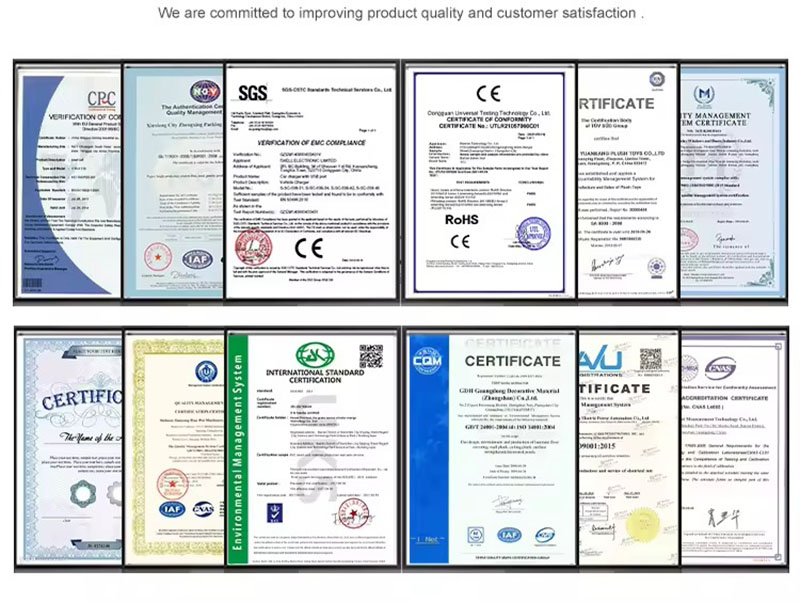
The OEM contract is your most powerful safeguard—it governs everything from who owns your design to how issues are resolved if something goes wrong. Many sourcing failures happen not because of quality problems, but because contracts were vague or incomplete.
A strong OEM agreement should clearly define the scope of cooperation, legal identity, and dispute resolution mechanisms. Start by confirming the legal entity of the factory—not a trading intermediary—and make sure all communication, payments, and production happen under that registered company name.
Your scope of work should describe every service the factory provides: design refinement, sampling, mass production, packaging, testing, and shipping. When these steps are written explicitly, the factory’s accountability becomes traceable.
Another key component is the Product Specification Attachment—a file that includes toy dimensions, fabric composition, filling, colors, and safety standards such as EN71, ASTM F963, or CPSIA. Always attach the approved Golden Sample photos and note that it serves as the visual and tactile reference for final delivery.
Finally, the delivery and penalty clause defines your protection if the supplier misses deadlines. Late delivery compensation (e.g., 0.5% of order value per week, up to 5%) encourages on-time performance. And don’t forget to include a dispute resolution clause, preferably under Hong Kong or Singapore jurisdiction for neutrality.
In short, a good contract doesn’t just describe the deal—it ensures the partnership survives pressure, growth, and global complexity.
🔹 Key Contract Clauses Summary
| Clause | Description | Buyer Benefit |
|---|---|---|
| Scope of Work | Defines supplier duties | Prevents confusion |
| Product Specs | Ensures clarity | Quality benchmark |
| Delivery & Penalties | Sets accountability | Timely shipment |
| Dispute Resolution | Legal clarity | Fair protection |
How Can You Protect Your Intellectual Property and Design Ownership?
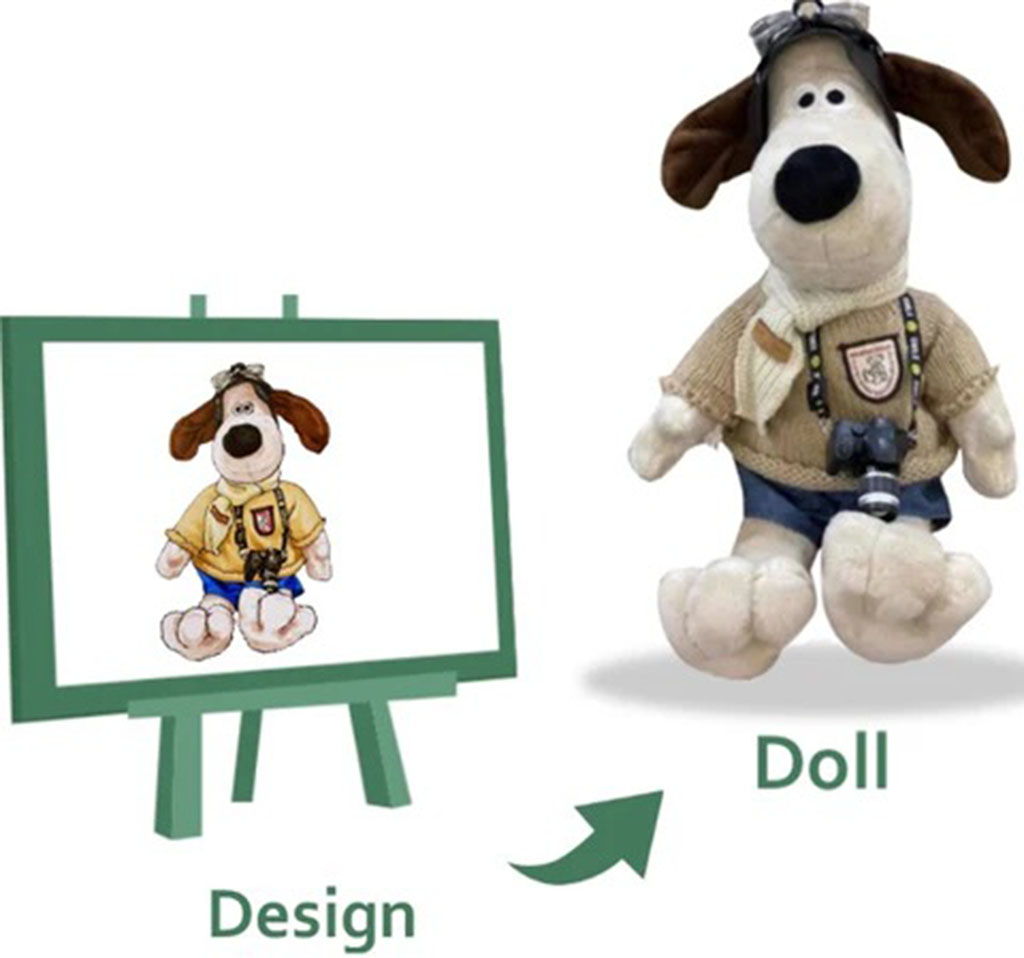
Your plush toy design is more than artwork—it’s your brand identity. Once shared with a manufacturer, it becomes vulnerable unless your rights are secured through proper documentation.
The first step is signing a Non-Disclosure Agreement (NDA) before sharing any sketches, 3D models, or character concepts. This agreement binds the factory to keep your information confidential and prevents them from showing your prototypes to other clients.
In the main OEM contract, clarify ownership of design assets, molds, and prototypes. State that all creative materials—both physical and digital—remain your property, and the supplier cannot reproduce or sell the product to other parties. For added protection, register your trademark and design patent in China, since local IP registration offers enforceable rights under Chinese law.
Equally important is to control subcontracting. Many factories work with smaller workshops during high-demand periods. While that’s not inherently negative, the subcontractor must be pre-approved by you to prevent unauthorized duplication or inconsistent quality.
Finally, all prototypes, molds, and samples should be labeled confidential and returned or destroyed at the end of cooperation.
When these measures are combined—NDA, IP clause, subcontract control, and registration—you create a legal perimeter that keeps your designs truly exclusive.
🔹 IP Protection Overview
| Action | Description | Effect |
|---|---|---|
| NDA | Signed before file sharing | Confidentiality assurance |
| IP Ownership Clause | Defines property rights | Legal protection |
| China IP Registration | Trademark/design filing | Prevents local copying |
| Subcontract Control | Supplier approval only | Protects exclusivity |
What Terms Should Define Production Quantity, Pricing, and Lead Time?

Clear commercial terms are the backbone of a successful OEM project. The goal is to remove ambiguity so both parties can plan production, budgeting, and delivery confidently.
Start with exact production quantities and tolerance. Define your total order volume, acceptable deviation (typically ±5%), and whether partial shipments are allowed. Include language that clarifies what happens if the factory produces under or over the agreed amount.
When it comes to pricing, request itemized quotations that separate material, labor, packaging, and certification costs. This transparency helps you compare suppliers accurately and prevents “hidden fees” later. Always set a validity period for quoted prices—usually 30–60 days—since fabric and logistics costs fluctuate in China.
Next, define your lead time precisely: e.g., “Production will begin within five working days after deposit and approved Golden Sample, and finish within 35 days.” Specify that delays caused by late sample approval or material change are mutually acknowledged in writing.
For long-term partnerships, include a capacity reservation clause, ensuring production slots are available for your brand even during peak seasons.
If you plan recurring orders, consider a price adjustment mechanism linked to verified material index changes—this maintains fairness during cost shifts.
Together, these commercial definitions not only stabilize operations but also signal professionalism on both sides.
🔹 Production Term Matrix
| Term | What to Define | Why It Matters |
|---|---|---|
| Quantity | Exact units & tolerance | Inventory accuracy |
| Lead Time | Days after deposit | Schedule planning |
| Unit Price | Fixed per style | Prevents hidden increases |
| Capacity Guarantee | Monthly slot | Reliable supply |
How Are Quality Control, Inspection, and Rework Responsibilities Outlined?
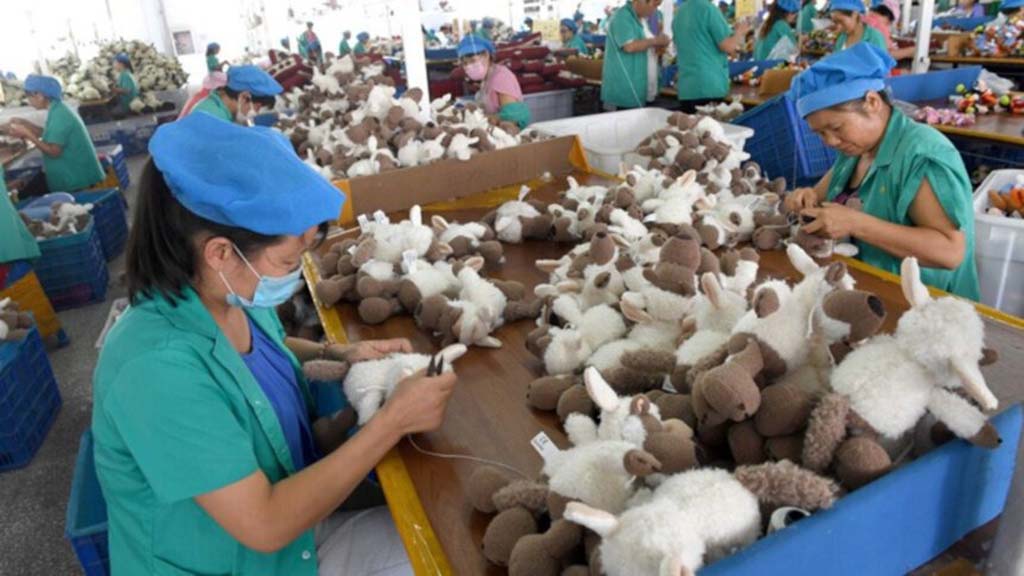
Even the best contract loses value if quality expectations aren’t aligned. OEM agreements must include a detailed quality control (QC) and inspection section, supported by measurable standards.
Begin by referencing the approved Golden Sample and relevant quality testing framework, such as AQL 2.5 (for major defects) and AQL 4.0 (for minor defects). Specify who performs inspections—your in-house team, a third-party auditor (SGS, TÜV, Intertek), or the factory’s QC department—and at which stages: during production (IPQC) and before shipment (PSI).
Describe how inspection results will be documented and shared. High-quality suppliers should provide detailed reports with photos, measurement data, and corrective actions taken for any defects.
You should also define a rework policy: if defective units exceed the agreed threshold, the factory must correct or remake them at its own cost, without extending shipment beyond an agreed buffer time.
Additionally, specify a warranty period (typically 30–60 days after receipt) during which the factory must replace or refund defective goods found after delivery.
Lastly, add a product safety commitment—a statement ensuring all materials comply with international standards.
When both inspection rights and corrective responsibilities are in writing, you minimize production risk and ensure accountability throughout the process.
🔹 QC Responsibility Overview
| Clause | Buyer Right | Supplier Obligation |
|---|---|---|
| AQL Standard | Set defect tolerance | Follow testing protocol |
| Inspection | On-site / third-party | Provide access & samples |
| Rework | If fail AQL | Correct at own cost |
| Warranty | 30–60 days post-delivery | Replace defective goods |
What Payment Terms and Warranty Conditions Should Be Negotiated Clearly?

Payment terms often reveal how much each side trusts the other. For new partnerships, standard terms are 30% deposit + 70% balance before shipment. Over time, as cooperation builds, you may negotiate flexible payment milestones or post-shipment settlements.
Define your currency and exchange conditions clearly. Fix the transaction currency (USD, EUR) and include an exchange rate clause to protect against fluctuations.
All payments should be traceable through bank transfer (T/T) or irrevocable L/C. Avoid cash or third-party transfers. In B2B OEM projects, documentation equals protection.
Your warranty section should cover manufacturing defects only—such as loose stitching, incorrect material, or color mismatch—not damages caused by misuse or shipping. Specify how the defect must be reported (photo, quantity, invoice number) and within what timeframe.
Lastly, discuss penalties or incentives. Reasonable late delivery penalties motivate compliance, while early delivery bonuses encourage efficiency.
When payment, warranty, and performance clauses are balanced, they create a stable financial foundation for both parties.
🔹 Payment & Warranty Summary
| Term | Typical Practice | Buyer Advantage |
|---|---|---|
| Deposit / Balance | 30 % / 70 % | Cash-flow control |
| Currency | USD fixed | Avoids volatility |
| Payment Method | T/T or L/C | Transaction safety |
| Warranty | 60 days defect coverage | After-sales protection |
How Can You Ensure Confidentiality and Long-Term Partnership Stability?

Beyond the legal and financial terms, the heart of a good OEM relationship is trust. You can’t build sustainable success without protecting communication, transparency, and fairness.
Your OEM agreement should contain a Confidentiality Clause that extends beyond the NDA. It should prohibit the factory from showing your products at trade fairs, using your photos in marketing materials, or disclosing production details to other clients without consent.
To maintain exclusivity, consider a Non-Competition Clause. This prevents the supplier from producing similar products for direct competitors for a defined time period or geographic region.
Equally important is long-term price and renewal stability. Define how often pricing will be reviewed, and outline how cooperation continues after the initial term. If your orders grow, renegotiating volume discounts can strengthen both sides’ commitment.
Finally, invest in relationship management:
- Schedule regular progress updates and post-shipment evaluations.
- Visit the factory (virtually or in person) to maintain connection.
- Encourage feedback from both teams to build mutual respect.
Long-term OEM success isn’t built on one transaction—it’s built on consistency, trust, and transparency. Factories like Kinwin value continuity and confidentiality, maintaining decade-long partnerships with clients across the U.S., Europe, and Asia.
🔹 Partnership Stability Framework
| Clause | Description | Benefit |
|---|---|---|
| Confidentiality | Protects project data | Prevents leaks |
| Non-Competition | Restricts copy production | Safeguards brand |
| Pricing Framework | Multi-order plan | Predictable cost |
| Renewal Clause | Notice period | Smooth transition |
Conclusion
Signing an OEM plush-toy agreement is one of the most important steps in building a reliable, scalable product line. Every detail—from IP protection and QC rights to payment and confidentiality—defines the foundation of your brand’s long-term success.
When each clause is reviewed, verified, and clearly written, your project runs smoother, your supplier becomes a partner, and your creative ideas turn into tangible, market-winning products.
At Kinwin, we combine legal clarity, technical excellence, and transparent communication to help global buyers build secure OEM collaborations.
📧 Contact us at [email protected]
🌐 Visit kinwintoys.com
Let’s make your next OEM agreement more than a contract—let’s make it a partnership built on trust, quality, and shared growth.