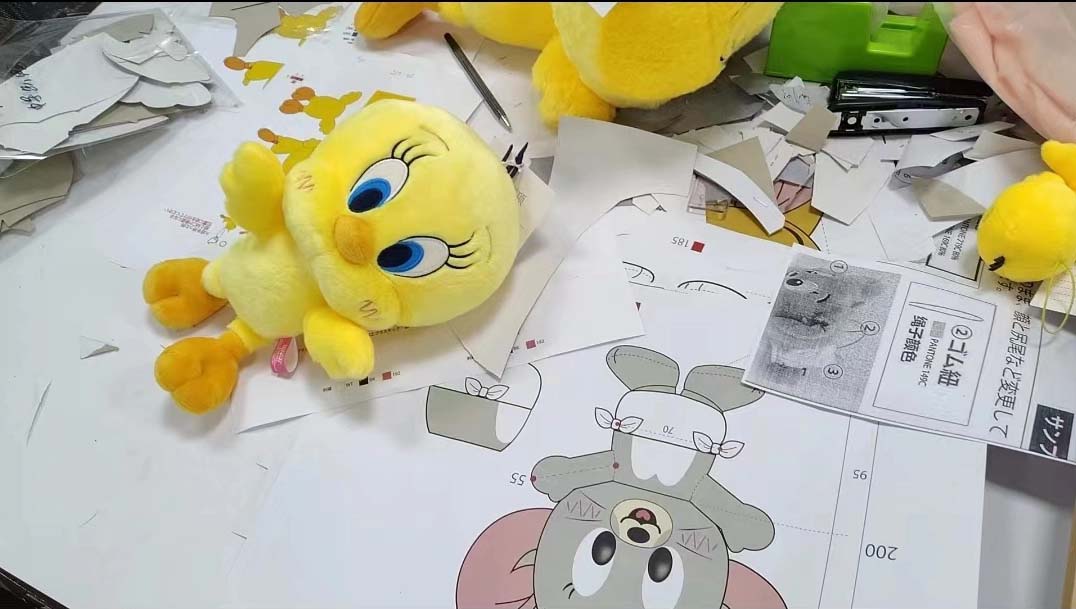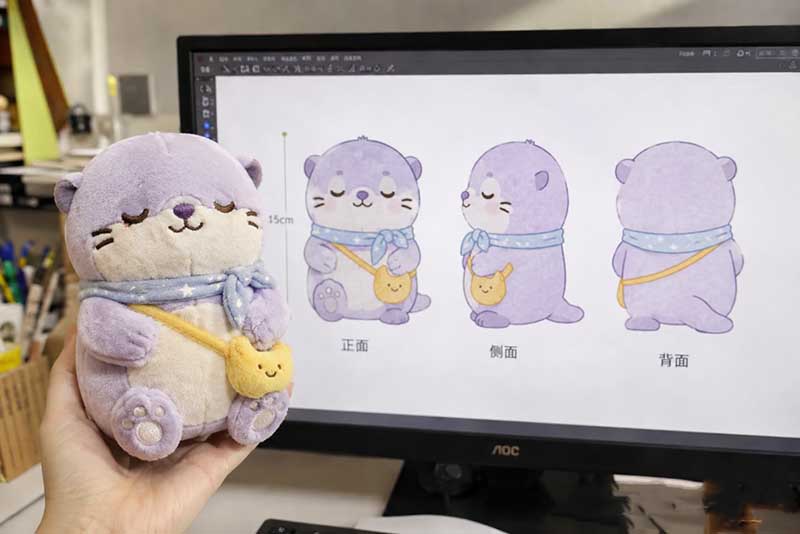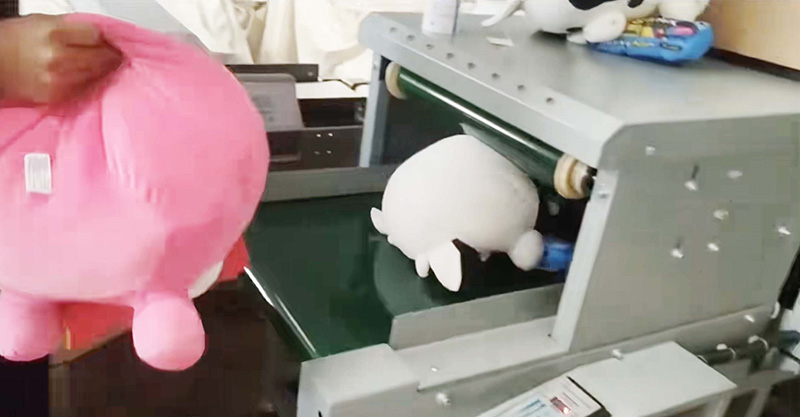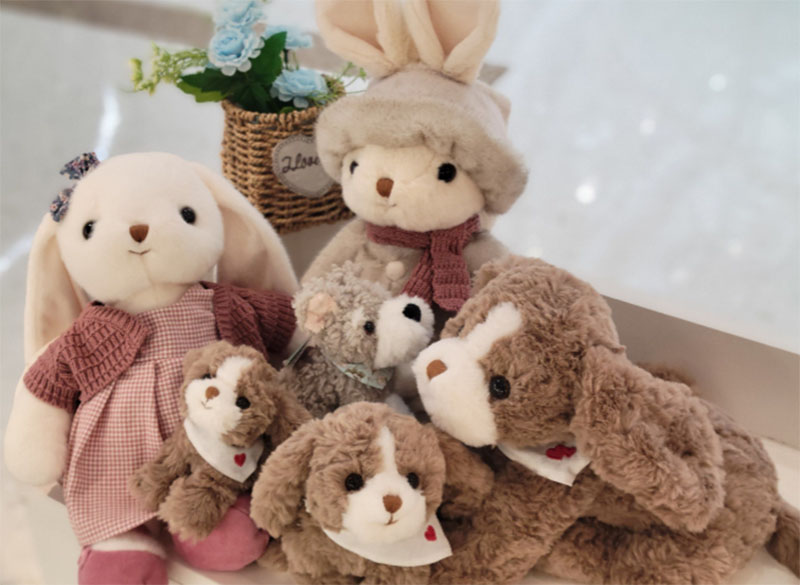
A good soft toy feels right in the hand, looks trustworthy to parents, and survives real life: washing, dropping, tugging, and constant hugs. It is not only about cute shapes. It is about how fabric, stuffing, safety, design, and branding work together as one system. When these parts are balanced, your toy becomes a product line, not just a nice sample.
In this guide, I look at soft toys from a factory and market point of view. We’ll walk through core qualities, material choices, safety and compliance, design and ergonomics, construction quality, and finally how branding and packaging can increase perceived value. My aim is to help you speak clearly with your supplier and make decisions that support your brand, not just your next order.
What core qualities define a good soft toy today?

Today’s buyers ask more from a soft toy than “cute and cheap.” Parents check safety and washability. Retailers look for consistency and low return rates. Online shoppers care about photos, reviews, and how the toy looks when it arrives. A good soft toy must satisfy all of these groups at the same time.
The first core quality is comfort. The toy should feel soft and pleasant when held, not scratchy, too stiff, or strangely heavy. Comfort comes from the right fabric, the right stuffing density, and shapes that sit naturally in the hand or against the body. When a child hugs the toy, it should compress slightly and then recover. The toy should not have hard corners or sharp transitions between stuffed areas.
The second core quality is safety and reliability. This sounds obvious, but it is easy to compromise if you focus only on cost. A good soft toy has secure seams, no loose parts that can come off easily, and materials that pass relevant safety tests. Eyes, noses, trims, and accessories must stay attached under pulling. Inside, stuffing and any weighted media must remain contained so that nothing leaks out during normal use.
The third quality is visual appeal. The toy must catch attention in two seconds, both on a shelf and in an online image. Clear facial expression, good color balance, and clean proportions are important. A soft toy can be simple and still look premium if the design is thoughtful and consistent. Crooked eyes, uneven ears, or poor symmetry instantly reduce perceived quality, even if the materials are good.
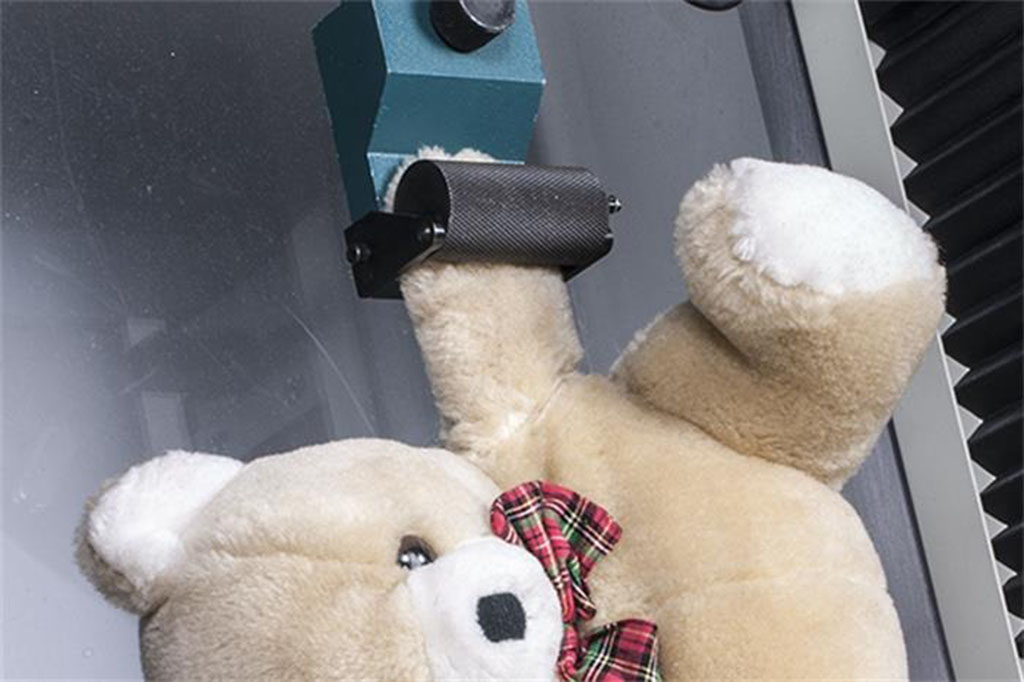
The fourth quality is durability in real life. This includes how the toy holds up in washing, how long the fabric stays clean-looking, and whether the stuffing moves or clumps over time. Parents expect soft toys to survive at least a reasonable number of washes. Retailers expect the toy not to deform after customers squeeze it in-store. Online buyers expect that the toy looks similar to the photos even after a few weeks of use.
The final quality is brand fit. A good soft toy supports your brand story. A sustainable brand needs fabric and stuffing choices that match its claims. A premium gift brand needs finishing, trims, and packaging that feel refined. A mass-market brand needs strong value, high consistency, and clear, friendly design. When the toy feels aligned with your message, it becomes easier to tell its story and justify its price.
When you define these qualities clearly, it becomes much easier to evaluate samples and decide where to invest: fabric, stuffing, design, or packaging. You stop looking at a toy only as “cute or not cute,” and start seeing it as a complete product experience.
Core qualities of a good soft toy
| Quality | What it looks like in practice | Why it matters for your brand |
|---|---|---|
| Comfort | Soft fabric, balanced stuffing, easy to hold and hug | Encourages longer use and stronger emotional bond |
| Safety & reliability | Secure seams, no loose parts, clean materials | Reduces risk, builds trust with parents and retailers |
| Visual appeal | Clear face, good colors, balanced proportions | Drives first impression and online conversion |
| Durability | Holds shape, survives washing, minimal pilling and clumping | Lowers returns and complaints |
| Brand fit | Materials, style, and finish match brand promise | Supports pricing strategy and long-term positioning |
How do fabric and stuffing choices influence softness and durability?
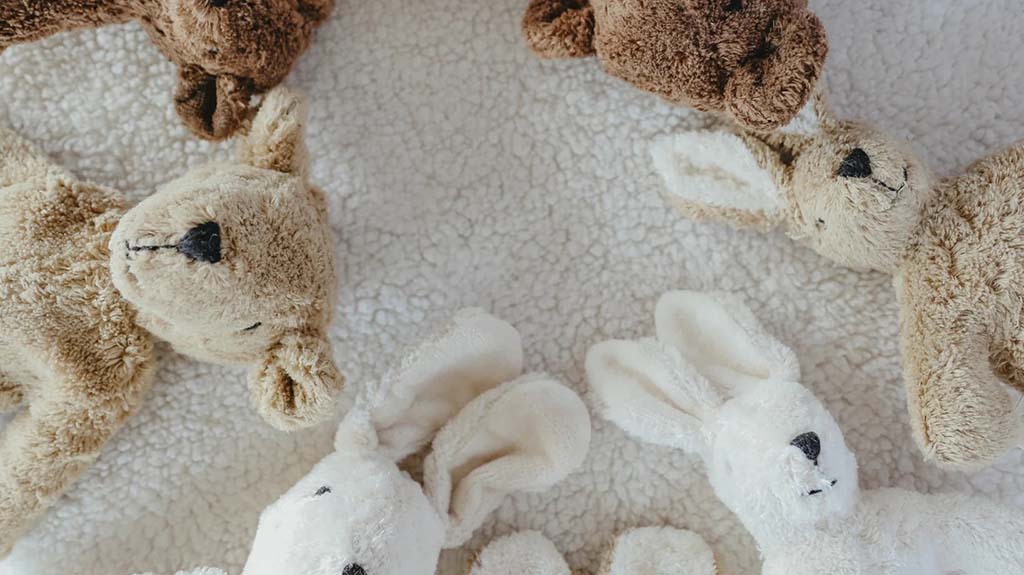
Fabric and stuffing are the “heart and skin” of a soft toy. Even a beautiful pattern can fail if the materials do not support it. When you choose fabric and filling together, you decide the toy’s softness, weight, durability, and wash performance.
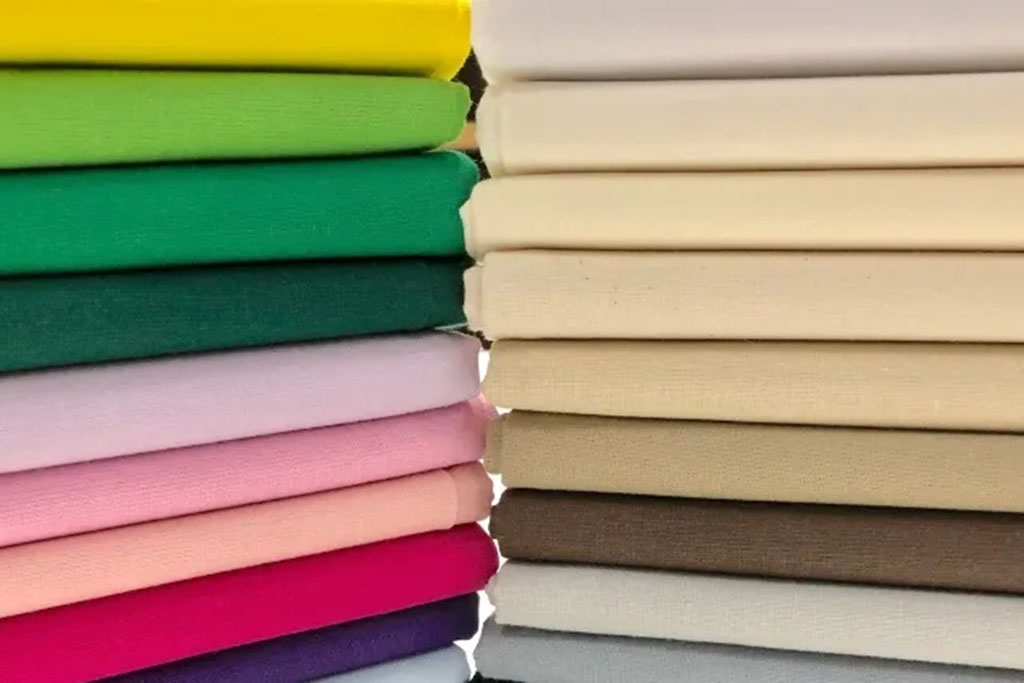
Fabric sets the initial hand-feel and visual impression. Minky, short plush, velboa, fleece, flannel, faux fur, and other materials all have their own strengths. For a very soft, cuddle-focused toy, you may choose minky or a high-density short plush. For sharper detail on faces, you might use velboa or micro-plush. For cost-conscious ranges, fleece or simpler plush can still give a pleasant touch if the grade is good enough. The key is matching fabric to user age, design style, and price point.
Stuffing controls how the toy behaves when squeezed. Polyester fiberfill is the most common choice because it is light, washable, and stable. Finer denier fibers feel softer and smoother, while slightly thicker fibers can give more bounce and resistance. The density of stuffing is just as important as the type: understuffed toys can feel empty and cheap, but overstuffed toys can feel hard and uncomfortable. The best result is a “balanced” feel where the toy compresses easily but does not collapse.
Special fillings, such as beads, pellets, or foam inserts, can add weight or structure. When used inside proper liners and combined with fiberfill, they help a toy sit upright or give a calming weight. However, they must be chosen carefully for safety and age grading. For baby products, most brands avoid loose pellets directly in the main body and rely on carefully designed liners and stronger seams if weight is needed at all.
Durability depends on how fabric and stuffing work together over time. A strong fabric can still pill or look worn if the stuffing shifts and creates hard lumps. A high-grade stuffing can still feel poor if the fabric pills heavily or the seams are weak. Wash tests are essential: they show how both fabric and filling behave after repeated cycles. For export markets, brands often test prototypes at home and also rely on lab testing for higher-confidence results.
In production, consistency is critical. It is not enough to choose a good fabric and stuffing once. Your factory must control fabric batches, cutting, stuffing weight, and sewing so that each toy in the shipment feels the same. This is where clear material specs, stuffing charts, and internal QC standards make a big difference.
Fabric and stuffing choices – practical overview
| Element | Options commonly used | Impact on toy feel and life | Key decisions for buyers |
|---|---|---|---|
| Fabric type | Minky, short plush, velboa, fleece, etc. | First touch, visual style, perceived softness | Match fabric to age group, style, and price |
| Fabric grade | Different GSM, pile, and finishing | Pilling, colorfastness, wash performance | Choose grades that suit intended lifespan |
| Stuffing type | Polyester fiberfill, rPET, pellets, foam | Hug feel, weight, recovery after squeeze | Decide on softness vs. structure vs. weight |
| Stuffing density | Light, medium, firm | Toy can feel empty, balanced, or stiff | Set clear target weights by size and model |
| Special inserts | Weighted liners, foam parts | Stability (sitting), sensory experience | Use when needed, with safety in mind |
What safety, compliance, and age grading standards must be met?
A soft toy that feels wonderful but fails safety standards is not a good product. Safety and compliance are not separate from design; they must guide design from the beginning. Regulations differ by market, but many share common logic: toys must be mechanically safe, chemically safe, cleanable, and age-appropriate.
Mechanical safety includes seam strength, small parts, and accessible components. Seams must not open easily under a defined pulling force. Eyes, noses, and trims must not detach when pulled or twisted. If there are buttons, zippers, or accessories, they must be designed so that they do not create choking hazards for the intended age group. Weighted materials like pellets must be locked inside liners and kept away from seams that children might chew.
Chemical safety focuses on limiting heavy metals, harmful chemicals, and certain restricted substances. Fabrics, stuffing, plastics, paints, and prints must meet local requirements. Even if a fabric feels soft, it is not automatically safe. Responsible factories and brands work with tested materials and, where needed, send finished toys to third-party labs for compliance testing.
Age grading is another core part of safety. A toy designed for under 3 years must follow stricter rules than a toy for older children. For example, small attached parts are generally not allowed for baby toys, and features must be designed so they cannot break into smaller pieces. Fabrics with long, easily removed fibers may not be suitable for infants. Labels and packaging also must clearly show the appropriate age grade and safety warnings.
Hygiene and cleanliness are also part of safety. Stuffing must be new, clean, and free from hard foreign objects. Fabrics and components should be stored properly to avoid contamination from dust, pests, or chemicals. Inside the factory, broken needle control, metal detection, and cleanliness routines help prevent hazards being sealed inside the toy.
When brands and factories treat compliance as a shared project, problems are easier to prevent. Clear specifications, documentation, and regular testing keep the process consistent. Soft toys that meet safety and compliance expectations not only protect end users, but also build trust with retailers and importers, who depend on reliable suppliers.
Safety, compliance, and age grading focus
| Area | What needs attention in soft toys | Why it matters |
|---|---|---|
| Mechanical safety | Seam strength, small parts, sharp edges | Prevents choking, tearing, and injury |
| Chemical safety | Fabrics, stuffing, plastics, prints, coatings | Limits exposure to harmful substances |
| Age grading | Design vs. intended age group | Ensures features are appropriate and safe |
| Hygiene & cleanliness | New, clean stuffing and components | Reduces contamination and foreign objects |
| Process controls | Needle control, metal detection, QC inspections | Prevents hidden hazards inside finished toys |
| Documentation & testing | Lab reports, material certificates | Supports imports, retailer requirements, and brand trust |
How do design, proportions, and ergonomics enhance user comfort?

A good soft toy is not only a cute shape; it is a comfortable object for the body and the senses. Design, proportions, and ergonomics work together to decide how easily a child can hold, hug, and carry the toy.
Shape and scale are the first pieces. A toy that is too large for a small child’s arms is difficult to cuddle and carry. A toy that is too small may feel insignificant and be lost easily. When planning a range, it helps to define one or two core sizes: perhaps a smaller travel size and a medium home size, each with proportions adjusted to target age groups. For example, a medium plush for a toddler should not be heavier than what the child can lift and hold for some time.
Proportions change how “cute” a toy feels. Larger heads, shorter limbs, and rounded bodies create a more childlike impression; this often feels comforting and friendly. Slim, long-limbed designs can feel humorous or stylish but may not be as comforting to younger children. Proportion also affects where stuffing is concentrated. A top-heavy toy must be designed carefully so it does not fall over or twist in strange ways when placed on a bed or shelf.
Ergonomics touches how the toy fits in a hand, in a hug, or against the body. Gentle curves along the sides, rounded edges, and soft transitions between limbs and body help the toy sit naturally in different positions. Handles, loops, or slightly narrower “waists” can make it easier for small hands to grip and carry without dragging the toy on the ground. For comfort plushies that children sleep with, flat but padded shapes can sometimes be more ergonomic than very round forms.
Design details like facial expression and color placement also influence emotional comfort. Soft smiles, calm eyes, and balanced features tend to feel safer and more soothing, especially at bedtime. Very strong contrasts or sharp angles in design may feel exciting but can be less relaxing. Color palettes with warm neutrals, pastels, and soft contrasts support a gentle mood; brighter, high-contrast colors are better for active play themes.
From a factory point of view, ergonomics must be tested with actual samples. It is useful for brands to hold early prototypes, test different stuffing densities, and see how the toy behaves in different positions. Adjusting patterns and stuffing plans early saves many issues later, when large volumes make change costly.
Design, proportions, and ergonomics – key elements
| Design element | Good practice for soft toys | Effect on user comfort and perception |
|---|---|---|
| Size and weight | Match to target age; not too heavy or bulky | Easier to carry, reduces fatigue and frustration |
| Body proportions | Rounded shapes, balanced head–body–limb ratios | Feels friendly, stable, and visually appealing |
| Grip points | Areas that are easy to hold (waist, arms, ears, etc.) | Encourages carrying and active play |
| Curves and edges | Soft curves, no sharp corners | More comfortable hugs and safer physical contact |
| Facial expression | Calm, friendly, symmetrical faces | Creates trust and emotional connection |
| Color palette | Harmonious, age-suitable colors | Supports mood (soothing vs. energetic) |
How do stitching, trims, and construction affect long-term performance?
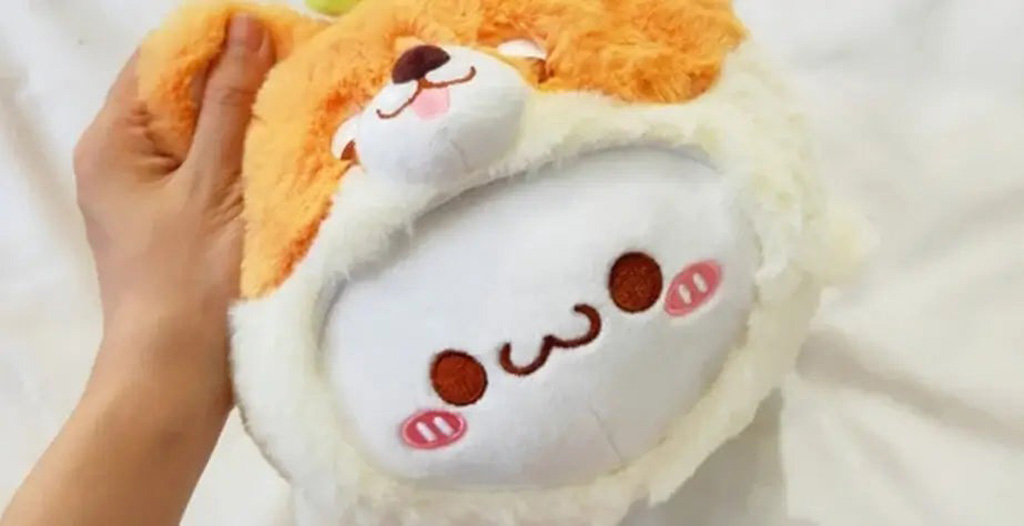
Stitching and construction transform fabric and stuffing into a real toy. Even with good materials and design, poor construction can lead to popped seams, misaligned parts, and early failure. Construction quality is one of the biggest differences between a one-season product and a long-lasting soft toy that builds brand loyalty.
Stitching density and type are key. Too few stitches per centimeter and seams may open under pulling. Too many stitches and the fabric may weaken or pucker. In plush toys, a balanced stitch length that matches fabric thickness is important. Security stitches at stress points—such as under the arms, at the neck, or where limbs join the body—help prevent tearing. For visible seams on the outside, tidy, consistent stitching also supports a premium look.
Inside the toy, how panels are joined and how stuffing is controlled matter. If the construction does not include internal partitions or shaping stitches where needed, stuffing can move, creating hollow areas or lumps. Over time, this makes the toy look and feel old, even if the materials are still strong. Good construction plans for stuffing flow, uses occasional internal seams or small compartments for large toys, and allows consistent filling on the assembly line.
Trims such as eyes, noses, ribbons, clothes, and labels must be chosen and attached thoughtfully. Embroidered or appliqué eyes and noses are safest for younger children, because they are integrated into the fabric. Plastic eyes and noses must be well-secured with proper washers and tested to resist pulling. Ribbons or clothing pieces must be attached in a way that prevents easy removal or entanglement, especially for lower age grades.
Consistent construction also depends on clear work instructions and QC checks in the factory. Pattern templates, sewing guides, and stuffing weight charts help operators achieve the same result across many units. QC teams should inspect seam quality, symmetry, trim attachment, and stuffing before toys leave the line. These steps may add small short-term cost, but they save money in returns and protect the brand in the long term.
For buyers, asking about construction standards and QC processes is as important as discussing fabric and stuffing. When you know how a factory controls stitching and assembly, you can better predict how your toys will perform in your market.
Construction and trims – performance factors
| Aspect | Good practice in soft toy production | Benefits for long-term performance |
|---|---|---|
| Stitching density | Appropriate stitches/cm for each fabric | Seams resist pull without damaging fabric |
| Stress point reinforcement | Extra backing or stitching in high-load areas | Reduced seam failures and returns |
| Internal structure | Partitions or shaping stitches where needed | Even stuffing, stable shapes, fewer lumps |
| Trim attachment | Secure embroidery, strong washers for plastic parts | Lower risk of parts coming off |
| QC of assembly | Regular inspections of seams, symmetry, stuffing | Consistent appearance and feel across all units |
How do branding, packaging, and storytelling increase perceived toy value?
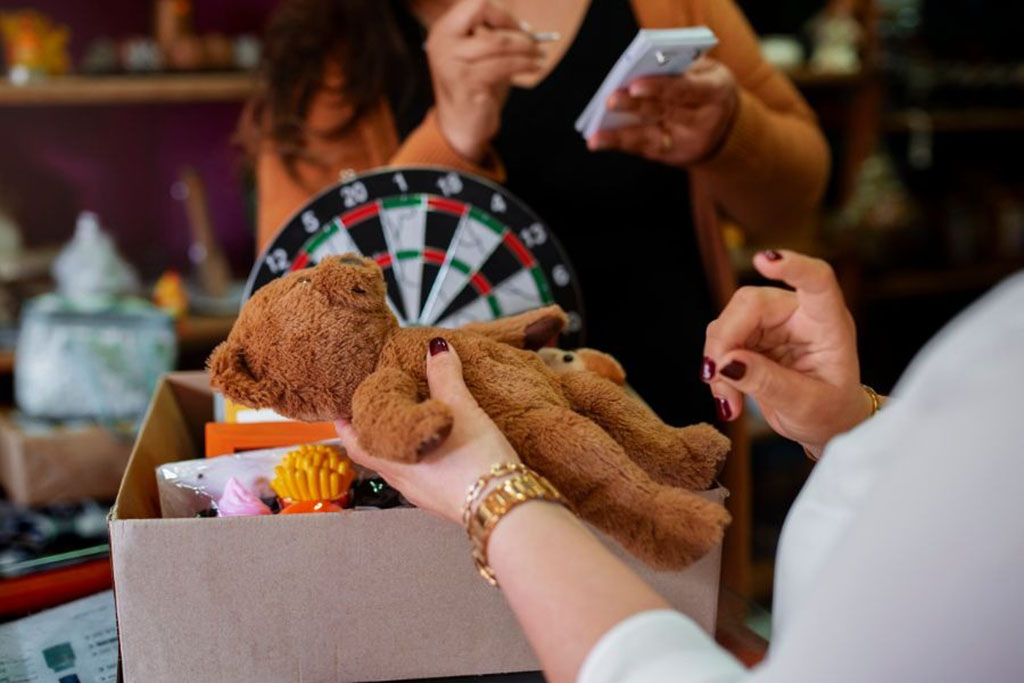
A soft toy is a physical product, but buyers often decide based on the story around it. Branding, packaging, and storytelling can raise the perceived value of a toy without changing the basic materials. They explain why this toy exists, who it is for, and why it fits the customer’s life or values.
Branding starts with a clear identity: logo, color palette, tone of voice, and design language. When your soft toys share consistent elements—like facial style, tag design, or pattern language—customers recognize them quickly. They start to trust that each new character will meet their expectations. This recognition allows you to hold stronger pricing and create collections instead of only single items.
Packaging is the first physical contact after the toy itself. Simple, well-designed packaging can protect the toy in shipping and also communicate key messages: age range, materials, care instructions, certifications, and brand story. For online sales, packaging must also be robust enough to arrive in good condition. Eco-conscious buyers increasingly care about packaging materials, so brands using recycled or minimal packaging can highlight this choice in their messaging.
Storytelling connects the toy to emotions and situations. It answers questions like: “Who is this character?”, “What comfort does it bring?”, or “What does this toy represent?” A bedtime plush might be positioned as a “sleep buddy” with a simple narrative about helping children feel calm at night. A mascot plush for a brand might carry the company’s values in a playful way. Even short, clear messages on hangtags or inserts can support this storytelling.
Photos, videos, and online descriptions are also part of the perceived value. Soft toys that are photographed well, in clean environments with children or adults using them naturally, quickly feel more real and desirable. Clear size references and realistic images reduce disappointment when the product arrives. For B2B relationships, your branding and product storytelling help buyers imagine how your toys will fit into their own assortments.
A well-made soft toy paired with thoughtful branding and packaging stands out in a crowded market. Customers are more likely to keep it, gift it, and recommend it, which gradually builds value beyond the material cost of fabric and stuffing.
Branding, packaging, and storytelling – value drivers
| Element | What it contributes to the soft toy experience | Impact on perceived value and sales |
|---|---|---|
| Brand identity | Consistent logo, style, and tone | Builds recognition and long-term trust |
| Packaging | Protection, information, and visual appeal | Supports gifting, justifies price, reduces damage |
| Storytelling | Character backstory, purpose, emotional message | Creates emotional connection and differentiation |
| Online presentation | Quality photos, clear descriptions, realistic sizing | Reduces returns, increases conversion |
| Sustainability messaging | Info on materials, certifications, packaging | Attracts eco-conscious consumers and retailers |
Conclusion
A good soft toy is more than a cute face. It combines safe, comfortable materials; thoughtful design and ergonomics; reliable construction; and clear branding into one honest product. When these elements work together, your toys feel better in customers’ hands, last longer in real homes, and support stronger pricing and loyalty for your brand.
At Kinwin, we work with global buyers to design and produce soft toys that meet these expectations—from fabric and stuffing selection to safety planning, pattern development, and packaging ideas. If you are planning a new soft toy range or want to upgrade an existing line, you are welcome to contact [email protected] or visit kinwintoys.com. Our team can help you turn good ideas into soft toys that feel right in both the factory and the market.