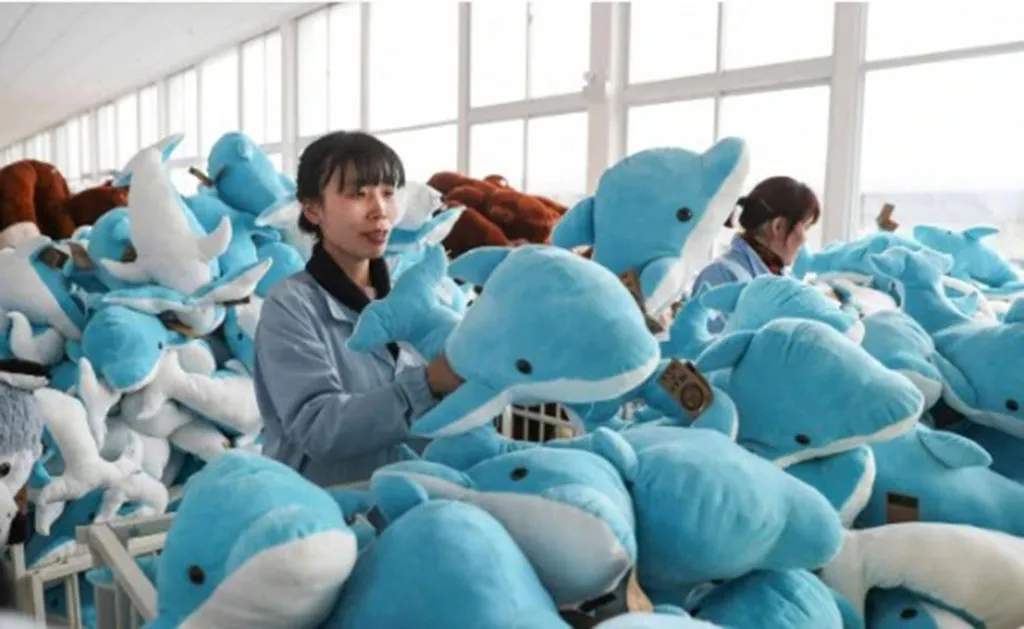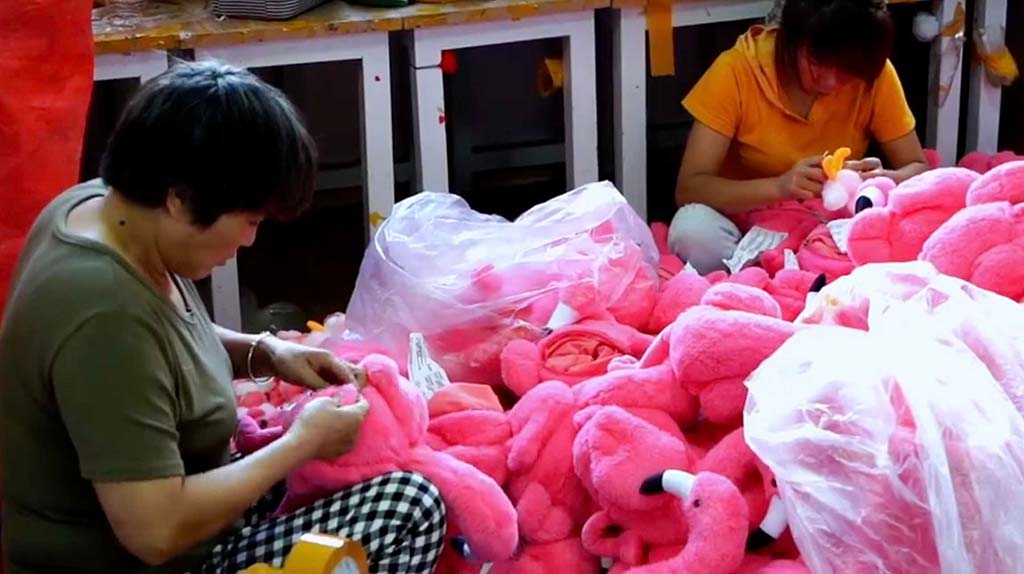
A comfort stuffed animal is more than a cute gift. It is a small, soft tool that helps people slow down, feel safe, and reset. As Amanda from Kinwin, I design and manufacture comfort plush for global buyers. In this guide, I explain what defines a comfort plush, how textures and shapes support emotions, why both kids and adults love them, how weighted/scented/heatable options work, which safety and hygiene rules matter, and how brands can design and market comfort plush for different users. I’ll keep the English simple and include a practical table in every section so you can paste the essentials into RFQs, briefs, and SOPs.
What defines a comfort stuffed animal in modern design?
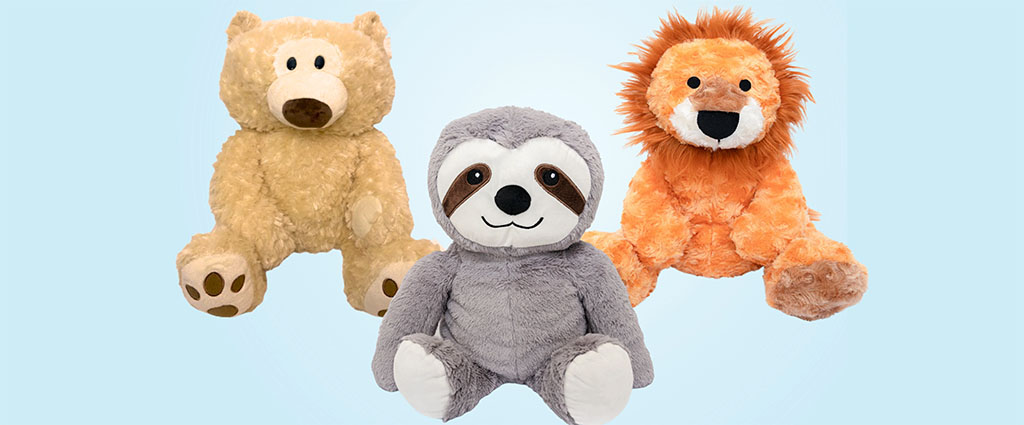
A comfort stuffed animal is a soft, calm, and predictable plush designed to support everyday well-being. It is not a medical device. Instead, it provides steady sensory cues—gentle texture, rounded form, even weight, and a friendly expression. When the hand feels silky fabric and the eyes rest on a matte face, the body gets a quick “safe” signal. This helps users breathe slower and reduce mental noise. Good comfort plush also sits still on a desk or bed, so it becomes an anchor, not a fidget. The build must be honest: soft where the cheek rests, stable at the base, washable if the label promises, and documented for safety.
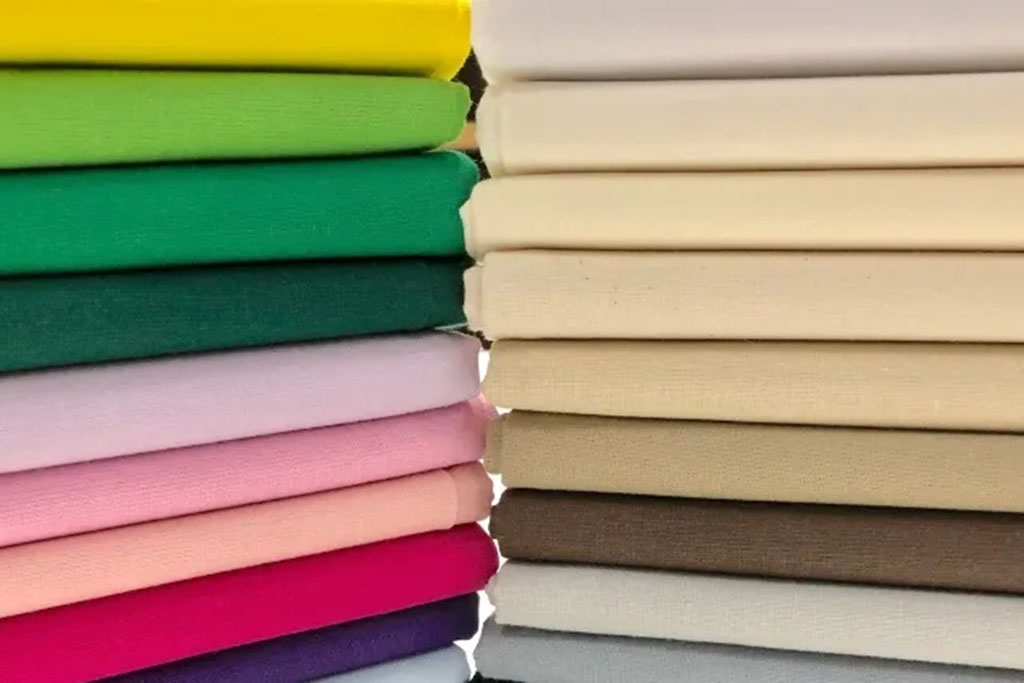
In our factory, we use a material map: minky for the body (3–5 mm pile) to deliver emotion and warmth; short plush/velboa for the face (1.5–2.5 mm) for clean, low-glare embroidery; and a thin batting under the face to keep it smooth. Inside, we follow a density map so the plush keeps its shape without hard spots. The result is a calm object that helps users create routines: on the sofa at night, on a work desk during calls, or in a classroom calm corner.
Table 1 — What makes a plush a “comfort stuffed animal”
| Design Pillar | Why It Matters | Practical Build | Factory Control |
|---|---|---|---|
| Soft hand-feel | Fast “you’re safe” signal | Minky body 3–5 mm pile | Anti-pilling finish; pile uniformity |
| Calm visual | Reduces glare and distraction | Short-plush face + thin batting | Embroidery clarity; no stitch sink |
| Rounded geometry | No sharp lines; easy to hold | Broad curves; no thin wrists/necks | Seam allowance 0.5–0.7 cm on curves |
| Stable posture | Anchor on desk/bed | Slightly heavier belly/base | Grams-per-zone density map; sit test |
| Honest care | Hygiene and trust | Bag-wash 30 °C, air-dry (validated) | Wash photos on darkest colorway |
How do plush textures and shapes promote emotional well-being?
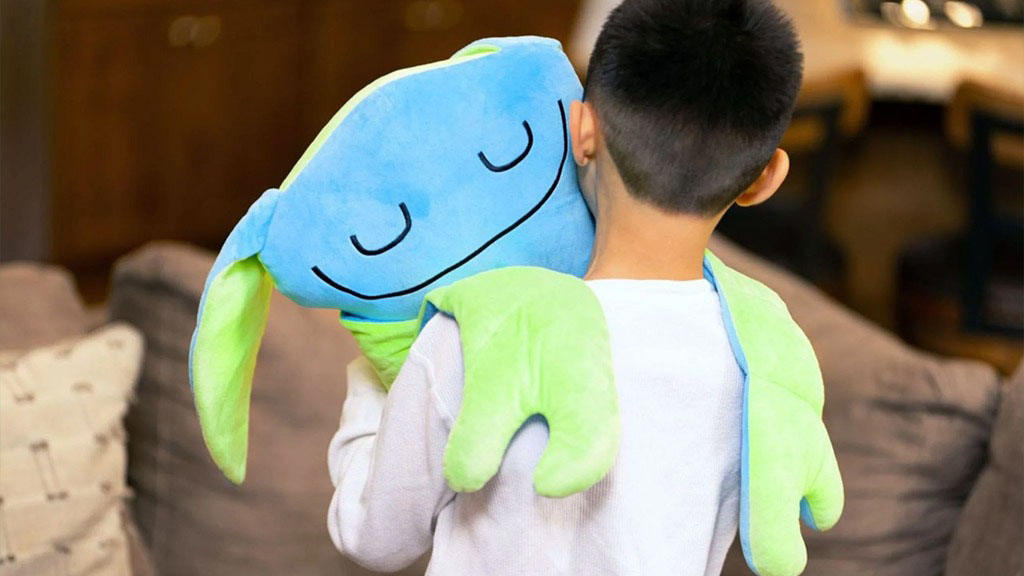
Touch is powerful. A smooth, warm nap helps the nervous system relax. Minky gives the “buttery glide” that hands love; short plush on the face keeps visuals quiet and expressions clear. If the surface shines too much, the eye works harder. If seams are bumpy, the hand finds hard points. This is why we trim bulk at curves, use ladder stitches on straight belly openings, and add a light brush with the nap after sewing to restore loft. Shape also matters: rounded silhouettes feel safe and are easy to hug; balanced bases reduce wobble and noise during use.
Comfort design is about predictability. The same softness every time, the same friendly look in different sizes, the same stable posture on different surfaces—these details let users build small rituals. A minute of holding, a deep breath, a quick mental break. It sounds simple, but it works when build quality is consistent.
Table 2 — Texture & shape choices that support comfort
| Goal | Material/Geometry | Why It Helps | QA Focus |
|---|---|---|---|
| Silky body feel | Minky 260–360 gsm, 3–5 mm | Smooth glide; cozy warmth | Anti-pilling grade; uniform pile |
| Calm face | Short plush 1.5–2.5 mm + batting | Matte look; clean embroidery | Face flatness; stitch count control |
| Smooth hold | Trimmed seam bulk; broad curves | No ridges; soft edges | Curve training; ladder-stitch closure |
| Stable sit | Low center of gravity | Predictable presence; less fidget | Grams-per-zone; 5-position sit test |
| Quiet look | Tight palette; neutral tones | Reduces visual noise | Daylight shade checks |
Why are comfort plush toys popular among both children and adults?
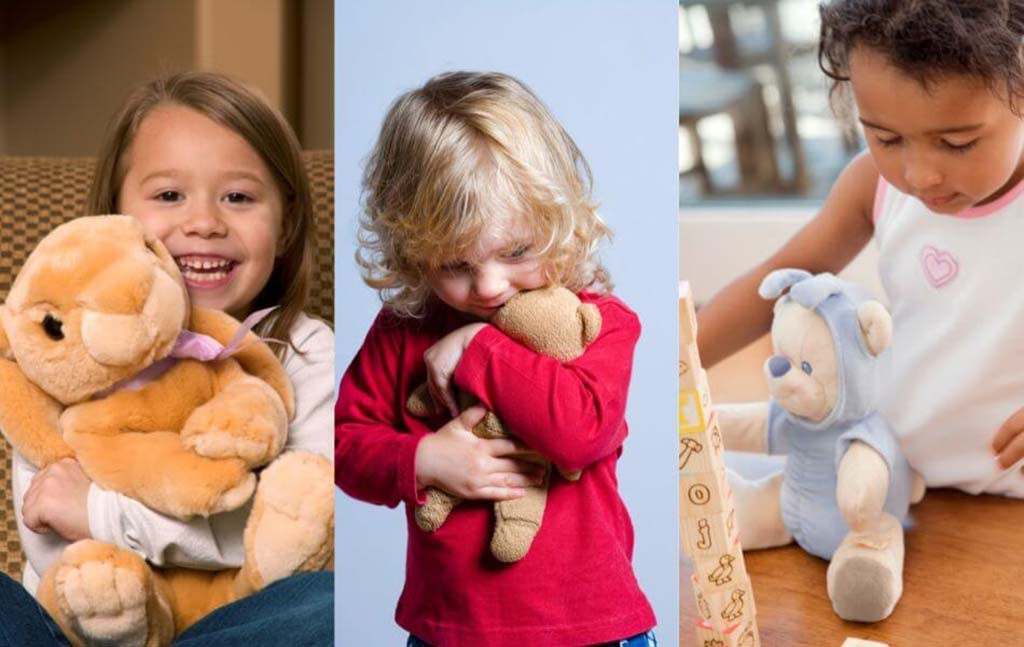
Children seek soothing and routine—a plush that is always there at bedtime or during transitions. It becomes a partner in pretend play and a steady friend when emotions are big. Adults face a different kind of stress: deadlines, screens, travel, city noise. Many want a small, private tool to shift attention and ground the body. A comfort plush that looks discreet (sage, sand, fog blue) fits a modern home or office. It is non-judgmental and silent. It gives the hands a task and the eyes a soft focus. Over time, a gentle attachment forms because the plush is consistent.
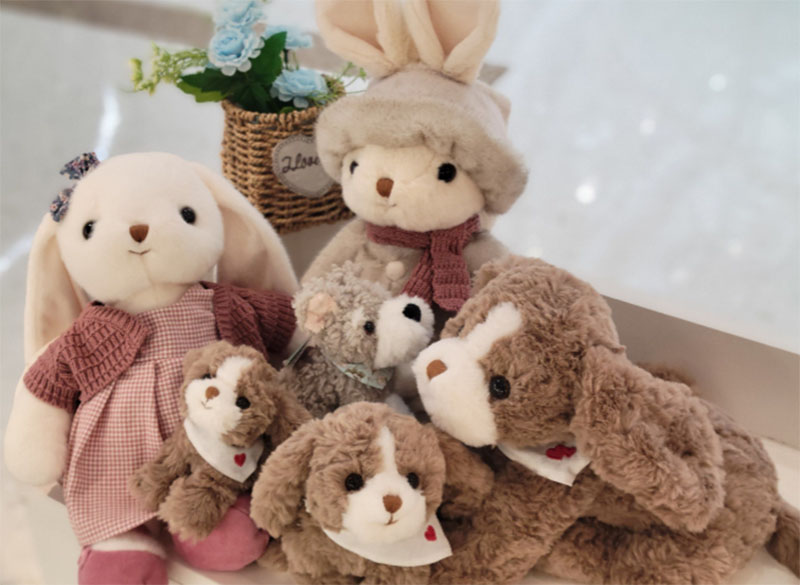
We design cross-age lines by changing size and finish, not the core face. Small desk companions for work bags, mid-size couch buddies for home, and larger options for night routines. The face stays friendly and minimal; the body keeps the same hand-feel. This way, families can buy different sizes for different spaces and still feel the same calm.
Table 3 — Cross-age appeal: what users want and how we build it
| User | What They Seek | Design Translation | Packaging/Story |
|---|---|---|---|
| Toddlers/kids | Soothing, routine, play | Short-plush face; washable build | Care card for families |
| Teens | Identity, décor, soft feel | Trend palette; minky body; still sits | Photo-ready hangtag |
| Adults | Private calm; discreet look | Neutral colors; stable base; optional weight | Minimalist box; simple message |
| Gift buyers | Memorable, safe, easy care | Classic silhouette; clean embroidery | Ready-to-gift wrap options |
How do weighted, scented, or heatable features enhance relaxation?
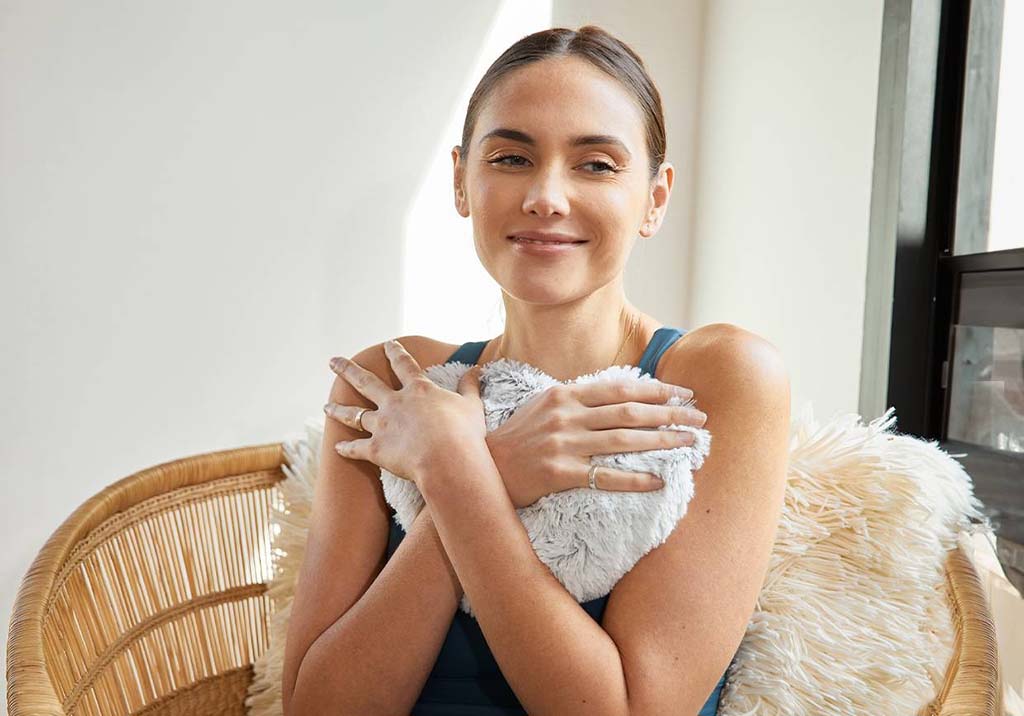
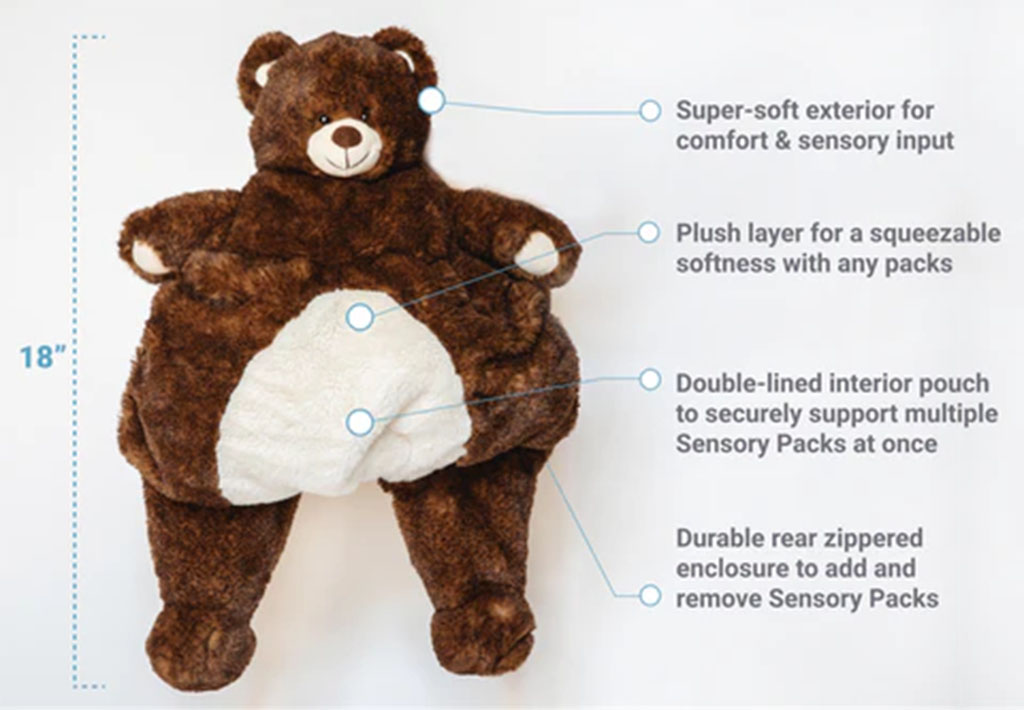
Some users relax faster with low, even weight, subtle scent, or gentle warmth. Weight offers a grounded feel when it is spread across sealed, segmented liners (glass/ceramic microbeads) and cushioned with fiberfill. Scent can anchor a positive memory, but sensitivity varies; we keep scents low-load, micro-encapsulated and always offer scent-free variants. Warmth helps with bedtime routines when used safely: a removable, microwaveable insert with clear instructions and cycle validation. We never place loose granules directly in the shell; we never promise medical outcomes. We focus on comfort, clarity, and control.
Table 4 — Enhancer options (comfort features done safely)
| Feature | User Benefit | Safe Engineering | Tests & Labels |
|---|---|---|---|
| Low, even weight | Grounded, steady feel | Sealed, segmented bead liner tacked to seams | Leakage, drop, seam-pull; finished weight on label |
| Subtle scent (optional) | Soothing association | Low-load micro-encap; scent-free option | VOC/odor panel; clear disclosure |
| Gentle warmth (if designed) | Bedtime wind-down | Removable heat pack; protected pocket | Heating time/wattage; thermal cycle checks |
What safety and hygiene standards govern comfort plush production?
Comfort plush must pass the same toy rules as standard plush, and sometimes extra checks for weight systems. In the USA, we follow ASTM F963 and CPSIA (including tracking labels, lead/phthalates). In the EU, we follow EN 71: Part 1 mechanical/physical (seams, small parts), Part 2 flammability (test the composite shell + fill), and Part 3 migration of certain elements (dyes/finishes). Many buyers also ask for REACH/SVHC awareness and odor/VOC assessments. If heat or scent is included, we validate heating/cooling cycles, leakage, and wash behavior. Labels must reflect tested reality—not wishful thinking.
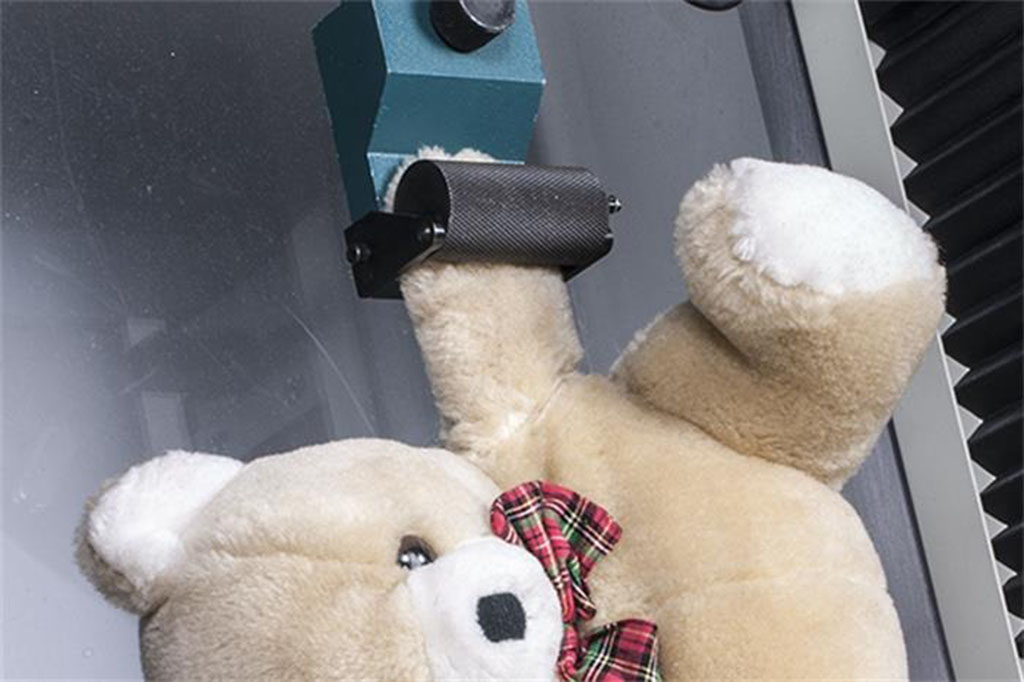
In production, we lock materials (approved fabrics/fills), process (density map, seam rules, liner specs), and validation (seam pull, drop, leakage, composite flammability, wash on darkest colorway). Documentation includes test reports by color/lot, CPSIA tracking, and a visual QC board that matches the golden sample after wash.
Table 5 — Safety & hygiene checklist (add to your PO)
| Area | What We Do | Why It Matters | Buyer Proof |
|---|---|---|---|
| Mechanical & seams | Pull tests; seam rules on curves | Prevents pops and leaks | EN 71-1 / ASTM F963 report |
| Flammability (composite) | Shell + fill tested together | Real-world burn behavior | EN 71-2 report |
| Chemicals | Approved dyes/finishes; low-VOC | Clean, low-odor arrival | EN 71-3 / REACH; odor/VOC panel |
| Wash validation | 30 °C bag-wash; air-dry | Honest care icons | Before/after photos (darkest color) |
| Traceability | CPSIA tracking; lot mapping | Fast, clean audits | Label → carton → ERP chain |
| Enhancers (if any) | Leakage/thermal cycles | Safety in use | Liner tests; heating guidance |
How do brands design and market comfort plushies for different users?
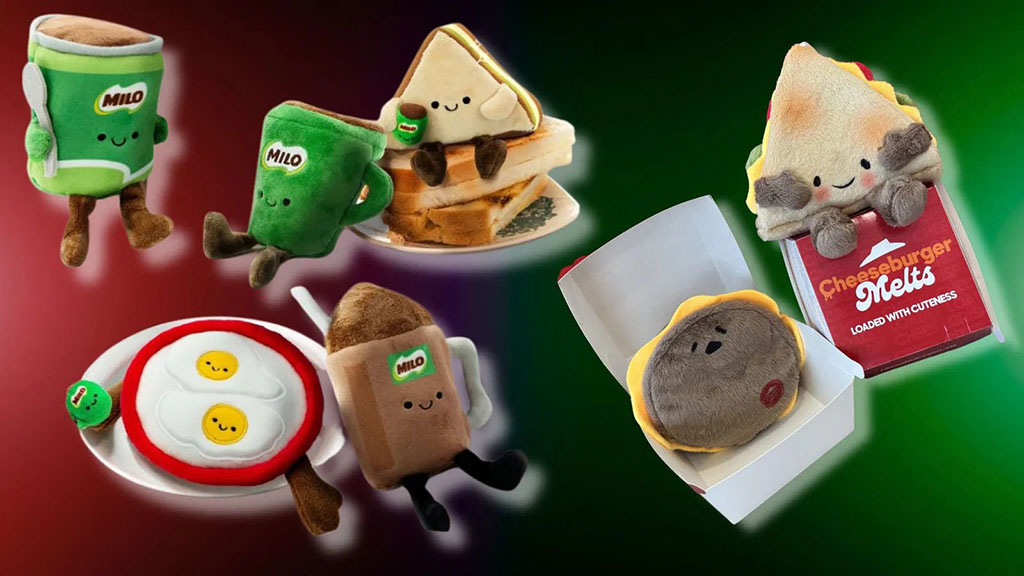
Great comfort plush lines use one calm character with modular choices: size ladder, two or three neutral palettes, and optional weight or scent. For children, we keep everything washable and embroidered; for older users, we allow surface clean if fabrics are premium (faux fur, velvet) and clearly labeled. For retail, we shoot photo-ready textures in quiet sets; for corporate gifting, we use logo embroidery on a short-plush patch with a minimalist box. The story is simple: “Soft. Steady. Here when you need a pause.”
Operationally, we keep the palette tight to control shade and inventory, standardize seam/allowance rules across sizes, and document the density map so every unit feels the same. Marketing keeps the message supportive, not medical—we talk about comfort, routine, and calm design, not cures.
Table 6 — Go-to-market map for comfort plush
| User/Channel | Product Build | Message | Packaging |
|---|---|---|---|
| Baby/young child retail | Washable; embroidered face; no hard parts | “Soft and safe for everyday cuddles” | Polybag + care card |
| Teen/adult DTC | Neutral tones; optional weight | “A small pause for busy days” | Minimalist box; tissue |
| Corporate/gift | Classic silhouette; logo patch | “Thoughtful, calm, memorable” | Rigid gift box; story card |
| Wellness/lifestyle stores | Texture-forward; surface-clean (if premium) | “Designed for calm spaces” | Kraft box with simple icons |
Conclusion
A comfort stuffed animal is a soft, steady, and honest design: calm face, rounded shape, reliable hand-feel, and optional features (weight, scent, warmth) that are engineered and tested with care. When materials, seams, liners, and labels work together, users of any age can build small rituals that bring quiet comfort to busy days—without medical claims and without surprises.
At Kinwin, we turn that idea into repeatable products—fabric maps, density maps, sealed liners, wash validation, clean chemistry, and full compliance packs—so your comfort plush ships photo-ready, cuddle-ready, and audit-ready in every market.
Contact: [email protected] | kinwintoys.com