Skip to content
When developing a plush toy line, brand owners face an important decision: should they work with an OEM or an ODM supplier?
Both models play crucial roles in the global toy supply chain, but they differ in design ownership, cost, speed, and creative control. Understanding these differences helps you choose the right partnership to match your brand’s goals, timeline, and budget.
This guide compares OEM and ODM plush toy suppliers—how they work, what advantages they offer, and which model fits different types of buyers.
What Are the Key Differences Between OEM and ODM Plush Toy Suppliers?
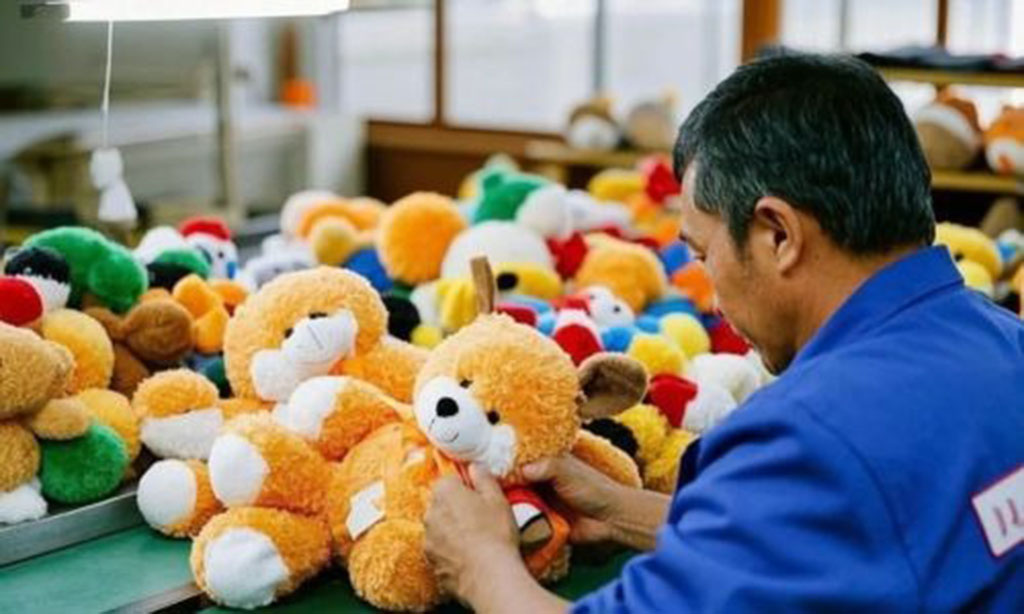
The terms OEM (Original Equipment Manufacturer) and ODM (Original Design Manufacturer) are often confused, yet they represent two distinct production models.
- OEM (Original Equipment Manufacturer): The buyer provides the design, and the factory produces according to that specification.
- ODM (Original Design Manufacturer): The factory provides its own designs or prototypes, which the buyer can customize or brand.
In short: OEM = buyer-driven design, while ODM = factory-driven design.
OEM vs ODM at a Glance
| Feature | OEM (Original Equipment Manufacturer) | ODM (Original Design Manufacturer) |
|---|---|---|
| Design Ownership | Brand owner | Factory |
| Creative Input | Buyer-led | Supplier-led |
| Development Speed | Longer (requires design process) | Faster (ready-made designs) |
| Cost Structure | Higher design cost, flexible margin | Lower upfront cost, limited control |
| Ideal For | Established brands with design teams | Startups and quick-launch brands |
How Does the OEM Model Support Brand-Controlled Design and Customization?
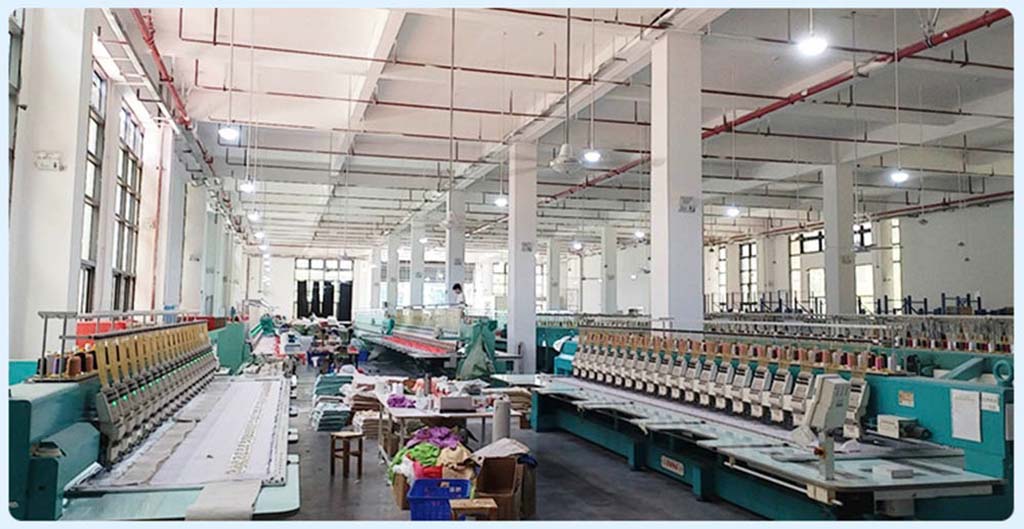
The OEM model is ideal for companies that already have their own designs, characters, or brand identity.
In this model, the buyer maintains full creative control—from concept sketches and materials to embroidery details and packaging. The manufacturer’s role is to bring those designs to life through sampling, prototyping, and mass production.
OEM manufacturing also allows for complete exclusivity. No other brand can use your character or toy design, making it perfect for licensed or private-label products.
However, OEM development requires more time and technical collaboration, especially during the sample approval phase.
OEM Manufacturing Highlights
| Aspect | Description | Buyer Benefit |
|---|---|---|
| Design Control | 100% brand-driven | Protects IP and brand identity |
| Sample Customization | Fabric, size, stuffing, embroidery | Full flexibility |
| Development Time | 20–40 days for full customization | High precision, tailored output |
| IP Ownership | Remains with the brand | Safe for licensed characters |
What Advantages Does the ODM Model Offer for Fast Product Development?
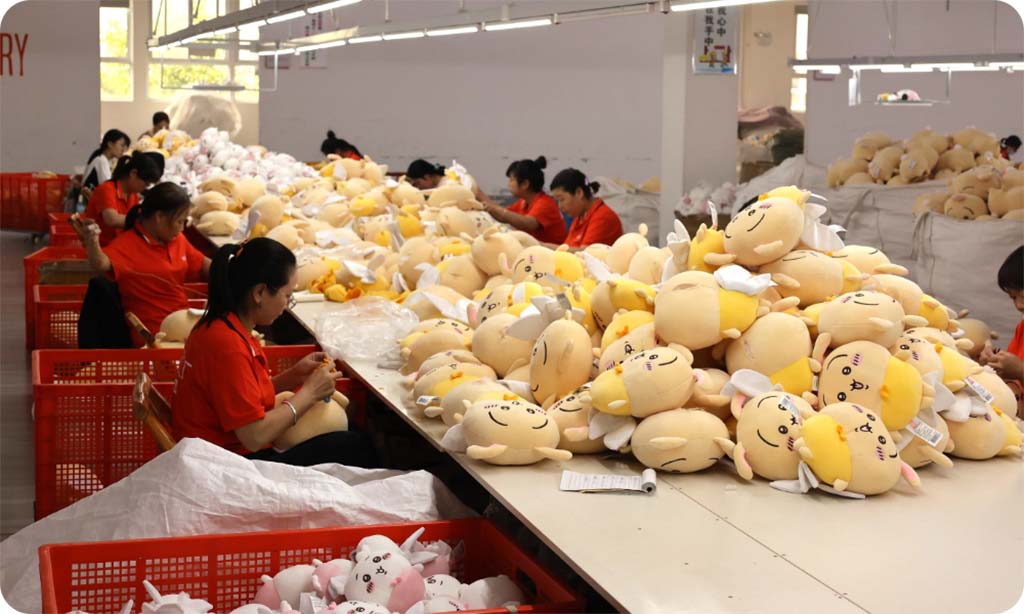
The ODM model allows buyers to choose from the manufacturer’s existing designs or product templates. Factories may already have molded patterns, fabric combinations, or themed collections ready for branding.
ODM is ideal for companies that:
- Want to launch products quickly.
- Don’t have an in-house design team.
- Are testing new markets or seasonal collections.
It minimizes development time and cost since the factory already handles prototyping. Buyers can simply add logos, change colors, or request small modifications.
ODM Manufacturing Highlights
| Aspect | Description | Buyer Benefit |
|---|---|---|
| Design Source | Factory-owned designs | Faster development cycle |
| Customization Level | Limited (color, logo, fabric) | Lower development cost |
| Time to Market | 10–20 days to sample approval | Quick launch, lower risk |
| Ideal Buyers | Startups, retailers, promotional brands | Affordable entry into plush products |
How Do Cost, Lead Time, and Intellectual Property Vary Between OEM and ODM Projects?
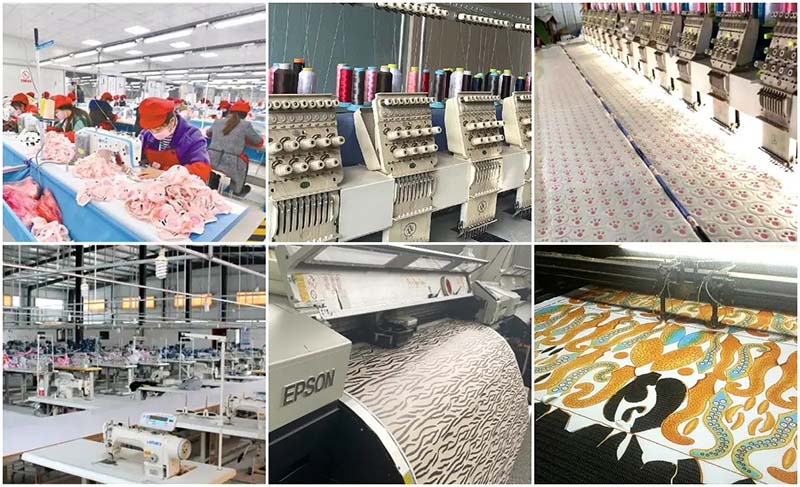
The biggest differences between OEM and ODM appear in project timelines, pricing, and intellectual property (IP) ownership.
- Cost: OEM projects cost more upfront due to design and sampling work. ODM uses pre-developed designs, reducing initial costs.
- Lead Time: ODM products can reach market 30–40% faster. OEM requires multiple design and sample revisions.
- IP Ownership: OEM ensures full ownership of the design. ODM designs legally remain the property of the manufacturer.
If your goal is long-term brand building, OEM is the better investment. For rapid testing or seasonal campaigns, ODM provides the speed and affordability you need.
OEM vs ODM Comparison Summary
| Factor | OEM Projects | ODM Projects |
|---|---|---|
| Design Cost | Higher | Lower |
| Lead Time | Longer (30–45 days) | Shorter (15–25 days) |
| MOQ | Flexible | Usually higher |
| IP Ownership | Brand retains full rights | Factory retains base design rights |
| Suitability | Long-term brand strategy | Fast-launch, low-risk models |
What Type of Buyers Benefit Most from Each Manufacturing Model?

Different types of buyers gain advantages from OEM or ODM depending on their market position, resources, and goals.
- OEM works best for:
- Established brands with original characters.
- Companies requiring licensing and exclusivity.
- Buyers targeting premium or collectible segments.
- ODM works best for:
- New entrants testing demand.
- Promotional buyers seeking quick-turnaround plush items.
- Retailers wanting seasonal or trending products.
Buyer Profile Matrix
| Buyer Type | Recommended Model | Reason for Fit |
|---|---|---|
| Licensed Toy Brand | OEM | Protects IP and ensures exclusivity |
| Gift & Promotional Company | ODM | Faster turnaround, lower risk |
| Retail Chain Buyer | OEM or ODM | Depends on scale and product range |
| E-commerce Brand | ODM | Speed-focused product diversification |
| Character IP Owner | OEM | Total design and branding control |
How Can Brand Owners Choose the Right Partnership Model for Long-Term Growth?
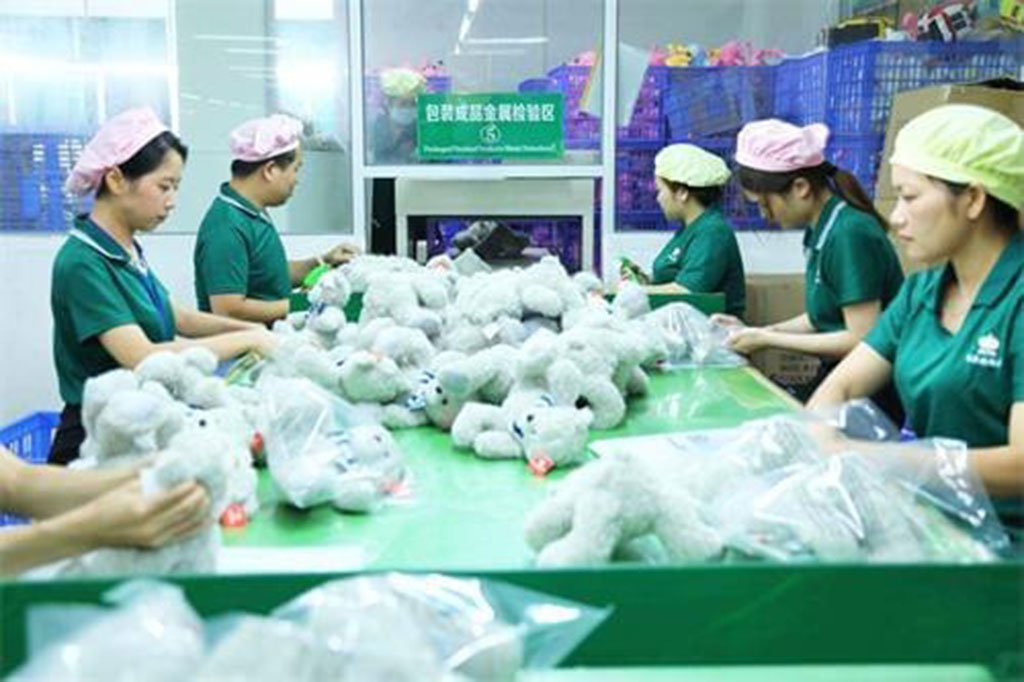
When deciding between OEM and ODM, consider brand maturity, design ownership, product lifecycle, and future scalability.
Ask yourself:
- Do you already own the design or IP? → Choose OEM.
- Do you want quick product variety at lower cost? → Choose ODM.
- Do you need both flexibility and exclusivity? → Consider a hybrid model, where core designs are OEM and seasonal ones are ODM.
Reliable factories like Kinwin can offer both OEM and ODM services under one roof—helping clients build new designs or adapt existing ones for different markets.
OEM vs ODM Decision Framework
| Decision Factor | Choose OEM When… | Choose ODM When… |
|---|---|---|
| You have brand IP/designs | You need exclusivity and control | You lack in-house design capability |
| Target market segment | Premium, collectible, character-based | Seasonal, promotional, mid-tier |
| Speed to market | You can allow longer timelines | You need to launch fast |
| Product innovation need | You want full creative freedom | You prefer proven, ready-made options |
| Long-term brand strategy | Building brand identity and portfolio | Testing markets or new trends |
Conclusion
Both OEM and ODM models can help brands expand their plush toy product lines—but the right choice depends on your creative control, timeline, and long-term strategy.
- OEM gives brand owners full design ownership and exclusivity.
- ODM offers cost efficiency and faster time to market.
At Kinwin, we provide both OEM and ODM plush toy solutions—offering flexible cooperation models for startups, e-commerce brands, and international licensors. Our certified production meets CE, ASTM, and CPSIA standards, ensuring quality and compliance in every toy we make.
📧 Contact us at [email protected]
🌐 Visit kinwintoys.com
Let’s build a creative, profitable, and long-term partnership to bring your plush toy ideas to life.