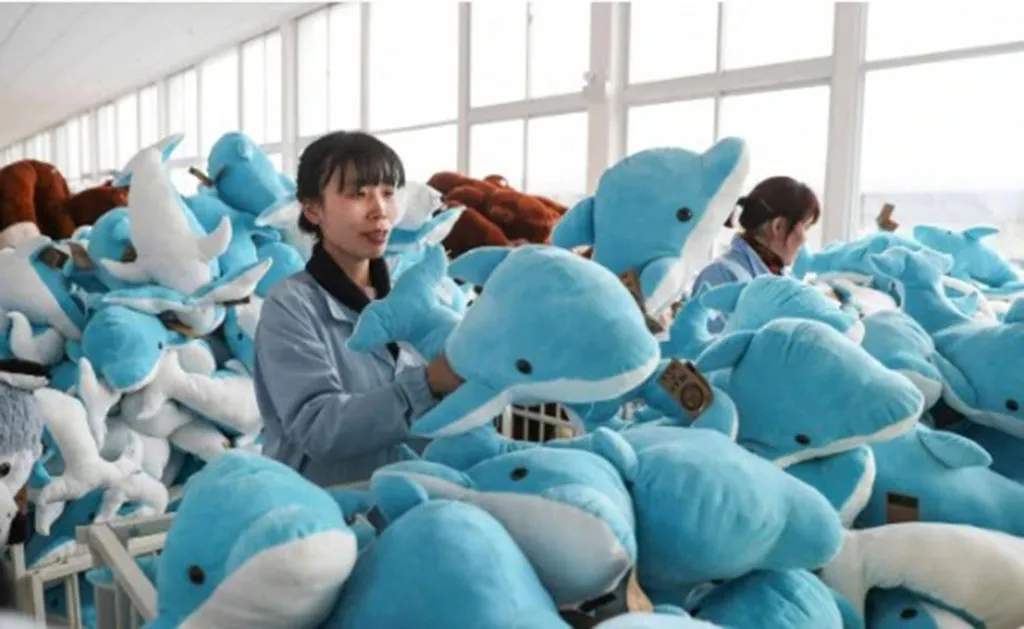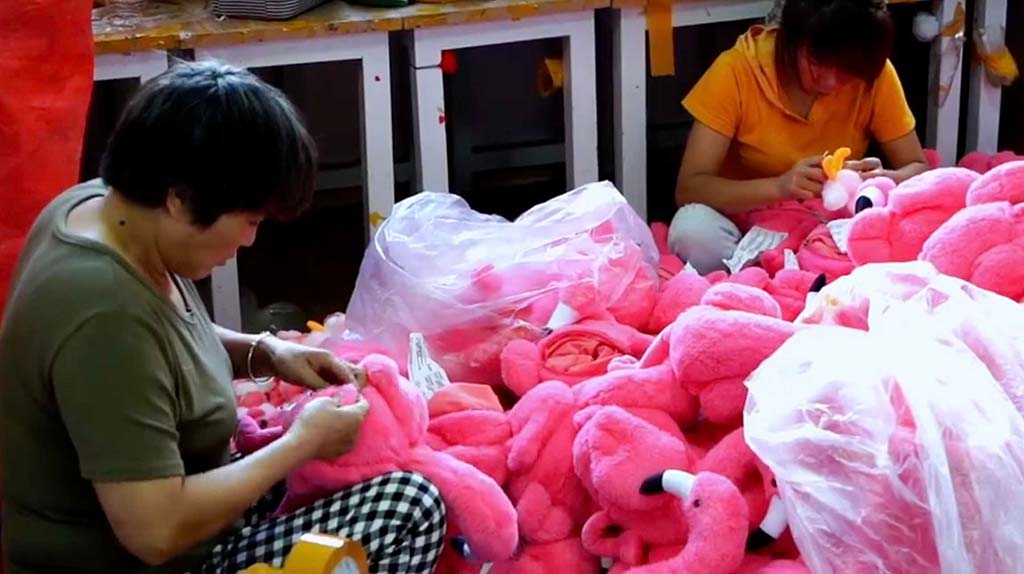
I’m Amanda from Kinwin in China. I run OEM/ODM plush programs for brands, retailers, and DTC teams. People ask me all the time: “Is making plushies profitable?” The short answer is yes—if you design for yield, build for compliance, and price for your channel. Profit in plush is not luck. It is a repeatable system: you match demand trends to the right niches, you control materials and minutes, you pick the correct business model for your scale, and you keep cash moving with smart MOQs and logistics. In this guide I explain, in simple English, how I evaluate profitability from market pull to unit economics, and from pricing levers to forecasting and limited drops.
What global demand trends and niche markets influence profitability in the plush toy sector?
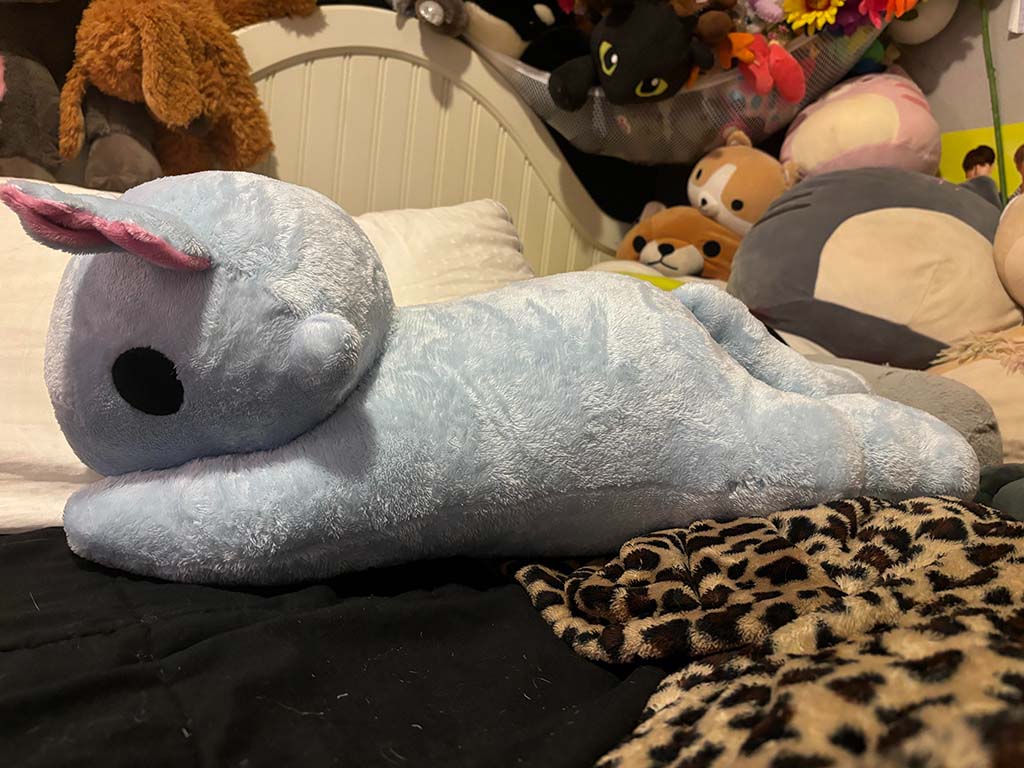
Plush sales move with seasons and tribes. Seasonal cycles (Q4 holidays, Valentine’s, graduation, back-to-school) create reliable peaks. Tribes—baby/cuddle, wildlife/educational, anime/game collectors, décor buyers, wellness/weighted, and blind-box minis—support year-round volume. Profit comes when a line matches a moment (gifting, dorm move-in, conventions) and a tribe (collectors, décor, sensory comfort). Adult collectors and décor buyers now drive higher AOV with edition tags, gift boxes, and “sit-stable” silhouettes. Minis and keychains travel fast on social; weighted comfort items build repeat orders if age-graded and documented correctly.
I plan each season as a mix: core animals that never go out of style, capsules tuned to events, and limited drops that create urgency without ballooning inventory. I design the photography plan as part of the margin plan: texture macro, scale-in-hand, and a short squeeze video cut returns, which protects profit more than tiny material savings.
Table 1 — Demand & Niche Profit Levers
| Factor | Why it drives profit | Practical move |
|---|---|---|
| Seasonal moments | Predictable traffic & gifting | Color capsules; bundle offers |
| Adult collectors | Higher AOV; edition value | Tags, gift boxes, small runs |
| Décor use | Justifies premium fabrics | Sit-stable base; tonal palettes |
| Wellness/weighted | Comfort story; repeat buys | Double-pouched pellets; clear care |
| Minis/blind-box | Low BOM, high perceived value | Sets, trays, retail displays |
| Photo truth | Fewer returns → higher margin | Macro + scale-in-hand + squeeze clip |
How do raw material, labor, and compliance costs shape gross margins for OEM/ODM plush manufacturers?
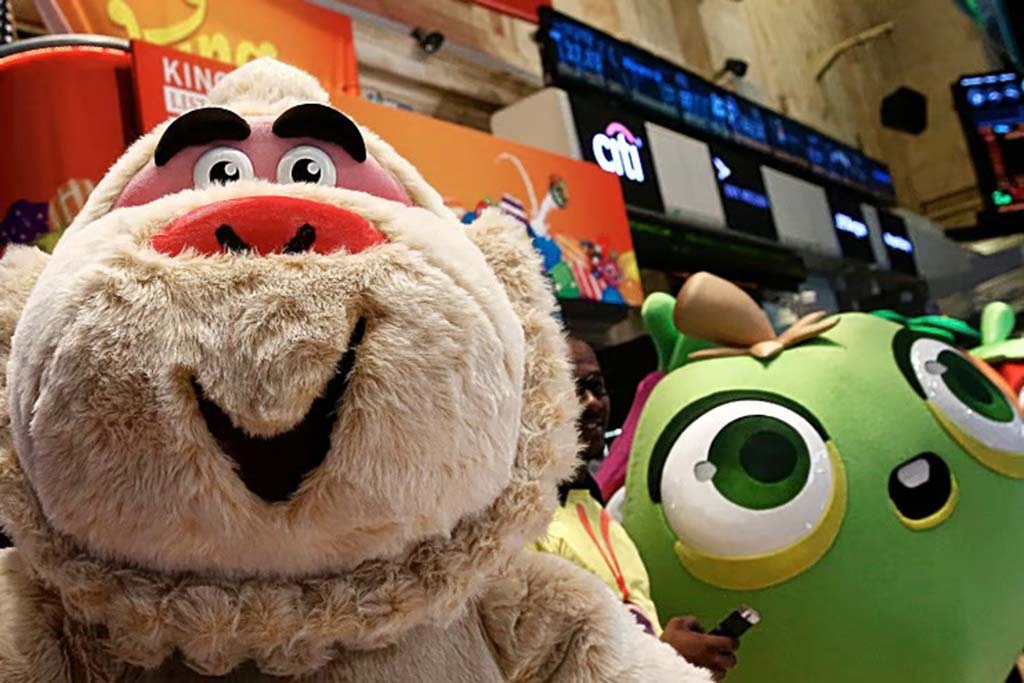
Gross margin is built from three blocks: materials, minutes, and compliance. Materials are not only price/kg; they are yield per gram and photo clarity. Short-pile minky/velboa on faces keeps embroidery crisp and sewing minutes low. Faux fur adds “wow,” but needs trim masks around the muzzle and eyes plus brushing notes; sewing time rises. Fill is usually hollow polyester fiber; blends with solid fiber sculpt cheeks and edges. If weight is added, use PP/TPE pellets in double inner pouches so leakage tests pass and customer trust stays high.
Minutes come from panel count, SPI (stitches per inch) on curves, bar-tacks at stress points, and stuffing time. Engineering reduces minutes: good markers for fabric yield, face masks for accurate embroidery, baffles for even fill, and metered stuffing for repeatable squeeze. Compliance for children’s markets includes EN71-1/2/3 or ASTM F963 + CPSIA, plus CPC/DoC and tracking labels. Tie all reports to lots—not just a development swatch—so shipments are clean.
Table 2 — Cost Stack & Margin Guardrails
| Cost block | Main drivers | Margin guardrail |
|---|---|---|
| Shell fabrics | Pile type, GSM, marker yield | Short-pile face; markers by pile direction |
| Fill & weight | Loft efficiency, pellet grams | Panel fill grams; double-pouched pellets |
| Labor minutes | Panel count, SPI, bar-tacks | Trim masks on faux fur; baffles on big bodies |
| Packaging | Polybag vs. gift box | Box only for hero SKUs that lift AOV |
| Compliance | EN71/ASTM/CPSIA, docs | Lot-tied tests; label truth; no silent swaps |
Which business models—custom OEM, branded DTC, licensed IP, or promotional plush—yield the best ROI at different scales?
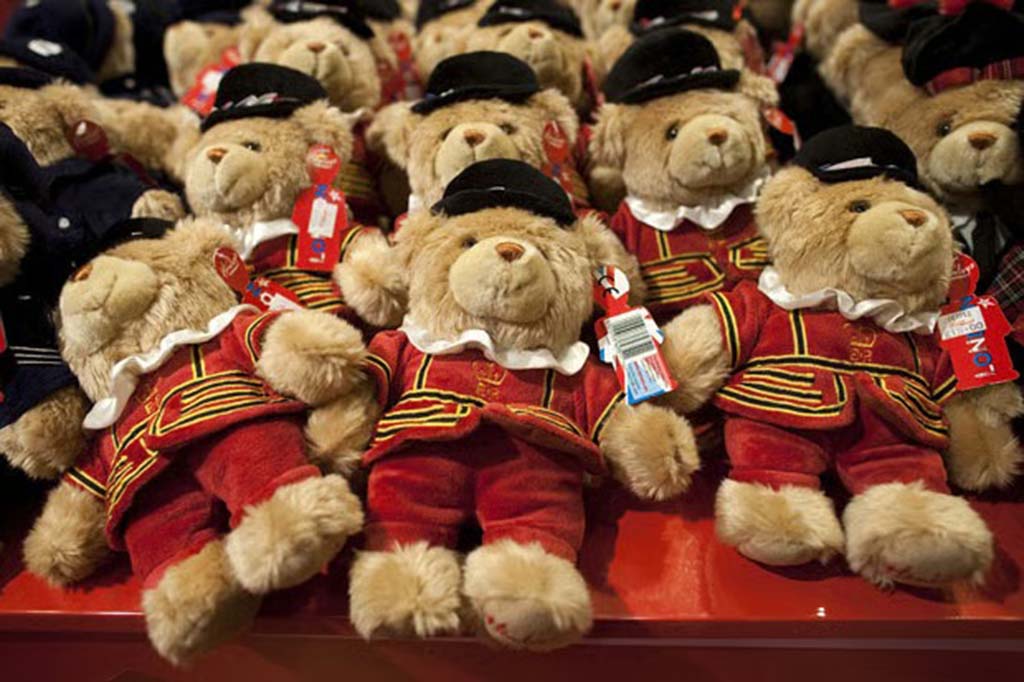
Each model wins under different constraints. Custom OEM (you produce for brands/retailers) offers stable POs and low marketing spend; profit comes from efficiency, predictable compliance, and on-time delivery. Branded DTC brings the highest gross margin potential but also the highest CAC (customer acquisition cost) and operational complexity (content, fulfillment, returns). Licensed IP gives instant demand and price power, but royalties and approvals extend timelines and eat margin unless operations are tight. Promotional plush is price-sensitive but dependable if you manage scale, lead times, and simple trims.
I often advise new teams to build a barbell: an OEM base for stable cash flow, plus a DTC/limited-edition capsule for high-margin learning. Add licensing only when your approvals discipline is strong.
Table 3 — Business Model vs. ROI (Directional)
| Model | MOQs | Margin potential | Operational load | Where it shines |
|---|---|---|---|---|
| Custom OEM | Medium–high | Low–mid | Low marketing; strong QA | Long runs; retailer programs |
| Branded DTC | Low–medium | High if CAC controlled | High content + service | Limited drops; collectibles |
| Licensed IP | Medium | Mid–high (after royalties) | Approvals & accuracy | Fan demand; premium pricing |
| Promotional | High by event | Low–mid | Fast sampling; simple specs | Corporate gifts; campaigns |
How do MOQ levels, sampling fees, tooling costs, and logistics affect unit economics and cash flow management?
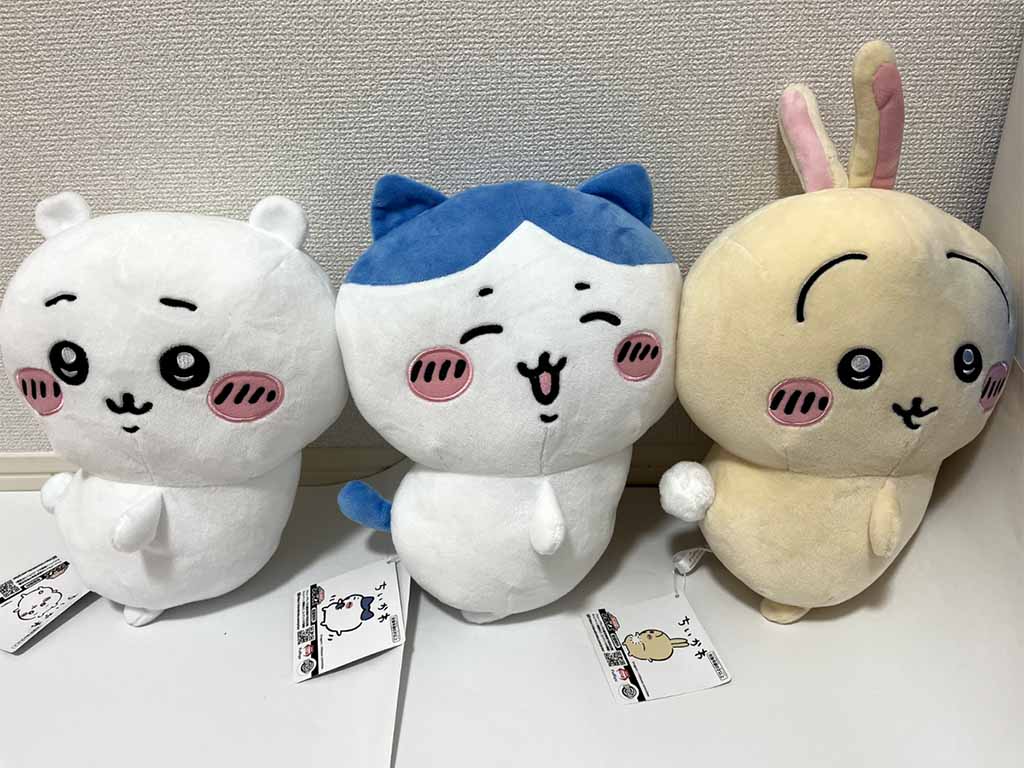
Unit economics shift with scale and fixed costs. MOQs arise from fabric dyeing, embroidery thread colors, printed packaging, and pellet procurement. Sampling is cheap per project but heavy per unit in small runs. Tooling (e.g., special labels, packaging dies) pays back only when units climb. Logistics is volumetric: plush cubes out. Ocean freight wants right-sized cartons and sometimes soft compression (short-pile only, with recovery tests). Faux fur and sculpted faces usually should not be compressed.
For cash flow, stage POs and use capsules. Start with a pilot drop (small batch), watch 48-hour velocity, then reorder. If your team is small, consider DDP for simplicity; if you have a logistics partner, FOB often reduces landed cost. Always publish inches and centimeters and show a scale-in-hand photo to slash returns—the hidden tax on cash.
Table 4 — Unit Economics & Cash Flow Levers
| Element | Small run (cash-tight) | Large run (scale) |
|---|---|---|
| Sampling | S1→S2 only; reuse fabrics | S1→S2; size ladder + palette |
| Panels & minutes | Keep joins simple | Add panels for form; automate |
| Packaging | Polybag + insert | Box only for hero SKUs |
| Freight | Ocean LCL or selective air | Ocean FCL; carton optimization |
| Terms | DDP for simplicity | FOB for control & cost |
| Cash rhythm | Micro drops; quick read | Forecasted waves; reserved capacity |
What pricing tactics and value levers (certifications, sustainability, packaging, storytelling) enhance perceived value and margin?
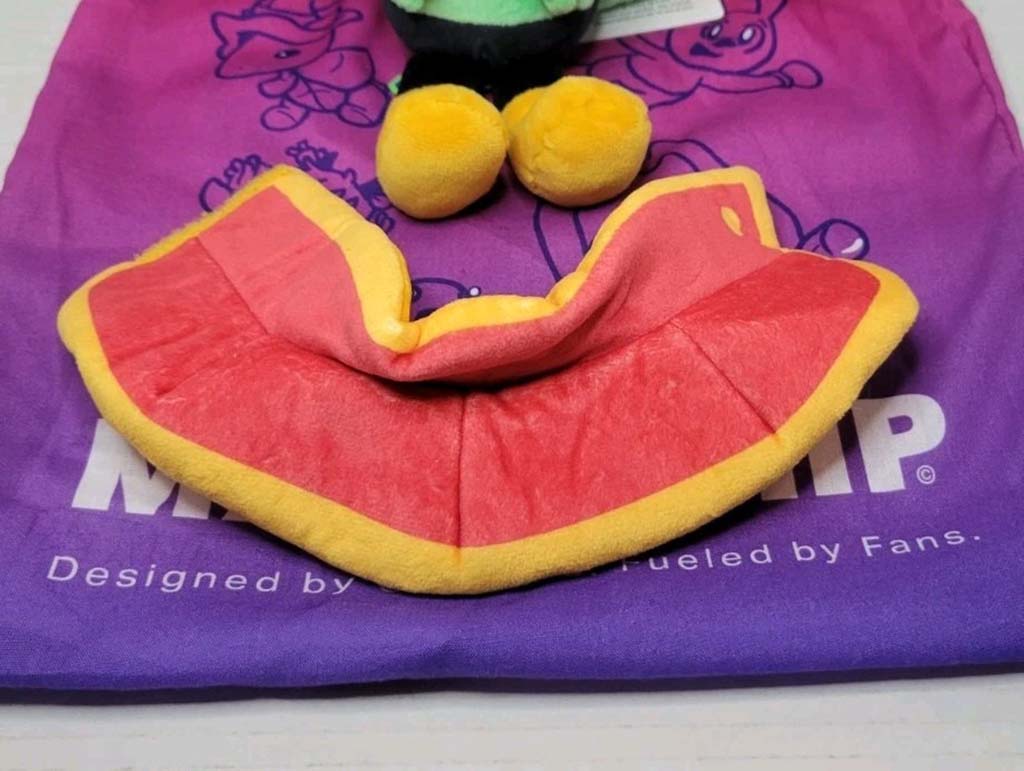
Price follows trust and emotion. Trust is built by clean compliance and honest care. Emotion is built by handfeel, expression, and story. Three fast levers:
- Compliance clarity: Put EN71/ASTM/CPSIA language and age grade on PDPs. Show tracking labels and care icons that match real tests.
- Material honesty: Short-pile face for clarity; faux fur only where it adds visible value; double-pouched weight only where sit-stability matters.
- Presentation & story: Gift-ready boxes for hero SKUs; edition tags for small runs; macro photos and short squeeze clips so shoppers feel the toy online.
Sustainability adds value when documented. If you claim rPET, keep lot-level certificates and align hangtags to actual content. Do not oversell. “Verified eco” beats “sounds green.” Storytelling can be as simple as a two-line origin (character backstory) and a tasteful color capsule tied to a season or place.
Table 5 — Margin Levers You Can Turn This Week
| Lever | Why it works | How to implement |
|---|---|---|
| Compliance proof | Reduces friction & returns | Standards + age grade on PDP |
| Face-first materials | Readable expression = premium | Velboa/minky face; trim masks |
| Weighted comfort | Higher perceived quality | Double-pouched pellets; note on label |
| Packaging focus | AOV lift on hero SKUs | Gift box for collectors; polybag for core |
| Verified eco | Trust → pricing power | Lot-tied rPET certificates |
How can plush brands forecast demand, control overstock, and build recurring revenue through collectibles or limited-edition drops?
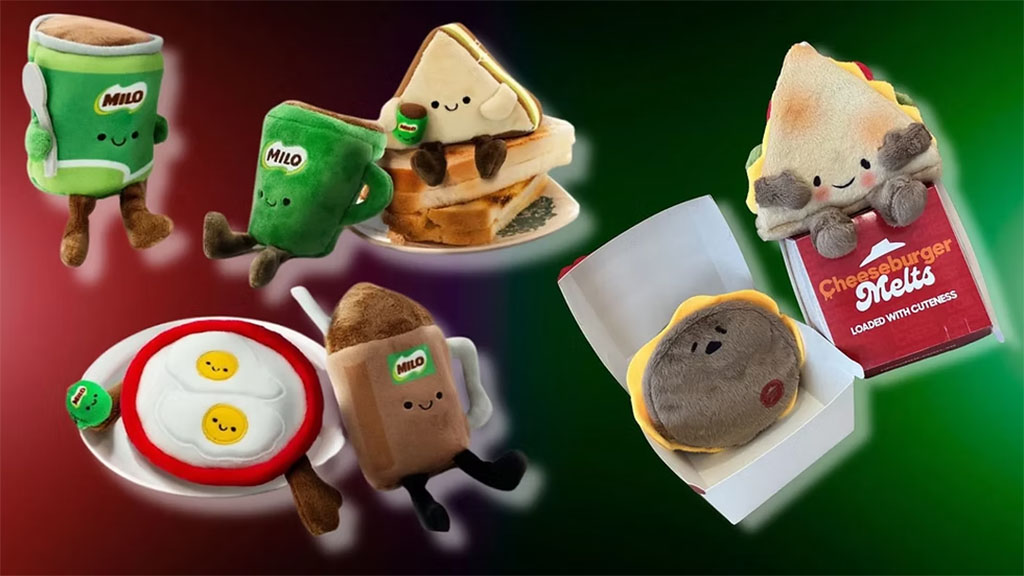
Forecasting blends history, calendar, and community. Start with 12–18 months of sell-through by size, color, and fabric. Overlay calendar peaks (holiday, Valentine’s, graduation, conventions). Add community signals: wishlists, waitlists, email clicks, UGC velocity, creator asks. Launch pilot drops to test new shapes or palettes; read 48-hour velocity and reorder only winners. Use variant logic to multiply SKUs without multiplying BOMs: one silhouette, three palettes, two sizes = 9 SKUs from one stable build.
For recurring revenue, publish a drop calendar and maintain a collector checklist so fans return. Keep core animals in stock for baseline cash; use limited editions for peaks. Maintain spares for defect swaps to protect reviews. After each drop, review returns by reason (size, feel, care) and fix specs (fill grams, SPI, trim masks) to raise the next margin.
Table 6 — Forecasting & Recurring-Revenue Playbook
| Control | What it does | What to track |
|---|---|---|
| Pilot drops | Validates demand with small risk | 48-hour sell-through |
| Waitlists/preorders | Converts intent into plan | Opt-in & cancel rates |
| Variant strategy | More SKUs from one BOM | Per-variant margin |
| Drop calendar | Trains buyers to return | Month-over-month repeats |
| Post-launch review | Removes hidden cost drivers | Return reasons; AQL notes |
Conclusion
Yes—making plushies can be very profitable when you treat it as a system. Match demand cycles to the right niches, engineer materials and minutes for repeatability, tie every claim to lot-level compliance, and price with story and proof. Protect cash with smart MOQs and freight plans, test with small drops, and build community for recurring revenue. If you want a factory partner to turn this framework into sealed PPS and on-time mass with camera-ready texture, email [email protected] or visit kinwintoys.com—my team at Kinwin can help you build a plush business that is soft in hand and strong in margin.