Skip to content
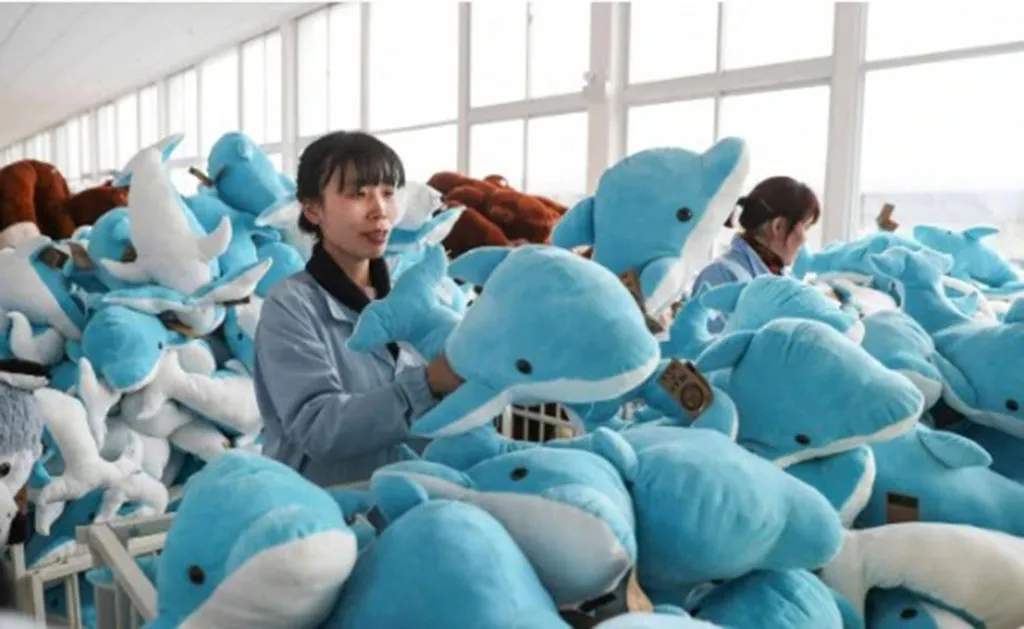
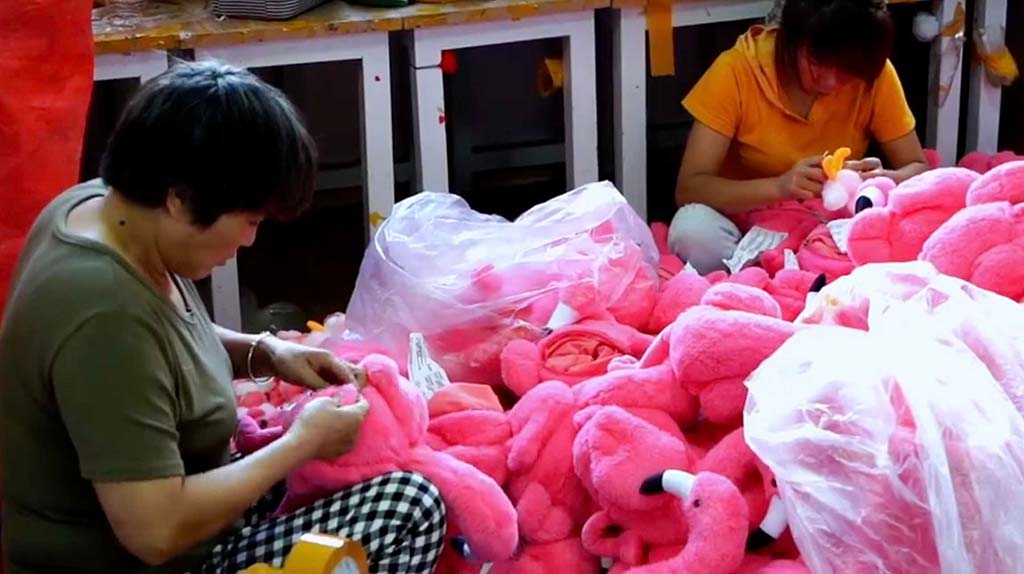
I’m Amanda from Kinwin in China. I help brands and retailers plan plush assortments, lock compliance, and ship on time. Many teams ask me, “What does plush actually stand for?” In factories, plush is not vague. It means pile-faced textiles, cushioned construction, and safe, durable finishing—plus a naming strategy that matches how shoppers search. This guide explains the history and meaning, the technical definition (pile, fiber, GSM, height/density), the standards that apply, the taxonomy differences from “soft toy” and “stuffed animal,” the manufacturing factors that qualify an item as plush, and how to use plush in product titles and SEO across markets.
What does “plush” mean historically and etymologically in textiles and toys?
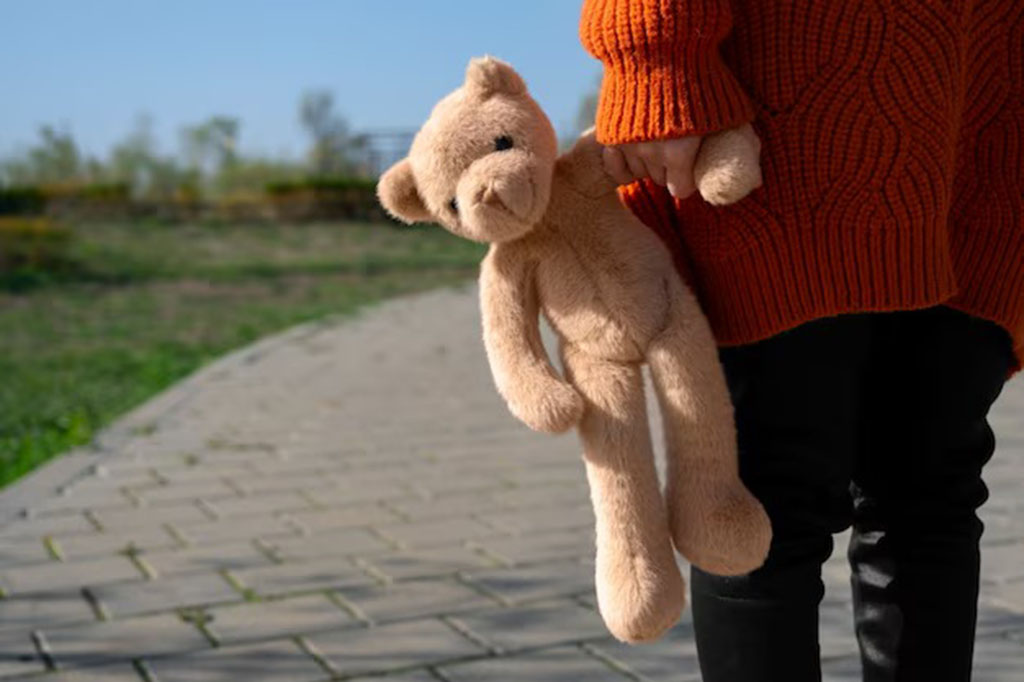
Historically, plush comes from the French peluche, rooted in Latin pilus (“hair”). In textiles, it described a tufted or pile fabric—a surface with upright fibers that feel soft and look rich. Over time, as stuffed animals began using pile shells, retail language shortened “plush bear” to simply “plush.” Today, textile engineers still use plush to mean the fabric family, while toy people often use plush to mean the finished soft toy with a pile shell.
In practice, the word carries three promises:
- Soft handfeel from an upright pile,
- Cushioned construction with fiberfill and safe seams,
- Comfort-first use that invites hugging and display.
Table 1 — How “Plush” Traveled from Textile to Toy
| Era/Context | Who used it | Meaning of “plush” | What survived into toys |
|---|---|---|---|
| Early textiles | Weavers, finishers | Tufted/pile fabric | Soft, fuzzy appearance |
| Industrial era | Mills, merchants | Short/medium pile luxury cloth | Consistent pile height & sheen |
| Early toy retail | Shopkeepers | “Plush bears/animals” | Fabric-led product naming |
| Modern markets | Textile vs. toy teams | Fabric family vs. soft toy | Both meanings accepted by context |
How is plush defined by pile construction, fiber composition, GSM, and pile height/density?
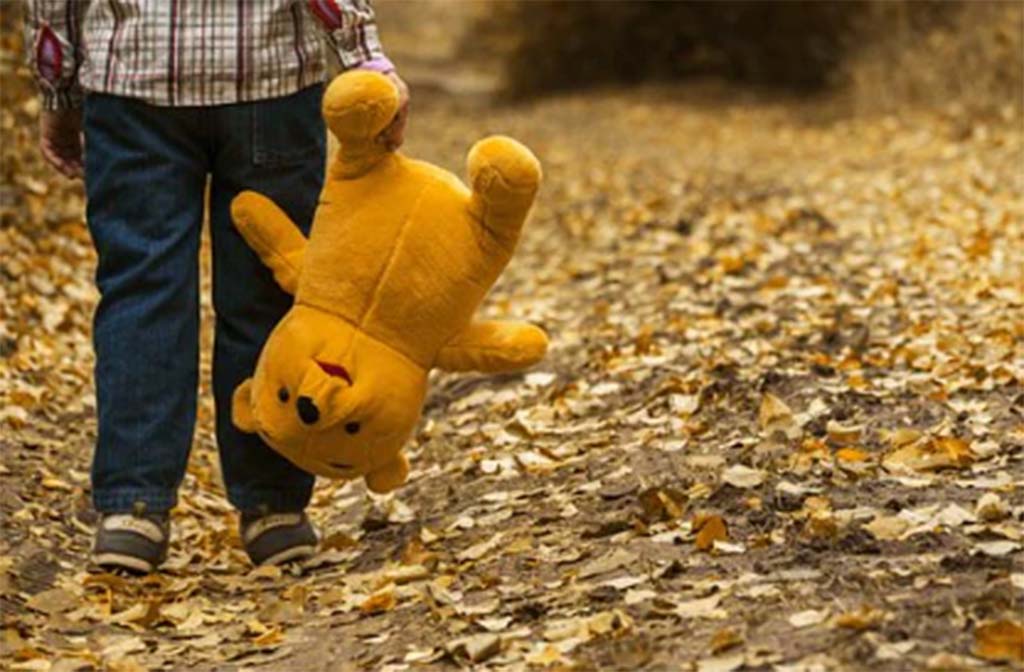
Technically, plush is a pile system plus a soft-filled build. We specify:
- Pile construction: warp/circular knit or woven, with loops cut/raised to form an upright nap.
- Fiber composition: polyester dominates toys (washable, colorfast). Acrylic/modacrylic add realistic faux-fur looks; mohair/alpaca serve luxury.
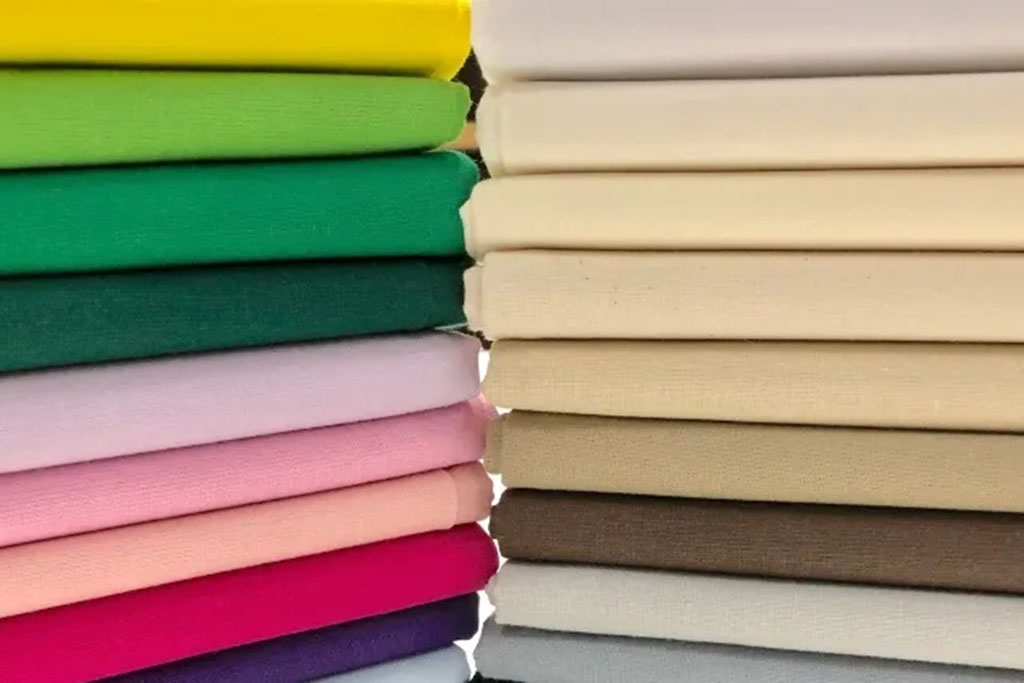
- GSM (grams per square meter): fabric weight; higher GSM usually feels denser and photographs richer.
- Pile height & density: height drives fluff; density and fiber denier drive fullness, recovery, and embroidery clarity.
Table 2 — Technical Definition of Plush (Use in Tech Packs)
| Parameter | Typical Options | What the user feels | QC/Production impact |
|---|---|---|---|
| Pile construction | Knit (minky, velboa, faux fur), woven | Silky → fluffy | Cutting stability; seam behavior |
| Fiber | Polyester / Acrylic / Mohair | Easy-care → realistic → heritage | Care labels; cost tiers |
| GSM | ~180–320+ | Light → premium heft | Cost, drape, freight weight |
| Pile height | ~1–3 mm (short), 4–8 mm (med), 10+ mm (long) | Smooth → fluffy → furry | Face trimming; flammability focus |
| Density/denier | Low ↔ High | Sparse ↔ full, plushy | Stitch clarity for embroidery |
Rule of thumb: If the shell is pile and the body is soft-filled, the item qualifies as plush—then age grade and trims decide your test plan.
Which industry standards and test methods (EN71, ASTM F963/CPSIA, REACH) apply to products labeled as plush?
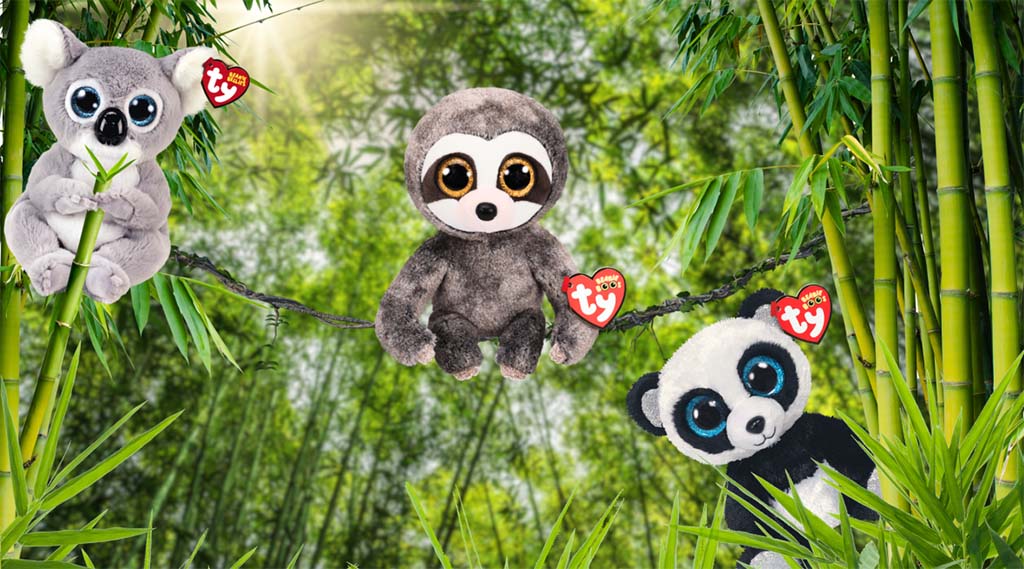
The word plush does not change the law. Age grading, trims, and markets do. For children’s products, you must pass mechanical/physical, flammability, and chemical tests. Keep documents tied to actual fabric/fill lots and re-test when dye lots or trim vendors change.
Table 3 — Compliance Map for Plush Toys (EU/UK/US)
| Region | Core standards | Documents/Labels | Notes |
|---|---|---|---|
| EU/UK | EN71-1/2/3; REACH where relevant | CE/UKCA DoC; age mark; origin | Tie reports to current lots |
| USA | ASTM F963; CPSIA (lead, phthalates), CPC, tracking label | Age grade; care; tracking info | Align trims with age grade |
| Retail adds | OEKO-TEX, recycled-content proofs | Certificates per lot | Only claim what is documented |
Good practice: For baby lines (0+), use embroidered faces and avoid detachable parts. For 3+, safety eyes/noses are fine if they pass small-parts & tensile tests. For adult collectibles, some retailers still ask for toy-style screens to de-risk.
How does “plush” differ from “soft toy,” “stuffed animal,” and “plush doll” in category taxonomy and merchandising?
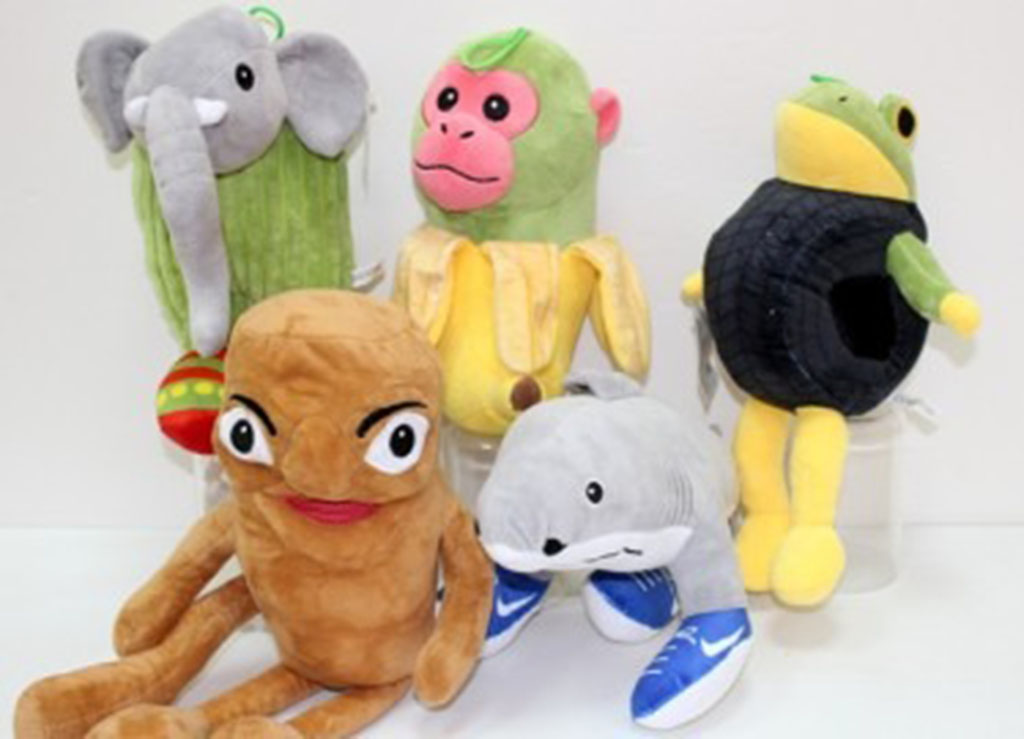
Think of soft toy as the umbrella (any soft, textile-filled toy). Plush is the subset with a pile shell. Stuffed animal is common U.S. everyday speech for animal-shaped soft toys (plush or not). Plush doll is a humanoid figure built with plush shells and soft fillings.
Table 4 — Category Words (Choose by Market and Use Case)
| Term | Scope | Typical Shell | Shopper expectation | Where to use |
|---|---|---|---|---|
| Soft Toy | Umbrella category | Knit/woven or pile | Any soft textile toy | UK/EU category labels |
| Plush | Subset of soft toys | Pile (minky/velboa/faux fur) | Cuddly, textured, premium-feel | Specs, bullets, filters |
| Stuffed Animal | Animal shapes (broad) | Any soft textile | U.S. everyday search term | U.S. titles & nav |
| Plush Doll | Humanoid plush build | Plush shell + embroidery/outfit | Softer, doll-style play | DTC, kid décor, gifts |
Merch rule: Use the local noun for titles/navigation, but keep plush in attributes and bullets because it matches material intent and boosts filter relevance.
What manufacturing factors—patterning, stitching, trims, and fillings—qualify an item to be marketed as plush?
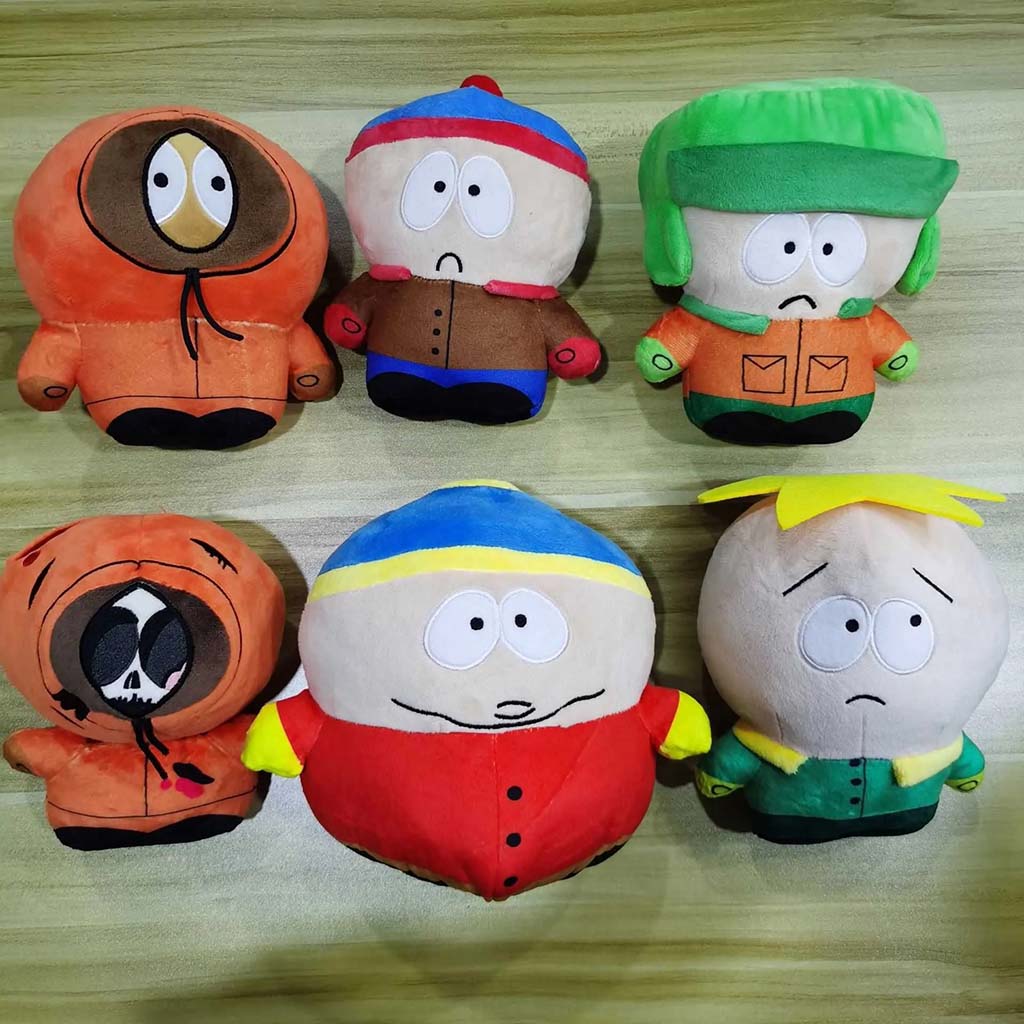
To market an item as plush, your build should favor softness and safety over rigid structure. That means:
- Patterning supports round silhouettes and smooth faces.
- Stitching uses lockstitch/overlock, bar-tacks at stress points, and ladder stitch to close.
- Trims suit the age grade (embroidery for 0+; safety eyes/nose for 3+ with tests).
- Fillings are compliant and balanced; weighted bases use double-pouched pellets to prevent leaks.
Table 5 — Build Factors That Signal “Plush” Quality
| Build area | What qualifies as plush | Risk control |
|---|---|---|
| Shell & face | Pile shell; clean embroidery; trimmed muzzle if faux fur | SPI specs; trim zones; template masks |
| Seams & closures | Overlock + bar-tacks; ladder stitch close | Seam pull tests; stitch length control |
| Fill & weight | Hollow/solid fiberfill; double-pouched pellets | Leakage tests; pouch material spec |
| Accessories | Soft hats/scarves; minimal hard parts | Fastener abuse tests; age alignment |
| Care | Surface/gentle machine wash | Validate wash; brush-after-wash note for faux fur |
How should brands use “plush” in product titles and SEO to match buyer intent across regions and marketplaces?
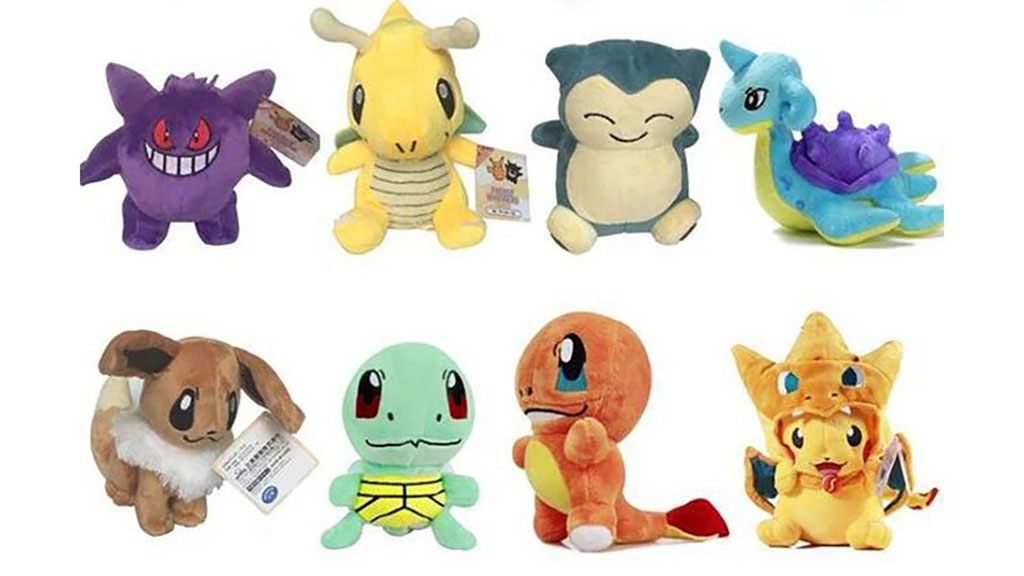
Match buyer language in titles; use plush in bullets, attributes, and alt text. In the U.S., shoppers type “stuffed animal”; in the U.K., they browse “soft toys.” Keep inches in U.S. titles and centimeters in U.K./EU titles. Spread synonyms across metadata without stuffing.
Table 6 — Naming & SEO Playbook (Copy-Ready)
| Market | Title format | Bullets/Attributes | Alt text | Why it works |
|---|---|---|---|---|
| U.S. | 12" Fox **Stuffed Animal (Plush Toy)** – Minky Shell | Material=Plush; Feature=Embroidered; Age; Care | 12 inch fox plush toy stuffed animal | Captures everyday and trade terms |
| U.K./EU | 30 cm Fox **Soft Toy** – Plush Fabric | Material=Plush; Age; Care; EN71 | 30 cm fox soft toy plush fabric | Matches local nav; keeps material signal |
| Global DTC | Hero noun by region + “plush” in bullets | Attributes map to filters (size, weighted, embroidered) | Use animal + plush + size | Balanced coverage without spam |
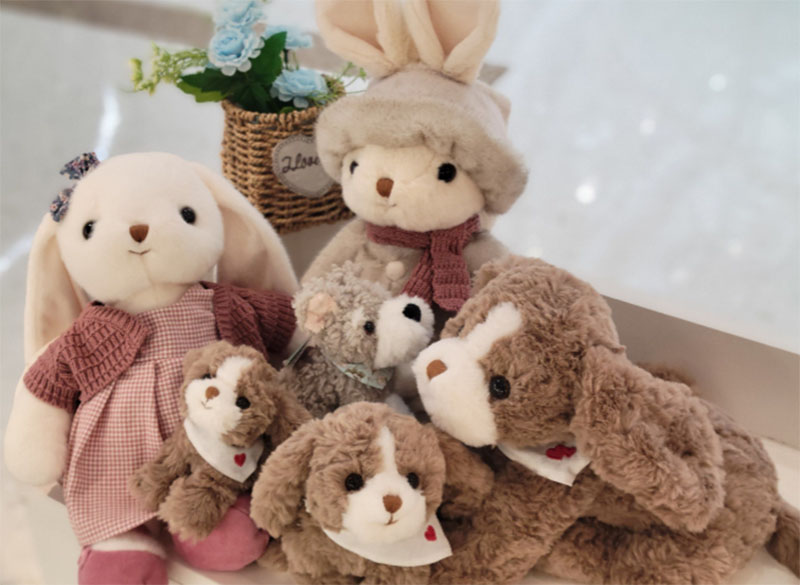
Content tips: Add texture macro, scale-in-hand, and seated-stability photos. These images reduce returns more than extra copy because buyers can see softness and size.
Implementation guide (you can run this week)
- Pick your definition: if the shell is pile and the fill is soft, call it plush in specs and bullets.
- Lock tech specs: fabric GSM, pile height, density/denier, backing stability, and fill grams per panel.
- Set trims by age: embroidery for 0+; safety eyes/nose only for 3+ with passing tests.
- Validate compliance: EN71-1/2/3 (EU/UK); ASTM F963 + CPSIA (U.S.); docs tied to actual lots.
- Write region-wise titles: U.S. “Stuffed Animal (Plush Toy)” with inches; U.K./EU “Soft Toy” with cm.
- Map attributes: size, weighted, embroidered/safety eyes, material=plush, age, care.
- Shoot right photos: texture macro, face close-up, scale-in-hand, seated shot, and one squeeze video.
Quick RFQ templates (paste-ready)
0+ Infant Plush
- Shell: minky, GSM 240 ±10, pile 2.5–3.0 mm; stable backing.
- Face: embroidery only.
- Fill: hollow fiberfill; no pellets.
- Tests: EN71-1/2/3, ASTM F963, CPSIA; tracking label.
- AQL: General II; Major 2.5 / Minor 4.0.
3+ Animal with Weighted Base
- Shell: velboa, GSM 220 ±10, pile 2.0–2.5 mm.
- Face: embroidery + safety eyes (vendor-qualified).
- Base: pellets 120 g, double-pouched; leakage tests.
- Tests: EN71-1/2/3; ASTM F963; CPSIA.
Faux-Fur Wildlife (Premium)
- Shell: faux fur body; velboa face insert.
- Trim zones: muzzle/eye ring trimmed.
- Wash: surface or gentle; brush-after-wash note.
- Age: 3+; flammability and seam pulls validated.
Troubleshooting (fast fixes to common issues)
- Lumpy faces: specify fill grams per panel; add baffles; avoid loose fill near the nose.
- Pellet leaks: enforce double-pouch and raise stitch SPI at stress points.
- Fuzzy facial features on faux fur: use velboa face insert and define trim masks.
- “Chemical” smell complaints: air out before packing; keep cartons dry; avoid heavy solvent adhesives.
- Label mismatches: finalize age grade before PPS; keep CPC/DoC tied to lots.
Conclusion
“Plush” stands for pile-forward softness, cushioned construction, and safe finishing—plus smart naming that mirrors how buyers search. When you define plush in tech specs (GSM, pile height/density), align age-grade trims with EN71/ASTM/CPSIA, and use region-wise titles with plush in bullets and filters, your line feels premium, passes audits, and converts. At Kinwin, we turn clear briefs into sealed PPS and on-time mass runs with plush quality that shows on camera and feels right in hand. Email [email protected] or visit kinwintoys.com to plan your next plush launch.