Skip to content
Buying custom plush toys for the first time can feel unusually complicated. A buyer may begin with a character drawing, a company mascot, a product concept, or a promotional idea, but the factory needs much more than an attractive image before it can produce a safe and repeatable plush toy. Size, fabric, color, construction, facial expression, stuffing, accessories, labels, packaging, test standards, order quantity, target price, and delivery date all affect one another.
First-time plush buyers usually do not lack commitment. What they lack is a reliable map of the process. They may not know which files to prepare, what a realistic MOQ looks like, why a sample differs from artwork, which details create cost, how long material preparation takes, or what information a testing laboratory will require. Without guidance, small uncertainties become repeated sample changes, budget surprises, delayed approvals, and avoidable production risks.
Our role as a professional plush manufacturer is therefore broader than making a product from a drawing. We translate creative intent into measurable production requirements, show buyers where decisions are needed, explain the consequences of each option, and create checkpoints that prevent the project from moving forward on assumptions. The objective is not to overwhelm a new buyer with factory terminology. It is to make every important decision visible early enough to control it.
A well-managed first order also creates the foundation for future orders. Approved patterns, material references, color standards, embroidery files, inspection criteria, packaging data, and revision records become reusable project assets. The first project may involve more learning, but that learning should reduce risk and management effort over time. The following sections explain how we support first-time plush buyers from initial inquiry through delivery and repeat-order preparation.
Turn an Idea into a Production-Ready Plush Brief
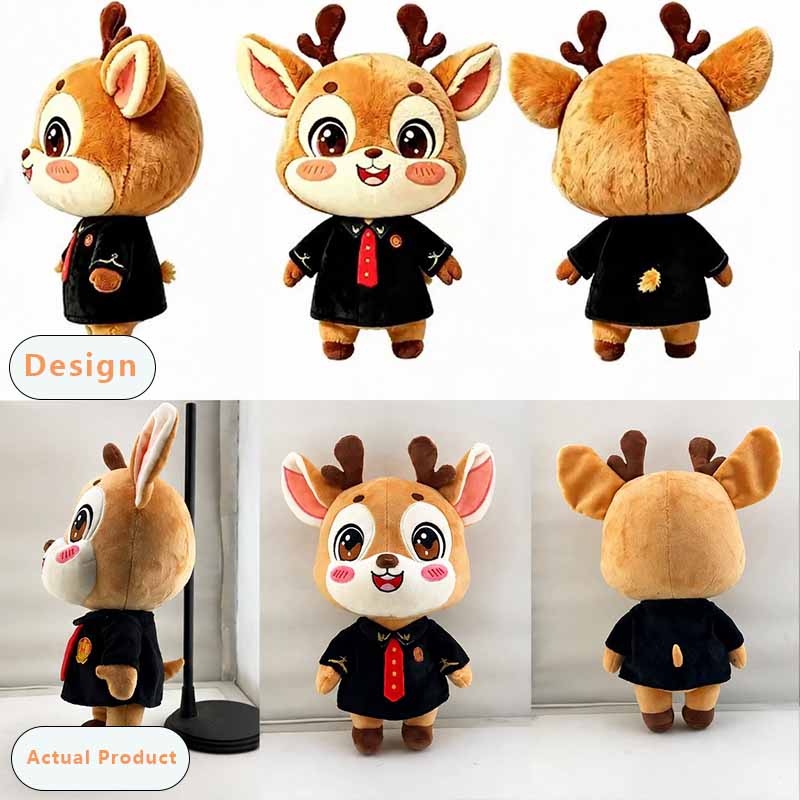
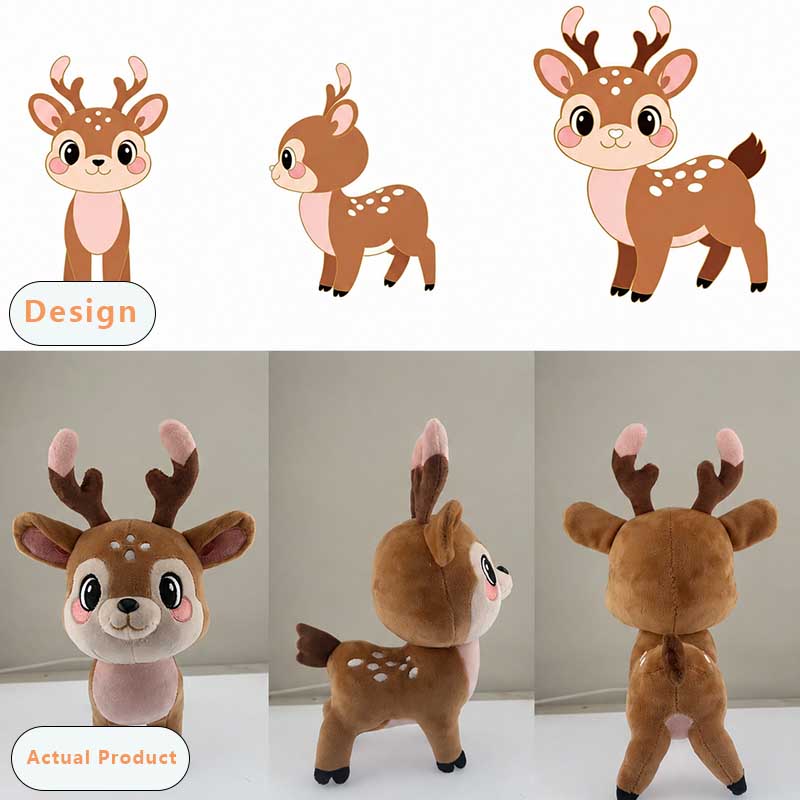
The first responsibility of a supportive factory is to convert an idea into a brief that the sample room and production team can actually use. A sketch or reference image communicates appearance, but it rarely defines construction. Two factories can interpret the same artwork differently if size, proportions, viewing angle, fabric direction, embroidery details, and intended use are not documented. For a first-time buyer, our early questions are designed to expose these choices before they become expensive revisions.
We begin with the purpose of the product. A retail collectible, an infant comfort toy, a promotional giveaway, a licensed character, and a pet toy may look similar in a photograph but require different materials, safety assumptions, labeling, durability, and packaging. We also ask about the sales market, target user age, quantity range, preferred launch date, target price level, and any retailer or marketplace requirements. These answers shape technical recommendations throughout the project.
Next, we define the visible features that must be protected. For a mascot, the expression, silhouette, logo placement, and brand colors may matter more than tiny hidden construction details. For a collectible, embroidery density, accessory finish, and pose stability may be essential. We distinguish non-negotiable brand features from details that can be adjusted for manufacturability or cost. This allows us to offer useful alternatives without accidentally weakening the identity of the design.
Measurements are then organized into a simple specification. Overall height alone is not enough. Head width, body length, limb position, ear size, sitting height, and key placement points may need to be controlled. We note whether dimensions are measured while the toy is lying flat, sitting naturally, or under light compression. This matters because soft products move, and inconsistent measurement methods create unnecessary disputes.
When information is missing, we do not quietly guess. We list open decisions, recommend a practical default, and explain how the choice affects appearance, cost, safety, or timing. The result is a working brief that can be revised deliberately. For a new buyer, this document is the first major reduction in risk because it aligns the commercial goal, creative design, and factory interpretation before sampling begins.
| Brief Element | What We Confirm | Why It Matters |
|---|---|---|
| Product purpose | Sales channel, user age, market, use case, and launch goal | Determines safety, durability, labeling, and packaging assumptions |
| Visual priorities | Silhouette, expression, colors, logos, textures, and signature details | Protects brand identity during technical adjustments |
| Measurable specification | Overall size, proportions, placement points, and measurement method | Gives sampling and bulk production a shared reference |
| Open decisions | Missing files, optional features, cost choices, and approval owners | Prevents the factory from building on unrecorded assumptions |
Set Realistic Budget, MOQ, and Cost Expectations
Cost is often the most stressful subject for first-time plush buyers because an early estimate can change when the design becomes more specific. We reduce that uncertainty by explaining the cost structure instead of presenting a single unexplained number. The unit price is influenced by size, fabric consumption, fabric MOQ, number of colors, embroidery stitch count, printed areas, accessories, sewing complexity, stuffing weight, testing, packaging, order quantity, and delivery terms.
MOQ should also be understood as a supply-chain constraint, not an arbitrary barrier. A factory may be able to sew a small number of toys, but fabric mills, dye lots, printed packaging, woven labels, electronic components, or specialized accessories may have their own minimum quantities. If a buyer orders below those thresholds, unused material is still purchased and its cost must be allocated somewhere. We show which MOQ is driven by production efficiency and which is driven by a specific material or component.
For a first quotation, we state the assumptions clearly. If artwork is preliminary, the quotation may be a budget range rather than a fixed production price. We identify the assumed size, material family, decoration method, quantity, packaging, and trade term. When the sample is approved and material consumption is confirmed, the price can be refined with much greater accuracy. This two-stage approach prevents a rough early figure from being mistaken for a promise based on details that did not yet exist.
We also help buyers separate tooling or development costs from bulk unit costs. Sample fees cover pattern development, technician time, embroidery or print setup, and repeated hand adjustments. Testing, custom molds, retail boxes, barcodes, and freight may be separate. A low unit price can look attractive while these other costs remain hidden. A useful budget includes the complete path to receiving sellable goods, not only the ex-factory price.
When a target price is tight, we propose controlled options. Reducing size slightly, simplifying a hidden seam, changing an accessory construction, choosing a more available fabric, adjusting embroidery coverage, or improving carton utilization may reduce cost while preserving the buyer-facing value. We explain each tradeoff and wait for approval. Cost engineering should be transparent; it should never mean quietly replacing an approved material or reducing quality after the buyer commits.
| Cost Question | Our Support | Buyer Decision |
|---|---|---|
| What does the quote include? | State material, decoration, quantity, packaging, testing, and trade-term assumptions | Compare suppliers on the same scope |
| Why is there an MOQ? | Separate factory efficiency from fabric, label, component, or packaging minimums | Choose quantity or redesign the constrained item |
| How can cost be reduced? | Offer design and material alternatives with visible tradeoffs | Approve savings that do not damage core product value |
| What is the total project budget? | Identify samples, testing, packaging, freight, duty, and contingency | Plan landed cost rather than unit price alone |
Use Sampling as a Controlled Decision Process
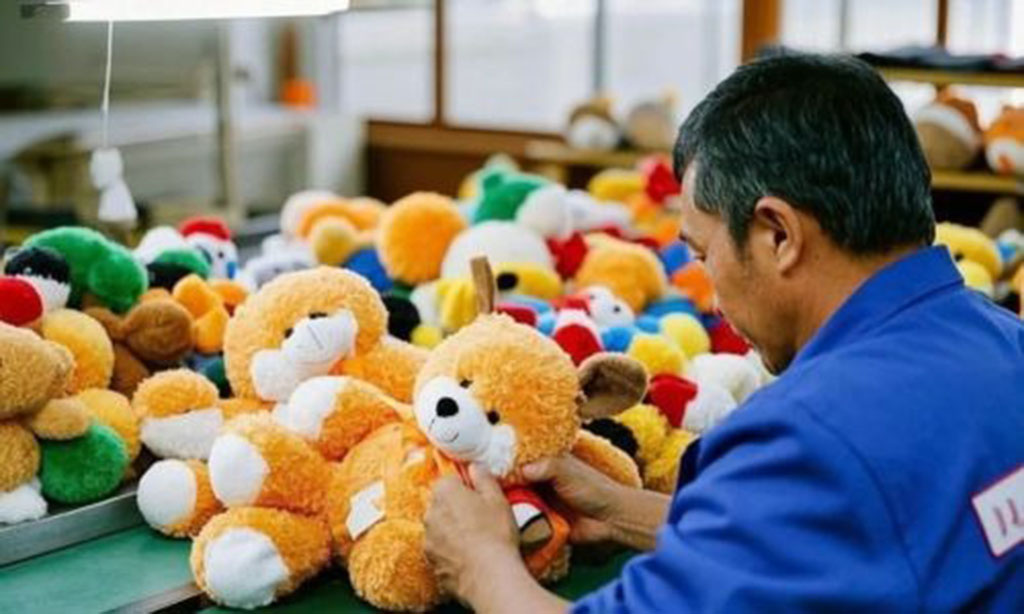
For a first-time buyer, the sample is where an abstract idea becomes a physical object. It is also where most misunderstandings can be corrected at relatively low cost. We treat sampling as a controlled decision process, not as a series of unexplained attempts. Every sample round should answer specific questions and move the product closer to a production-ready standard.
The first prototype establishes the basic pattern, three-dimensional proportions, construction method, fabric behavior, and character expression. It may reveal that a feature that works in flat artwork behaves differently when stuffed. A narrow neck may not support the head, a long pile fabric may hide small embroidery, a curved printed panel may distort artwork, or a small accessory may be difficult to attach securely. These findings are normal development information, not automatically evidence of poor workmanship.
We make revision feedback precise. Buyers receive clear photos and, where useful, measurements or comparison notes. We ask them to mark desired changes by area: shape, color, material, embroidery, stuffing, placement, accessories, labels, and packaging. Vague comments such as “make it cuter” are translated into observable changes, such as widening the face, lowering the eyes, shortening the muzzle, or reducing stuffing in a specific part. This allows the sample maker to act consistently.
Version control is especially important. We identify each sample round and preserve the comments that led to it. When a buyer approves one feature but changes another, the approved feature should not drift in the next version. Material swatches, Pantone references, embroidery files, and photos are linked to the version. This prevents teams from reviewing different standards and reduces the risk of an old file reaching production.
Before final approval, we conduct a production-feasibility review. The sample must not only look right in the hands of a skilled sample maker; it must be repeatable by a production line within the agreed tolerance. We check seam access, panel alignment, stuffing method, accessory attachment, decoration placement, material availability, and expected labor. If a beautiful sample depends on an unstable hand technique, we resolve that before bulk production.
The final approved sample becomes a quality benchmark, but approval is more useful when accompanied by written notes. We document allowable variation in dimensions, color, softness, placement, and appearance. This makes the buyer’s approval transferable to QC inspectors and production workers who were not part of every earlier conversation.
| Sample Stage | Main Purpose | Approval Evidence |
|---|---|---|
| Initial prototype | Test shape, proportions, construction, and design interpretation | Marked photos and a prioritized revision list |
| Revision sample | Confirm specific changes without losing approved features | Version number, measurements, swatches, and file references |
| Pre-production sample | Prove that approved appearance can be repeated with bulk materials | Signed or written approval plus production notes |
| Benchmark control | Translate one approved piece into inspection criteria | Tolerance sheet, reference photos, and sealed sample |
Guide Material Selection and Safety Compliance
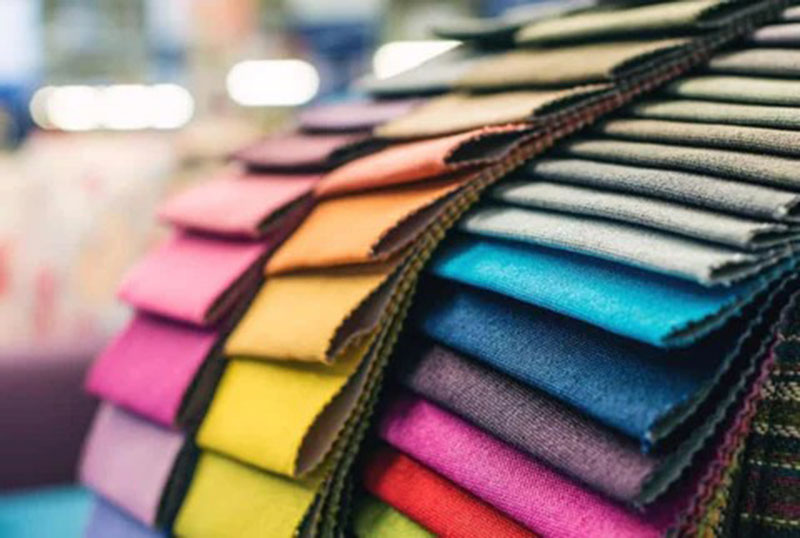
First-time buyers often choose materials by appearance and touch, which are important, but a production material must also satisfy availability, consistency, sewing performance, safety, care, and target-market requirements. We explain these factors before material commitments are made. The goal is to find a material that supports the design and remains controllable across the full order.
Fabric selection begins with pile length, density, stretch, backing strength, color, and hand feel. Long-pile fabric can create a premium result but may hide small facial details and require extra trimming around seams or embroidery. Stretch fabric may produce smooth curves but can increase shape variation. Very light colors may show contamination more easily. We provide swatches or use sample comparisons so the buyer can judge real material rather than relying only on a screen image.
Safety planning begins with the intended market and age grading. Requirements differ among the United States, European Union, United Kingdom, and other markets, and they can also differ by product type. The buyer or importer normally owns final market compliance, while the manufacturer supports that responsibility with material records, construction controls, test samples, and coordination with accredited laboratories. We clarify this division so neither side assumes the other has completed an unspoken task.
Construction choices are reviewed for foreseeable hazards. Small parts, plastic eyes, bells, magnets, batteries, cords, loops, pellets, zipper access, and decorative attachments may require special controls or may be unsuitable for certain age groups. Alternatives such as embroidered eyes, enclosed components, reinforced attachments, or revised dimensions can reduce risk. We also control broken-needle procedures, metal detection where required, seam strength, and cleanliness during production.
Compliance cannot be added effectively at the last minute. Testing a finished bulk order may reveal a problem after materials have been purchased and goods have been produced. We prefer to identify applicable tests early, review the bill of materials, and test representative production materials or pre-production samples at the appropriate stage. Test plans should also account for colorways and components because a change in coating, print, filling, or accessory may affect coverage.
Documentation is part of the support. We help organize material specifications, supplier declarations, test reports, label information, and lot references so the buyer has a traceable file. This is valuable not only for customs or retailers but also for future orders, product investigations, and controlled material substitutions.
| Control Area | What We Review | Risk Reduced |
|---|---|---|
| Main fabric and filling | Pile, density, stretch, backing, color lot, hand feel, and composition | Unexpected appearance, sewing variation, or inconsistent softness |
| Attachments and components | Size, accessibility, pull strength, battery or magnet containment, and age suitability | Detachment, choking, ingestion, and misuse hazards |
| Market compliance | Destination, age grade, product type, applicable standards, and laboratory plan | Late test failure or incomplete importer documentation |
| Traceability records | Material lots, declarations, reports, labels, and approved substitutions | Difficulty investigating or repeating a compliant product |
Make the Production Timeline Visible and Manageable
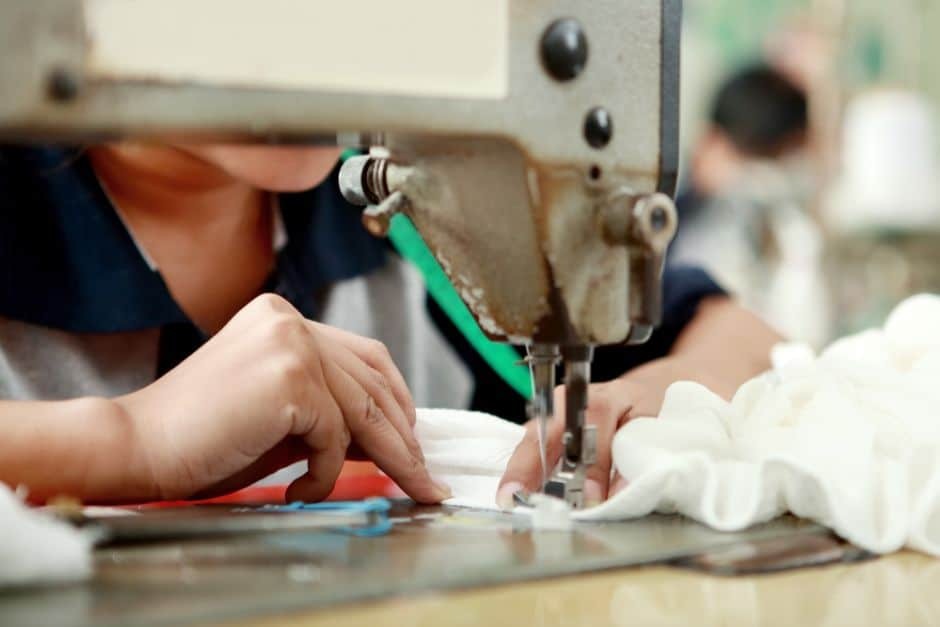
New buyers sometimes expect production lead time to begin when they first request a quote. In practice, the controllable production clock begins after several dependencies are resolved: the sample is approved, the order and deposit are confirmed, artwork is final, materials are approved, testing direction is clear, and packaging files are ready. We explain these dependencies early so the launch plan is built around real milestones.
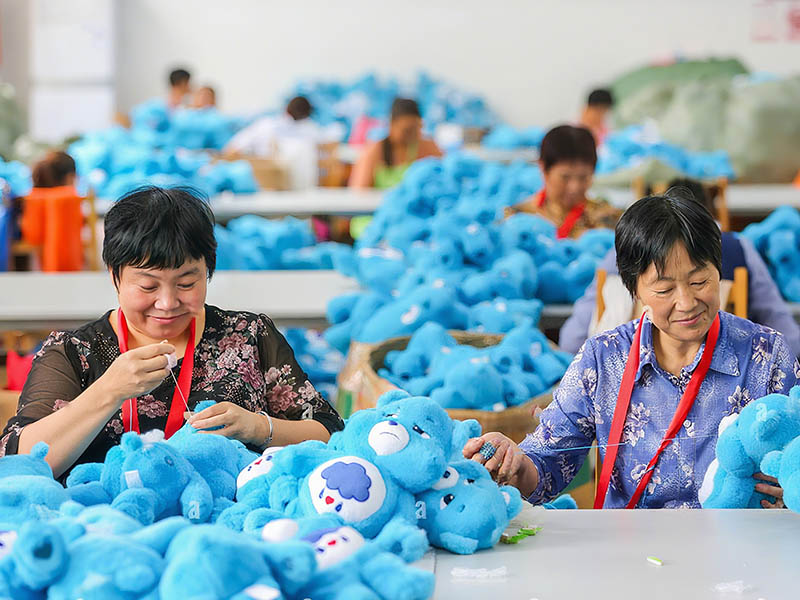
A plush order moves through material purchasing, incoming inspection, cutting, decoration, sewing, component attachment, stuffing, closing, finishing, inline inspection, final inspection, packing, and shipment preparation. Some operations run in parallel, while others cannot start until a previous step is complete. Printed fabric, custom-dyed material, molded parts, electronic modules, or retail packaging may have longer lead times than sewing. The critical path is therefore project-specific.
We create milestone updates that answer four questions: what is complete, what is in progress, what comes next, and whether a buyer decision is blocking the schedule. Useful updates may include approved material photos, cutting quantities, first-line pieces, sewing progress, QC findings, packing status, and inspection readiness. The purpose is not to send a large number of unstructured images. It is to give the buyer evidence tied to the production plan.
Schedule risk is handled through escalation rather than silence. If a fabric supplier reports a delay, a component fails inspection, or a quality issue reduces output, we assess the impact and present options. The choices may include waiting for the approved material, accepting an approved alternative, splitting shipment, changing transport, or adjusting the launch sequence. Each option should show cost, quality, and timing consequences so the buyer can make an informed decision.
First-time buyers also benefit from internal approval deadlines. A one-day factory action cannot compensate for a two-week delay in artwork or sample comments. We identify when the buyer must approve samples, confirm packaging text, provide barcodes, select a shipping method, or authorize testing. Shared responsibility makes the schedule realistic and avoids treating every later delay as a manufacturing delay.
Finally, we include buffer for inspection, document preparation, booking, and unexpected corrections. A plan that assumes every step will finish at the earliest possible moment is fragile. A professional timeline protects the target delivery date by making uncertainty visible and placing reasonable contingency before the final deadline.
| Milestone | Evidence Shared | Buyer Action |
|---|---|---|
| Pre-production readiness | Approved sample, material status, files, and open-item list | Close remaining approvals before the schedule is locked |
| Production start | Incoming material checks, cutting plan, and first-line confirmation | Review any approved variation or corrective action |
| Mid-production | Quantities completed, QC trend, risks, and revised forecast | Make fast decisions if an exception affects cost or timing |
| Shipment readiness | Final inspection, packing data, documents, and booking status | Confirm release and logistics instructions |
Define Quality Before Inspecting Finished Goods
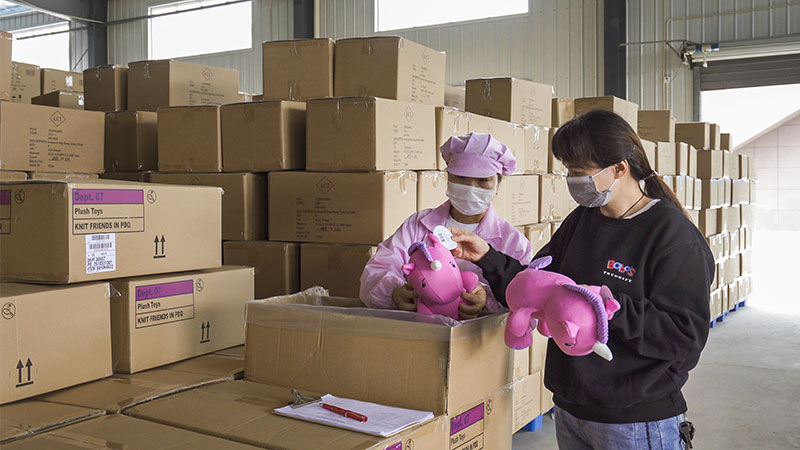
Quality becomes difficult to manage when it is described only as “good” or “like the sample.” A supportive factory helps first-time buyers translate expectations into inspection points before bulk production. This matters because plush toys are soft, hand-assembled products. They have natural variation, but acceptable variation must be distinguished from defects that affect safety, function, appearance, or brand value.
The approved sample is the visual reference, while written criteria explain how to use it. We define critical characteristics such as overall silhouette, facial expression, key dimensions, embroidery placement, color, fabric direction, stuffing feel, sitting or standing stability, seam security, accessory attachment, label position, cleanliness, and packaging. Measurements receive realistic tolerances based on product size, fabric stretch, and construction method.
Quality control occurs in stages. Incoming inspection checks materials before they create widespread defects. Cutting inspection checks panel shape, fabric direction, and shade. First-piece approval confirms that workers and machines are producing the intended result. Inline QC detects repeated sewing, stuffing, placement, or finishing problems while correction is still efficient. Final inspection checks completed and packed goods against the agreed standard.
We also explain defect classification. A critical defect may create a safety or legal risk and normally requires immediate containment. A major defect may make the product unsellable or significantly different from the approved standard. A minor defect may be a limited appearance issue that does not affect safety or function. Buyers can then set inspection expectations and an AQL approach appropriate to their channel and risk level, rather than applying an unexplained number.
When a defect is found, support means more than sorting out bad pieces. We identify the scope, contain affected goods, investigate the cause, correct the process, and verify the correction. For example, inconsistent eye placement may come from a weak positioning template, not simply careless workers. Fixing the template prevents recurrence more effectively than inspecting the same error repeatedly.
Clear quality standards protect both parties. The buyer knows what will be inspected, and the factory knows which features require tighter control. This reduces last-minute arguments, improves first-pass inspection performance, and gives an independent inspector a usable reference if third-party inspection is requested.
| Quality Stage | Control Focus | Output |
|---|---|---|
| Incoming and cutting | Material identity, shade, defects, panel accuracy, and fabric direction | Released lots and contained nonconforming inputs |
| First piece and inline QC | Construction method, placement, stuffing, seams, and repeated defects | Corrected process before defects spread |
| Final inspection | Safety, workmanship, measurements, appearance, quantity, and packaging | Documented pass, rework request, or corrective plan |
| Root-cause follow-up | Why the defect occurred and whether correction is effective | Preventive action for remaining units and repeat orders |
Plan Packaging, Shipping, and Landed Cost Early
A plush project is not complete when sewing ends. Packaging and logistics can change the product’s condition, presentation, delivery date, and total cost. First-time buyers often focus on unit price and discover freight impact later because plush toys are relatively light but occupy substantial volume. We bring packaging and shipping into the discussion before bulk production is finished.
Packaging begins with the sales channel. A wholesale polybag, a printed belly band, a hangtag, a gift box, and a marketplace-ready package have different costs and operational requirements. Retailers may specify barcode position, suffocation warnings, price labels, carton marks, case quantities, drop-test performance, or routing labels. We collect these requirements early because packaging artwork and printed components can have their own approval cycles and lead times.
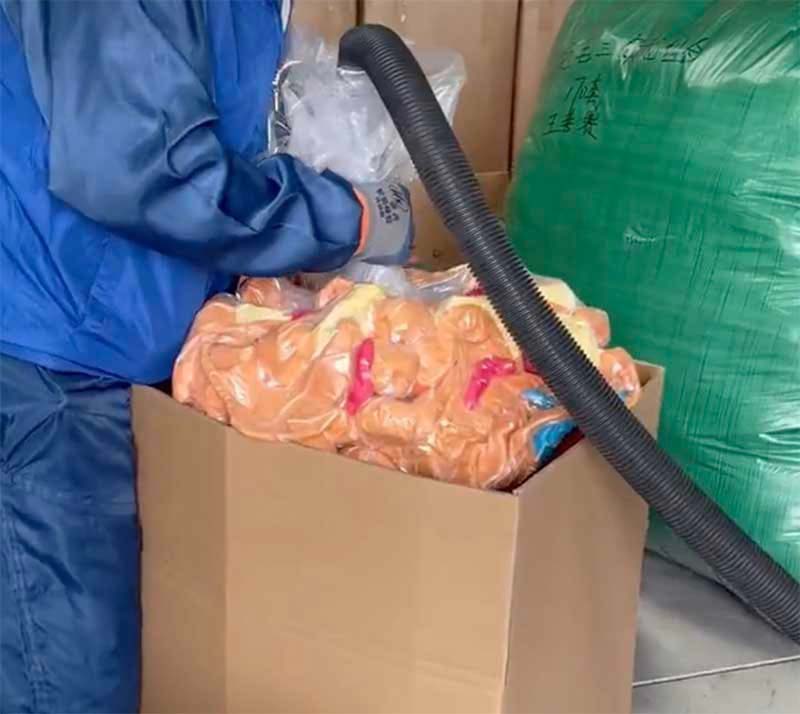
We then conduct a packing trial. The trial checks product dimensions after packing, units per carton, carton weight, compression, shape recovery, presentation, and protection. Vacuum or compressed packing may reduce volume for suitable designs, but it can crease long-pile fabric, deform structured parts, or create a poor opening experience. We test and document the result rather than treating compression as an automatic saving.
Shipping choices are explained in relation to schedule and landed cost. Express courier may be suitable for samples or a small urgent quantity. Air freight is faster but costly for bulky goods. Sea freight usually offers a lower cost for large orders but requires more transit and booking time. Rail or truck options may be relevant for particular routes. The correct method depends on carton volume, destination, deadline, inventory value, and the buyer’s ability to handle import procedures.
Trade terms also matter. EXW, FOB, CIF, DDP, and other arrangements allocate transportation tasks, risk, customs handling, and charges differently. We state what the quotation covers and provide carton estimates so the buyer or forwarder can compare options. Customs duty, import tax, destination charges, broker fees, warehouse delivery, and inspection fees may sit outside the factory quote and should be included in landed-cost planning.
Before shipment, we verify packing lists, commercial invoice data, carton quantities, marks, weights, dimensions, and requested certificates or reports. This final document check reduces customs delays and receiving discrepancies. For a new buyer, a clear logistics checklist is often as valuable as the product itself because it turns an unfamiliar handoff into a manageable sequence.
| Logistics Decision | Information We Provide | Cost or Risk Controlled |
|---|---|---|
| Packaging format | Material, artwork, barcode, warnings, protection, and sales-channel fit | Repacking, retailer rejection, or weak presentation |
| Packing trial | Units per carton, dimensions, weight, compression, and recovery result | Unexpected dimensional freight or product deformation |
| Shipping method | Estimated volume, readiness date, transit options, and trade term | Choosing speed without understanding total cost |
| Shipment documents | Invoice, packing list, carton marks, reports, and requested declarations | Customs delay and warehouse receiving errors |
Provide Clear Communication and Prepare the Next Order

First-time buyers need communication that reduces decision pressure rather than adding noise. We organize communication around approvals, risks, and next actions. Each important message should make clear what has been decided, what remains open, who owns the next step, and what date protects the schedule. This structure prevents long message threads from becoming the only project record.
At the start, we establish a main contact on each side and identify other approval owners for design, compliance, payment, packaging, and logistics. When several stakeholders give separate comments, we ask for one consolidated revision list. This avoids contradictory instructions reaching the sample room or production team. For important changes, we record the approved version rather than relying on memory or an isolated chat message.
We explain technical issues in commercial terms. If a long-pile fabric hides embroidery, we show the visual effect and provide alternatives. If a material MOQ raises cost, we identify the quantity threshold and unused-material impact. If a requested delivery date is at risk, we show the critical path and available recovery options. A first-time buyer should not need factory experience to understand the decision.
Problems are reported with facts, containment, recommendation, and timing. A useful issue report states what happened, how many units or materials may be affected, whether production has stopped, what immediate control is in place, what options exist, and when a decision is needed. This allows the buyer to respond calmly and also gives their internal team credible information.
After shipment, we preserve the project record. This includes the final pattern version, approved sample notes, material codes, color standards, embroidery or print files, bill of materials, test documents, QC findings, packing method, carton data, and corrective actions. If the buyer reorders, these records shorten preparation and reduce the chance that the product drifts from the original approval.
We also invite feedback from the market. Comments about shape recovery, shelf presentation, customer preferences, packaging damage, or sales performance can guide the next production. A mature repeat order may adjust quantity, packaging, material reservation, inspection focus, or delivery schedule while keeping the approved identity stable.
The deepest support we can give a first-time buyer is confidence built from visible process. Buyers should know what is happening, why a decision matters, and what evidence confirms completion. That confidence is not created by promising that nothing will ever go wrong. It is created by making the work traceable and responding professionally when reality changes.
| Communication Practice | What the Buyer Receives | Long-Term Value |
|---|---|---|
| Decision log | Approved versions, open items, owners, and deadlines | Fewer contradictory instructions and lost approvals |
| Structured progress update | Milestone evidence, current risk, next step, and forecast | Less time chasing status and explaining uncertainty internally |
| Issue escalation | Facts, containment, options, recommendation, and decision deadline | Faster recovery with controlled cost and quality impact |
| Reorder file | Patterns, materials, standards, reports, QC history, and packing data | Faster, more consistent repeat production |
Conclusion
Supporting first-time plush buyers requires more than answering quotation questions. It requires a process that converts creative intent into measurable requirements, makes cost assumptions visible, uses samples as controlled decisions, plans safety and materials early, tracks production through meaningful milestones, defines quality before inspection, and connects packaging with landed cost.
The best first order is not necessarily the one with no revisions or surprises. Custom development naturally involves learning. The difference is whether that learning is documented and resolved before it becomes a bulk-production problem. A professional manufacturer gives the buyer clear choices, explains tradeoffs, and creates evidence at every major approval point.
When this support is done well, the buyer gains more than a shipment. They gain approved patterns, material references, quality standards, compliance records, packing data, and a repeatable workflow. Those assets reduce risk on the next order and allow the brand to grow its plush program with greater confidence.
FAQ
What should a first-time plush buyer prepare before requesting a quote?
Prepare the clearest artwork available, preferred product size, estimated quantity, destination market, target user age, desired delivery date, packaging expectation, and target price range. Reference images and notes about non-negotiable brand details are also useful. The factory can help identify missing technical information.
Can a plush manufacturer quote from a drawing only?
A factory can usually provide a preliminary range from a drawing, but a reliable final price requires confirmed size, materials, decoration, construction, quantity, packaging, and approved sample consumption. Early quotations should list their assumptions so later changes are understandable.
Why does custom plush sampling require several rounds?
Flat artwork does not fully predict three-dimensional shape, fabric behavior, stuffing, balance, or expression. Multiple rounds may be needed to refine these elements. A controlled process keeps each round focused and records which features are already approved.
What is a typical MOQ for a custom plush order?
MOQ varies by design, material, component, decoration, and factory setup. Some minimums are driven by sewing efficiency, while others come from fabric mills, custom dyeing, labels, packaging, or electronic parts. Buyers should ask which component creates the minimum and whether an alternative can reduce it.
Who is responsible for plush toy safety compliance?
The importer or brand is generally responsible for placing a compliant product on its target market. The manufacturer supports compliance through suitable materials, controlled construction, production records, representative samples, and laboratory coordination. Responsibilities and test scope should be agreed before production.
How can a first-time buyer control quality without factory experience?
Use an approved pre-production sample, written measurements and tolerances, reference photos, a defect classification, and a staged inspection plan. An independent third-party final inspection can provide additional assurance when the buyer cannot inspect at the factory.
When should packaging and shipping be discussed?
They should be discussed during development, not after production. Packaging affects product protection, retail presentation, carton volume, freight cost, artwork lead time, labels, and warehouse requirements. A packing trial before bulk shipment provides more accurate logistics data.
How does the first order make repeat orders easier?
The first order creates approved patterns, material codes, color references, decoration files, quality criteria, test records, defect history, packing specifications, and carton data. Preserving these records reduces sampling time, quotation uncertainty, production risk, and communication effort on future orders.