Skip to content
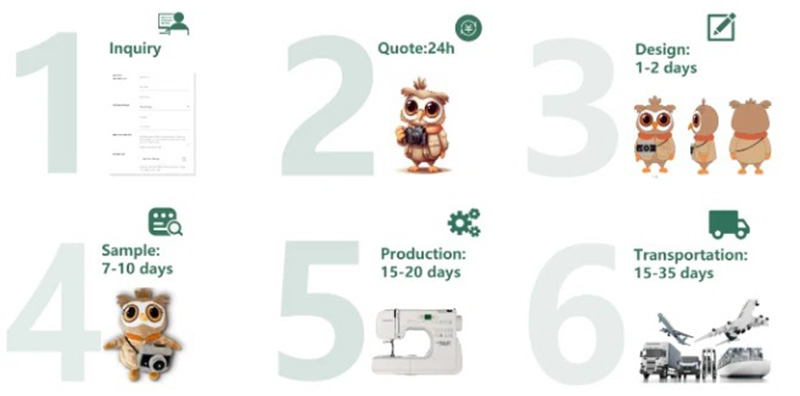
Some plush toy projects are simple. A buyer chooses a standard size, confirms a common fabric, approves a basic embroidery design, and places a repeat order with familiar packaging. In those cases, a factory with basic production ability may be enough. Complex plush projects are different. They involve more decisions, more technical uncertainty, more people, and more ways for small mistakes to become expensive problems.
Complex plush projects may include licensed characters, detailed mascots, electronic components, mixed materials, strict safety requirements, retail packaging, multiple SKUs, tight launch dates, or special buyer approval procedures. The factory must not only make the toy. It must understand how to translate a creative idea into a repeatable, safe, cost-controlled, and shipment-ready product.
This is where experience matters. An experienced plush toy factory has already seen many of the problems that can appear during sampling, material sourcing, production, inspection, packaging, and export. It can identify risks earlier, ask better questions, make better technical suggestions, and prevent buyers from learning expensive lessons through trial and error.
For B2B buyers, experience is not an abstract advantage. It affects design accuracy, sample speed, bulk consistency, compliance confidence, communication efficiency, and final delivery reliability. This article explains why experience matters in complex plush projects and how buyers can evaluate whether a factory is truly prepared for higher-risk custom work.
What Makes a Plush Project Complex?
A plush project becomes complex when the product has more uncertainty than a standard stuffed animal order. Complexity can come from the design, the materials, the structure, the target market, the timeline, or the buyer’s internal approval process. A small mascot with a complicated face may be more difficult than a large basic teddy bear. A simple shape with electronics may require more control than a decorative plush pillow.
Design complexity is especially common in custom plush manufacturing. Buyers may provide a 2D character illustration, but the factory must convert it into a 3D soft product. This requires pattern knowledge, proportion judgment, fabric understanding, embroidery planning, and realistic expectations about how stuffing changes shape.
Operational complexity also matters. A project with multiple characters, several sizes, different packaging versions, or region-specific labels requires careful organization. If the factory does not manage information well, mistakes can happen even when each individual plush toy is not technically difficult.
| Complexity Source | Example | Risk Without Experience |
|---|---|---|
| Design | Licensed character, mascot, detailed face | Poor likeness or repeated sample revisions |
| Materials | Mixed fabrics, special texture, accessories | Wrong hand feel, color variation, weak structure |
| Function | Sound module, LED, removable part | Safety or assembly problems |
| Commercial needs | Retail packaging, barcode, strict launch date | Delivery delay or receiving issues |
The more variables a project contains, the more valuable factory experience becomes.
How Experience Improves Early Project Evaluation
The first sign of an experienced factory is the quality of its questions. Inexperienced suppliers may quote quickly from a picture and quantity. Experienced factories know that complex plush projects need deeper review before price and timeline can be reliable.
At the early stage, the factory should clarify size, fabric direction, face details, embroidery method, printing needs, accessories, filling density, packaging, target market, test requirements, and expected delivery date. It should also identify possible design risks. For example, a very thin tail may be difficult to stuff evenly. A tiny embroidered logo may lose detail. A hard plastic accessory may create safety concerns for children’s products.
Good early evaluation protects both buyer and factory. It prevents unrealistic promises, reduces hidden costs, and helps the buyer decide whether to adjust the design before sampling begins. This is especially useful for buyers managing a campaign, retail program, or licensed product launch where late changes can affect many stakeholders.
| Factory Question | Why It Shows Experience | Buyer Benefit |
|---|---|---|
| What market will the toy enter? | Compliance and labeling rules may differ | Fewer safety and document surprises |
| Is the size sitting or standing height? | Plush dimensions can be interpreted differently | More accurate quotation and sample |
| Is the face embroidered or printed? | Method affects expression, cost, and durability | Better design control |
| What packaging is required? | Packing affects cost, carton volume, and timeline | More accurate total cost planning |
Experience turns the inquiry stage from a price request into a risk review.
Why Experienced Pattern Making Matters for Complex Designs
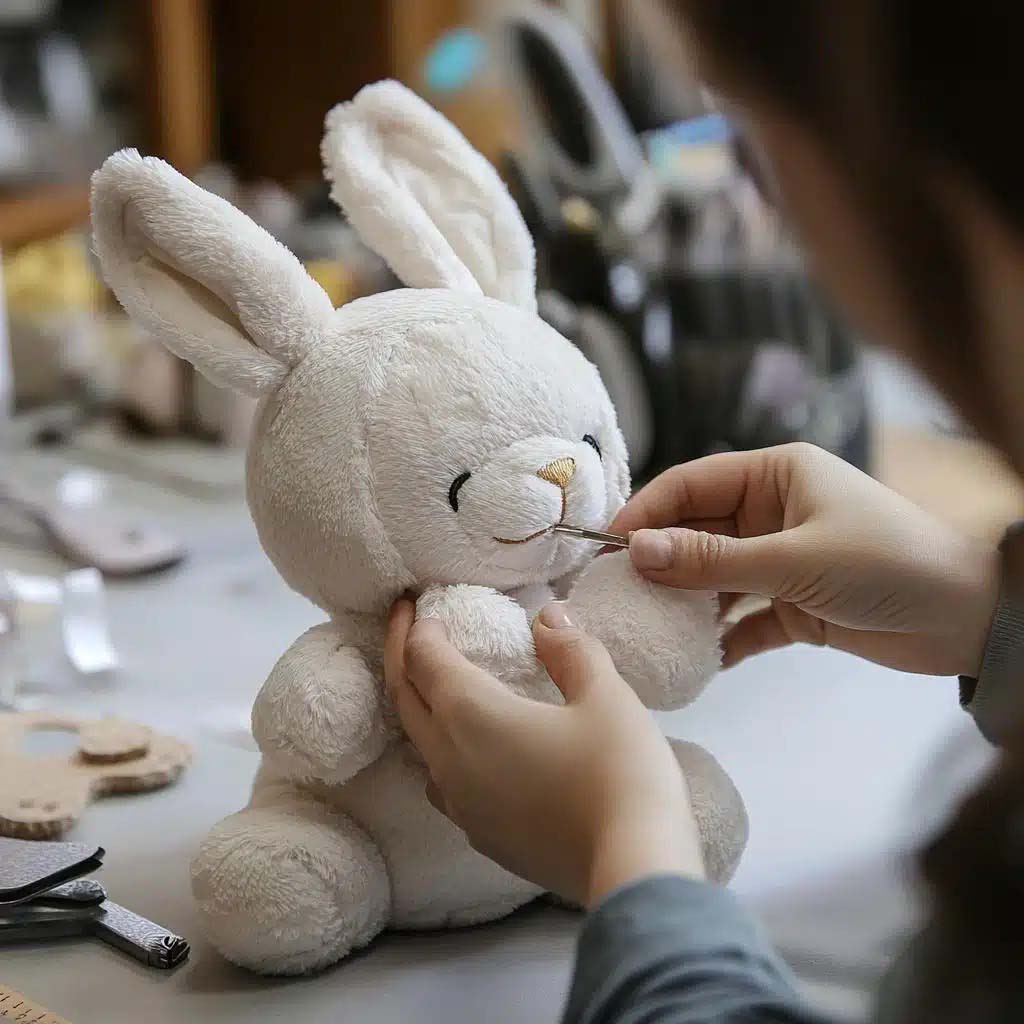
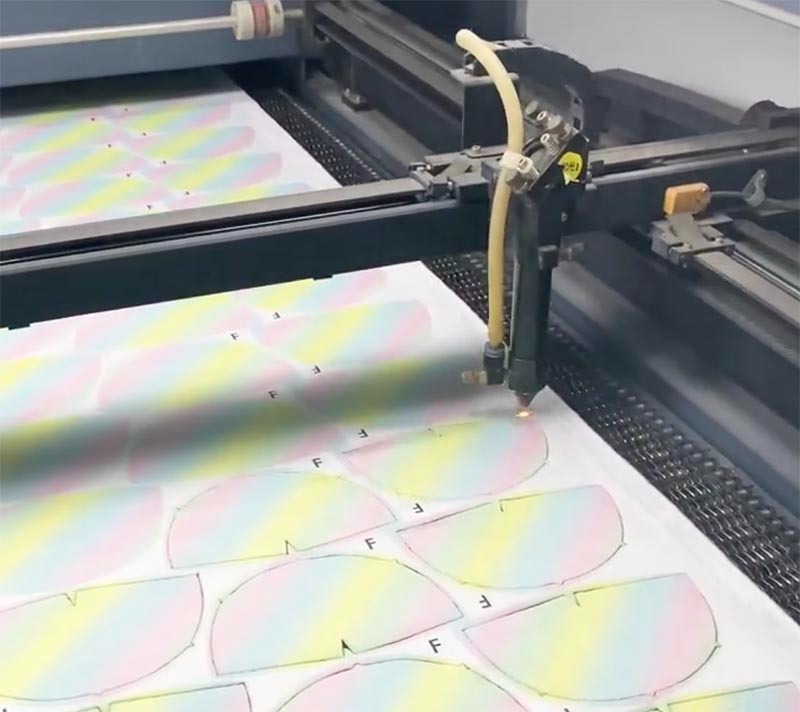
Pattern making is one of the hidden skills behind a successful plush toy. Buyers usually see the sample, but the quality of that sample depends heavily on the pattern. A complex plush design may require many fabric pieces, curved seams, careful stuffing channels, and adjustments that are not obvious from the artwork.
An experienced sample team understands how fabric behaves after cutting, sewing, turning, and stuffing. It knows that plush fabric has pile direction, stretch, thickness, and seam allowance. It also understands that small differences in eye position, head shape, body proportion, or limb angle can change the final character impression.
This experience is important because complex designs often cannot be copied directly from a flat drawing. The factory must interpret the design while preserving the buyer’s visual goal. If the pattern maker lacks experience, the first sample may look flat, distorted, unbalanced, or unlike the original character.
| Pattern Challenge | Experienced Factory Response | Result |
|---|---|---|
| 2D to 3D conversion | Adjusts panels and seams for stuffed form | Better shape accuracy |
| Facial expression | Controls embroidery placement and symmetry | Closer character likeness |
| Fabric behavior | Considers pile, stretch, and thickness | More predictable sample result |
| Small details | Suggests practical construction methods | Fewer fragile or impossible features |
For complex plush projects, pattern experience is not optional. It is the bridge between creative design and manufacturable product.
How Experience Reduces Sample Revisions and Approval Delays
Sample revisions are normal in custom plush manufacturing. However, too many revisions can delay the project, increase cost, and frustrate both the buyer and the end customer. Experienced factories reduce unnecessary revisions by identifying predictable issues before the first sample is finished.
For example, a factory with strong experience may suggest changing a printed detail to embroidery for durability, simplifying a very narrow body part for better stuffing, adjusting fabric selection for color consistency, or increasing logo size so it remains readable. These suggestions can save several rounds of correction.
Experienced factories also manage revision records carefully. When the buyer asks for changes, the factory should document what changed, why it changed, and whether the new sample reflects the approved direction. This prevents old comments from being forgotten and helps the buyer explain progress internally.
| Revision Problem | Experienced Solution | Business Impact |
|---|---|---|
| Repeated face corrections | Records embroidery position, thread color, and artwork file | Faster approval |
| Wrong fabric hand feel | Confirms fabric swatches before sample remake | Lower sample waste |
| Shape not matching design | Adjusts pattern and stuffing method together | Better final likeness |
| Unclear buyer comments | Summarizes revision points before remake | Fewer misunderstandings |
Experience does not eliminate all sample revisions, but it makes revisions more focused and productive.
Why Complex Projects Need Strong Production Control
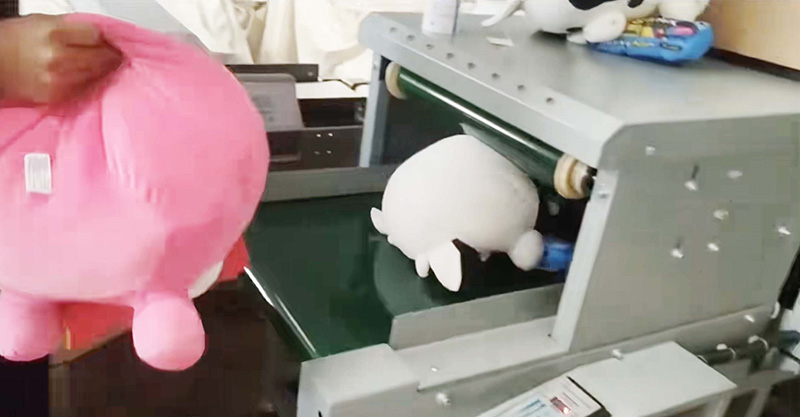
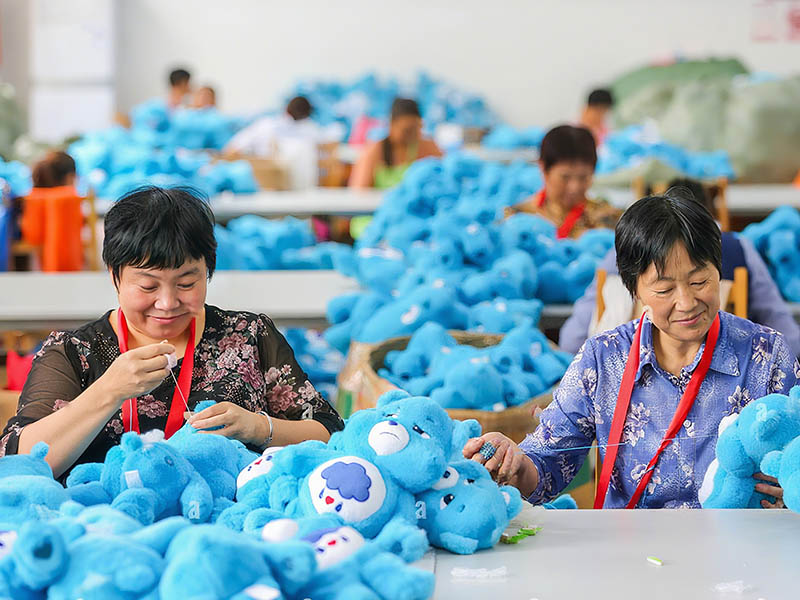
Once a complex plush design is approved, the next challenge is repeating it consistently in bulk production. A sample can be made carefully by a small team. Bulk production requires many workers, multiple processes, and continuous control. This is where factory experience becomes highly visible.
Complex projects often include more parts, more sewing steps, more decorations, and more inspection points. If the factory does not organize production clearly, defects may appear in different stages. Cutting errors can affect shape. Embroidery variation can affect expression. Sewing inconsistency can affect symmetry. Stuffing differences can affect hand feel and appearance.
Experienced factories create production standards based on the approved sample and technical files. They prepare workers, confirm key points before mass production, and check quality during the process instead of waiting until the final inspection. This approach reduces last-minute surprises.
| Production Control Point | What Experience Adds | Risk Reduced |
|---|---|---|
| Material preparation | Checks color, texture, and accessory consistency | Wrong materials entering production |
| Cutting | Controls pattern direction and piece accuracy | Shape variation |
| Sewing | Trains workers on key seams and difficult parts | Weak workmanship or asymmetry |
| Finishing | Checks stuffing, trimming, cleaning, and appearance | Poor final presentation |
For buyers, strong production control means the approved sample is more likely to become the actual bulk product.
How Experience Supports Compliance and Safety Decisions
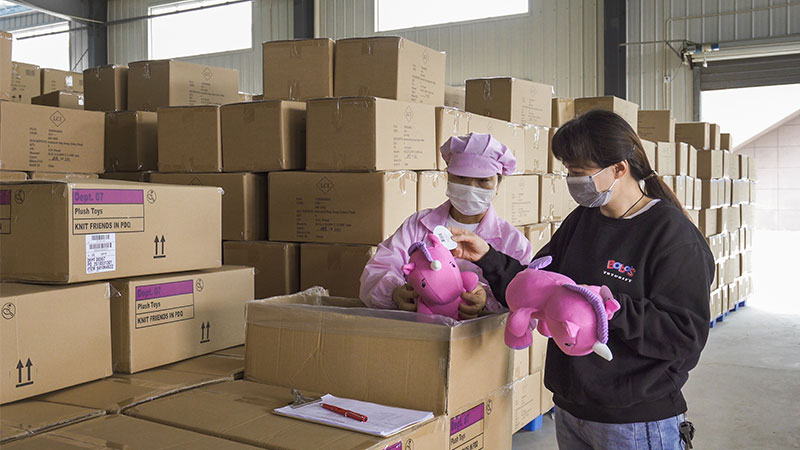
Compliance can make complex plush projects even more demanding. Different markets may require different safety standards, labeling rules, age-grade considerations, and test documentation. Toys for children need particular attention to small parts, seam strength, materials, stuffing, accessories, and chemical requirements.
An experienced plush manufacturer does not treat compliance as an afterthought. It asks about the target market early and helps buyers understand which design choices may affect testing. For example, plastic eyes, magnets, electronics, long cords, detachable accessories, or small decorative parts may create additional safety concerns.
Experience is also important when balancing design and safety. Buyers may want the plush toy to look exactly like the artwork, but the factory must consider whether each feature is safe and manufacturable. A professional factory can suggest safer alternatives while keeping the design close to the buyer’s goal.
| Compliance Area | Experienced Factory Action | Buyer Advantage |
|---|---|---|
| Target market | Confirms destination and expected standard early | Better planning for tests and labels |
| Accessories | Reviews small parts, attachment strength, and material choice | Lower safety risk |
| Electronics | Considers battery, sound module, and assembly method | More controlled product design |
| Documentation | Supports test reports, labels, and packing information | Smoother shipment and customer approval |
In complex projects, compliance experience helps buyers avoid redesigning the product late in the process.
Why Packaging and Logistics Experience Matters
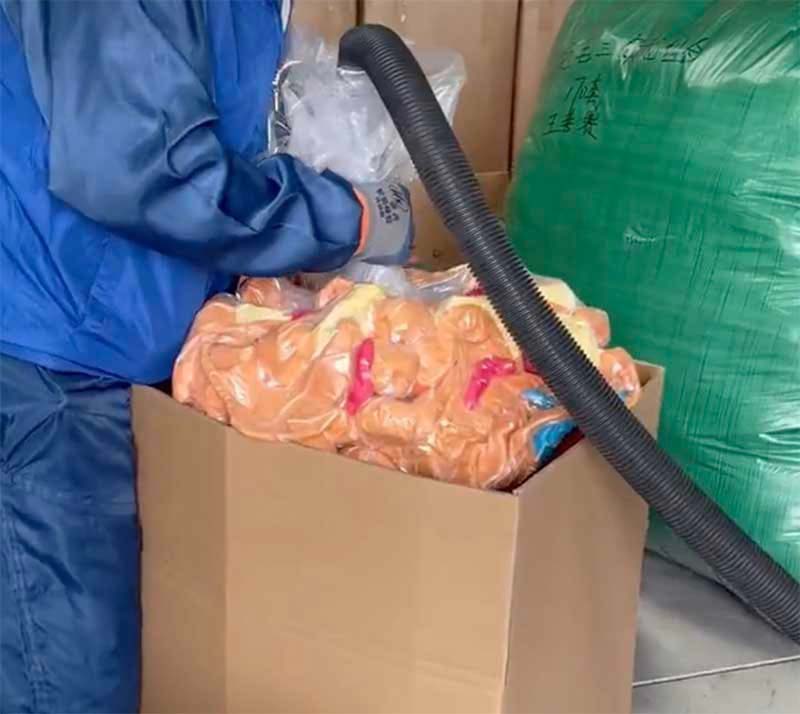
Packaging is not just the final step of a plush project. For complex orders, packaging can affect cost, product shape, retail presentation, carton volume, barcode management, and warehouse receiving. A factory with limited experience may focus only on making the plush toy and leave packaging decisions too late.
Experienced factories discuss packaging early. They help buyers compare individual polybags, hangtags, retail boxes, display cartons, vacuum packing, and master carton layouts. Each choice has trade-offs. Retail packaging may improve shelf value but increase freight volume. Vacuum packing may reduce shipping cost but may not be suitable for every plush shape or premium presentation.
Logistics experience also matters for export documents, carton marks, packing lists, gross weight, net weight, and shipment coordination. These details are easy to overlook but can cause delays if they are wrong.
| Packaging Decision | Experienced Consideration | Buyer Benefit |
|---|---|---|
| Retail display | Balances presentation, protection, and carton efficiency | Better shelf impact and cost control |
| Vacuum packing | Checks shape recovery and product suitability | Lower freight risk |
| Carton planning | Confirms quantity, size, weight, and marks | More accurate logistics planning |
| Documents | Prepares consistent invoice and packing data | Smoother customs and receiving |
For complex plush projects, shipping success depends on planning long before the goods leave the factory.
How Buyers Can Identify an Experienced Plush Factory
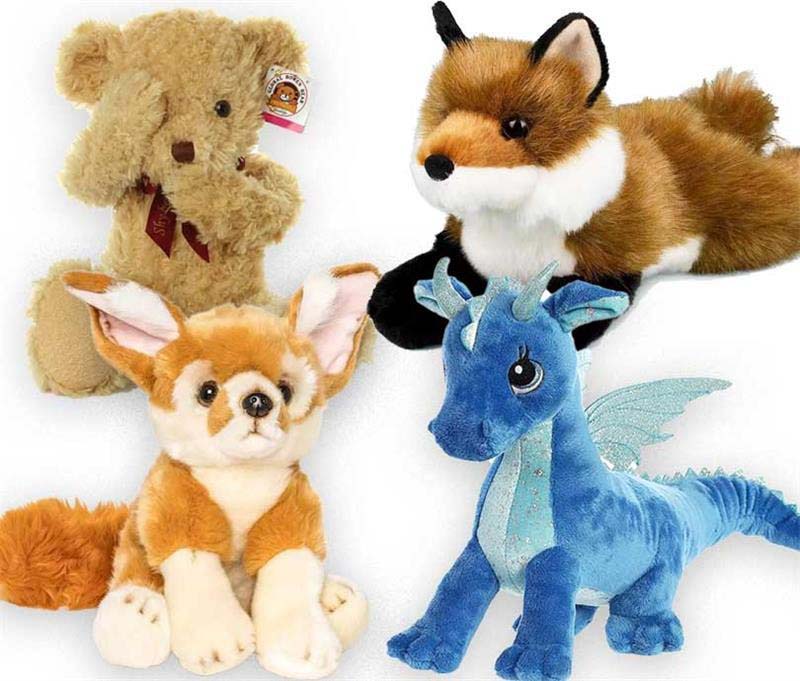
Experience should be evaluated through behavior, not only years in business. A supplier may claim long experience, but buyers should look at how the factory handles questions, samples, risk, documentation, and communication. Real experience shows up in the details.
Experienced factories ask clarifying questions before quoting. They can explain why certain designs are difficult, which materials are suitable, how sampling will be controlled, what quality checks are needed, and how packaging may affect total cost. They also communicate risks early instead of simply promising that everything is possible.
Buyers should also review whether the factory has handled similar project types. A supplier that is strong in simple plush toys may not be the best choice for a project involving electronics, strict brand approval, complex characters, multiple SKUs, or retail packaging. Matching experience to project complexity is important.
| Evaluation Area | Experienced Factory Signal | Warning Sign |
|---|---|---|
| Inquiry response | Detailed questions and realistic assumptions | Fast quote with little clarification |
| Technical advice | Explains design limits and alternatives | Says yes to everything without review |
| Sample management | Tracks revisions and approval standards | No clear record between sample versions |
| Production planning | Shares milestones and QC points | Only gives a final delivery promise |
At Kinwin, experience is treated as part of project risk control. Complex plush projects need a factory that understands design conversion, sampling, production consistency, compliance, packaging, and export communication as one connected process.
Another reason complex projects require experience is cross-department coordination. A successful order may involve design, sample making, material purchasing, embroidery, printing, sewing, stuffing, quality control, packaging, documentation, and logistics. If one team works from outdated information, the whole project can drift away from the approved sample. Experienced factories know how to keep these departments aligned around the same standard.
Buyers also benefit because experienced factories can explain trade-offs in business language, not only production language. They can tell the buyer when a design choice may increase cost, when a packaging choice may increase shipping volume, or when a rushed approval may create quality risk. This kind of guidance helps buyers protect their own customers and internal timelines.
Conclusion
Experience matters in complex plush projects because complexity creates risk. The more detailed the design, the stricter the approval process, the more sensitive the timeline, or the more demanding the compliance and packaging requirements, the more buyers need a factory that has handled similar challenges before.
An experienced plush toy factory helps buyers evaluate the project early, improve sample accuracy, reduce unnecessary revisions, control production quality, support compliance decisions, plan packaging, and manage logistics. It does not simply manufacture the product. It guides the project through many decisions that affect the final result.
For brands, retailers, distributors, and promotional buyers, choosing an experienced plush manufacturer can protect budgets, launch dates, customer relationships, and product reputation. Kinwin supports complex custom plush projects with structured sampling, production control, quality inspection, packaging planning, and export communication so buyers can move from concept to delivery with greater confidence.
FAQ
What is considered a complex plush project?
A complex plush project may include detailed character design, multiple materials, electronics, strict safety requirements, retail packaging, several SKUs, tight timelines, or special approval procedures.
Why does factory experience matter for custom plush toys?
Experience helps the factory identify risks early, ask better questions, reduce sample problems, control bulk production, and support compliance, packaging, and delivery planning.
Can an inexperienced factory still make complex plush toys?
It may be possible, but the risk of repeated revisions, quality inconsistency, unclear communication, and late problem solving is usually higher.
How does experience improve plush toy sampling?
An experienced factory understands pattern making, fabric behavior, embroidery placement, stuffing, and construction limits. This helps the first sample get closer to the buyer’s design goal.
Why are complex plush projects more difficult to control in bulk production?
They often involve more parts, more sewing steps, more decorations, and stricter appearance standards. Without process control, the bulk order may not match the approved sample.
What should buyers ask before choosing a factory for a complex project?
Buyers should ask about similar project experience, sample revision control, quality checkpoints, compliance support, packaging options, timeline planning, and communication during production.
How does Kinwin support complex plush projects?
Kinwin supports buyers through project review, custom sampling, production planning, in-process quality control, packaging guidance, and export documentation for custom plush toy orders.