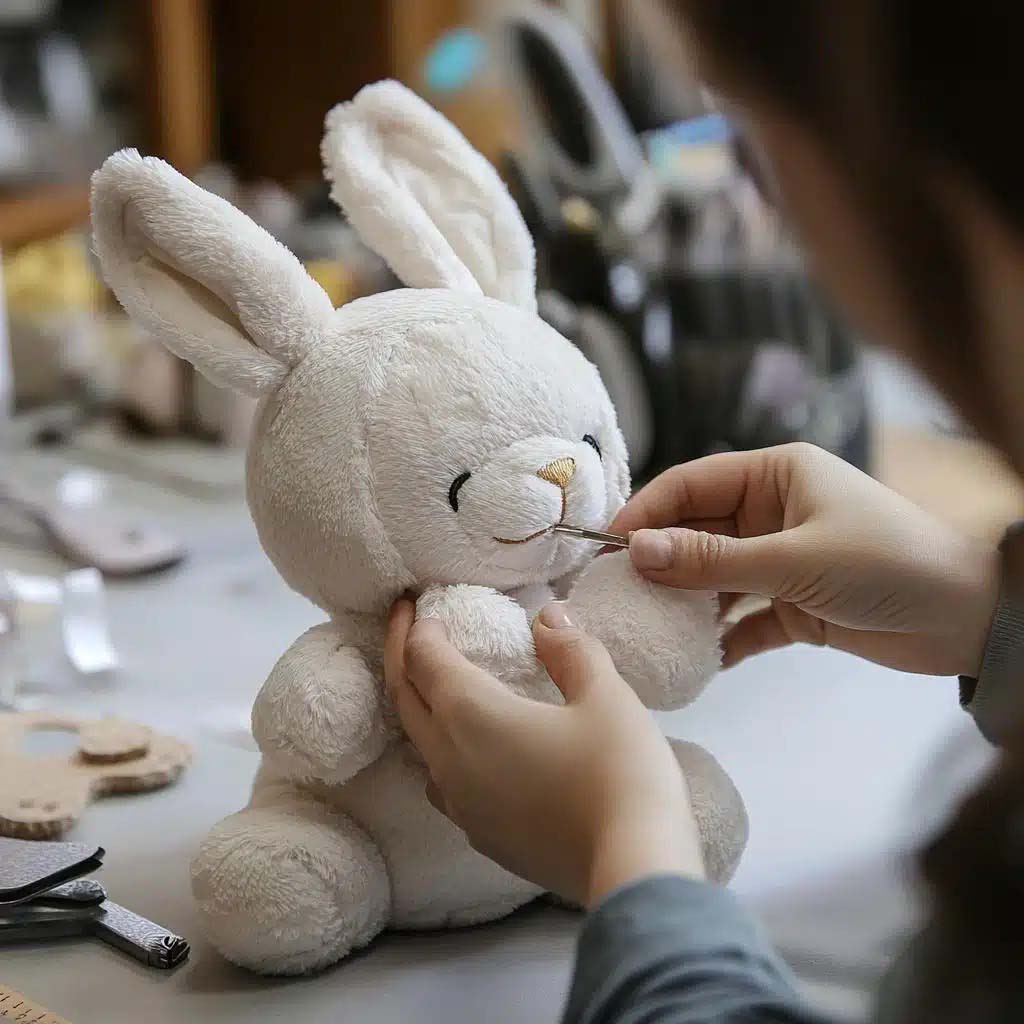
Approving a plush toy sample is one of the most important steps before moving into mass production. Once a sample is approved, it often becomes the “golden sample” that manufacturers use as the standard reference during the production process. This means every product in the production batch should match the approved sample in terms of design, materials, and construction.
Because of this, approving a plush toy sample should never be rushed. Buyers need to carefully review the prototype to ensure that it accurately reflects the original design and meets the required quality standards.
A structured approval checklist can help buyers evaluate the sample more systematically. By checking design accuracy, materials, construction quality, and decorative details, buyers can ensure the product is ready for production and avoid costly revisions later.
In this guide, we will walk through a professional sample approval checklist that plush toy buyers can use before confirming production.
What documents should be reviewed before approving a plush toy sample?
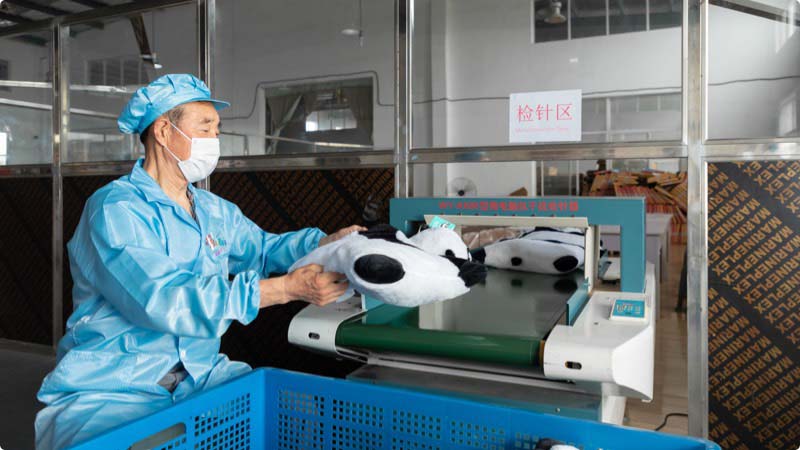
Before approving a plush toy sample, buyers should first review all relevant project documents. These documents provide the technical and visual references that define the intended design and production requirements.
Approving a sample without reviewing the original documentation can lead to inconsistencies between the prototype and the approved specifications. When buyers carefully compare the sample against the project documents, they can confirm whether the toy matches the agreed design.
Reviewing documentation also helps ensure that both the buyer and the manufacturer are working from the same reference standards.
Review Original Design Artwork and Technical Specifications
The original design artwork is the most important reference when evaluating a plush toy sample. It shows how the character should look in terms of proportions, facial features, colors, and overall style.
Buyers should compare the sample with the design artwork and confirm whether the main visual characteristics are preserved.
In addition to the artwork, buyers should also review technical specifications such as:
- Target product size
- Fabric and material selection
- Embroidery or printing instructions
- Accessory placement
These specifications define how the design should be translated into a physical product.
Confirm the Latest Approved Design Version
During plush toy development, design files may go through several revisions. Before approving the sample, buyers should confirm that they are reviewing the prototype against the latest approved design version.
Using outdated design references may result in incorrect evaluation or unnecessary revisions.
Ensuring that the latest files are used for comparison helps maintain consistency throughout the development process.
Documents to Review Before Sample Approval
| Document Type | Purpose | Importance |
|---|---|---|
| Original Design Artwork | Shows intended visual design | Ensures design accuracy |
| Technical Development Sheet | Defines materials and construction | Confirms technical requirements |
| Size Specifications | Indicates final product dimensions | Verifies proportions |
| Fabric and Material References | Defines material selection | Ensures correct texture |
| Accessory and Decoration Notes | Specifies additional elements | Confirms design completeness |
Does the sample match the approved design artwork and specifications?
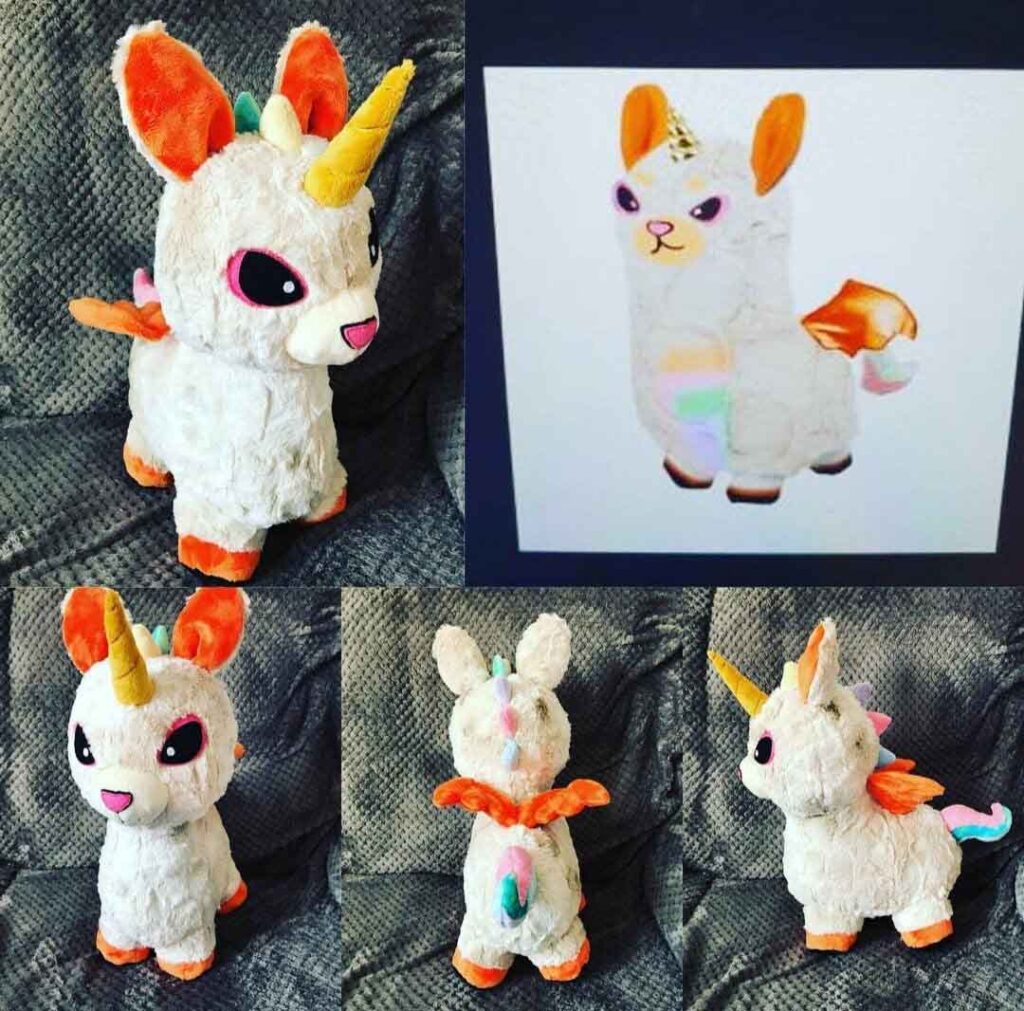
Once the necessary documents have been reviewed, the next step is comparing the sample with the approved design artwork and specifications. This comparison helps determine whether the manufacturer successfully translated the design concept into a physical plush toy.
Some minor differences may appear due to the nature of fabric construction, but the overall character identity and visual proportions should remain consistent with the design.
This step ensures that the plush toy accurately represents the intended product before mass production begins.
Evaluate Overall Design Accuracy
Buyers should first assess whether the plush toy maintains the overall look and personality of the original design. This includes evaluating the shape of the head, the proportions of the body, and the positioning of facial features.
If the sample closely resembles the design artwork, it indicates that the pattern development and construction methods were successful.
If noticeable differences exist, buyers may need to request adjustments before approving the sample.
Confirm Key Design Features
Many plush toys include distinctive design features that define the character’s identity. These elements should be reviewed carefully during the sample approval process.
Examples of key design features may include:
- Unique facial expressions
- Character-specific color patterns
- Signature accessories or decorations
Ensuring these elements are correct helps preserve the brand identity of the plush toy.
Design Comparison Checklist
| Design Element | What to Verify | Purpose |
|---|---|---|
| Character Shape | Head and body proportions | Maintain design accuracy |
| Facial Features | Eye and mouth placement | Preserve character expression |
| Color Distribution | Fabric color placement | Match artwork |
| Accessories | Correct position and size | Complete design |
| Overall Style | Visual resemblance to artwork | Confirm brand identity |
Are size, proportions, and overall shape correct?
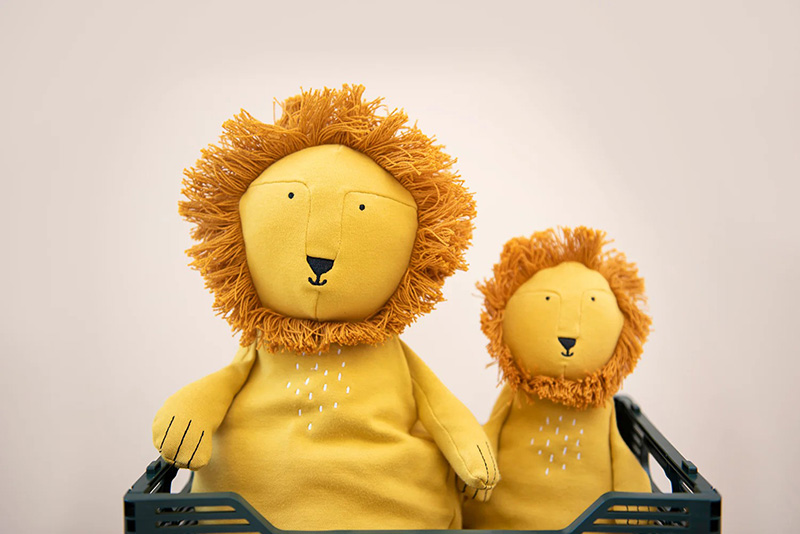
The physical proportions of a plush toy are critical to its visual appeal and structural balance. Even when the design artwork looks correct, the way fabrics are sewn and stuffed can slightly change the final shape.
For this reason, buyers should carefully evaluate whether the sample maintains the intended size and proportions before approving it.
Correct proportions ensure that the plush toy looks consistent and performs well during production.
Verify the Overall Size of the Plush Toy
The finished sample should match the agreed product size as closely as possible. Buyers should measure the height, width, and depth of the toy and compare these measurements with the original specifications.
Small variations are normal due to fabric thickness and stuffing, but significant differences may require adjustments.
Confirming the correct size helps ensure the toy will fit packaging and display requirements.
Review Balance and Structural Proportions
Beyond size, buyers should evaluate whether the plush toy maintains balanced proportions. The relationship between the head, body, arms, and legs should match the intended design.
For example, buyers should observe:
- Head-to-body ratio
- Limb placement and length
- Body symmetry
Proper proportions help maintain the character’s personality and visual appeal.
Size and Proportion Inspection Checklist
| Proportion Factor | What to Check | Reason |
|---|---|---|
| Overall Height | Measure full toy size | Confirm product dimensions |
| Head-to-Body Ratio | Compare proportions | Maintain character design |
| Limb Placement | Check arm and leg positions | Ensure symmetry |
| Body Shape | Evaluate curves and balance | Improve appearance |
| Structural Stability | Observe standing or sitting balance | Maintain durability |
Are fabrics, colors, and materials consistent with the agreed selection?
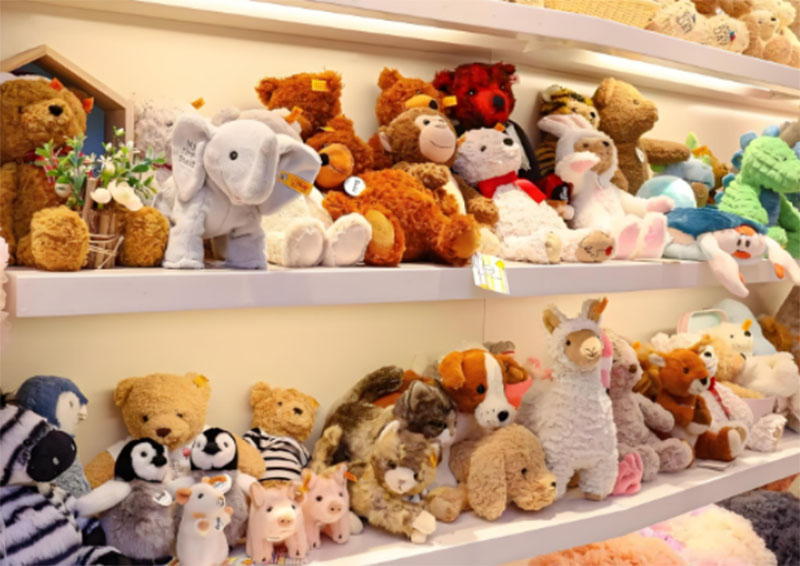
Material confirmation is one of the most important steps before approving a plush toy sample. Even if the design and proportions look correct, the final product quality depends heavily on the fabrics and materials used during production.
During the approval stage, buyers should confirm that all materials match the previously agreed selections. This includes checking the fabric texture, pile length, color consistency, and the overall appearance of the plush surface.
Ensuring that materials are correct at this stage helps prevent quality issues during mass production and ensures that the final products will match the approved prototype.
Verify Fabric Type and Texture
Different plush fabrics create very different visual and tactile experiences. Materials such as short plush, velboa, crystal super soft, or long-pile plush all have unique characteristics.
Buyers should carefully check whether the fabric used in the sample matches the material specified in the development sheet or material selection list.
Touching the fabric and observing the surface can help determine whether the texture and softness meet expectations.
Check Color Accuracy and Consistenc
Color consistency is another critical factor in sample approval. The fabrics used in the prototype should match the color references provided during the design stage.
Buyers should evaluate:
- Whether the colors match the artwork
- Whether different fabric panels maintain consistent color tones
- Whether the fabric dye appears even and stable
Accurate color matching helps maintain the visual identity of the plush toy and ensures consistency during mass production.
Material Verification Checklist
| Material Element | What to Check | Purpose |
|---|---|---|
| Fabric Type | Confirm material matches specifications | Ensure correct texture |
| Fabric Softness | Evaluate tactile quality | Improve product feel |
| Color Matching | Compare with design artwork | Maintain brand consistency |
| Fabric Stability | Check for shedding or distortion | Ensure durability |
| Material Consistency | Confirm uniform materials across panels | Maintain quality standards |
Is embroidery or printing quality clear and accurately positioned?
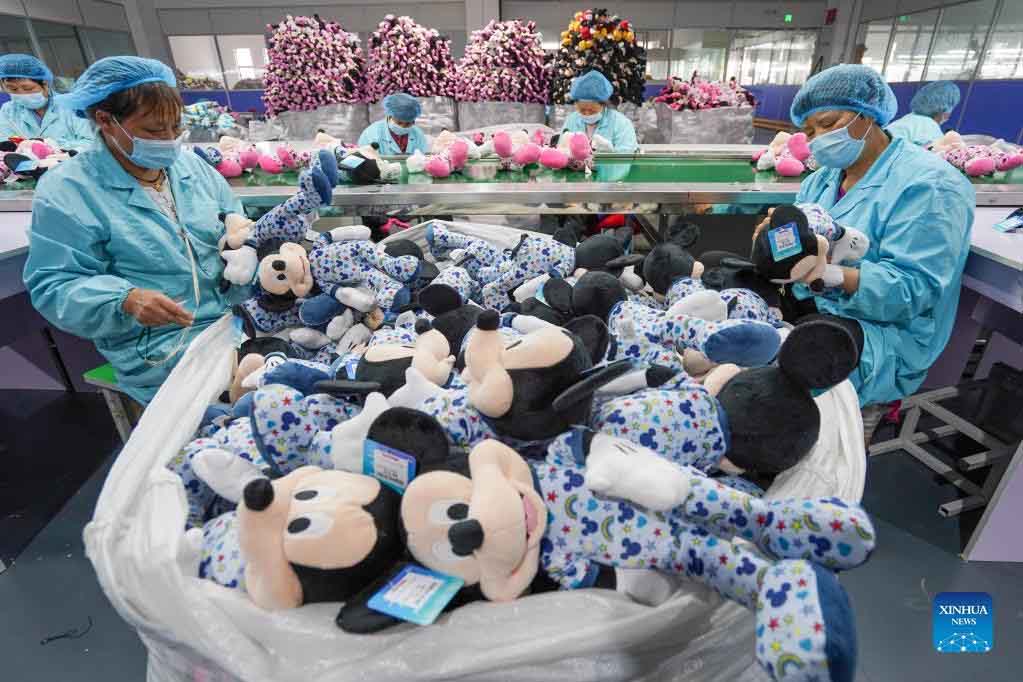
Embroidery and printing are key decorative elements that define many plush toy designs. Facial expressions, logos, patterns, and decorative graphics are often created through embroidery stitching or fabric printing techniques.
During sample approval, buyers should carefully examine whether these decorative elements are clear, accurately positioned, and consistent with the original design.
Small differences in embroidery placement or printing clarity can significantly affect the appearance of the plush toy.
Check Embroidery Precision and Stitch Quality
Embroidery elements such as eyes, eyebrows, mouths, or logos should be examined closely. Buyers should confirm that the stitching is neat, consistent, and properly aligned with the design.
Important points to review include:
- Accuracy of embroidery placement
- Smoothness of stitching lines
- Consistency of thread density
High-quality embroidery should appear clean and evenly stitched without loose threads or irregular shapes.
Evaluate Printing Clarity and Alignment
If the plush toy includes printed patterns or graphics, buyers should check whether the printing is clear and properly positioned.
Printed elements should maintain sharp edges and consistent colors across the fabric surface. Blurred or misaligned prints may indicate problems in the printing process.
Verifying printing accuracy helps ensure that the final plush toy maintains the intended visual design.
Embroidery and Printing Inspection Checklist
| Decorative Element | What to Inspect | Reason |
|---|---|---|
| Embroidery Placement | Position of facial features | Preserve character expression |
| Stitch Quality | Smooth and consistent stitching | Professional appearance |
| Embroidery Density | Proper stitch coverage | Improve durability |
| Printing Clarity | Sharpness of printed patterns | Maintain visual quality |
| Alignment Accuracy | Correct positioning on fabric | Match design artwork |
Are stitching, seams, and structural construction durable and neat?
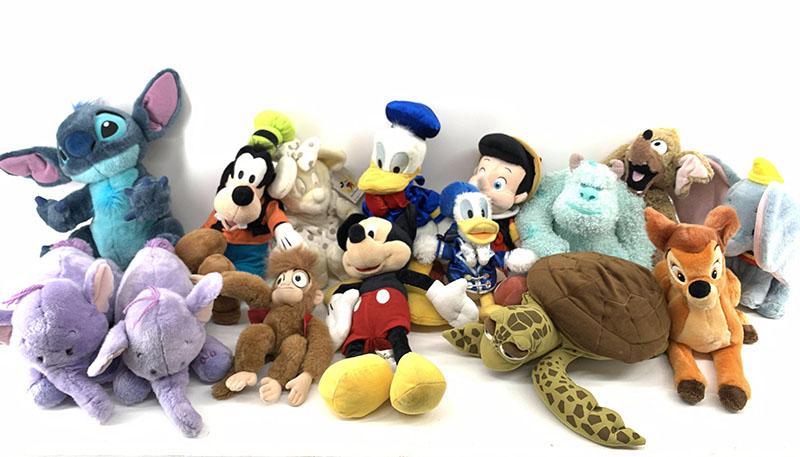
The final step in the plush toy sample approval process is evaluating the structural construction of the toy. Even if the design and materials are correct, poor construction can affect durability and safety.
Inspecting seams, stitching, and internal construction ensures that the plush toy can withstand normal use and meet quality standards during mass production.
A well-constructed plush toy should feel stable, balanced, and securely assembled.
Inspect Seam Quality and Stitch Consistency
Seams should appear neat, straight, and evenly stitched. Irregular stitching or loose seams may indicate weak construction that could fail during regular handling.
Buyers should examine seam areas around:
- The head and neck
- Arms and legs
- Areas where multiple fabric panels meet
Strong and consistent seams help maintain the structure and durability of the plush toy.
Check Structural Stability and Filling Distribution
Another important factor is how the plush toy is filled and structured internally. The stuffing should be evenly distributed so that the toy maintains its shape and comfort.
Buyers can gently press different areas of the toy to evaluate:
- Filling density
- Structural balance
- Neck and limb stability
A well-filled plush toy should feel soft yet supportive, without lumps or uneven areas.
Construction Quality Checklist
| Construction Area | What to Inspect | Purpose |
|---|---|---|
| Seam Alignment | Straight and even stitching | Professional finish |
| Stitch Strength | Tight and secure seams | Prevent tearing |
| Limb Attachment | Strong arm and leg connections | Improve durability |
| Filling Distribution | Even stuffing throughout the toy | Maintain shape |
| Structural Stability | Balanced and secure construction | Ensure product quality |
Conclusion
Approving a plush toy sample is a critical step before entering mass production. By carefully reviewing the prototype using a structured checklist, buyers can confirm that the product meets both design expectations and manufacturing quality standards.
A professional sample approval process should include reviewing design documentation, comparing the sample with the original artwork, verifying proportions and size, checking material quality, and inspecting decorative elements such as embroidery and printing.
Equally important is evaluating construction quality, including seams, stitching, and internal structure. Ensuring these elements meet the required standards helps prevent issues during large-scale production.
At KINWIN, our development team works closely with clients throughout the sampling and approval process. From technical design review and material selection to prototype refinement and quality inspection, we help ensure that every plush toy sample is ready to become a reliable production standard.
If you are preparing to develop a custom plush toy and want professional guidance during the sampling and approval process, our team would be happy to review your design and support you in bringing your product to life.