Plush toys bring joy, but they also collect dust, dirt, and bacteria. To protect children’s health and extend product life, cleaning them properly is essential.
To clean a plush toy safely, first check its care label. If machine washable, place it in a laundry bag and wash on a gentle cycle with mild detergent. For hand wash, soak in lukewarm water, gently rub, rinse thoroughly, and air dry. Avoid high heat. Delicate or electronic toys require surface cleaning only. Proper cleaning helps maintain softness, color, and safety.
Let’s explore the best methods step by step.
1. Why Cleaning Plush Toys Regularly Matters
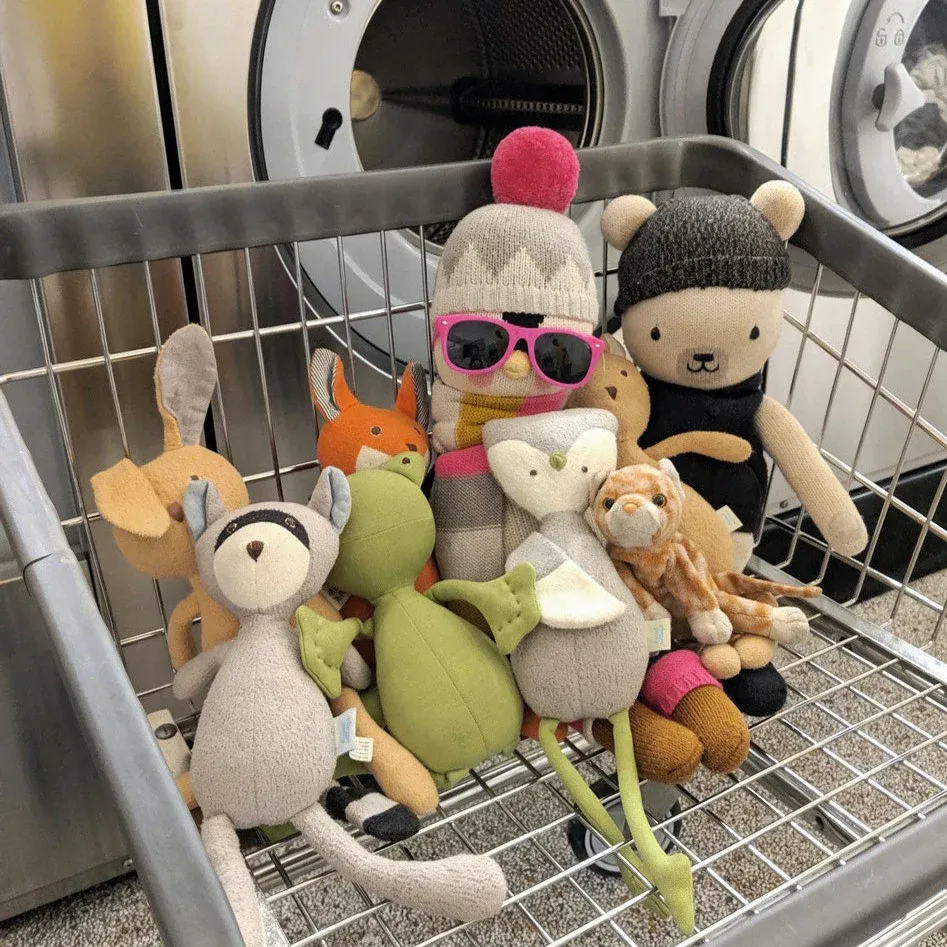
Plush toys are loved by children because they are soft, huggable, and comforting. But they are also magnets for dirt, dust, and bacteria. Kids often take them to bed, carry them outdoors, or share them with friends. Over time, this makes plush toys not only look dirty but also unsafe for close contact. Regular cleaning is essential to protect children’s health, extend the life of the toy, and maintain its original softness and appearance.
Cleaning plush toys on a routine basis helps reduce bacteria, allergens, and dust mites. It prevents odors, keeps fabrics soft, and ensures toys remain safe to cuddle. For parents, it means peace of mind knowing their child’s favorite companion is clean. For retailers and brands, it builds trust and enhances product value by showing a commitment to safety and durability.
Hygiene is the first reason why cleaning matters. Plush fabrics trap sweat, food crumbs, and dust, which can become a breeding ground for germs. This is especially risky for children with allergies or asthma. By washing toys at least once a month—or more often during flu season—parents reduce health risks while keeping toys pleasant to touch. Another key factor is durability. Dirt weakens fibers and seams over time, making toys wear out faster. With proper cleaning, colors stay bright, fabrics stay soft, and stitching holds longer. Finally, plush toys often carry emotional value. Children get attached to their favorite doll or bear, and when that toy looks or smells bad, it can upset them. Regular cleaning ensures these companions stay safe, comforting, and long-lasting.
| Benefit | For Children | For Toys | For Parents & Brands |
| Remove germs & dust | Safer playtime | Prevent odor & stains | Show care & safety |
| Reduce allergens | Fewer health issues | Preserve softness | Build brand trust |
| Maintain fabrics | Comfortable to hug | Extend lifespan | Encourage repurchase |
| Keep colors bright | Attractive to kids | Slow fading & wear | Support brand image |
2. Machine Washing Plush Toys: Step-by-Step Guide
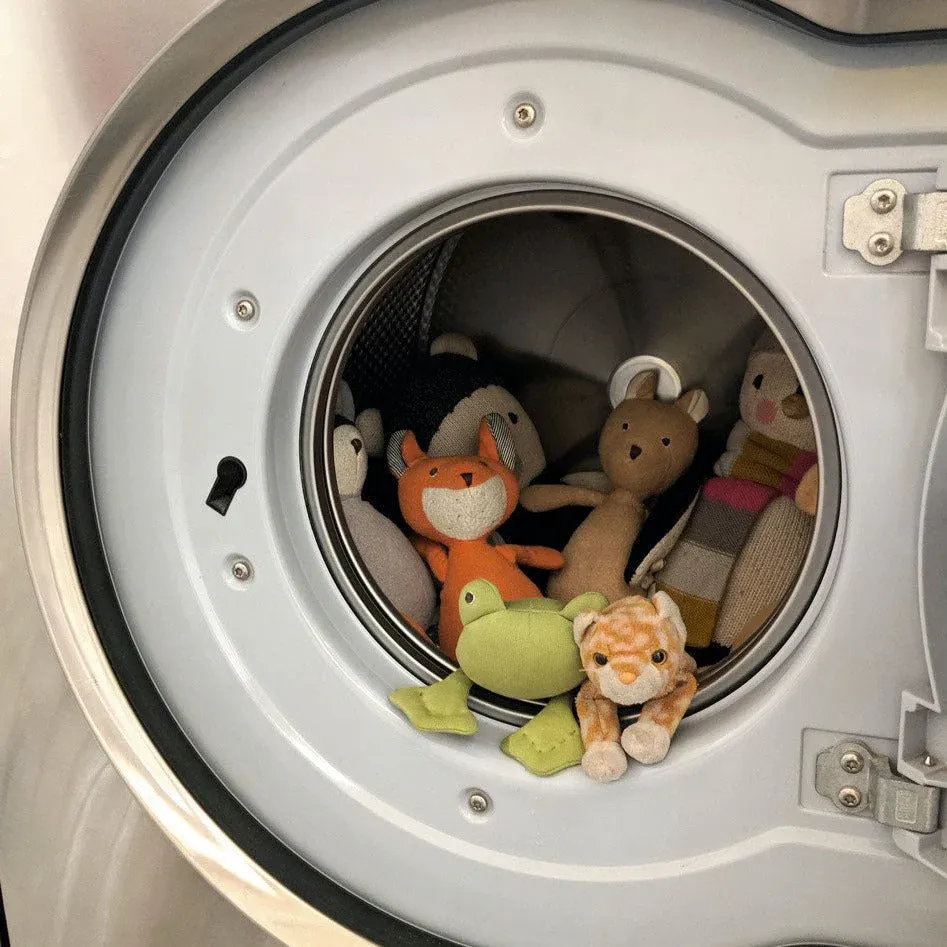
Machine washing is the quickest way to clean plush toys, but it must be done carefully to avoid damage. Most modern plush toys with strong stitching and synthetic fabrics can be machine washed if instructions allow.
To machine wash plush toys, first check the care label. Place the toy in a laundry bag or pillowcase to protect it, use a mild detergent, and set the machine to a gentle or delicate cycle with cold or lukewarm water. Avoid bleach and high heat. Air dry after washing to keep the toy soft and safe.
Not all plush toys are machine safe, so checking the manufacturer’s label is critical. If machine washing is allowed, the first step is preparation—remove clothing, batteries, or accessories. Place the toy in a laundry bag or pillowcase to reduce friction and protect seams. Use mild detergent, ideally baby-safe or sensitive-skin formulas, to prevent irritation. Select the gentle or delicate cycle, with cold or lukewarm water to avoid shrinkage or fading. After the wash, never use a dryer or high heat. Instead, gently press water out with a towel and let the toy air dry in a well-ventilated area. This method saves time for busy parents and reassures buyers that the toy is designed for long-term use.
| Step | Action | Why It Matters |
| 1 | Check care label | Ensure safe washing |
| 2 | Remove accessories | Prevent damage |
| 3 | Use laundry bag | Protect seams & fabric |
| 4 | Gentle cycle, mild soap | Avoid shrink or fading |
| 5 | Air dry | Keep softness & shape |
3. Hand Washing Plush Toys: Detailed Method
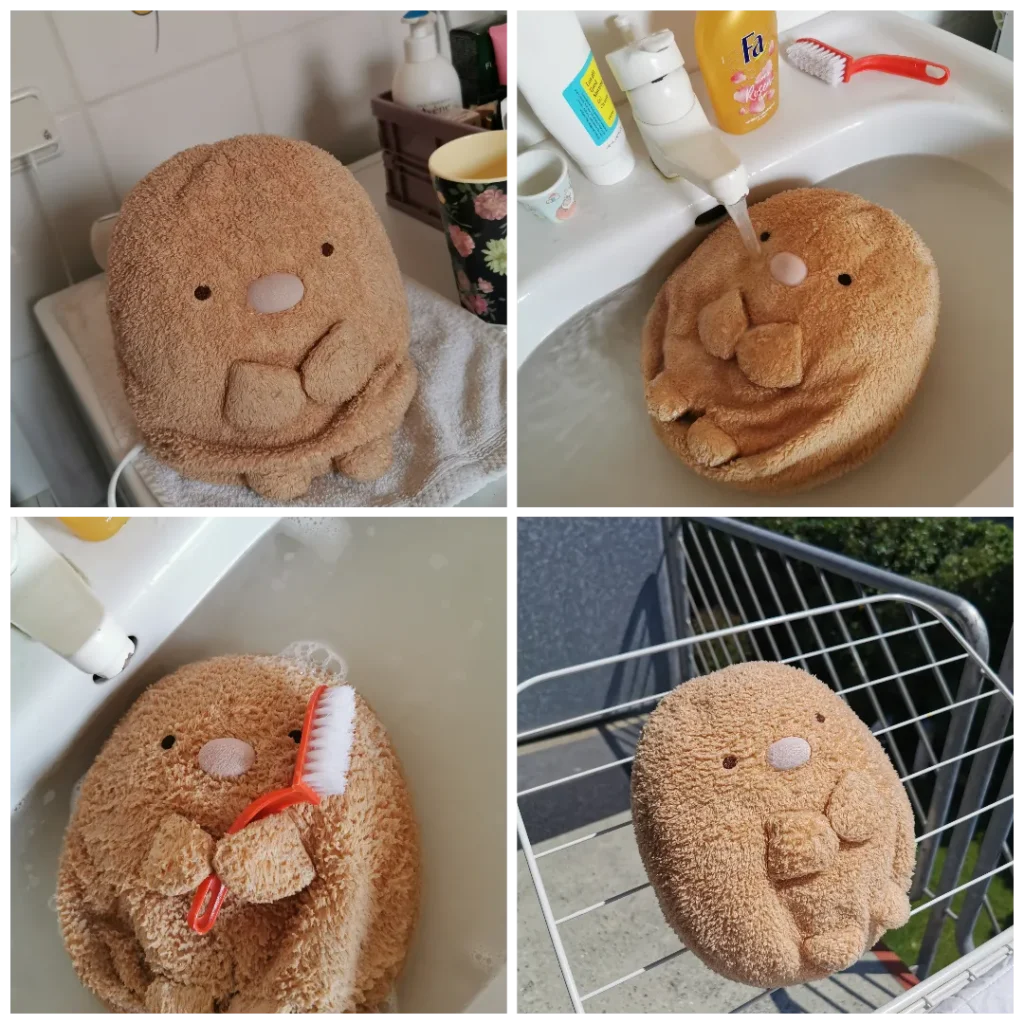
Hand washing is safer for delicate toys, vintage items, or plush with embroidery and details. It takes longer but provides better protection for fabrics and structure.
To hand wash plush toys, soak them in lukewarm water with mild detergent, gently rub stained areas, rinse thoroughly, and press out water with a towel. Avoid twisting or wringing. Air dry naturally to keep the toy soft and in shape.
Hand washing is the preferred choice for toys that may not survive the rough motion of a washing machine. Start by filling a basin with lukewarm water and adding a small amount of mild detergent. Submerge the toy and gently press it to allow the water to penetrate. Use fingers or a soft cloth to carefully rub dirt from stained areas. Once clean, rinse thoroughly until no soap remains, because leftover detergent can irritate skin. To remove excess water, wrap the toy in a clean towel and press lightly. Never twist or wring, as this damages seams and stuffing. Finally, air dry the toy flat or hanging in the shade. Though slower, this method ensures fabrics remain soft, details intact, and colors vibrant.
| Step | Action | Benefit |
| 1 | Soak in lukewarm | Loosen dirt gently |
| 2 | Rub softly | Clean stains without wear |
| 3 | Rinse thoroughly | Remove detergent residue |
| 4 | Towel press | Prevent shape damage |
| 5 | Air dry in shade | Maintain softness & color |
4. When to Choose Machine Wash vs. Hand Wash
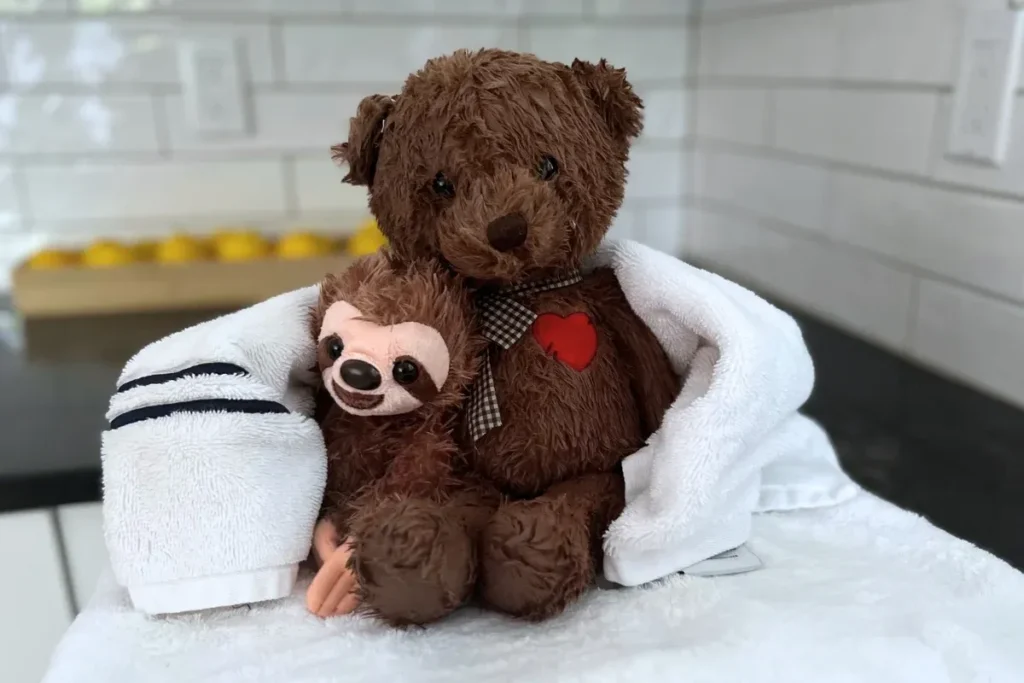
Parents often wonder which method is right. The answer depends on toy material, size, and condition. Choosing the right method ensures both safety and durability.
Machine wash works best for durable plush toys with secure stitching and synthetic fabrics. Hand wash is safer for delicate, vintage, or detailed toys with embroidery or glued decorations. Always check care labels before deciding, and when unsure, choose hand wash.
The decision between machine washing and hand washing comes down to risk and convenience. If a plush toy is new, made of polyester, and has no electronic parts or glued-on features, it can usually go into the washing machine. This saves time and ensures deep cleaning. On the other hand, older toys, collectibles, or those with sequins, embroidery, or fragile seams should always be hand washed to preserve details. Large plush toys may also require hand washing due to size and stuffing density. For parents, a simple rule is: if the toy has sentimental or high monetary value, hand wash is safer. Retailers can use this distinction in product labeling, giving buyers confidence in maintenance instructions.
| Factor | Machine Wash Option | Hand Wash Option |
| Fabric type | Polyester, cotton blends | Velvet, silk, delicate fur |
| Age of toy | Newer, mass-produced | Vintage, fragile items |
| Details | Plain, no add-ons | Embroidery, sequins |
| Time required | Quick, convenient | Slower, more protective |
5. Drying and Restoring Plush Toys After Washing
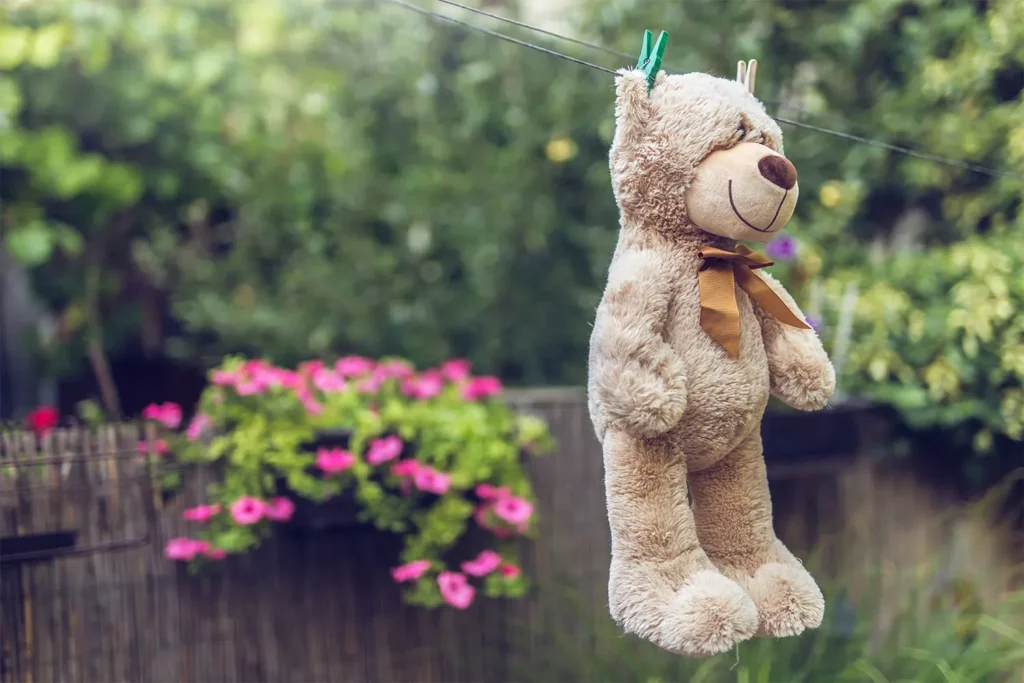
How a toy is dried is as important as how it is washed. Proper drying prevents mold, odor, and misshaping of the toy.
To dry plush toys, gently press out water with a towel, reshape the toy, and air dry in a ventilated space. Avoid direct sunlight, dryers, or heaters, which can cause fading, shrinking, or fabric damage. Once dry, brush the fur to restore softness.
After washing, toys hold a surprising amount of water. The first step is pressing the toy between towels to absorb as much as possible. Never wring or twist, since this pulls at the seams and stuffing. Next, reshape the toy’s arms, legs, and face to maintain its original design. Air drying is the safest method—place the toy on a drying rack, near a fan, or in an airy room. Avoid dryers and heaters, because high heat can melt fibers or warp shapes. Once fully dry, use a soft brush to fluff the fur and restore a fresh, clean appearance. For parents, this process ensures toys remain cuddly and safe. For retailers, it prevents customer complaints about odor or fading.
| Step | Action | Result |
| 1 | Press with towel | Remove excess water |
| 2 | Reshape toy | Maintain original design |
| 3 | Air dry naturally | Prevent mold and damage |
| 4 | Brush fur | Restore softness & look |
6. Extra Tips: Protecting Fabrics, Colors, and Shape
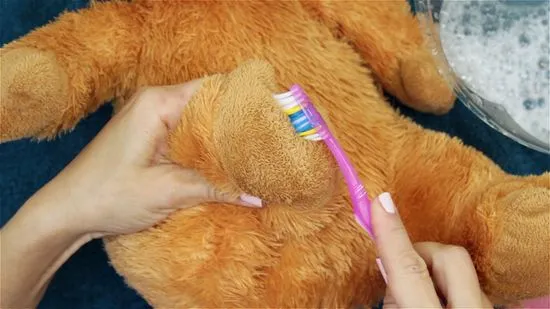
Even when washing correctly, extra care makes plush toys last longer.
Protect plush toys by washing in cold water, using mild detergent, and avoiding bleach or strong chemicals. Always reshape toys before drying, and consider mesh laundry bags for machine washes. These steps reduce wear and preserve color and softness.
Plush toys come in many fabrics, and small mistakes during cleaning can cause lasting damage. Cold water is safer than hot because it prevents shrinking and color bleeding. Gentle detergent ensures the toy is safe for children’s skin and does not strip fabric fibers. For machine washing, a mesh laundry bag prevents friction damage and keeps the toy from tangling with other clothes. Never use bleach—it weakens fabric and may discolor fur. Finally, reshaping toys before drying helps keep them looking new. These practices are simple, but they make a big difference in maintaining quality for both families and businesses.
| Tip | Why It Helps |
| Cold water | Prevent shrinking & fading |
| Mild detergent | Safe for fabric & children |
| Mesh laundry bag | Reduce washing friction |
| No bleach | Maintain fabric strength |
| Reshape before dry | Keep toy’s design intact |
7. Special Cases: Electronic or Delicate Plush Toys
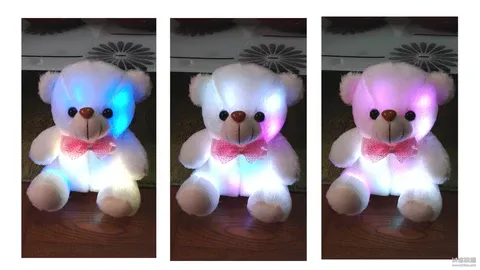
Not every plush toy can go in water. Electronic or highly delicate designs require special care.
Electronic plush toys should never be submerged. Instead, remove batteries and wipe the surface with a damp cloth and mild soap. For delicate fabrics or collectible plush, use spot cleaning or professional dry cleaning to avoid damage.
Electronic plush toys, such as those with sound chips, lights, or motion features, cannot be washed like normal toys. Before cleaning, always remove batteries. Use a slightly damp cloth with diluted detergent to wipe the surface, taking care to avoid seams that might let water reach electronic parts. For delicate toys made with velvet, silk, or hand-stitched details, spot cleaning is safer. Apply mild detergent with a soft cloth only to stained areas, then blot dry. Collectible toys may also benefit from professional dry cleaning to preserve value. For both families and businesses, highlighting these special cases avoids costly damage and reassures buyers that safety and care are priorities.
| Toy Type | Cleaning Method | Notes |
| Electronic toys | Wipe with damp cloth | Remove batteries first |
| Delicate fabrics | Spot clean, hand wash | Use cold water only |
| Collector’s plush | Dry clean professionally | Preserve long-term value |
Conclusion
Plush toys last longer, stay softer, and remain safe when cleaned with care. Parents and buyers value this attention to detail.
Ready to source safe, washable plush toys? Contact Kinwin today or email ✉️ [email protected] for customization.