Skip to content
Weighted plush toys are more than adorable companions—they’re carefully engineered tools for comfort, focus, and sensory regulation. By adding controlled weight inside the toy’s body, designers can create a calming pressure that helps users feel relaxed and grounded. These toys are now popular among both children and adults, used as sleep aids, sensory companions, and stress-relief items.
In this complete guide, I’ll walk you through what defines a weighted plush, how the construction differs from standard soft toys, which weighting media and seam designs ensure safety, how weight and size influence comfort, what testing and labeling rules apply, and how to design responsibly for sensory and wellness markets. Each insight is drawn from Kinwin’s OEM/ODM factory experience, helping you create plush products that are soft, stable, and globally compliant.
What defines a weighted stuffed animal and how does it differ from standard plush?
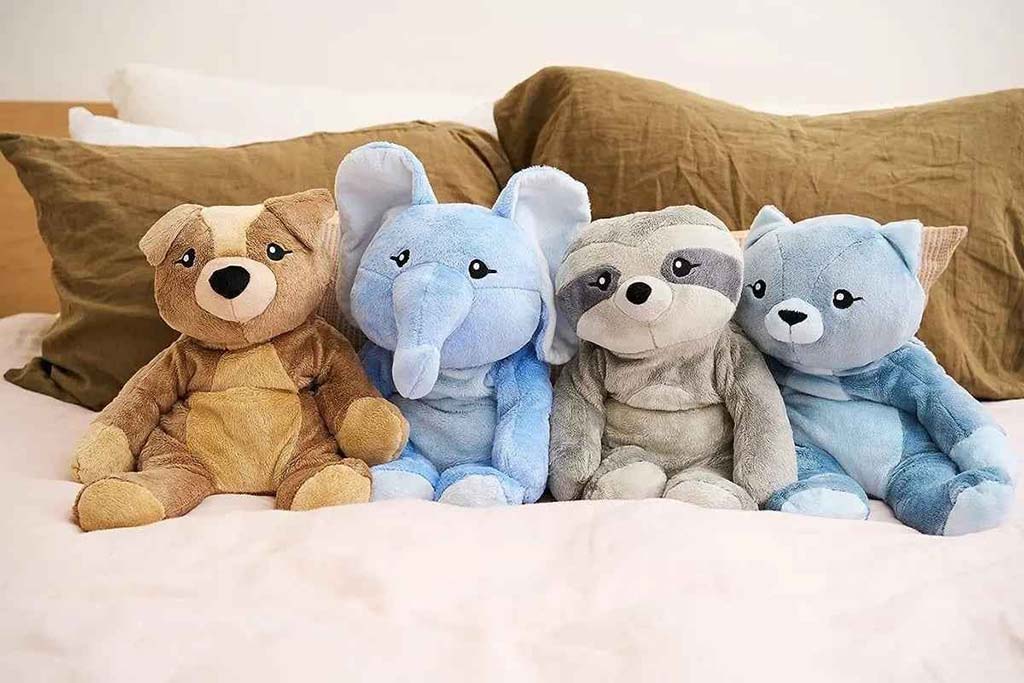
A weighted stuffed animal is a plush toy enhanced with added mass—usually between 0.3 and 2 kilograms—strategically placed in the body to provide gentle, distributed pressure. This weight produces a sense of stability, similar to a light weighted blanket. Unlike normal plush toys that rely only on polyester fiberfill, weighted designs include densely packed liners or pouches filled with small beads or pellets, often anchored to maintain balance.
From a tactile perspective, weighted plush feels slightly heavier and more stable when held. The weight can help calm restlessness, provide sensory feedback, and even reduce anxiety or hyperactivity by applying mild, consistent pressure on the body. That’s why many occupational therapists, educators, and parents use them as sensory tools or soothing bedtime companions.
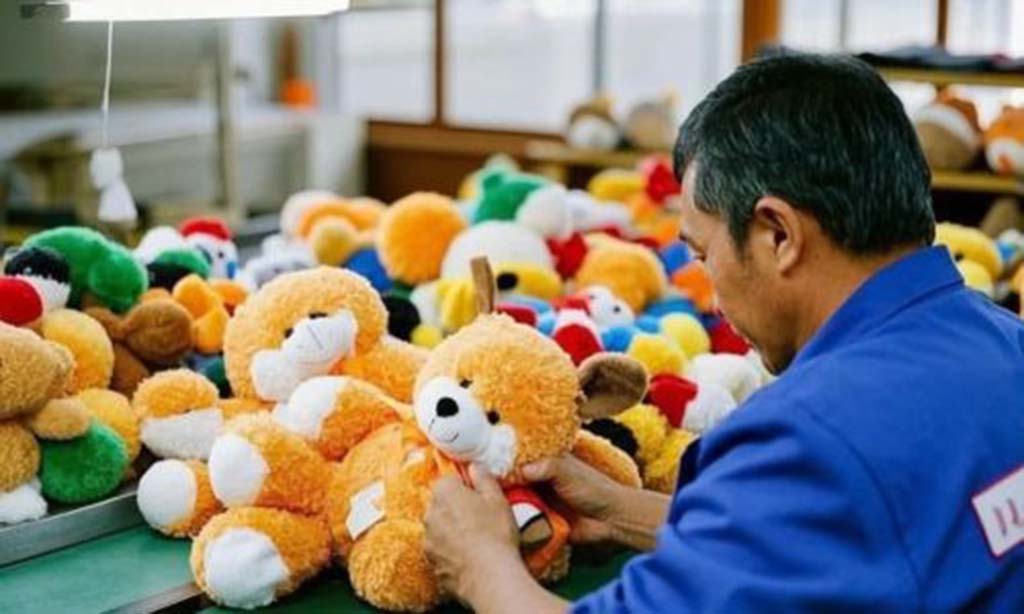
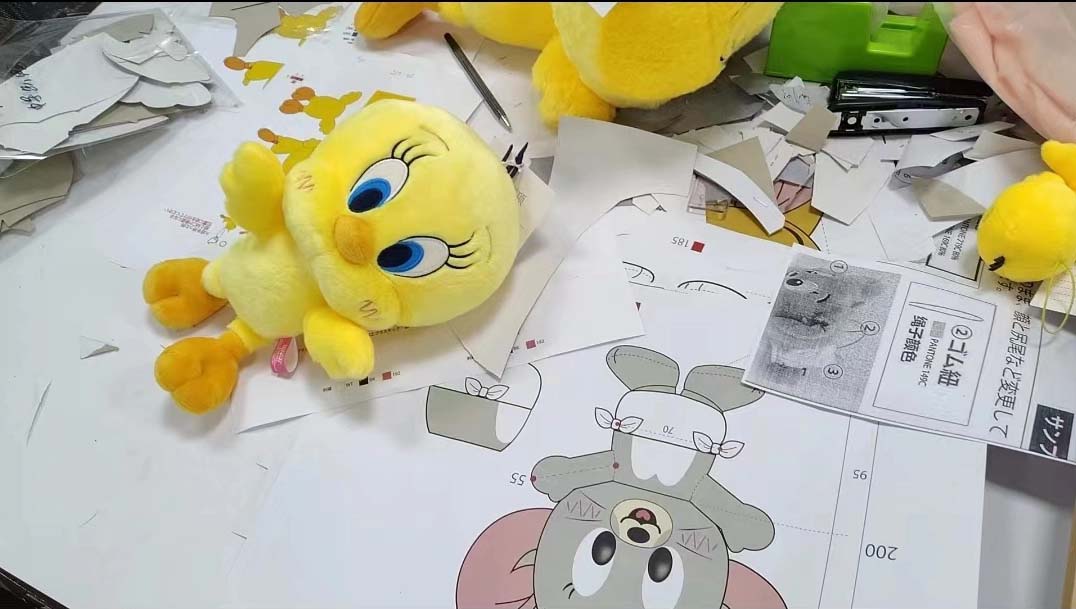
Manufacturing-wise, weighted plush requires more precise patterning and reinforcement. Seams, liners, and threads must withstand higher internal stress than standard plushies. This means additional QC steps, specialized machinery, and controlled material sourcing—all part of why professional plush factories like Kinwin document weight distribution, density, and seam strength during production.
Table 1 — Weighted vs. standard plush: structure and purpose
| Feature | Standard Plush | Weighted Plush | Why It Matters |
|---|---|---|---|
| Internal content | Polyester fiberfill only | Fiberfill + sealed weight media | Creates pressure and grounding feel |
| Structure | Even, fluffy volume | Zoned fillers + weight liners | Prevents shape collapse |
| Seams | Basic stitch | Reinforced double seam | Resists stress and leakage |
| Purpose | Comfort, play | Calming, sensory, sleep support | Added function beyond aesthetics |
| Tests required | Mechanical + chemical | + Leakage, drop, VOC, wash | Broader safety scope |
| Labeling | Care info only | Care + weight + warnings | Informs safe handling |
A well-engineered weighted plush looks just as cute as a regular toy but feels more “present” in the hands—a detail that customers immediately notice when they pick it up in stores or at trade fairs.
Which weighting media and construction methods ensure safe, even weight distribution?

The key to a successful weighted toy is even weight distribution. Uneven filling causes lumps, distortions, and seam stress. The weight must feel natural, not like a bag of sand inside a plush body. That’s why professional factories design multi-chamber liners, often using soft but durable fabrics such as polyester or cotton twill, to contain the weighted media securely.
The most common fillers include glass microbeads, ceramic beads, poly pellets, or encapsulated steel shot (for adult models). Each has a unique density, texture, and flow behavior. The choice depends on target weight, safety requirements, and tactile feel. For plush intended for children, non-toxic, small, smooth beads like glass or ceramic are preferred. For sensory or adult plush, heavier media can create deeper pressure.
Weight liners are always fully sealed and usually stitched or tacked into the plush body to prevent migration. Reinforced seams, 2-layer liners, and soft cushioning fiberfill around the weighted pouch protect the shape and ensure hugging comfort.
Table 2 — Weighting media and safe construction practices
| Media Type | Key Advantages | Considerations | Best Use | Construction Tip |
|---|---|---|---|---|
| Glass microbeads | Inert, fine, smooth texture | Higher cost, slightly heavier | Premium sensory plush | Use 2-ply liner; distribute evenly |
| Ceramic/clay beads | Stable, cost-effective | Larger granules | Medium-size plush | Segment liner into zones |
| Poly pellets | Lightweight, washable | Lower density | Small plush or baby-grade toys | Combine with fiberfill |
| Encapsulated steel shot | Very dense; small volume | Not for kids; heavy | Adult relaxation toys | Must use reinforced liner |
| Foam + bead mix | Soft, sculpted shape | Complex to assemble | Sit-stable plush | Foam upper, bead lower layer |
To prevent bead migration, we often create 4–6 compartments inside the liner. This ensures that even if the plush is squeezed repeatedly, the weight stays balanced. During sampling, we test each pattern’s “balance point” to guarantee it sits upright and symmetrical—especially important for display plush or therapeutic products.
How do target weight, size, and seam strength specifications affect ergonomics and durability?
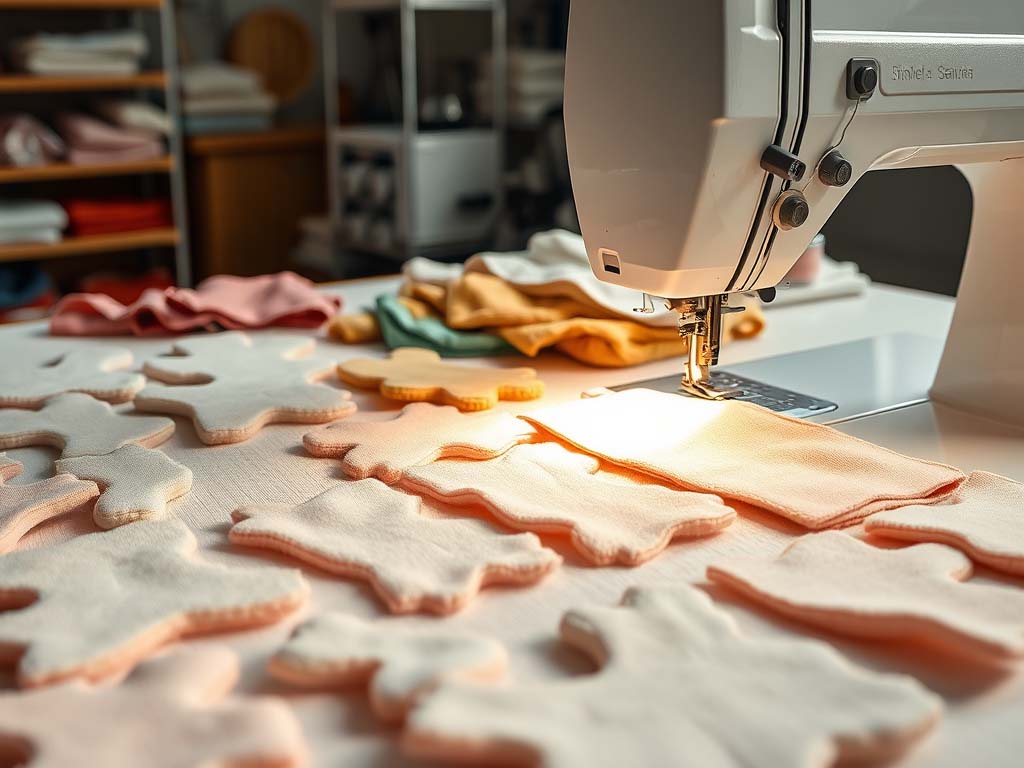
Weighted plush design is not guesswork. Each pattern must have an optimal ratio of weight to body volume. Too light, and the plush loses its calming benefit; too heavy, and seams stretch, deform, or fail safety drop tests. The ergonomics depend on how the plush feels when held—gentle pressure should feel natural, not strain the arms.
As a rule of thumb, plush toys between 20–40 cm tall weigh 350–1200 grams. For larger therapeutic versions, weights can exceed 2 kilograms but must include strong inner structures and double-stitched load-bearing seams.
Seam strength is tested under tensile stress, measured in Newtons (N). We reinforce high-pressure areas—like the base, neck, and belly—with denser stitching and 0.7 cm seam allowance. For plush meant for frequent handling (like classroom sensory aids), factories should target 300–450 N seam strength to withstand long-term use.
Table 3 — Target weights and durability specs for weighted plush
| Plush Size (Height) | Typical Weight | Ergonomic Feel | Minimum Seam Strength | Notes |
|---|---|---|---|---|
| 15–20 cm | 200–350 g | Light grounding feel | ≥180 N | Poly pellet liners ideal |
| 20–30 cm | 350–700 g | Noticeable calming pressure | ≥250 N | Glass or ceramic beads preferred |
| 30–40 cm | 700–1200 g | Balanced, steady comfort | ≥300 N | Multiple liner segments |
| 40–55 cm | 1.2–2.2 kg | Lap comfort or display use | ≥400 N | Adult or sensory-grade plush |
| 60 cm+ | 2.5–4.0 kg | Deep relaxation use | ≥450 N | Needs QC on seams & ergonomics |
Kinwin’s engineering team uses density mapping—assigning precise grams of filling to each body zone—to ensure every production batch feels identical. This data-driven process also reduces seam failure and improves long-term durability.
What safety, labeling, and age-grading standards apply (ASTM F963, EN71, CPSIA, small parts, washability)?

Because weighted plush toys contain internal beads or pellets, they fall under stricter safety regulations than ordinary stuffed animals. Manufacturers must demonstrate that the beads are securely enclosed, the seams resist bursting, and the toy remains safe even if roughly handled.
In both the European Union and United States, heat-sealed liners and seam-strength reports are mandatory for compliance. Weighted toys sold to children must meet EN 71-1 (mechanical and physical), EN 71-2 (flammability), and EN 71-3 (chemical migration) in the EU; and ASTM F963 and CPSIA standards in the U.S.
Labels must clearly indicate care instructions and, where applicable, a note such as “Contains sealed weighted media. Inspect regularly for damage.” Washing methods should also reflect the construction—most weighted plush are surface clean only because bead liners cannot withstand full soaking.
Table 4 — Compliance, labeling, and certification roadmap
| Compliance Area | Requirement | What Manufacturers Must Do | Record to Maintain |
|---|---|---|---|
| Mechanical strength | EN 71-1 / ASTM F963 | Test seams, tension, impact | Lab test report per SKU |
| Chemical safety | EN 71-3 / CPSIA | Test for lead, cadmium, phthalates | Material COAs |
| Flammability | EN 71-2 / ASTM F963 | Verify fabric & thread | Fabric supplier certificates |
| Labeling | Age, care, warnings | Include weight disclosure | Label artwork, translations |
| Tracking | CPSIA traceability | Factory ID, batch, date | ERP batch log |
| Washability | If washable claim used | Conduct 3× wash test | Photographic evidence |
| Small parts safety | Liner containment | Drop, flex, crush test | Test results with report ID |
Professional factories not only test for regulatory compliance but also perform internal audits for seam consistency and odor neutrality, since stored beads can absorb moisture and emit smell. Keeping raw materials dry and documented is a critical compliance habit.
How should manufacturers validate performance—leakage tests, drop tests, laundering, and VOC/odor checks?
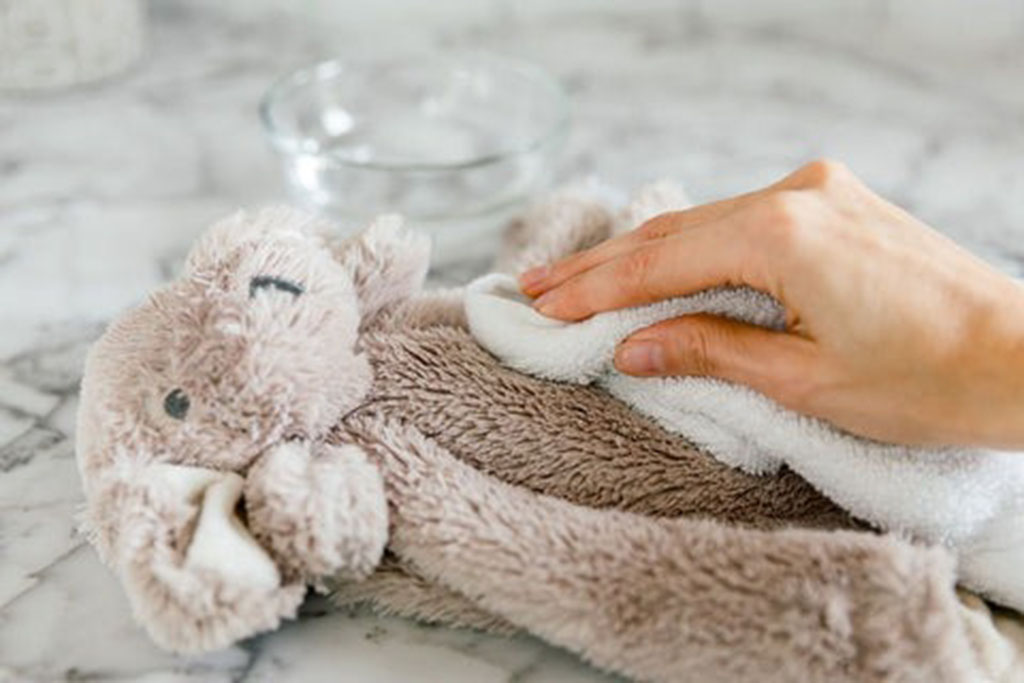
Every weighted toy must survive real-life handling. That means drop tests, compression cycles, liner leakage tests, and odor evaluations. The goal is to confirm that the toy remains intact, safe, and pleasant to use over its expected lifespan.
Leakage testing simulates shaking, pressing, and flexing to ensure no beads escape even under pressure. Drop tests from 1.2 meters replicate child handling. Laundering tests verify that the fabric, seams, and filler survive cleaning methods stated on the care label. For export, many retailers also request VOC (volatile organic compound) and odor testing to ensure there are no chemical residues from beads, glues, or finishing agents.
Table 5 — Factory performance validation checklist
| Test | Method | Acceptance Criteria | What It Proves |
|---|---|---|---|
| Leakage test | Flex liner 100×; rub seams | No visible leaks or dust | Secure containment |
| Drop test | 1.2 m × 5 drops | No rupture, seam pop, or bead loss | Impact resilience |
| Compression | 5 s × 3 presses on torso | Even recovery, no hard lumps | Proper filling density |
| Wash test | Gentle cycle in bag (if allowed) | No bleeding, deformity | Label accuracy |
| VOC / Odor | 24h sealed box sniff panel | Neutral scent | Chemical cleanliness |
| Aging / Cycle test | 50 squeeze cycles | No liner fatigue | Long-term durability |
Factories that follow these procedures can confidently certify their plush for major retailers. At Kinwin, we log all test results and photos into digital QC records so buyers can trace every production run.
How do use cases (sensory/OT, sleep aid, anxiety relief) influence design, packaging, and compliance strategy?
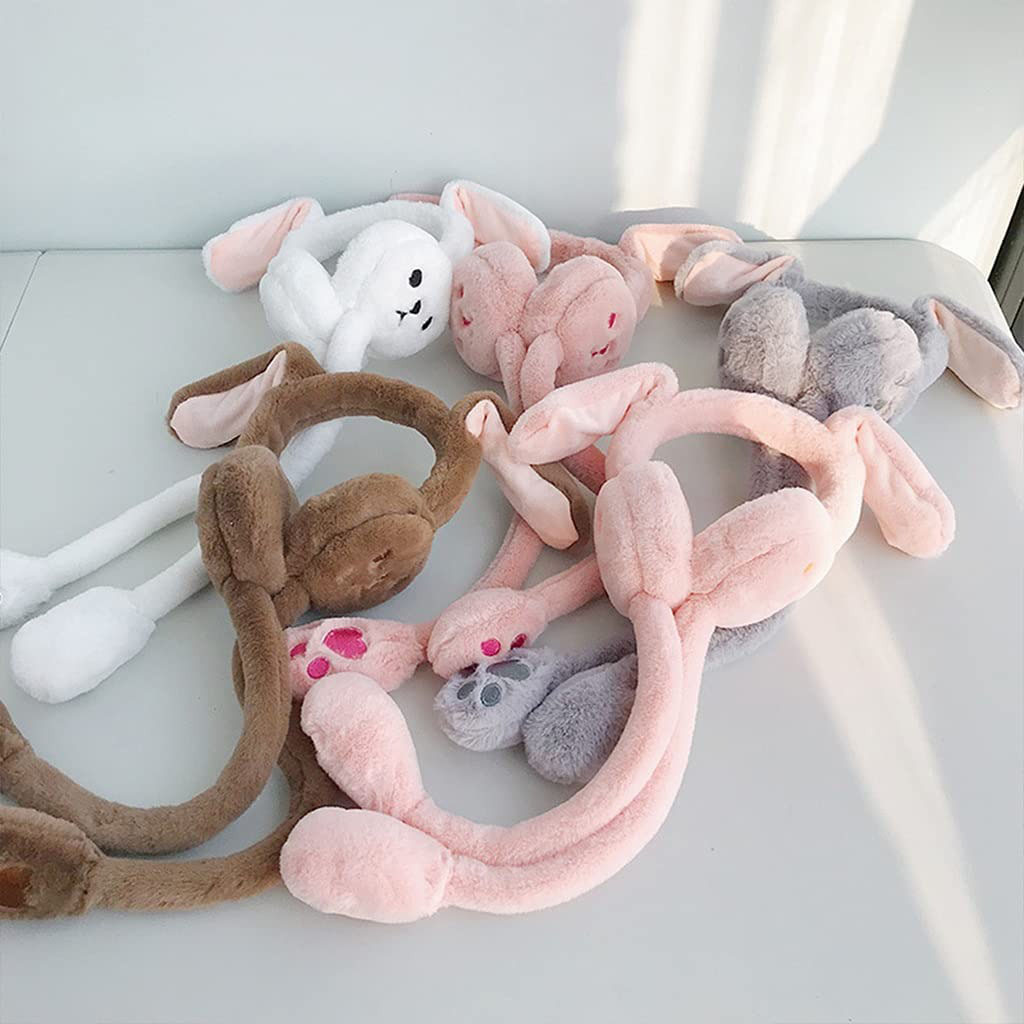
Weighted plush appeal to different user groups, and each purpose brings specific compliance and marketing considerations.
For sensory/occupational therapy (OT) use, designs must be stable, evenly weighted, and built from hypoallergenic, low-noise materials. For sleep or relaxation, weight should feel comforting, not restrictive, and labels must include “Do not place on face during sleep.” For general anxiety relief or adult gifting, the plush may emphasize elegance, durability, and simple packaging.
Manufacturers should avoid medical claims (like “treats anxiety” or “improves sleep”) unless certified as a medical device. Instead, use safe phrases such as “Designed to provide gentle pressure and comfort.” Packaging must also list weight and age grade clearly, with safety icons for supervision and care.
Table 6 — Design and packaging approach by use case
| Use Case | Design Focus | Packaging / Messaging | Compliance Priority |
|---|---|---|---|
| Sensory / OT | Even mass, quiet beads, washable cover | “Soothing sensory support” | Reinforced seams, leakage proof |
| Sleep aid | Soft texture, low scent, subtle weight | “Comfort plush for bedtime” | Clear warnings: not for face use |
| Anxiety relief | Lap-sized, neutral color, stable posture | “Weighted comfort plush” | Adult age labeling |
| Gift / retail toy | Cute design, medium weight | “Soft and balanced plush friend” | EN71 / ASTM standard tests |
| Decor / collector plush | Heavier core, luxurious fabric | “Premium handcrafted weight plush” | Weight disclosure only |
Ultimately, the use case determines more than marketing—it affects density mapping, fabric choice, and compliance scope. Sensory-grade toys may need washable liners; sleep plush may require thermal testing for fabric breathability. This integration of design, safety, and compliance defines a professional-grade weighted plush program.
Conclusion
A weighted stuffed animal blends tactile pleasure with therapeutic design. When weight is balanced, seams reinforced, and fillings safe, the result is a plush that calms, comforts, and lasts.
At Kinwin, we specialize in bringing this balance to life—engineering plush toys that meet EN71, ASTM F963, and CPSIA requirements while delivering that satisfying, grounded feel your customers love. From sampling to packaging, every step is tested and traceable to ensure quality, safety, and emotional value.
Contact us at [email protected] or visit kinwintoys.com to discuss your next weighted plush project and see how our manufacturing expertise can support your success.