Third-party testing is not a bureaucratic formality that sits between product development and market entry. It is the independent, documented verification that a plush toy product meets the safety standards that regulate its sale — the objective evidence that protects buyers from regulatory action, platform removal, and the brand damage that follows a safety-related product recall.
For buyers entering the plush toy category for the first time, third-party testing often appears as an unexpected cost and a confusing process. What exactly needs to be tested? Which laboratory should be used? When does testing need to happen? What documentation does a retailer or e-commerce platform actually require?
For buyers who have been in the category longer, testing is usually understood — but the understanding is often partial. Testing is done at the end, when production is complete, as a final compliance check. Documentation is assembled when a retailer asks for it rather than proactively maintained. Testing requirements for new markets are discovered when market entry is attempted rather than confirmed before development begins.
This guide provides the complete framework for third-party testing in plush toy manufacturing — what it is, which organizations conduct it, what tests it includes, how the process works, and how to manage it proactively as an integrated part of product development rather than as a reactive compliance exercise.
What Is Third-Party Testing for Plush Toys and Why Is It Non-Negotiable for Regulated Markets?
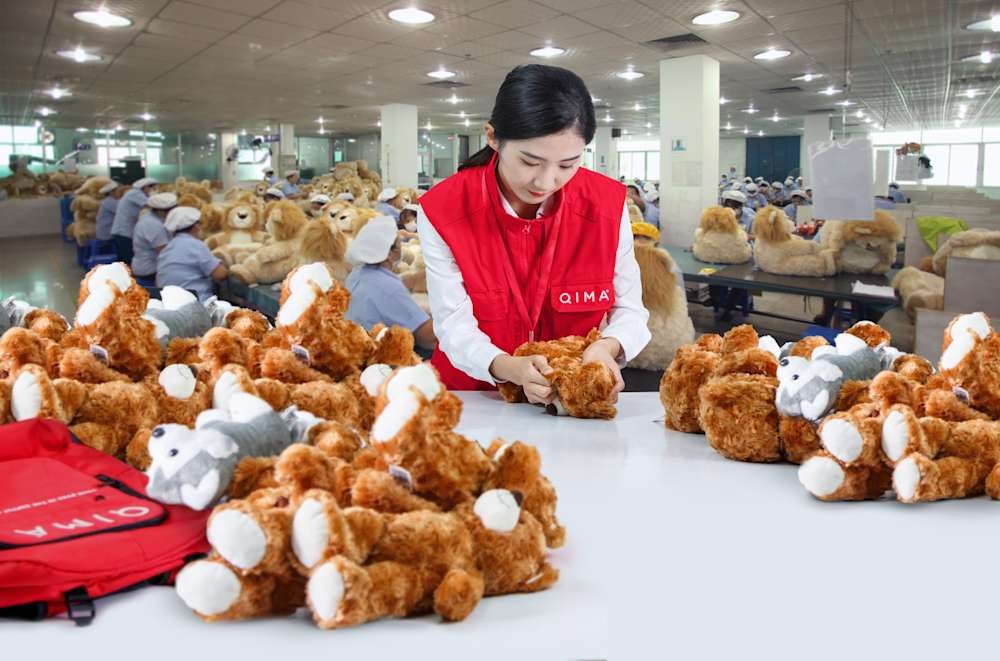
Third-party testing is the evaluation of a product’s safety compliance by an independent organization that is neither the manufacturer nor the buyer — a laboratory that is accredited to conduct specific tests against specific standards and that issues test reports documenting the results. The “third-party” designation is significant: it distinguishes independent laboratory testing from first-party manufacturer testing (the factory testing its own products) and second-party testing (the buyer testing their supplier’s products), both of which have inherent conflicts of interest that regulatory authorities and major retail channels do not accept as adequate compliance evidence.
Third-party testing is non-negotiable for regulated markets because regulatory frameworks in the US, EU, and other major markets legally require that products meet defined safety standards before being sold — and that compliance with those standards is documented through testing conducted by accredited, independent laboratories. Self-declaration without third-party testing evidence does not satisfy this requirement. Manufacturer-provided internal test results do not satisfy this requirement. Only test reports from accredited third-party laboratories provide the compliance documentation that regulatory authorities accept and that retail channels and e-commerce platforms require.
Here is a framework for understanding why third-party testing is structurally necessary rather than optional:
| Without Third-Party Testing | Consequence | Market Impact |
|---|---|---|
| No documented compliance evidence | Regulatory non-compliance | Cannot legally sell in regulated markets |
| No CPSC-accepted test reports | CPSIA violation | US market access blocked |
| No EN71 test reports | Cannot make CE declaration | EU market access blocked |
| No platform compliance documentation | Platform listing removal | Amazon, Walmart, major retail channel exclusion |
| No compliance basis for product recall defense | Legal liability without documentation | Unlimited liability exposure if safety incident occurs |
| No framework for product recall if needed | Unmanaged safety recall | Regulatory penalty, brand damage |
The Safety Rationale Behind Third-Party Testing Requirements
Third-party testing requirements exist because plush toys — particularly those intended for children — present specific safety risks that are not visible through casual inspection: chemical hazards from non-compliant fabric dyes and finishing treatments, mechanical hazards from accessories that detach and create choking risks, flammability hazards from fabrics that ignite and spread flame rapidly. None of these hazards is detectable through visual inspection alone. They require laboratory testing that applies defined methods under controlled conditions to evaluate whether specific hazardous characteristics are present.
The third-party requirement exists because the financial incentive for manufacturers to underreport compliance failures in self-testing is structurally significant — and because the independence of accredited laboratories eliminates this incentive. Laboratory results are issued by organizations whose business depends on the accuracy and credibility of their testing — which creates the reliability that regulatory authorities and retail channels require.
Which Third-Party Testing Organizations Are Accepted for Plush Toy Compliance?
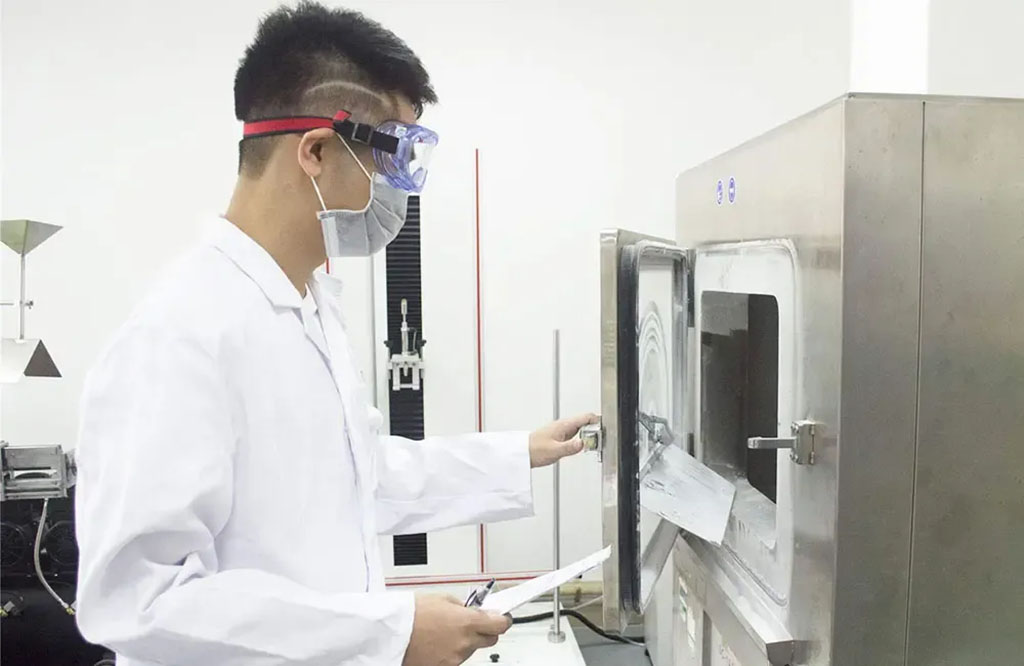
Not all testing laboratories are accepted by all regulatory authorities and retail channels. For plush toy testing, accepted laboratories must be accredited by relevant national and international accreditation bodies and must be listed by the specific regulatory authority whose standards the testing is conducted against.
Here is a comprehensive guide to the major third-party testing organizations accepted for plush toy compliance:
| Organization | Geographic Coverage | Primary Markets Served | Regulatory Acceptance | Key Strength |
|---|---|---|---|---|
| SGS | Global — offices in 140+ countries | US, EU, Asia, all major markets | CPSC-accepted, EN71 accredited | Broadest geographic coverage |
| Intertek | Global — offices in 100+ countries | US, EU, Asia, all major markets | CPSC-accepted, EN71 accredited | Strong in Asia — convenient for China-based production |
| Bureau Veritas | Global — offices in 140+ countries | US, EU, Asia, all major markets | CPSC-accepted, EN71 accredited | Strong technical capability |
| TÜV Rheinland | Europe, Asia, Americas | EU, global | EN71 accredited, CE notified body | Strong EU credential |
| TÜV SÜD | Europe, Asia, Americas | EU, global | EN71 accredited, CE notified body | Strong in EU market |
| UL (Underwriters Laboratories) | North America, global | US, Canada | CPSC-accepted | Strong US credential |
| QIMA | Asia-Pacific, global | US, EU from Asia | CPSC-accepted, EN71 accredited | Convenient for Asia sourcing |
CPSC-Accepted Laboratory Requirement for US Market
For products sold in the US market that are subject to CPSIA (Consumer Product Safety Improvement Act) — which includes all children’s plush toys — testing must be conducted by a laboratory that has been accepted by the US Consumer Product Safety Commission (CPSC). The CPSC maintains a public list of accepted third-party laboratories on its website, and only laboratories on this list can issue test reports that satisfy CPSIA requirements.
This CPSC-accepted laboratory requirement is non-negotiable for US market compliance. A test report from a laboratory not on the CPSC accepted list — even a technically rigorous laboratory with appropriate accreditation in other contexts — does not satisfy CPSIA requirements and cannot support the Children’s Product Certificate (CPC) that US market entry requires.
Before selecting a laboratory for US market testing, buyers should verify that the specific laboratory they plan to use is currently on the CPSC accepted list for the specific test methods required — because acceptance is granted at the test method level, not at the laboratory level universally.
Laboratory Selection Considerations for China-Based Production
For buyers sourcing from China-based factories — the most common scenario in plush toy manufacturing — selecting a laboratory with established operations in China provides practical advantages: faster sample shipping times, lower sample logistics costs, faster turnaround from submission to report issuance, and established relationships with China-based factory QC teams that facilitate efficient sample preparation.
SGS, Intertek, and Bureau Veritas all maintain extensive accredited laboratory networks in China, including facilities in Guangdong province — the primary plush manufacturing region. Many China-based factories have established accounts with one or more of these laboratories, which can facilitate faster processing for mutual clients.
What Tests Are Included in a Comprehensive Plush Toy Safety Testing Program?

A comprehensive plush toy safety testing program covers multiple distinct test categories — each addressing a specific safety risk that regulatory standards require to be evaluated. The specific tests required depend on the target market, the product’s age grade designation, and the product’s specific construction and materials. Understanding what each test category evaluates helps buyers scope their testing program correctly and avoid both under-testing (missing required tests) and over-testing (commissioning tests that are not required for the specific product and market).
Here is a comprehensive guide to the test categories included in a plush toy safety testing program:
Mechanical and Physical Safety Tests
| Test | What It Evaluates | Standard Reference | Critical For |
|---|---|---|---|
| Small parts assessment | Whether any component is a choking hazard size | ASTM F963, EN71-1 | All children’s products |
| Pull force test | Attachment strength of eyes, noses, buttons, and other accessories | ASTM F963, EN71-1 | All products with attached accessories |
| Torque test | Resistance to rotational detachment of cylindrical components | ASTM F963, EN71-1 | Products with rotating or cylindrical components |
| Bite test | Structural integrity under simulated biting force | ASTM F963, EN71-1 | Products for children under 36 months |
| Drop test | Structural integrity after repeated dropping | ASTM F963, EN71-1 | All children’s products |
| Tension test / seam strength | Seam strength under defined pulling force | ASTM F963, EN71-1 | All sewn products |
| Compression test | Structural integrity under sustained compression | ASTM F963, EN71-1 | All children’s products |
| Sharp edges and points | Whether accessible edges or points present laceration risk | ASTM F963, EN71-1 | All children’s products |
| Acoustic shock | Sound level produced by noise-generating features | ASTM F963, EN71-1 | Products with built-in sound |
Chemical Safety Tests
| Test | What It Evaluates | Standard Reference | Market Relevance |
|---|---|---|---|
| Heavy metals (8 elements) | Lead, cadmium, chromium, antimony, arsenic, barium, mercury, selenium | ASTM F963, EN71-3 | US and EU |
| Lead content — substrate | Total lead content in accessible substrate materials | CPSIA Section 101 | US — required |
| Phthalates | DEHP, DBP, BBP, and other restricted phthalates | CPSIA Section 108, REACH | US and EU |
| Azo dyes | Carcinogenic aromatic amines from azo dye decomposition | EN71-9, REACH | EU — required |
| Formaldehyde | Free formaldehyde in textiles | Various — market specific | Variable by market |
| Nickel release | Nickel release from metal components | EN1811, REACH | EU |
| Organotin compounds | TBT, DBT, other restricted organotins | REACH, ASTM F963 | EU and US |
| pH value | Acidity of fabric in contact with skin | Market-specific standards | Some EU markets |
| Flame retardant chemicals | Restricted flame retardant substances in fabric | REACH | EU |
Flammability Tests
| Test | What It Evaluates | Standard Reference | Market Relevance |
|---|---|---|---|
| Fabric surface flammability | Burn rate of surface fabric | 16 CFR Part 1610 | US — required |
| Complete toy flammability | Flammability of toy as assembly | EN71-2 | EU — required |
| Filling material flammability | Burn characteristics of filling | EN71-2 | EU — as part of assembly test |
Electrical Safety Tests (for Electronic Plush Only)
| Test | What It Evaluates | Standard Reference | Market Relevance |
|---|---|---|---|
| Electrical safety | Safety of electronic components and circuits | IEC 62115 | US and EU — required for electronic toys |
| Battery compartment | Security and accessibility of battery compartment | ASTM F963, EN71-1 | Products with batteries |
| Electromagnetic compatibility | Radio frequency emissions and immunity | FCC Part 15, CE Radio | Market-specific |
| Charging safety | Safety of USB or other charging systems | IEC 62368-1 | Rechargeable products |
How Does the Testing Process Work from Sample Submission to Certificate Issuance?
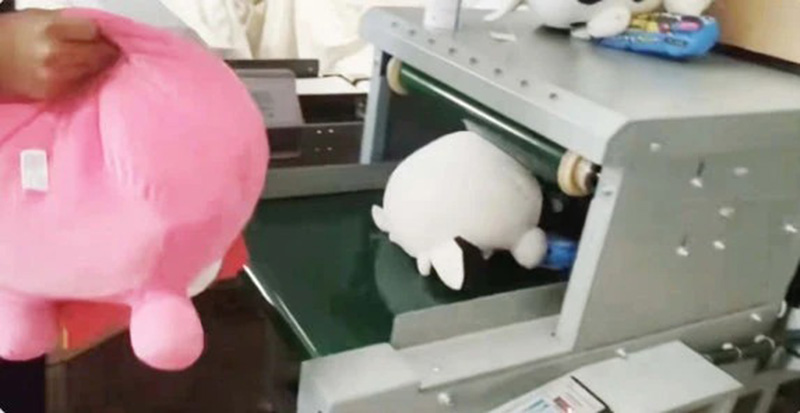
Understanding the practical mechanics of the testing process — how samples are submitted, how testing is conducted, how long it takes, and what documentation is produced — helps buyers plan testing into their product development timelines accurately rather than discovering timeline impacts after production commitments have been made.
Here is a step-by-step guide to the testing process from beginning to end:
| Process Stage | Activity | Responsible Party | Typical Duration |
|---|---|---|---|
| Test program definition | Identify applicable tests for product, market, and age grade | Buyer with laboratory guidance | 1–3 days |
| Sample preparation | Prepare sufficient samples in required condition | Factory | 2–5 days |
| Sample submission | Ship samples to laboratory | Factory or buyer | 2–7 days depending on location |
| Laboratory intake | Samples registered, test program confirmed | Laboratory | 1–2 days |
| Sample conditioning | Samples conditioned per standard requirements | Laboratory | 24–72 hours for some tests |
| Testing — mechanical and physical | Pull force, small parts, seam strength, flammability | Laboratory | 3–7 days |
| Testing — chemical | Heavy metals, phthalates, azo dyes, CPSIA lead | Laboratory | 5–14 days (chemical tests are slowest) |
| Results review | Laboratory reviews results before report issuance | Laboratory | 1–3 days |
| Report issuance | Final test report issued with pass/fail for each test | Laboratory | 1–2 days after review |
| CPC preparation (US) | Buyer prepares Children’s Product Certificate based on report | Buyer (importer of record) | 1–2 days |
| Documentation filing | Test reports filed in compliance documentation system | Buyer | Ongoing |
Sample Quantity Requirements
One of the most practically important aspects of planning for third-party testing is understanding how many samples the laboratory requires. Some tests are destructive — the sample is consumed or damaged during testing and cannot be reused — which means that a testing program covering multiple destructive tests requires more samples than a single test would suggest.
For a comprehensive ASTM F963 and CPSIA test program for a standard plush toy, most laboratories require between 12 and 24 samples total — with different samples allocated to different test categories based on whether the test is destructive.
| Test Category | Typical Sample Quantity | Why |
|---|---|---|
| Mechanical safety — pull tests, seam tests | 6–10 units | Tests are largely destructive |
| Small parts assessment | 2–3 units | Non-destructive |
| Flammability | 3–5 fabric samples | Destructive |
| Chemical — CPSIA lead | Multiple fabric and accessory samples | Material-by-material testing |
| Chemical — phthalates | Plastic component samples | Specific component testing |
| Chemical — heavy metals | Multiple samples from different materials | Material-by-material |
| EN71 complete assembly | 3–5 complete product units | Some tests are destructive |
The requirement for multiple samples reinforces the importance of timing testing correctly — testing must be planned at a stage when sufficient samples can be produced, which typically means testing the approved sample or a pre-production run rather than sourcing samples from the bulk production run after it is complete.
Standard vs Expedited Testing Timelines
Most laboratories offer both standard and expedited testing services, with significantly different timelines and costs. Understanding the timeline options helps buyers plan testing into production schedules without defaulting to expensive expedited services.
| Service Level | Typical Total Timeline | Cost Premium | When Appropriate |
|---|---|---|---|
| Standard service | 15–25 business days from submission | Baseline | When testing is planned 4–6 weeks before shipping |
| Expedited (rush) | 7–12 business days from submission | 30–60% premium | When timeline is compressed |
| Priority (fastest available) | 3–7 business days | 60–100% premium | Emergency situations — rare |
For buyers who plan testing at the right stage of the development process — before bulk production begins rather than after — standard service timelines are usually adequate and the significant cost premium of expedited testing can be avoided.
How Do Testing Requirements Differ Between the US, EU, and Other Major Markets?
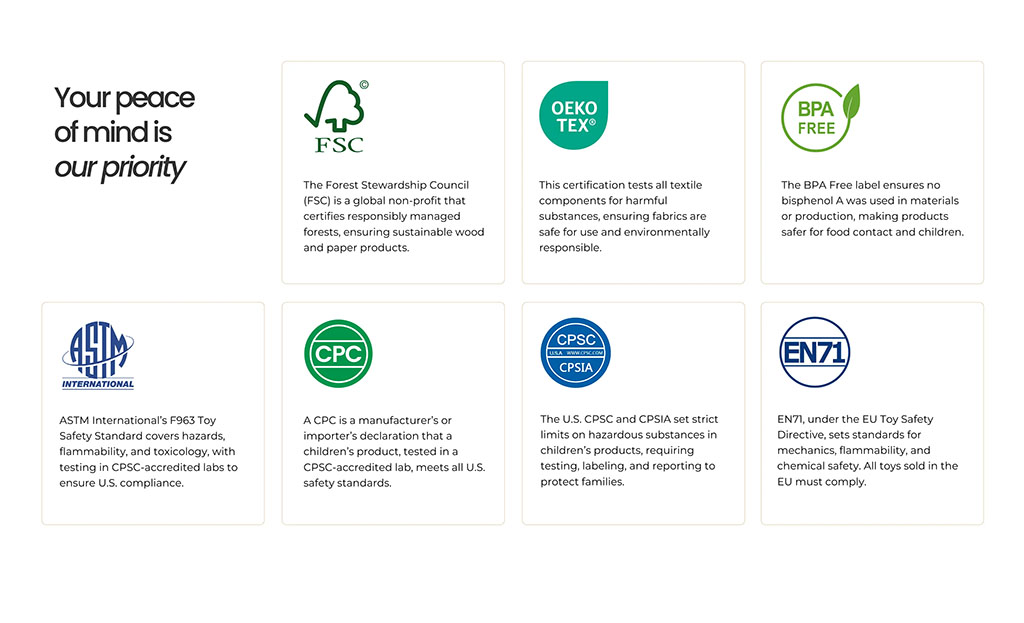
Testing requirements differ between markets both in the specific standards that apply and in the regulatory frameworks that define how compliance must be documented. A product that is fully compliant for the US market may not be compliant for the EU market without additional testing, and vice versa. Buyers selling into multiple markets must plan their testing programs to address the requirements of each target market.
Here is a comprehensive comparison of testing requirements across major export markets:
| Market | Primary Standard | Chemical Standard | Flammability | Documentation Required | Regulatory Authority |
|---|---|---|---|---|---|
| United States | ASTM F963 | CPSIA Sections 101 and 108 | 16 CFR Part 1610 | Children’s Product Certificate (CPC) | CPSC |
| European Union | EN71 Parts 1–3 | EN71-9, REACH | EN71-2 | CE Declaration of Conformity | National market authorities |
| United Kingdom | UK Toy Safety Regulations | UK REACH | UK equivalent to EN71-2 | UKCA Declaration of Conformity | OPSS |
| Australia | AS/NZS 8124 | REACH-aligned | AS/NZS 1249 (if applicable) | Market-specific | ACCC |
| Canada | Canadian Consumer Product Safety Act | CCPSA chemical provisions | Canadian flammability standard | Varies by product type | Health Canada |
| Japan | ST Mark (voluntary), Food Sanitation Law | Japan chemical standards | Market specific | Varies | MHLW, JTRA |
| China domestic | GB 6675 series | GB chemical standards | GB standard | CCC (mandatory for specific categories) | SAMR |
The US/EU Dual-Market Testing Strategy
For buyers selling into both the US and EU markets — the most common scenario for plush toy export manufacturers — testing to both standards simultaneously is the most efficient approach. The US and EU standards share significant methodological overlap, particularly in mechanical safety testing, which means that a combined test program addressing both standards typically costs significantly less than testing each market independently.
A combined US/EU test program for a standard plush toy would include:
- Mechanical safety tests addressing both ASTM F963 and EN71-1 requirements
- Chemical safety tests addressing both CPSIA (lead, phthalates) and REACH/EN71-3 (heavy metals, azo dyes, phthalates)
- Flammability tests addressing both 16 CFR Part 1610 (US) and EN71-2 (EU)
- Documentation produced for both CPC (US) and CE Declaration of Conformity (EU)
Requesting a combined test quote from the laboratory — specifying that both US and EU compliance evidence is required — allows the laboratory to structure a program that shares test methods where standards align, reducing the total test scope and cost compared to running separate programs for each market.
When Should Testing Be Conducted — and What Are the Risks of Testing Too Late?
The timing of third-party testing is one of the most commercially significant decisions in plush toy product compliance management — because testing conducted at the wrong stage of the development process either fails to catch compliance problems before production investment is committed, or catches them after it is too late for efficient remediation.
The correct timing is testing the approved sample — or a counter sample built using the actual bulk production materials — before bulk production begins. This timing catches compliance failures at the stage where remediation is most efficient: material substitution and redesign can occur before any production cost is committed, and the additional development time required for remediation can be accommodated in the production schedule.
Here is a timing comparison across different testing approaches:
| Testing Timing | When It Occurs | Cost of Compliance Failure Found | Remediation Options | Commercial Risk |
|---|---|---|---|---|
| At material sourcing stage | Before sampling begins | Very Low — material substitution only | Change material before sampling | Very Low |
| At sample approval stage | After approved sample, before bulk | Low — sampling cost only | Resample with compliant material | Low |
| At counter sample stage | Ideal — with bulk materials, before production | Low-Medium — sampling cost | Correct before bulk production | Low |
| During bulk production | Mid-production | High — partial production waste | Halt production, assess scope | High |
| At production completion | After bulk is finished | Very High — full batch at risk | Rework, destroy, or sell into compliant channel | Very High |
| After shipment | When goods are in transit or at destination | Extremely High — recall or border seizure | Very limited options | Catastrophic |
The Most Common Timing Mistake
The most common timing mistake in plush toy testing is treating testing as the last step before shipping — submitting finished bulk production samples to the laboratory after the production run is complete and the goods are ready to ship, and then discovering a compliance failure that applies to the entire production batch.
This post-production testing approach creates a scenario where the compliance failure — which could have been prevented at minimal cost if identified during material selection or sample development — now requires a decision about what to do with a completed batch of non-compliant product. The options are all expensive: rework the batch to replace non-compliant materials (if possible), destroy the batch and reproduce with compliant materials, or attempt to sell the product into markets where the specific compliance requirement does not apply.
Preventing this scenario requires recognizing that testing is a development activity — one that belongs in the product development process alongside sampling, pattern making, and material sourcing — not a compliance formality that happens at the shipping stage.
How Should Buyers Manage Testing Costs, Timelines, and Documentation?
Testing cost, timeline, and documentation management are the practical administrative challenges of compliance — the organizational systems that transform the technical requirement of testing into an ongoing operational capability that supports product launches, reorders, and market expansion efficiently.
Managing Testing Costs
Testing costs are primarily fixed per product — laboratory fees are not significantly affected by order volume, which means the per-unit testing cost is high at low volumes and decreases as production volume grows. Understanding this cost structure helps buyers plan testing budgets accurately.
| Testing Cost Component | Typical Range | Cost Management Approach |
|---|---|---|
| ASTM F963 complete program | $400–$700 | Cannot be reduced — required scope |
| EN71 Parts 1–3 complete program | $500–$900 | Cannot be reduced — required scope |
| Combined US/EU program | $700–$1,200 | Combined scope reduces cost vs separate |
| CPSIA lead testing | $150–$300 | Usually included in ASTM F963 program |
| Expedited service premium | +30–100% | Avoidable through proactive timeline planning |
| Retesting after failure | Full program cost | Avoidable through compliant material sourcing |
| Per-product cost at 500 units | $1.40–$2.40 | Decreases with volume |
| Per-product cost at 5,000 units | $0.14–$0.24 | Efficient at production scale |
Managing Testing Timelines
Testing timeline management requires integrating the laboratory timeline into the product development schedule at the planning stage — not treating testing as something that happens in the gaps of an otherwise planned schedule.
The practical timeline integration approach:
Step 1: At project initiation, identify the applicable testing requirements for the target markets.
Step 2: Request current turnaround time estimates from the selected laboratory for the required test program.
Step 3: Build the testing timeline into the production schedule backward from the delivery date — confirming that sample submission, testing, and report issuance will be complete before the production completion date, not after it.
Step 4: Identify the sample submission deadline — the latest date samples can be submitted while still receiving results before production must be authorized.
Step 5: Plan sample preparation and submission so that samples are dispatched at least one week before the submission deadline, allowing for shipping contingencies.
Managing Testing Documentation
Testing documentation management is the ongoing organizational responsibility of maintaining current, accessible compliance records for all active products — the records that support regulatory compliance, retailer and platform requirements, and audit responses.
A complete testing documentation system for a plush toy product should contain:
| Document | What It Contains | Where to Obtain | How Long to Retain |
|---|---|---|---|
| ASTM F963 test report | Mechanical and chemical test results for US compliance | Testing laboratory | Product commercial life + 3 years |
| EN71 test report | Mechanical, chemical, and flammability results for EU | Testing laboratory | Product commercial life + 3 years |
| CPSIA Children’s Product Certificate | US compliance declaration from importer | Buyer prepares — based on test reports | Product commercial life + 3 years |
| CE Declaration of Conformity | EU compliance declaration | Buyer/manufacturer prepares | Product commercial life + 10 years |
| Material test reports | Chemical compliance of specific materials | Fabric and material suppliers | Product commercial life + 3 years |
| Flammability test reports | Fabric compliance per 16 CFR 1610 | Fabric supplier or testing laboratory | Product commercial life + 3 years |
| OEKO-TEX certificate (if applicable) | Fabric chemical safety certification | Fabric supplier | Valid period of certificate |
How Does Kinwin Support Buyers Through the Third-Party Testing Process?
At Kinwin, third-party testing support is a standard component of our client service — not because we conduct testing ourselves, but because we understand that testing is a production integration challenge as much as a compliance challenge, and that buyers who receive informed guidance through the testing process achieve compliance more efficiently and at lower total cost than those who manage it entirely independently.
Our testing support covers four specific dimensions:
Testing Scope Guidance
We help buyers identify the applicable testing requirements for their specific product and target markets at the beginning of the product development process — before materials are selected, before sampling begins, and before any production commitment is made. This early identification allows material selection to account for compliance requirements from the start, eliminating the most common cause of testing failure: non-compliant materials that were sourced before compliance requirements were identified.
For products targeting multiple markets, we help buyers plan a combined testing approach that efficiently addresses all market requirements rather than running duplicate programs for each market independently.
Sample Preparation and Submission
We work with our testing laboratory partners — SGS and Intertek, with whom we maintain established accounts — to prepare samples that meet laboratory submission requirements and to facilitate efficient intake processing. Factories that have established laboratory relationships can typically submit samples faster, get results processed more quickly, and resolve any sample acceptance questions more efficiently than new laboratory clients — advantages that translate into faster results for our clients.
We also coordinate sample preparation timing with the development schedule — ensuring that samples are ready for submission at the right development stage (counter sample or approved sample stage, before bulk production authorization) rather than at the shipping stage when testing failure remediation options are most limited.
Compliance-First Material Sourcing
One of the most effective testing support services we provide happens before testing begins: sourcing materials — fabrics, filling, accessories — from suppliers who maintain current compliance documentation for their materials. When the materials used in a product carry current OEKO-TEX, REACH compliance, and CPSIA-compatible chemical test documentation, the risk of chemical compliance failure in third-party testing is substantially reduced.
This material-level compliance foundation means that most Kinwin-produced products pass third-party chemical testing on the first attempt — because the materials have already been verified at the supplier level before they enter production.
Documentation Provision
We provide a complete pre-shipment documentation package with every order — including material compliance certificates, the factory’s production quality records, and all compliance-related documentation that supports the buyer’s CPC preparation and CE Declaration of Conformity. This package is organized for immediate use rather than requiring the buyer to request and compile individual documents from multiple sources.
For clients who need to respond to retailer compliance audits, platform compliance requests, or customs documentation requirements, we maintain organized compliance records for all products we have produced — available on request and current as of the most recent production run.
If you are developing a plush toy product and want to understand how third-party testing requirements apply to your specific product and target markets — and how our production and compliance support process can make that testing more efficient and more likely to succeed on first submission — we would be glad to walk through it with you.
Reach out to our team at [email protected] or visit kinwintoys.com to start that conversation.
Conclusion
Third-party testing for plush toys is not a regulatory obstacle to be managed after the real work of product development is complete. It is an integral component of responsible product development — the independent verification that gives buyers the documented confidence that their products are safe, the regulatory authorities the evidence that their standards have been met, and the retail channels and e-commerce platforms the compliance assurance they require.
Managing third-party testing effectively requires treating it as a development activity rather than a shipping-stage formality: identifying applicable requirements before materials are selected, building testing timelines into production schedules, preparing and submitting samples at the right development stage, and maintaining organized documentation that supports ongoing compliance for the product’s commercial life.
Buyers who integrate testing into their development process this way consistently achieve compliance at lower total cost — avoiding the remediation expenses that arise from post-production compliance failures — and enter their target markets with the complete documentation that protects them from regulatory action and enables their retail and platform partnerships.
At Kinwin, we treat testing support as part of what it means to be a complete manufacturing partner — because products that cannot enter their target markets are not successful products, and compliance is not a detail to be managed separately from quality and production.
FAQ
Q1: If a plush toy has been tested and certified for one market, does that certification transfer to other markets, or does each market require separate testing?
Certification does not automatically transfer between markets — each market has its own standards, accreditation requirements, and documentation frameworks that must be addressed specifically. However, significant portions of the testing program overlap between markets, which means that separate testing programs for different markets do not need to be completely independent exercises. A product tested under ASTM F963 for the US market will have mechanical safety test data that is substantially compatible with EN71-1 requirements, because both standards use similar methods. Similarly, chemical testing under CPSIA covers many of the substances restricted under REACH and EN71-3. A combined testing program structured by the laboratory to address both US and EU requirements simultaneously produces separate test reports for each market while sharing the test work where methods align — which is both more efficient and more cost-effective than running completely independent programs. The correct approach for multi-market products is to request a combined test quote that specifies all target markets, and ask the laboratory to identify which tests can be shared versus which must be conducted independently for each market.
Q2: What happens if a plush toy fails third-party testing — is the entire product non-compliant, or can specific issues be addressed and the product retested without repeating the full program?
A testing failure does not necessarily require a complete retest of all tests in the program. When a specific test fails, the failure is attributed to a specific product characteristic — a material that contains a restricted substance, an accessory that fails the pull force threshold, a fabric that does not achieve Class 1 flammability. Addressing the failure typically involves correcting the specific characteristic that caused it and then retesting the relevant test category — not the entire program. For example, if a product fails EN71-3 chemical testing because a specific fabric contains a restricted azo dye, the corrective action is replacing that fabric with a compliant alternative and retesting the chemical tests — without needing to repeat mechanical safety or flammability testing that passed. The laboratory will typically identify specifically which tests need to be repeated and what sample configurations are needed for the retesting. This targeted retesting approach reduces the cost and time of remediation compared to a complete program retest — which is one practical argument for addressing material compliance during development rather than discovering it through testing failure, since pre-production corrections allow a clean testing program without the scope management complexity of targeted retesting.
Q3: How frequently should testing be renewed for products that are reordered repeatedly over multiple years?
Testing renewal requirements depend on three factors: whether the product’s materials or construction have changed, whether the applicable standards have been updated since the original testing, and whether specific retailers or platforms specify a maximum test report age for their compliance programs. In the absence of changes or updates, a test report from a complete program remains valid indefinitely for the same product specification — because the tested product characteristics have not changed. However, most retailers and platforms define a maximum test report age — typically one to three years — beyond which they require re-testing regardless of whether the product has changed. The practical approach for regularly reordered products is to schedule re-testing every two years as a standard practice — which covers most retailer and platform requirements and catches any standard updates that may have changed the compliance threshold since the original testing. Any time a product’s materials or construction changes between orders — different fabric supplier, different filling material, different accessory source — the changed materials or components must be retested, even if the overall product structure is unchanged.
Q4: Can buyers use test reports that were commissioned by their factory rather than commissioning tests independently — and does this create any risk?
Test reports commissioned by the factory can be used by buyers for compliance purposes — because the validity of a test report depends on the accreditation of the laboratory that issued it, not on who commissioned the testing. A test report from an accredited laboratory is equally valid whether it was commissioned by the buyer, the factory, or a distributor. However, using factory-commissioned test reports rather than commissioning tests independently creates several practical risks that buyers should understand. The factory may have commissioned testing for a product specification that differs from what is actually in production — using a higher-quality sample for testing while producing with lower-quality materials. The buyer has no direct visibility into the chain of custody between the production batch and the tested sample. And if a compliance failure occurs and the buyer needs to defend against a regulatory action, factory-commissioned test reports provide weaker evidence of the buyer’s due diligence than buyer-commissioned tests. For products where liability exposure is significant — children’s products, large-volume orders, premium retail distribution — buyers commissioning their own testing provides stronger compliance protection than relying entirely on factory-provided reports, even from accredited laboratories.
Q5: What documentation does a buyer need to maintain to create a complete compliance record for a plush toy product, and how should this documentation be organized for efficient access?
A complete compliance record for a plush toy product should be organized as a product-specific compliance file that contains all compliance-relevant documentation in an accessible, organized structure. The file should include: the current test reports from accredited laboratories for each applicable market, with test reports identifying the specific product version tested; the Children’s Product Certificate for US market (buyer-prepared document based on test reports); the CE Declaration of Conformity for EU market (buyer-prepared document); material compliance certificates from fabric and filling suppliers, including OEKO-TEX certificates where applicable and REACH compliance documentation; flammability test reports for fabric materials; any retailer or platform-specific compliance documentation; and a product changelog that documents any specification changes between production runs and the testing status of each change. This file should be updated whenever the product is reordered with any material or specification changes, and should be reviewed against retailer or platform compliance requirements before each new distribution channel is entered. Organizing this documentation in a cloud-based system — with file naming conventions that clearly identify the product, market, and test date for each document — allows efficient access for compliance audits, retailer requests, and regulatory inquiries, which typically arrive with short notice and require rapid response.