
Filling Density Control in Plush Toys
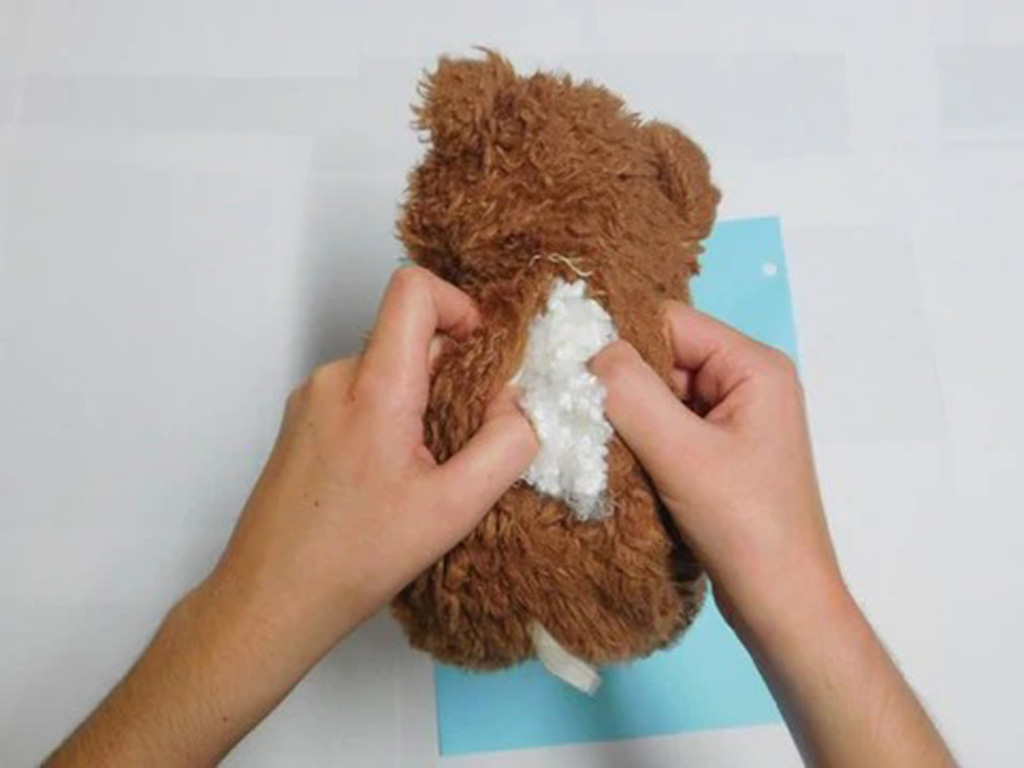
Filling density is the single production variable that most directly determines how a plush toy feels — and therefore how customers perceive its quality. A product with correct filling density feels substantial, holds its shape, and communicates premium quality through the hands before the customer has consciously evaluated any other attribute. A product with insufficient […]
How to Control Filling Quality in Plush Toys

Filling is the invisible component of a plush toy — invisible to the customer who evaluates the product on its shelf, invisible to the photographer who shoots the product listing image, and invisible to the buyer who reviews the sample and makes the approval decision. What filling is not is unimportant. It is, in fact, […]
What is in warmies stuffed animals:Definitive Guide
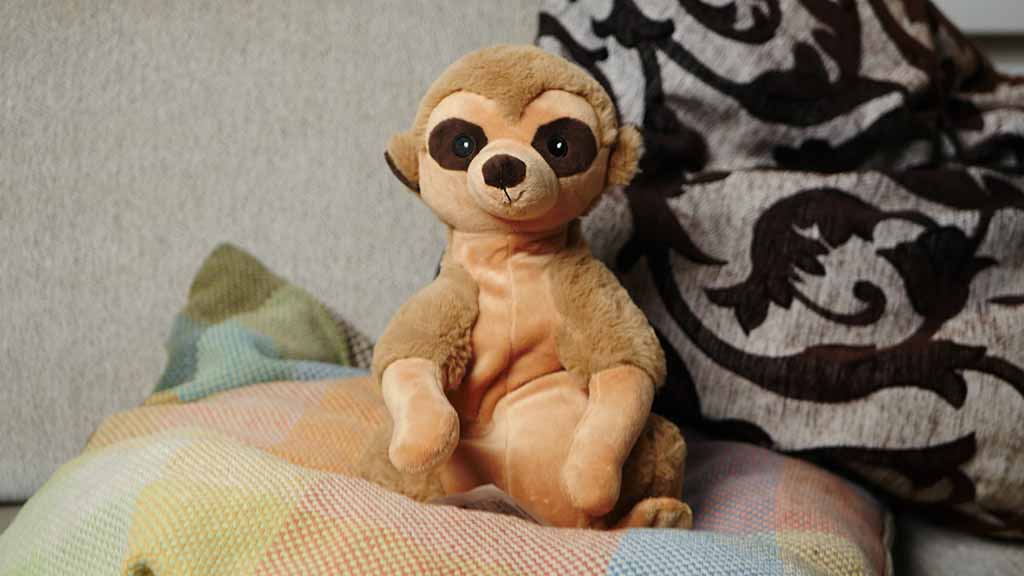
Warmies feel different from regular stuffed animals because they are designed to be heated in a microwave and used like a soft, warm comfort tool—not only as a cuddle toy. I’m Amanda from Kinwin, and in this guide I’ll break down what Warmies are filled with, how the heating and scent work, what outer material […]
How to make a stuffed animal weighted:A Complete Guide
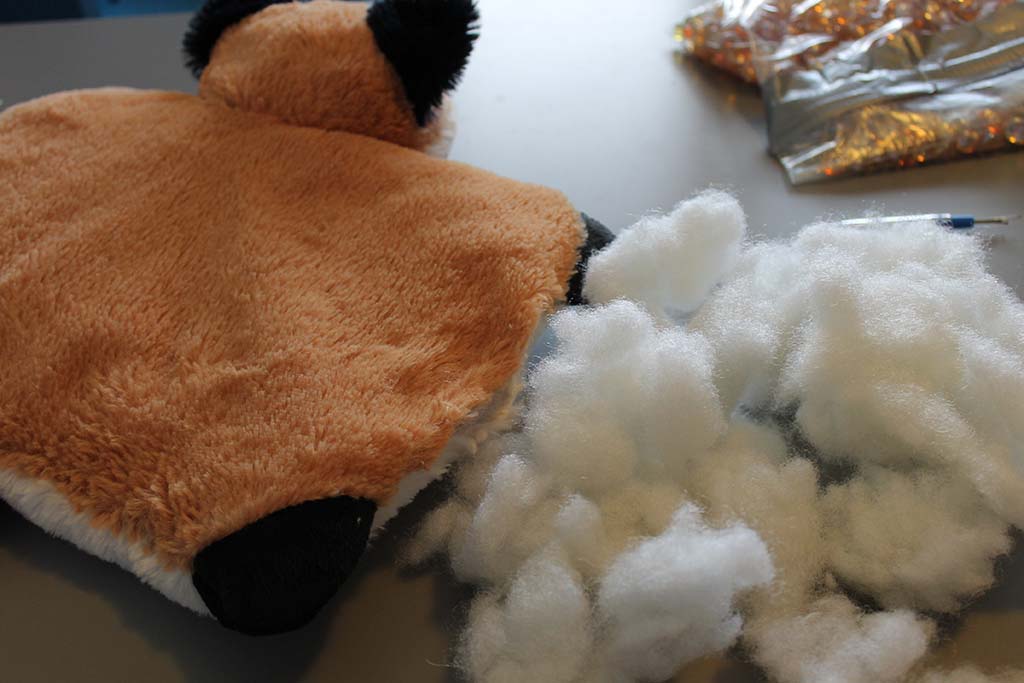
Weighted stuffed animals are becoming popular as comfort items for kids, teens, and even adults. When they are designed well, they feel grounding and cozy, not awkward or unsafe. But to reach that point, the plush must be carefully engineered from the inside out. In this guide, I’ll walk you through how I think about […]
Best stuffing for stuffed animals:An ExpertInsight
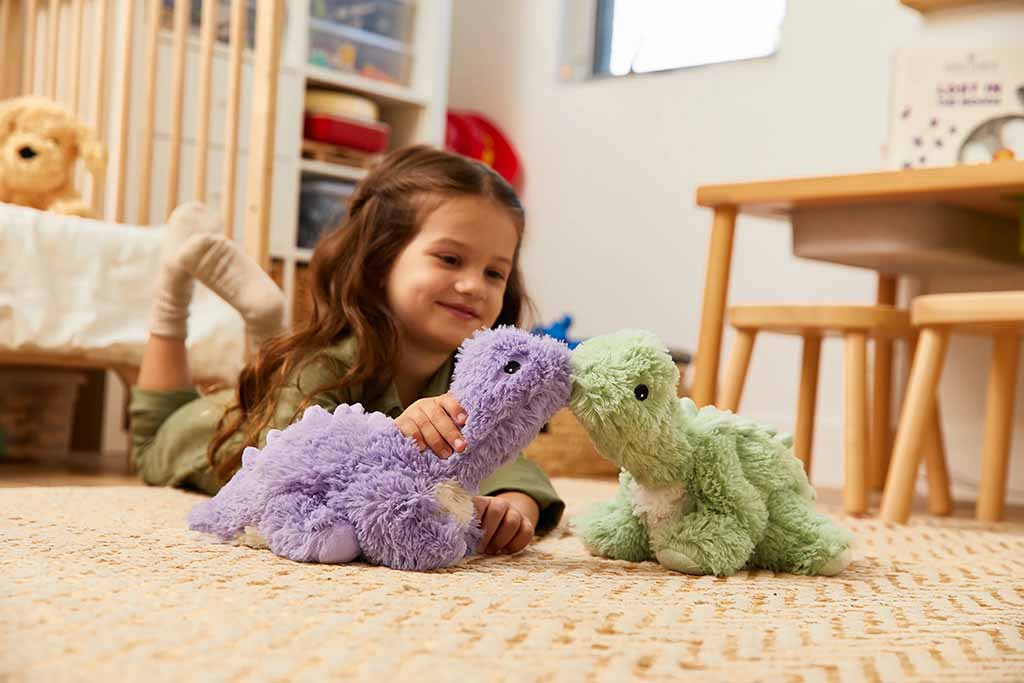
When you hug a plush toy, what you really feel is the stuffing. The fabric gets your first attention, but the filling decides softness, weight, shape, and long-term quality. As a manufacturer, I can say: choosing the right stuffing is one of the most important decisions in plush design. The best stuffing for stuffed animals […]
How to restuff a stuffed animal:A Complete Guide
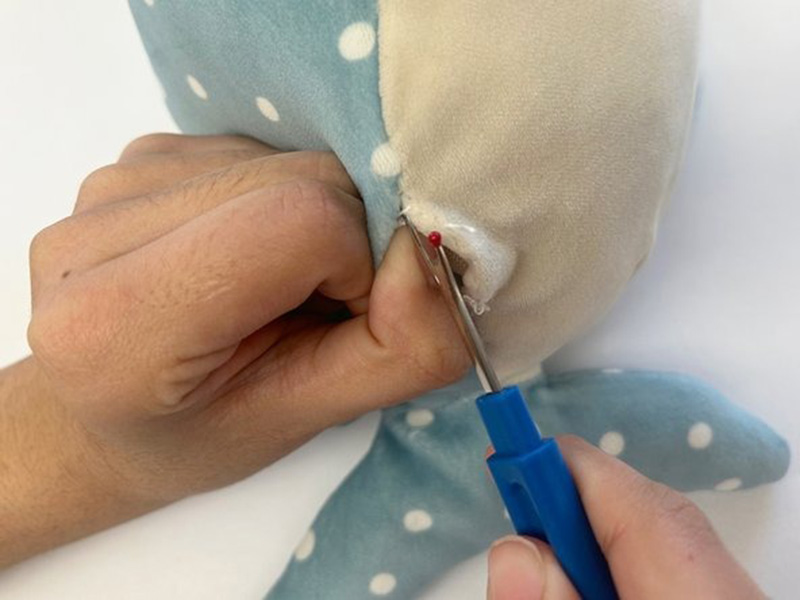
When a stuffed animal goes flat or lumpy, it can feel like you’re losing an old friend. The fabric is still fine, but the hug is gone. Restuffing a stuffed animal means opening the body, removing old, collapsed filling, and adding fresh stuffing to restore shape, softness, and support. With simple tools and a careful […]
What is the stuffing in stuffed animals called:Detailed Guide
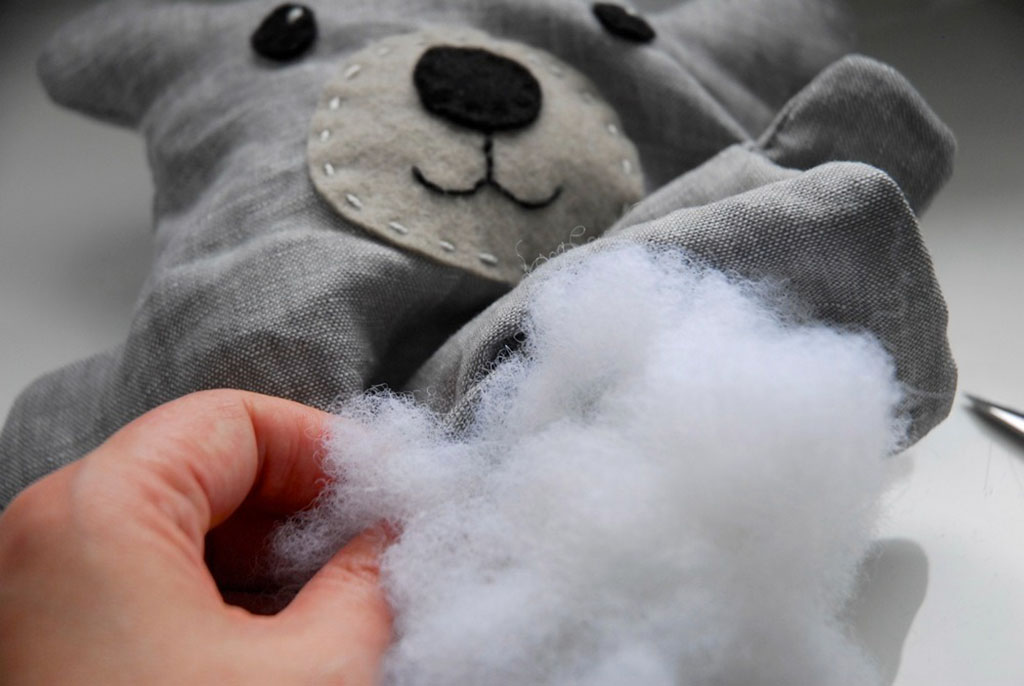
When buyers ask me, “What is the stuffing in stuffed animals called?”, they are usually asking a bigger question: What is inside my plush toys, and how does it affect safety, softness, durability, and cost? Inside a plush toy or stuffed animal, we often use polyester fiberfill (also called polyfill) as the main stuffing material. […]
What is the best stuffing for stuffed animals:A Complete Guide
I’m Amanda from Kinwin, a plush toy manufacturer in China. Selecting the right stuffing is one of the most critical steps in stuffed animal production. It determines softness, resilience, shape retention, safety, and overall product appeal. The stuffing not only affects how a plush toy feels to the touch but also how it performs in […]
What are the commonly stuffing for stuffed animals:Detailed Guide
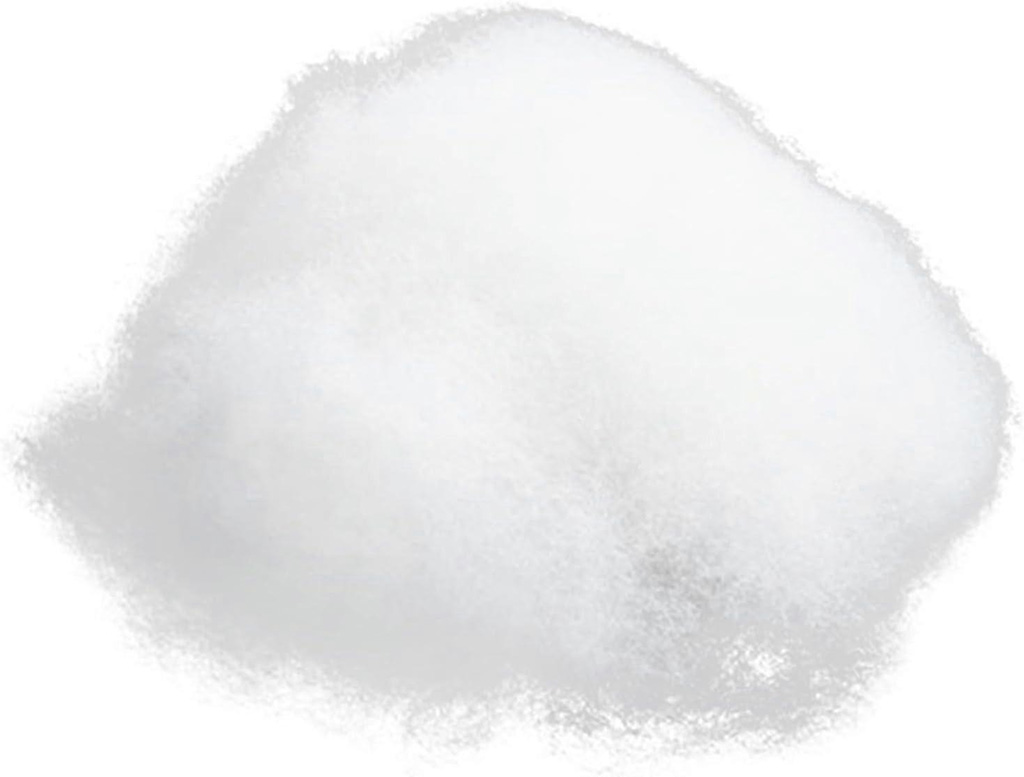
In modern plush manufacturing, polyester fiberfill is still the main stuffing for most stuffed animals. Around it, we see natural fillings (cotton, wool, kapok), beads and pellets for weighted toys, foam for structure, and a fast-growing group of eco-friendly and recycled fillings like rPET fiber. In this guide, I’ll walk you through each type, how […]
Which material is most commonly used for stuffing soft toys:Recommended Guide
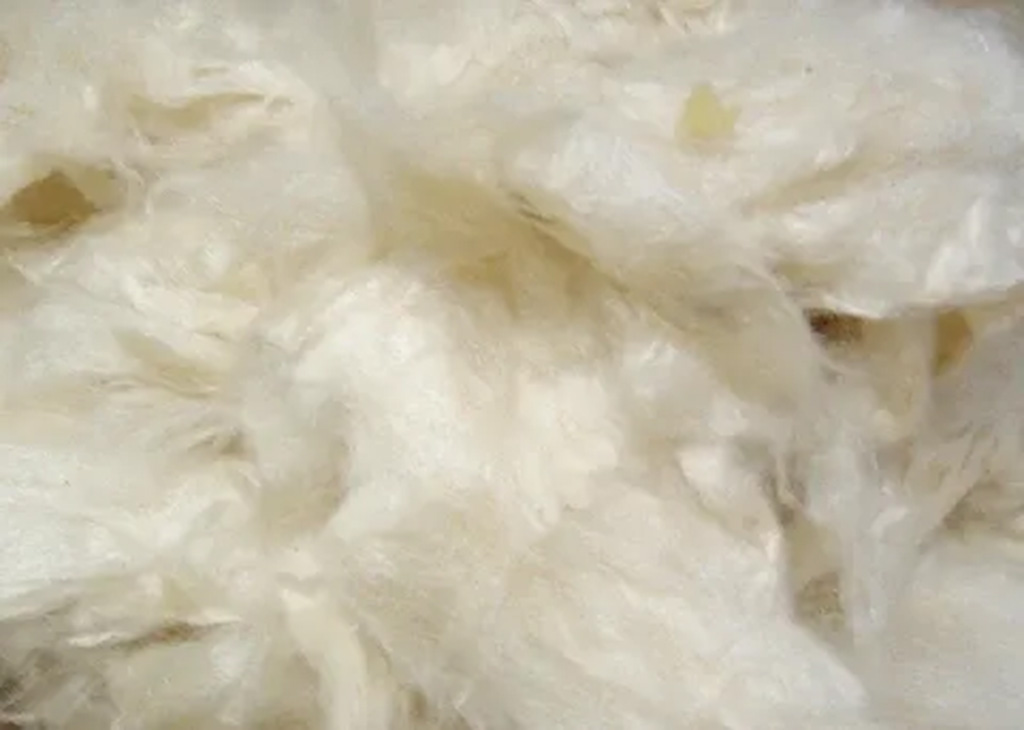
When buyers ask me which stuffing we use in most soft toys, the answer is clear and simple: polyester fiberfill. I’m Amanda from Kinwin in China. In this guide, I’ll explain why polyester dominates, how it compares with cotton, wool, and kapok, what safety standards apply, how density and denier change the “hug feel,” and […]