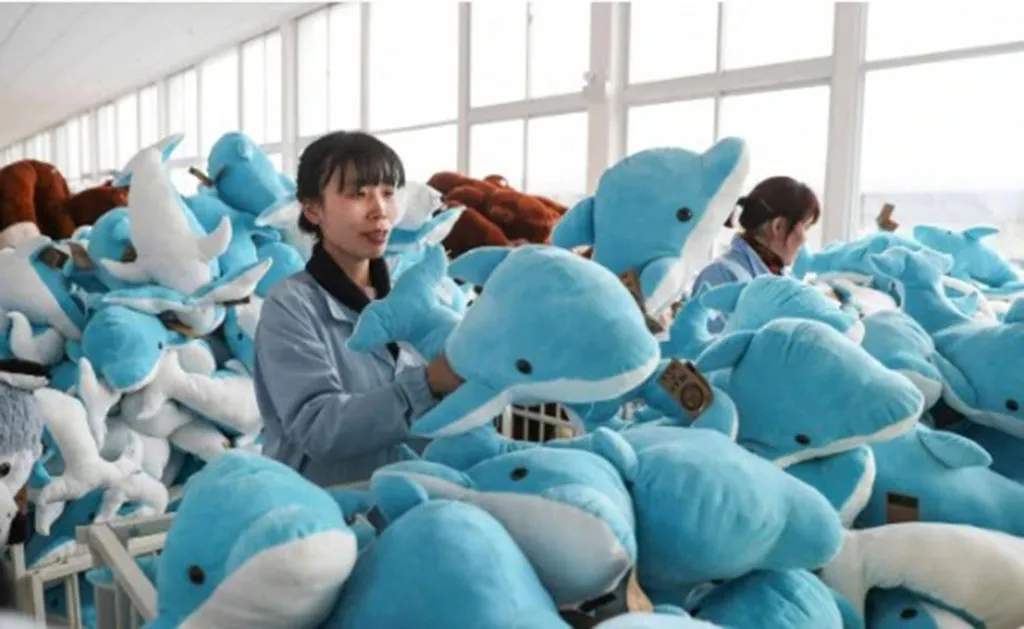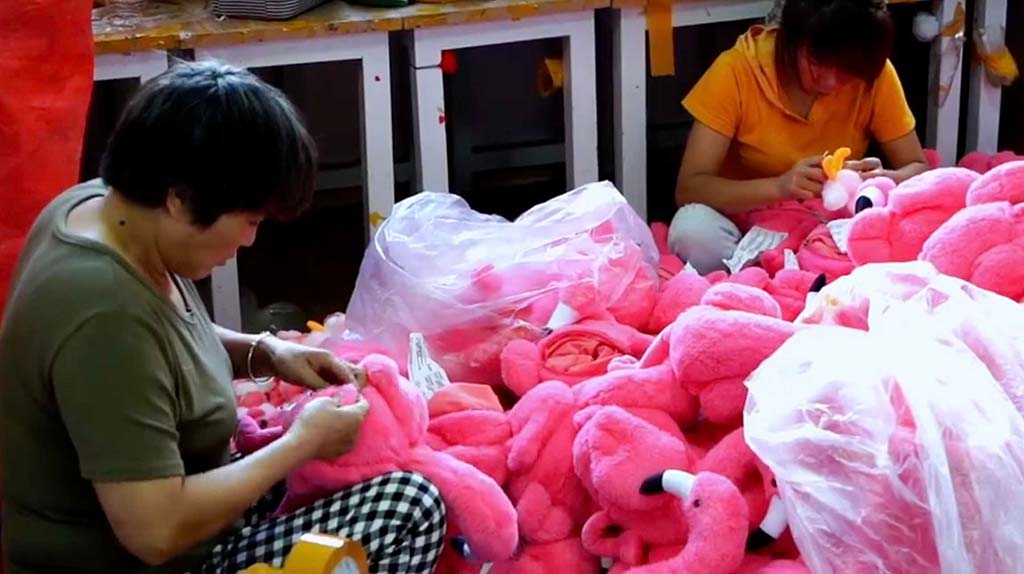
I’m Amanda from Kinwin in China. We make plush toys for global buyers. Sunlight looks harmless, but UV + heat can fade colors, weaken fibers, harden foam, and warp packaging. In this guide, I explain what causes damage, how to test it, and how to prevent it—using simple, practical steps your team can use today.
What UV wavelengths and thermal loads most accelerate degradation in plush textiles and fillings?
Sunlight contains UVA (315–400 nm) and UVB (280–315 nm). Both drive photo-oxidation. UVA is the bigger long-term problem for indoor displays because it penetrates glass. Heat from direct sun also raises surface temperature inside windows and containers, speeding up color fade and embrittlement.
- UVA: slow but steady fading; dye breakdown; polymer oxidation
- UVB: faster surface cracking and yellowing; less glass penetration but strong outdoors
- Heat: accelerates oxidation, softens adhesives, deforms foam; high peaks near glass
Table 1 — UV & Heat “Danger Zones” (1/5)
| Factor | Cumulative Risk Trigger | What You’ll See | Quick Control |
|---|---|---|---|
| UVA 315–400 nm | Long exposure behind glass | Gradual fading, loss of sheen | UV-film on windows; rotate displays |
| UVB 280–315 nm | Direct outdoor sun | Rapid fade, surface chalking | Avoid outdoor displays; use canopies |
| Surface temp | > 50–60 °C at window | Foam softening, glue creep | Move ≥1 m from glass; airflow |
| Lux (visible light) | > 500–700 lux all day | Faster color loss | Dim spots, lower lamp output |
| Time | Weeks → months | Accumulated damage | Set rotation schedule (2–4 weeks) |
How do fiber chemistries (PET, acrylic, cotton) and dye systems differ in lightfastness and heat stability?
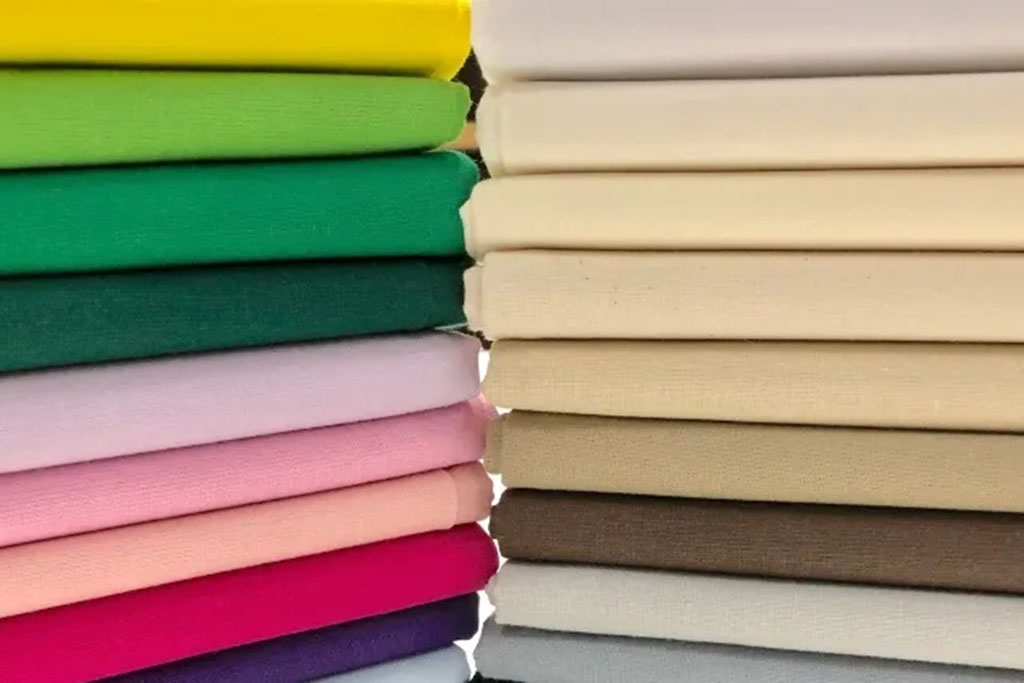
Different fibers and dyes age differently. Polyester (PET) resists UV better than cotton. Acrylic keeps color well but can micro-crack under heat + UV. Dye type matters as much as fiber: pigment/disperse systems usually outlast direct/reactive dyes in strong light.
- PET/minky & velboa: good lightfastness; low moisture pickup; stable with right dye
- Acrylic pile: vivid color, fair–good UV; watch brittleness over time
- Cotton velour/terry: natural story, but lower UV resistance unless protected
- Dyes: disperse/pigment > reactive/direct for lightfastness (general rule)
Table 2 — Fiber × Dye: Lightfastness Snapshot (2/5)
| Fiber | Typical Dye System | Lightfastness (indoor sun) | Heat Stability | Notes for Buyers |
|---|---|---|---|---|
| Polyester (PET) | Disperse, pigment print | Good–Very good | Good | Best for bright retail lighting |
| Acrylic | Disperse/pigment | Good | Medium | Watch embrittlement with long UV |
| Cotton | Reactive/direct, pigment print | Fair (unprotected) | Medium | Use UV-absorbers, lighter shades |
| rPET (PET) | Disperse/pigment | Good | Good | Similar to PET; verify handfeel |
| Blends (PET/cotton) | Mixed | Mixed | Mixed | Protect cotton face; test per color |
Which laboratory tests (AATCC 16, ISO 105-B02, ASTM G155) quantify fading, embrittlement, and strength loss?
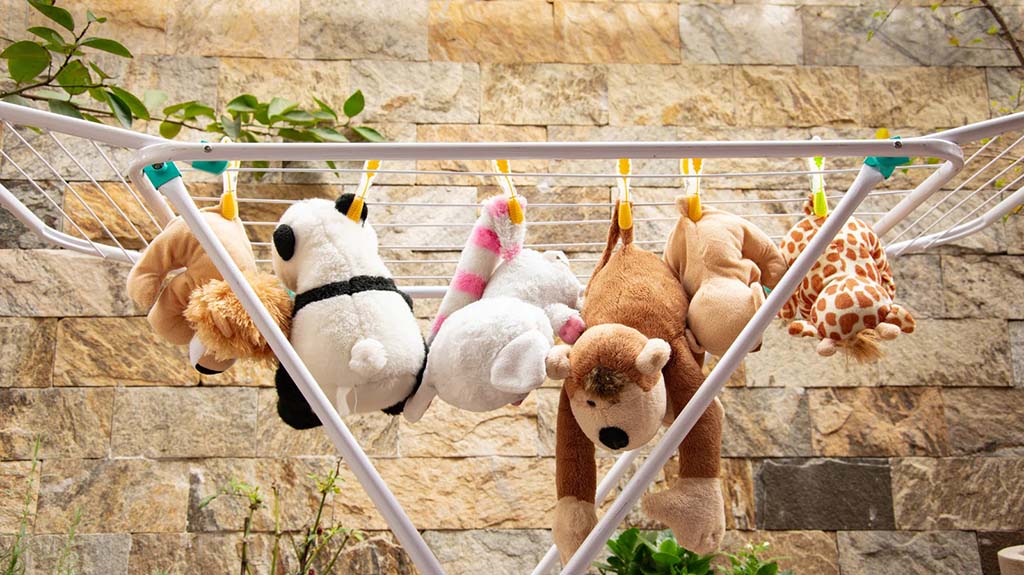
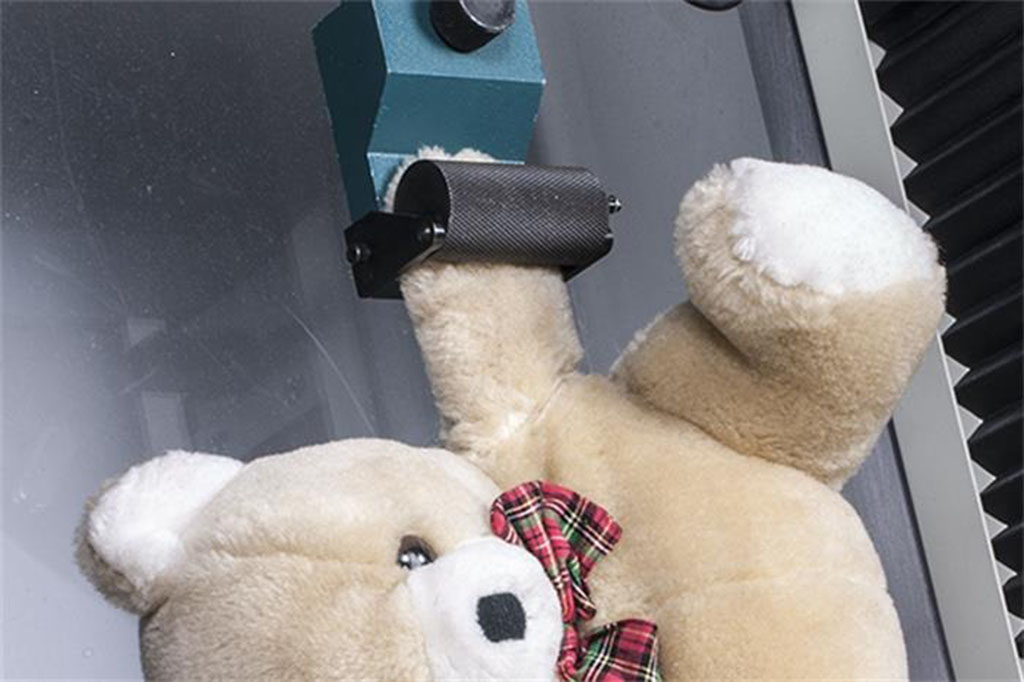
Accelerated light tests use xenon-arc equipment to simulate sunlight with controlled UV and heat. Pair color change with mechanical tests to catch strength loss in seams and fabrics.
- AATCC 16 / ISO 105-B02: colorfastness to light (Gray Scale rating)
- ASTM G155 xenon-arc: broader weathering for polymers/textiles
- Before/after: seam strength, tear, tensile, and handfeel notes
Table 3 — Test Methods & What They Tell You (3/5)
| Standard | What It Measures | Typical Output | How We Use It |
|---|---|---|---|
| AATCC 16 (Xenon) | Color fade under simulated sun | Gray Scale 1–5/8 | Approve dyes/shades for retail windows |
| ISO 105-B02 | International equivalent | Blue Wool scale | Compare suppliers across markets |
| ASTM G155 | Weathering (UV + heat + moisture) | Hours to threshold | Check foam, plastics, coatings |
| Post-exposure seam test | Strength after light/heat | % loss vs. baseline | Validate sewing + material pairing |
| Visual/hand audit | Luster, chalking, tack | Pass/Fail + notes | Catch real-world feel issues |
How do stabilizers and finishes—UV absorbers, HALS, heat-setting—mitigate photo-oxidation in plush SKUs?
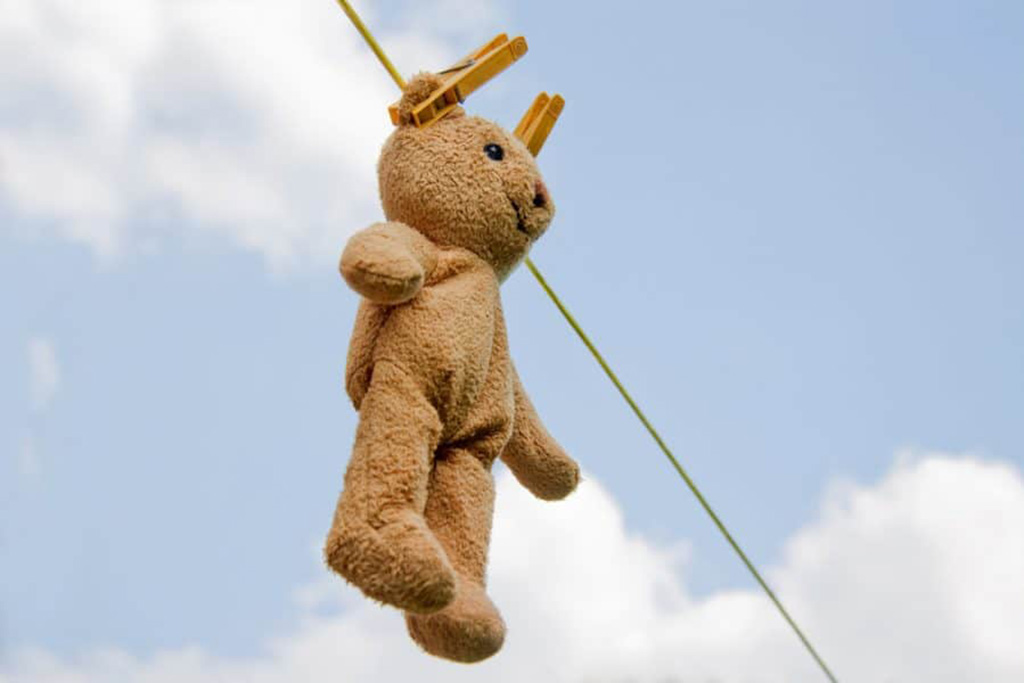
Stabilizers slow the chemistry of damage. UV absorbers (e.g., benzotriazoles) soak up harmful wavelengths. HALS (hindered amine light stabilizers) quench free radicals. Heat-setting locks pile and backing to reduce distortion at elevated temps. Results improve when we combine them with lightfast dyes and a short, tidy pile on baby SKUs.
Table 4 — Protective Systems Cheat Sheet (4/5)
| Tool | Works On | Benefit | Buyer Tip |
|---|---|---|---|
| UV absorbers | Fibers, coatings | Less fade, slower yellowing | Specify for window-display SKUs |
| HALS | Polymers, coatings | Slows embrittlement | Useful for acrylics/foams |
| Heat-setting | Pile fabrics | Better shape at heat | Reduces window-warp on minky |
| Pigment prints | Color layer | Higher lightfastness | Great for graphics/logos |
| Light palette | Shade selection | Less visible fade | Avoid neon/high-chroma near windows |
What packaging, logistics, and retail display practices minimize sunlight exposure across the supply chain?
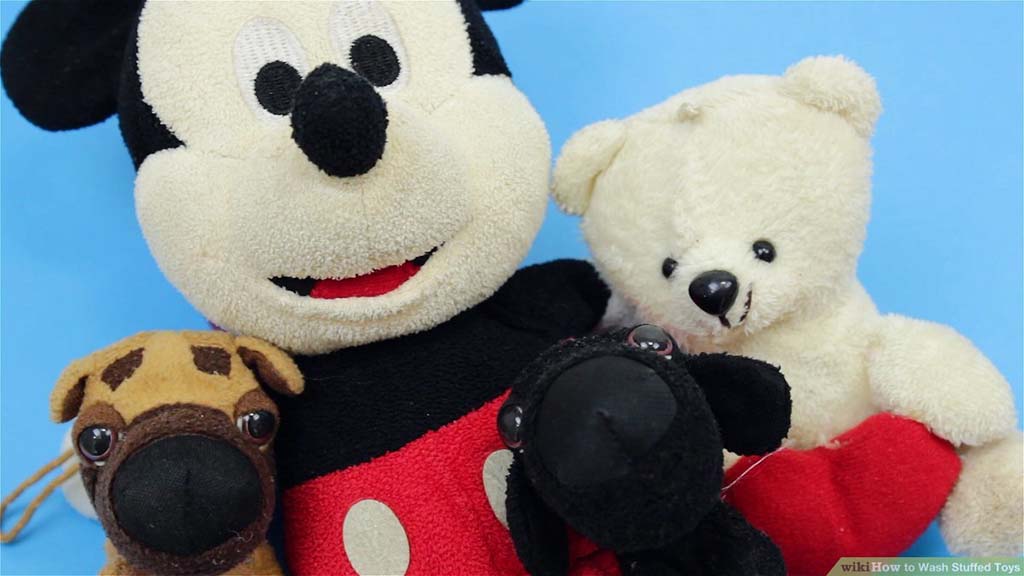
Damage often happens before the store: in bright warehouses, at dock doors, or in glassy retail windows. Control time + distance + intensity.
- Packaging: opaque cartons; UV-blocking bags/films; don’t use clear bags for long storage
- Logistics: avoid staging pallets in sunlit docks; cover pallets; minimize door-open time
- Retail: keep plush ≥1 m from windows; use UV-film; rotate displays every 2–4 weeks; aim for ≤300–500 lux on plush walls
Table 5 — Supply-Chain Exposure Controls (5/5)
| Stage | High-Risk Situation | Practical Fix |
|---|---|---|
| Factory staging | Cartons near sunny windows | Opaque wrap; move racks; UV-film |
| Truck/container | Transparent skylights; long dwell | Cover freight; load quickly; shade at docks |
| Warehouse | Skylights, high lux aisles | Lower lux; use curtains/film; rotate stock |
| Store window | Direct sun on plush | Move back 1–2 m; UV-film; switch to dummies |
| Shelf lighting | Spotlights too close | Diffuse lighting; reduce output; set timers |
Are there sourcing trade-offs (pigment selection, fabric construction, cost/MOQ) that improve outdoor durability?
Yes. Stronger lightfastness usually means different dye/print systems, tighter construction, and sometimes higher cost or MOQ.
- Pigments vs. dyes: Pigment prints and disperse systems resist fade better, but custom colors/prints can raise MOQs.
- Construction: Tighter knit + shorter pile shows less wear and hides subtle fade.
- Shade strategy: Mid/light neutrals fade less than high-chroma neons.
- Spec clarity: Ask suppliers to quote with and without UV packages so you see the true cost/benefit.
- Use case split: For window displays or outdoor events, approve a “window-safe” variant; for normal shelves, the standard spec may be enough.
How I can help
I’m Amanda from Kinwin. We build OEM/ODM plush lines with lightfast dye choices, UV/heat control finishes, and retail display guidance. Share your target markets, photo style, and display plan; I’ll propose fabric + dye specs, a light-test plan, and simple store SOPs so your colors stay bright and your foam stays fresh.
Conclusion
A good plush toy is safe, soft, durable, and appealing while also offering branding opportunities. At Kinwin, we help global buyers develop customized plush solutions that meet safety standards and stand out in competitive markets. Contact us at [email protected] or visit kinwintoys.com to discuss your next project and explore how our factory can support your success.