When brands and buyers first start sourcing custom plush toys, two terms come up almost immediately — OEM and ODM. Both involve working with a manufacturer to produce plush products under your brand. Both are widely offered by factories across China and Southeast Asia. And both can deliver excellent results when the model is matched correctly to the buyer’s situation.
The confusion starts because the two terms are often used loosely — sometimes interchangeably — in supplier communications and online sourcing platforms. A factory that describes itself as an “OEM/ODM manufacturer” may mean very different things depending on who is asking and what is being discussed.
Understanding the real difference between OEM and ODM plush manufacturing — not just the definitions, but the practical implications for cost, timeline, intellectual property, quality control, and brand strategy — is one of the most valuable things a buyer can know before starting a product development conversation with any factory.
This guide explains both models clearly, compares them honestly, and helps you identify which approach makes the most sense for your brand at your current stage of business.
What Is OEM Plush Manufacturing and How Does It Work?
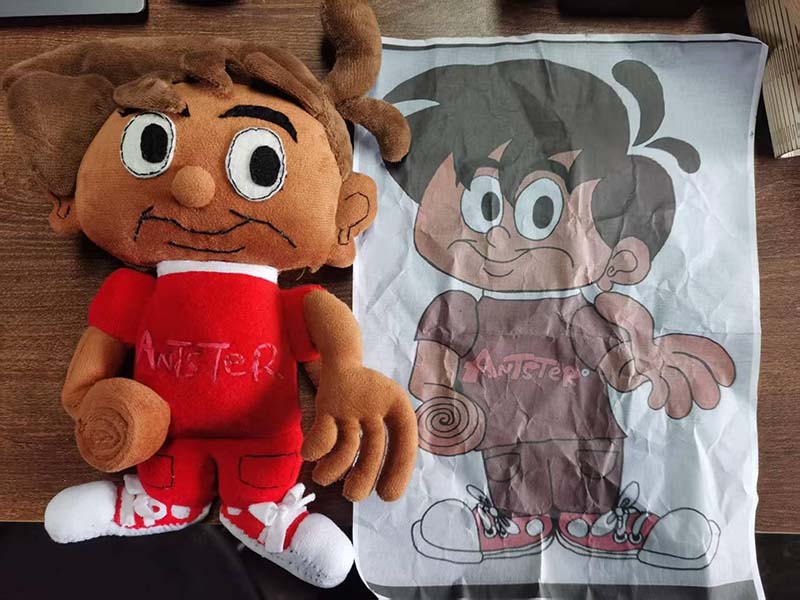
OEM stands for Original Equipment Manufacturer. In the context of plush toy sourcing, OEM manufacturing means that the buyer provides the design — or a detailed specification of what they want — and the factory produces the product to those exact specifications. The creative and design work belongs entirely to the buyer. The factory’s role is to execute that design with precision and consistency.
In OEM plush manufacturing, the buyer owns and controls the product design. They provide the factory with a complete brief — including design artwork, technical specifications, material requirements, and compliance standards — and the factory’s responsibility is to manufacture the product accurately to those specifications and at the agreed quality level. The buyer’s brand appears on the finished product, and the design is exclusive to that buyer.
Here is how the OEM process works in practice:
| OEM Stage | Who Is Responsible | What Is Produced | Key Decision Maker |
|---|---|---|---|
| Product concept | Buyer | Design direction and brief | Buyer |
| Technical specification | Buyer (with factory input) | Complete tech pack | Buyer |
| Pattern making | Factory | Production patterns based on buyer’s spec | Factory executes, buyer approves |
| Sampling | Factory | Prototype built to buyer’s spec | Buyer approves |
| Material sourcing | Factory | Materials matching buyer’s specification | Buyer specifies, factory sources |
| Mass production | Factory | Finished product to buyer’s design | Factory executes |
| Branding and packaging | Buyer | Brand identity applied to product | Buyer |
Who OEM Is Designed For
OEM manufacturing is the model for buyers who already have a clear design vision and the capability to develop a complete product brief. This typically includes established toy brands with in-house design teams, e-commerce sellers who have developed original character designs, retailers who want to create exclusive products that competitors cannot copy, and promotional product companies who need branded merchandise produced to precise specifications.
The core advantage of OEM is control. Because the buyer owns the design, they control every element of the product — the shape, the materials, the quality standard, the finishing details. This level of control is what makes OEM the preferred model for brands that have invested in product design as a competitive differentiator.
What OEM Requires from the Buyer
The control that OEM provides comes with a corresponding responsibility. To place an OEM order successfully, the buyer must be able to provide a design brief complete enough for the factory to work from accurately. This means clear reference artwork, precise dimensions, Pantone color references, material specifications, and construction notes.
Buyers who approach OEM manufacturing with incomplete briefs — rough sketches, vague material descriptions, or unresolved design decisions — will encounter the same outcome regardless of which factory they work with: multiple revision rounds, extended sampling timelines, and higher-than-expected development costs. The quality of the OEM output is directly proportional to the quality of the input the buyer provides.
What Is ODM Plush Manufacturing and How Is It Different from OEM?
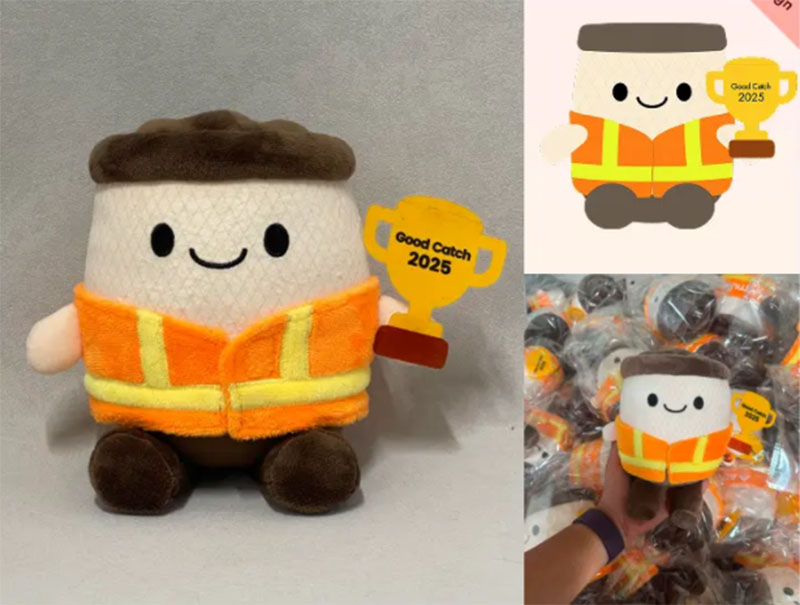
ODM stands for Original Design Manufacturer. In ODM manufacturing, the factory takes on responsibility for the design and development of the product — not just its production. The buyer may provide a general direction, a reference category, or a target price point, and the factory develops a complete product design based on that input. The buyer then selects from the developed designs, applies their branding, and places a production order.
In ODM plush manufacturing, the factory owns the original product design and is responsible for the creative and technical development of the product. The buyer selects from existing or custom-developed designs, applies their own branding, and receives a finished product without needing to provide detailed design specifications. This model significantly reduces the design capability and upfront investment required from the buyer.
Here is how the ODM process works compared to OEM:
| ODM Stage | Who Is Responsible | What Is Produced | Key Decision Maker |
|---|---|---|---|
| Product concept | Factory (with buyer direction) | Initial design concepts | Factory creates, buyer selects |
| Technical specification | Factory | Complete tech pack developed internally | Factory |
| Pattern making | Factory | Patterns from factory’s own design | Factory |
| Sampling | Factory | Prototype of factory’s design | Buyer evaluates and approves |
| Material sourcing | Factory | Factory selects from approved materials | Factory recommends, buyer confirms |
| Mass production | Factory | Finished product to factory’s design | Factory executes |
| Branding and packaging | Buyer | Brand identity applied to factory’s product | Buyer |
The Two Forms of ODM
ODM manufacturing in practice takes two main forms, and understanding the difference helps buyers engage with factories more effectively.
The first form is catalog ODM — where the factory has a library of existing designs that buyers can select from and apply their branding to. This is the fastest and most cost-efficient ODM path, because the design, patterns, and production processes are already established. Buyers benefit from shorter lead times, lower sampling costs, and predictable production outcomes. The trade-off is that the design is not exclusive — other buyers may order the same base product with different branding.
The second form is custom ODM — where the buyer provides a general direction or reference and the factory develops an original design specifically for that buyer. This combines the creative and technical capability of the factory with the brand identity and market knowledge of the buyer. Custom ODM designs can be made exclusive to the buyer as part of the commercial agreement, providing design differentiation without requiring the buyer to have in-house design capability.
Who ODM Is Designed For
ODM is the model for buyers who want market-ready products without the investment of developing their own designs from scratch. This includes new brands entering the plush toy market who do not yet have design infrastructure, retailers who need to expand their product range quickly, e-commerce sellers who want to test new product categories with lower upfront investment, and promotional product buyers who need branded products in categories they do not specialize in designing.
OEM vs ODM — Which Model Is the Right Fit for Your Brand?
Choosing between OEM and ODM is not purely a question of which model is better — it is a question of which model fits your brand’s current capabilities, strategic goals, and resource situation. Both models have clear strengths and specific situations where they deliver the best outcomes.
The right model depends on whether the buyer has existing design capability, how important design exclusivity is to the brand’s competitive strategy, what budget and timeline are available for product development, and whether the buyer’s priority is maximum control or faster time to market. OEM suits brands that can invest in design and want full control. ODM suits brands that want to move quickly or do not yet have design infrastructure.
Here is a direct comparison across the key decision factors:
| Decision Factor | OEM | ODM |
|---|---|---|
| Design ownership | Buyer owns design fully | Factory owns base design |
| Design exclusivity | Fully exclusive by default | Negotiable — depends on agreement |
| Design capability required | High — buyer must provide complete brief | Low — factory handles design |
| Upfront development cost | Higher — design investment required | Lower — factory absorbs design cost |
| Sampling timeline | Longer — new design requires full development | Shorter — especially for catalog ODM |
| Product differentiation | Maximum — unique to your brand | Moderate — depends on customization level |
| Brand control | Full control over every element | Control over branding and finishing |
| Best for | Established brands, unique character designs | New brands, fast market entry, range expansion |
When OEM Is the Stronger Choice
OEM is the stronger model when design differentiation is a core part of your competitive strategy. If your brand’s value proposition depends on products that competitors cannot replicate — original characters, proprietary designs, unique construction approaches — OEM is the only model that fully protects that advantage.
OEM is also the right choice when you have specific material or compliance requirements that go beyond what standard ODM designs accommodate. If you need a product built to precise weighted filling specifications, a specific certified fabric, or a construction approach developed for a particular therapeutic application, OEM gives you the control to specify every element exactly.
When ODM Is the Stronger Choice
ODM is the stronger model when speed, cost efficiency, or limited design capability make OEM impractical. For a new brand testing the plush toy market for the first time, catalog ODM allows products to reach the market in weeks rather than months, at a fraction of the development investment required for a fully custom OEM program.
ODM is also a strong strategic choice for established brands expanding into new product categories. Rather than investing in design development for a category they are unfamiliar with, they can leverage the factory’s design expertise to develop market-appropriate products quickly — then shift to OEM for the products that become core to their range once market preferences are better understood.
What Are the Real Costs Behind OEM and ODM Plush Projects?
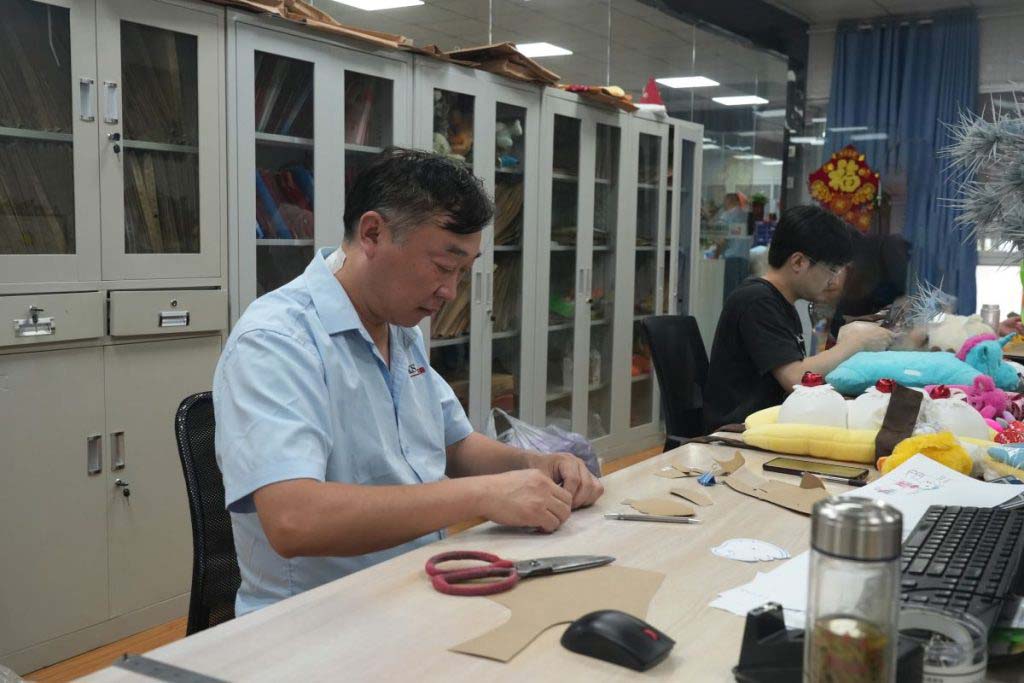
Cost is one of the most important practical differences between OEM and ODM — and it is also one of the most frequently misunderstood. Buyers often assume that ODM is simply cheaper than OEM across the board, or that OEM costs more because of higher quality. The reality is more nuanced: the cost structures of the two models differ significantly, and which one delivers better total value depends heavily on the buyer’s specific situation.
OEM and ODM plush manufacturing have fundamentally different cost structures. OEM involves higher upfront design and development investment but typically results in lower unit production costs at scale due to optimized, buyer-specific production processes. ODM involves lower or no upfront design cost but may carry a design licensing component in the unit price and offers less flexibility to optimize production costs through design changes.
Here is a cost comparison across the main expense categories:
| Cost Category | OEM | ODM (Catalog) | ODM (Custom) |
|---|---|---|---|
| Design development | Buyer’s cost — high | None | Factory’s cost — included in unit price |
| Pattern making | Included in sampling fee | Already exists | Included in sampling fee |
| Sampling fee | Full fee — new design | Reduced or minimal | Standard fee |
| Tooling and molds | Buyer’s cost if required | Already exists | May be shared cost |
| Unit production cost | Optimizable through spec | Fixed by existing design | Partially optimizable |
| IP ownership | Fully buyer’s | Factory retains base design IP | Negotiable |
| Reorder cost | Lower — no development repeat | Low | Low — patterns retained |
Understanding ODM’s Hidden Cost Components
While ODM appears lower cost upfront, buyers should be aware of a cost component that is not always made explicit: the design value embedded in the unit price. When a factory develops a product design for a buyer — or provides access to an existing design — this creative and technical investment is typically recovered through the product’s unit pricing rather than a separate design fee.
This is not inherently problematic — it is simply a different cost structure. But it means that the apparent cost savings of ODM over OEM may be smaller than they initially appear when unit prices are compared directly. Understanding this helps buyers evaluate ODM proposals more accurately and negotiate more effectively.
The Scale Effect on OEM Cost Efficiency
OEM becomes significantly more cost-efficient at higher production volumes. The upfront investment in design, pattern making, and sampling is a fixed cost that is spread across every unit produced. At low volumes, this fixed cost adds meaningfully to the per-unit cost. At high volumes, it becomes a small fraction of the total, and the optimized production process developed specifically for the buyer’s product typically delivers better unit economics than a standard ODM design.
This is one reason why many brands begin their plush toy sourcing journey with ODM — to establish market presence at lower upfront cost — and transition to OEM as their volumes grow and their product design becomes a meaningful competitive asset.
How Does Intellectual Property Work Differently in OEM vs ODM?
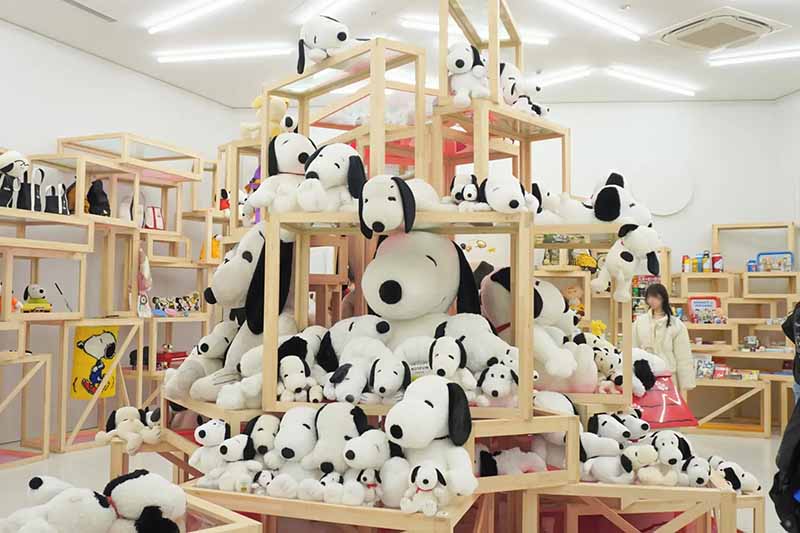
Intellectual property — who owns the design, who can produce it, and who controls how it is used — is one of the most important practical differences between OEM and ODM manufacturing. Understanding the IP implications of each model before entering a supplier agreement is essential for protecting your brand and your competitive position.
In OEM plush manufacturing, the intellectual property in the product design belongs to the buyer, who created and owns the design brief. The factory’s role is to execute the buyer’s design — they have no ownership claim over the product itself, and the design cannot be produced for or sold to any other party. In ODM manufacturing, the factory owns the intellectual property in the original product design, and the buyer’s rights to that design are governed by the specific commercial agreement negotiated with the factory.
Here is a clear comparison of IP ownership and protection under each model:
| IP Dimension | OEM | ODM (Catalog) | ODM (Custom) |
|---|---|---|---|
| Design ownership | Buyer | Factory | Negotiable — often factory retains |
| Production exclusivity | Fully exclusive | Not exclusive by default | Negotiable |
| Factory’s right to resell design | None | Factory retains right | Depends on agreement |
| Buyer’s protection | Strong — design is buyer’s IP | Weak without explicit agreement | Depends on contract terms |
| Recommended protection | Design registration where applicable | Exclusivity clause in contract | Clear IP clause in contract |
Protecting Your Design in OEM Manufacturing
In OEM manufacturing, the buyer’s IP is protected by the fact that the design belongs to them. However, this protection is only as strong as the contractual framework that governs the manufacturing relationship. Without a clear agreement that prohibits the factory from producing the same design for other clients — or from using elements of the design in their own catalog products — a buyer’s OEM design can be at risk.
Including explicit IP protection clauses in your manufacturing agreement — covering design ownership, production exclusivity, confidentiality, and prohibited uses of design files and patterns — is a standard and essential step when entering any OEM manufacturing relationship.
Navigating IP in Custom ODM Projects
Custom ODM — where the factory develops a new design specifically for a buyer — presents the most complex IP situation. The factory has invested creative and technical resources in developing the design, which creates a legitimate basis for them to retain ownership. At the same time, the buyer has provided the creative direction and commercial context that shaped the design, and may have legitimate interests in exclusivity and control.
The key is to negotiate IP terms explicitly before the custom ODM development process begins — not after the design is created and the leverage dynamic has shifted. A buyer who secures exclusive production rights and a prohibition on the factory reselling the design before development starts is in a much stronger position than one who tries to negotiate these terms after seeing a design they want to use.
What Quality Control Expectations Should Buyers Have Under Each Model?
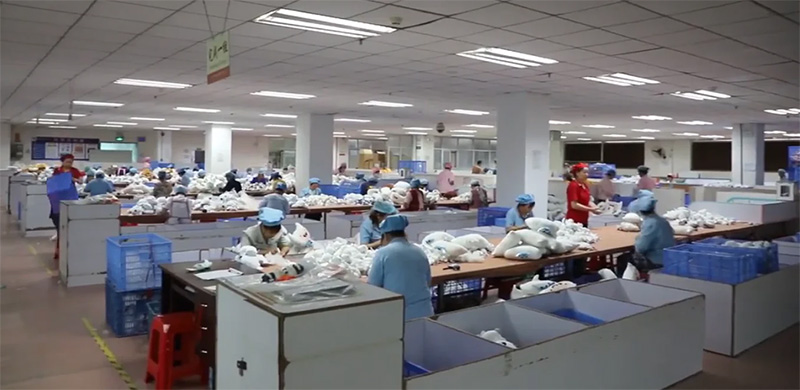
Quality control responsibilities in plush toy manufacturing do not change based on whether the product is OEM or ODM — the same standards apply regardless of who designed the product. What does change is where quality expectations are set, how they are communicated, and who has the greater responsibility for ensuring those expectations are met.
Quality control expectations in OEM plush manufacturing are defined entirely by the buyer’s specifications, giving the buyer maximum control over the quality standard. In ODM manufacturing, the quality baseline is established partly by the factory’s existing design and production standard, with the buyer’s input focused on confirming that standard meets their market requirements rather than defining it from scratch.
Here is a comparison of QC responsibilities and expectations under each model:
| QC Dimension | OEM | ODM |
|---|---|---|
| Quality standard definition | Buyer defines through tech pack | Factory’s existing standard — buyer confirms |
| Material specification | Buyer specifies all materials | Factory selects — buyer approves |
| Tolerance levels | Buyer sets specific tolerances | Negotiated based on factory’s standard |
| Inspection criteria | Buyer defines pass/fail criteria | Based on factory’s standard plus buyer additions |
| Third-party inspection | Buyer’s decision | Buyer’s decision |
| Sample approval authority | Buyer approves against their own spec | Buyer approves against factory’s design |
Setting Quality Standards in ODM Manufacturing
One of the most important quality steps in ODM manufacturing is the initial sample evaluation — because this is the moment when the buyer is assessing not just the factory’s production accuracy but the inherent quality level of the factory’s design and materials.
Before approving an ODM sample and placing a production order, buyers should evaluate the sample systematically against the same criteria they would apply to any plush toy: fabric quality and feel, stuffing density and shape retention, stitching strength and consistency, accessory attachment security, and finishing standard. If any of these elements do not meet the buyer’s minimum standard, they should be addressed and re-sampled before production is confirmed — not accepted with the expectation that bulk production will be better.
Consistency Across Repeat ODM Orders
One quality advantage of ODM manufacturing — particularly catalog ODM — is that the patterns, materials, and production processes for existing designs are already established. This means that repeat orders of the same ODM product have a higher baseline consistency than first-time OEM orders of a newly developed design, where the production process is still being refined.
This advantage diminishes over time as OEM designs become fully established in the factory’s production system — but in the early stages of a product’s production history, catalog ODM can deliver more consistent reorders simply because the factory has more experience producing the specific design.
How Do OEM and ODM Timelines Compare Across the Development Process?
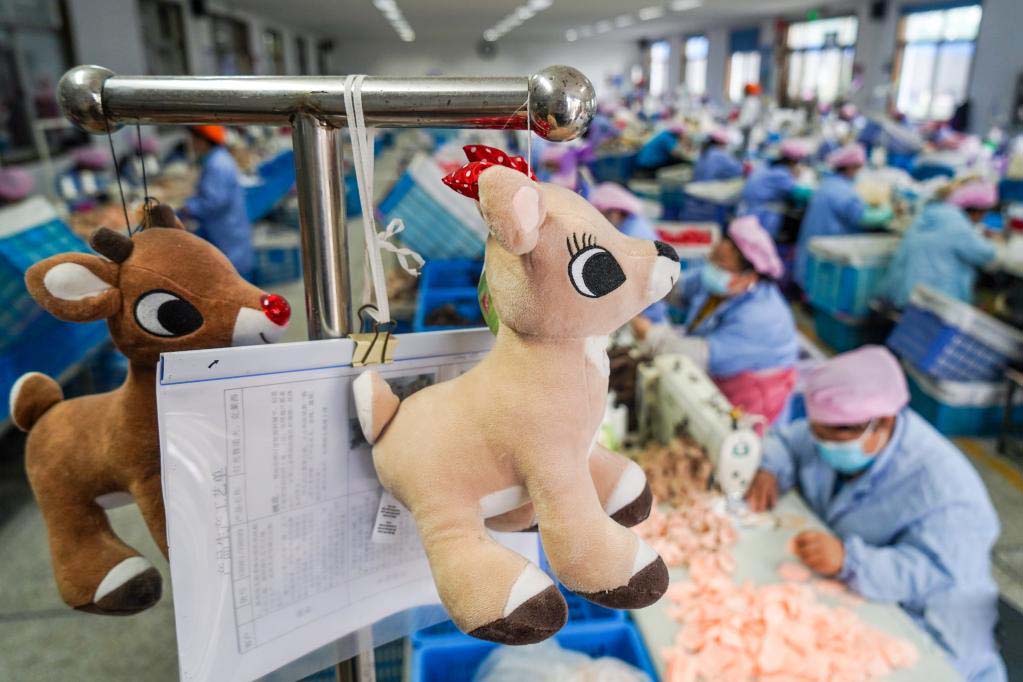
Timeline is one of the most practically significant differences between OEM and ODM manufacturing — and understanding exactly where the timeline differences come from helps buyers plan their product launches more accurately and make better decisions about which model fits their specific timing requirements.
OEM plush manufacturing typically involves a longer development timeline than ODM because it requires the factory to build new patterns, source specific materials, and develop a production process for a design that has never been made before. ODM manufacturing — particularly catalog ODM — can reach production significantly faster because the design, patterns, and materials already exist. Custom ODM sits between these two extremes, requiring design development but building on the factory’s existing material and process infrastructure.
Here is a realistic timeline comparison across the full development process:
| Development Stage | OEM Timeline | ODM Catalog Timeline | ODM Custom Timeline |
|---|---|---|---|
| Design and brief preparation | 1–4 weeks (buyer’s work) | Minimal — select from catalog | 1–2 weeks (direction only) |
| Pattern making | 3–7 days | Already exists | 3–7 days |
| Material sourcing | 3–7 days | Already stocked | 2–5 days |
| First sample production | 7–14 days | 3–7 days | 7–14 days |
| Revision rounds | 2–4 weeks typical | 1–2 weeks typical | 2–3 weeks typical |
| Counter sample | 5–7 days | Often not required | 5–7 days |
| Mass production | 20–35 days | 20–35 days | 20–35 days |
| Total typical timeline | 60–90 days | 30–50 days | 50–75 days |
Where OEM Timeline Investment Pays Off
The longer timeline of OEM manufacturing is front-loaded — most of the additional time is spent in design preparation and development sampling, stages that happen before mass production begins. Once an OEM design is fully developed and approved, subsequent production orders of the same design follow essentially the same timeline as ODM — because the patterns, materials, and production processes are now established.
This means the timeline disadvantage of OEM is primarily a first-order phenomenon. Brands that invest in OEM development for their core products and then reorder those products regularly will not experience a timeline disadvantage on an ongoing basis — only on the initial development run.
When ODM Timeline Advantage Is Most Valuable
The timeline advantage of catalog ODM is most valuable in two specific situations: when a buyer needs to enter the market quickly to capture a seasonal opportunity, and when a buyer is testing a new product category before committing to a full OEM development investment.
In both situations, catalog ODM allows products to reach the market in a fraction of the time that a full OEM development program would require — which can be the difference between capturing and missing a market window.
How to Choose a Plush Manufacturer That Supports Both OEM and ODM Effectively?
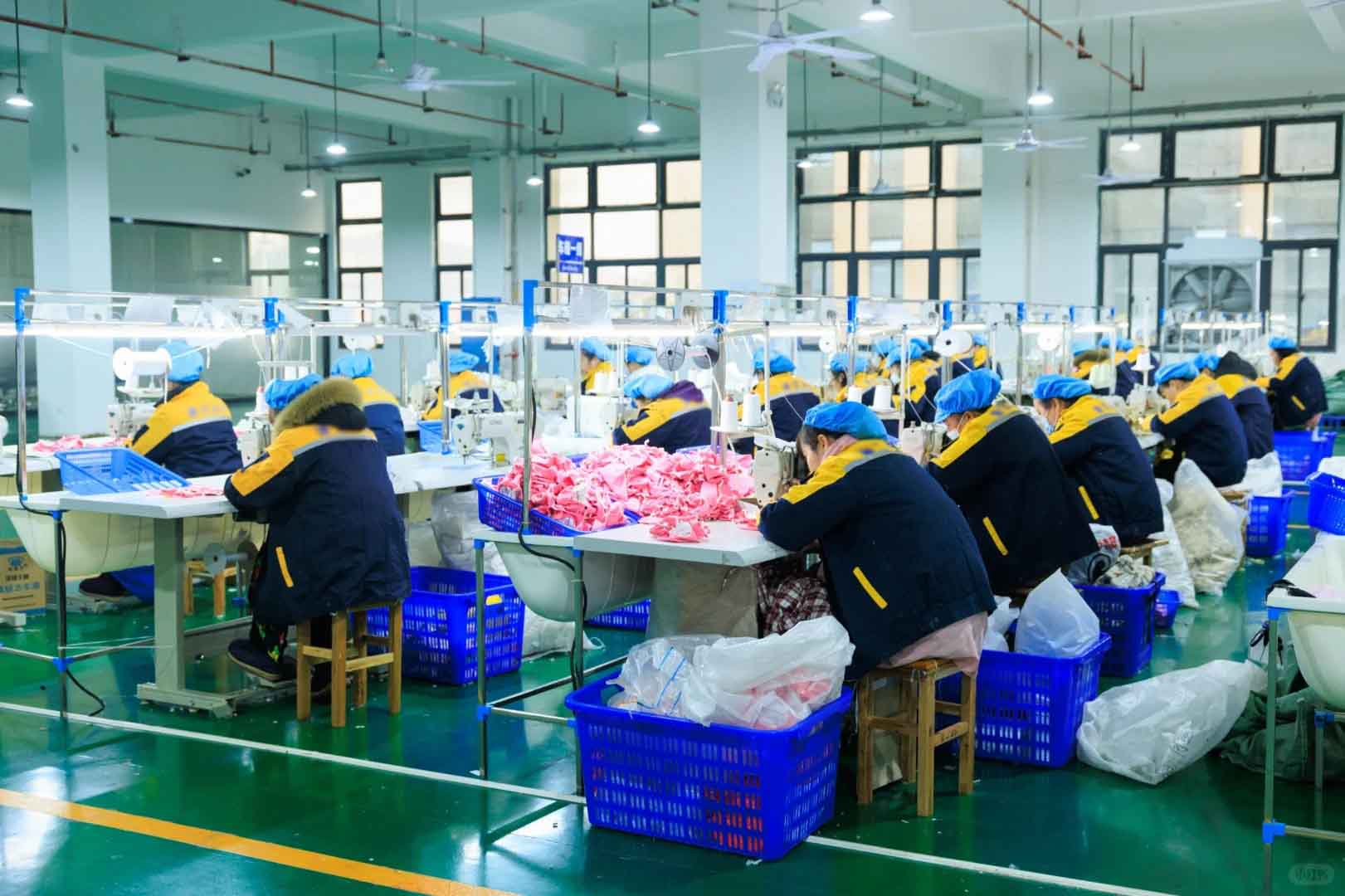
Not every factory that claims OEM and ODM capability can deliver both at a high standard. Manufacturing excellence in one model does not automatically translate to the other. A factory that excels at producing existing catalog designs efficiently may not have the development team, the design capability, or the pattern-making expertise required to execute complex OEM briefs accurately. Similarly, a factory focused primarily on custom OEM development may not have the catalog depth or production efficiency that catalog ODM buyers need.
Choosing a plush manufacturer that supports both OEM and ODM effectively requires evaluating the factory’s design development capability, pattern-making expertise, material sourcing flexibility, sampling infrastructure, and commercial approach to IP and exclusivity — not just their production capacity and pricing. A manufacturer that genuinely serves both models well has invested in the systems and talent required for each.
Here is an evaluation framework for assessing a factory’s OEM and ODM capability:
| Evaluation Area | OEM Capability Indicators | ODM Capability Indicators |
|---|---|---|
| Design capability | Can interpret complex briefs accurately | Has a design team that develops original concepts |
| Pattern making | Experienced pattern makers for new designs | Existing pattern library for catalog products |
| Sampling infrastructure | Dedicated sampling team, fast turnaround | Can produce catalog samples quickly |
| Material flexibility | Sources materials to buyer’s specification | Has stocked, proven materials ready for production |
| IP management | Clear exclusivity commitment for OEM designs | Transparent catalog policy, negotiable exclusivity for custom |
| Development support | Guides buyers through brief preparation | Helps buyers select and adapt catalog designs |
| Quality documentation | Full tech pack and QC records for every design | Consistent quality records for catalog products |
Questions to Ask a Potential OEM/ODM Manufacturer
When evaluating a factory’s claimed OEM and ODM capability, specific questions reveal the depth of that capability more reliably than general statements.
For OEM, ask the factory to show you examples of complex custom briefs they have executed — products with unique shapes, multiple fabric types, or detailed embroidery — and to walk you through their pattern-making and revision management process. A factory with genuine OEM capability will engage with these questions confidently and specifically.
For ODM, ask to see the factory’s current design catalog, understand how they handle exclusivity requests, and request samples of existing catalog products for quality evaluation. A factory with genuine ODM capability will have a well-organized, current catalog and clear policies around exclusivity and minimum order requirements for catalog products.
Why Genuine OEM/ODM Capability Matters for Growing Brands
For brands that are growing — moving from early-stage market testing toward established product lines — the ability to work with a single manufacturing partner across both OEM and ODM is a significant operational advantage. It means being able to use catalog ODM to test new categories quickly while developing OEM products for the core range, without the complexity of managing multiple factory relationships simultaneously.
At Kinwin, we have invested in the systems and talent required to support both models at a high standard. Our ODM catalog offers buyers a range of market-tested designs they can brand and launch quickly. Our OEM development capability — built on an experienced pattern-making team, a dedicated sampling facility, and a structured development process — gives brands the control and exclusivity they need for their core products.
Whether you are starting with a catalog ODM product to test the market, developing an original OEM design to anchor your brand, or doing both simultaneously across different product lines, we are equipped to support the full range of your manufacturing needs with consistent quality and transparent processes throughout.
Reach out to our team at [email protected] or visit kinwintoys.com to discuss which model makes the most sense for your next product launch.
Conclusion
OEM and ODM are not competing approaches — they are complementary tools that serve different purposes at different stages of a brand’s development. Understanding which model fits your current situation is one of the most valuable decisions you can make before approaching a manufacturer, because it shapes everything that follows — your development investment, your timeline, your IP position, your quality control approach, and your long-term competitive strategy.
OEM gives you full control, full exclusivity, and the ability to build a product range that is genuinely unique to your brand. ODM gives you speed, lower upfront investment, and access to proven designs that can reach the market in weeks. The brands that use both strategically — leveraging ODM for fast market entry and category testing while building OEM products for their core competitive range — tend to grow faster and more efficiently than those who commit rigidly to one model.
At Kinwin, we support both models with equal commitment — because we understand that the most valuable manufacturing partner for a growing brand is one that can adapt to where the brand is today and where it is going tomorrow.
FAQ
Q1: Can I switch from ODM to OEM for the same product once my volumes grow?
Yes — and this is actually a common and strategic transition for growing brands. Many buyers start with an ODM catalog product to test market response, then invest in developing a fully proprietary OEM version once they have validated demand and understand what their customers respond to most. In practice, this means working with the factory to develop an original design that captures what worked about the ODM product while adding the design exclusivity and customization that OEM provides. The market knowledge gained during the ODM phase is invaluable input for the OEM design brief.
Q2: If I develop a product under the ODM model, can competitors order the exact same design from the factory?
Without an explicit exclusivity agreement, yes — a factory producing a catalog ODM design can offer the same design to any buyer. This is one of the most important commercial risks of ODM manufacturing and one that buyers should address contractually before placing an order. For custom ODM designs developed specifically for your brand, exclusivity is negotiable and should be confirmed in writing before the design development process begins. For catalog ODM products, exclusivity may be available for a minimum volume commitment or a specific geographic market, depending on the factory’s commercial policy.
Q3: What happens to the patterns and molds created for my OEM design if I switch manufacturers?
This depends on the contractual agreement governing the manufacturing relationship. In most standard manufacturing agreements, patterns and molds created specifically for a buyer’s OEM design are the buyer’s property — but they are physically held at the factory. If you switch manufacturers, you are entitled to request the transfer of your patterns and molds to the new factory. However, factories may not always cooperate willingly, particularly if the relationship is ending on difficult terms. Addressing pattern and mold ownership explicitly in your manufacturing agreement before production begins — and specifying the process for transferring these assets if the relationship ends — is the most effective way to protect your position.
Q4: Is it possible to start with a low MOQ ODM order to test the market before committing to OEM development?
Yes — this is one of the most practical applications of ODM manufacturing for new and growing brands. Catalog ODM products typically have lower or more flexible MOQs than fully custom OEM products because the development investment has already been made by the factory. Starting with a catalog ODM order at a manageable quantity — testing product-market fit, gathering customer feedback, and validating demand — before investing in a full OEM development program is a risk-efficient strategy that many successful brands have used to build their plush toy product lines.
Q5: How do I protect my brand identity when using ODM products that other buyers may also be sourcing?
Brand differentiation on ODM products is achieved primarily through branding elements that are exclusive to your label — custom hang tags, branded packaging, proprietary labeling, exclusive colorways, and custom embroidery or embellishments applied to the base ODM product. While the underlying product design may be shared with other buyers, a well-executed branding and packaging program can make your version of the product feel meaningfully different in the market. For buyers who find that brand differentiation on the base product is critical, this is typically the signal that transitioning to a custom OEM design is the right next step.