 Skip to content
Wholesale Plush Animals Manufacturer | OEM & ODM Stuffed Animal Factory in China
Reliable bulk plush animal production for brands, retailers, and importers who need consistent quality, stable pricing, and scalable capacity. From concept and sampling to mass production and global delivery, you get a factory-direct partner that understands wholesale requirements, strict safety standards, and fast market turnaround. Lower sourcing risk, clearer communication, and dependable lead times help you launch and scale plush animal lines with confidence.
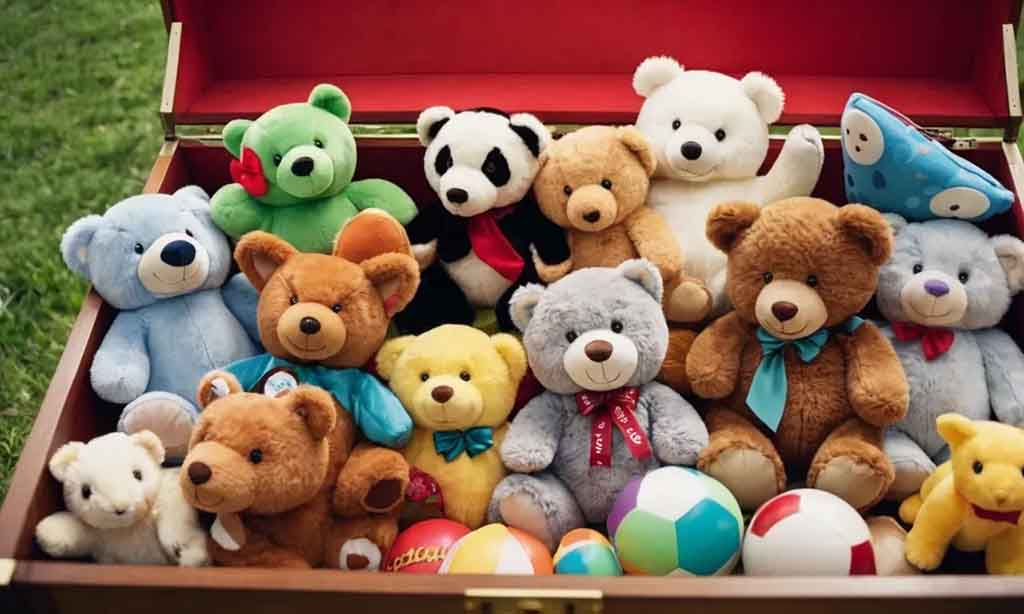
One-Stop Wholesale Plush Animal Services From Design to Delivery
All key stages of wholesale plush animal production are managed in one place. This integrated approach reduces communication gaps, shortens lead times, and helps you keep quality, cost, and delivery fully under control.

Design & Sampling
Your ideas, sketches, or reference images are quickly turned into production-ready plush samples, helping you validate designs before bulk production.
Mass Production
Cutting, sewing, stuffing, and embroidery are completed in-house, ensuring stable quality and consistent output for bulk orders.
Quality Inspection
Materials and finished products are checked against agreed specifications to reduce quality and compliance risks.
Packaging & Shipping
Final packing and shipment are coordinated from the factory, helping your orders ship on time and arrive ready for sale.
This one-stop service lets you focus on sales and branding, while production, quality, and delivery are handled efficiently in the background.
Design Support: Free Optimization for Character & Structure
Effective plush animal design must balance visual appeal, structural stability, safety, and mass-production feasibility. Design support focuses on refining your original concept before sampling, helping you avoid common design risks, reduce revisions, and ensure the plush animal can be produced consistently at wholesale scale.
Character Shape Optimization
Character proportions, outlines, and signature features are carefully adjusted to maintain recognizability while improving sewing accuracy and stuffing balance. This ensures the plush animal keeps its intended look after production, packaging, and long-term use, even across large wholesale quantities.
Internal Structure Optimization
Head, body, and limb structures are refined to improve weight distribution, posture stability, and durability. Proper internal construction helps plush animals sit, stand, or hang correctly while reducing deformation caused by repeated handling or transport.
Material & Construction Matching
Fabric type, pile length, filling density, and stitching methods are aligned with the design intent to achieve the right balance of softness, shape retention, and tactile quality. This prevents issues caused by unsuitable material choices during mass production.
Production-Friendly Design Refinement
Complex details are reviewed and simplified where possible to reduce sewing difficulty, improve consistency, and control production cost. These adjustments help maintain stable lead times and quality consistency for wholesale plush animal orders.
Early design optimization helps you move faster from concept to sampling, reduce unnecessary revisions, and prepare your plush animal for smooth bulk production.
Wholesale Plush Animals Product Showcase
Explore a wide range of wholesale plush animals designed for different markets, age groups, and sales channels. Each category is developed with bulk production, safety compliance, and consistent quality in mind, helping you quickly build or expand a plush animal product line with lower sourcing risk.
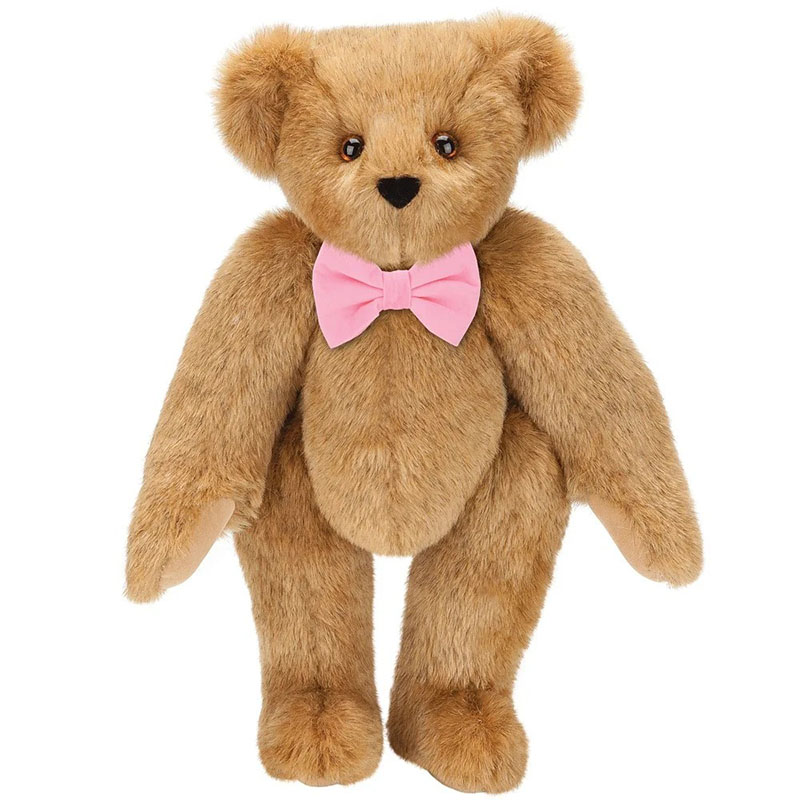
Classic Teddy Bears
Timeless teddy bear designs with balanced proportions and soft textures, ideal for retail collections and long-term bestsellers.
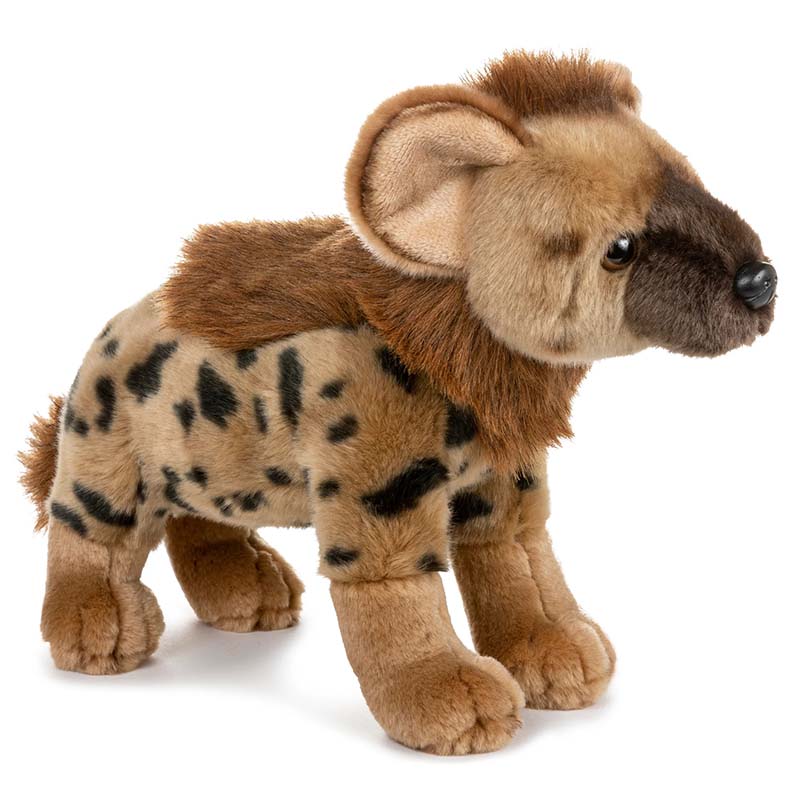
Wildlife Plush Animals
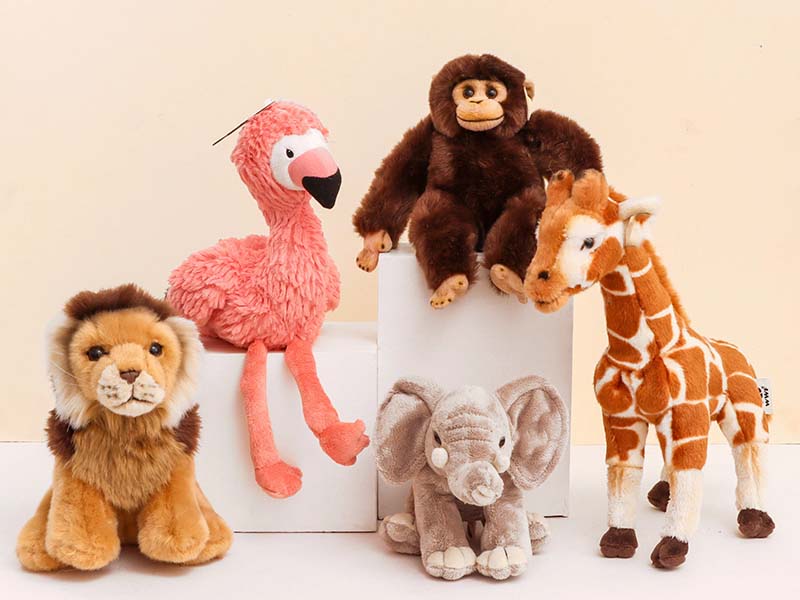
Lions, elephants, giraffes, and other wildlife characters designed for educational and gift markets.
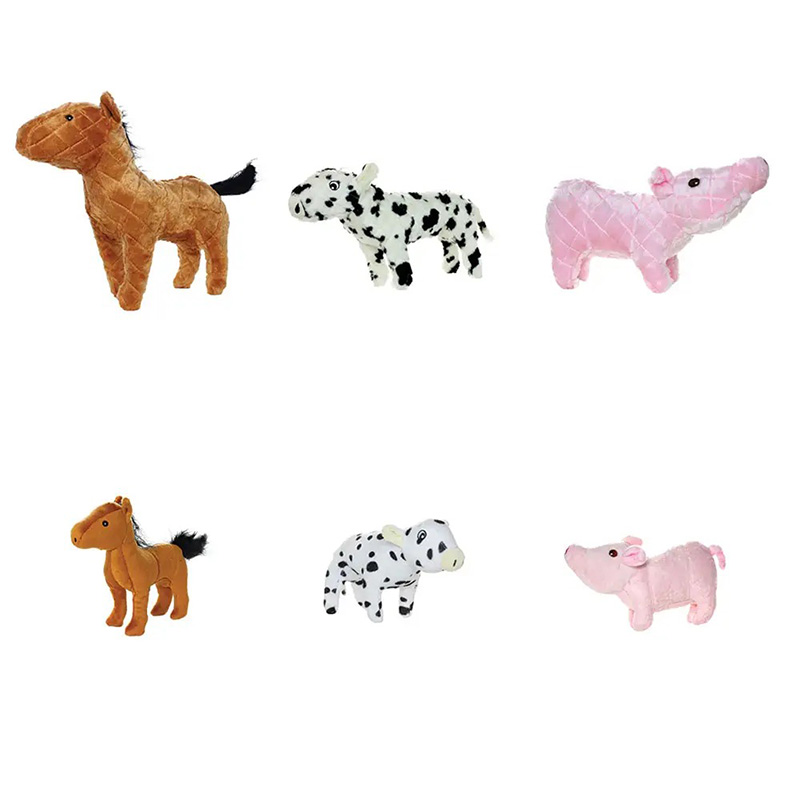
Farm & Pet Animals
Dogs, cats, cows, and other familiar animals that resonate well with children and family-focused brands.
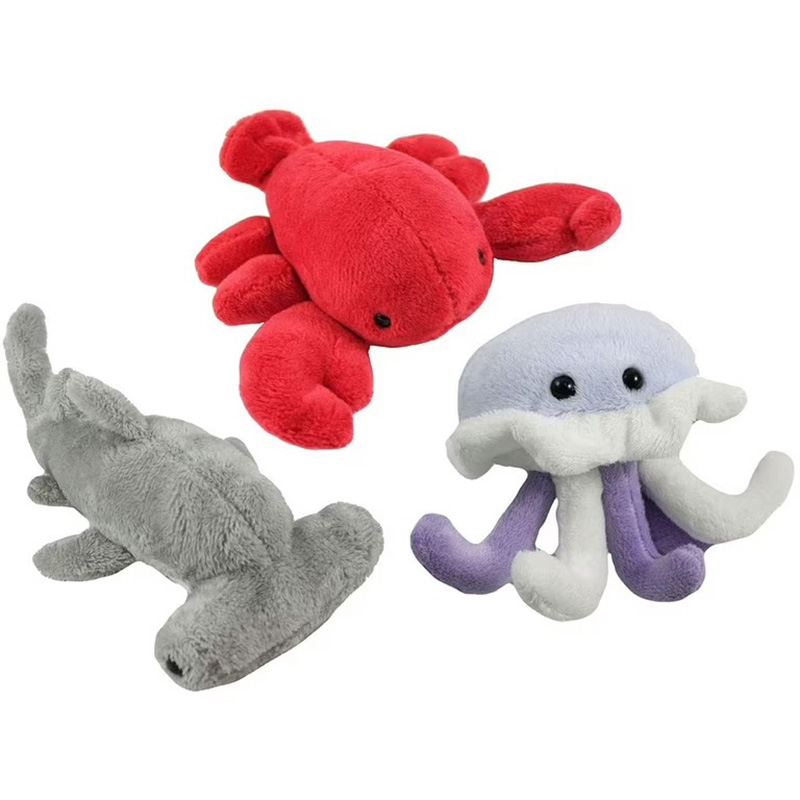
Ocean & Marine Animals
Whales, dolphins, sharks, and sea creatures with smooth shapes and vibrant character appeal.
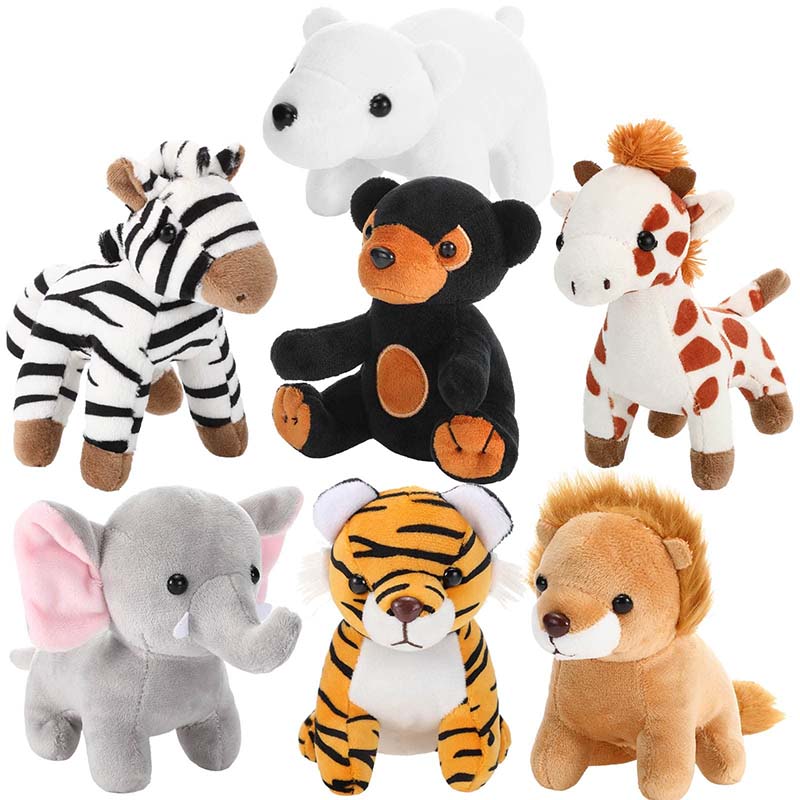
Zoo Animal Collection
A diverse mix of popular zoo animals suitable for bundles, sets, and themed assortments.
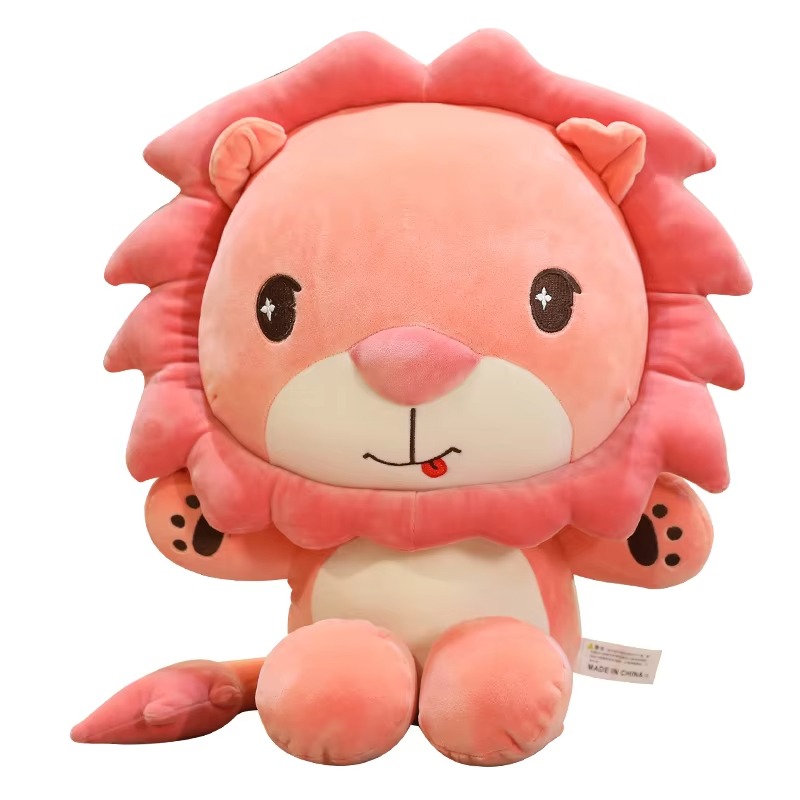
Cartoon-Style Plush Animals
Simplified shapes and expressive faces designed for custom characters and brand mascots.
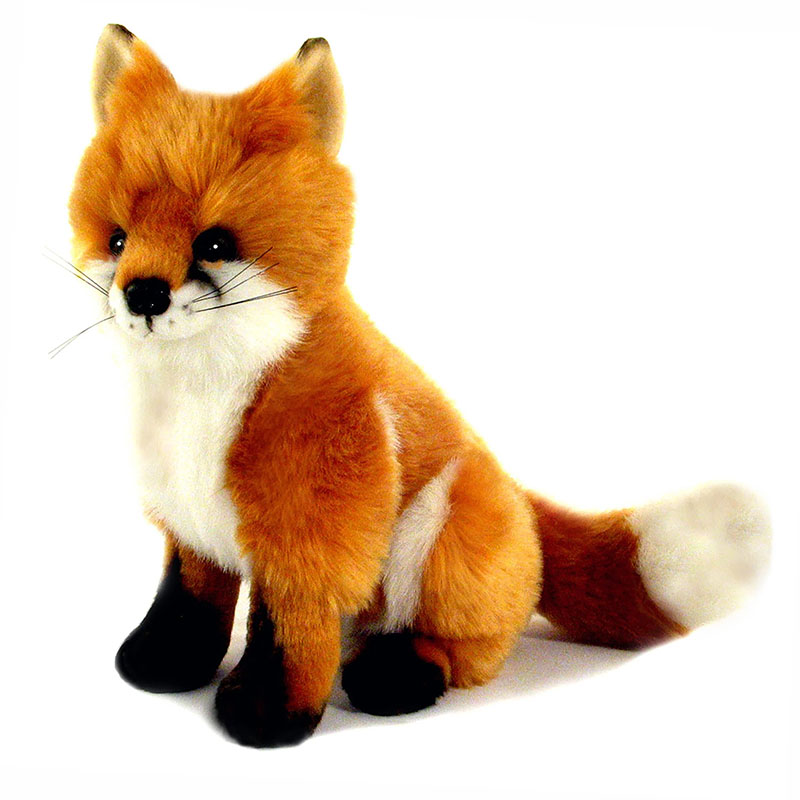
Realistic Plush Animals
Detailed designs focusing on natural proportions and textures for premium or collectible lines.
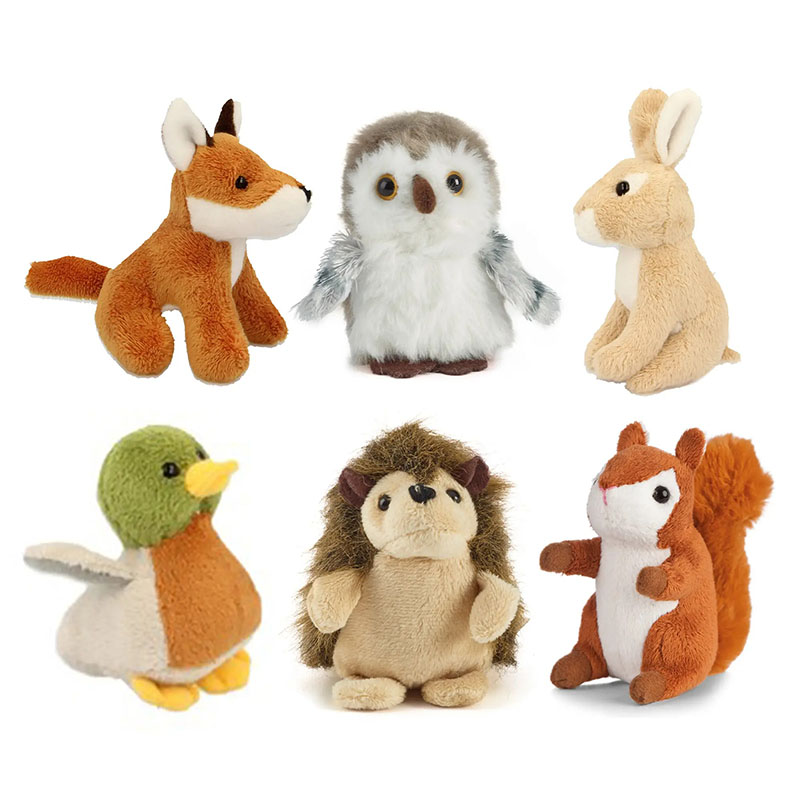
Mini Plush Animals
Compact plush animals suitable for promotions, capsule toys, and impulse purchases.
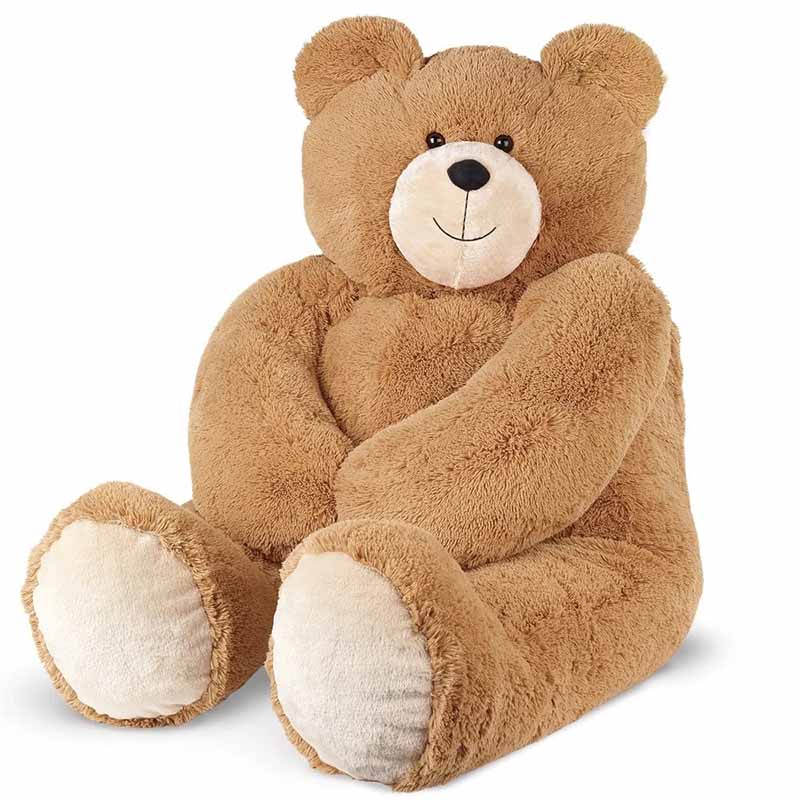
Large & Jumbo Plush Animals
Oversized plush animals designed for visual impact and statement displays.
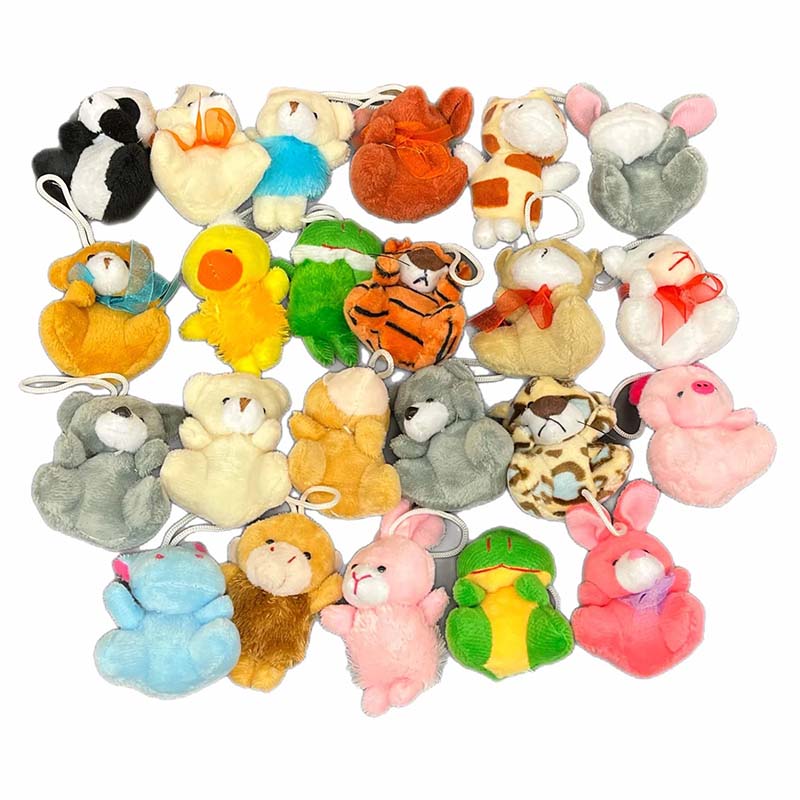
Plush Animal Keychains
Lightweight plush designs with attachments for accessories and gift items.
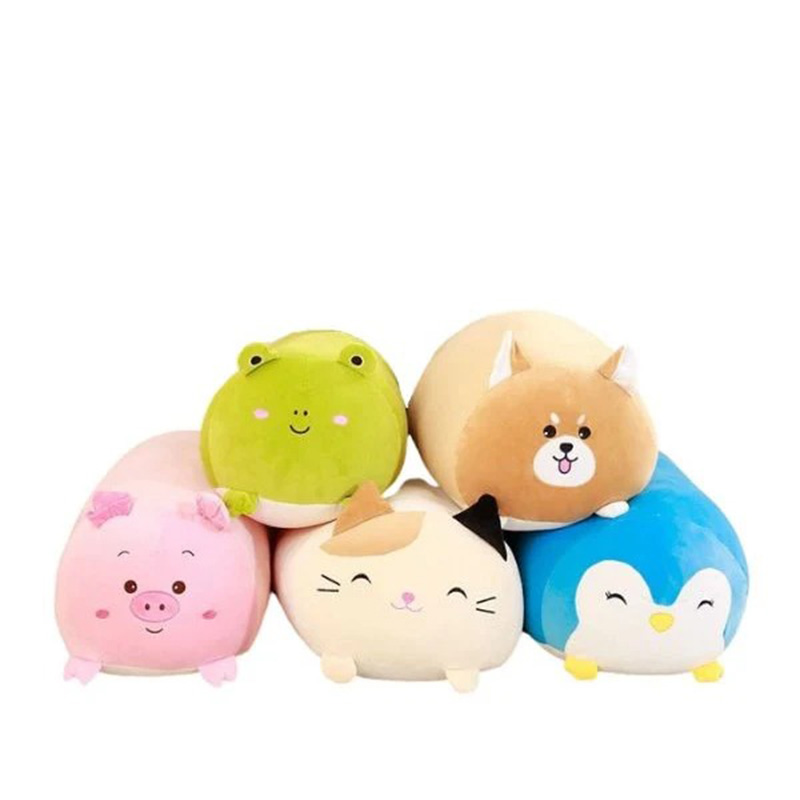
Plush Animal Pillows
Soft, huggable designs combining decorative and functional use.
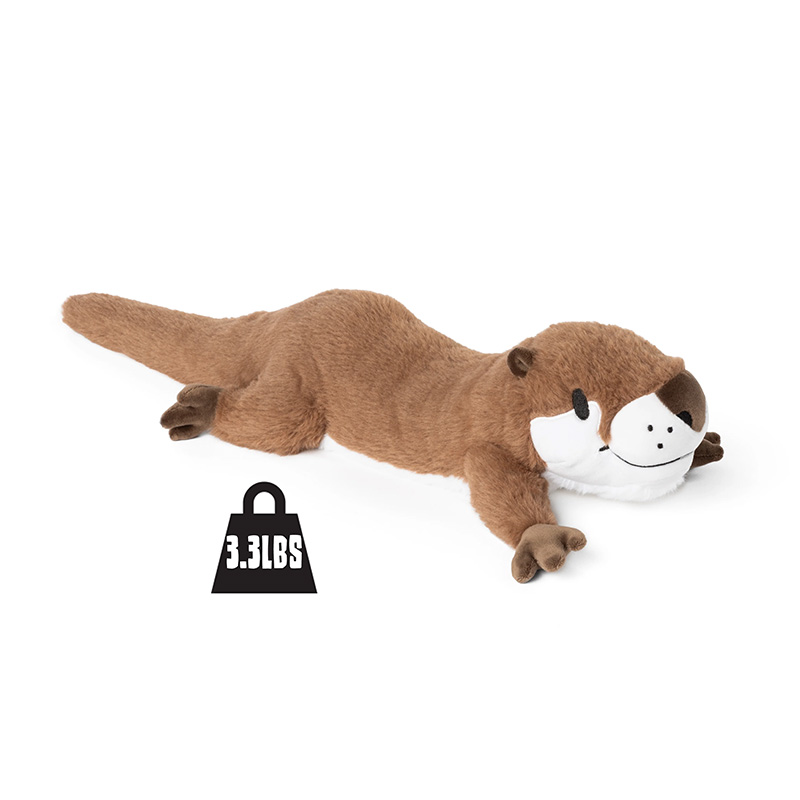
Weighted Plush Animals
Plush animals with added weight for calming and sensory-focused applications.
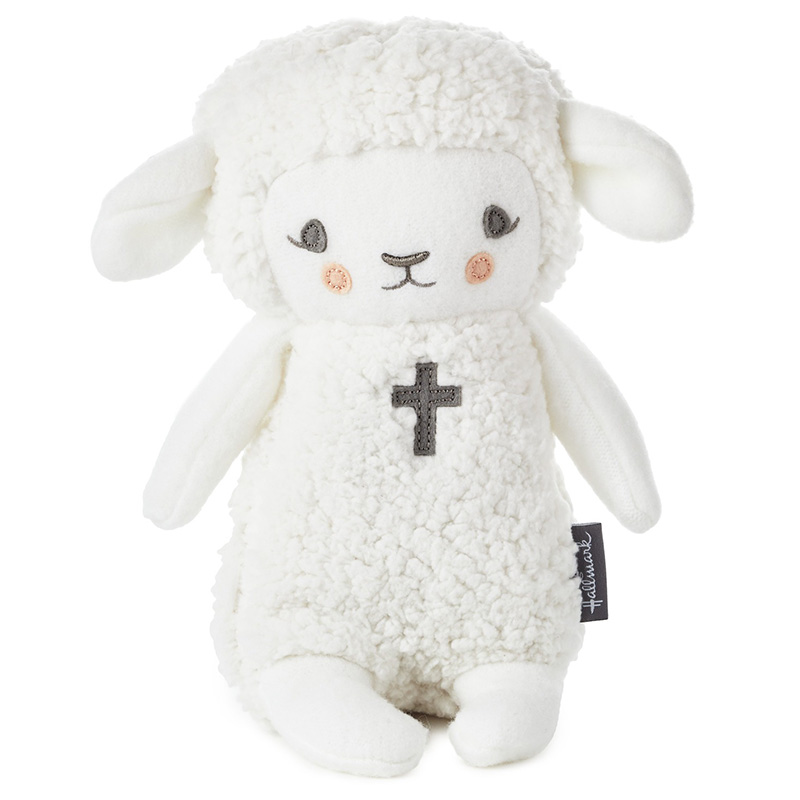
Baby-Safe Plush Animals
Simple designs using soft fabrics and secure embroidery for infant and toddler markets.
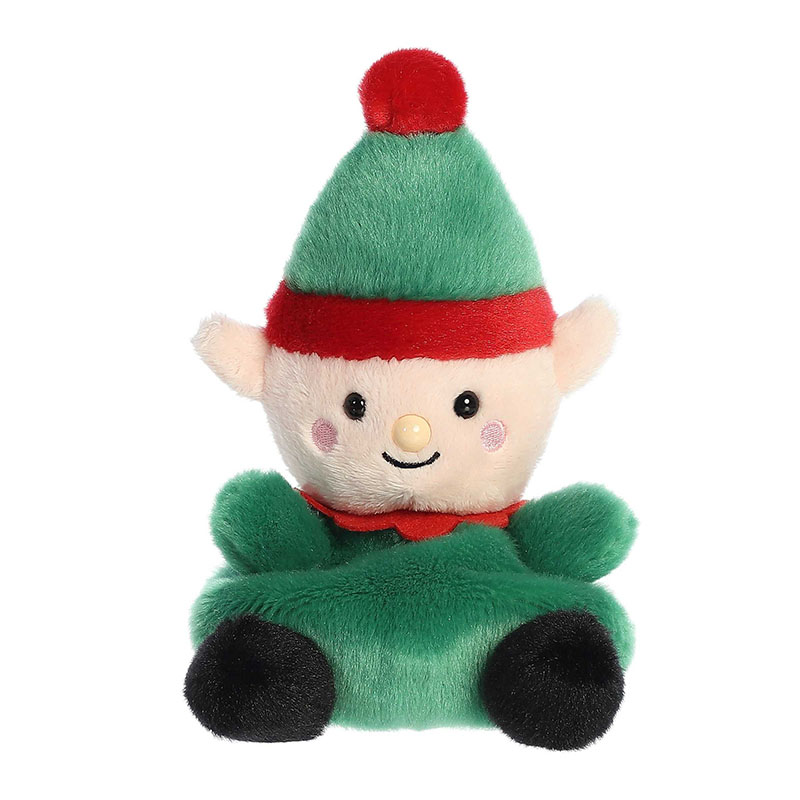
Seasonal & Holiday Plush Animals
Plush animals designed for Christmas, Halloween, Easter, and other seasonal campaigns.
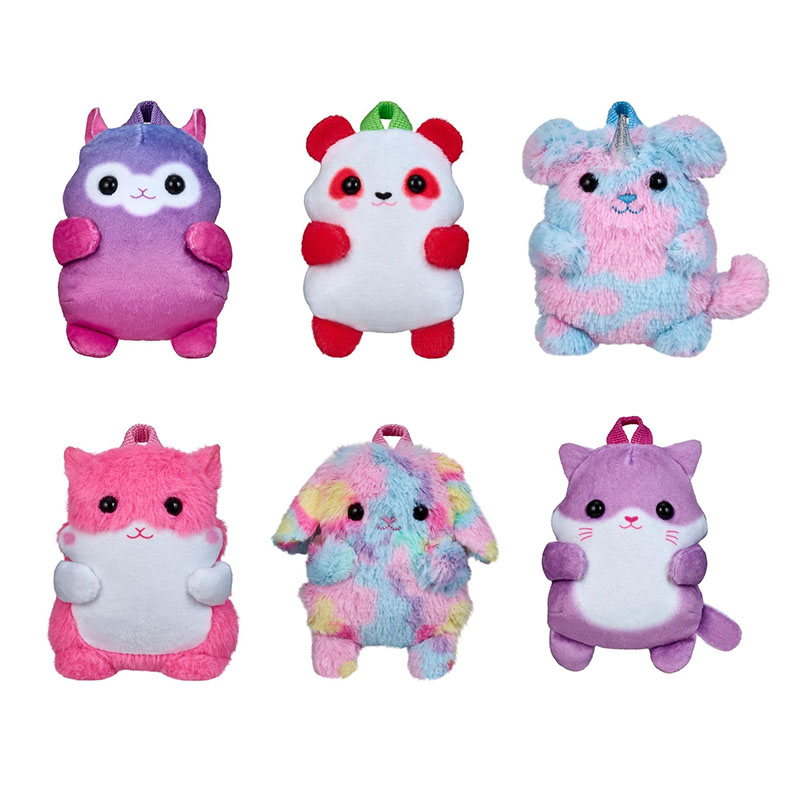
Plush Animal Backpacks
Functional plush designs combined with storage features for kids’ accessories.
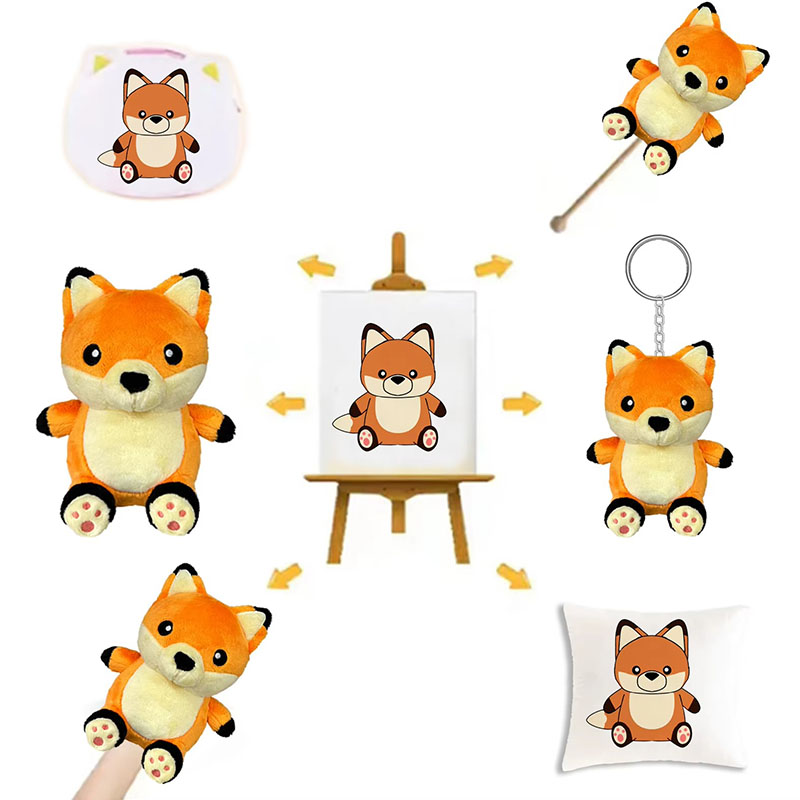
Custom IP & Exclusive Designs
Fully customized plush animals developed from original concepts or licensed characters.
Precision Design vs Final Product Accuracy
This video directly compares the approved design with the finished plush toy, allowing buyers to clearly verify how accurately the final product matches the original concept. From proportions and facial expressions to embroidery placement, color tones, and overall structure, every key detail is closely aligned. This level of visual comparison proves our ability to achieve 95%+ design accuracy and reduces uncertainty before bulk production.
How Our Production Lines Achieve Both Efficiency and High Quality
Efficient wholesale plush animal production depends on system design, skilled labor, and disciplined execution. The production lines are built to handle large volumes while maintaining stable quality, helping buyers reduce supply risk, control lead times, and scale orders with confidence.
Specialized and Segmented Production Lines
Each production line is segmented by product type and process stage, allowing workers to focus on repetitive, familiar tasks. This structure reduces learning curves, improves operating speed, and minimizes handling errors, which is critical for maintaining consistency across large wholesale plush animal orders.
Skilled Operators with Plush-Specific Experience
Sewing, stuffing, and assembly operators are trained specifically for plush animal production. Their experience helps maintain smooth seams, balanced filling, and durable construction while keeping production speed stable during long production runs.
Standardized Work Instructions and Process Control
Clear operating standards define every step from fabric cutting to final assembly. These standards ensure repeatability, reduce variation between batches, and allow consistent quality results even when production volumes increase.
Integrated In-Line Quality Checks
Quality inspections are embedded within each production stage rather than as a final-only step. Early detection of defects helps prevent issues from spreading, reduces rework, and protects overall delivery schedules.
Scalable Capacity and Flexible Line Allocation
Production lines can be adjusted and reallocated based on order size and delivery timelines. This flexibility allows smooth scaling from pilot orders to full wholesale production without disrupting quality stability.
Final Quality Verification Before Packing
Before packaging, finished plush animals undergo final inspections covering appearance, structure, and packaging requirements. This final verification ensures bulk shipments meet approved specifications before leaving the factory.
By combining structured production lines, experienced teams, and continuous quality control, the manufacturing system delivers wholesale plush animals that meet both efficiency and quality expectations at scale.
OEM vs ODM: Which Custom Plush Animal Solution Fits Your Brand Best?
Choosing the right customization model impacts your product control, development speed, and long-term scalability. OEM and ODM serve different brand needs at different stages. Understanding how each model works helps you reduce development risk, manage costs, and bring wholesale plush animals to market more efficiently.
OEM: Built Exactly to Your Design
OEM is ideal when you already have finished designs, character artwork, or technical specifications. Production follows your approved files, focusing on accurate sampling and consistent mass production.
This model gives you full control over appearance, materials, and branding, making it suitable for established brands, licensed IP projects, or long-term product lines that require strict consistency across multiple orders.
ODM: Faster Launch with Design Support
ODM works best when speed and efficiency are priorities. The factory provides proven base designs or develops new concepts based on your target market, then customizes details such as shape, fabric, colors, and logo.
This approach shortens development time, lowers design costs, and helps new or growing brands launch wholesale plush animal products with less complexity.
By selecting the right model, you can balance control, speed, and resources while building a scalable plush animal business.
Custom Plush Animals from Your Artwork or Reference
If you already have artwork, sketches, photos, or reference samples, custom plush animal production can start directly from your materials. The process focuses on turning visual ideas into structurally sound, safe, and production-ready plush animals, helping you reduce development risk and move efficiently toward bulk manufacturing.
Accept Multiple Reference Formats
Design files, hand sketches, digital images, or physical samples are all acceptable. This flexibility allows you to start projects without preparing complex technical drawings.
Production-Ready Approval
Final samples are confirmed for structure, materials, and workmanship to ensure a smooth transition into bulk production.
Structured Revision Process
Feedback is applied through a clear revision cycle, allowing efficient adjustments without restarting the sampling process.
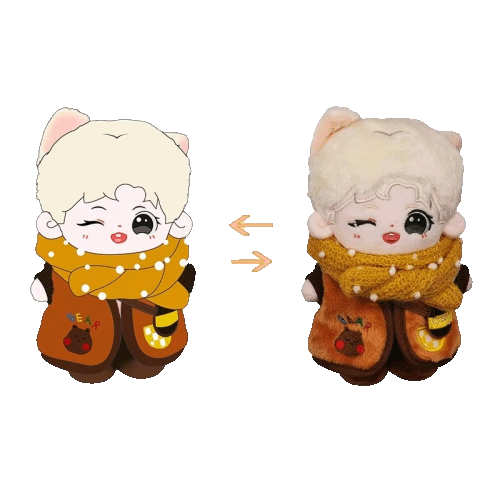
Design Feasibility Evaluation
Each reference is reviewed for plush construction, sewing complexity, and safety compliance before sampling, helping avoid designs that are difficult or costly to produce.
Material and Detail Alignment
Fabrics, fillings, embroidery styles, and accessories are selected to align with your design intent and target market expectations.
Reference-Based Sample Development
Patterns and samples are developed to match key shapes, proportions, and character features shown in your reference materials.
With clear references and a structured workflow, custom plush animal projects move from idea to bulk production with fewer revisions and greater efficiency.
Precision Design-to-Packaging Workflow
This video shows the full journey of a custom plush toy—from initial design confirmation and sample development to mass production, quality inspection, and final packaging. Every step is handled in-house under standardized procedures to ensure accuracy, consistency, and on-time delivery. This end-to-end workflow gives brands a clear understanding of how ideas become production-ready plush products.
Common Fabrics & Fillings Used in Wholesale Plush Animals
For wholesale plush animals, material selection affects appearance, softness, durability, and production stability. Fabrics and fillings are chosen not only for comfort, but also for how well they perform during mass production, shipping, and long-term use.
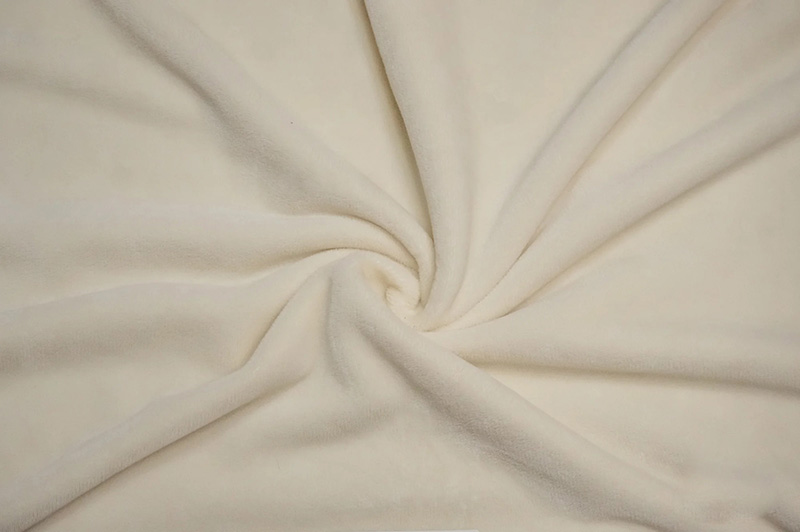
Short Plush Fabric
Smooth surface and clear shape definition make short plush ideal for detailed designs and consistent bulk production.
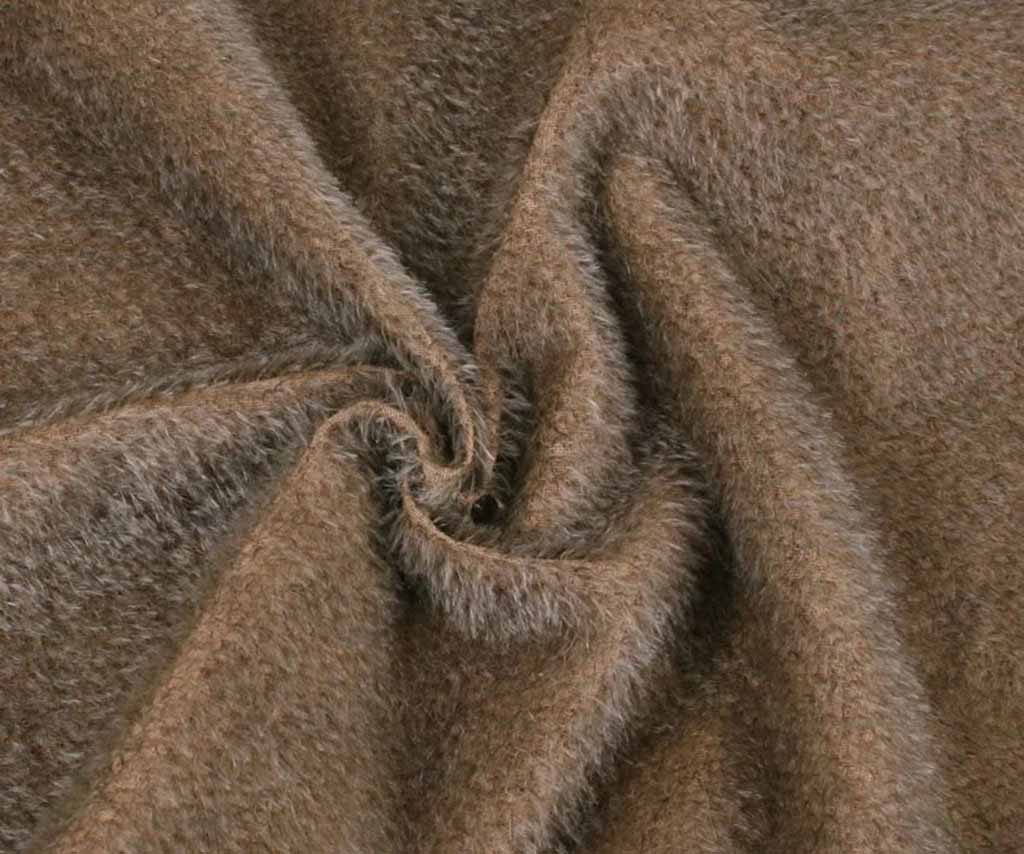
Long Plush Fabric
Provides a soft and fluffy appearance, often used for animals that require a furry look.
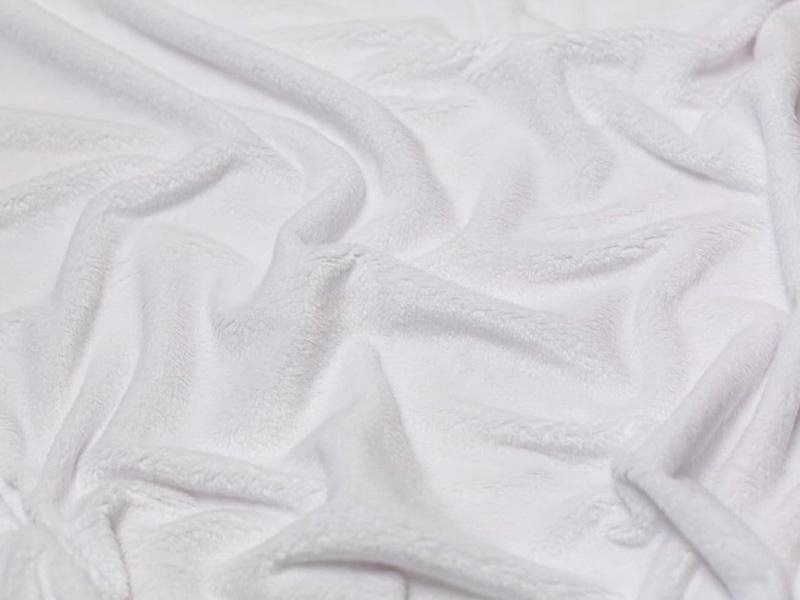
Velboa Fabric
Durable and easy to embroider, commonly used for cartoon-style and baby-safe plush animals.
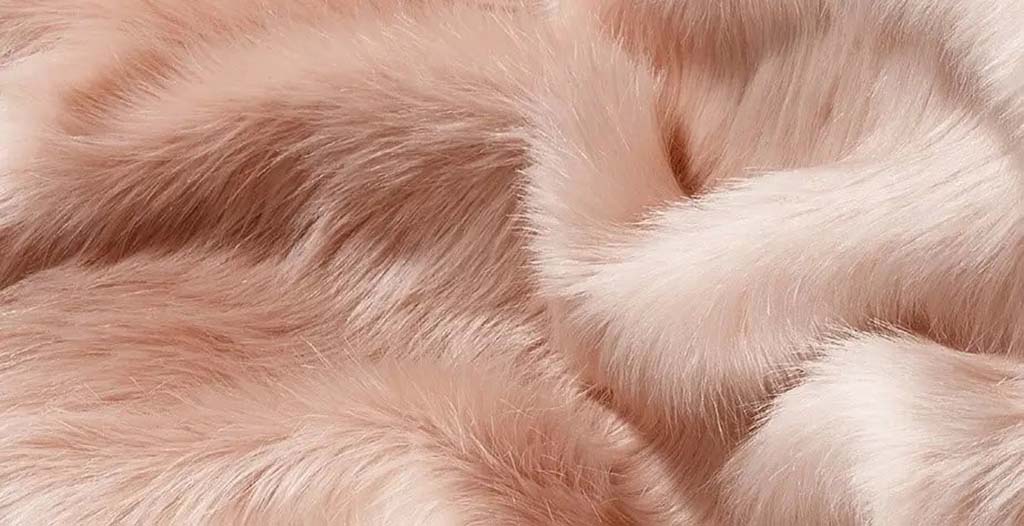
Faux Fur Fabric
Offers a more realistic texture and premium appearance for higher-end plush animals.
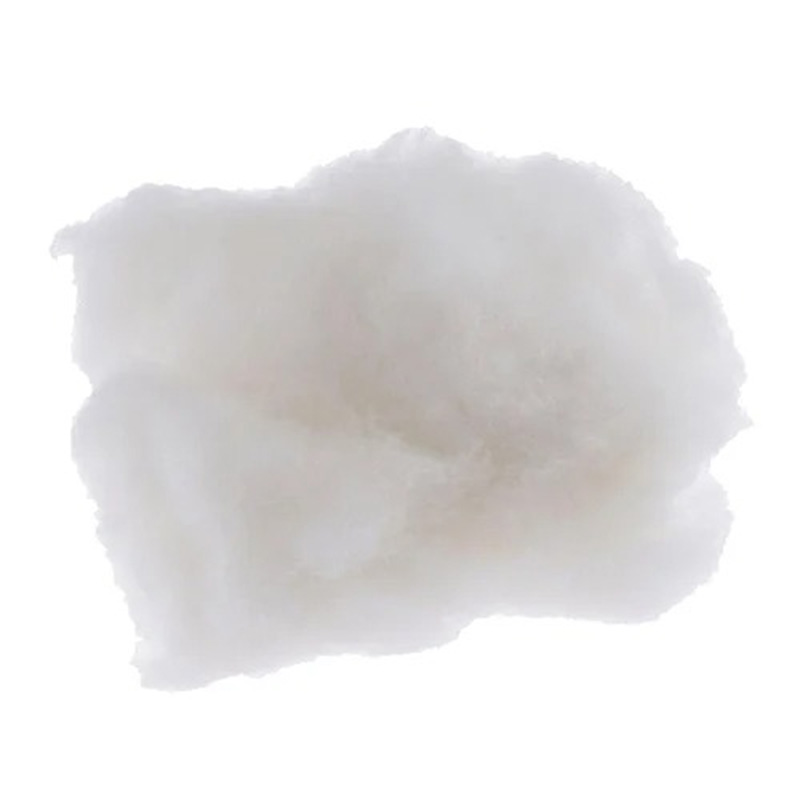
PP Cotton Filling
Lightweight and resilient filling that helps plush animals keep their shape over time.
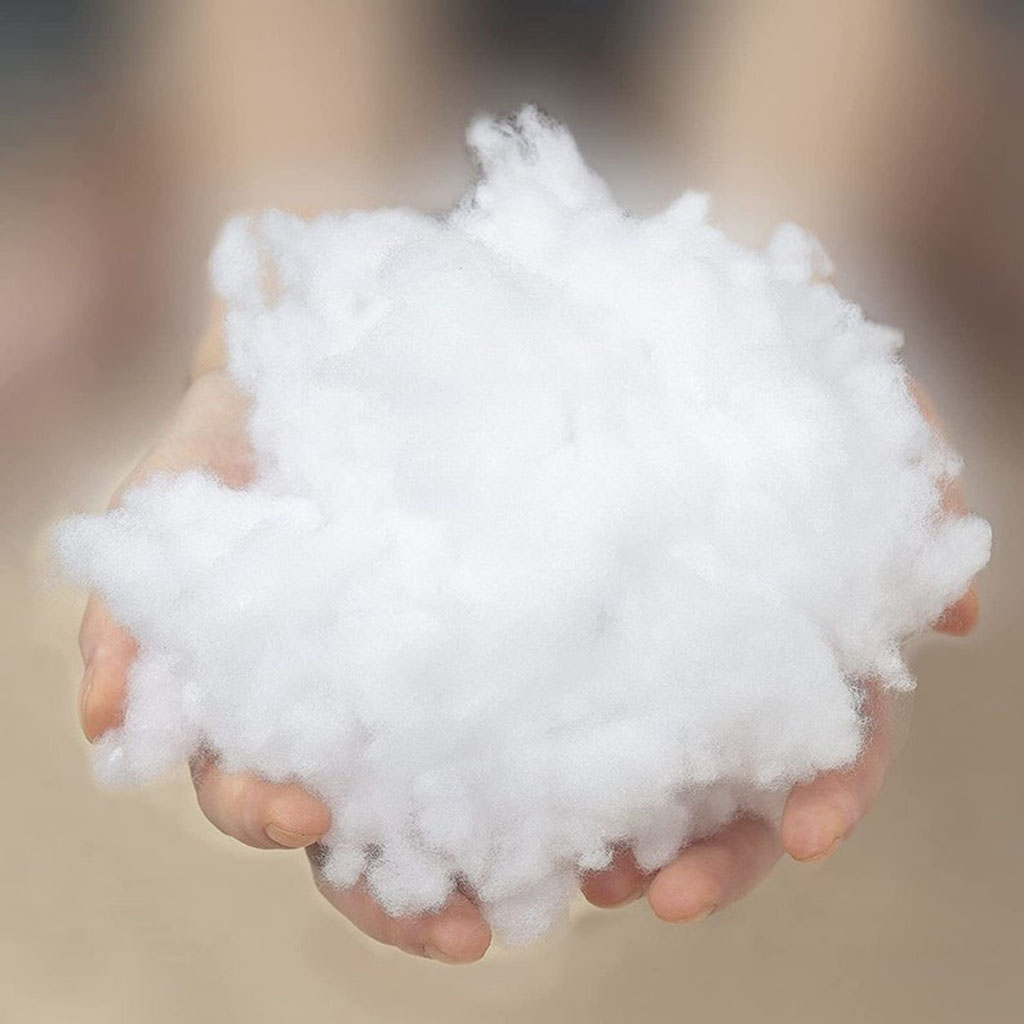
Recycled Polyester Filling
An eco-friendly option for brands with sustainability and compliance requirements.
Selecting the right fabrics and fillings helps you balance comfort, durability, safety, and cost in wholesale plush animal production. With proper material choices, bulk orders stay consistent, compliant, and ready for long-term market performance.
Plush Fabric Colorfastness & Wash Durability Testing for Wholesale Orders
Color stability and wash durability are critical for wholesale plush animals, especially for products sold through retail, e-commerce, and children’s markets. Proper testing helps prevent fading, color transfer, and surface damage after repeated use or washing, protecting your brand reputation and reducing after-sales risk.
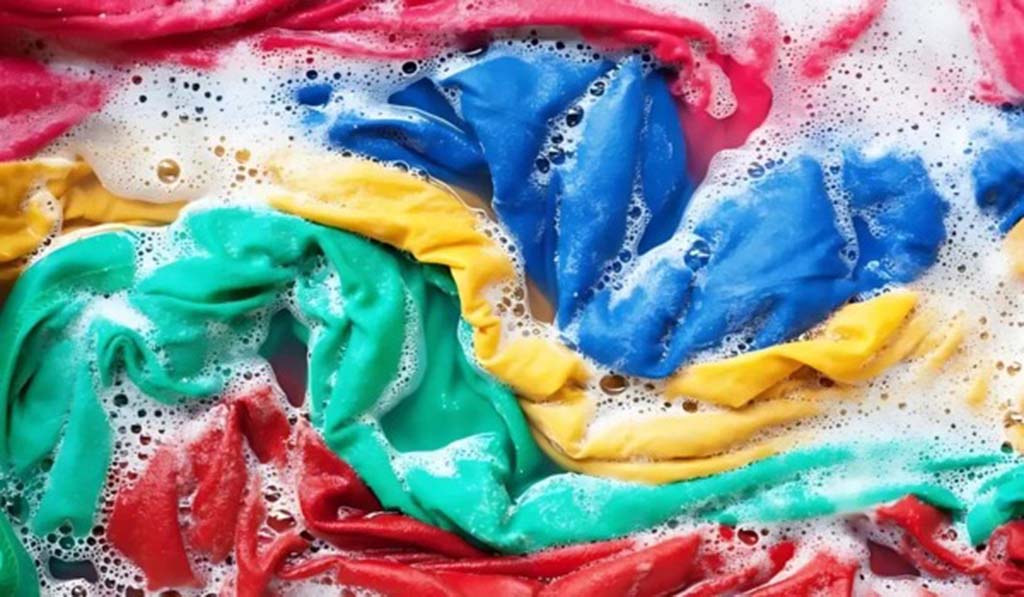
Colorfastness to Washing
Plush fabrics are tested under controlled washing conditions to evaluate color fading and dye transfer. This ensures colors remain consistent after multiple washes, which is essential for products intended for frequent cleaning or long-term use.
Colorfastness to Rubbing
Dry and wet rubbing tests measure how easily color transfers from fabric surfaces. This is especially important for light-colored plush animals or products that come into frequent contact with skin or clothing.
Wash Shrinkage & Shape Retention
After washing, fabrics are checked for shrinkage, deformation, and texture changes. Stable fabrics help plush animals maintain original shape, softness, and overall appearance.
Surface Pile & Print Durability
For printed, embroidered, or pile fabrics, testing evaluates whether patterns, embroidery, or pile surfaces remain intact after washing and use. This helps preserve visual quality in bulk production.
Our International Certifications for Wholesale Plush Animals
International certifications are essential for wholesale plush animals entering global markets. They demonstrate product safety, material compliance, and factory management standards. Certified production helps you reduce import risks, pass customs inspections smoothly, and meet retailer or platform requirements with confidence.
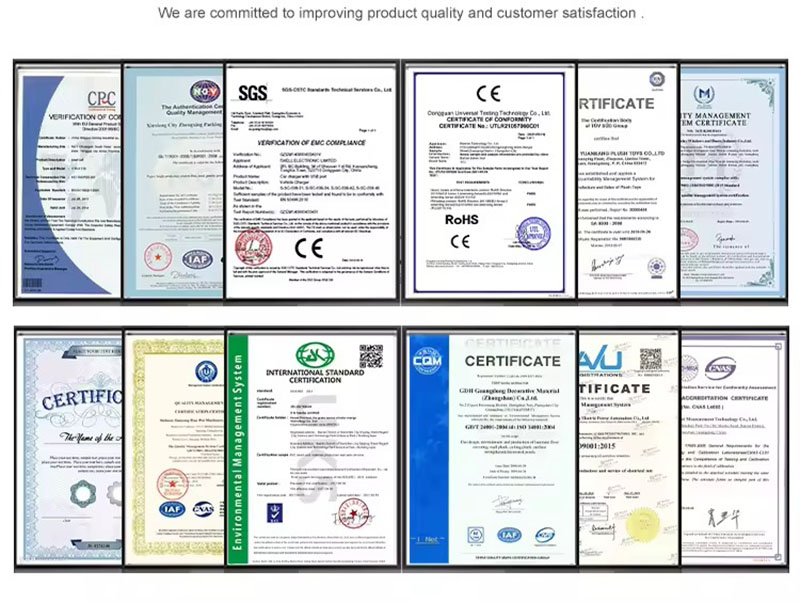
CE Certification (Europe Market)
CE certification confirms that plush animals meet European safety, health, and environmental protection requirements. It is essential for products sold in the EU and is widely requested by European retailers and distributors.
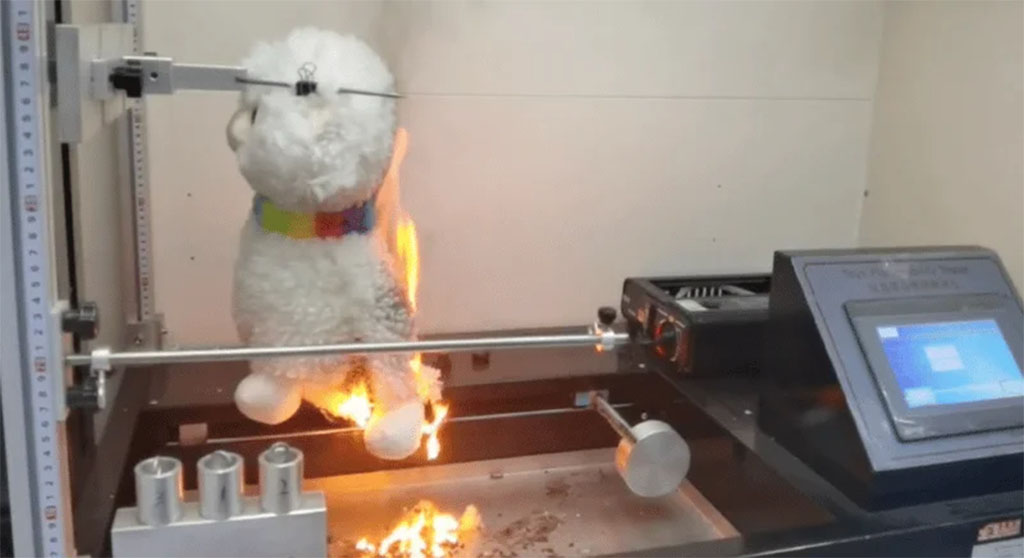
EN71 Toy Safety Standard
EN71 covers mechanical, physical, chemical, and flammability safety requirements for toys. Compliance ensures plush animals are safe for children and suitable for long-term retail distribution in Europe.
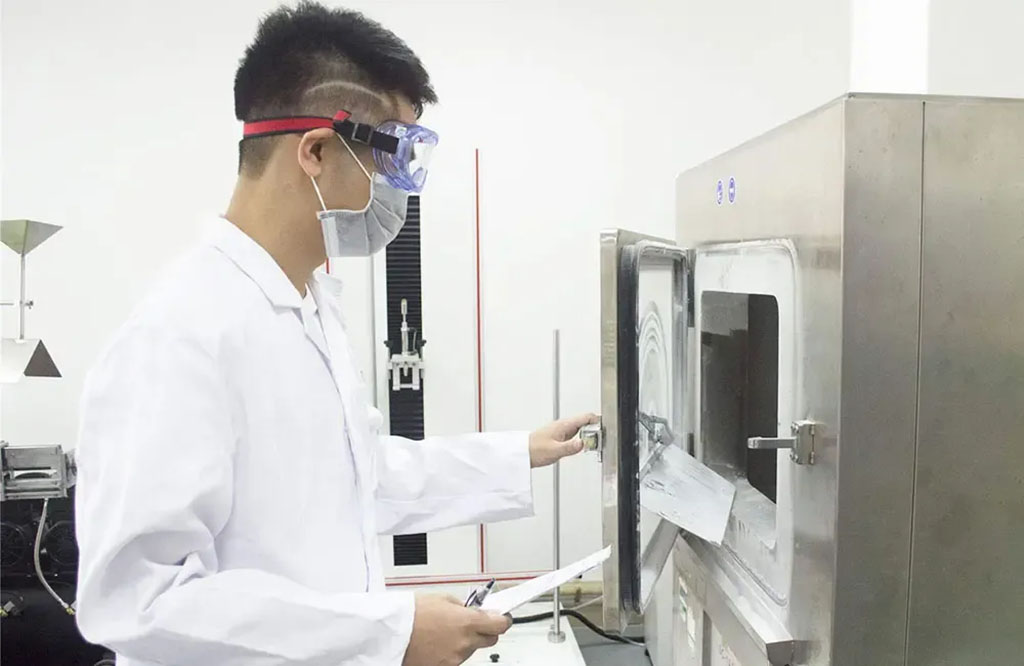
ASTM & CPSIA (US Market)
ASTM F963 and CPSIA testing ensure plush animals meet U.S. toy safety and material regulations. These standards are commonly required by American brands, retailers, and e-commerce platforms.
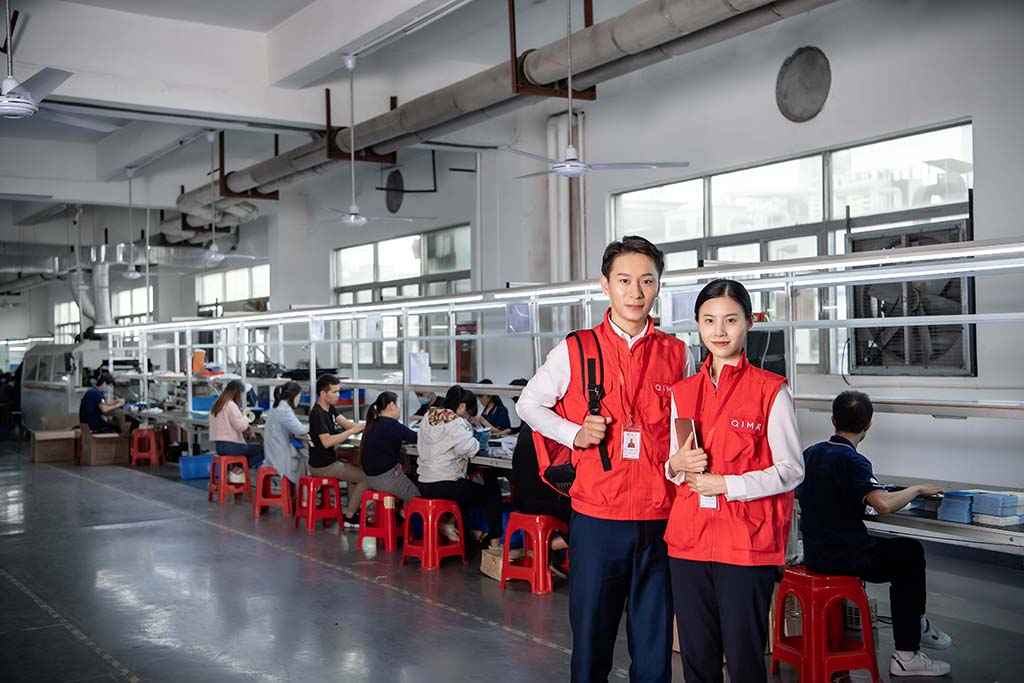
ISO & Factory Compliance Systems
ISO-certified management systems support stable production, traceability, and quality control. They help ensure consistent output for long-term wholesale cooperation.
Precision Instrument Testing Process
This video demonstrates how calibrated testing instruments are used to verify plush toy safety and durability. Through needle and metal detection, tension testing, and strength checks, each product is evaluated using objective standards rather than subjective judgment. Instrument-based testing ensures consistent quality and compliance with international safety requirements before shipment.
Wholesale Plush Animal Production Process
A clear and controlled production process is essential for delivering consistent quality at scale. Each step is designed to reduce errors, keep timelines predictable, and ensure approved samples are accurately reproduced in bulk orders.
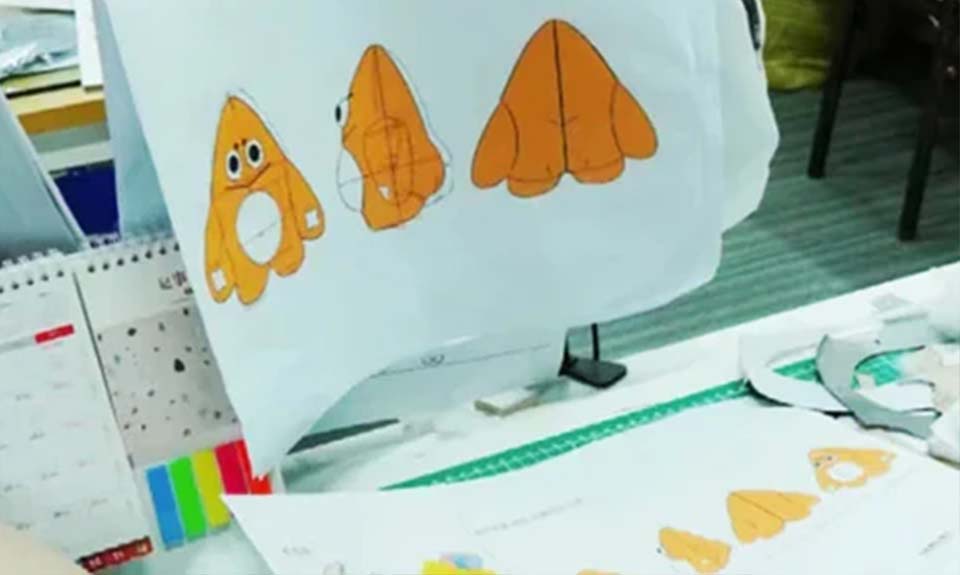
Design Review & Technical Confirmation
Design files, reference images, and specifications are reviewed to confirm structure, materials, and production feasibility before sampling or mass production begins.
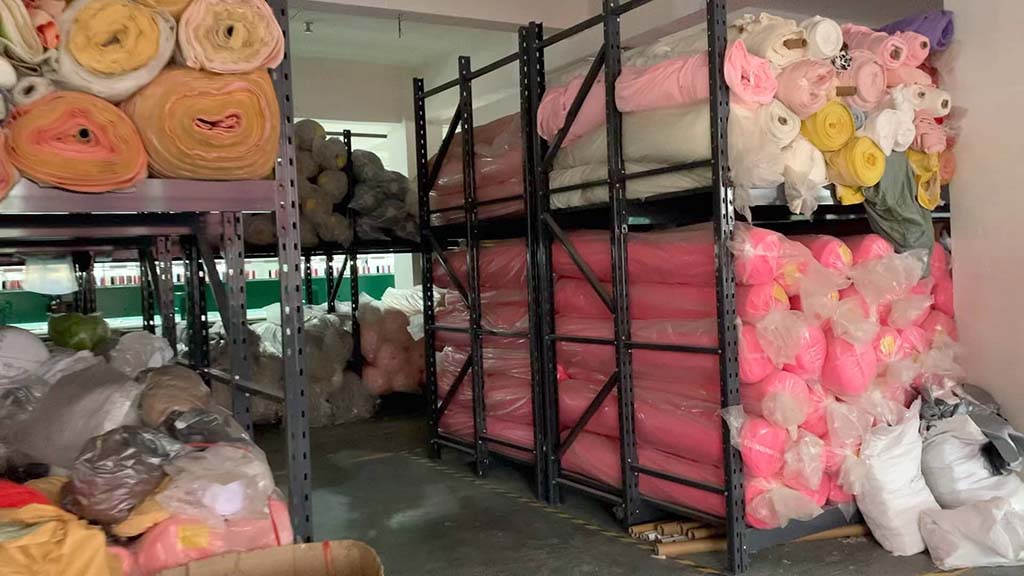
Pattern Making & Material Preparation
Patterns are created based on approved designs, while fabrics, fillings, and accessories are prepared according to confirmed specifications.
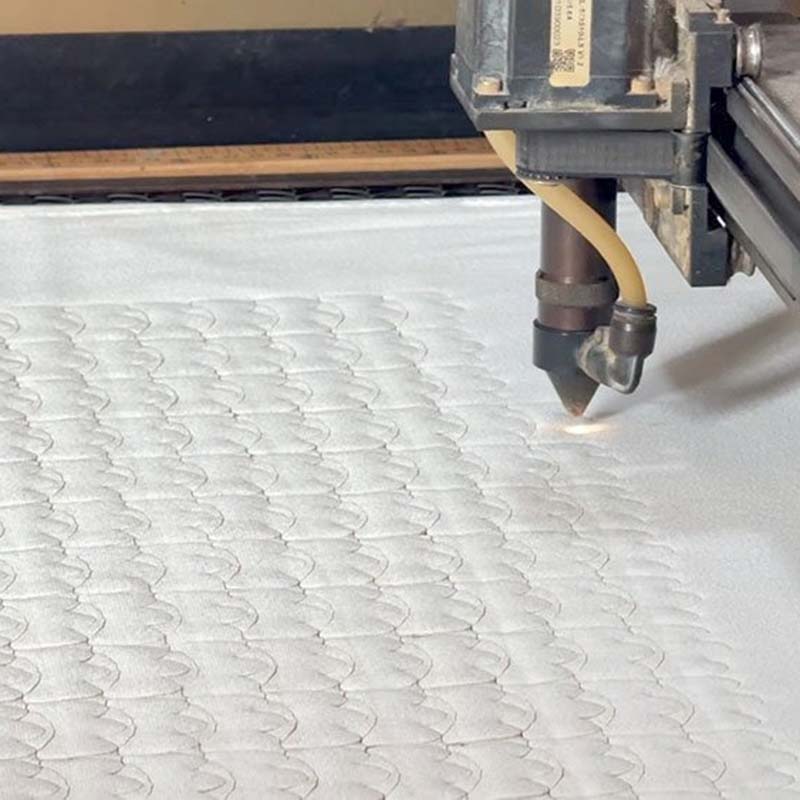
Fabric Cutting & Component Processing
Fabrics are precisely cut, and components such as embroidery, printing, or labels are completed before assembly.
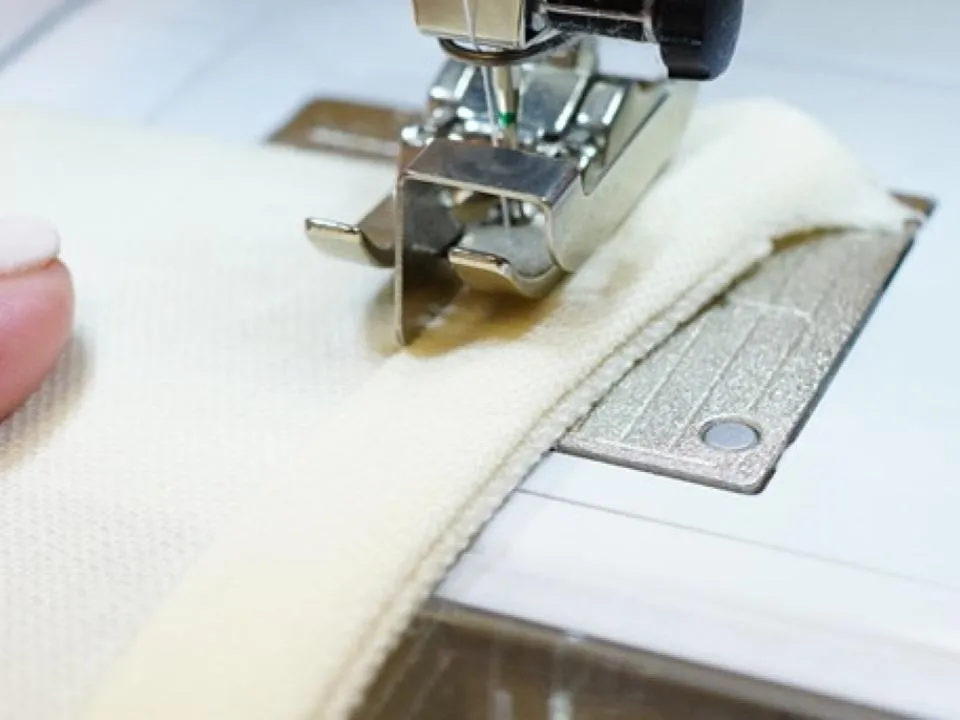
Sewing, Stuffing & Assembly
Plush parts are sewn, stuffed, and assembled following standardized procedures to ensure shape, balance, and durability.
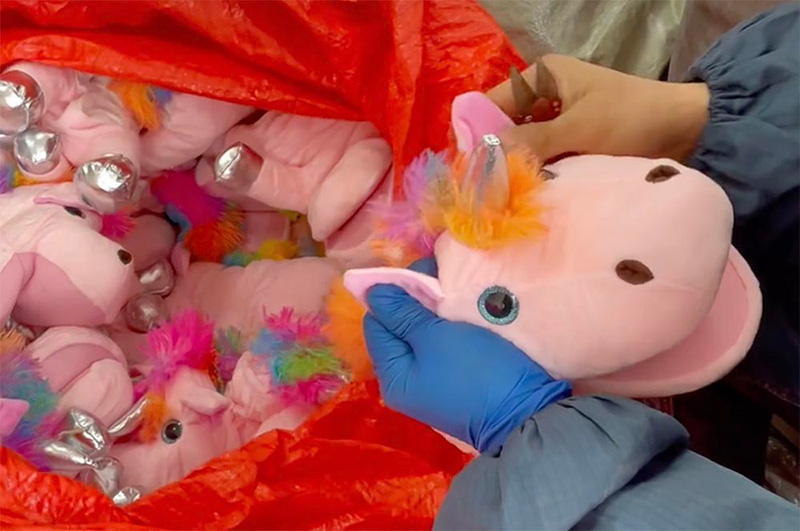
In-Process Quality Inspection
Quality checks are conducted during key stages to identify and correct issues early, protecting overall quality and delivery schedules.
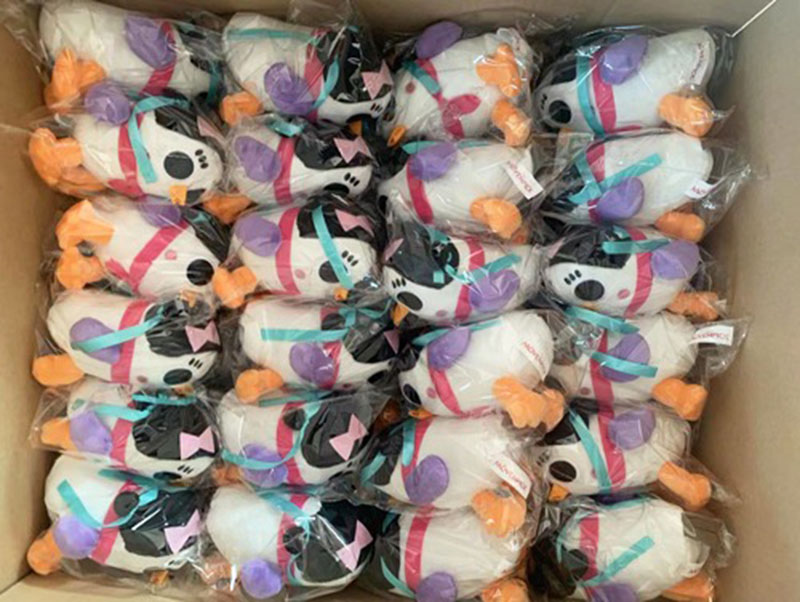
Final Inspection, Packing & Shipment
Finished plush animals undergo final inspection before packing and shipment to ensure they meet approved specifications.
With a structured production workflow, wholesale plush animal orders move smoothly from concept to delivery, ensuring reliable quality and predictable timelines.
Trusted by Leading Global Brands
Strong partnerships prove strong capabilities. Over the years, Kinwin has worked with world-leading brands and retailers to deliver interactive plush toys that meet the highest standards of creativity, safety, and quality. By choosing us, you gain a supplier that is trusted by top companies worldwide—and the same reliability is available to your brand.




What Factors Affect the Price of Wholesale Plush Animals?
Pricing for wholesale plush animals is the result of multiple variables working together. Understanding these factors helps you estimate costs more accurately, compare quotations fairly, and make informed decisions when balancing quality, budget, and market expectations.
Design Complexity & Product Size
The overall shape complexity, number of components, and final product size directly affect labor time and material usage. More complex designs require additional sewing steps and assembly control, while larger plush animals consume more fabric and filling, increasing unit cost.

Fabric & Filling Material Selection
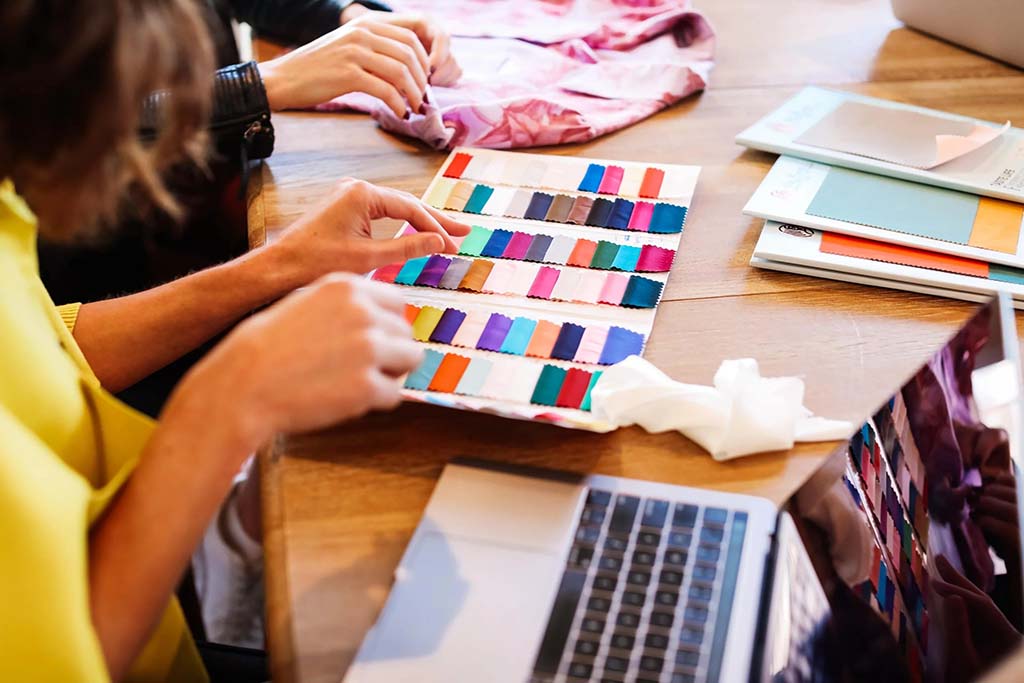
Different fabrics and fillings vary significantly in price, durability, and sourcing stability. Premium textures, thicker piles, or certified eco-friendly materials often cost more but may better support brand positioning and long-term product performance.
Stitching, Embroidery & Added Details
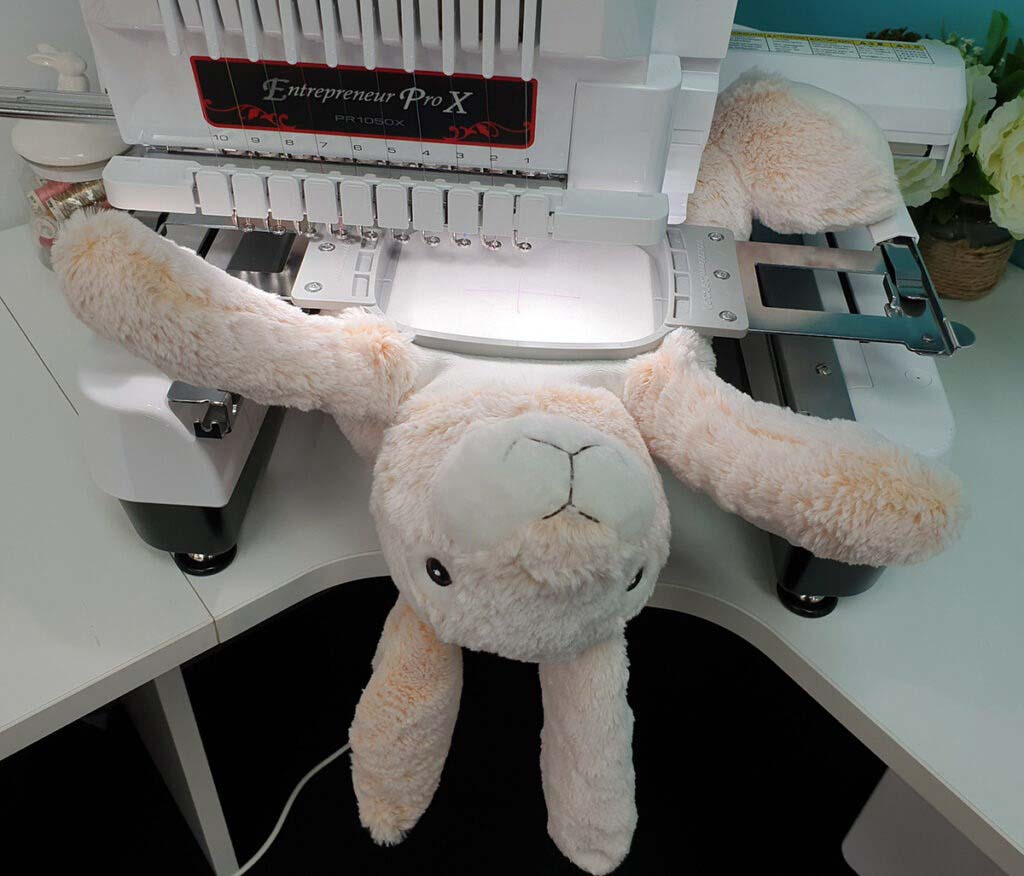
The number of embroidery areas, color changes, accessories, and special stitching techniques increases production time. More detailed craftsmanship requires skilled labor and longer processing, which raises overall manufacturing cost per unit.
Order Quantity & Production Scale
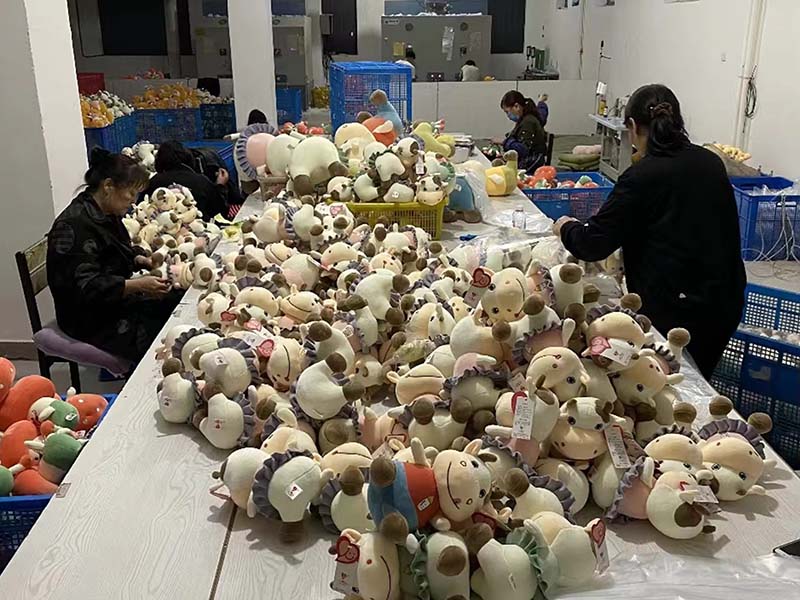
Larger order volumes help dilute fixed costs such as pattern making, setup time, and testing fees. Smaller orders usually have higher unit prices, while stable bulk quantities allow more efficient cost allocation.
Testing, Certification & Compliance Requirements
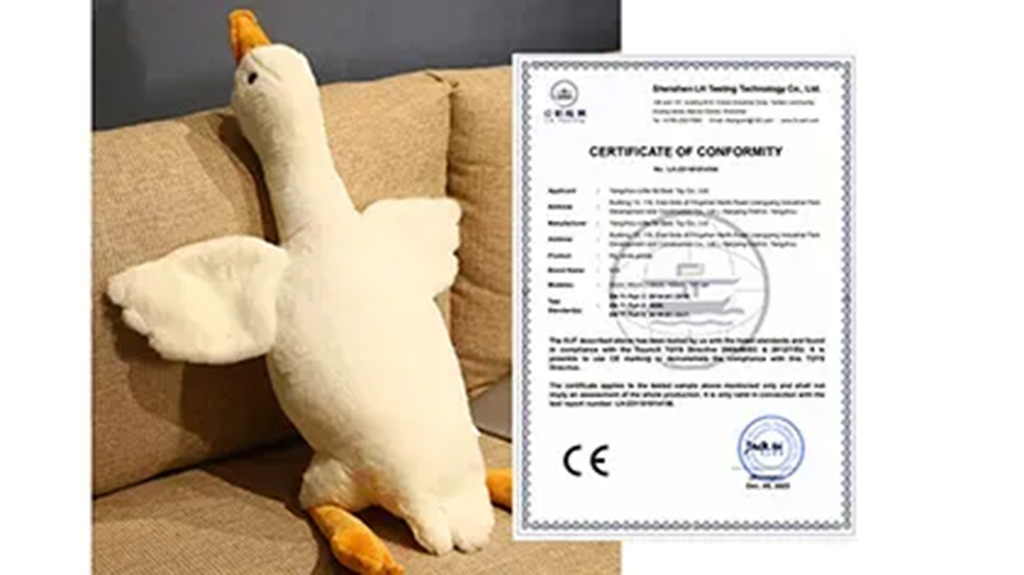
Different target markets require specific safety tests and certifications. Additional testing processes, documentation, and third-party lab fees may add to the total project cost, especially for children’s products.
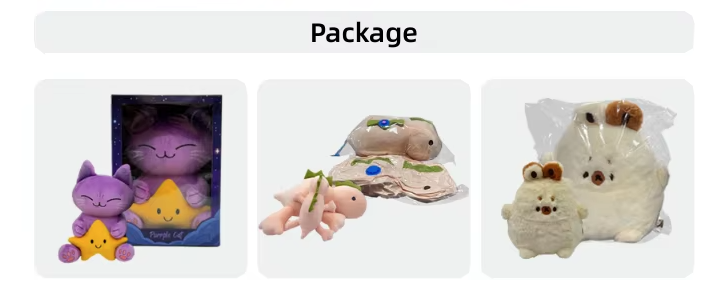
Packaging, Packing Method & Logistics
Custom packaging designs, individual packing, and specific shipping terms influence final pricing. Efficient packing methods can reduce freight costs, while complex packaging may increase material and labor expenses.
By understanding these pricing factors, you can plan budgets more accurately and structure wholesale plush animal orders that meet both cost and quality expectations.
Ready to Start Your Wholesale Plush Animal Project?
Whether you are comparing suppliers, developing a new product line, or preparing for large-scale orders, clear communication and accurate evaluation make a real difference. By sharing your design ideas, target market, and quantity expectations early, you can receive practical recommendations on materials, structure, production timelines, and cost control—before committing to mass production.
Starting a conversation does not require finalized files. Even early concepts, reference images, or rough ideas can be reviewed to help you understand feasibility, estimated pricing, and next steps. This approach allows you to make informed decisions and move forward with confidence.
Explore Our Custom Plush Toy Series
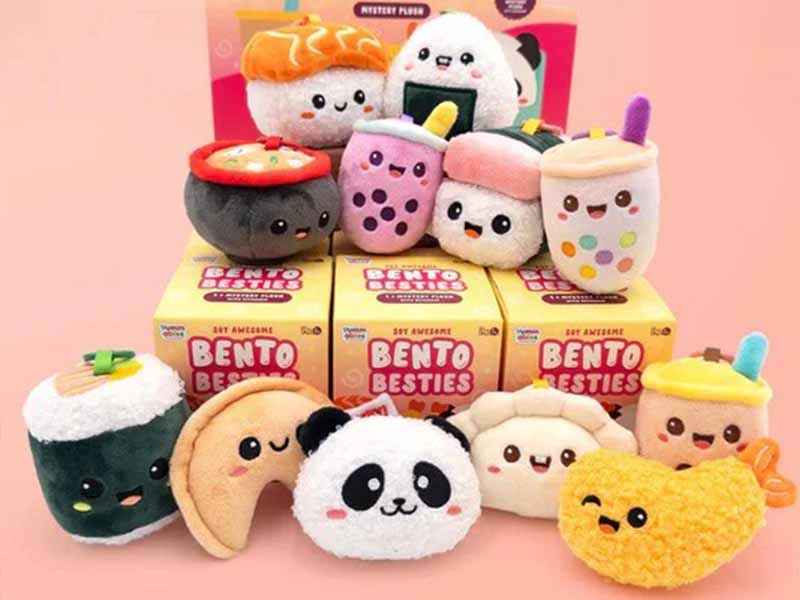
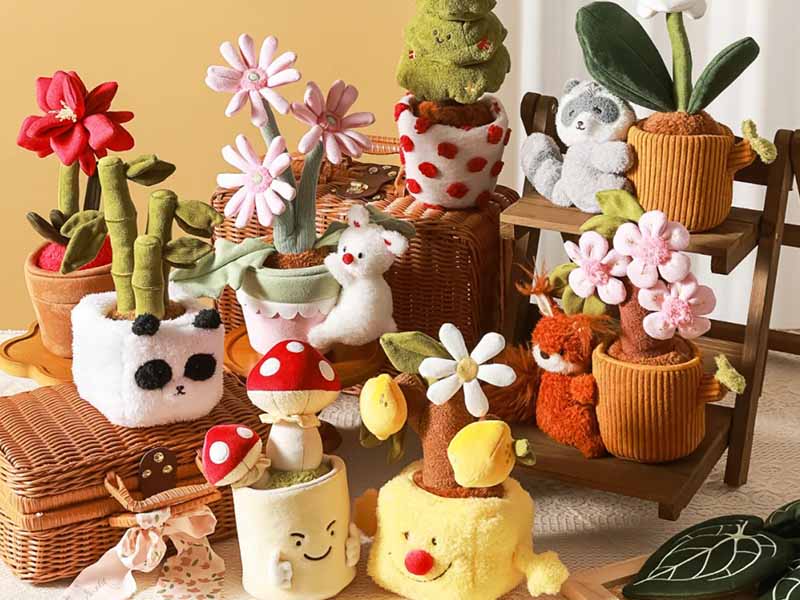
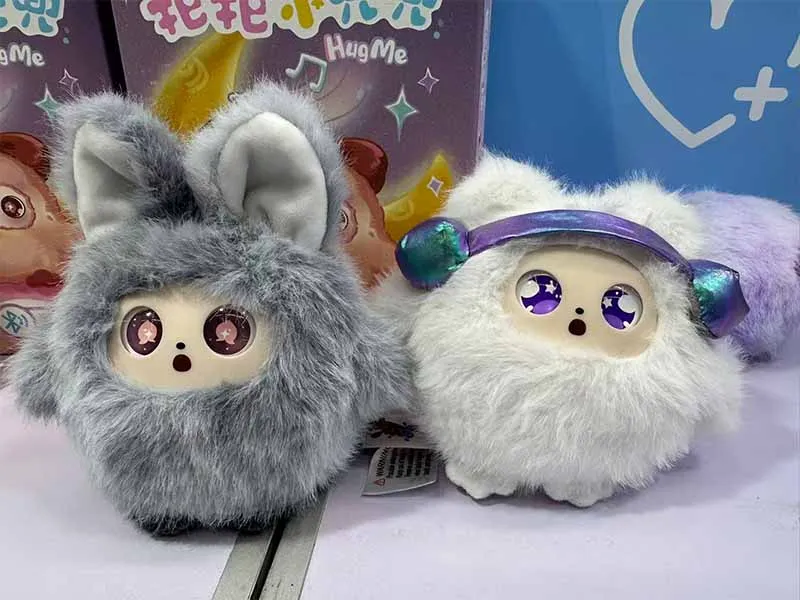
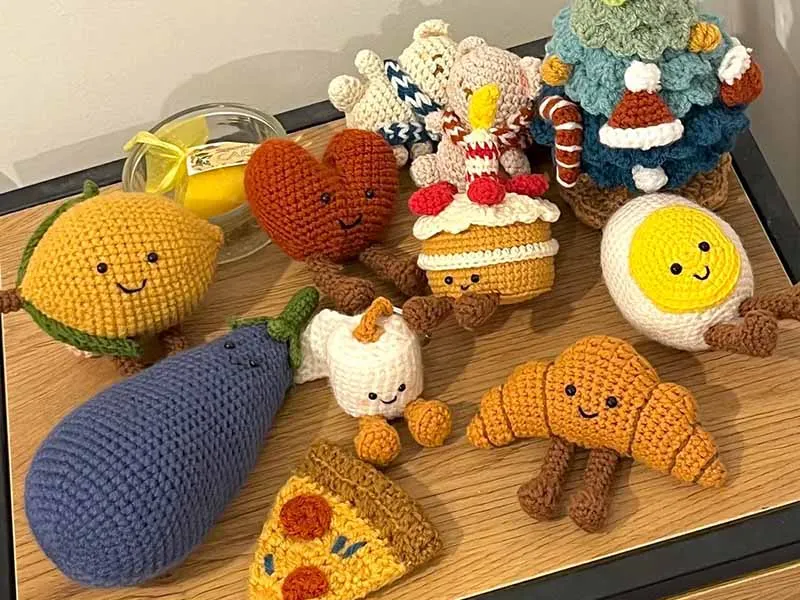
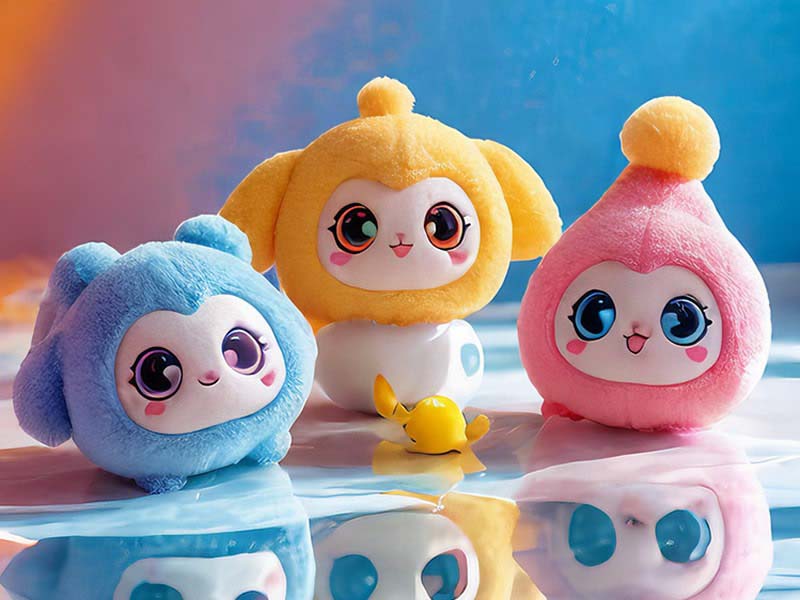
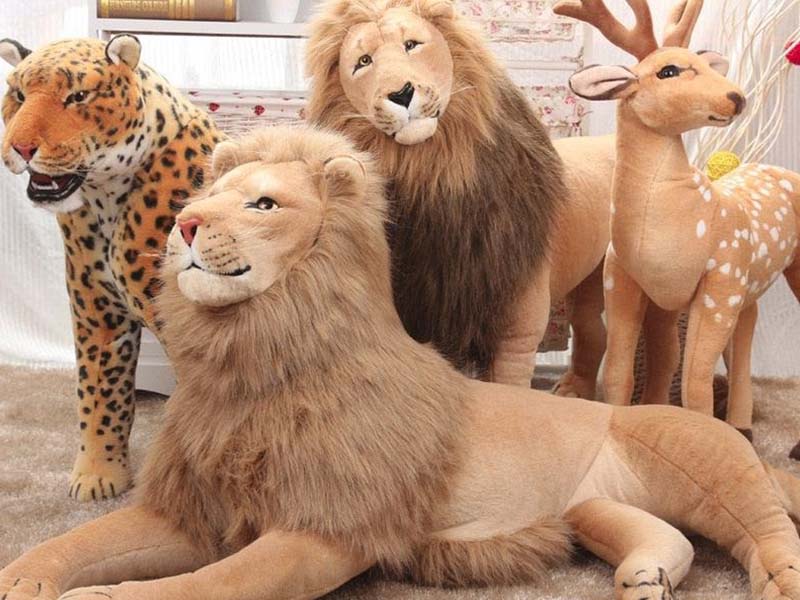
We offer a wide selection of plush toys to meet different business needs. From baby-safe stuffed animals to collectible plush dolls, our product lines are designed for global brands, retailers, e-commerce, and promotional projects.
Frequently Asked Questions
1. What is the typical MOQ for wholesale plush animals?
Our standard MOQ is 500 pieces. For orders below this quantity, please consult with our project manager. We may offer flexible solutions depending on the product size, complexity, and customization requirements.
2. Can I order samples before placing a bulk order?
Yes. Sampling is strongly recommended before mass production. Samples allow you to verify appearance, materials, stitching quality, and overall feel. Once approved, the sample becomes the reference standard for bulk production, helping avoid misunderstandings later.
3.How long does sample development usually take?
Sample development typically takes 10–15 working days. Timing depends on design complexity, number of revisions, and material availability. Complex structures or detailed embroidery may require additional adjustment time.
4. What safety standards can wholesale plush animals meet?
Plush animals can be produced to meet CE, EN71, ASTM F963, CPSIA, and other market-specific standards. Testing requirements are based on your target market, age grading, and sales channels.
5.Can you help optimize my design for mass production?
Yes. Design optimization includes structure adjustment, material matching, and production-friendly refinements. The goal is to maintain your original look while improving durability, safety, and consistency in bulk production.
6.Are the materials safe for babies and children?
Materials can be selected to meet baby and child safety standards, including non-toxic dyes, soft fabrics, and secure embroidery instead of hard accessories. Material choices are confirmed based on age group and market requirements.
7.How is quality controlled during production?
Quality control is applied at multiple stages, including incoming material inspection, in-process checks, and final inspection before packing. This layered approach helps identify issues early and maintain consistent quality.
8. Can you handle large-volume or repeat wholesale orders?
Yes. Production lines are structured for scalability and repeatability. Once a design is confirmed, repeat orders can be produced with stable quality, predictable lead times, and consistent cost control.
9.What packaging options are available for wholesale plush animals?
Common options include OPP bags, vacuum packing, custom printed packaging, and retail-ready solutions. Packaging can be adjusted based on shipping method, storage needs, and sales channels.
10.How do I start a wholesale plush animal inquiry?
You can start by sharing reference images, basic design ideas, target market, and estimated quantity. Even early concepts are enough to receive feasibility feedback, timeline guidance, and a preliminary quotation.
If You Can lmagine lt,We Will Create lt!
1.Tell Us What You Need
Tell us as specific as possible of your needs and share your idea.
2.Get Solution & Quote
We will work on the best solution according to yourrequirements,the specific quote will be provided within 24 hours.
3.Approve for Mass Production
We will start mass production after getting your approval.
