
Weighted Stuffed Animals for Anxiety — OEM Manufacturer for Therapeutic Plush, Sensory Toys & Anxiety Relief Products
Anxiety is one of the most common mental health challenges facing people of all ages today. And weighted stuffed animals have emerged as one of the most accessible, non-medical tools for managing it — combining the calming science of deep pressure stimulation with the emotional comfort of a plush toy.
For brands, retailers, and wellness companies, this creates a significant product opportunity. Weighted stuffed animals for anxiety command retail prices 2–3 times higher than standard plush toys, serve a broad and growing consumer base, and sell across multiple channels — from e-commerce and specialty retail to therapy clinics and corporate wellness programs.
As a Disney FAMA certified OEM manufacturer with 17+ years of experience, your weighted stuffed animal for anxiety gets developed with the right filling system, the right weight configuration, safe materials, and full compliance documentation — ready for the market you are targeting.
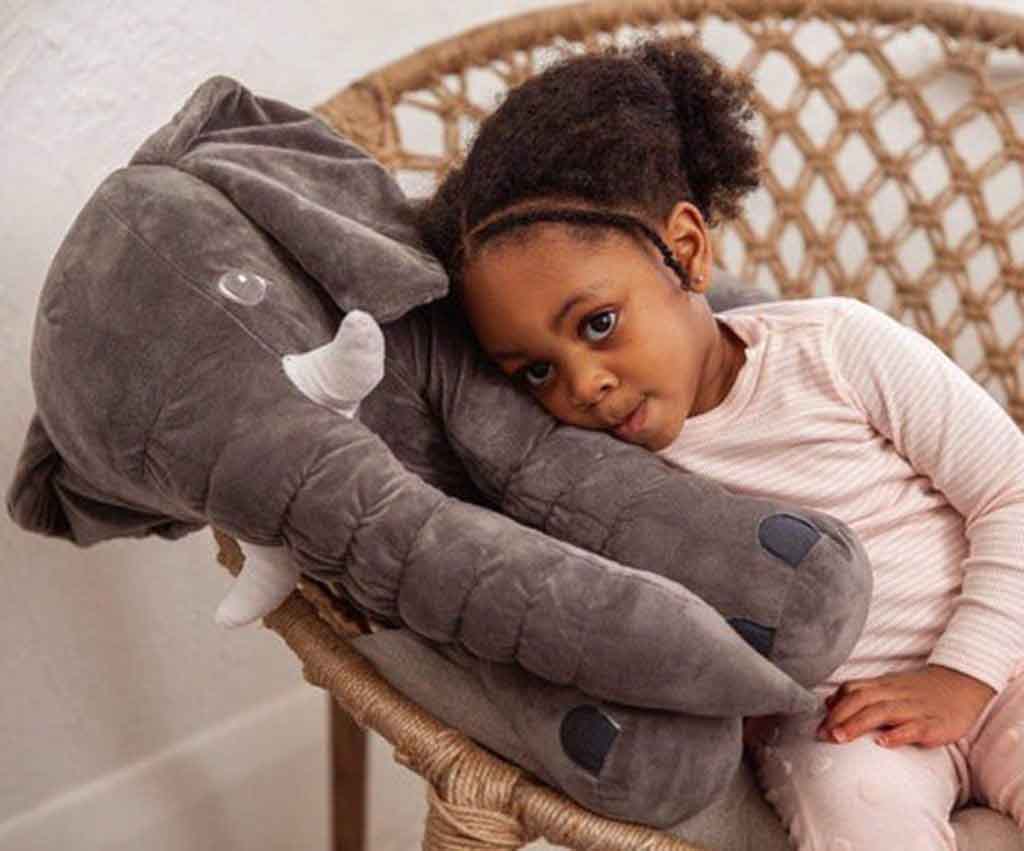
The Science Behind Deep Pressure Therapy
Do Weighted Stuffed Animals Help with Anxiety? The Science Behind Deep Pressure Therapy
Yes — weighted stuffed animals can help with anxiety. The mechanism is Deep Pressure Stimulation (DPS): firm, evenly distributed pressure applied to the body that activates the parasympathetic nervous system — the part of your nervous system responsible for rest, recovery, and calm.
What Is Deep Pressure Stimulation?
Deep Pressure Stimulation (DPS) is a type of tactile sensory input. When firm pressure is applied to the body — through touch, compression, or the weight of an object — the nervous system interprets this as a signal to shift from a state of alertness (fight-or-flight) to a state of calm (rest-and-digest). This shift is associated with reduced cortisol levels, increased serotonin and dopamine production, and a measurable decrease in physiological anxiety responses.
How Weighted Stuffed Animals Deliver DPS
Weighted stuffed animals deliver deep pressure in a portable, emotionally engaging format. Unlike weighted blankets — which are stationary and primarily used at bedtime — a weighted stuffed animal can be held, hugged, or rested on the lap throughout the day. The combination of consistent weight, soft texture, and familiar character form creates a multi-sensory calming experience that works in classrooms, offices, therapy sessions, and at home.
Proprioceptive Input & the Nervous System
Weighted stuffed animals provide proprioceptive input — sensory information sent to the brain through muscles and joints when pressure is applied. Proprioceptive input is one of the most effective ways to help the nervous system regulate itself. This is why weighted products are widely used in occupational therapy for children with ASD, ADHD, and sensory processing differences — and increasingly by adults managing everyday anxiety and stress.
Who Benefits Most from Weighted Stuffed Animals for Anxiety?
• Children with ASD or sensory processing differences
• Children and adults with ADHD
• Individuals experiencing generalized anxiety disorder (GAD)
• People with sleep anxiety or difficulty falling asleep
• Seniors with dementia or emotional distress
• Individuals in trauma recovery or PTSD management
• Adults managing workplace stress and burnout
• Anyone who benefits from physical comfort and grounding
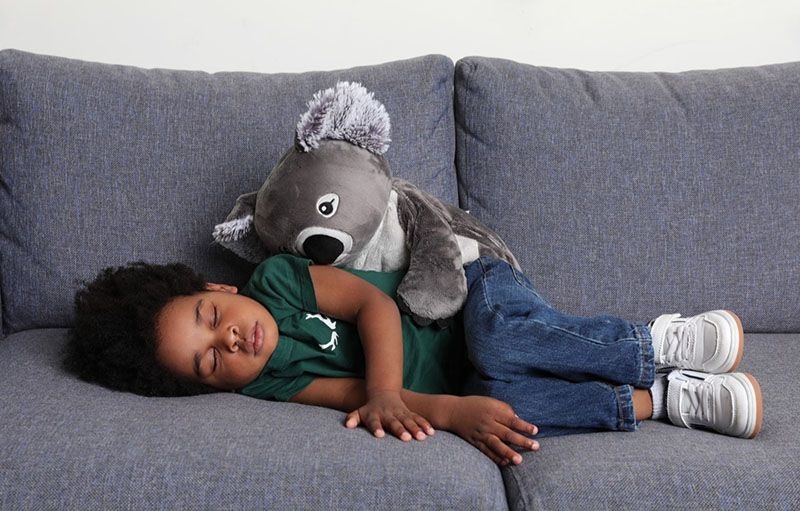
For brands developing products in this space, understanding the science gives you the foundation to market your weighted stuffed animal accurately, credibly, and effectively — to both end consumers and institutional buyers.
4 Key Benefits
4 Key Benefits of Weighted Stuffed Animals for Anxiety — What Research & Users Report
Understanding the specific benefits of weighted stuffed animals for anxiety helps your brand communicate more effectively — whether you are writing product listings, marketing copy, or speaking to institutional buyers.
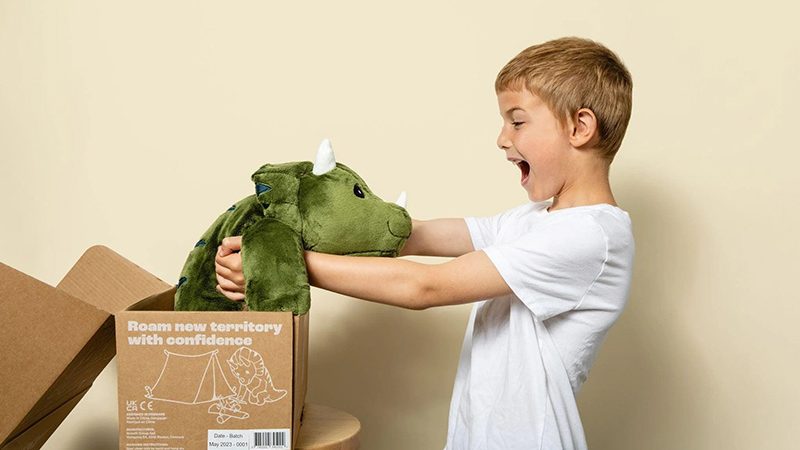
Benefit 1: Activates the Parasympathetic Nervous System
The steady weight of a weighted stuffed animal triggers the release of serotonin and dopamine — neurochemicals associated with calm, well-being, and emotional stability. At the same time, it helps suppress cortisol — the primary stress hormone. Users often report feeling visibly calmer within minutes of holding or hugging a weighted stuffed animal. This is the core physiological benefit that makes weighted plush toys an effective anxiety management tool.
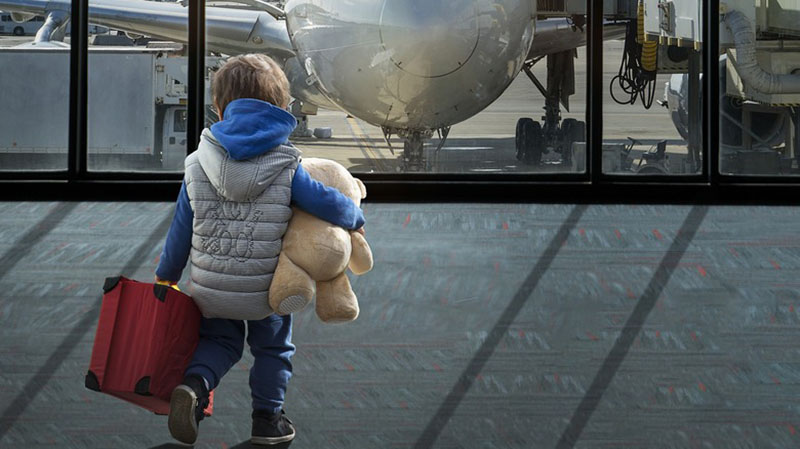
Benefit 2: Portable Calming — Available Anytime, Anywhere
Unlike weighted blankets, a weighted stuffed animal goes where its owner goes. It fits in a school bag, sits on an office desk, or travels on a plane. For children with anxiety, having a calming tool available in the classroom or at the doctor’s office makes a real difference. For adults, a weighted plush toy on the desk provides a discreet calming object that can be used anytime stress rises — without drawing attention.
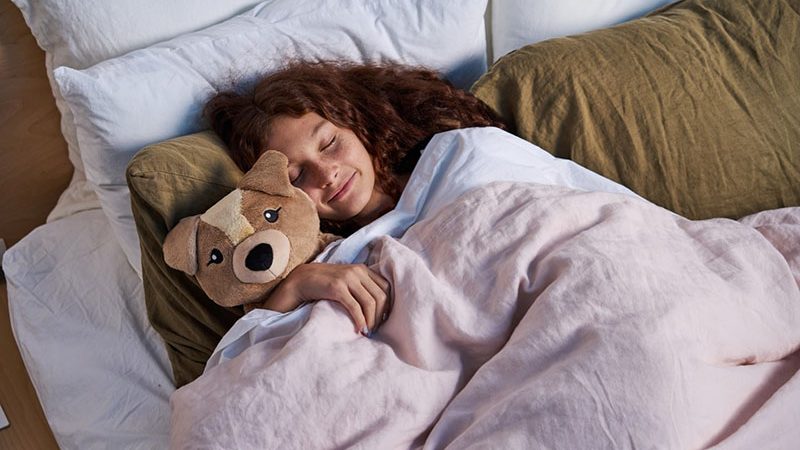
Benefit 3: Supports Better Sleep for Anxiety Sufferers
Many people with anxiety struggle most at bedtime — when the absence of stimulation makes anxious thoughts louder. The gentle weight of a weighted stuffed animal at bedtime provides proprioceptive input that helps the body and mind transition from alertness to rest. Users report falling asleep faster, waking less frequently, and feeling more rested — particularly during periods of elevated stress.
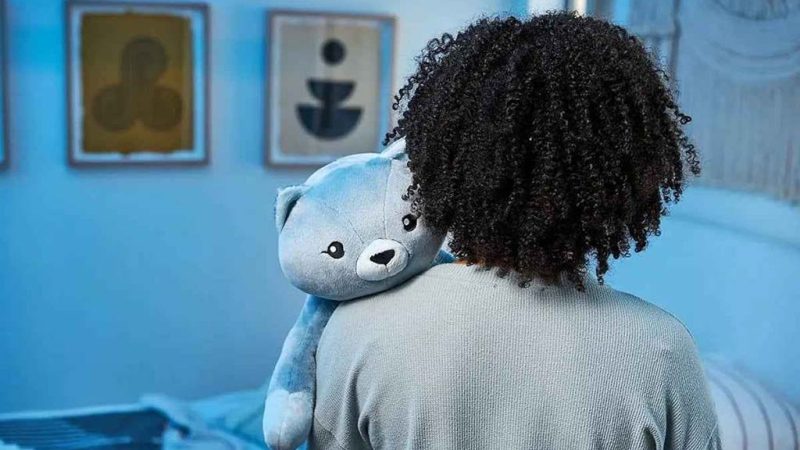
Benefit 4: Emotional Attachment & Sense of Security
A weighted stuffed animal is not just a therapeutic tool — it is a companion. The character form, the soft texture, and the familiar presence of a stuffed animal create emotional attachment that a weighted blanket or a stress ball cannot. This emotional dimension is especially important for children, who benefit from having a named, personalized companion that represents safety and comfort. For adults, the combination of function and emotional warmth makes weighted plush toys a product that users genuinely keep and value.
These four benefits translate directly into product positioning, marketing messages, and channel strategies for your brand. Understanding them is the foundation of a successful weighted anxiety plush product line.
Weighted Stuffed Animals vs Weighted Blankets
Weighted Stuffed Animals vs Weighted Blankets for Anxiety — Key Differences for Brands & Buyers
Both weighted stuffed animals and weighted blankets use deep pressure stimulation to help manage anxiety. But they serve different needs, different moments, and different users. Understanding the differences helps brands position their weighted stuffed animal products more effectively.
| Comparison | Weighted Stuffed Animals ✅ | Weighted Blankets |
|---|---|---|
| Portability | ✅ Fully portable | ❌ Home use only |
| Daytime Use | ✅ Anytime, anywhere | ⚠️ Limited |
| Emotional Connection | ✅ Strong — character appeal | ⚠️ Functional only |
| Retail Price Range | ✅ $25–$80 | $60–$200+ |
| Target Age | ✅ All ages | ✅ 5+ years |
| Margin Potential | ✅ 2–3× standard plush | ✅ High |
| Gift Suitability | ✅ Excellent | ⚠️ Less giftable |
| Sales Channels | ✅ Retail + e-comm + therapy | ⚠️ Primarily bedding |
The weighted blanket market is established and competitive — dominated by large bedding and wellness brands with significant marketing budgets. The weighted stuffed animal market is growing fast but has fewer established players. Your brand can enter with lower production cost, lower retail price point, and a broader target audience — reaching children, teens, and adults across retail, e-commerce, therapy, and gifting channels simultaneously.
Use Cases & Target Audiences
Weighted Stuffed Animals for Anxiety — Use Cases, Target Audiences & When They Work Best
Weighted stuffed animals for anxiety work across a wide range of situations and user groups. Each use case represents a distinct market segment — and a real opportunity to develop products that solve specific problems for specific people.
Use Case 1: Adult Anxiety & Everyday Stress Management
Adults managing generalized anxiety, workplace stress, or chronic worry can use a weighted stuffed animal as an accessible, non-medical calming tool. Products designed for adults tend to feature more mature aesthetics, heavier weight configurations (2–5 lb), and premium materials. This is a rapidly growing retail and e-commerce segment — with strong demand on Amazon, DTC wellness sites, and specialty gift retailers.
Use Case 2: Children with ASD — Sensory Regulation
For children on the autism spectrum, weighted stuffed animals provide proprioceptive input that helps with self-regulation, emotional calming, and sensory organization. These products are widely recommended by occupational therapists and used in special education classrooms and home therapy settings. Brands targeting this segment need to prioritize safety certifications, washable materials, and age-appropriate weight configurations.
Use Case 3: ADHD Focus Support
Children and adults with ADHD often benefit from physical grounding tools that help maintain focus during tasks that require sustained attention. A weighted stuffed animal on the lap or held during homework, meetings, or therapy sessions provides consistent proprioceptive input that helps regulate arousal levels and reduce fidgeting. This is a well-established use in occupational therapy and is increasingly recognized in educational settings.
Use Case 4: Sleep Anxiety & Bedtime Support
Sleep anxiety — difficulty falling asleep due to worry or an overactive mind — is one of the most common anxiety presentations. Weighted stuffed animals at bedtime provide calming proprioceptive input that helps the body and nervous system transition to rest. For children who resist bedtime or experience night anxiety, a weighted stuffed animal companion provides both physical calming and emotional security.
Use Case 5: Elder Care & Dementia Support
Weighted stuffed animals are increasingly used in elder care settings — particularly for seniors with dementia, Alzheimer’s, or anxiety related to aging and loss of independence. The familiar, comforting character of a stuffed animal combined with gentle weight provides grounding and emotional comfort for seniors who may no longer communicate effectively. This is a growing B2B market for nursing homes, care facilities, and elder care product brands.
Use Case 6: Trauma Recovery & Emotional Regulation
Weighted stuffed animals are used in trauma-informed therapy settings, PTSD support programs, and emotional regulation tools for individuals in recovery. The combination of physical weight and the comforting presence of a stuffed animal character provides a safe, accessible form of self-soothing that does not require verbal communication or formal therapy interaction. Products for this use case require washable materials and careful design to avoid triggering associations.
Each of these six use cases represents a real market segment with distinct product requirements. Your weighted stuffed animal product line can target one segment specifically — or span multiple segments with the right design and positioning.
How Heavy Should It Be?
How Heavy Should a Weighted Stuffed Animal Be for Anxiety? A Complete Weight Guide
Getting the weight right is the most critical technical decision in developing a weighted stuffed animal for anxiety. Too light — and the deep pressure effect is insufficient. Too heavy — and the product can cause discomfort, muscle fatigue, or safety concerns for younger users.
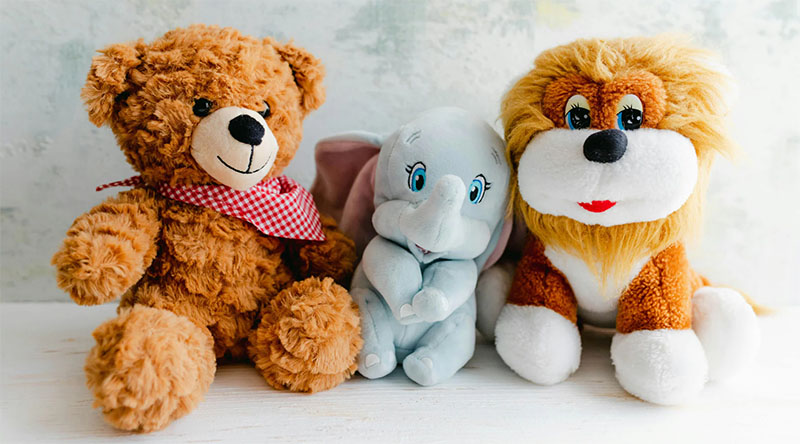
The General Principle: 5–10% of Body Weight
The most widely referenced guideline for weighted therapeutic products is to use 5–10% of the user’s body weight. For stuffed animals specifically, lighter configurations than weighted blankets are typically more comfortable — because the product is held or hugged rather than lying over the full body.
| User Group | Recommended Weight | Fabric Suggestion | Fill System |
|---|---|---|---|
| Toddlers 2–3 yrs | 0.5–1 lb (225–450g) | Ultra-soft fabric | Fixed, non-removable |
| Children 4–6 yrs | 1–1.5 lb (450–680g) | Minky or velboa | Fixed recommended |
| Children 7–12 yrs | 1.5–2 lb (680–900g) | Minky or velboa | Fixed or removable |
| Teens 13–17 yrs | 2–3 lb (900g–1.4kg) | Any premium fabric | Removable optional |
| Adults | 2–5 lb (900g–2.3kg) | Premium or organic | Removable recommended |
| Therapeutic Use | Per OT guidance | Washable required | Adjustable preferred |
Filling Material & Weight Experience
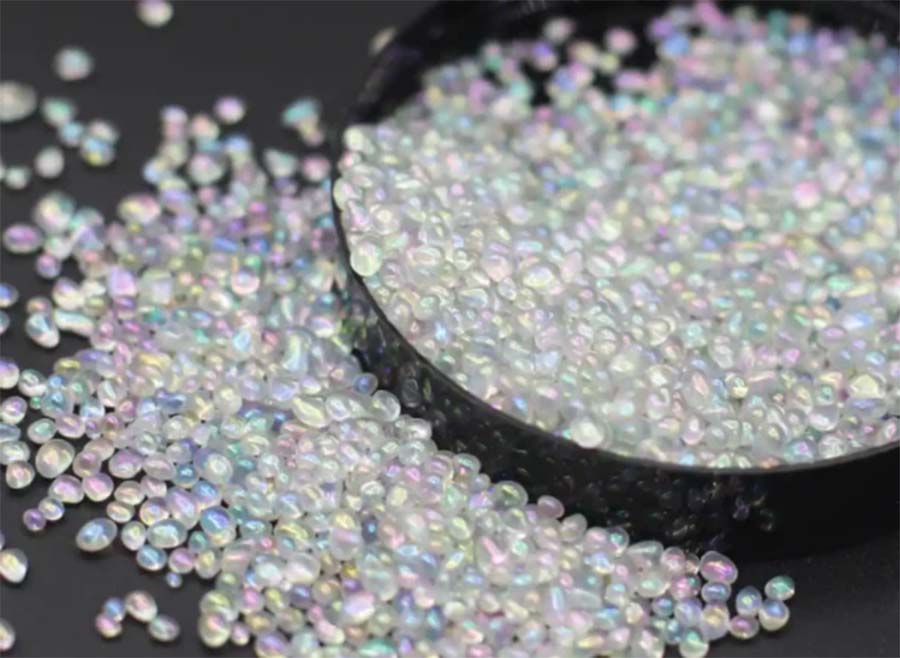
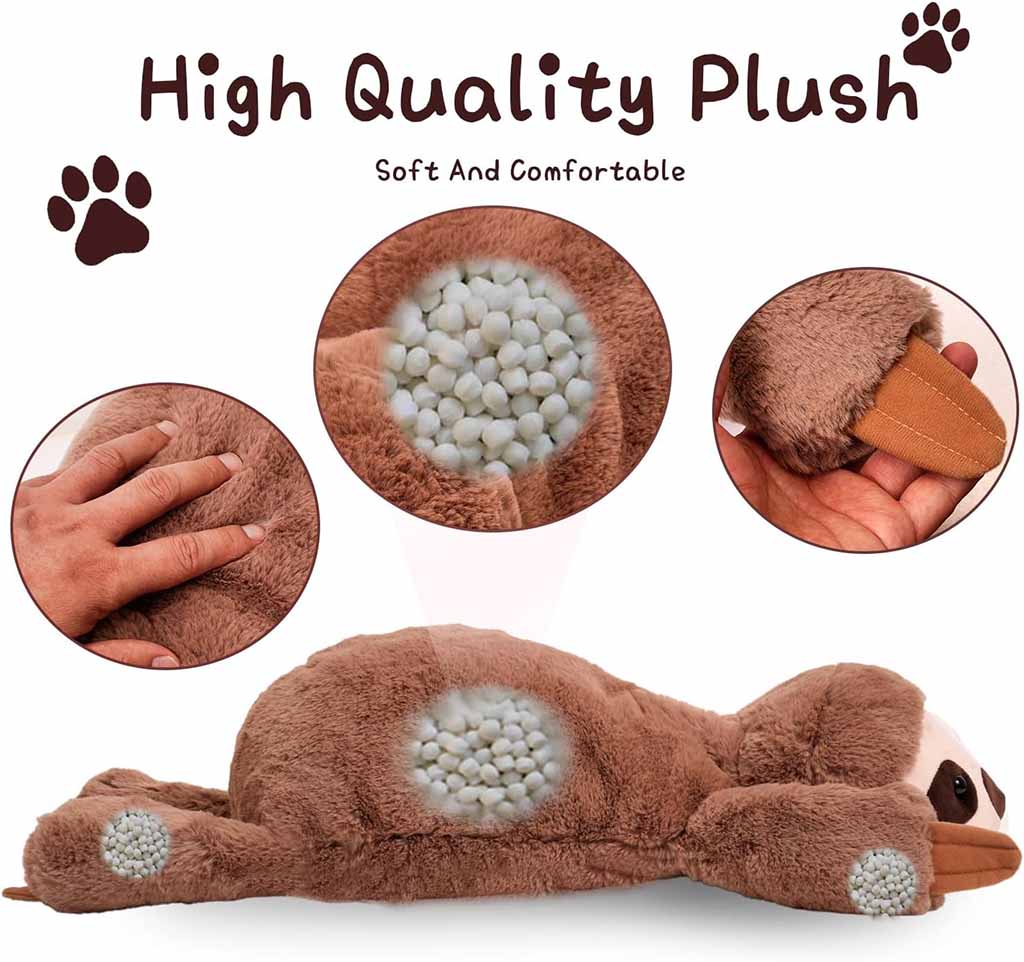
Glass beads (recommended for most anxiety products): smooth, even weight distribution, non-toxic, washable, preferred by occupational therapists worldwide.
Plastic pellets: cost-effective for larger products, lighter per unit volume than glass beads.
Steel shot beads: maximum weight in minimum space — for compact adult anxiety products.
Mixed system (PP cotton + weighted inner bag): allows adjustable weight configuration — ideal for products targeting multiple age groups.
Common Mistakes in Weighted Anxiety Plush Development
• Choosing too heavy a configuration for young children — a 3 lb stuffed animal for a 4-year-old can cause discomfort.
• Using filling materials that shift unevenly — if the weighted filling migrates to one area, the product loses its consistent pressure effect.
• Skipping reinforced stitching — a bead containment failure is a safety issue, not just a quality issue.
• Not accounting for washing — for therapeutic use, machine washability is essential.
At Kinwin, we help you configure the right weight for your target audience — selecting the filling system, weight range, and distribution approach that delivers the anxiety relief experience your product promises.
Manufacturing Standards
How We Manufacture High-Quality Weighted Stuffed Animals for Anxiety — Materials, Safety & Construction
The difference between a good weighted stuffed animal for anxiety and a poor one comes down to three things: the right filling system, the right materials, and the right construction standards.
Filling System: The Core of Anxiety Relief Performance
Your choice of filling determines the weight distribution experience. We support four filling systems for anxiety relief products:
• Glass beads (recommended): smooth, even distribution, non-toxic, washable, and the preferred filling of occupational therapists worldwide.
• Plastic pellets: cost-effective for larger products, lighter per unit volume than glass beads.
• Steel shot beads: maximum weight in minimum space — for compact adult anxiety products.
• Removable inner weight bags (adjustable system): allows weight customization and easier washing — ideal for therapeutic and institutional buyers.

Multi-Layer Safety Containment System
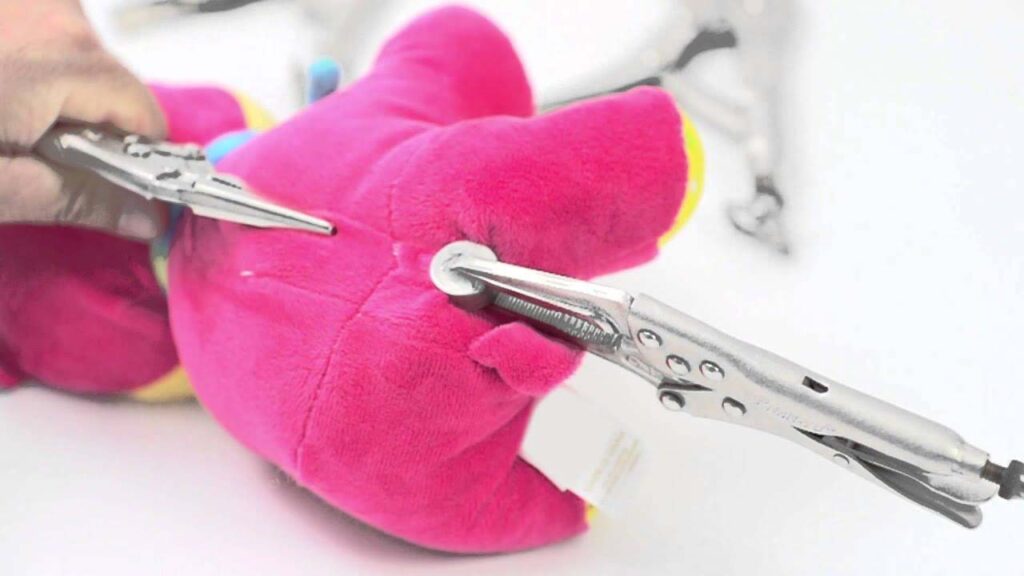
For weighted stuffed animals, bead containment is a safety requirement — not just a quality one. Our weighted products use a multi-layer containment system: an inner bead bag that holds the weighted filling, reinforced double stitching on all seams, and an outer shell with child-safe closures. This system ensures the filling remains safely inside even after repeated washing, stretching, or heavy use.
Fabric Selection for Anxiety Relief Products
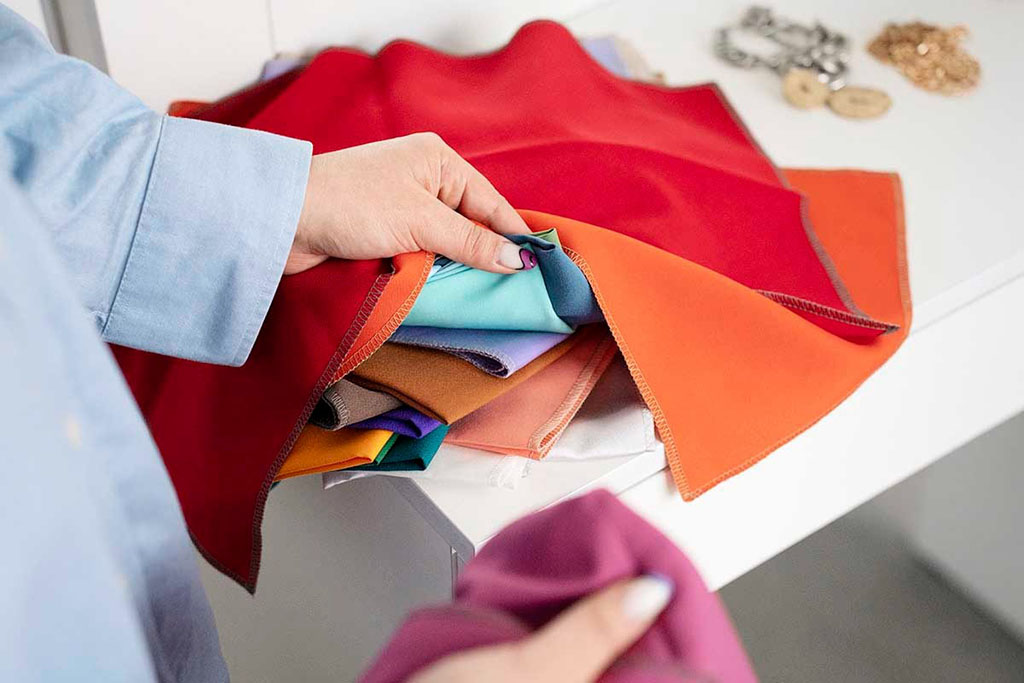
The outer fabric of a weighted stuffed animal affects the tactile experience — which is part of the anxiety relief effect. We recommend ultra-soft minky plush for most anxiety relief products, because the soft texture against the skin enhances the calming sensory experience. For products requiring machine washability (therapy clinics, schools), we offer high-quality washable velboa or cotton options that maintain their softness after repeated washing.
Weight Distribution Design
How the weight is distributed within the stuffed animal affects both the anxiety relief experience and the physical comfort of holding it. We support three distribution approaches: full-body even distribution (most common, consistent pressure throughout), localized weighting (concentrated in the torso or specific limbs for targeted pressure), and a removable inner bag system where weight packs can be positioned by the user.
Safety Standards for Weighted Anxiety Products
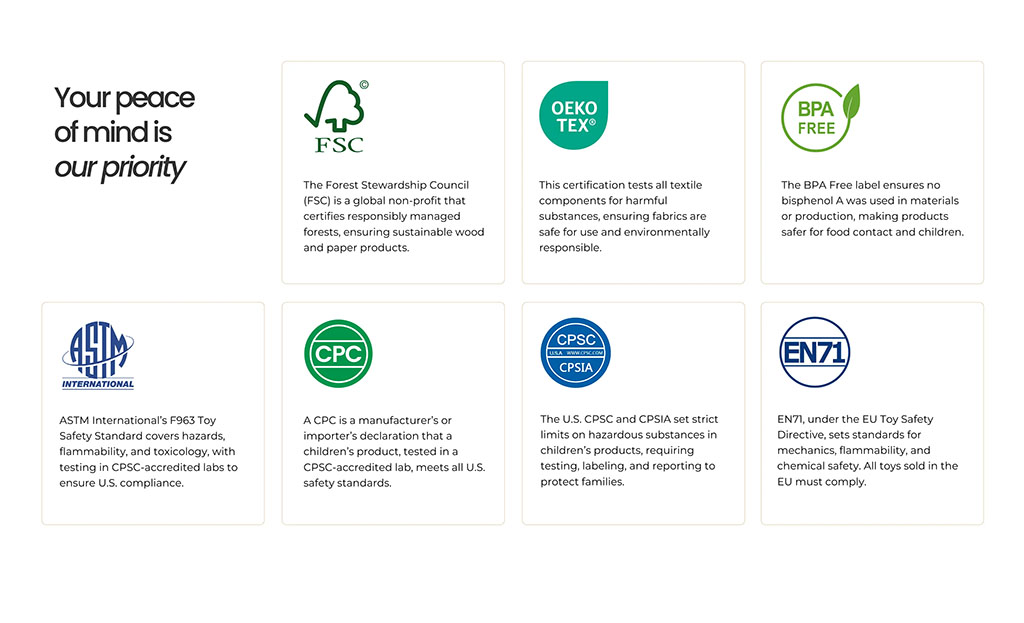
Weighted stuffed animals require meeting the same safety standards as standard plush toys — plus additional testing for the weighted filling system. All our weighted anxiety products are manufactured to EN71, ASTM F963, and CPSIA standards. Filling materials are tested for non-toxicity and chemical safety. Seam strength testing ensures bead containment integrity under expected use conditions.
Every weighted stuffed animal for anxiety that comes out of our factory has been built to deliver the calming experience it promises — with the materials, construction, and safety standards that make it genuinely therapeutic.
Safety & Compliance
Safety & Compliance for Weighted Stuffed Animals for Anxiety — Standards for Therapeutic & Retail Products
Weighted stuffed animals for anxiety face stricter safety scrutiny than standard plush toys — because the weighted filling introduces additional risks that must be managed through design, materials, and testing. Getting compliance right from the start protects your brand, your customers, and your ability to sell across all channels.
Our Factory Certifications
• Disney FAMA — Factory Authorization & Monitoring
• BSCI — Business Social Compliance Initiative
• ISO9001 — Quality Management System
• CE — European Conformity
• EN71 — European Toy Safety Standard
• ASTM F963 — US Toy Safety Standard
• CPSIA — US Consumer Product Safety Improvement Act
• REACH — EU Chemical Safety Regulation
Compliance Requirements Specific to Weighted Products
• Filling material safety: glass beads and plastic pellets must be tested for non-toxicity and chemical composition under EN71 Part 9 and REACH.
• Bead containment integrity: seam strength testing must confirm that beads cannot escape under foreseeable use conditions — including washing and stretching.
• Age grading & weight warnings: products with glass bead filling must carry appropriate age grading (typically 3+) and weight safety information.
• Choking hazard labeling: appropriate warnings required on packaging for markets where they apply.
• Washability testing: for therapeutic-use products, weighted filling must remain contained and distributed correctly after recommended washing cycles.
Additional Requirements for Therapeutic & Clinical Buyers
If your weighted stuffed animal for anxiety is being purchased by therapy clinics, schools, or healthcare institutions, buyers may require additional documentation beyond standard toy safety certifications — including material safety data sheets, allergen declarations, and washability certifications. We support institutional buyers with this documentation as part of our standard service.
Your weighted stuffed animal for anxiety arrives with all compliance documentation in place — so you can sell confidently in retail, e-commerce, and institutional channels without compliance surprises.
Brand & Product Line Development
Developing a Weighted Stuffed Animal for Anxiety Product Line — A Brand & Retail Guide
The anxiety relief market is one of the fastest-growing segments in consumer wellness. Weighted stuffed animals sit at the intersection of mental health awareness, emotional wellness, and the therapeutic toy trend — three of the strongest growth themes in consumer products today.
Why Weighted Anxiety Plush Is a Strong Market Opportunity Right Now
• Global anxiety rates have increased significantly — creating sustained, growing demand for anxiety management tools that are non-medical and accessible.
• The weighted stuffed animal category is growing fast but has fewer established brand players than weighted blankets — lower competitive barriers for new entrants.
• Retail price points 2–3× higher than standard plush toys — stronger margins for the same production investment.
• Multiple sales channels — retail, e-commerce, therapy, education, and corporate wellness — reduce dependence on any single market.
Design Recommendations for Anxiety Relief Products
• Choose calming character aesthetics — soft expressions, rounded shapes, and gentle color palettes tend to perform better in this category than sharp or bold designs.
• Consider animals associated with calm — bears, bunnies, sloths, and cats consistently outperform in wellness-positioned plush products.
• Make the weight visible in the branding — a weight badge on the hang tag or packaging communicates the therapeutic function and justifies the premium price.
• Include a purpose card — a short explanation of the deep pressure benefit and how to use the product effectively improves customer satisfaction and reduces returns.
Product Positioning — How to Position Your Weighted Anxiety Plush
Your product position shapes everything — from the character design to the packaging to the channels you sell through. Three common positioning approaches:
Wellness positioning: emphasizes calming and stress-relief benefits, targets adults, premium retail and DTC.
Therapeutic positioning: emphasizes clinical effectiveness, targets therapy clinics, schools, and institutional buyers.
Comfort companion positioning: emphasizes emotional warmth and the character, targets children and gift buyers.
Your weighted stuffed animal for anxiety brand can start with a single hero product and expand into a full therapeutic plush line — covering different weight configurations, different characters, and different target audiences — as demand proves itself.
Full OEM Customization
Custom Weighted Stuffed Animals for Anxiety — Full OEM Customization for Your Brand
Your weighted stuffed animal for anxiety can be customized across every dimension — from the weight configuration and filling system to the character design, branding, and packaging. Here is what you can control.
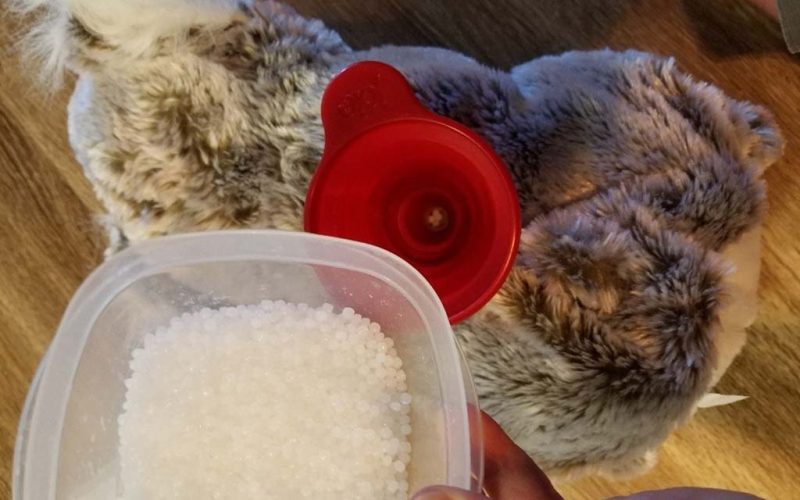
Weight Configuration
Choose your target weight range — 0.5 lb, 1 lb, 1.5 lb, 2 lb, 3 lb, or 5 lb+ — based on your target user group. We also support adjustable weight configurations where users can customize the weight themselves.
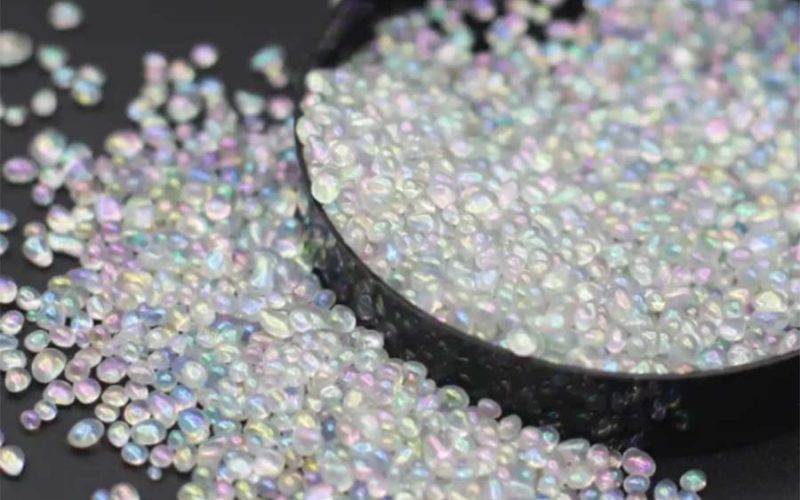
Filling System
Choose from glass beads, plastic pellets, steel shot beads, or a removable inner bag system. Each option delivers a different weight experience and suits different target audiences and use cases.
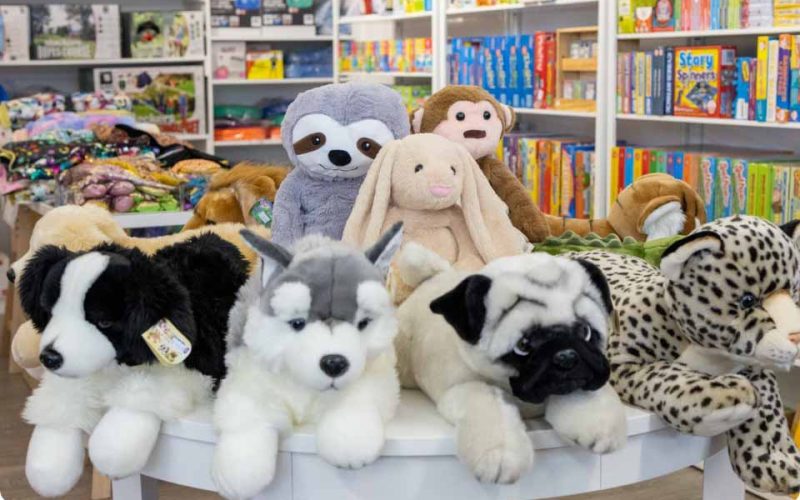
Character & Shape Design
Your anxiety plush can take any character form — from a classic teddy bear to an original custom character developed specifically for your brand. Character design shapes the emotional positioning of your product.
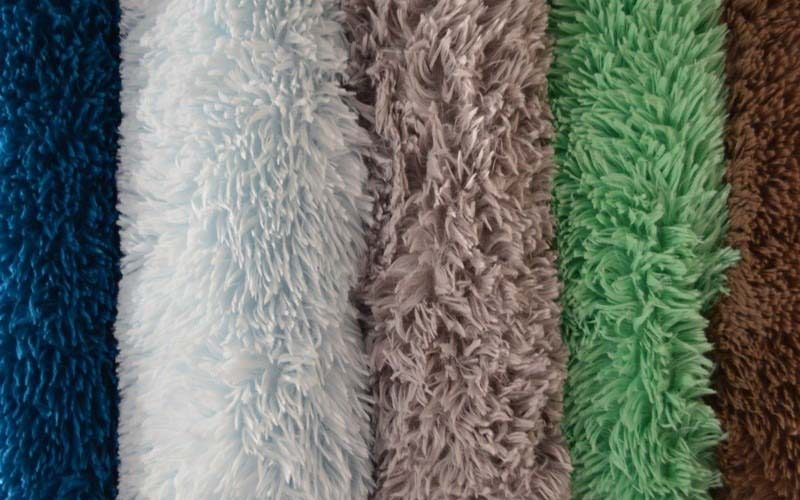
Fabric Selection
Ultra-soft minky plush (recommended for most anxiety products), washable velboa, organic cotton, or RPET eco-friendly fabric. Fabric choice affects both the tactile calming experience and product positioning.
Branding & Private Label
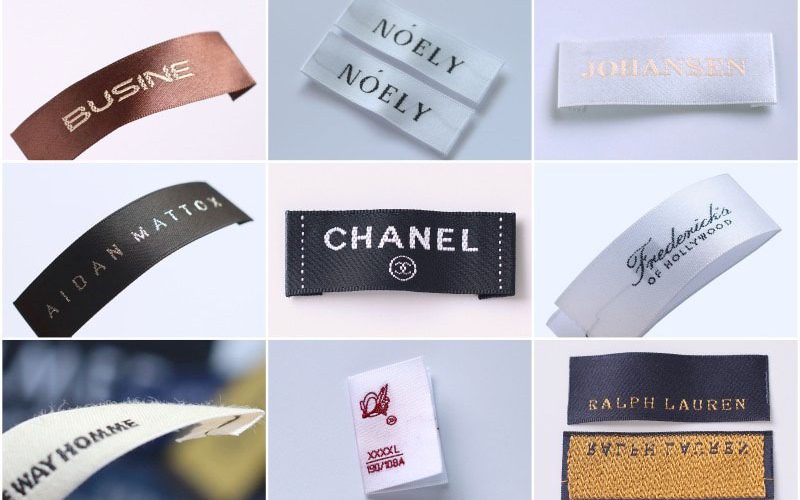
Logo embroidery, woven brand labels, weight badges, and hang tags with therapeutic messaging. Your brand identity is integrated into the product from the first unit to the last.

Therapeutic Messaging & Purpose Cards
A custom-designed insert card explaining the deep pressure benefit, recommended use, and weight configuration of your product — improving customer understanding, satisfaction, and brand credibility.
Packaging
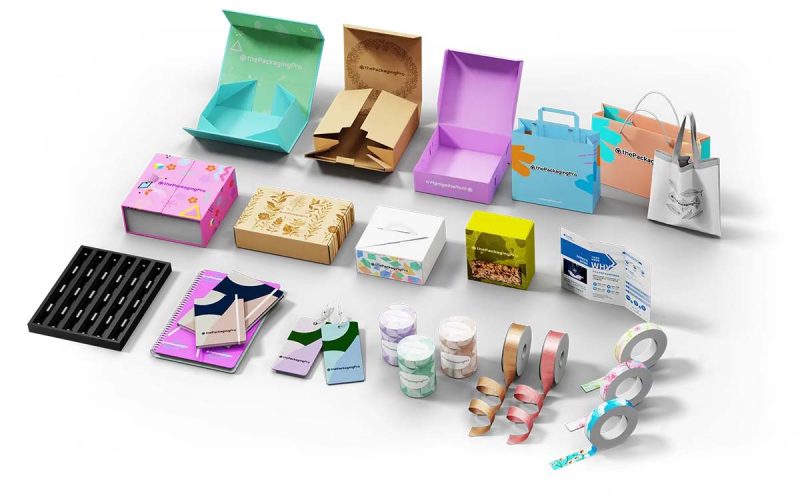
From simple retail boxes with weight information windows to premium gift packaging with branded tissue and ribbon — packaging for anxiety relief products should communicate the therapeutic benefit and justify the premium price point.
Safety Certification Support
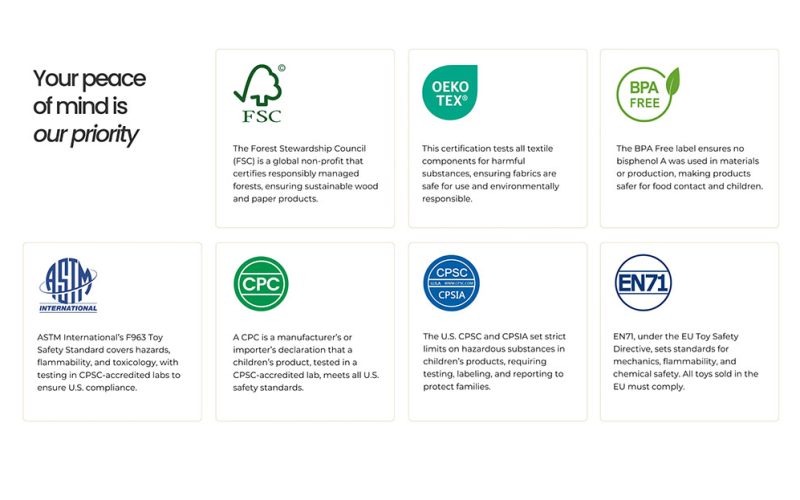
EN71, ASTM F963, CPSIA, and REACH compliance documentation — including filling material safety data sheets and weighted product-specific test reports — provided with every bulk order.
Every element of your custom weighted stuffed animal for anxiety is designed and produced to deliver both the therapeutic benefit your customers expect and the brand experience your positioning requires.
Target Markets & Sales Channels
Target Markets & Sales Channels for Weighted Stuffed Animals for Anxiety
Weighted stuffed animals for anxiety sell across more channels than almost any other plush toy category. Understanding which channels fit your brand’s positioning — and what each channel requires — is essential for building a successful product line.
| Channel | Opportunity | Price Point | Key Requirement |
|---|---|---|---|
| Amazon / E-commerce | Widest reach | Mid–premium | Weight labeling + CPSIA docs |
| DTC / Own Website | Highest margin | Premium | Brand storytelling focus |
| Specialty Retail | Strong shelf presence | Mid–premium | Retail-ready packaging |
| Therapy Clinics | B2B repeat orders | Clinical grade | Washable + clinical docs |
| Schools & Education | Institutional volume | Budget–mid | Safety certs + age labels |
| Corporate Wellness | Growing fast | Premium gift | Branded + gift packaging |
The Multi-Channel Advantage of Anxiety Relief Plush
Unlike standard plush toys that primarily sell through retail and e-commerce, weighted stuffed animals for anxiety have genuine institutional demand — from therapy clinics, school counseling programs, and corporate wellness departments that purchase repeatedly and in volume. This institutional channel provides a stable, repeat-order revenue stream that balances the more variable retail and e-commerce channels.
For brands building a weighted anxiety plush product line, the most effective strategy is to design the core product for the highest-value channel (DTC or specialty retail) and then adapt packaging and documentation for institutional channels — maximizing reach without requiring separate product development for each.
Development Process
From Concept to Production — How to Develop Your Weighted Stuffed Animal for Anxiety Line
Developing a weighted stuffed animal for anxiety for the first time involves more decisions than a standard plush toy — weight configuration, filling system selection, safety testing, and therapeutic messaging all need to be right.
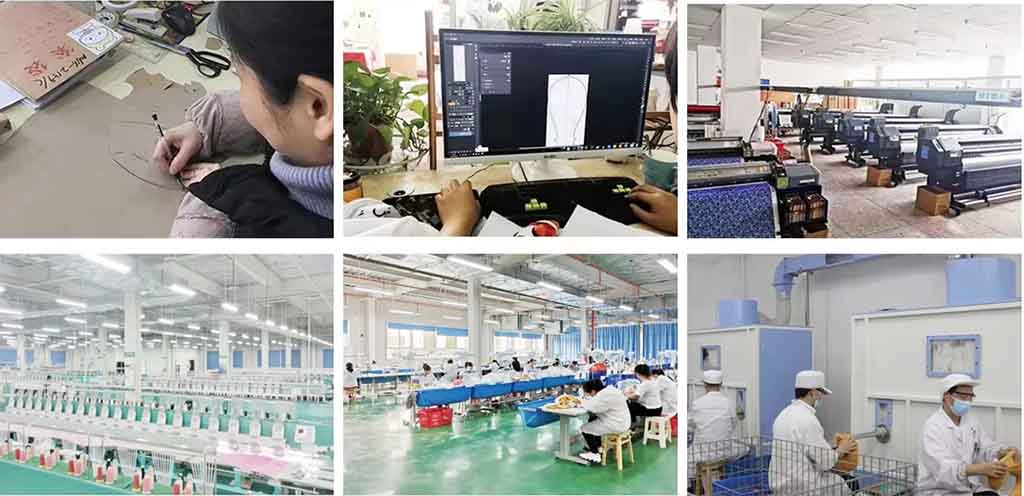
Step 1: Brief & Weight Configuration
Share your product concept, target user group, intended channels, and any design references. Our team helps you select the right weight configuration, filling system, and material options for your specific use case — before any design work begins.
Step 2: Character Design & Engineering
Your character concept is developed into a production-ready design — with the weight distribution, filling system, and safety features engineered in from the start. This stage includes confirming the bead containment system design and washability specifications.
Step 3: Weighted Sample Development
A full-specification weighted sample is produced — including the filling system, outer fabric, character design, branding, and packaging. You evaluate the weight experience, the tactile feel, the character accuracy, and the overall product quality. Most anxiety plush designs need one round of adjustments to get the weight feel exactly right. Timeline: 10–15 days.
Step 4: Safety Testing Coordination
For weighted anxiety products, safety testing includes both standard plush toy testing (EN71, ASTM F963, CPSIA) and weighted product-specific tests (filling material safety, bead containment integrity, seam strength). We coordinate testing with accredited third-party labs — providing you with the complete compliance documentation required for your target market.
Step 5: Therapeutic Messaging & Packaging Finalization
Your packaging design, weight badge, hang tag messaging, and purpose card content are finalized at this stage. For therapeutic positioning, packaging should communicate the weight, the deep pressure benefit, and the recommended use — clearly and credibly.
Step 6: Bulk Production & Quality Inspection
Production runs with specific in-line checks for weighted products — verifying weight accuracy (target: ±5g per unit), bead containment integrity, seam strength, and fabric consistency. 100% final inspection before packaging confirms that every unit meets the approved specification. Timeline: 30–45 days.
Step 7: Delivery & Channel Launch
Your weighted stuffed animals for anxiety are delivered with complete compliance documentation — ready for Amazon FBA, retail, or institutional distribution. We provide all necessary documentation for your target channels, including FBA packaging compliance for e-commerce sellers and clinical documentation for institutional buyers.
Total timeline from first consultation to bulk delivery: approximately 12–16 weeks. For brands with existing character designs or previous weighted product experience, the timeline can be compressed.
Trusted by Leading Global Brands
Strong partnerships prove strong capabilities. Over the years, Kinwin has worked with world-leading brands and retailers to deliver interactive plush toys that meet the highest standards of creativity, safety, and quality. By choosing us, you gain a supplier that is trusted by top companies worldwide—and the same reliability is available to your brand.






Who We Serve
Who Orders Weighted Stuffed Animals for Anxiety — Brands & Buyers We Serve
Weighted stuffed animals for anxiety attract buyers from across the wellness, therapeutic, retail, and gifting sectors. Here is who we work with — and what our manufacturing capability delivers for each.
Wellness & Mental Health Brands
Your weighted anxiety plush gets developed with the science-backed messaging, premium materials, and credible brand positioning that wellness consumers expect. DTC and specialty retail focused, with product lines that can grow from a single hero SKU to a full therapeutic range.
Special Education & Sensory Toy Brands
Your weighted stuffed animals for ASD and ADHD support get developed with age-appropriate weight configurations, safe hypoallergenic materials, and full EN71 / ASTM compliance — meeting the standards that educational buyers and occupational therapists require.
Therapy Clinics & Occupational Therapists
Your institutional bulk orders get the washable materials, clinical-grade safety documentation, and consistent quality that therapy practice settings require. We support repeat ordering programs for clinics that stock weighted products for ongoing client use.
E-commerce & Amazon Sellers
Your anxiety plush listing gets FBA-ready packaging, weight labeling, compliance documentation, and a product designed to photograph well and convert in the increasingly competitive wellness category on Amazon and DTC platforms.
Corporate Wellness & HR Gifting
Your corporate wellness gift program gets branded weighted stuffed animals that communicate your company’s commitment to employee mental health — premium packaging, logo integration, and therapeutic messaging that makes the gift genuinely meaningful.
Gifting & Subscription Box Brands
Your anxiety relief plush gift set or subscription box inclusion gets the premium presentation — branded packaging, purpose card, weight badge — that justifies a higher retail price and creates a genuinely memorable unboxing experience.
Ready to Develop Weighted Stuffed Animals for Anxiety? Start Here.
The anxiety relief market is growing. Weighted stuffed animals are growing within it. And the window to establish a strong brand position in this category — before it becomes as crowded as the weighted blanket market — is open right now.
At Kinwin, your weighted stuffed animal for anxiety gets: the right weight configuration for your target user group, the right filling system (glass beads, plastic pellets, or adjustable), ultra-soft anxiety-calming fabrics, multi-layer bead containment for safety and durability, full EN71, ASTM F963, and CPSIA compliance, branded therapeutic messaging and packaging, and 100% final inspection on every unit.
Disney FAMA certified. 17+ years of OEM experience. 30+ professional pattern makers. Starting from 300 units per design. Sampling in 10–15 days. Bulk production in 30–45 days.
Explore Our Custom Plush Toy Series
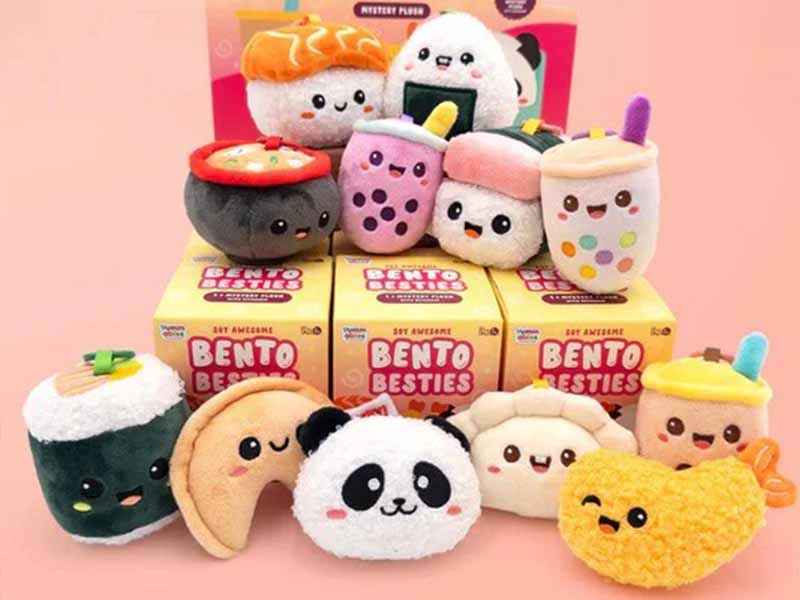
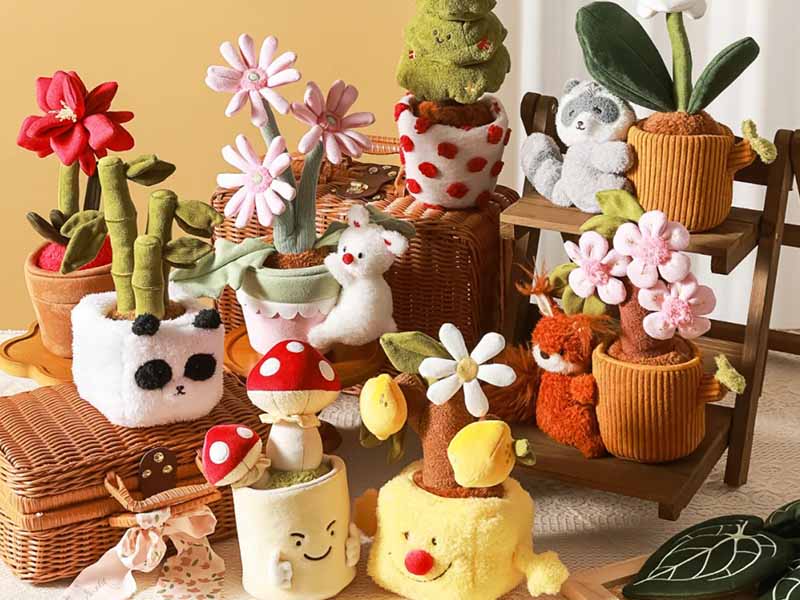
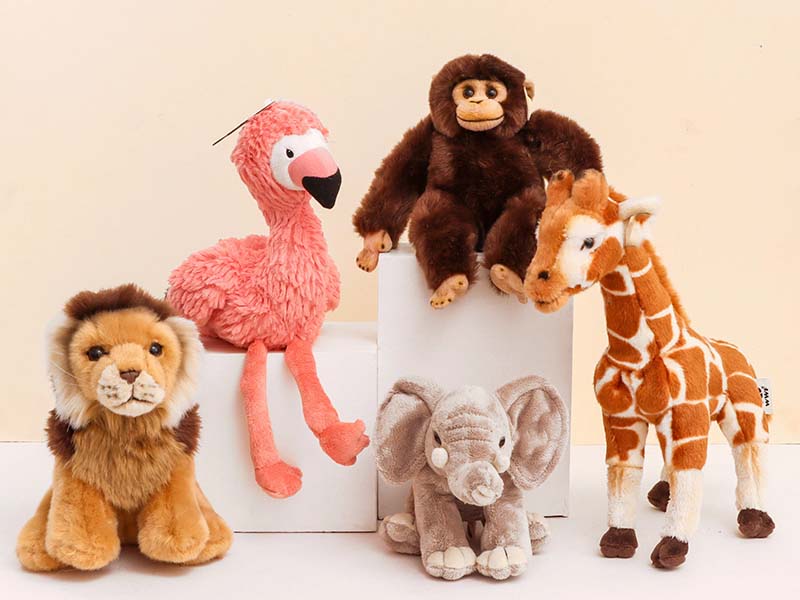
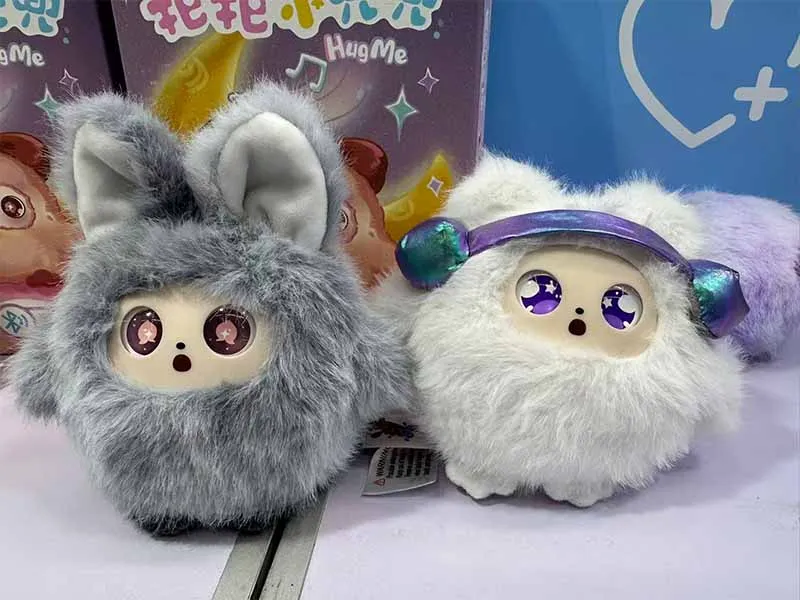
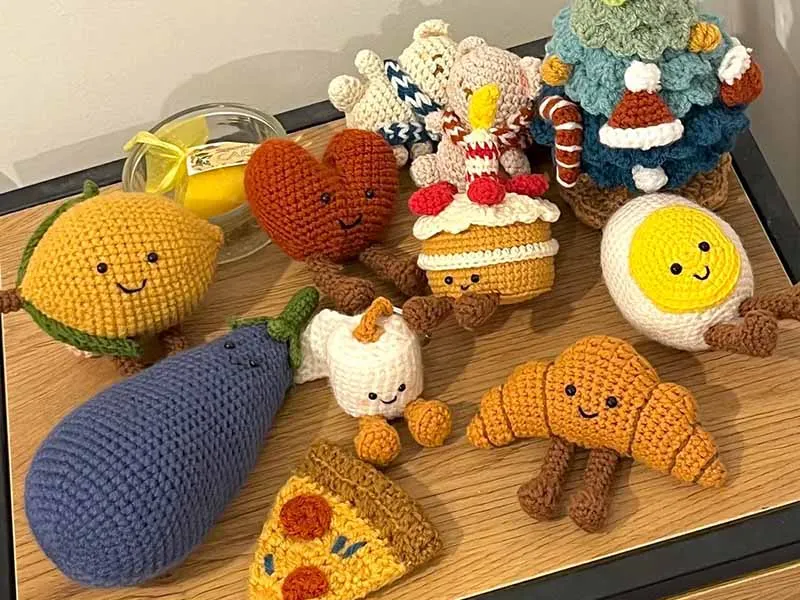
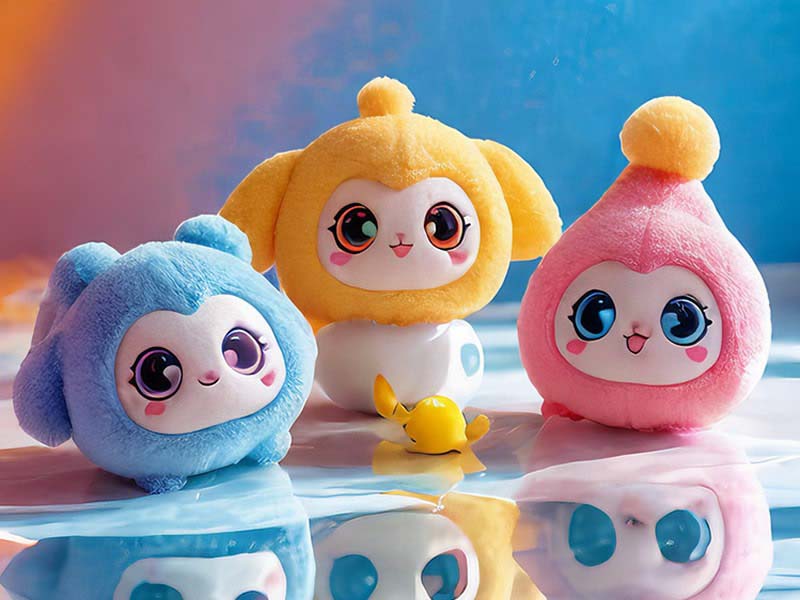
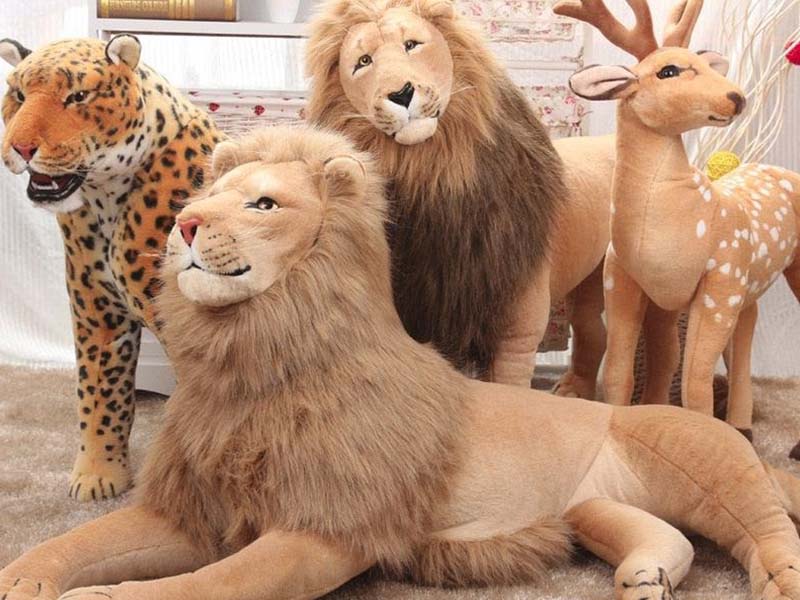
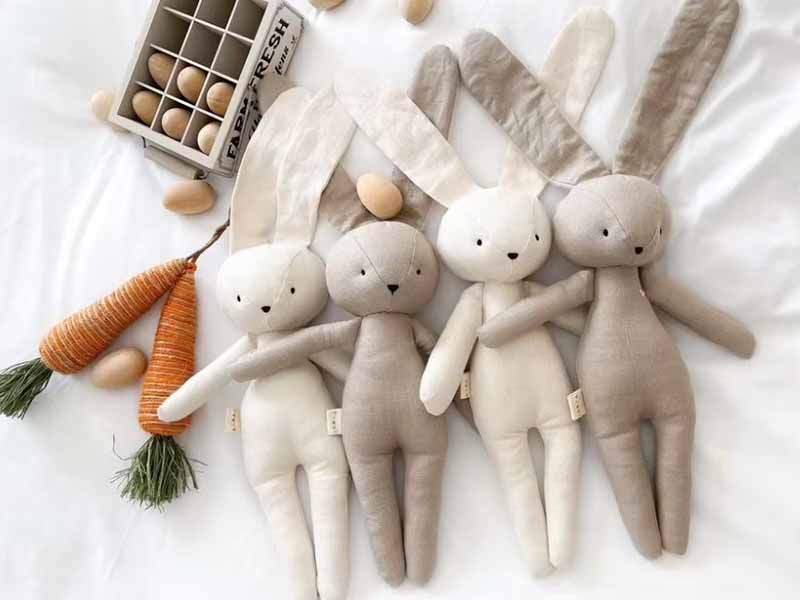
We offer a wide selection of plush toys to meet different business needs. From baby-safe stuffed animals to collectible plush dolls, our product lines are designed for global brands, retailers, e-commerce, and promotional projects.
FAQ
FAQ — Weighted Stuffed Animals for Anxiety: Real Questions Answered
Everything you need to know about weighted stuffed animals for anxiety — science, weight configuration, safety, and how to develop your product line.
Yes — weighted stuffed animals use Deep Pressure Stimulation (DPS) to help manage anxiety. The steady weight activates the parasympathetic nervous system, triggering the release of serotonin and dopamine while suppressing cortisol. Users typically report feeling calmer within minutes of holding or hugging a weighted stuffed animal. The effect is well-documented in occupational therapy research and widely used for ASD, ADHD, GAD, and general anxiety management.
The general guideline is 5–10% of the user’s body weight, though for stuffed animals specifically, lighter configurations are typically more comfortable since the product is held rather than draped over the body. Reference: toddlers (2–3 years) benefit from 0.5–1 lb; children (7–12 years) from 1.5–2 lb; teens and adults from 2–5 lb. For therapeutic use, follow the guidance of a qualified occupational therapist.
The best weighted stuffed animals for adult anxiety combine a higher weight configuration (2–5 lb), ultra-soft premium fabric (minky or faux fur), a calming character aesthetic, and a removable weight system for adjustability and easier washing. Adult anxiety plush products perform best when positioned in the wellness space — with credible therapeutic messaging on the packaging and a weight badge that communicates the product’s function.
Yes. Weighted stuffed animals are widely used in occupational therapy for children with ASD. They provide proprioceptive input that supports self-regulation, emotional calming, and sensory organization. For ASD use, products should have age-appropriate weight configurations, hypoallergenic and washable materials, reinforced seams for durability, and full EN71 / ASTM safety compliance.
Weighted stuffed animals are portable and can be used anytime, anywhere — at school, in the office, or during travel. Weighted blankets are primarily used at home, typically at bedtime, and are not portable. Stuffed animals also provide emotional attachment through their character form, which blankets cannot. For brands, weighted stuffed animals have lower retail price points, broader target audiences, and more diverse sales channels.
The most common filling is glass beads — they provide smooth, even weight distribution, are non-toxic, and are preferred by occupational therapists worldwide. Plastic pellets are used in larger products. Steel shot beads are used for compact adult products requiring maximum weight. Removable inner weight bags allow users to adjust the weight configuration.
Yes, when properly designed and manufactured. All Kinwin weighted stuffed animals are manufactured using non-toxic materials, with multi-layer bead containment systems, reinforced stitching, and full EN71 / ASTM F963 / CPSIA compliance. Products with glass bead filling should be age-graded appropriately (typically 3+ years). For infants and toddlers under 2, consult an occupational therapist before use.
Yes. Full OEM customization is available — including weight configuration, filling system selection, character design, fabric choice, branding, therapeutic messaging inserts, and packaging. Starting from 300 units per design. Sampling in 10–15 days. Your custom weighted anxiety plush gets developed with the right specifications for your target market and channel.
Our standard MOQ for custom weighted stuffed animals is 300–500 units per design. Simple designs with standard filling systems can start at 300 units. Designs with adjustable weight systems, premium fabrics, or complex construction may require 500+ units.
Total development timeline from first consultation to bulk delivery is typically 12–16 weeks: design review and weight configuration (1–2 weeks), sample development including filling and safety testing (3–4 weeks), sample approval and pre-production (1–2 weeks), bulk production (30–45 days), and shipping. For brands with an existing character design ready, the timeline can be compressed by 2–3 weeks.
If You Can lmagine lt,We Will Create lt!
1.Tell Us What You Need
Tell us as specific as possible of your needs and share your idea.
2.Get Solution & Quote
We will work on the best solution according to yourrequirements,the specific quote will be provided within 24 hours.
3.Approve for Mass Production
We will start mass production after getting your approval.