 Skip to content
WEIGHTED PLUSH MANUFACTURING
Weighted Plush Toy Manufacturer
Custom weighted plush toy development for brands that need controlled filling placement, soft materials, stable comfort, safety review and reliable bulk production.
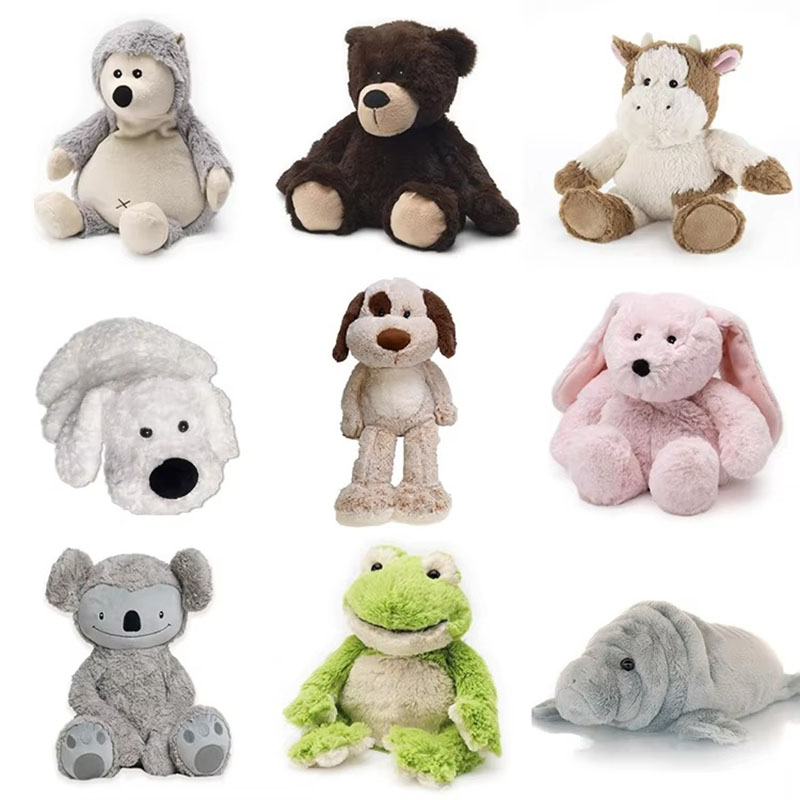
A weighted plush toy looks simple from the outside, but the internal construction is very different from an ordinary stuffed animal. The product must feel soft, comforting and attractive while also carrying extra weight in a controlled, secure and user-appropriate way. If the filling is poorly placed, the toy may feel lumpy, collapse in the wrong area, leak beads, lose shape, or become unsuitable for the intended user group.
KINWIN supports custom weighted plush toy development for brands, retailers, gift companies, wellness product programs and specialty plush collections. Our role is not only sewing the outer plush shell. We help buyers think through the product purpose, target weight range, weighted filling method, fabric selection, internal compartment design, stitching strength, safety review, packaging and production consistency.
BUYER DECISION POINTS
What Buyers Should Confirm Before Developing a Weighted Plush Toy
Before artwork is converted into a sample, the buyer should define the role of the weight. This single decision affects almost every part of the product, from pattern structure to testing and shipping.
- Is the product mainly a calming companion, retail collectible, sleep-related plush, sensory toy, gift item or decorative weighted plush?
- Who will use it: adults, teens, supervised children, collectors, wellness customers, retail shoppers, or event-gift recipients?
- Should the weight sit mainly in the belly, bottom, arms, paws, full body, removable insert, or separate inner pouch?
- Does the product need a soft floppy feel, stable seated posture, pillow-like pressure, or a compact collectible shape?
- Will it be sold as a toy, wellness product, gift item, collectible or home comfort product in the destination market?
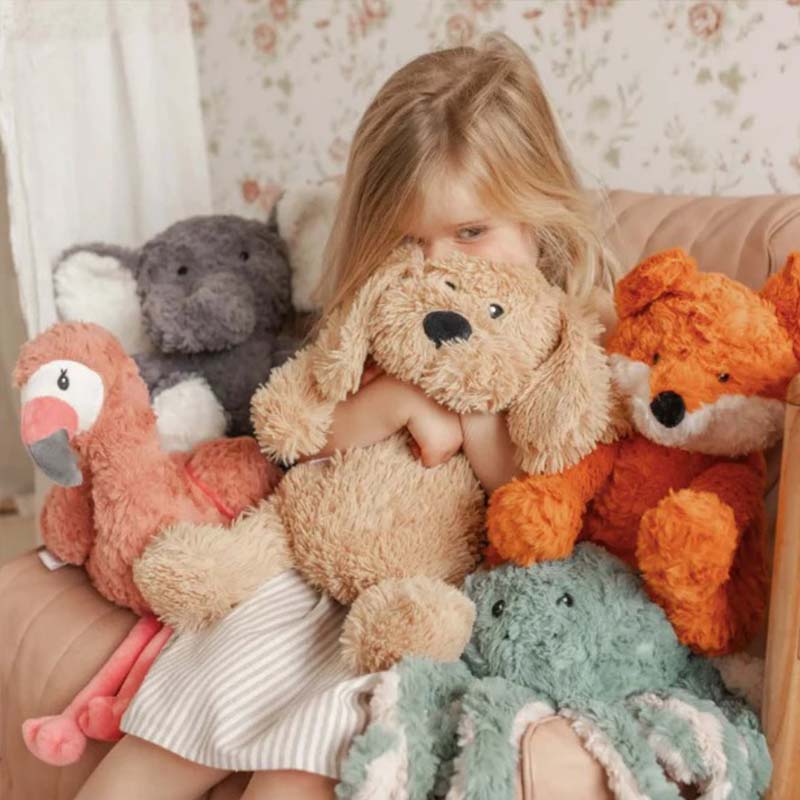
When these points are clear, the design can move forward with fewer revisions. When they are not clear, the sample often becomes a guessing process, which increases development time and cost.
FILLING OPTIONS
Weighted Filling Options and How They Affect Product Feel
The weighted filling should be selected according to touch, weight target, user expectation, safety requirement and price range. KINWIN can discuss practical options during the design stage.
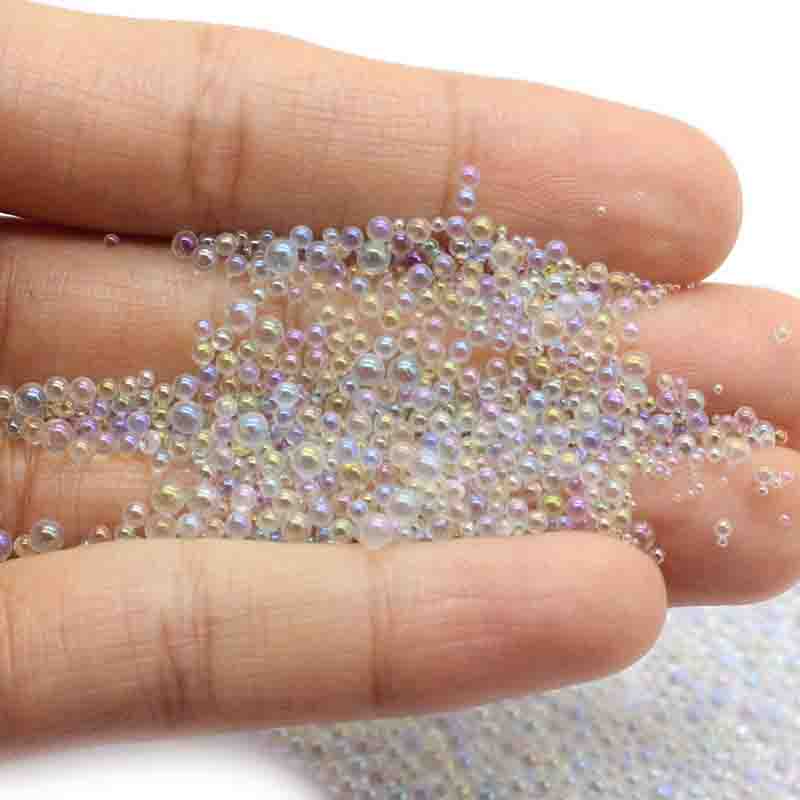
Glass Beads
Glass beads are often used when buyers want a smoother, more compact weighted feel. They can create a refined hand feel and may help reduce bulk compared with some lower-density fillers. The internal pouch and seam structure must be planned carefully so the beads remain contained and evenly distributed.
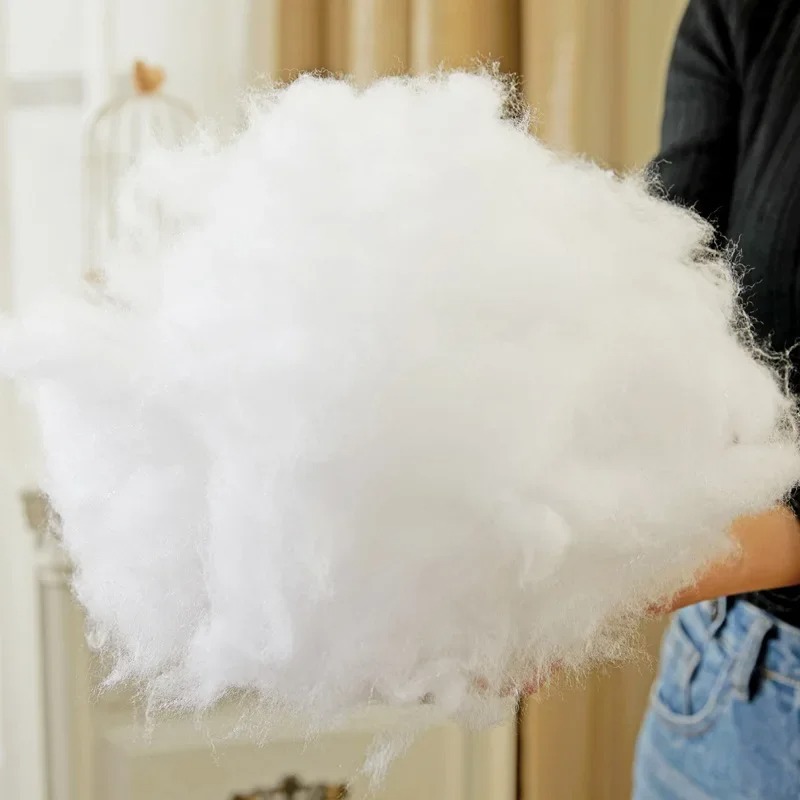
Natural or Alternative Fillers
Some brands ask about natural fillers for eco or wellness positioning. These choices require careful discussion because moisture, odor, pest risk, washing limitations and stability may affect long-term product quality.

Plastic Pellets
Plastic pellets can be used for certain weighted plush concepts when cost, weight target and product positioning are balanced correctly. Buyers should consider the feel, sound, density and destination-market requirements before choosing this option.
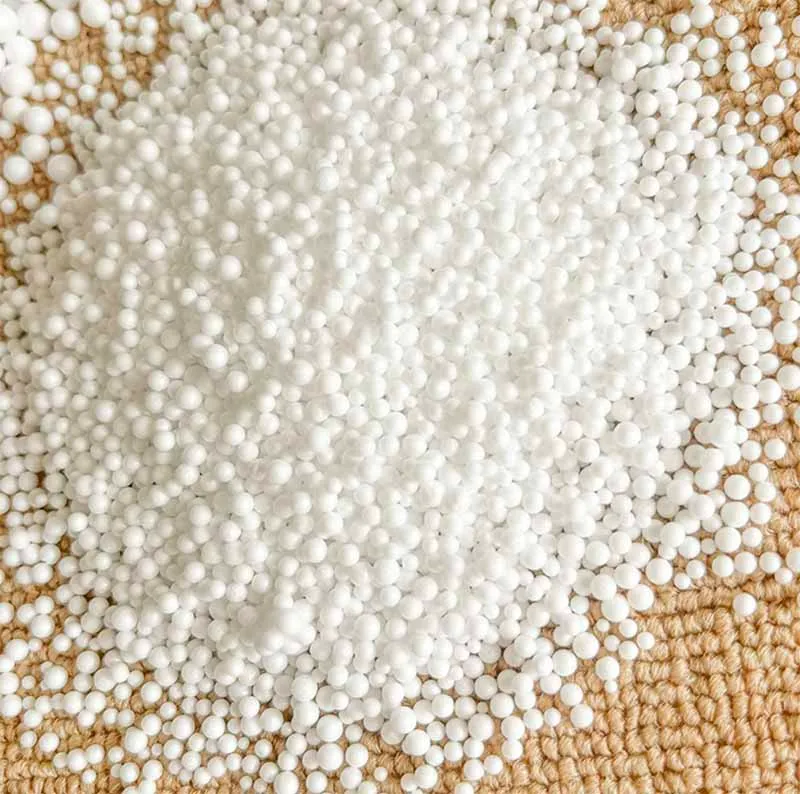
Hybrid Filling Structures
A weighted plush toy usually still needs normal soft stuffing in addition to weighted material. The goal is to keep the outside plush soft while using internal weighted compartments to create pressure, posture or grounding effect.
WEIGHT DISTRIBUTION
Weight Distribution Is the Core Design Challenge
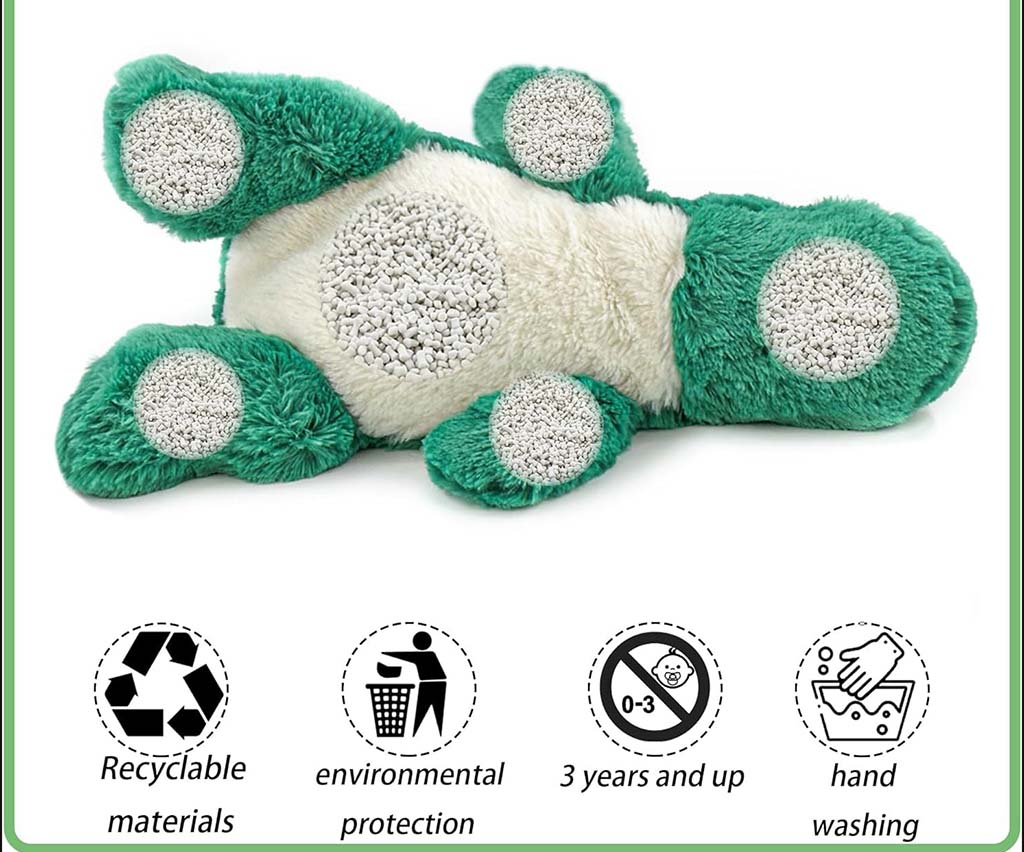
The most important question in weighted plush development is not only the total weight. It is how that weight is distributed. Two plush toys with the same total weight can feel completely different if one has weight concentrated in the belly and the other has weight spread across the limbs, bottom and body.
A belly-weighted plush can create a hugging or pressure feeling, while a bottom-weighted plush can sit more steadily on a shelf, bed or sofa. Limb weighting may help arms and paws drape naturally, but it can also increase sewing complexity. Full-body weighting may feel more substantial, yet it can become difficult to keep the product soft and balanced if the pattern is not designed around the internal structure.
KINWIN reviews the product shape and intended use before deciding the weighted layout. For rounded animals, the best solution may be a central inner pouch. For long-body plush, several smaller compartments may be more stable. For character plush, weight may need to avoid facial areas, narrow necks, thin limbs or decorative parts that cannot carry stress safely.
SAFETY REVIEW
Weighted Plush Safety Review Checklist
Weighted plush toys need a stricter safety review than standard plush because the internal filling adds pressure, movement and containment risk. The final requirements depend on destination market and intended use, but the following points should be considered early.
- Confirm whether the product will be marketed for children, adults, wellness users, collectors or general gift customers.
- Review age grading and warning language before packaging artwork is finalized.
- Avoid loose weighted filling outside sealed internal pouches or controlled compartments.
- Check seam strength around weighted zones, especially belly, bottom, paws and removable pouch openings.
- Evaluate small parts, accessories, embroidery, labels, zipper pulls and removable components.
- Discuss testing standards for the destination market before bulk production begins.
- Control odor, cleanliness, metal contamination risk and foreign-material inspection during production.
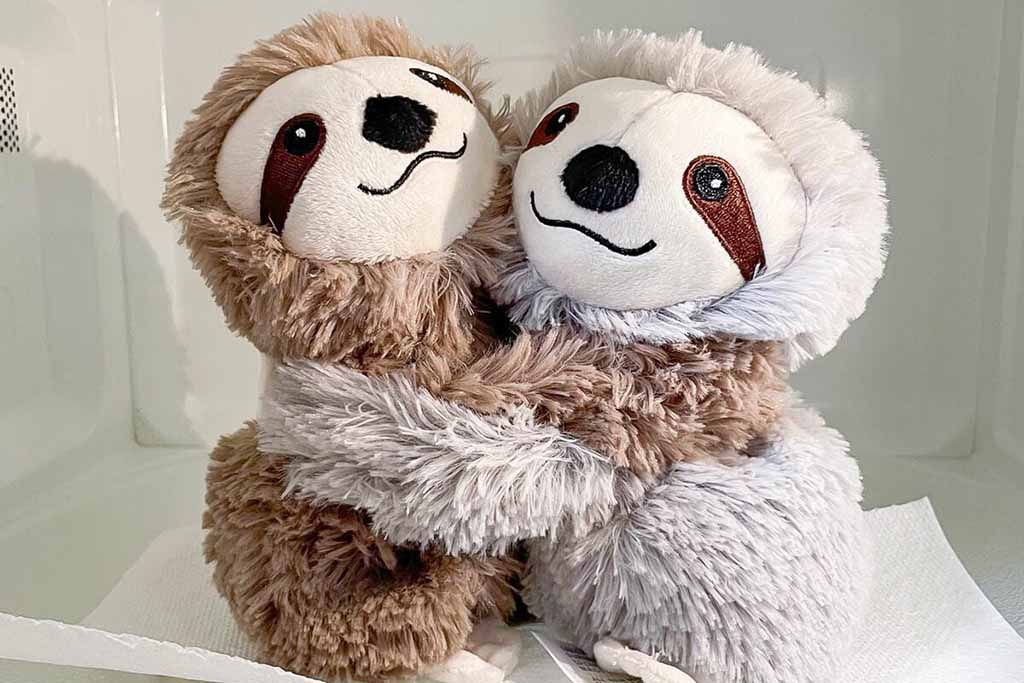
A weighted plush toy should never rely on appearance alone. Safety decisions should be built into the product structure before the sample is approved.
INTERNAL STRUCTURE
How KINWIN Designs Internal Compartments for Stable Bulk Production
For weighted plush toys, the internal compartment is often more important than the outer shape. A good compartment keeps weighted material where it belongs, prevents uneven migration, supports the intended posture and reduces the risk of leakage. This structure may be a stitched inner pouch, several separated chambers, a removable insert, or a layered construction combined with normal soft stuffing.
During sampling, we evaluate whether the weighted zone moves too much, creates hard corners, changes the facial expression, pulls the body out of proportion, or makes the product difficult to pass through sewing and finishing steps. If needed, we adjust the pattern so the plush can carry weight without losing softness.
For bulk production, compartment repeatability matters. The factory team needs a clear filling weight target, filling location, sewing method and inspection standard. Without these controls, the same design can feel different from piece to piece. KINWIN helps buyers turn the approved sample into a production-ready specification.

PRODUCT DIRECTIONS
Common Weighted Plush Product Directions
Weighted plush can be developed for different commercial roles. Each role has a different design priority and should not use the same structure by default.

Weighted Animal Plush
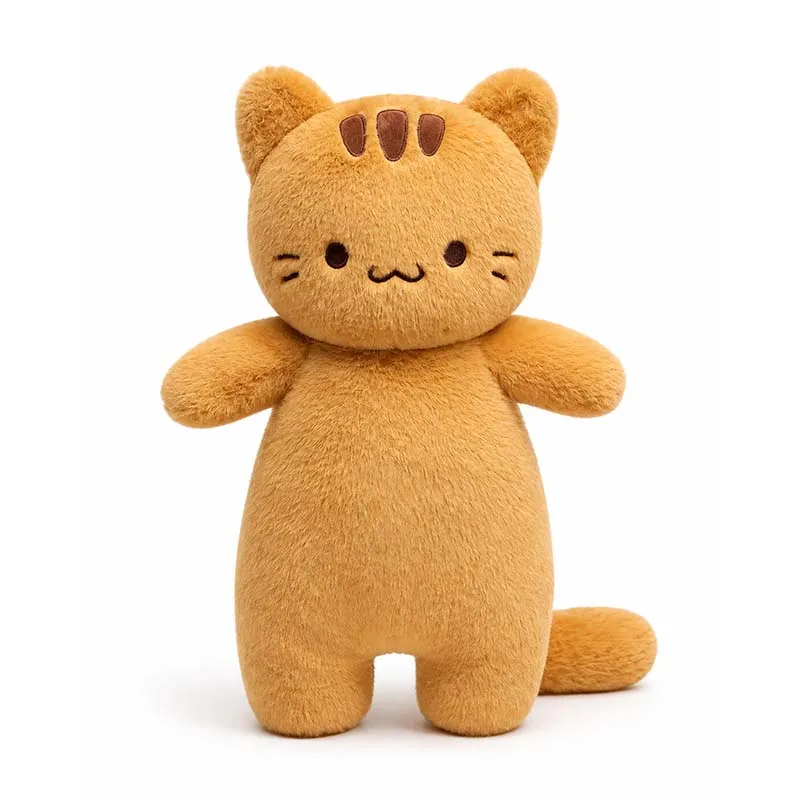
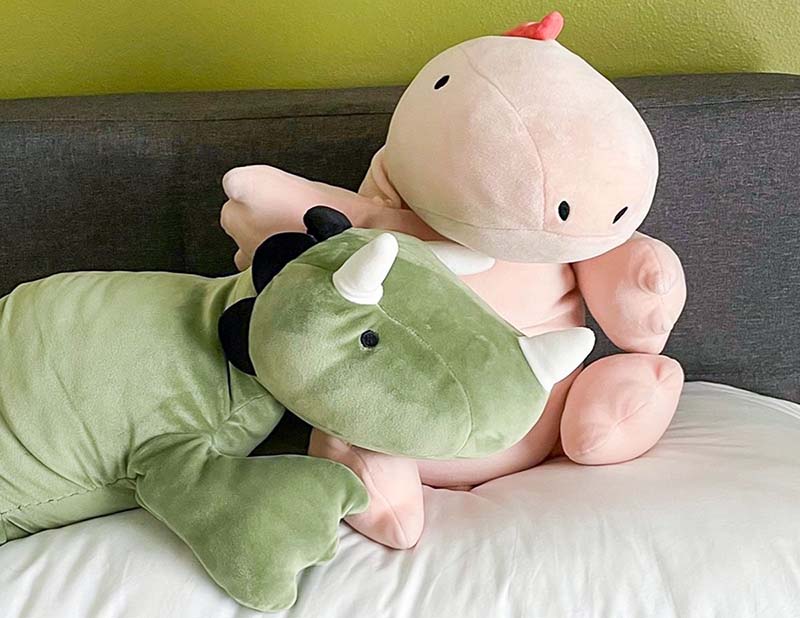
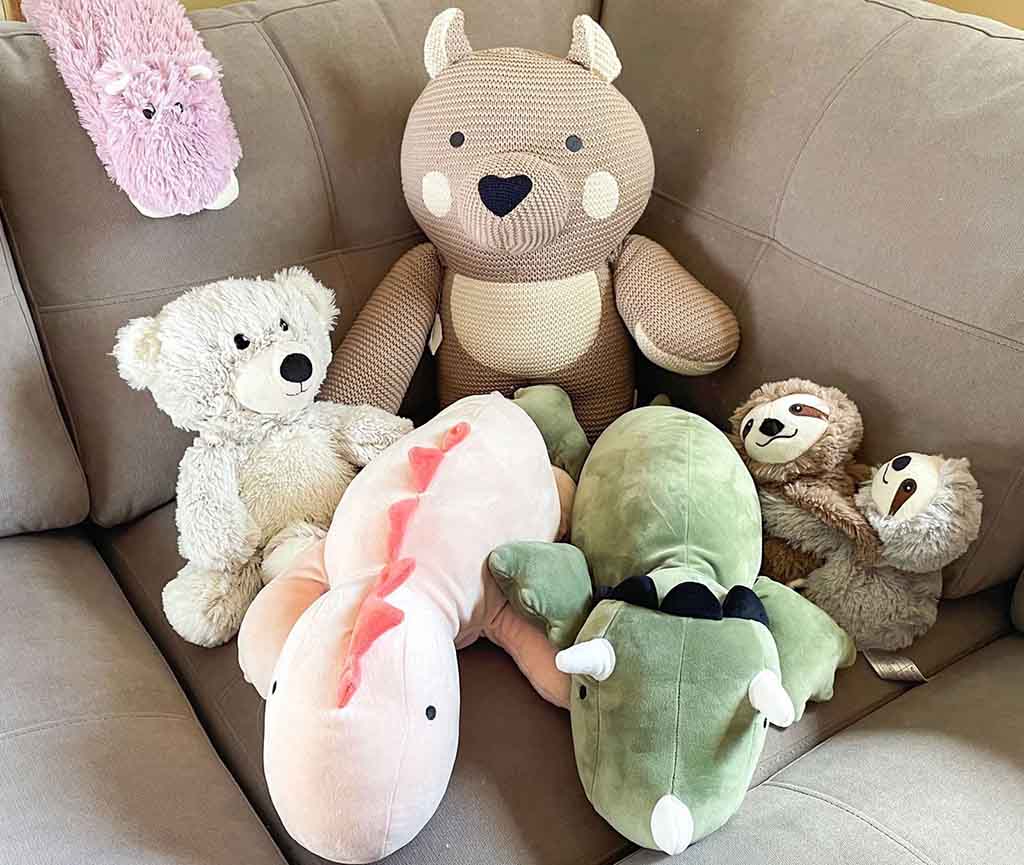
Animal designs such as bears, dogs, cats, rabbits, dinosaurs, sea animals and forest animals are suitable for weighted plush because their rounded body shapes can often hide internal weighted compartments naturally. The challenge is maintaining a soft expression and balanced posture after weight is added.
Weighted Plush Pillows
Weighted plush pillows combine decorative plush and pressure comfort. They usually need larger surface areas, softer fabric choices and a structure that spreads weight evenly without creating hard spots.
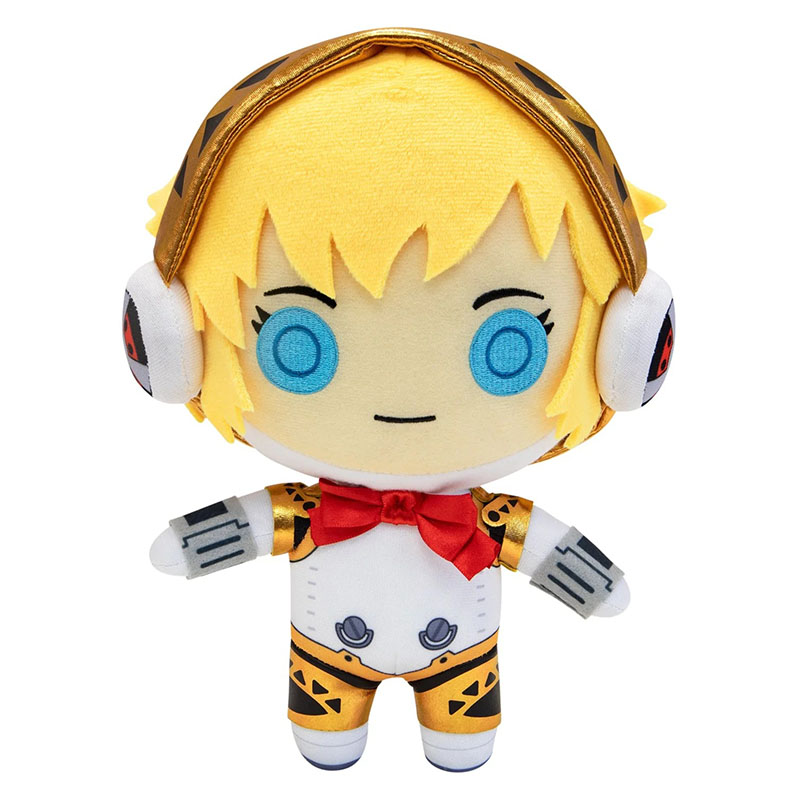
Weighted Character Plush
Character plush requires stronger pattern control because the face, clothing and brand details must stay accurate. Weight placement should not distort the head, neck, outfit or recognizable silhouette.
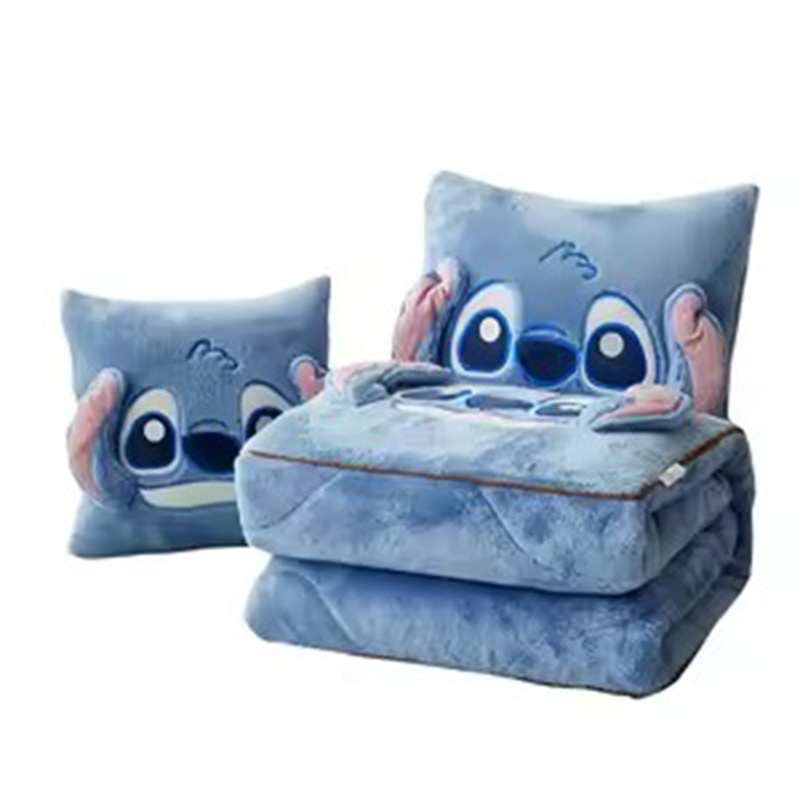
Weighted Lap Plush
Lap plush products are designed to sit comfortably across the lap or body. The total weight, body length, bottom structure and fabric feel need to be planned according to the intended use and user group.
MATERIAL PERFORMANCE
Fabric Choice Matters More When the Plush Is Weighted
Weighted filling changes how fabric behaves. A fabric that works well on a light plush toy may stretch, pull or wrinkle when extra weight is added. Softness is still important, but the fabric also needs enough stability to hold shape around weighted areas.
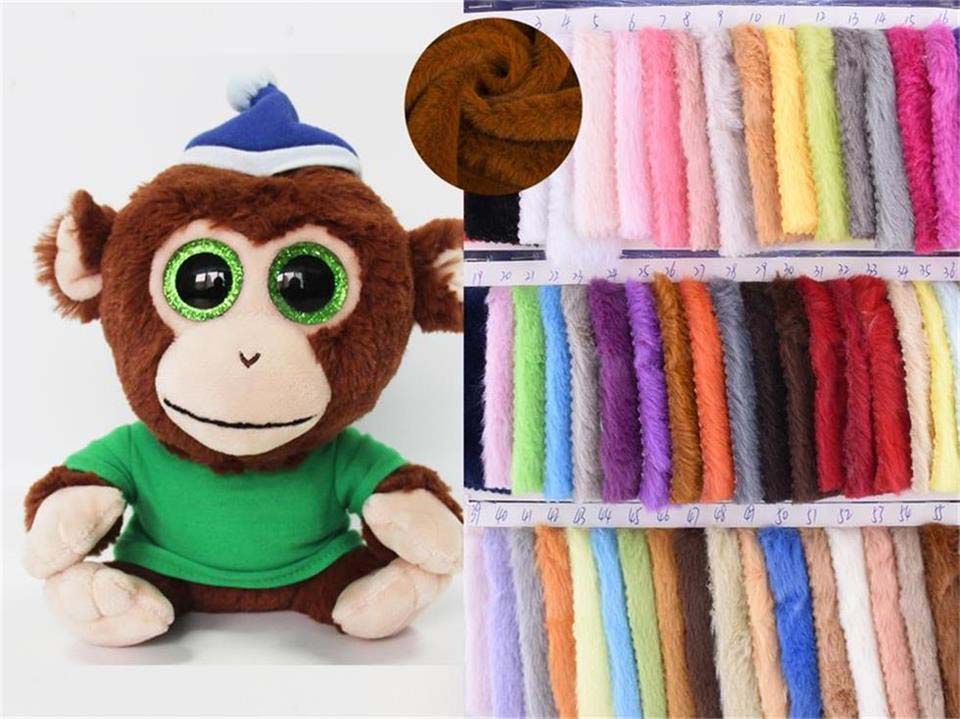
Minky, short plush, velboa, stretch fabrics, sherpa, faux fur and specialty textures can all be considered depending on the design. However, buyers should not choose fabric only by hand feel. The final selection should also consider seam strength, color consistency, pile direction, lint, cleaning expectations and how the material looks when the plush is resting under its own weight.
For a weighted plush product line, we recommend approving both the material swatch and the full weighted sample. This avoids a common problem where the fabric looks good as a flat swatch but behaves differently after filling, sewing and final shaping.
COMMERCIAL USE CASES
Where Weighted Plush Toys Are Used Commercially
Weighted plush toys can support several product categories, but each channel expects a different balance between comfort, safety, price and presentation.
Retail Comfort Products
Retail comfort plush should feel reassuring at first touch and look clear on shelves or online product pages. Buyers need stable shape, attractive fabric, consistent weight and packaging that explains the product clearly.
Wellness and Sensory Product Lines
Wellness-oriented weighted plush requires more careful language, user guidance and safety review. The product should be developed with practical pressure, clean construction and appropriate warning information.
Gift and Lifestyle Collections
Gift buyers often want a weighted plush that feels premium rather than clinical. In this case, fabric, color, packaging and emotional storytelling become important, while the internal weight must remain controlled and comfortable.
Brand Mascot Programs
A weighted mascot plush can make a brand character feel more substantial and giftable. The development challenge is preserving character accuracy while adding internal weight without distorting the design.
E-Commerce Plush Brands
Online brands need products that can be photographed, described and fulfilled efficiently. Carton weight, product dimensions, shipping cost and return-risk communication should be considered before finalizing size and weight.
QUOTE INPUTS
Recommended Information to Send for an Accurate Quotation
Weighted plush quotations are more sensitive than ordinary plush quotations because size, weight, filling method and internal construction all affect cost. Clear information helps us avoid vague estimates.
- Product artwork or reference photos, including front, side and detail views if available.
- Target finished size and preferred total weight range.
- Intended user group and destination market.
- Preferred weighted feel: belly weight, lap weight, bottom weight, full-body weight or soft pillow pressure.
- Expected fabric direction, color palette and surface texture.
- Packaging plan, warning label requirements and retail presentation needs.
- Order quantity by design, size and color.
- Required testing, compliance documents or buyer-specific inspection standards.
If the target weight is uncertain, buyers can provide the intended use and size first. We can then suggest a practical weight range for sampling discussion.
SAMPLE VALIDATION
Sampling Should Test Feeling, Not Only Appearance
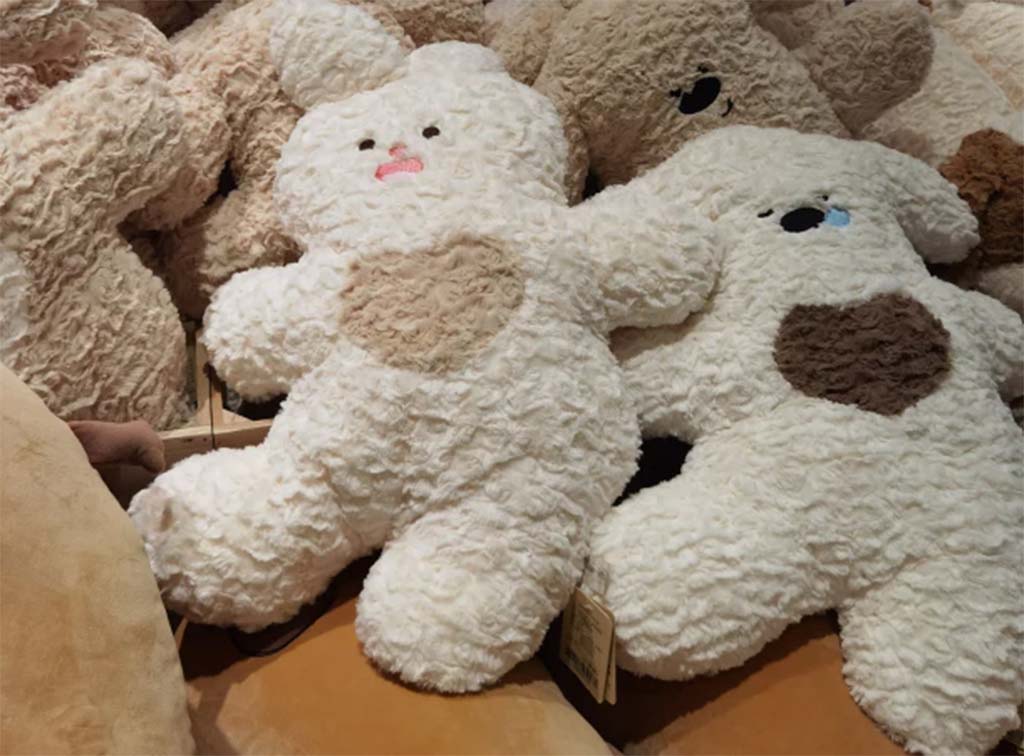
For standard plush toys, sample review often focuses on appearance: shape, color, embroidery, facial expression and accessories. For weighted plush toys, appearance is only one part of approval. The buyer also needs to judge how the plush feels when held, placed on the lap, displayed on a shelf, packed in a box or moved repeatedly.
A weighted sample should be reviewed for total weight, weight balance, hard spots, sound, bead movement, seam stress, softness, fabric pull, posture and packaging fit. It is normal for weighted plush samples to need structural adjustment even when the outer design already looks correct.
KINWIN can help revise the sample based on specific feedback. Instead of only saying the product should be heavier or softer, buyers should describe where the pressure feels right or wrong. This allows the factory to adjust internal compartments, filling amount and stuffing balance more accurately.
PRODUCTION CONTROLS
Bulk Production Controls for Weighted Plush Toys
Once a weighted plush sample is approved, bulk production needs tighter controls than an ordinary plush order. The following checkpoints help keep the approved feel consistent.
Filling Weight Control
Each weighted zone should have a defined filling target and tolerance. This prevents some units from feeling noticeably heavier, lighter or unbalanced compared with the approved sample.
Compartment Sewing Control
Internal pouches and chamber seams must be sewn consistently. Weak or misplaced stitching can change the feel of the toy and increase leakage risk.
Soft Stuffing Balance
Normal polyester stuffing still affects the final shape. Too much soft stuffing can hide pressure; too little can make the plush collapse or expose the weighted pouch shape.
Finished Shape Review
Weighted plush toys should be checked after final filling and closing because the added weight may change posture, facial expression or body proportion.
Packing Weight and Carton Planning
Weighted plush orders can become heavy quickly. Carton size, carton gross weight, pallet planning and shipping method should be reviewed before mass packing.
PACKAGING AND LABELS
Packaging and Warning Labels Need Early Planning
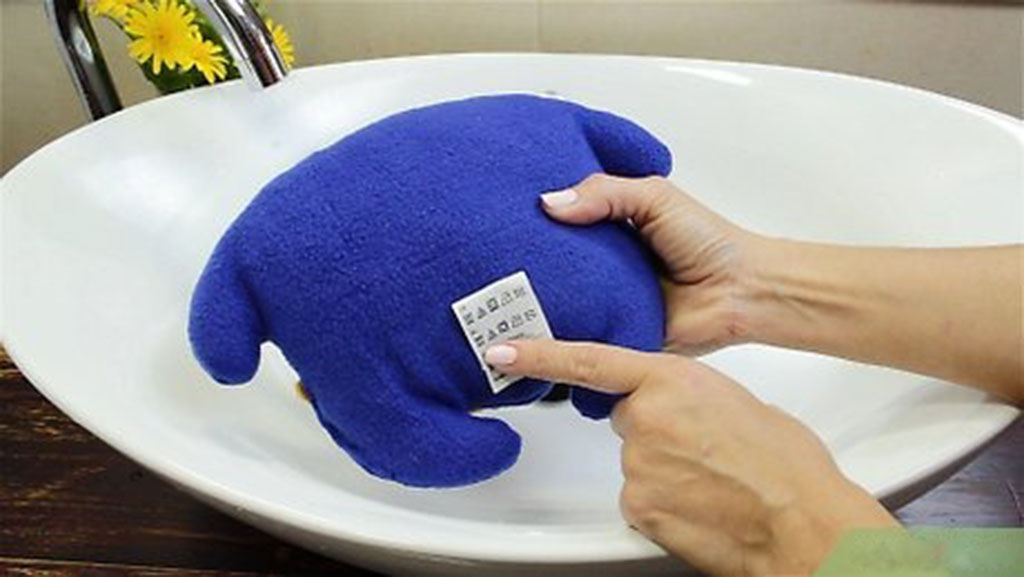
Packaging for weighted plush toys should protect the product and communicate the product clearly. A simple polybag may be enough for some wholesale programs, but retail products often need hangtags, care information, warning labels, printed inserts or gift boxes that explain size, weight and intended use.
Warning language should not be treated as a last-minute design detail. Depending on the market and product positioning, the package may need age guidance, supervision guidance, care instructions, choking hazard review, weight information or other buyer-specific wording. These items should be confirmed before packaging artwork is printed.
Weighted plush also affects shipping. The carton may reach a weight limit before it reaches a volume limit. KINWIN can help buyers think through carton packing, individual packaging, carton marks and logistics requirements so the finished goods are easier to receive and distribute.
PROJECT RISK POINTS
Mistakes That Make Weighted Plush Projects Risky
Many weighted plush problems come from treating the product like a standard stuffed animal. These are common risks buyers should avoid during development.
- Choosing a target weight before confirming product size and user group.
- Adding loose weighted material directly into the plush body without a controlled internal structure.
- Using small accessories or weak seams near high-stress weighted zones.
- Approving artwork without checking whether the shape can support internal weight.
- Selecting fabric only by softness without testing stretch, pile direction and final filled shape.
- Ignoring carton gross weight and shipping cost until after bulk production.
- Using wellness or sensory claims without reviewing applicable market rules and labeling requirements.
A good weighted plush project is usually the result of practical design decisions made early, not cosmetic adjustments made after the sample is already built.
BRAND DEVELOPMENT SUPPORT
How KINWIN Supports Brands Developing Weighted Plush Product Lines
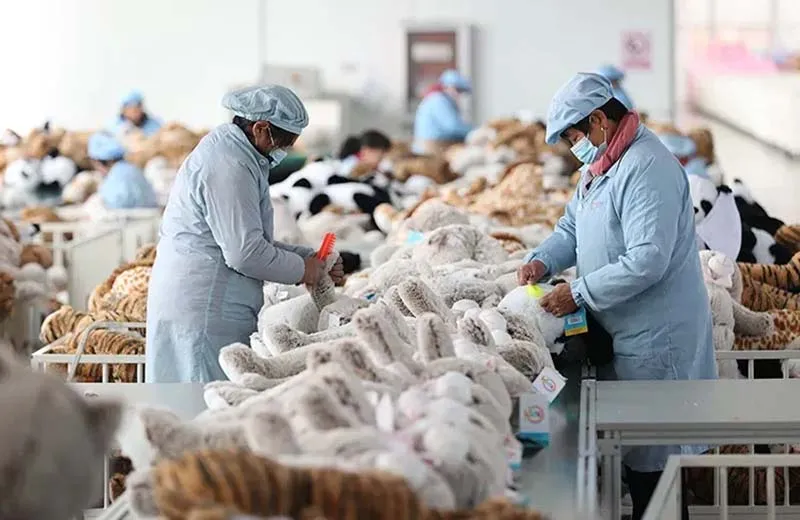
KINWIN can support weighted plush toy projects from early concept review through sample development and bulk production. We help buyers evaluate whether the requested size, shape, weight and material combination is realistic before committing to tooling, sampling or packaging decisions.
For brands building a product line, we can help keep the development system consistent across different characters or animals. This includes shared body structures, controlled weighted zones, repeatable fabric choices, clear filling specifications, packaging logic and inspection standards.
For first-time weighted plush buyers, we can start with a practical development discussion: what the product should feel like, who will use it, how heavy it should be, how it will be sold, and what risks need to be controlled. This creates a stronger foundation than simply asking for a heavier version of an existing plush toy.
START YOUR PROJECT
Start a Weighted Plush Toy Project with KINWIN
Send us your design reference, target size, preferred weight range, user group, packaging idea and destination market. Our team will review the structure, suggest practical production options and help you build a weighted plush toy that is comfortable, attractive and realistic for bulk manufacturing.
FREQUENTLY ASKED QUESTIONS
FAQ: Weighted Plush Toy Manufacturing
Can KINWIN manufacture custom weighted plush toys?
Yes. KINWIN can develop custom weighted plush toys based on artwork, reference samples, brand mascots, animal designs or product concepts. We support sampling, material selection, internal structure planning and bulk production.
What filling is used inside weighted plush toys?
Common options include glass beads, plastic pellets and hybrid structures combined with normal soft stuffing. The correct choice depends on product size, target weight, feel, safety requirements and budget.
Can the weight be placed in specific parts of the plush?
Yes. Weight can be placed in the belly, bottom, limbs, full body or internal pouch depending on the design. The structure should be planned before sampling so the plush feels balanced and safe.
Are weighted plush toys suitable for children?
This depends on product design, age grading, destination market and safety requirements. Buyers should confirm intended users early so the structure, labeling and testing plan can be reviewed correctly.
Can you make weighted plush toys for wellness or sensory product lines?
Yes, but the product language, safety review and labeling requirements should be discussed carefully. Manufacturing support does not replace market-specific regulatory review.
How do I request a quotation for a weighted plush project?
Send artwork or reference images, target size, preferred weight range, quantity, destination market, packaging needs and any testing requirements. If the weight is uncertain, share the intended use first.
If You Can lmagine lt,We Will Create lt!
1.Tell Us What You Need
Tell us as specific as possible of your needs and share your idea.
2.Get Solution & Quote
We will work on the best solution according to yourrequirements,the specific quote will be provided within 24 hours.
3.Approve for Mass Production
We will start mass production after getting your approval.
