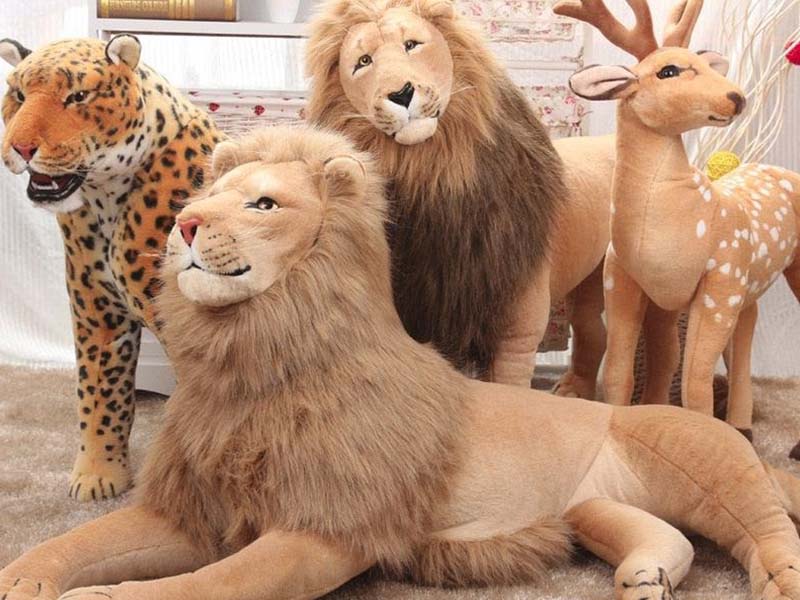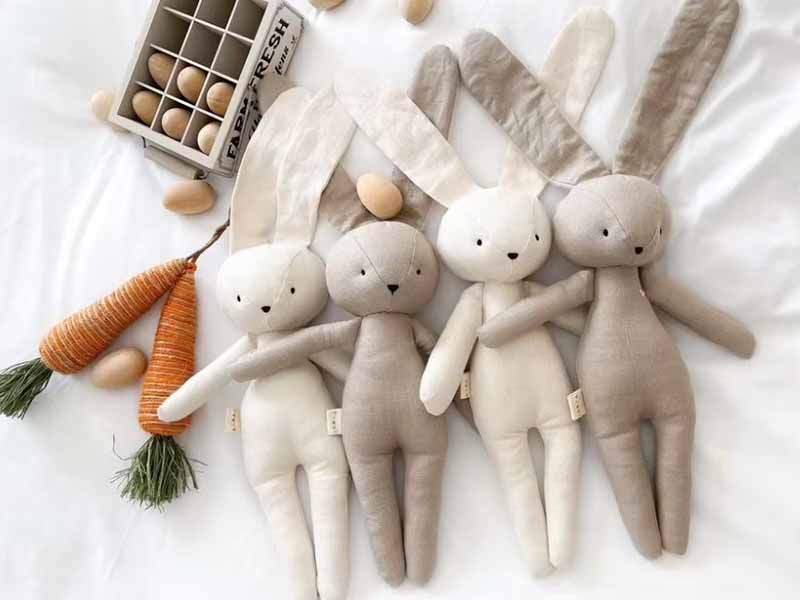
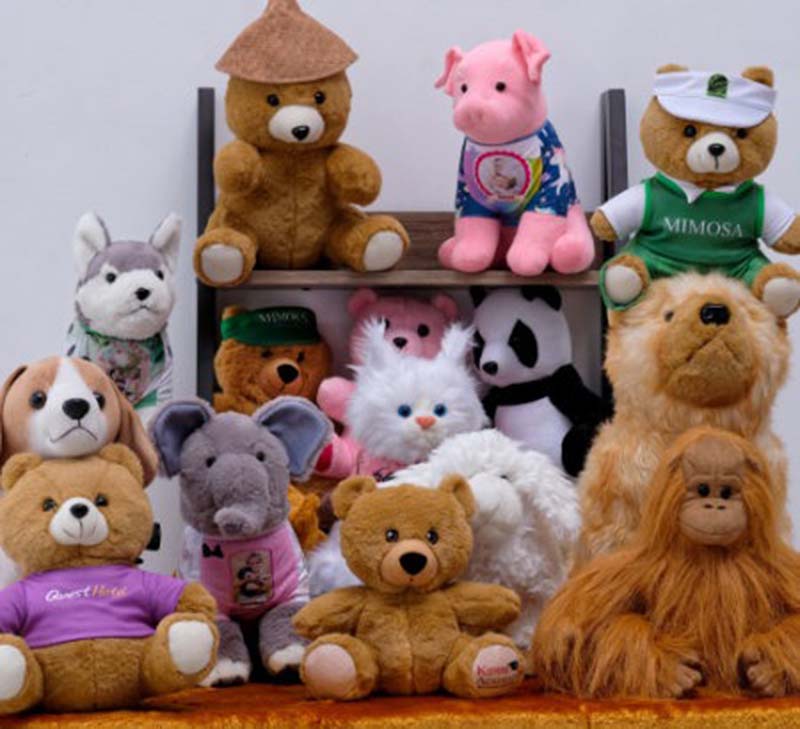
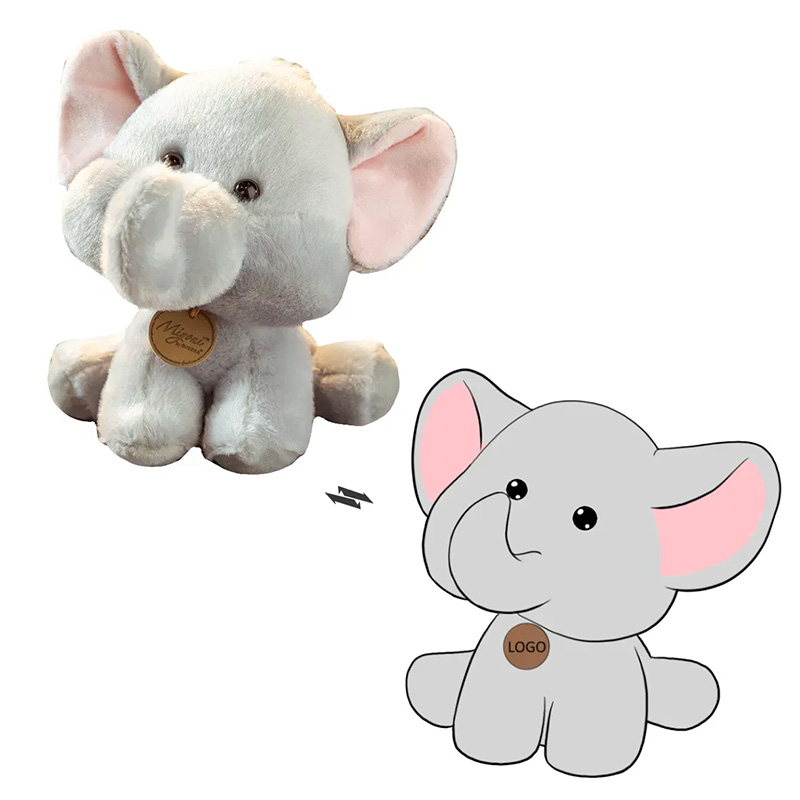
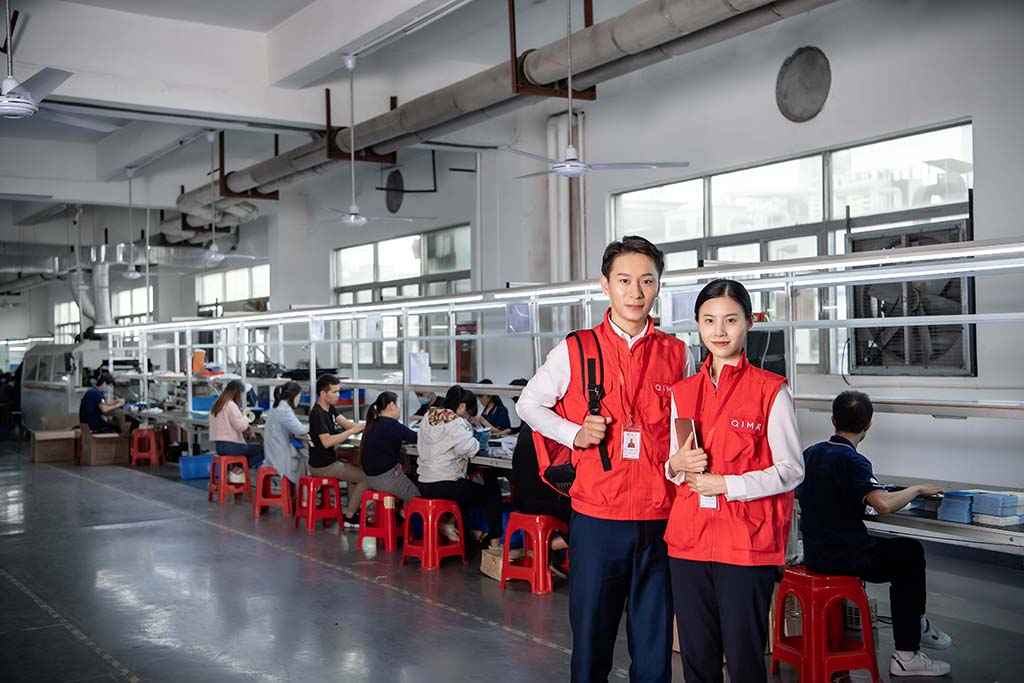
Stuffed Toys Manufacturer for Custom & Wholesale Solutions
As an experienced stuffed toys manufacturer, we help brands turn ideas into market-ready products. From custom design and sampling to bulk production and global delivery, our factory supports flexible MOQs, stable quality, and consistent results. Whether you are launching a new character, expanding a product line, or sourcing wholesale stuffed toys, you gain reliable manufacturing, clear communication, and solutions built around your business goals.
Why Brands Choose Our Stuffed Toy Manufacturing
We focus on what truly matters to brands and buyers when sourcing stuffed toys: reliability, consistency, and results. By combining experienced manufacturing teams, clear processes, and flexible production solutions, we help you reduce risk, control cost, and bring high-quality stuffed toys to market with confidence.
Proven Custom Manufacturing Experience
With years of focus on stuffed toys, we understand materials, structures, and safety requirements across different markets. This experience helps avoid costly mistakes and ensures your design is production-ready from the start.
Flexible MOQ for Growing Brands
We offer flexible minimum order quantities to support startups, new collections, and test launches, while still maintaining stable quality and efficient production.
High Sample Accuracy & Clear Communication
Clear specifications, detailed sampling, and responsive communication help achieve high design accuracy and fewer revisions, saving both time and cost.
Stable Quality Control at Every Stage
From incoming materials to final inspection, quality checks are integrated into each production stage to ensure consistency across every batch.
One-Stop Solutions from Design to Delivery
We support design development, material selection, production, and packaging coordination, making your sourcing process simpler and more efficient.
Ready to work with a stuffed toys manufacturer that puts your product success first? Let’s discuss how our capabilities can support your next project and help your brand grow with confidence.
How Kinwin Speeds Up Stuffed Toy Development Without Compromising Quality
In stuffed toy development, time directly affects cost, market opportunities, and launch success. By optimizing every step from design to production, we help brands move faster without sacrificing quality or safety. Our system is built to reduce back-and-forth, avoid rework, and keep projects moving forward with clarity and control.
Design-for-Manufacturing Review at the Start
Before sampling begins, our team reviews your design, structure, and material choices from a manufacturing perspective. Potential issues such as complex shapes, unstable seams, or unsuitable fabrics are identified early. This prevents redesign during sampling and avoids delays caused by production-stage corrections.
In-House Sampling with Clear Specifications
Sampling, pattern making, and material sourcing are handled internally with clear technical specifications. This allows faster adjustments, better accuracy, and fewer communication gaps compared to multi-party coordination. As a result, samples reach approval faster with fewer revisions.
Parallel Planning for Sampling and Production
While samples are being refined, we simultaneously prepare material options, production timelines, and quality checkpoints. Once the sample is approved, production can start immediately without waiting for additional preparation, saving valuable lead time.
Dedicated Project Coordination to Avoid Delays
Each project follows a clear communication structure with defined checkpoints and feedback cycles. This reduces response delays, avoids repeated confirmations, and keeps decisions moving forward smoothly throughout development.
By shortening development cycles by up to 30%, you gain faster market entry, better cost control, and more flexibility to respond to trends. Our process is designed to help your stuffed toy project move from idea to production with speed and confidence.
Custom & Wholesale Stuffed Toy Product Collection
Explore a wide range of stuffed toys designed for different markets, themes, and business needs. From character development to bulk production, each product type can be customized in size, material, color, and detailing to support retail, promotional, and branded projects.
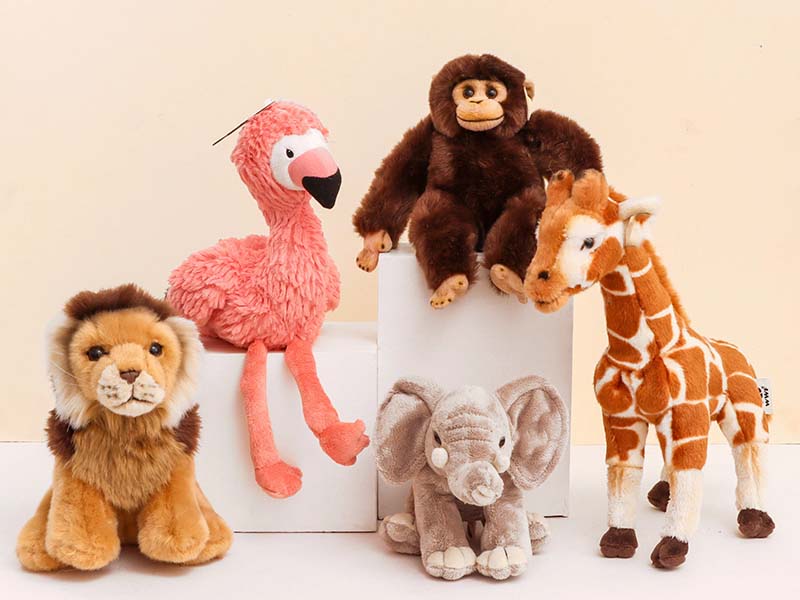
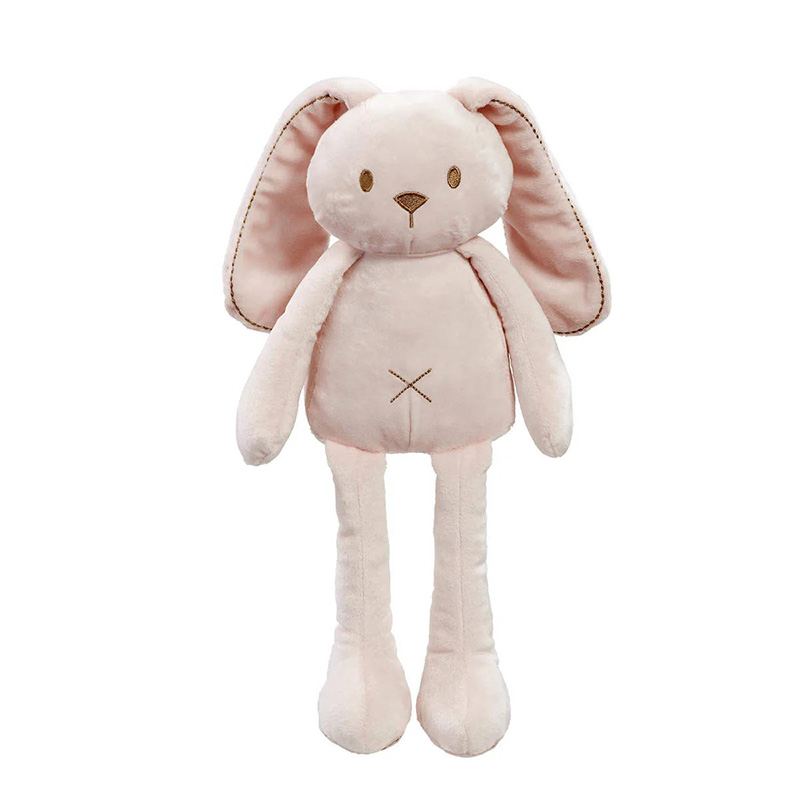
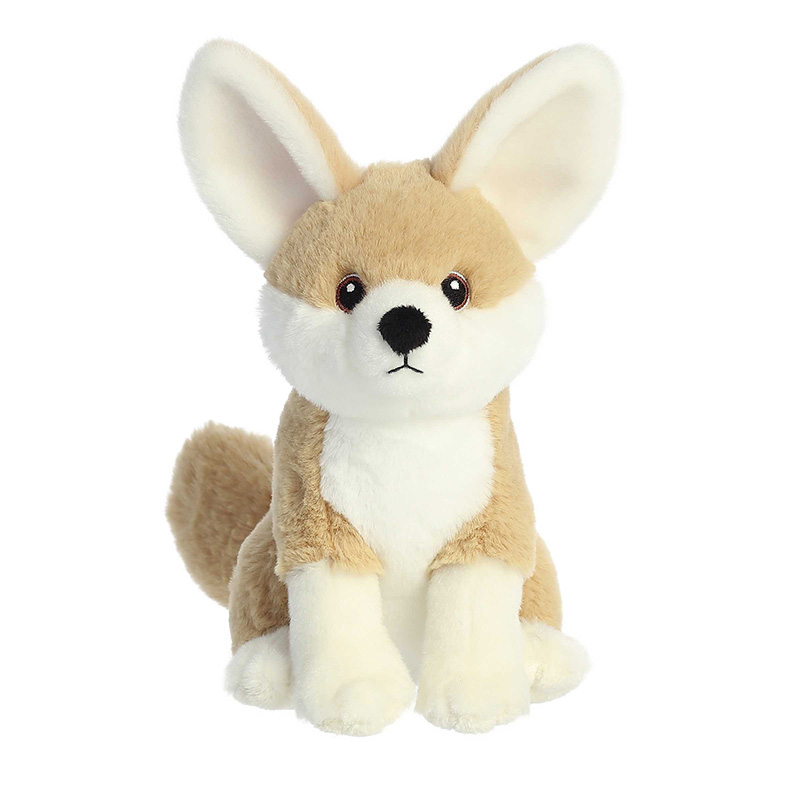
Custom Plush Animals
Classic animal designs customized with brand colors, fabrics, and expressions for long-term retail programs.
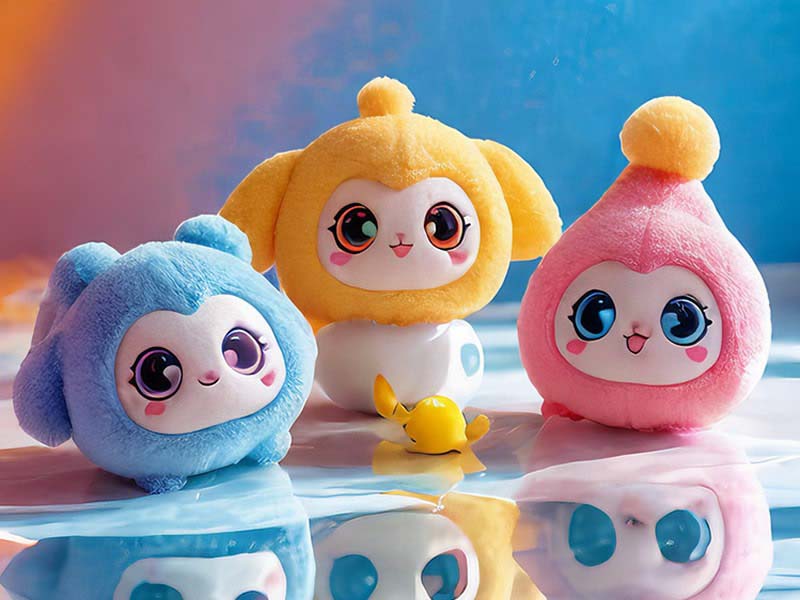
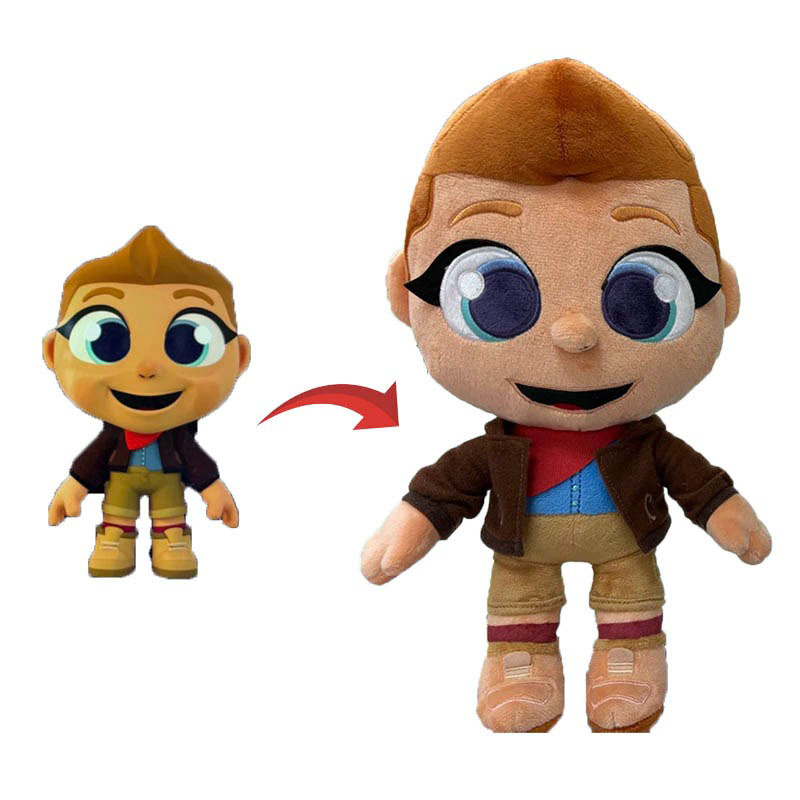
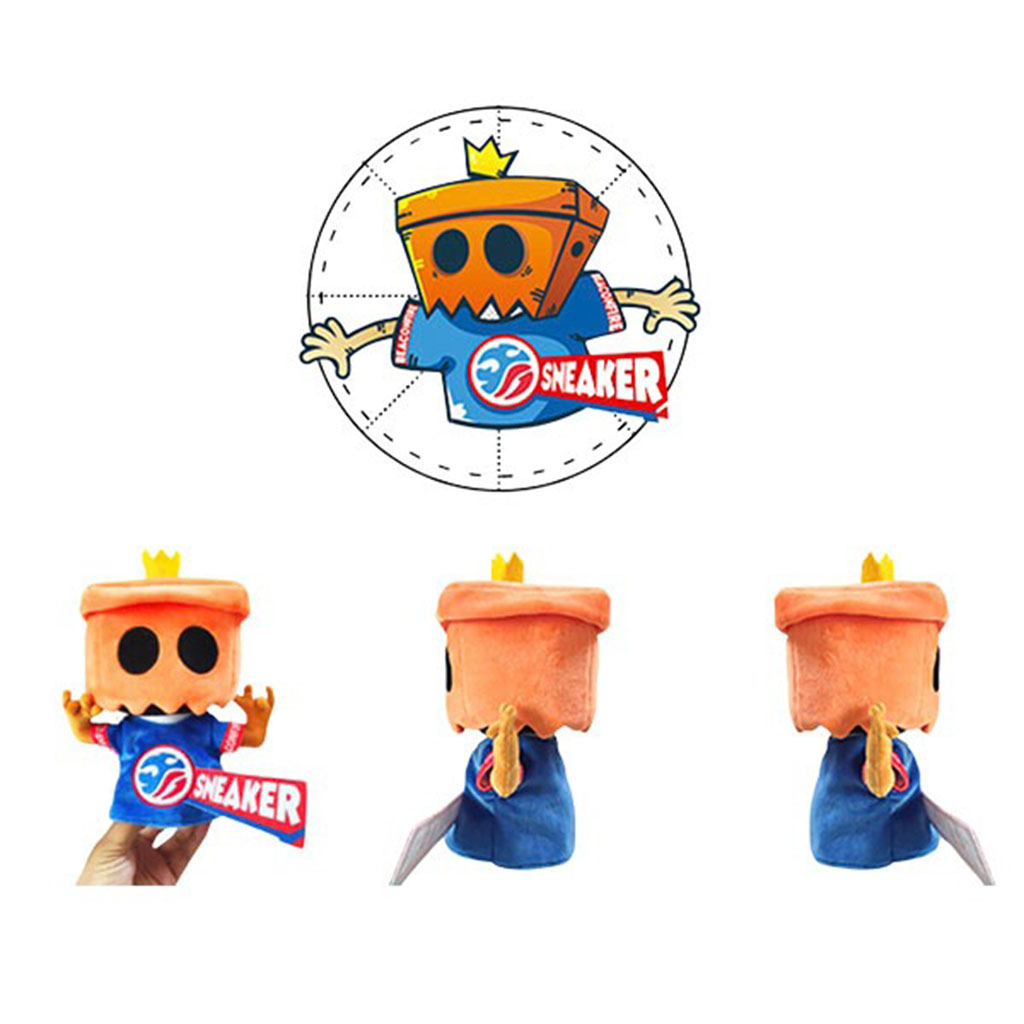
Stuffed Toy Characters
Ideal for IP development and storytelling brands, with high accuracy in shape and personality.
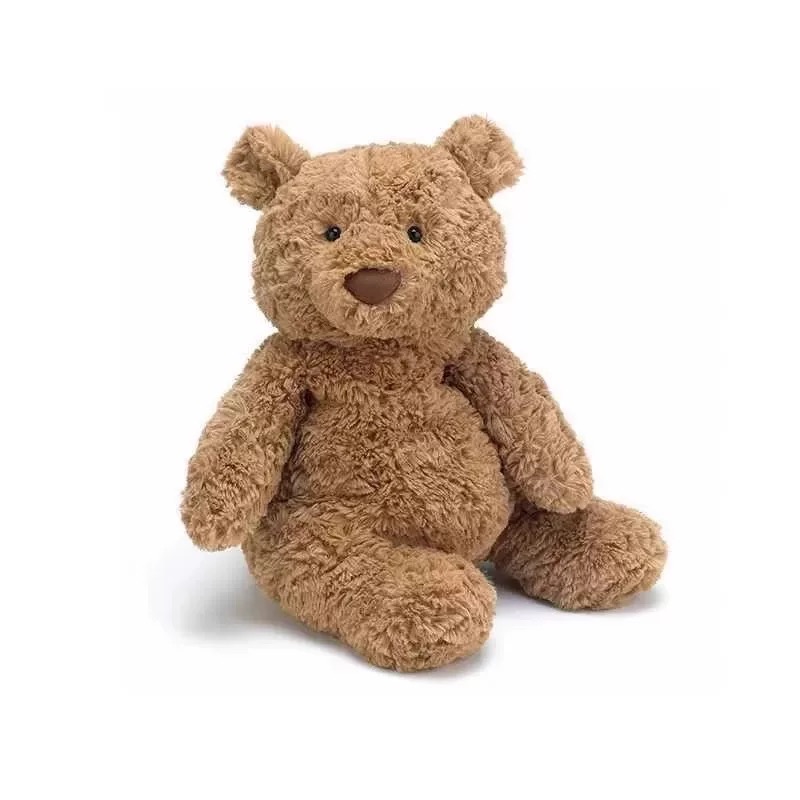
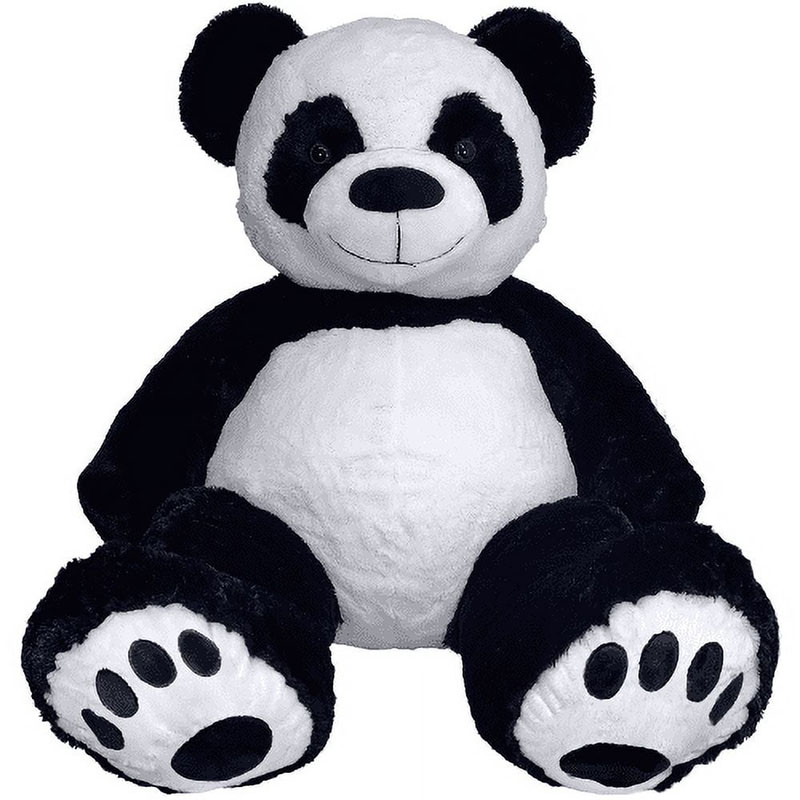
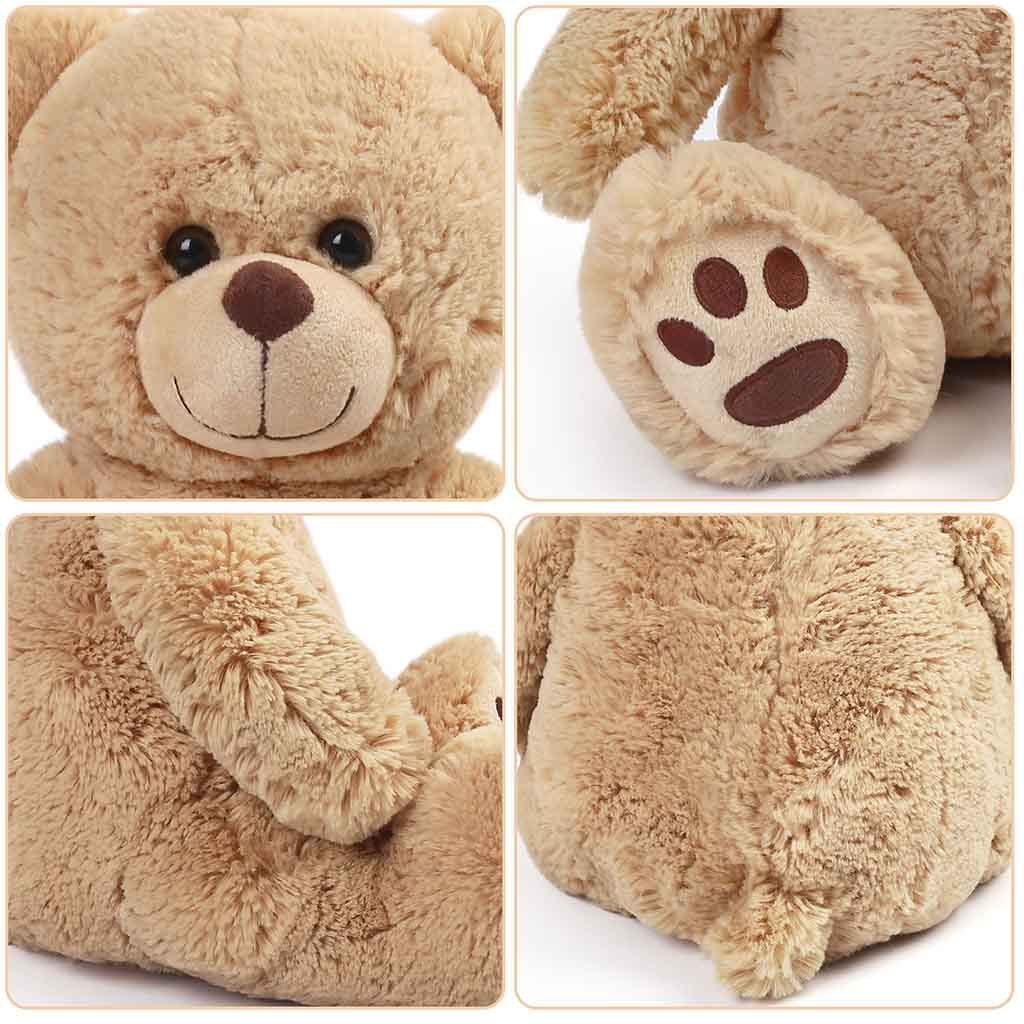
Teddy Bears
A timeless bestseller suitable for gifts, promotions, and seasonal collections.
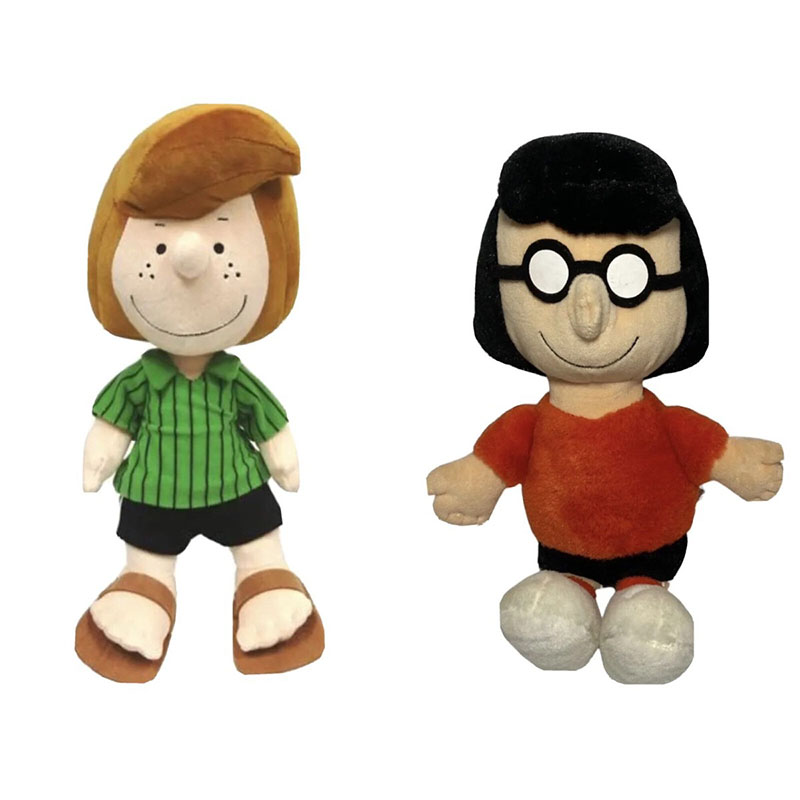
Plush Dolls
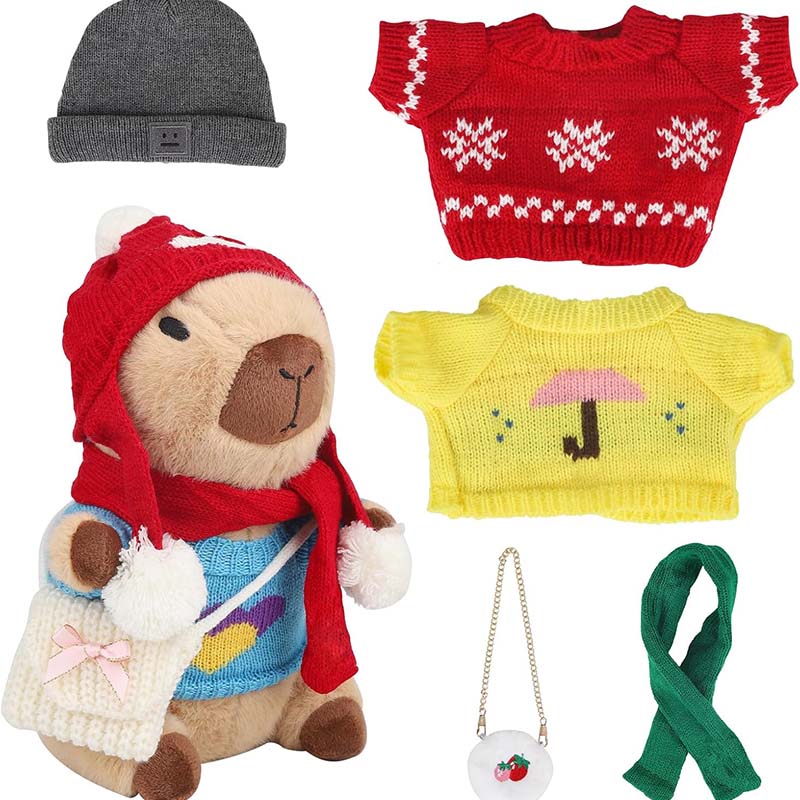
Soft-bodied dolls with customizable outfits, hairstyles, and facial details.
Baby Safe Stuffed Toys
Designed with soft fabrics and simplified structures to meet infant safety standards.
Promotional Stuffed Toys
Cost-effective designs developed for marketing campaigns and brand giveaways.
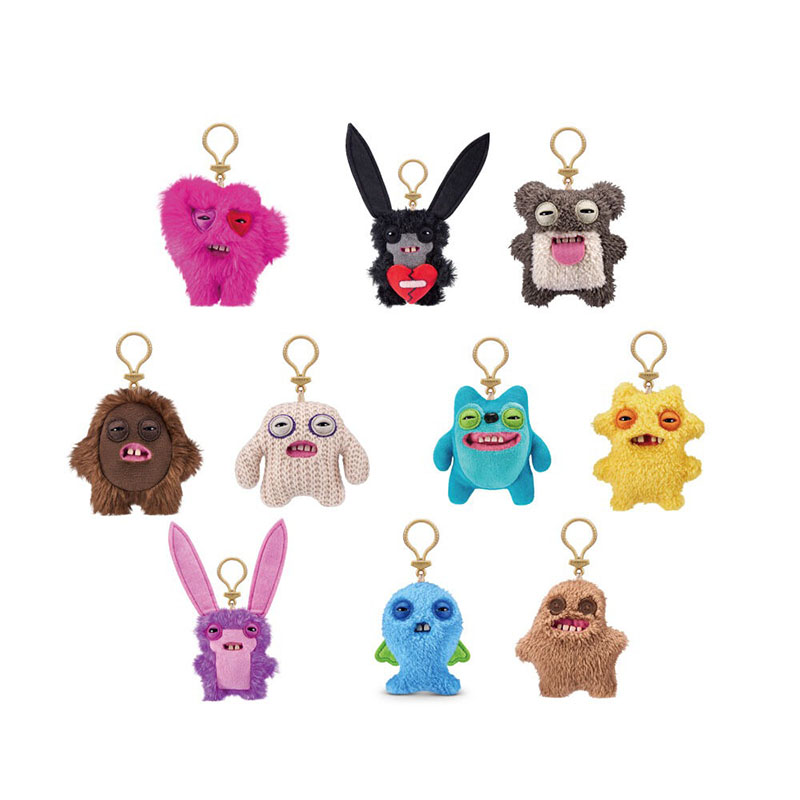
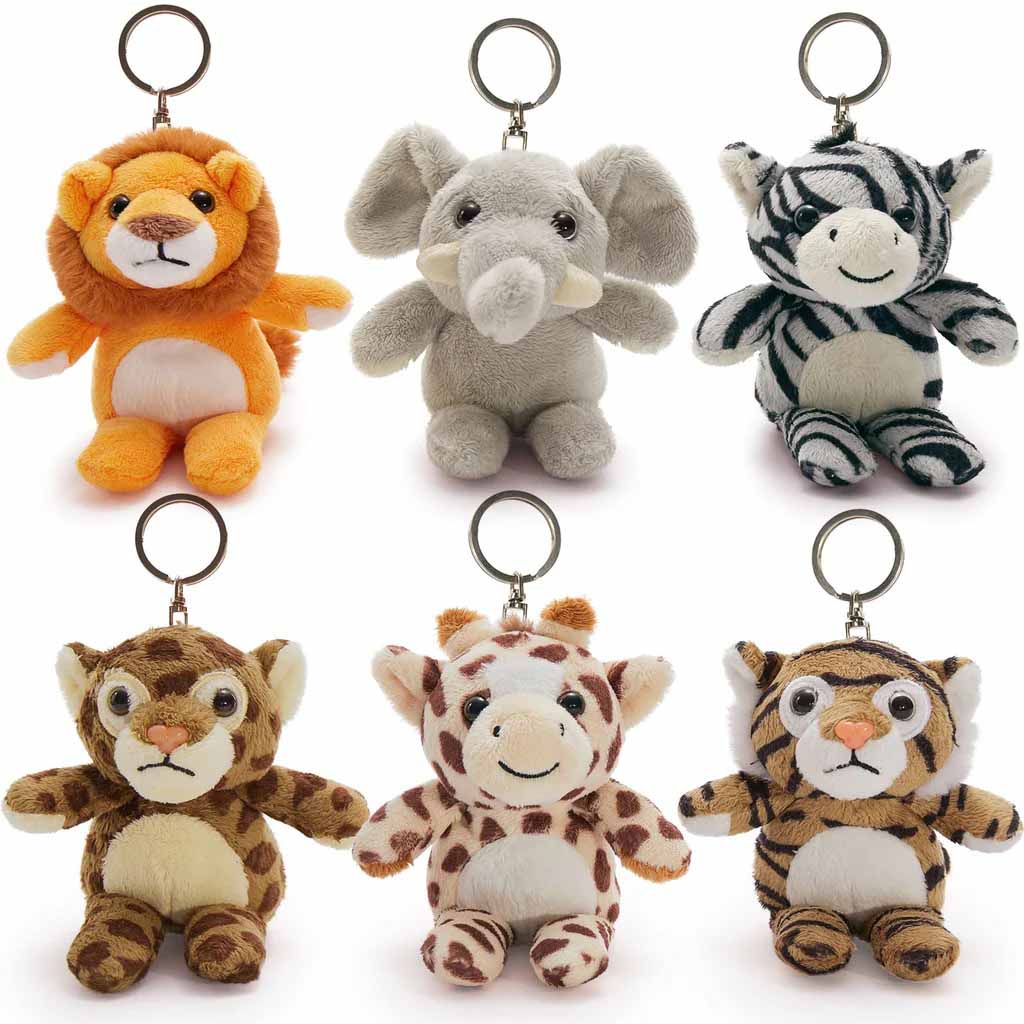
Keychain Plush Toys
Small-sized plush items perfect for impulse sales and brand accessories.
Giant Stuffed Toys
Eye-catching oversized plush toys for displays, events, and experiential marketing.
Eco-Friendly Stuffed Toys
Made with recycled or sustainable materials to support eco-conscious brands.
Holiday Stuffed Toys
Seasonal designs for Christmas, Valentine’s Day, Easter, and other holidays.
Plush Mascots
Classic animal designs customized with brand colors, fabrics, and expressions for long-term retail programs.
Educational Stuffed Toys
Designed to combine play with learning concepts for kids’ product lines.
Soft Plush Pillows
Comfort-focused plush products suitable for home, travel, and lifestyle markets.
Weighted Stuffed Toys
Developed for calming and sensory use with controlled weight distribution.
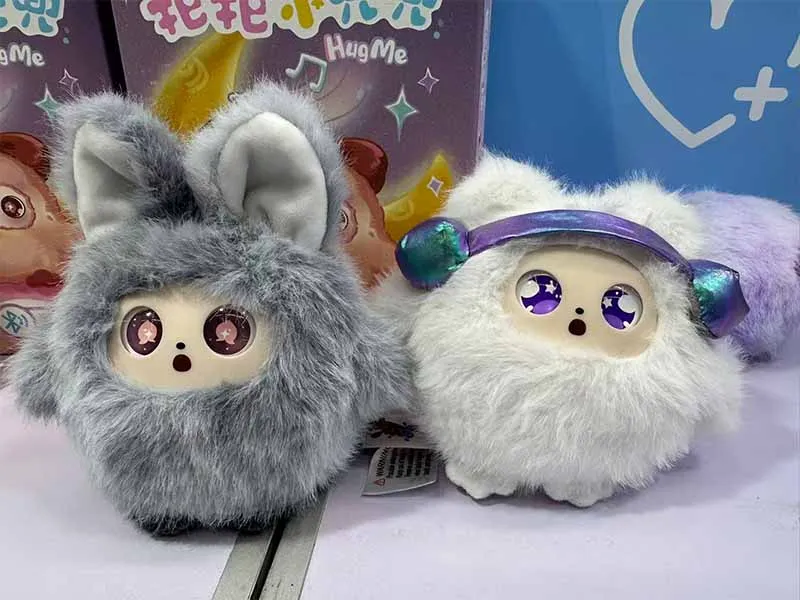
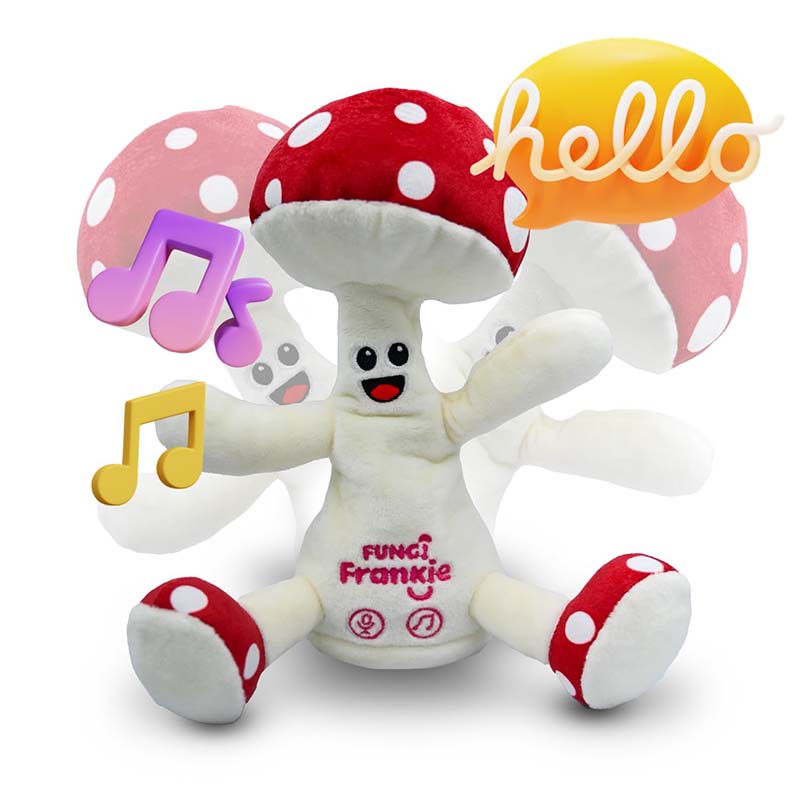
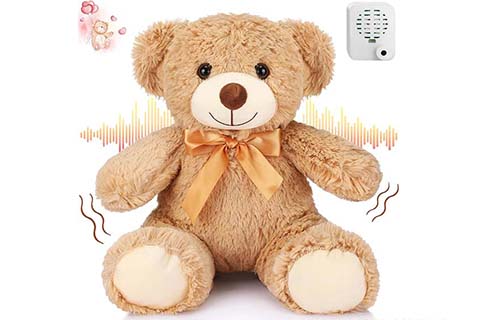
Interactive Stuffed Toys
Integrated with sound or simple interactive elements for added engagement.
Animal Costume Plush
Creative designs that blend costume concepts with soft toy structures.
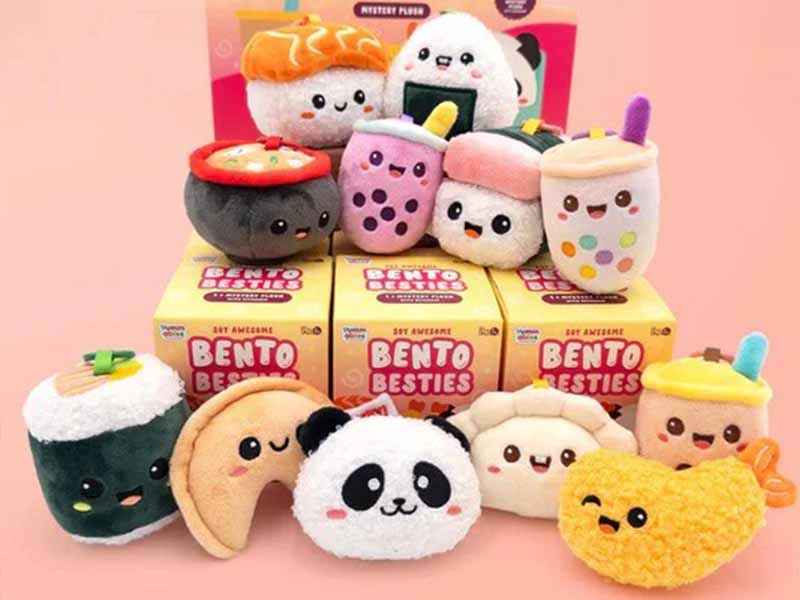
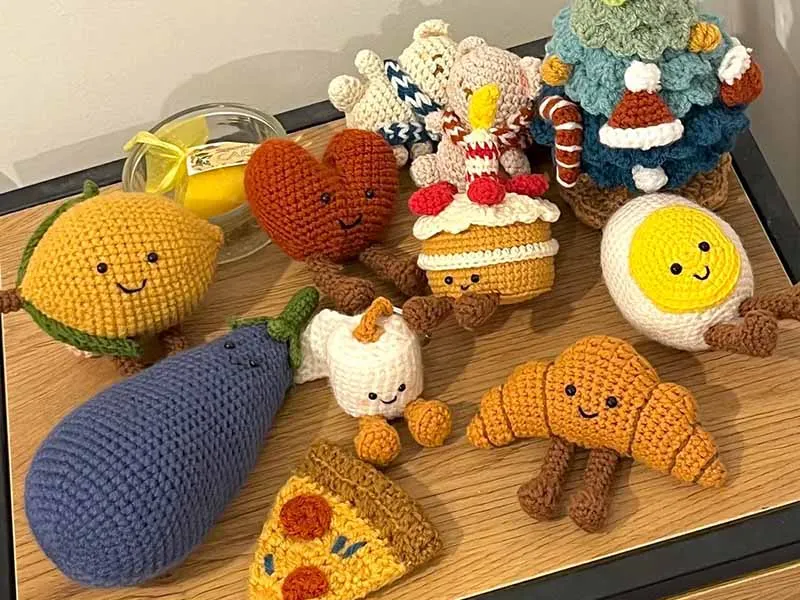
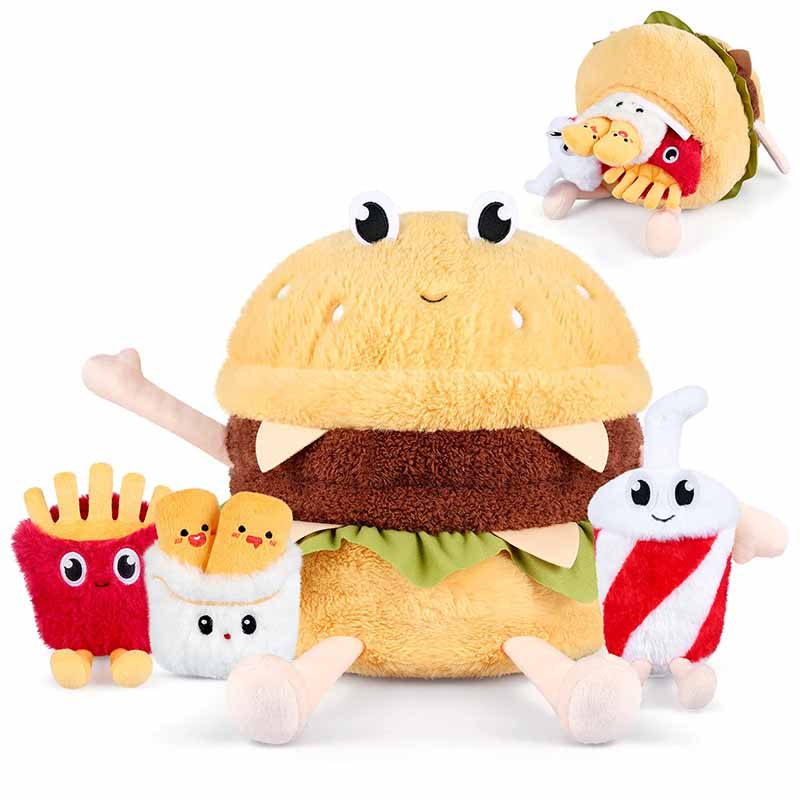
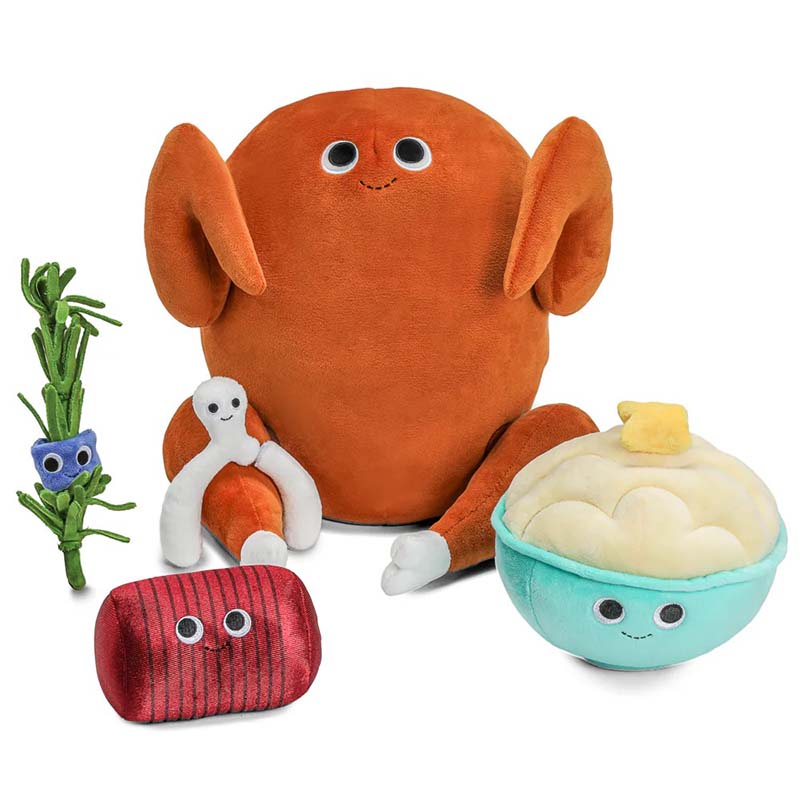
Plush Food & Fruit Toys
Playful novelty items popular in gift shops and lifestyle collections.
Cartoon Style Stuffed Toys
Bold shapes and simplified features designed for modern branding.
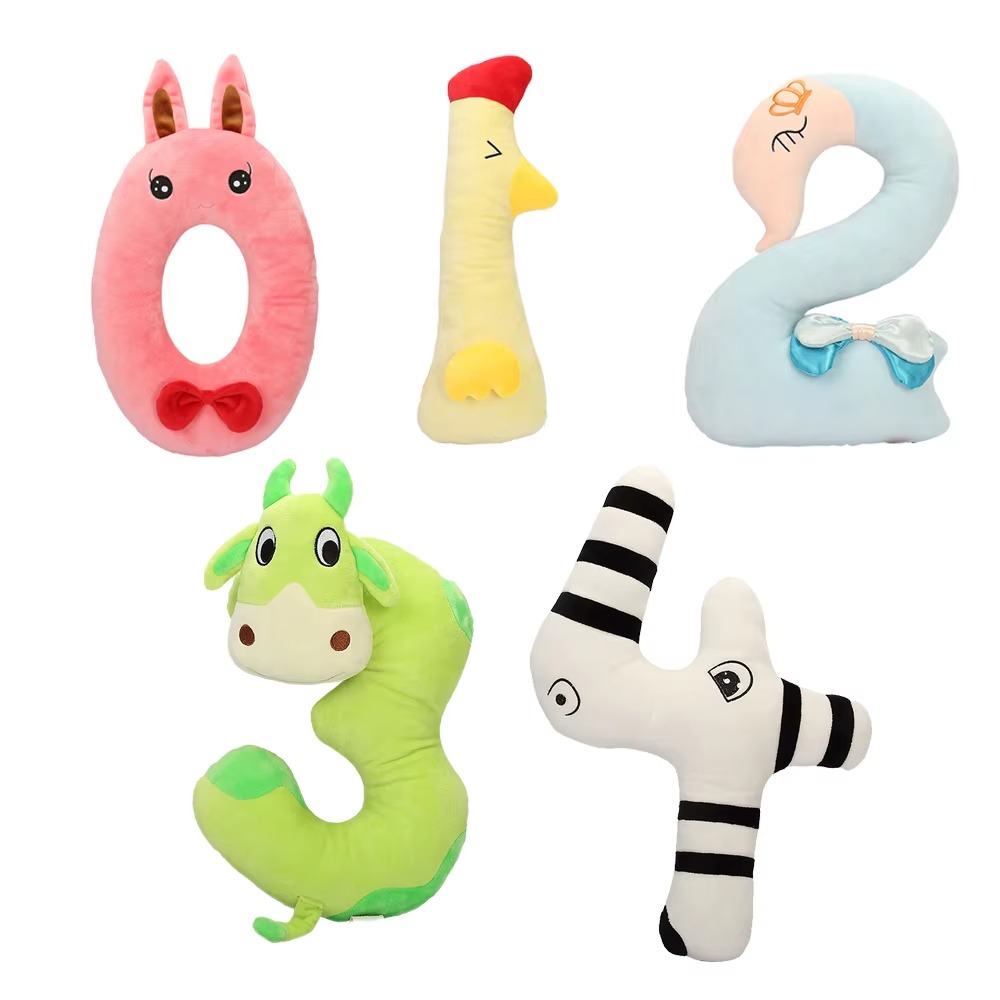
Custom Shape Stuffed Toys
Unique shapes developed from original ideas, sketches, or concepts.
Bulk Wholesale Stuffed Toys
Optimized designs for stable quality and efficient large-scale production.
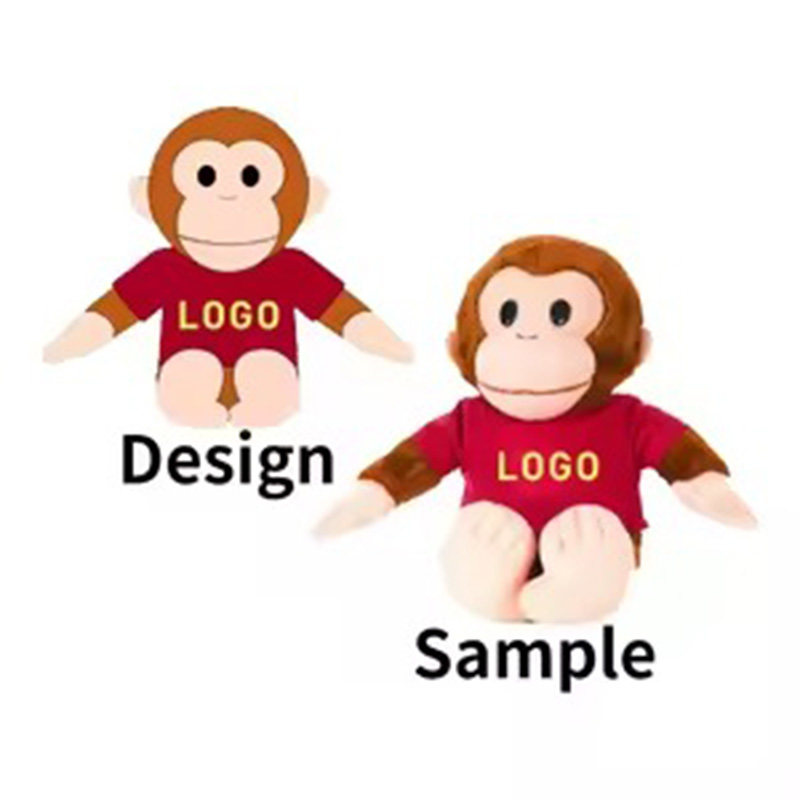
How We Achieve 95% Sample Accuracy in Stuffed Toy Manufacturing
High sample accuracy means fewer revisions, faster approval, and predictable mass production. Through a structured sampling system and manufacturing-driven thinking, Kinwin helps brands achieve up to 95% sample accuracy and move forward with confidence.
Manufacturing-First Design Interpretation
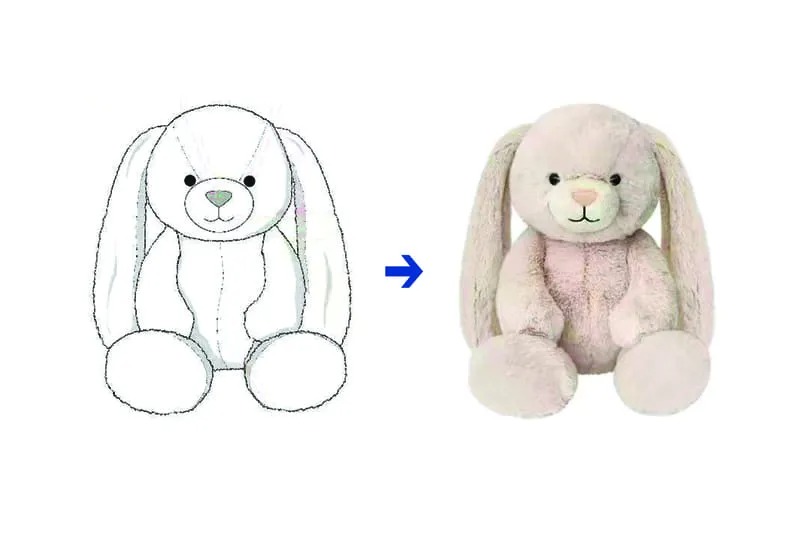
Instead of copying artwork visually, we interpret designs from a production perspective. Shapes, proportions, and structures are adjusted to suit sewing, stuffing, and long-term durability. This prevents designs that look good on paper but fail during sampling or mass production, reducing major rework later.
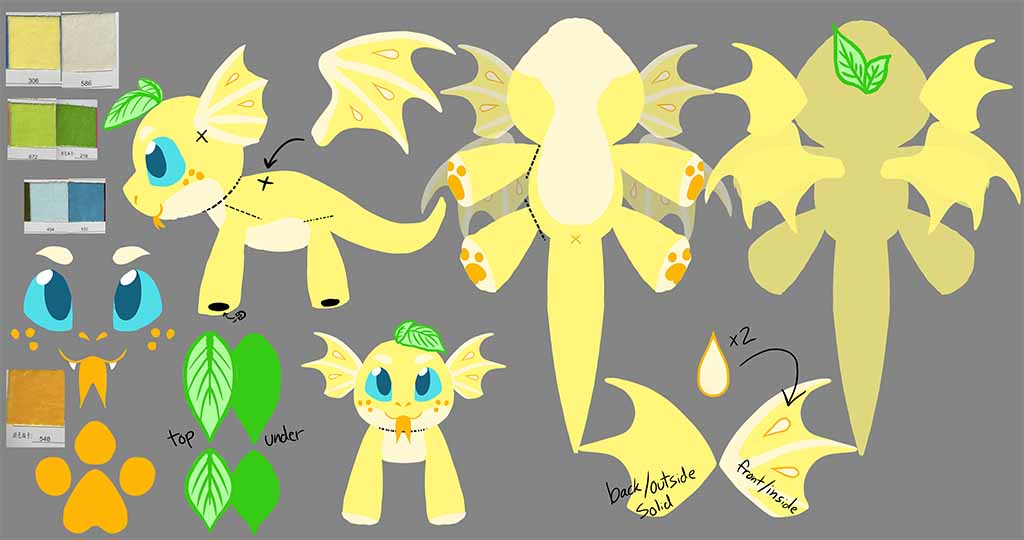
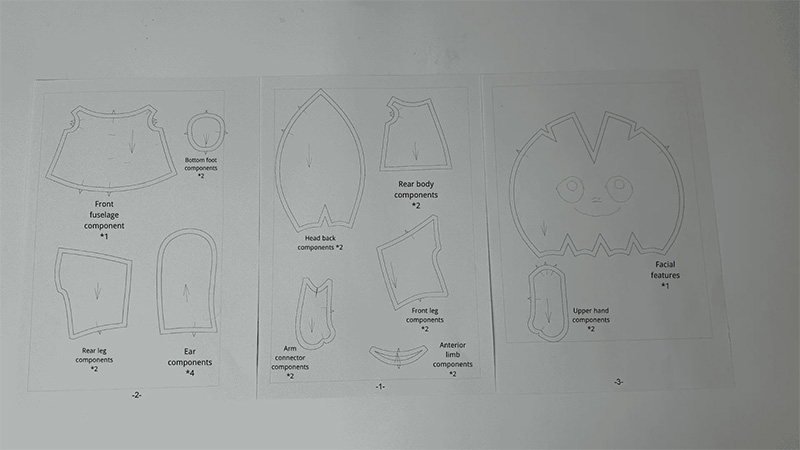
Plush-Specific Pattern Engineering
Plush toys require different pattern logic compared to flat products. Our pattern makers adjust seam positions, curvature, and volume distribution to maintain symmetry and three-dimensional balance. This ensures the final sample matches the intended look from every angle.
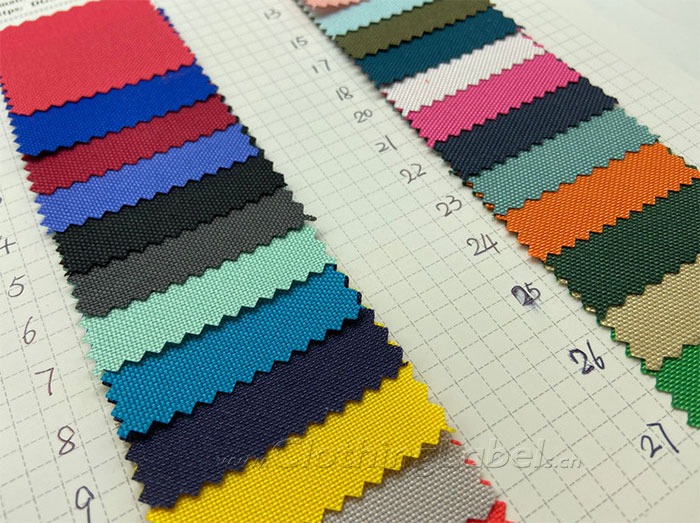
Fabric Behavior & Texture Control
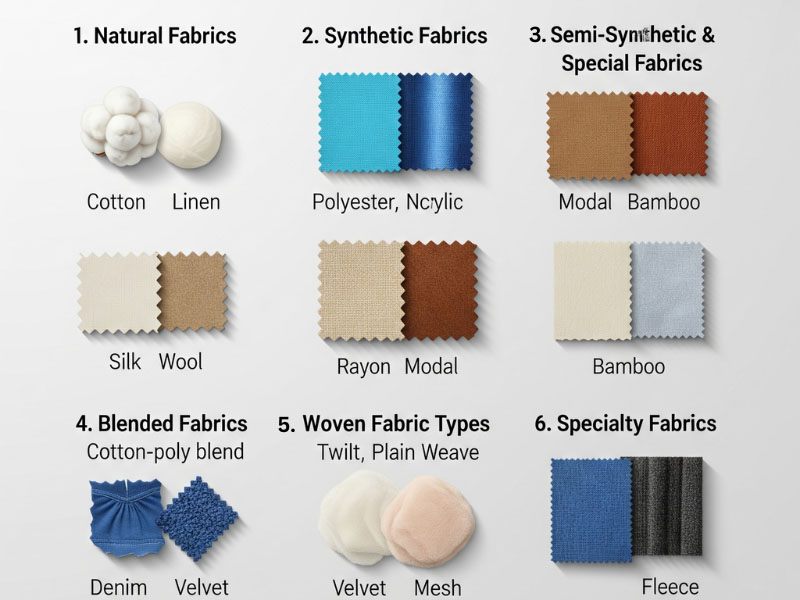
Fabric choice directly affects appearance and feel. We evaluate pile length, elasticity, thickness, and color response to ensure the material behaves as expected after cutting, sewing, and stuffing. This avoids unexpected deformation or texture mismatch in the sample.
Precision in Facial Features & Small Details
Eyes, embroidery, facial expressions, and small accessories define a toy’s personality. We control stitching density, placement, and proportions carefully to avoid distortion, ensuring the sample accurately reflects the intended character and emotion.
Structured Sample Review & Targeted Revisions
Each revision round focuses on specific differences rather than broad changes. Clear comparison points help resolve issues efficiently, preventing unnecessary adjustments and shortening the approval cycle.
Production Alignment Before Final Sample Approval
Before final approval, the sample is reviewed against mass production standards, including materials, workmanship, and tolerance limits. This ensures what you approve can be consistently replicated in bulk without surprises.
Achieving 95% sample accuracy means faster decisions, lower development cost, and smoother production. Our sampling approach is designed to help your stuffed toy project move forward with clarity and control.
International Certifications for Global Stuffed Toy Compliance
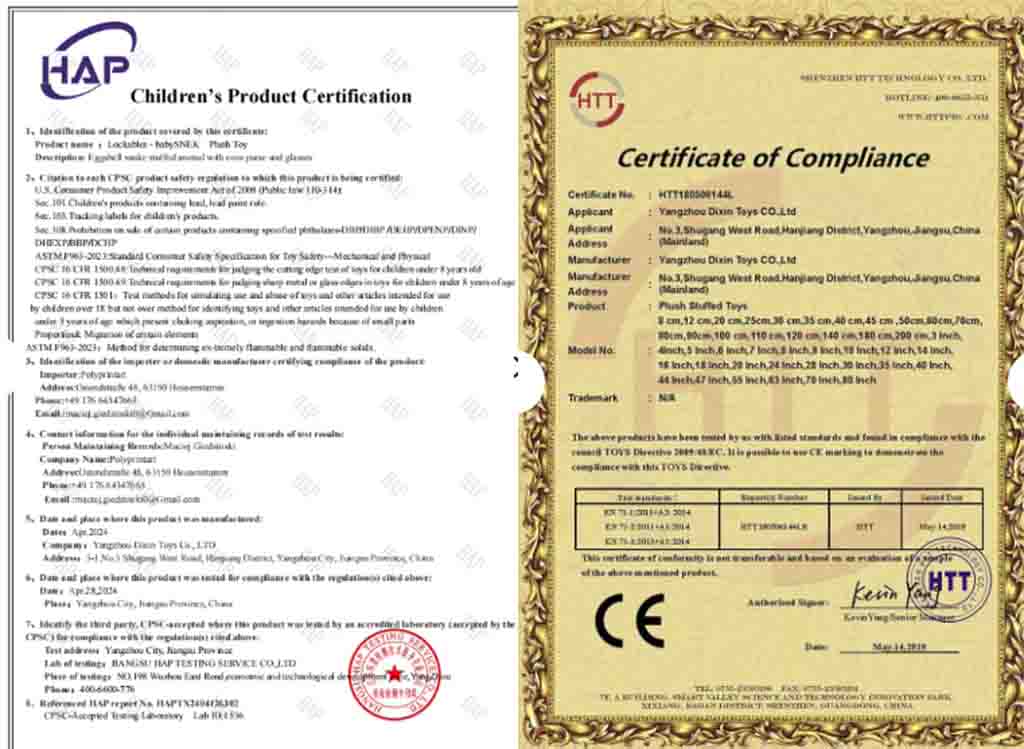
To help you sell stuffed toys with confidence in global markets, our production follows internationally recognized safety, quality, and social responsibility standards. These certifications reduce compliance risk, simplify import procedures, and ensure your products meet market expectations from the start.
CE Certification
Ensures stuffed toys meet essential EU safety, health, and environmental requirements for distribution across Europe.
EN71 Toy Safety Standard
Covers mechanical, physical, and chemical safety requirements for toys sold in the European market.
ASTM F963
Confirms compliance with U.S. toy safety regulations, supporting smooth entry into the American market.
ISO 9001 Quality Management System
Ensures consistent production quality through standardized processes and continuous improvement.
Custom Stuffed Toy Solutions from Concept to Mass Production
We offer full-scope stuffed toy customization designed to support brands at every stage of development. Whether you start with a finished design, a reference image, or only a basic idea, our process focuses on making your product manufacturable, consistent, and scalable. Each customization option is developed with production feasibility, safety standards, and target market requirements in mind, helping you reduce risk while maintaining creative freedom.
Design & Concept Customization
We support customization from early concepts, sketches, or reference images. Our team helps refine proportions, structures, and overall appearance to ensure the design is visually appealing and suitable for mass production. By addressing structure and scale early, we help reduce redesign during sampling and avoid delays later in development.
Customizable items:
Overall toy size and scale adapted to different age groups and use cases
Character shape and body proportions refined for visual balance
Sitting, standing, or dynamic pose structure based on design intent
Head-to-body ratio and silhouette consistency
Style direction aligned with brand identity or IP positioning
Material & Fabric Customization
Different markets require different levels of softness, durability, and safety. We help you select suitable plush fabrics and fillings based on product positioning, cost targets, and compliance needs. This ensures the final product feels right, looks right, and performs well in real use.
Customizable items:
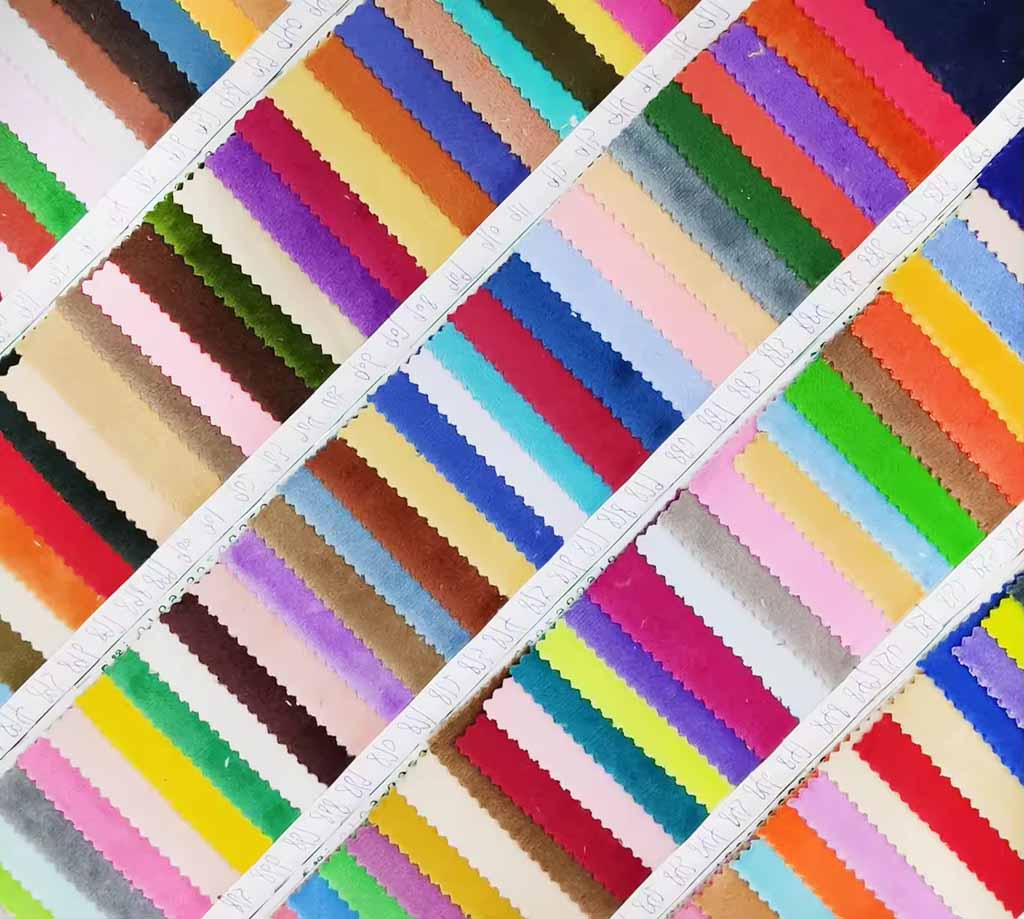
Plush fabric selection based on softness, texture, and visual effect
Pile length and surface feel adjusted for different product styles
Color matching aligned with Pantone codes or reference samples
Filling material options for softness, support, or weighted needs
Fabric weight and density adjusted for durability requirements
Facial Features & Detail Customization
Facial features and details define a stuffed toy’s personality and recognition. We focus on accurate placement, proportion control, and consistency to ensure the character looks the same from sample to mass production.
Customizable items:
Eye styles including embroidery, plastic eyes, or safety eyes
Facial expression design to convey emotion and character traits
Embroidery techniques for logos, patterns, or decorative features
Decorative accessories such as bows, clothing, or add-on elements
Stitching details that influence appearance and long-term durability
Function & Structure Customization
Beyond appearance, we support functional and structural customization to meet different usage scenarios. All structural changes are evaluated for safety, durability, and production stability before moving forward.
Customizable items:
Internal structure design for shape retention and stability
Weighted options for calming or sensory-focused products
Integrated sound or simple interactive modules
Reinforced seam areas for high-stress or frequent-use zones
Special internal features tailored to specific usage needs
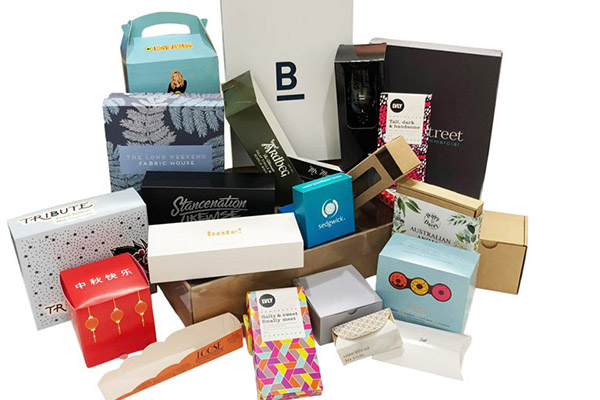
Packaging & Branding Customization
Packaging plays an important role in brand presentation and customer experience. We support packaging solutions that match your sales channels and brand positioning, helping your product stand out while meeting practical requirements.
Customizable items:
Packaging formats suitable for retail shelves or e-commerce shipping
Logo application methods such as printing or embroidery
Custom hang tags and brand information labels
Instruction cards and safety information inserts
Packaging design aligned with overall brand presentation
With a clear and flexible customization scope, you gain better control over design, cost, and timelines. Our goal is to make stuffed toy customization predictable, scalable, and easy to manage for your brand.
What Determines Stuffed Toy Pricing? Key Cost Factors Explained
Stuffed toy pricing is not based on a single factor. It is the result of multiple decisions made during design, material selection, and production planning. Understanding these factors helps you better control cost, avoid surprises, and choose the right balance between quality and budget.
Design Complexity & Structure
The more complex the design, the higher the development and production cost. Details such as irregular shapes, multiple fabric panels, layered structures, and complex stitching increase labor time and sampling effort, which directly affects unit price.
Materials & Filling Choices
Different plush fabrics and fillings vary significantly in cost. Factors such as fabric type, pile length, softness, color requirements, and filling specifications all influence material expenses and overall pricing.
Order Quantity & Production Scale
Unit cost decreases as order quantity increases. Larger production volumes allow better material utilization and more efficient labor planning, while small orders or trial runs usually result in higher per-unit costs.
Packaging, Testing & Compliance Requirements
Custom packaging, safety testing, and certification requirements add to overall cost. Different markets may require specific packaging formats, labeling, or compliance testing, which should be considered early in budgeting.
Understanding these pricing factors helps you plan more accurately and avoid unnecessary costs. With clear specifications and early alignment, stuffed toy pricing becomes more predictable and easier to manage.
Common Stuffed Toy Fabrics & Filling Materials Explained
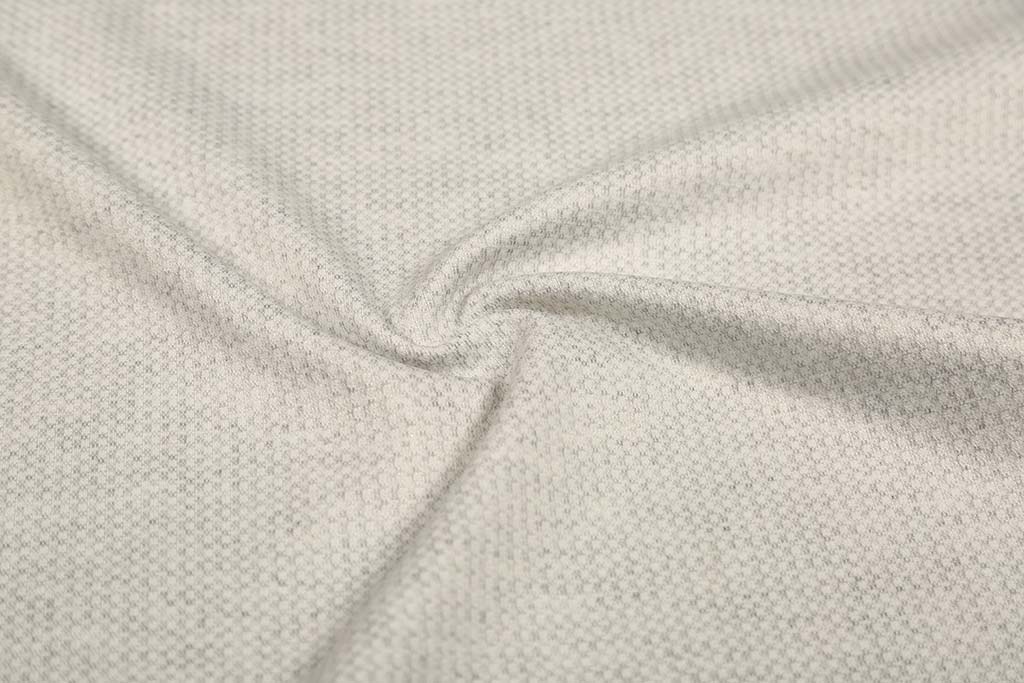
Choosing the right fabric and filling directly affects how a stuffed toy looks, feels, and performs in real use. Different markets and product types require different softness levels, durability, and safety standards. Below are the most commonly used options in stuffed toy manufacturing, each selected to balance appearance, comfort, cost, and compliance.
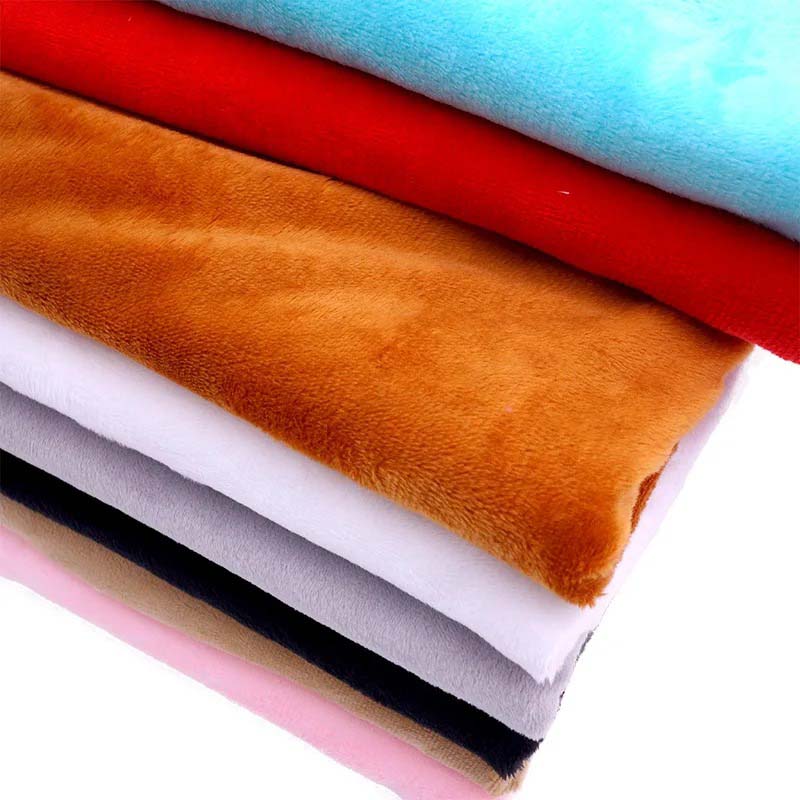
Velboa Fabric
Smooth surface and stable texture, ideal for detailed shapes and printed designs. Commonly used for animal plush and character toys.
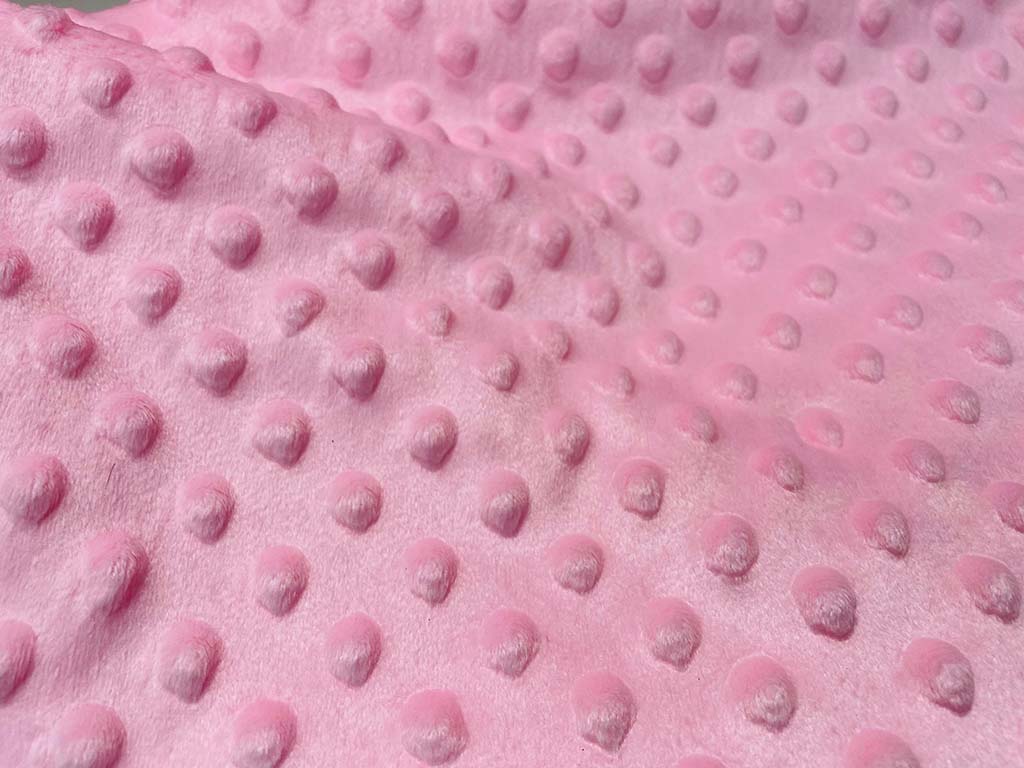
Minky Fabric
Very soft to the touch with a premium feel, popular for baby toys and comfort-focused products.
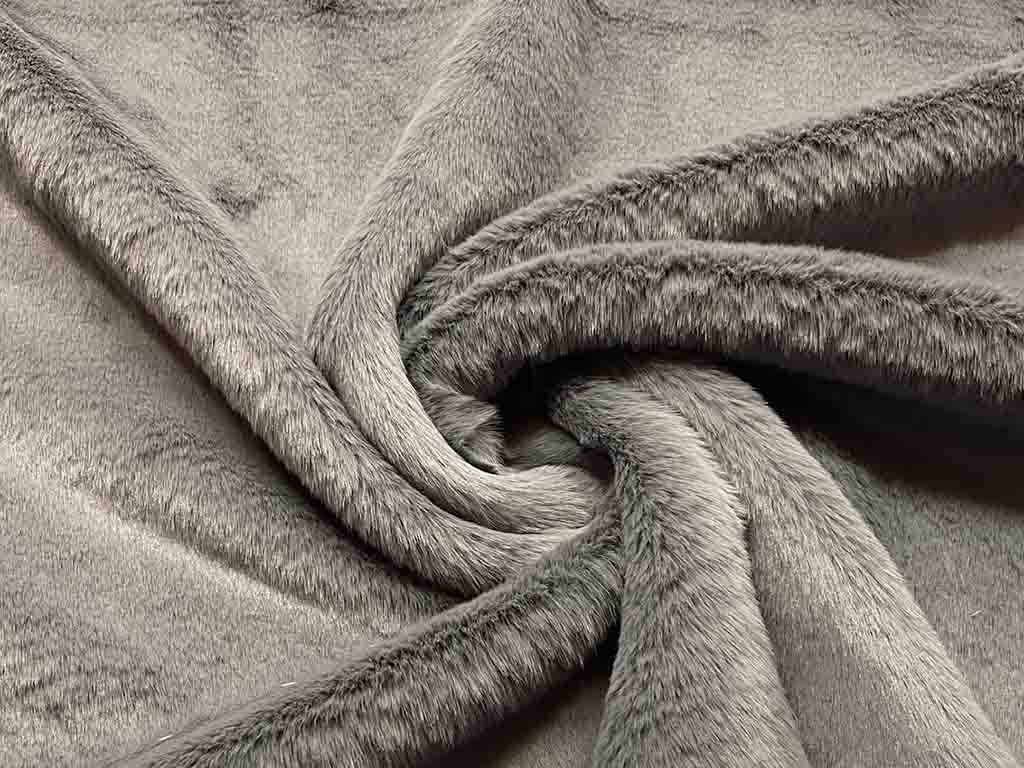
Faux Fur Fabric
Longer pile creates a realistic and fluffy appearance, suitable for animal characters and decorative plush.
Crystal Super Soft Fabric
Soft, shiny, and visually appealing, often used for fashion-oriented or gift-style plush toys.
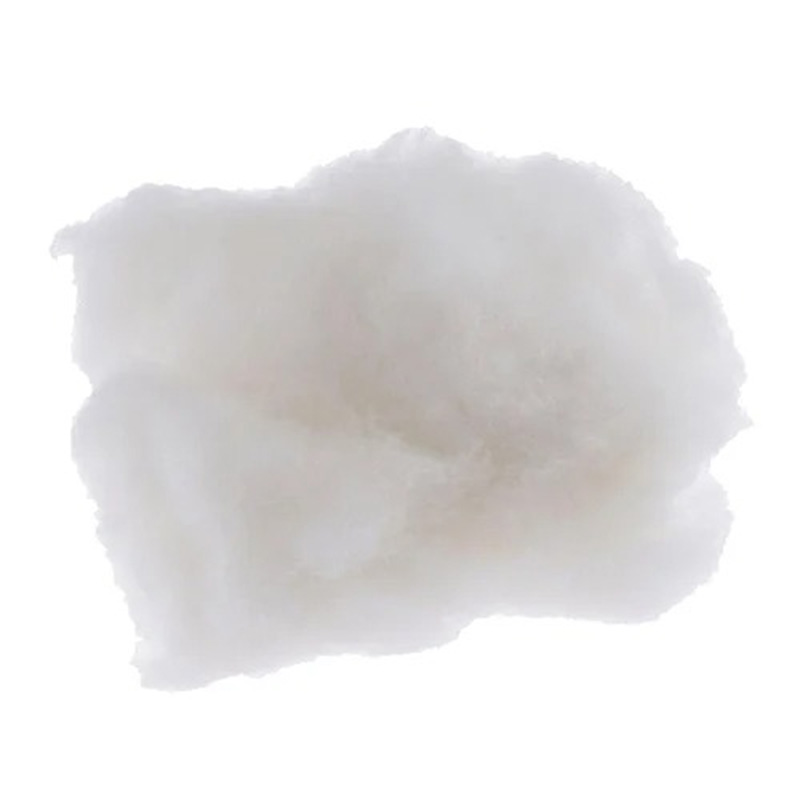
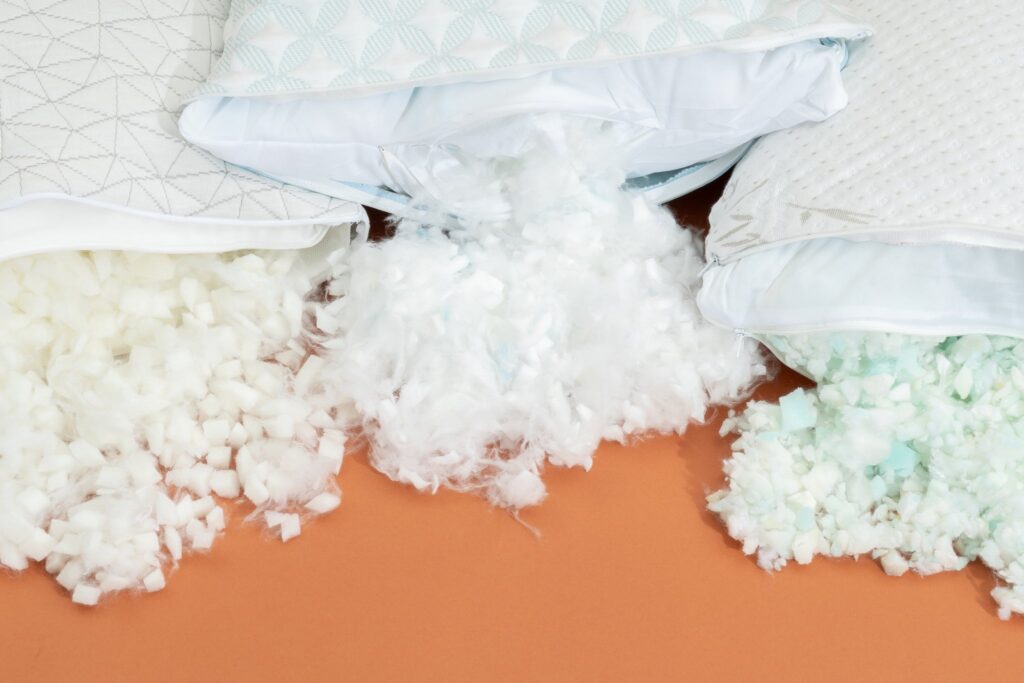
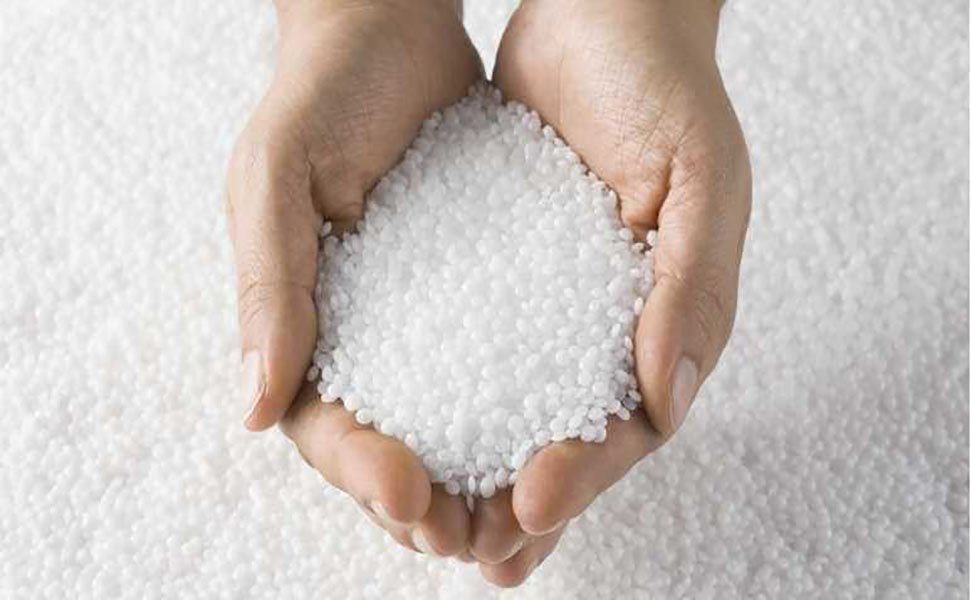
PP Cotton Filling
Lightweight and resilient, offering good shape retention and softness. Most commonly used filling material.
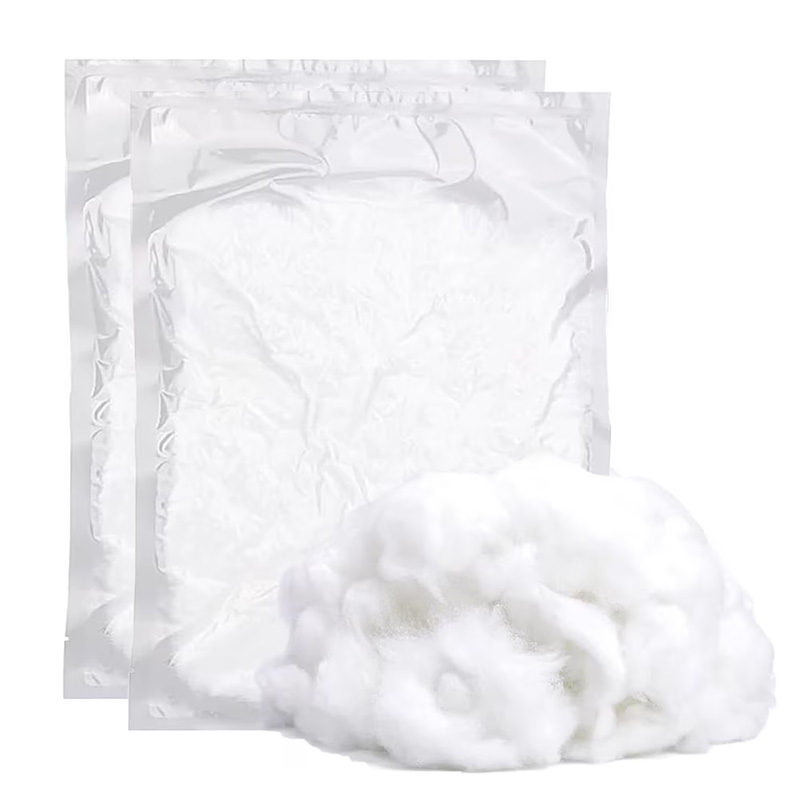
Polyester Fiber Filling
Provides consistent softness and durability, suitable for large-scale production.
Memory Foam Filling
Used for specific areas to add structure or support, often combined with other fillings.
Weighted Filling
Adds weight for calming or sensory-focused products, with controlled placement for safety.
Selecting the right fabric and filling combination helps ensure your stuffed toy meets both market expectations and functional needs. We guide you through material choices based on product positioning, target market, and budget.
How Stuffed Toys Are Manufactured: Step-by-Step Process
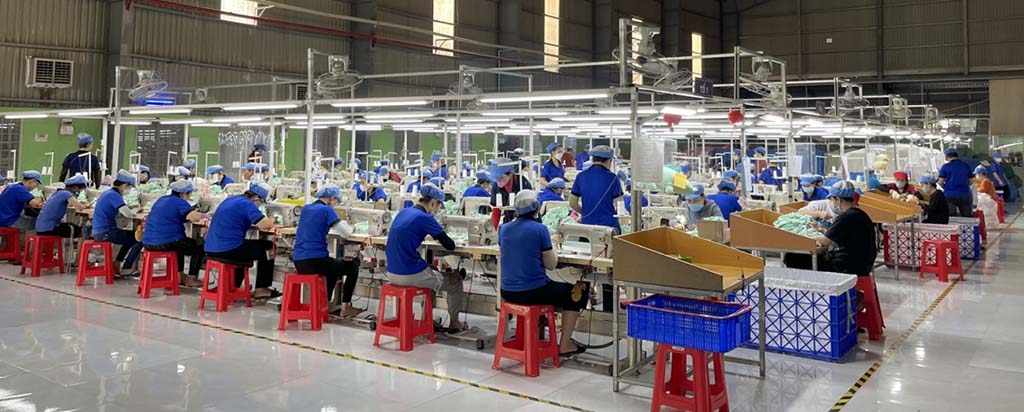
A clear and controlled production process is essential for quality, consistency, and on-time delivery. Our stuffed toy manufacturing workflow is designed to reduce errors, improve efficiency, and ensure every product meets approved samples and market requirements from start to finish.
Design Review & Technical Confirmation
We review approved designs, specifications, and target requirements to ensure all details are production-ready before manufacturing begins.
Pattern Making & Material Preparation
Patterns are finalized based on approved samples, while fabrics, fillings, and accessories are sourced and inspected to meet quality standards.
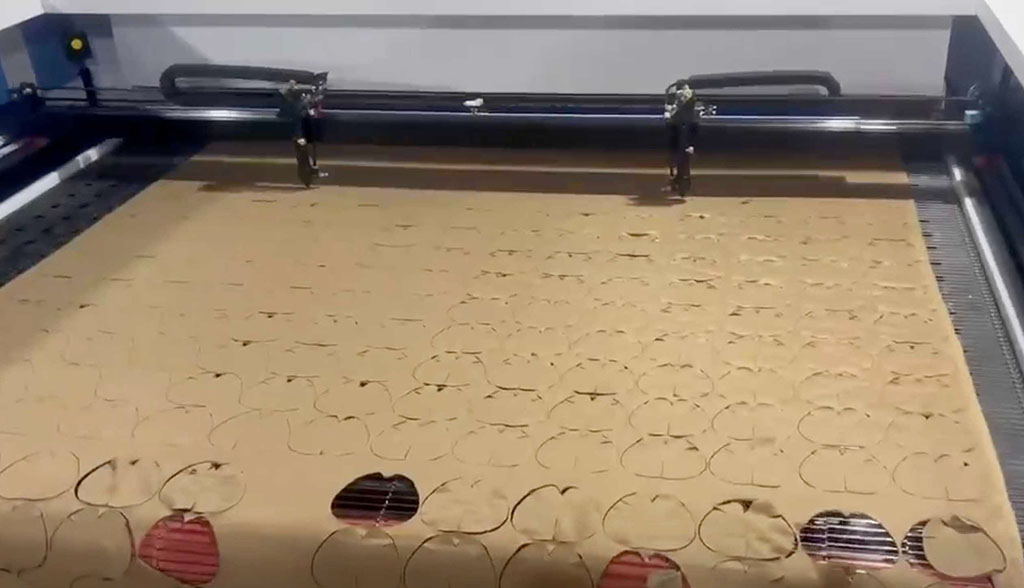
Fabric Cutting & Component Processing
Fabrics are cut accurately using controlled processes to maintain consistency across all units before sewing begins.
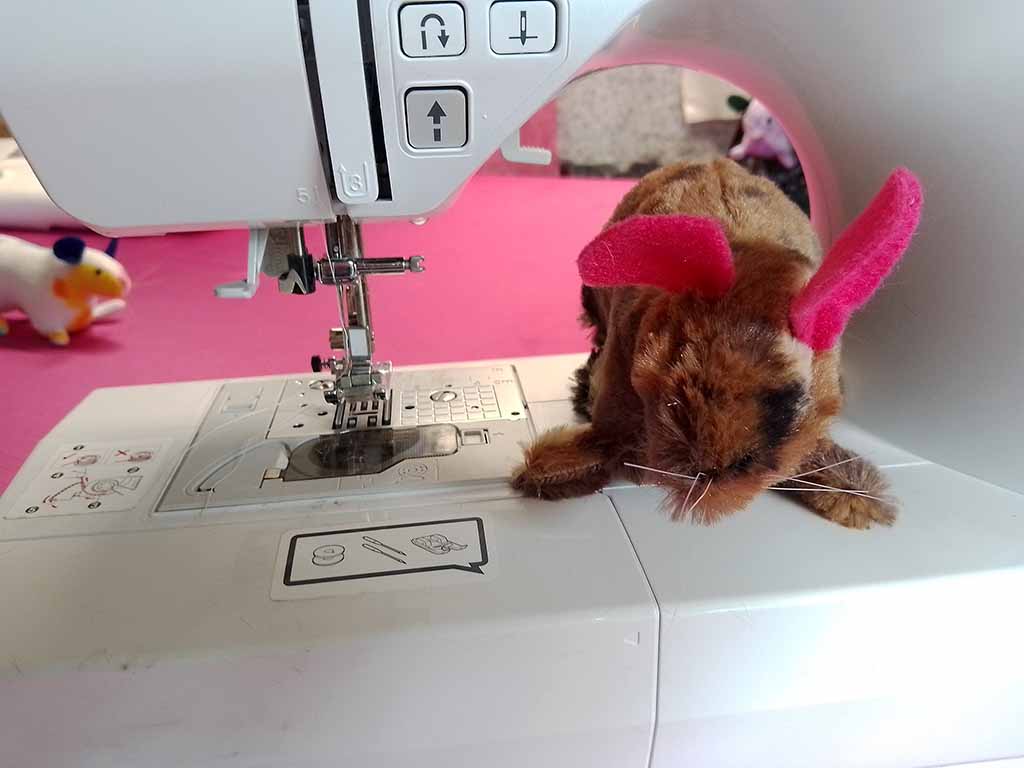
Sewing, Embroidery & Assembly
Individual components are sewn, embroidered, and assembled according to defined workmanship standards to maintain appearance and durability.
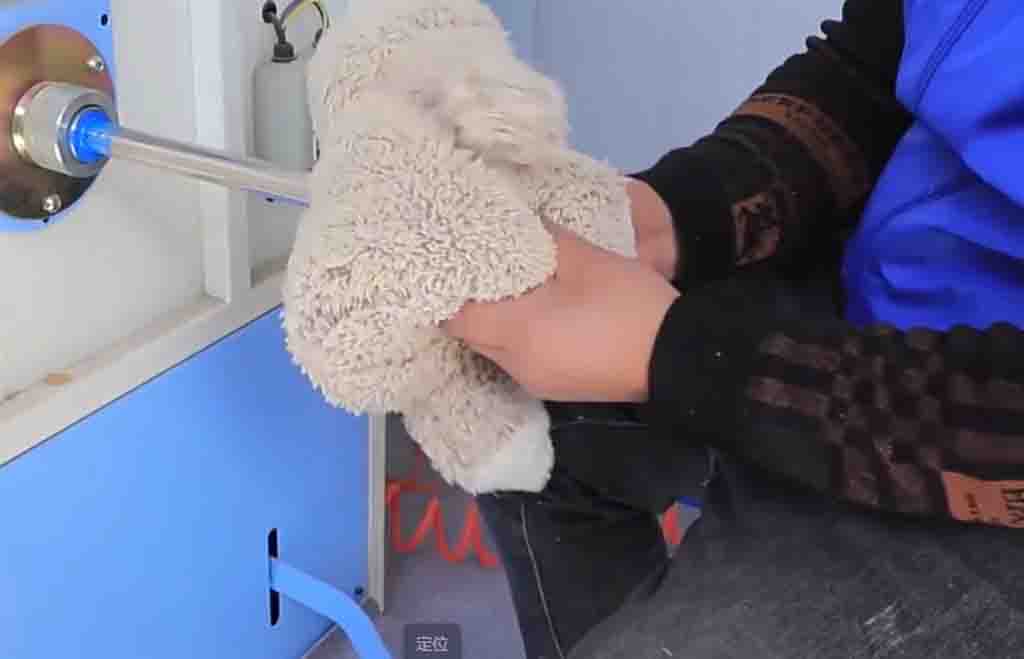
Stuffing, Shaping & Quality Inspection
Toys are filled, shaped, and inspected to ensure correct form, weight distribution, and workmanship before final finishing.
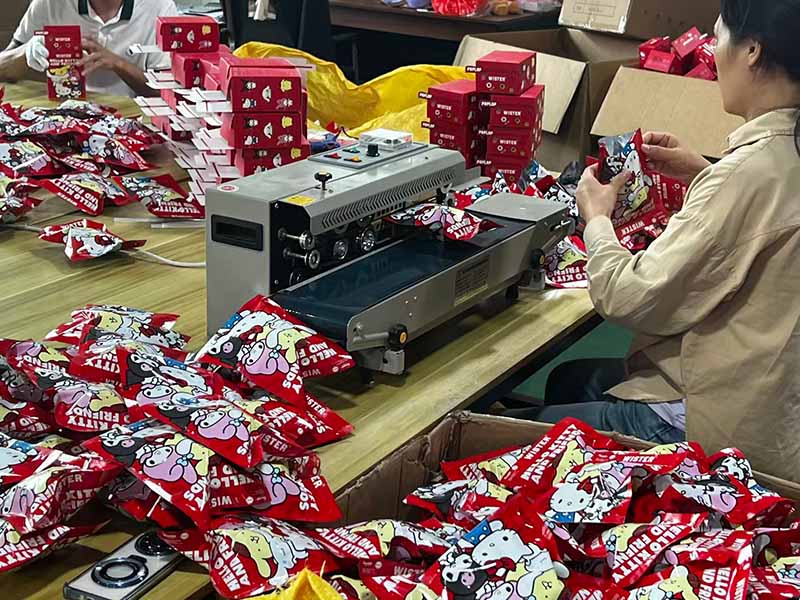
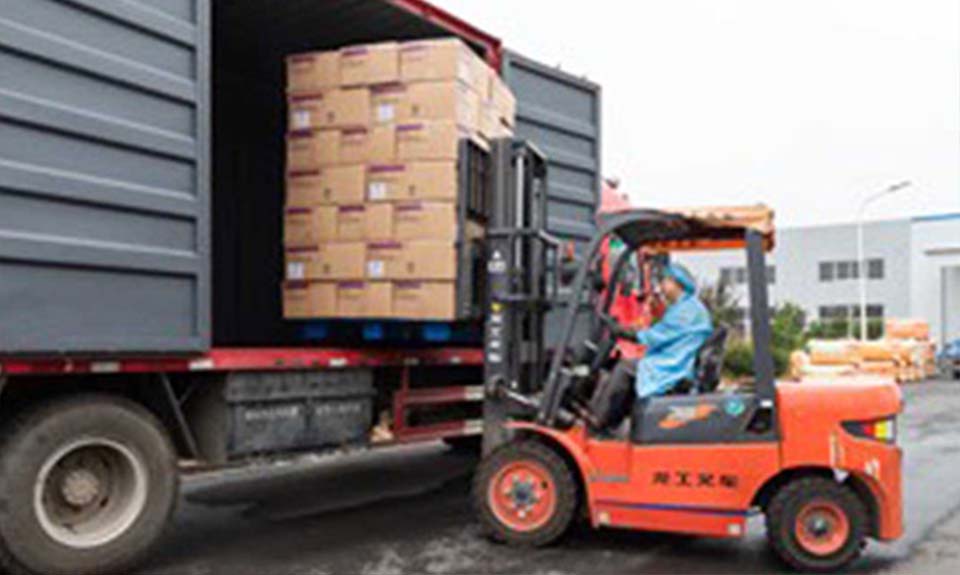
Final Inspection, Packaging & Shipment
Finished products undergo final inspection before packaging and shipment, ensuring they meet approved samples and customer requirements.
A structured production process helps you achieve stable quality, predictable timelines, and scalable manufacturing. Our goal is to make stuffed toy production smooth, transparent, and reliable for your business.
Comprehensive Quality Control for Stuffed Toy Manufacturing
Quality consistency comes from disciplined checks at every step. Our inspection system is built to prevent issues early, correct deviations fast, and ensure every unit matches the approved sample and market standards.
Incoming Material Inspection (IQC)
All fabrics, fillings, and accessories are inspected before entering production. We verify material specifications, color consistency, hand feel, density, and basic safety indicators. Any deviation is flagged immediately, preventing unsuitable materials from affecting downstream processes and sample consistency.
In-Process Quality Control (PQC)
During cutting, sewing, embroidery, and assembly, quality checks are performed at defined intervals. We monitor stitching quality, seam alignment, embroidery accuracy, and component positioning. Early detection allows immediate correction before issues repeat across larger quantities.
Stuffing Weight & Shape Consistency Control
Stuffing amount and distribution directly affect appearance and feel. Each batch is checked for weight balance, firmness, and overall shape to ensure toys feel consistent in hand and match the approved sample profile.
Workmanship & Detail Inspection
Fine details such as facial expressions, embroidery density, accessory attachment, and edge finishing are carefully reviewed. This step ensures visual consistency and prevents loose parts or uneven details that reduce perceived quality.
Safety & Strength Testing
Stress points such as seams, joints, and attachments are tested to ensure durability under normal use. This helps reduce safety risks and supports compliance with common toy safety expectations in different markets.
Final Inspection Before Packing (OQC)
Before packing, finished products are checked against approved samples and specifications. Appearance, workmanship, labeling, and quantity are verified to ensure what ships matches what was approved, with no last-minute surprises.

A strict quality control system helps you reduce risk, protect your brand reputation, and deliver consistent products to market. By integrating inspections at every key stage, we ensure your stuffed toys meet approved samples, safety expectations, and long-term quality standards—batch after batch.
Trusted by Leading Global Brands
Strong partnerships prove strong capabilities. Over the years, Kinwin has worked with world-leading brands and retailers to deliver interactive plush toys that meet the highest standards of creativity, safety, and quality. By choosing us, you gain a supplier that is trusted by top companies worldwide—and the same reliability is available to your brand.


How to Select a Reliable Stuffed Toy Manufacturer for Your Brand
Choosing the right manufacturer affects product quality, delivery reliability, and long-term brand growth. Focusing on the factors below helps you reduce risk and build a stable supply partnership.
Manufacturing Experience & Product Focus
Look for a manufacturer with proven experience in stuffed toys, not general textiles. Plush-specific know-how helps avoid design and production mistakes.
Sample Accuracy & Development Capability
High sample accuracy means fewer revisions and faster launches. Ask how samples are developed and approved before mass production.
Quality Control & Safety Standards
A reliable manufacturer should have clear QC steps and experience meeting international toy safety requirements.
Communication & Project Management
Clear communication, defined timelines, and responsive feedback help keep projects moving without delays.
Scalability & Long-Term Support
Choose a partner that can scale with your business, supporting both small test orders and larger production runs.
Explore Our Custom Plush Toy Series
We offer a wide selection of plush toys to meet different business needs. From baby-safe stuffed animals to collectible plush dolls, our product lines are designed for global brands, retailers, e-commerce, and promotional projects.
Ready to Start Your Stuffed Toy Project with Confidence?
Whether you are developing a new character, expanding an existing product line, or sourcing a reliable long-term manufacturing partner, the right support makes all the difference. From early concept discussion and sample development to mass production and quality control, our team focuses on helping you reduce risk, control cost, and move forward with clarity. You gain transparent communication, practical manufacturing advice, and solutions built around your market goals—not guesswork.
Take the next step when you are ready. Share your idea, timeline, or concerns, and let’s explore how your stuffed toy project can move from concept to market smoothly and efficiently.
Frequently Asked Questions
1. What information do I need to provide to start a custom stuffed toy project?
To start efficiently, it helps to provide reference images, sketches, target size, intended market, and quantity estimates. If designs are not final, basic ideas and usage scenarios are enough. Clear goals allow the manufacturer to recommend suitable materials, structures, and production approaches from the beginning.
2. How long does sample development usually take?
Sample development typically takes 10–15 working days, depending on design complexity, material availability, and revision rounds. Clear specifications and focused feedback can significantly shorten this timeline.
3. What is the typical minimum order quantity (MOQ)?
Our standard MOQ is 500 pieces. For orders below this quantity, please consult with our project manager. We may offer flexible solutions depending on the product size, complexity, and customization requirements.
4. How is pricing calculated for custom stuffed toys?
Pricing is based on design complexity, fabric and filling choices, order quantity, packaging requirements, and compliance testing needs. A detailed cost breakdown helps you understand where budget is allocated and how adjustments affect pricing.
5. Can you help improve a design to make it more production-ready?
Yes. Design-for-manufacturing review is a key part of the process. Adjustments to structure, stitching, or materials help reduce production risk while maintaining the intended look and feel.
6. How do you ensure sample accuracy matches mass production?
Approved samples are used as the production benchmark. Materials, workmanship, and tolerance standards are aligned before mass production begins, with quality checks at each stage to maintain consistency.
7. What safety and compliance standards can you support?
Manufacturing processes are aligned with common international toy safety standards, such as requirements for Europe and the United States. Compliance needs are discussed early to ensure proper material selection and testing preparation.
8. Can you handle both small trial orders and large-scale production?
Yes. Production planning is designed to support both small initial runs and scalable mass production. This allows brands to test the market first and expand smoothly once demand grows.
9. How do you manage communication during the project?
Each project follows a clear communication flow with defined checkpoints. Regular updates and structured feedback help prevent misunderstandings and keep timelines under control.
10. What happens if changes are needed after sampling?
Feedback is reviewed carefully to identify priority changes. Revisions focus on key differences rather than full redesigns, helping control cost and timeline while moving toward final approval.
If You Can lmagine lt,We Will Create lt!
1.Tell Us What You Need
Tell us as specific as possible of your needs and share your idea.
2.Get Solution & Quote
We will work on the best solution according to yourrequirements,the specific quote will be provided within 24 hours.
3.Approve for Mass Production
We will start mass production after getting your approval.