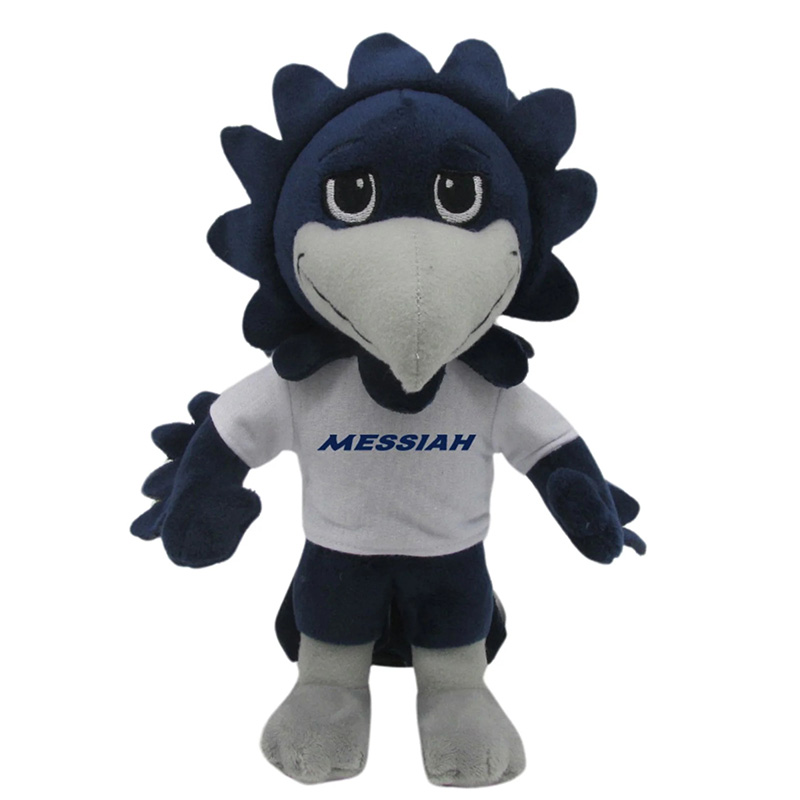
Stuffed Toys Wholesale Manufacturer | OEM & ODM Plush Toy Factory from China
Work directly with a professional plush toy factory to source reliable stuffed toys wholesale at scale. From custom design support and material selection to stable mass production and strict quality control, you get consistent quality, competitive factory pricing, and dependable delivery. This one-stop OEM & ODM solution helps you reduce sourcing risk, control costs, and scale your brand with confidence.
Why Global Wholesale Buyers Choose Kinwin for Long-Term Cooperation
Large-volume buyers choose Kinwin not only for wholesale pricing, but for long-term stability, risk control, and scalable production support. We focus on helping brands maintain consistent quality, predictable delivery, and sustainable margins as their business grows.
Stable High-Volume Production Capacity
Dedicated production lines and standardized processes ensure consistent quality across repeated bulk orders.
OEM & ODM Support Built for Scaling Brands
We optimize structure, materials, and workmanship to support cost control without changing product appearance.
Strict Quality Control for Long-Term Consistency
Multi-stage inspections reduce defect rates and protect brand reputation in long-term cooperation.
Predictable Lead Time & Priority Scheduling
Long-term partners benefit from stable lead times and priority production planning during peak seasons.
Transparent Factory Pricing for Sustainable Margins
Clear cost structure helps buyers plan pricing strategies and maintain healthy margins over time.
By focusing on consistency, scalability, and trust, Kinwin becomes more than a supplier—we become a long-term manufacturing partner behind your brand’s growth.
Why Long-Term Wholesale Buyers Partner with Kinwin
Clients who build long-term cooperation with Kinwin usually follow a clear and rational sourcing mindset. They look beyond short-term price differences and focus more on execution reliability, risk control, and the ability to grow steadily as their business scales.
Trust Built Through Transparency and Proven Execution
Long-term partners place high value on transparent communication and consistent execution. Clear cost structures, realistic production timelines, and honest feedback during development help reduce uncertainty. Over repeated orders, predictable quality and reliable responses build confidence and allow buyers to make decisions faster and with less internal risk.
Stability in Quality, Delivery, and Supply Chain Control
Stable partners require stable output. Consistent materials, controlled workmanship, and repeatable production processes ensure that every batch meets the same standard. Reliable lead times and controlled supply chains allow brands to plan launches, manage inventory, and protect their market reputation without unexpected disruptions.
Mutual Growth Through Long-Term Cooperation
Successful partnerships grow together over time. As order volumes increase, processes are optimized, communication becomes more efficient, and costs become easier to manage. This long-term collaboration creates sustainable value, allowing both sides to improve efficiency, strengthen competitiveness, and support future product expansion.
When trust, stability, and mutual growth are aligned, a supplier becomes a long-term manufacturing partner that supports your brand beyond individual orders.
Wholesale Stuffed Toys Product Range
Our wholesale stuffed toys collection covers the most in-demand product types in today’s global market. These categories are widely used in retail, gifting, promotions, and brand merchandise, and all support OEM & ODM customization with stable bulk production.
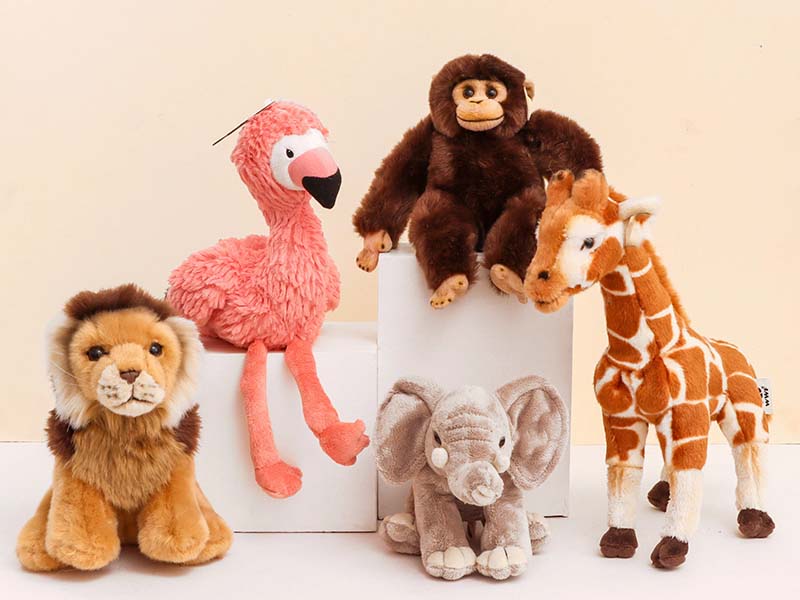
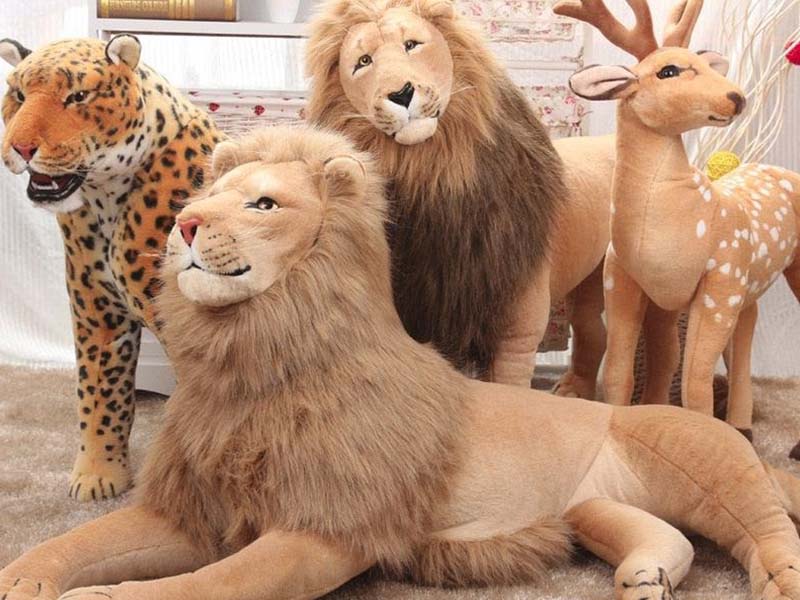
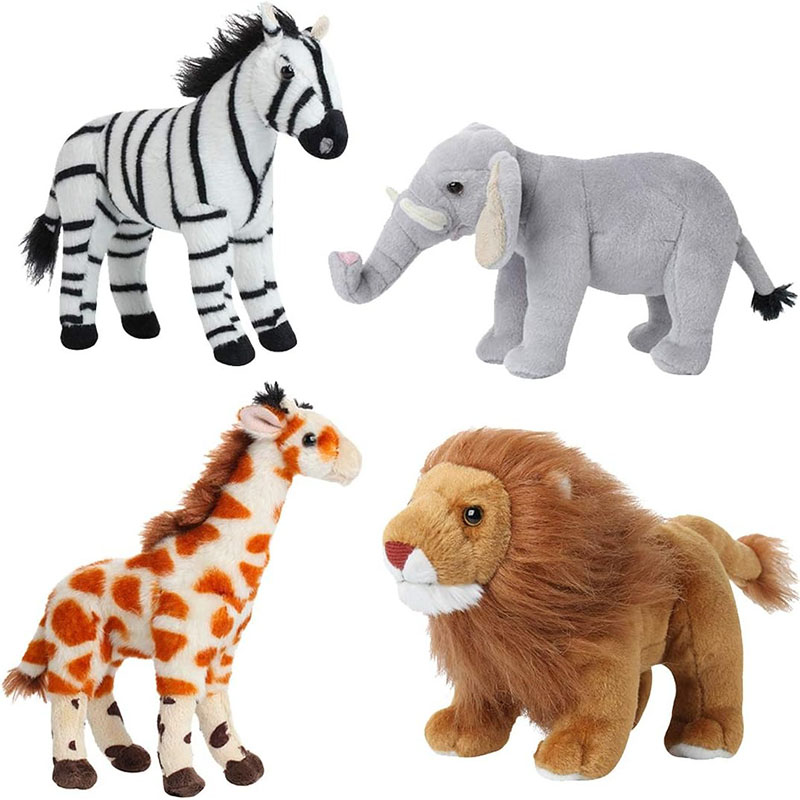
Animal Stuffed Toys
Classic animal plush toys with strong consumer recognition, suitable for long-term retail programs and repeat bulk orders.
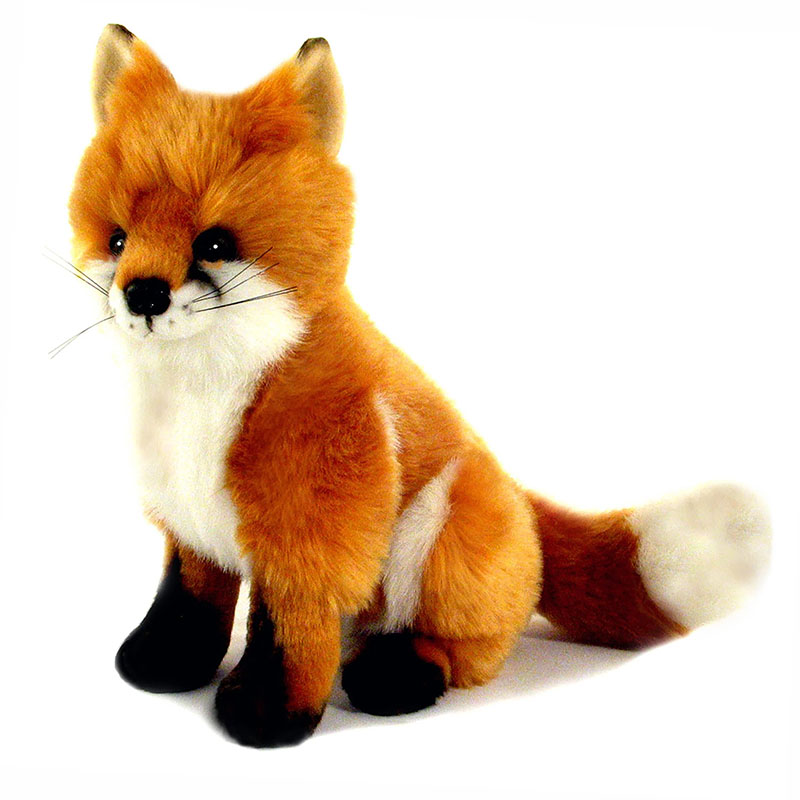
Realistic Plush Toys
Realistic plush toys focusing on lifelike proportions, textures, and color matching for premium collections.
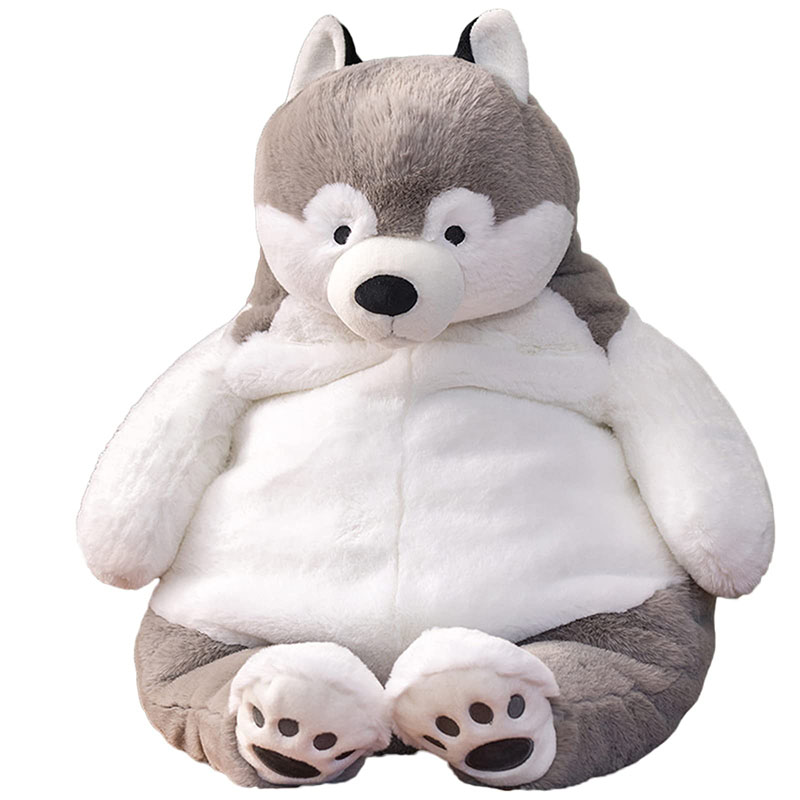
Weighted Plush Toys
Weighted plush toys designed to provide comfort and sensory support, popular in wellness and calming products.
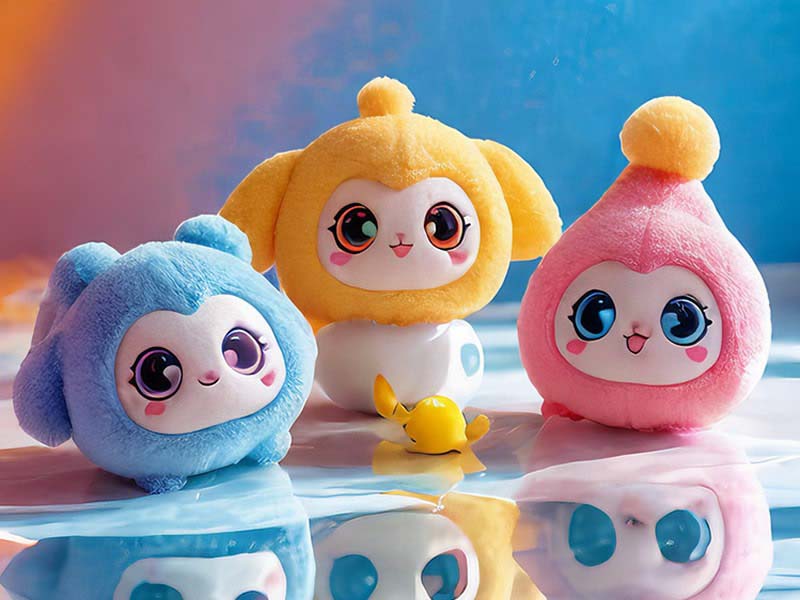
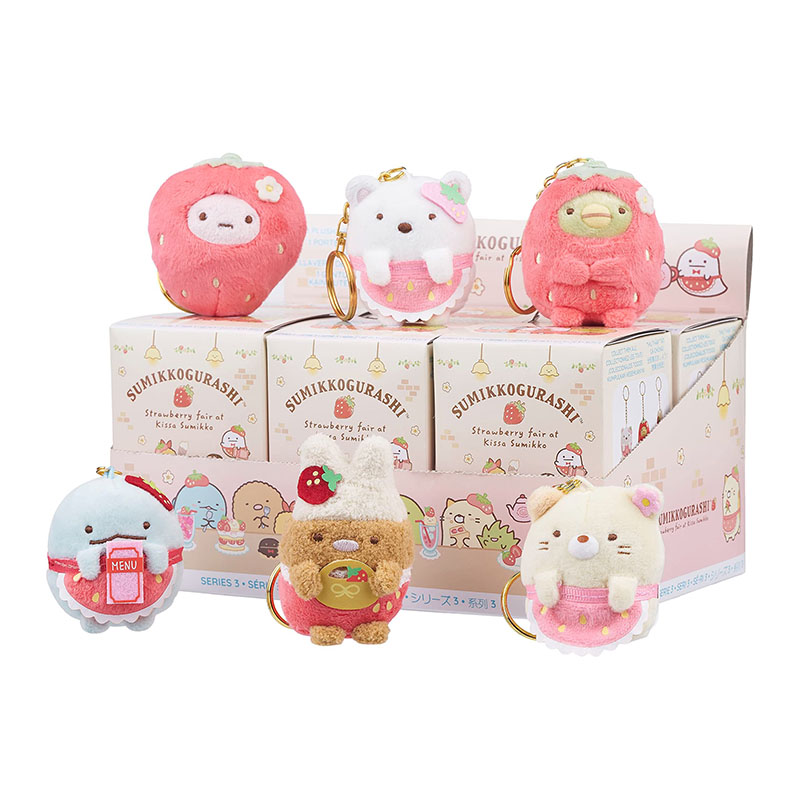
Blind Box Plush Toys
Blind box plush toys developed for collectible series and surprise-based retail models.
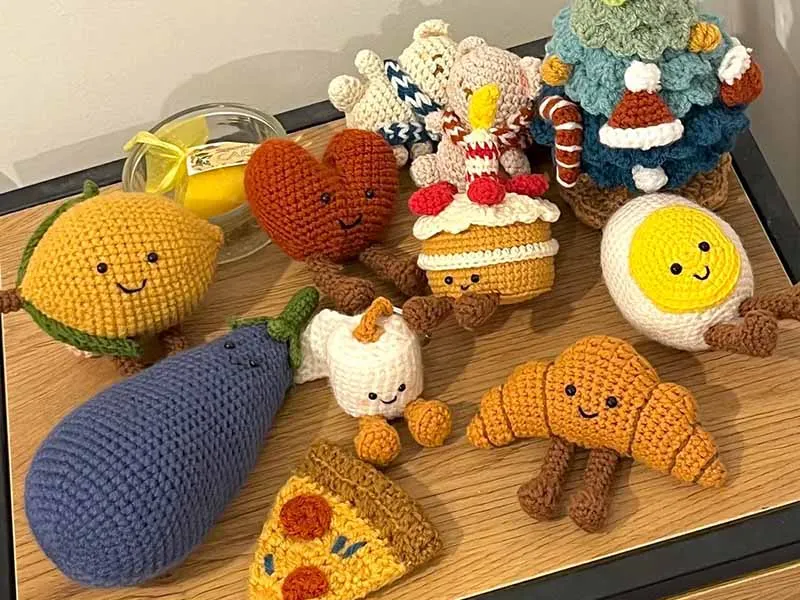
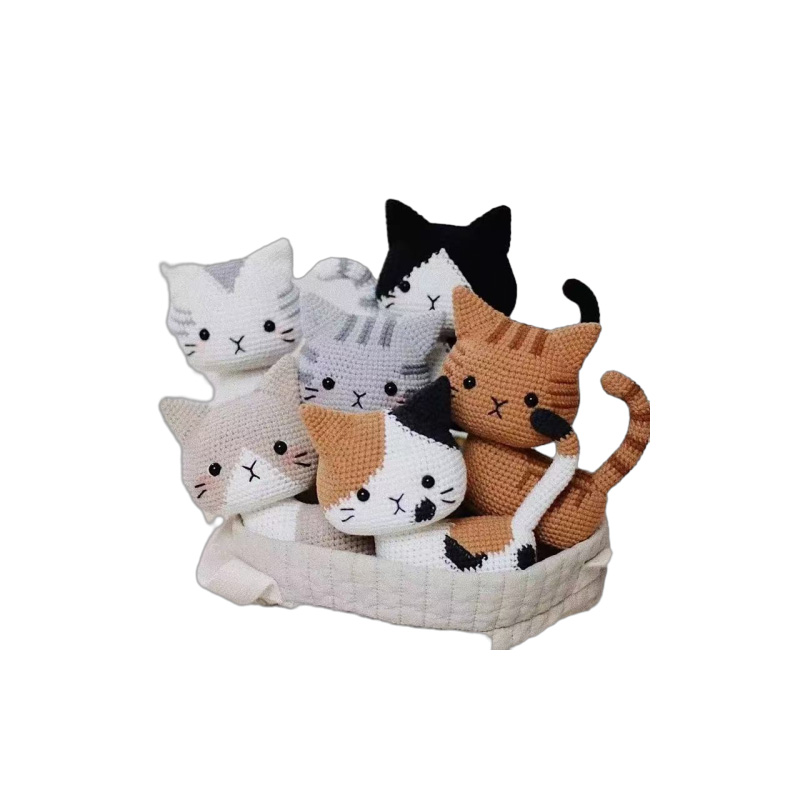
Crochet Plush Toys
Crochet-style plush toys featuring handcrafted aesthetics and unique textures.
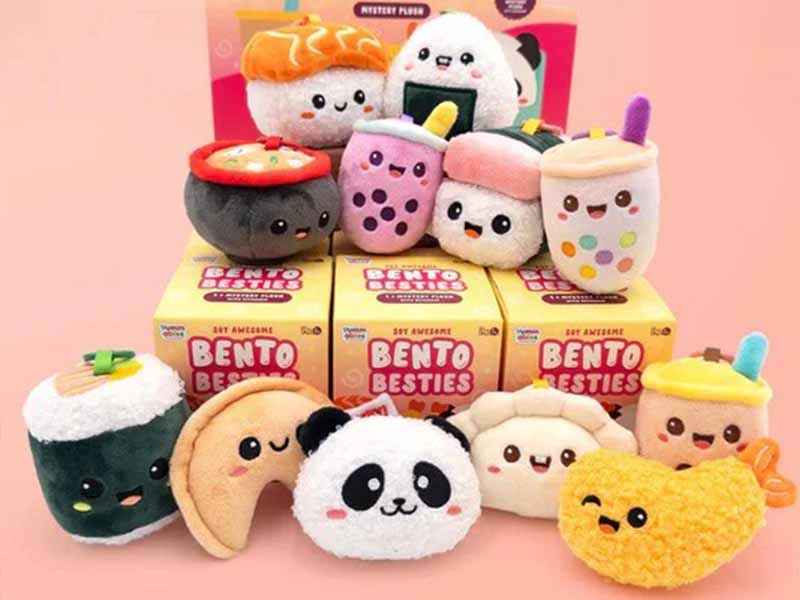
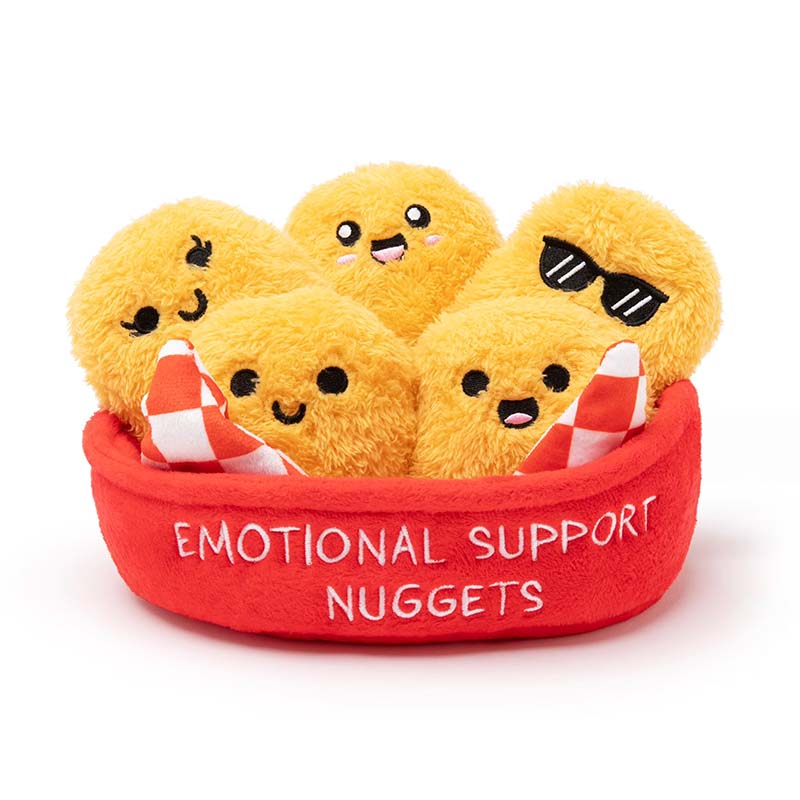
Food Plush Toys
Food-shaped plush toys combining creativity and visual appeal for novelty collections.
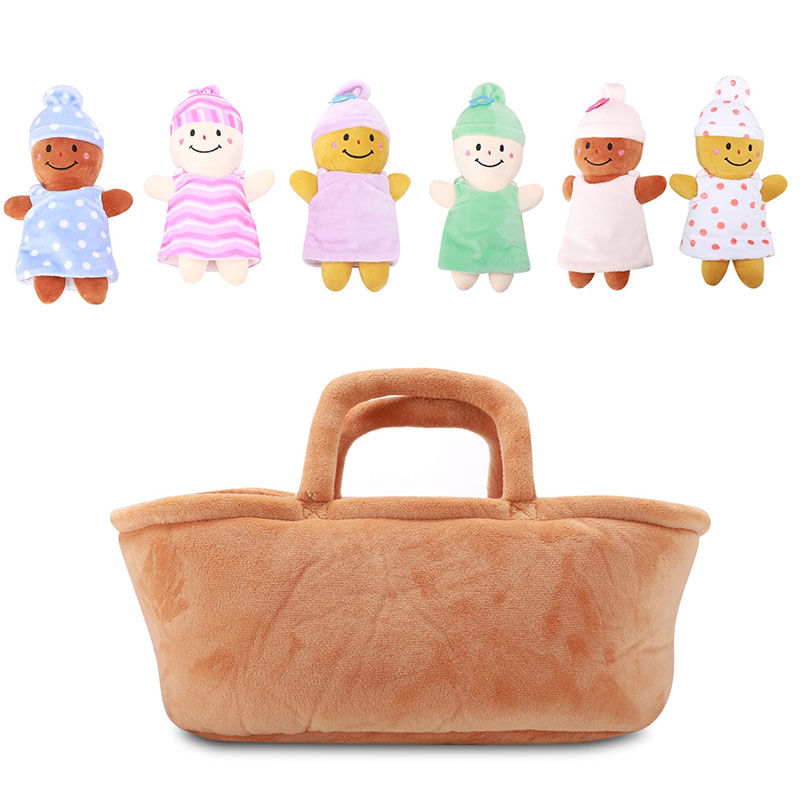
Baby Plush Toys
Plush toys developed for infants, focusing on soft materials, safety structure, and gentle design.
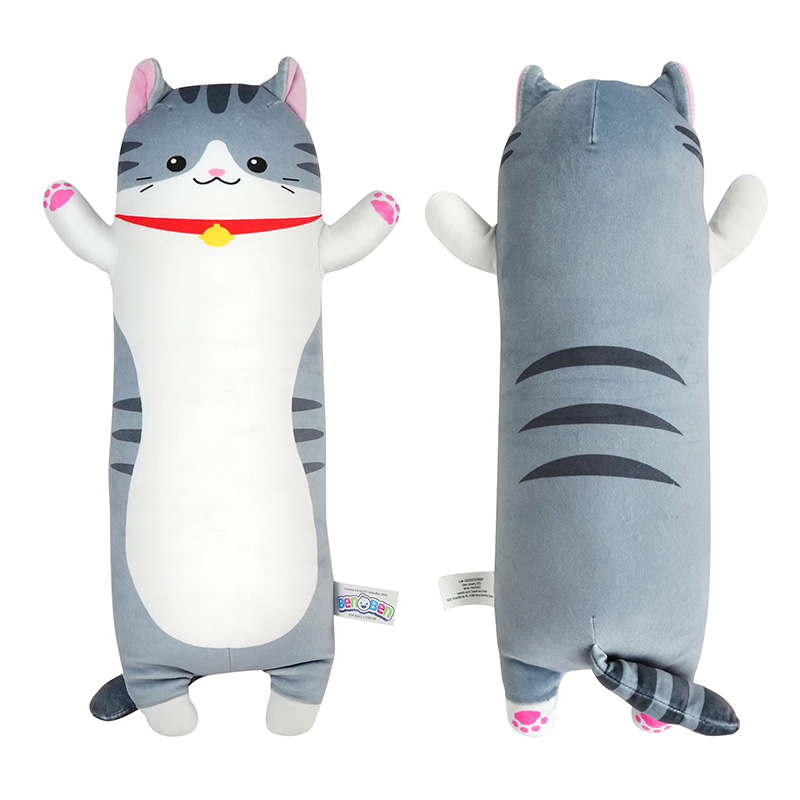
Plush Pillows
Plush pillows combining decorative design with comfort and functional use.
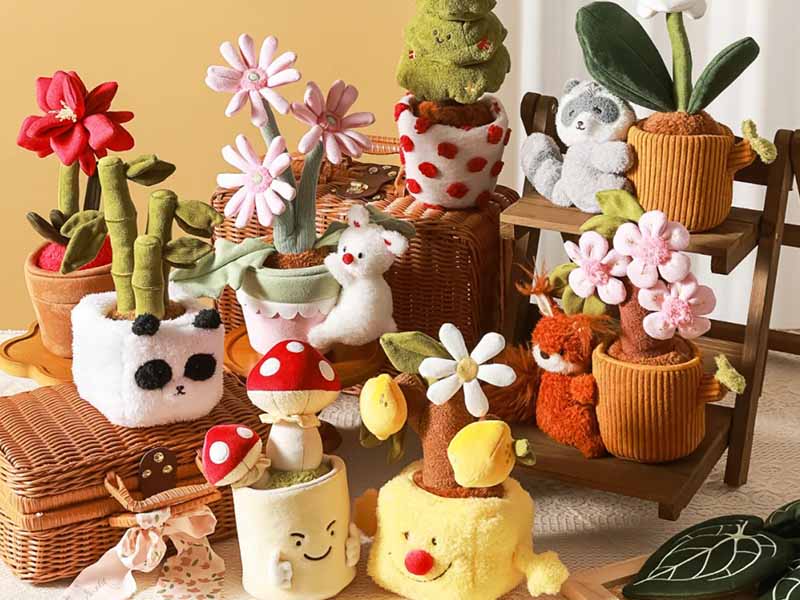
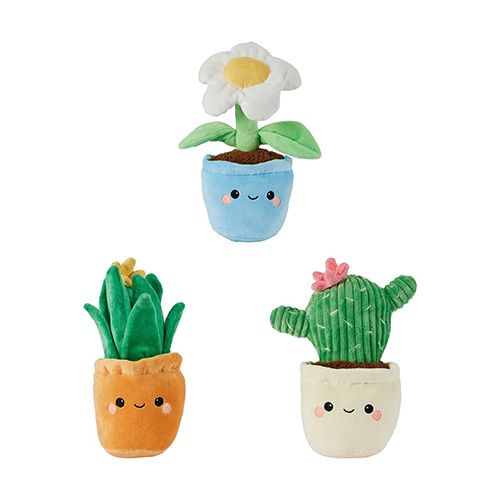
Plant Plush Toys
Plant-themed plush toys inspired by flowers, trees, and greenery for lifestyle collections.
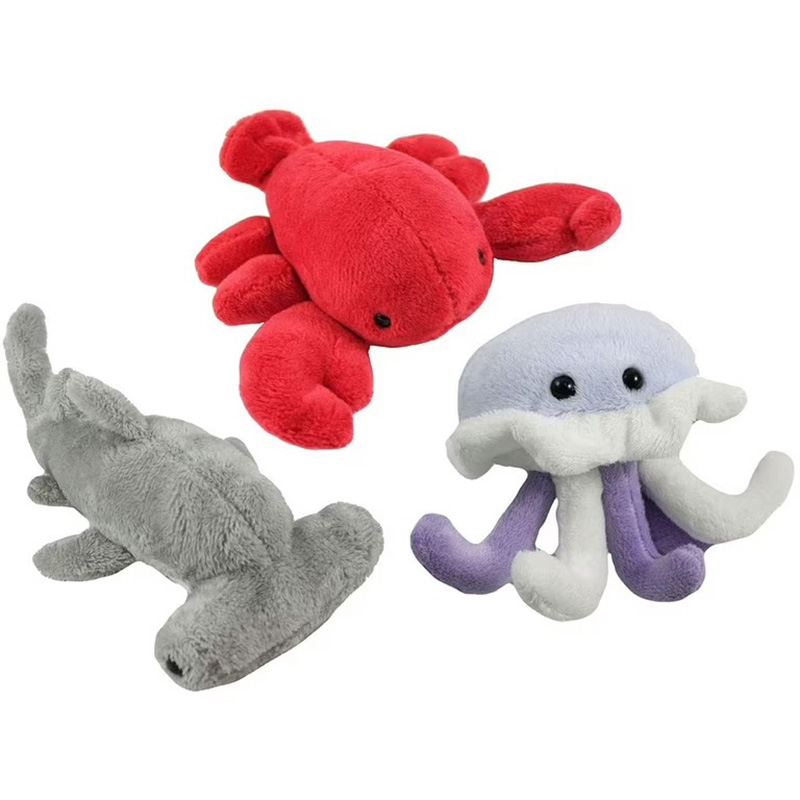
Ocean Plush Toys
Ocean-themed plush toys featuring marine animals for educational and themed collections.
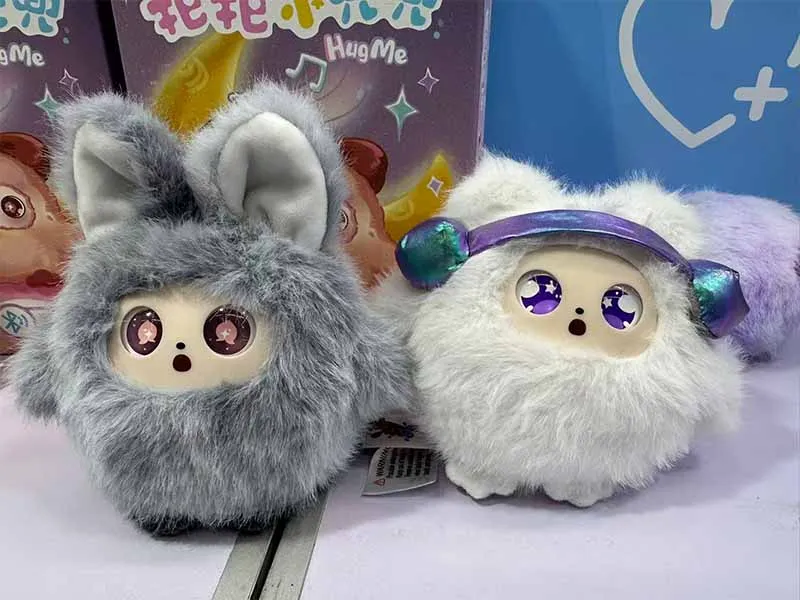
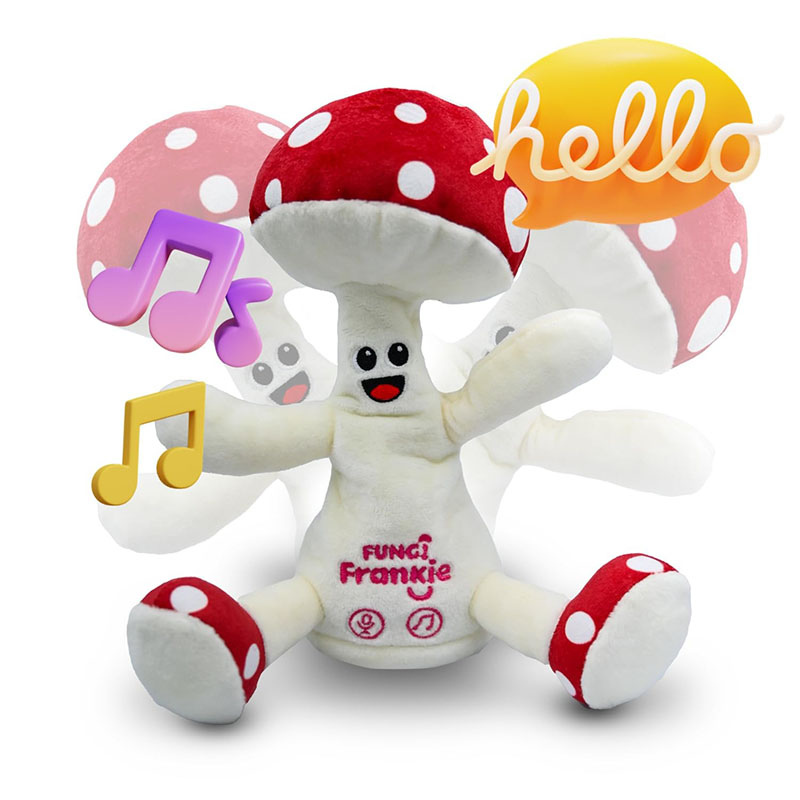
Interactive Plush Toys
Interactive plush toys designed with sound, movement, or tactile elements to enhance play value.
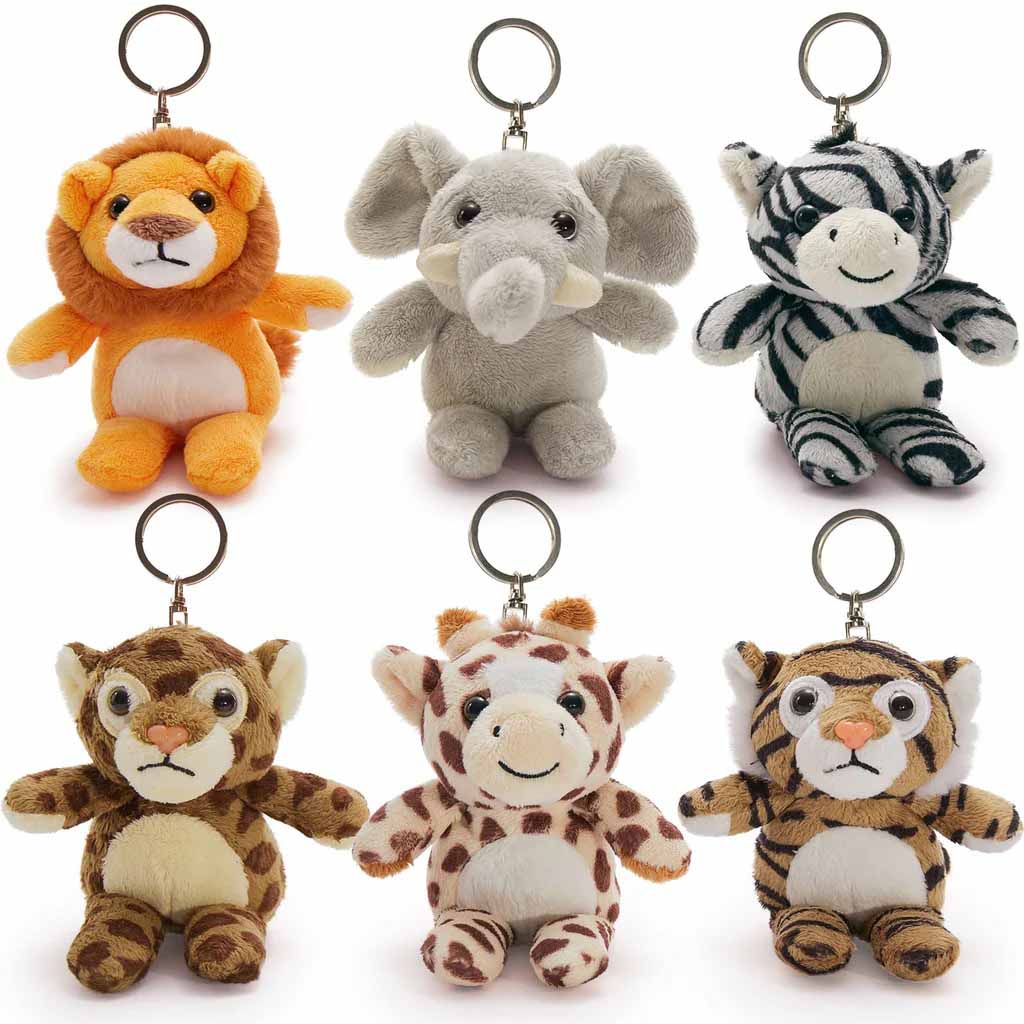
Plush Keychains
Mini plush keychains suitable for promotions, souvenirs, and impulse purchases.
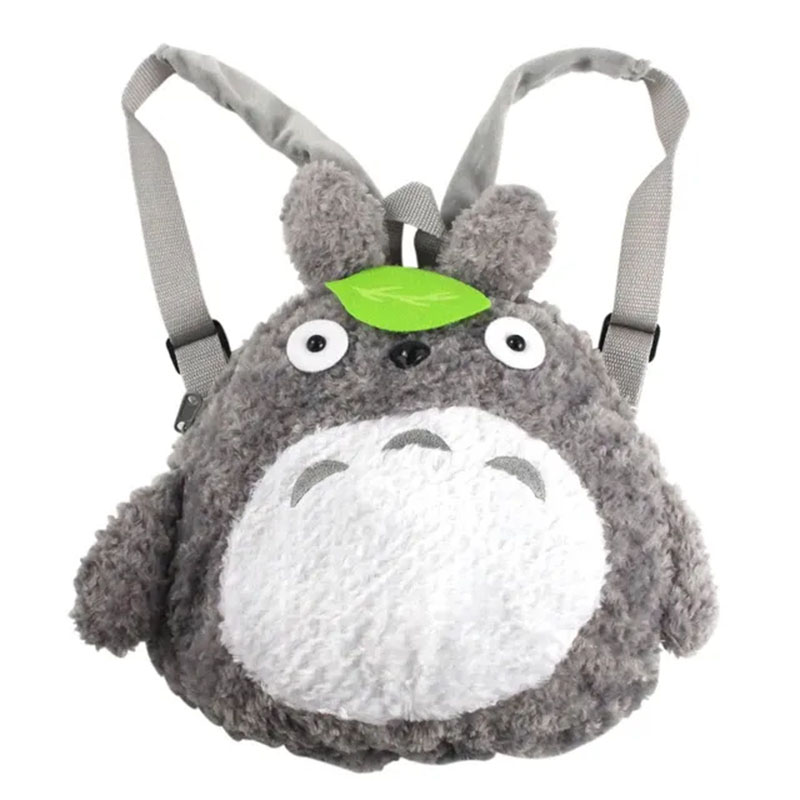
Plush Backpacks
Plush backpacks combining toy appearance with functional storage design.
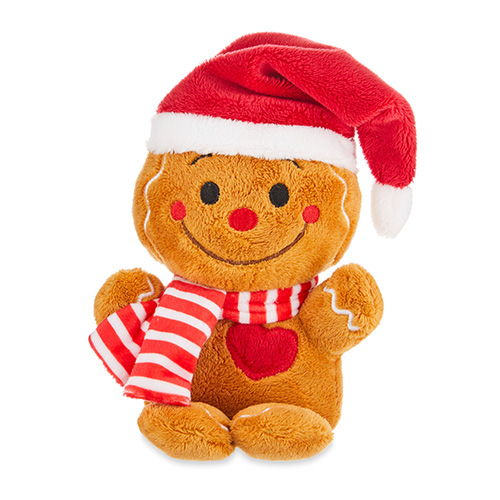
Holiday Plush Toys
Seasonal plush toys created for Christmas, Halloween, Easter, and other festive events.
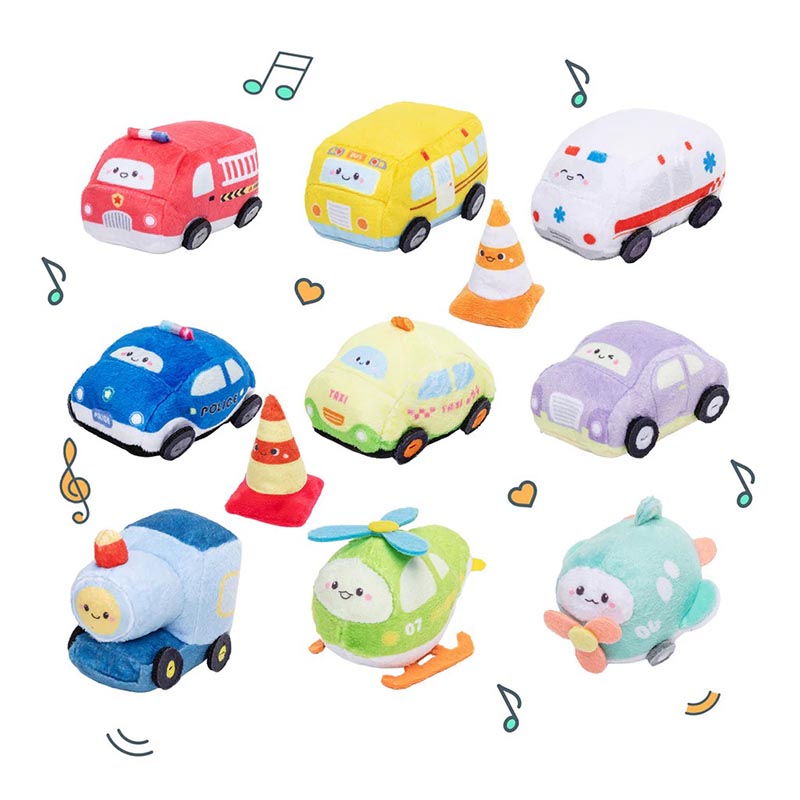
Vehicle Plush Toys
Vehicle-themed plush toys inspired by cars, trains, and transportation concepts.
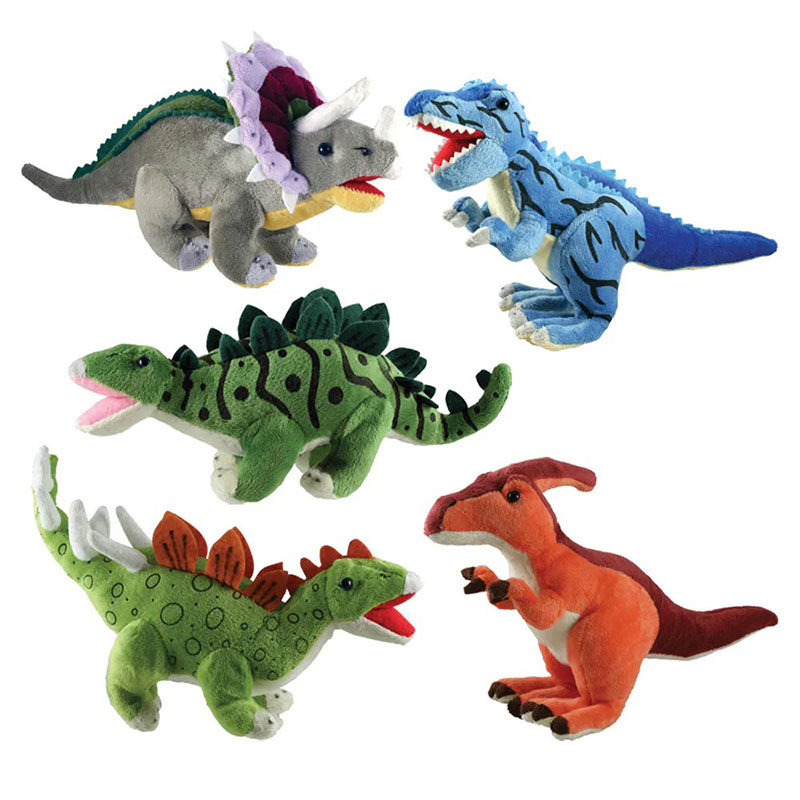
Dinosaur Plush Toys
Dinosaur plush toys with strong popularity across children’s and collectible markets.
Precision Mega Showroom with 1,000+ Plush Styles
This video showcases our large-scale factory showroom featuring over a thousand plush toy styles developed for different brands and markets. By seeing a wide variety of real, finished products in one space, buyers can quickly understand our design range, material flexibility, and customization depth. The mega showroom reflects our long-term manufacturing experience and strong capability to handle diverse custom plush projects at scale.
What Wholesale Buyers Should Prepare Before Plush Toy Sampling
Proper preparation before sampling directly affects sample accuracy, development speed, and overall project cost. When buyers provide complete and structured information in advance, the factory can better evaluate feasibility, reduce unnecessary revisions, and deliver samples that are closer to mass-production standards from the first round.
Design Reference or Visual Concept
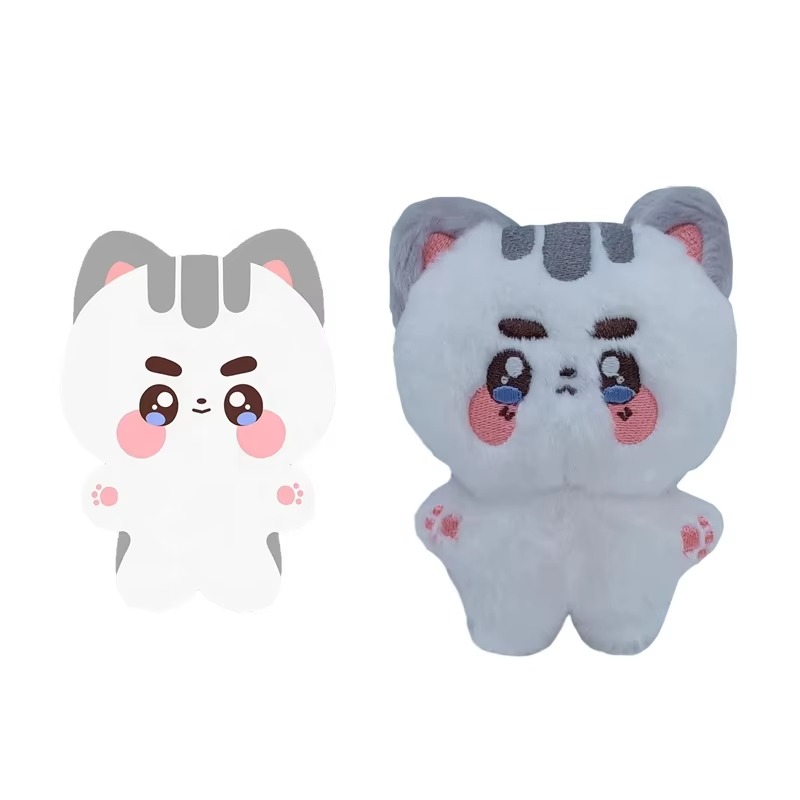
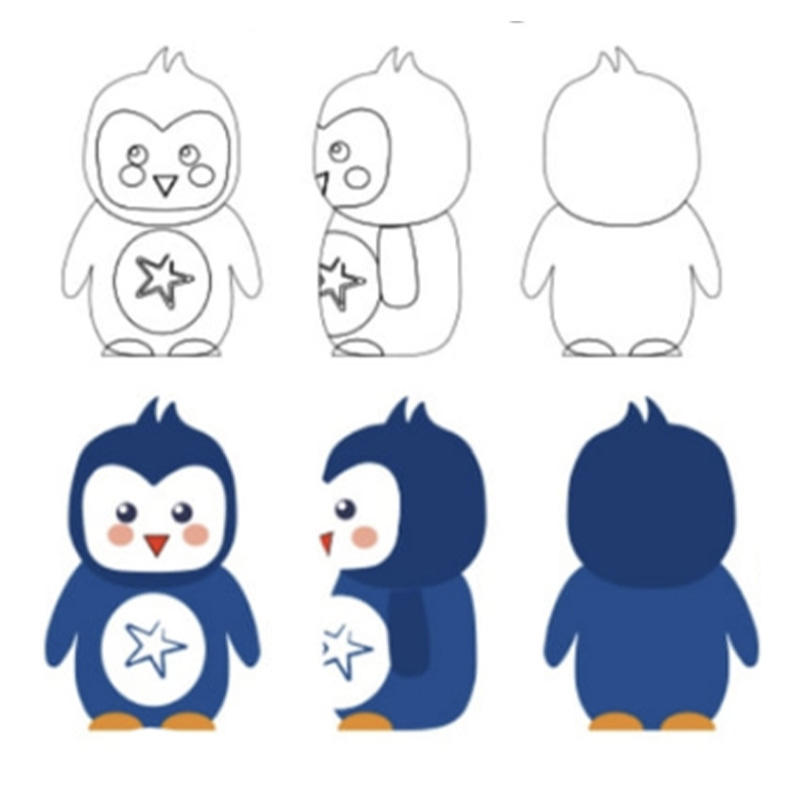
Buyers should prepare clear visual references such as sketches, hand drawings, reference photos, mood boards, or similar products. These visuals explain shape, style, proportions, and design direction. Even non-final or rough concepts help align expectations early, reduce misunderstandings, and significantly improve first-sample accuracy.
Target Size and Proportions
Clear size information such as height, width, depth, or overall proportions is essential. Size directly impacts pattern structure, material consumption, internal construction, and packaging planning. Without precise size guidance, samples often require multiple adjustments, increasing development time and cost unnecessarily.
Material and Texture Expectations
Buyers should describe fabric preferences including softness, pile length, elasticity, surface texture, or durability expectations. If exact materials are unknown, explaining the desired hand feel and usage purpose allows the factory to recommend suitable materials that balance quality, safety, and cost.
Usage Scenario and Target Market
Clearly stating how and where the plush toy will be used helps guide design decisions. Retail products, promotional items, baby toys, or collectibles each require different structures, safety levels, and durability standards, which must be considered during sampling.
Estimated Order Quantity and Budget Range
Providing an estimated order quantity and target budget range helps the factory design samples that are realistic for mass production. This information allows proper balancing of materials, workmanship, and structure to avoid samples that cannot be produced at scale.
Timeline and Project Expectations
Buyers should clarify expected sampling timelines, revision tolerance, and launch schedules. Clear timing expectations help factories prioritize tasks, allocate resources efficiently, and avoid delays caused by unclear deadlines or changing development goals.
When buyers prepare thoroughly before sampling, the development process becomes faster, more accurate, and more cost-efficient, creating a strong foundation for smooth bulk production.
Image-Based Customization vs Concept Development for Wholesale Plush Toys
When sourcing custom plush toys for wholesale, flexibility does not only mean creative freedom. It also includes development speed, cost control, risk management, and scalability for mass production. Choosing between image-based customization and concept development should be based on your project stage, internal resources, and long-term business goals.
Image-Based Customization (From Picture or Existing Sample)
Image-based customization is highly flexible for buyers who already have clear visual references or proven products. By working from images, samples, or detailed references, the factory can quickly define structure, materials, workmanship, and cost boundaries.
This approach minimizes uncertainty during development, shortens sampling time, and makes pricing more predictable. It is especially flexible for wholesale buyers who prioritize speed, consistency across batches, and low development risk, such as repeat orders, market-tested designs, or brand extensions where appearance accuracy is critical.
Concept Development (From Idea or Rough Direction)
Concept development offers deeper creative flexibility for buyers starting with only an idea or positioning goal. The factory becomes involved from the earliest stage, assisting with shape exploration, proportion optimization, material selection, and construction feasibility.
This method allows brands to create original designs and differentiated collections, but it requires more communication, iterative sampling, and tolerance for adjustments. Its flexibility lies in creativity and customization depth, making it suitable for new product launches, original IP projects, or brands building long-term design assets rather than quick-to-market items.
Image-based customization is flexible in execution and scalability, while concept development is flexible in creativity and originality. The right choice depends on whether your current priority is speed and control, or differentiation and long-term brand value.
Reduce Plush Toy Costs Without Compromising Quality
For wholesale plush toy projects, cost reduction should never rely on cutting corners. Experienced buyers focus on structural optimization, material efficiency, and process control to achieve sustainable cost savings while maintaining product quality and brand standards.
Optimize Internal Structure Without Changing Appearance
By simplifying internal patterns, reducing unnecessary layers, and optimizing stitching paths, production efficiency can be improved without affecting the external look or hand feel. A well-designed internal structure shortens sewing time, reduces labor cost, and lowers defect risk while keeping the final appearance unchanged.
Select Cost-Efficient Materials with Equivalent Performance
Replacing premium materials with alternatives that offer similar softness, durability, and safety performance is an effective way to control cost. Proper material matching ensures the product meets functional and compliance requirements while avoiding over-specification.
Design for Mass Production from the Start
Products designed with mass production in mind reduce complexity during cutting, sewing, and assembly. Standardized components and repeatable processes improve yield rate and consistency, making large-scale production more cost-efficient without sacrificing quality.
Control Revisions Through Clear Pre-Sampling Communication
Clear specifications and aligned expectations before sampling help avoid repeated revisions. Fewer sample rounds mean lower development cost and less wasted material, allowing resources to be focused on quality execution rather than rework.
Fabric & Accessory Safety Standards for Wholesale Plush Toys
In wholesale plush toy production, fabric and accessory safety determines whether a product can enter the market smoothly and remain competitive over time. Professional safety control is not limited to final testing—it starts from material selection and continues through every production stage to reduce risk, ensure compliance, and protect brand reputation.
01
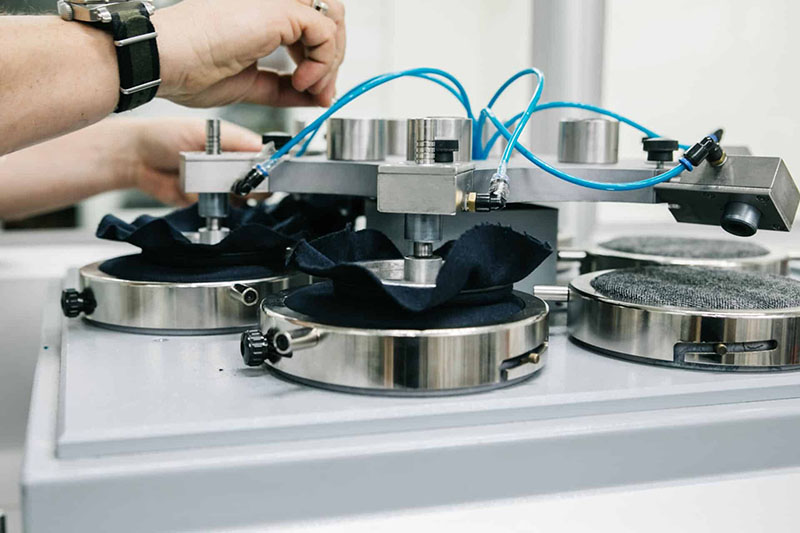
Fabric Safety, Chemical Control, and Color Stability
Plush toy fabrics must comply with strict chemical safety requirements, including limits on azo dyes, heavy metals, formaldehyde, and other restricted substances. Beyond laboratory compliance, stable dyeing processes and colorfastness control are essential to prevent fading, staining, or skin irritation during long-term use. For wholesale buyers, consistent fabric safety ensures products can pass repeated inspections across different markets without quality disputes.
02
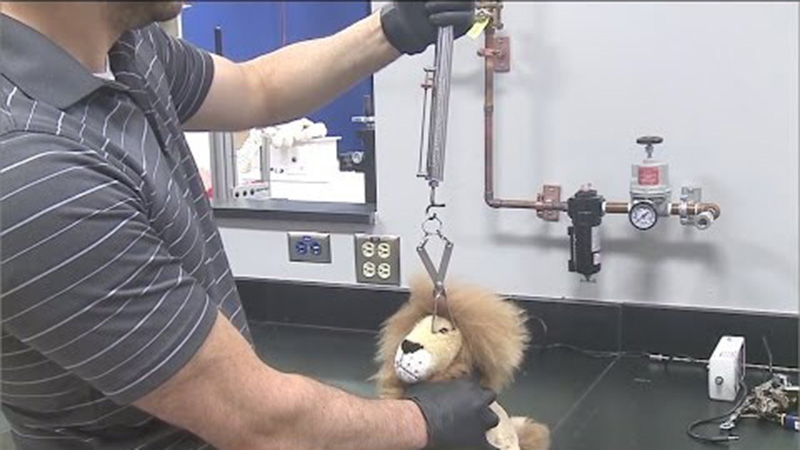
Accessory Strength, Fixation Method, and Durability
Accessories such as eyes, noses, embroidery patches, buttons, and decorative parts must be designed and fixed according to product usage and target age group. Pull-force testing, secure stitching, and appropriate molding methods help prevent detachment under normal or repeated use. Strong accessory control reduces choking hazards, customer complaints, and product recalls in wholesale distribution channels.
03
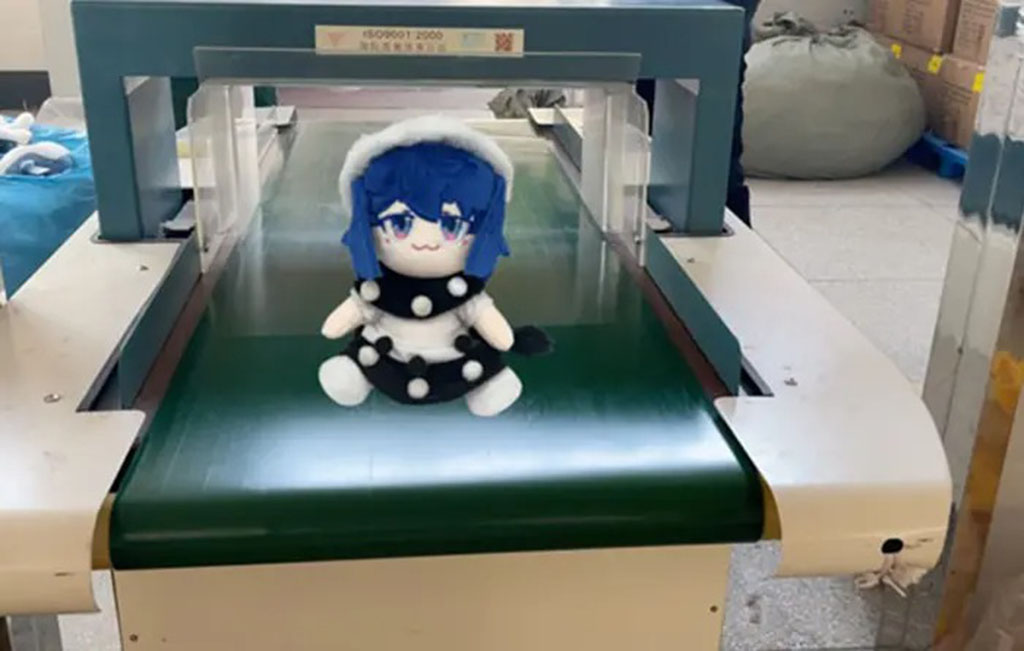
Internal Structure Safety and Hidden Risk Prevention
Safety control extends beyond visible components to internal construction. Filling distribution, inner bag quality, seam density, and edge treatment must be carefully managed to prevent leakage, deformation, or sharp-point exposure. Well-designed internal structures ensure long-term durability while reducing hidden safety risks that may appear only after extended use.
04
Material Inspection, Traceability, and Batch Consistency
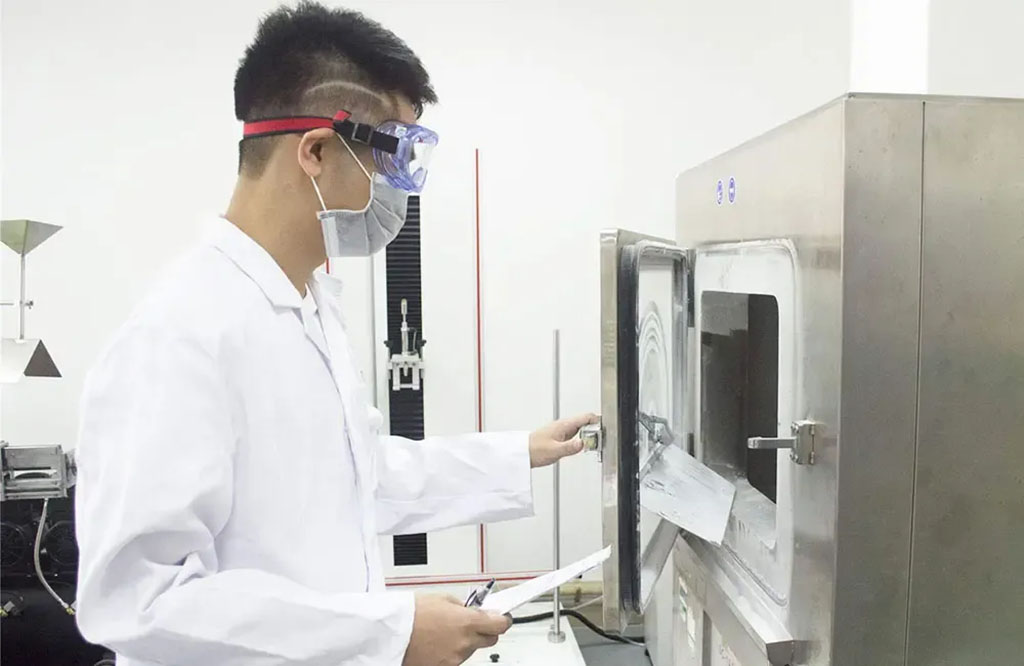
Systematic material inspection and batch traceability are essential for maintaining consistent quality in wholesale orders. Incoming material checks, supplier management, and batch records allow factories to identify issues quickly and ensure every shipment meets the same safety and quality standards. This consistency is critical for brands operating large-scale or long-term supply programs.
Comprehensive fabric and accessory safety control helps wholesale buyers reduce compliance risk, avoid after-sales issues, and build long-term trust in their supply chain.
Precision Plush Toy Tension Testing
This video demonstrates how plush toys are tested under controlled tension to verify the strength of seams, attachments, and components. By applying standardized force levels, we ensure parts such as eyes, accessories, and stitching remain secure during use. Tension testing is essential for meeting international safety requirements and reducing risk in real-world handling.
Wholesale Plush Toy Production Process Step by Step
A streamlined production process helps ensure stable quality, efficient timelines, and consistency across wholesale plush toy orders. Each step is standardized to support reliable mass production.
Design Confirmation & Pattern Making
Final designs are confirmed and translated into production-ready patterns, defining size, proportions, and structure for mass replication.
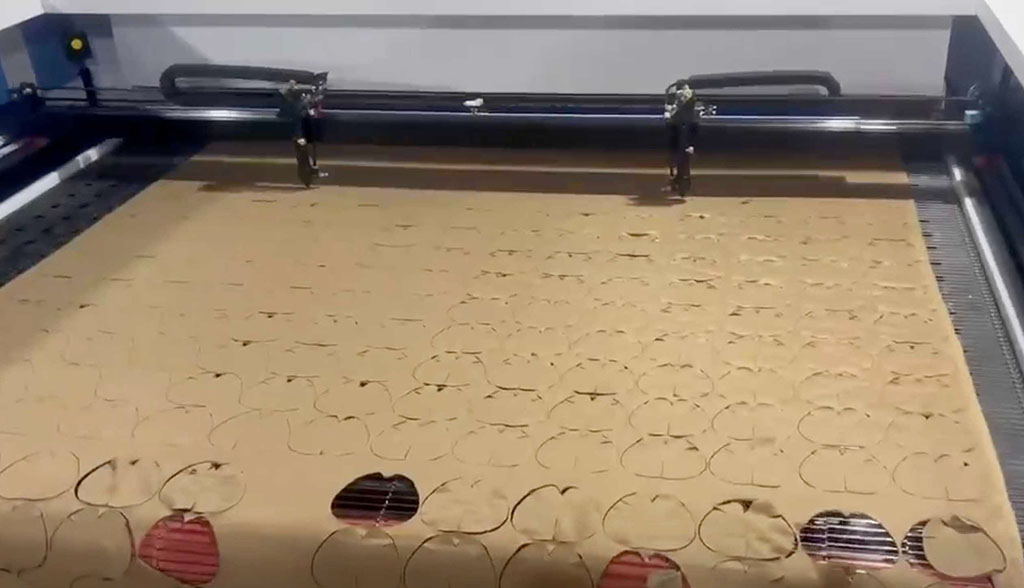
Material Preparation & Cutting
Approved fabrics and fillings are prepared and precisely cut to maintain consistency and reduce material waste.
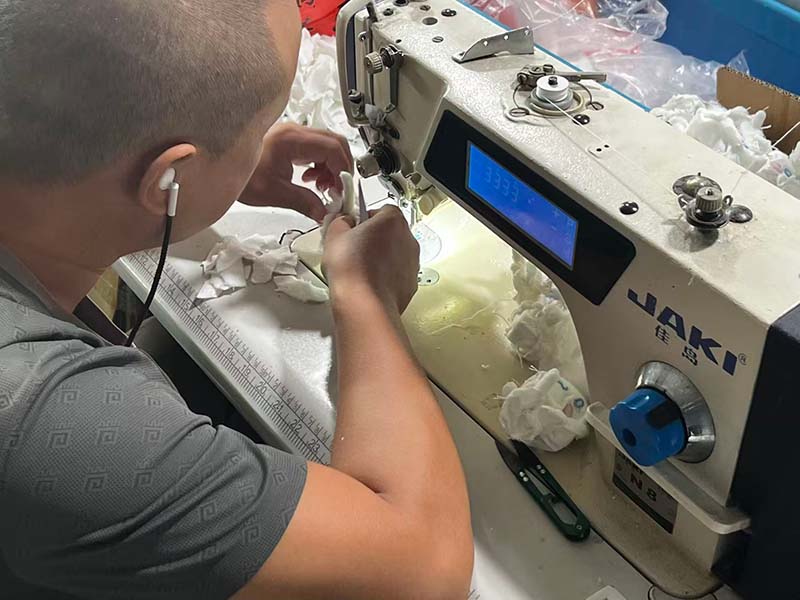
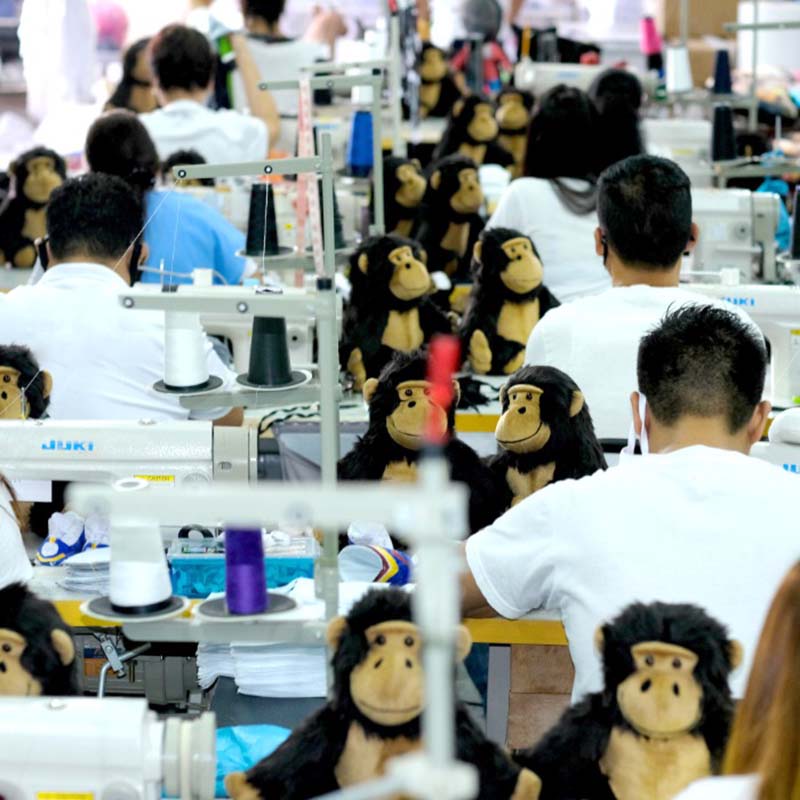
Sewing & Assembly
Cut pieces are sewn and assembled following standard workmanship guidelines to ensure durability and shape accuracy.
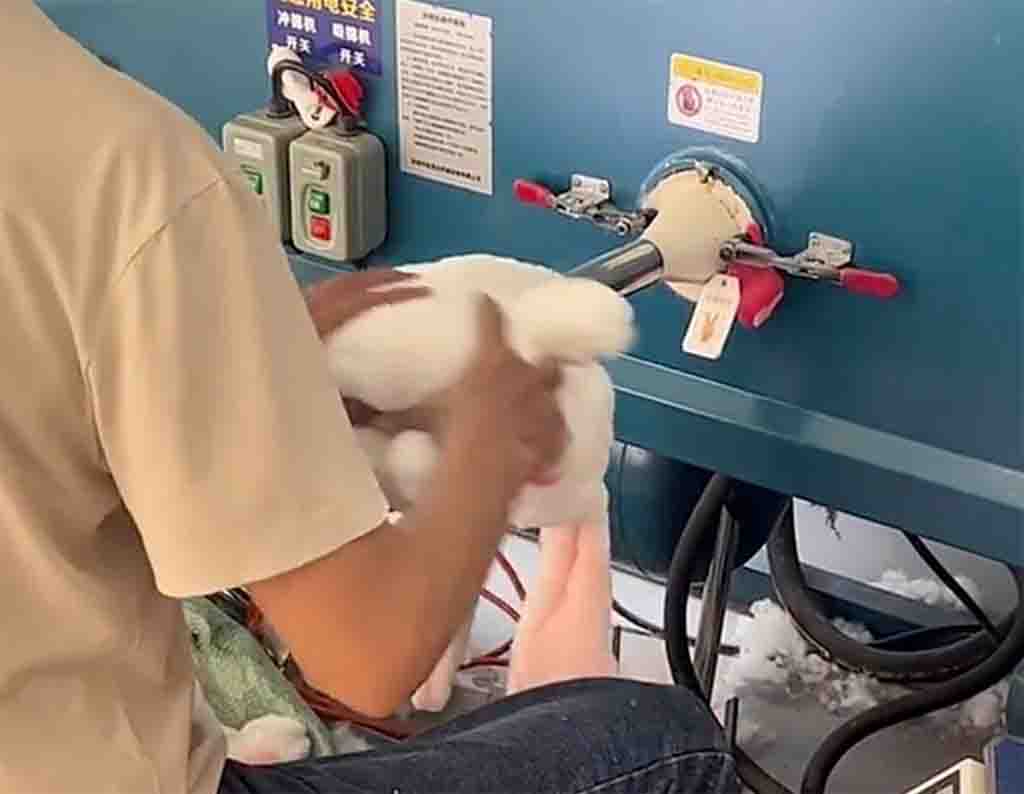
Stuffing & Shape Adjustment
Fillings are evenly distributed and adjusted to achieve balanced shape and comfortable hand feel.
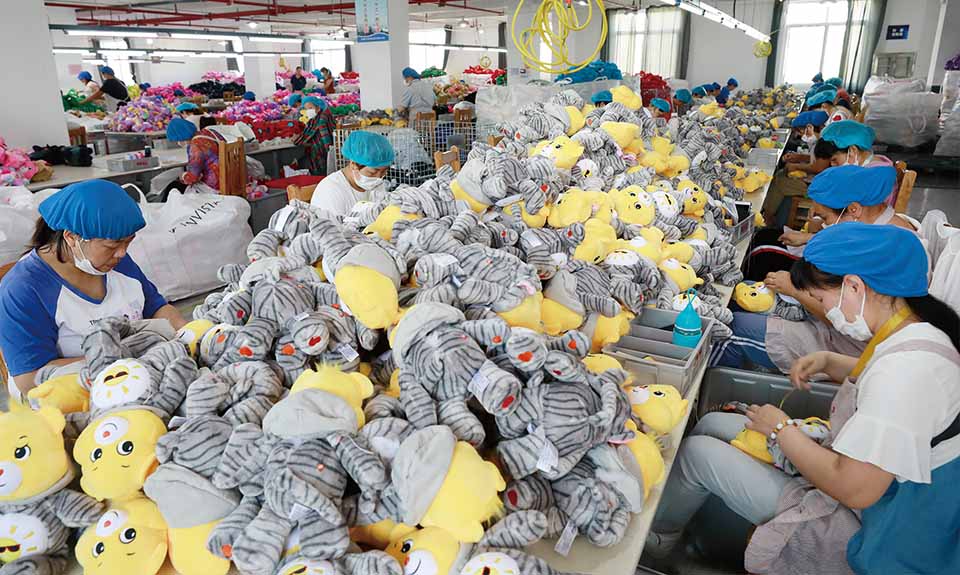
Accessory Attachment & Finishing
Accessories are securely attached, followed by trimming and surface finishing to improve overall appearance.
Final Inspection & Packaging
Finished products undergo final inspection before packing to ensure quality meets wholesale standards.
This controlled workflow allows wholesale buyers to receive consistent products with predictable quality and delivery.
Precision Plush Manufacturing Workflow Video
This video presents the complete plush toy manufacturing workflow inside our factory—from material preparation and cutting to sewing, stuffing, quality inspection, and final packing. Every stage follows standardized operating procedures to ensure stable quality, efficient execution, and consistent results from approved samples to bulk production. This transparent workflow gives brands confidence in capacity, quality control, and on-time delivery.
International Certifications for Wholesale Plush Toys
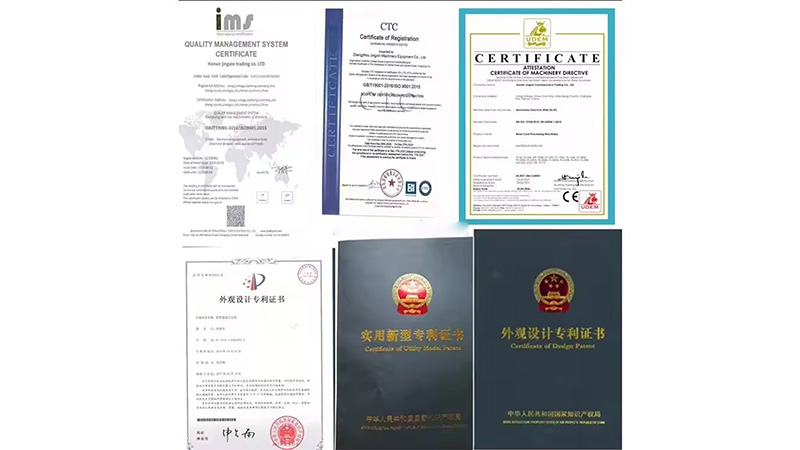
International certifications play a critical role in wholesale plush toy projects, especially for brands supplying multiple countries and sales channels. They not only confirm product safety, but also reflect a factory’s management level, process discipline, and long-term compliance capability. Our certification system is designed to help buyers reduce regulatory risk, shorten approval cycles, and scale globally with confidence.
ASTM F963 – U.S. Toy Safety Standard
ASTM F963 is the mandatory toy safety standard for products sold in the United States. It covers mechanical and physical safety, flammability, chemical content, and labeling requirements. Compliance ensures plush toys are suitable for children’s use and accepted by major U.S. retailers, distributors, and e-commerce platforms. For wholesale buyers, ASTM compliance significantly reduces market entry barriers and minimizes recall or rejection risks.
EN71 – European Toy Safety Standard
EN71 is the core safety regulation for toys sold in the European Union. It evaluates physical performance, chemical restrictions, and overall product safety across multiple parts of the standard. EN71 compliance allows plush toys to circulate freely within EU member states, helping brands maintain consistent compliance while expanding into multiple European markets.
CE Marking – EU Market Access Requirement
CE marking indicates that a plush toy complies with applicable EU directives related to health, safety, and environmental protection. It is a key requirement for customs clearance and legal sales in Europe. For wholesale buyers, CE conformity simplifies documentation, speeds up logistics, and improves buyer and distributor confidence in product legality.
ISO Quality Management System Certification
ISO certification reflects a standardized quality management system covering supplier control, production processes, documentation, and continuous improvement. It ensures consistent quality output, traceability, and process stability across long-term and high-volume wholesale orders. This certification is especially important for buyers seeking reliable, scalable manufacturing partners.

With a complete international certification framework, wholesale buyers can confidently enter different markets while ensuring product safety, regulatory compliance, and long-term supply stability.
Trusted by Leading Global Brands
Strong partnerships prove strong capabilities. Over the years, Kinwin has worked with world-leading brands and retailers to deliver interactive plush toys that meet the highest standards of creativity, safety, and quality. By choosing us, you gain a supplier that is trusted by top companies worldwide—and the same reliability is available to your brand.


Preferred Plush Toy Styles in Major International Markets
Plush toy preferences differ greatly across international markets due to culture, lifestyle, purchasing habits, and retail environments. For wholesale buyers, understanding these preferences is critical for product selection, inventory planning, and long-term market success. Designing with regional taste in mind helps improve sell-through rates and reduces market-entry risk.
United States – Character-Driven, Interactive & Large Plush Toys
The U.S. market favors plush toys with strong character identity, emotional storytelling, and interactive features. Products linked to mascots, themes, or expressive faces tend to perform well across both physical retail and e-commerce platforms. Large and oversized plush toys are also popular as gifts and statement pieces, especially during holidays. Wholesale buyers serving the U.S. market should prioritize durability, consistent shape control, and repeatable quality for high-volume distribution.
Japan – Cute, Compact & Highly Detailed Plush Toys
Japanese consumers strongly favor compact-sized plush toys with cute expressions, soft colors, and refined details. Precision stitching, clean finishing, and balanced proportions are essential. Collectible plush series, blind box styles, and character variations drive repeat purchases. Wholesale products for Japan must emphasize craftsmanship consistency and subtle design rather than bold or oversized forms.
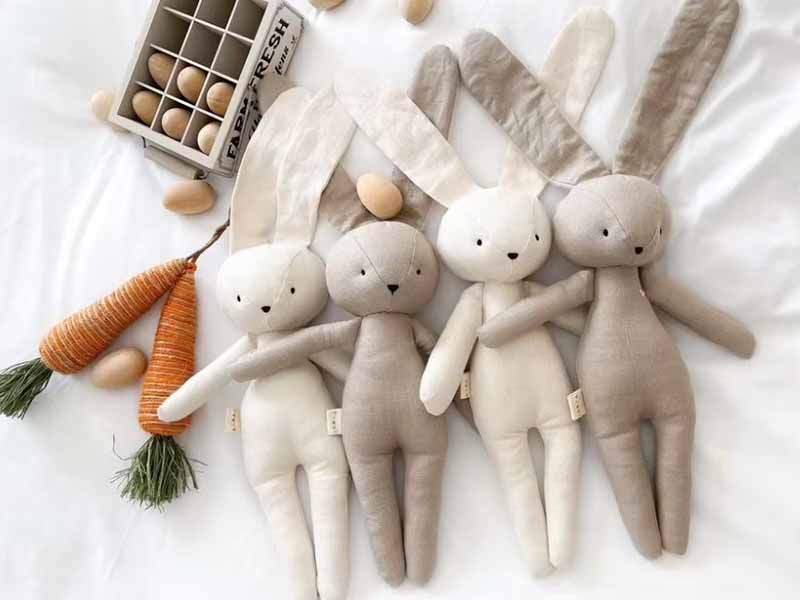
Europe – Minimalist, Natural & Eco-Inspired Plush Toys
Many European markets prefer plush toys with minimalist design, natural color palettes, and animal or nature themes. Consumers pay close attention to material quality, sustainability, and safety compliance. Plush toys that look timeless and calm are favored over overly decorative designs, making consistent material selection and understated aesthetics important for long-term wholesale programs.
Middle East – Gift-Oriented, Decorative & Premium Plush Toys
In Middle Eastern markets, plush toys are often purchased as gifts, especially for family occasions and holidays. Larger plush toys, plush cushions, and visually decorative animal designs are popular. Buyers value appearance, fullness, and presentation quality, including packaging. Wholesale products for this region should focus on visual impact, rich textures, and premium finishing.
South Korea – Trend-Focused, Lifestyle & Cute Character Plush Toys
South Korean consumers are highly trend-driven and respond quickly to new styles. Cute animal characters, pastel tones, and plush toys integrated into daily life—such as cushions, keychains, or wearable plush—are popular. Fast design updates combined with stable quality are crucial, as wholesale buyers must balance trend responsiveness with consistent production.
By aligning plush toy styles with regional preferences, wholesale buyers can build collections that resonate locally while maintaining scalable production and long-term market growth.
Ready to Start Your Wholesale Plush Toy Project?
Building a successful wholesale plush toy business requires more than finding a supplier—it requires a manufacturing partner who understands scale, consistency, and long-term growth. When you work with Kinwin, you gain access to a structured OEM & ODM process designed to reduce development risk and improve decision-making. We support you from the earliest stage with sampling feasibility advice, material and structure optimization, and realistic cost evaluation, then carry that clarity through mass production, quality control, and export coordination. This end-to-end support helps you avoid delays, control quality across repeated orders, and plan your inventory and launches with confidence as your business expands.
Explore Our Custom Plush Toy Series
We offer a wide selection of plush toys to meet different business needs. From baby-safe stuffed animals to collectible plush dolls, our product lines are designed for global brands, retailers, e-commerce, and promotional projects.
Frequently Asked Questions
1. What is your minimum order quantity (MOQ) for wholesale plush toys?
Our standard MOQ is 500 pieces. For orders below this quantity, please consult with our project manager. We may offer flexible solutions depending on the product size, complexity, and customization requirements.
2. Can you support OEM & ODM customization for wholesale orders?
Yes. We support both OEM (based on your design or reference) and ODM (concept-to-design development). Wholesale buyers can choose the most suitable model depending on project stage, timeline, and branding needs.
3.How long does sampling take before mass production?
Sampling usually takes 10–15 working days, depending on design complexity and revision rounds. Clear preparation and communication before sampling help shorten development time and reduce revisions.
4. What materials are commonly used for wholesale plush toys?
Common materials include plush fabric, velboa, minky, fleece, PP cotton filling, polyester fiber, and optional weighted or recycled fillings. Materials are selected based on target market, safety requirements, and cost expectations.
5.Do your products comply with international safety standards?
Yes. We support compliance with major standards such as ASTM F963, EN71, CE, and relevant ISO quality systems. Safety requirements are discussed early to ensure smooth market entry.
6. Can you ensure quality consistency across bulk orders?
Quality consistency is achieved through standardized production processes, material batch control, and multi-stage inspections. This ensures repeat orders match approved samples.
7.What is the typical lead time for bulk production?
Bulk production lead time usually ranges from 25–45 days after sample approval, depending on order quantity and season. Production schedules are confirmed before order placement.
8.Can you help optimize cost for wholesale projects?
Yes. We help buyers reduce cost through structure optimization, material matching, and production efficiency improvement—without compromising product quality or safety.
9.Do you support custom packaging for wholesale plush toys?
Yes. Options include polybags, custom tags, gift boxes, vacuum packing, and branded packaging solutions based on shipping and retail needs.
10.How do we start a wholesale plush toy project with you?
You can start by sharing basic product information such as design references, size, target quantity, and market. Our team will review feasibility and guide you through the next steps.
If You Can lmagine lt,We Will Create lt!
1.Tell Us What You Need
Tell us as specific as possible of your needs and share your idea.
2.Get Solution & Quote
We will work on the best solution according to yourrequirements,the specific quote will be provided within 24 hours.
3.Approve for Mass Production
We will start mass production after getting your approval.