
STUFFED ANIMAL WITH EMBROIDERY LOGO
Stuffed Animal with Embroidery Logo
Custom stuffed animals with embroidered logos for brands, retailers, corporate gifts, event merchandise, mascot programs, private label plush collections, and promotional campaigns.
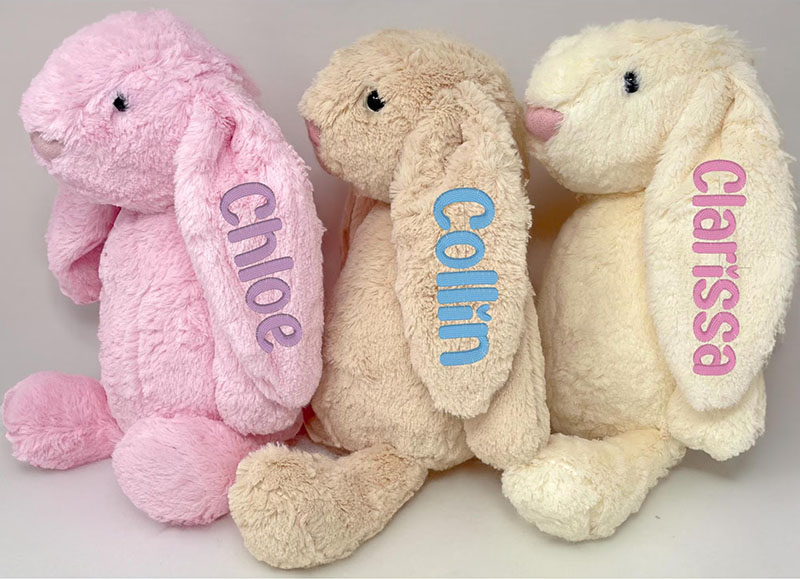
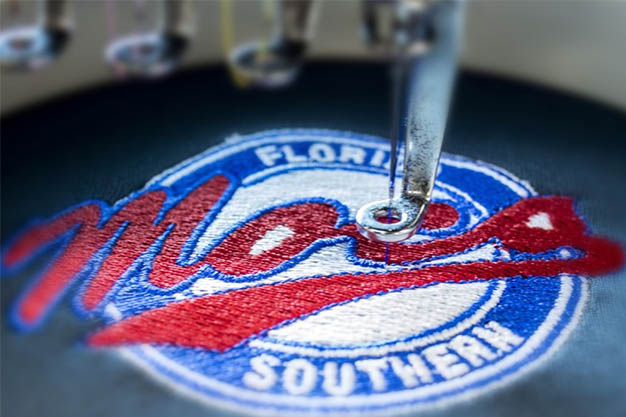
A stuffed animal with an embroidery logo can turn a soft toy into a branded product. For companies, retailers, event organizers, schools, sports teams, museums, and private label buyers, an embroidered logo adds identity, recognition, and a more professional merchandise feel than a plain plush toy.
KINWIN supports custom stuffed animal projects with embroidered logos, brand names, slogans, mascot marks, team badges, product icons, and private label branding. We help buyers review logo feasibility, choose embroidery position, test thread color, develop samples, and prepare bulk production standards.
This page explains how to plan an embroidered logo on a stuffed animal, what buyers should prepare, which logo details may need adjustment, and how KINWIN helps keep the plush soft, attractive, brand-correct, and practical for bulk manufacturing.
WHY EMBROIDERY LOGO MATTERS ON STUFFED ANI
Why Embroidery Logo Matters on Stuffed Animals
An embroidered logo gives a stuffed animal a clear brand identity. Instead of being only a cute toy, the plush becomes a company gift, retail merchandise item, event souvenir, school mascot product, team collectible, hotel amenity, museum shop item, or promotional product connected to a specific organization.
Compared with loose tags or printed packaging alone, embroidery becomes part of the plush itself. It can remain visible after the packaging is removed and can make the product feel more custom, more durable, and more connected to the buyer’s brand.
However, embroidery on plush fabric needs careful planning. Logo size, thread color, fabric pile, stitch density, position, seam direction, and stuffing pressure can all affect the final result. KINWIN reviews these details before sampling so the embroidered logo supports the product instead of damaging the appearance or handfeel.
Buyer decision point: an embroidered logo should strengthen brand value without making the stuffed animal feel stiff, crowded, or uncomfortable.
WHO USES STUFFED ANIMALS WITH EMBROIDERY L
Who Uses Stuffed Animals with Embroidery Logos
Embroidered logo plush toys are useful when the buyer wants the stuffed animal to carry visible brand identity beyond packaging.
Corporate Gift Buyers
Companies use logo plush toys for employee gifts, customer appreciation, anniversary gifts, welcome kits, trade shows, and brand campaigns.
Retail and Private Label Brands
Retailers and private label buyers can add embroidered logos, collection marks, product icons, or brand names to plush toy lines.
Schools, Teams, and Mascot Programs
Schools, sports teams, clubs, and mascot programs can use embroidered badges, team names, mascots, or slogans on custom stuffed animals.
Events, Museums, and Tourism Projects
Event organizers, museums, attractions, hotels, resorts, and tourism brands can use embroidered logo plush as souvenirs or gift shop products.
LOGO FEASIBILITY REVIEW BEFORE EMBROIDERY
Logo Feasibility Review Before Embroidery
Not every logo can be embroidered exactly as it appears on a screen. Very thin lines, tiny text, complex gradients, shadow effects, small registered marks, and detailed illustrations may need adjustment before they can be stitched cleanly on plush fabric.
KINWIN reviews the logo file and the intended plush size before sampling. We check whether the logo should be simplified, enlarged, separated into fewer colors, converted into a patch, embroidered on clothing, placed on a tag, or combined with printed packaging.
This review protects both the brand and the product. A logo that looks sharp in digital artwork may become unclear if embroidered too small. A logo that uses too much stitch density may make the plush surface stiff. The right solution depends on the logo, fabric, plush size, and product purpose.
Buyer decision point: logo embroidery should be approved from a real sample, not only from digital artwork.

BEST LOGO POSITIONS ON A STUFFED ANIMAL
Best Logo Positions on a Stuffed Animal
Logo position affects visibility, comfort, sewing difficulty, and the overall character design.
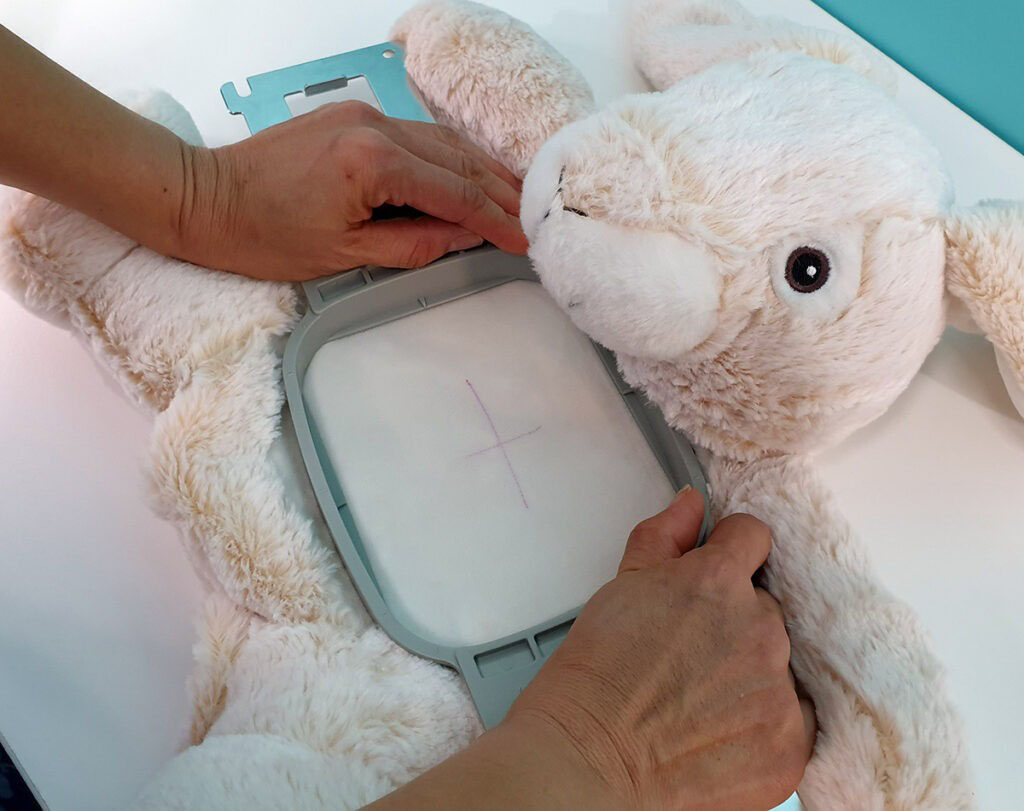
Belly or Chest Embroidery
A common position for animal plush, mascot plush, and promotional plush. It offers clear visibility but must be balanced with body shape and filling softness.
Paw, Foot, or Ear Logo
Suitable for smaller brand marks, initials, dates, team names, or subtle private label branding. The available embroidery area is usually limited.
Clothing or Accessory Logo
A logo can be embroidered on a plush T-shirt, scarf, hat, cape, uniform, bag, or other accessory when direct body embroidery would affect the plush look.
Hangtag and Woven Label Combination
For complex logos, embroidery can be combined with woven labels, hangtags, or packaging to keep the plush clean while still showing the brand clearly.
EMBROIDERY SIZE STITCH DENSITY AND PLUSH H
Embroidery Size, Stitch Density, and Plush Handfeel
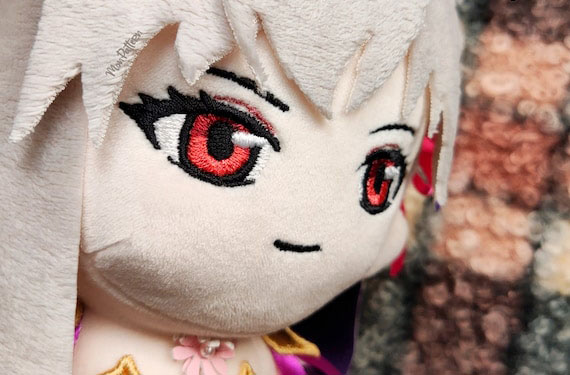
Embroidery adds thread and stitch density to the plush surface. If the logo is too large or too dense, the area may feel stiff. If the logo is too small, the details may become unclear. The best embroidery size should balance brand visibility and plush comfort.
KINWIN checks stitch density, thread direction, fabric pile, backing material, and the relationship between embroidery and filling. A logo on a soft belly may need different planning from a logo on a flat accessory or clothing panel.
For baby, comfort, or premium plush products, handfeel is especially important. Sometimes a smaller logo, softer thread, clothing placement, or label solution can create a better product experience than a large dense embroidery directly on the body.
Buyer decision point: the most visible logo is not always the best logo if it makes the plush feel uncomfortable.
THREAD COLOR MATCHING AND BRAND CONSISTENC
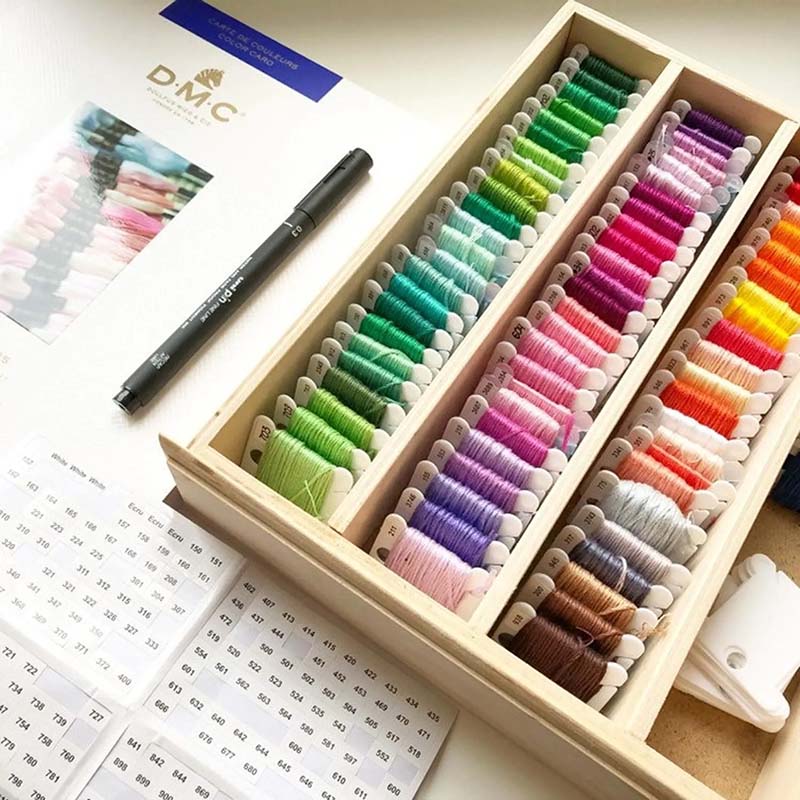
Thread Color Matching and Brand Consistency
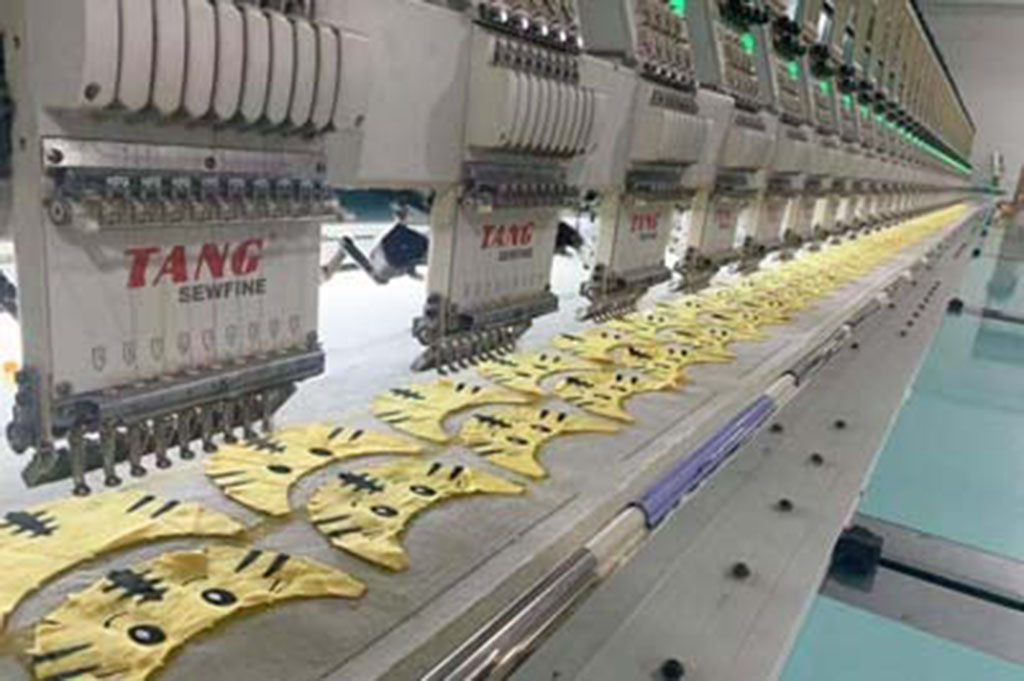
Logo embroidery requires thread color planning. Brand colors shown in digital artwork, Pantone references, fabric swatches, and embroidery thread charts may not look identical because thread sheen, fabric pile, lighting, and viewing distance affect color perception.
KINWIN helps buyers compare thread options and review embroidery color during sampling. For strict brand programs, it is better to provide Pantone references or approved physical color samples when available.
Color consistency also matters in repeat orders. If a buyer plans to reorder the same branded stuffed animal, confirmed thread references, embroidery files, and production records should be kept for future production.
Buyer decision point: logo color should be checked as embroidery thread on the actual plush fabric.
LOGO ARTWORK FILES BUYERS SHOULD PREPARE
Logo Artwork Files Buyers Should Prepare
Good logo files help KINWIN review embroidery feasibility and reduce sample revision time.
Vector Logo Files
AI, EPS, SVG, or PDF vector files are preferred because they allow cleaner embroidery file preparation and better size adjustment.
Color References
Pantone numbers, brand color guides, or approved physical samples help improve thread color matching and brand consistency.
Logo Usage Rules
If the brand has rules for minimum size, clear space, background color, or logo placement, these should be shared before sampling.
Plush Product Requirements
Target size, plush style, logo position preference, quantity, market destination, packaging direction, and user age group should also be shared.
EMBROIDERY LOGO SAMPLE DEVELOPMENT PROCESS
Embroidery Logo Sample Development Process
Sampling is the stage where logo appearance, plush shape, and embroidery handfeel are checked together.
Step 1: Logo and Plush Review
KINWIN reviews the logo file, plush concept, target size, logo position, fabric type, user group, and branding requirements.
Step 2: Embroidery Feasibility and File Preparation
The logo is checked for stitch clarity, size, color count, line thickness, text readability, and whether simplification is needed.
Step 3: Sample Review
The buyer reviews the real plush sample for logo position, thread color, embroidery size, stitch quality, plush softness, and overall brand effect.
Step 4: Approved Production Standard
After approval, the sample, embroidery file, thread references, pattern, material, label, and packaging details become the bulk production standard.
LOGO EMBROIDERY ON DIFFERENT PLUSH PRODUCT
Logo Embroidery on Different Plush Product Types
Logo embroidery should match the plush product type and the way the end user will interact with it.
Animal Stuffed Animals
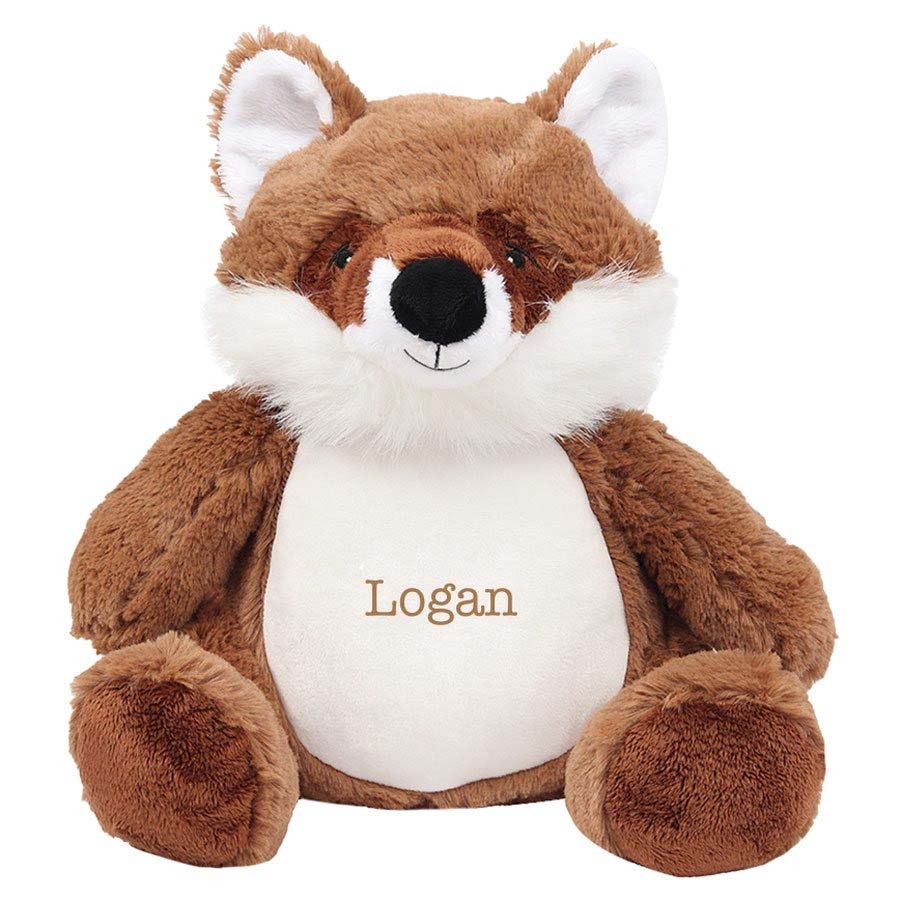
Logos can be placed on the belly, paw, foot, ear, scarf, shirt, or hangtag depending on character style and visibility needs.
Mascot Plush Toys
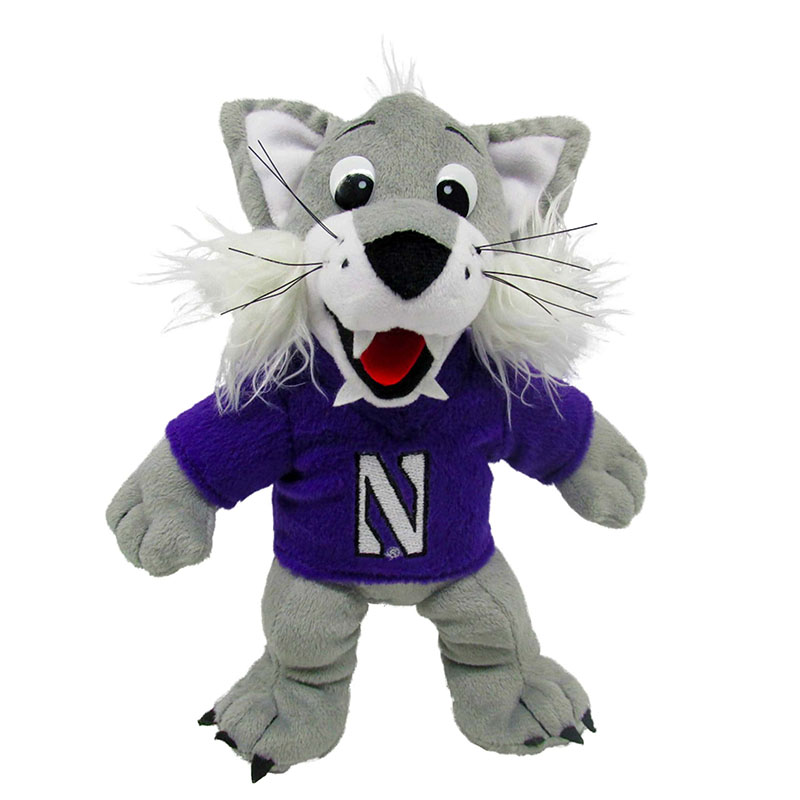
Mascot plush often needs embroidery for team names, school marks, brand badges, uniforms, or campaign slogans.
Promotional Plush Gifts
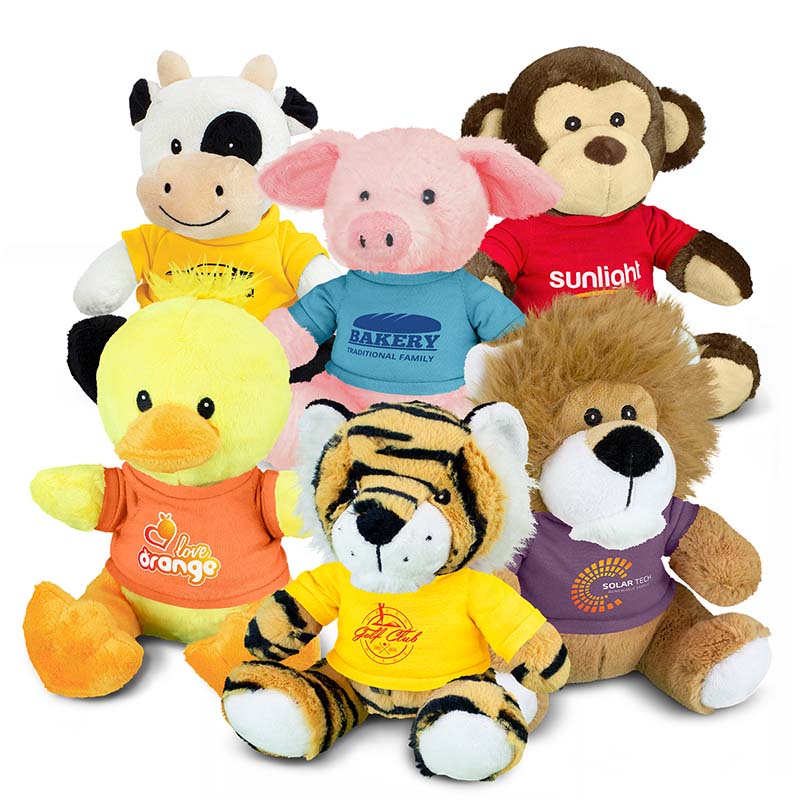
Logo visibility may be more important for promotional use, but stitch cost, size, and softness still need practical balance.
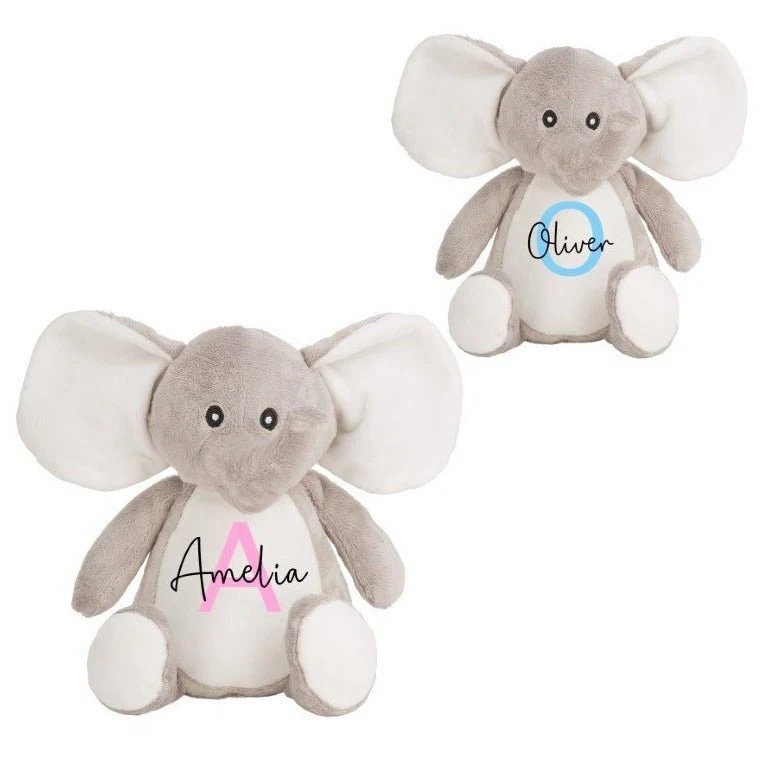
Baby and Comfort Plush
Logo placement should be softer, safer, and less intrusive. Small embroidery, woven labels, or packaging branding may be better than large body logos.
PRIVATE LABEL BRANDING BEYOND EMBROIDERY
Private Label Branding Beyond Embroidery
Embroidery can be combined with other brand elements to create a more complete private label product.
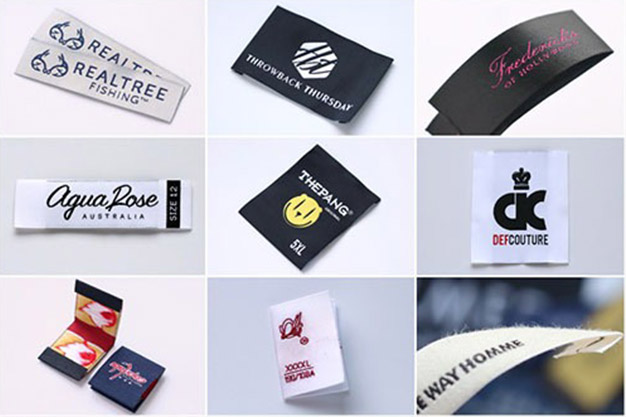
Woven Labels
Small woven labels can show brand names, collection marks, or product identity without changing the plush surface too much.
Hangtags
Hangtags can carry larger logos, stories, barcodes, care information, certification notes, and retail product details.
Packaging
Printed bags, display boxes, belly bands, header cards, and gift boxes can support stronger brand storytelling than embroidery alone.
SAFETY AND AGEAPPROPRIATE LOGO PLANNING
Safety and Age-Appropriate Logo Planning
Embroidery is often a good branding method for plush toys because it does not create loose hard parts. However, the safety of a logo plush still depends on thread quality, backing material, stitch strength, placement, fabric type, and the intended user age group.
For baby and children’s plush, rough backing, sharp thread ends, oversized stiff embroidery, or poorly placed logos can affect comfort. Logo placement should avoid areas where the product is frequently hugged, chewed, pressed, or used for sleep unless the embroidery has been reviewed carefully.
KINWIN reviews logo construction according to product use, target market, and buyer requirements. Safer branding choices may include smaller embroidery, embroidered fabric panels, woven labels, or packaging-focused branding.
Buyer decision point: embroidery is soft branding, but it still needs safety and comfort review for the intended user.
QUALITY CONTROL FOR EMBROIDERED LOGO PLUSH
Quality Control for Embroidered Logo Plush Production
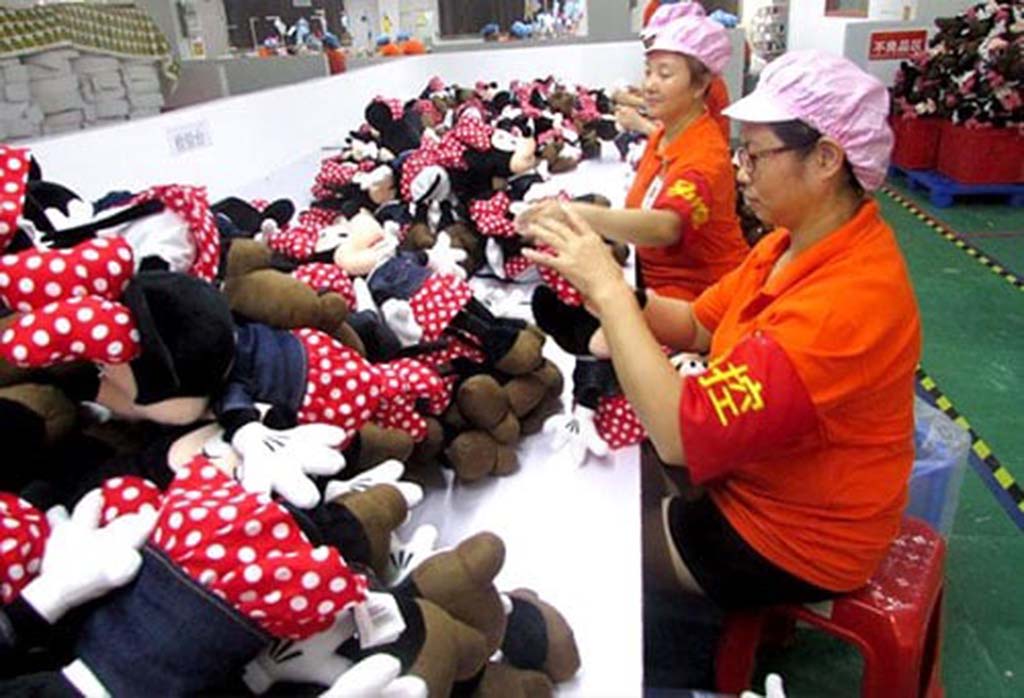
Logo plush quality control must cover both plush appearance and brand accuracy.
Logo Position and Size
The embroidered logo should match the approved sample in placement, size, angle, and visual balance on the plush body.
Thread Color and Stitch Quality
Thread color, stitch density, loose threads, distortion, backing condition, and text clarity should be checked during production.
Plush Shape and Handfeel
The embroidery should not distort the plush shape, create uncomfortable stiffness, or damage the overall product feeling.
PACKAGING FOR STUFFED ANIMALS WITH EMBROID
Packaging for Stuffed Animals with Embroidery Logos
Packaging can reinforce the embroidered logo and make the stuffed animal feel more complete as a branded product. Even when the logo is embroidered on the plush, packaging still matters for retail display, gifting, shipping protection, and brand storytelling.
KINWIN can support polybags, display boxes, window boxes, header cards, belly bands, gift boxes, custom hangtags, barcode labels, and private label packaging. The packaging direction should match the product’s sales channel and brand level.
For corporate gifts or event merchandise, packaging may need to show the company logo clearly. For retail plush, packaging should support shelf display and product information. For private label programs, packaging can help create a full collection identity.
Buyer decision point: embroidery and packaging should work together as one branding system.

COMMON PROBLEMS IN EMBROIDERY LOGO PLUSH D
Common Problems in Embroidery Logo Plush Development
Most embroidery logo problems can be reduced through early logo review and real sample confirmation.
The logo text is unclear
The text may be too small, too thin, or too detailed for the selected embroidery size. Enlarging or simplifying the logo may help.
The embroidered area feels too hard
High stitch density, large coverage, backing material, and placement on soft plush areas can cause stiffness.
The logo position looks unbalanced
Body shape, stuffing, seam position, and viewing angle can change how the logo looks after the plush is filled.
Thread color does not match the brand
Thread sheen and plush fabric can change color perception, so embroidery color should be checked on the actual sample.
QUOTATION PREPARATION
What Buyers Should Prepare Before Quotation
Complete information helps KINWIN review logo feasibility, estimate embroidery cost, and plan sampling accurately.
Logo Files and Brand Rules
Vector logo files, Pantone colors, brand guidelines, minimum size rules, and approved logo usage references.
Plush Product Information
Plush type, target size, animal or character style, preferred fabric, logo placement idea, and whether clothing or accessories are needed.
Commercial Requirements
Expected quantity, target price range, sales channel, packaging style, launch schedule, user age group, and market destination.
WHY WORK WITH KINWIN FOR EMBROIDERED LOGO
Why Work with KINWIN for Embroidered Logo Stuffed Animals
KINWIN supports buyers who need both custom plush manufacturing and practical logo embroidery planning.
Logo Feasibility Support
We review logo files, size, color, stitch clarity, placement, and product purpose before sample development.
Custom Plush Manufacturing
KINWIN can support animal plush, mascot plush, corporate gift plush, retail plush, baby plush, and private label plush projects.
Sample and Bulk Production Control
Approved logo samples, embroidery files, thread references, material records, and QC points help support consistent bulk production.
MOQ for Custom Logo Plush
KINWIN's standard MOQ for custom plush projects starts from 500 pcs, depending on design, logo complexity, material, size, and packaging requirements.
START YOUR CUSTOM EMBROIDERY LOGO PLUSH PR
Start Your Custom Embroidery Logo Plush Project with KINWIN
If you are developing a stuffed animal with an embroidery logo for a brand, company gift, event, school, team, mascot program, retail collection, or private label project, KINWIN can help you review the logo and plan the plush manufacturing process.
Send us your logo file, target plush style, logo placement idea, target size, expected quantity, market destination, packaging needs, and brand requirements. Our team can help you understand what can be embroidered, what may need adjustment, and how to prepare the project for sampling and bulk production.
- Custom stuffed animals with embroidered logos, badges, slogans, and private label branding
- Logo feasibility review, embroidery sample development, thread color matching, and placement planning
- Support for corporate gifts, retail plush, mascot programs, events, schools, teams, and private label collections
- Standard MOQ for custom plush projects starts from 500 pcs
FAQ STUFFED ANIMAL WITH EMBROIDERY LOGO
FAQ: Stuffed Animal with Embroidery Logo
Can KINWIN make stuffed animals with embroidered logos?
Yes. KINWIN can manufacture custom stuffed animals with embroidered logos, brand names, slogans, badges, mascot marks, and private label branding.
What logo file should I provide for embroidery?
Vector files such as AI, EPS, SVG, or PDF are preferred. Pantone colors and brand guidelines are also helpful for thread color and logo usage review.
Can small text be embroidered on a plush toy?
Small text may need to be enlarged or simplified. KINWIN can review text size, line thickness, stitch clarity, and plush fabric before sampling.
Where is the best place to put a logo on a stuffed animal?
Common positions include the belly, chest, paw, foot, ear, clothing, scarf, accessory, woven label, or hangtag. The best option depends on visibility, comfort, and plush design.
Will embroidery make the stuffed animal feel hard?
Large or dense embroidery can make the area feel stiffer. KINWIN can suggest size, placement, stitch density, or label alternatives to protect plush handfeel.
What is the MOQ for custom logo stuffed animals?
KINWIN’s standard MOQ for custom plush projects starts from 500 pcs. Final feasibility depends on plush design, logo complexity, materials, size, and packaging.
Can KINWIN help with private label packaging?
Yes. KINWIN can support hangtags, woven labels, care labels, polybags, display boxes, gift boxes, belly bands, and other private label packaging options.
Can embroidered logo plush be used for corporate gifts or events?
Yes. Embroidered logo stuffed animals are suitable for corporate gifts, event merchandise, trade shows, schools, team programs, tourism souvenirs, and branded retail products.
If You Can lmagine lt,We Will Create lt!
1.Tell Us What You Need
Tell us as specific as possible of your needs and share your idea.
2.Get Solution & Quote
We will work on the best solution according to yourrequirements,the specific quote will be provided within 24 hours.
3.Approve for Mass Production
We will start mass production after getting your approval.