 Skip to content
STUFFED ANIMAL SHIPPING REQUIREMENTS
Stuffed Animal Shipping Requirements
Shipping-ready support for custom stuffed animals, including packing methods, carton specifications, export labels, shipping marks, loading plans, document preparation, inspection before shipment, and delivery risk control.
Stuffed animal shipping requirements are not only about moving cartons from a factory to a warehouse. For plush toy buyers, shipping preparation affects product shape, cleanliness, carton condition, customs documents, retail readiness, warehouse receiving, delivery schedule, and final customer experience.
KINWIN supports custom stuffed animal projects with practical packing and shipment planning from the sampling stage to bulk delivery. We help buyers confirm inner packing, compression method, carton size, carton marks, product labels, quantity per carton, inspection points, and shipping document requirements before goods leave the factory.
This page explains what buyers should consider before shipping stuffed animals, how packaging decisions influence freight cost and product condition, and how KINWIN helps make plush orders easier to inspect, ship, receive, and sell.

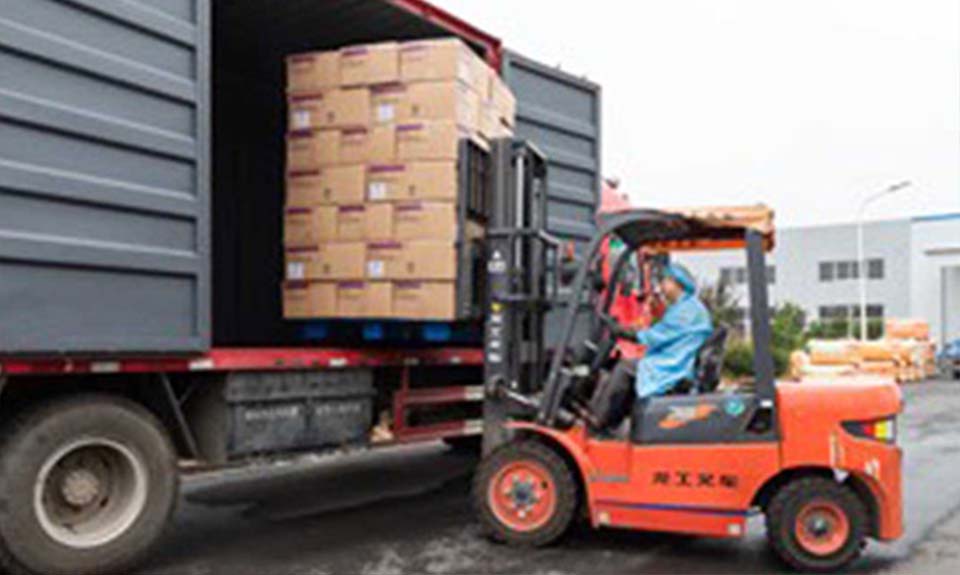
SHIPMENT RISK CONTROL
Why Shipping Requirements Matter for Stuffed Animals
Stuffed animals are soft products, but they are not simple products to ship. Their volume, filling, fabric pile, accessories, packaging, and shape can all change how they should be packed and transported. A poor shipping plan can make a well-made plush look flat, dirty, wrinkled, deformed, or difficult to receive at the buyer’s warehouse.
For retailers, brand owners, event buyers, schools, distributors, and private label programs, shipping requirements should be discussed before bulk production is finished. Carton size, packing quantity, barcode placement, carton marks, pallet needs, product labels, and destination requirements can affect both production preparation and final delivery.
KINWIN treats shipping as part of the manufacturing workflow. The goal is not only to produce the stuffed animal correctly, but also to make sure it leaves the factory in a condition that supports inspection, customs clearance, warehouse receiving, retail handling, and customer presentation.
Buyer decision point: shipping requirements should be confirmed before packing begins, not after cartons are already sealed.
INNER PACKING REQUIREMENTS
Inner Packing Requirements for Plush Toys
Inner packing protects the individual stuffed animal before it enters the master carton. The right choice depends on product size, fabric, selling channel, and buyer receiving requirements.
Individual Polybag Packing
Individual polybags are commonly used to keep plush toys clean during storage and transport. Buyers should confirm bag size, ventilation holes when needed, warning text, barcode placement, suffocation warning requirements, and whether the product should be folded or placed naturally inside the bag.
Retail-Ready Packaging
Retail plush may require hangtags, display boxes, header cards, gift boxes, belly bands, window boxes, or branded bags. These packaging details should be confirmed early because they affect carton size, packing labor, barcode scanning, and shelf presentation.
Moisture and Dust Protection
Long-distance shipment can expose cartons to humidity, dust, warehouse handling, and multiple loading points. Plush fabric can absorb odor or moisture if poorly protected, so buyers should consider clean packing areas, sealed cartons, proper bagging, and destination storage conditions.
Accessory Protection
Plush toys with plastic parts, sound modules, LED lights, embroidered patches, bows, clothing, wings, tails, or shaped accessories may need extra positioning or protective packing so details are not bent, scratched, pressed, or lost during transport.
CARTON SPECIFICATIONS
Carton Specifications for Stuffed Animal Orders
Carton specifications influence freight cost, product protection, warehouse receiving, pallet layout, and container loading. For stuffed animals, carton planning is especially important because plush products often take up more volume than hard goods with similar unit value.
A carton should be strong enough for stacking and handling, but not so oversized that freight cost becomes inefficient. Buyers should review carton dimensions, gross weight, net weight, carton material, sealing method, quantity per carton, and whether cartons need to meet specific warehouse or retailer requirements.
KINWIN helps buyers plan carton packing according to product size, packing style, compression tolerance, product shape, shipping method, and destination needs. For large plush toys, irregular shapes, display packaging, or mixed-SKU orders, carton planning may need extra attention before bulk packing.
Buyer decision point: carton size should balance freight efficiency with product protection, not simply maximize the number of plush toys per carton.

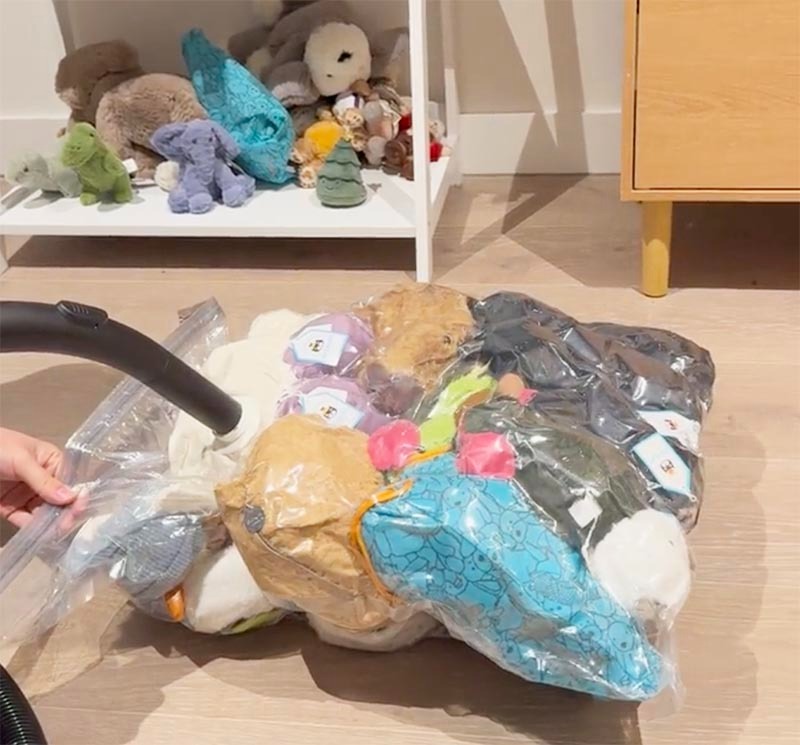
COMPRESSION PACKING DECISIONS
Compression Packing: When It Helps and When It Hurts
Compression can reduce shipping volume, but it must be used carefully because stuffed animals rely on shape, softness, and fabric appearance.
Good Use Cases for Compression
Compression may help with simple soft plush, pillow plush, large low-structure plush, or products where the buyer accepts post-arrival recovery. It can reduce carton volume and freight cost when the product can bounce back properly.
Risky Use Cases for Compression
Compression can be risky for plush with molded shapes, delicate ears, wings, hats, hard accessories, electronic modules, complex clothing, display packaging, or premium retail presentation. These products may need more space or protective positioning.
Recovery After Compression
If compression is used, buyers should consider recovery time, reshaping instructions, warehouse handling, and whether final customers will receive the item directly after unpacking. Some plush toys may need shaking, resting, or light reshaping after arrival.
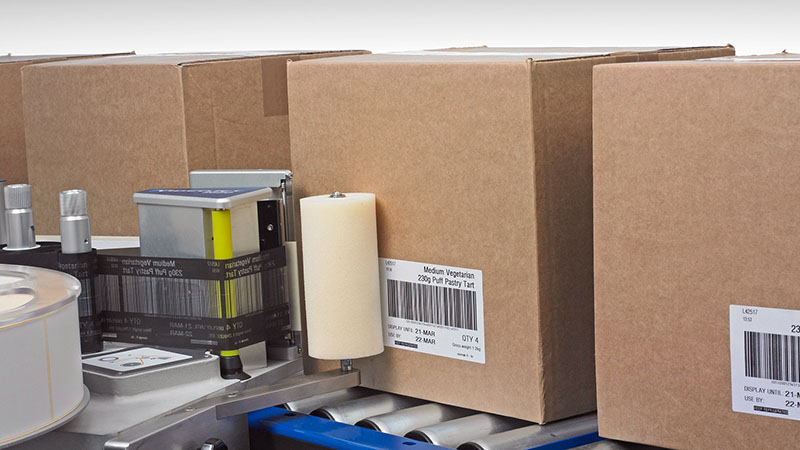
CARTON LABEL AND BARCODE CONTROL
Shipping Marks, Carton Labels, and Barcode Requirements
Shipping marks and carton labels help warehouses identify, receive, store, and distribute stuffed animal orders correctly. Missing or inconsistent carton information can cause receiving delays, warehouse rework, retailer chargebacks, or confusion during final delivery.
Common carton information may include item name, item number, PO number, destination, carton number, quantity, gross weight, net weight, carton dimensions, country of origin, handling marks, barcode labels, and buyer-specific receiving references.
KINWIN recommends confirming carton marks before printing or applying labels. If a buyer works with Amazon, retail chains, distributors, fulfillment centers, or third-party warehouses, their carton label rules should be shared before packing begins.
Buyer decision point: warehouse label rules should be provided before bulk packing, especially for retailer or fulfillment-center shipments.
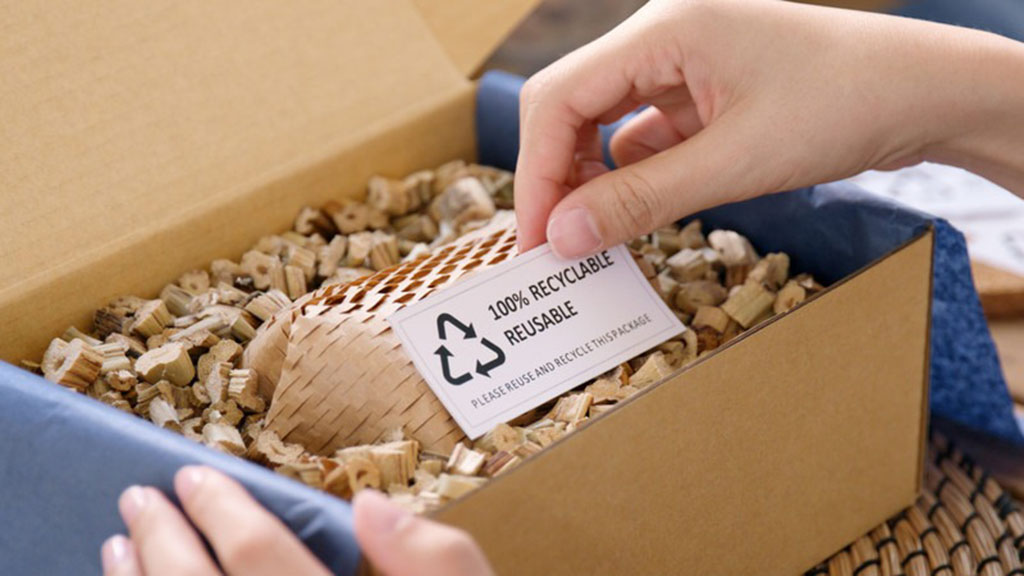
PRODUCT LABEL READINESS
Product Labels and Compliance Information Before Shipment
Product labels are part of shipping readiness because they affect customs review, retail selling, safety communication, and warehouse identification.
Care Labels and Woven Labels
Stuffed animals may need care labels, woven labels, brand labels, country-of-origin information, material information, or buyer-specific label formats. Label placement should be reviewed so it does not hurt appearance or user comfort.
Barcode and SKU Identification
Retail and warehouse channels may need barcode labels, SKU stickers, item numbers, batch codes, or variant labels. These should match the buyer's order system to reduce receiving and fulfillment errors.
Age Grade and Warning Labels
Depending on the product and market, warning labels, age information, small-part statements, or suffocation warnings may be required. These details should be checked according to the buyer's target market and product type.
EXPORT DOCUMENT PREPARATION
Export Documents Buyers Should Prepare or Confirm
Shipping documents may vary by destination, buyer, freight forwarder, and customs requirement. The buyer should confirm document expectations early so shipment is not delayed at the final stage.
Commercial Invoice and Packing List
The commercial invoice and packing list normally describe product information, quantity, carton count, weights, dimensions, value, buyer and seller details, and shipment references. These must align with the actual packed goods.
Product and Compliance Documents
Depending on the project, buyers may request test reports, certificates, declaration documents, material information, inspection reports, or other supporting files. These should be discussed before shipment planning is finalized.
Freight Forwarder Instructions
If the buyer appoints a freight forwarder, booking instructions, consignee details, notify party, shipping method, destination port, warehouse address, and document cut-off requirements should be shared in time.
Destination-Specific Review
Import rules, labeling expectations, and document requirements can differ by country and selling channel. Buyers should confirm current destination requirements with their customs broker, freight forwarder, or compliance team.
SHIPPING METHOD PLANNING
Sea Freight, Air Freight, Express, and Consolidated Shipment
Different shipping methods create different packing, timing, cost, and receiving requirements for stuffed animal orders.

Sea Freight
Sea freight is often suitable for bulk plush orders because stuffed animals can take up large volume. Buyers should plan enough lead time and consider carton strength, humidity risk, container loading, and destination port handling.
Air Freight
Air freight can support urgent launches, events, or replenishment orders, but volume weight can make plush toys expensive to ship. Carton size and compression planning become especially important.
Express Shipment
Express shipment is usually used for samples, urgent small batches, documents, or replacement items. Individual packing, carton labeling, and delivery address accuracy are important to avoid delay.
Consolidated Shipment
When plush goods ship with other products, carton marks, SKU labels, packing lists, and loading sequence should be clear so the receiving warehouse can identify each product correctly.
LOADING AND FREIGHT EFFICIENCY
Loading Plan and Container Efficiency for Plush Orders
Because stuffed animals are often bulky, loading efficiency can have a major effect on total landed cost. The same order quantity may require different freight budgets depending on carton size, compression method, carton strength, pallet requirement, and whether the buyer needs mixed-SKU separation.
For full-container or large-volume shipments, buyers may need carton loading estimates before production is complete. This helps with freight budgeting, delivery planning, and warehouse preparation. For mixed orders, cartons should be marked clearly so SKUs can be separated during receiving.
KINWIN can support loading discussions by providing carton dimensions, carton quantity, gross weight, net weight, and packing method information after packing details are confirmed. Final container loading should also consider freight forwarder guidance and destination handling requirements.
Buyer decision point: for bulky plush orders, shipping cost should be considered during packaging planning, not only after production is finished.
PRE-SHIPMENT INSPECTION
Pre-Shipment Inspection for Stuffed Animals
Pre-shipment inspection should check both product quality and shipment readiness. A plush toy order can pass appearance inspection but still fail delivery expectations if packing or labels are wrong.
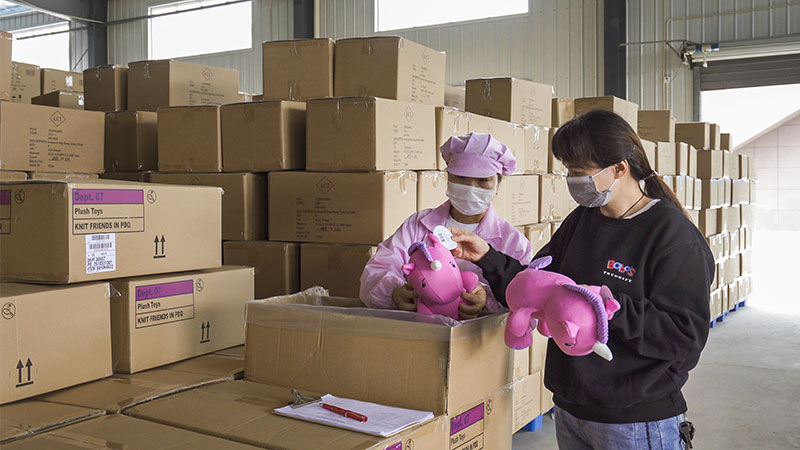
Product Appearance Check
Inspect shape, size, fabric, color, embroidery, seams, filling, cleanliness, accessories, function, and comparison against the approved sample.
Packing Check
Review inner bags, hangtags, retail packaging, folding method, compression condition, quantity per carton, sealing method, and product protection.
Carton and Label Check
Confirm carton marks, barcode labels, item numbers, carton sequence, gross weight, net weight, carton dimensions, and buyer receiving information.
Document Consistency Check
Make sure the packing list, invoice information, carton quantity, product description, and shipment references match the actual packed goods.
WAREHOUSE RECEIVING RULES
Retail, Amazon, and Warehouse Receiving Requirements
Many stuffed animal buyers do not ship only to their own office. Goods may go directly to a retailer warehouse, Amazon-style fulfillment center, distributor, event venue, school system, museum shop, or third-party logistics provider. Each receiving location may have its own packing and labeling rules.
For these channels, carton labels, barcode placement, SKU identification, PO number, carton count, master carton size, pallet rules, polybag warnings, and packing list format may all need to follow specific instructions. If these rules are shared too late, repacking or relabeling may be required.
KINWIN recommends that buyers provide warehouse routing guides or receiving requirements before bulk packing. This allows the factory to prepare cartons and labels closer to the final delivery requirement, reducing avoidable cost and delay.
Buyer decision point: if the goods ship directly to a warehouse or retailer, provide the receiving guide before the factory starts final packing.

PRODUCT-SPECIFIC SHIPPING NEEDS
Shipping Requirements for Different Stuffed Animal Types
Different stuffed animal products need different shipping decisions. The product design should guide the packing plan.
Large Stuffed Animals
Large plush toys require careful carton planning because freight cost can rise quickly with volume. Compression may help, but shape recovery and deformation risk must be reviewed.
Baby and Comfort Plush
Baby plush and comfort plush need clean packing, careful label placement, soft handfeel protection, and stronger review of warning labels or market-specific requirements.
Musical or LED Stuffed Animals
Products with sound modules, batteries, LED parts, switches, or wires may need additional protection, function checks, document review, and freight forwarder confirmation before shipment.
Retail Boxed Plush
Boxed plush needs protection for both the toy and the retail box. Window boxes, gift boxes, and display packaging can be damaged if carton loading is too tight.
Event or Promotional Plush
Event plush often has fixed delivery dates. Packing, carton labels, shipment booking, and inspection timing should be planned around the event deadline.
COMMON SHIPPING PROBLEMS
Common Shipping Problems and How to Prevent Them
Most shipping problems are easier to prevent before packing than to fix after the goods arrive.
Plush Arrives Deformed
This can happen when products are over-compressed, packed in unsuitable positions, or kept under pressure for too long. Prevention includes compression testing, better folding direction, stronger cartons, or reduced quantity per carton.
Cartons Are Damaged
Weak cartons, excessive weight, poor sealing, rough handling, or humidity can damage outer cartons. Prevention includes selecting suitable carton strength, controlling carton weight, sealing properly, and considering moisture risk.
Warehouse Cannot Identify Goods
Missing carton labels, wrong SKU information, unclear PO numbers, or inconsistent packing lists can delay receiving. Prevention includes confirming label templates and checking carton marks before shipment.
Retail Packaging Is Crushed
Retail boxes can be crushed if the carton is too tight or the packaging structure is weak. Prevention includes carton fit testing, protective arrangement, stronger packaging materials, or adjusting carton quantity.
BUYER CONFIRMATION CHECKLIST
What Buyers Should Confirm Before Shipment
A clear pre-shipment checklist helps both buyer and factory avoid last-minute confusion.
Confirm Product and Packing Approval
Approve the final sample direction, product labels, inner packing, retail packaging, folding method, compression method, and carton packing plan.
Confirm Carton and Label Information
Review carton size, quantity per carton, gross weight, net weight, carton marks, barcode labels, SKU labels, PO number, and destination details.
Confirm Shipping Method and Forwarder Details
Provide shipping method, freight forwarder contact, booking instructions, warehouse address, consignee information, and required document format.
Confirm Inspection and Release Timing
Schedule inspection, review shipment photos if needed, confirm document consistency, and release the goods only after packing and shipping details are approved.
HOW KINWIN SUPPORTS SHIPPING
How KINWIN Supports Stuffed Animal Shipping Preparation
KINWIN supports custom plush buyers with practical shipping preparation, not only product manufacturing.
Packing Plan Review
We help review product size, packing method, compression possibility, retail packaging, carton quantity, and product protection needs before bulk packing.
Carton and Label Coordination
We help coordinate carton marks, barcode labels, SKU labels, carton sequence, packing list information, and buyer-specific receiving requirements.
Inspection Before Shipment
We check product appearance, packing condition, carton information, quantity, and shipment readiness before goods leave the factory.
Support for Custom Plush Projects
KINWIN supports character plush, baby plush, logo plush, musical plush, retail plush, event plush, and private label plush programs, with standard MOQ starting from 500 pcs.

START YOUR SHIPPING PLAN
Start Your Stuffed Animal Shipping Plan with KINWIN
If you are preparing a custom stuffed animal order and need support with packing, carton planning, labels, shipping marks, inspection, or shipment documents, KINWIN can help you review the requirements before bulk production is packed.
Send us your plush design, target quantity, product size, packing preference, sales channel, warehouse requirements, destination country, and expected shipping method. Our team can help you plan a shipment-ready solution that protects the product and supports smoother receiving.
- Stuffed animal packing plans for bulk orders, retail orders, and event deadlines
- Support for carton marks, labels, barcodes, packing lists, and warehouse receiving requirements
- Pre-shipment inspection covering product quality, packing condition, and carton information
- Custom plush manufacturing support with standard MOQ starting from 500 pcs
FREQUENTLY ASKED QUESTIONS
FAQ: Stuffed Animal Shipping Requirements
What shipping requirements should buyers confirm for stuffed animals?
Buyers should confirm inner packing, retail packaging, carton size, quantity per carton, carton marks, labels, barcode requirements, shipping method, freight forwarder instructions, inspection timing, and required documents.
Can stuffed animals be compressed for shipping?
Some stuffed animals can be compressed to reduce volume, but compression should be tested. Large soft plush may recover well, while shaped plush, retail boxed plush, electronic plush, or delicate designs may need more protective packing.
What information is usually printed on plush toy cartons?
Carton information may include item name, item number, PO number, carton number, quantity, gross weight, net weight, carton dimensions, destination, country of origin, handling marks, and barcode labels.
Do plush toy shipping requirements change by destination?
Yes. Labeling, documentation, warehouse receiving rules, retailer instructions, and import requirements can differ by destination and sales channel. Buyers should confirm current requirements with their freight forwarder, customs broker, or compliance team.
Can KINWIN help prepare carton labels and packing information?
Yes. KINWIN can help coordinate carton marks, SKU labels, barcode placement, packing quantity, carton dimensions, gross weight, net weight, and packing list information based on the buyer's instructions.
What should buyers provide before final packing?
Buyers should provide approved packing method, warehouse or retailer routing guide, carton label template, barcode files, SKU list, destination address, shipping method, freight forwarder details, and document requirements.
Is sea freight or air freight better for stuffed animals?
Sea freight is often more cost-efficient for bulk plush orders, while air freight is useful for urgent projects. Because plush toys are bulky, buyers should compare timing, volume weight, carton size, budget, and delivery deadline.
What is KINWIN's MOQ for custom stuffed animal orders?
KINWIN's standard MOQ for custom stuffed animal projects starts from 500 pcs. Final feasibility depends on product design, size, materials, packaging method, shipping requirements, and production complexity.
If You Can lmagine lt,We Will Create lt!
1.Tell Us What You Need
Tell us as specific as possible of your needs and share your idea.
2.Get Solution & Quote
We will work on the best solution according to yourrequirements,the specific quote will be provided within 24 hours.
3.Approve for Mass Production
We will start mass production after getting your approval.
