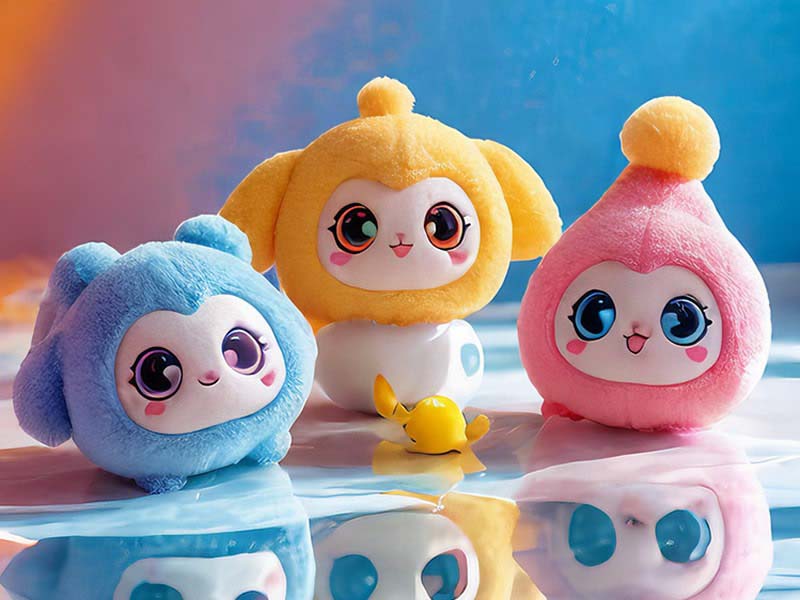
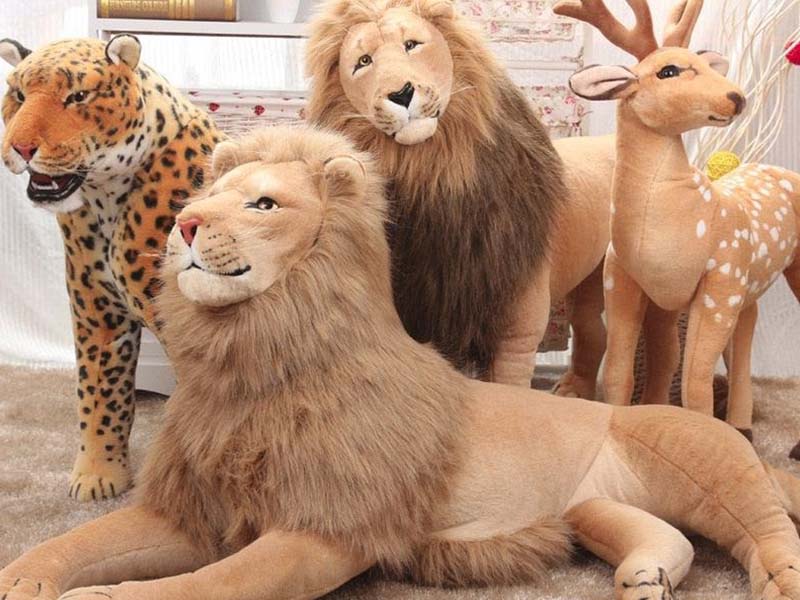
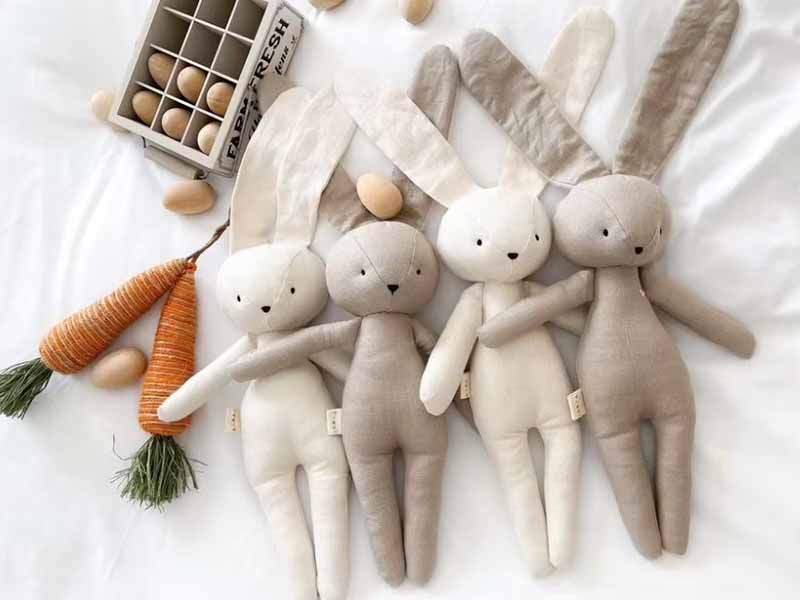
Leading Soft Toys Supplier | Trusted Plush Toy Manufacturer & Exporter from China

As a global soft toys supplier with 17+ years of OEM & ODM experience, Kinwin helps you turn ideas into high-quality plush toys—smoothly, safely, and on time. You get stable materials, fast sample support, certified production, and full guidance from design to bulk manufacturing. Whether you need custom stuffed animals, branded plush gifts, baby-safe soft toys, or large-volume plush orders, we make the entire process easier and faster for you.

Strict Quality Control for Every Soft Toy

When you choose a soft toys supplier, you do not just buy a product—you rely on that factory to protect your brand image, reviews, and repeat orders. With a strict quality control system, you get consistent plush toys that match your approved samples, pass safety testing, and meet the standards of your target markets.
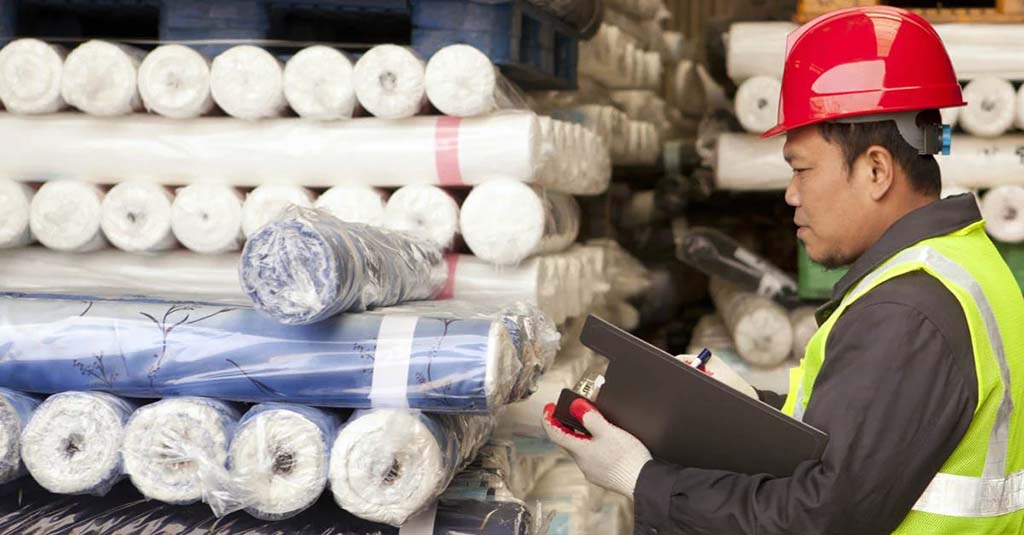
Raw material control and supplier management in plush toy factory
Quality Step · Upstream

Raw Material Control & Supplier Management

All fabrics, fillings, embroidery threads, eyes, noses, and accessories are checked before entering the warehouse. We review fabric weight, color fastness, hand-feel, and safety documents (such as test reports and certificates). Only stable and traceable materials are approved for production, so you do not need to worry about inconsistent batches or hidden quality issues.
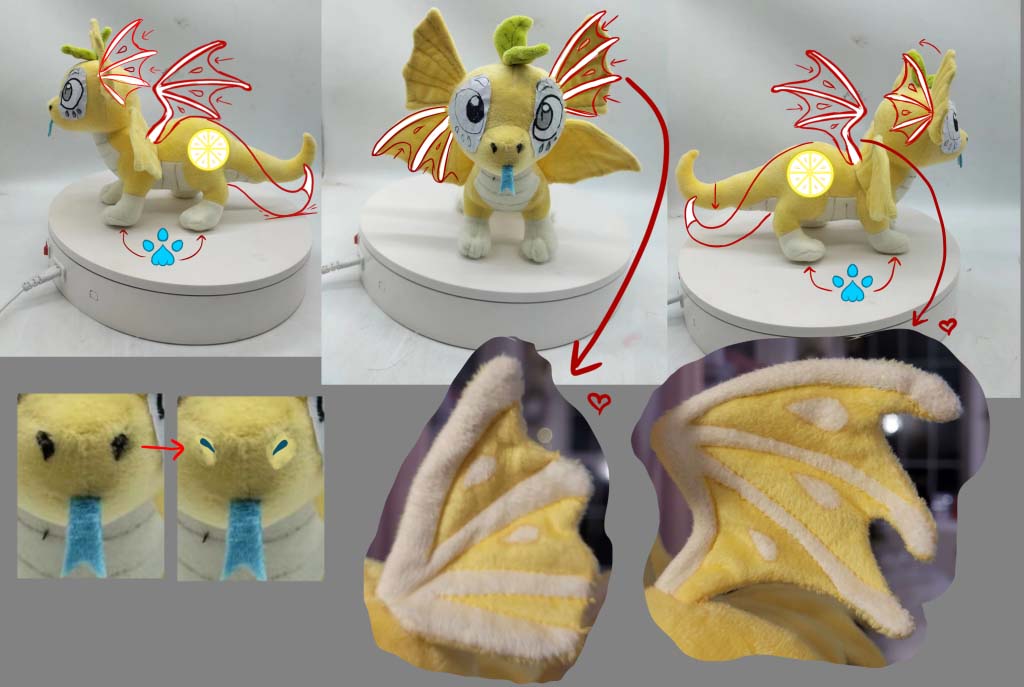
Sample and pre-production approval meeting for soft toys
Quality Step · Alignment

Sample & Pre-Production Approval

Before bulk production, the structure, size, pattern, stitching method, and filling amount of each plush toy are confirmed based on the approved sample. A pre-production meeting is held with the sample room, production team, and QC team to align on every detail—Pantone colors, labels, packaging, and special requirements—so your mass production follows one clear standard.
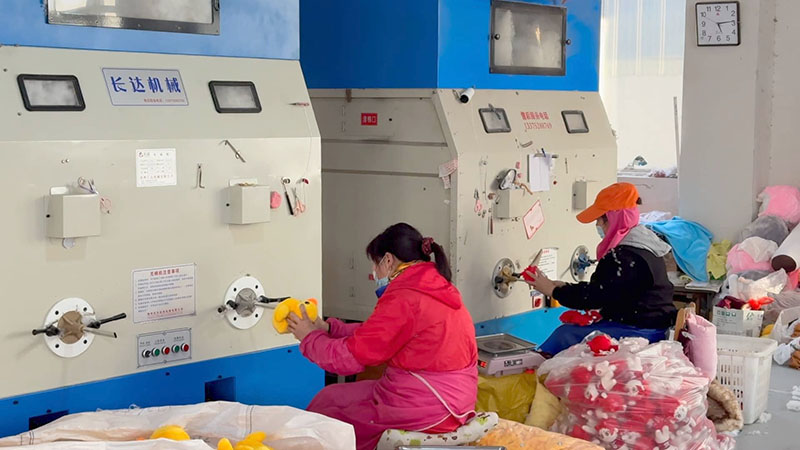
In-line quality checks during sewing and filling
Quality Step · In-Line

In-Line Quality Checks During Sewing & Filling

During sewing and filling, QC inspectors stay on the production lines to check stitching density, symmetry, pattern alignment, and softness. Defects are found and corrected in time, not at the end of production. This helps you avoid large-scale rework, shipment delays, and complaints from your customers.
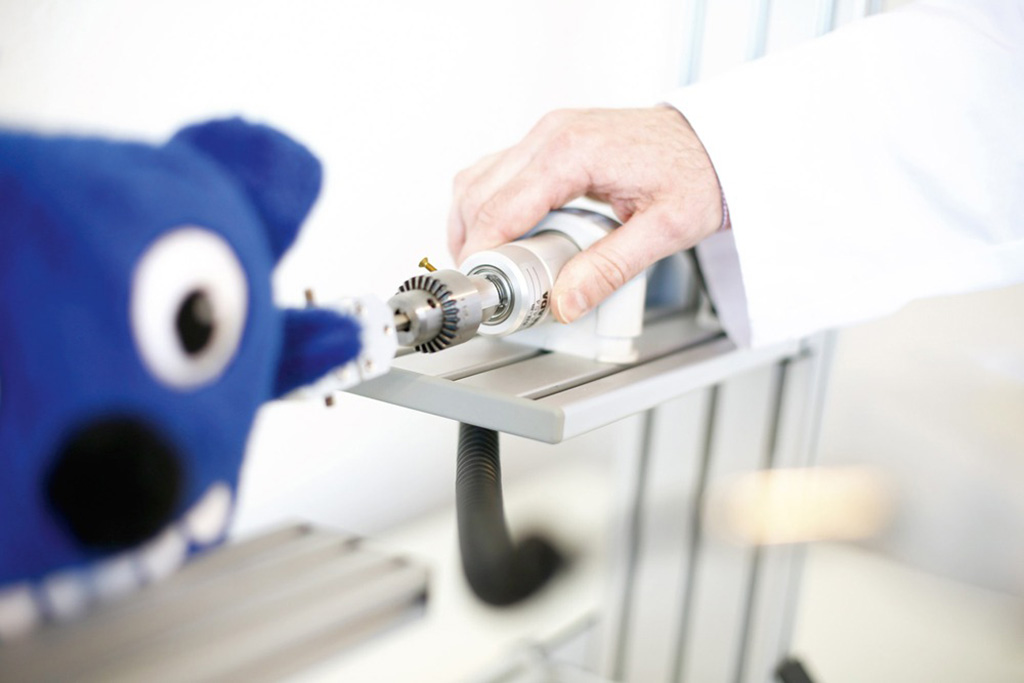
Safety testing, needle detection and final inspection for plush toys
Quality Step · Final Safety

Safety Testing, Needle Detection & Final Inspection

Finished soft toys go through needle detection, appearance checks, measurement checks, and packaging checks. For projects that require it, products are tested according to EN71, CE, ASTM and other toy safety standards. You receive soft toys that are safe for children, suitable for your sales channels, and ready for customs inspection and market audits.
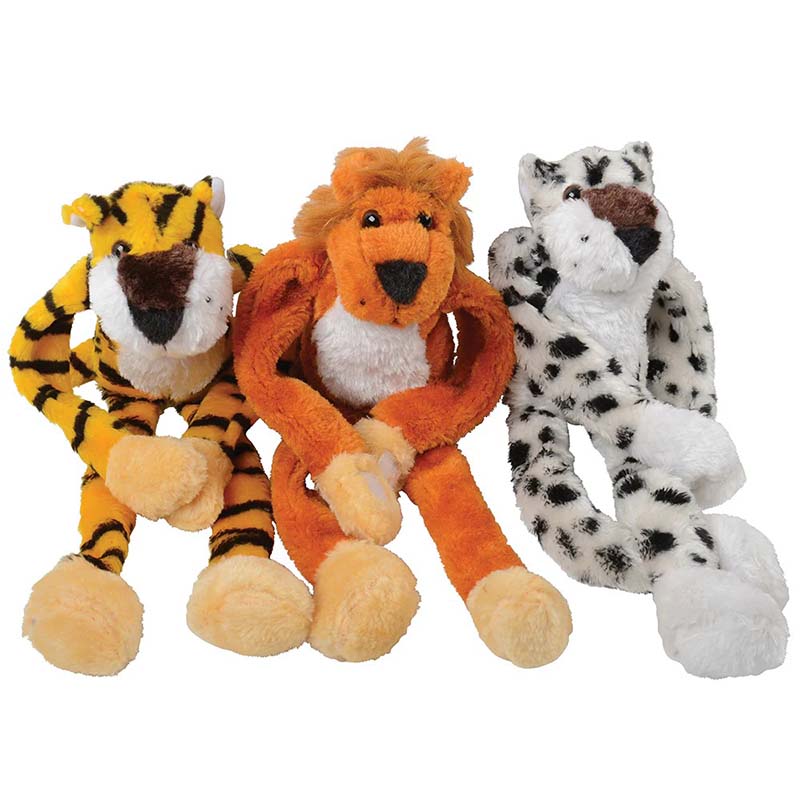
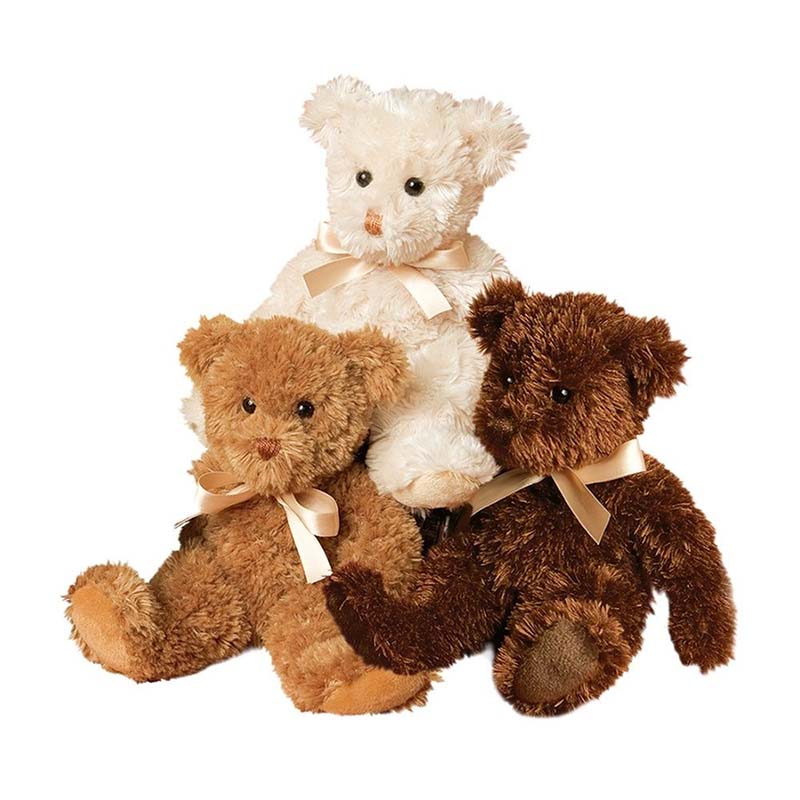
With a clear and transparent quality control process, you can work with a soft toys supplier for the long term. You reduce claims, save communication time, and build a brand that customers trust—batch after batch.

Precision Instrument-Based Quality Testing

This video shows how professional testing equipment is used to inspect plush toys before shipment. From metal and needle detection to tension testing and durability checks, each test is performed with calibrated instruments to ensure objective and reliable results. Instrument-based inspection adds an extra layer of safety control, especially for products entering strict international markets.

Design Support: Free Assistance for Character & Structure Optimization

Many brand owners, designers, and IP creators discover that a character looks perfect on paper but becomes very different once turned into a plush toy. Features may deform, proportions may shift, and shapes may collapse after filling. To prevent these risks, Kinwin offers free design optimization that helps your idea transition smoothly from artwork to a stable, accurate, and mass-producible plush toy. You get professional guidance on structure, pattern engineering, character translation, and material choice—so your final sample looks close to your original vision and maintains consistency in large-volume production.

Character Features Structure & Patterns Fabric & Materials Production Feasibility
1 Character Focus
Design Support · Expression

Character Feature Optimization

We carefully review your artwork and refine character details such as facial expressions, silhouette, limb ratios, ear and tail shapes, and signature design elements. Plush toys rely heavily on softness and volume, so our team adjusts these features to make the character more expressive, balanced, and visually appealing in plush form—while still preserving all key elements that define your brand identity. This ensures your plush toy reflects the personality and emotional tone of your original design.

2 Structure Lab
Design Support · Engineering

Structure & Pattern Engineering Optimization

Even the cutest character can fail in production if the internal structure is weak. Our pattern engineers study the original form and adjust the 3D shaping, seam lines, panel layout, curve flow, seam allowance, and depth relationships to ensure that the toy maintains its shape during sewing and after filling. These engineering adjustments prevent collapsing heads, twisted limbs, uneven stuffing, and shape distortion, making each plush toy more stable, durable, and consistent across every production batch.

3 Material Match
Design Support · Materials

Material & Fabric Matching Suggestions

The same character can look completely different depending on the fabric used. We help you choose materials that enhance both appearance and tactile experience—such as minky for ultra-soft baby toys, velboa for sharper details at lower cost, faux fur for animals with fluffy textures, and durable embroidery threads for facial features. We also evaluate thickness, elasticity, pile direction, and stitching effects to ensure the selected fabric supports the character’s structure and keeps visual clarity during mass production.

4 Mass-Ready
Design Support · Feasibility

Production Feasibility Evaluation

Before moving into sample creation, we evaluate sewing difficulty, filling behavior, accessory compatibility, safety compliance, proportion stability, and durability requirements. This early-stage review helps you avoid potential production risks such as deformation, high defect rates, or unexpected cost increases. The result is a toy design that is beautiful, practical, safe for all age groups, and ready for smooth mass production.

With expert support, you reduce revisions, avoid structural mistakes, and get a plush toy that accurately reflects your concept—while staying safe, durable, and cost-efficient.

Explore Our Soft Toy Collections

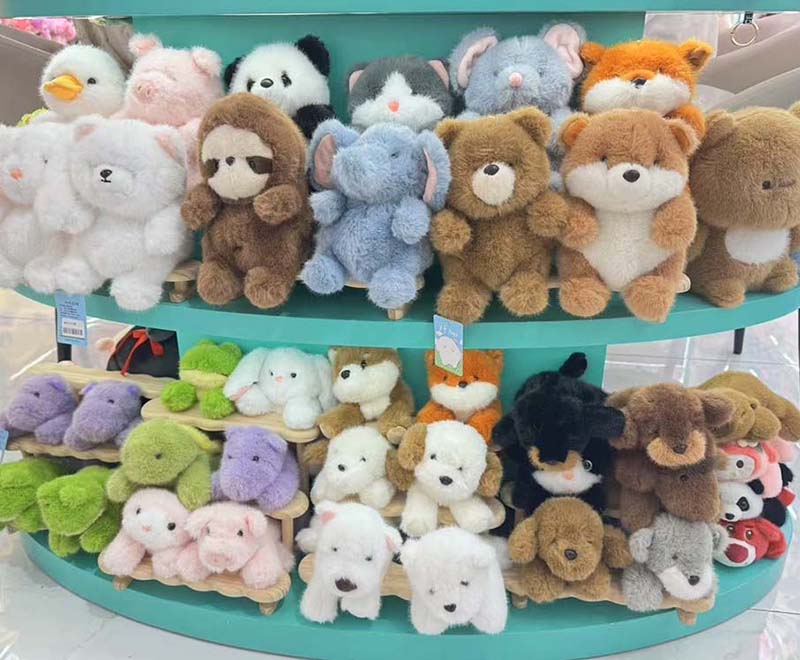
Discover 16 of our most popular plush and soft toy categories. Each collection supports OEM & ODM customization, flexible materials, branding options, and child-safe production standards. These categories help you quickly understand our manufacturing range and inspire your next product idea.

Animal Plush Toys

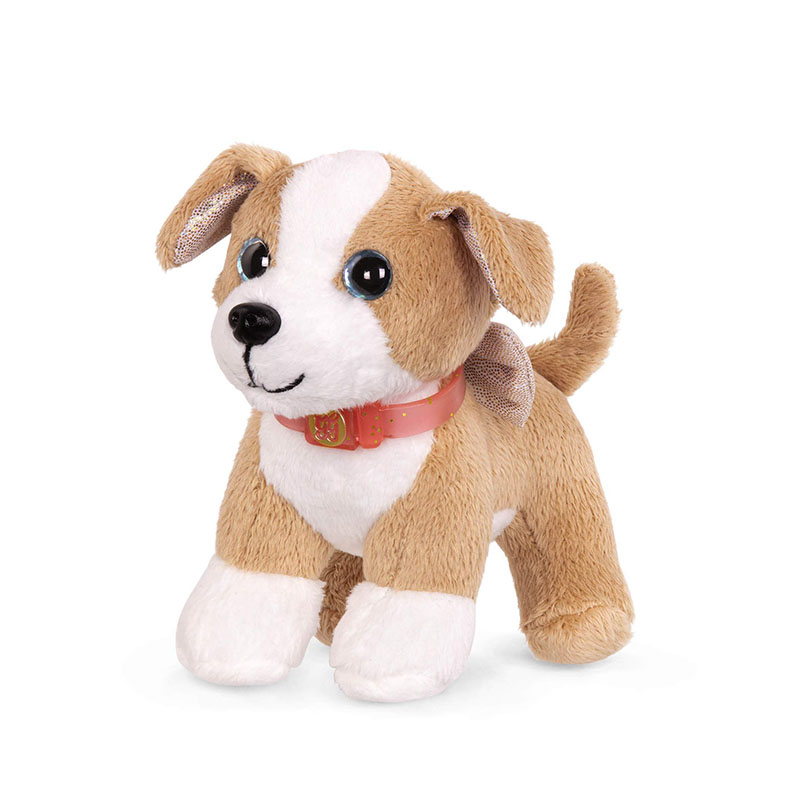
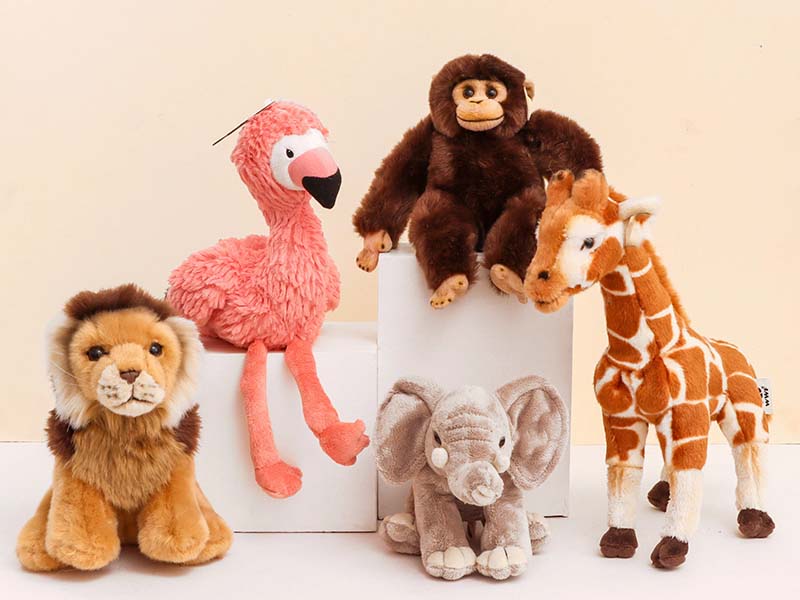
Lifelike or stylized animal plush in various sizes, suitable for retail, gifts, and themed collections.

Teddy Bears

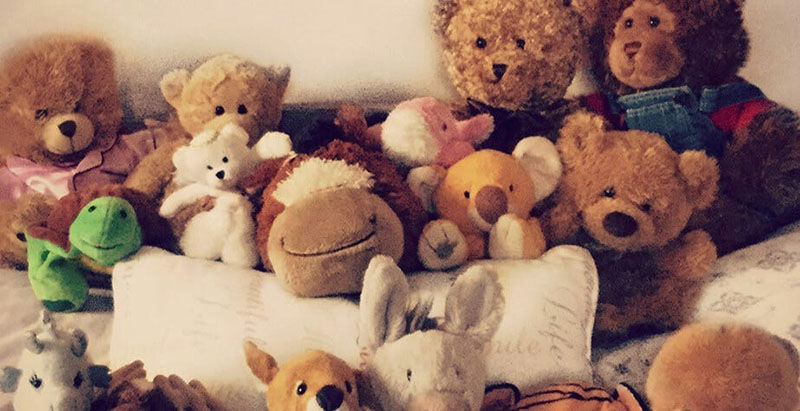
Classic teddy bears with soft fabrics, embroidered features, and gift-ready designs.

Baby Soft Toys

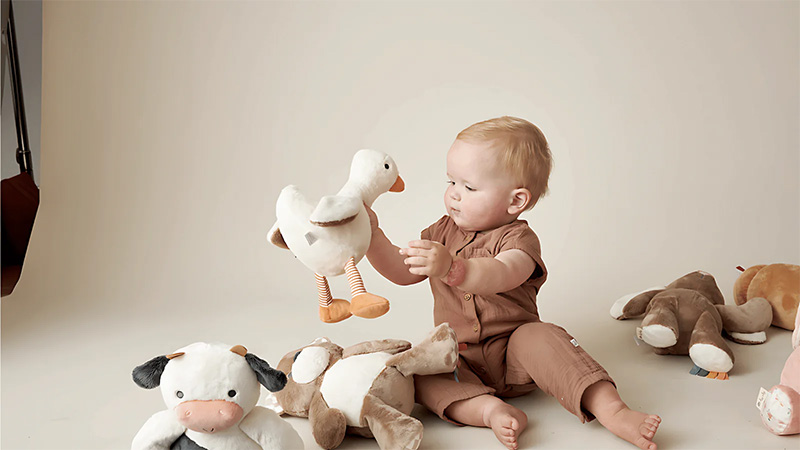
Ultra-soft fabrics, no hard accessories, and safe designs for newborns and toddlers.

Character Plush Dolls

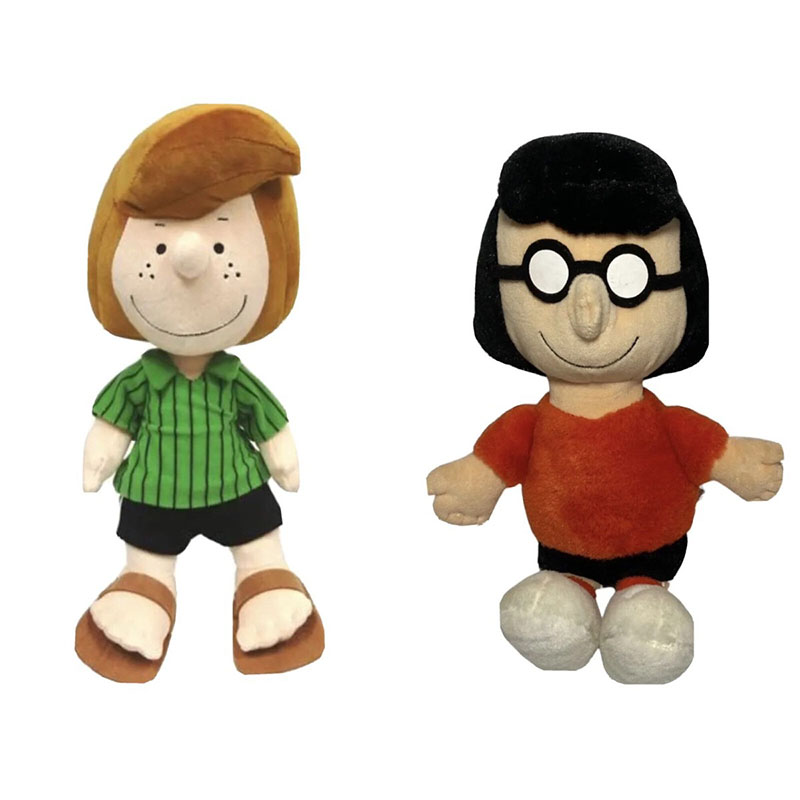
Customized plush dolls based on brand mascots, IP characters, or original designs.

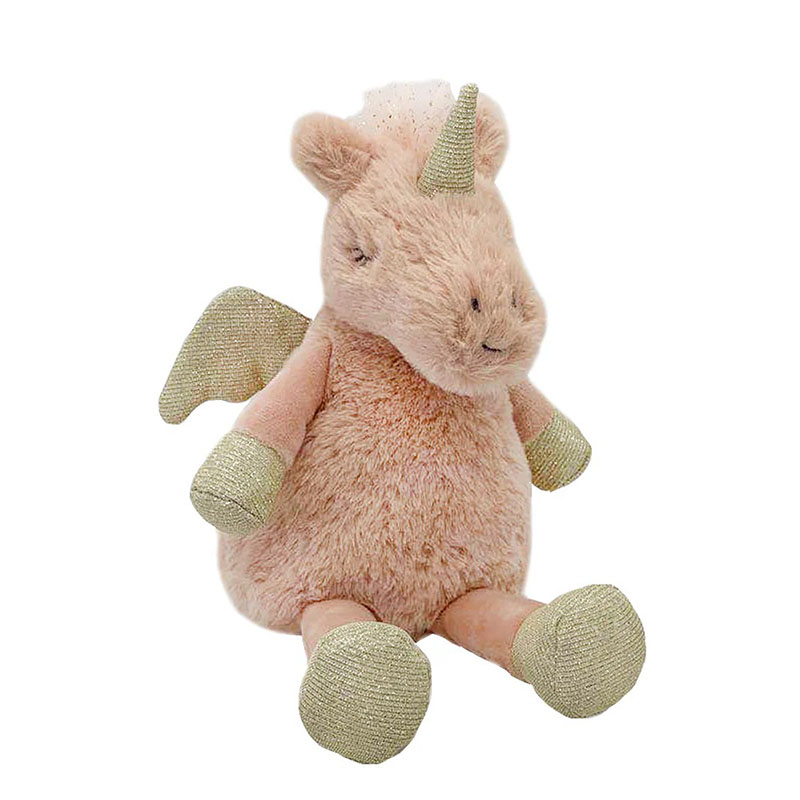
Fantasy & Dinosaur Plush

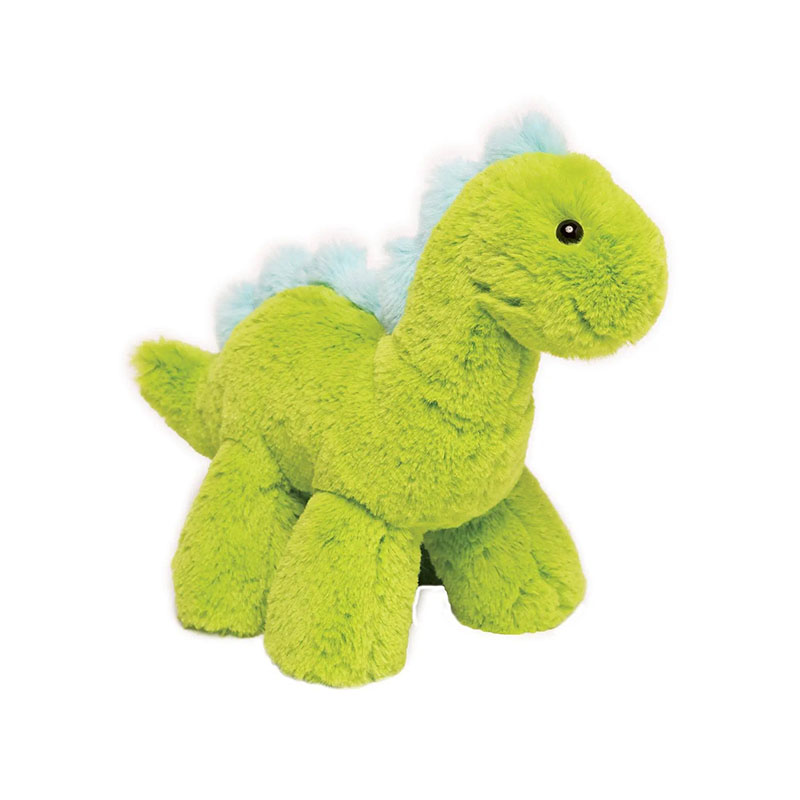
Creative designs such as dragons, dinosaurs, and mythical creatures with detailed stitching.

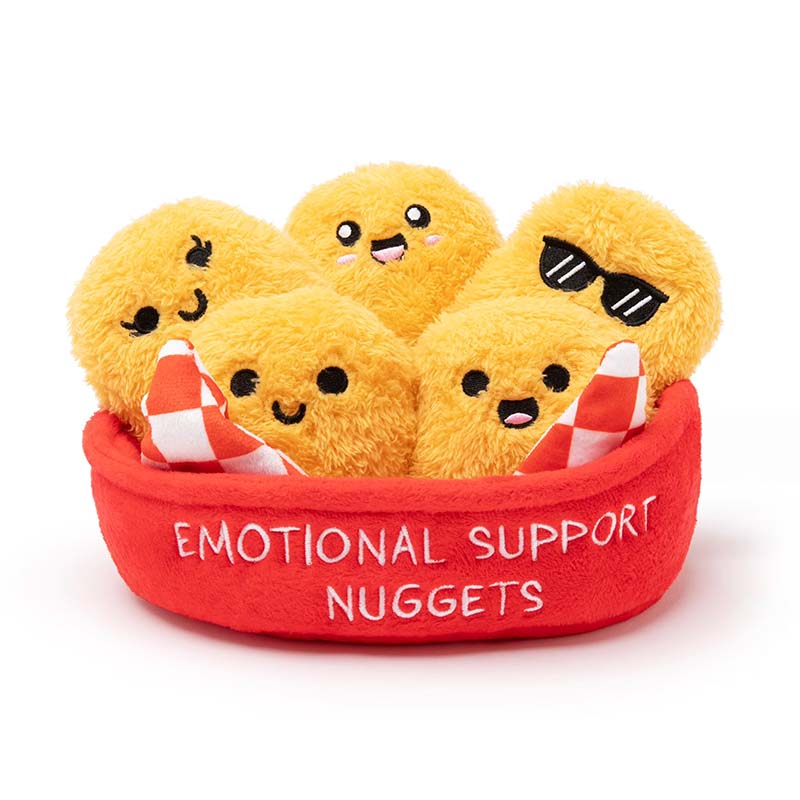
Food Plush Toys

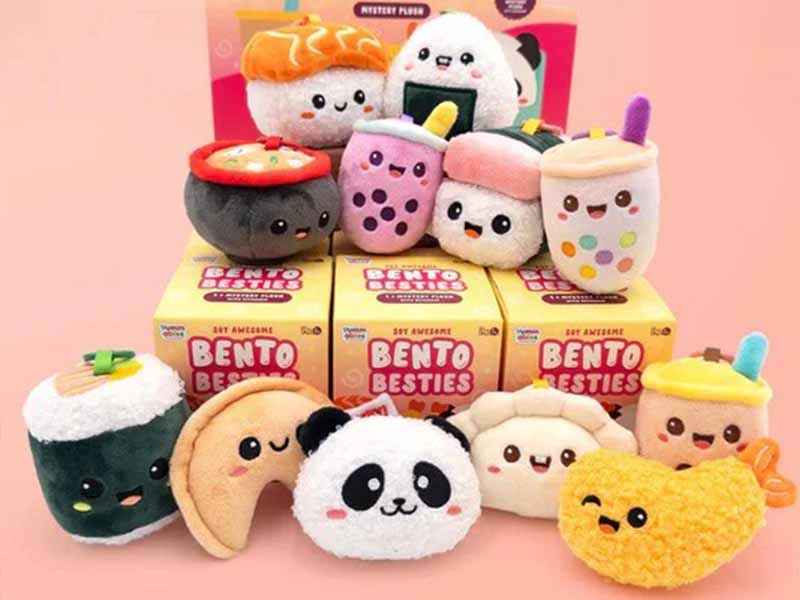
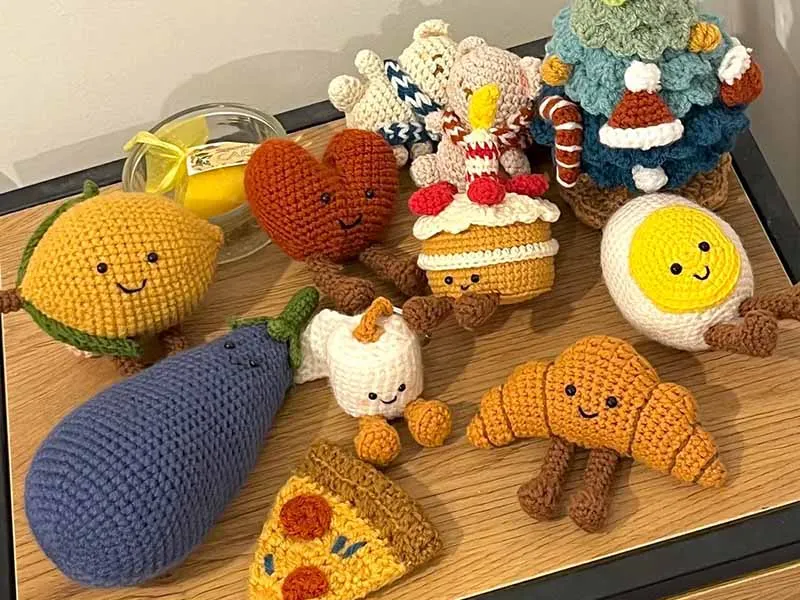
Cute plush toys inspired by fruits, desserts, snacks, and fun food shapes.

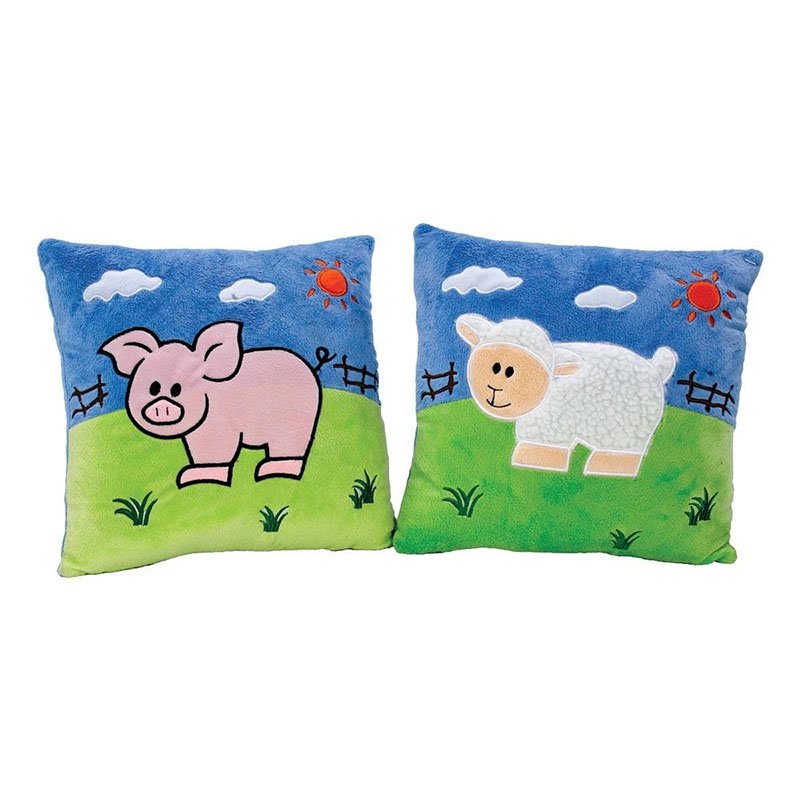
Plush Pillows & Cushions

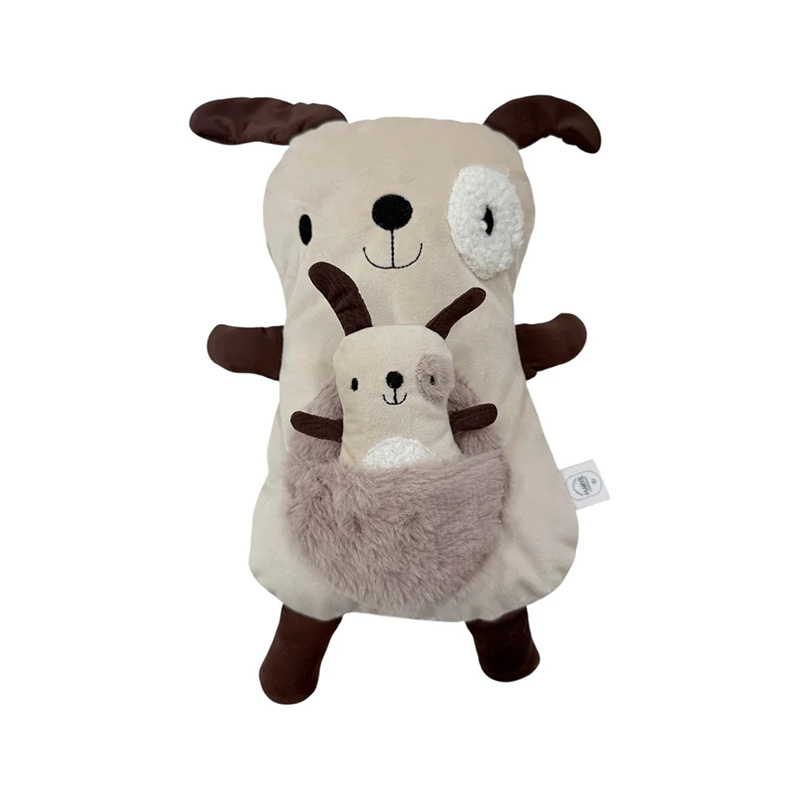
Soft pillows in animal shapes, character themes, or simple plush designs.

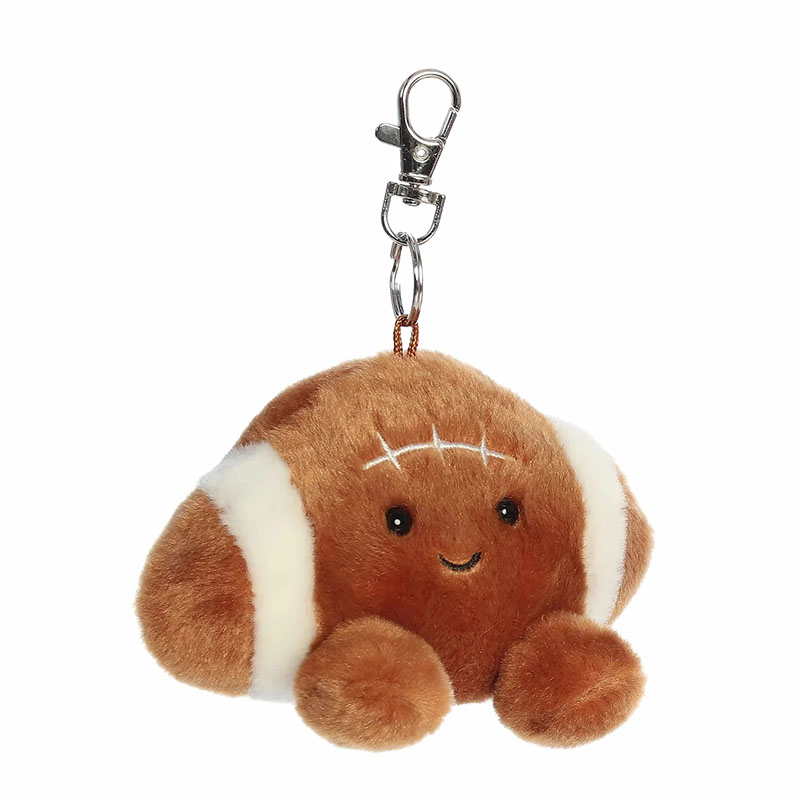
Plush Keychains

Mini plush keychains ideal for retail, blind boxes, or promotional giveaways.

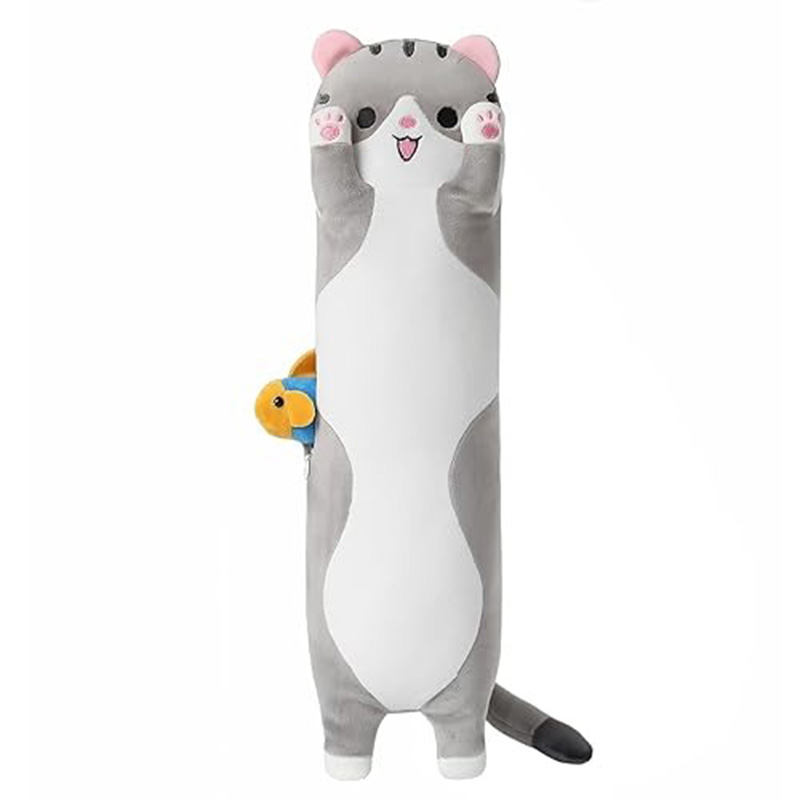
Long Plush & Body Pillows

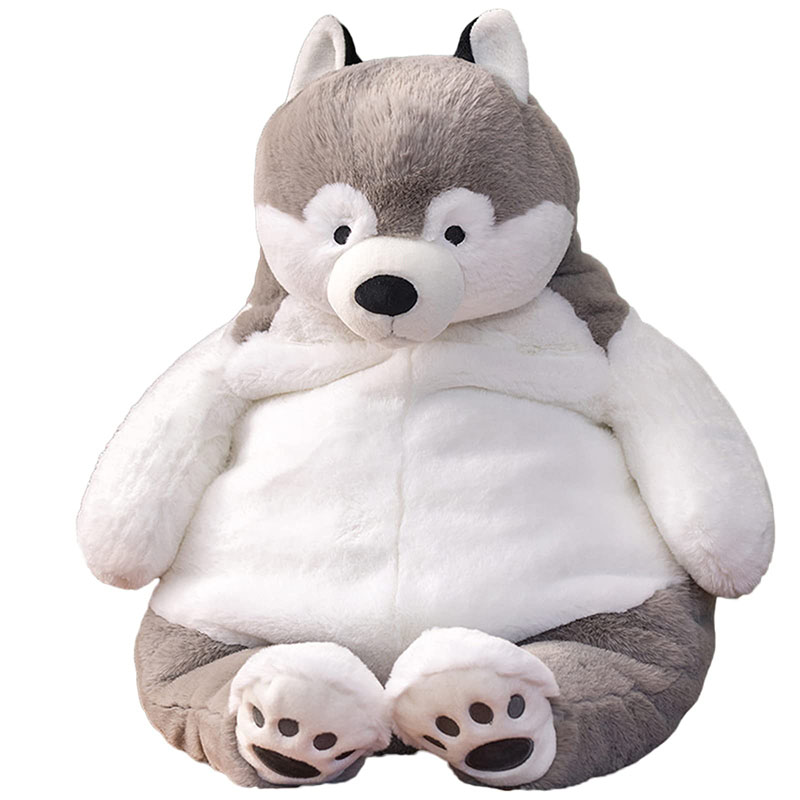
Extra-long plush toys designed for hugging, sleeping, or decor use.

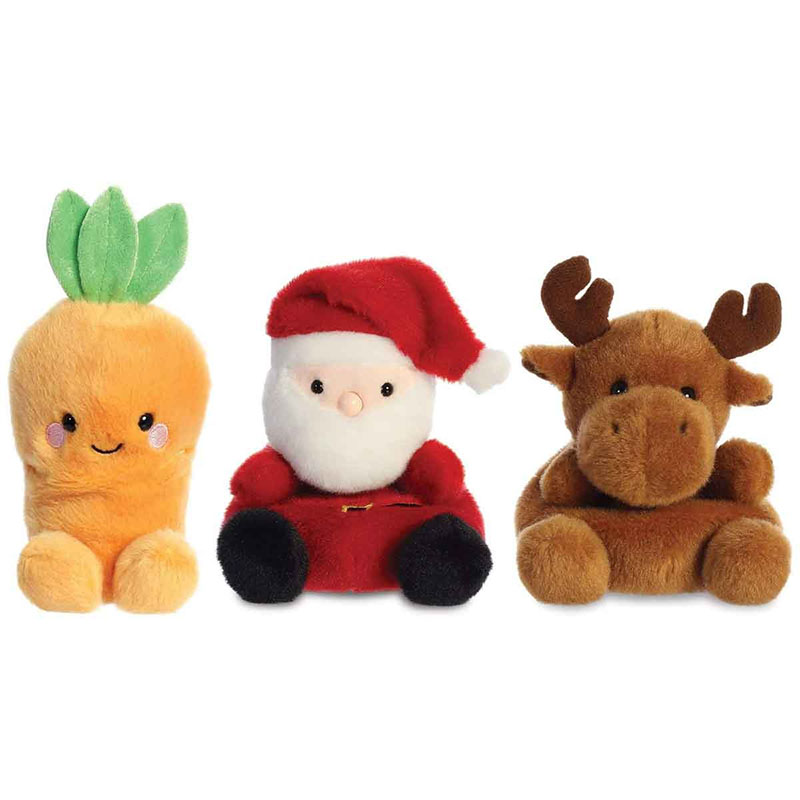
Holiday & Seasonal Plush

Christmas, Valentine’s, Easter, and seasonal plush for gift campaigns and retail.

Pet Plush Toys

Durable plush toys designed for dogs and cats, with reinforced stitching.

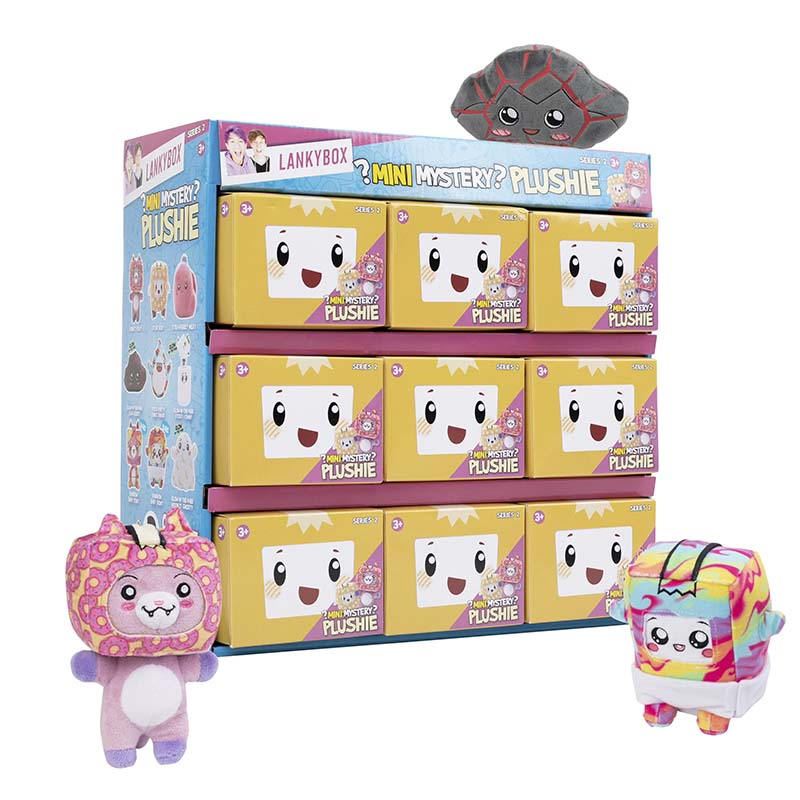
Mini Blind Box Plush

Small collectible plush toys ideal for mystery boxes and series collections.

Weighted Plush Toys

Plush toys filled with glass beads for calming and sensory comfort.

Aroma & Scented Plush

Plush toys infused with safe fragrances or essential-oil scent packs.

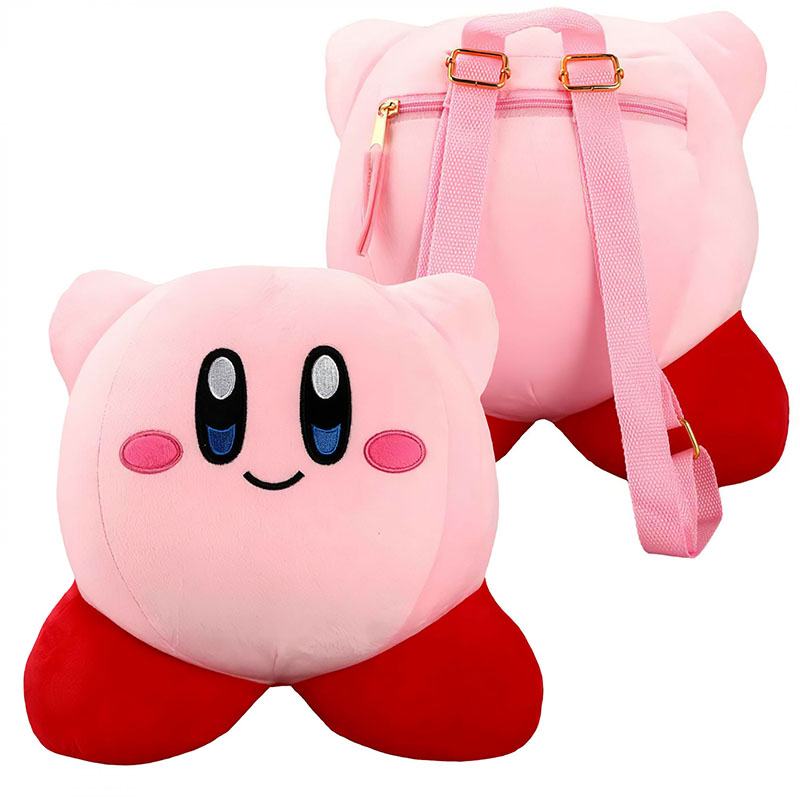
Backpack Plush & Plush Bags

Functional plush backpacks and small bags for kids and themed products.

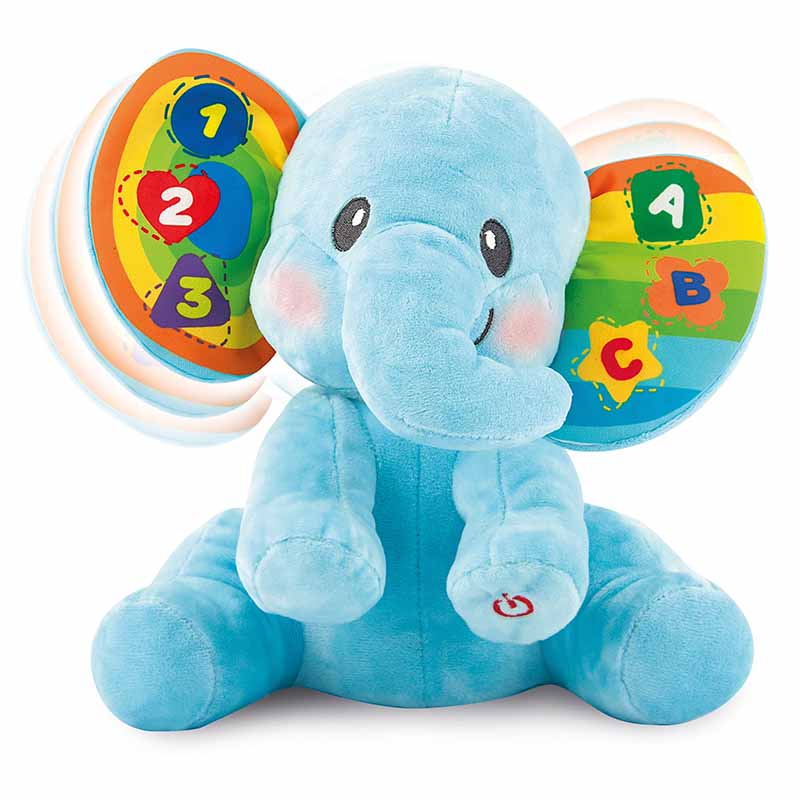
Interactive & Sound Plush

Plush toys with sound modules, lights, or motion for added play value.

Precision Single Plush Product Showcase

This video focuses on one finished plush toy, allowing buyers to closely evaluate design accuracy, fabric texture, stitching quality, and overall structure. By presenting a single product without distractions, every detail becomes clear—from proportions and surface finishing to hand feel and shape stability. This level of transparency helps brands confidently assess quality before moving forward with sampling or bulk production.

Common Mistakes in Custom Plush Development & How We Help You Avoid Them

If early-stage planning, materials, structure, or safety details are overlooked, the final plush toy may look very different from the original design. To help you avoid costly revisions and delays, here are the six most common mistakes buyers encounter—and how a professional soft toys supplier helps you solve them before production begins.

01 Design Risk
Common Issue · Structure Too Complex

Overcomplicated Designs That Cannot Be Mass Produced

Designs with overly thin limbs, complex corners, or too many small accessories often cannot be executed in mass production. The toy may collapse after stuffing, or production efficiency may drop significantly. We simplify the structure, strengthen weak points, adjust panel layout, and suggest material alternatives to ensure your plush toy is both good-looking and production friendly.

02 Shape Risk
Common Issue · Deformation

Incorrect Proportions That Cause Deformation After Stuffing

Plush toys rely on soft materials, so incorrect proportions can lead to bulging faces, collapsed heads, or distorted expressions after stuffing. Our engineering team recalculates 3D proportions and stuffing volumes to ensure the final plush maintains its intended shape and expression.

03 Fabric Risk
Common Issue · Wrong Fabric

Choosing the Wrong Fabric, Affecting Shape or Feel

Every fabric behaves differently during sewing and stuffing. Stretchy fabrics may deform the shape, while stiff fabrics may make the toy look unnatural. We recommend the best fabric—minky, velboa, faux fur, sherpa, corduroy, embroidery thread combinations—based on structure support, softness, and required detailing.

04 Safety Risk
Common Issue · Non-Compliance

Lack of Safety Compliance Considerations

Many designs include small parts or materials that are not suitable for children. Without early safety planning, toys may fail EN71, CE, or ASTM testing. We review accessories, stitching strength, filling materials, fabric safety, and label requirements to ensure the plush toy is compliant from the beginning.

05 Cost Risk
Common Issue · Budget Overrun

Ignoring Cost-Impacting Factors

Complex shapes, long-pile fabrics, heavy fillings, or unnecessary accessories can cause costs to rise quickly. We help you understand how each design detail affects material usage, labor time, and packaging requirements. With optimized engineering, your plush toy stays within budget without sacrificing appearance.

06 Briefing Risk
Common Issue · Incomplete Brief

Lack of Clear Reference Materials

When reference images are unclear or incomplete, sample makers may misunderstand proportions, colors, or intended expressions. We guide you on how to prepare complete reference files—front/side/back views, Pantone colors, material notes—and clarify all production details before sampling.

With professional engineering, material guidance, and safety planning, you can reduce development risk, shorten timelines, and ensure your plush toy looks accurate, feels great, and passes all required standards.

Full Customization Options for All Plush & Soft Toys

As a professional soft toys supplier, we understand that every project is unique. Our customization scope covers everything from design, size, and structure to fabrics, branding accessories, and packaging—giving you full control over how your plush toy looks, feels, and performs in your target market.

Shape, Size & Structural Customization

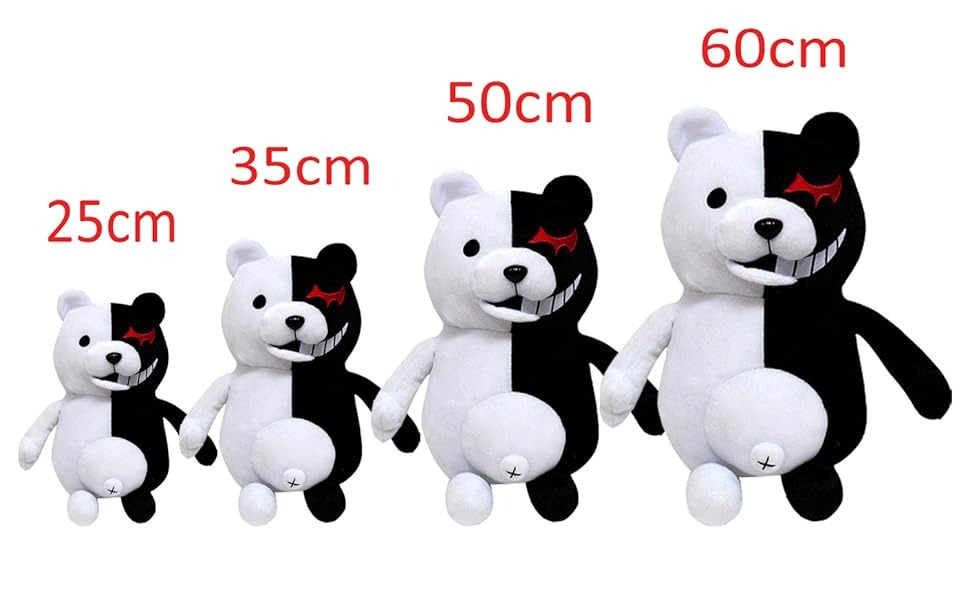
We can create plush toys in any shape and size—from simple mascots to complex character sculptures. The size range covers everything from 5 cm keychains to 120 cm display plush. Internal structures are engineered to ensure stability, accurate shaping, and long-term durability.

Four black-and-white plush bears displayed in increasing sizes—25 cm, 35 cm, 50 cm, and 60 cm—each with a split-color design and red eye detail.
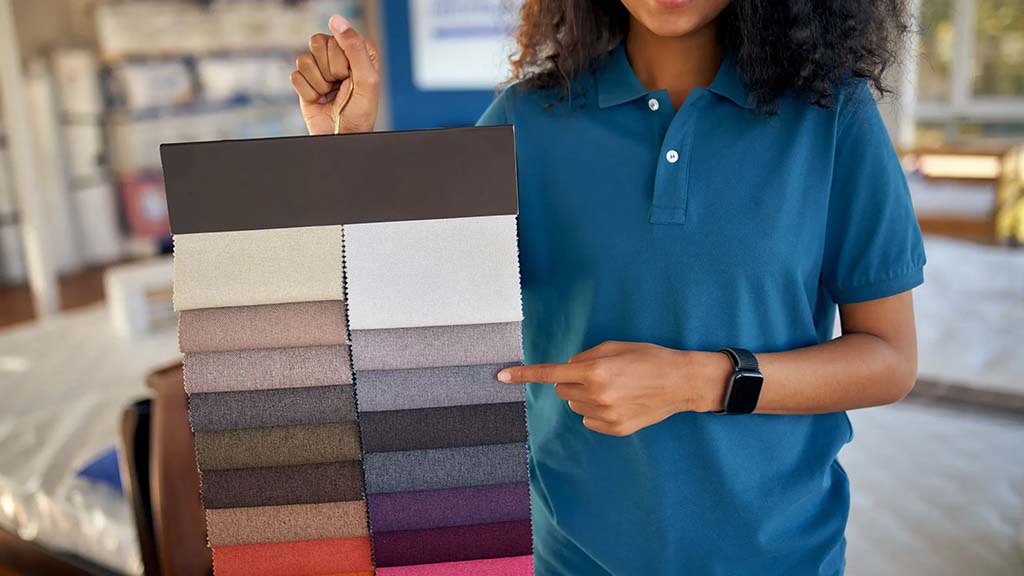
A woman holding a large fabric swatch board displaying multiple color options in a showroom.

Fabric & Material Customization

We offer more than 20 plush fabrics including minky, velboa, faux fur, corduroy, sherpa, ribbed plush, organic cotton, and recycled RPET. Each fabric can match Pantone colors and is chosen based on softness, safety, texture, and production efficiency.

Branding, Accessories & Functional Modules

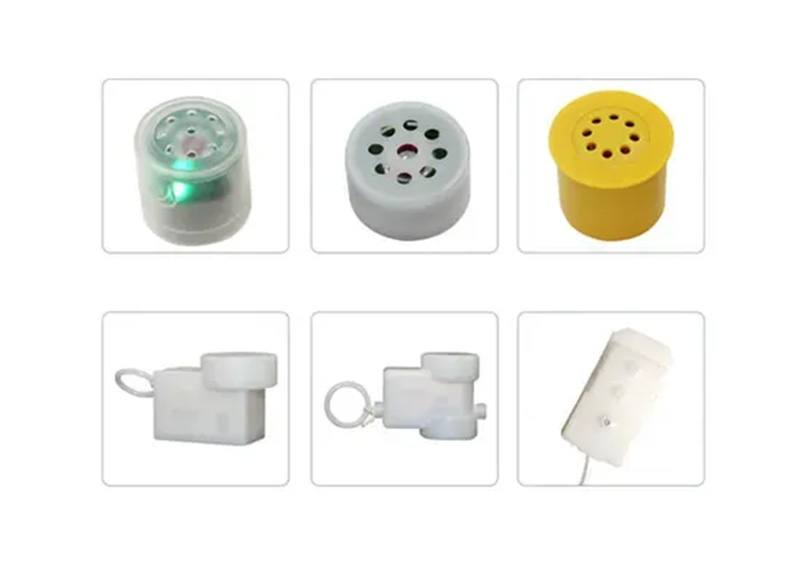
Your plush can include embroidered logos, printed graphics, woven labels, clothing, bags, weighted fillings, LED modules, scent packs, and sound boxes. Accessories such as safety eyes, noses, ribbons, Velcro, and zippers are matched to your brand visual style and target user group.

Packaging Customization

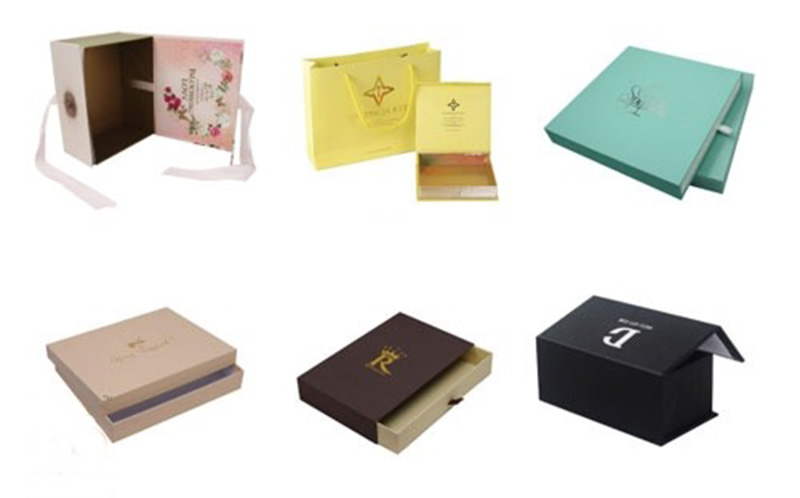
We support branded hangtags, OPP/PE bags, vacuum bags, retail boxes, FSC gift boxes, and e-commerce-friendly protective packaging. Each packaging option enhances product value while ensuring safe transportation across global markets.

Our wide customization scope helps you bring any concept to life—whether you’re building a retail line, an IP merchandise series, or promotional plush gifts. With professional guidance at every step, your plush toy becomes easier to produce, more accurate, and more market-ready.

Washable vs Non-Washable Plush Toys: What You Need to Know

When you work with a soft toys supplier, deciding whether your plush toys should be machine-washable, hand-washable, or surface-clean only is not just a technical detail. It affects materials, structure, safety, durability, and even reviews on your sales channels. Understanding the difference between washable and non-washable plush toys helps you choose the right solution for your target users—especially for baby products, everyday cuddle toys, and collectable plush.

Washable Plush Design VS Surface-Clean-Only Plush
Washable Plush Toys

Washable Plush Toys: Material, Structure & Testing

Washable plush toys are designed to withstand repeated cleaning while keeping their shape, softness, and safety. We select colorfast fabrics with stable dyeing, fillings that do not easily clump, and accessories that are firmly fixed — such as embroidered eyes or securely locked safety eyes instead of loose glued parts. Stitching density and internal structure are engineered to handle water, friction, and squeezing during hand-washing or machine-washing, so the plush toy does not deform or open at the seams.

Many washable plush toys must also pass washing-durability tests, color fastness to water and sweat, and dimensional stability checks after washing. They are ideal for babies, toddlers, and daily-use plush that may get dirty easily, though development and production costs can be slightly higher because every detail is chosen and tested with washing performance in mind.

Key Highlights
  • High-colorfast fabrics prevent fading after washing.
  • Secure safety eyes and embroidered features stay firmly attached.
  • Filling remains fluffy without clumping or hard spots.
  • Strong stitching prevents seam openings under washing stress.
  • Suitable for baby-grade safety requirements (EN71 / ASTM).
  • Best for everyday use and toys exposed to dirt.
Surface-Clean-Only Plush

Non-Washable or Surface-Clean-Only Plush: When It Makes Sense

Non-washable or surface-clean-only plush toys are common in categories with complex details, delicate fabrics, or built-in electronic modules. Long-pile faux fur, metallic finishes, special coatings, or sound/LED/battery units are easily damaged by full washing, so these products are labeled “surface clean only”. They are often designed as collectable plush, display pieces, brand mascots, or promotional gifts where visual impact matters more than frequent cleaning.

This approach allows greater freedom in material and accessory choices and can help control costs. However, it is essential to clearly state cleaning methods and suitable age groups on labels and product pages. For baby products or hygiene-focused parents, washable designs are usually better; for collectors and adult users who mainly display the plush, a non-washable design with richer materials and more complex structures can be more attractive.

Key Highlights
  • Supports complex materials such as long-pile faux fur and metallic fabrics.
  • Best solution for plush toys with electronic or battery modules.
  • Allows richer visual details and advanced craftsmanship.
  • Cost-effective for display-focused or promotional plush.
  • Ideal for collectors and adult users.
  • Fewer design limitations compared with fully washable toys.

Washable toys are perfect for children and high-use scenarios, while non-washable plush opens the door to richer materials and complex designs. With our guidance, you can pick the best option for your product line.


Hidden Risks Behind Free Plush Toy Samples

RISK CHECKLIST · SAMPLING STRATEGY · BRAND PROTECTION

Many factories use free samples as a marketing tactic, but behind “zero cost,” buyers may face quality issues, delays, copyright risks, or unexpected charges later in the project. Understanding these hidden risks helps you avoid costly mistakes and choose a soft toys supplier that is truly reliable and transparent.

Free Samples Often Mean Low Investment in Quality

When a factory provides free samples, they usually reduce development time, material cost, and labor input. This often results in inaccurate proportions, weak stitching, incorrect fabrics, or samples that differ significantly from the final mass production. Free samples rarely represent true manufacturing capability.

Hidden Costs Later in the Project

Some suppliers offer free samples but later charge higher unit prices, expensive packaging fees, oversized mold charges, or unexpected testing fees. These “later stage” costs can easily exceed the value of a properly engineered, paid sample.

Longer Production Timeline Due to Low Priority

Paid samples receive priority from the development team, while free samples are often handled only when capacity is free. This causes slow communication, delayed revisions, and extended sampling cycles that can postpone your launch date and miss seasonal sales windows.

Fabric & Material Substitution Without Notice

To reduce their own cost, some suppliers quietly switch to cheaper fabrics, low-density stuffing, or lower-grade accessories in free samples. The sample may look fine in photos, but the real touch, weight, and durability will be far from what you expect in mass production.

Intellectual Property Risks & Design Leakage

Some low-tier factories use free samples to collect design ideas, then reuse your character or product concept for other buyers or markets. Without a clear NDA and paid development framework, your IP may be copied with little control over how and where it appears.

Poor Engineering Test Leads to Mass Production Failure

Free sampling projects often skip engineering steps like structure testing, seam strength analysis, filling tests, and size calibration. This can result in deformation, uneven stuffing, high defect rates, and expensive rework once mass production begins.

A professional paid sample ensures accuracy, protects your design, speeds up development, and reflects true production quality—giving you confidence before investing in mass production.

Kinwin plush toy quality and safety control in factory

Our Quality and Safety Standards for Plush Toys

As a trusted soft toys supplier, we follow strict production standards to ensure your plush toys are safe, compliant, and consistent in every batch. From materials and sewing to testing and packaging, each step is designed to protect your brand reputation and guarantee worry-free global distribution.

1
Materials & Sourcing Strict Material Selection & Traceable Supply Chain

We only use certified, child-safe fabrics, fillings, embroidery threads, and accessories. Every batch of materials undergoes initial inspection for colorfastness, hand-feel, density, and safety documentation. Our traceable supply chain ensures stable quality and prevents cheap material substitutions.

2
Durability Engineering Reinforced Sewing, Structure & Durability Control

To ensure long-term durability, we reinforce high-stress areas such as limbs, ears, joints, and accessories. Our engineering team optimizes seam allowance, stitching density, and internal support so the toy maintains shape after long-term use, squeezing, and carrying.

3
Global Compliance Full Compliance With Global Toy Safety Standards

All plush toys can be made to pass EN71, CE, ASTM F963, CPSIA, ISO 8124 and regional safety requirements. We verify small parts, stitching strength, chemical safety, sharp points, fillings, and labelling to ensure each toy is safe for children.

4
QC System Multi-Stage Quality Inspections for Stable Production

Our QC team conducts inspections at every stage: raw materials (IQC), in-line production (IPQC), finished goods (FQC), and pre-shipment checks (OQC). Each step is designed to ensure your plush toys match the approved sample with consistent quality in every carton.

5
Safety & Packing Safe Packaging, Needle Detection & Export-Ready Procedures

Every plush toy undergoes needle detection using high-sensitivity machines to remove metal risks. Packaging options—OPP bags, PE bags, vacuum bags, display boxes—follow export safety requirements, ensuring toys arrive clean, protected, and ready for retail shelves.
Our Plush Toy Production Process

A clear, structured, and professional production process ensures your plush toys stay consistent, safe, and high-quality from the first sample to every batch of mass production.

We follow a step-by-step workflow that covers design review, pattern engineering, sample development, sewing, filling, quality inspection, and export preparation. This transparent process helps you reduce risk, shorten timelines, and gain confidence in every stage of manufacturing.

Design Review

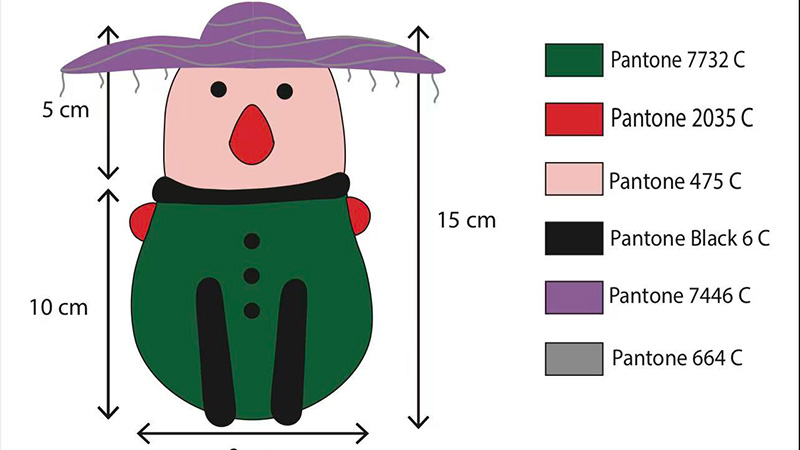
We review your artwork, size requirements, Pantone references, and material notes to ensure the project begins with accurate and feasible technical direction.

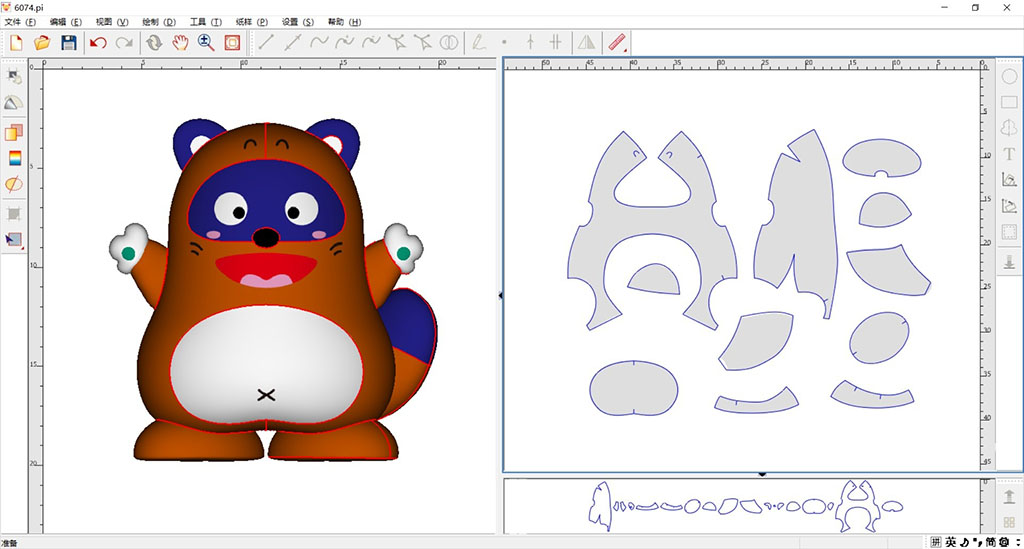
Digital plush toy design software interface showing a colorful raccoon character on the left and its corresponding flat sewing pattern pieces on the right, demonstrating 2D-to-3D plush pattern creation.

Pattern Making

Your 2D concept is transformed into a 3D plush structure through panel shaping, curve adjustments, and depth engineering—defining the toy’s final silhouette.

Sample Development

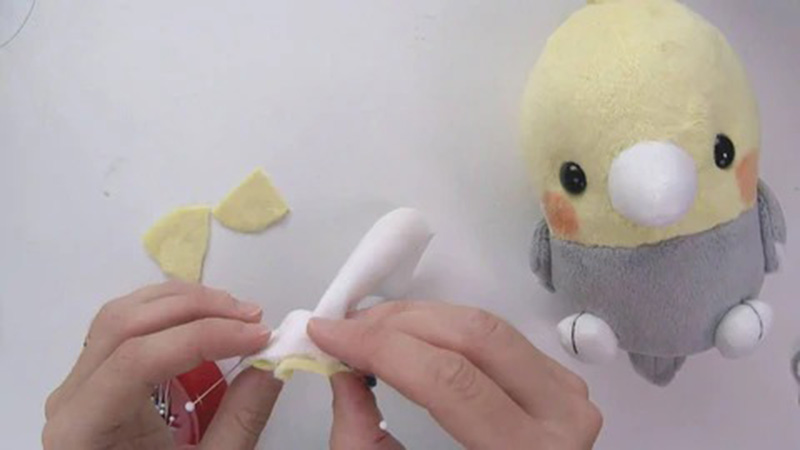
The prototype is sewn, filled, refined, and re-shaped to achieve accurate expression, softness, and proportion.

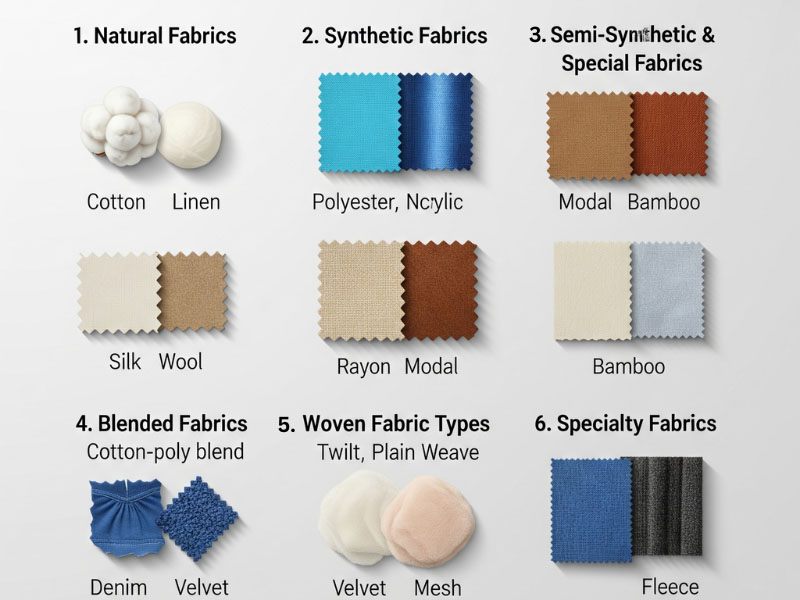
Chart showing natural, synthetic, semi-synthetic, blended, woven, and specialty fabric types with labeled swatches.

Pre-Production Confirmation

We finalize fabrics, embroidery files, filling weights, labels, accessories, and packaging to establish a clear standard for mass production.

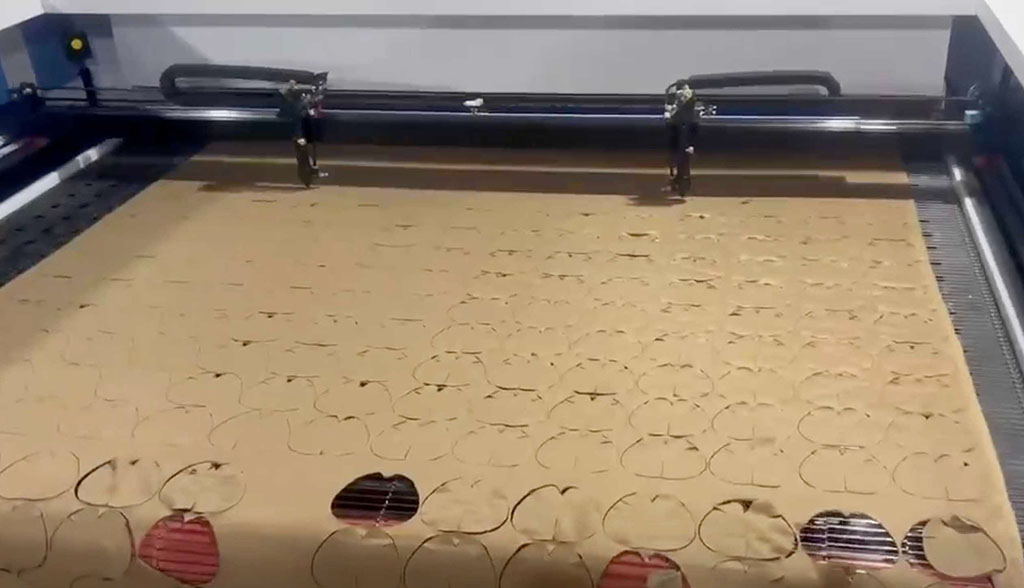
Automated laser cutting machine precisely shaping plush toy fabric patterns on a large sheet for mass production.

Fabric Cutting

Cutting dies or laser systems are used to achieve precise shapes, ensuring uniform panel sizes and smoother assembly.

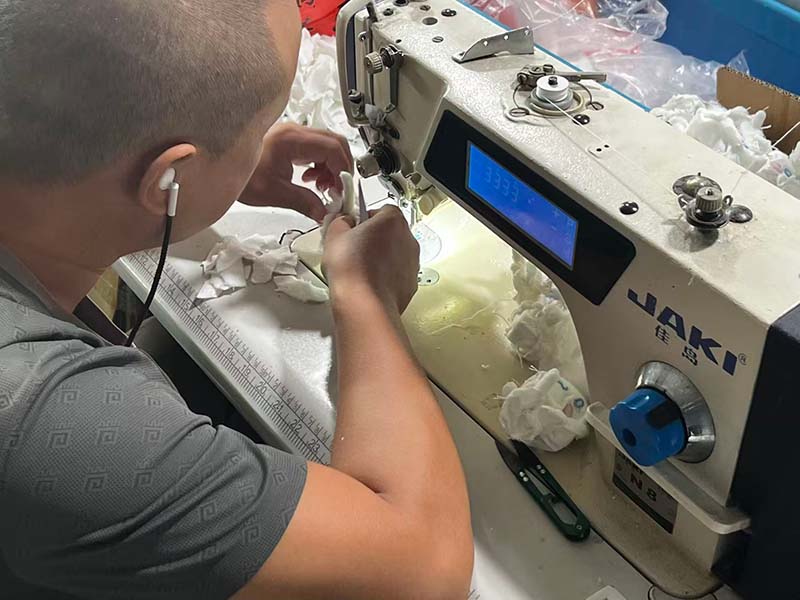
Sewing & Assembly

Panels are sewn with controlled seam density and reinforced stress points to ensure strength and surface smoothness.

Filling & Shaping

Using PP cotton, foam, or glass beads, each plush is hand-shaped to achieve symmetry and proper softness.

Quality Inspection

QC checks appearance, stitching, dimensions, accessories, and each plush undergoes needle detection to eliminate metal risks.

Packaging & Shipping

Products are packed in OPP bags, vacuum bags, or retail boxes, then prepared for export with full documentation and logistics assistance.

Our structured workflow gives you consistent plush toys, fewer surprises, clear communication, and strong quality control—from your first sample to every batch of mass production.

Precision Bulk Production Process

This video shows how plush toys move from approved samples into full-scale bulk production. By applying standardized workflows, fixed sewing specifications, controlled material usage, and multi-stage quality checks, we ensure consistent quality across every unit. This bulk production process is designed to maintain the same look, feel, and structure as the confirmed sample—while meeting volume, timeline, and delivery requirements.

5 Communication Tips for Working With Chinese Plush Manufacturers

Clear communication is one of the most important factors in ensuring your plush toy project runs smoothly. Understanding how Chinese factories work, how they interpret design files, and how they manage production helps you reduce risk, avoid misunderstandings, and get faster, more accurate results. These five communication tips help you collaborate more efficiently and achieve the quality you expect.

Provide Clear Reference Materials

The more detailed your references are, the more accurate the sample will be. Always provide front, side, and back views, Pantone colors, fabric notes, size requirements, and key details such as accessories or stitching style to avoid misunderstandings.

Confirm Expectations Early

Before sampling starts, clarify expectations on softness, firmness, proportions, facial expression, safety requirements, and packaging. Early alignment ensures the factory follows one consistent standard throughout development.

Use Simple, Direct Language

Since English is not the first language for most factory staff, simple sentences and clear instructions reduce communication errors. Be specific with your feedback—such as “shorten the ears by 1 cm”—instead of vague descriptions.

Request Progress Photos & Videos

Photos and videos during pattern making, sewing, and stuffing help you catch problems early. This minimizes revisions and gives you more control over the development process.

Document All Agreements in Writing

Keep written confirmation for fabrics, colors, sizes, accessories, deadlines, prices, and packaging. Clear documentation avoids misunderstandings and ensures both sides follow the same standard.

Trusted by Leading Global Brands

Strong partnerships prove strong capabilities. Over the years, Kinwin has worked with world-leading brands and retailers to deliver interactive plush toys that meet the highest standards of creativity, safety, and quality. By choosing us, you gain a supplier that is trusted by top companies worldwide—and the same reliability is available to your brand.

Everyday Use Scenarios for Plush & Soft Toys

Plush toys are no longer limited to children’s playrooms—they serve functional, emotional, and decorative purposes in many daily settings. Understanding different use scenarios helps you design plush products that better fit your target market and offer real value to end users.

Home Comfort & Emotional Companionship

Many adults and children use plush toys as emotional comfort items. They help relieve stress, offer a sense of security, and create a relaxing environment in bedrooms, reading corners, or sofas. Whether it’s a soft cuddle plush or an emotional-support weighted plush, these toys play a meaningful role in daily emotional well-being.

Baby & Child Development Use

For babies and toddlers, plush toys support sensory learning, tactile stimulation, and early emotional development. Washable baby plush, security blankets, and soft rattles become part of daily routines—from bedtime to stroller rides—helping children build comfort and familiarity.

Home & Office Decoration

Stylish plush cushions, character plush figures, and themed plush décor are increasingly used in living rooms, bedrooms, home offices, and workspaces. They help create warmth, personality, and a visually pleasing environment—making plush toys popular among young adults and office workers.

Gifts, Events & Brand Marketing

lush toys are widely used as promotional gifts, event giveaways, mascot products, and themed merchandise. Brands use them for campaigns, festivals, store openings, influencer collaborations, and corporate gifting—because plush toys are memorable, customizable, and associated with positive emotions.

By understanding how plush toys are used in daily life, you can design products that resonate with your target audience and bring real value to homes, workplaces, and gifting occasions.

Ready to Start Your Custom Plush Toy Project?

If you are planning a new soft toy line, upgrading an existing plush range, or looking for a more stable supplier in China, you don’t have to figure everything out alone. Our team can help you review your designs, choose the right fabrics, plan the target cost, and build a production schedule that matches your launch plan. From the first sketch to mass production, you always know what is happening, what the risks are, and what options you have.

Whether you are a brand owner, retailer, distributor, or agency, you can start with a simple idea, a few reference photos, or even an early concept—and we will guide you step by step. You get transparent communication, clear quotations, realistic lead times, and quality that is designed for long-term cooperation, not just one order.

Explore Our Custom Plush Toy Series

We offer a wide selection of plush toys to meet different business needs. From baby-safe stuffed animals to collectible plush dolls, our product lines are designed for global brands, retailers, e-commerce, and promotional projects.

Frequently Asked Questions

1. What is your minimum order quantity (MOQ)?

Our standard MOQ is 500 pieces. For orders below this quantity, please consult with our project manager. We may offer flexible solutions depending on the product size, complexity, and customization requirements.

Sample lead time is usually 10–15 days depending on complexity, fabrics, and accessories.

Mass production usually takes 25–45 days after sample approval, depending on order quantity and seasonal workload.

Yes. All plush fabrics can be dyed based on Pantone references to ensure accurate color matching.

We produce according to EN71, CE, ASTM F963, CPSIA, ISO 8124 and other global toy regulations.

Yes. We offer OPP bags, vacuum bags, PE bags, retail boxes, FSC gift boxes, and brand-printed packaging.

We accept T/T, PayPal (for samples), and LC for large orders. Standard terms: 30% deposit + 70% before shipment.

Yes. Our development team can help refine structure, proportions, fabrics, and accessories to make your design production-ready.

Yes. All client designs are fully confidential. We can sign NDAs and never share or reuse your artwork.

Yes. We can produce the same design in multiple sizes (e.g., 10 cm, 25 cm, 40 cm, 60 cm).

If You Can lmagine lt,We Will Create lt!

1.Tell Us What You Need
Tell us as specific as possible of your needs and share your idea.

2.Get Solution & Quote
We will work on the best solution according to yourrequirements,the specific quote will be provided within 24 hours.

3.Approve for Mass Production
We will start mass production after getting your approval.

Ask For A Quick Quote

We will contact you within 24 Hours, please pay attention to the email with the suffix“@kinwinco.com”

For all inquiries, please feel free to reach out at:

(+86)13631795102

Ask For A Quick Quote

We will contact you within 24 Hours, please pay attention to the email with the suffix“@kinwinco.com”

Ask For A Quick Quote

We will contact you within 24 Hours, please pay attention to the email with the suffix“@kinwinco.com”

For all inquiries, please feel free to reach out at:
email:[email protected]  phone numbe:  0086 13631795102