 Skip to content
Trusted Soft Toy Manufacturer in China | Certified Plush Toy Factory
You get a reliable plush manufacturing partner that helps you turn ideas into safe, high-quality soft toys. From custom design and sampling to certified mass production, we support brands, retailers, and importers with stable quality, clear communication, and factory-direct pricing—so your project moves faster with less risk.
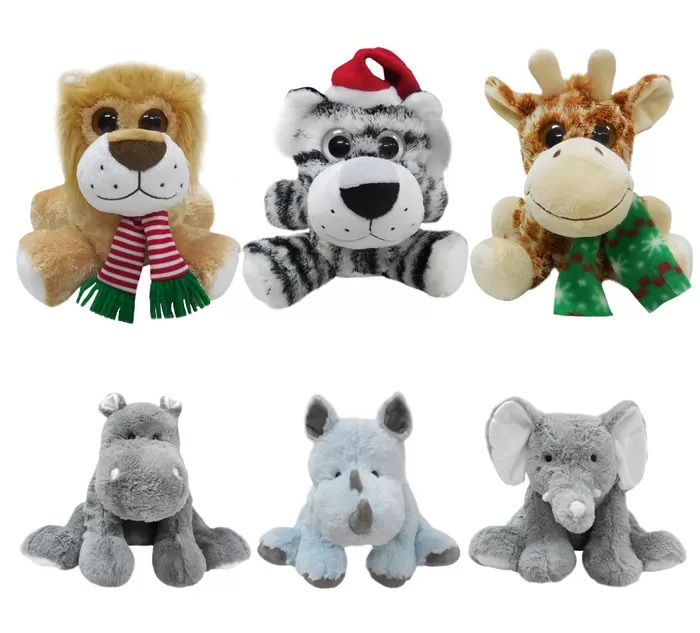
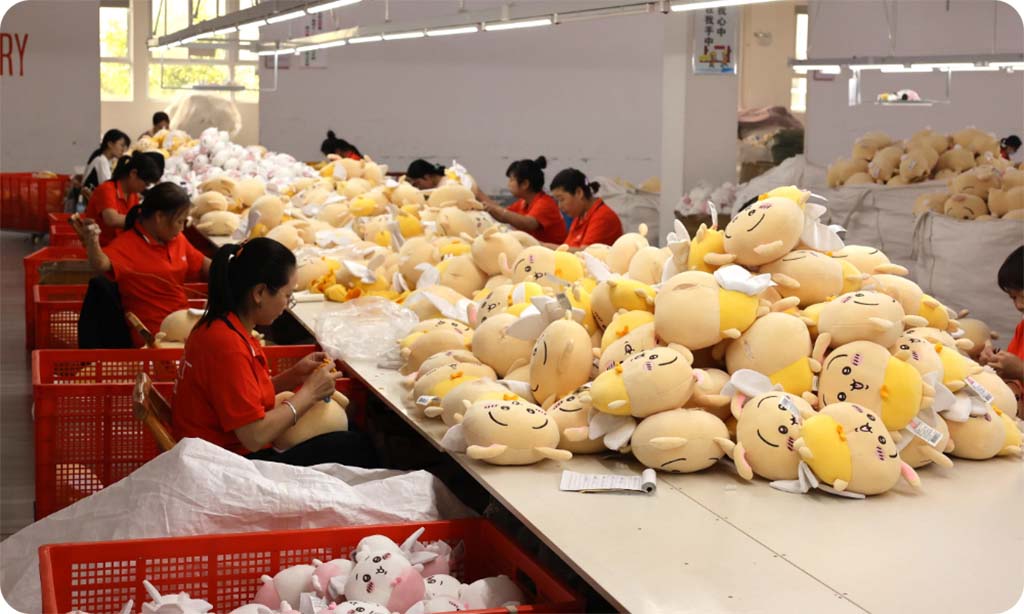
Factory-Direct Soft Toy Manufacturing That Cuts 30% Costs
By working directly with a soft toy manufacturer in China, you avoid trading markups, reduce communication gaps, and gain better cost control. Our factory-direct model helps you optimize pricing without sacrificing material quality, safety standards, or delivery reliability.
No Middleman Markups
You pay factory pricing directly, avoiding distributor and agent margins that often inflate soft toy costs by 20–30%.
Transparent Cost Breakdown
Materials, labor, accessories, and packaging are quoted clearly, helping you plan budgets with confidence.
Lower MOQ Flexibility
Direct production control allows more flexible minimum order quantities, especially for new designs or market testing.
Faster Decision & Production Flow
Shorter communication lines mean quicker approvals, fewer errors, and faster sampling and mass production.
Better Value for Long-Term Orders
Stable pricing, material optimization, and production planning help reduce unit costs as your order volume grows.
If cost efficiency matters as much as quality and safety, factory-direct manufacturing gives you a smarter, more scalable sourcing model.
CE & ASTM Certified Soft Toys for Brand Protection
For brands selling soft toys in the U.S. and European markets, safety compliance directly affects market access, brand reputation, and long-term growth. CE and ASTM certifications ensure your plush products meet required safety standards from materials to construction, helping you reduce compliance risks and move forward with confidence.

CE Certification for EU Market Access
CE certification confirms compliance with EN71 standards, covering mechanical safety, flammability, and chemical restrictions. This allows your soft toys to enter EU markets smoothly and be distributed across multiple European countries without repeated compliance barriers.
ASTM F963 Compliance for the U.S. Market
ASTM F963 testing ensures your plush toys meet U.S. safety requirements for seam strength, small parts security, and material performance. This compliance is essential for selling through major retailers and mainstream e-commerce platforms in the United States.
Certified Materials and Accessories Selection
All fabrics, fillings, threads, and accessories are selected based on verified safety documentation. This helps reduce risks related to harmful substances, allergic reactions, and premature wear during normal use and repeated handling.
Multi-Stage Safety Testing and Verification
Safety checks are conducted before sampling, during mass production, and prior to shipment. This layered approach helps identify issues early, maintain batch consistency, and prevent costly compliance failures after delivery.
Precision Plush Toy Tension Testing
This video demonstrates how plush toys are tested under controlled tension to verify the strength of seams, attachments, and components. By applying standardized force levels, we ensure parts such as eyes, accessories, and stitching remain secure during use. Tension testing is essential for meeting international safety requirements and reducing risk in real-world handling.
Soft Toy Product Range for Global Brands
You get access to a wide range of soft toy categories designed for different markets, age groups, and sales channels. From classic plush animals to licensed characters and promotional items, our factory supports stable quality, scalable production, and flexible customization across all series.
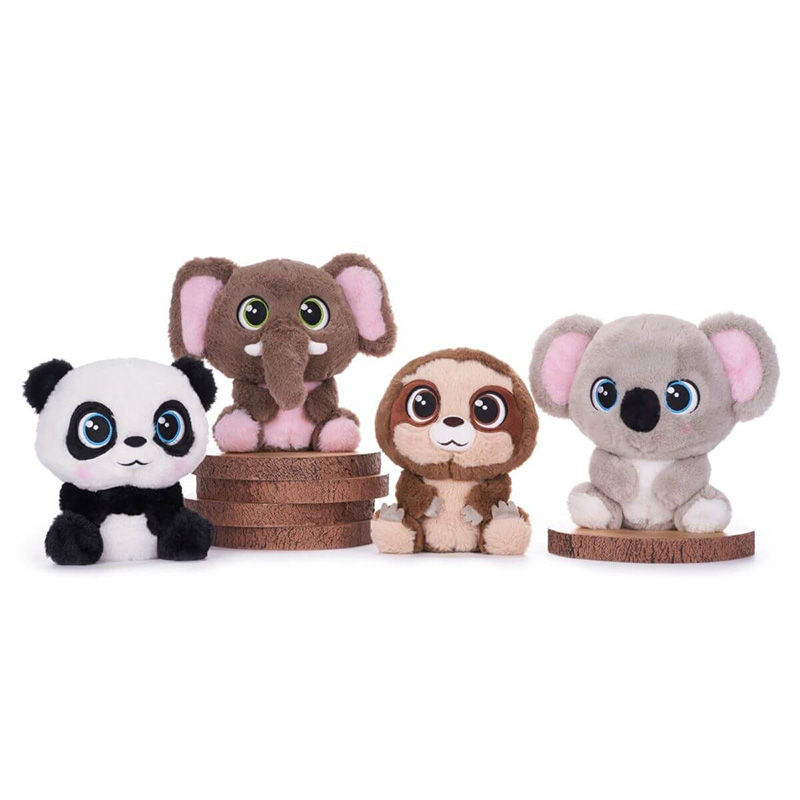
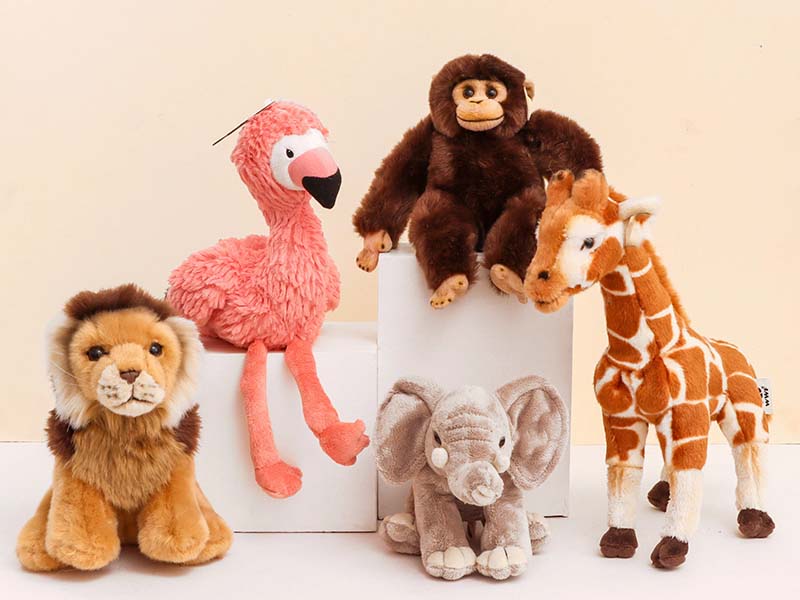
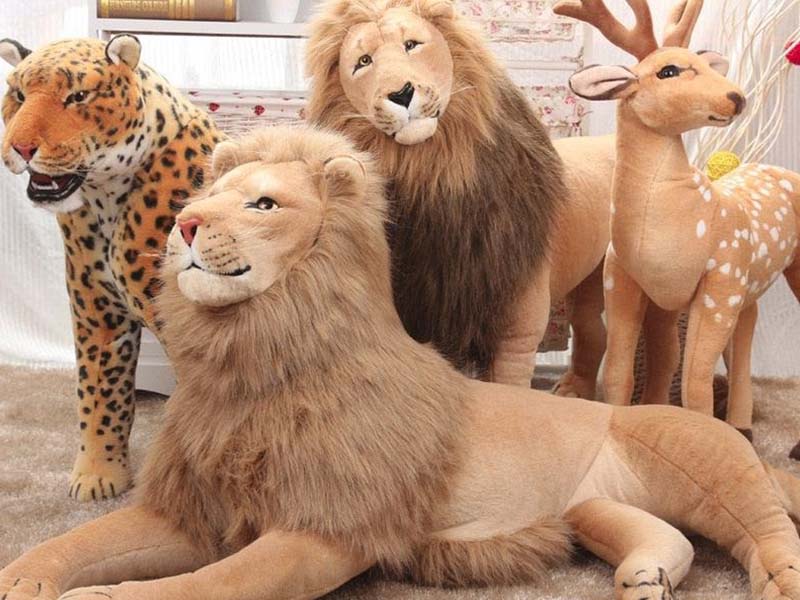
Animal Plush Toys
Classic animal-shaped plush toys with timeless appeal, widely used in retail collections and long-term brand product lines.
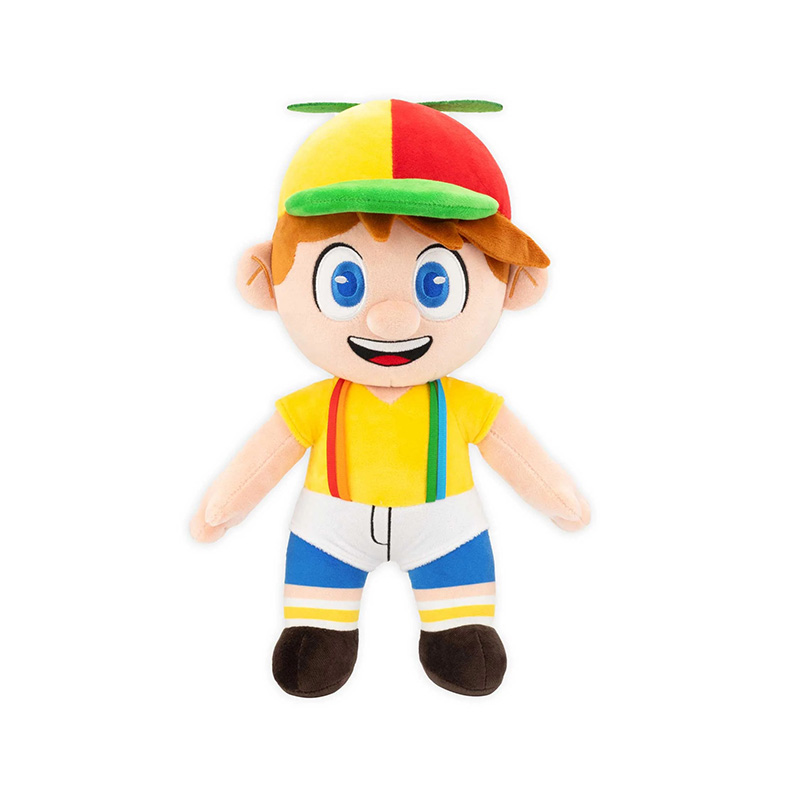
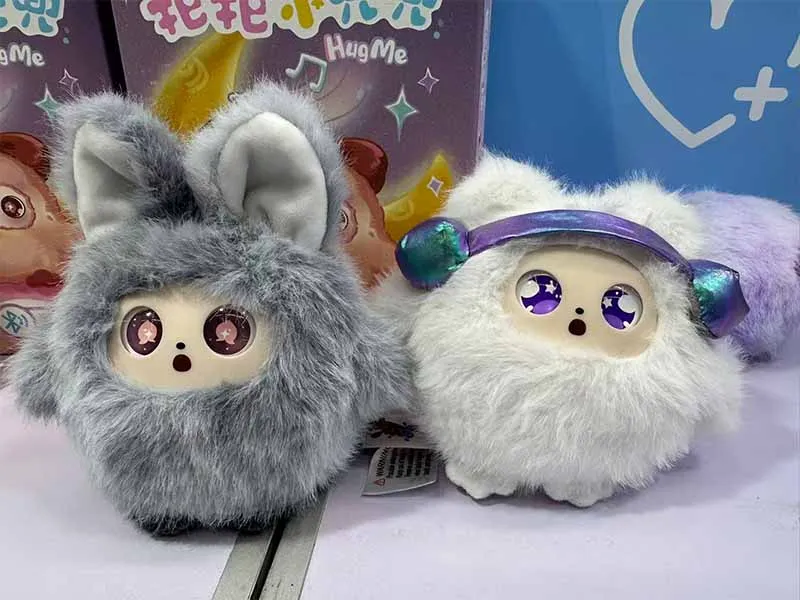
Cartoon Character Plush
Stylized plush toys with exaggerated features, commonly used for original designs and licensed character projects.
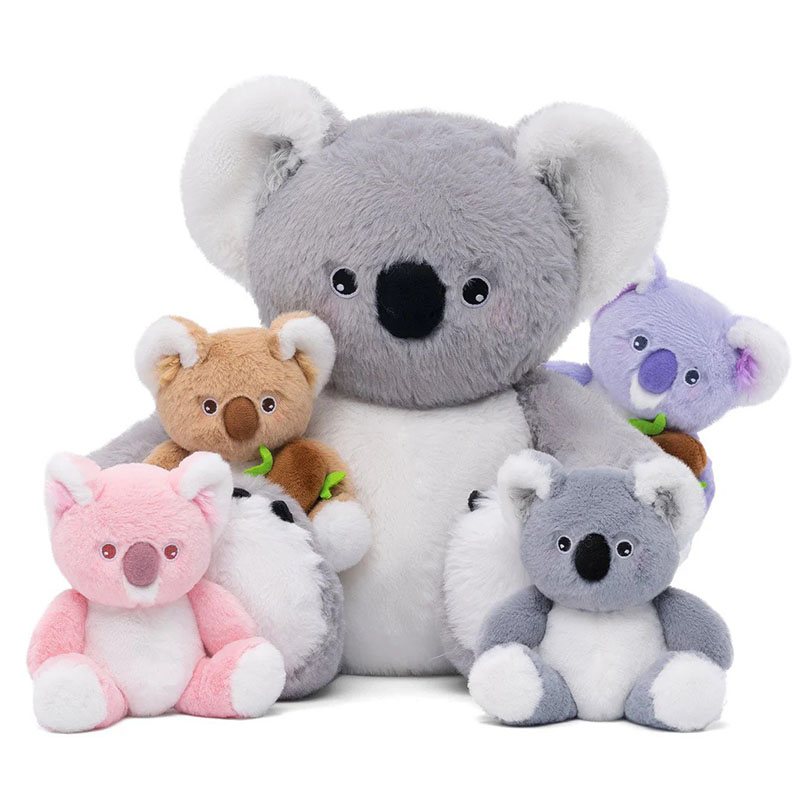
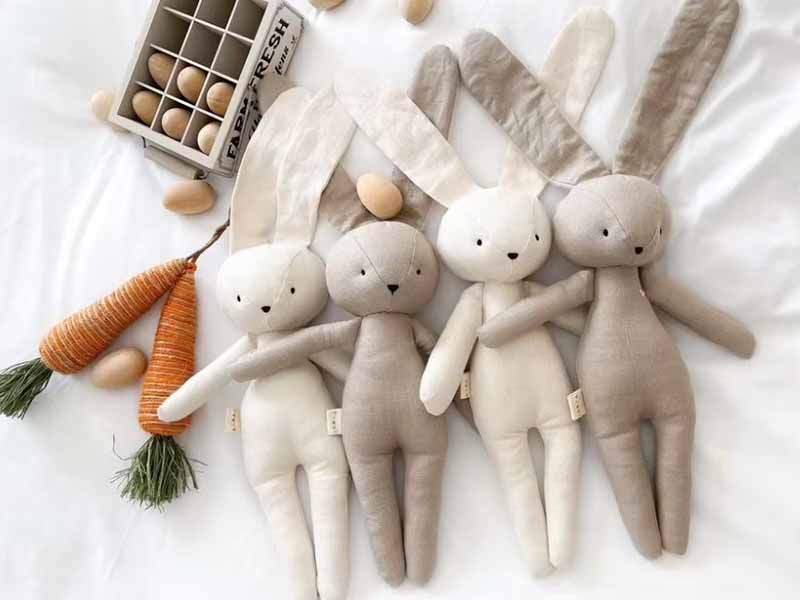
Baby Plush Toys
Soft and gentle plush toys designed with rounded shapes and safe construction for infant and toddler markets.
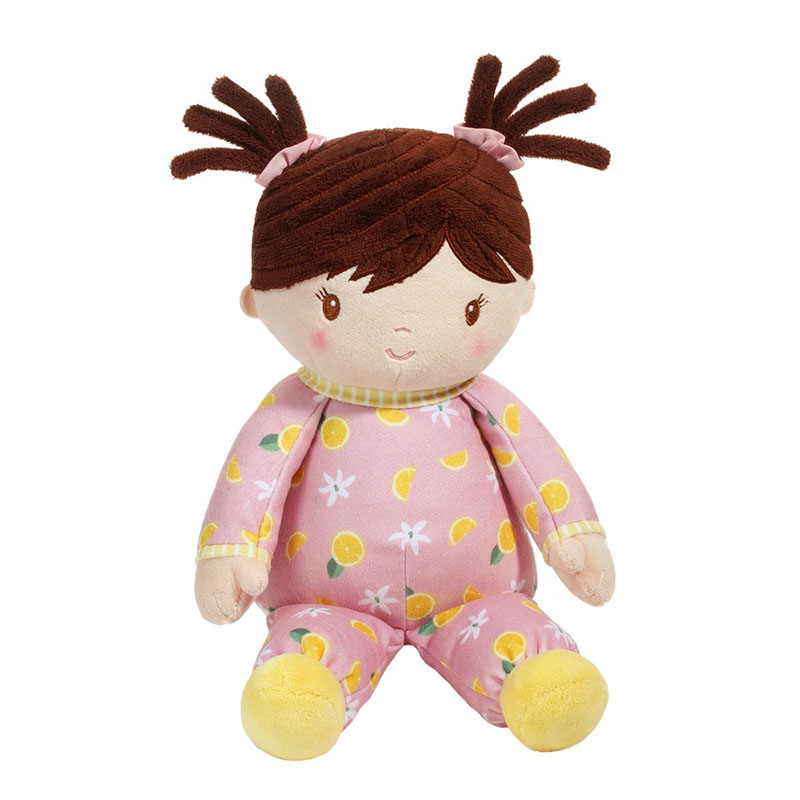
Plush Dolls
Human-shaped plush dolls with refined facial details, suitable for storytelling, branding, and collectible lines.
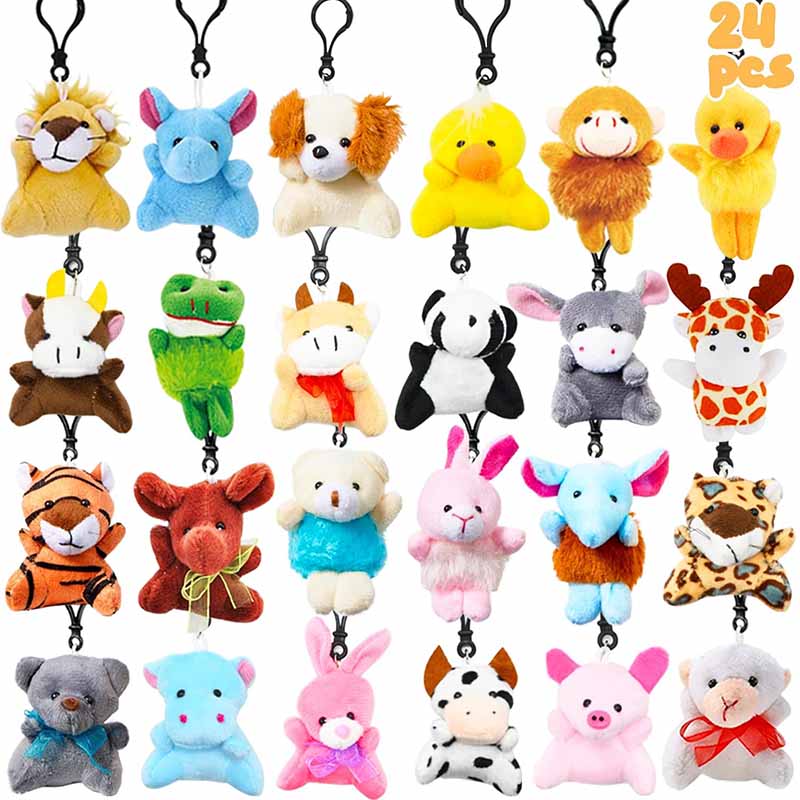
Plush Keychains
Mini-sized plush toys designed as keychains or bag charms, ideal for compact designs and lightweight products.
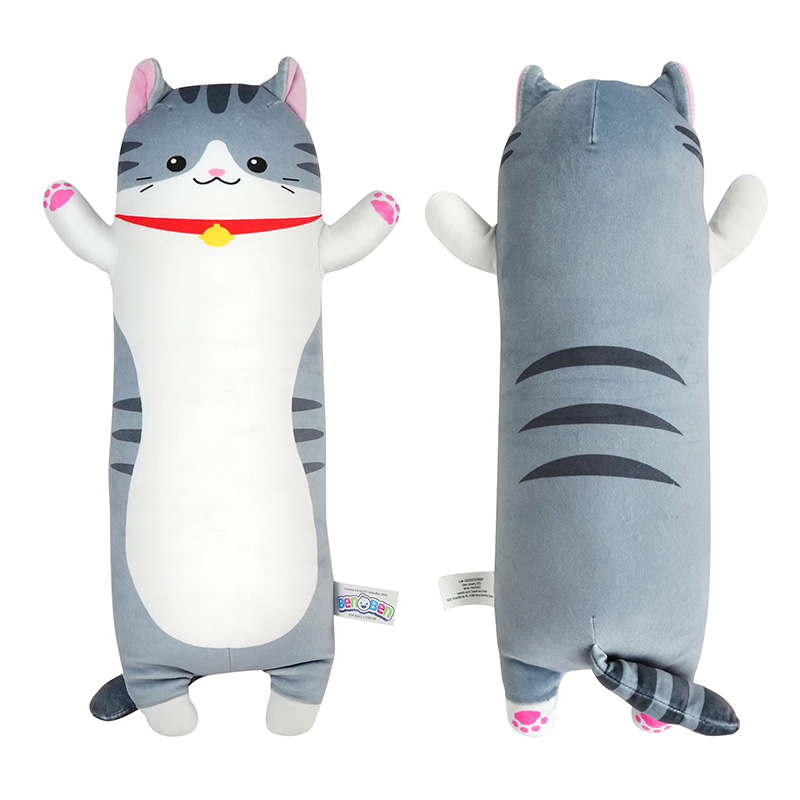
Plush Pillows
Cushion-style plush toys with larger surface areas, combining comfort, decoration, and functional use.
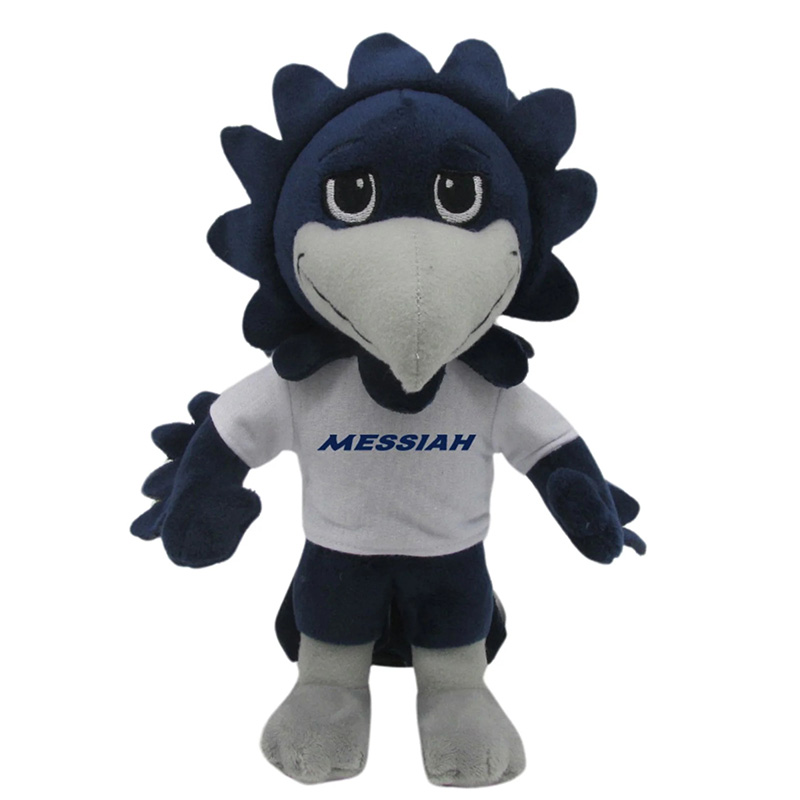
Mascot Plush Toys
Brand or event mascot plush toys designed to represent corporate identity and visual recognition.
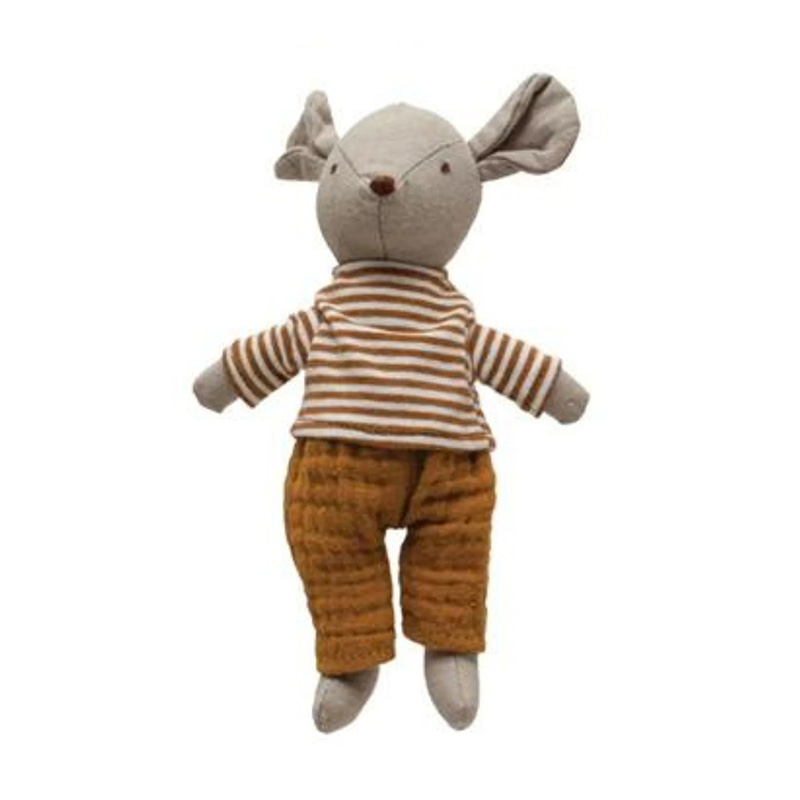
Plush Animals with Clothing
Animal plush toys combined with custom clothing or accessories to enhance personality and brand differentiation.
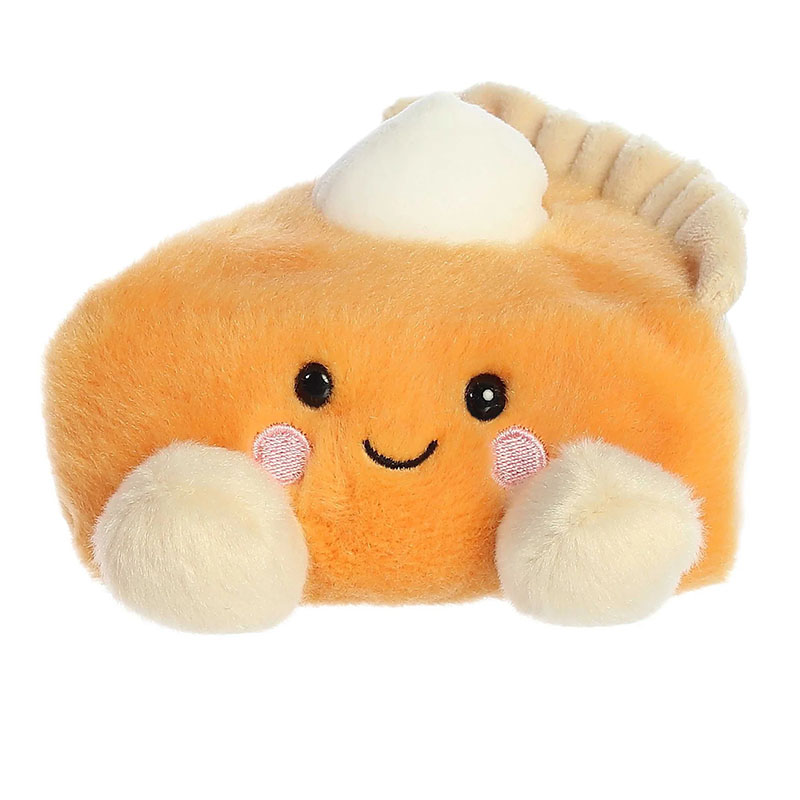
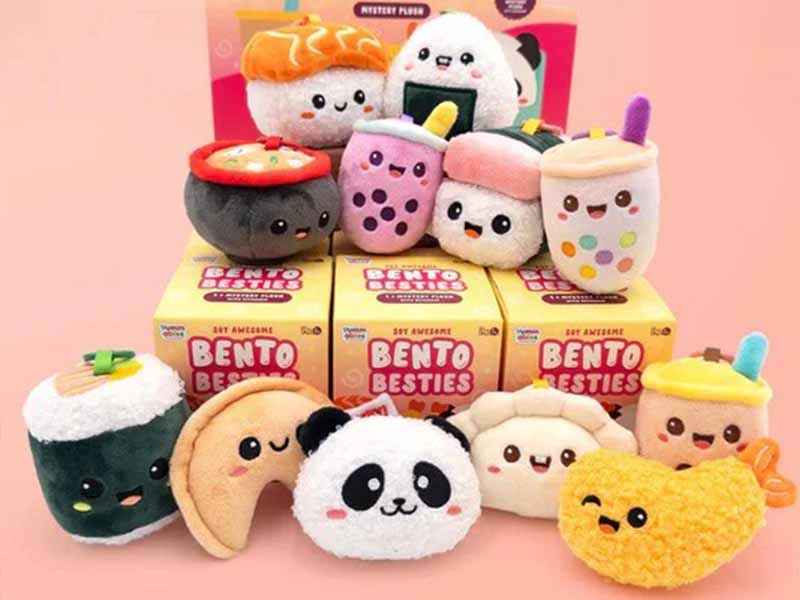
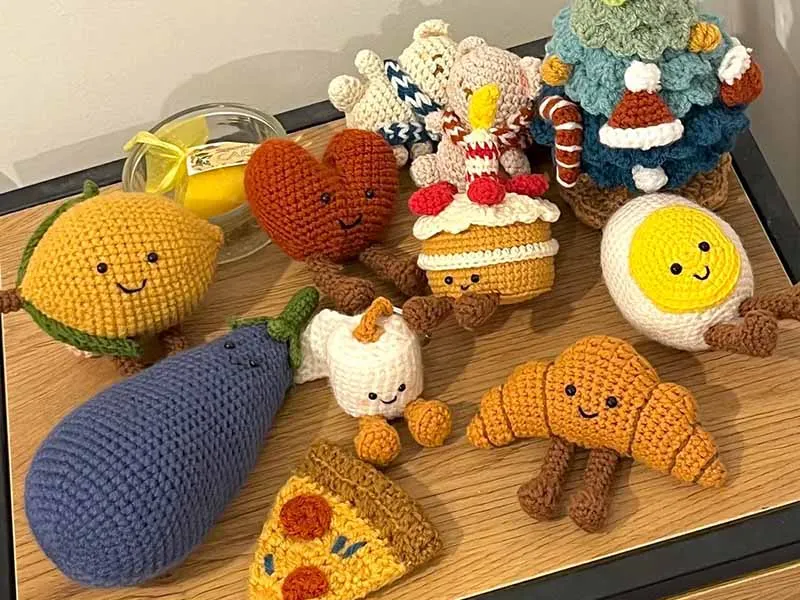
Plush Food Toys
Food-inspired plush toys designed with playful shapes, popular in lifestyle, gift, and novelty markets.
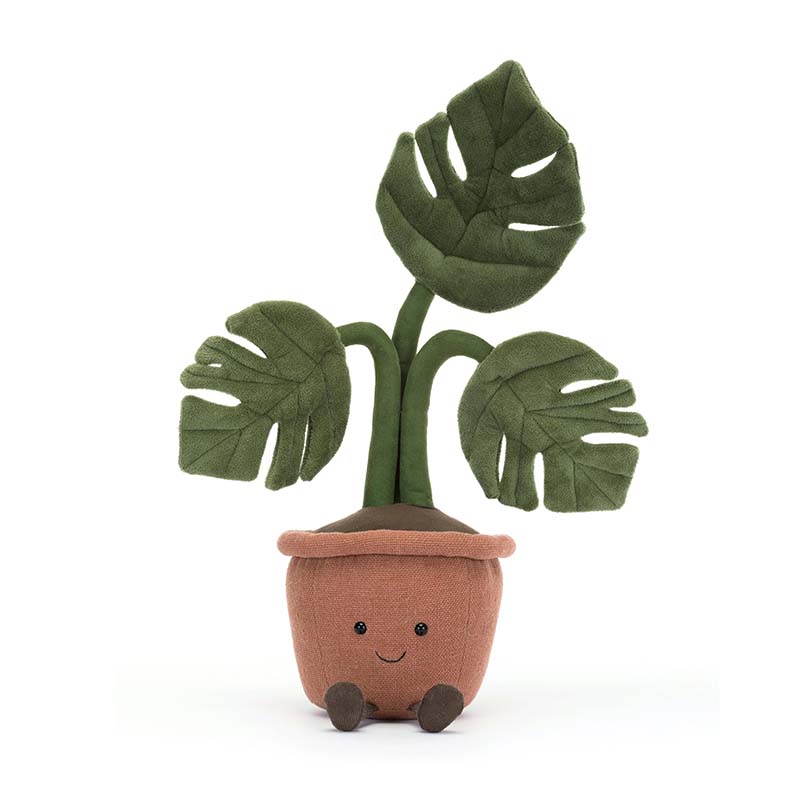
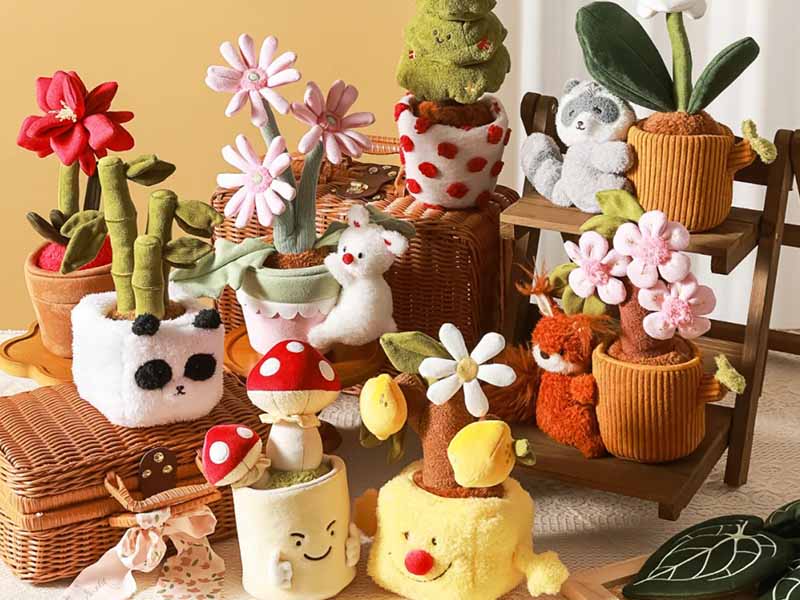
Plush Plant & Flower Toys
Plant- and flower-shaped plush toys offering a fresh alternative to traditional animal designs.
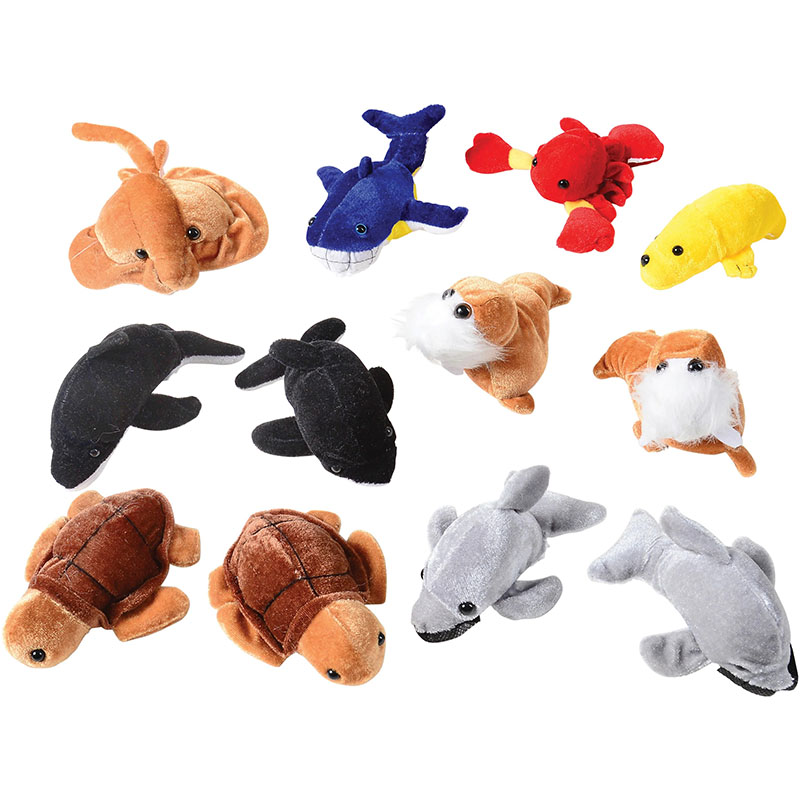
Plush Sea Creatures
Ocean-themed plush toys such as whales, sharks, and turtles, commonly used in themed collections.
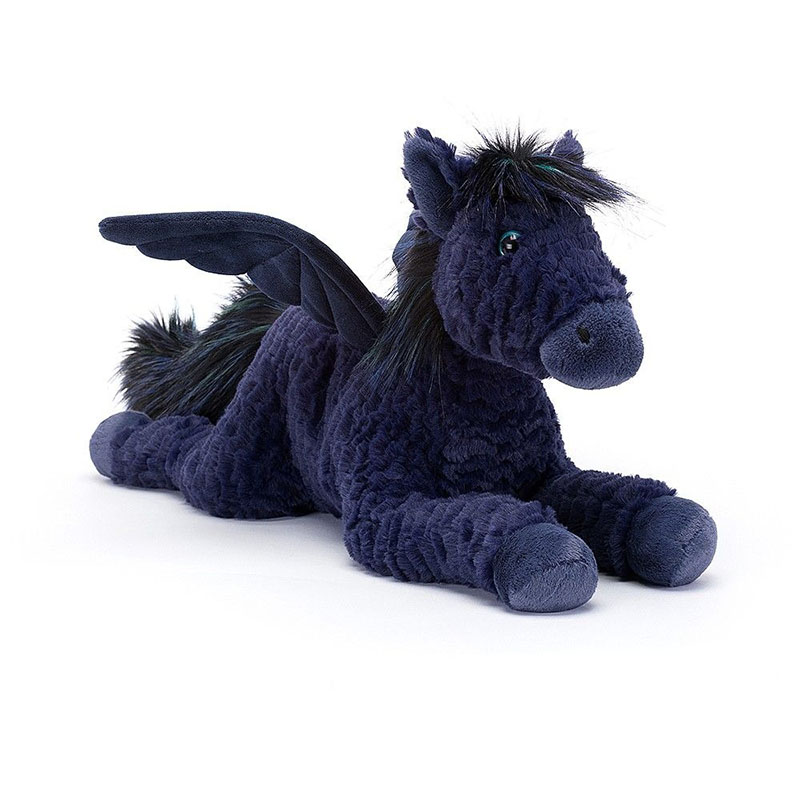
Plush Fantasy Creatures
Fantasy-style plush toys including dragons and imaginary characters, suitable for creative and storytelling brands.
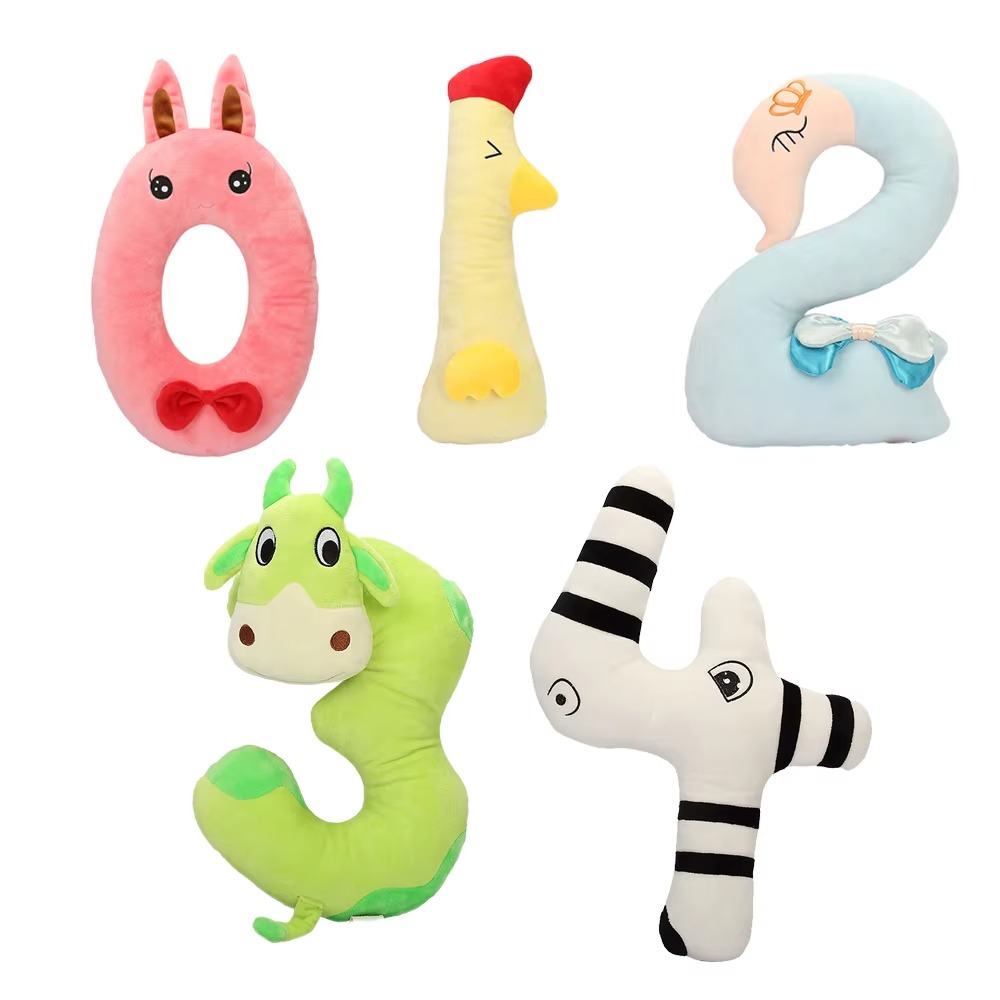
Plush Educational Shapes
Shape-based plush toys designed around numbers, letters, or simple forms for early learning products.
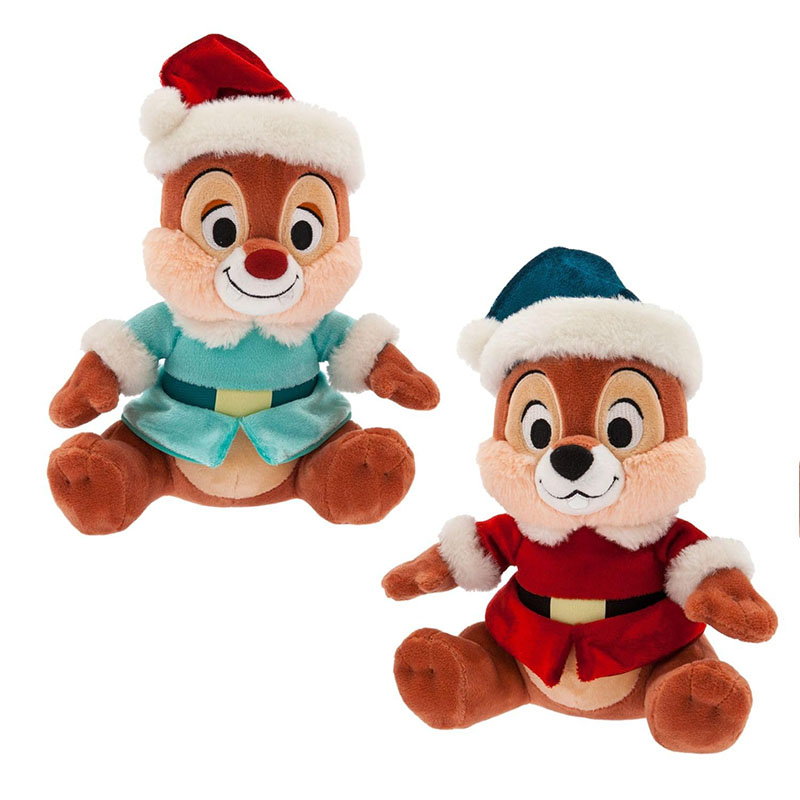
Plush Seasonal Styles
Holiday-themed plush toys developed for specific seasons such as Christmas, Easter, or Halloween.
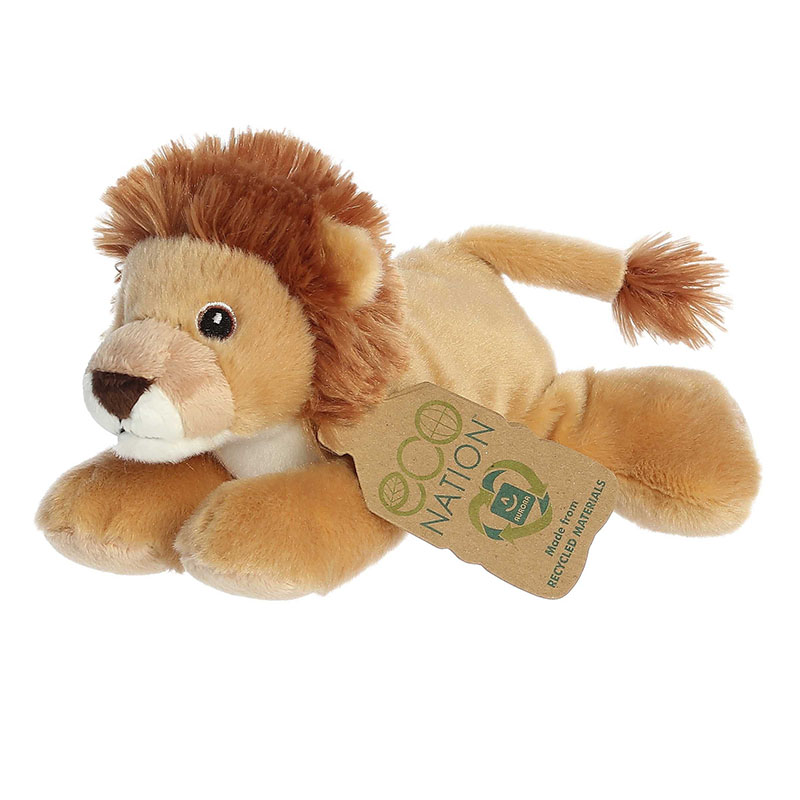
Eco Plush Toys
Plush toys made with recycled or sustainable materials, designed for environmentally conscious brands.
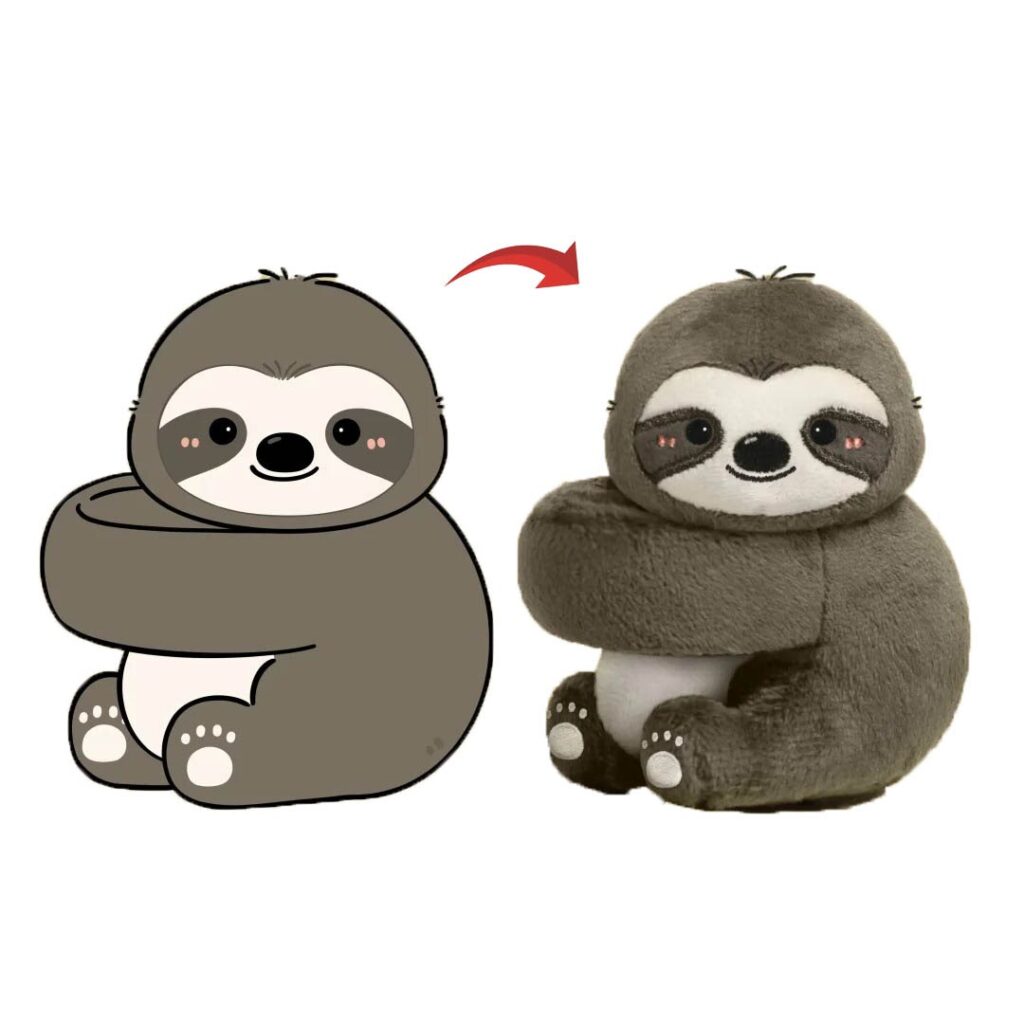
Custom Shape Plush Toys
Fully custom-shaped plush toys created based on unique concepts, drawings, or brand ideas.
How We Turn Your Sketch into a Custom Plush Toy
You don’t need a finished design to start. Whether you provide a hand sketch, reference image, or simple idea, our plush development team helps you transform concepts into production-ready soft toys with accurate shapes, materials, and details—reducing development risks and saving time.
Design Review & Feasibility Evaluation
Your sketch is first reviewed by our design and production team to assess proportions, structure, and manufacturability. We identify potential challenges early and suggest adjustments to ensure the design can be produced efficiently without compromising appearance or safety.
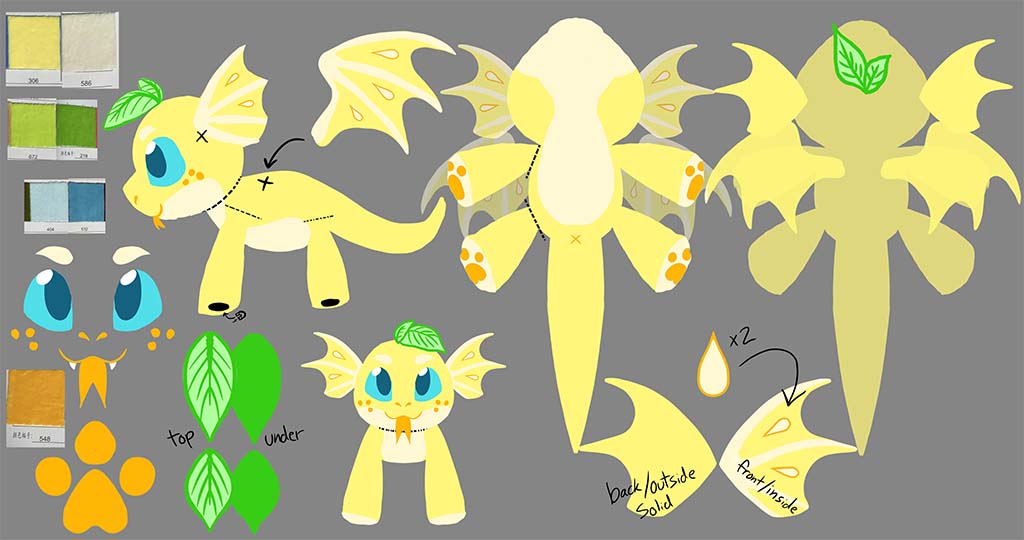
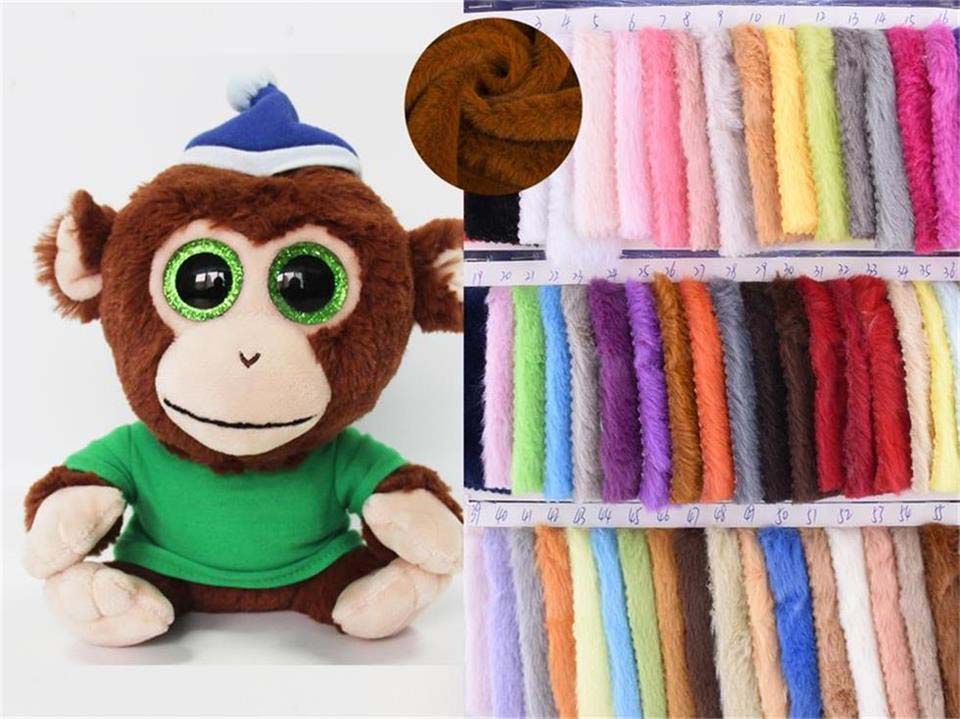
Material & Construction Planning
Based on your design style and target market, we recommend suitable fabrics, fillings, and construction methods. This step ensures the plush toy achieves the right softness, durability, and visual texture while staying within your cost expectations.
Pattern Making & Prototype Development
Our experienced pattern makers convert the approved design into accurate cutting patterns and produce a physical prototype. This sample reflects real production techniques and helps you evaluate size, shape, and details before moving forward.
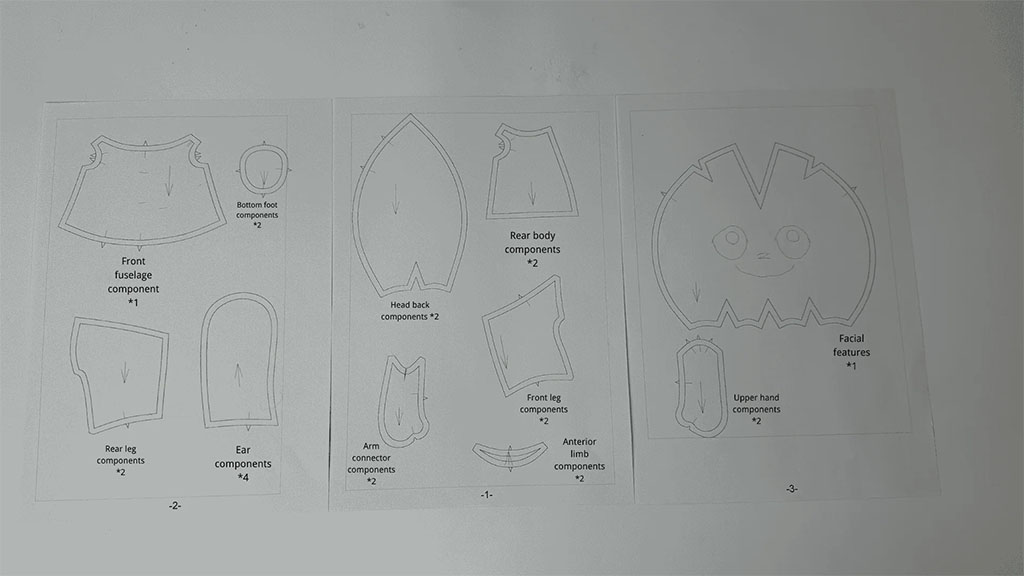
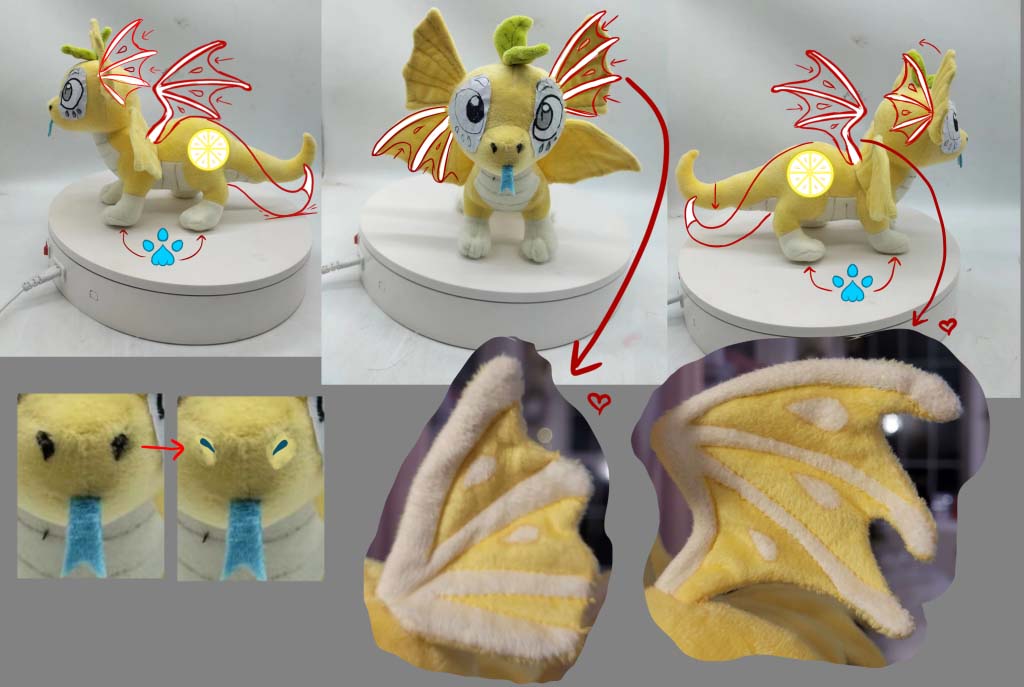
Sample Review & Refinement Process
You receive the prototype for review and feedback. Adjustments are made to facial expression, proportions, stitching, or materials until the plush toy meets your expectations and brand standards.
Production Readiness & Quality Alignment
Once the sample is approved, we finalize specifications for mass production, including materials, workmanship standards, and quality checkpoints. This ensures consistency, safety compliance, and stable results in every production batch.
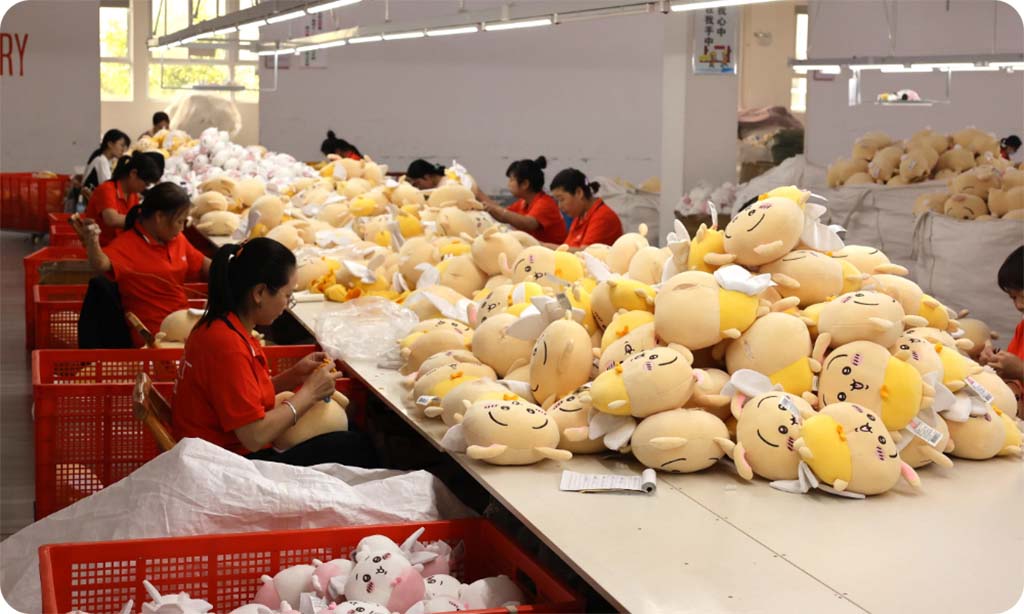
A structured development process turns your idea into a reliable, market-ready plush product with fewer surprises and smoother production.
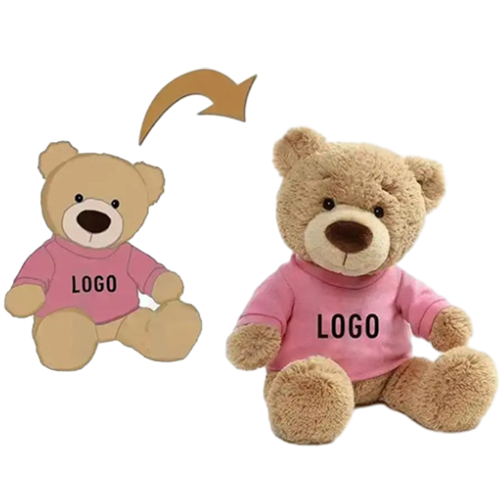
Precision Design vs Final Product Comparison
This video compares the original design with the finished plush product side by side, allowing buyers to instantly verify accuracy. From proportions and facial expressions to embroidery placement, color matching, and overall structure, every key detail closely follows the approved design. This clear comparison demonstrates our ability to achieve 95%+ design accuracy and gives brands confidence before moving into bulk production.
High-Efficiency Plush Toy Production with Consistent Quality
For soft toy brands and buyers, production efficiency affects delivery speed, while production quality determines long-term product stability. Our production lines are designed to balance output capacity, workmanship consistency, and quality control, helping your orders move smoothly from sampling to mass production with fewer risks.
Dedicated Line Assignment by Project Type
Each plush toy project is assigned to a suitable production line based on design complexity, size, and order volume. This prevents workflow overlap, improves focus at each stage, and helps maintain stable efficiency throughout the production cycle.
Specialized Sewing and Assembly Teams
Operators are trained to handle specific sewing and assembly tasks, such as body construction, facial details, and accessory attachment. This specialization improves stitching accuracy and reduces errors during continuous production.
Standardized Production Instructions
Clear work instructions and quality standards are prepared before mass production begins. These guidelines ensure consistent execution across different shifts, helping maintain uniform workmanship throughout the entire order.
In-Process Quality Control at Key Stages
Quality inspections are carried out during cutting, sewing, stuffing, and finishing stages. Identifying issues early helps prevent defects from passing into later production steps.
Planned Capacity and Production Scheduling
Production schedules are arranged based on order deadlines, material availability, and workforce capacity. This planning reduces bottlenecks and helps ensure reliable lead times for bulk orders.
Final Inspection and Batch Consistency Check
Before shipment, finished plush toys undergo final inspection to verify appearance, workmanship, and safety compliance. This step ensures consistency across the entire shipment.
A well-structured production line helps you achieve faster delivery while maintaining dependable quality across every order.
Common Fabrics and Fillings Used in Soft Toy Manufacturing
The right fabric and filling determine how a soft toy looks, feels, and performs in the market. Based on different styles and safety requirements, we use reliable materials that support stable quality, efficient production, and consistent results.
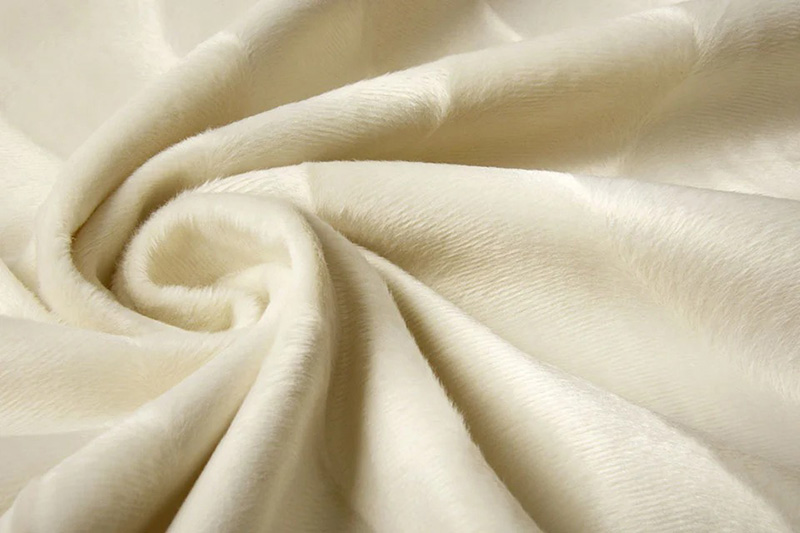
Plush Fabric (Velboa / Short Pile)
A smooth and stable fabric widely used for animal and character plush toys, suitable for mass production.
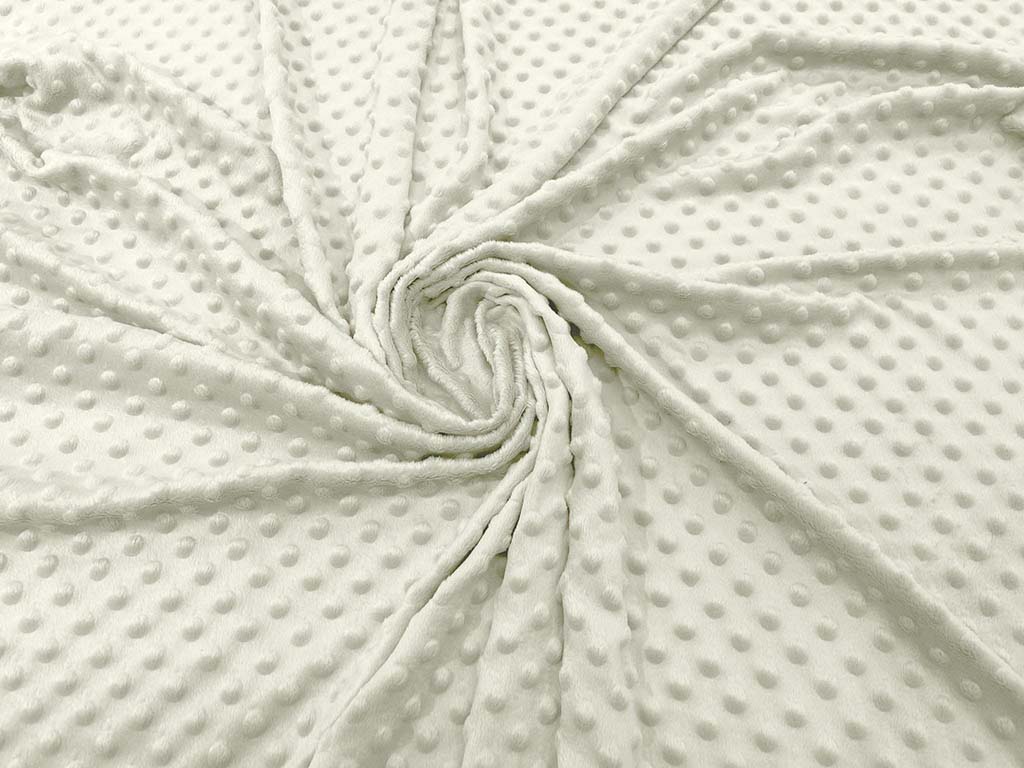
Minky Fabric
Ultra-soft fabric commonly used for baby plush toys and premium product lines.
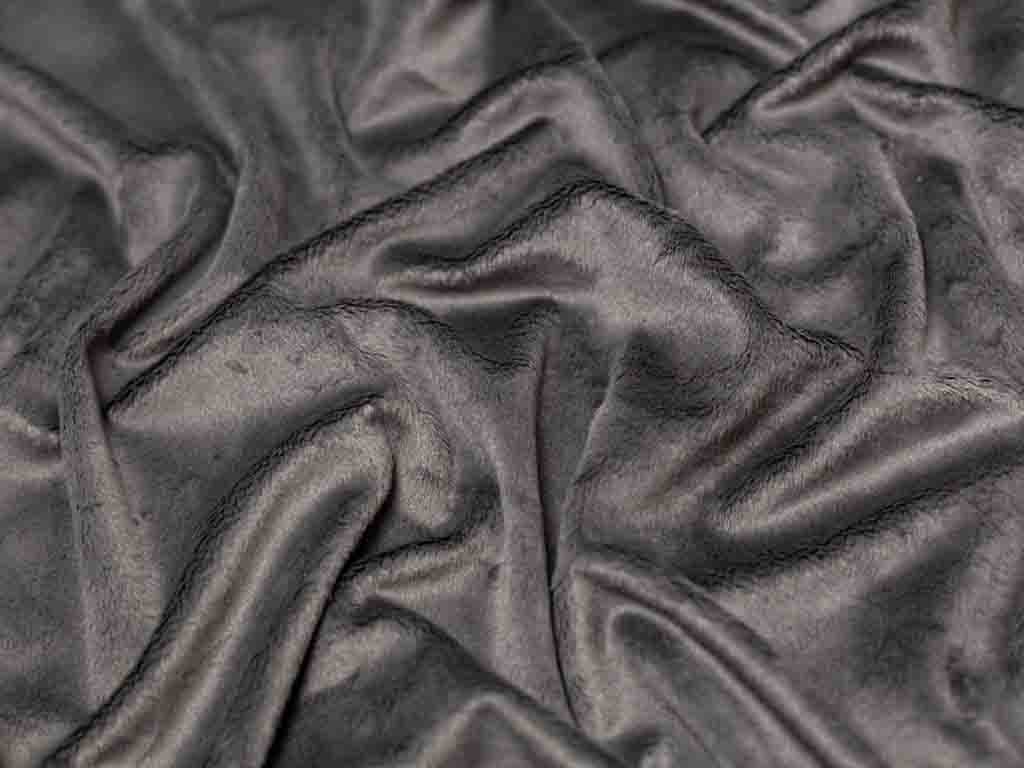
Faux Fur Fabric
Long-pile fabric that creates a fluffy or realistic appearance for selected plush styles.
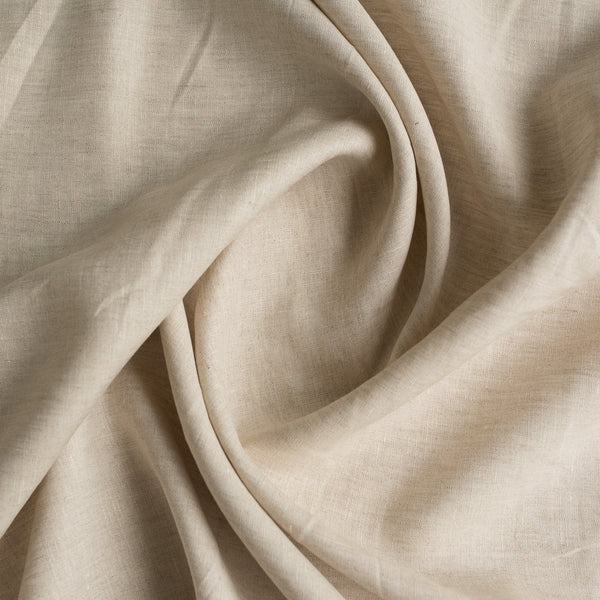
Cotton or Cotton-Blend Fabric
Natural-feel fabric suitable for simple designs and eco-oriented plush collections.
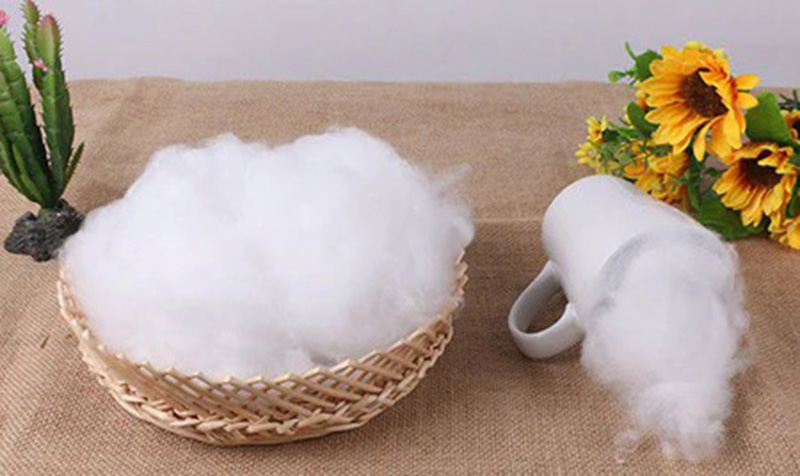
PP Cotton Filling
Lightweight and resilient filling that helps plush toys keep their shape and softness.
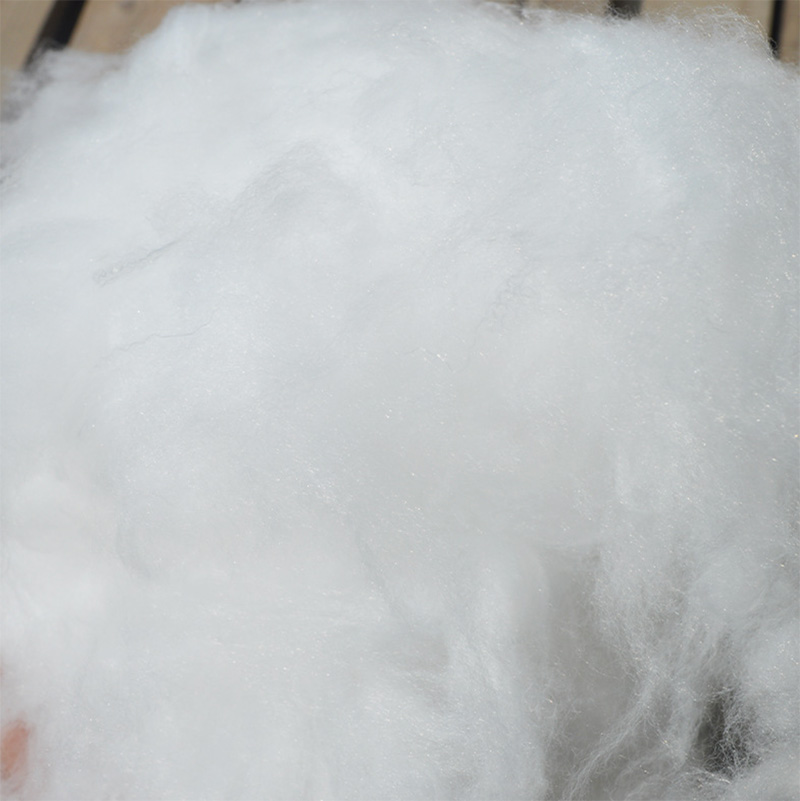
Recycled Polyester Filling
Eco-friendly filling option made from recycled fibers with stable performance.
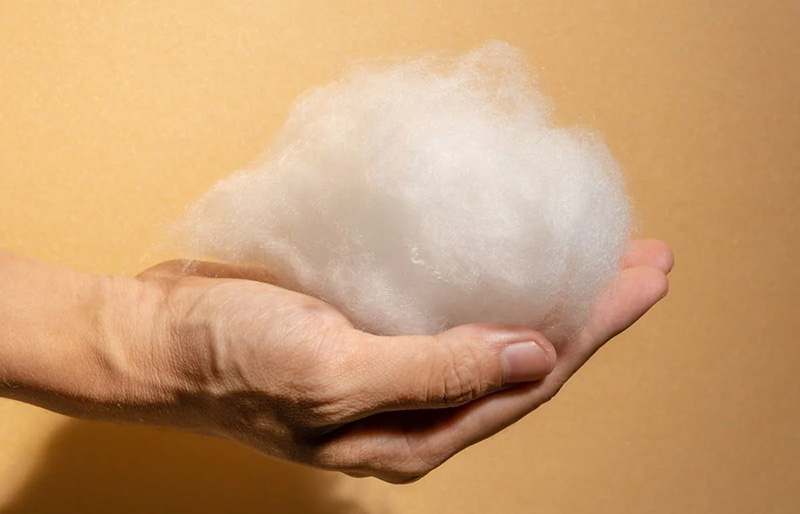
Down Alternative Filling
Soft and cushioned filling often used for plush pillows and comfort-focused designs.
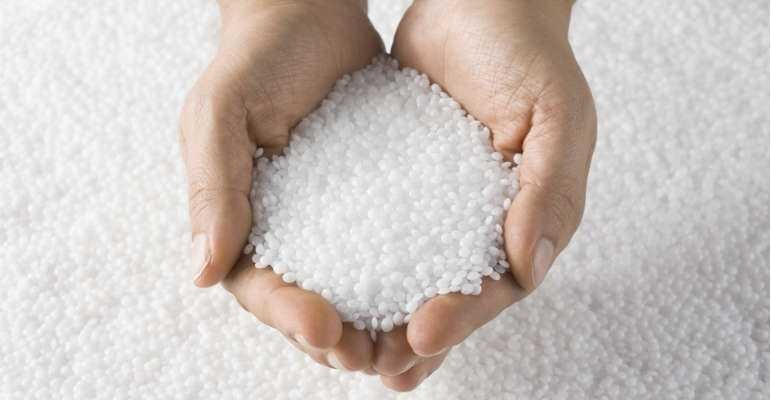
Weighted Filling
Filling with added weight for plush toys designed with sensory or calming features.
The right material combination helps your plush toys achieve the expected look, feel, and quality level.
How Different Soft Toy Styles Match the Right Fabric
Choosing the correct fabric for each plush toy style plays a critical role in appearance accuracy, production stability, and long-term durability. Different designs require different surface textures, pile lengths, and fabric behaviors during sewing and washing. Below are detailed examples based on real manufacturing experience, showing how specific plush styles are matched with suitable fabrics to achieve consistent quality and reliable market performance.
Animal Plush Toys with Short Pile Plush or Faux Fur
Animal plush toys require fabrics that balance visual clarity and softness while maintaining stable shapes during production. Short pile plush allows facial features, stitching lines, and body proportions to remain clear after sewing and stuffing. Faux fur adds realism and volume but requires experienced handling to control pile direction and prevent distortion. Both fabrics support color consistency and durability for long-term retail programs.
Baby Plush Toys with Minky or Ultra-Soft Plush Fabric
Baby plush toys prioritize softness, skin-friendly touch, and safety. Minky and ultra-soft plush fabrics provide a smooth, gentle surface that reduces friction against sensitive skin. These materials maintain softness after repeated washing and help minimize fiber shedding when combined with certified fillings and reinforced stitching.
Plush Dolls with Short Pile Plush or Cotton-Blend Fabric
Plush dolls require fabrics that support precise sewing and clear presentation of facial expressions and clothing details. Short pile plush works well with embroidery and printing, while cotton-blend fabrics offer a more textile-like appearance and stable control during pattern making and assembly.
Plush Pillows with Soft Plush or Down-Like Fabric
Plush pillows focus on comfort and shape retention. Soft plush fabrics create a cozy surface feel, while down-like fabrics enhance softness and perceived value. Proper fabric stretch and recovery help prevent deformation and uneven filling during long-term use.
Plush Keychains with Short Pile or Reinforced Fabric
Plush keychains face frequent friction and pulling, making durability essential. Short pile plush resists abrasion and maintains shape in compact designs, while reinforced fabrics strengthen stress points around metal attachments, ensuring visual appeal and structural stability during daily use.
Matching plush styles with the right fabric improves appearance accuracy, production stability, and long-term product performance.
Fabric Color Fastness and Wash Durability Testing for Plush Toys
Color stability and wash durability are critical to how plush toys perform after repeated use, cleaning, and long-term storage. Inconsistent color performance can cause fading, staining, or uneven appearance across batches. To protect product quality and brand image, we apply controlled testing methods to evaluate fabric behavior before and during production.
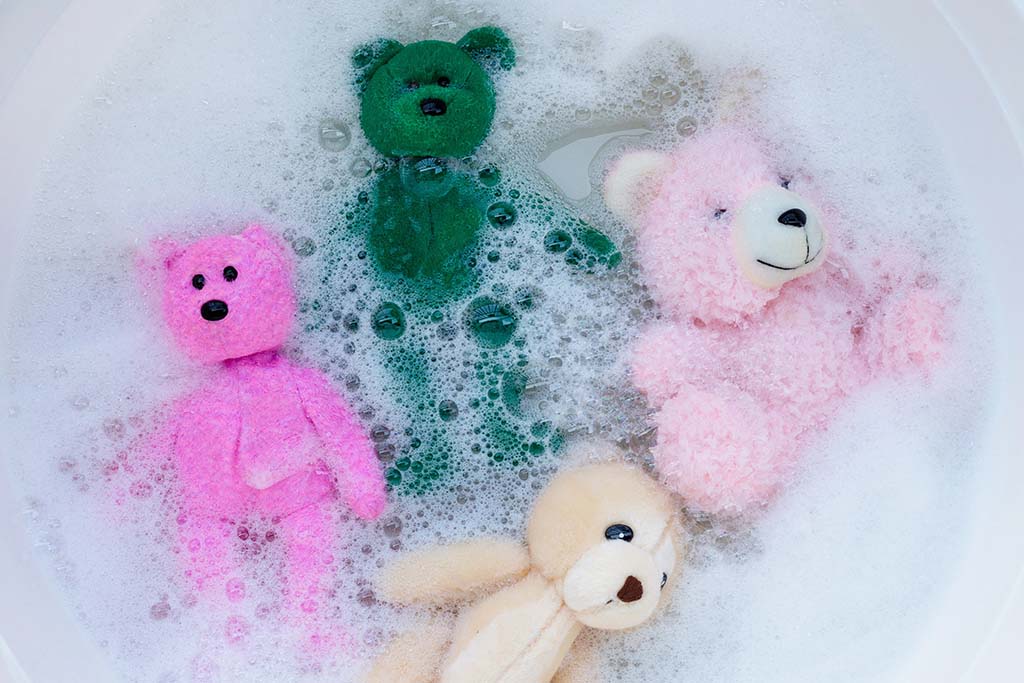
Color Fastness to Washing Control
Fabrics are tested under repeated washing conditions to evaluate color fading, bleeding, and surface changes. This ensures plush toys maintain consistent color appearance after normal household or commercial cleaning processes.
Color Fastness to Rubbing Control
Dry and wet rubbing tests are conducted to verify whether color transfers during handling, contact, or friction. This helps prevent staining on hands, clothing, or other surfaces during normal use.
Wash Resistance and Texture Stability Check
After washing tests, fabrics are examined for texture change, pile distortion, and softness variation. This ensures the plush toy retains its original feel and visual quality after cleaning.
Batch Color Consistency Verification
Fabric batches are compared to confirm color stability and wash performance remain consistent across production runs. This helps avoid visible differences in large-volume orders.
Controlled color and wash testing helps ensure visual consistency, reduces after-sales issues, and supports reliable bulk production.
Customization Scope for Soft Toy Manufacturing
A flexible customization scope allows your soft toy products to stand out in design, positioning, and market fit. From visual appearance to internal construction, our customization options are designed to support brand differentiation, functional needs, and scalable production without increasing unnecessary complexity.
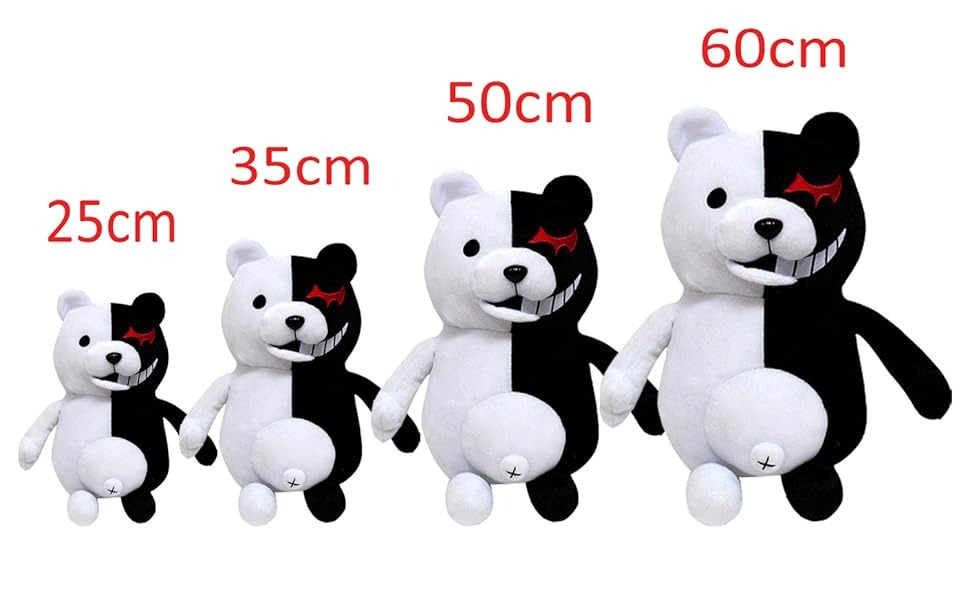
Custom Plush Size, Shape, and Proportion
You can customize plush toy size, body shape, and proportions based on your design concept or reference. Adjustments are made to ensure the final product maintains visual balance, production feasibility, and consistent appearance across different batches.
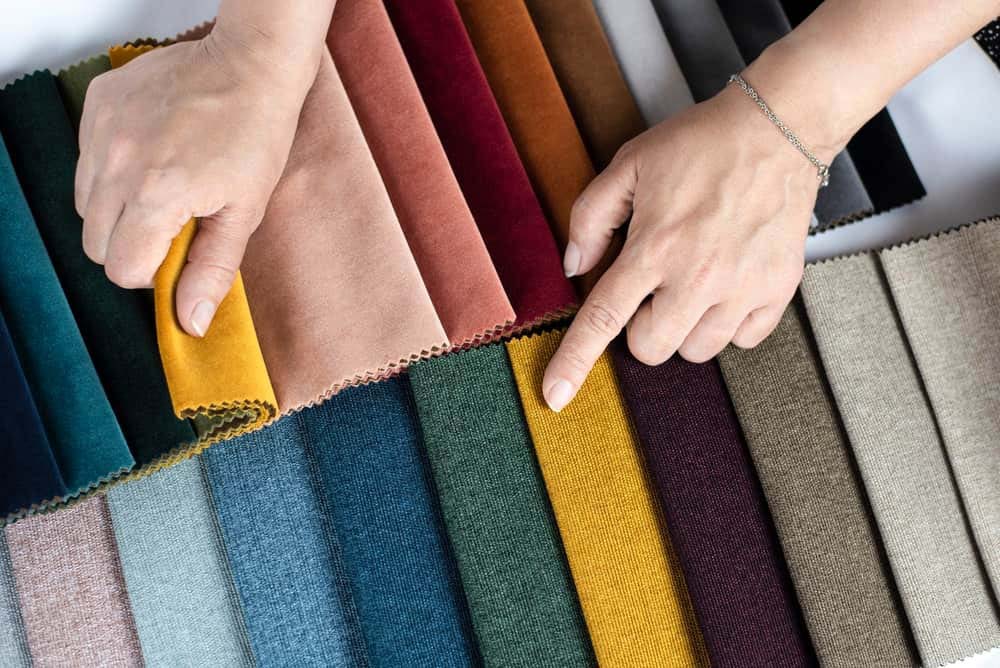
Custom Fabrics, Fillings, and Material Feel
Fabric types, pile length, filling density, and overall hand feel can be customized to match product positioning and target users. Material choices are aligned with safety standards, durability expectations, and long-term production stability.
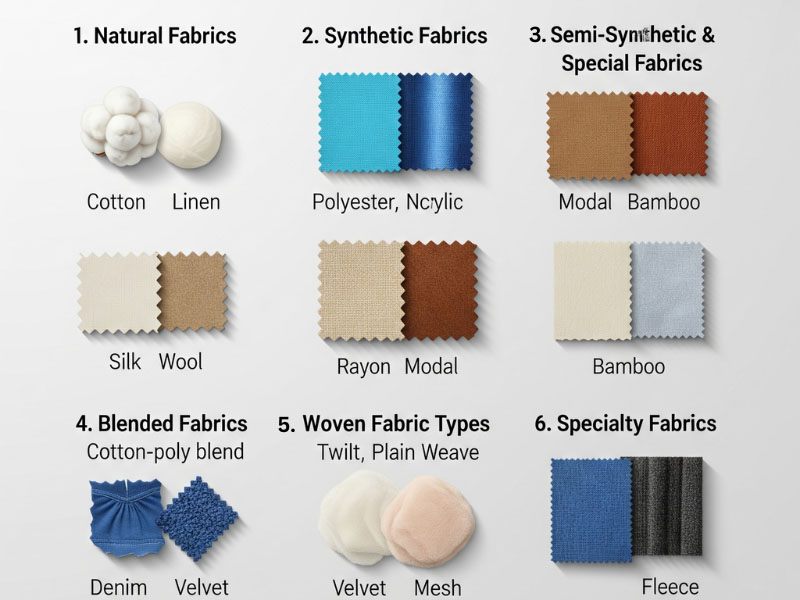
Custom Facial Details, Colors, and Decoration
Facial expressions, embroidery styles, printed elements, color matching, and decorative details can be customized to reflect brand identity. These elements are developed with attention to sewing accuracy and color consistency in mass production.
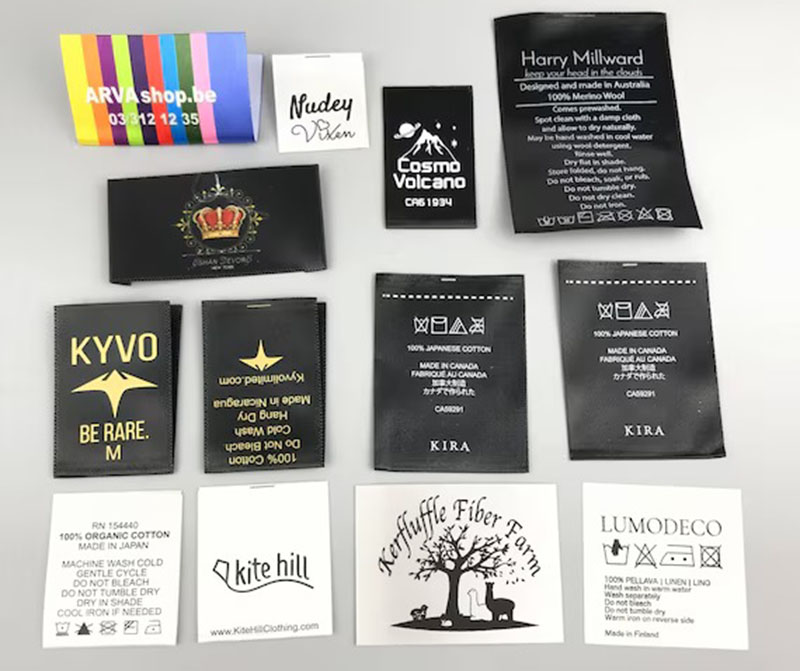
Custom Packaging, Labels, and Brand Elements
Packaging style, hang tags, woven labels, and brand-related elements can be customized to match retail or promotional needs. These components are integrated into production planning to ensure smooth assembly and delivery.
A clearly defined customization scope helps you develop plush toys that match your brand vision while staying efficient and production-ready.
Precision Vacuum Packing Process
This video shows how plush toys are vacuum packed to reduce volume and protect product shape during transportation. By precisely controlling compression levels and sealing methods, we ensure plush toys remain clean, well-protected, and easy to recover after unpacking. Vacuum packing is especially suitable for bulk orders and long-distance international shipping.
From Sketch to Best-Selling Custom Plush Toy
Turning a plush toy idea into a best-selling product requires more than creative design. It involves structured development, production control, and market alignment at every stage. Our process helps you move from concept to scalable success while reducing uncertainty and costly revisions.
Launch Support and Repeat Order Optimization
After launch, production data and market response are reviewed to support repeat orders and optimization. This helps transform a successful design into a long-term best-selling product.
Prototype Development and Visual Validation
A physical prototype is created based on approved design details to verify proportions, structure, and visual appeal. This stage allows you to assess the product realistically before committing to mass production.
Material Selection and Cost Alignment
Fabrics, fillings, and accessories are selected to balance appearance, durability, and cost targets. This ensures the plush toy meets quality expectations while remaining commercially viable.
Sample Refinement and Market Feedback
The prototype is refined based on feedback related to touch, appearance, and usability. Adjustments at this stage help align the product more closely with market preferences.
Mass Production Preparation and Quality Setup
Before scaling up, production specifications, quality standards, and inspection points are finalized. This step ensures consistency and minimizes risk during bulk manufacturing.
Concept Clarification and Design Direction
Your initial sketch or idea is reviewed to clarify style, target audience, and usage scenarios. This step helps define design direction early, reducing misalignment and unnecessary revisions later in development.
A structured development process helps turn creative ideas into plush products that sell consistently and scale smoothly.
Trusted by Leading Global Brands
Strong partnerships prove strong capabilities. Over the years, Kinwin has worked with world-leading brands and retailers to deliver interactive plush toys that meet the highest standards of creativity, safety, and quality. By choosing us, you gain a supplier that is trusted by top companies worldwide—and the same reliability is available to your brand.




Why Professional Plush Toy Manufacturers Appear More Expensive
When sourcing plush toys, professional manufacturers often appear more expensive than small workshops or trading companies. However, the price difference usually reflects hidden value in quality control, compliance, reliability, and long-term cost stability. Understanding these factors helps buyers make better sourcing decisions beyond the unit price.
Higher Material and Safety Standards
Professional manufacturers use certified fabrics, fillings, and accessories that meet market safety regulations. These materials cost more upfront but significantly reduce risks related to recalls, failed testing, and customer complaints after launch.
Structured Production and Skilled Labor
Experienced production teams, trained operators, and standardized workflows increase labor costs but improve accuracy and consistency. This reduces rework, defects, and quality variation in mass production.
Comprehensive Quality Control Systems
Professional factories invest in in-process inspections, final checks, and documented quality systems. These controls prevent small issues from becoming large-scale problems during bulk production.
Compliance Testing and Certification Support
Testing, certification coordination, and compliance documentation add cost but ensure smoother customs clearance and market access. This is especially important for U.S. and EU buyers.
Production Stability and Delivery Reliability
Stable capacity planning, material sourcing, and production scheduling help professional manufacturers meet delivery commitments. This reliability reduces costly delays and supply chain disruptions.
Lower Total Cost Over the Product Lifecycle
Although unit prices may be higher, professional manufacturing often results in fewer defects, stronger market performance, and smoother repeat orders, lowering overall cost in the long run.
Explore Our Custom Plush Toy Series
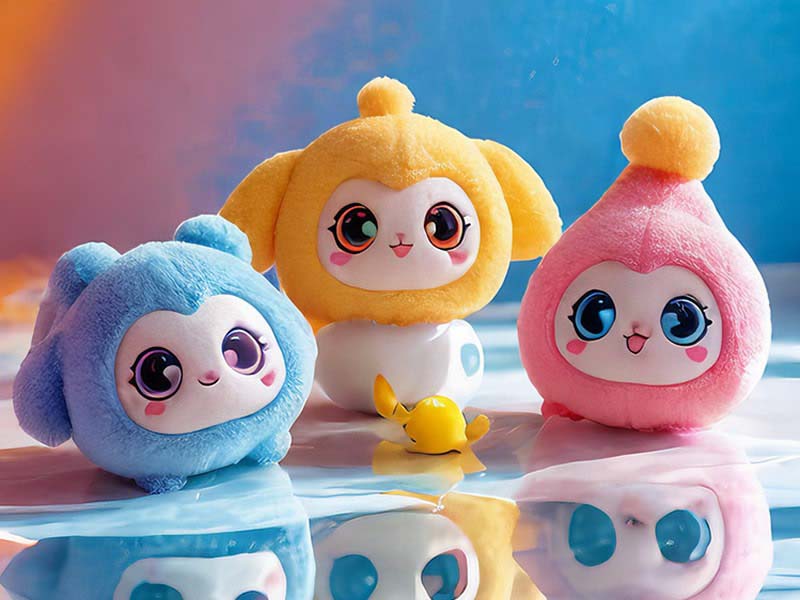
We offer a wide selection of plush toys to meet different business needs. From baby-safe stuffed animals to collectible plush dolls, our product lines are designed for global brands, retailers, e-commerce, and promotional projects.
Start Your Custom Soft Toy Project with Confidence
Whether you are developing your first plush toy or scaling a proven product line, working with the right manufacturer makes the process smoother and more predictable. By contacting us, you can clarify feasibility, cost structure, materials, timelines, and compliance requirements before committing—helping you reduce risk, avoid costly mistakes, and move forward with confidence.
Frequently Asked Questions
1. What information do I need to provide to start a custom plush toy project?
To start, you can provide a sketch, reference image, or even a simple idea description. Size, target market, estimated quantity, and any safety requirements are also helpful. Our team will guide you through the rest of the process step by step.
2. What is your minimum order quantity (MOQ) for custom soft toys?
Our standard MOQ is 500 pieces. For orders below this quantity, please consult with our project manager. We may offer flexible solutions depending on the product size, complexity, and customization requirements.
3. How long does the sampling process usually take?
Sampling typically takes around 10–15 working days after design confirmation. This includes pattern making, material preparation, and sample assembly. More complex designs may require additional time for refinement.
4. Can you help if I don’t have a final design yet?
Yes. Many clients start with only a concept or rough sketch. Our design and development team can help refine shapes, proportions, materials, and construction to make the design production-ready.
5. What safety standards can your plush toys comply with?
We support major international standards such as CE (EN71), ASTM F963, and CPSIA depending on your target market. Materials and construction are selected to meet the required compliance levels.
6. How do you control quality during mass production?
Quality control is applied at multiple stages, including material inspection, in-process checks, and final inspection. This helps ensure consistent appearance, workmanship, and safety across every batch.
7. How long does mass production usually take?
Mass production lead time depends on order quantity and complexity. In general, production takes around 20–35 days after sample approval. We provide a clear schedule before production begins.
8. Can you customize packaging and branding elements as well?
Yes. We support custom packaging, hang tags, woven labels, and other branding elements to match retail or promotional needs. These are integrated into the production process for efficiency.
9. How do you protect my design and intellectual property?
We treat client designs as confidential and can sign NDAs if required. Custom molds, patterns, and designs are not shared with other customers.
10. Is working with a Chinese manufacturer suitable for long-term cooperation?
With the right factory partner, sourcing from China offers stable quality, cost efficiency, and scalable production. Our focus is on long-term cooperation rather than one-time orders.
If You Can lmagine lt,We Will Create lt!
1.Tell Us What You Need
Tell us as specific as possible of your needs and share your idea.
2.Get Solution & Quote
We will work on the best solution according to yourrequirements,the specific quote will be provided within 24 hours.
3.Approve for Mass Production
We will start mass production after getting your approval.
