 Skip to content
Soft Plush Toys Manufacturer | OEM & ODM Custom Plush Factory in China
Soft plush toys are valued for their comfort, safety, and wide market appeal.
Here, you get a reliable manufacturing partner that turns your designs into soft, durable, and market-ready plush toys. From material selection to bulk production, every step is controlled to ensure stable quality, competitive cost, and smooth global delivery for your brand.
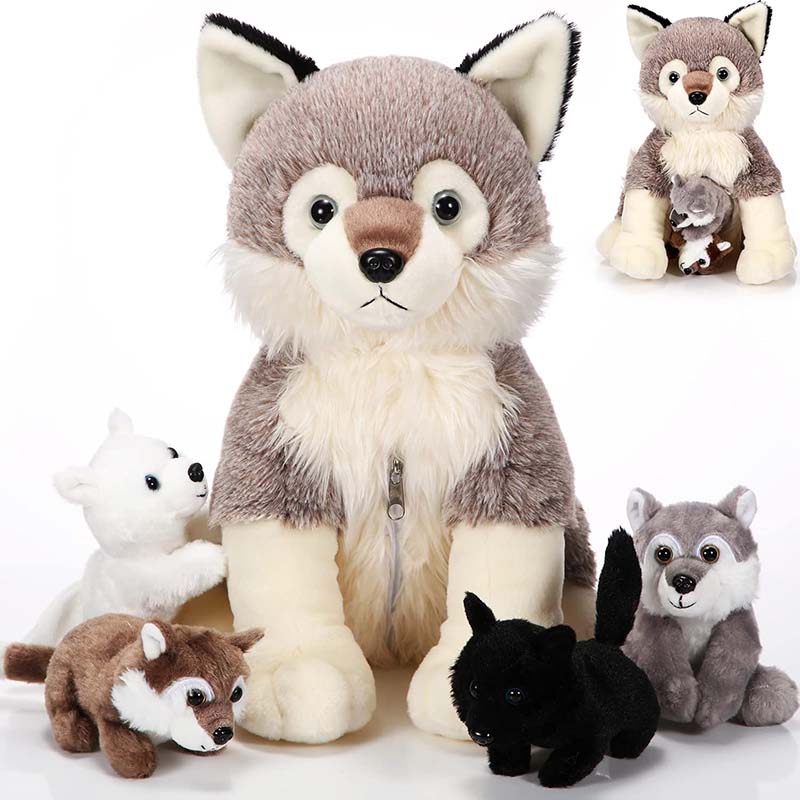
OEM & ODM Plush Toy Manufacturing: A Streamlined End-to-End Process
OEM and ODM services help brands develop soft plush toys with clearer timelines, controlled costs, and stable quality. A factory-managed process reduces uncertainty and ensures your designs move smoothly from concept to mass production.
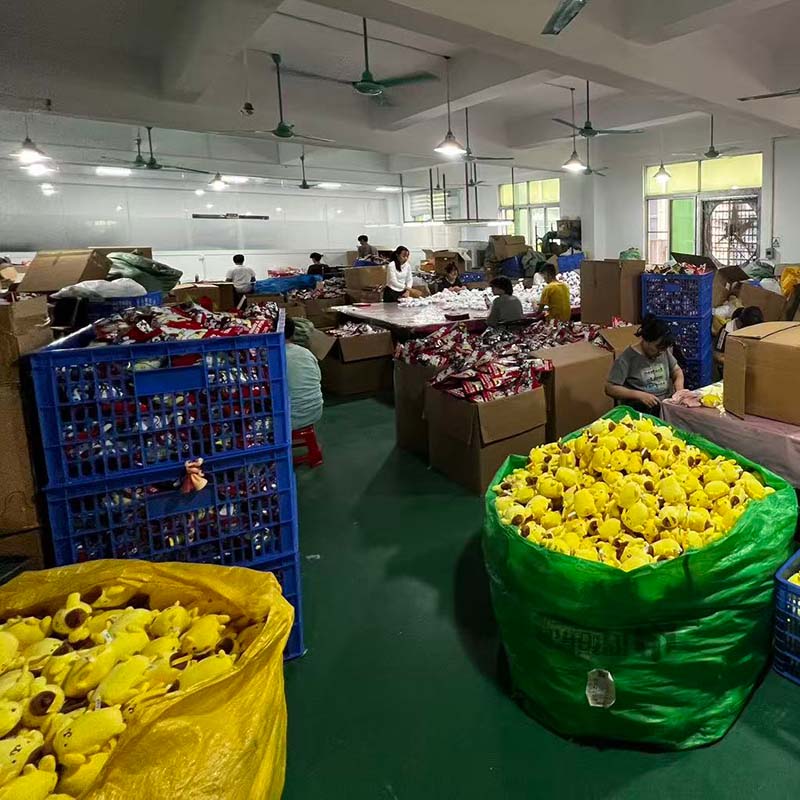
Design File Review & Production Feasibility
Your design files or references are reviewed to confirm structure, materials, and manufacturability. This helps avoid unnecessary revisions and production delays.
Material & Filling Selection Support
Fabrics and fillings are recommended based on softness, safety standards, and target markets. You get balanced options for comfort, cost, and compliance.
Sampling with Consistency Control
Samples are produced with clear approval points to ensure size, color, and hand-feel meet expectations before bulk production.
Coordinated Mass Production
After sample approval, production is arranged with stable capacity and clear schedules, supporting reliable delivery planning.
Integrated Quality & Export Handling
Quality checks and export requirements are handled throughout production, helping your products meet global market standards.
A streamlined OEM & ODM workflow gives you fewer decisions to manage and more confidence in each production step.
Fast Sampling: Custom Plush Toy Samples Ready Within 7 Days
Fast sampling is essential for brands that need speed, accuracy, and early validation. A controlled sampling system allows you to confirm structure, softness, proportions, and production feasibility before moving into bulk manufacturing.
Professional Pattern Making
Your design is handled by experienced plush pattern makers who understand structure balance, seam control, and stuffing distribution. This ensures the first sample already follows real production logic instead of just visual appearance.
Fast Material Matching
Suitable fabrics and fillings are selected quickly from established material libraries to meet softness, safety, and visual requirements, reducing delays caused by sourcing or trial materials.
Clear Review Process
Sampling follows structured review stages for shape, size, and details. Early feedback keeps revisions focused and avoids unnecessary repeat samples.
Production-Ready Samples
Samples are made using bulk production techniques and quality standards, helping ensure consistency between approved samples and final mass production.
Fast and reliable sampling helps you control timelines and move forward with confidence.
Explore Our Soft Plush Toy Product Range
This product range showcases a wide selection of soft plush toys developed for different markets, age groups, and usage scenarios. Each category is designed with comfort, safety, and customization flexibility in mind, helping you quickly find suitable styles for retail, promotions, or brand-led collections.
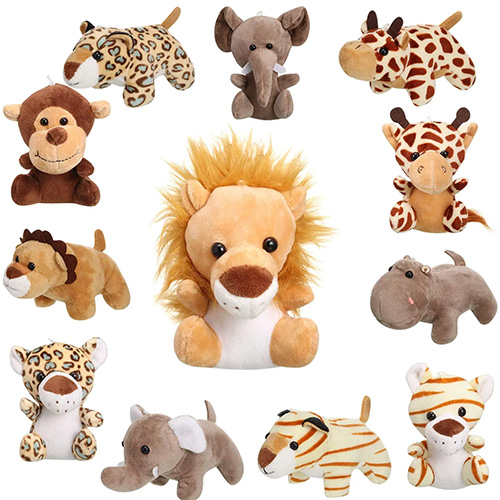
Animal Plush Toys
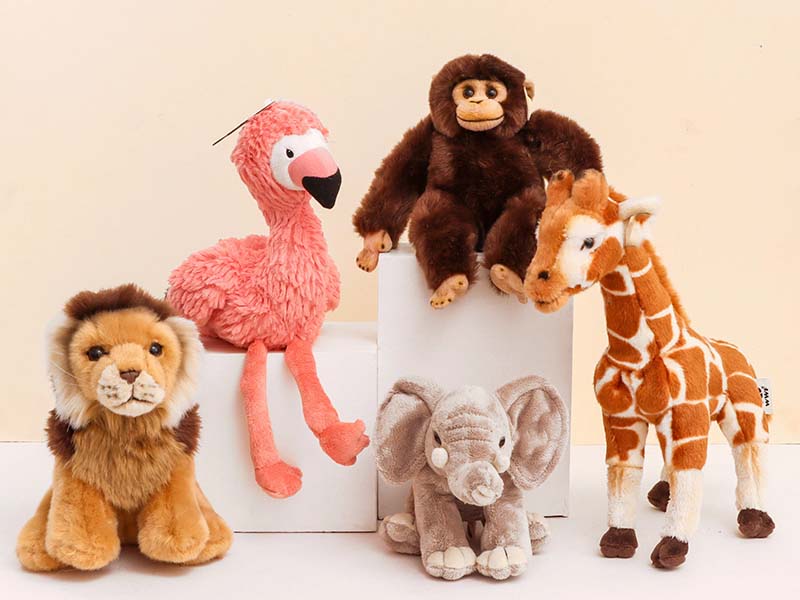
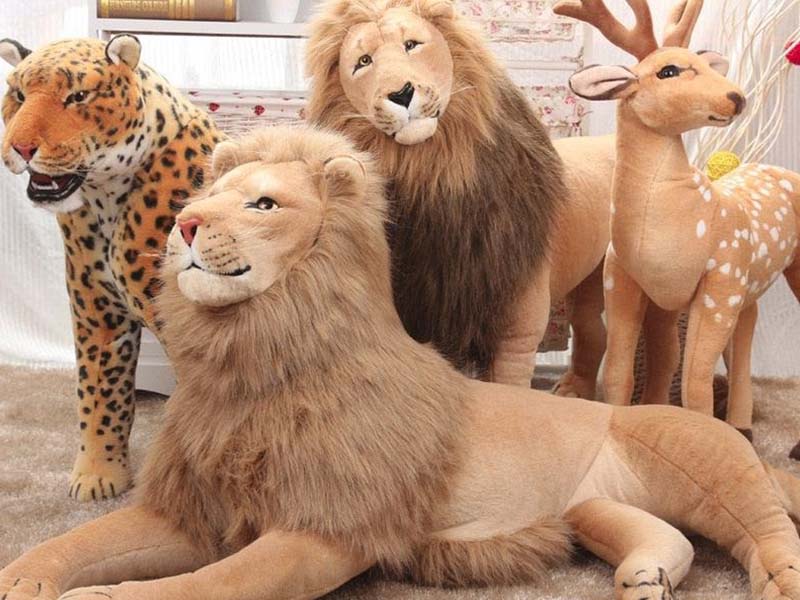
Soft animal plush toys with friendly shapes and comfortable hand-feel, widely used for retail collections, brand characters, and promotional gifts.
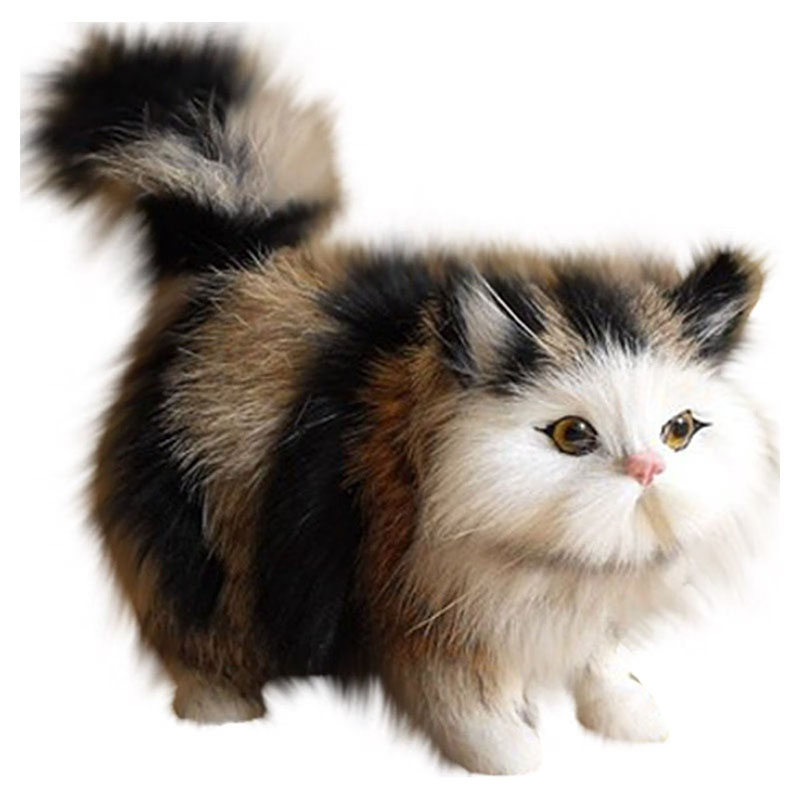
Realistic Animal Plush
Designed with detailed proportions and textures, suitable for educational products, museums, and premium gift markets.
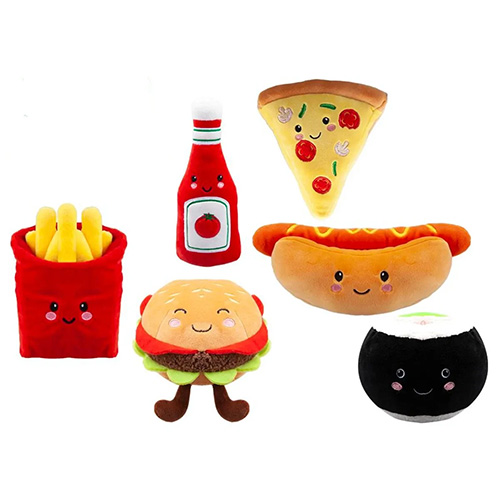
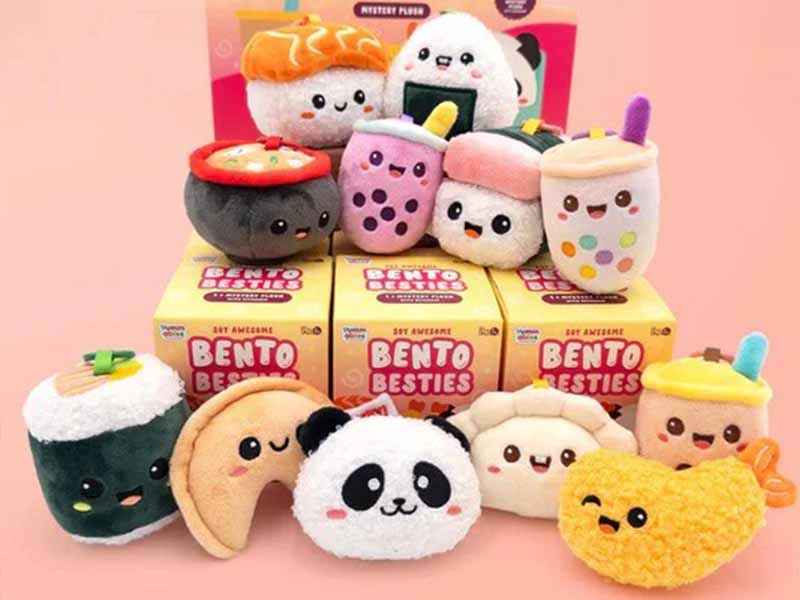
Food Plush Toys
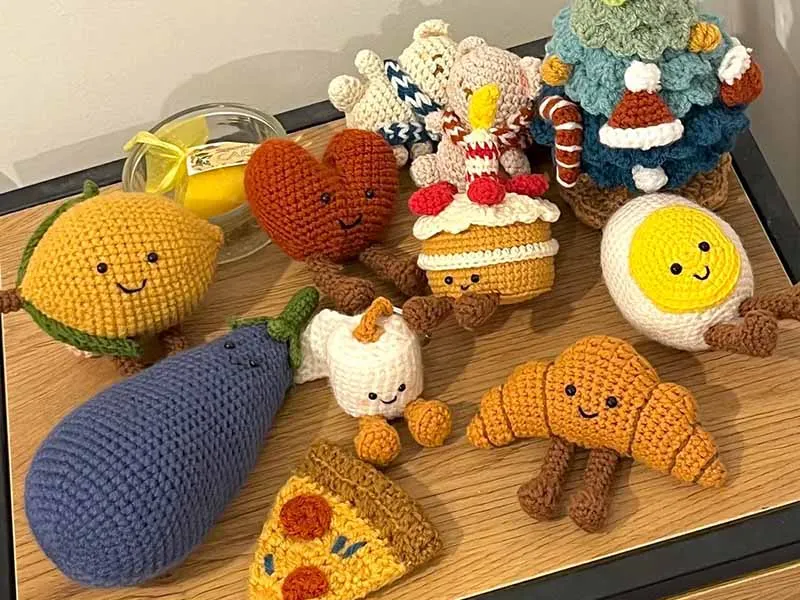
Fun and eye-catching designs that work well for lifestyle brands, cafés, and social-media-driven product lines.
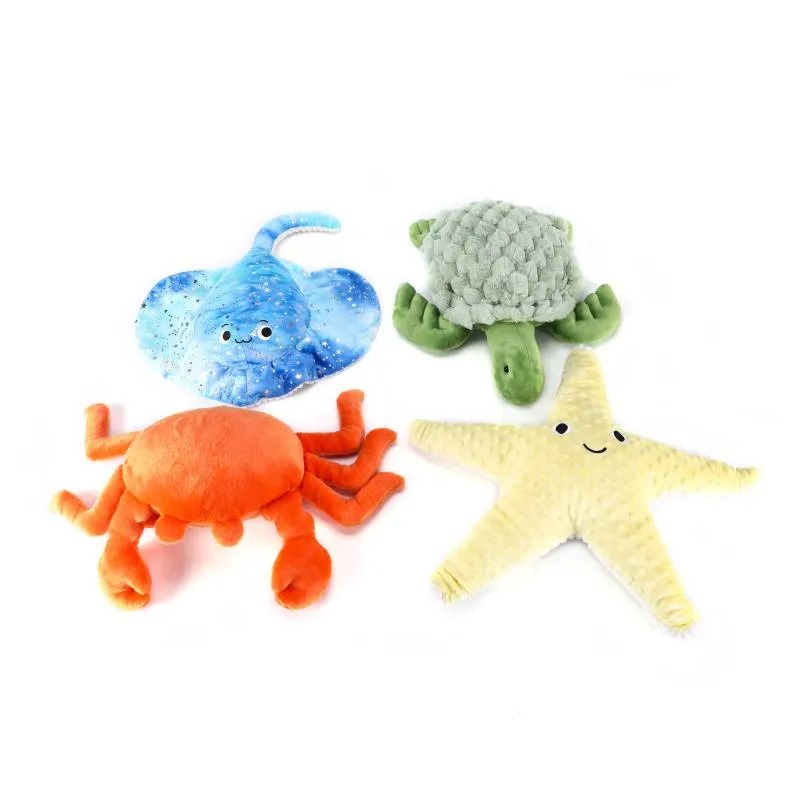
Ocean-Themed Plush Toys
Popular choices for aquariums, marine parks, and children’s brands, featuring soft fabrics and bright, clean colors.
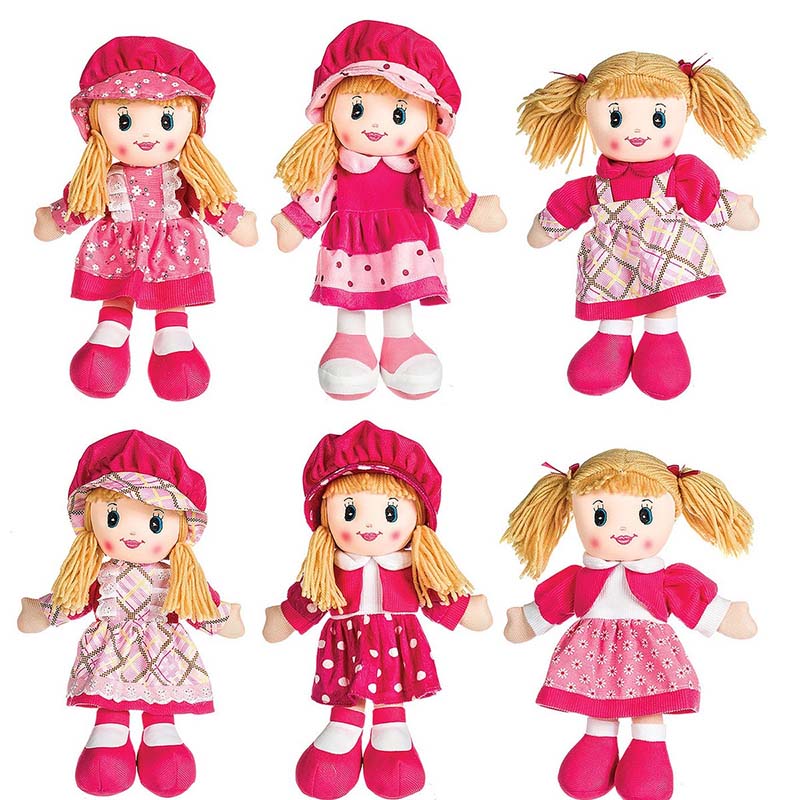
Plush Dolls & Characters
Ideal for IP licensing, brand mascots, and storytelling-driven products, supporting high design accuracy and consistency.
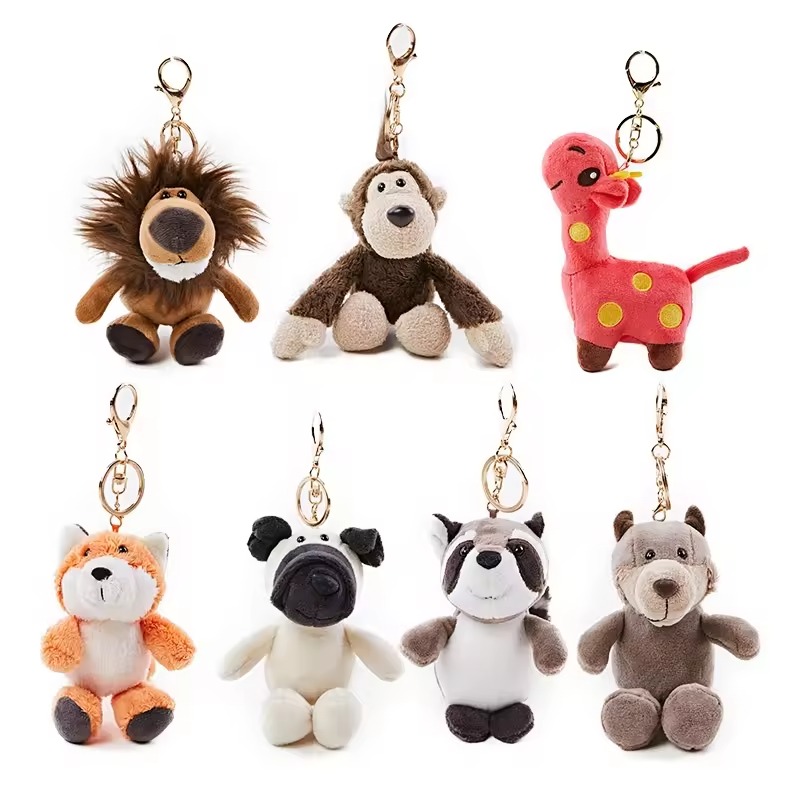
Plush Keychains
Compact, lightweight plush items suitable for giveaways, blind boxes, and low-MOQ promotional programs.
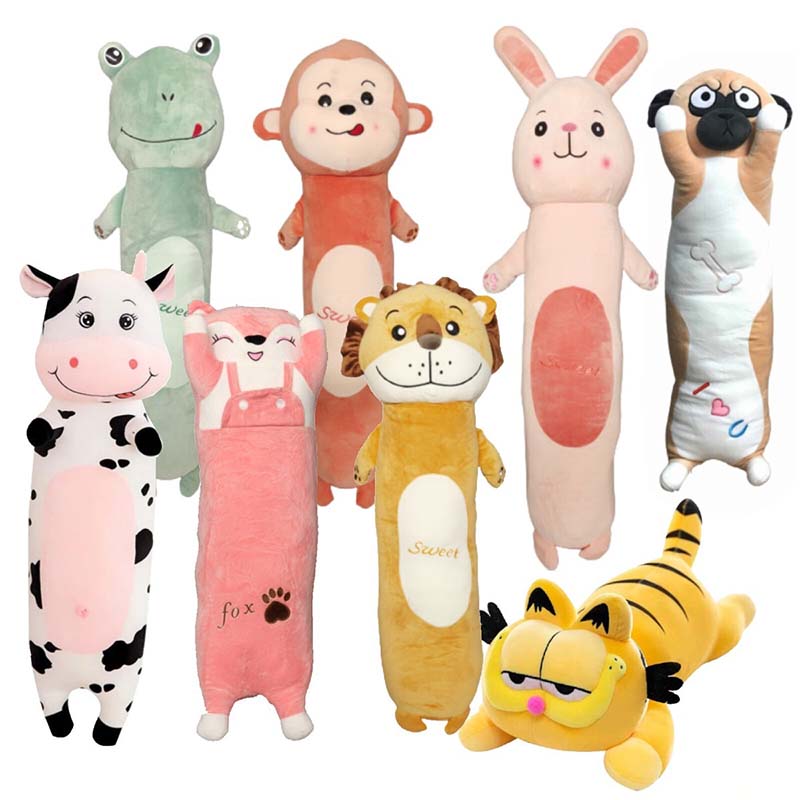
Plush Pillows & Cushions
Comfort-focused plush products designed for home, travel, and relaxation-oriented retail markets.
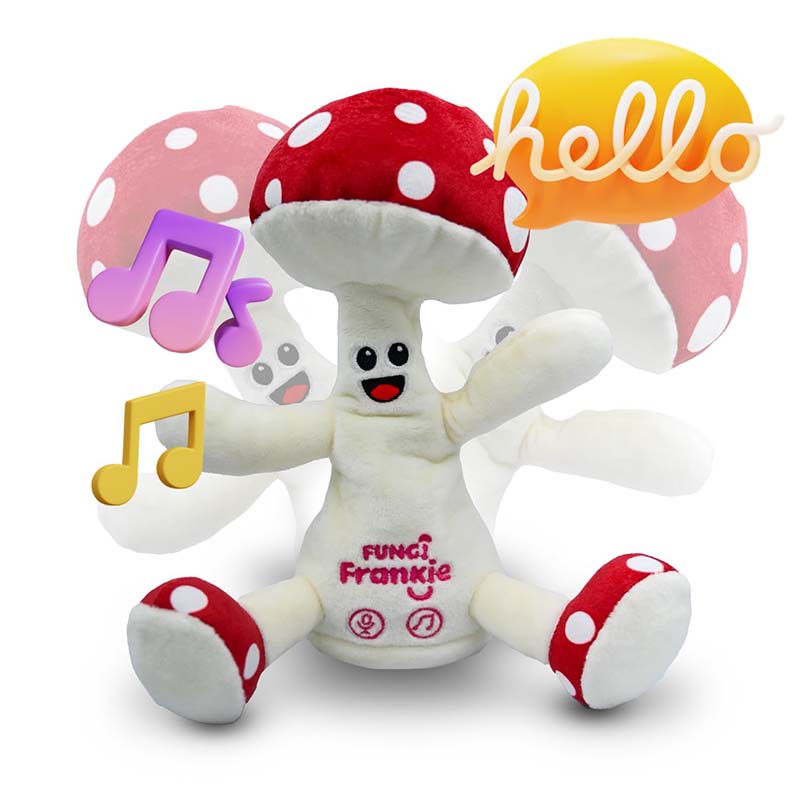
Interactive Plush Toys
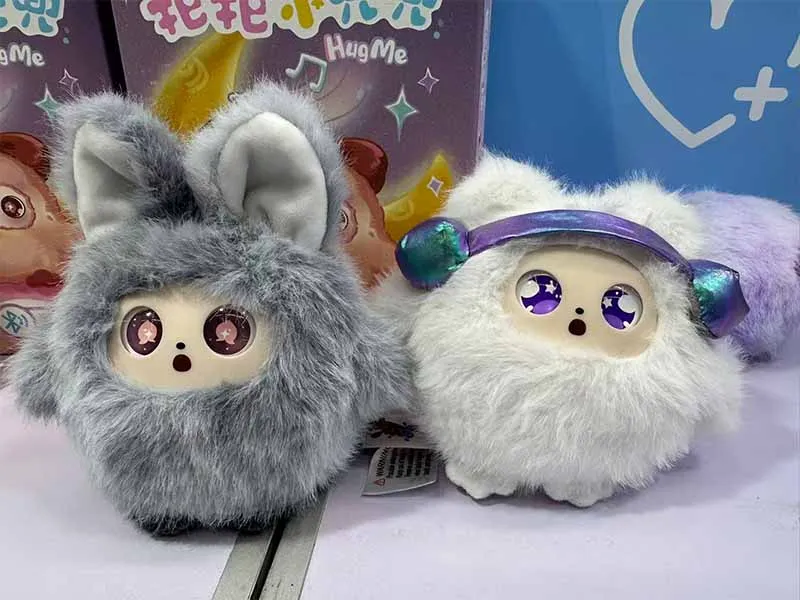
Integrated with sound or simple interactive features to enhance play value and user engagement.
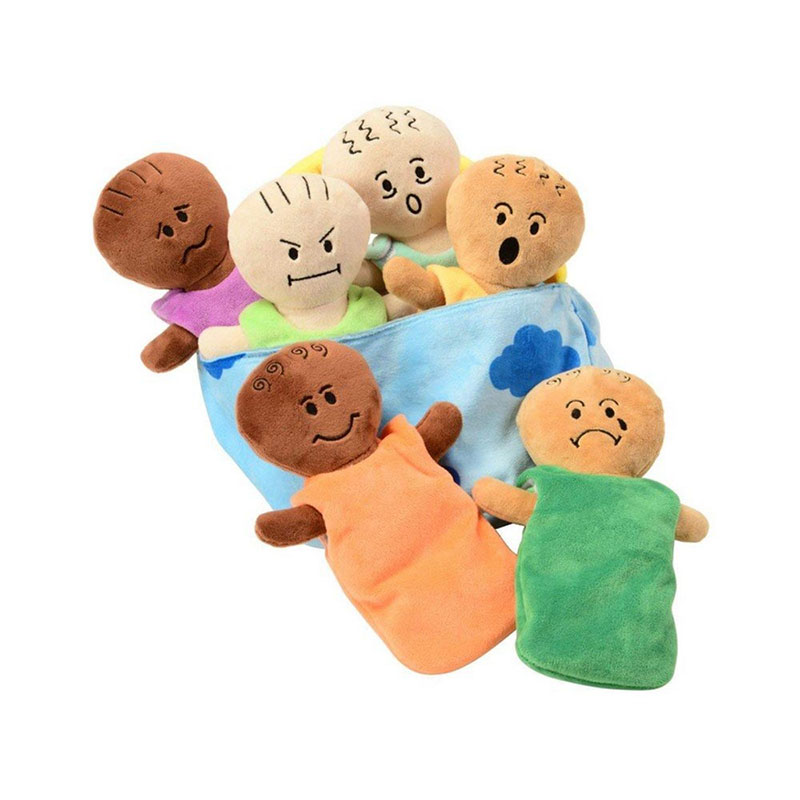
Baby Plush Toys
Made with soft, safe materials and gentle designs, suitable for infant and toddler product lines.
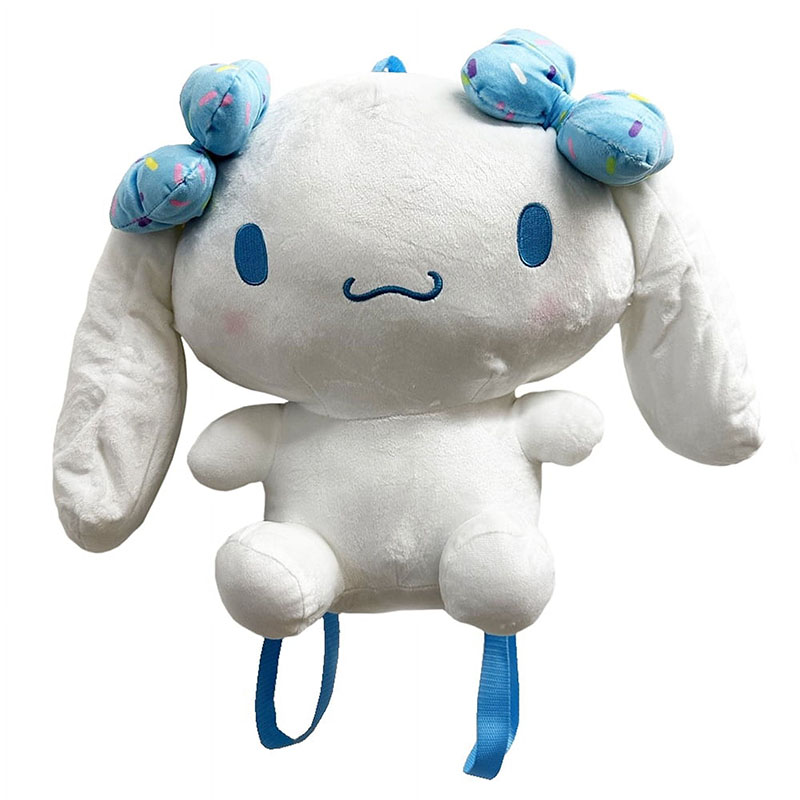
Plush Backpacks
Combines playful appearance with practical use, popular in children’s retail and themed merchandise.
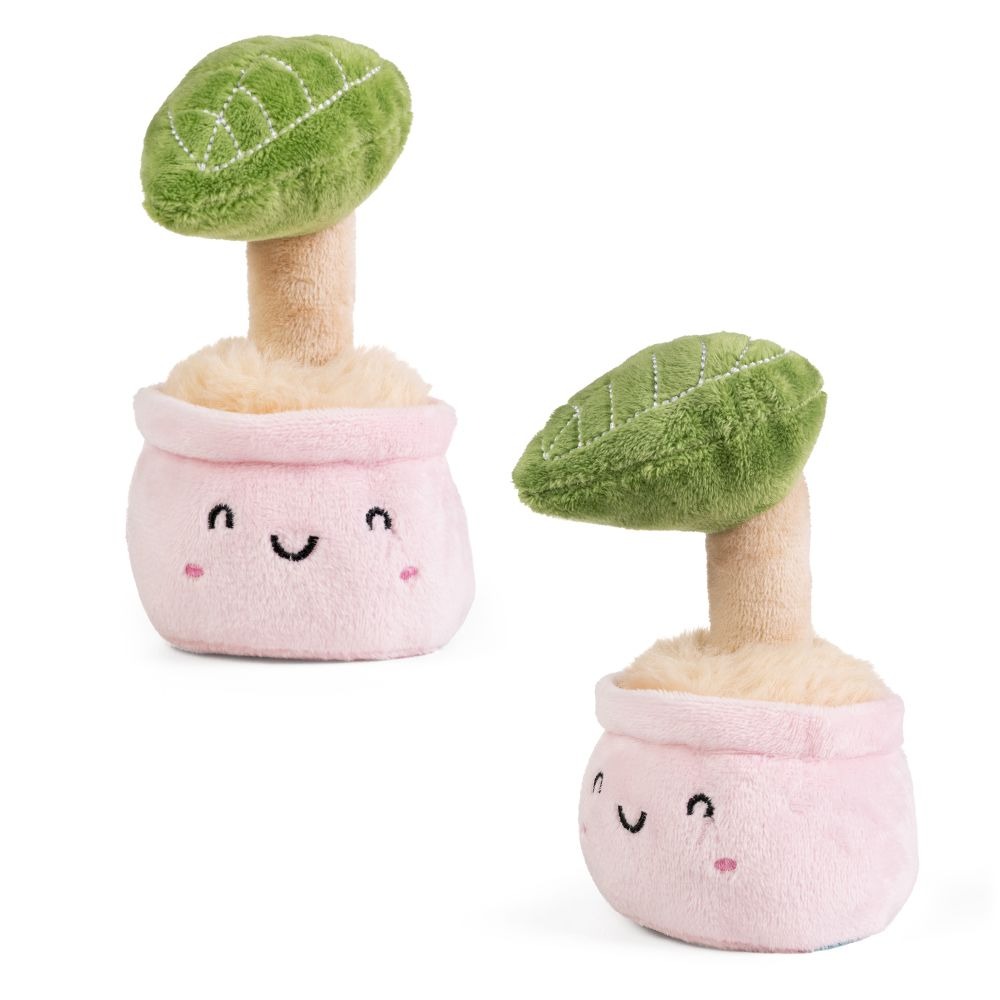
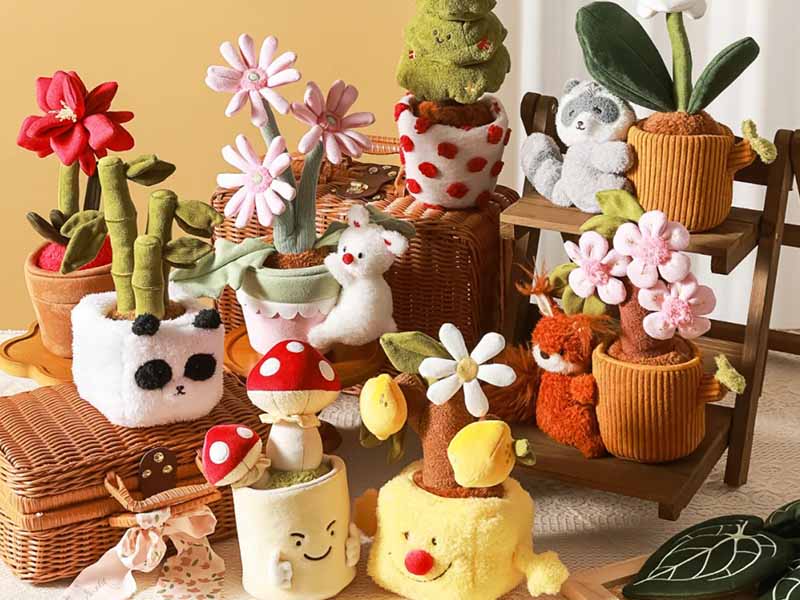
Plant & Nature Plush
Creative plush designs inspired by plants and nature, ideal for gift shops and lifestyle brands.
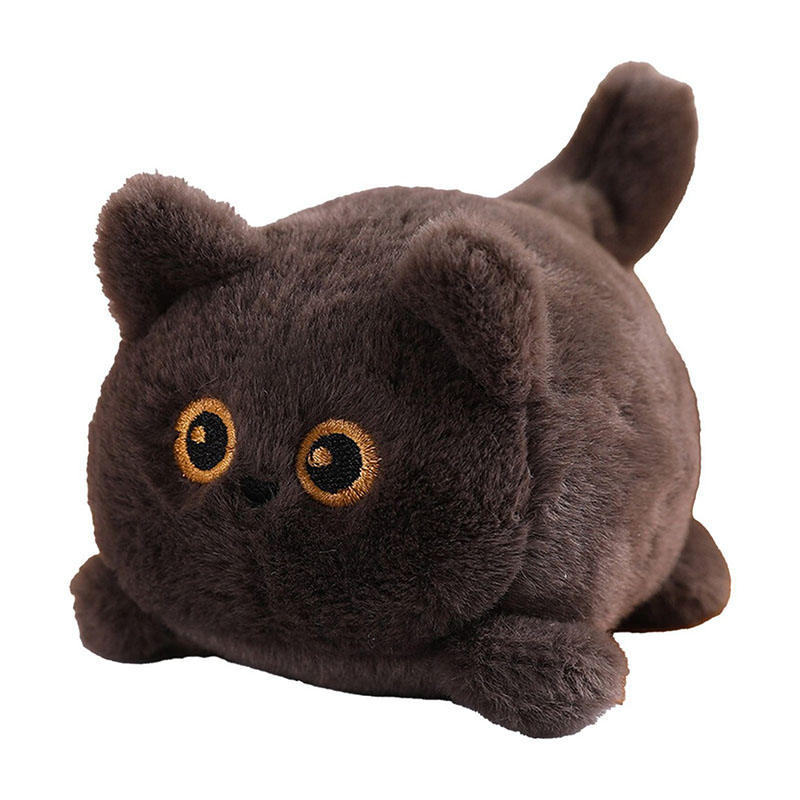
Weighted Plush Toys
Designed to provide calming pressure, often used in comfort-focused or sensory product ranges.
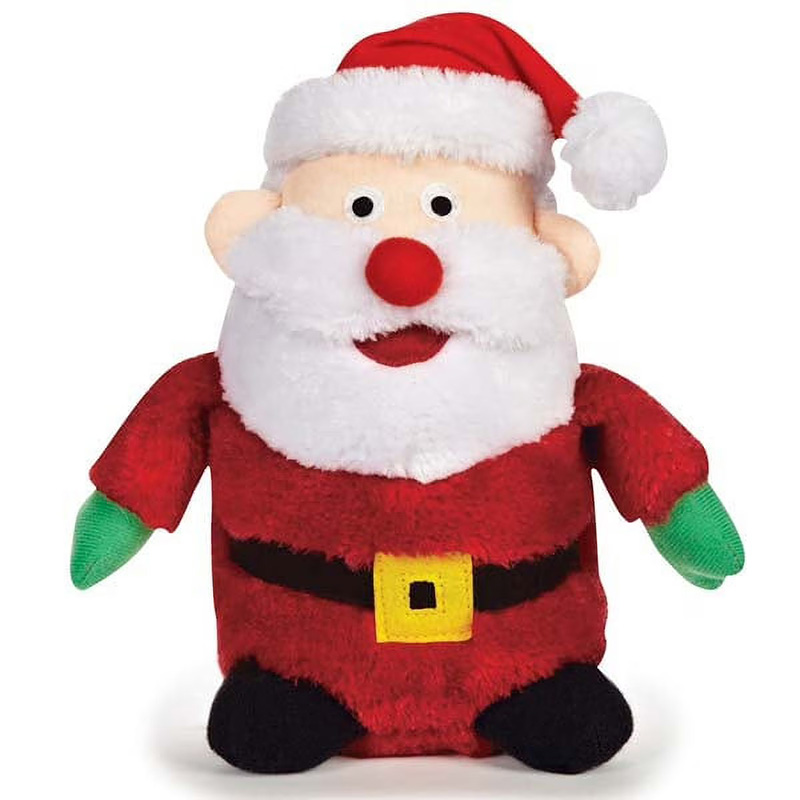
Holiday & Seasonal Plush
Custom designs for Christmas, Halloween, Valentine’s Day, and other seasonal promotions.
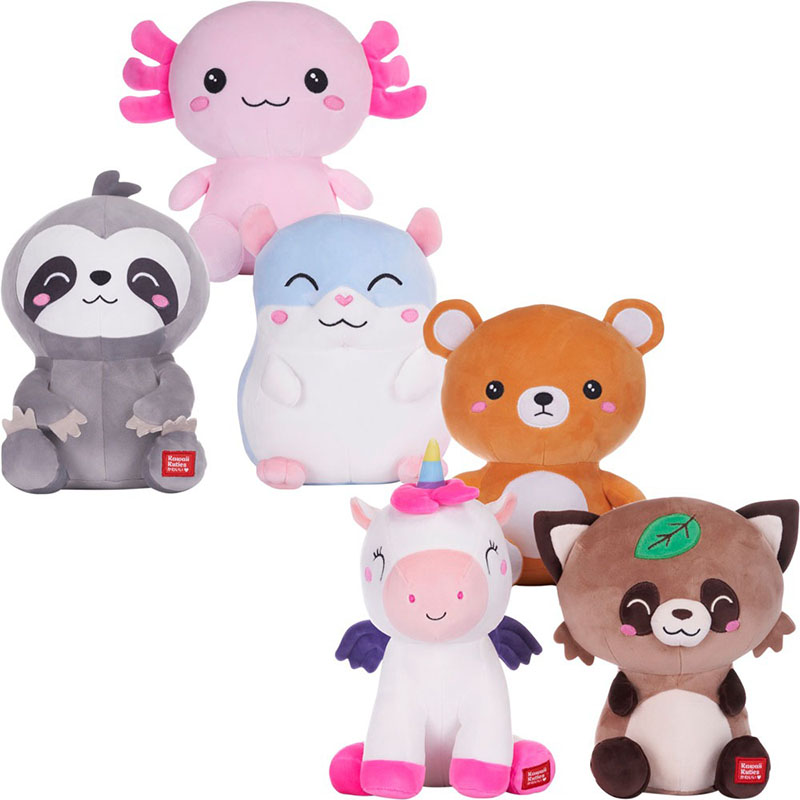
Kawaii Style Plush Toys
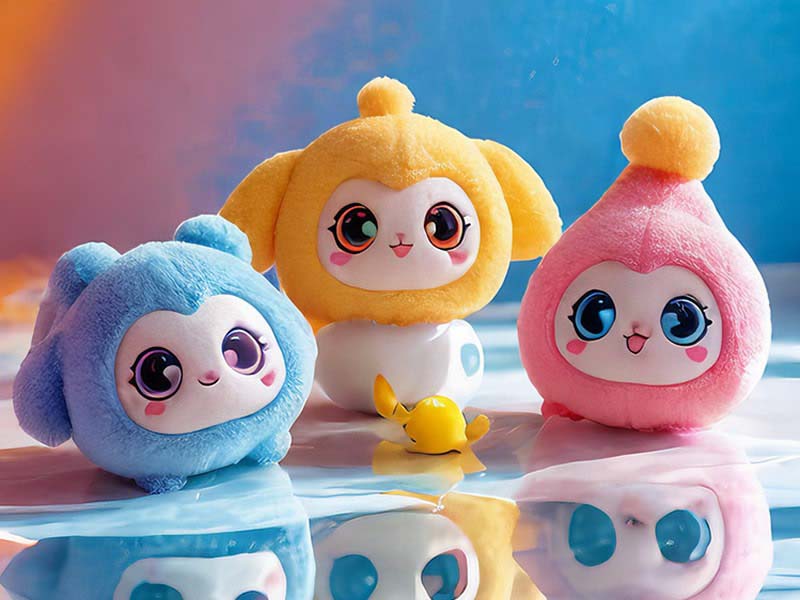
Cute proportions and soft colors tailored for Asian and youth-driven markets.
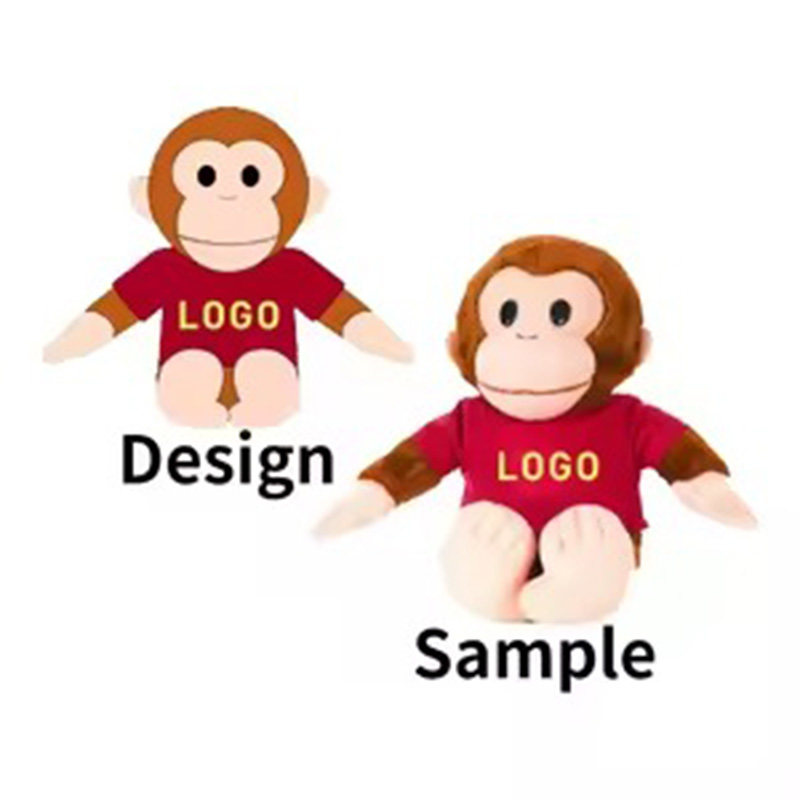
Custom Plush Gifts
Flexible designs for corporate gifts, events, and brand promotions with logo or message integration.
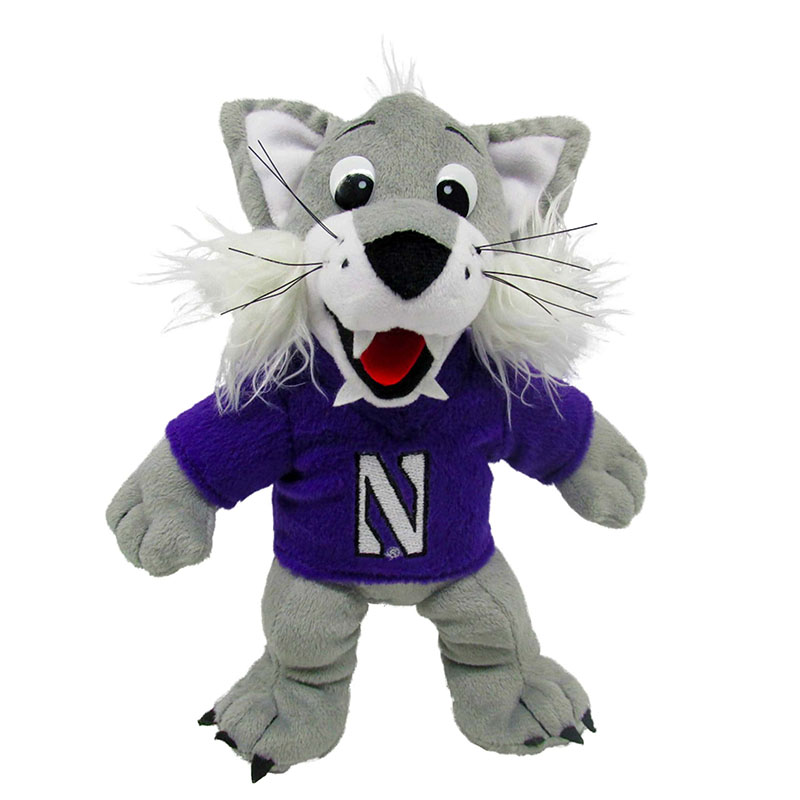
Plush Mascot & Costume Items
Used for brand marketing, events, and exhibitions, focusing on durability and comfort.
Precision Mega Showroom Showcase
This video showcases our mega showroom, featuring a vast collection of finished plush samples across many styles and structures. By viewing a large number of real products in one space, buyers can quickly understand our design range, material flexibility, and customization depth. The mega showroom reflects our long-term manufacturing experience and strong capability to support diverse custom projects at scale.
How to Start Your First Custom Plush Toy Project
Starting your first custom plush toy project can feel complex, but a structured process makes every step clearer and more controllable. By following a proven workflow, you can reduce development risk, avoid unnecessary costs, and ensure your product moves smoothly from concept to mass production.
Define Your Concept and Target Market
Start by defining what your plush toy stands for and who it is designed for. Clarify the character style, emotional tone, size range, usage scenario, and target customer group. This step helps align design decisions with real market demand and prevents frequent direction changes during development.
Prepare Clear References and Visual Ideas
Provide sketches, images, mood boards, or similar product references to express your idea clearly. Even rough concepts help translate creativity into a manufacturable plush structure, improving accuracy and reducing misunderstandings during early communication.
Discuss Materials, Size, and Budget Early
Early discussion of fabrics, fillings, size, and budget expectations is essential. This helps balance softness, durability, safety compliance, and cost control, ensuring material choices remain realistic and aligned with your pricing strategy.
Begin Sampling with Clear Evaluation Criteria
Sampling allows you to evaluate shape, proportions, softness, stitching, and color accuracy. Setting clear evaluation criteria helps feedback stay focused, reducing repeated revisions and keeping the project timeline under control.
Confirm Specifications for Bulk Production
After sample approval, confirm all specifications including stitching methods, embroidery details, labeling, packaging, and quality standards. These details become the reference for consistent mass production and stable quality output.
Plan Production Schedule and Delivery
With samples and specifications confirmed, production timelines and shipping plans can be arranged. This allows you to align product launches, promotions, and inventory planning with greater confidence.
A structured starting process gives you better control over cost, quality, and timelines from day one.
Why CE, ASTM & EN71 Certifications Matter for Plush Toy Brands
Safety certifications play a critical role in the commercial success of plush toys. They determine whether your products can legally enter major markets, how smoothly they pass inspections, and how confidently buyers choose your brand. For long-term growth, certification is a strategic requirement rather than a one-time task.
Meeting Global Market Access Standards
CE, ASTM, and EN71 certifications confirm that plush toys comply with safety regulations in Europe and the United States. These standards cover chemical safety, flammability, mechanical strength, and small-parts risks. With proper certification, products are less likely to face customs inspections, shipment holds, or forced recalls, helping brands avoid costly delays and disruptions.
Reducing Legal and Commercial Risk
Certified plush toys significantly reduce the risk of product liability claims and regulatory penalties. By meeting recognized safety standards, brands can better protect themselves against disputes related to consumer safety, compliance audits, or retailer requirements. This creates a safer foundation for scaling sales across multiple regions.
Strengthening Buyer Confidence and Brand Value
For importers, retailers, and licensed brands, certifications signal professional manufacturing, strict quality control, and responsible sourcing. Certified products are easier to list, promote, and scale, especially in competitive markets where trust and compliance are key decision factors.
Strong compliance with CE, ASTM, and EN71 standards helps your plush toys move faster, sell safer, and build long-term trust in global markets.
Common Pitfalls to Avoid When Sourcing Plush Toys
Sourcing plush toys can look simple on the surface, but many hidden risks can affect cost, quality, and delivery. Understanding these common pitfalls helps you avoid losses, delays, and quality issues before they happen.
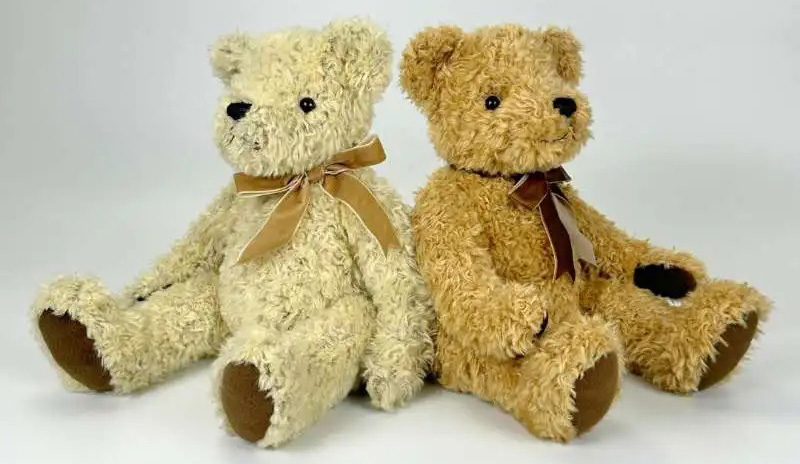
Unclear Specifications at the Start
If size, materials, stitching details, safety standards, and packaging requirements are not clearly defined at the beginning, misunderstandings are very likely to occur. This often leads to repeated revisions, extra sampling costs, and delays that push back your launch schedule.
Choosing Suppliers Based on Price Only
Low prices can be attractive, but they often hide risks such as unstable quality, inconsistent materials, or weak quality control systems. Choosing a supplier without evaluating production capacity and compliance experience may result in costly quality issues later.
Ignoring Sampling and Consistency Checks
Approving samples without careful review or skipping consistency checks between samples and bulk production is a common mistake. This can lead to products that look good as samples but differ noticeably in mass production.
Underestimating Compliance and Certification
Failing to consider safety certifications such as CE, ASTM, or EN71 early can cause serious issues during customs clearance or retailer audits. Fixing compliance problems after production often means rework, delays, or even order cancellation.
Common Fabrics & Fillings Used in Soft Plush Toys
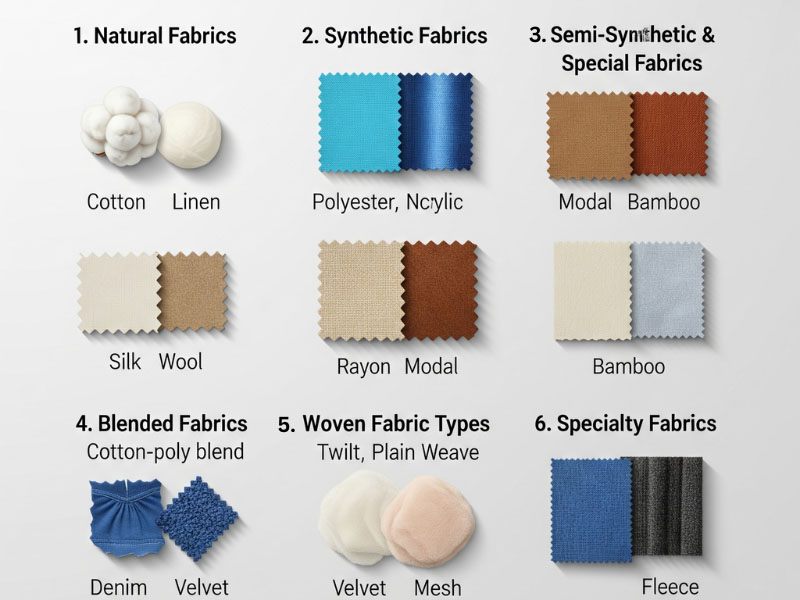
The choice of fabrics and fillings affects softness, safety, appearance, and cost. Knowing the most common material options helps you select the right combination for your market, product positioning, and budget.
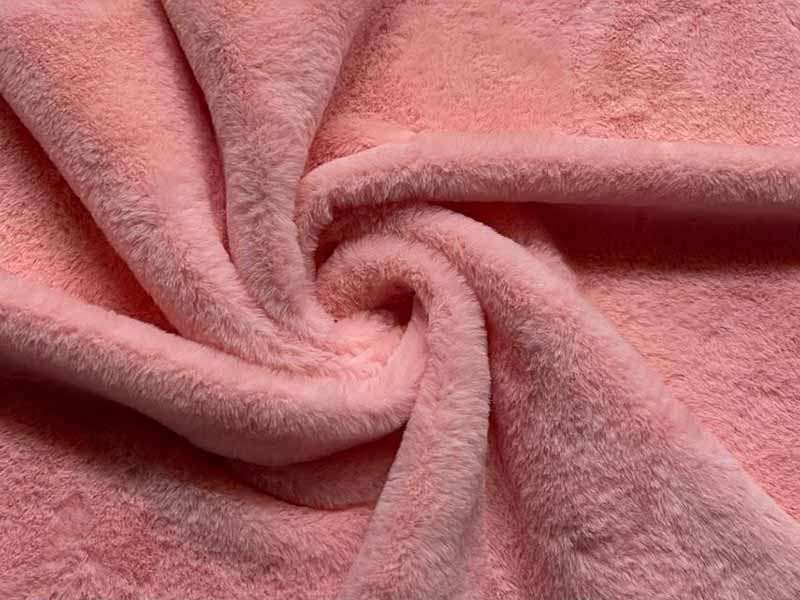
Short Plush / Velboa
Short plush fabrics offer smooth texture, stable color performance, and good durability. They are widely used for animal plush, character toys, and promotional items, balancing comfort and cost.
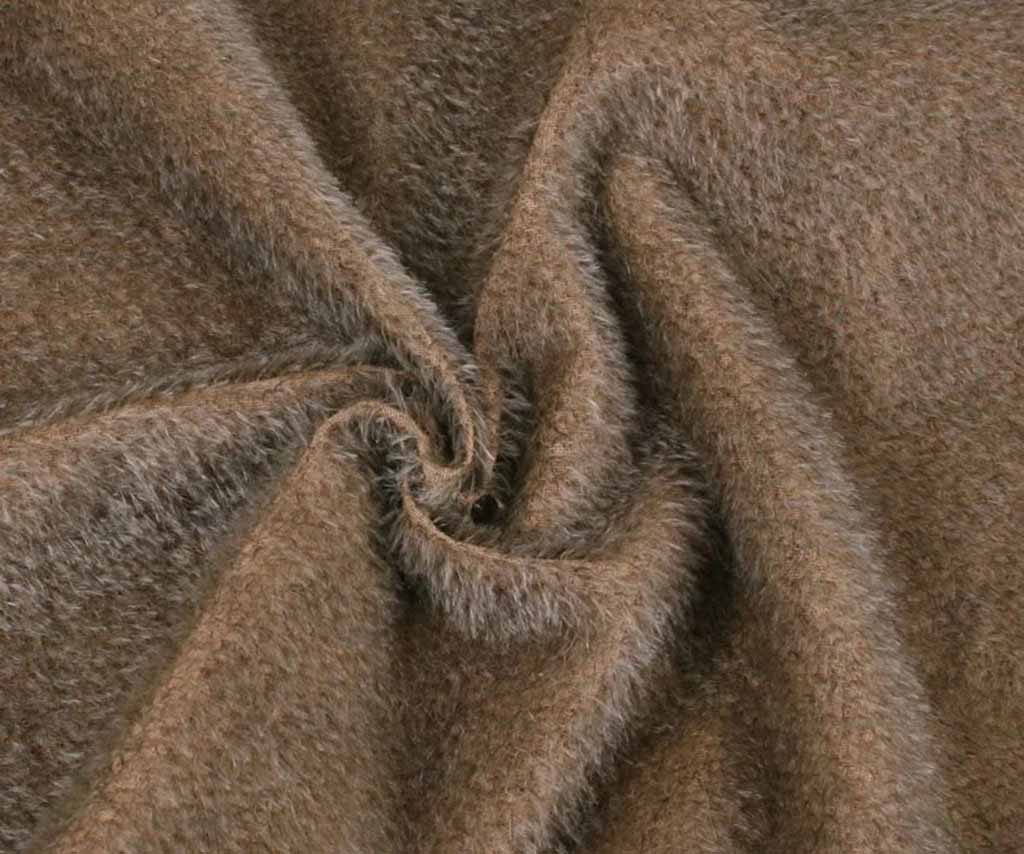
Long Plush & Faux Fur
These fabrics create a fluffy and premium look, often used for teddy bears and decorative plush toys. They enhance visual appeal but require careful sewing control.
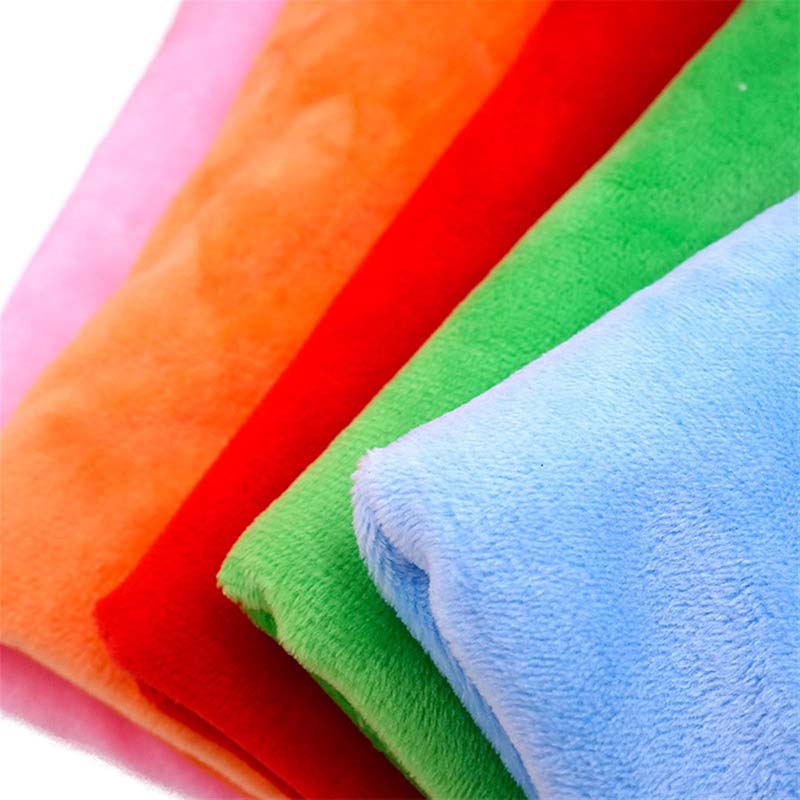
Crystal Super Soft Fabric
Known for its very soft touch and dense pile, this fabric is popular for baby plush toys and comfort-focused products.
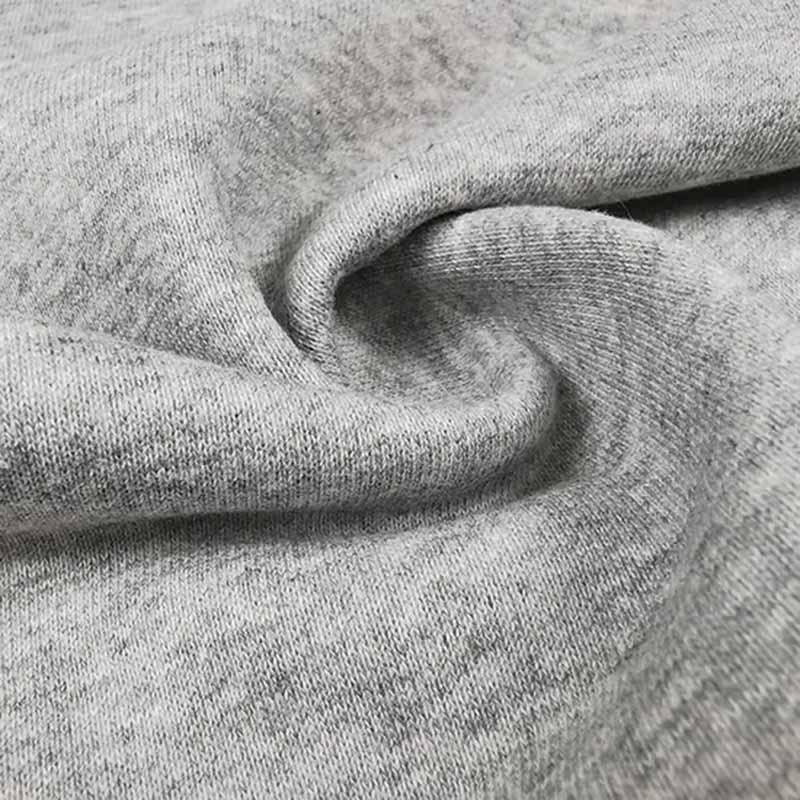
Cotton & Blended Fabrics
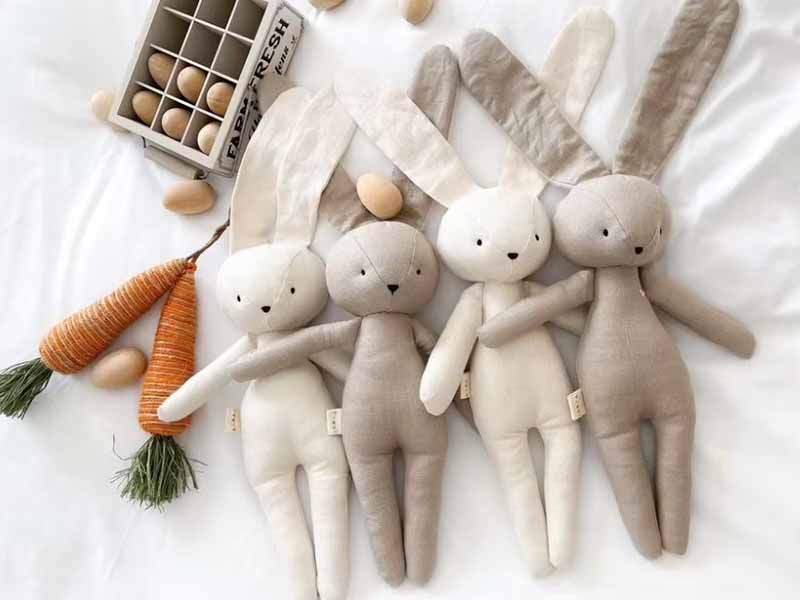
Cotton and blends are chosen for breathable, natural textures or handmade-style designs, suitable for specific doll styles.
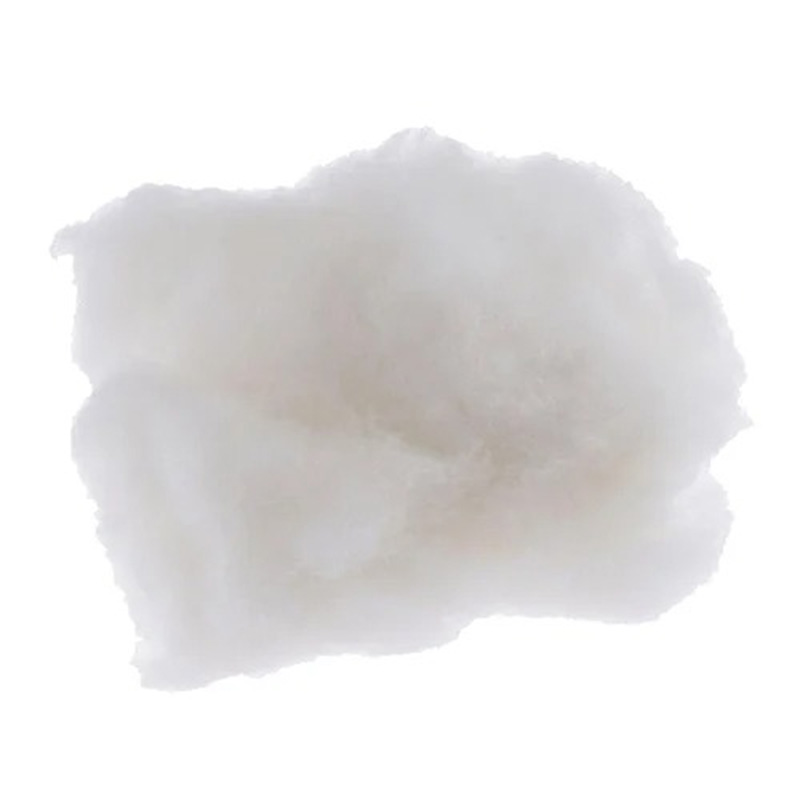
PP Cotton Filling
PP cotton is lightweight, elastic, and stable, making it the most common filling for soft plush toys and mass production.
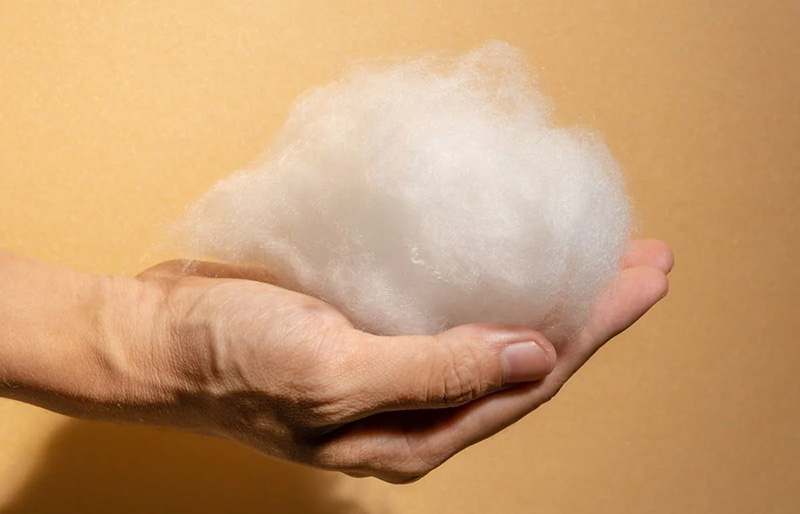
Down Alternative Filling
This filling offers a softer and more luxurious feel, often used in premium plush toys or cushions.
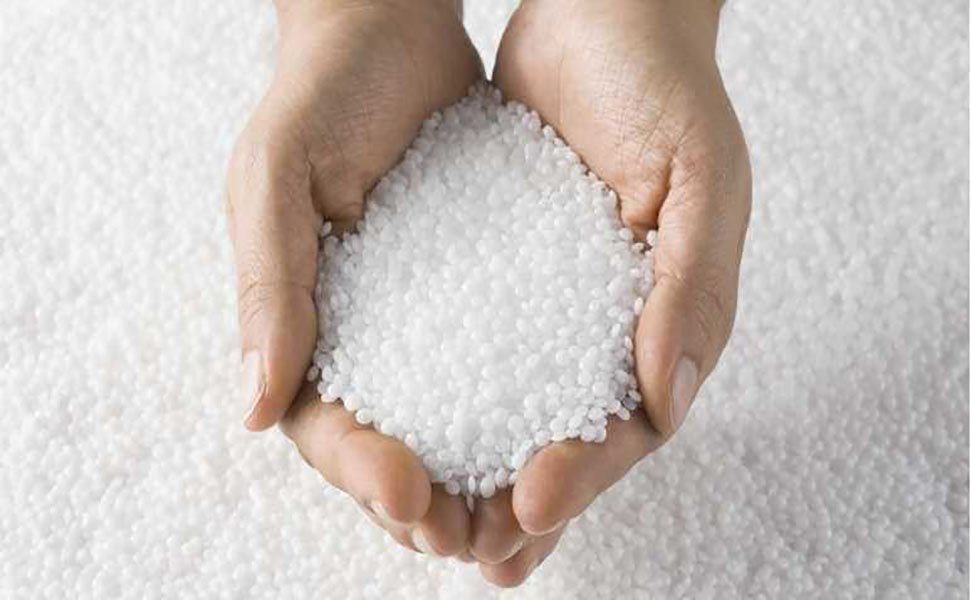
Weighted & Functional Fillings
Weighted beads or memory foam are used in specialty plush toys for calming or sensory purposes.
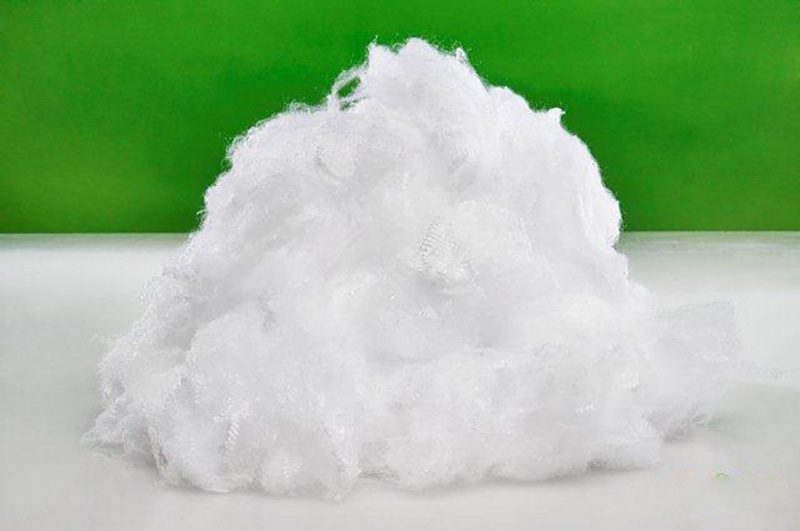
Eco-Friendly & Recycled Fillings
Recycled polyester fillings support sustainability goals while maintaining safety and comfort standards.
Choosing the right materials helps your plush toys meet comfort, safety, and market expectations more effectively.
Precision Plush Sampling Video
This video shows how plush toy samples are developed with mass-production standards in mind. From design clarification and pattern setup to sewing, stuffing, and detail refinement, every step focuses on accuracy, structure, and repeatability. Our sampling process helps brands quickly verify feasibility and move forward with confidence toward bulk production.
Key Factors That Influence Plush Toy Pricing
Plush toy pricing is influenced by multiple production and planning factors, not just unit cost. Understanding these elements helps you set realistic budgets, compare quotes more accurately, and avoid unexpected cost increases during production.
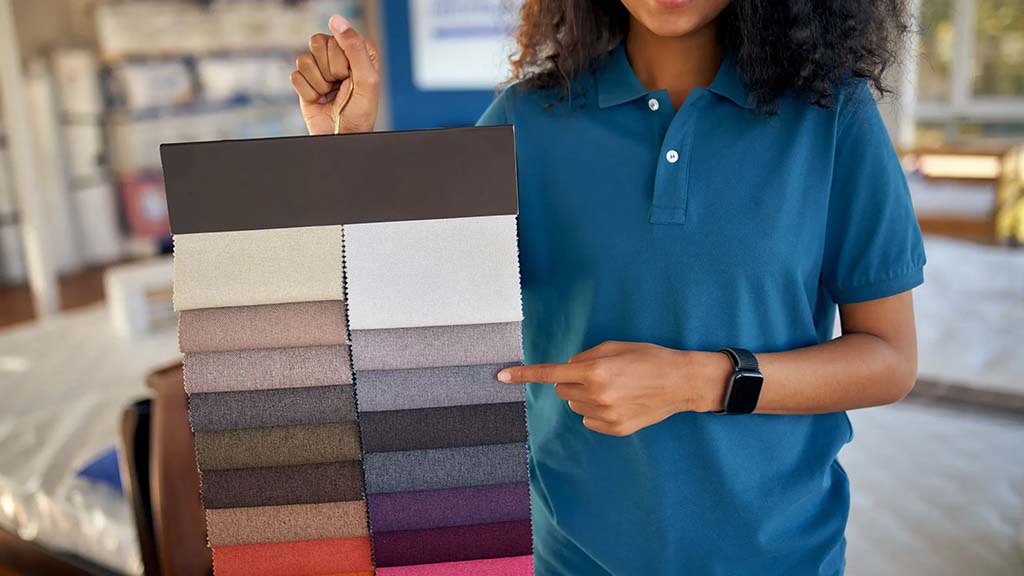
Materials and Fabric Selection
The type of fabric, filling, and accessories directly affects cost. Softer, denser, or certified materials usually cost more than standard options. Special fabrics, embroidery threads, or safety-certified fillings can increase unit price but also improve product quality and market acceptance.
Design Complexity and Workmanship
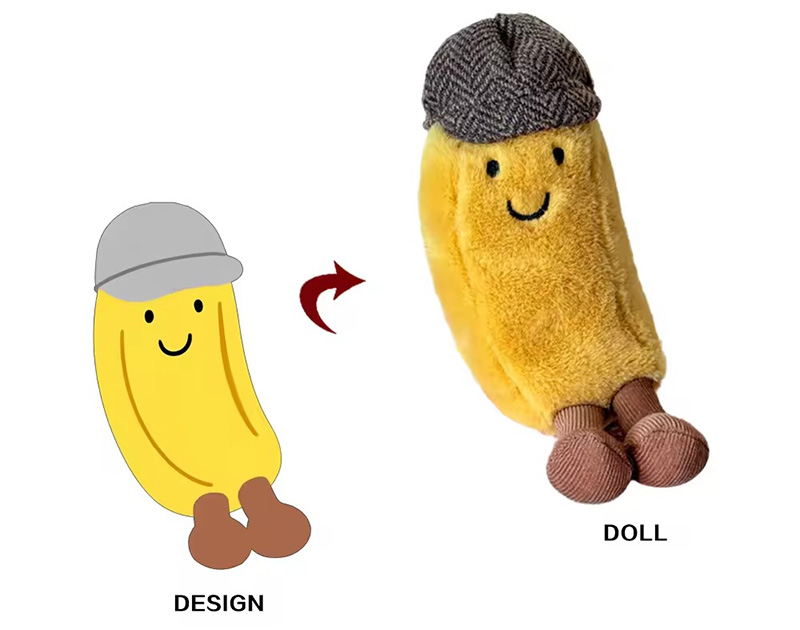
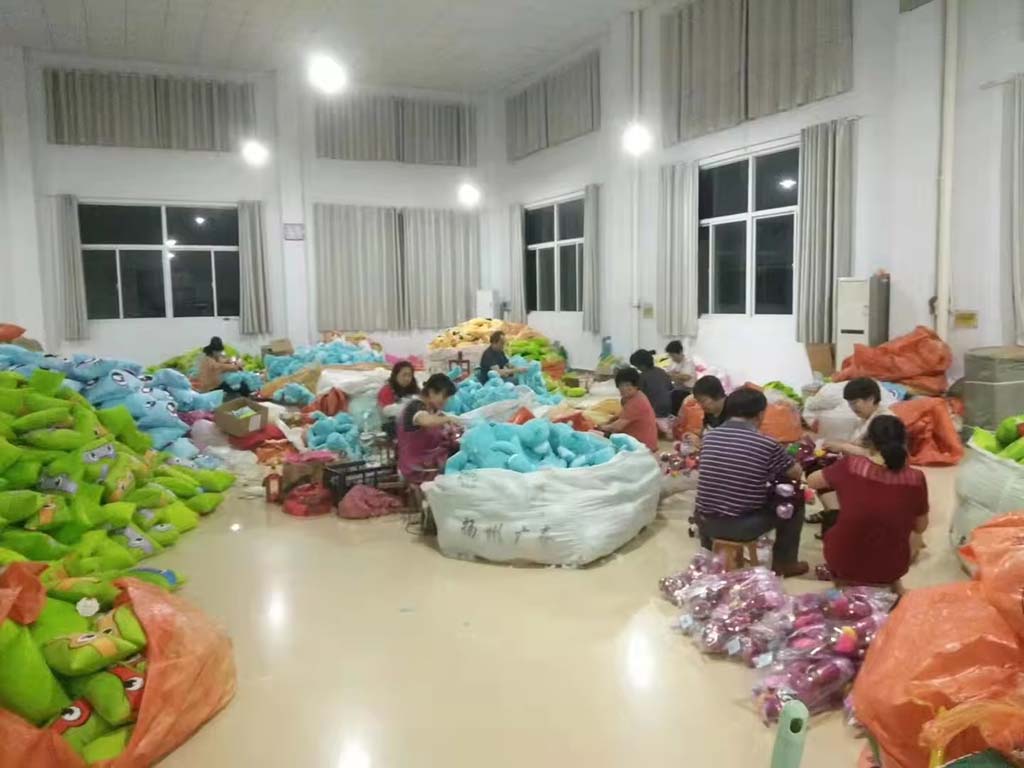
Plush toys with complex shapes, multiple colors, embroidery details, or special structures require more labor time and skilled workmanship. Higher complexity means longer production time and increased labor cost per unit.
Order Quantity and Production Scale
Larger order quantities usually result in lower unit prices due to shared setup costs and higher production efficiency. Small orders may carry higher per-unit costs because fixed expenses are spread across fewer products.

Packaging, Testing, and Compliance Requirements
Custom packaging, additional testing, or required certifications such as CE, ASTM, or EN71 add to overall cost. These elements are often necessary for specific markets and should be considered early when planning your budget.
Understanding these pricing factors helps you balance cost, quality, and market needs more effectively.
Our Customization Scope for Plush Toys
A comprehensive customization scope allows you to develop plush toys that truly fit your brand positioning, target market, and sales strategy. From visual design to functional details, each customization option is designed to give you more control over product differentiation, cost structure, and long-term scalability.
Custom Shapes, Characters & Mascots
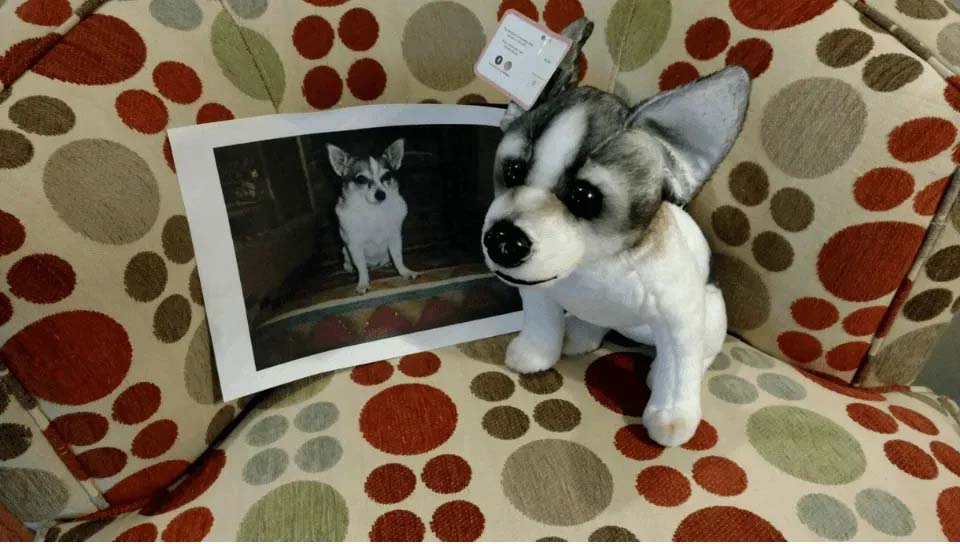
Plush toys can be fully customized into animals, cartoon characters, mascots, or creative shapes based on your drawings, reference images, or brand concepts. This allows you to translate brand identity or IP concepts into tangible products that are easy for customers to recognize and remember. A well-designed shape also improves shelf impact and strengthens emotional connection with end users.
Size, Proportion & Internal Structure
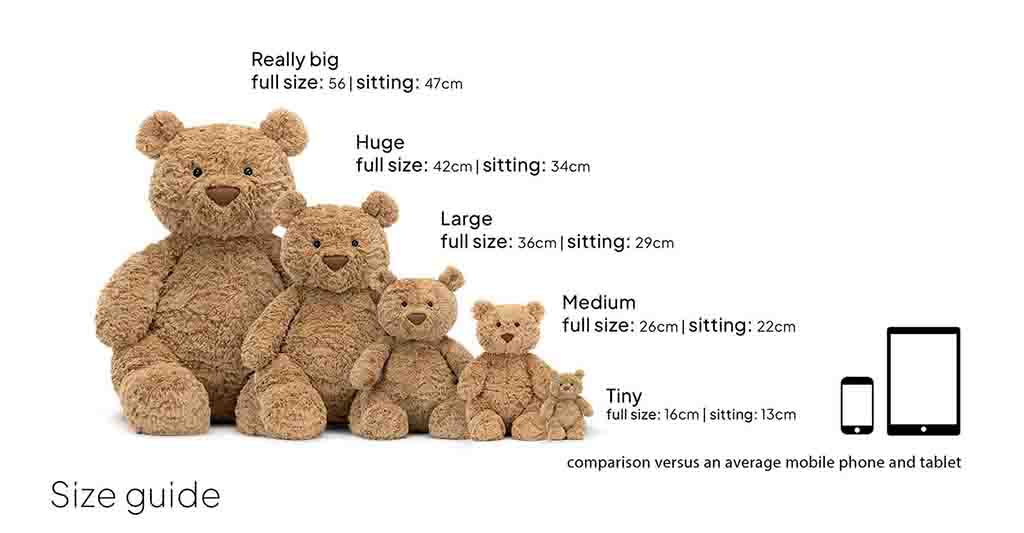
Different markets and use cases require different sizes, proportions, and internal structures. Plush toys can be designed for display, gifting, collecting, or daily use by adjusting dimensions, body balance, and internal support. Proper structure design improves durability, shape stability, and overall user experience, especially during long-term use or transportation.
Fabric, Filling & Hand-Feel Customization
A wide selection of fabrics and fillings allows you to control softness, weight, texture, and comfort level. Materials can be chosen based on target age group, safety standards, climate conditions, and pricing strategy. This flexibility ensures your plush toys meet both functional expectations and emotional comfort needs in different markets.
Color, Embroidery & Visual Details
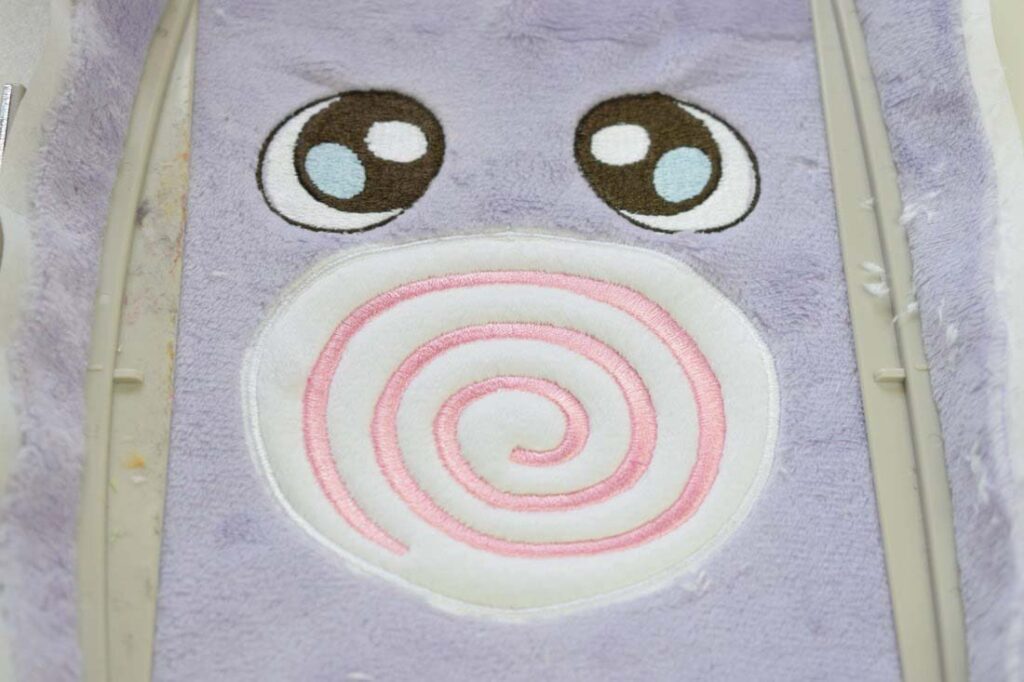
Color schemes, embroidery styles, facial expressions, and decorative details can all be customized to enhance product personality. These visual elements play a key role in brand recognition and product differentiation, especially for character-based or licensed plush toys. Consistent visual execution also helps maintain brand identity across multiple product lines.
Branding, Labels, Accessories & Packaging
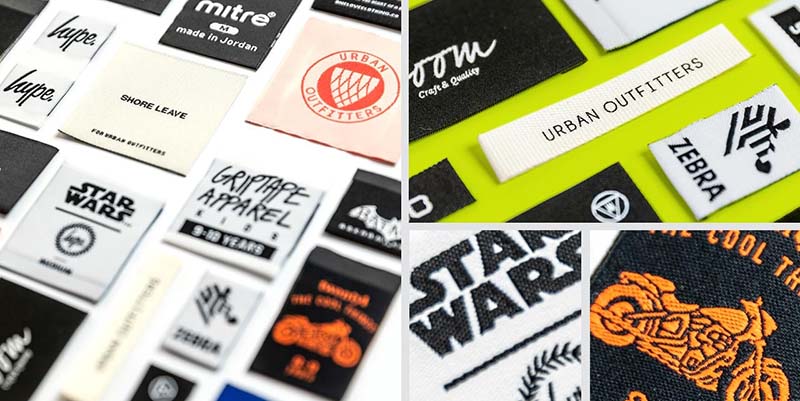
Logos, woven labels, hang tags, accessories, and packaging can be customized to meet retail, promotional, or e-commerce requirements. From simple OPP bags to branded boxes, packaging solutions are designed to support your sales channels and customer expectations. This ensures your plush toys are fully market-ready upon delivery.
A clear and flexible customization scope helps you develop plush toys that are easier to sell, scale, and manage across different markets.
Standard Plush Toy Manufacturing Process
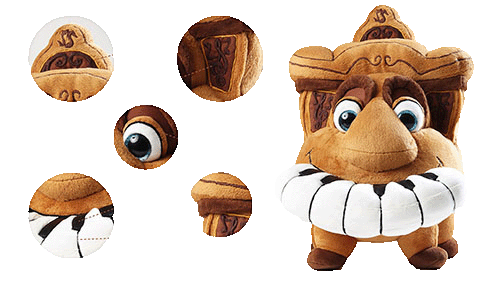
A clear production process ensures stable quality, predictable timelines, and smooth coordination from sample to bulk production. Each step is designed to reduce risk and keep your project on track.
Design Review & Material Confirmation
Design files are reviewed to confirm structure, fabrics, fillings, and workmanship. This step aligns expectations before production starts.
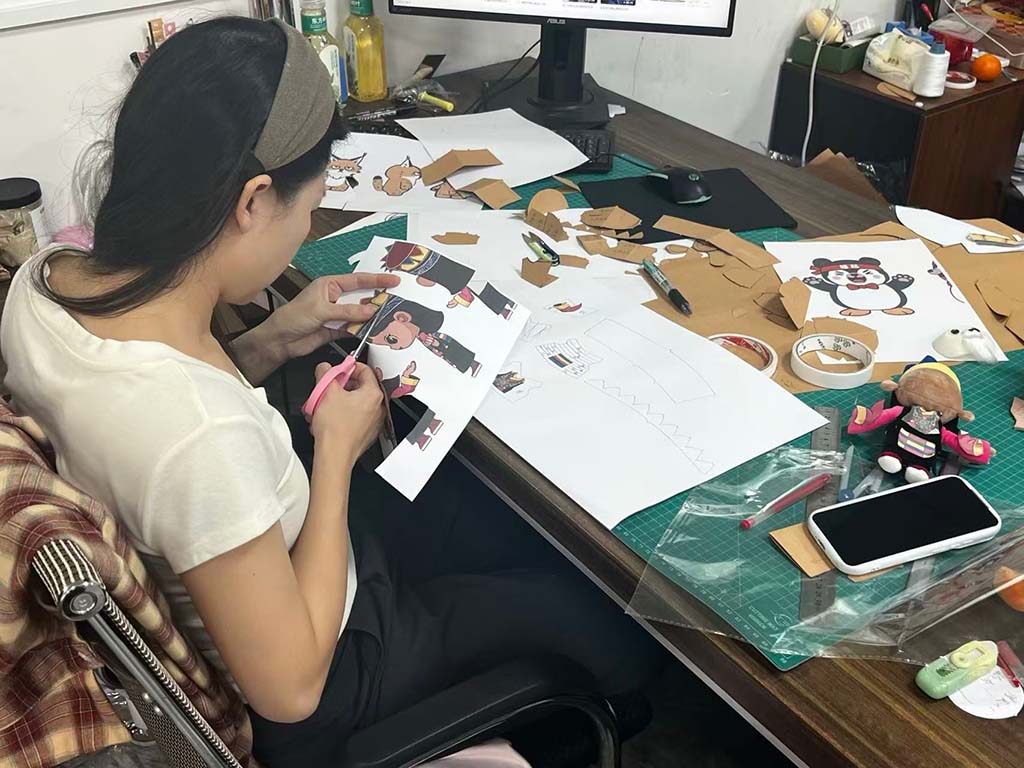
Pattern Making & Sample Approval
Patterns are created and samples are produced for size, shape, and hand-feel approval. Adjustments are finalized before bulk production.
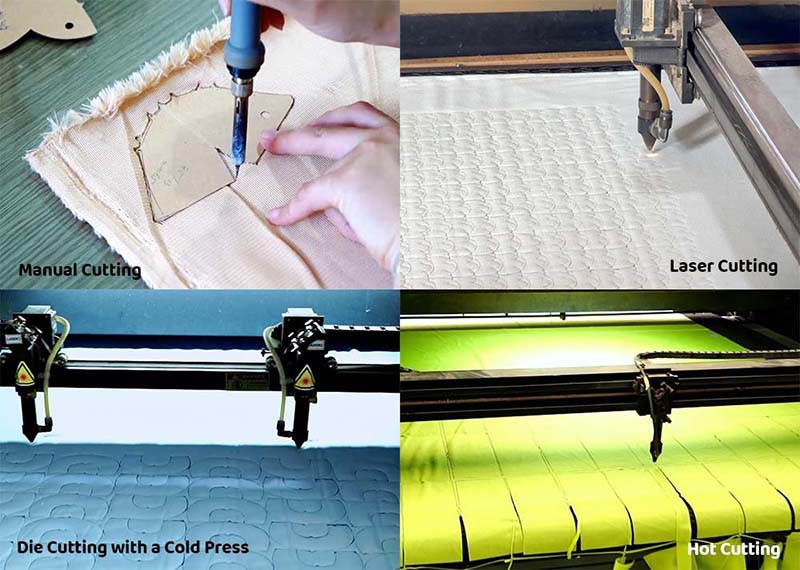
Material Cutting & Preparation
Approved fabrics and materials are cut accurately and prepared for sewing to maintain consistency.
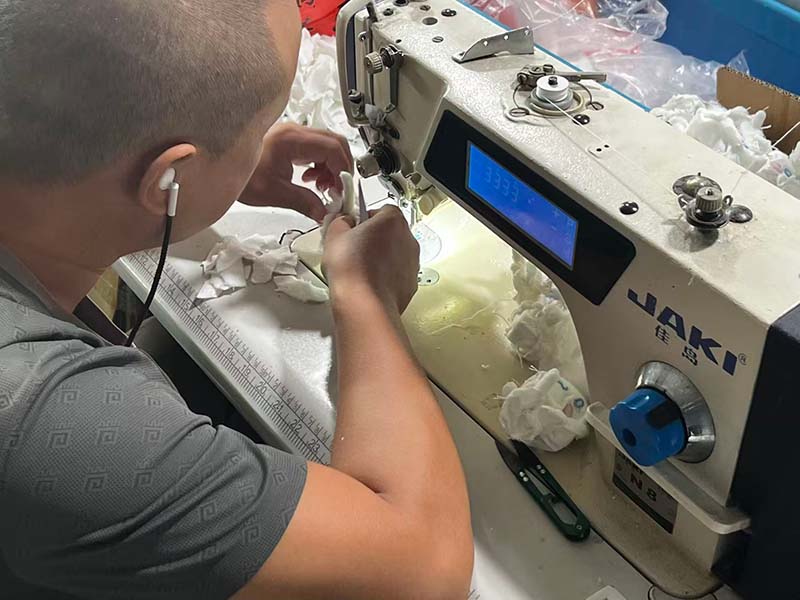
Sewing, Embroidery & Stuffing
Parts are sewn, embroidered, and filled following approved standards to achieve consistent appearance and softness.
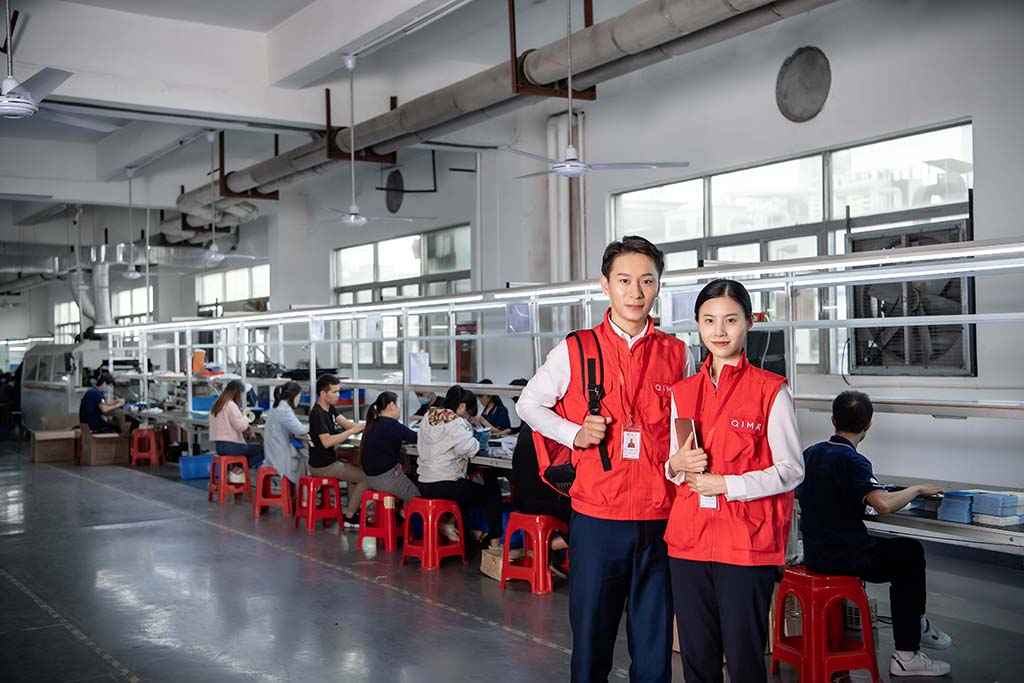
Quality Inspection & Finishing
Products go through inspection for stitching, shape, and safety, followed by finishing and trimming.
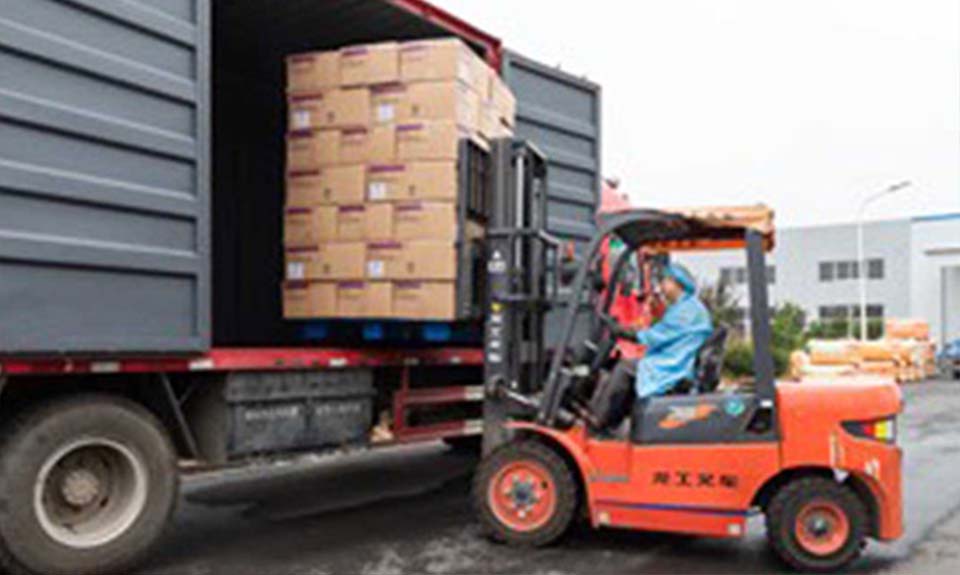
Packaging & Shipment
Products are packed according to requirements and prepared for shipment to your destination.
A streamlined production process helps you deliver plush toys with confidence and consistency.
Trusted by Leading Global Brands
Strong partnerships prove strong capabilities. Over the years, Kinwin has worked with world-leading brands and retailers to deliver interactive plush toys that meet the highest standards of creativity, safety, and quality. By choosing us, you gain a supplier that is trusted by top companies worldwide—and the same reliability is available to your brand.




Instrument-Based Quality Testing for Plush Toys
Instrument testing adds an extra layer of accuracy and reliability to plush toy quality control. By using professional testing equipment, potential safety risks and quality issues can be identified early, helping ensure products meet market standards and buyer expectations.
Needle Detection
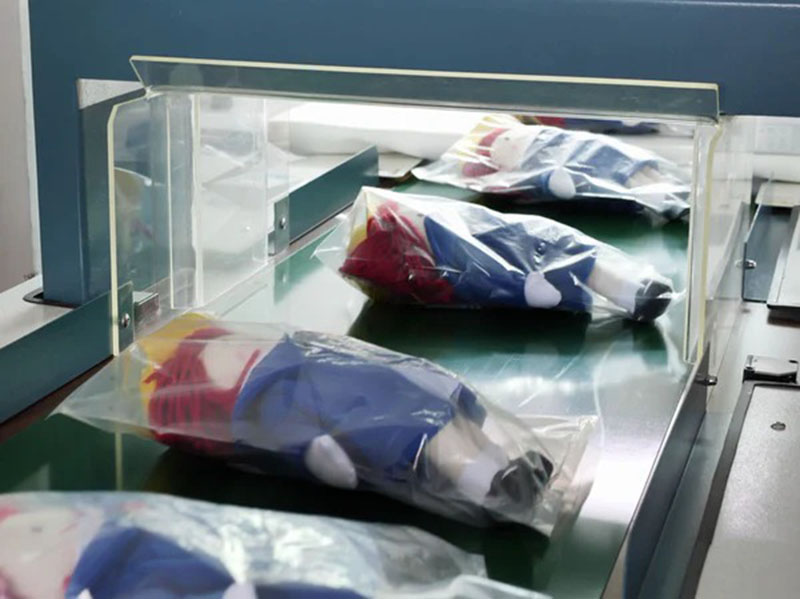
Finished plush toys are passed through needle detection machines to identify any broken metal needles left during sewing. This process is critical for preventing safety hazards and protecting end users, especially in children’s products.
Tensile & Pull Testing
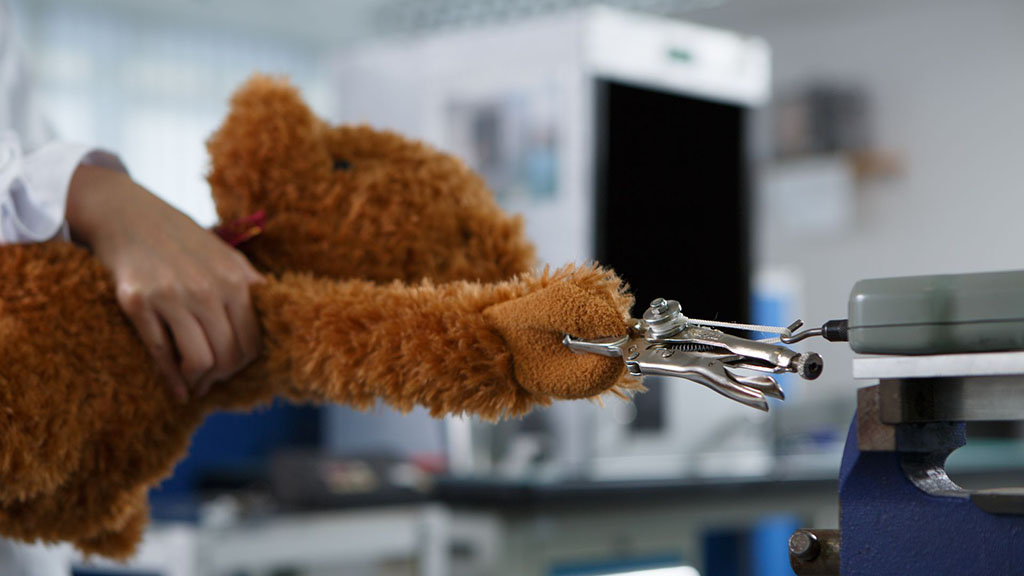
Key parts such as seams, accessories, and attachments are tested for pulling strength. This ensures components remain secure during normal use and reduces the risk of parts detaching.
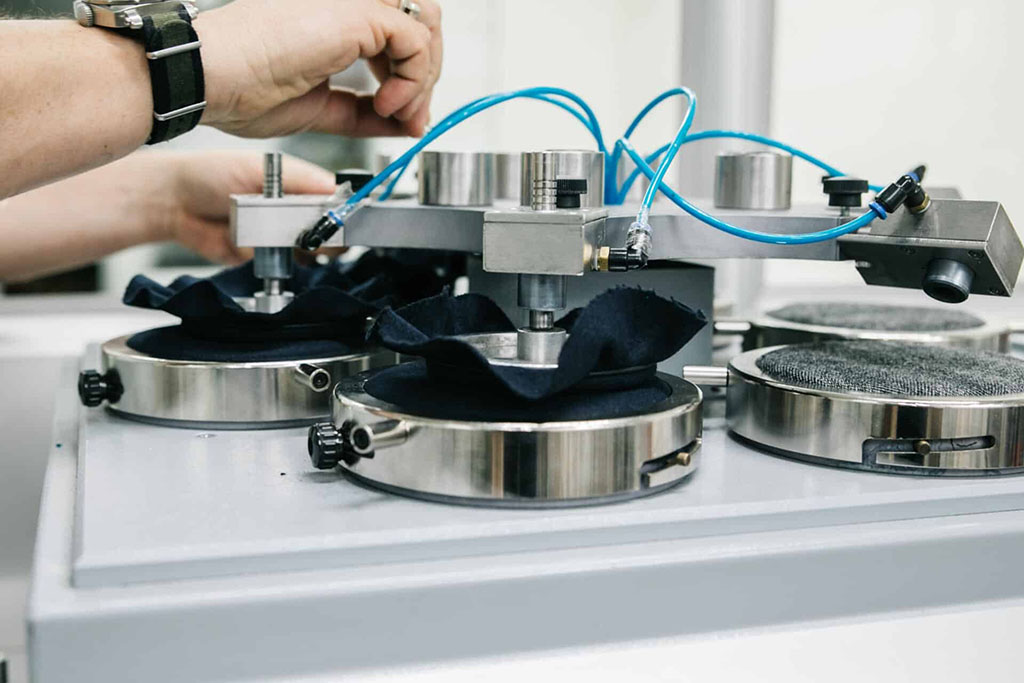
Color Fastness Testing
Fabrics and embroidery threads are tested to ensure colors do not fade or bleed during use or washing. Stable color performance helps maintain product appearance and brand image.
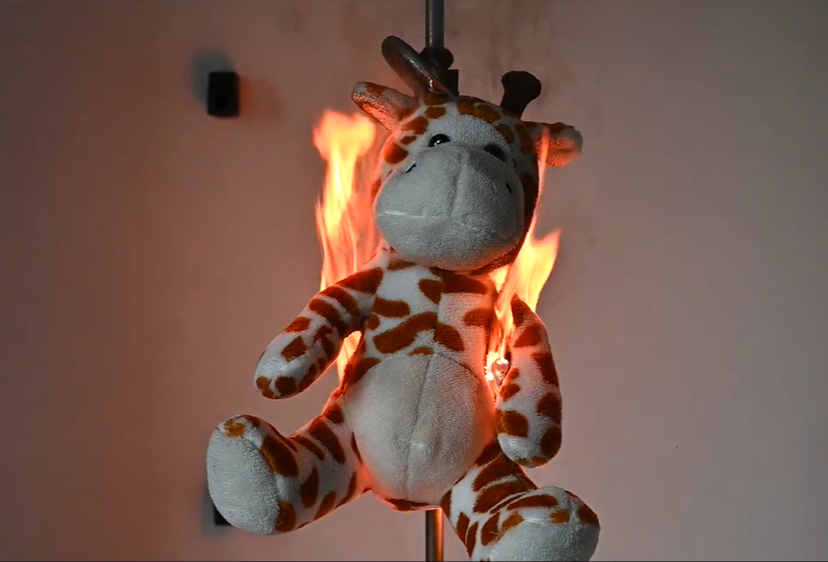
Flammability & Material Safety Testing
Selected materials are tested for flammability and chemical safety according to applicable standards. This helps plush toys meet regulatory requirements in different markets.
Instrument-based testing helps your plush toys achieve higher safety, consistency, and market readiness.
Precision Instrument Testing Process
This video demonstrates how professional, calibrated instruments are used to test plush toys for safety, strength, and durability. Through metal and needle detection, tension testing, and structural strength checks, each product is evaluated using objective standards rather than subjective judgment. Instrument testing ensures consistent quality and compliance with international safety regulations before shipment.
Ready to Start Your Soft Plush Toy Project?
From the first idea to final delivery, having the right manufacturing partner makes every step easier and more predictable. Here, you get clear communication, professional guidance, and stable production support tailored to your product goals, target market, and budget expectations. Whether you are developing a new plush toy line or expanding an existing collection, each stage is designed to reduce risk, save time, and improve final product quality.
You don’t need to finalize every detail before reaching out. By sharing your concept, reference images, or basic requirements, you can receive practical feedback on feasibility, materials, timelines, and cost structure. This early guidance helps you make better decisions and move forward with confidence.
Our team supports you through sampling, production planning, quality control, and export coordination, ensuring your plush toys are ready for your market without unnecessary delays or surprises.
Explore Our Custom Plush Toy Series
We offer a wide selection of plush toys to meet different business needs. From baby-safe stuffed animals to collectible plush dolls, our product lines are designed for global brands, retailers, e-commerce, and promotional projects.
Frequently Asked Questions
1. What is the minimum order quantity (MOQ) for custom plush toys?
Our standard MOQ is 500 pieces. For orders below this quantity, please consult with our project manager. We may offer flexible solutions depending on the product size, complexity, and customization requirements.
2. How long does it take to make a custom plush toy sample?
Sample production usually takes 7–10 days after design details and materials are confirmed. This timeline includes pattern making, material preparation, sewing, and internal review to ensure the sample reflects real mass production standards.
3. Can you work with sketches or rough ideas instead of finished designs?
Yes. Sketches, reference images, or even concept descriptions are sufficient to start. These materials help translate your idea into a producible plush structure, with design feedback provided during the early stages.
4. What safety standards do your plush toys comply with?
Plush toys can be produced to meet CE, ASTM, and EN71 standards depending on your target market. Materials, construction, and testing processes are aligned with applicable regulations to support smooth market entry.
5.How do you ensure consistency between samples and bulk production?
Approved samples are treated as production references. The same materials, patterns, and workmanship standards are used during mass production, supported by process control and quality inspections at key stages.
6. Can I customize packaging and branding details?
Yes. Packaging, labels, hang tags, and logo placement can all be customized to match your branding and sales channels, whether for retail, promotion, or e-commerce.
7.What factors mainly affect the final price of plush toys?
Price is influenced by materials, size, design complexity, order quantity, testing requirements, and packaging options. Clear specifications help ensure accurate and transparent quotations.
8. Do you provide quality inspection during production?
Yes. Quality checks are integrated throughout production, including workmanship inspection, measurement checks, and instrument-based testing where required, to reduce risk and ensure stable output.
9.Can you handle international shipping and export documents?
Export packaging, labeling, and basic documentation support are available. Shipping methods and delivery schedules can be coordinated based on your destination and timeline.
10.How do I start my first custom plush toy order?
You can start by sharing your idea, reference images, or basic requirements. From there, guidance on feasibility, materials, sampling, and timelines will be provided to move your project forward smoothly.
If You Can lmagine lt,We Will Create lt!
1.Tell Us What You Need
Tell us as specific as possible of your needs and share your idea.
2.Get Solution & Quote
We will work on the best solution according to yourrequirements,the specific quote will be provided within 24 hours.
3.Approve for Mass Production
We will start mass production after getting your approval.
