
CUSTOM MARINE PLUSH MANUFACTURING
Sea Animal Plush Manufacturer
Custom sea animal plush toy development for aquariums, ocean parks, museum stores, tourism retailers, education brands, conservation campaigns, IP owners, gift distributors, and private-label buyers who need realistic, cute, safe, and production-ready marine animal plush collections.
Sea animal plush toys are not only cute stuffed animals. For many buyers, they carry an ocean theme, a learning message, a tourism memory, a mascot identity, or a conservation story that customers can take home.
KINWIN helps buyers develop custom marine animal plush from concept sketches, reference photos, mascot artwork, retail line plans, or existing brand guidelines. We support sample development, material selection, embroidery, printed details, safety review, packaging, QC, and bulk production.
This page is written for professional buyers who need more than a generic plush supplier. It explains how to plan sea animal species, body shapes, fabric texture, eye expression, child safety, collection structure, retail presentation, and repeat-order consistency before production begins.
SPECIES-SPECIFIC DEVELOPMENT
Why Sea Animal Plush Needs Species-Specific Development
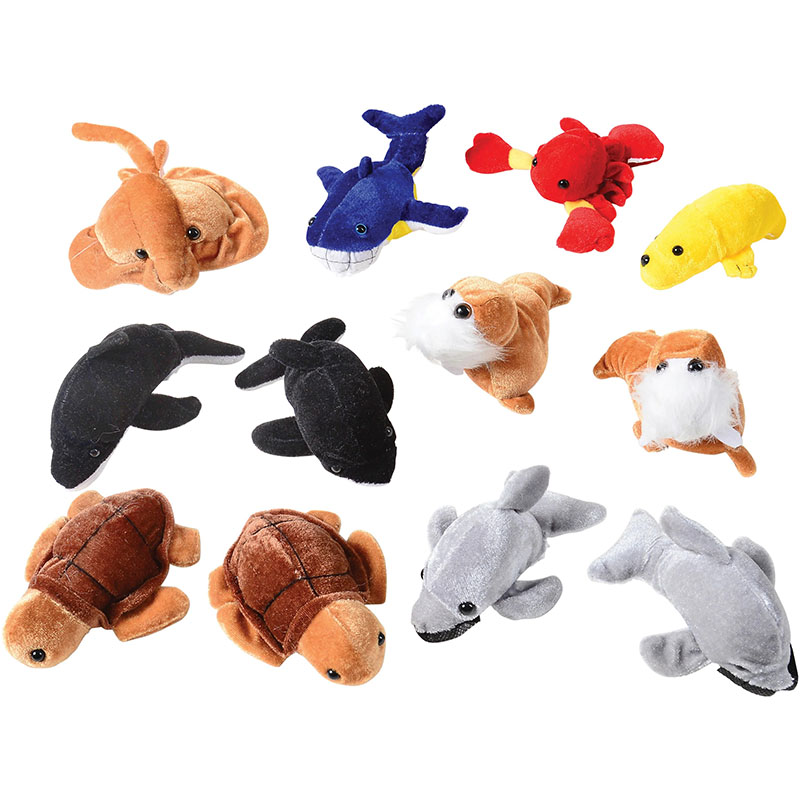
A sea animal plush collection should not use one generic body shape for every species. A whale, dolphin, shark, turtle, seal, octopus, ray, jellyfish, crab, and penguin each has different body proportions, movement cues, fin placement, surface texture, and emotional expression. Professional development begins by deciding which natural features must remain accurate and which details should be softened for plush production.
Buyers should treat sea animal plush as a species-based product line, not as a simple shape with an ocean color palette. The development process should begin with animal recognition, target audience, retail environment, safety expectations, and the story the buyer wants the plush to carry.
For a sea animal plush manufacturer project, this topic should be discussed before sampling because it affects species recognition, body structure, material choice, production cost, packaging direction, safety review, and reorder consistency.
KINWIN reviews the product from a factory perspective: whether the shape can be patterned cleanly, whether the design can be sewn and stuffed consistently, whether the material supports the intended ocean feeling, and whether bulk production can repeat the approved sample without losing the buyer’s original concept.
Buyer decision point: confirm this topic before sample development and keep it aligned with the target channel, audience, price level, and collection plan.
MARINE PLUSH CATEGORIES
Sea Animal Plush Categories KINWIN Can Manufacture
KINWIN supports custom development across realistic marine animals, cute ocean characters, mascot plush, souvenir plush, educational plush, and private-label retail collections.
Whale Plush Toys
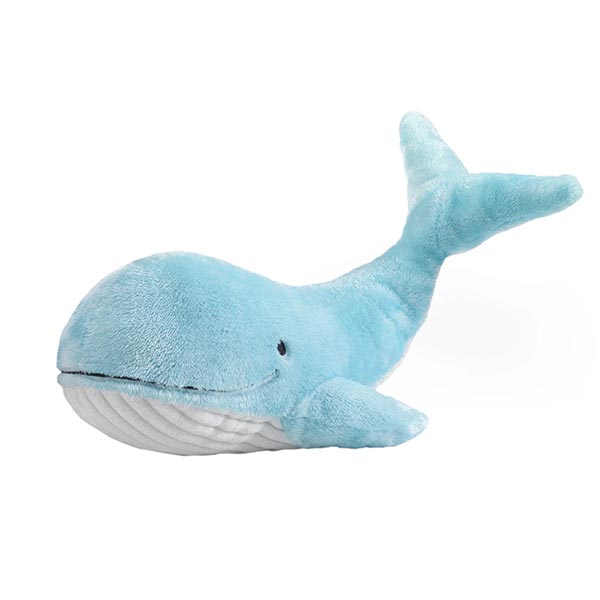
Whale plush can be developed as blue whales, humpback whales, sperm whales, beluga whales, or cute baby whales. Pattern planning should control body length, belly contrast, tail angle, side fins, eye expression, and shelf presentation.
Dolphin Plush Toys
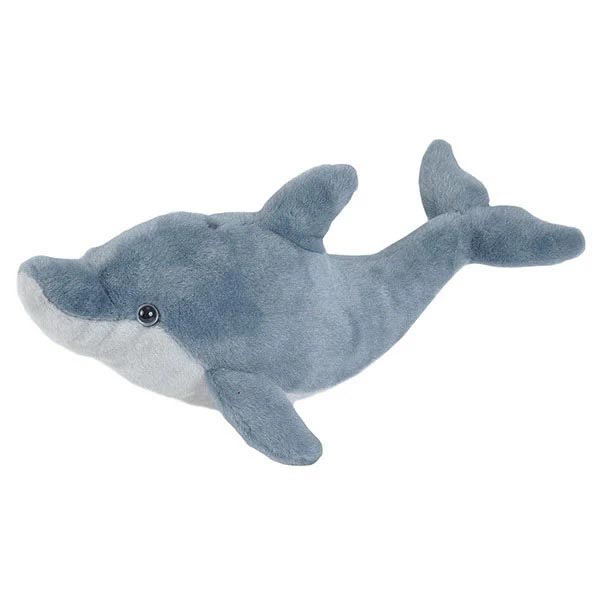
Dolphin plush requires smooth body shaping, friendly face balance, stable dorsal fin construction, and tail proportion. It is popular for aquariums, ocean parks, mascot gifts, and marine-themed retail programs.
Shark Plush Toys
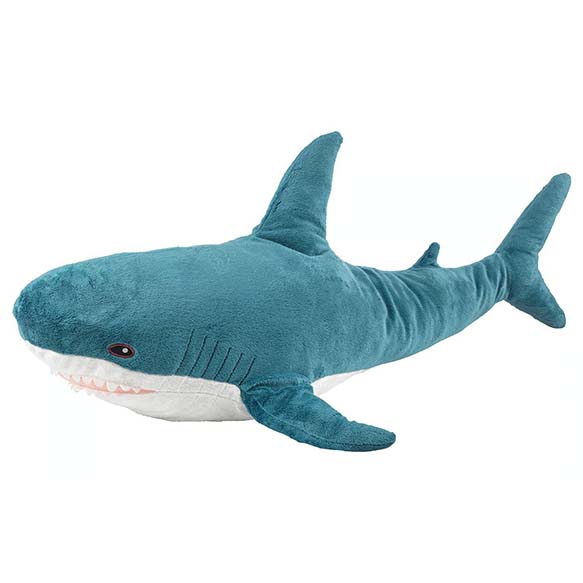
Shark plush can range from realistic to playful. Buyers should decide mouth style, teeth softness, fin stability, body color, belly contrast, and whether the design should feel exciting, cute, or educational.
Sea Turtle Plush Toys
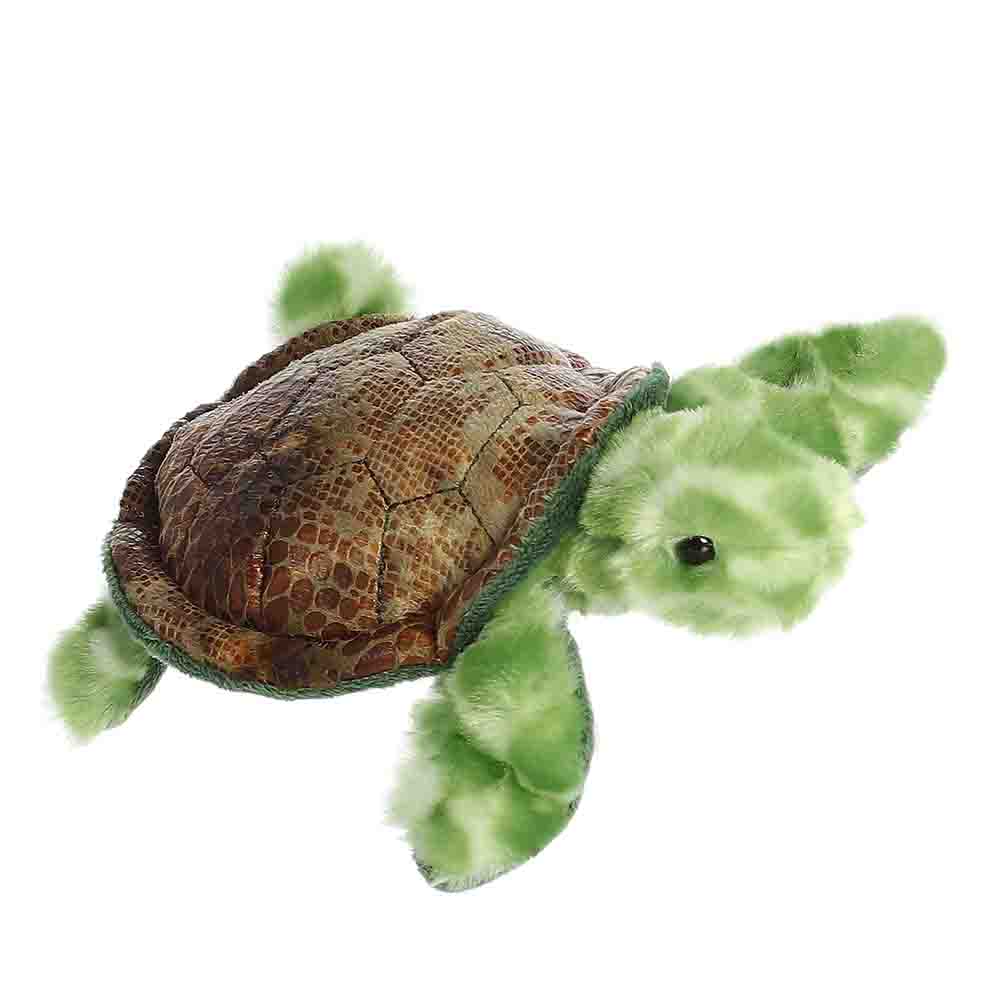
Sea turtle plush needs shell structure, flipper placement, head shape, and color block planning. Printed shell patterns, embroidered eyes, and soft stuffing can make the toy both recognizable and child-friendly.

Octopus and Squid Plush
Octopus and squid plush require careful tentacle shaping, seam planning, stuffing balance, and safety review. For younger children, tentacle length and attachment strength should be considered early.
Seal, Sea Lion, and Penguin Plush
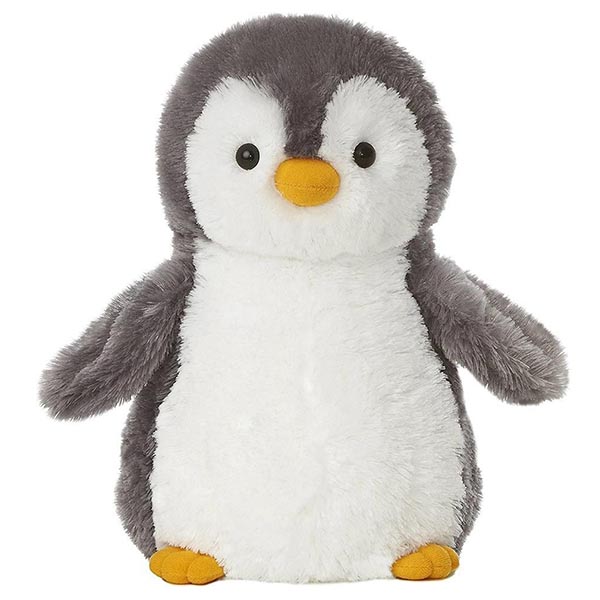
These animals work well for aquarium stores, winter campaigns, polar themes, and educational programs. Shape, face expression, belly panels, flippers, and sitting posture influence the final appeal.
AQUARIUM RETAIL PLUSH
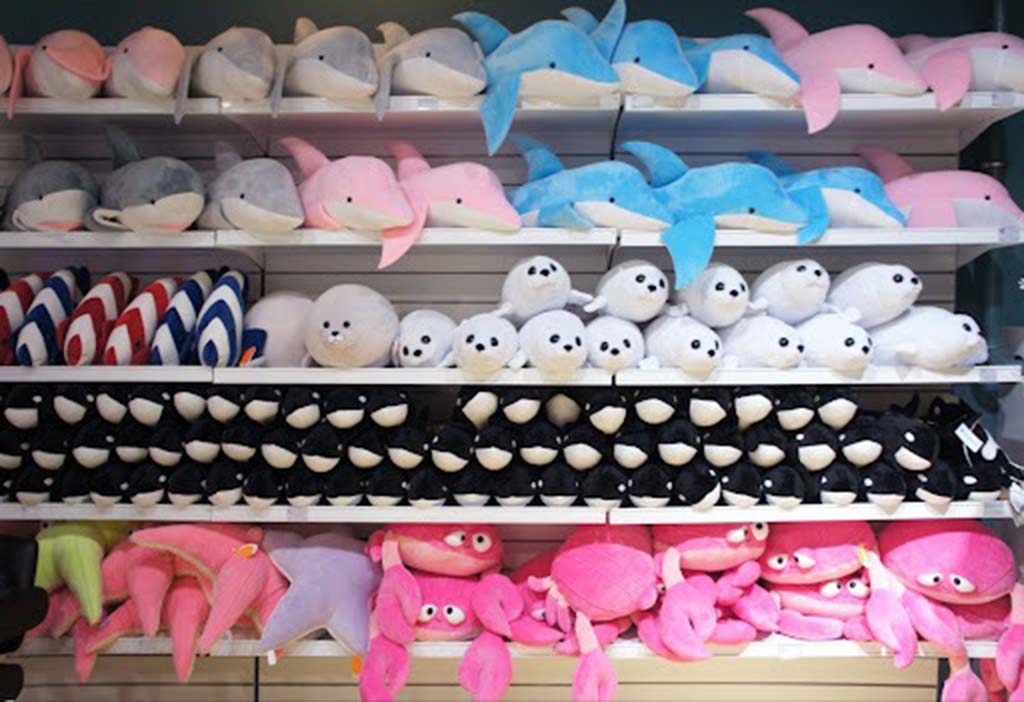
Aquarium and Ocean Park Buyers Need Retail-Ready Plush
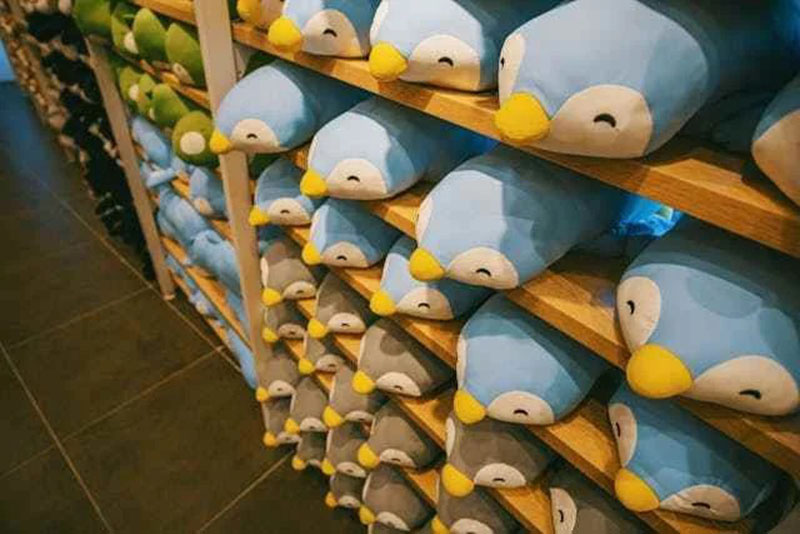
Aquariums and ocean parks usually need plush products that connect with real visitor experiences. A plush whale may relate to an exhibit, a sea turtle may support a conservation message, and a dolphin mascot may become a souvenir after a show. The plush must be attractive on a shelf, safe for families, easy to restock, and consistent enough for seasonal visitor traffic.
For aquariums and ocean parks, plush toys must connect the visitor experience with retail performance. The product should look appealing in a gift shop, feel safe for families, support barcode and SKU management, and remain consistent when seasonal traffic creates repeat-order demand.
For a sea animal plush manufacturer project, this topic should be discussed before sampling because it affects species recognition, body structure, material choice, production cost, packaging direction, safety review, and reorder consistency.
KINWIN reviews the product from a factory perspective: whether the shape can be patterned cleanly, whether the design can be sewn and stuffed consistently, whether the material supports the intended ocean feeling, and whether bulk production can repeat the approved sample without losing the buyer’s original concept.
Buyer decision point: confirm this topic before sample development and keep it aligned with the target channel, audience, price level, and collection plan.
BUYER USE CASES
Buyer Use Cases for Sea Animal Plush
Different buyers need different product decisions. KINWIN helps align plush development with the actual sales channel, audience, and brand goal.
Aquarium Gift Shops
Gift shops need plush that connects directly with visitor memories, exhibit animals, seasonal events, and shelf display. Size mix, barcode labels, and repeat-order consistency are important.
Ocean Parks and Resorts
Ocean parks and resorts may use sea animal plush for shows, mascot programs, room gifts, souvenir stores, and seasonal promotions. Durability and visual impact are key.
Museum and Education Retail
Museums and education retailers often need more accurate species details, learning-friendly hangtags, safe materials, and designs that support teaching themes.
Conservation Campaigns
Marine protection campaigns can use plush whales, turtles, dolphins, seals, and reef animals to support fundraising, awareness programs, and emotional storytelling.
Private-Label Retail Collections
Retail buyers can build coordinated ocean collections with multiple species, sizes, materials, labels, packaging, and price tiers under their own brand.
EDUCATIONAL MARINE PLUSH
Educational Brands Need Accuracy Without Losing Cuteness
Marine life plush for schools, museums, STEM brands, and educational gift programs should balance recognisable anatomy with child-friendly warmth. The product may need correct fins, flippers, shell shape, tentacles, spots, stripes, or color zones, but the final toy should still feel soft, approachable, and easy for children to hold.
Educational marine plush needs enough accuracy to support learning, but enough softness and warmth to become a toy children want to keep. The best result protects key species features while making the final plush approachable, huggable, and easy to understand.
For a sea animal plush manufacturer project, this topic should be discussed before sampling because it affects species recognition, body structure, material choice, production cost, packaging direction, safety review, and reorder consistency.
KINWIN reviews the product from a factory perspective: whether the shape can be patterned cleanly, whether the design can be sewn and stuffed consistently, whether the material supports the intended ocean feeling, and whether bulk production can repeat the approved sample without losing the buyer’s original concept.
Buyer decision point: confirm this topic before sample development and keep it aligned with the target channel, audience, price level, and collection plan.
SPECIES DESIGN DETAILS
Design Details That Make Marine Plush More Convincing
Small design decisions can determine whether a sea animal plush looks like a clear species or only a generic soft toy.
Body Proportion
Length, width, head size, belly shape, and tail scale should match the selected species and the intended cute or realistic style.
Fin and Flipper Placement
Fins and flippers should be positioned for species recognition while remaining secure, soft, and stable after stuffing.
Face Expression
Eye size, mouth curve, eyebrow angle, cheek position, and embroidered highlights can make the plush friendly, premium, playful, or realistic.
Color Blocking
Belly panels, back color, spots, stripes, gradients, and printed zones help customers quickly recognize the animal.
Texture and Detail Method
Embroidery, applique, printed fabric, fabric mixing, felt accents, and shaped seams can express shell patterns, gills, scales, markings, or mascot features.
DESTINATION SOUVENIR PLUSH
Tourism Retailers Need Designs That Feel Like a Destination
Sea animal plush can become a strong souvenir when it reflects a local coastline, island, aquarium, resort, cruise route, or marine attraction. Buyers should consider destination colors, hangtag storytelling, embroidered location marks, packaging, and size options that fit luggage and gift-shop pricing.
A destination plush should feel connected to a real place. Local species, resort colors, embroidered place names, story hangtags, travel-friendly sizes, and seasonal refresh options can turn a sea animal toy into a stronger souvenir product.
For a sea animal plush manufacturer project, this topic should be discussed before sampling because it affects species recognition, body structure, material choice, production cost, packaging direction, safety review, and reorder consistency.
KINWIN reviews the product from a factory perspective: whether the shape can be patterned cleanly, whether the design can be sewn and stuffed consistently, whether the material supports the intended ocean feeling, and whether bulk production can repeat the approved sample without losing the buyer’s original concept.
Buyer decision point: confirm this topic before sample development and keep it aligned with the target channel, audience, price level, and collection plan.
PRIVATE-LABEL COLLECTION PLANNING
Private-Label Buyers Need Collection Planning
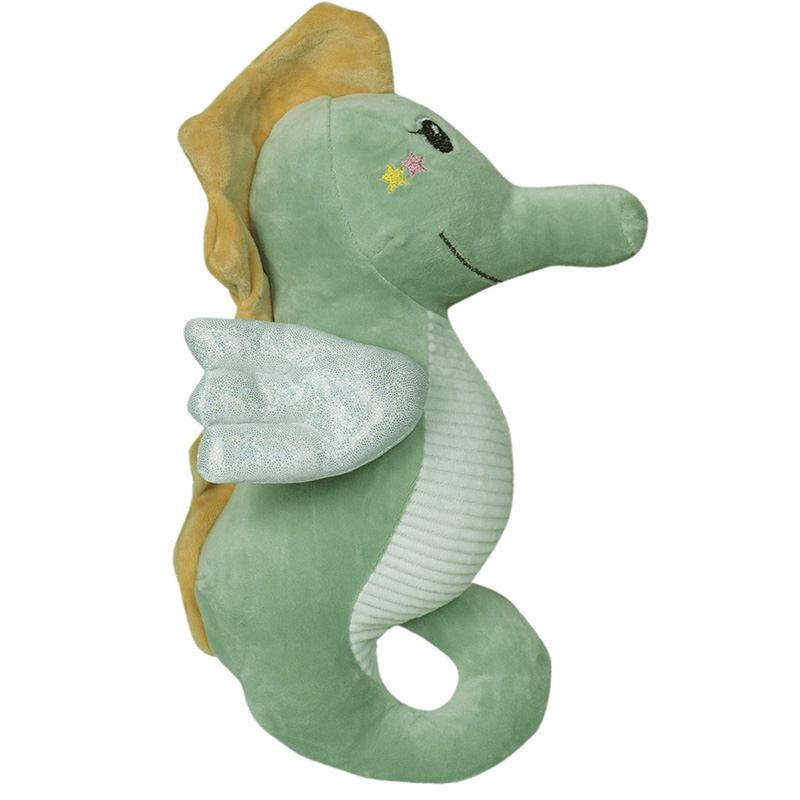
A private-label sea animal plush line often works best as a planned collection rather than a single item. Buyers can develop a hero species, supporting species, mini sizes, premium sizes, keychains, pillows, baby-safe versions, or seasonal colorways. KINWIN helps organize these decisions so the line feels coherent instead of accidental.
Private-label buyers usually get stronger results when they plan a coordinated marine collection instead of one isolated plush. A clear line structure can include hero species, supporting animals, size tiers, keychains, pillows, gift sets, labels, packaging, and future reorder records.
For a sea animal plush manufacturer project, this topic should be discussed before sampling because it affects species recognition, body structure, material choice, production cost, packaging direction, safety review, and reorder consistency.
KINWIN reviews the product from a factory perspective: whether the shape can be patterned cleanly, whether the design can be sewn and stuffed consistently, whether the material supports the intended ocean feeling, and whether bulk production can repeat the approved sample without losing the buyer’s original concept.
Buyer decision point: confirm this topic before sample development and keep it aligned with the target channel, audience, price level, and collection plan.
FABRIC AND MATERIAL OPTIONS
Material Options for Ocean Animal Plush
Materials should be selected according to hand feel, species effect, child safety, price point, and sales channel.
Short Plush Fabric
Short plush is useful for clean shapes, printed details, clear color blocks, and efficient bulk production.
Super-Soft Plush
Super-soft plush gives a premium hand feel and works well for baby whales, seals, dolphins, and cuddle-focused products.
Minky and Velboa Options
Minky and velboa can support smooth marine body shapes and are often used when the toy needs a soft, polished surface.
Printed Fabric
Printed fabric helps create turtle shells, ray patterns, fish scales, whale spots, or branded seasonal graphics.
Embroidery and Applique
Embroidery and applique help create eyes, mouths, logos, species markings, fins, patches, and decorative details without relying on hard parts.
STYLE DIRECTION
Realistic, Cute, or Mascot Style Should Be Decided Early
A shark can look realistic, friendly, funny, baby-like, premium, cartoon, or mascot-style. Each direction changes the pattern, eye position, mouth design, fabric choice, stuffing level, embroidery file, and retail message. Early style decisions prevent sample revisions from drifting in different directions.
Style direction should be fixed early because it influences almost every production decision. A realistic shark, a cute baby turtle, and a mascot dolphin require different proportions, eye placement, mouth design, fabric, embroidery, packaging, and retail positioning.
For a sea animal plush manufacturer project, this topic should be discussed before sampling because it affects species recognition, body structure, material choice, production cost, packaging direction, safety review, and reorder consistency.
KINWIN reviews the product from a factory perspective: whether the shape can be patterned cleanly, whether the design can be sewn and stuffed consistently, whether the material supports the intended ocean feeling, and whether bulk production can repeat the approved sample without losing the buyer’s original concept.
Buyer decision point: confirm this topic before sample development and keep it aligned with the target channel, audience, price level, and collection plan.
CUSTOMIZATION OPTIONS
Customization Options for Sea Animal Plush
Customization should support species recognition, brand identity, and the buyer's sales channel rather than adding decoration without purpose.
Custom Species and Character Design
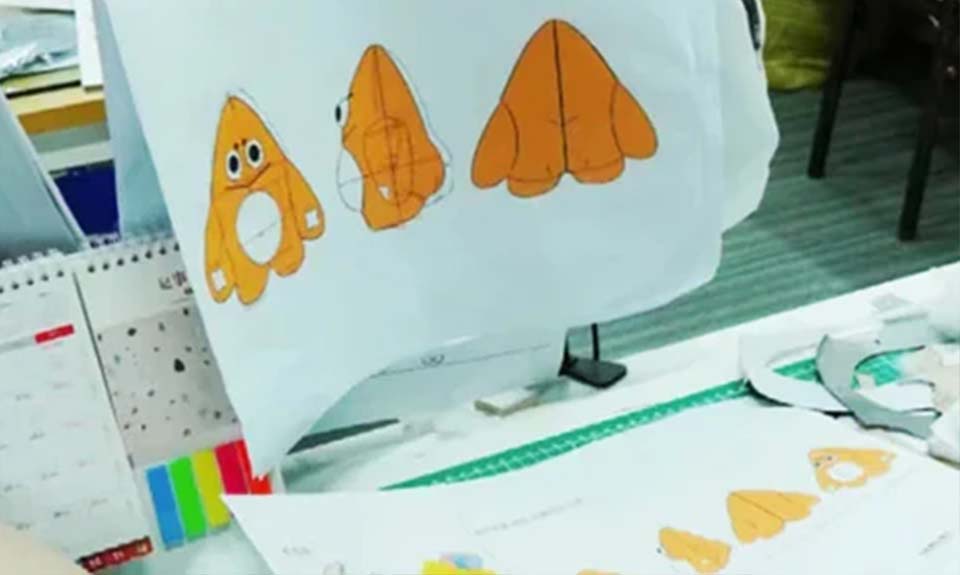
KINWIN can develop a plush from reference photos, mascot artwork, sketches, brand style guides, or existing retail line concepts.
Logo and Brand Labeling
Logo options can include woven labels, hangtags, embroidered marks, printed belly graphics, neck tags, or packaging labels.
Size and Series Planning
Buyers can develop mini plush, medium plush, large display plush, keychains, pillows, or multi-size collections.
Accessories and Story Elements
Scarves, hats, shells, adoption cards, conservation tags, gift cards, and themed packaging can strengthen story value.
Retail Packaging
Packaging can include polybags, hangtags, paper cards, window boxes, gift boxes, barcode labels, and carton separation by SKU.
MARINE PLUSH QC
Quality Control Points for Marine Animal Plush
QC should protect both the appearance and practical retail performance of the plush toy.
Species Shape Match
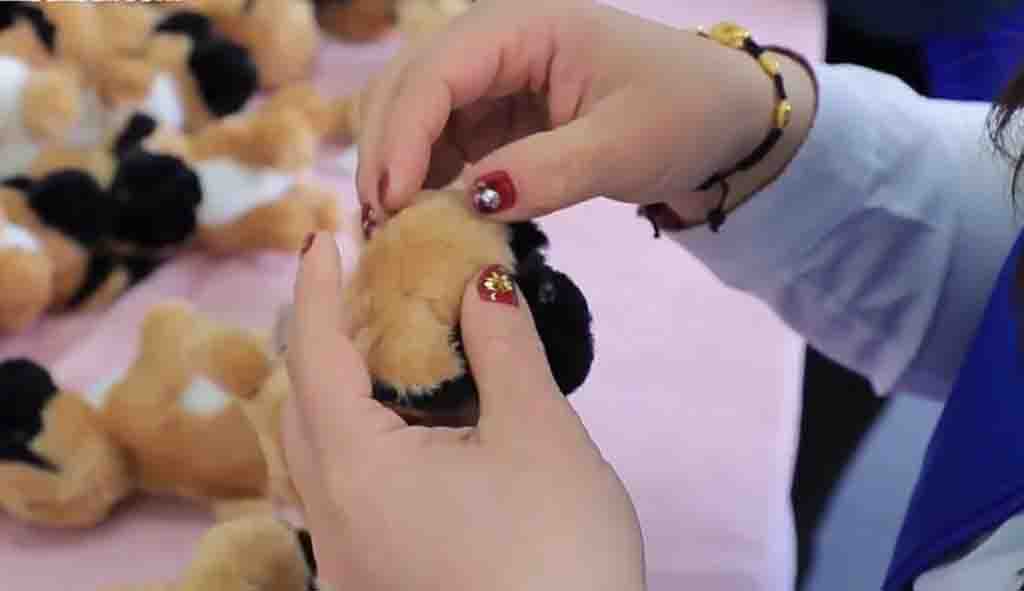
The approved sample should match bulk production in body shape, fin placement, face expression, color zones, and stuffing level.
Seam and Attachment Strength
Fins, flippers, tails, tentacles, accessories, and labels should be checked for secure attachment and neat sewing.
Stuffing Balance
Stuffing should support the intended shape without making the toy too hard, collapsed, twisted, or uneven.
Embroidery and Print Accuracy
Eyes, mouth, logos, shell patterns, spots, stripes, and printed details should remain consistent across the order.
Packing and Carton Control
SKU separation, barcode labels, polybag size, carton strength, compression recovery, and destination requirements should be checked before shipment.
OCEAN-THEMED HAND FEEL
Material Selection Changes the Ocean Feeling
Fabric choice strongly affects whether a sea animal plush feels premium, baby-soft, realistic, playful, or economical. Short plush, super-soft fabric, stretch fabric, minky, printed fabric, felt accents, and embroidered patches can all create different results. The right fabric should match the animal, target age, price point, and retail environment.
Material selection changes how the customer reads the product. The same whale design can feel premium, baby-soft, realistic, playful, or economical depending on fabric pile, surface texture, printed details, embroidery, stuffing level, and color matching.
For a sea animal plush manufacturer project, this topic should be discussed before sampling because it affects species recognition, body structure, material choice, production cost, packaging direction, safety review, and reorder consistency.
KINWIN reviews the product from a factory perspective: whether the shape can be patterned cleanly, whether the design can be sewn and stuffed consistently, whether the material supports the intended ocean feeling, and whether bulk production can repeat the approved sample without losing the buyer’s original concept.
Buyer decision point: confirm this topic before sample development and keep it aligned with the target channel, audience, price level, and collection plan.
COMMON BUYER RISKS
Common Mistakes Buyers Should Avoid
Many quality and sales problems happen when the buyer treats sea animal plush as a generic toy instead of a species-based product line.
Using One Body Pattern for Too Many Animals
A shared pattern may reduce development cost but can make the collection look generic and reduce species recognition.
Adding Too Many Small Details
Tiny details may look good in artwork but become expensive, fragile, unsafe, or unclear in plush production.
Ignoring Age and Safety Requirements
Accessories, small parts, long tentacles, plastic eyes, and labels should be reviewed before sampling, not after bulk production.
Choosing Fabric Only by Price
A cheaper fabric may weaken the ocean feeling, reduce shelf appeal, or make the plush less pleasant to touch.
No Collection or Reorder Plan
Without clear records for patterns, fabrics, embroidery files, and approved samples, a successful plush line may be hard to restock consistently.
SAFETY AND COMPLIANCE
Safety and Compliance Should Be Built Into the Design
Sea animal plush toys are often purchased for children even when the buyer is a museum, aquarium, tourism retailer, or brand campaign. Small parts, long cords, detachable accessories, hard components, seams, stuffing, labels, age grading, and market requirements should be reviewed before the final sample is approved.
Safety and compliance should be considered before the final sample is approved. Age grading, small parts, seam strength, accessories, stuffing, labels, packaging warnings, testing needs, and destination market rules can all affect the correct production plan.
For a sea animal plush manufacturer project, this topic should be discussed before sampling because it affects species recognition, body structure, material choice, production cost, packaging direction, safety review, and reorder consistency.
KINWIN reviews the product from a factory perspective: whether the shape can be patterned cleanly, whether the design can be sewn and stuffed consistently, whether the material supports the intended ocean feeling, and whether bulk production can repeat the approved sample without losing the buyer’s original concept.
Buyer decision point: confirm this topic before sample development and keep it aligned with the target channel, audience, price level, and collection plan.
QUOTE PREPARATION
What Buyers Should Prepare Before Quotation
Clear project information helps KINWIN recommend the right size, structure, material, sample plan, MOQ, packaging, and cost direction.
Target Species List
Confirm the sea animals you want to develop, such as whale, dolphin, shark, turtle, seal, penguin, octopus, ray, crab, jellyfish, fish, or coral-inspired characters.
Style Direction
Share whether the design should be realistic, cute, baby-like, mascot-style, premium, cartoon, educational, or destination-themed.
Reference Artwork
Send sketches, photos, brand guidelines, mascot files, color references, size targets, and must-keep details.
Sales Channel and Audience
Tell us whether the plush is for aquarium retail, museum stores, resorts, schools, gift distributors, children, collectors, or promotional campaigns.
Packaging and Compliance Needs
Confirm hangtags, labels, polybags, barcodes, gift boxes, age grading, testing needs, market destination, and shipment plan.
RETAIL PACKAGING STRATEGY
Packaging Should Support the Story and the Sales Channel
Packaging for sea animal plush can do more than protect the toy. A hangtag can tell the species name, conservation message, mascot story, destination identity, or brand logo. Retail packaging should also support barcode labels, SKU control, shelf display, carton packing, and international shipment handling.
Packaging should protect the toy while strengthening the ocean story and the sales channel. Hangtags, SKU labels, barcodes, retail display requirements, gift boxes, polybags, carton separation, and destination storytelling should be planned together.
For a sea animal plush manufacturer project, this topic should be discussed before sampling because it affects species recognition, body structure, material choice, production cost, packaging direction, safety review, and reorder consistency.
KINWIN reviews the product from a factory perspective: whether the shape can be patterned cleanly, whether the design can be sewn and stuffed consistently, whether the material supports the intended ocean feeling, and whether bulk production can repeat the approved sample without losing the buyer’s original concept.
Buyer decision point: confirm this topic before sample development and keep it aligned with the target channel, audience, price level, and collection plan.

DEVELOPMENT WORKFLOW
Sea Animal Plush Development Workflow
A clear development workflow helps buyers control species selection, design translation, sampling, cost, safety review, packaging, QC, and repeat-order consistency from the first brief to bulk shipment.
Species and Market Review
KINWIN reviews the animal species, buyer channel, target audience, price point, size plan, safety needs, and retail purpose.
Design Translation
We convert reference artwork or photos into plush-ready structure, including body shape, fabric panels, fins, flippers, color blocks, embroidery, and accessories.
Prototype Sample
The first sample confirms shape, expression, hand feel, material, stuffing, details, packaging direction, and species recognition.
Revision and Approval
The buyer reviews sample photos or physical samples, gives comments, confirms adjustments, and approves the final production version.
Bulk Production and QC
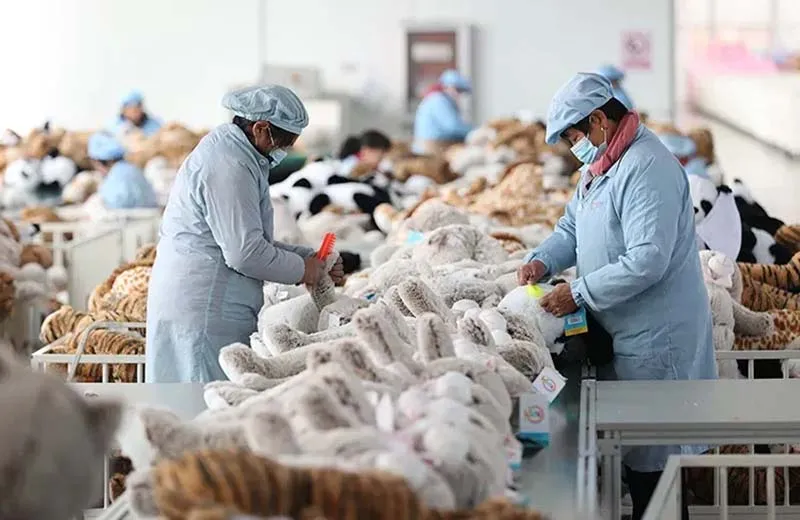
KINWIN manages material purchasing, cutting, sewing, stuffing, embroidery, inspection, packing, carton control, and shipment preparation.
COLLECTION PLANNING
How to Plan a Sea Animal Plush Collection
A clear development workflow helps buyers control species selection, design translation, sampling, cost, safety review, packaging, QC, and repeat-order consistency from the first brief to bulk shipment.
Choose a Hero Species
Start with the animal most connected to the destination, brand, exhibit, mascot, or campaign message.
Add Supporting Species
Build the line with related animals that create shelf variety and encourage customers to collect more than one design.
Create Size Tiers
Use mini, medium, large, keychain, or pillow formats to cover different retail prices and gifting situations.
Plan Packaging Consistency
Use coordinated hangtags, labels, story cards, and carton rules so the collection feels professional and easy to manage.
Keep Reorder Records
Preserve patterns, fabric references, embroidery files, print files, approved samples, and packing details for future restocks.
START YOUR MARINE PLUSH PROJECT
Start Your Sea Animal Plush Project with KINWIN
If you need a sea animal plush manufacturer for an aquarium store, ocean park, museum shop, education brand, tourism retailer, IP program, conservation campaign, or private-label collection, KINWIN can help review your species list, style direction, target size, material choices, safety needs, packaging, QC plan, and bulk production schedule.
- Custom marine animal plush design and sampling
- Species-based pattern and material development
- Hangtag, label, barcode, and retail packaging support
- Bulk production, QC, carton planning, and repeat-order management
FREQUENTLY ASKED QUESTIONS
FAQ: Sea Animal Plush Manufacturer
Can KINWIN make realistic sea animal plush toys?
Yes. We can develop more realistic marine animal plush based on reference photos, species features, and buyer requirements, while adjusting details for soft toy production, safety, and repeatable bulk manufacturing.
Can you make cute or cartoon sea animal plush?
Yes. Many buyers prefer cute, baby-like, mascot, or cartoon marine animals for children, gift stores, tourism retail, and brand campaigns. KINWIN can help balance cuteness with species recognition.
What sea animals can you manufacture?
Common options include whales, dolphins, sharks, sea turtles, seals, sea lions, penguins, octopus, squid, rays, crabs, jellyfish, fish, coral-themed characters, and custom ocean mascots.
Can you support aquarium or museum gift shop orders?
Yes. We can support aquarium, ocean park, museum, resort, and tourism retail buyers with species planning, sample development, retail packaging, barcode labels, SKU separation, QC, and repeat-order production.
Can sea animal plush be made for children?
Yes, but the design should be reviewed for age grading, small parts, seam strength, accessory safety, labels, stuffing, and destination market requirements before production.
Can you create a full marine animal plush collection?
Yes. KINWIN can help plan multiple species, size tiers, materials, labels, packaging, carton rules, and reorder records so the collection works as a coordinated retail line.
If You Can lmagine lt,We Will Create lt!
1.Tell Us What You Need
Tell us as specific as possible of your needs and share your idea.
2.Get Solution & Quote
We will work on the best solution according to yourrequirements,the specific quote will be provided within 24 hours.
3.Approve for Mass Production
We will start mass production after getting your approval.