
Safe Plush Toy Manufacturer for Global Compliance & Child Safety
You need more than a plush toy factory. You need a safe plush toy manufacturer that understands child safety standards, non-toxic materials, and global compliance requirements like CE, EN71, ASTM F963, and CPSIA. From baby-safe plush toys to retail-ready stuffed animals, you receive strict quality control, certified materials, and stable mass production—so you can enter global markets with confidence and protect your brand reputation.
Protect your brand.
Ensure child safety.
Build a safe product line for long-term growth.
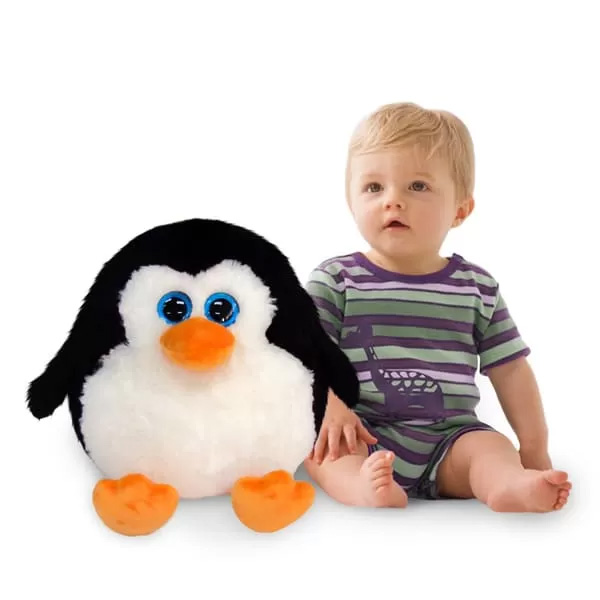
Why Safety Is the #1 Priority in Plush Toy Manufacturing
In today’s global toy market, safety is not optional. Plush toy safety standards are becoming stricter across the US, Europe, and other major markets. If your product fails testing, the cost is not just financial—it affects brand trust and long-term growth. You cannot risk recalls. You cannot risk compliance failure. You need a factory that understands safety from day one.
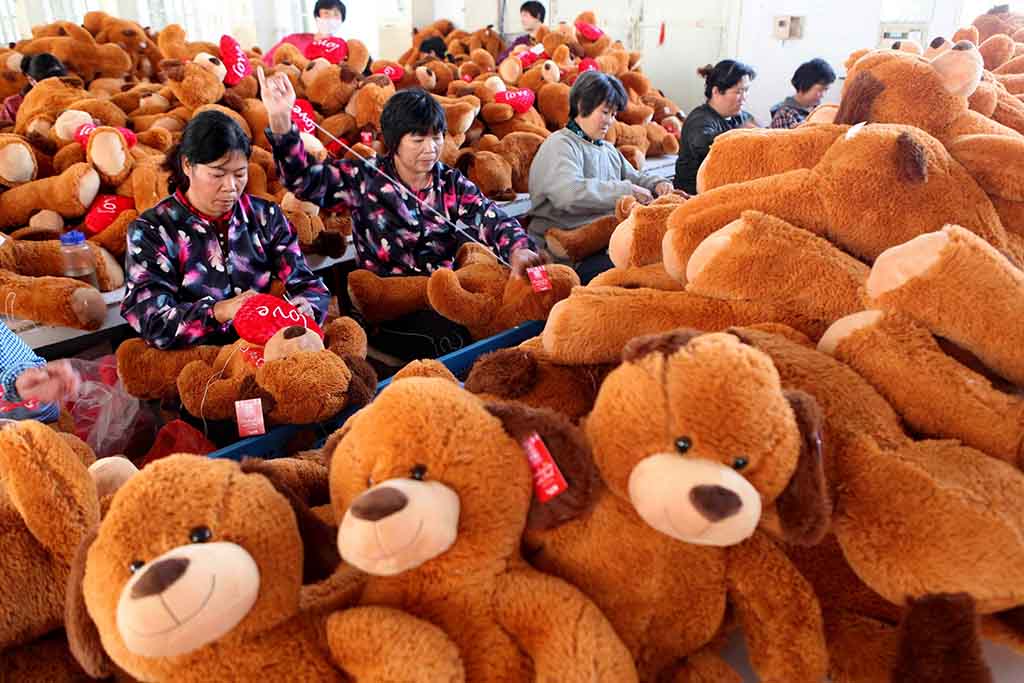
Global Toy Compliance Is Getting Stricter
Global toy compliance requirements such as CE, EN71, ASTM F963, and CPSIA are updated regularly. Retailers and platforms demand verified documentation before products reach shelves. Without full compliance, your shipment can be stopped, delayed, or rejected.
Recalls Can Destroy Brand Trust
A single safety issue in child-safe stuffed animals can lead to recalls, negative reviews, and long-term damage. The recovery cost is often higher than the production cost. Safety must be built into the process—not fixed after problems appear.
Material Safety Directly Affects Testing Results
Non-toxic plush fabrics, safe dyes, and certified stuffing materials are essential for passing plush toy safety standards. Low-quality or substituted materials increase failure risks. Strict material control reduces uncertainty in testing.
Structural Safety Protects Children
Loose seams, weak stitching, or detachable parts increase choking hazards. Child-safe stuffed animals must undergo tensile testing and pull testing to ensure durability under real use conditions. Safety design is as important as appearance.
Safety Must Start from Day One
Compliance cannot be added at the end of production. From sampling, material sourcing, pattern making, to mass production control, safety must be integrated into every stage. You need a manufacturer who plans for safety before production begins.
Safety is not a marketing word. It is a production discipline.
When safety is controlled at the factory level, your business becomes more stable, predictable, and scalable.
Global Plush Toy Safety Standards We Support
Selling plush toys internationally requires more than good design. It requires full compliance with the correct regulations in your target market. Different countries follow different toy safety standards. From CE certification in Europe to ASTM F963 and CPSIA in the United States, documentation and material matching must be planned from the beginning. You receive structured compliance support, material guidance, and testing coordination—so your products enter global markets smoothly.
CE Certification for the European Market
For European sales, CE certification and EN71 compliance are essential. Material safety, mechanical testing, labeling requirements, and documentation must align with EU directives. You receive guidance on material selection, age grading, and technical file preparation to reduce testing risks.
EN71 Testing & Documentation Support
EN71 covers mechanical safety, flammability, and chemical testing. Passing EN71 requires stable materials and controlled production processes. You receive production planning aligned with EN71 requirements, making lab testing more predictable.
ASTM F963 Compliance for the U.S. Market
ASTM F963 sets safety rules for toys sold in the United States. This includes structural integrity, small parts testing, and labeling. You receive material matching and structural control planning to meet ASTM requirements from the start.
CPSIA Requirements for Child Safety
CPSIA focuses on lead content, phthalates, and product tracking labels. Plush toys must use compliant materials and maintain traceability. You receive assistance in preparing compliant materials and production batch documentation.
UKCA Marking for the UK Market
For products entering the UK, UKCA marking replaces CE requirements. Compliance structure remains similar but documentation must follow UK guidelines. You receive updated compliance planning to avoid shipment delays.
REACH Chemical Compliance for Material Safety
REACH regulates chemical substances used in products sold in Europe. Dyes, fabrics, and accessories must meet chemical safety limits. You receive guidance on non-toxic plush materials and chemical-safe production control.
Compliance is not about collecting certificates. It is about planning correctly before production begins. When materials match your target market and documentation is prepared early, testing becomes smoother and risk is reduced.
Safe Plush Toy Collections for Global Markets
Every market has different safety expectations. From baby-safe plush toys to retail-ready stuffed animals, your collection must meet plush toy safety standards while remaining soft and attractive. Below are 20 child-safe stuffed animal styles designed for global toy compliance. All designs can use non-toxic materials, embroidered details, reinforced seams, and certified PP cotton filling to support CE certification, EN71, ASTM F963, CPSIA, UKCA, and REACH requirements.
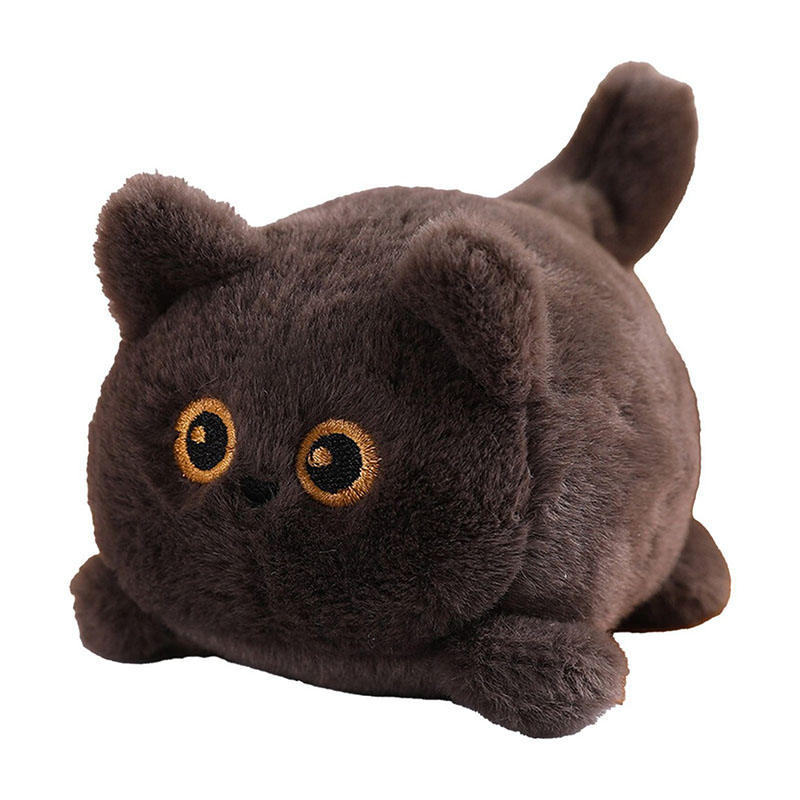
Weighted Plush Toy
Designed with securely stitched inner weighted compartments to prevent leakage and ensure structural safety during use.
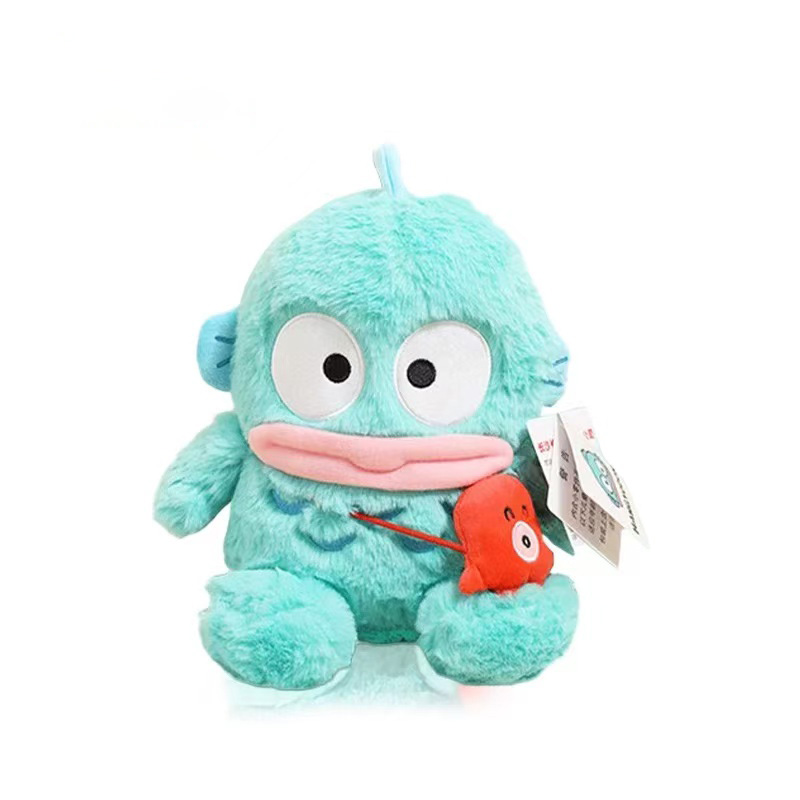
Plush Backpack
Soft exterior with reinforced straps and safety-stitched seams, suitable for children’s retail collections.
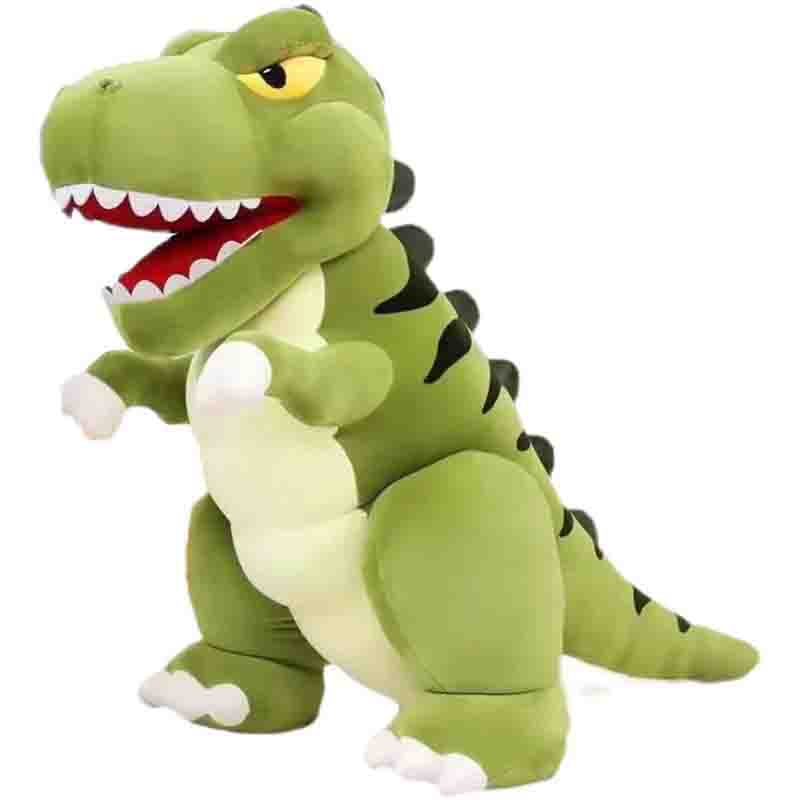
Plush Dinosaur
Strong limb stitching and tensile-tested structure to meet child-safe stuffed animals standards.
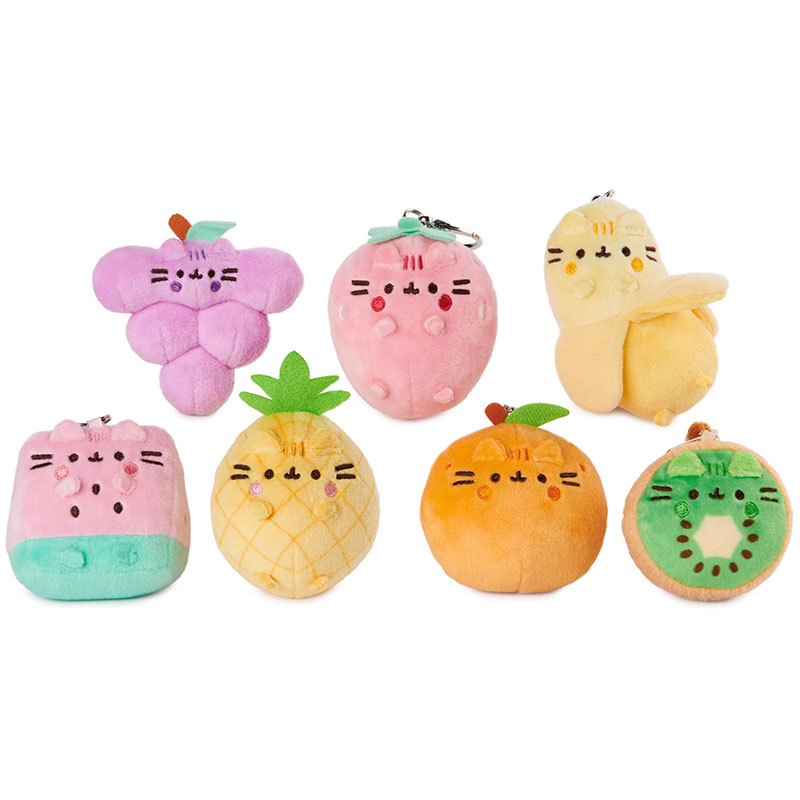
Plush Fruit Series
Bright colors using azo-free dye and soft non-toxic fabric to meet plush toy safety standards.
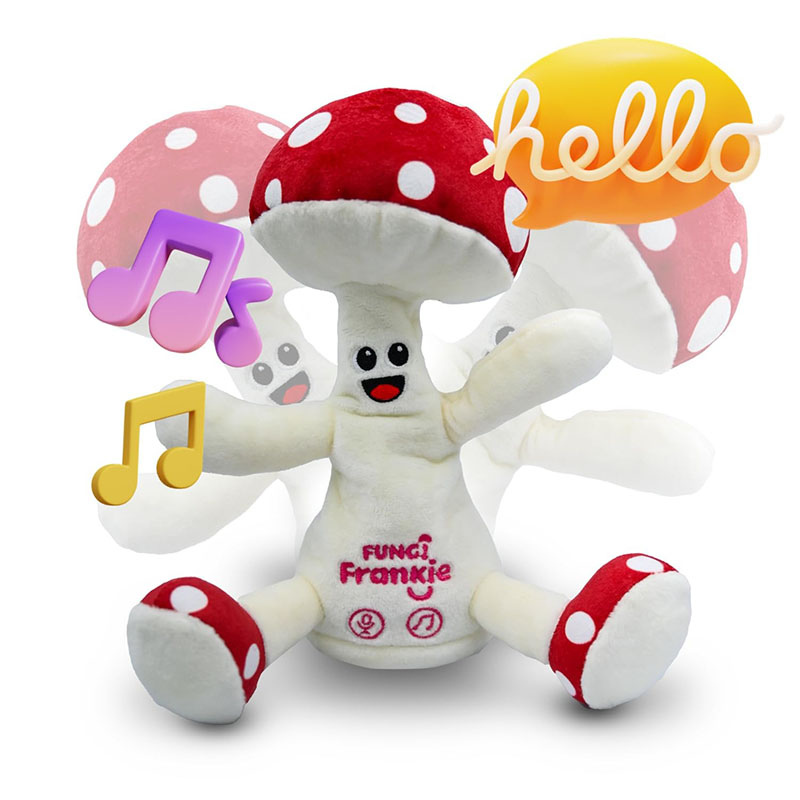
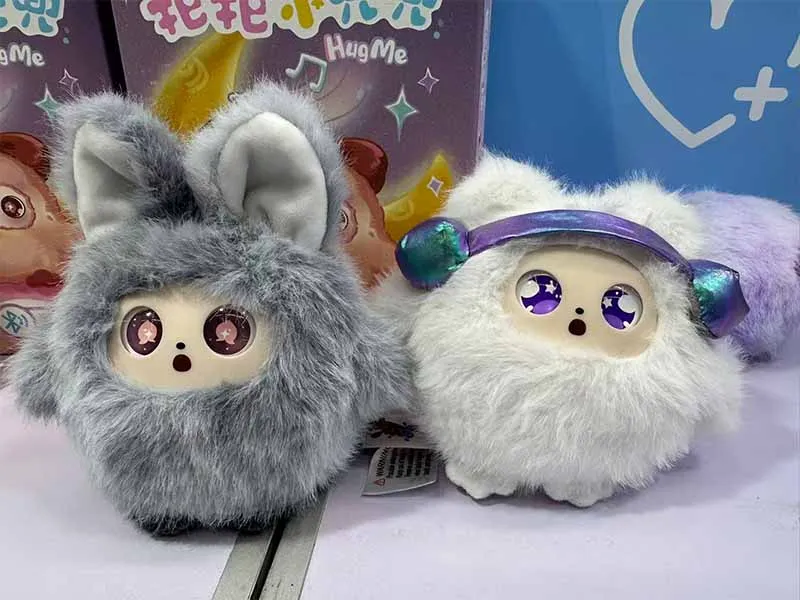
Interactive Plush Toy
Secure inner sound module or movement unit with mechanical safety control for global toy compliance.
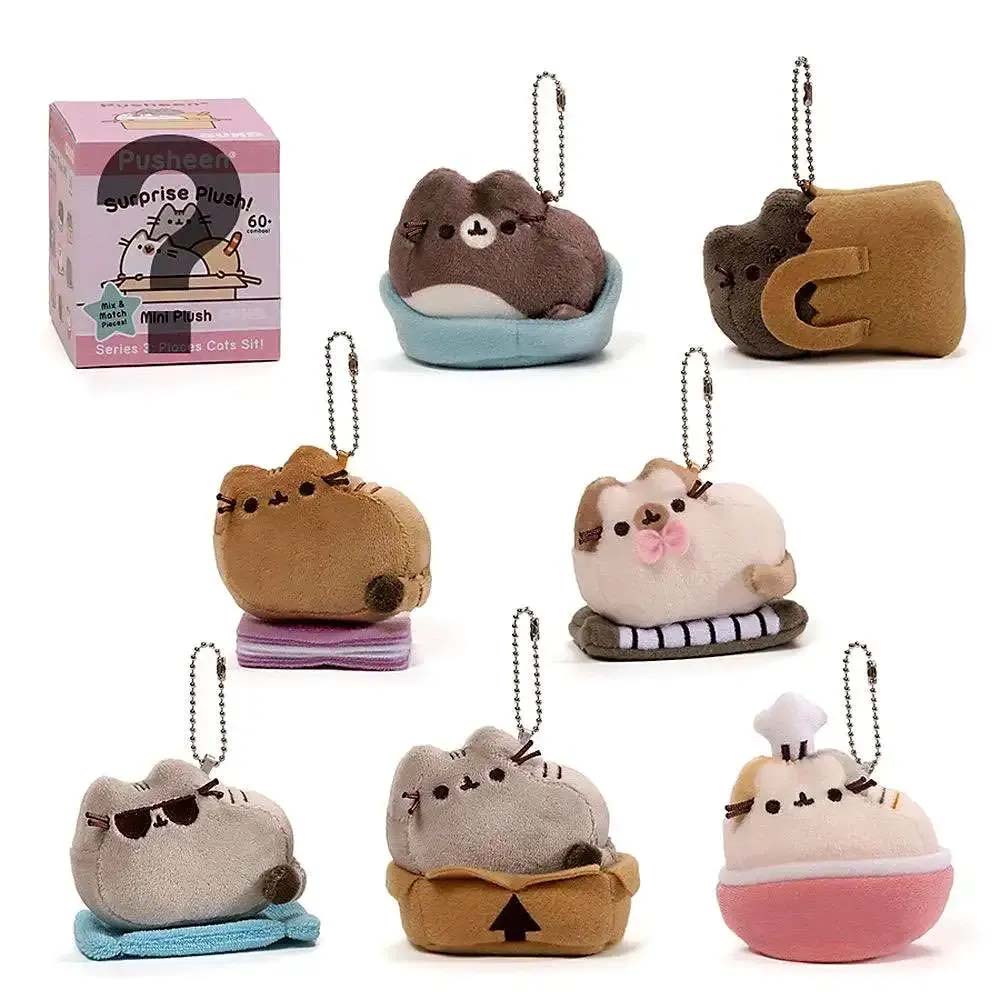
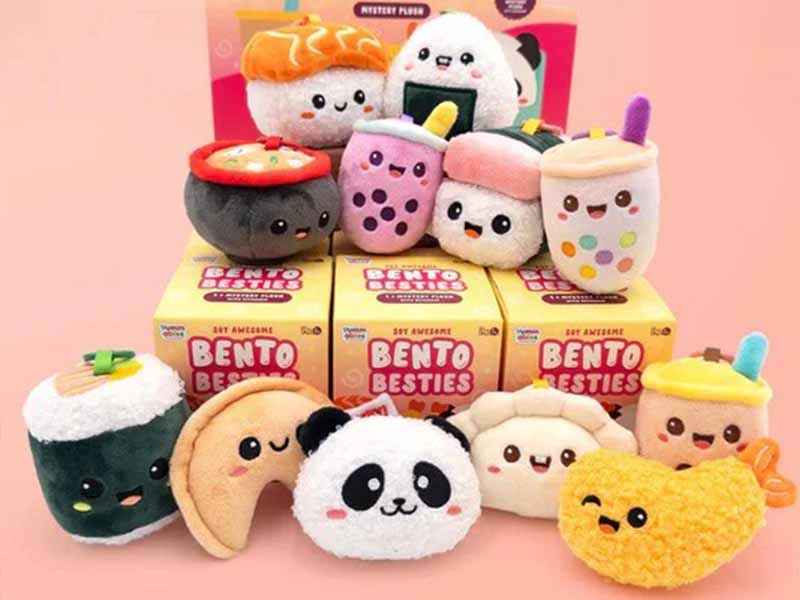
Plush Blind Box Collection
Compact size with embroidered details and controlled small-part design for safer retail distribution.
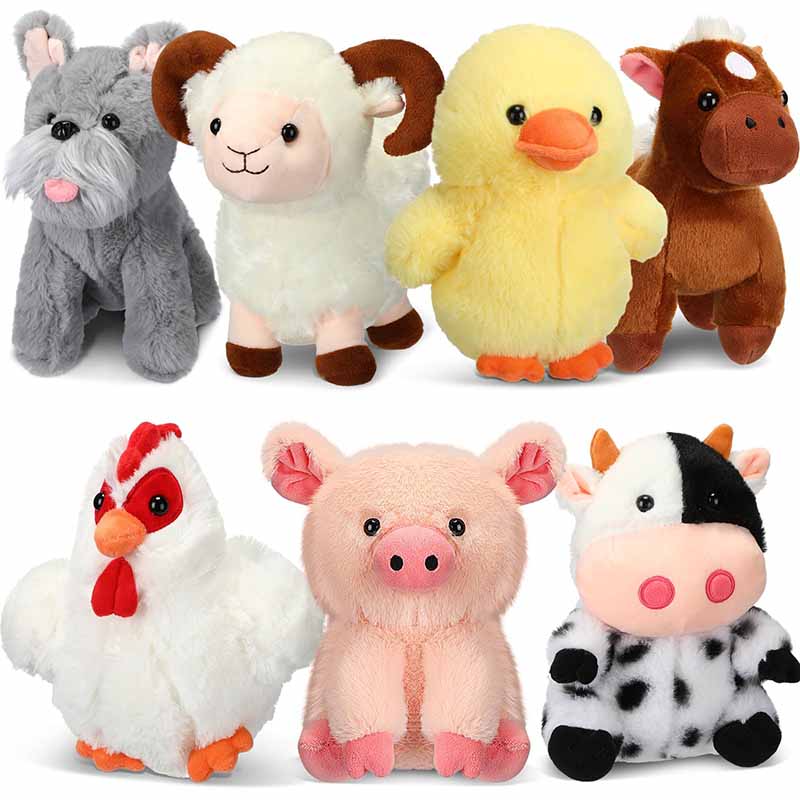
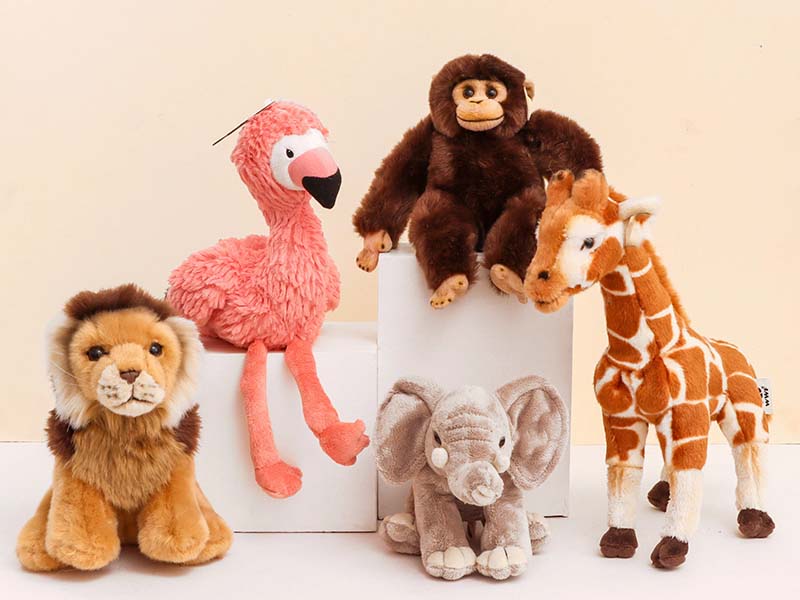
Plush Animal Collection
Classic animal shapes made with certified materials and reinforced seams for stable mass production.
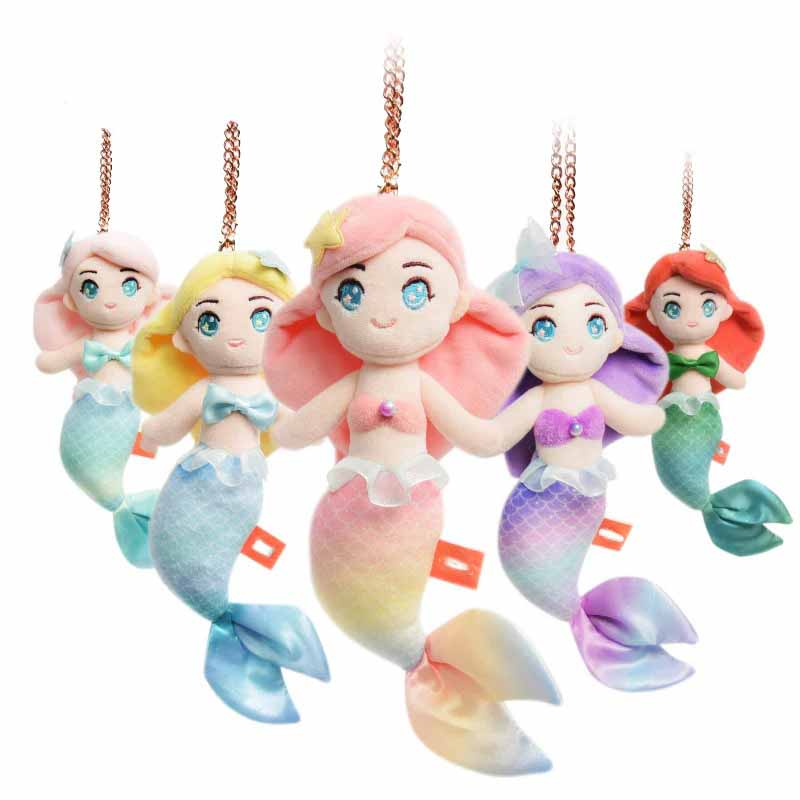
Plush Keychain
Lightweight structure with secure attachment design and no exposed metal risk.
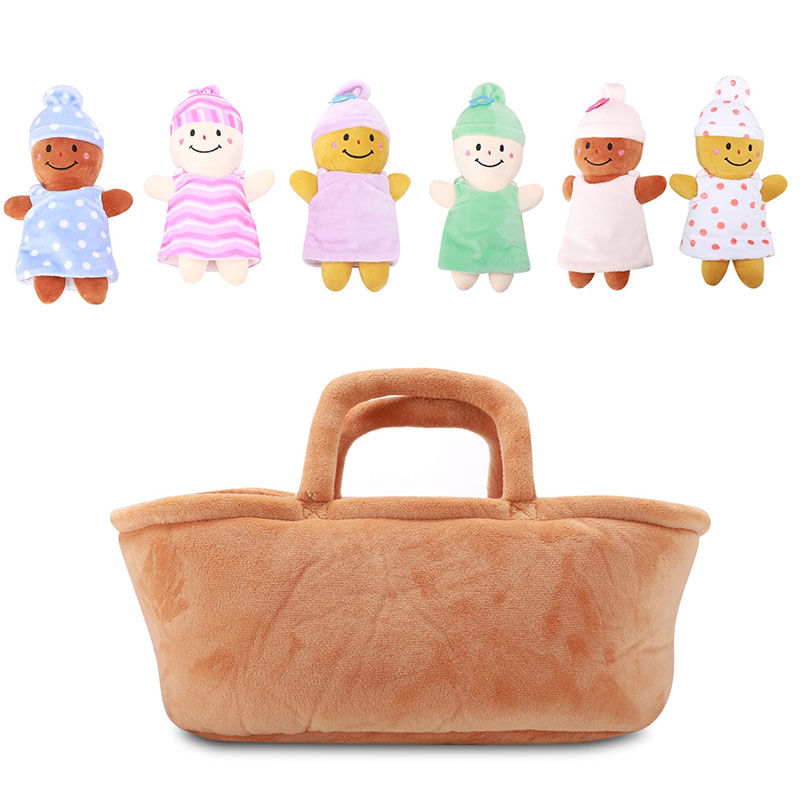
Baby Plush Toy
Made with hypoallergenic filling and embroidered facial features for infant-safe use.
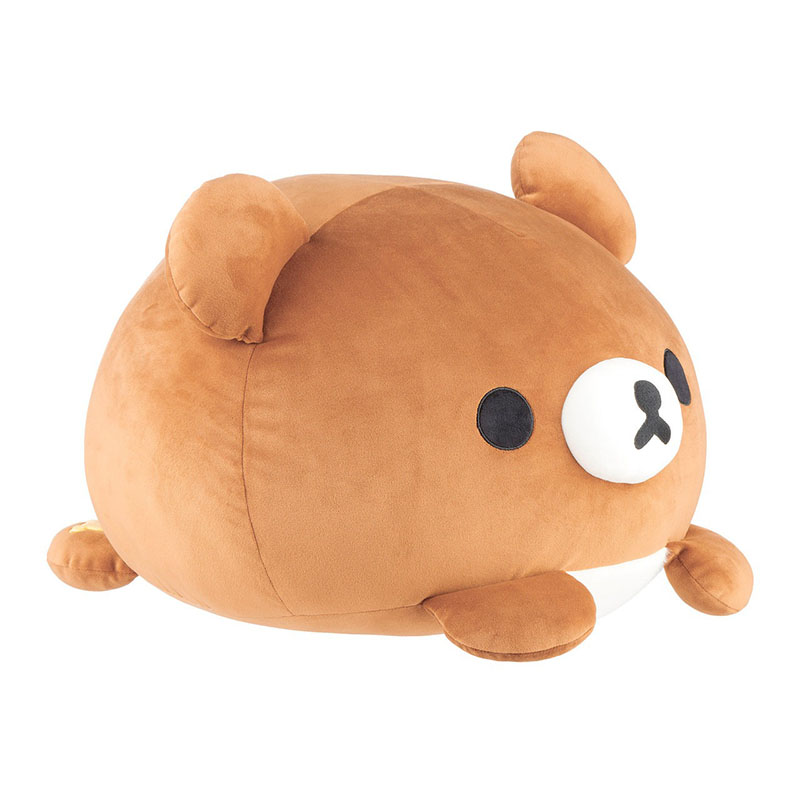
Plush Pillow
Soft large-size plush pillow with reinforced stitching to maintain shape and durability.
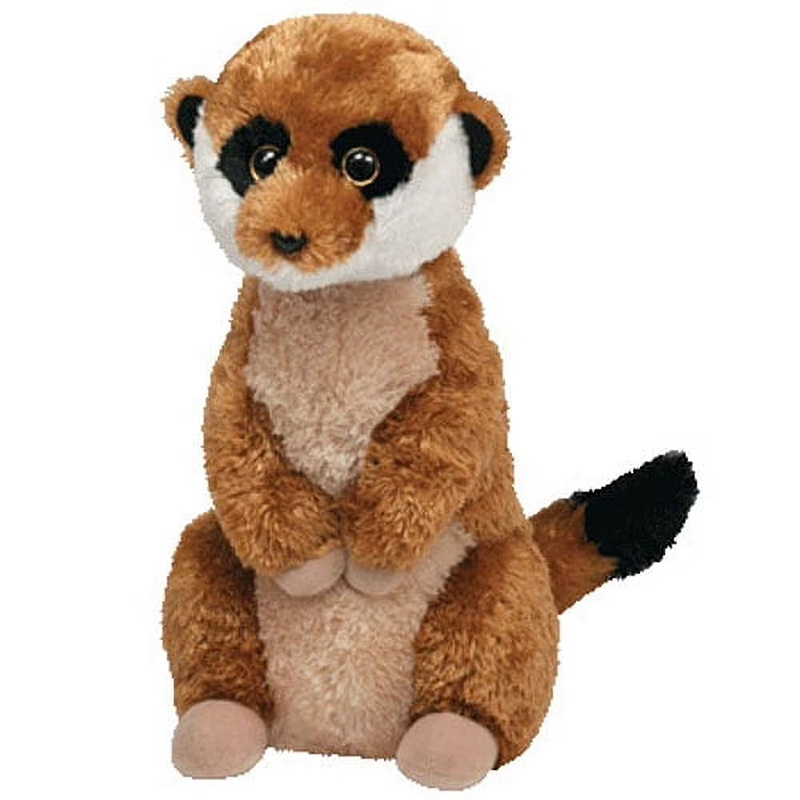
Realistic Plush Animal
Detailed surface printing with safe dye control and structurally reinforced internal support.
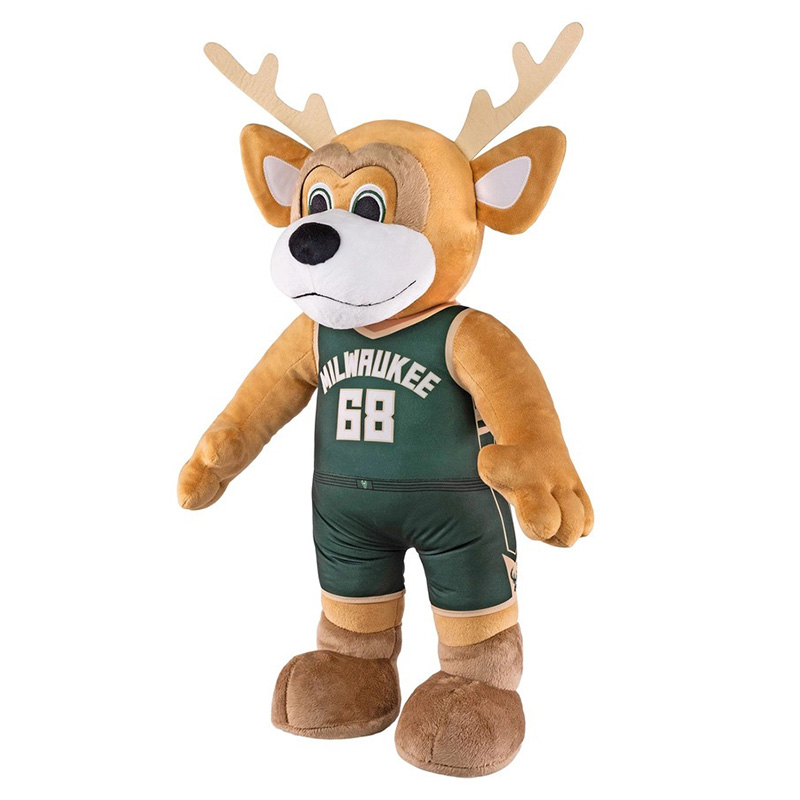
Plush Mascot
Custom brand mascot with reinforced internal structure and strict quality control inspection.
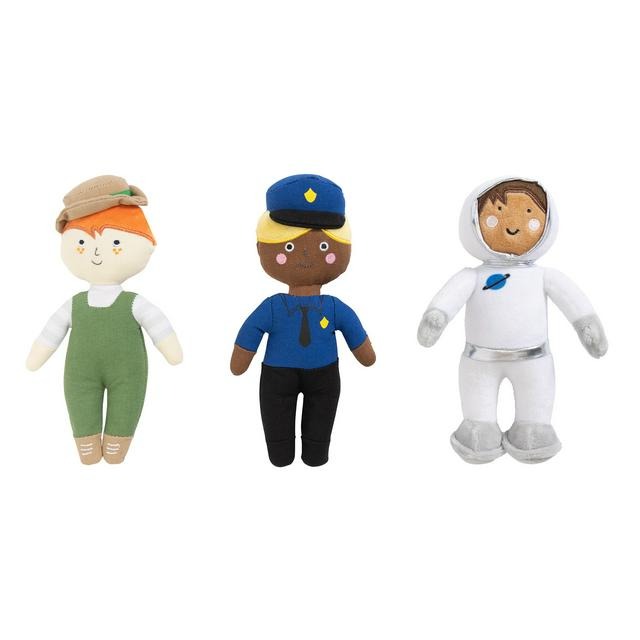
Plush Doll
Clothing permanently stitched to avoid detachable components and reduce choking hazards.
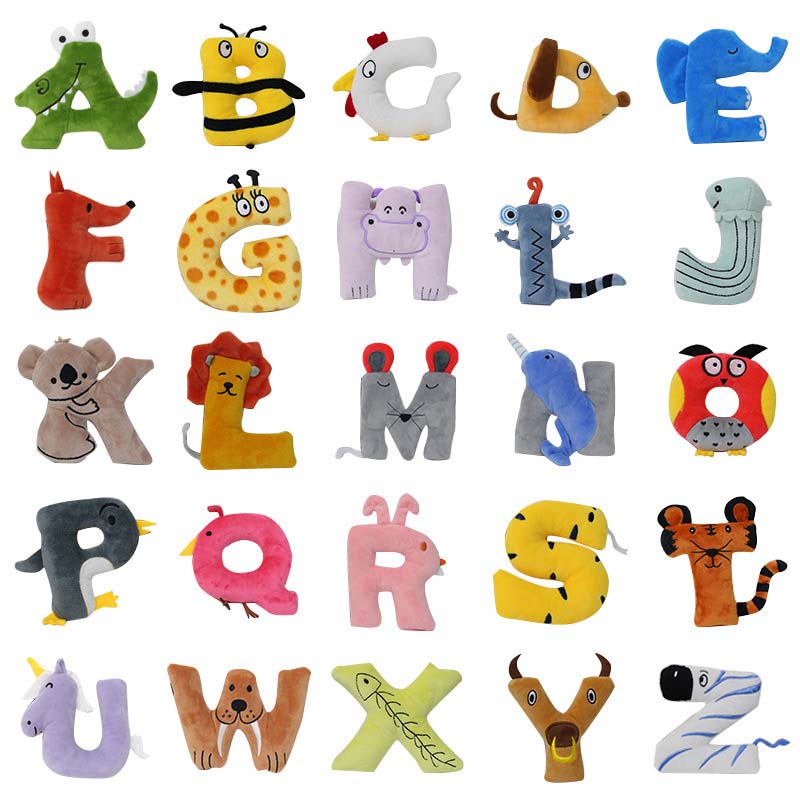
Educational Plush Toy
Learning-focused design with safe materials and compliance-ready production planning.
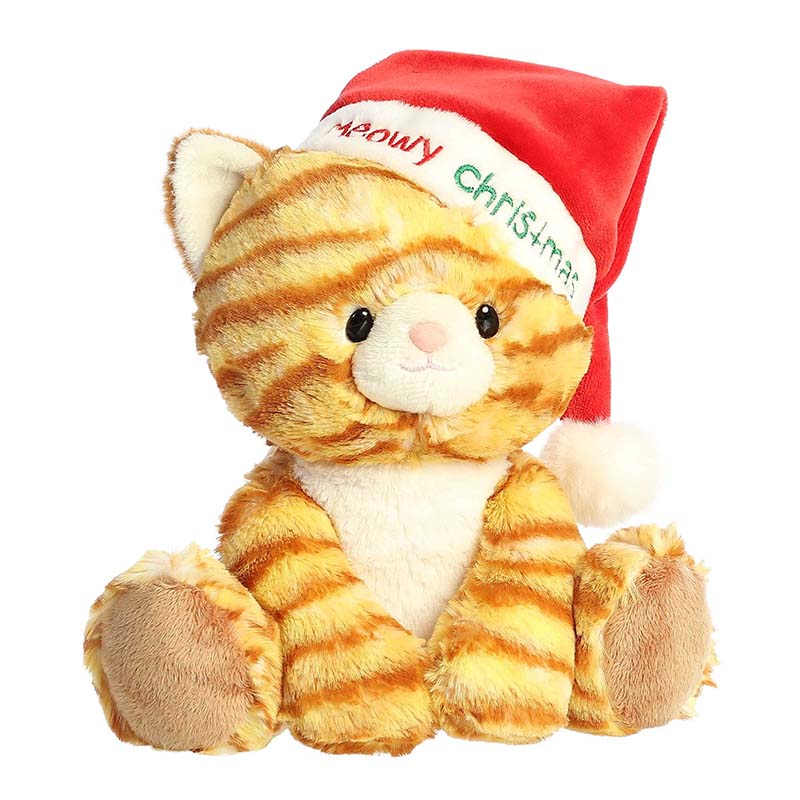
Holiday Plush Toy
Seasonal designs using certified materials to support retail holiday campaigns safely.
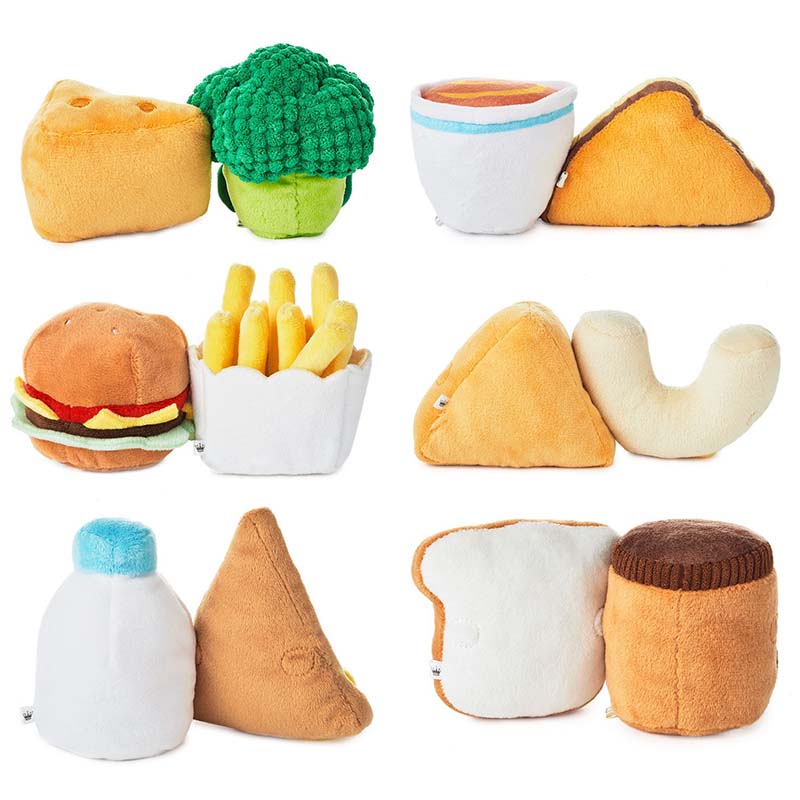
Plush Food Series
Soft stuffed food shapes produced with non-toxic plush fabric and safety-tested filling.
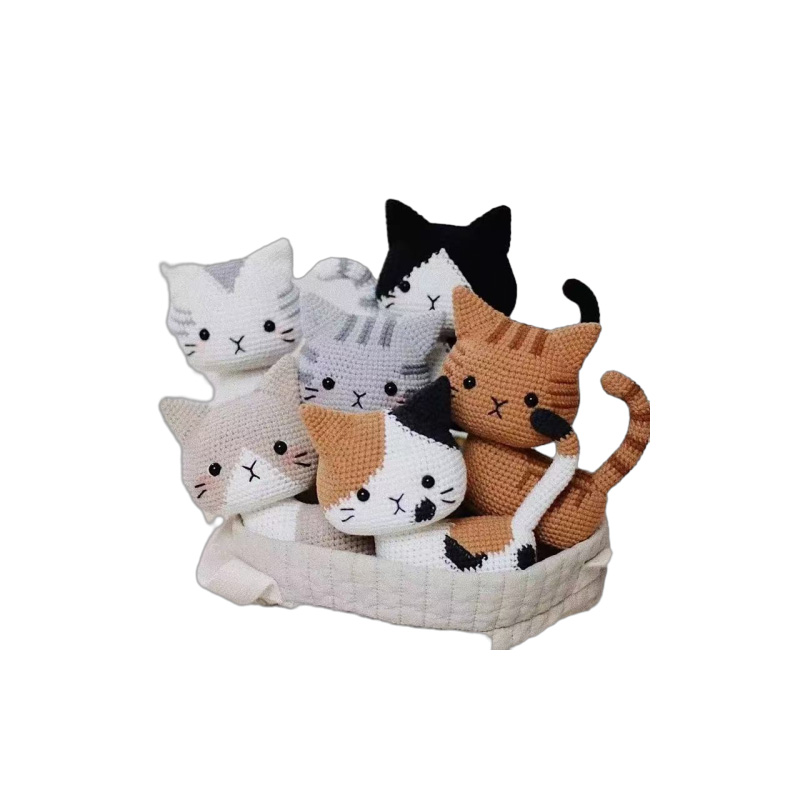
Crocheted Plush Toy
Handcrafted-style design with tightly secured yarn stitching for improved durability.
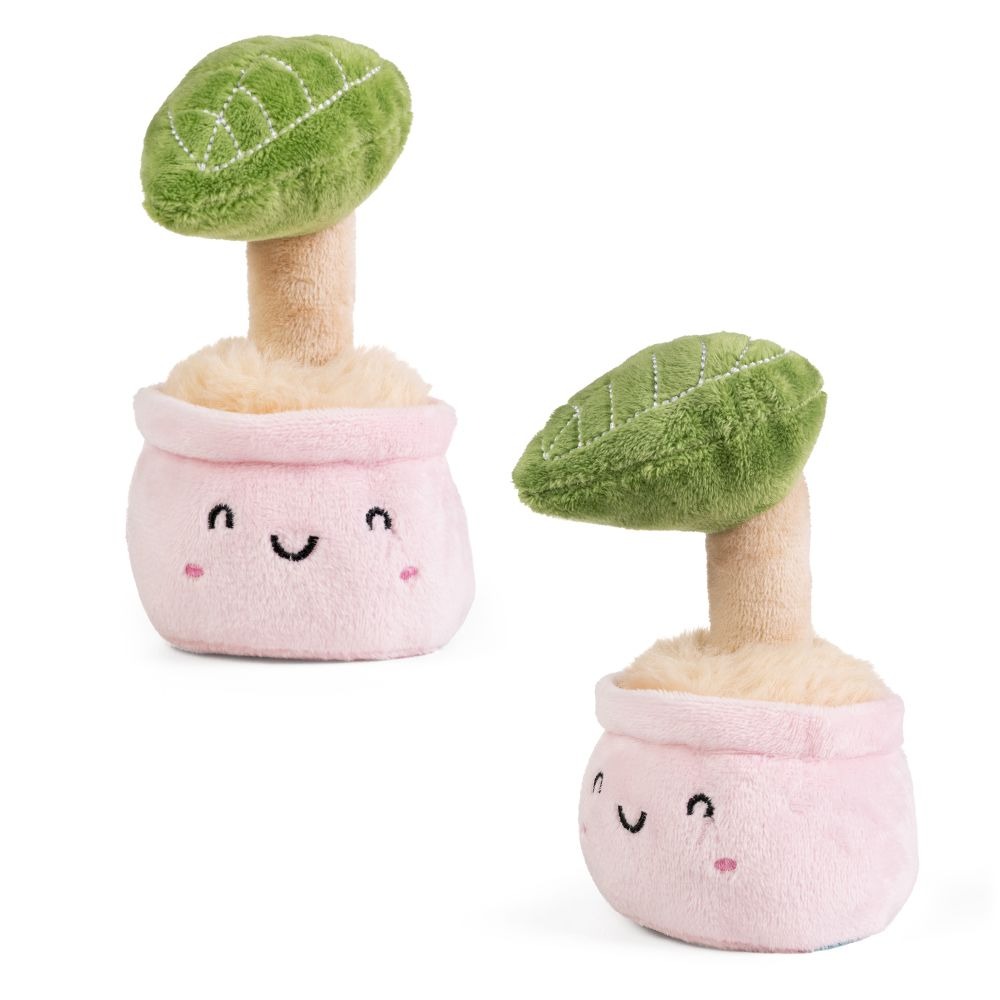
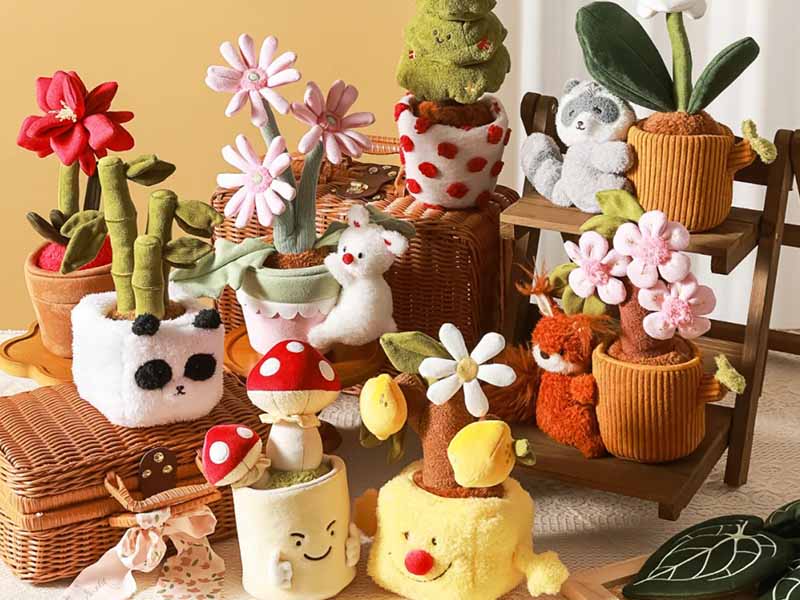
Plush Plant Collection
Decorative plush plants made with safe dye and reinforced base stitching.
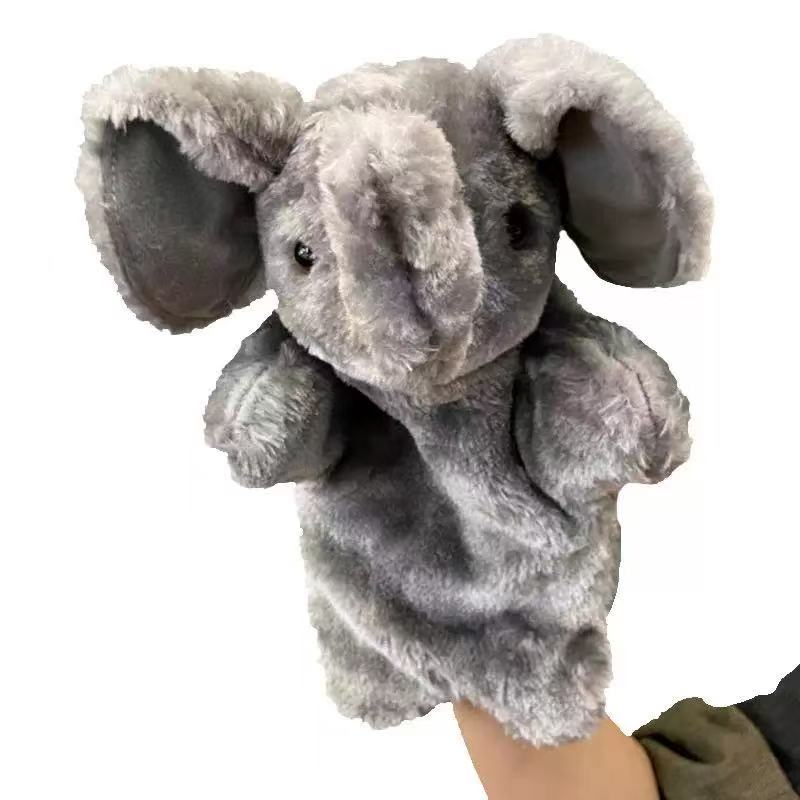
Hand Puppet Plush Toy
Secure internal structure with reinforced opening seams for safe interactive play.
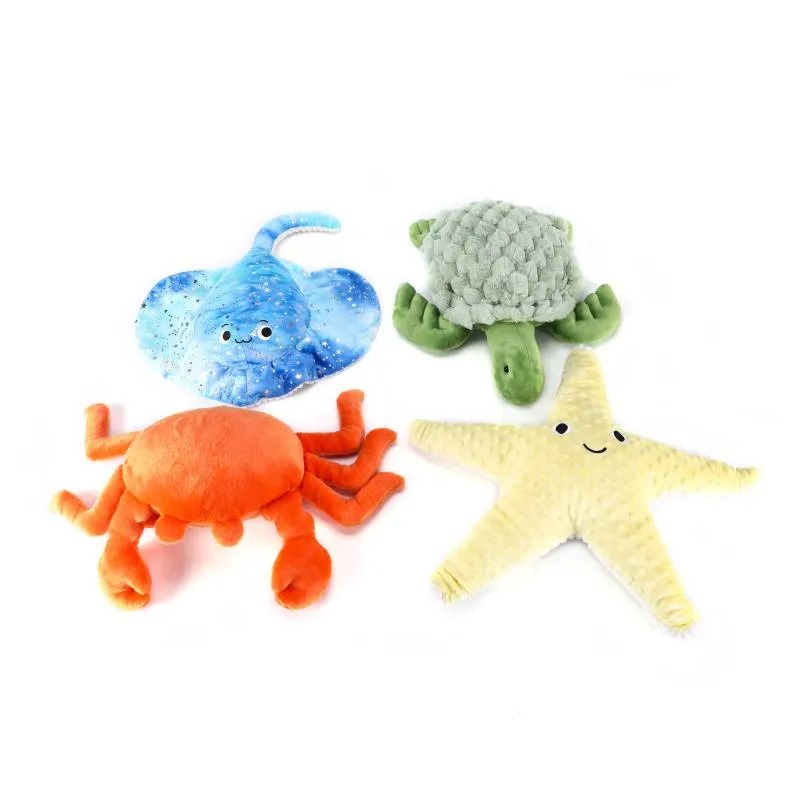
Plush Ocean Animal
Soft sea-themed designs with embroidered details and safety-tested materials.
Certified Non-Toxic Plush Fabrics & Safe Fillings for Global Toy Compliance
Material safety directly affects plush toy safety standards and testing results. Choosing the right non-toxic plush fabric and certified filling reduces compliance risks from the beginning. When materials are controlled and traceable, your products pass testing easier, and your customers trust your brand more. We do not use recycled unknown source material. Batch traceability is available for every production order.

Non-Toxic Plush Fabric
Soft, skin-friendly plush fabric produced under strict chemical control. This non-toxic plush fabric supports global toy compliance and reduces chemical testing risks.
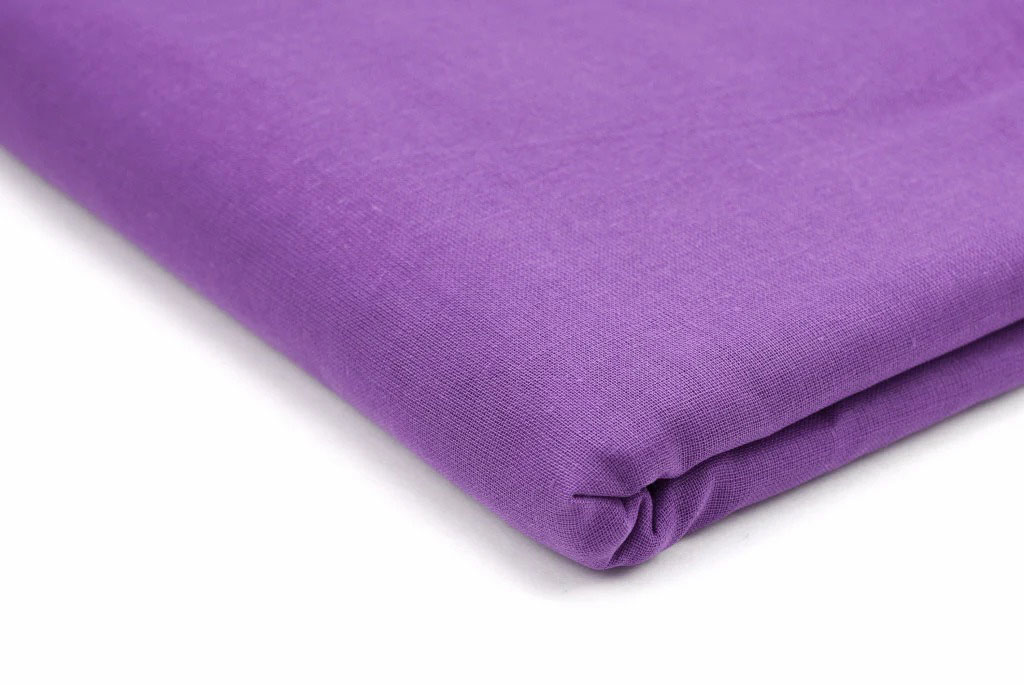
Azo-Free Dyed Fabric
Colored with azo-free dye to meet REACH and EN71 chemical requirements. Safer dye control helps your plush toys pass testing easier.

Eco-Friendly Plush Material
Made with certified eco-friendly plush material suitable for brands focused on sustainability and child-safe stuffed animals.
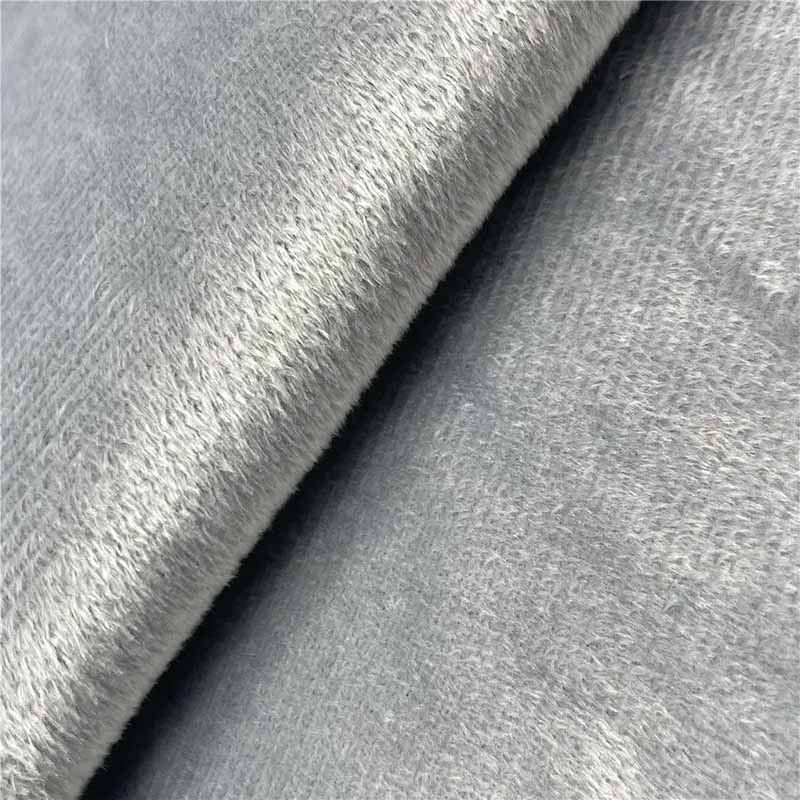
Reinforced Short-Pile Plush Fabric
Durable short-pile plush with stable surface structure, reducing fiber shedding and improving mechanical test performance.
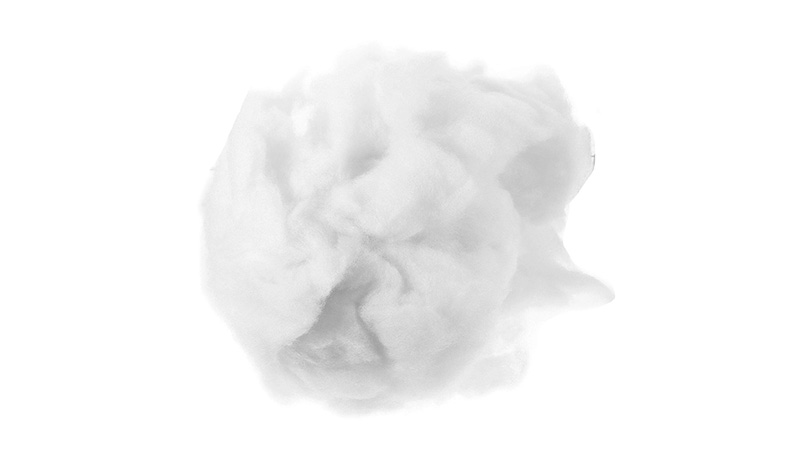
Virgin PP Cotton Filling
Made from virgin PP cotton with no recycled unknown source material. Clean and consistent fiber structure ensures safer plush production.
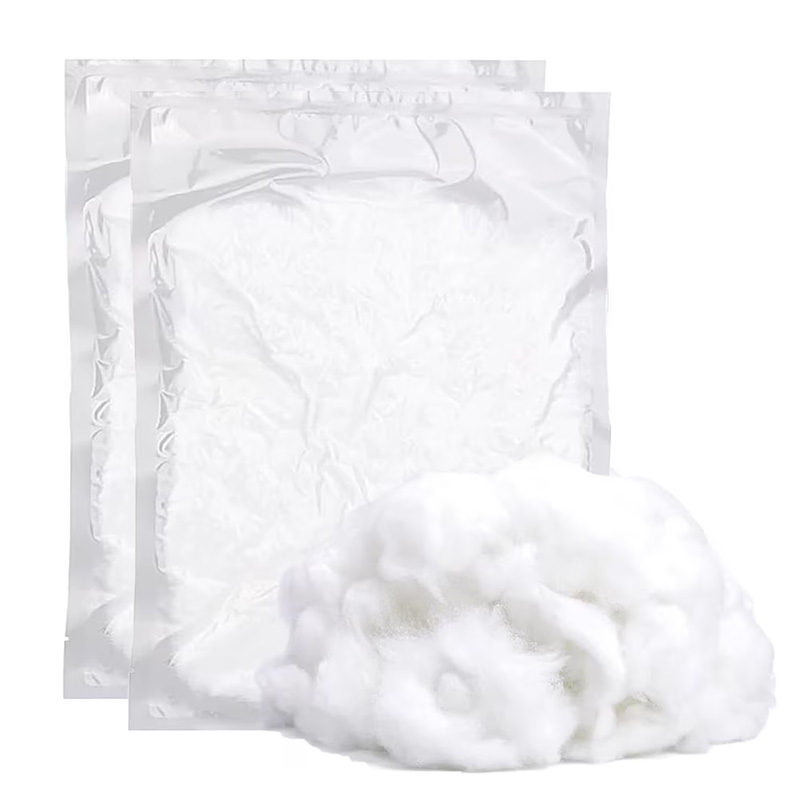
Hypoallergenic Polyester Fiber Stuffing
Soft polyester fiber stuffing designed to reduce allergy concerns while maintaining shape stability.
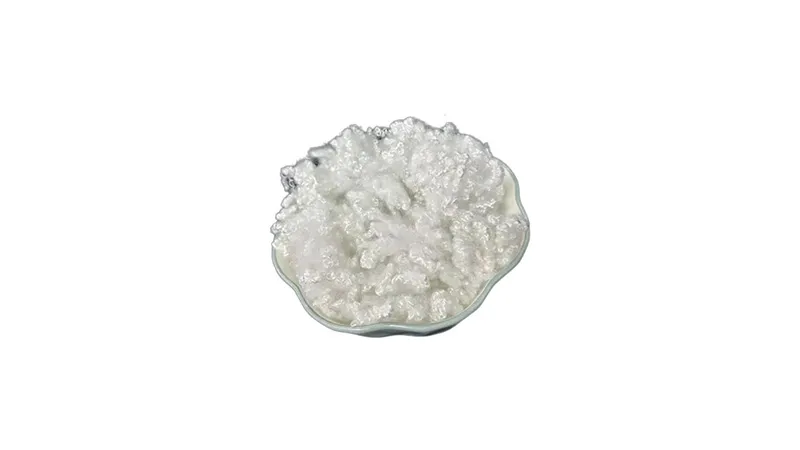
Recycled Fiberfill (Certified Source)
Certified recycled fiberfill from traceable supply chains. Suitable for eco-friendly plush projects with documentation support.
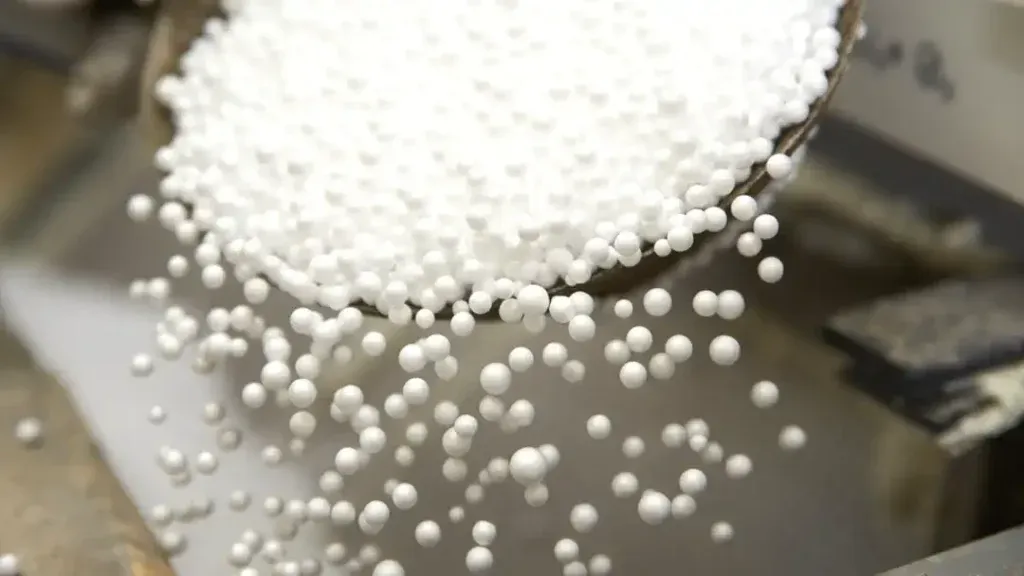
Flame-Retardant Filling
Flame-retardant filling designed to meet specific market requirements for enhanced safety performance.
Material control is the foundation of safe plush manufacturing. When fabrics and fillings are certified, traceable, and properly matched to your target market, compliance becomes smoother and production becomes more predictable.
Child-Safe Embroidery & Accessory Control for Plush Toy Compliance
Small details make a big difference in plush toy safety standards. Eyes, noses, decorations, and structural seams are the most common failure points in child-safe stuffed animals. If accessories are poorly attached or glued, they increase choking hazards and testing risks. By controlling embroidery techniques, stitched components, and reinforced seams, your products become safer for babies, safer for toddlers, and easier to pass global toy compliance testing.
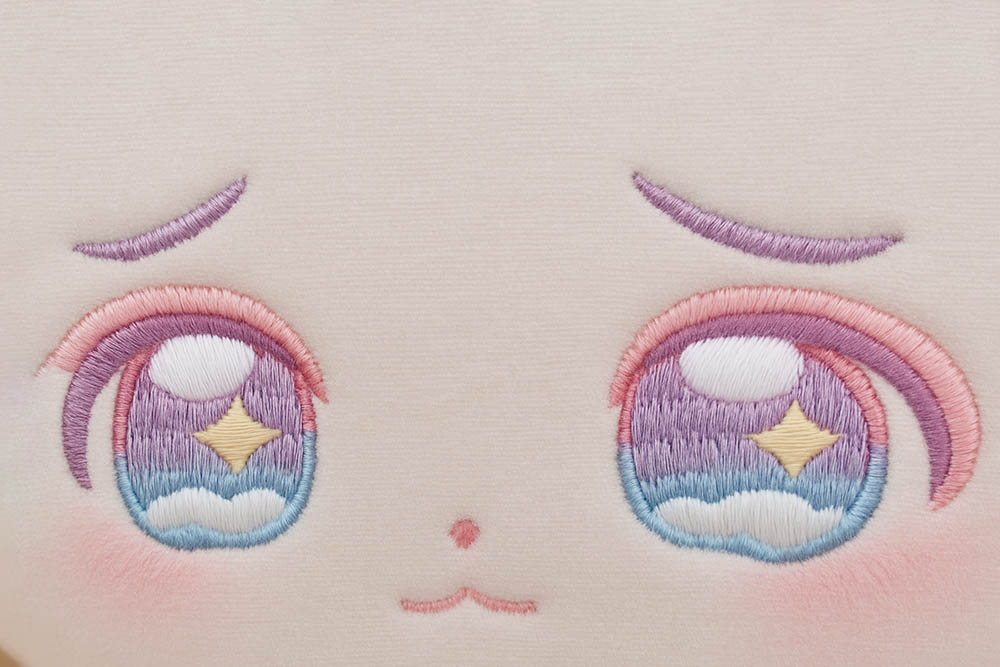
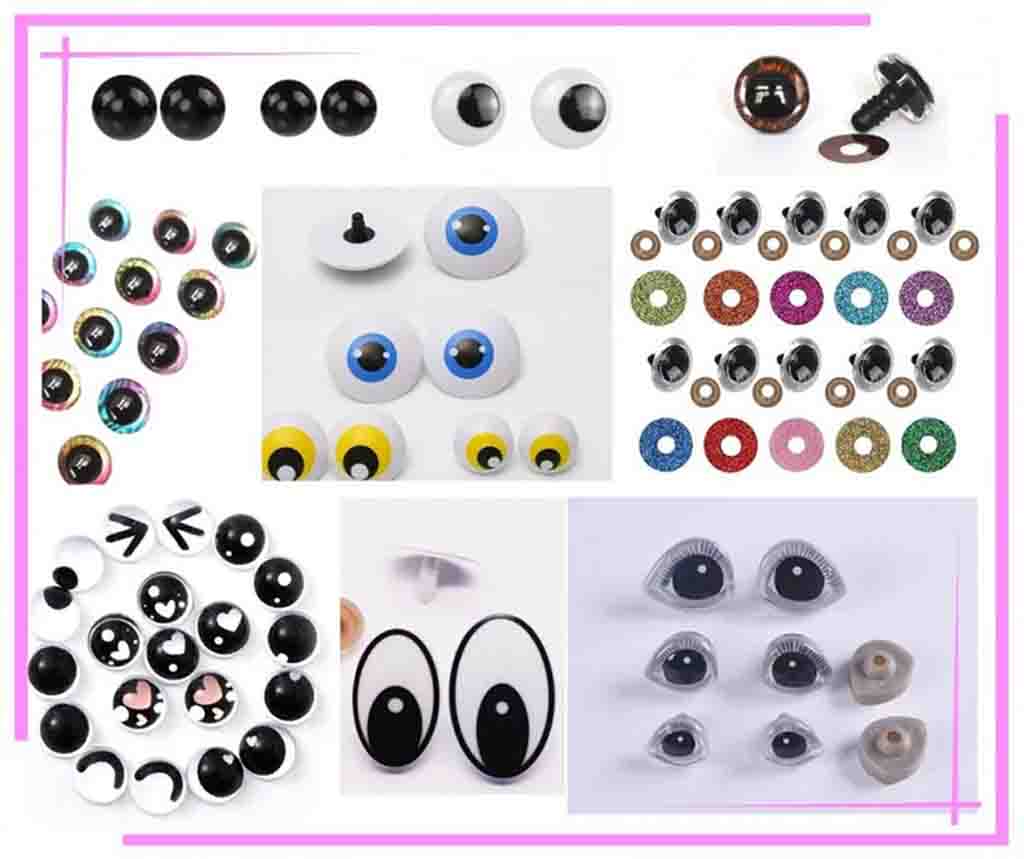
Fully Embroidered Eyes Instead of Plastic Parts
Plastic safety eyes may pass certain standards, but they still carry small-part and pull-force risks, especially for baby-safe plush toys. Using embroidered eyes removes detachable hard components entirely. This approach significantly lowers choking hazard risk and improves performance in tensile and pull testing. For infant collections and toddler products, embroidered details provide a softer surface and higher safety confidence.
Key Focus
Embroidered eyes
No detachable hard parts
Lower choking hazard risk
No Glued Plastic Accessories
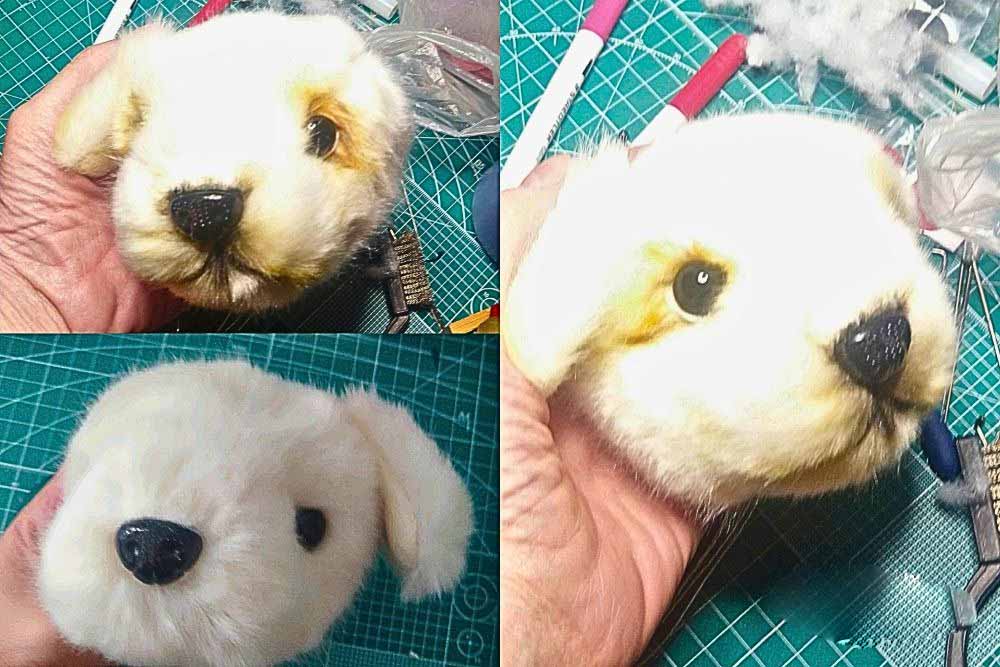
Glue-based accessories are one of the main reasons products fail plush toy safety standards. Heat, humidity, and long shipping times can weaken glue strength. By eliminating glued plastic parts and replacing them with stitched or integrated components, structural stability improves. This reduces compliance failure risk and protects your brand from recalls.
Key Focus
No glued plastic parts
Stable structure under temperature changes
Safer for babies
Safety Stitched Components for Long-Term Durability
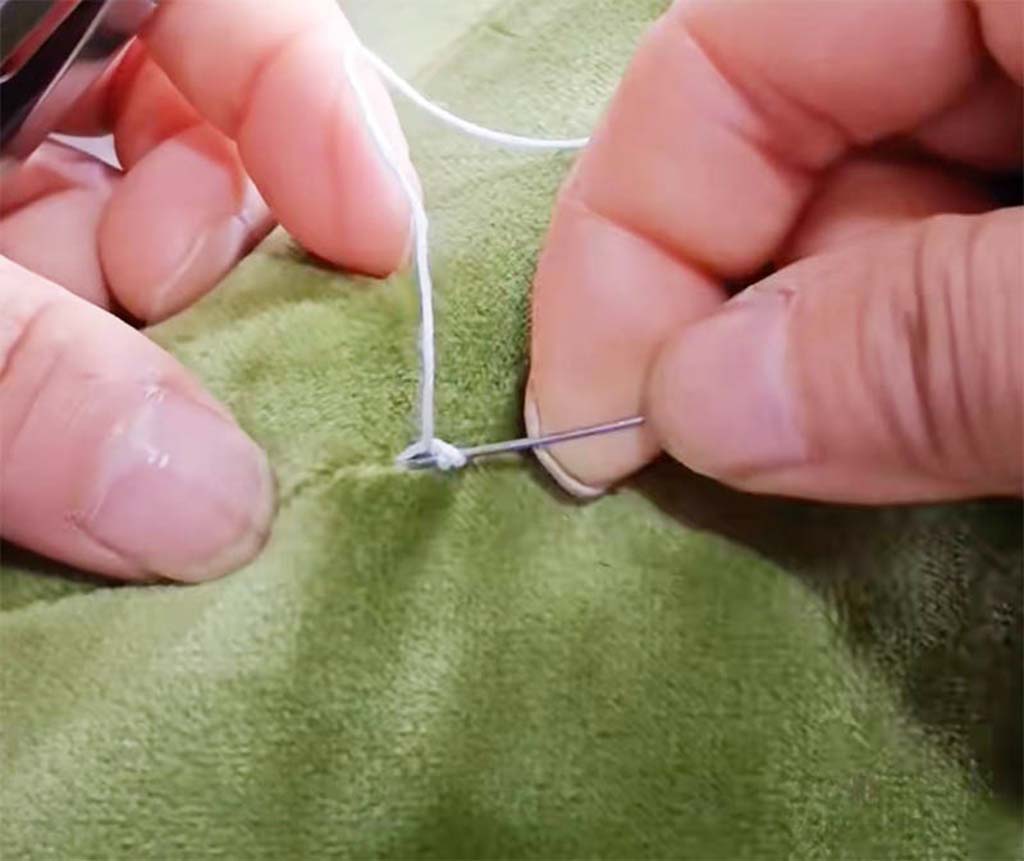
Accessories such as noses, patches, decorative pieces, and clothing must be securely attached. Safety stitched components use reinforced multi-point stitching to prevent detachment during repeated use. This is critical for toddler-safe stuffed animals that may experience pulling, biting, and twisting. Proper stitching increases durability and supports global toy compliance testing.
Key Focus
Safety stitched components
Multi-point reinforcement
Safer for toddlers
Reinforced Seams for Structural Integrity
Weak seams can open under pressure, exposing filling materials and creating safety risks. Reinforced seams use stronger thread, tighter stitch density, and structured seam planning. This helps plush toys perform better in seam strength testing and pull-force testing. A reinforced structure makes your products safer and more durable across multiple production batches.
Key Focus
Reinforced seams
Improved seam strength testing results
Reduced filling exposure risk
Integrated Safety Design from Sample to Mass Production
Accessory safety cannot be added at the end of production. It must be planned during pattern development and sample confirmation. From embroidery positioning to seam reinforcement and material selection, safety is built into the product before mass production begins. This structured approach ensures stable compliance and reduces recall risks.
Key Focus
Planned safety structure
Consistency from sample to production
Lower compliance failure risk
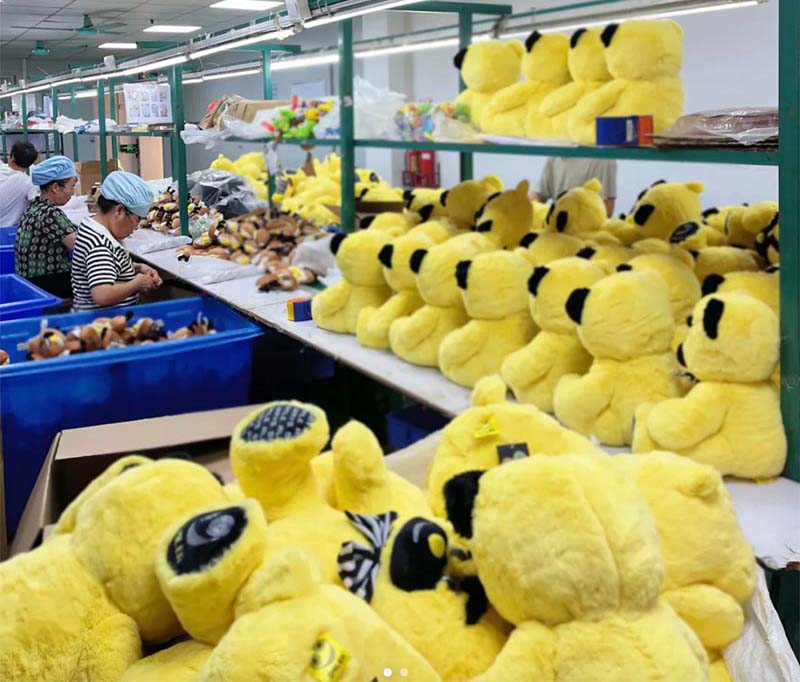
When embroidery and accessories are controlled at a structural level, your plush toys become safer for babies, safer for toddlers, and more reliable for international markets. Small details protect your brand reputation.
100% Needle Detection & Metal Inspection Control for Plush Toy Safety
In plush manufacturing, hidden metal fragments are one of the most serious safety risks. A broken needle left inside a toy can cause injury and lead to product recalls. That is why needle detection and metal detector inspection are critical steps before packing. With strict inspection control, you receive safer products, reduced factory accident risks, and stronger brand protection in global markets.
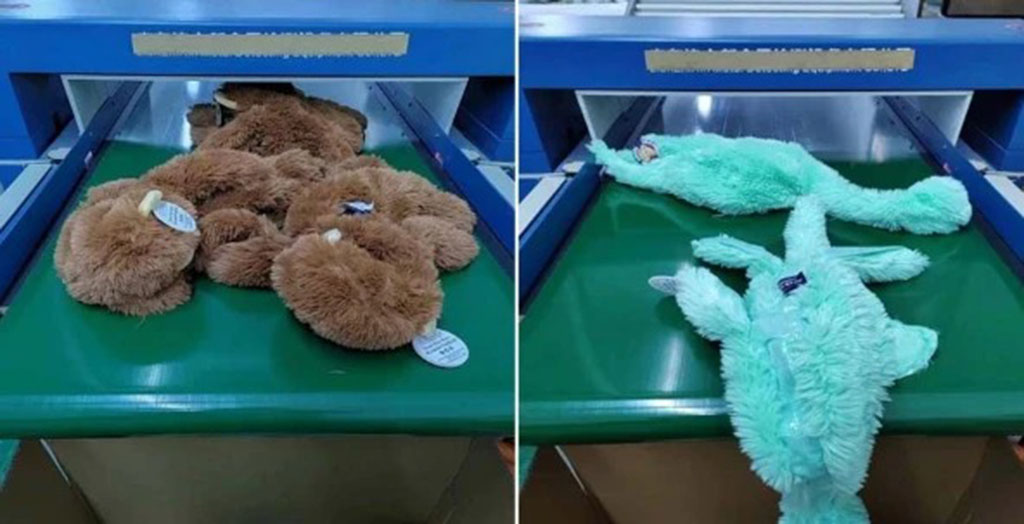
Broken Needle Prevention During Sewing
During sewing, broken needle prevention protocols are implemented to control machine condition and needle replacement frequency. Operators record needle changes and follow strict procedures when breakage occurs. This reduces the possibility of metal fragments entering the plush toy during production.
100% Needle Detection Before Packing
Every plush toy passes through needle detection equipment before packing. This 100% inspection before shipping ensures that no hidden metal remains inside the product. Consistent scanning helps meet plush toy safety standards required for global toy compliance.
Metal Detector Inspection for Structural Safety
In addition to needle detection, metal detector inspection is used to identify unexpected metal contamination from tools or accessories. This double-check system strengthens safety control and supports safer mass production consistency.
Inspection Records & Traceability Control
Inspection data is recorded for each production batch. If issues are found, traceability allows quick identification and correction. This structured inspection system reduces factory accident risks and protects your brand reputation in case of audits.
Tensile Strength & Pull Force Testing for Child-Safe Plush Compliance
For child-safe stuffed animals, “soft” is not enough—products must stay safe under real use. Children pull, bite, twist, and throw plush toys every day. That is why tensile strength testing, seam strength testing, and pull force testing are critical. Eyes, seams, and labels are tested to reduce choking hazards and ensure plush toys meet global safety standards.
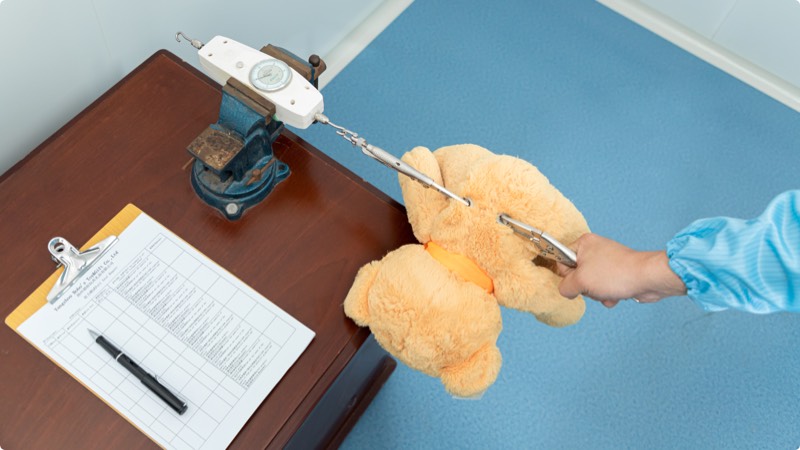
Tensile Strength Test for Critical Parts
A tensile strength test checks whether key components stay attached under strong pulling. This includes embroidered eyes, stitched noses, decorative patches, hanging loops, and accessory connection points. Testing these high-risk areas early ensures safer samples and smoother compliance testing for global markets.
Seam Strength Testing for Rough Handling
Seam strength testing focuses on highly stressed seams such as arm joints, leg joints, belly seams, and openings. Reinforced stitching plans, controlled stitch density, and thread strength are verified to ensure plush toys remain safe even during rough handling by children.
Pull Force Testing for Eyes, Labels, and Attachments
Pull force testing targets commonly grabbed parts such as eyes, labels, ribbons, hangtags, and decorative attachments. Testing confirms that all attachment points remain secure and reduces the risk of small parts detaching during use.
Testing is not a box to tick. It is a real-world safety guarantee.
When your plush toys are designed for rough handling by children, compliance becomes easier and customer trust grows faster.
Full In-Line Plush Toy Quality Control System for Batch Consistency
A reliable plush toy quality control system is not based on one final check. It is built into every stage of the factory inspection process. From material incoming inspection to in-process control and final inspection, each step supports batch consistency control. When quality is monitored continuously, defect rates are reduced and return risks are minimized. You receive stable mass production, fewer complaints, and stronger brand reliability in global markets.
IQC – Material Incoming Inspection
Material incoming inspection ensures that non-toxic plush fabric, PP cotton filling, accessories, and packaging materials meet approved standards before production begins. Each batch is checked for color consistency, weight, density, and safety compliance. Early control prevents defective materials from entering the sewing line and protects product safety from the first step.
IPQC – In-Process Quality Control
In-process control monitors key production stages such as cutting, sewing, stuffing, embroidery, and accessory attachment. Supervisors conduct spot checks to ensure seam strength, stitching accuracy, and structural safety. This reduces hidden defects and keeps plush toy quality control aligned with approved samples.
FQC – Final Inspection Before Packing
Final inspection verifies appearance, structure, embroidery accuracy, labeling, and overall workmanship. Products are checked against the approved pre-production sample to ensure batch consistency control. Defective items are removed before packaging, which reduces defect rates and prevents unnecessary returns.
OQC – Outgoing Quality Control & Documentation
Outgoing inspection confirms that packed goods meet quantity, labeling, carton strength, and shipping requirements. Documentation is reviewed to match compliance and order details. This structured factory inspection process ensures stable shipments and protects your brand reputation in retail and e-commerce markets.
Quality control is not just about finding problems. It is about preventing them early.
When batch consistency is managed correctly, you reduce defect rates and reduce returns while building long-term buyer trust.
Age-Graded Safe Plush Toy Manufacturing for Global Compliance
Different age groups require different plush toy safety standards. A design that is safe for a 5-year-old may not be suitable for an infant. From infant-safe materials to structure control for toddler plush toys and 3+ stuffed animals, safety planning must start at the product development stage. We help you design according to age grading requirements so your plush toys match global toy compliance rules and reduce testing risks.
Baby-Safe Plush Toys (0–12 Months)
Baby-safe plush toys require the highest safety level. All parts must avoid small detachable components. Embroidered facial details, reinforced seams, and infant-safe materials such as hypoallergenic stuffing are essential. Fabrics must be soft, non-toxic, and tested under strict chemical standards to ensure zero choking risk and maximum structural safety.
Toddler Plush Toys (1–3 Years)
Toddler plush toys must withstand pulling, biting, and frequent washing. Seam strength testing and pull force testing become critical. Decorative elements must be securely stitched, and structure planning must prevent filling exposure. For this age group, durability and safety must work together.
3+ Stuffed Animals
3+ stuffed animals allow more creative designs, but they still require compliance with mechanical and chemical testing standards. Accessories, clothing pieces, and decorative elements must meet tensile and seam strength requirements. Age labeling and documentation must match the intended market regulations.
Age-Graded Design Planning from the Start
Age grading is not decided after production—it is defined during product development. We review your design concept, structure plan, material selection, and accessory attachment based on the intended age group. This reduces compliance failure risks and helps plush toys pass international testing more smoothly.
When age grading is correctly planned, your plush toys become safer, easier to certify, and more trusted by parents and retailers.
Golden Sample Control & Mass Production Consistency for Safe Plush Toys
In plush manufacturing, passing the sample stage is only the beginning. Real risk appears when mass production starts. Without structured control, materials can change, stitching density can vary, and safety details can shift. That is why pre-production sample approval and golden sample control are critical. Sample ≠ risk when consistency is managed correctly. You receive stable batches that match your approved standards.
Pre-Production Sample & Golden Sample Control
Before mass production begins, a pre-production sample is confirmed based on approved materials, stitching methods, embroidery details, and structural safety planning. This sample becomes the golden sample control reference. During production, supervisors compare batch output against this approved reference to prevent deviations in fabric type, stuffing density, seam strength, and accessory attachment. This structured control reduces variation and protects plush toy safety standards.
Mass Production Consistency & Batch Stability
Mass production consistency depends on controlled sourcing, standardized sewing procedures, stuffing weight checks, and in-line quality monitoring. Batch consistency control ensures that products shipped in different months maintain the same safety structure and appearance quality. When processes are standardized and documented, defect rates decrease and return risks are minimized.
Consistency is not luck. It is a managed system.
When sample approval and production control work together, your plush toys remain safe, compliant, and predictable in global markets.
Trusted by Leading Global Brands
Strong partnerships prove strong capabilities. Over the years, Kinwin has worked with world-leading brands and retailers to deliver interactive plush toys that meet the highest standards of creativity, safety, and quality. By choosing us, you gain a supplier that is trusted by top companies worldwide—and the same reliability is available to your brand.




Who Should Partner with a Safe Plush Toy Manufacturer
If you sell plush toys in regulated markets, safety is not optional. Retailers, online platforms, and distributors require compliance documents and stable production quality. A safe plush toy manufacturer helps you meet plush toy safety standards, reduce recall risks, and build long-term trust. If your brand depends on child-safe stuffed animals, structured safety control must begin from the earliest development stage.
Clients Who Benefit Most
If your customers are children, safety defines your brand value.
When compliance is built into your supply chain, your growth becomes more stable and predictable.
Build a Safer Plush Toy Line with Confidence
Safety is not just a requirement. It is your competitive advantage. When your plush toys meet global compliance standards such as CE, EN71, ASTM F963, and CPSIA, you reduce recall risks, avoid shipment delays, and protect your brand reputation. More importantly, you give parents, retailers, and distributors a reason to trust your products.
From non-toxic plush fabric and infant-safe materials to needle detection, pull force testing, and full in-line quality control, every safety step strengthens your supply chain. You receive stable batches, lower defect rates, and fewer returns. Your products pass testing easier. Your customers trust your brand more.
If you are ready to develop child-safe stuffed animals for global markets, now is the time to build with a manufacturer that plans safety from day one.
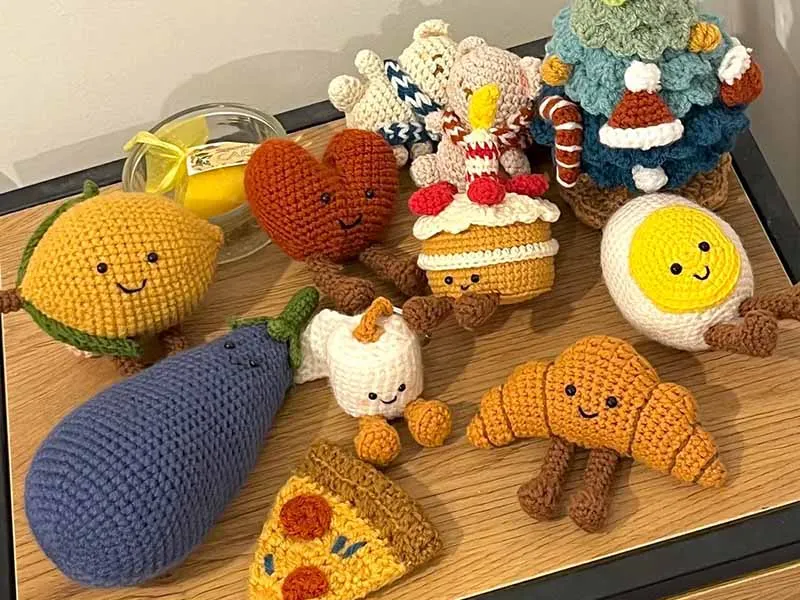
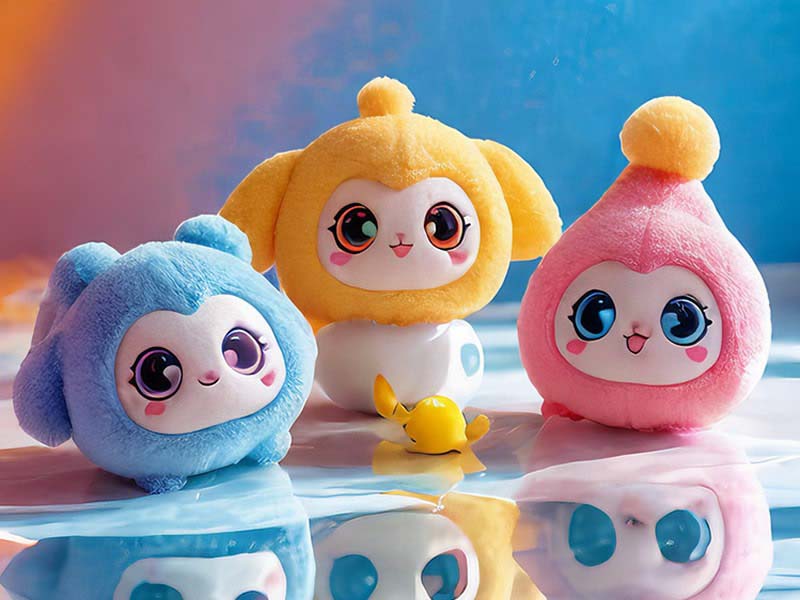
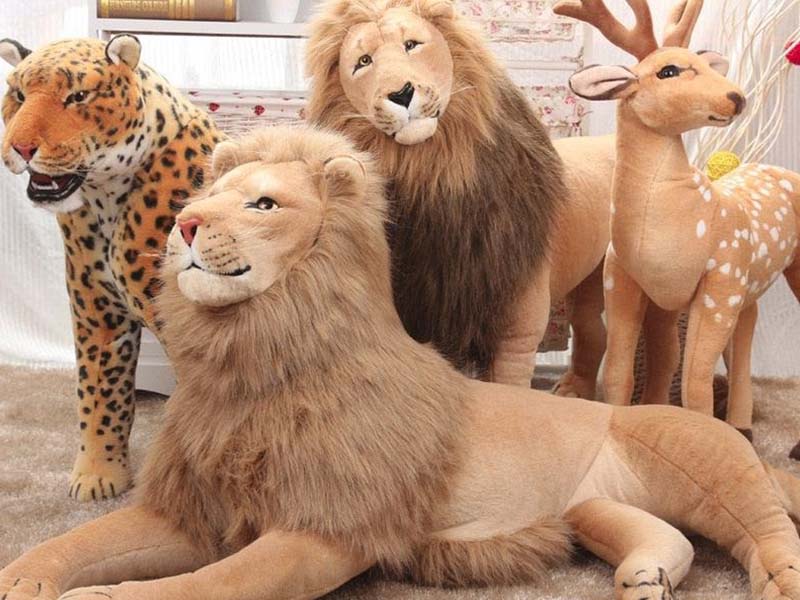
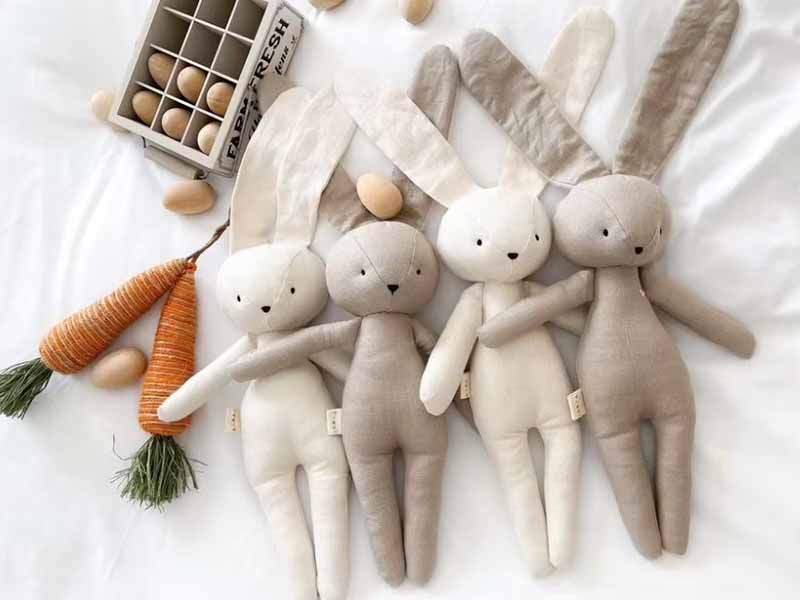
Explore Our Custom Plush Toy Series
We offer a wide selection of plush toys to meet different business needs. From baby-safe stuffed animals to collectible plush dolls, our product lines are designed for global brands, retailers, e-commerce, and promotional projects.
Frequently Asked Questions
1. How do you ensure plush toy safety during production?
Safety is controlled at multiple levels. We use non-toxic plush fabric, azo-free dye, and certified PP cotton filling. All accessories are safety stitched instead of glued. We implement needle detection, metal detector inspection, tensile strength test, seam strength testing, and pull force testing. In-line quality control (IQC, IPQC, FQC, OQC) ensures stable batch consistency. Safety is built into the system, not checked only at the end.
2. Do you support CE certification and EN71 compliance?
Yes. We support CE certification and EN71 compliance for the European market. We assist with material matching, age grading, technical file preparation, and lab testing coordination. Compliance planning begins before production to reduce testing risks and avoid shipment delays.
3. Can your plush toys meet ASTM F963 and CPSIA standards?
Yes. For the U.S. market, we design products according to ASTM F963 and CPSIA requirements. This includes small parts control, structural strength, lead and phthalate compliance, and product traceability labeling. Proper documentation is prepared to support third-party testing.
4. What materials do you use for baby-safe plush toys?
For baby-safe plush toys, we use infant-safe materials such as hypoallergenic stuffing, virgin PP cotton filling, and non-toxic plush fabric. All facial details are embroidered. No glued plastic parts are used. Materials are selected based on strict plush toy safety standards.
5. Do you perform needle detection on every product?
Yes. 100% needle detection is conducted before packing. In addition, broken needle prevention procedures are implemented during sewing. Metal detector inspection is used as an additional safety layer. Inspection records are maintained for batch traceability.
6. How do you control mass production consistency?
We implement pre-production sample confirmation and golden sample control. Materials, stitching density, stuffing weight, and accessory attachment methods are standardized. In-line quality control ensures mass production consistency across batches.
7. Can you provide third-party lab testing support?
Yes. We coordinate with accredited testing laboratories such as SGS and Intertek when required. We prepare necessary documentation and production samples to support chemical, mechanical, and flammability testing based on your target market.
8. How do you reduce defect rates and returns?
Through structured plush toy quality control, including material incoming inspection, in-process control, and final inspection, we reduce hidden defects early. Stable sourcing and batch consistency control help minimize variation. This lowers return risk and improves retail performance.
9. Do you use recycled unknown source materials?
No. We do not use recycled unknown source material. Virgin PP cotton and certified recycled fiberfill (with traceable documentation) are used depending on project requirements. Batch traceability is available for production orders.
10. How early should safety planning start?
Safety planning should begin at the design stage. Age grading, material selection, embroidery decisions, seam reinforcement, and compliance documentation must be considered before sampling. Early planning reduces compliance failure risk and ensures smoother global market entry.
If You Can lmagine lt,We Will Create lt!
1.Tell Us What You Need
Tell us as specific as possible of your needs and share your idea.
2.Get Solution & Quote
We will work on the best solution according to yourrequirements,the specific quote will be provided within 24 hours.
3.Approve for Mass Production
We will start mass production after getting your approval.