
REALISTIC ANIMAL PLUSH
Real Stuffed Animals
Custom realistic stuffed animals and lifelike animal plush toys for museums, zoos, aquariums, wildlife brands, education programs and retail collections.
In commercial plush manufacturing, real stuffed animals usually means realistic stuffed animals: plush toys designed to look like real species, real pets, wildlife, zoo animals, farm animals or natural-history characters. This page is about lifelike animal plush production, not taxidermy, animal hides, preserved animals or real animal products.
KINWIN develops realistic animal plush toys for brands, museums, zoos, aquariums, wildlife programs, educational publishers, retail gift shops and custom merchandise projects. The goal is to make plush animals that feel soft and giftable while still carrying recognizable species features, accurate proportions and believable visual details.
A successful realistic stuffed animal is not simply a cute animal toy with a natural color. It needs controlled shape, suitable fabric texture, thoughtful facial expression, correct markings, stable sewing and an appearance that matches the buyer’s educational, retail or brand purpose.
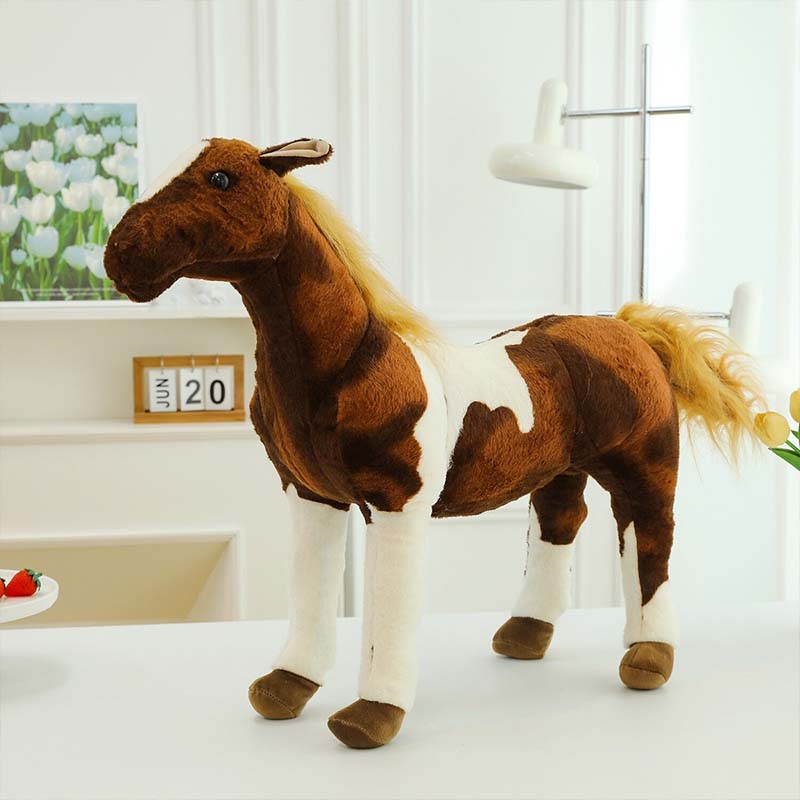
REALISM BALANCE
Realistic Plush Sits Between Cute Toys and Scientific Models
Different buyers need different levels of realism. A museum shop may care about species accuracy, while a lifestyle brand may want a natural look that still feels warm and approachable.
Realism Positioning
- Too cartoon-like: easier to manufacture, but may lose species recognition and educational value.
- Too scientific: visually accurate, but may feel stiff, less emotional or less suitable for children and gift shops.
- Balanced realism: recognizable species details, soft plush expression, safe construction and strong retail appeal.
Production Direction
KINWIN helps buyers choose the right realism level before sampling, so the finished plush supports the project purpose instead of becoming either too generic or too rigid.
ANIMAL CATEGORIES
Animal Categories We Can Develop in a Realistic Plush Style
Realistic animal plush development changes by species. Body structure, fur direction, markings, face shape and posture all affect the final sample.
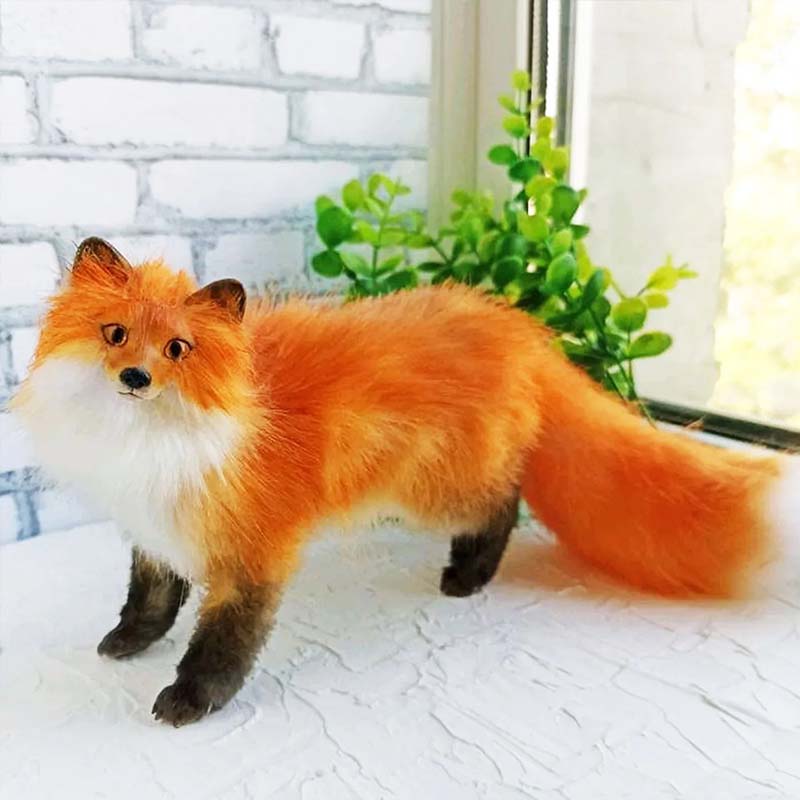
Wildlife Stuffed Animals
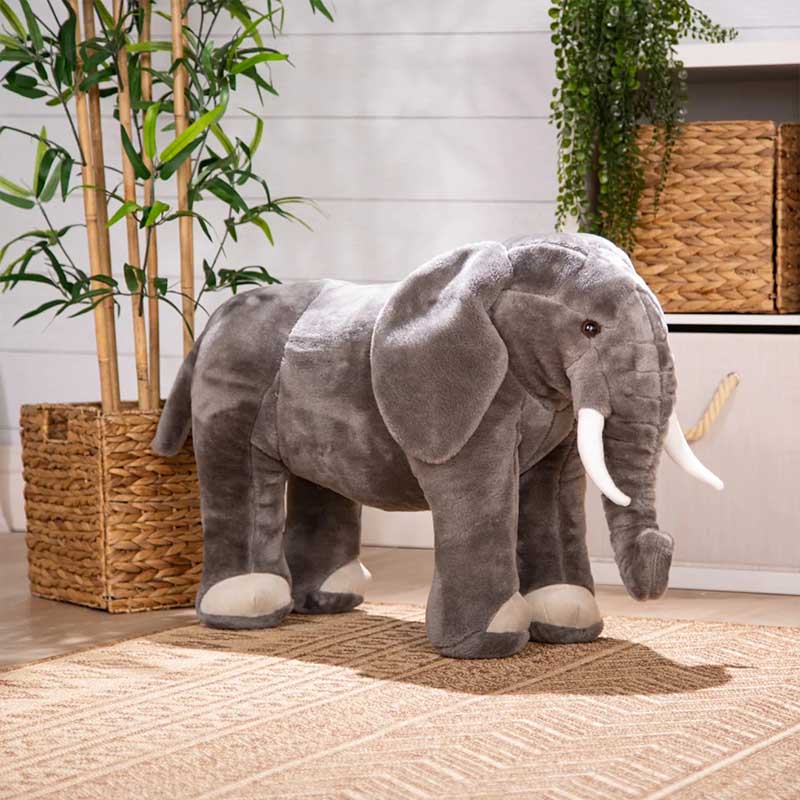
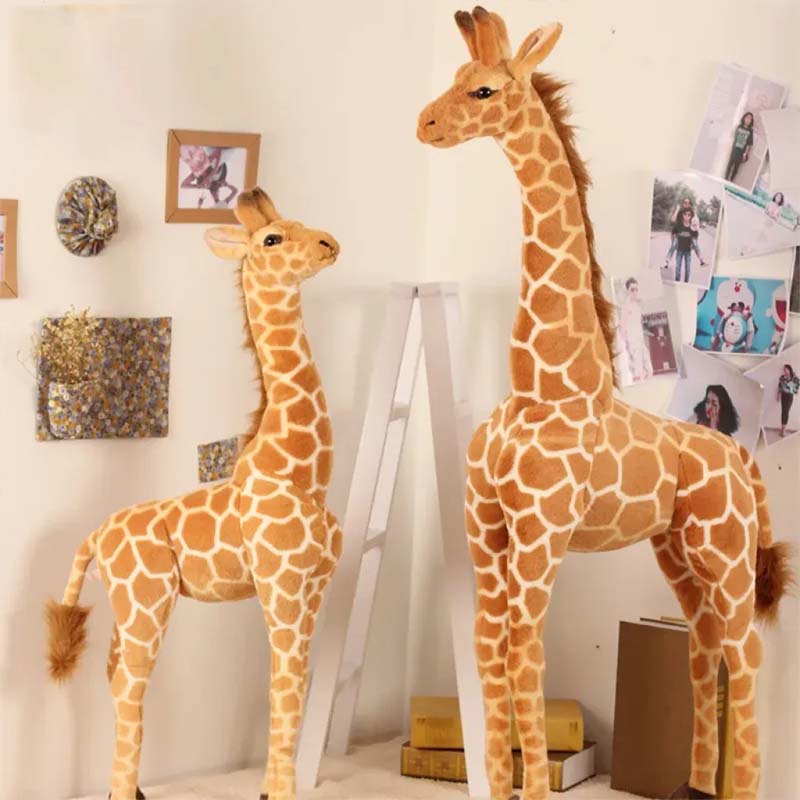
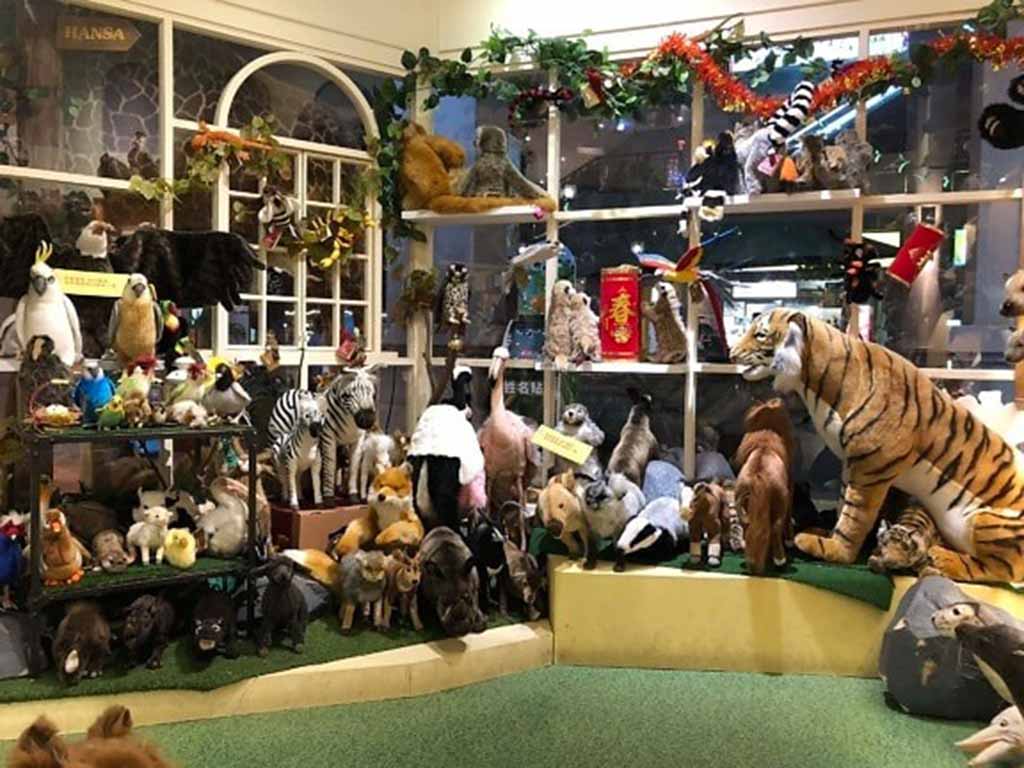
Wildlife plush can include bears, wolves, foxes, deer, tigers, lions, elephants, giraffes, pandas and other animals used in zoo shops, conservation campaigns and nature-themed retail collections. These designs often need clear silhouettes, accurate markings and a balance between realism and friendliness.
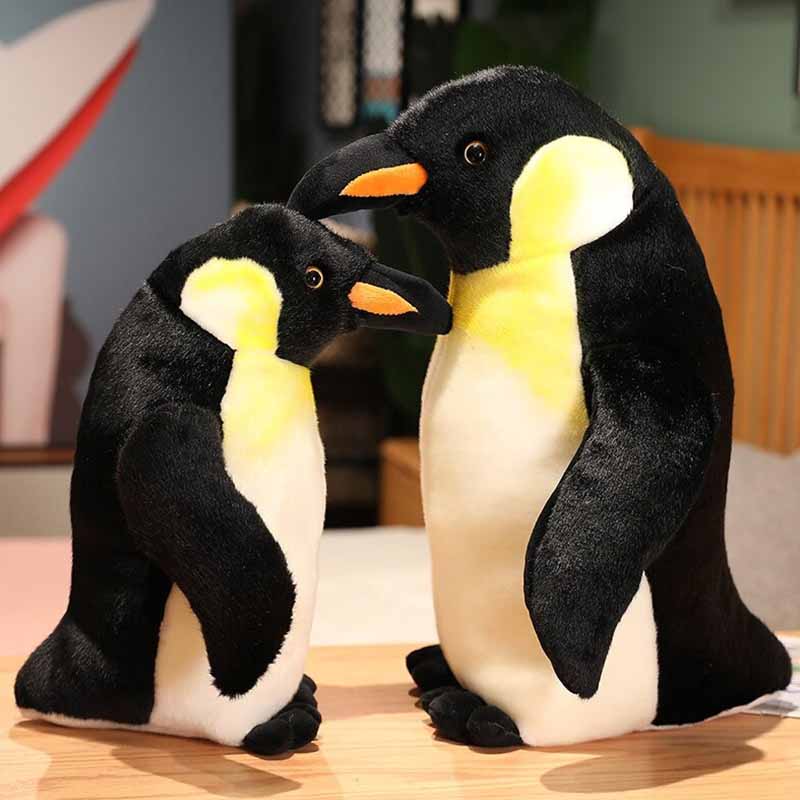
Sea Animal Stuffed Animals
Sea animal plush such as dolphins, whales, sharks, turtles, seals, rays, octopus and penguins require careful body shaping. Smooth curves, fin placement, belly colors, eye position and fabric direction can strongly affect whether the animal is recognizable.
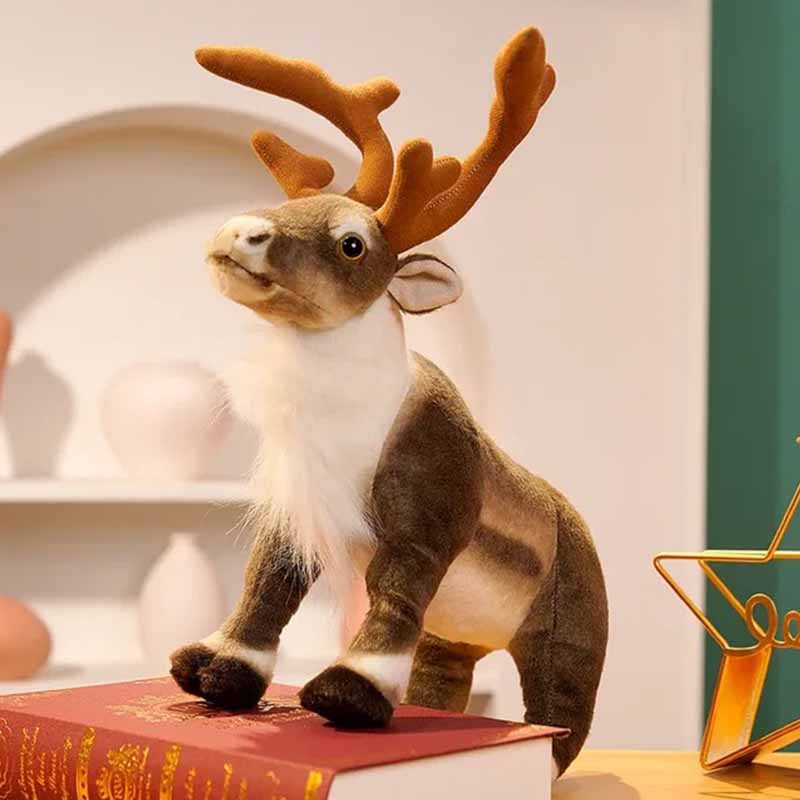
Farm Animal Stuffed Animals
Farm animal plush may include cows, sheep, pigs, horses, goats, chickens and ducks. Buyers often want a softer, approachable style, but realistic color patches, hoof shapes, ears, horns and body proportions still matter.
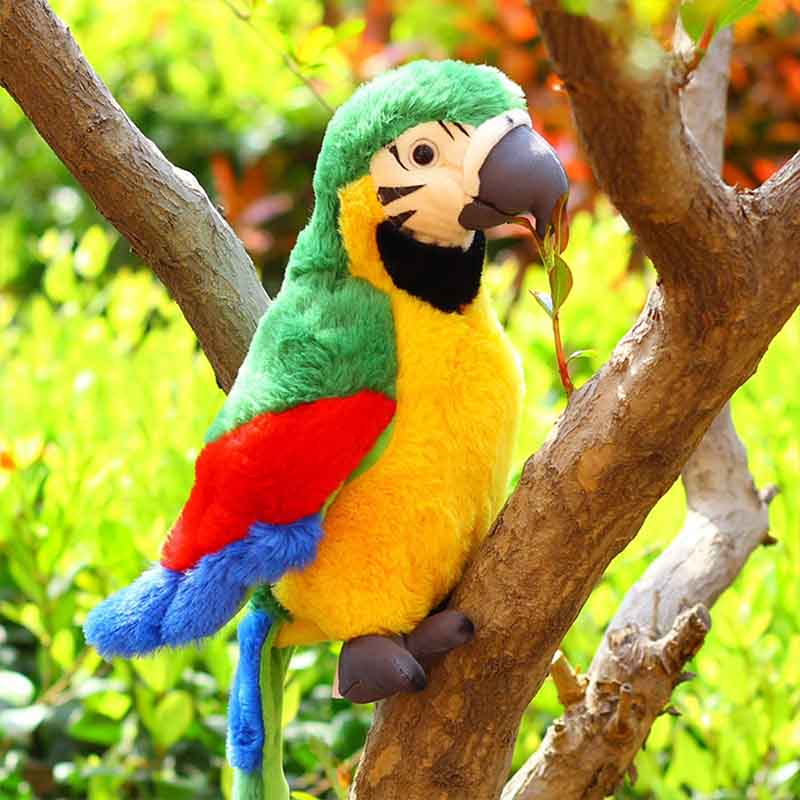
Bird and Parrot Plush
Bird plush requires attention to beak shape, wing panels, tail feathers, color blocking and eye placement. Parrots, owls, eagles, flamingos and songbirds can look very different depending on how the wing and body pattern is simplified.
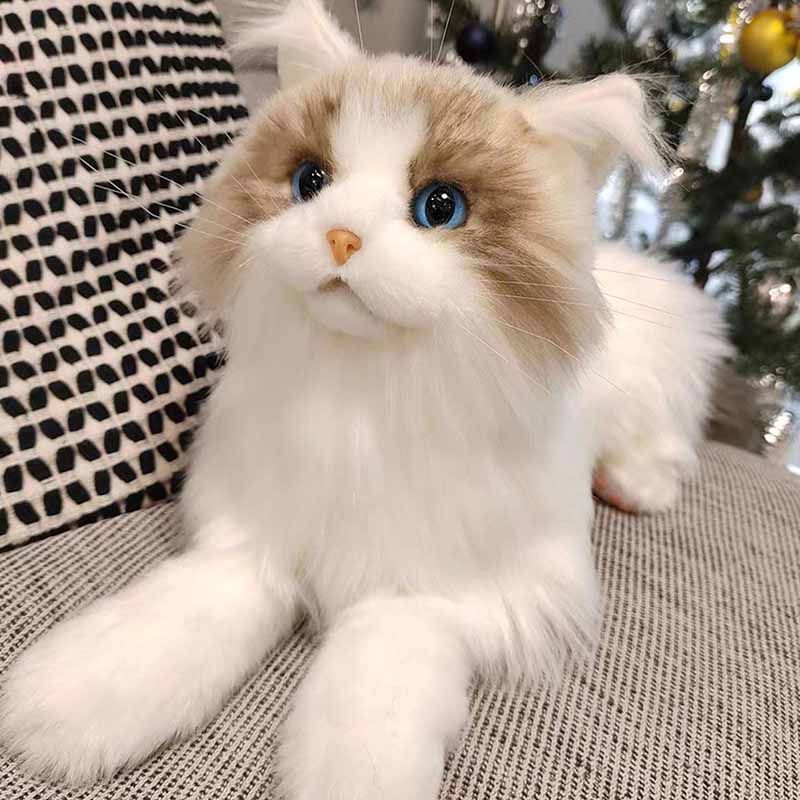
Pet Replica Style Plush
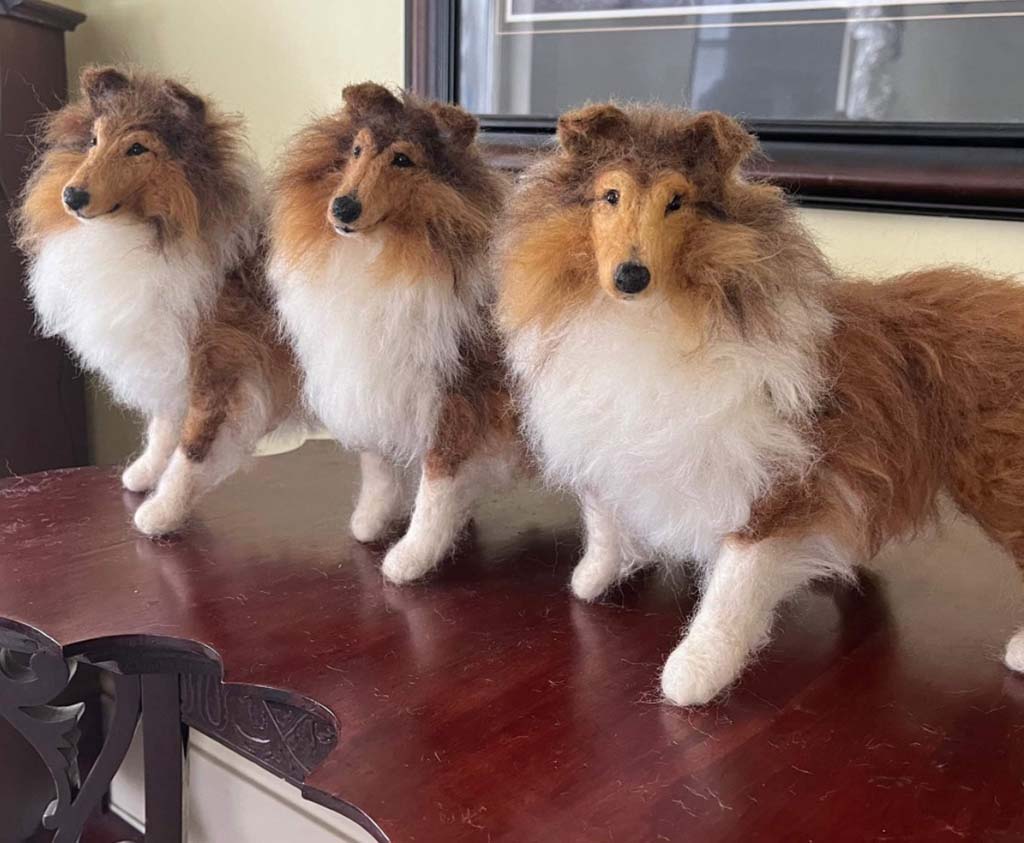
Pet-inspired plush can be developed for dog and cat breeds, pet brands and memorial-style gift products. The challenge is capturing breed features without promising one-to-one handmade portrait accuracy for every individual pet.
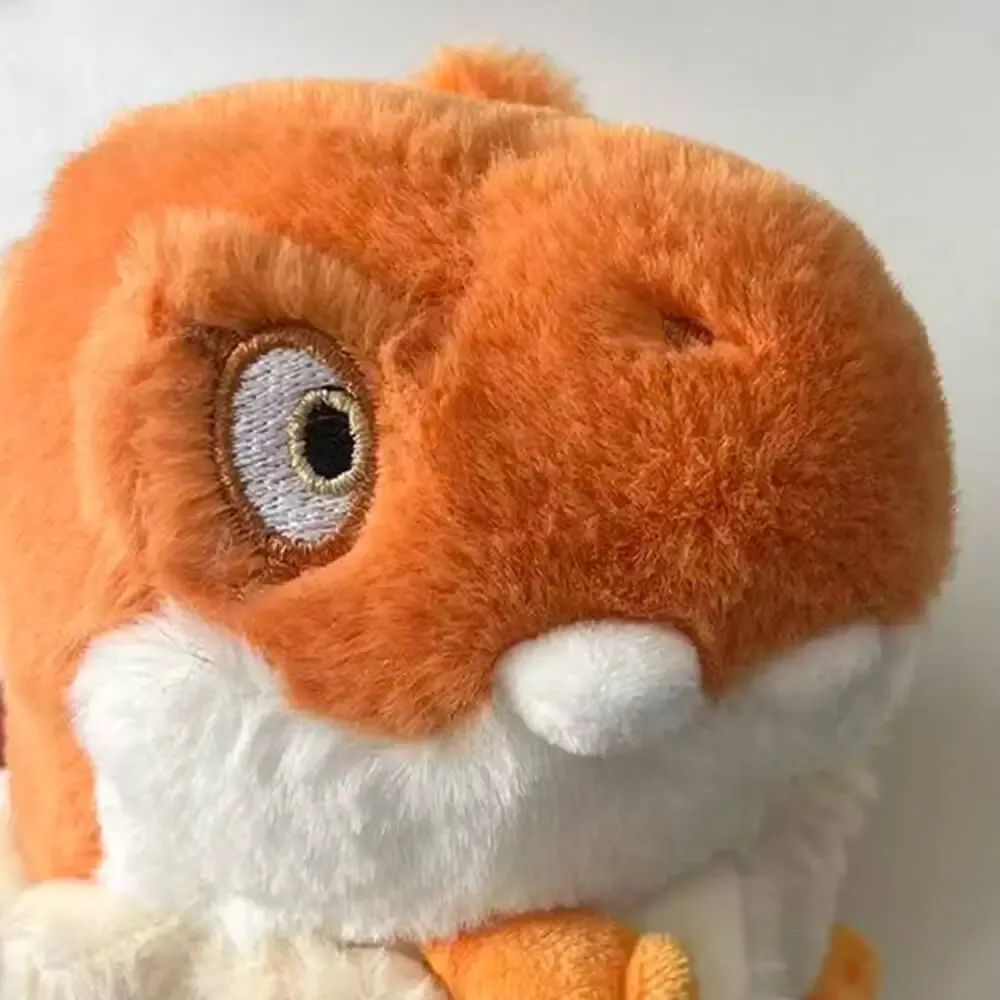
Extinct and Prehistoric Animal Plush
Dinosaurs, mammoths and prehistoric animals can use realistic textures and scientifically inspired shapes while remaining soft and safe. These designs are suitable for museums, educational programs and themed retail collections.
SPECIES RECOGNITION
Species Recognition Starts with Shape Before Surface Detail
This approach helps the finished stuffed animal look more real even when the design remains soft and commercial. The buyer gets a product that can be recognized quickly by shoppers, students or visitors without making the toy overly complex or expensive.
Many realistic animal plush projects fail because the design relies too much on printed markings and not enough on the body shape. Before color, embroidery or fur texture is considered, the animal must have a recognizable silhouette. A whale should not look like a generic fish. A fox should not look like a dog with orange fabric. A sea turtle should have the right shell impression, flipper layout and head proportion.
KINWIN reviews reference images and breaks the animal into manufacturable plush features: head shape, body length, leg position, tail structure, ear placement, belly curve, facial angle and resting posture. Some details can be sewn, some can be embroidered, some can be printed, and some should be simplified because they are too small or fragile for bulk plush production.
REALISM DECISIONS
Realism Factors Buyers Should Decide Before Sampling
A realistic stuffed animal sample becomes easier to control when the buyer defines what realism means for the project.
Realism Decisions
- Should the plush look like a specific species, a general animal type, or a brand-friendly animal character?
- Is the target style educational, premium retail, museum-quality, soft giftable, child-friendly or collectible?
- Which details are non-negotiable: color markings, body shape, facial expression, feet, tail, ears, wings, fins, shell or spots?
- Should the animal sit, stand, lie down, hang as a keychain, work as a pillow or fit inside a retail display box?
- Can some small details be simplified for safety, cost and mass-production consistency?
- Will the product need hangtags, species facts, conservation messaging, warning labels or retail barcodes?
These decisions are not cosmetic. They affect pattern engineering, fabric choice, decoration method, sampling cost and final production stability.
MATERIAL SELECTION
Materials That Help Realistic Animal Plush Look More Natural
The material choice determines whether a realistic plush animal feels natural, premium, soft, rugged or educational. KINWIN can recommend fabrics according to species, budget and target market.
Short Plush and Velboa
Short plush and velboa are useful for animals with smooth surfaces, small sizes, printed markings or clean retail shapes. They can support crisp color blocking and are often easier to control in bulk production.
Long Fur and Faux Fur
Longer fur helps animals such as lions, bears, wolves, sheep and certain dogs feel more natural. The challenge is controlling pile direction, trimming, seam visibility and facial clarity.
Minky and Ultra-Soft Fabrics
Minky and ultra-soft materials create a premium hand feel for gift and lifestyle collections. They are suitable when the product needs softness first while still maintaining species-inspired details.
Printed Fabric Panels
Printed fabric can reproduce spots, stripes, scales, feathers, shells and complex gradients more efficiently than sewing many separate fabric pieces. It must be matched with the pattern carefully so markings land in the correct position.
Embroidery and Applique Details
Embroidery and applique can define eyes, noses, claws, beaks, hooves, gills, fins and small markings. The best method depends on size, safety requirements, detail sharpness and budget.
COLOR REVIEW
Color Accuracy Needs Physical Review, Not Only Digital Artwork
Real animal colors are often subtle. Brown is not just brown; it may be warm, gray, reddish, sandy or dark depending on the species. White areas may be ivory, cream, bright white or off-white. Digital artwork can communicate direction, but physical fabric and print samples are usually needed when color accuracy matters.
For realistic stuffed animals, color also changes with pile direction, lighting, fabric texture and stuffing pressure. A color that looks correct on a flat swatch may appear different after sewing, turning, filling and shaping. Printed markings may also shift slightly if the pattern is not planned with seam allowance and body curvature in mind.
KINWIN can help buyers review color placement and material references during sample development. For species-driven projects, we recommend confirming the most important recognition features first, such as stripe placement, belly color, facial mask, wing contrast or shell pattern.
COMMERCIAL BUYERS
Who Uses Realistic Stuffed Animals Commercially
Realistic stuffed animals are used by organizations that need products to carry identity, education, memory or retail value.
Zoo and Wildlife Gift Shops
Zoos and wildlife parks need plush animals that visitors can connect with after seeing real species. Recognizable species features, safe construction, retail-ready packaging and repeat-order consistency are important.
Museums and Science Centers
Museums often prefer realistic plush that supports learning without looking too childish. Species facts, educational tags and historically inspired designs may be part of the product concept.
Aquariums and Marine Education Programs
Aquariums need marine animals that represent real species clearly. Body curves, fins, belly colors and printed details often decide whether the plush feels authentic.
Pet and Animal Brands
Pet brands, veterinary programs and animal-focused retailers may use realistic stuffed animals for breed-inspired merchandise, campaign gifts or customer loyalty products.
Outdoor, Nature and Conservation Brands
Nature brands can use realistic stuffed animals to support conservation campaigns, children's education, retail bundles and themed seasonal promotions.
Retail Plush Collections
Retailers may build realistic animal collections by habitat, continent, species group, color story or price tier. Consistency across the collection is often more important than extreme detail in one single item.
EDUCATIONAL VALUE
Educational Value Comes from Selective Accuracy
KINWIN can help buyers decide which details should be structural, which should be embroidered, which should be printed, and which should move to a hangtag or story card. This creates a stronger product for museums, schools, conservation campaigns and gift shops.
A realistic stuffed animal can support education when it helps the user notice real animal features. However, educational value does not require every small anatomical detail to be reproduced. In plush manufacturing, some details must be enlarged, simplified or softened so the product remains safe, durable and pleasant to hold.
The best educational plush focuses on selective accuracy. A sea turtle plush should communicate shell, flippers and head shape clearly. A red panda plush should show the tail rings, facial mask and body color. A shark plush should have the right body line, fin placement and mouth expression. These recognition cues matter more than overloading the toy with tiny details that will not survive sewing or play.
REFERENCE INPUTS
Reference Materials That Improve Sample Accuracy
A realistic animal plush sample depends heavily on the quality of the reference materials. Buyers do not need a perfect technical drawing at the beginning, but clear references reduce guesswork.
Reference Inputs
- Front, side and back references of the target species or animal character.
- Clear notes about must-have features, such as stripes, spots, mane, tail rings, shell pattern, beak shape or ear shape.
- Preferred posture: standing, sitting, lying, curled, swimming, flying, hanging or pillow-style.
- Target size and price level, because realism changes significantly between mini plush and larger plush.
- Preferred material direction: smooth, fluffy, ultra-soft, printed, premium, eco-oriented or durable retail fabric.
- Packaging and labeling needs, including species facts, barcode, warning label, hangtag or conservation message.
- Destination market and intended users, especially if the product will be sold as a toy.
If the buyer only has a concept, KINWIN can still help develop the direction, but species-driven projects become stronger when reference priorities are clear.
EMOTIONAL RETAIL VALUE
Realistic Plush Should Still Feel Like a Product People Want to Keep
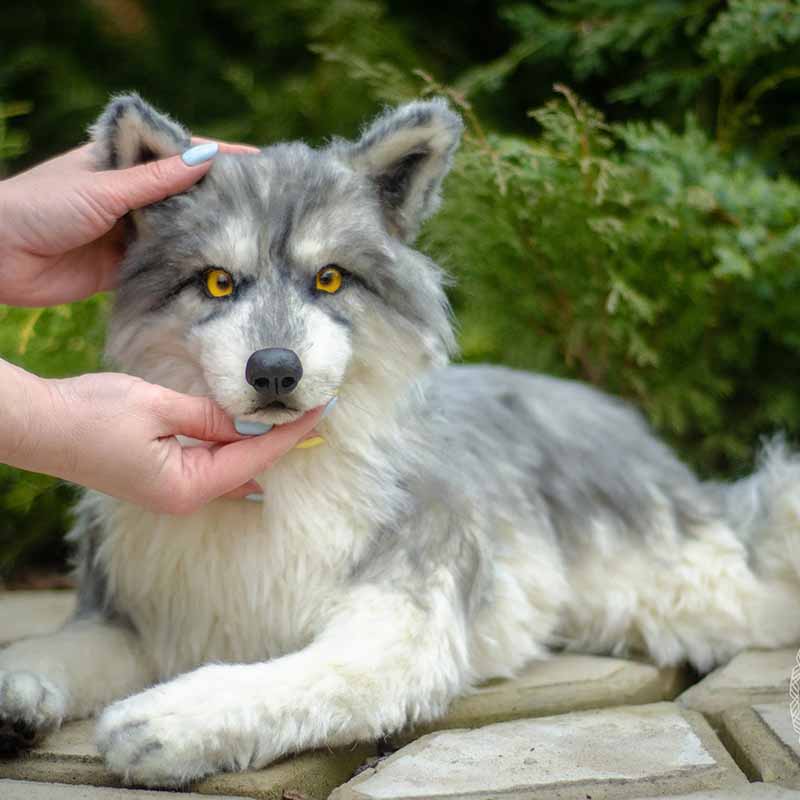
KINWIN helps buyers balance realism and approachability. The finished product can still be species recognizable while remaining suitable for children, families, collectors and retail gift customers.
A realistic stuffed animal should not feel like a cold model. The product still needs warmth, softness and emotional appeal. Gift-shop customers often buy plush animals because they want to remember a visit, a favorite species, a pet, a place or a learning experience. The realism should support that memory, not make the product feel distant.
This is why facial expression is important. Eyes, nose position, mouth shape and head angle can make a realistic plush feel gentle, alert, calm, curious or friendly. For many commercial projects, a slightly softened expression performs better than a strictly anatomical face because it invites people to hold and keep the plush.
PRODUCT FORMATS
Realistic Plush Product Formats
The same animal can be developed into different plush formats depending on sales channel, budget and display method.
Standard Realistic Plush Toys
Standard plush toys are suitable for gift shops, retail shelves and online sales. They need a strong silhouette, clean sewing, soft hand feel and packaging that supports the product story.
Mini Realistic Animal Plush
Mini plush is useful for bulk programs, small gift shops, children's education packs and lower price points. The challenge is keeping key species details visible at a small size.
Realistic Plush Keychains
Keychains and bag charms work well for souvenirs and impulse purchases. The design should focus on the most recognizable animal features because small hanging products cannot carry excessive detail.
Realistic Plush Pillows
Pillow formats are useful for larger animals, sea animals and lifestyle collections. They prioritize comfort while using shape, color and print details to preserve animal identity.
Standing or Sitting Display Plush
Display-oriented plush needs stable posture, balanced stuffing and a clear front-facing appearance. This format is suitable for retail displays, museums and branded gift programs.
SAMPLE DEVELOPMENT
Sampling Process for Realistic Stuffed Animals
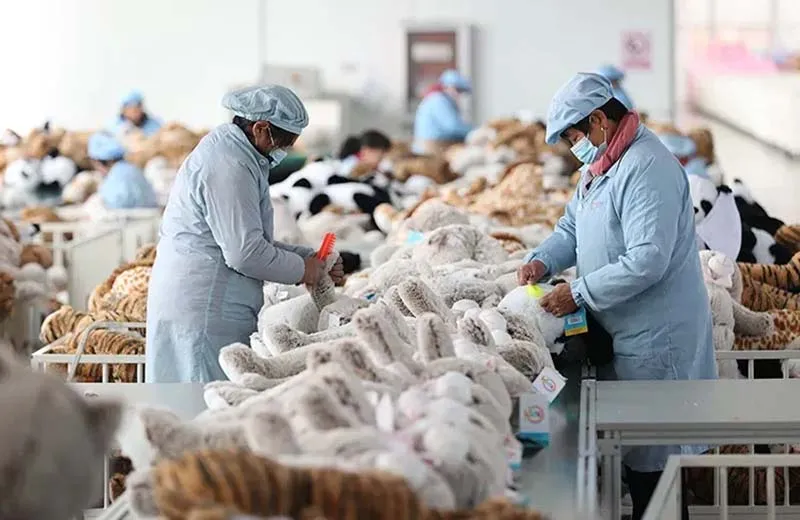
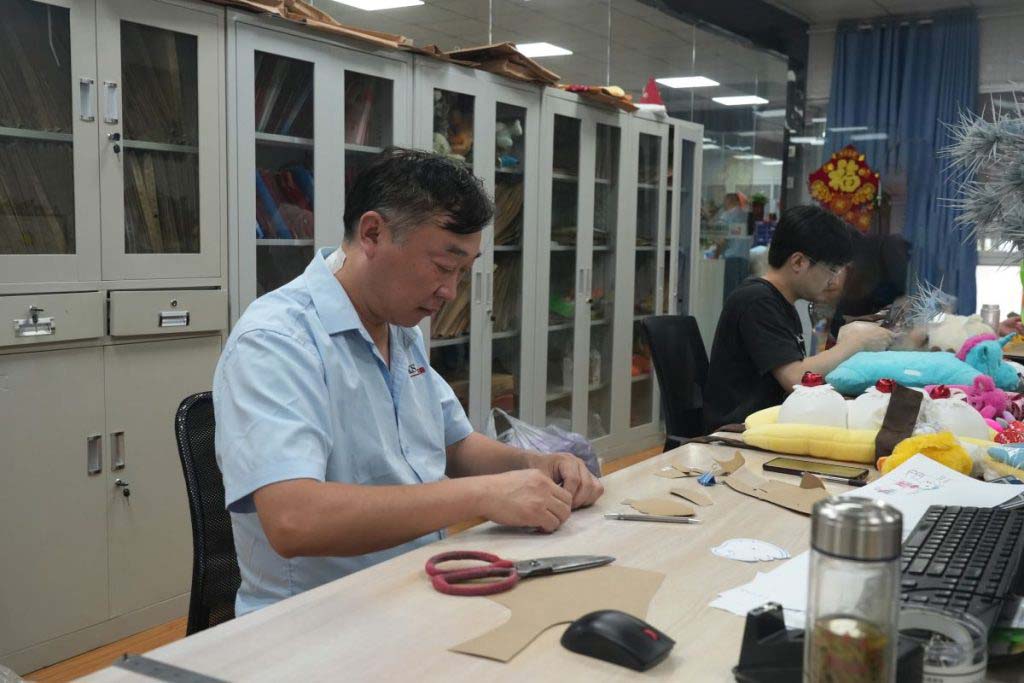
KINWIN can adjust the sample based on practical production limits. Some changes may be easy, such as embroidery size or color placement. Other changes may require pattern revision, fabric replacement or decoration method changes. Clear priority helps control time and cost.
Sampling for realistic stuffed animals should be treated as a visual and structural review. The first sample is used to judge whether the animal is recognizable, whether the posture works, whether the material supports the intended look, and whether the product feels appropriate for the target buyer.
During sample review, buyers should comment on specific areas rather than only saying the plush is not realistic enough. Useful comments include: the head is too round, the tail is too short, the stripes should start higher, the belly color is too bright, the eye position changes the expression, or the legs need stronger shape. Specific feedback allows the factory to revise pattern, sewing and decoration more accurately.
QUALITY CONTROL
Quality Control Points for Lifelike Animal Plush Production
For realistic animal plush, quality control must cover both standard plush safety and species appearance consistency.
QC Points
- Check body shape, posture and stuffing balance against the approved sample.
- Confirm key markings, color blocks, printed panels and embroidery positions.
- Review facial expression, eye alignment, nose placement and mouth details.
- Inspect seam strength, loose threads, fabric direction and trimming around the face.
- Verify accessories, labels, hangtags, story cards and packaging against buyer requirements.
- Control cleanliness, odor, foreign materials and carton labeling before shipment.
- Separate styles, sizes, species and SKUs clearly for retail or gift-shop distribution.
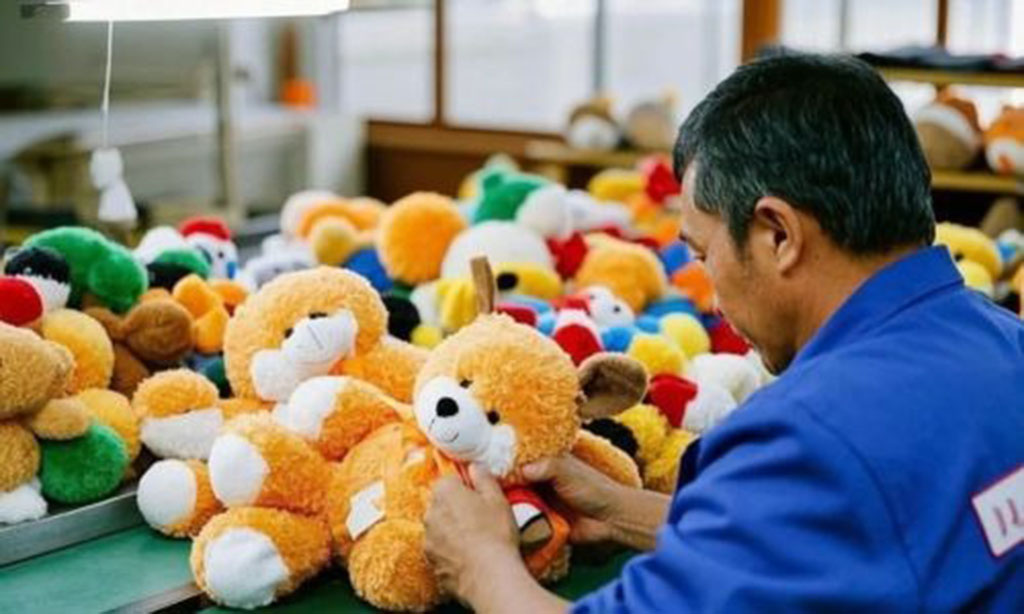
These checks help the product remain recognizable and retail-ready across the full production order, not only in the approved sample.
SAFETY AND COMPLIANCE
Safety and Compliance for Realistic Stuffed Animals
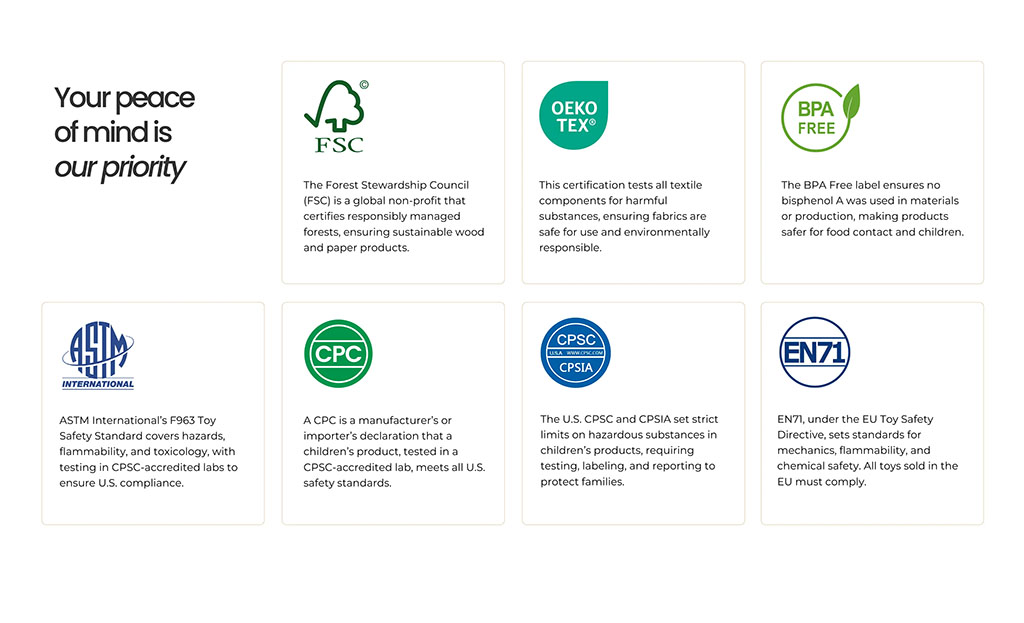
KINWIN can support buyers with sample review, quality control and testing coordination according to the product structure and target market. The required compliance path should be discussed before bulk production, especially for products sold as toys in regulated markets.
Realistic stuffed animals are often sold in public visitor environments, children's retail channels and educational programs. Even when the design is nature-inspired, it still needs to be reviewed as a plush product for the destination market. Fabric, stuffing, seams, eyes, accessories, labels and packaging should be evaluated according to intended use and buyer requirements.
Small parts and sharp-looking details require special attention. Claws, beaks, horns, fins, teeth and tails may need to be softened, embroidered, rounded or simplified. A design that looks accurate in artwork may not be suitable if the detail creates safety risk or weak construction in bulk production.
START YOUR PROJECT
Start a Realistic Stuffed Animal Project with KINWIN
Send us your target species, reference images, preferred realism level, size, material direction, packaging needs and destination market. Our team will review the design priorities, recommend practical production methods and help you create lifelike animal plush toys that are recognizable, soft, safe and commercially ready.
FREQUENTLY ASKED QUESTIONS
FAQ: Real Stuffed Animals and Realistic Plush Manufacturing
Does real stuffed animals mean taxidermy or real animal materials?
No. In this page, real stuffed animals means realistic stuffed animals or lifelike animal plush toys. KINWIN manufactures plush products, not taxidermy, preserved animals or real animal-hide products.
Can KINWIN make plush toys based on a real animal species?
Yes. We can develop plush toys based on wildlife, sea animals, farm animals, birds, pets, prehistoric animals and species-inspired reference materials.
Can you make the plush scientifically accurate?
We can support species-inspired accuracy, but plush products also need softness, safety and manufacturability. The best result usually uses selective accuracy rather than copying every tiny detail.
What references should we provide?
Front, side and back references, color notes, must-have features, preferred posture, target size, material direction, packaging needs and destination market are helpful for sample development.
Can realistic animal plush be made for museums or zoos?
Yes. We can support museum shops, zoos, aquariums, science centers, wildlife brands and conservation programs with custom realistic animal plush development.
Can realistic plush animals include educational hangtags?
Yes. Hangtags, story cards, species facts, conservation messages, barcode labels and retail packaging can be developed according to buyer requirements.
If You Can lmagine lt,We Will Create lt!
1.Tell Us What You Need
Tell us as specific as possible of your needs and share your idea.
2.Get Solution & Quote
We will work on the best solution according to yourrequirements,the specific quote will be provided within 24 hours.
3.Approve for Mass Production
We will start mass production after getting your approval.