
REACH Compliance for Plush Toys — Chemical Safety in the EU Market
REACH Compliance for Plush Toys — Chemical Safety in the EU Market
REACH Regulation · SVHCs · Azo Dyes · Phthalates · OEKO-TEX · EN71 Part 3 · EU Market Ready · KINWIN Certified
REACH — Registration, Evaluation, Authorisation and Restriction of Chemicals — is the European Union’s comprehensive chemical safety regulation that applies to all products placed on the EU market, including plush toys and stuffed animals. For plush toy manufacturers and importers, REACH creates specific obligations around the substances present in fabrics, dyes, filling materials, accessories, and plastic components — and non-compliance creates serious legal and commercial consequences, from customs seizure to marketplace removal.
KINWIN ensures REACH compliance for all plush toys manufactured for the EU market through a systematic approach: OEKO-TEX Standard 100 certified material sourcing that eliminates the most common REACH risk categories at source, supplier declarations for all material components, EN71 Part 3 chemical migration testing that covers the substances of greatest concern in plush toys, and complete compliance documentation formatted for EU customs clearance and retail buyer submission.

What REACH Requires for Plush Toy Importers
REACH Obligations — What EU Importers of Plush Toys Must Do
REACH (EC No 1907/2006) is the EU’s primary chemicals legislation, in force since 2007. It places the burden of proof for chemical safety on manufacturers and importers rather than on regulators — meaning brands placing products on the EU market are responsible for demonstrating that the substances in those products meet REACH requirements.
- Article 33 SVHC notification: if your product contains an SVHC above 0.1% by weight in any article, you must notify customers on request and, for B2C sales, proactively — KINWIN provides SVHC declarations confirming absence or presence of listed substances
- Annex XVII restrictions: certain substances are restricted or banned outright — azo dyes that release carcinogenic aromatic amines, phthalates in accessible plastic components, and nickel in items that come into prolonged contact with skin are the most relevant for plush toys
- REACH documentation retention: EU importers must retain supplier declarations and compliance documentation — KINWIN provides these with every EU-market order
- Customs compliance: EU customs authorities may request REACH documentation at import — having documentation ready prevents delays and potential seizure
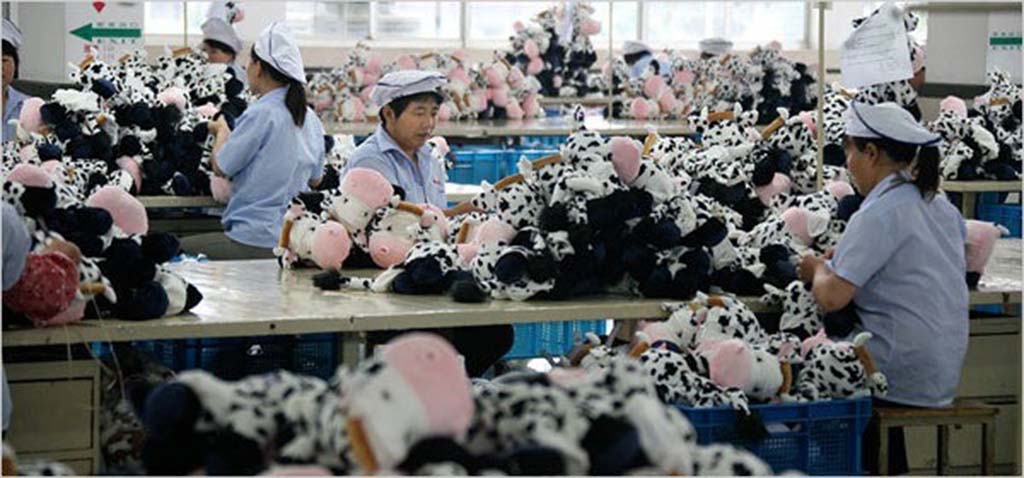
REACH Substances Most Relevant to Plush Toys
8 Substance Categories — Where Risk Concentrates in Plush Manufacturing
REACH covers thousands of substances, but the compliance risk for plush toys is concentrated in a relatively small number of substance categories that arise from the specific materials and processes used in plush manufacturing. Understanding where the risk is concentrated allows for targeted compliance management.
Azo Dyes (Carcinogenic Aromatic Amines)
Where: Fabric dyes — particularly red, orange, yellow shades
REACH: Annex XVII, Entry 43 — banned above 30 mg/kg in textile articles
KINWIN management: OEKO-TEX Class I certification requires azo dye testing — absence confirmed at fabric level
Phthalates (DEHP, DBP, BBP, DIBP)
Where: Soft PVC plastic accessories, safety eyes, nose pieces
REACH: Annex XVII, Entry 51/52 — restricted in toys and childcare articles
KINWIN management: Phthalate-free plastic components sourced; supplier declarations required
Formaldehyde
Where: Fabric finishing treatments, wrinkle resistance
REACH: No specific REACH restriction — but EN71 Part 3 covers it; OEKO-TEX limits it strictly
KINWIN management: OEKO-TEX Class I: ≤20 mg/kg — well below any concern threshold
Nickel
Where: Metal accessories, zippers, snap closures
REACH: Annex XVII, Entry 27 — restricted in items in prolonged skin contact
KINWIN management: Metal accessories assessed; nickel-release testing where relevant
Chromium VI
Where: Leather accessories, certain mordant dyes
REACH: Annex XVII, Entry 47 — restricted in leather articles
KINWIN management: Leather accessories avoided or tested; OEKO-TEX covers chromium
Cadmium
Where: Bright pigment dyes, plastic colorants
REACH: Annex XVII, Entry 23 — restricted in plastic and other materials
KINWIN management: OEKO-TEX testing covers cadmium in fabrics; plastic components tested
PAHs (Polycyclic Aromatic Hydrocarbons)
Where: Rubber or black plastic components
REACH: Annex XVII, Entry 50 — restricted in rubber and plastic articles in consumer contact
KINWIN management: Rubber components assessed; PAH testing where rubber present
SVHC Substances (Candidate List 240+)
Where: Various — depends on specific materials and processes
REACH: Article 33 notification above 0.1% by weight
KINWIN management: Supplier declarations for all materials; SVHC screening on request
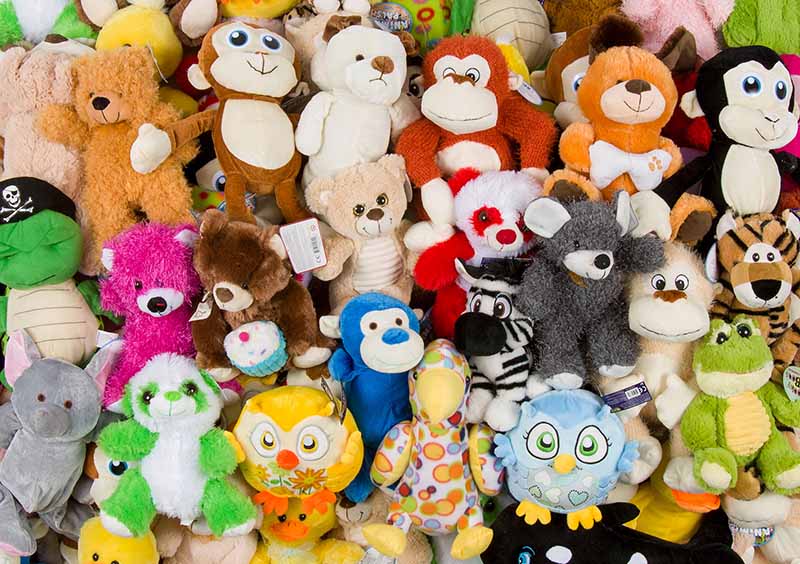
How OEKO-TEX Standard 100 Manages Most REACH Risk at Source
OEKO-TEX Coverage of REACH Concerns — 8 Areas Assessed
The most effective REACH risk management strategy for plush toys is preventive material specification. OEKO-TEX Standard 100 certification requires testing for over 100 harmful substances including the vast majority of REACH Annex XVII restrictions relevant to textile products, at limits that are in most cases stricter than REACH’s own requirements.
By sourcing exclusively OEKO-TEX Standard 100 certified fabrics and filling — which is KINWIN’s standard for all plush toy production — the most significant REACH compliance risks are eliminated at the material supply level before a single product is manufactured.
Azo Dyes releasing Carcinogenic Amines
OEKO-TEX coverage: Full panel — tested to stricter limits than REACH Annex XVII
Risk status: Eliminated at source
Formaldehyde
OEKO-TEX coverage: ≤20 mg/kg (Class I) — much stricter than most regulatory limits
Risk status: Eliminated at source
Heavy Metals in Dyes (Lead, Cadmium, Chromium, Antimony)
OEKO-TEX coverage: All tested to Class I limits
Risk status: Eliminated at source
Allergenic Disperse Dyes
OEKO-TEX coverage: Not detectable — Class I requirement
Risk status: Eliminated at source
Pesticide Residues in Fiber
OEKO-TEX coverage: 100+ compounds tested
Risk status: Eliminated at source
pH Value
OEKO-TEX coverage: 4.0–7.5 skin-neutral range
Risk status: Fabric chemical character confirmed
Phthalates in Plastic Accessories
OEKO-TEX coverage: Not covered by OEKO-TEX fabric certification
Risk status: Requires separate plastic component testing
Nickel in Metal Accessories
OEKO-TEX coverage: Not covered by OEKO-TEX fabric certification
Risk status: Requires separate metal accessory assessment
The two areas where OEKO-TEX fabric certification does not provide coverage — phthalates in plastic accessories and nickel in metal accessories — are managed through supplier declarations and, where the component is in significant prolonged skin contact, specific component testing.
EN71 Part 3 and REACH — How They Interact
EN71 Part 3 vs REACH — 6 Dimensions Compared
EN71 Part 3 (Migration of Certain Elements) and REACH address overlapping but distinct chemical concerns. Understanding how they relate prevents both duplication of effort and gaps in compliance. For a plush toy being sold in the EU market, full compliance requires both EN71 Part 3 testing and REACH compliance documentation — the two documents address different regulatory frameworks and together provide comprehensive chemical safety coverage.
What It Tests
EN71 Part 3: Migration of 19 specific elements from accessible toy materials into simulated gastric fluid
REACH: Presence and concentration of restricted substances in the article as a whole
Test Method
EN71 Part 3: ICP-MS analysis of digested sample in synthetic gastric fluid
REACH: Various — depends on substance category
Primary Concern
EN71 Part 3: Elements that migrate to the mouth during normal toy use (mouthing)
REACH: Presence of hazardous substances regardless of migration pathway
Overlap Area
EN71 Part 3: Both address heavy metals (lead, cadmium, chromium) — but by different methods and at different limits
REACH: EN71 Part 3 measures migration; REACH measures total content
Complementary Area
EN71 Part 3: EN71 Part 3 does not cover azo dyes or phthalates
REACH: REACH covers azo dyes and phthalates not addressed in EN71 Part 3
Documentation Output
EN71 Part 3: Test report from accredited laboratory
REACH: Supplier declarations + SVHC notifications + test reports for specific substances
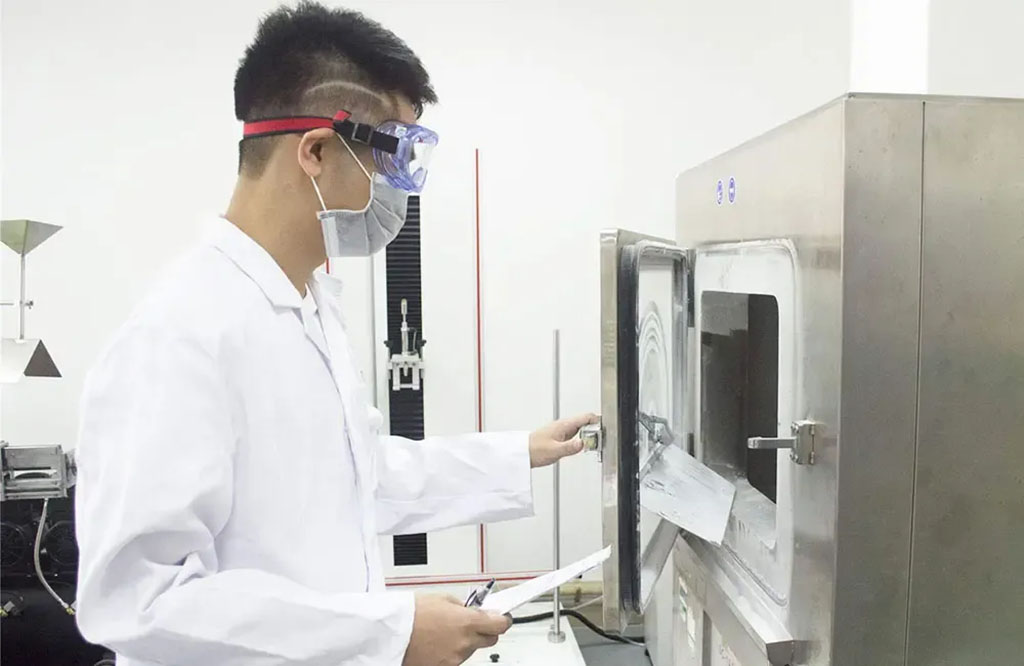
REACH Compliance Documentation KINWIN Provides
Complete REACH Documentation Package for Every EU-Market Order
KINWIN provides a complete REACH compliance documentation set with every EU-market plush toy order — formatted for EU customs clearance, retail buyer compliance portals, and marketplace platform upload requirements.
- REACH Annex XVII compliance declaration: confirmation that restricted substances (azo dyes, phthalates, nickel, cadmium, chromium VI, PAHs) are either absent or present below restriction limits in all accessible materials
- SVHC (Article 33) declaration: confirmation of the presence or absence of SVHC substances from the current candidate list above 0.1% by weight — updated in line with candidate list additions
- OEKO-TEX Standard 100 fabric certificates: covering the most significant textile-specific REACH restrictions at source material level
- Supplier material declarations: declarations from fabric, fill, accessory, and packaging suppliers confirming REACH compliance for their specific materials
- EN71 Part 3 test report: from SGS, Intertek, or Bureau Veritas — covering element migration from accessible toy materials
- Phthalate-free declaration for plastic components: where safety eyes, nose pieces, or other plastic accessories are used
REACH and the UK Market After Brexit
UK REACH — What Changes After Brexit
Since the UK’s departure from the EU, the UK operates its own chemicals regulation — UK REACH — which is broadly equivalent to EU REACH but maintained as a separate regulatory framework. For plush toy brands selling in both EU and UK markets, the substance restrictions are currently very similar, but the documentation and notification processes differ.
- UK REACH applies to products placed on the Great Britain market (England, Scotland, Wales) — Northern Ireland remains subject to EU REACH under the Windsor Framework
- Substance restrictions under UK REACH currently mirror EU REACH Annex XVII restrictions — the same substances are restricted at the same limits
- SVHC candidate list: the UK maintains its own SVHC candidate list, which may diverge from the EU list over time as each jurisdiction makes independent updates
- KINWIN’s EU REACH compliance documentation is accepted as equivalent evidence for UK REACH compliance — separate UK-specific documentation is not currently required for substance restrictions that are identical

As UK and EU REACH candidate lists evolve independently, KINWIN monitors both and advises clients on any differences that affect their specific products.
Why Brands Choose KINWIN for REACH-Compliant Plush Toys
Why Brands Choose KINWIN for REACH-Compliant Plush Toys
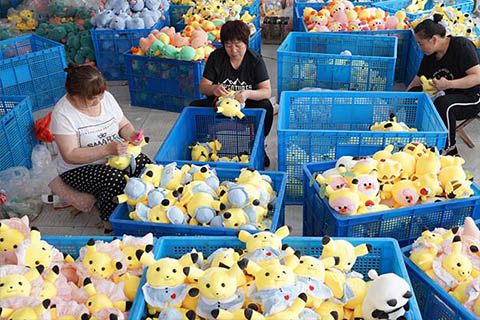
REACH compliance is not a box to tick at the end of production — it is a material sourcing discipline that begins before a pattern is cut. KINWIN builds it in from the start.
✓ OEKO-TEX Standard 100 certified fabric sourcing — eliminates azo dyes, formaldehyde, and heavy metals from dyes at source
✓ Phthalate-free plastic accessory sourcing — REACH Annex XVII Entry 51/52 compliance for all plastic components
✓ Complete REACH documentation package with every EU-market order
✓ SVHC declarations updated in line with EU candidate list additions (updated by ECHA typically twice per year)
✓ EN71 Part 3 testing through SGS, Intertek, Bureau Veritas — complementary chemical safety documentation
✓ Supplier declaration management — material-level REACH compliance tracked across fabric, fill, accessories, and packaging
✓ UK REACH monitoring alongside EU REACH — dual-market compliance managed
✓ Amazon EU compliance documentation format — ready for Seller Central upload
✓ Retail buyer compliance portal format — formatted for major EU retail chain submission systems
✓ 17+ years supplying EU market plush toys — REACH compliance experience since 2007
✓ MOQ 500 pieces — REACH-compliant EU-market plush accessible from launch scale
Frequently Asked Questions — REACH Compliance Plush Toys
Frequently Asked Questions — REACH Compliance Plush Toys
Q1. Is REACH the same as CE marking for plush toys?
No — REACH and CE marking are separate EU regulatory frameworks that apply simultaneously but address different concerns. CE marking for plush toys is the conformity marking required under the EU Toy Safety Directive (2009/48/EC) — it covers mechanical safety (EN71 Part 1), flammability (EN71 Part 2), chemical migration (EN71 Part 3), and for electronic toys, electrical safety. REACH is the EU chemicals regulation (EC No 1907/2006) — it covers the presence and restriction of hazardous substances in products, with obligations around SVHCs, Annex XVII restrictions, and substance notification. A plush toy entering the EU market must comply with both: CE marking under the Toy Safety Directive, and REACH under the chemicals regulation. They operate under different legal instruments, have different documentation requirements, and are enforced by different regulatory authorities. KINWIN provides documentation for both as part of the standard EU-market compliance package.
Q2. What happens if a plush toy is found to contain a REACH-restricted substance after it has entered the EU market?
Non-compliance with REACH restrictions discovered after market entry can result in serious consequences. EU market surveillance authorities (the relevant national authority in each member state) can order the product withdrawn from sale and recalled from consumers. The responsible party — typically the EU importer, as the first entity placing the goods on the EU market — faces potential fines and liability under national enforcement of REACH. Customs authorities can detain subsequent shipments of the same product. Amazon and other EU marketplaces can delist the product and suspend the seller account. The reputational consequence of a recall or withdrawal for chemical non-compliance is significant — particularly for products marketed to children. This is why KINWIN’s preventive approach — OEKO-TEX certified materials eliminating risk at source, combined with supplier declarations and EN71 Part 3 testing — is commercially important: post-market discovery of non-compliance is significantly more damaging than the investment in preventive compliance.
Q3. Do I need to test for REACH compliance if my fabrics are OEKO-TEX certified?
OEKO-TEX Standard 100 certification for the fabrics covers most of the REACH chemical risks relevant to plush toy textiles — azo dyes, formaldehyde, heavy metals in dyes, allergenic disperse dyes — at limits that meet or exceed REACH requirements. However, OEKO-TEX fabric certification alone does not constitute complete REACH compliance documentation for EU market entry for several reasons. First, OEKO-TEX covers the fabric but not non-textile components (plastic accessories, metal components) that may also be present. Second, the SVHC Article 33 declaration obligation requires you to assess the finished article as a whole, not just the fabric. Third, EU customs and retail buyers typically require a formal REACH compliance declaration covering the complete product, not just the fabric component. KINWIN provides the complete documentation set — OEKO-TEX certificates as the fabric-level evidence, plus supplier declarations, SVHC declaration, and EN71 Part 3 test report as the product-level compliance package.
Q4. How often does the SVHC candidate list get updated and do I need to update my compliance documentation when it does?
The EU SVHC candidate list is updated by ECHA (European Chemicals Agency) typically twice per year, in January and July. Each update may add new substances to the candidate list. When a substance is added to the candidate list, Article 33 notification obligations apply immediately for products containing that substance above 0.1% by weight — there is no grace period. In practice, for plush toys manufactured with OEKO-TEX Standard 100 certified materials, the risk of being affected by new candidate list additions is low because OEKO-TEX testing already covers a broad range of substances that are SVHC candidates. KINWIN monitors candidate list updates and reviews them against our standard material specifications, advising clients if a new addition affects their specific products. SVHC declarations provided by KINWIN reference the candidate list version current at the time of issue — if you are holding existing inventory and a candidate list update occurs, KINWIN advises on whether re-assessment is required for your specific materials.
Q5. Are there REACH-equivalent chemical regulations in the US, Australia, and other markets where I might also sell?
Yes — several markets have chemical regulations that overlap with or are equivalent to elements of REACH, though none is as comprehensive as the full REACH framework. In the US, the relevant regulations are CPSC regulations under CPSIA (Consumer Product Safety Improvement Act) covering phthalates and lead in children’s products, and California Proposition 65 (Safe Drinking Water and Toxic Enforcement Act) which restricts substances including heavy metals, phthalates, and other compounds — California Prop 65 is effectively the most stringent state-level chemical regulation in the US and applies to products sold in California regardless of where they are manufactured. In Australia, the NICNAS (National Industrial Chemicals Notification and Assessment Scheme) and product-specific standards under the Competition and Consumer Act cover chemical safety, though the framework is less comprehensive than REACH. In Canada, the Canadian Environmental Protection Act (CEPA) and the Hazardous Products Act cover restricted substances. KINWIN’s OEKO-TEX certified material approach, which meets or exceeds REACH requirements, also satisfies the chemical safety requirements of most other markets’ equivalent regulations — providing broad chemical compliance coverage from a single material specification approach.
If You Can lmagine lt,We Will Create lt!
1.Tell Us What You Need
Tell us as specific as possible of your needs and share your idea.
2.Get Solution & Quote
We will work on the best solution according to yourrequirements,the specific quote will be provided within 24 hours.
3.Approve for Mass Production
We will start mass production after getting your approval.