 Skip to content
Plush Toys for Zoos, Aquariums & Wildlife Parks
Plush Toys for Zoos, Aquariums & Wildlife Parks
Species-Accurate Design · Anatomically Correct · CE/ASTM/EN71 Certified · Educational Packaging · Conservation Messaging · Gift Shop Ready
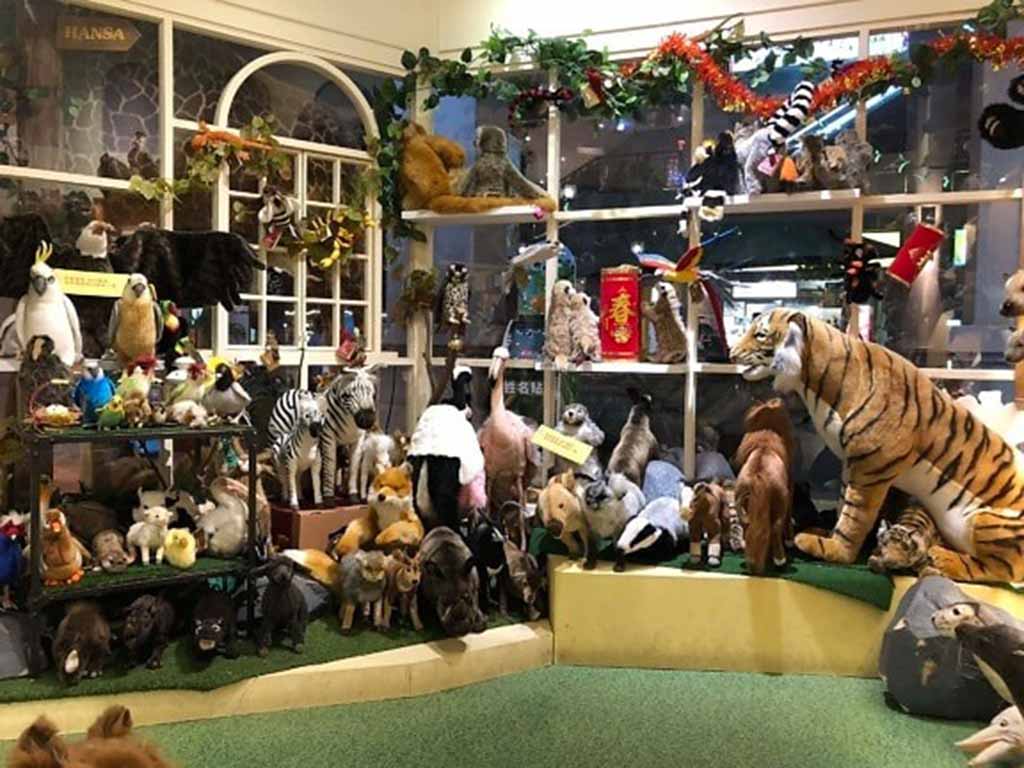
A zoo gift shop is unlike any other retail environment. Visitors arrive having just spent hours forming emotional connections with real animals — and they leave through your gift shop. The plush toy on your shelf is not just a toy. It is the physical embodiment of that emotional experience. A child who has watched the gorillas all afternoon wants a gorilla that looks like the gorillas they saw. A visitor moved by the plight of the polar bears wants a polar bear that captures their majesty, not a generic white bear.
KINWIN has been manufacturing species-accurate, anatomically correct plush toys for zoo gift shops, aquarium stores, wildlife parks, nature museums, and conservation organizations for 17+ years. Our pattern makers develop every animal design with reference to actual animal anatomy, species-specific coloring, and characteristic physical features — creating plush toys that visitors recognize instantly and purchase emotionally.
What Makes Zoo & Aquarium Gift Shop Plush Toys Different
What Makes Zoo & Aquarium Gift Shop Plush Toys Different
Zoo and aquarium gift shops operate with requirements that are fundamentally different from standard toy retail. Understanding these differences is what separates a manufacturer who can truly serve this channel from one who cannot.
1. Species Accuracy Is Non-Negotiable
A zoo visitor who has just seen Sumatran tigers does not want a generic orange-and-black striped cat. They want a Sumatran tiger — with the correct stripe pattern, face shape, ear positioning, and the distinctive ruff that differentiates it from Bengal tigers. Getting species accuracy wrong is immediately visible to visitors who have spent the day observing the real animal, and it undermines the gift shop’s credibility as a source of quality wildlife products.
2. Conservation Mission Alignment
Zoos and aquariums are conservation organizations. Their gift shops are an extension of their conservation mission — revenue generated supports animal welfare and species protection programs. Gift shop merchandise must align with and reinforce this mission. Products should communicate species stories, highlight conservation status, and connect the visitor’s purchase to tangible conservation impact. KINWIN develops educational packaging that carries species information, conservation status, and conservation program messaging.
3. Visitor Demographic Range
Zoo gift shop visitors span an unusually wide demographic range — from toddlers experiencing their first zoo visit to elderly wildlife enthusiasts who have been visiting for decades. Plush toys must satisfy both ends: safe for very young children (CE/EN71 compliance for under-3s) while also appealing to the collector and wildlife enthusiast market at premium price points. KINWIN develops zoo plush programs across multiple size and quality tiers to serve the full visitor demographic.
4. Exclusivity & Gift Shop Differentiation
Zoo gift shop managers want products their visitors cannot find on Amazon or in any other retail store. Generic animal plush toys are available everywhere — they add no value to the gift shop experience. Private label, species-accurate plush toys with the zoo’s branding, carrying species information unique to that institution’s conservation programs, create an exclusive product that visitors can only purchase at that zoo.
KINWIN’s Species Accuracy Design Capability
KINWIN's Species Accuracy Design Capability
KINWIN’s pattern makers develop every zoo and aquarium plush toy design with reference to detailed animal anatomy research. Species accuracy is achieved across five dimensions.
Body Proportion & Silhouette
Body Proportion & Silhouette
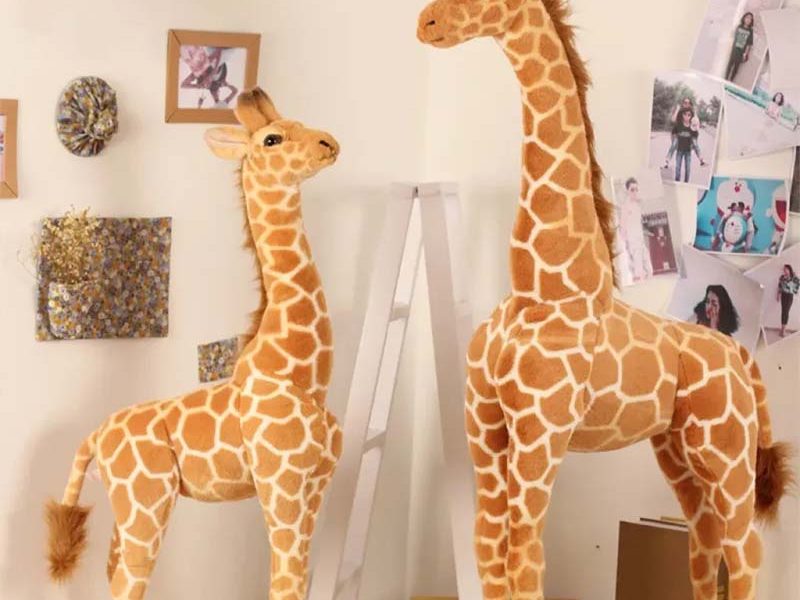
Each species has a distinctive body proportion profile — the ratio of head to body, limb length relative to body, neck thickness, tail length, and overall silhouette. A giraffe has a fundamentally different proportion profile from a horse even though both are quadrupeds. KINWIN’s pattern makers study species-specific proportion references before beginning pattern development — ensuring the silhouette is recognizable before any surface detail is applied.
Species-Characteristic Features
Species-Characteristic Features
Beyond overall proportion, each species has distinctive physical features that make it immediately recognizable: the panda’s black eye patches and black ears, the snow leopard’s thick tail and rosette pattern, the fennec fox’s oversized ears, the mandrill’s colorful facial markings, the Emperor penguin’s yellow chest patch. KINWIN identifies and incorporates these species-defining features as the priority elements in every animal design.
Coat Color & Pattern Accuracy
Coat Color & Pattern Accuracy
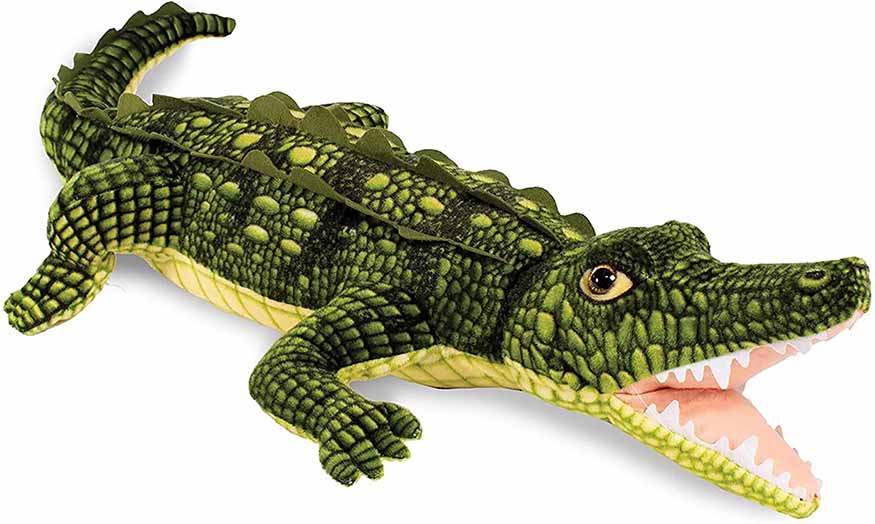
Animal coat colors and patterns are species-defining signals. Tiger stripe distribution, giraffe patch shape and color gradient, zebra stripe pattern, cheetah spot arrangement, poison dart frog coloration — these are not decorative choices, they are species identity markers. KINWIN matches fabric colors to Pantone references derived from reference photography of real animals, and patterns are embroidered or printed with species-specific accuracy.
Facial Expression & Eye Design
Facial Expression & Eye Design
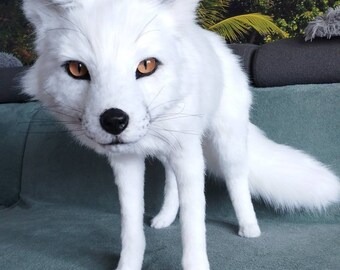
Zoo plush toys occupy a unique design territory: they must be accurately realistic enough to be recognizable as the species, while also being emotionally appealing enough to be desirable as a soft toy. Eye design is the primary tool for achieving this balance. KINWIN’s face design process involves both species-accurate eye placement and shape, combined with subtle expressiveness that makes the toy emotionally engaging — without crossing into an unrealistic cartoon aesthetic.
Fabric Selection for Realistic Texture
Fabric Selection for Realistic Texture
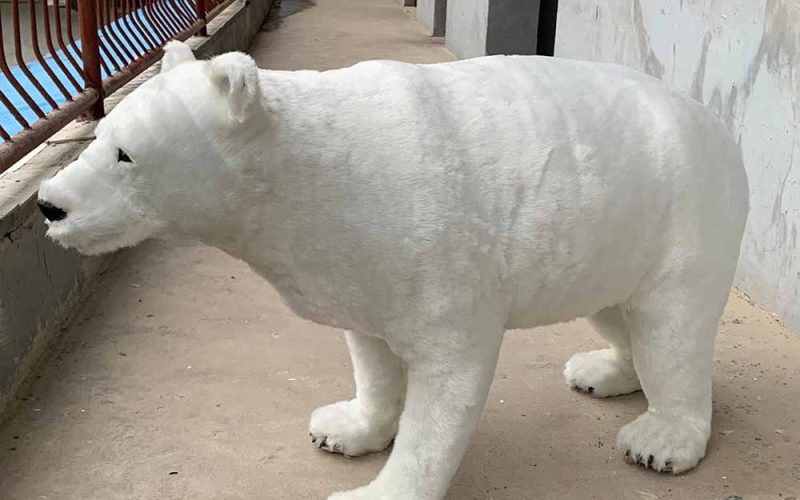
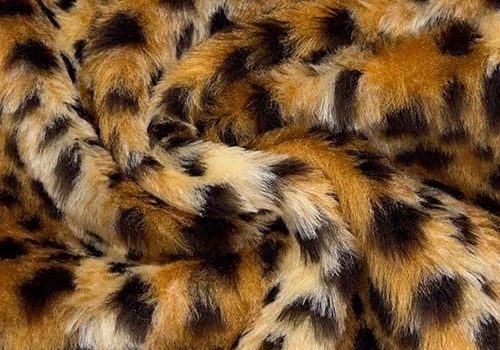
Different animals have different coat textures that require different fabric selections. Lions and tigers need medium pile plush that suggests dense fur. Polar bears and snow leopards require long white or cream pile that suggests thick arctic fur. Pandas require high-contrast short pile in precise black and white. Elephants and rhinos are often better served by short pile or smooth fabrics that suggest thick leathery hide. KINWIN selects fabric specifications based on the target animal’s actual coat characteristics.
Animal Species KINWIN Develops for Zoo & Aquarium Programs
Animal Species KINWIN Develops for Zoo & Aquarium Programs
KINWIN can develop plush toy designs for any animal species. Below are the most commonly requested categories for zoo and aquarium programs.
Big Cats
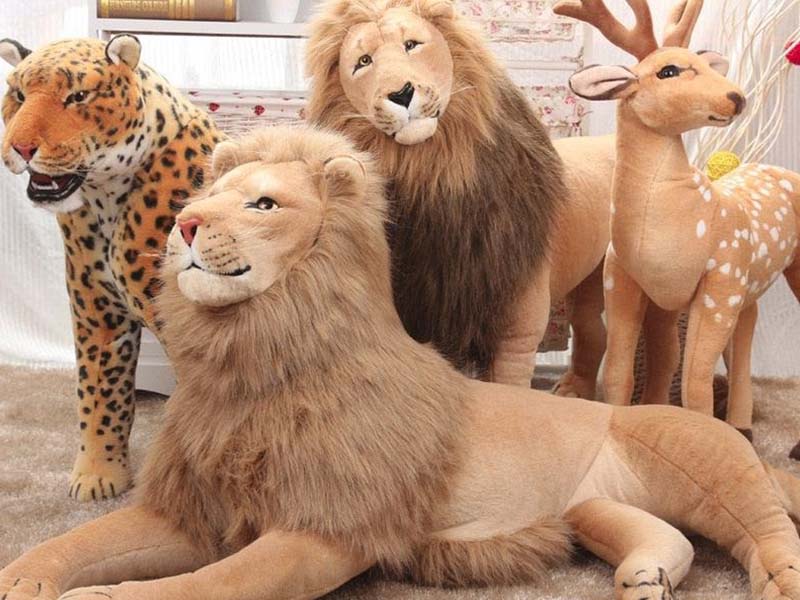
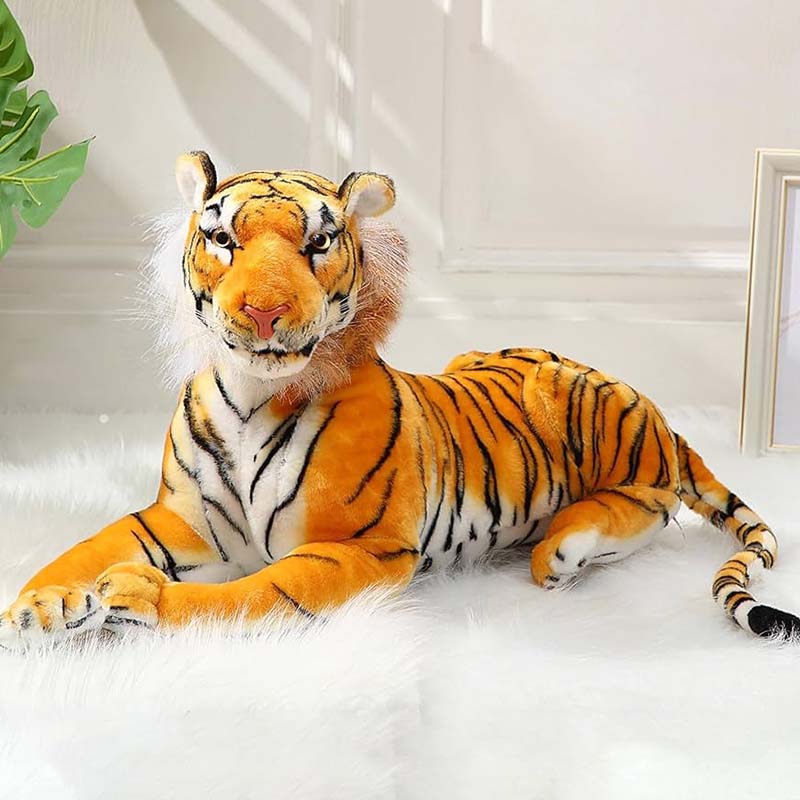
Lions, tigers (Bengal, Sumatran, Siberian), leopards, snow leopards, cheetahs, jaguars, clouded leopards, cougars. KINWIN develops subspecies-specific designs — not generic ‘tiger’ templates. Each subspecies has specific stripe/spot patterns, facial proportion differences, and body build variations.
Bears
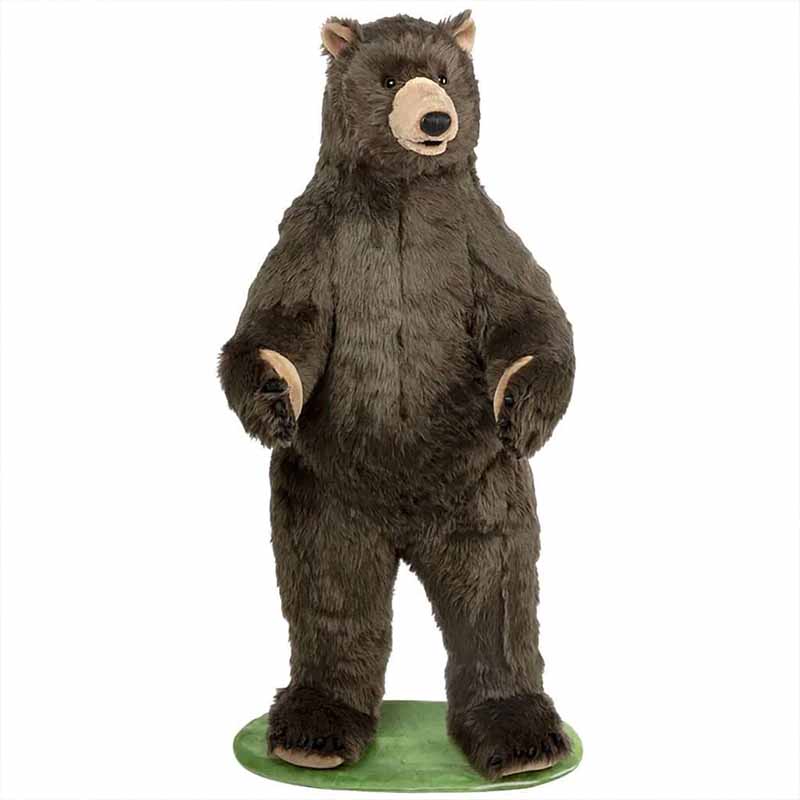
Giant panda, red panda, polar bear, grizzly bear, brown bear, black bear, sun bear, spectacled bear. Giant panda requires precise black-and-white patch placement; polar bear requires ultra-white long pile; red panda requires distinctive rusty red and white facial markings.
Primates
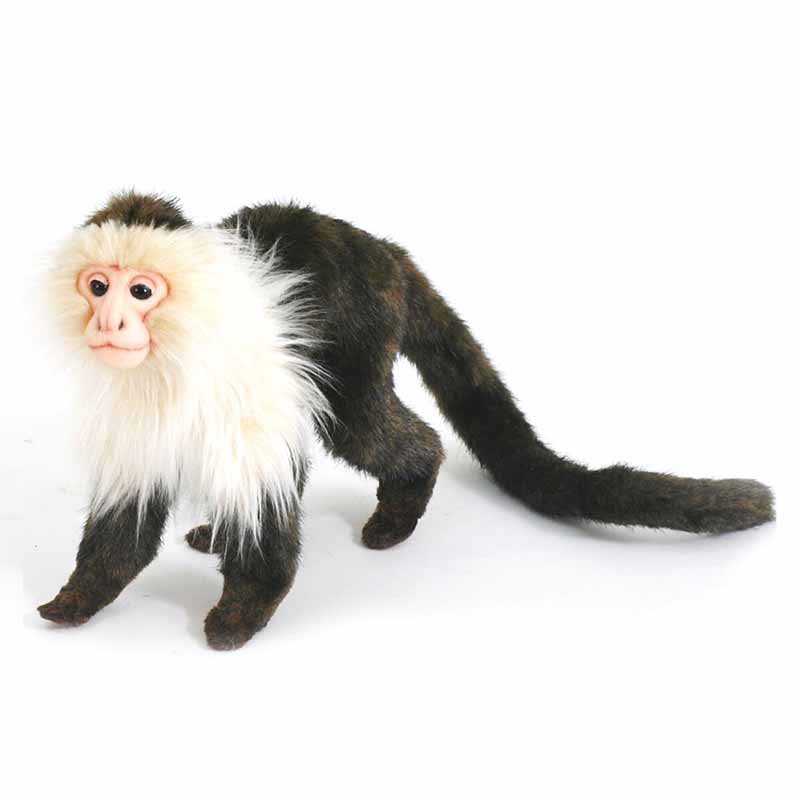
Gorillas, chimpanzees, orangutans, gibbons, mandrills, lemurs, marmosets, proboscis monkeys. Primate faces are among the most anatomically complex to reproduce in plush form — KINWIN’s advanced face embroidery capability handles the nuanced facial features that make each primate species distinctive.
Marine & Aquatic Animals
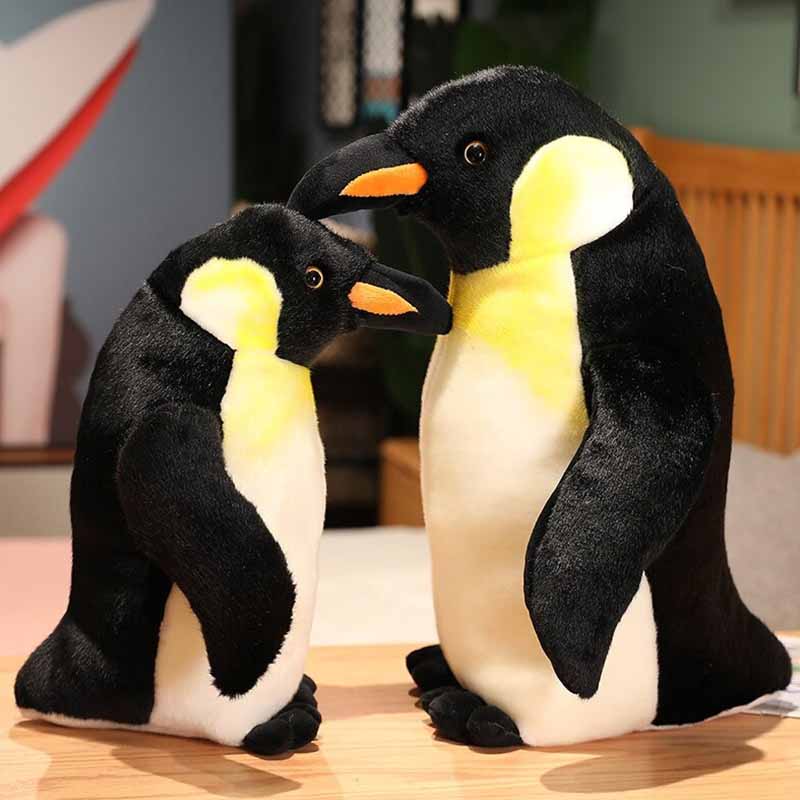
Dolphins, orcas, whale sharks, manta rays, sea turtles, clownfish, penguins (Emperor, King, Little Blue, Rockhopper), seals, sea lions, walruses, narwhals, manatees, beluga whales, blue whales. Marine species require precise colorations and body shapes — the difference between species is immediately visible to aquarium visitors.
African Safari Animals
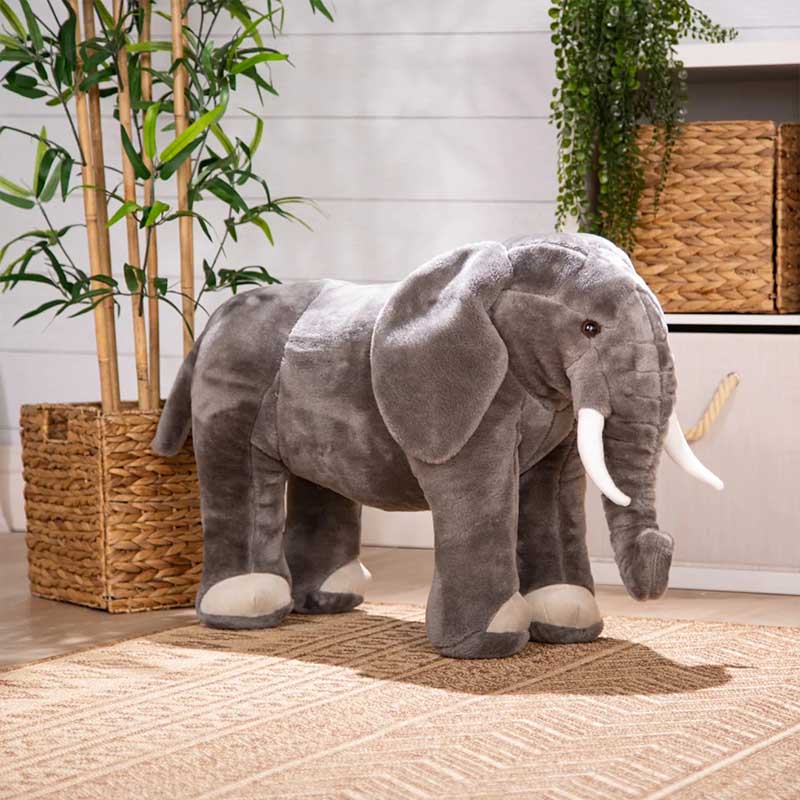
Elephants (African and Asian — distinct body shapes and ear sizes), giraffes, zebras, hippopotamuses, rhinoceroses, wildebeest, meerkats, warthogs, African wild dogs, cheetahs. African safari animals are among the highest-selling categories in zoo gift shops worldwide.

Arctic & Antarctic Species
Polar bears, arctic foxes, snowy owls, walruses, narwhals, orcas, penguins, leopard seals, harp seals. Arctic and antarctic species benefit enormously from long pile white and cream fabrics that suggest their thick insulating coats — reinforcing premium perceived value.
Educational Packaging for Zoo & Aquarium Plush Toys
Educational Packaging for Zoo & Aquarium Plush Toys
Zoo plush toy packaging is an opportunity to extend the visitor’s learning experience and reinforce the conservation mission. KINWIN develops educational packaging for zoo programs that goes beyond standard retail labeling.
- Species name in common language and Latin binomial nomenclature
- Native habitat map
- IUCN conservation status (Least Concern / Vulnerable / Endangered / Critically Endangered / Extinct in the Wild)
- Key species facts (size, weight, diet, lifespan)
- Conservation threats and protection programs
- QR code linking to the zoo’s species page or conservation program
- Zoo branding with conservation tagline
- ‘Purchase supports conservation’ messaging where applicable
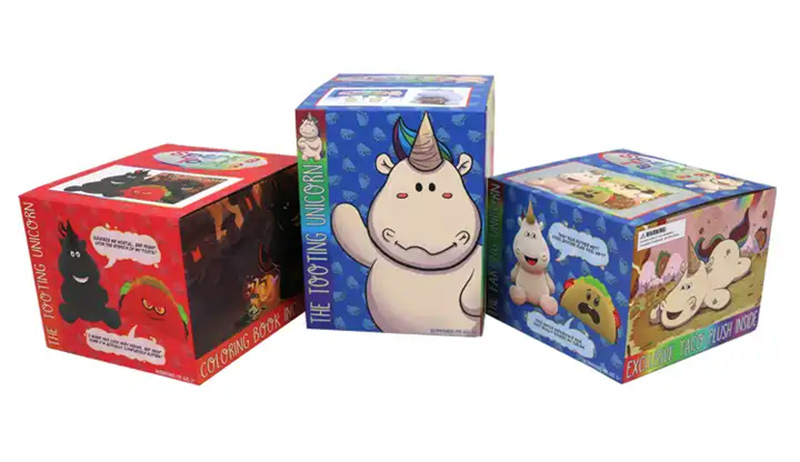
KINWIN develops hang tag, header card, and gift box packaging formats for zoo programs — all formatted with the species and conservation information that makes zoo gift shop merchandise meaningfully different from generic toy retail.
Product Tiers for Zoo Gift Shop Programs
Product Tiers for Zoo Gift Shop Programs
KINWIN recommends developing zoo plush toy programs across multiple price tiers to serve the full visitor demographic — from young children on tight family budgets to adult collectors willing to invest in premium wildlife plush.
Entry
$8–$15
10–15 cm
Target: Impulse, children
- Mini keychain or small plush
- Hang tag with species name
- CE/EN71 compliant for all ages
- Low unit cost for high-volume display
Core
$18–$35
20–30 cm
Target: Children, family gifts
- Standard plush quality
- Educational packaging
- Species facts + conservation status
- Zoo branding + QR code
Premium
$35–$65
35–50 cm
Target: Collectors, gifts
- Long pile, Sherpa, or premium fill
- Gift box packaging
- Detailed species anatomy
- Conservation program messaging
Collector
$65–$120+
50–80 cm
Target: Adult collectors
- Hyper-realistic, display-grade
- Subspecies-level accuracy
- Premium gift box presentation
- Maximum species detail
A well-structured zoo plush toy range covers all four tiers — allowing every visitor to find a product within their budget while maximizing total gift shop revenue per visitor.
Safety Certification for Zoo Gift Shop Plush Toys
Safety Certification for Zoo Gift Shop Plush Toys
Zoo gift shop plush toys must meet the same toy safety standards as any other children’s toy. This is especially important because zoo gift shops serve a wide age range including very young children (under 3 years), requiring attention to small parts testing, filling material safety, and flammability compliance.
- CE certification + EN71 Parts 1-3 for European and UK zoo gift shops
- ASTM F963 + CPSC CPC for US zoo gift shops and online sales
- OEKO-TEX certified fabrics — safe for skin contact across all age groups
- Age grading clearly marked: under-3 products must pass stricter small parts testing
- Full compliance documentation for retail buyer submission and customs clearance
- KINWIN provides complete certification package for all zoo programs
Why Zoos & Aquariums Choose KINWIN for Plush Toy Programs
Why Zoos & Aquariums Choose KINWIN for Plush Toy Programs
When a child leaves your zoo holding a plush toy that looks exactly like the animal they just saw — that is the product KINWIN builds.
✓ 17+ years manufacturing species-accurate plush toys for wildlife institutions globally
✓ Pattern makers research actual animal anatomy before beginning every new species design
✓ Subspecies-level accuracy — not generic templates
✓ Fabric selected to match species coat texture: long pile for Arctic animals, textured for reptiles
✓ Educational packaging development including conservation status, species facts, QR codes
✓ Multi-tier program development: entry / core / premium / collector
✓ Private label exclusivity — zoo-branded designs not available anywhere else
✓ CE, ASTM F963, EN71 certified — full compliance for all major markets
✓ OEKO-TEX certified fabric — safe across all visitor age groups
✓ MOQ from 500 pieces per species — accessible for smaller institutions
When a child leaves your zoo holding a plush toy that looks exactly like the animal they just saw — that is the product KINWIN builds.
Frequently Asked Questions — Plush Toys for Zoos & Aquariums
Frequently Asked Questions — Plush Toys for Zoos & Aquariums
Q1. How do you ensure the plush toy looks like our specific species and not a generic version?
Species accuracy starts with the design process. KINWIN’s pattern makers begin every new animal design by gathering comprehensive species reference materials — professional wildlife photography, anatomical reference guides, subspecies comparison charts, and (where available) photos of the specific animals at your institution. We identify the five to eight most species-defining visual features for each animal and prioritize these as the non-negotiable accuracy elements in the design. A design alignment document is prepared before sampling begins, confirming how each species-defining feature will be interpreted in plush form. You have the opportunity to review and provide feedback before we produce a single physical sample.
Q2. Can you develop plush toys for rare or unusual species that most manufacturers would not attempt?
Yes. KINWIN’s pattern-making capability extends to non-standard body forms including very long necks (giraffes), unusual body proportions (axolotls, tapirs, aardvarks), distinctive textural features (armadillos, pangolins, echidnas), and complex coloration patterns (mandrills, poison dart frogs, chameleons). We have developed plush toys for over 200 animal species across mammal, marine, reptile, bird, and amphibian categories. If you have a species in mind that you have been unable to source elsewhere, please contact our team with reference photos and we will assess feasibility.
Q3. Can the packaging include our zoo's branding and specific conservation messaging?
Yes — this is one of the most important features of a properly designed zoo plush program. KINWIN develops full custom packaging for zoo programs including: your zoo’s logo and brand identity, the species name and IUCN conservation status, species fact information, a habitat map, your conservation program messaging, and a QR code linking to your species page or donation program. Packaging is available in hang tag, header card, and premium gift box formats depending on the product tier. The educational and conservation content is developed in close consultation with your team to ensure accuracy and alignment with your institution’s messaging.
Q4. What is the minimum order quantity for a zoo plush toy program?
KINWIN’s standard MOQ is 500 pieces per design. For a zoo program covering 5 species at one size, that is a minimum of 2,500 units total — achievable for most zoo gift shops. For smaller institutions or for niche species where demand may not support 500 units per design, we recommend discussing your specific sales volume expectations with our team — we can advise on the most practical program structure for your gift shop’s visitor volume and product mix. For flagship species higher quantities are typically justified and result in significantly better unit pricing.
Q5. Can you supply both standard retail plush and collector-grade ultra-realistic animal plush for the same program?
Yes. KINWIN develops multi-tier zoo plush programs from a single manufacturer — covering entry-level keychains, core retail plush, premium long-pile versions, and collector-grade hyper-realistic display pieces, all featuring the same species designs with quality and detail level scaled to each tier. Developing a full program with a single manufacturer ensures visual consistency across all tiers, simplifies compliance documentation, and creates a more efficient supply relationship. We recommend beginning with your two or three highest-selling species and expanding the program range as you validate demand.
If You Can lmagine lt,We Will Create lt!
1.Tell Us What You Need
Tell us as specific as possible of your needs and share your idea.
2.Get Solution & Quote
We will work on the best solution according to yourrequirements,the specific quote will be provided within 24 hours.
3.Approve for Mass Production
We will start mass production after getting your approval.
