
Best Plush Toys China Manufacturer | Custom & Wholesale Plush Toy Solutions
Work with a reliable plush toy manufacturer in China that helps you turn ideas into market-ready products. From custom plush design to bulk production, you get stable quality, clear communication, and factory-direct pricing—built for brands, retailers, and global buyers.
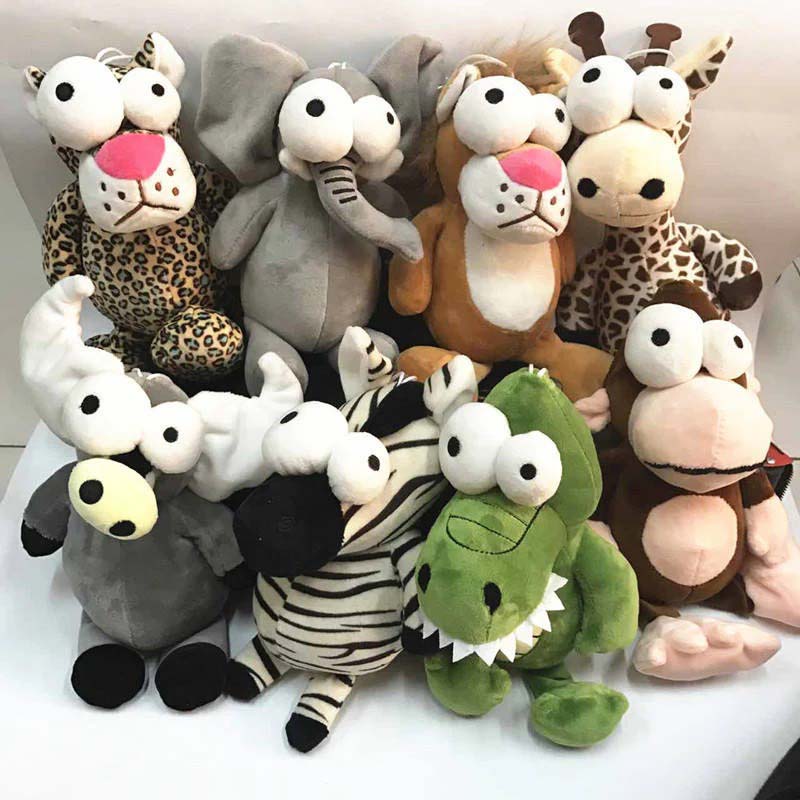
One-Stop Custom Plush Toy Manufacturing Services in China
From concept to shipment, you work with one experienced team that manages every step of plush toy production. This one-stop service helps you save time, reduce risks, and launch products faster—without coordinating multiple suppliers.
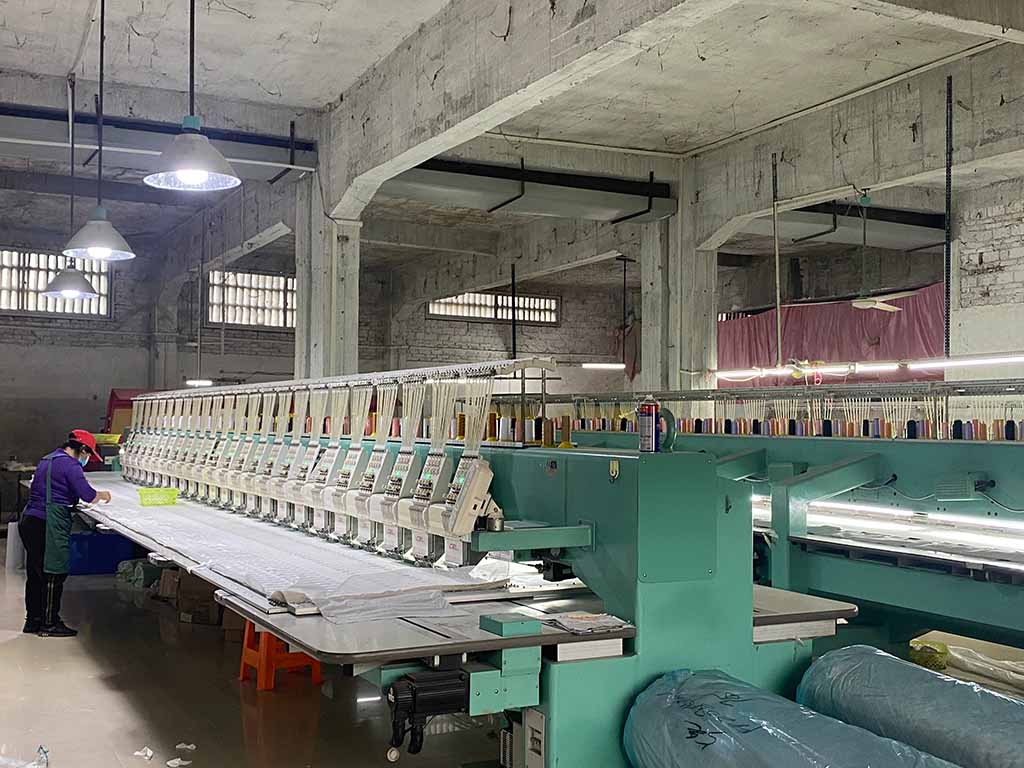
Design & Development Support
From sketches, reference images, or simple ideas, you receive professional support to refine plush shapes, proportions, and details—ensuring your design is ready for sampling and production.
Material & Filling Selection
You get guidance on plush fabrics, fillings, and accessories based on softness, durability, safety standards, and target market requirements.
Sampling & Prototype Production
Clear timelines and controlled sampling processes help you evaluate quality, structure, and finish before mass production begins.
Mass Production & Quality Control
You benefit from standardized production workflows and multi-stage inspections to keep quality stable across every batch.
Packaging & Global Shipping Support
From packaging options to export-ready logistics, you receive practical support to prepare your plush toys for international delivery.
With a complete one-stop service, you stay focused on your brand and market—while production, coordination, and execution are handled for you.
Four Common Traits of Long-Term Plush Toy Manufacturing Partners
Brands that build long-term partnerships with a plush toy manufacturer usually share similar working principles. These shared traits help reduce risks, improve efficiency, and maintain stable product quality across multiple projects and production cycles.
Clear Product Positioning and Market Understanding
Long-term partners clearly understand their target customers, sales channels, and quality expectations. This clarity allows production decisions—such as fabric selection, structure design, and workmanship standards—to be aligned from the very beginning, avoiding repeated changes later.
Priority on Quality Stability Over Lowest Price
Instead of focusing only on the lowest unit cost, long-term buyers value consistency between samples and bulk production. This approach helps prevent hidden costs caused by rework, quality complaints, or unstable supply performance.
Efficient Communication and Trust-Based Collaboration
Smooth communication and mutual trust allow issues to be resolved quickly. Clear feedback, timely confirmations, and realistic timelines help projects move forward without unnecessary delays or misunderstandings.
Long-Term Planning Beyond Single Orders
Repeat clients usually plan ahead for future collections, seasonal launches, or brand growth. This long-term view enables better cost control, production scheduling, and continuous product improvement over time.
When these four traits align, cooperation becomes smoother, more predictable, and scalable—helping you build a reliable supply chain for long-term growth.
Custom Plush Toys Manufacturer in China
Explore 16 core custom plush toy categories developed for different markets and business needs. All plush toys can be customized in size, fabric, filling, structure, and packaging to match your brand positioning and production requirements.
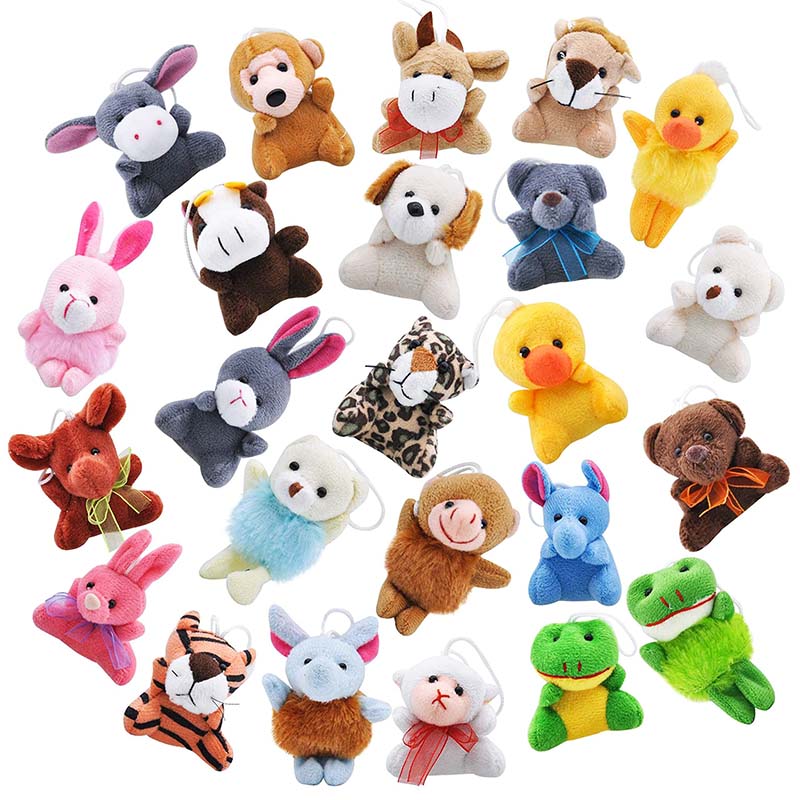
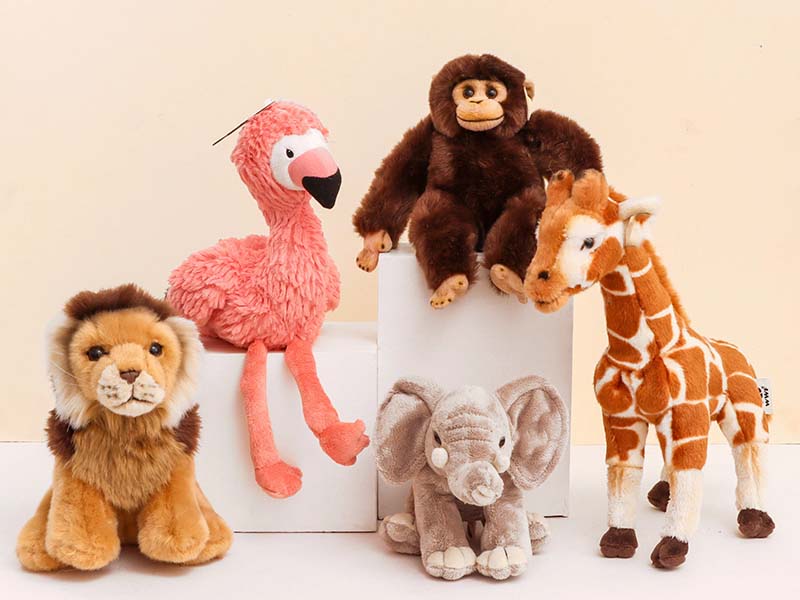
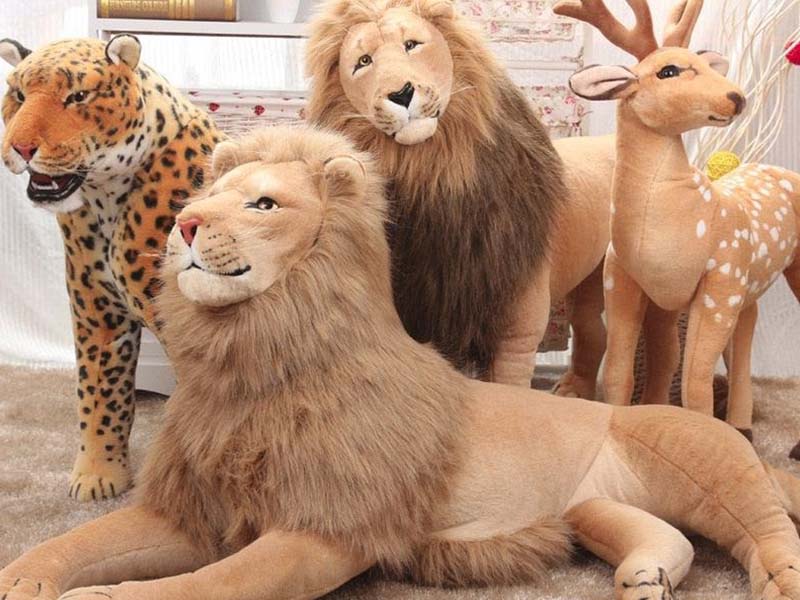
Animal Plush Toys
Soft plush animals designed for retail, gifting, and character-based projects.
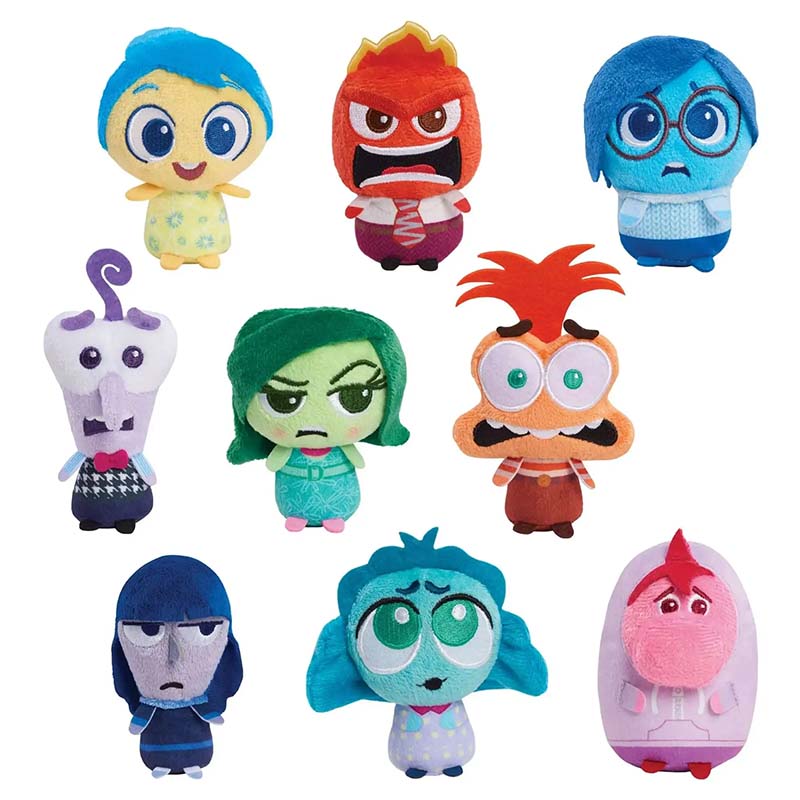
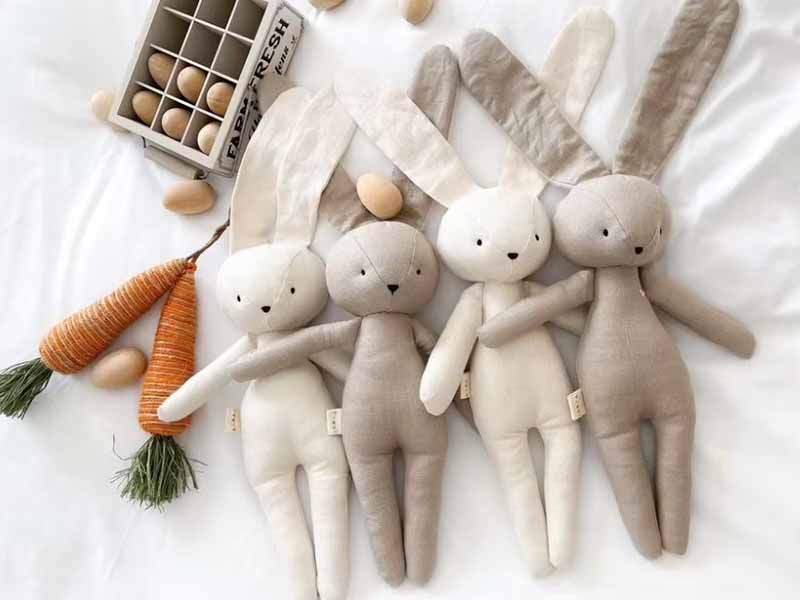
Plush Dolls
Custom plush dolls with adjustable facial features and outfit details.
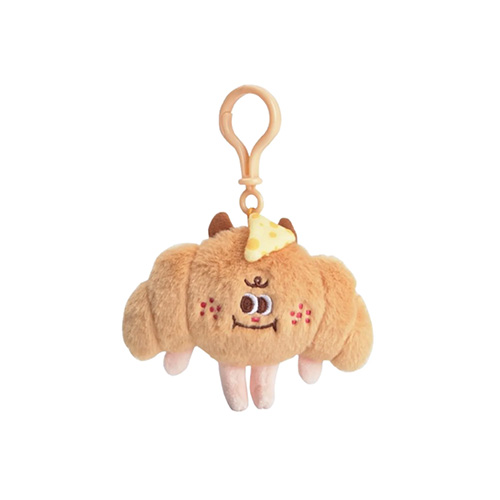
Plush Keychains
Compact plush toys designed for bag charms and brand merchandise.
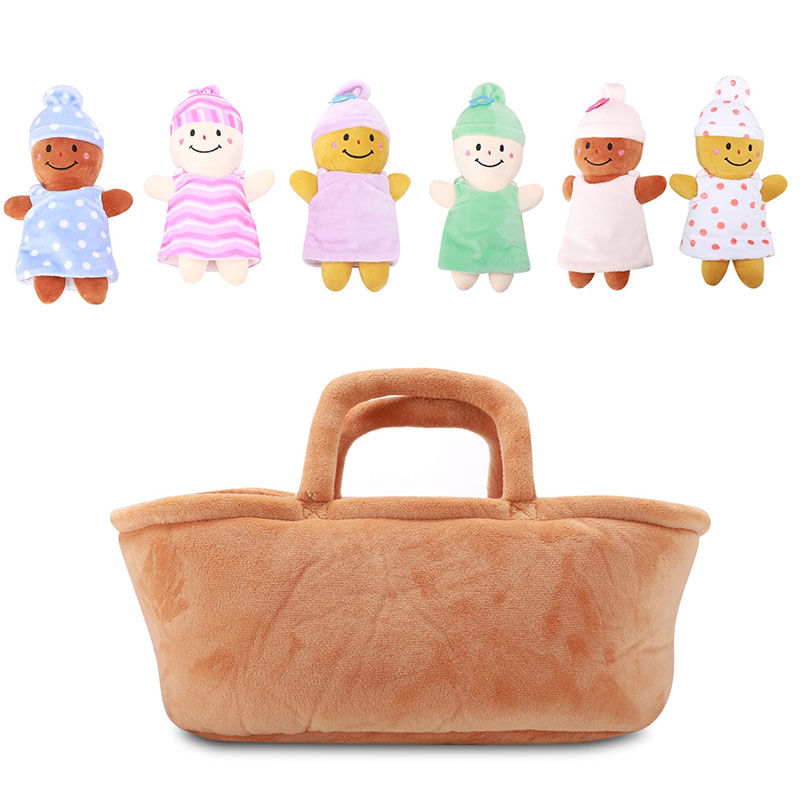
Baby Plush Toys
Soft and skin-friendly plush toys developed for infant markets.
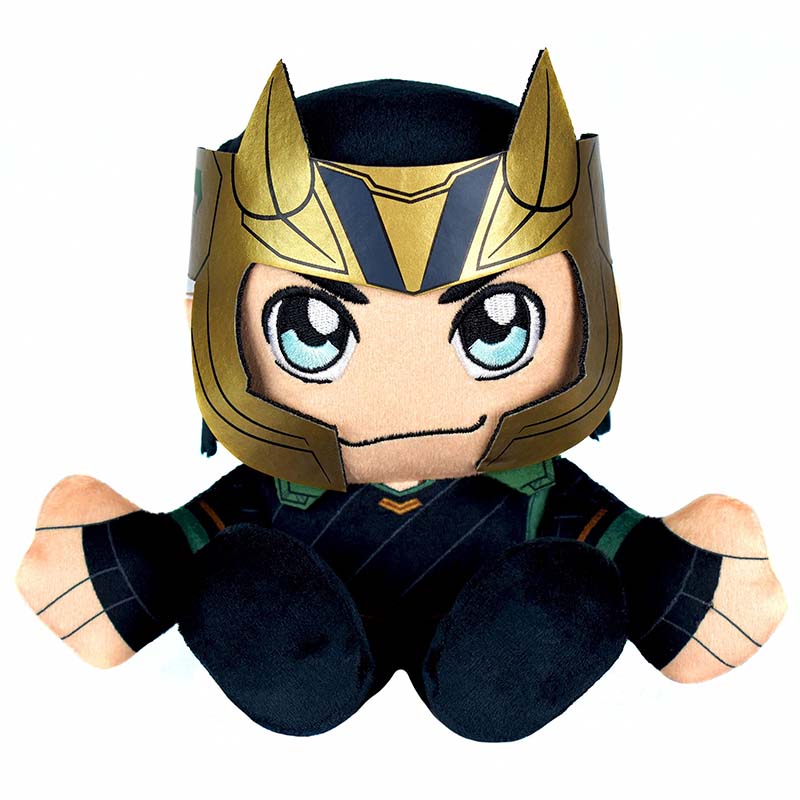
Character Plush Toys
Plush toys developed based on licensed or original brand IPs.
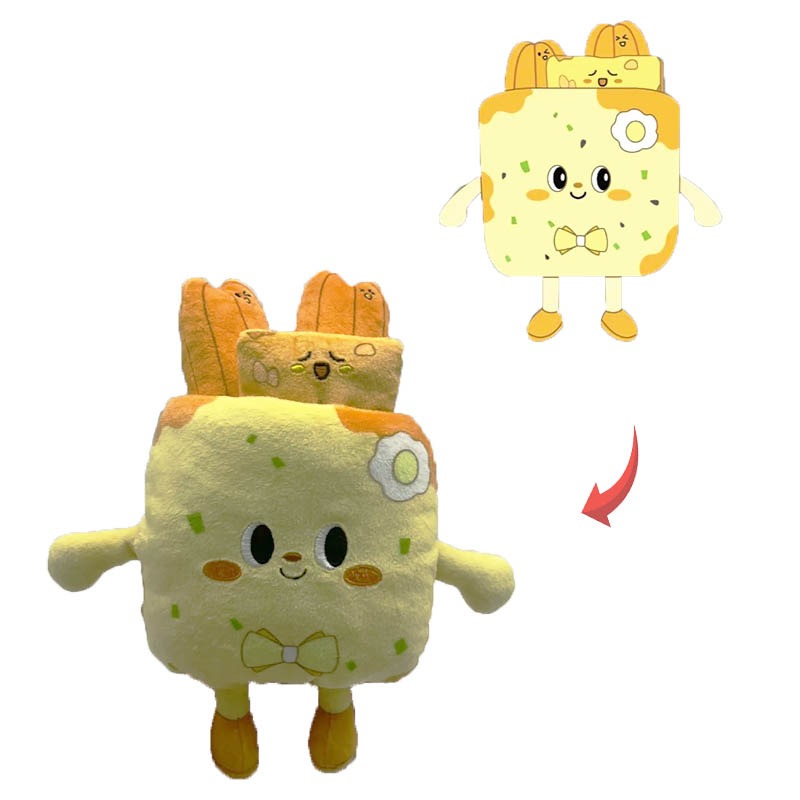
Mascot Plush Toys
Custom mascot plush toys for brand identity and marketing use.

Plush Cushion Toys
Large plush toys designed for hugging, comfort, and lifestyle use.
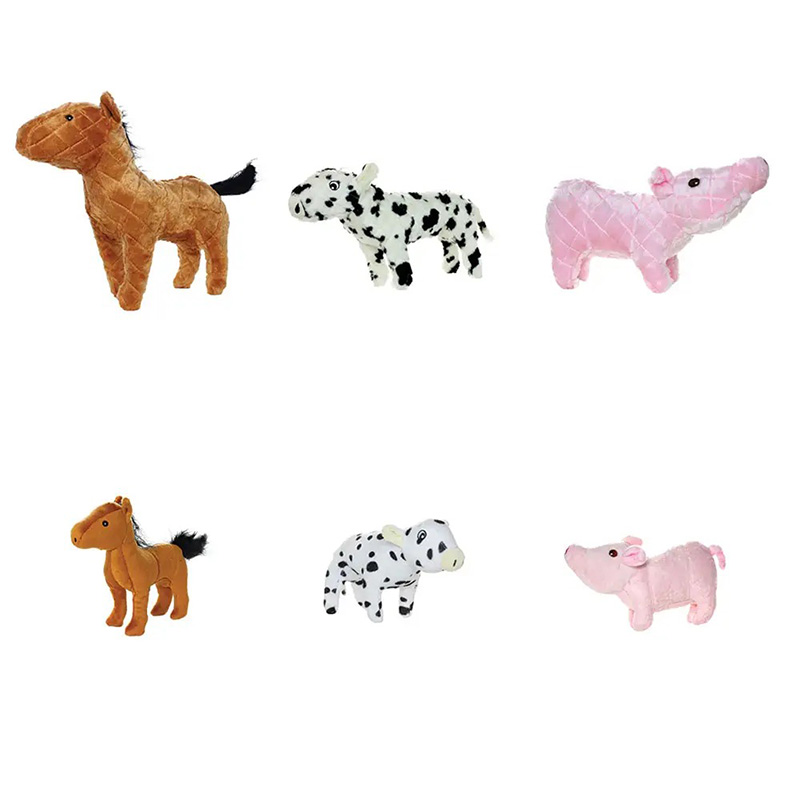
Plush Pet Toys
Durable plush toys designed for pets with reinforced stitching.
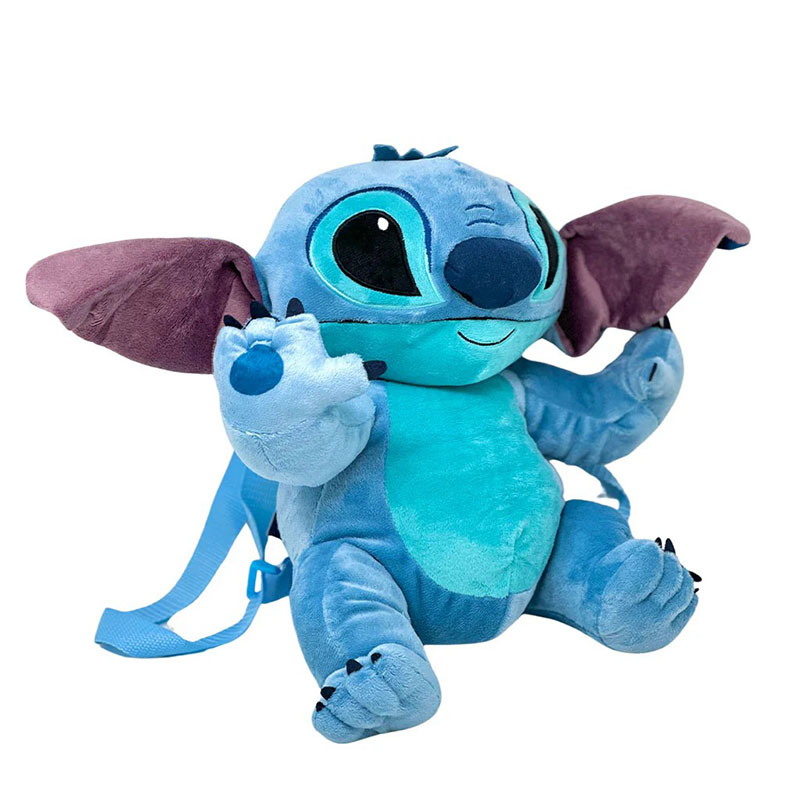
Plush Backpack Toys
Plush toys combined with backpack or wearable structures.
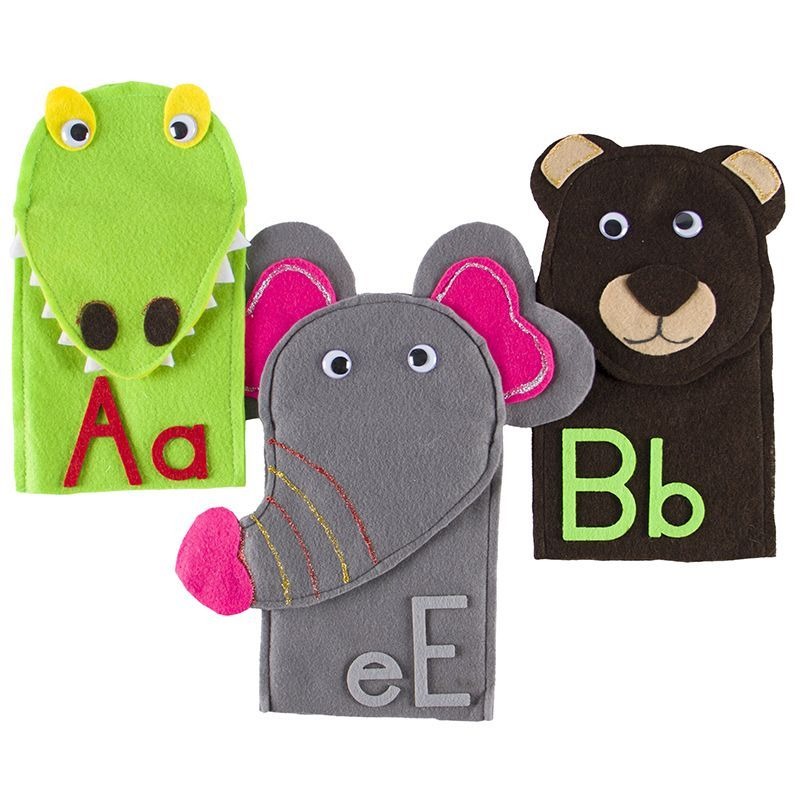
Plush Hand Puppets
Interactive plush toys for storytelling and performance use.
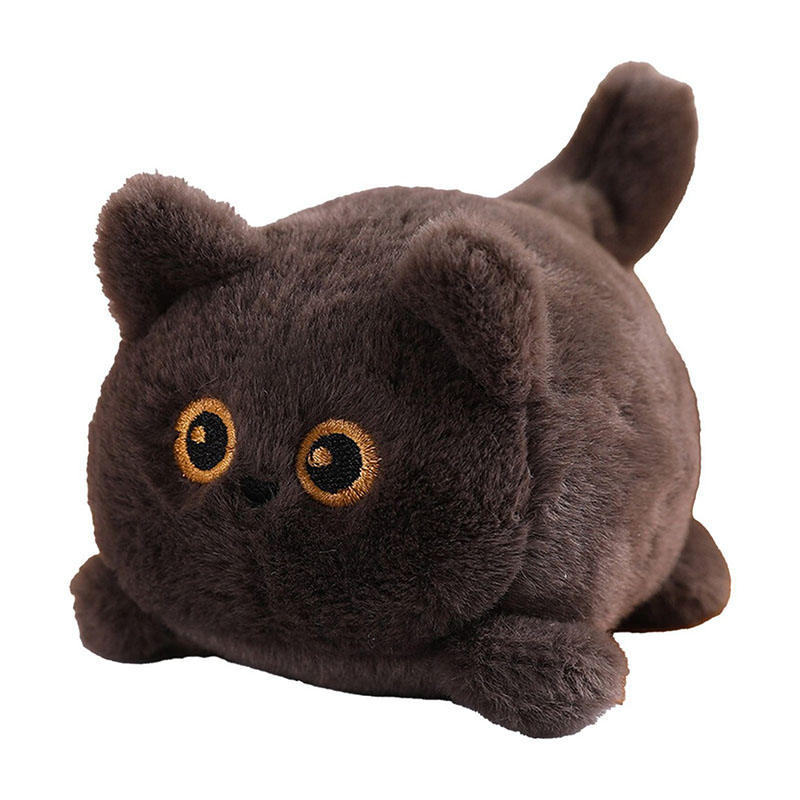
Plush Pillow Dolls
Pillow-style plush toys designed for daily comfort and rest.
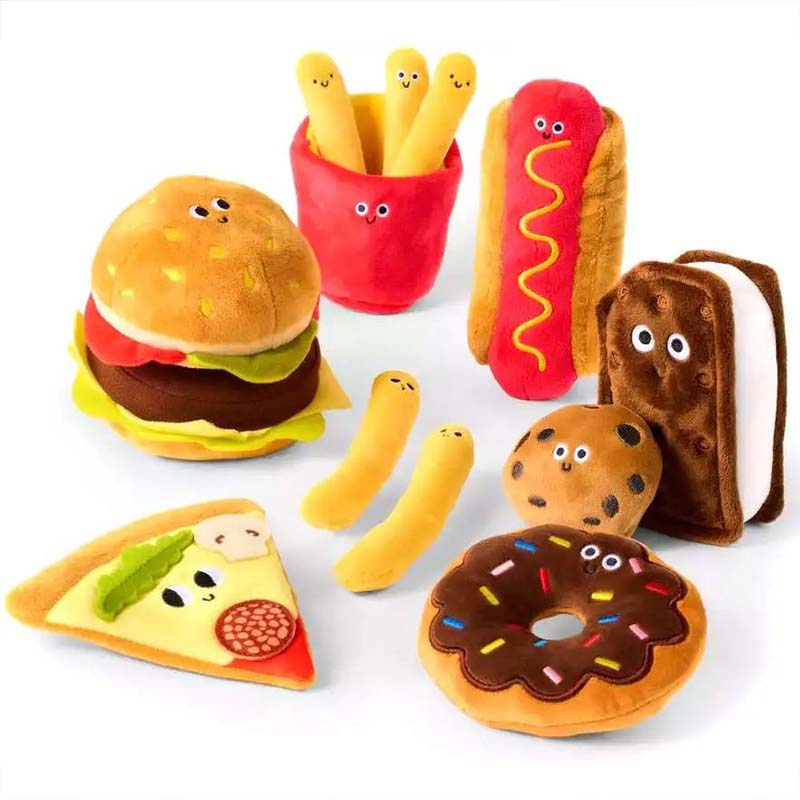
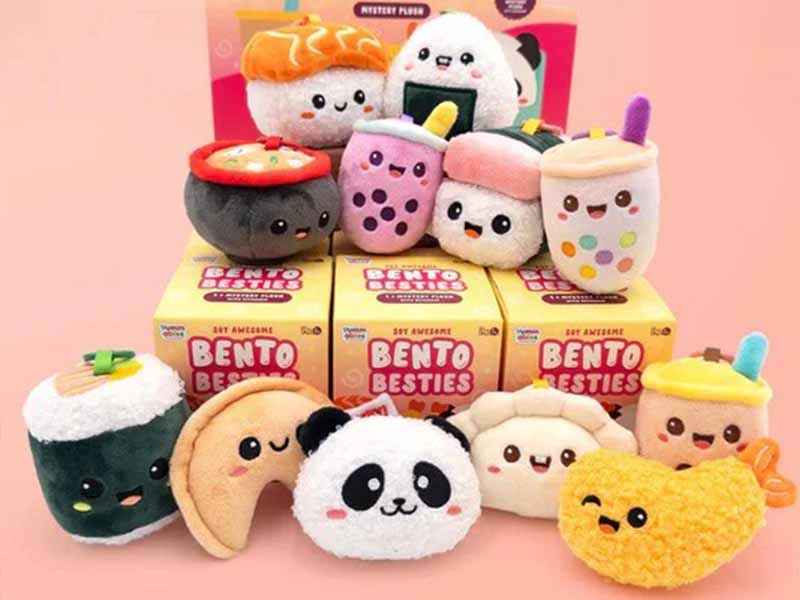
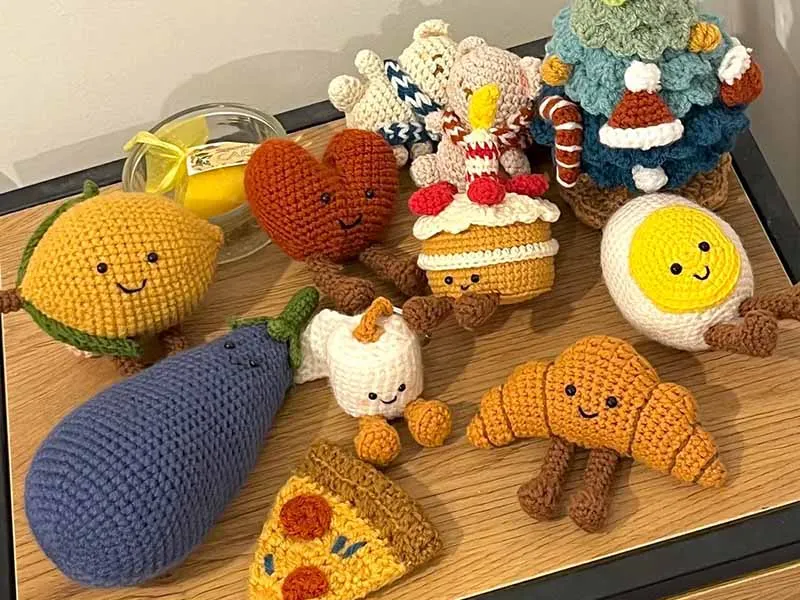
Plush Food Toys
Creative plush toys inspired by food themes and trends.
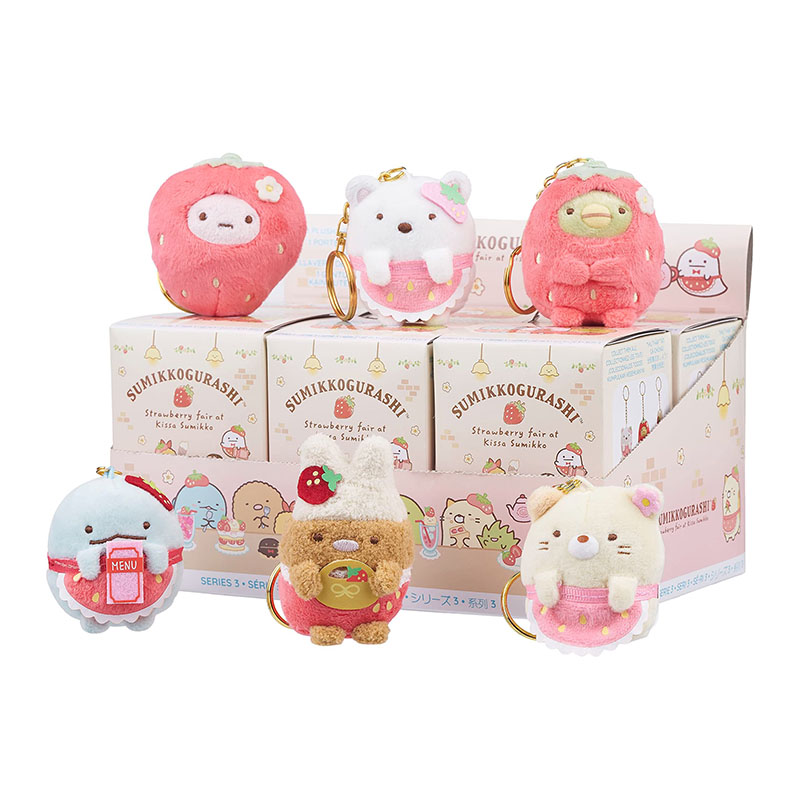
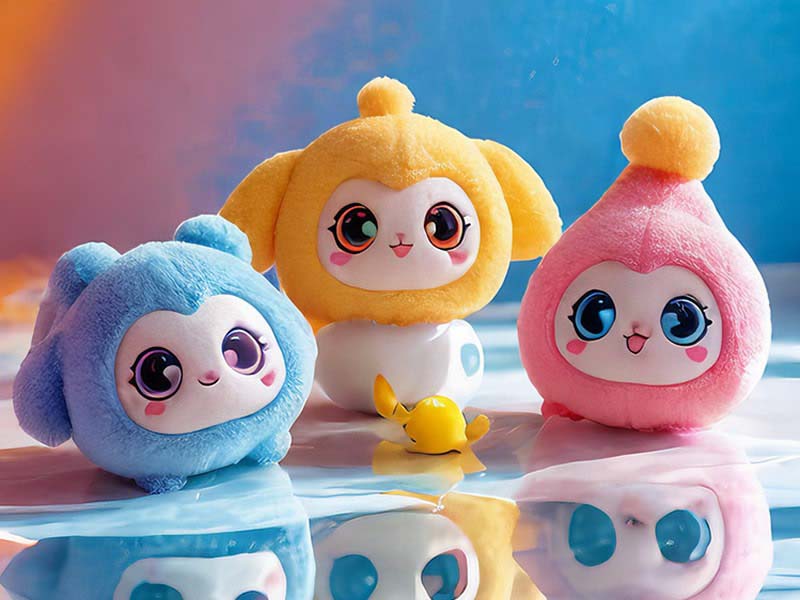
Plush Blind Box Toys
Plush toys developed for blind box series and repeat purchase models.
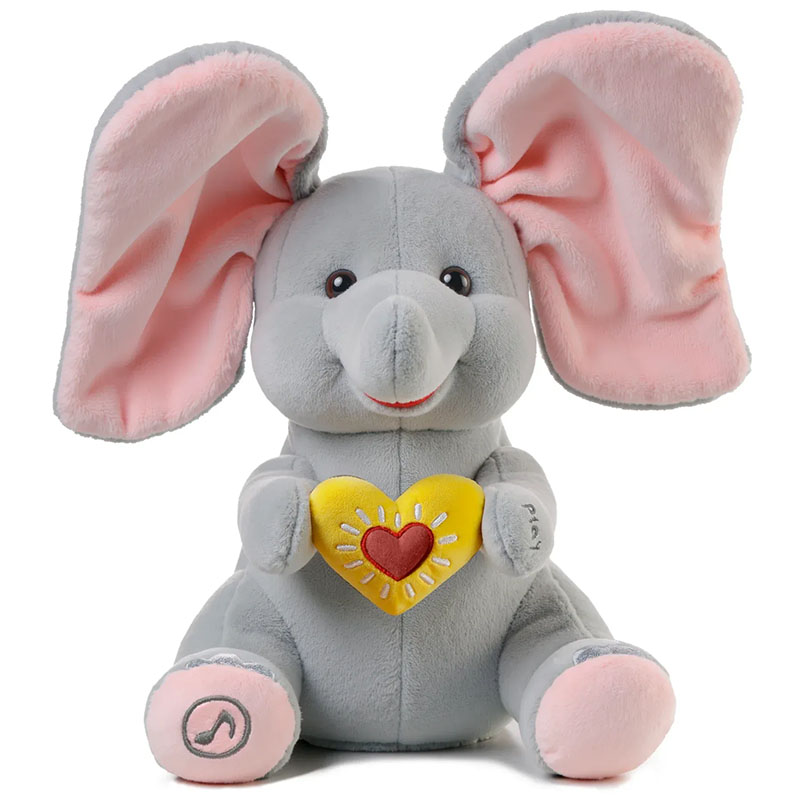
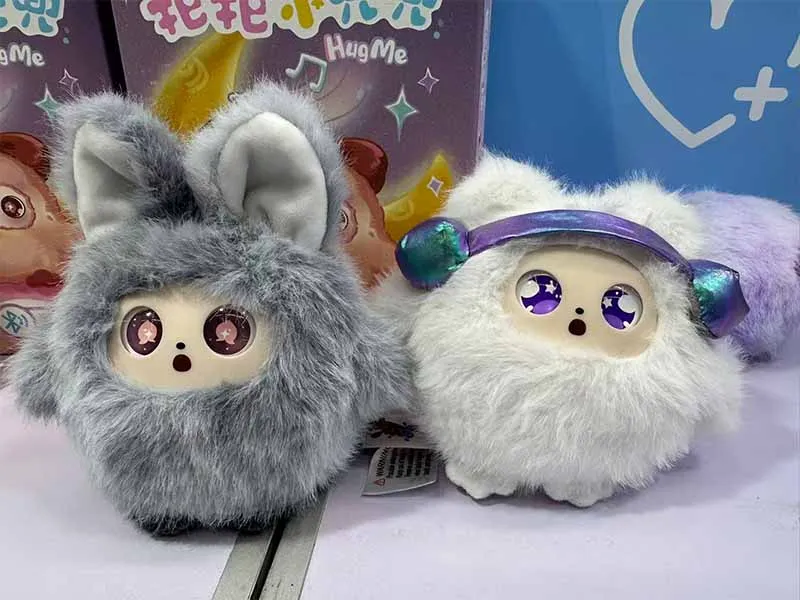
Interactive Plush Toys
Plush toys integrated with sound or interactive modules.
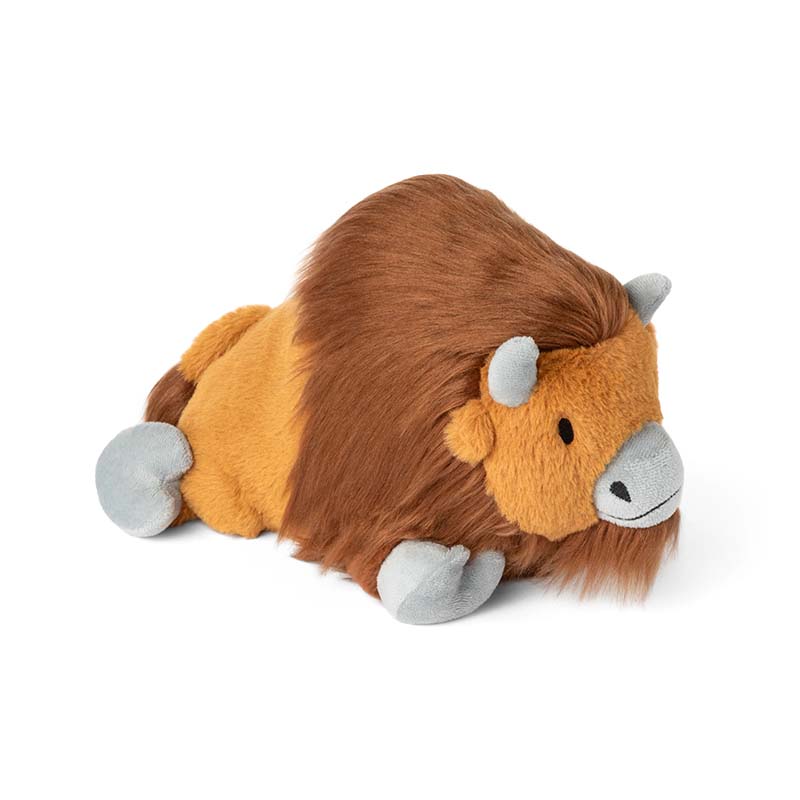
Weighted Plush Toys
Plush toys with internal weight structures for calming use.
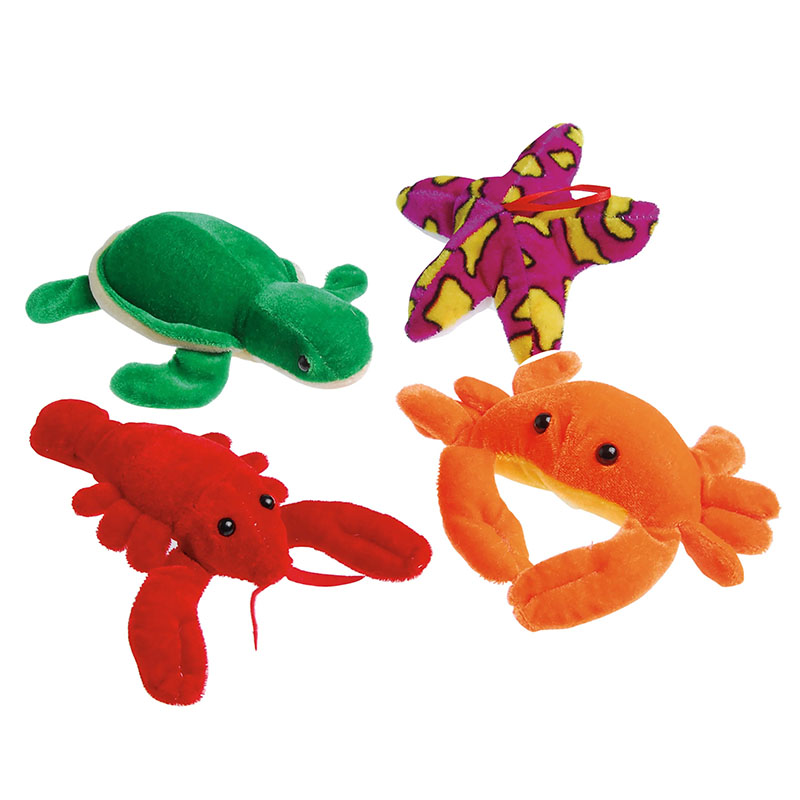
Plush Ocean Animals
Plush toys inspired by ocean animals, designed for themed collections and global markets.
Precision Plush Sample Room Showcase
This video takes you inside our plush sample room, where a wide range of completed samples from different projects are displayed. Each sample reflects real development and production experience—covering diverse structures, materials, and design requirements. The sample room demonstrates our ability to consistently turn ideas into production-ready plush toys.
Exclusive Support System for Long-Term Plush Toy Partners
For long-term partners, plush toy manufacturing is not just about producing goods—it’s about building a stable, efficient, and predictable supply chain. Our exclusive support system is designed to help you reduce uncertainty, improve coordination, and scale your business with confidence over time.
Dedicated Account & Project Management
Long-term partners are assigned a dedicated account and project management team that stays consistent throughout the cooperation. This team understands your product structure, quality standards, communication preferences, and decision-making process, which significantly reduces repeated explanations and avoids misalignment across different production stages.
Priority Sampling & Production Scheduling
Your projects receive priority access to sampling schedules and production planning resources. This allows faster response during new product development, seasonal launches, or urgent replenishment orders, helping you better control timelines and market windows.
Stable Material & Cost Planning Support
We support long-term clients with forward-looking material planning and cost optimization. By locking suitable materials early or suggesting alternative solutions, we help minimize the impact of raw material price fluctuations and maintain more stable long-term pricing.
Consistent Quality Control Standards
All quality requirements for long-term partners are documented, standardized, and applied consistently across samples, bulk orders, and repeat production. This systemized approach helps maintain product consistency and reduces quality disputes over time.
Flexible Order & Reorder Support
Based on long-term cooperation and production familiarity, we offer more flexibility in order adjustments, repeat production planning, and capacity allocation. This helps you respond faster to sales performance, inventory levels, and market feedback.
Confidentiality & IP Protection Measures
For brand owners and IP-driven projects, strict confidentiality and protection procedures are implemented. Design files, product data, and exclusive items are handled under controlled processes to protect your intellectual property and competitive advantage.
With this long-term support system, you gain more than a production supplier—you gain a manufacturing partner that understands your goals, adapts to your growth, and supports your business at every stage.
What Affects the Price of Custom Plush Toys?
When sourcing plush toys from China, pricing is not based on a single factor. Understanding what drives cost helps you make better decisions, compare quotes fairly, and avoid unexpected expenses during production.
Design Complexity and Structure
Plush toys with complex shapes, multiple panels, layered details, or special structures require more pattern work, sewing time, and skilled labor. Higher design complexity directly increases development and production costs.
Fabric, Filling, and Material Choices
Different plush fabrics, fillings, and accessories vary greatly in cost. Factors such as softness, durability, safety certification, and material availability all affect the final unit price.
Order Quantity and Production Scale
Larger order volumes usually allow costs such as tooling, setup, and labor to be distributed more efficiently. Smaller quantities often result in higher per-unit prices due to lower production efficiency.
Quality Standards and Testing Requirements
Higher quality expectations and strict safety testing—such as ASTM, EN71, or CPSIA—add extra steps to materials sourcing, production control, and inspection, which increase overall costs.
Packaging, Logistics, and Delivery Terms
Custom packaging, labeling, packing methods, and shipping terms all influence the final landed cost. Choices made at this stage can significantly impact your total budget.
Understanding these pricing factors allows you to balance cost, quality, and performance—so you can plan your plush toy project with clarity and confidence.
How to Evaluate a Plush Toy Factory Through Samples
Samples are more than just prototypes—they reflect a factory’s design understanding, production skills, quality control, and communication ability. Knowing what to look for in a sample helps you avoid unreliable suppliers and make confident sourcing decisions.
Responsiveness and Willingness to Improve
A reliable factory responds clearly to feedback and can revise samples efficiently. How issues are handled often matters more than whether issues appear at first.
Sewing Quality and Stitch Consistency
Check the stitching lines for straightness, tightness, and uniform spacing. Clean seams and consistent stitching indicate skilled workers and stable production control.
Fabric Handling and Material Matching
A good sample shows proper fabric direction, even pile, and suitable material choices for different parts. Mismatched fabrics or uneven texture often signal weak material experience.
Stuffing Balance and Shape Retention
Well-made samples feel evenly stuffed and hold their shape without being too hard or too loose. Uneven or lumpy stuffing is a common sign of rushed or unskilled work.
Detail Execution and Finishing Quality
Look closely at embroidery, facial expressions, accessories, and trimming. Clean finishing, secure attachments, and neat edges show strong attention to detail.
Accuracy of Shape and Proportions
A professional factory can accurately translate drawings or reference images into correct plush proportions and overall shape. Poor samples often show distortion, uneven symmetry, or incorrect sizing.
By reviewing samples from these six aspects, you can better judge a factory’s true capabilities—before committing to bulk production.
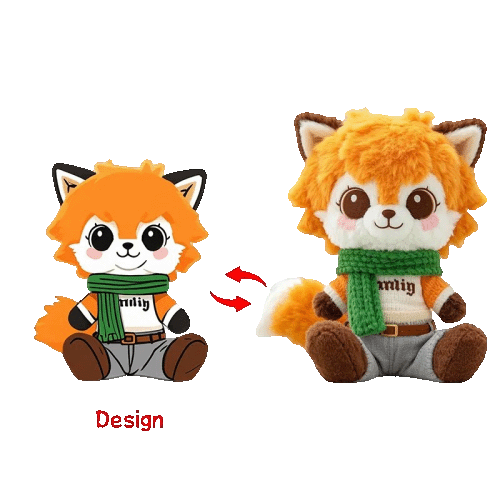
Precision Design vs Physical Sample Accuracy
This video directly compares the approved design with the finished plush sample, highlighting how closely the final product follows the original concept. Details such as proportions, facial expressions, embroidery placement, color tones, and overall structure are carefully aligned, clearly demonstrating our ability to deliver 95%+ design accuracy. This visual proof helps brands approve samples faster and move confidently toward bulk production.
Common Fabrics & Accessories Used in Plush Toy Manufacturing
Choosing the right fabrics and accessories is essential to plush toy quality, safety, and cost control. Different markets and product types require different material combinations, and understanding these options helps you make better sourcing decisions.
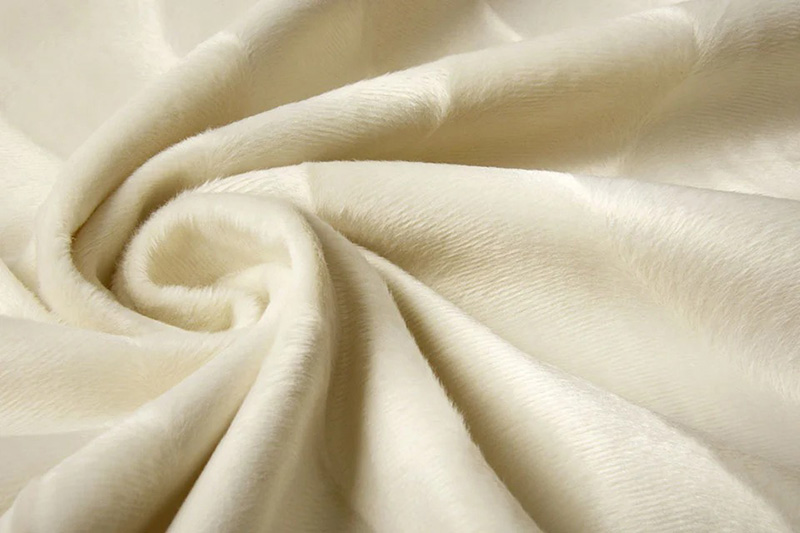
Velboa Fabric
A smooth and durable plush fabric widely used for animal plush toys and character products. It offers good shape definition and stable color performance.
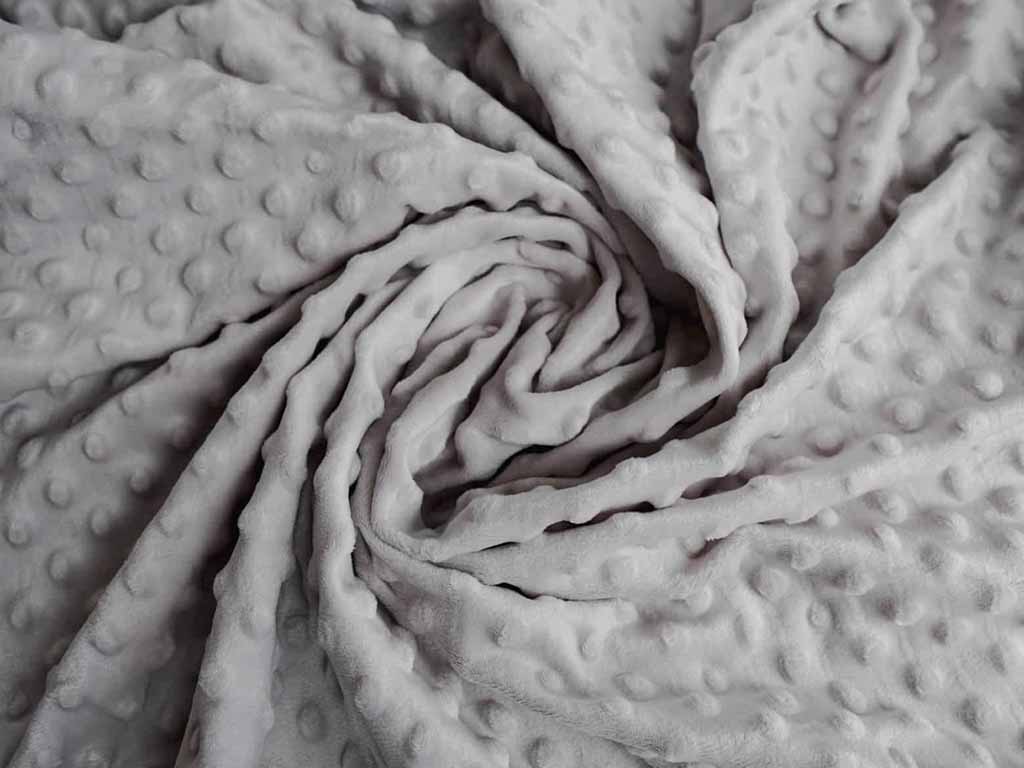
Minky Fabric
Known for its ultra-soft touch, minky fabric is popular for baby plush toys and comfort-focused products.
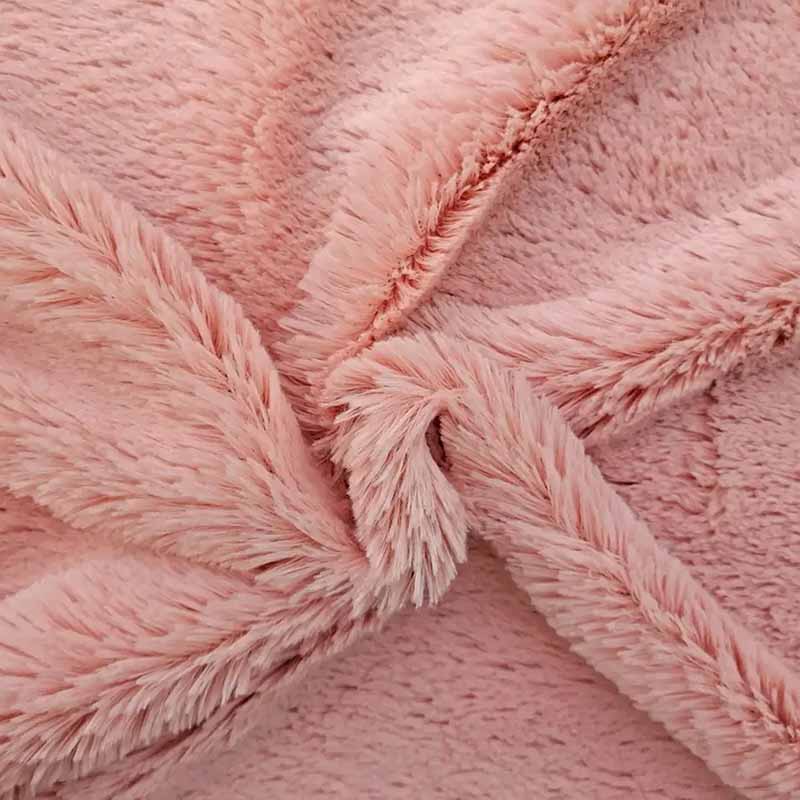
Long Pile Plush Fabric
This fabric creates a fluffy and premium appearance, often used for decorative or high-end plush designs.
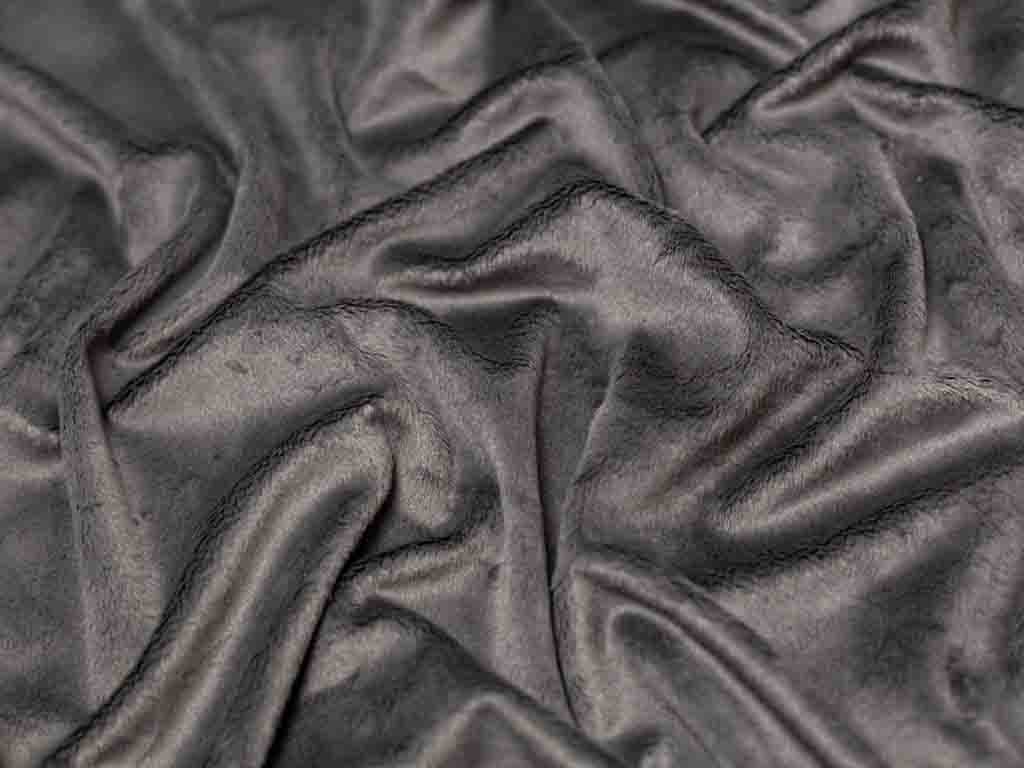
Faux Fur Fabric
Imitates animal fur texture and is suitable for realistic plush animals and themed collections.
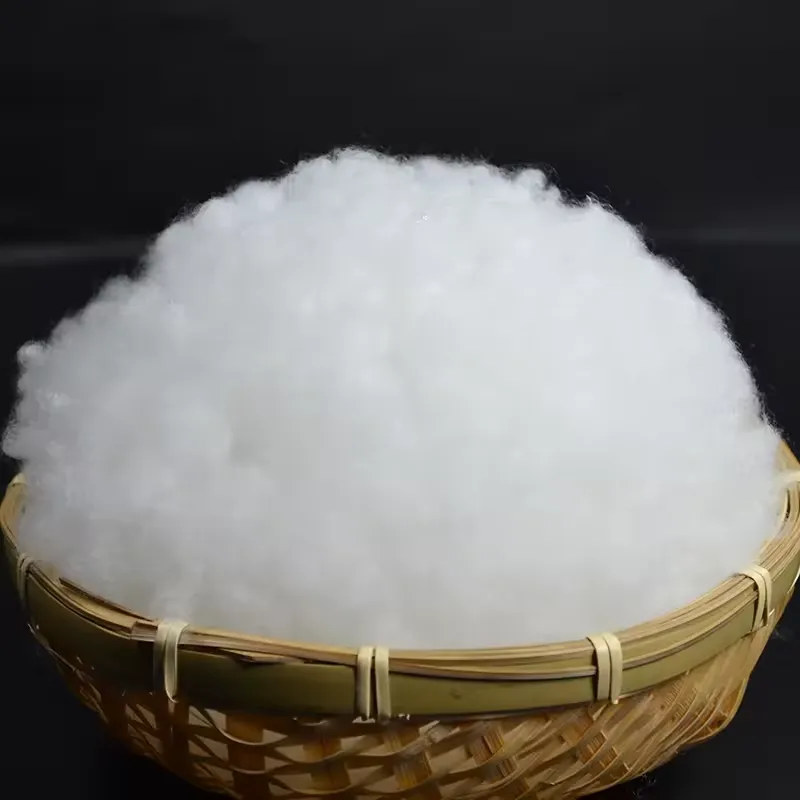
Polyester Fiber Filling (PP Cotton)
Lightweight and resilient filling that provides softness and good shape retention.
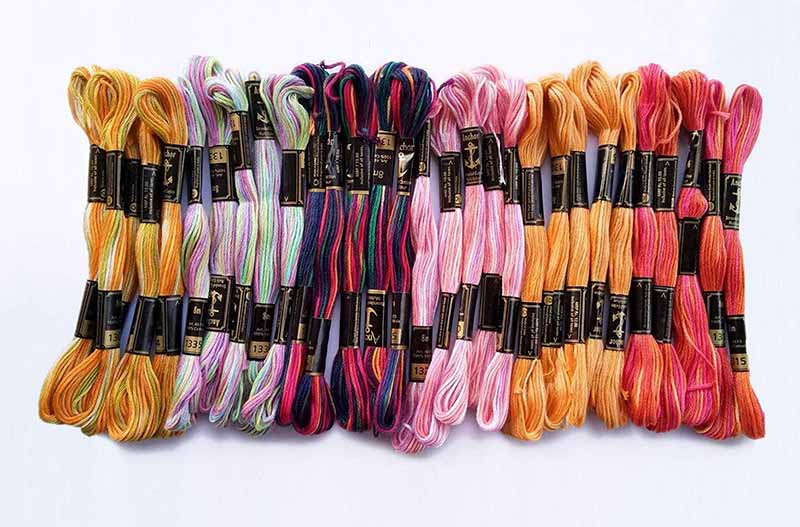
Embroidery Threads
Used for facial expressions, logos, and decorative details with clean and durable results.
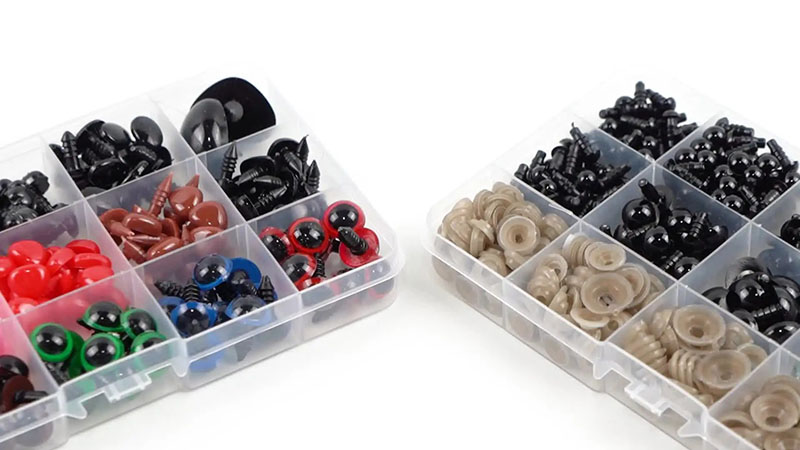
Plastic Safety Eyes & Noses
Widely used for facial features, designed to meet safety requirements for different age groups.
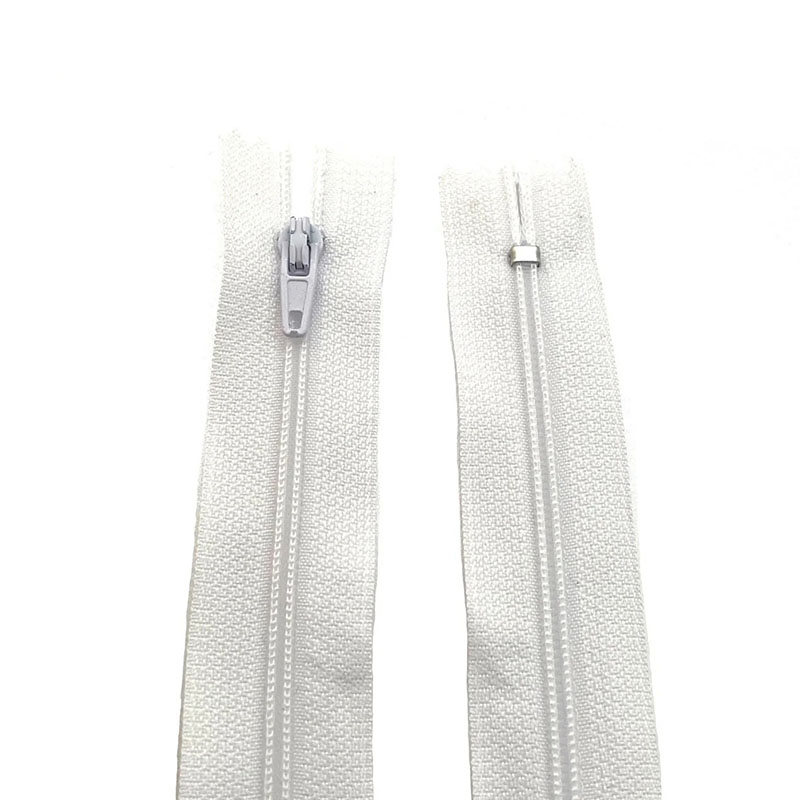
Zippers, Velcro & Fasteners
Functional accessories applied in plush backpacks, cushions, or interactive designs.
By selecting suitable fabrics and accessories, you can balance softness, durability, safety, and cost—while ensuring your plush toys meet market and compliance requirements.
Plush Toy Filling Comparison
Plush toy filling plays a critical role in softness, shape retention, safety, and long-term durability. Choosing the right filling material helps ensure your product meets market expectations, usage scenarios, and cost targets.
Polyester Fiber Filling (PP Cotton)
PP cotton is the most commonly used filling material in plush toys due to its lightweight, soft, and resilient properties. It provides a fluffy hand feel while maintaining good shape recovery after squeezing or long-term use. PP cotton is easy to control during filling, making it suitable for both small samples and large-scale production. It also works well with a wide range of plush fabrics and is cost-effective for most commercial projects.
Weighted Filling (Glass Beads or Plastic Pellets)
Weighted fillings use glass beads or plastic pellets to add internal weight to plush toys. This type of filling creates a grounded, calming sensation and is often used in weighted plush toys for comfort, sensory use, or stress relief. Compared to PP cotton, weighted fillings require stronger stitching, reinforced inner structures, and careful balance control to ensure safety and durability. They are usually combined with soft outer filling layers to maintain comfort while achieving the desired weight.
By understanding the differences between these filling materials, you can choose the best option based on product function, target users, and budget considerations.
Quality & Safety Assurance for Plush Toy Fabrics and Accessories
In plush toy manufacturing, material quality and safety are not optional—they directly determine product reliability, compliance, and brand trust. A professional plush toy manufacturer must control risks from the material level, not after problems appear. The following measures show how quality and safety are built into every step.
Material Sourcing from Verified Suppliers
All fabrics, fillings, and accessories are sourced from long-term, audited suppliers with stable production capacity. Supplier consistency helps prevent issues such as color variation, texture inconsistency, or sudden material changes that may affect repeat orders.
Compliance with International Safety Standards
Material selection is aligned with target market regulations from the beginning. Fabrics and accessories are evaluated based on standards such as EN71, ASTM, CPSIA, and REACH to ensure smooth market entry and reduce compliance risks later.
Physical Performance and Durability Testing
Key materials are tested for tensile strength, seam performance, color fastness, abrasion resistance, and wash durability. These tests help ensure the plush toy maintains appearance and structure during daily use and transportation.
Accessory Safety and Attachment Strength
Accessories such as eyes, noses, zippers, and decorative elements are tested for pull resistance and secure attachment. For children’s plush toys, stricter attachment standards are applied to prevent detachment risks.
Age-Appropriate Material and Structure Selection
Different age groups require different safety approaches. For baby and toddler plush toys, soft embroidery, stitched details, and reduced hard components are prioritized to minimize potential hazards.
Ongoing Quality Control During Production
Quality checks are conducted throughout production to ensure materials and accessories are used exactly as approved. This prevents substitution, incorrect application, or quality drift during mass production.
By controlling fabric and accessory quality at every stage, you reduce product risk, protect end users, and maintain consistent standards across samples and bulk orders.
Plush Toy Production Process
A clear and standardized production process is key to ensuring quality consistency, on-time delivery, and cost control. Below is the typical plush toy manufacturing workflow used for both custom development and bulk production.
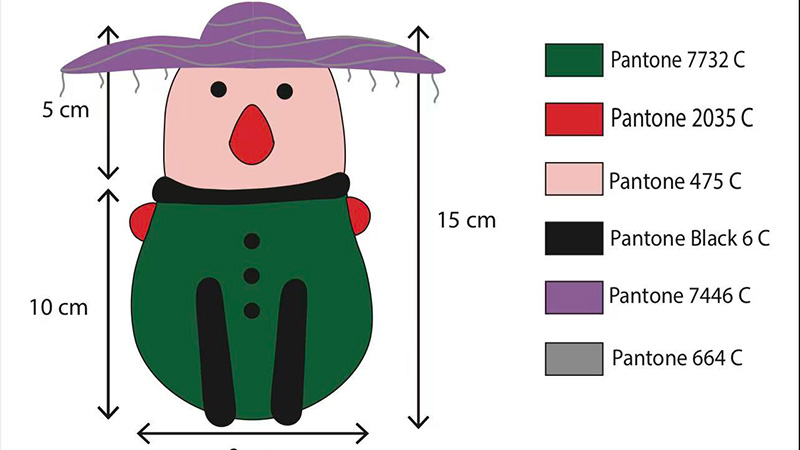
Design Review & Technical Confirmation
We review your artwork, reference samples, and requirements to confirm dimensions, structure, materials, and production feasibility before sampling begins.
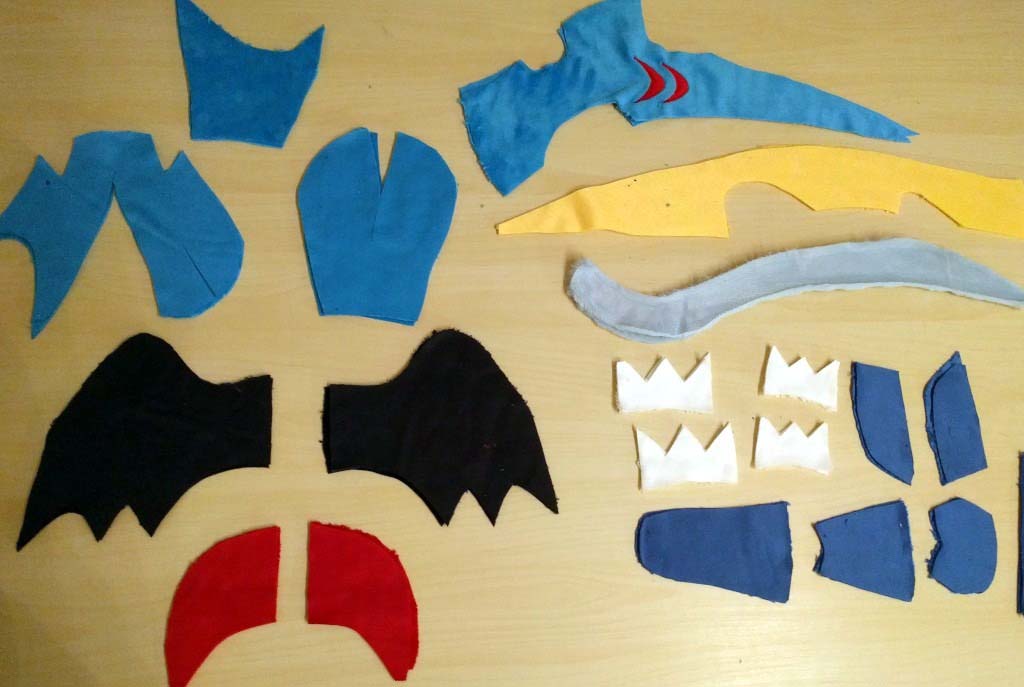
Pattern Making & Sample Development
Professional pattern makers create templates and produce samples to test shape accuracy, sewing methods, and material performance.
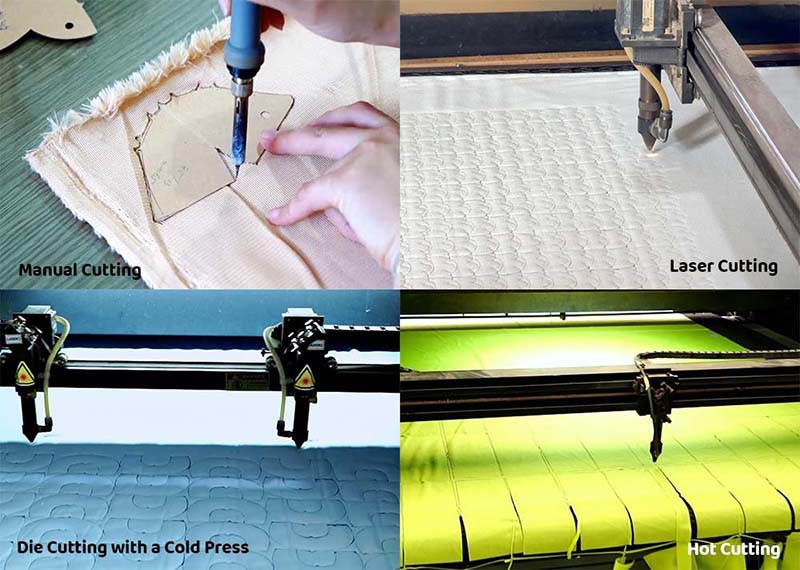
Material Preparation & Cutting
Approved fabrics, fillings, and accessories are prepared and cut according to confirmed specifications to ensure consistency across production.

Sewing & Assembly
Cut pieces are sewn and assembled by skilled workers, following defined workmanship standards and structural requirements.
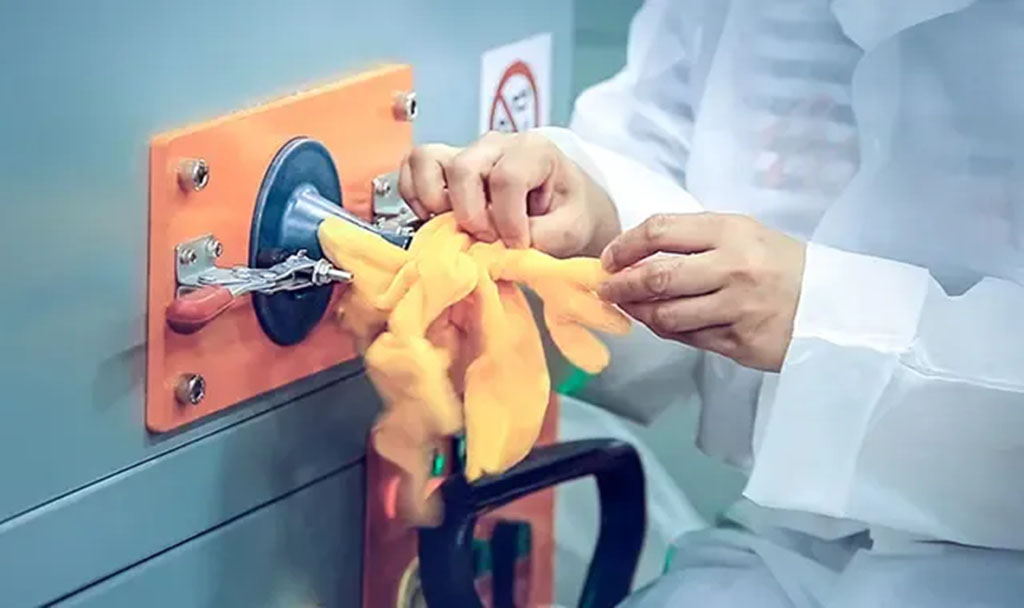
Stuffing, Shaping & Finishing
Plush toys are filled, shaped, and finished, including trimming threads and adjusting form for optimal appearance and hand feel.
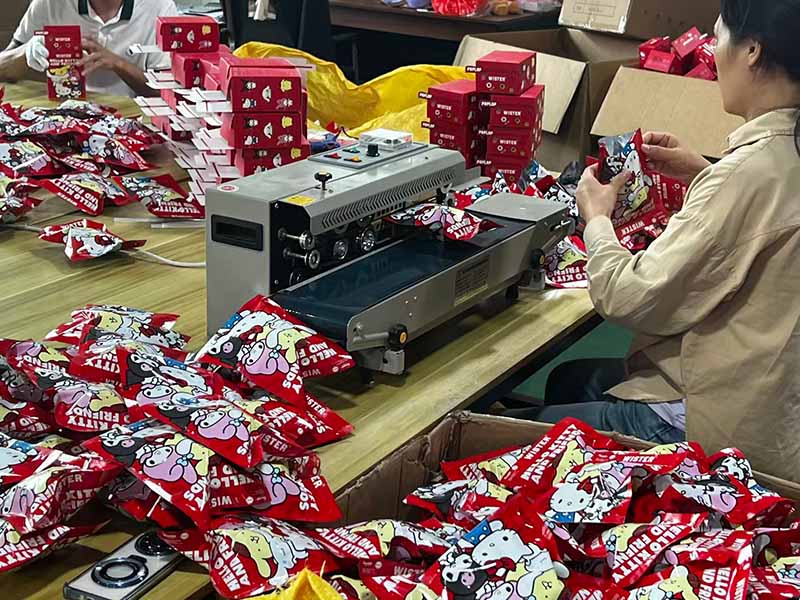
Quality Inspection & Packing
Each batch undergoes quality inspection before being packed according to packaging requirements and prepared for shipment.
With a well-managed production process, your plush toys move from concept to shipment efficiently—while maintaining stable quality at every stage.
Precision Needle Detection Process
This video shows how every plush toy passes through professional needle detection before shipment. By scanning for broken needles or metal fragments left during sewing, we eliminate potential safety risks and ensure products meet strict international safety standards. Needle detection is a mandatory step for plush toys entering global markets.
Trusted by Leading Global Brands
Strong partnerships prove strong capabilities. Over the years, Kinwin has worked with world-leading brands and retailers to deliver interactive plush toys that meet the highest standards of creativity, safety, and quality. By choosing us, you gain a supplier that is trusted by top companies worldwide—and the same reliability is available to your brand.




Plush Toy Style Preferences by Market
Plush toy design preferences vary significantly across countries due to differences in culture, lifestyle, retail channels, and consumer psychology. Understanding these style trends helps you choose the right plush toy designs from the beginning, reduce trial-and-error costs, and improve market acceptance.
United States – Character Plush Toys with Bold Expressions
In the U.S. market, buyers strongly favor character-style plush toys with clear personalities and expressive facial features. Bold expressions, exaggerated eyes, and recognizable silhouettes help these toys stand out in retail and online listings. This style works especially well for brand mascots, licensed characters, and storytelling-based plush products, where emotional connection and visual impact drive purchasing decisions.
Japan – Cute Mini Plush Toys (Kawaii Style)
Japanese buyers are highly drawn to kawaii-style plush toys featuring small sizes, rounded shapes, soft pastel colors, and gentle facial expressions. These plush toys are often designed for collectibles, blind boxes, bag charms, or seasonal gifts. Attention to fine details and overall cuteness is more important than size or complexity.
Europe – Animal Plush Toys with Natural Proportions
European buyers tend to prefer animal plush toys with balanced proportions, simple lines, and a more natural or minimalist appearance. Overly exaggerated or cartoonish designs are less favored in many European markets. Instead, buyers focus on texture quality, fabric feel, and long-term durability, especially for children’s products and gift items.
South Korea – Soft Aesthetic Plush Toys with Clean Design
Korean buyers favor plush toys with a soft aesthetic, clean shapes, and subtle emotional expressions. Neutral or muted color palettes and simple silhouettes are commonly used. These plush toys are often positioned as lifestyle items, room décor, or comfort products rather than traditional children’s toys.
Middle East – Large Plush Toys with Premium Appearance
Buyers in the Middle East often prefer larger plush toys with a full, premium look. Rich colors, dense stuffing, and strong visual presence are valued, especially for gifting purposes. Plush toys are frequently purchased as presents, making appearance, size, and perceived value key decision factors.
By aligning plush toy designs with regional preferences, you can improve product-market fit, shorten testing cycles, and increase the success rate of new launches.
How to Reduce Export Delay Risks for Plush Toy Orders
Export delays can impact product launches, inventory planning, and cash flow. For plush toy orders, delays often come from preventable issues such as poor planning, incomplete documentation, or weak coordination between production and logistics. The following measures help reduce export risks and keep shipments on schedule.
Early Production Planning and Timeline Buffer
Clear production schedules with built-in buffer time help absorb unexpected issues such as material delays or sample revisions. Early planning allows adjustments before delays become critical.
Stable Material Preparation and Supplier Control
Confirming fabrics and accessories early and working with stable suppliers reduces the risk of last-minute material shortages or substitutions that can delay production.
Accurate Export Documentation and Compliance Checks
Incomplete or incorrect documents are a common cause of customs delays. Preparing packing lists, invoices, and compliance documents in advance helps ensure smooth clearance.
Coordinated Logistics and Shipping Arrangement
Early coordination with freight forwarders and clear shipping plans help secure space and choose the most suitable transport method based on delivery urgency and cost.
Explore Our Custom Plush Toy Series
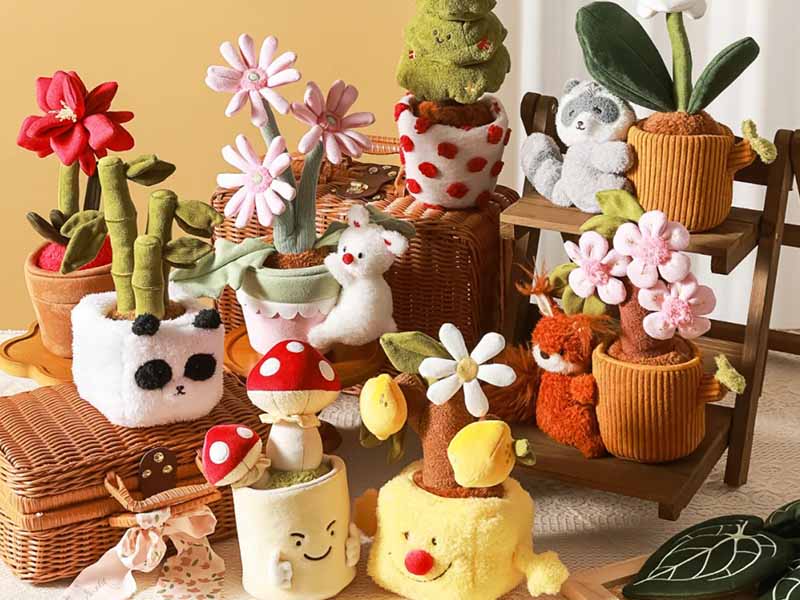
We offer a wide selection of plush toys to meet different business needs. From baby-safe stuffed animals to collectible plush dolls, our product lines are designed for global brands, retailers, e-commerce, and promotional projects.
Start Your Plush Toy Project with Confidence
Choosing the right plush toy manufacturer in China is not just about price—it’s about reliability, communication, and long-term results. Whether you are developing a new plush design, preparing for a bulk order, or evaluating a new supplier, working with an experienced factory helps you reduce risks and move faster. From design support and sampling to production, quality control, and export coordination, you get clear guidance at every step so your project stays on track.
Frequently Asked Questions
1.What is your MOQ for custom plush toys?
Our standard MOQ is 500 pieces. For orders below this quantity, please consult with our project manager. We may offer flexible solutions depending on the product size, complexity, and customization requirements.
2.Can you make plush toys based on our drawings or reference images?
Yes. You can provide sketches, reference photos, or even simple concepts. Our team will review your materials and help convert them into production-ready plush toy designs through pattern making and sampling.
3. How long does sample development take?
Sample development usually takes 10–15 working days, depending on design complexity and revision rounds. We focus on getting the structure and proportions right first, then refining details based on feedback.
4. What materials do you commonly use for plush toys?
We commonly use velboa, minky, long pile plush, and faux fur fabrics, along with PP cotton or weighted fillings. Materials are selected based on softness, durability, safety standards, and target market needs.
5.How do you ensure product quality during mass production?
Quality control is applied at multiple stages, including material inspection, in-process checks, and final inspection. For long-term clients, quality standards are documented and consistently followed across repeat orders.
6. Do your plush toys meet international safety standards?
Yes. We support compliance with EN71, ASTM, CPSIA, and other market-specific standards. Materials and accessories are selected according to the target market’s regulatory requirements.
7.Can you help with packaging and export logistics?
Yes. We provide support for packaging options, labeling, and export coordination. We also help prepare required documents to reduce customs clearance risks.
8. How are prices calculated for custom plush toys?
Pricing is based on design complexity, materials, order quantity, quality requirements, and packaging. We provide clear breakdowns so you understand where costs come from.
9.How do you protect our designs and IP?
We follow strict confidentiality procedures for design files and project information. For IP or brand projects, additional protection measures can be applied to ensure exclusivity.
10.How do we start a custom plush toy project with you?
You can start by sending your design ideas, reference images, or project requirements. Our team will review your request and guide you through the next steps, from sampling to production.
If You Can lmagine lt,We Will Create lt!
1.Tell Us What You Need
Tell us as specific as possible of your needs and share your idea.
2.Get Solution & Quote
We will work on the best solution according to yourrequirements,the specific quote will be provided within 24 hours.
3.Approve for Mass Production
We will start mass production after getting your approval.