
Custom plush prototype development for brands, designers, toy startups, licensing teams, retail buyers, and product teams that need to turn an idea into an approved plush sample.
Plush Toy Prototype Manufacturer
Plush toy prototype manufacturer | Custom plush prototype | Plush sample maker | Prototype plush development | Plush toy sampling | Character plush prototype | OEM/ODM plush toys | MOQ 500 pcs | KINWIN
A plush toy prototype manufacturer helps buyers turn an early concept into a physical plush sample that can be reviewed, tested, corrected, priced, and prepared for mass production. The prototype stage is where a character’s shape, fabric, size, embroidery, filling, accessories, packaging direction, and production feasibility are tested before the buyer commits to a bulk order.
KINWIN supports custom plush prototype development for brands, toy startups, illustrators, schools, game studios, event teams, private label buyers, licensing projects, and promotional product programs. We help review the design, build a sample plan, develop the first prototype, organize revision feedback, and connect the approved sample with real production requirements.
This page is written for buyers who need more than a cute plush sample. It explains how prototype manufacturing works, why the sample stage matters, what details affect feasibility, and what buyers should prepare before starting a plush prototype project.
PROTOTYPE MANUFACTURING ROLE
What a Plush Toy Prototype Manufacturer Really Does
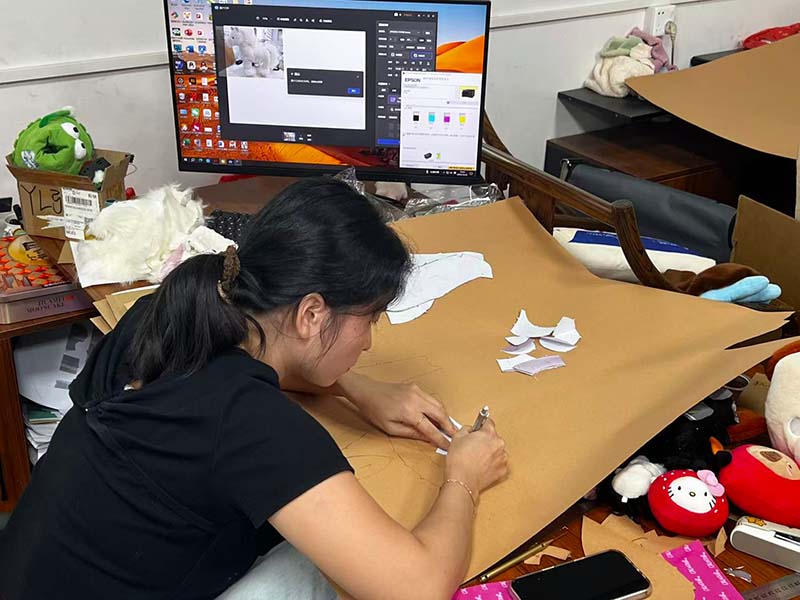
A plush toy prototype manufacturer does more than sew one sample. The real work is to translate a creative idea into a physical product that can be judged by design, hand feel, structure, production feasibility, safety-sensitive details, packaging, cost, and future repeatability. A prototype is not only a display item. It is the first practical test of whether a plush concept can become a stable product.
During prototype development, the factory reviews the character shape, fabric choice, pattern structure, filling method, embroidery, printing, accessories, seam positions, size proportion, and construction details. Each decision affects how the plush looks, how it feels, how much it costs, how easy it is to produce, and whether it can later be approved for bulk manufacturing.
KINWIN uses the prototype stage to help buyers discover problems early. A flat drawing may not show whether the head is too heavy, whether the arms are too thin to stuff, whether a logo is too small for embroidery, or whether a decorative part may create a testing concern. Prototype manufacturing makes these issues visible before they become expensive production problems.
Buyer decision point: a prototype should prove both appearance and manufacturability before a buyer invests in bulk production.
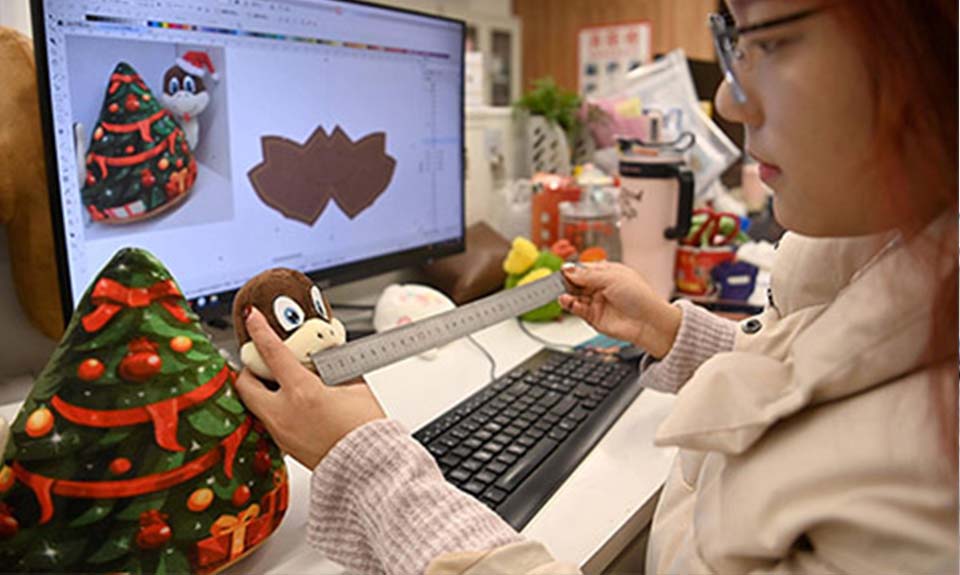
A prototype is used to test appearance, hand feel, structure, cost, repeatability, packaging, and production feasibility before bulk order decisions are made.
WHY PROTOTYPING MATTERS
Why the Prototype Stage Matters Before Bulk Production
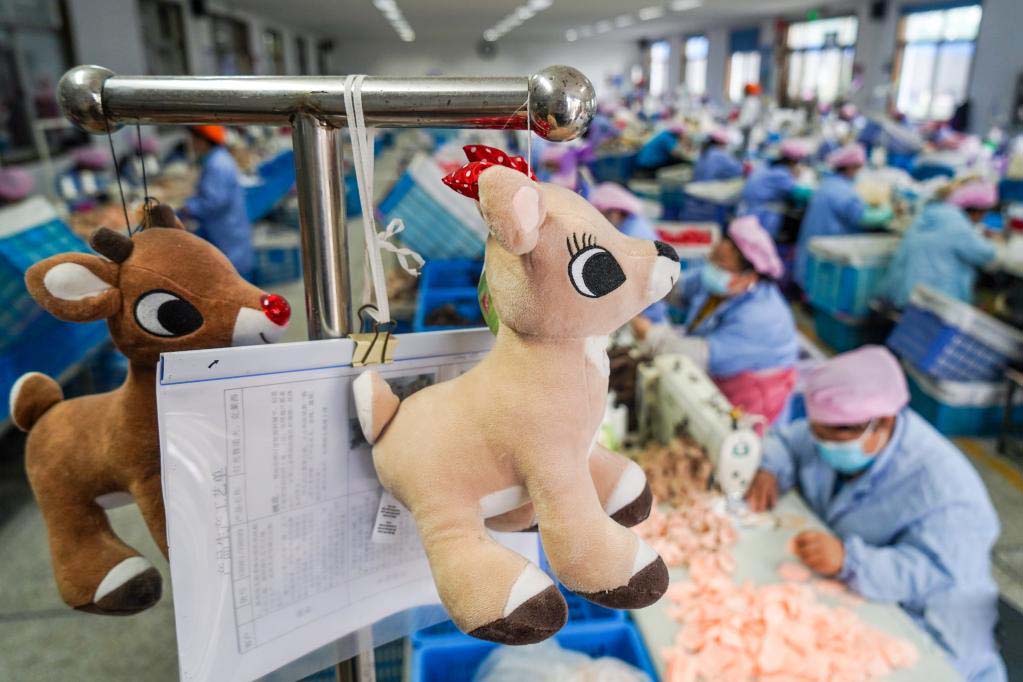
The prototype stage protects the buyer from guessing. Without a physical plush sample, it is difficult to judge whether the character expression, fabric color, size, softness, filling balance, accessory placement, and packaging direction are truly correct. A quotation based only on artwork can provide a starting point, but the sample reveals the real product decisions.
For brands and product teams, the prototype also supports internal approval. A plush concept may need to be reviewed by marketing, design, purchasing, licensing, safety, retail, or management teams. A well-made prototype gives those teams something concrete to evaluate instead of relying only on drawings.
The prototype stage can also save money. It is much cheaper to adjust a sample than to discover problems after fabric is purchased, accessories are ordered, or bulk production has started. Early prototype review helps reduce rework, delays, and unclear expectations between the buyer and factory.
Buyer decision point: Buyer decision point: prototype development is not a delay; it is a risk-control step before production money is committed.
WHO NEEDS A PROTOTYPE
Who Needs a Plush Toy Prototype Manufacturer
Not every buyer comes with a production-ready specification. Many buyers only have a concept, reference image, mascot, logo, or character idea. A prototype manufacturer is especially useful when the buyer needs to test how that idea performs as a real plush product.
Toy startups developing a new plush product before investor review, crowdfunding launch, or retail presentation.
Brand teams creating mascot plush, company IP plush, campaign plush, or limited-edition merchandise.
Illustrators, authors, game studios, and entertainment projects turning 2D characters into 3D plush samples.
Retail and private label buyers who need to confirm design, cost, packaging, and production stability before ordering.
Education, event, sports, and promotional buyers who need a physical sample for approval before a campaign date.
Licensing and character merchandise teams that require sample approval before mass production can begin.
ARTWORK TO FEASIBILITY
From Artwork to Prototype Feasibility Review
Before the first sample is made, KINWIN reviews whether the design can be translated into plush. This review helps buyers understand which parts of the concept can stay, which details should be adjusted, and which production risks should be discussed before sampling.
Character Recognition
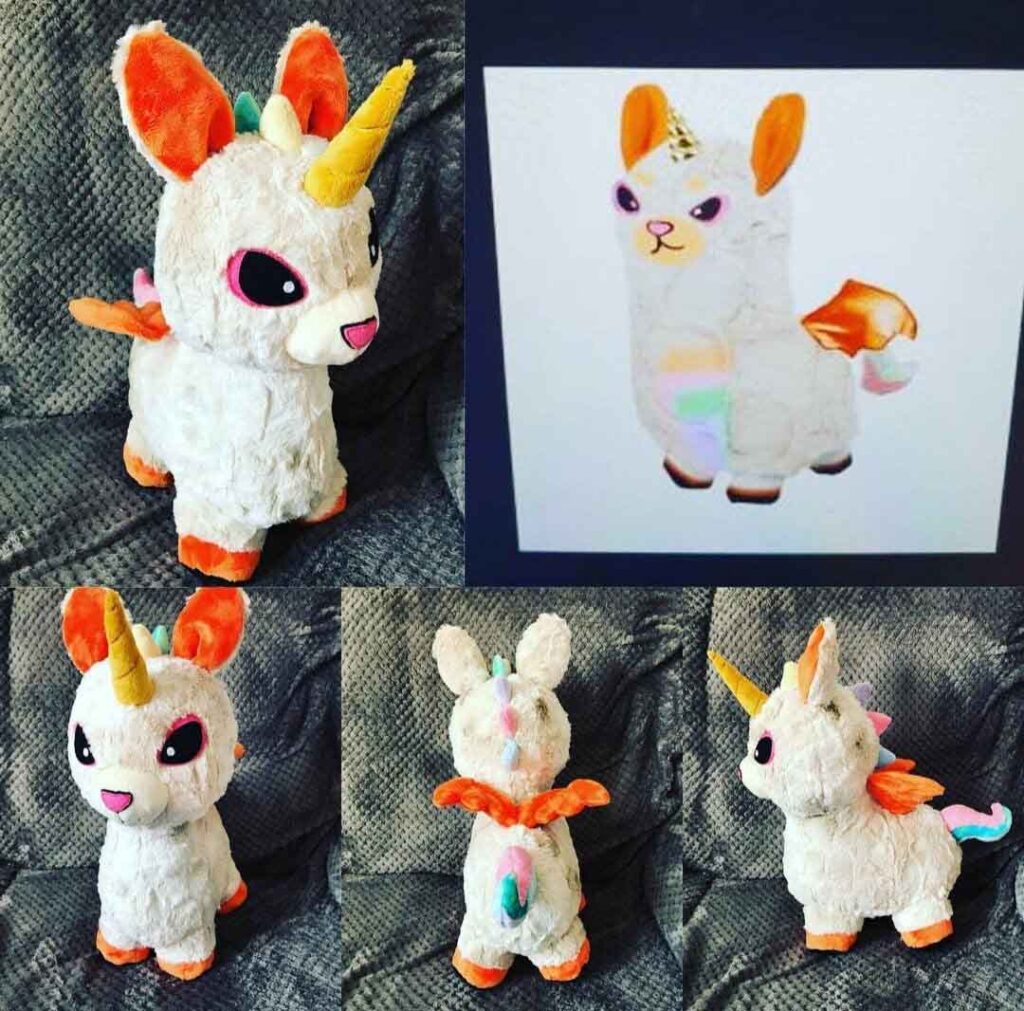
The prototype should preserve the character’s most important identity points: face shape, expression, color blocks, body proportion, costume, logo, tail, ears, wings, or other features that make the character recognizable.
Manufacturing Limits
Some details may be too thin, too sharp, too small, or too complex for plush construction. KINWIN helps identify where embroidery, printing, applique, fabric change, or structure adjustment may be more realistic.
Prototype Priority
Not every detail has the same importance in the first sample. The buyer and factory should decide whether the first prototype should focus on shape, hand feel, color, scale, accessories, packaging direction, or all details together.
PATTERN ENGINEERING
Pattern Engineering and Shape Development
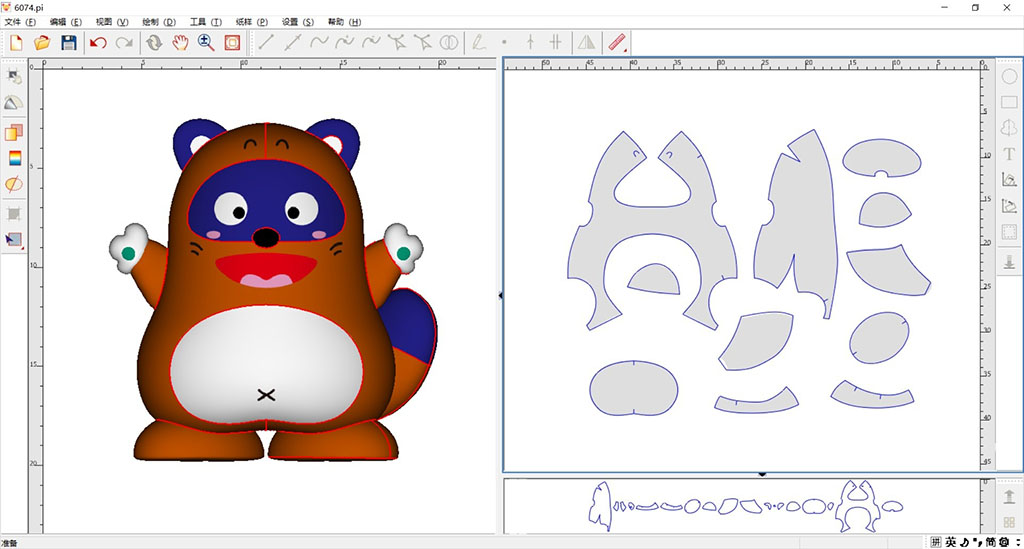
Plush prototype quality depends heavily on pattern engineering. A plush toy is built from fabric panels, seam lines, stuffing direction, and shape control. Even when the artwork looks simple, the pattern must create the correct volume, posture, face shape, and body balance after sewing and filling.
Pattern development is especially important for character plush. A round head, pointed ear, long tail, large belly, small paw, or special pose may require multiple pattern decisions. If the pattern is not correct, the sample may look flat, twisted, unstable, or different from the artwork.
KINWIN reviews the plush form from a production perspective. We consider how the shape will be cut, stitched, turned, stuffed, closed, inspected, packed, and repeated in bulk production. The goal is to make a prototype that looks close to the concept while still being realistic to manufacture.
Buyer decision point: pattern engineering is where a cute drawing becomes a real plush shape, not just a visual reference.
MATERIAL AND FILLING TRIALS
Material and Filling Selection for Prototypes
The first prototype should test not only the shape, but also the feeling of the product. Fabric and filling choices affect softness, color, weight, durability, perceived quality, price, and whether the plush matches the buyer’s target market.
Fabric Texture and Pile Length
Short plush, long pile plush, minky, fleece, sherpa, velvet, printed fabric, and RPET materials create different visual and tactile effects. Prototype review helps buyers see whether the material supports the character’s personality.
Filling Balance
Filling affects body shape, hand feel, sitting stability, squeeze feel, and shipping volume. Too much filling can make the toy stiff; too little can make it collapse. Prototype samples help find the right balance.
Color and Material Availability
A prototype can use available material for speed, but bulk production may need closer color matching or a different fabric source. KINWIN helps buyers understand when a sample material is final and when it is only a development reference.
DETAIL TRIALS
Embroidery, Printing, and Accessory Trial
Small details often decide whether a prototype feels professional. Eyes, eyebrows, mouth shape, logo size, clothing lines, badges, labels, and accessories must be reviewed in the sample stage because they strongly affect character recognition and production cost.
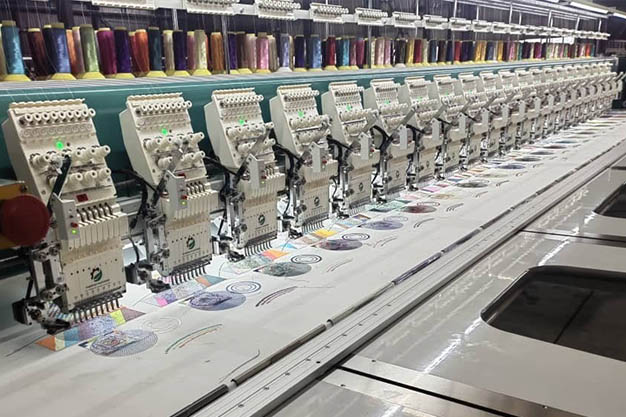
Embroidery Detail
Embroidery is often used for eyes, mouths, eyebrows, logos, and small graphic details. During prototype development, KINWIN checks whether the embroidery size, thread color, density, and placement are suitable for the plush surface.
Printing and Applique
Some artwork details may be better handled by printing or fabric applique instead of embroidery. Prototype review helps compare clarity, cost, hand feel, durability, and whether the method matches the product’s target value.
Accessory Construction
Hats, scarves, bags, medals, wings, horns, keychains, suction cups, tags, or small props can make a plush more attractive, but they also affect sewing complexity, safety review, packaging, and price.
SIZE AND CONSTRUCTION TESTING
Size, Proportion, and Construction Testing
A prototype helps buyers understand whether the selected size works for the product purpose. A 10 cm plush keychain, a 20 cm retail plush, a 30 cm mascot plush, and a large display plush all require different design priorities. The same character may need different proportions at different sizes.
Small plush toys need simplified details because there is limited space for embroidery, stuffing, and accessories. Larger plush toys can show more detail, but they may require more material, stronger structure, larger cartons, and higher freight cost. Prototype testing helps the buyer choose a size that matches budget and use case.
Construction testing also includes sitting stability, limb attachment, seam strength, filling distribution, hanging function, display posture, and packaging fit. These points are easier to improve in prototype stage than during bulk production.
Buyer decision point: size is not only a visual choice; it affects detail level, price, packaging, and shipping.
SAFETY BEFORE APPROVAL
Safety and Compliance Considerations Before Sampling Approval
Prototype approval should not ignore safety-sensitive details. Even if formal testing happens later, the prototype stage is the right time to identify design features that may create risk for children’s products, retail markets, or buyer-specific standards.
Small Parts and Detachable Details
Plastic eyes, buttons, beads, bells, magnets, key rings, suction cups, removable clothing, and small accessories should be reviewed early. For younger users, embroidery or integrated fabric details may be safer.
Target Market Requirements
Depending on the market and age group, the buyer may need CE, EN71, ASTM F963, CPSIA, labeling, material review, or retailer-specific testing. Prototype decisions should consider these requirements before the sample is approved.
Use Case Review
A plush for toddlers, collectors, pets, corporate gifts, school rewards, or retail sale may need different design choices. The prototype should match the real use case, not only the artwork.
REVISION WORKFLOW
Prototype Revision and Approval Workflow
A good prototype process needs organized feedback. Without clear revision notes, the sample may go through repeated changes without solving the real problem. KINWIN helps buyers separate appearance comments, material comments, structural comments, packaging comments, and production feasibility questions.
1. First Sample Review
The buyer reviews overall shape, character recognition, color, size, fabric, embroidery, filling, accessories, and packaging direction.
2. Feedback Organization
Comments are grouped into clear categories so the factory understands what must change, what is optional, and what may affect cost or timeline.
3. Revision Sample
The revised sample tests the agreed changes. Buyers should compare it with the previous version and confirm whether the core issues have been solved.
4. Final Approval Sample
Once the buyer approves the sample, it becomes the reference for bulk production specifications, quality checks, packaging, and shipment preparation.
COST AND MOQ FEEDBACK
Cost, MOQ, and Production Feasibility Feedback
Prototype development also helps buyers understand cost drivers. Plush price is affected by size, fabric, filling, embroidery area, printing method, accessory count, sewing difficulty, packaging, inspection requirements, testing needs, order quantity, and delivery schedule. A prototype makes these cost factors more concrete.
KINWIN’s standard MOQ for custom plush projects starts from 500 pcs, but feasibility depends on the design. A very complex prototype with special materials, many accessories, or custom packaging may require more planning than a simple plush shape. The prototype stage helps clarify whether the buyer’s target price and design expectations can meet each other.
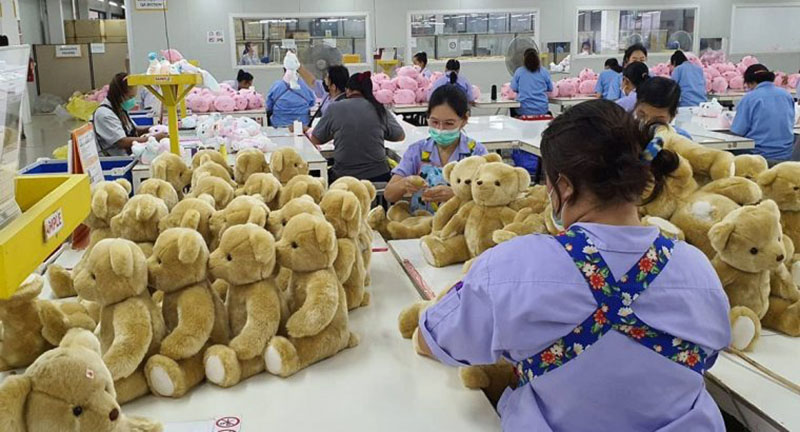
Production feasibility feedback is especially important for buyers planning repeat orders or retail programs. If the sample is too difficult to reproduce, the bulk order may face quality variation. KINWIN helps identify ways to keep the design attractive while improving repeatability.
Buyer decision point: a good prototype should help the buyer understand not only what is possible, but also what is practical at the intended quantity and price.
PACKAGING PROTOTYPE PLANNING
Packaging and Presentation Prototype Planning
Packaging should not be treated as the final afterthought. For retail plush, licensing programs, gift products, school programs, corporate campaigns, and event merchandise, packaging can affect perceived value, approval, logistics, and customer experience.
Hang Tags and Story Cards
A prototype may include a hang tag, story card, barcode label, or brand message so buyers can review how the product will appear in retail or gift settings.
Gift Boxes and Display Packaging
If the plush will be sold as a premium gift or retail product, box size, window design, insert support, and display direction should be considered during prototype planning.
Carton and Shipping Impact
Large plush size or bulky packaging can increase shipping volume. Prototype planning should consider whether the product and package fit the buyer’s logistics budget.
BUYER PREPARATION CHECKLIST
What Buyers Should Prepare Before Prototyping
A prototype project becomes faster and more accurate when the buyer provides clear information at the beginning. If some details are not ready, KINWIN can still help discuss options, but the following materials are especially useful.
Character artwork, sketches, front and side views, logo files, mascot references, photos, or written product descriptions.
Target user group, such as children, fans, collectors, students, employees, retail customers, or event visitors.
Planned use case, such as retail sale, brand mascot, licensed merchandise, school reward, promotional gift, or crowdfunding sample.
Preferred size, approximate quantity, target budget, sample deadline, bulk delivery deadline, and shipping destination.
Material preferences, softness expectations, recycled material interest, color requirements, and any special hand-feel direction.
Packaging needs, testing requirements, age group, market destination, buyer approval process, and any compliance checklist.
How KINWIN Supports the Transition from Prototype to Production
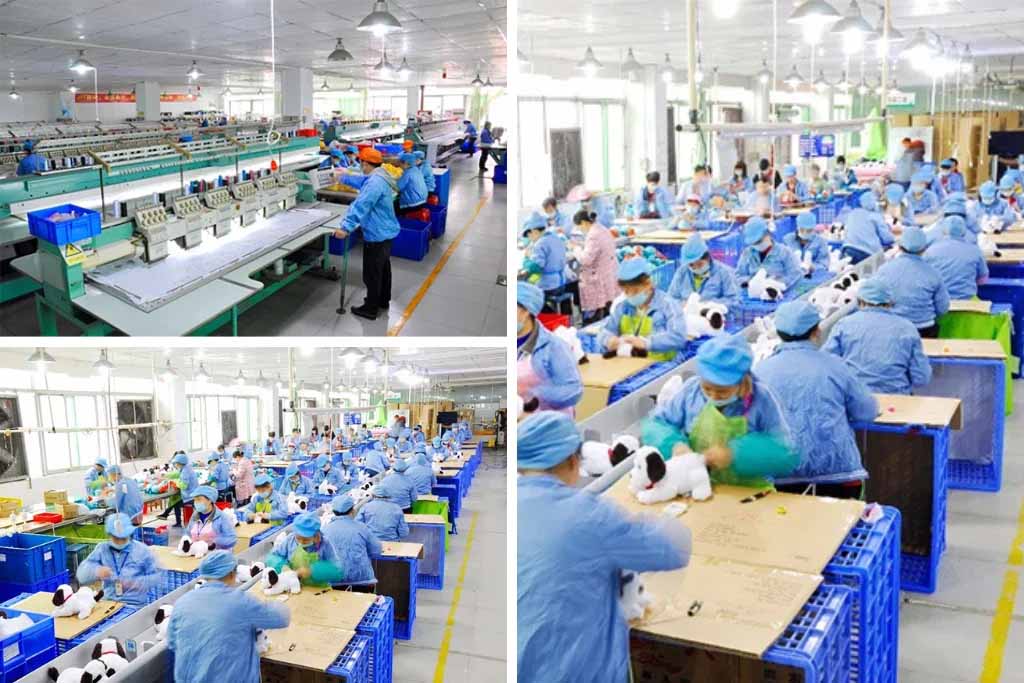
The prototype is only useful if it can guide production. KINWIN helps connect the approved sample with production communication, quality control, packaging, and shipment planning so the project can move beyond development.
1. Approved Sample Reference
The approved prototype becomes the visual and construction reference for bulk production, including shape, materials, embroidery, accessories, filling, and packaging direction.
2. Specification Confirmation
KINWIN helps clarify size, fabric, color, logo method, accessory details, labels, packaging, carton information, and production notes before bulk order preparation.
3. Production Quality Control
During production, the approved sample helps guide cutting, sewing, stuffing, embroidery placement, accessory attachment, packing, and final inspection.
4. Shipping Preparation
KINWIN supports packing method, carton details, shipment communication, inspection coordination, and export delivery after production is completed.
START PROTOTYPE DEVELOPMENT
Start a Plush Toy Prototype Project with KINWIN
If you need a plush toy prototype manufacturer to turn your idea, sketch, mascot, character, logo, or product concept into a physical sample, send your project materials to KINWIN. We can help review design feasibility, suggest materials, develop the first prototype, organize revisions, and prepare the approved sample for production.
The earlier the prototype requirements are discussed, the easier it is to control sample quality, cost, safety-sensitive details, packaging direction, and bulk production planning.
- Send artwork, sketches, photos, mascot files, target size, quantity, budget, and deadline.
- Tell us whether the prototype is for retail, licensing, crowdfunding, promotion, school programs, events, or brand merchandise.
- Share material, packaging, safety, testing, approval, or export requirements at the beginning.
- Request support for prototype development, sample revision, approved sample preparation, and bulk production coordination.
FREQUENTLY ASKED QUESTIONS
FAQ: Plush Toy Prototype Manufacturer
Can KINWIN make a plush prototype from a sketch or image?
Yes. KINWIN can review sketches, character artwork, photos, mascot files, logo references, or written concepts and help turn them into a custom plush prototype plan.
Is a plush prototype the same as a final production sample?
Not always. The first prototype is often used to test shape, size, material, and construction. After revisions, the approved sample can become the reference for bulk production.
How many prototype revisions are usually needed?
It depends on artwork complexity, material choices, approval process, and buyer feedback. Clear artwork and organized revision notes can reduce the number of sample rounds.
What is the MOQ after the prototype is approved?
KINWIN’s standard MOQ for custom plush projects starts from 500 pcs. Final feasibility depends on size, fabric, accessories, packaging, and design complexity.
Can KINWIN help choose fabric and filling for the prototype?
Yes. KINWIN can discuss short plush, long pile plush, minky, fleece, sherpa, printed fabric, RPET options, PP cotton filling, and hand-feel requirements.
Can the prototype include packaging?
Yes. Depending on the project, KINWIN can support hang tags, care labels, polybags, gift boxes, display boxes, barcode labels, carton marks, and retail-ready packaging direction.
Can you help with safety planning before production?
Yes. KINWIN can discuss safety-sensitive details such as small parts, detachable accessories, labels, materials, and possible CE, EN71, ASTM F963, CPSIA, or buyer-specific requirements.
What should I send to start a plush prototype project?
Send artwork, sketches, target size, quantity, target users, use case, deadline, material preferences, packaging ideas, and any testing or approval requirements.
If You Can lmagine lt,We Will Create lt!
1.Tell Us What You Need
Tell us as specific as possible of your needs and share your idea.
2.Get Solution & Quote
We will work on the best solution according to yourrequirements,the specific quote will be provided within 24 hours.
3.Approve for Mass Production
We will start mass production after getting your approval.