 Skip to content
Plush Toy Filling Options Guide
Plush Toy Filling Options Guide
PP Cotton · Glass Beads · Microbeads · Memory Foam · Eco Fiber · Catnip · Density Engineering
The filling inside your plush toy is invisible — but it determines everything the customer actually experiences. Filling choice controls the toy’s softness, its weight, how it holds its shape over time, whether it recovers after FBA compression, how it feels when squeezed, and whether it passes safety testing. Two plush toys with identical fabric and construction can feel completely different — premium versus cheap — based solely on filling type and density.
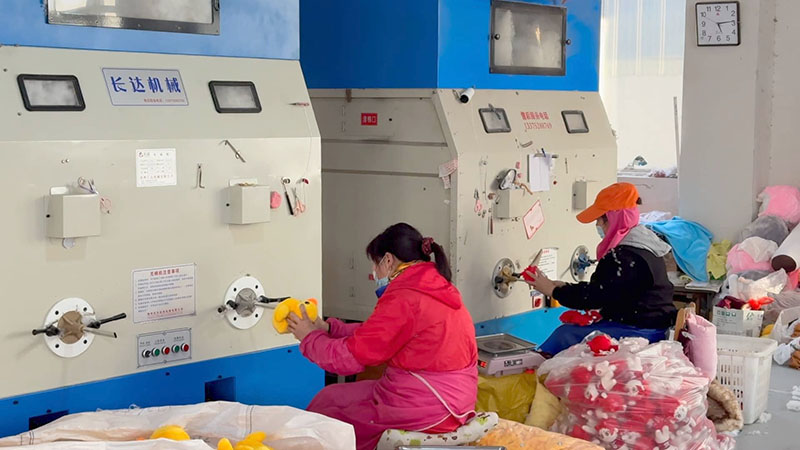
KINWIN’s production team engineers filling specifications for every custom plush toy — matching filling type, density, and distribution to the character design, target audience, sales channel, and price positioning. This guide covers every major filling option available for custom plush toys, with the technical detail needed to make the right choice for your product.

Why Filling Specification Is a Critical Product Decision
Why Filling Specification Is a Critical Product Decision
The Impact of Getting Filling Wrong
- Filling is responsible for more negative reviews, returns, and first-sample rejections than any other single component
- Most common complaints — ‘feels cheap’, ‘went flat after a week’, ‘lumpy’, ‘too light’ — are almost always filling failures, not fabric failures
- Getting filling right requires specifying three things: filling type (which material), filling density (how much per unit of toy volume), and filling distribution (which parts filled how densely)
- KINWIN documents all three in the tech pack for every OEM order
- KINWIN recommends gram-weight targets per finished toy rather than vague descriptors like ‘medium’ or ‘soft’
Filling Density Levels & Their Effects
- Under-filled: Limp, flat, cheap feel. Saggy, loses shape immediately. Not recommended — generates negative reviews.
- Standard density: Soft, slightly squishy, holds basic shape. Suitable for budget retail and promotional giveaways.
- Premium density: Full, squishy, bounces back. Strong shape retention, looks 3D in photography. Ideal for DTC brands, Amazon premium listings, gift plush.
- Ultra-premium density: Very firm, structured, luxurious heft. Holds exact shape, professional appearance. For display plush, luxury gifts, mascot characters.
Plush Toy Filling Types — Complete Guide
Plush Toy Filling Types — Complete Guide
Every major filling option available for custom plush toys — with the technical detail needed to make the right choice for your product.
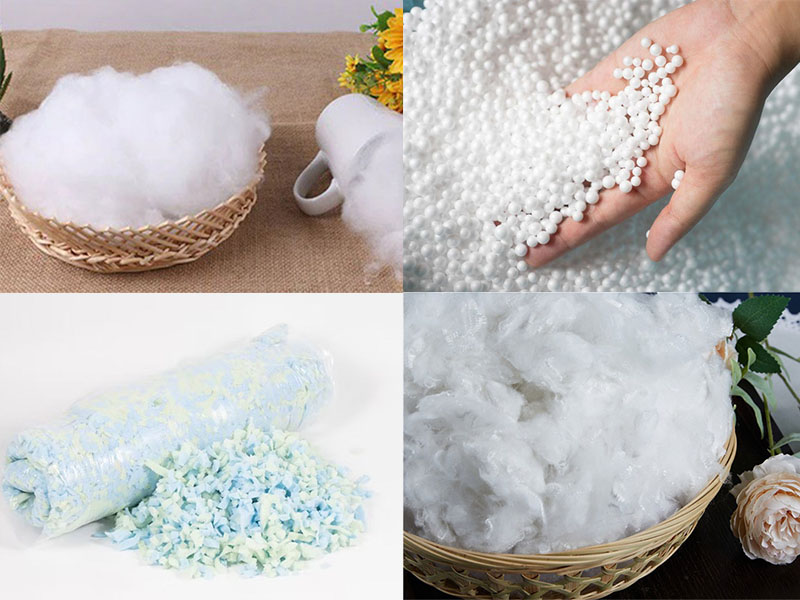
1. PP Cotton (Polyester Fiber Fill) — The Industry Standard
PP cotton is the most widely used filling material in plush toy manufacturing globally. It is safe, lightweight, affordable, easy to work with, available in multiple quality grades, and compliant with all major toy safety standards when sourced from certified suppliers.
Key Properties
- Safety: Non-toxic, CE/EN71/ASTM compliant when certified
- Hand Feel: Soft to firm depending on density specification
- Weight: Very lightweight
- Shape Retention: Good at premium density; poor at low density
- Cost: Low to medium
- Availability: Universal — KINWIN stocks multiple premium grades
Best For
All standard plush toy formats — children’s toys, retail plush, DTC characters, seasonal collectibles, promotional plush. PP cotton is the correct default filling for 90%+ of custom plush toy projects.
Note: PP cotton quality grades matter significantly. Low-grade PP cotton clumps, mats, and shifts over time. Premium virgin PP cotton with consistent fiber length maintains loft and distribution much better. KINWIN specifies fiber length and grade in all tech packs and sources from certified suppliers.

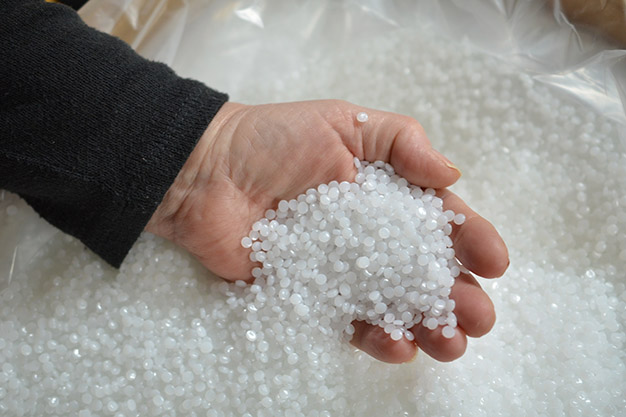
2. Glass Beads — Weighted Plush Filling
Glass beads are the premium filling material for weighted plush toys — giving toys the gentle, calming weight that makes them therapeutic, comforting, and differentiated from standard plush at premium price points. The weighted plush category is one of the fastest-growing segments in the market.
Key Properties
- Safety: Requires reinforced containment; not suitable for children under 3
- Hand Feel: Heavy, dense, calming, conforming
- Weight Range: 500g–3,000g+ depending on design
- Shape Retention: Excellent — beads settle but toy retains form
- Price Point Support: Excellent — supports $35–$80+ retail pricing
- Safety Testing: EN71 Part 1 / ASTM F963 bead containment test required
Best For
Weighted comfort plush, anxiety relief toys, sensory plush for therapeutic use, premium wellness gifting, adult self-care products, DTC upsell variant alongside a standard-filled version.
Note: Weight distribution matters as much as total weight. KINWIN specifies bead weight distribution ratios for each body section in the tech pack. Uses double-stitched reinforced inner containment bags with 100% pre-shipment bead containment testing on every unit.
3. Microbeads — Lightweight Weighted Fill
Microbeads are smaller than glass beads, typically made from EPS (expanded polystyrene) — the same material used in bean bag chairs. They create a softer, more conforming weighted effect than glass beads, with less total weight. The ‘squishy’ feel created by microbeads is distinct from both PP cotton and glass beads.
Key Properties
- Safety: Containment required; check choking hazard standards for target market
- Hand Feel: Squishy, conforming, stress-ball-like
- Weight: Lighter than glass beads
- Shape Retention: Good — beads redistribute but toy holds general form
- Sensory Appeal: High — unique tactile experience
- Age Suitability: 3 years+ with containment testing
Best For
Sensory and stress-relief plush, squishy-format plush toys, moldable plush pillows, tactile enrichment pet toys, adult desk stress relief products.
Note: Note: Some markets have restrictions on microbead materials — confirm regulatory compliance for your specific target market before specifying microbeads.

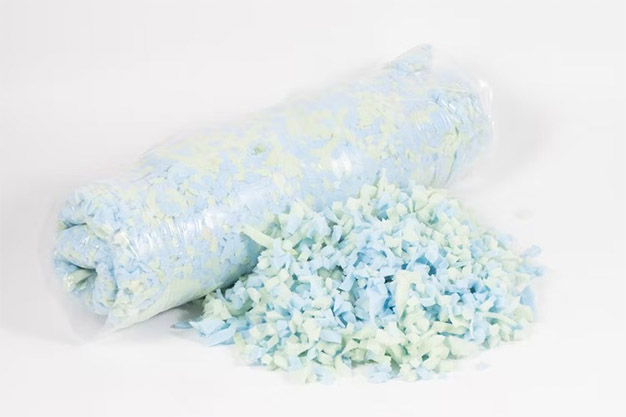
4. Memory Foam — Structured Premium Fill
Memory foam filling gives plush toys and plush pillows a firm, structured feel with slow rebound — the product holds its shape under pressure and returns slowly to form when released. This creates a distinctly premium quality perception compared to PP cotton.
Key Properties
- Safety: Non-toxic; CertiPUR-US certified options available
- Hand Feel: Firm, structured, slow rebound
- Weight: Heavier than PP cotton
- Shape Retention: Exceptional — holds precise shape
- Cost: High
- FBA Compression Recovery: Full recovery but slower — 24h for full loft restoration
Best For
Character-shaped plush cushions, premium plush pillows, display and shelf characters, luxury gift plush at high price points, structured brand mascot display pieces.
Note: Memory foam is not appropriate for soft, cuddly plush toy characters where a squishy feel is expected. Best suited to products where structural integrity and shape precision are primary — cushions, display plush, and premium structured gift products.
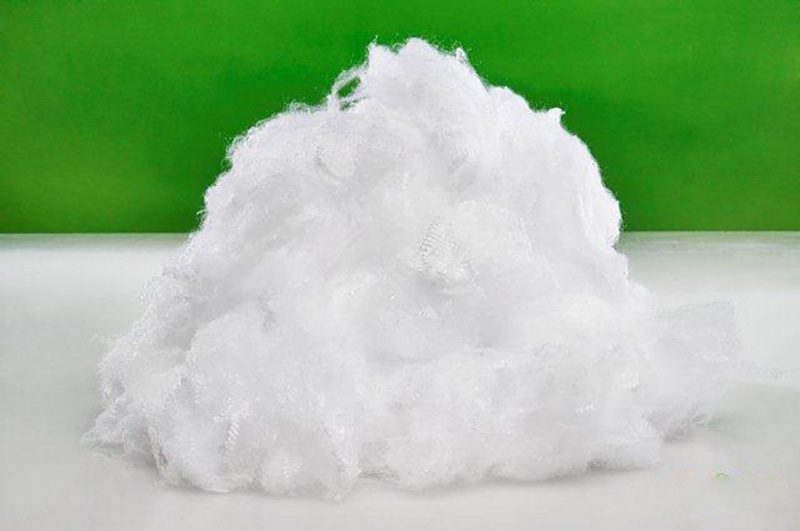
5. Eco Recycled Fiber (GRS Certified) — Sustainable Fill
Recycled polyester fiber filling — made from post-consumer recycled materials, most commonly recycled PET bottles — performs very similarly to virgin PP cotton but carries quantifiable sustainability credentials. GRS (Global Recycled Standard) certification verifies the recycled content percentage and supply chain integrity.
Key Properties
- Safety: Non-toxic, equivalent safety profile to PP cotton
- Hand Feel: Very similar to premium PP cotton
- Eco Credentials: GRS certified; quantifiable recycled content percentage
- Cost: Slightly higher than standard PP cotton
- Marketing Value: High — ‘filled with X recycled bottles’ claims verifiable by GRS certification
- Availability: Good — KINWIN stocks GRS certified premium recycled fiber
Best For
All eco-positioned plush toy products, nature and conservation brands, brands targeting sustainability-conscious consumers, corporate gifting with ESG commitments, brands combining good performance with credible environmental claims.
Note: For eco-positioned brands: combining RPET exterior fabric with GRS certified recycled fiber filling creates a product that is genuinely and verifiably sustainable throughout — both shell and fill from recycled sources. Supports claims: ‘100% recycled materials’, ‘made from X recycled plastic bottles total’.
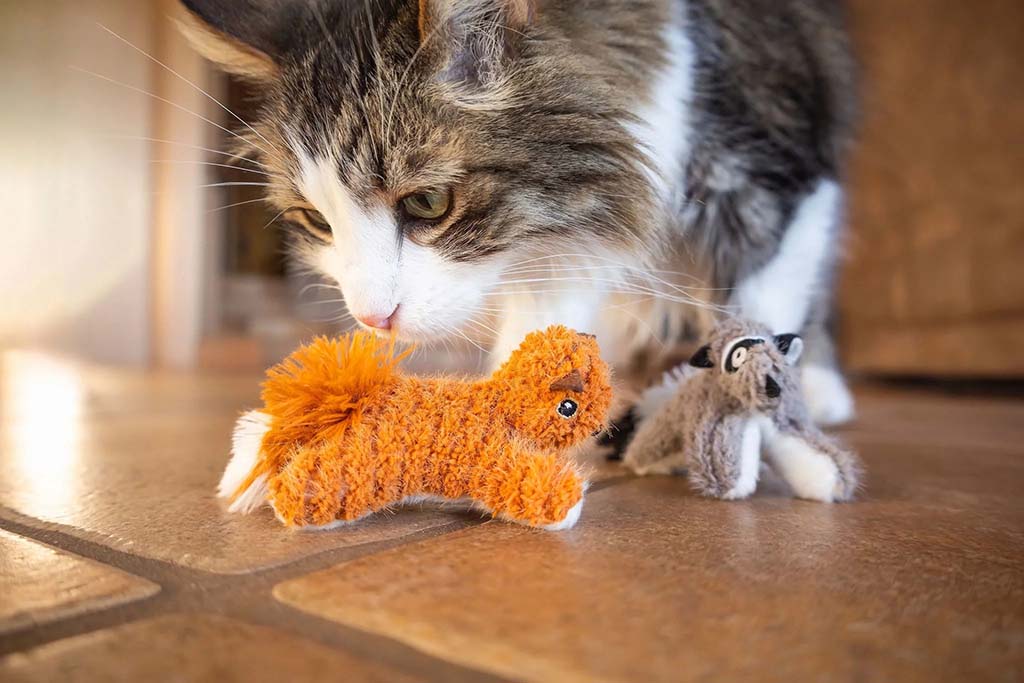
6. Catnip — Cat Toy Specialist Fill
Catnip (Nepeta cataria) is the filling of choice for cat plush toys. The natural compound nepetalactone in catnip triggers a euphoric response in approximately 50–70% of cats — making it the most effective engagement tool for feline plush toys. KINWIN sources high-quality, dried catnip from verified suppliers.
Key Properties
- Safety: Natural, non-toxic; compatible with OEKO-TEX safety documentation
- Catnip Options: Pure catnip fill (maximum potency), catnip + PP cotton blend (moderate potency, longer lasting), or catnip-infused fabric surface (milder, longest lasting)
- Best Blend: Catnip + PP cotton blend provides the best balance of initial attraction and durability
- Engagement Rate: Active in approximately 50–70% of cats
- Longevity: Scent longevity depends on containment method — sealed compartments last longer
Best For
Cat plush toys of all types — kick toys, mice, crinkle-catnip combinations, plush wand attachments, cat enrichment products.
7. Mixed & Layered Filling — Advanced Engineering
Premium and specialty plush toys often use mixed filling strategies — combining different materials in different zones of the same toy to achieve specific performance characteristics that no single filling type can deliver alone.
Key Properties
- Glass beads in body + PP cotton in head: therapeutic weight in the body with a soft, huggable head — classic weighted plush construction
- PP cotton outer layer + memory foam core: soft exterior with firm shape-holding core — structured premium plush
- Microbeads in extremities + PP cotton in body: satisfying squeeze in paws/hands with standard body feel — tactile enrichment toys
- Catnip blend in body + crinkle material in ears: olfactory + auditory stimulation combined — multi-sensory cat toy engineering
Best For
Weighted plush with soft heads, premium structured characters, multi-sensory pet toys, display plush requiring precise shape with comfortable feel, luxury gift products where multiple tactile qualities are desired.
Note: Mixed filling requires precise engineering documentation in the tech pack — specifying which filling goes in which section, in what quantities, and how sections are separated to prevent material migration between zones.
Filling Recommendations by Product Type
Filling Recommendations by Product Type
Use this quick reference to identify the right filling for your specific product type and use case.
- Standard DTC Character → Premium PP cotton (high density) — best all-round performance and shape
- Weighted Comfort Plush → Glass beads + PP cotton (layered) — therapeutic weight with soft feel
- Squishy / Stress Relief → Microbeads — unique conforming tactile experience
- Premium Plush Cushion → Memory foam or high-density PP cotton — shape precision and structured feel
- Eco / Sustainable Brand → GRS certified recycled fiber — verifiable sustainability credentials
- Cat Toys → Catnip + PP cotton blend — engagement and durability balance
- Dog Toys (light chewer) → Premium PP cotton (dense) — safe, durable for gentle play
- Display / Mascot Character → Memory foam or ultra-dense PP cotton — structural integrity for standing
- Baby / Infant Plush → Hypoallergenic PP cotton (certified) — skin safe, lightweight, washable
- Seasonal Holiday Plush → Standard premium PP cotton — cost-effective at seasonal volumes
Safety Testing Considerations by Filling Type
Safety Testing Considerations by Filling Type
Filling material is a significant factor in plush toy safety certification. Different filling types trigger different test requirements.
Lower Risk — Standard Testing
- PP Cotton & Eco Recycled Fiber: lowest risk — non-toxic, lightweight, not a choking hazard. Standard EN71/ASTM testing applies. OEKO-TEX certified fiber sourcing eliminates chemical test risk.
- Memory Foam: CertiPUR-US certified foam has no chemical content concerns. Standard flammability testing applies. Weight is the main consideration for shipping cost calculation.
Higher Complexity — Additional Testing
- Glass Beads: bead containment mechanical testing required under EN71 Part 1 and ASTM F963. Not suitable for children under 3. KINWIN’s reinforced containment construction passes bead pull and seam stress tests.
- Microbeads: similar to glass beads — containment testing required. Some markets have restrictions on microbead materials; confirm regulatory compliance for your target market.
- Catnip: pet toy regulations vary by market. For products sold explicitly as pet toys, standard children’s toy safety regulations may not apply — but animal product safety regulations may. Confirm with KINWIN for your specific market.
Why KINWIN’s Filling Expertise Matters
Why KINWIN's Filling Expertise Matters
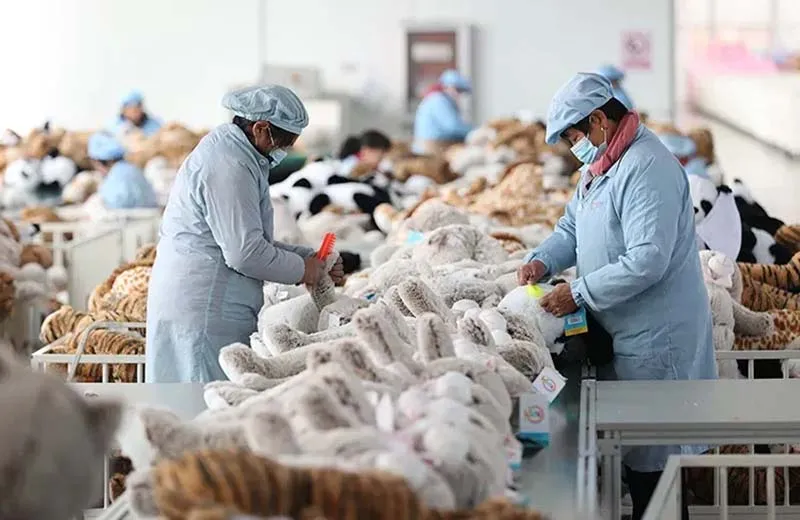
Filling specification is where KINWIN’s 17+ years of production expertise makes the most difference. The right filling, at the right density, in the right distribution — engineered to your character, your channel, and your price point.
✓ Gram-weight specification for every filling type — not vague descriptors
✓ Zone-by-zone filling distribution mapped in the tech pack
✓ Premium virgin PP cotton and GRS certified eco fiber in stock
✓ Reinforced glass bead containment construction with 100% pre-shipment bead test on every unit
✓ Mixed filling engineering for weighted and specialty plush formats
✓ FBA compression testing for foam and long-fiber fills before confirming packaging method
✓ Safety test documentation for all filling materials included with order
✓ Filling density maintained across all batches through golden sample benchmark
The right filling is the difference between a toy that customers love and one they return.
Frequently Asked Questions — Plush Toy Filling Options
Frequently Asked Questions — Plush Toy Filling Options
Q1. How do I specify the right filling density for my plush toy?
Filling density is best specified as a gram weight target per finished toy — for example, ’45g PP cotton for a 25 cm sitting character’ or ‘280g glass beads + 30g PP cotton for a 30 cm weighted bear’. This gram-weight approach allows consistent reproduction across batches. KINWIN’s design team recommends density based on your character size, shape, fabric, and intended feel — we provide a density recommendation with every OEM project and confirm it on the first physical sample. If you want the toy to feel particularly squishy, dense, or structured, tell us — we engineer the filling to the feel you describe.
Q2. What weight of glass beads is appropriate for a weighted plush toy?
The appropriate bead weight depends on the toy’s size and intended use. General guidelines: for a 25–30 cm sitting character, 200–400g of beads creates a noticeable but gentle weight. For a 35–45 cm character, 400–700g is typical for therapeutic weighted positioning. For a 50 cm+ pillow format, 700g–1,500g is common. The ratio of bead weight to total toy size matters — a toy that is too light for its size loses the weighted benefit, while one that is too heavy becomes uncomfortable. KINWIN recommends specific bead weights based on your character dimensions and target use case, and confirms the feel on the first sample before production.
Q3. Is there a risk of glass beads leaking from weighted plush toys?
This is the most important safety question for weighted plush toys — and the answer depends entirely on construction quality. KINWIN uses a reinforced double-stitched inner containment bag for all glass bead filling. This inner bag is sewn with heavy-duty thread at critical stress points, and the bead compartment is designed to be inaccessible from outside the toy without deliberate destruction. Every unit with glass bead filling undergoes bead containment testing before shipment — we apply pull force tests to all seams of the bead compartment to verify containment integrity. Toys with glass bead filling carry an appropriate age warning (not suitable for children under 3 years) and include safety instructions on packaging.
Q4. What is the difference between PP cotton grades, and does it matter?
PP cotton quality varies significantly across grades, and the difference is immediately perceptible in the finished toy. Low-grade PP cotton — often made from recycled or mixed fiber with inconsistent fiber length — clumps and mats quickly, loses loft, and creates an uneven fill that looks and feels cheap. Premium virgin PP cotton with consistent, long-staple fiber maintains its loft and distribution for much longer, fills the toy evenly, and recovers better after compression. For high-end plush toys, the additional cost of premium-grade PP cotton is always justified — it is one of the most cost-effective quality upgrades available. KINWIN specifies fiber grade and staple length in all tech packs.
Q5. Can I use eco recycled fiber filling and still achieve the same quality as virgin PP cotton?
Yes — with premium-grade GRS certified recycled fiber. The performance gap between standard recycled fiber and virgin PP cotton is real but narrow at the premium grade level. High-grade GRS certified recycled fiber achieves equivalent loft, fill distribution, and shape retention to premium virgin PP cotton. The key is specifying premium-grade recycled fiber (not standard or budget grade) and maintaining the same density specification you would use for virgin PP cotton. KINWIN stocks GRS certified premium recycled fiber and uses it as a direct drop-in replacement for virgin PP cotton in all eco-positioned products. Physical sample comparison is always recommended before committing to production if eco fiber is new to your product line.
If You Can lmagine lt,We Will Create lt!
1.Tell Us What You Need
Tell us as specific as possible of your needs and share your idea.
2.Get Solution & Quote
We will work on the best solution according to yourrequirements,the specific quote will be provided within 24 hours.
3.Approve for Mass Production
We will start mass production after getting your approval.
