 Skip to content
Plush Toy Factory for Custom Plush Toys & Stuffed Animals
A professional plush toy factory helps turn creative ideas into high-quality stuffed animals that are ready for global markets. From custom plush toy design and sampling to bulk plush toy production, you get a complete manufacturing solution in one place. With experienced pattern makers, stable production systems, and strict quality control, your plush toy projects move faster and reach the market with confidence.
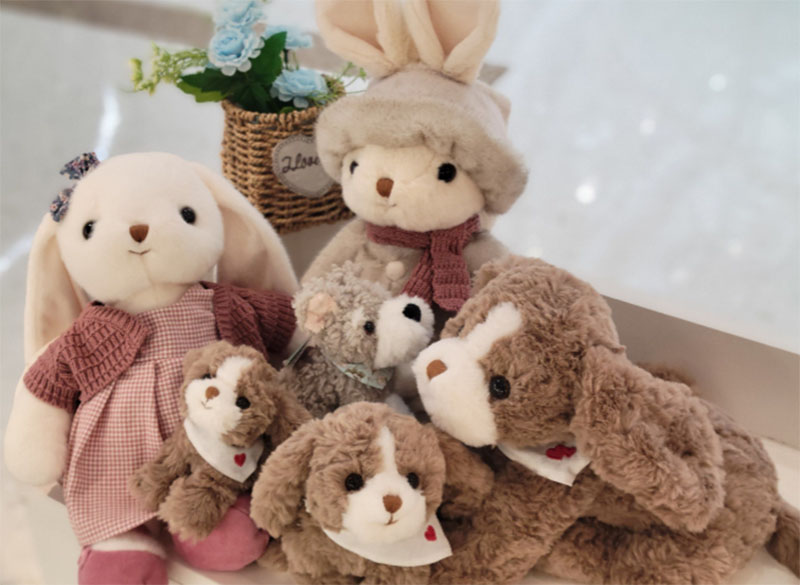
How a Professional Plush Toy Factory Helps Your Brand Grow
Working with a professional plush toy factory gives your brand more than just production. You gain a reliable manufacturing partner who understands plush toy development, material safety, quality control, and scalable production. From custom plush toy sampling to bulk stuffed animal manufacturing, the right factory helps your products reach the market faster, with stable quality and lower development risk.
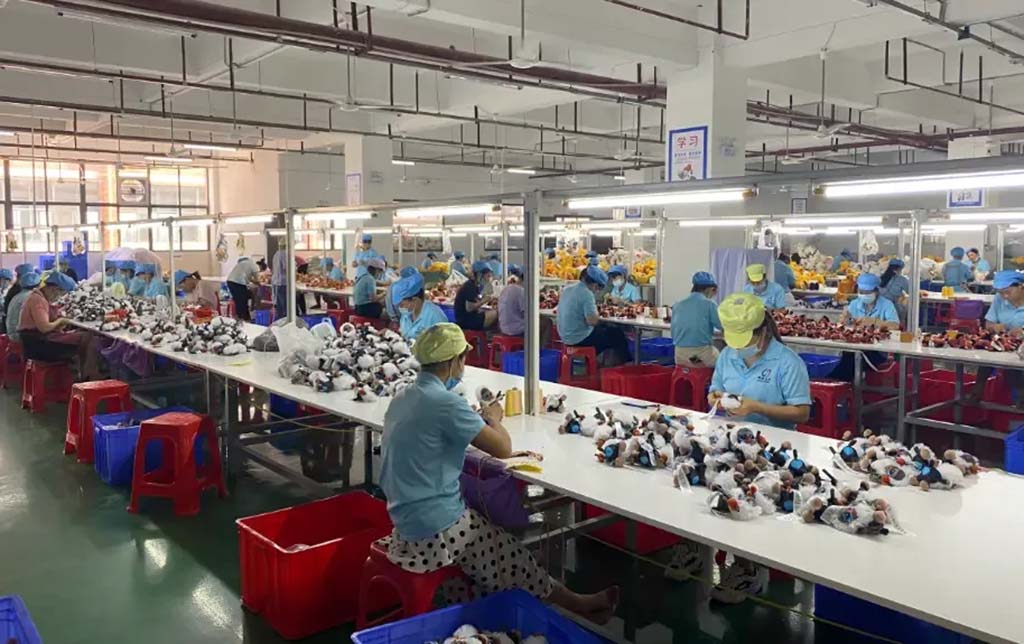
Faster Custom Plush Toy Development
A professional plush toy factory helps turn your ideas, sketches, or character designs into real stuffed animals efficiently. With experienced designers and pattern makers, your custom plush toys move quickly from concept to prototype, reducing development time and helping your brand launch new plush products faster.
Higher Sample Accuracy and Fewer Revisions
An experienced stuffed animal manufacturer understands plush toy structure, fabric behavior, and sewing techniques. This experience allows the factory to create accurate plush prototypes, reducing repeated sample revisions and ensuring the final product closely matches your original design.
Stable Quality in Bulk Plush Toy Production
A reliable plush toy factory uses standardized production processes and strict quality control to maintain consistency across large orders. From fabric cutting to stuffing and finishing, every step is monitored to ensure that bulk plush toys maintain the same quality as the approved sample.
Safer Materials for Global Toy Markets
Professional plush toy manufacturers understand the safety standards required for different markets. They help select safe plush fabrics, stuffing materials, and accessories that meet international toy regulations such as CE, EN71, and ASTM standards, making your products suitable for global distribution.
Reliable Supply Chain for Long-Term Growth
A strong plush toy factory provides scalable production capacity and reliable delivery schedules. As your brand grows, the factory can support larger orders, seasonal demand, and new product launches, helping you build a stable plush toy product line and reduce supply chain uncertainty.
If you are planning to develop custom plush toys or expand your stuffed animal product line, working with a professional plush toy factory can make your production process faster, safer, and more reliable.
Why Brands Choose a Plush Toy Factory Over a Trading Company
When developing custom plush toys or stuffed animals, many brands need to decide whether to work with a plush toy factory or a trading company. While trading companies can offer sourcing services, a professional plush toy factory provides stronger manufacturing control, more accurate sampling, and better production stability. For brands that want reliable custom plush toy manufacturing and long-term product consistency, working directly with a factory often reduces risks and improves efficiency.
More Accurate Plush Toy Sampling
A plush toy factory has in-house designers, pattern makers, and sewing technicians who understand plush toy structure and materials. This allows the factory to create more accurate plush toy samples that closely match the original design, reducing repeated revisions and speeding up the product development process.
Better Control Over Plush Toy Production Quality
When working directly with a plush toy factory, brands benefit from structured quality control during every production stage. From fabric inspection to final stuffed animal assembly, each process can be monitored to ensure bulk plush toys remain consistent with the approved sample.
Faster Communication During Development
Working with a plush toy manufacturer allows brands to communicate directly with the people responsible for sampling, materials, and production planning. This direct communication reduces misunderstandings and helps solve development problems more quickly.
More Stable Pricing for Bulk Plush Toys
Because a plush toy factory manages its own production lines and material sourcing, pricing for custom stuffed animals is usually more transparent and stable. This helps brands plan their product costs more accurately for long-term production.
Stronger Production Capacity and Scheduling
A professional plush toy factory can manage production schedules and allocate manufacturing capacity according to order volumes. This ensures that bulk plush toy production can meet seasonal demand, product launches, or retail deadlines.
Long-Term Manufacturing Partnership for Brand Growth
Many brands prefer working directly with a stuffed animal manufacturer because it creates a long-term partnership. Over time, the factory becomes familiar with the brand’s plush toy standards, materials, and design style, making future product development faster and more efficient.
If your brand plans to build a stable plush toy product line, working directly with a professional plush toy factory can provide stronger production control, consistent quality, and long-term manufacturing reliability.
Custom Plush Toys We Manufacture in Our Plush Toy Factory
As an experienced plush toy factory, we support a wide range of custom plush toy manufacturing projects for brands, retailers, and product developers. From classic stuffed animals to character plush toys and promotional plush products, our factory can produce different sizes, fabrics, and design styles to match your brand’s needs. Below are some of the most popular plush toy categories that brands develop with our plush toy factory.
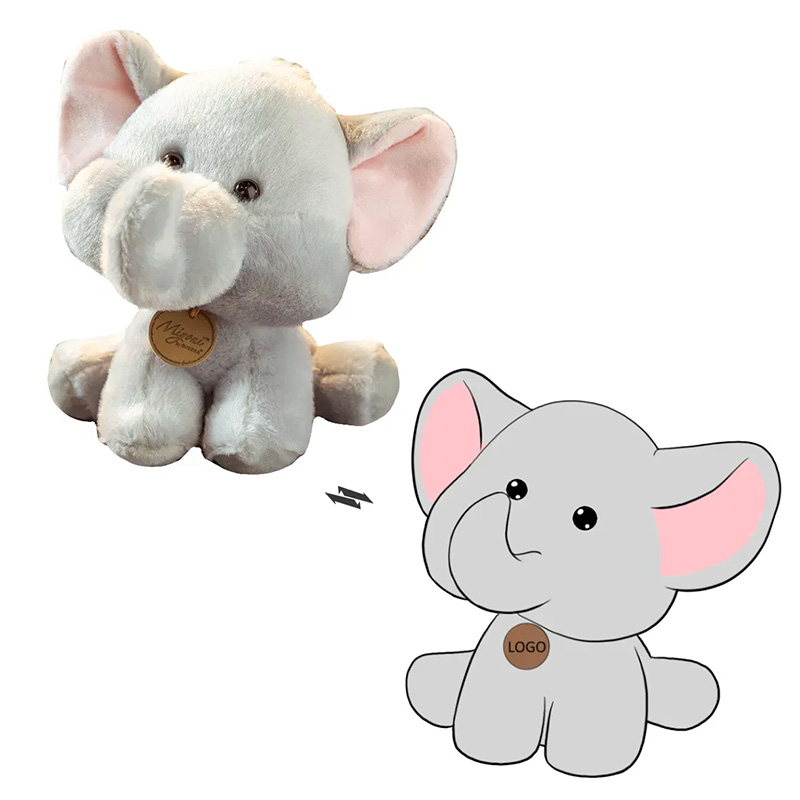
Custom Plush Animals
Custom plush animals are one of the most popular stuffed toy products in the market. Brands often develop plush bears, dogs, cats, or wild animals for retail stores, toy brands, and gift markets.
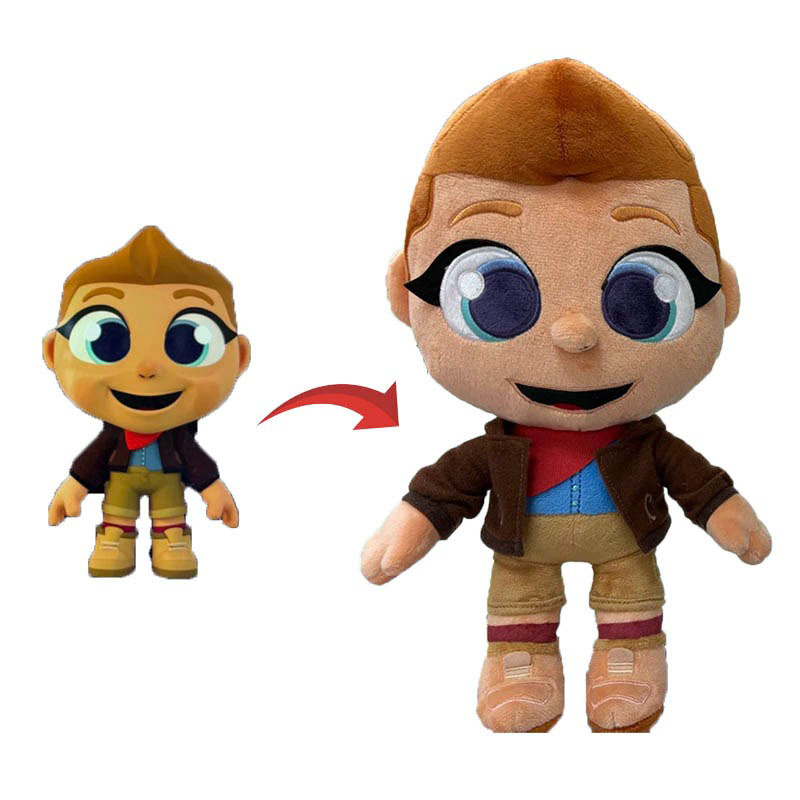
Character Plush Toys
Character plush toys are commonly used for IP licensing, animation brands, and mascot products. These plush toys focus on accurate character proportions, facial embroidery, and unique design details.
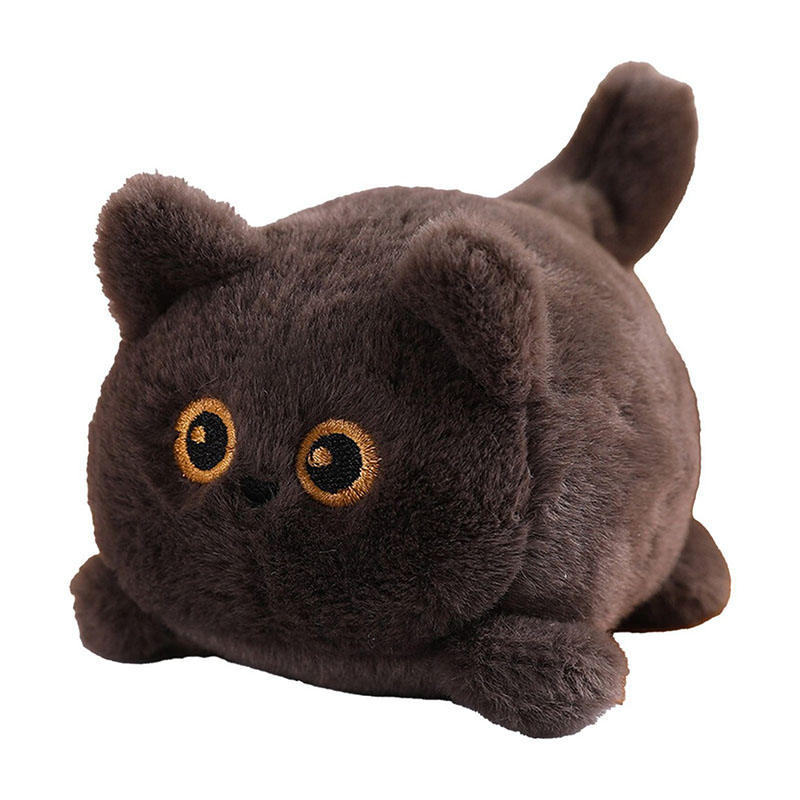
Kawaii Plush Toys
Kawaii plush toys feature soft colors, rounded shapes, and expressive facial designs. These toys are popular in lifestyle brands, gift shops, and young consumer markets.
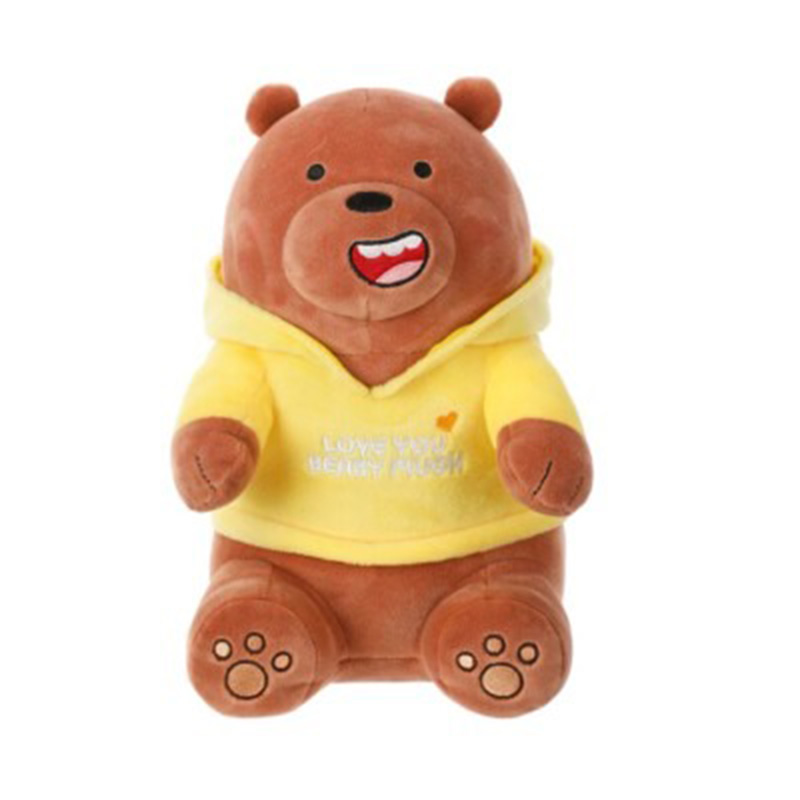
Cartoon Plush Dolls
Cartoon plush dolls are often based on brand mascots or creative character designs. They are commonly used for brand promotion, merchandise, and online retail products.
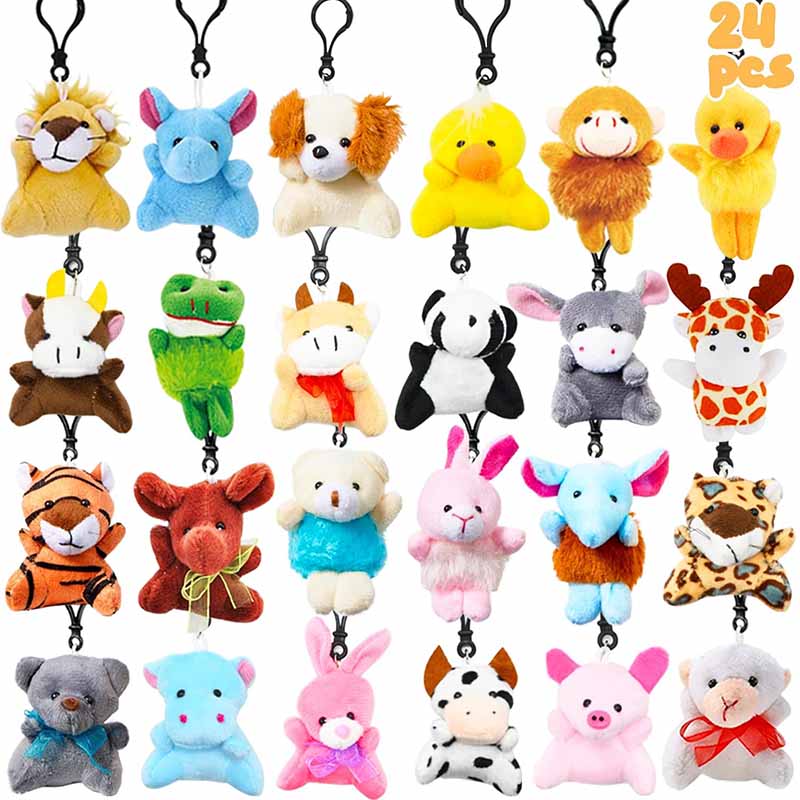
Animal Plush Keychains
Small plush keychains are compact and easy to carry. Many brands develop plush keychain versions of their characters for souvenirs, promotions, or gift products.
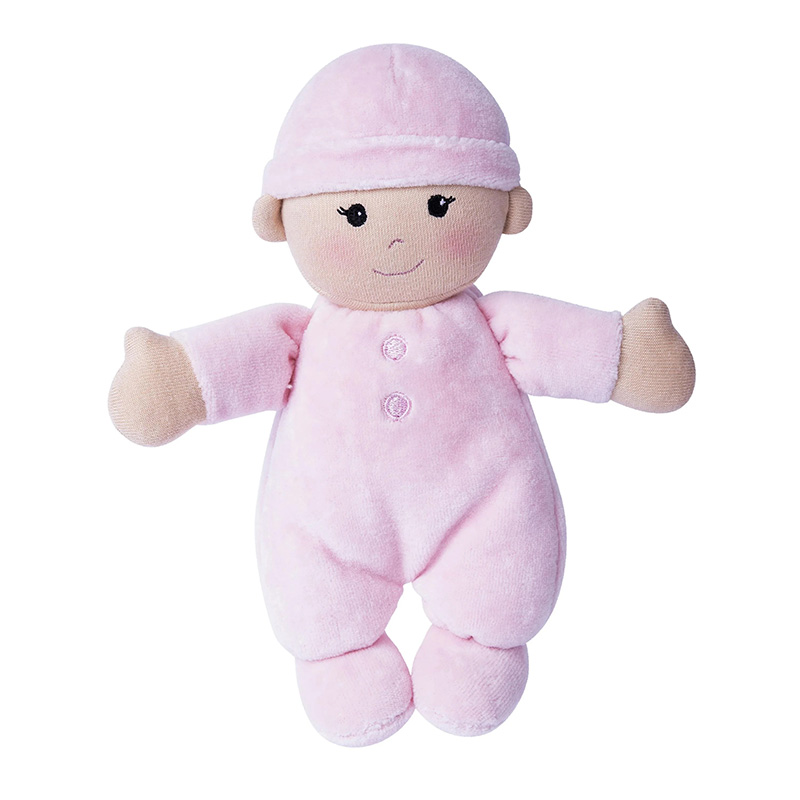
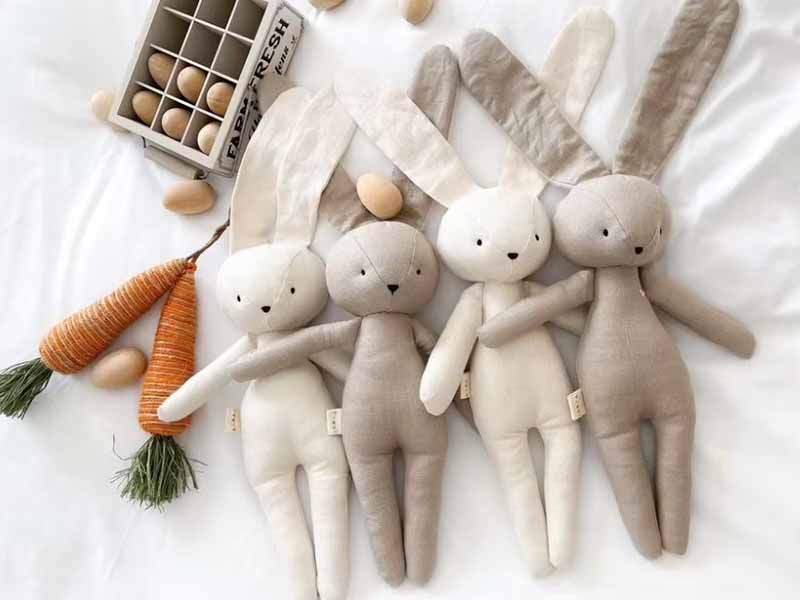
Baby Plush Toys
Baby plush toys are designed with extra soft fabrics and safe embroidered details. These toys focus on safety, comfort, and gentle materials suitable for infants.
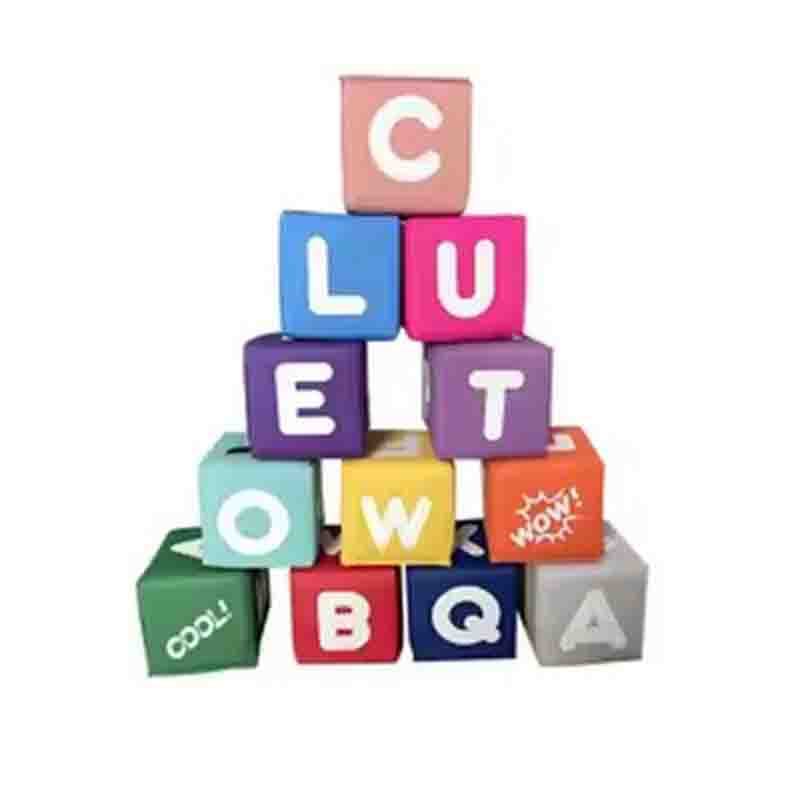
Educational Plush Toys
Educational plush toys combine fun and learning. Many brands create plush toys shaped like animals, letters, or characters to support early childhood education.
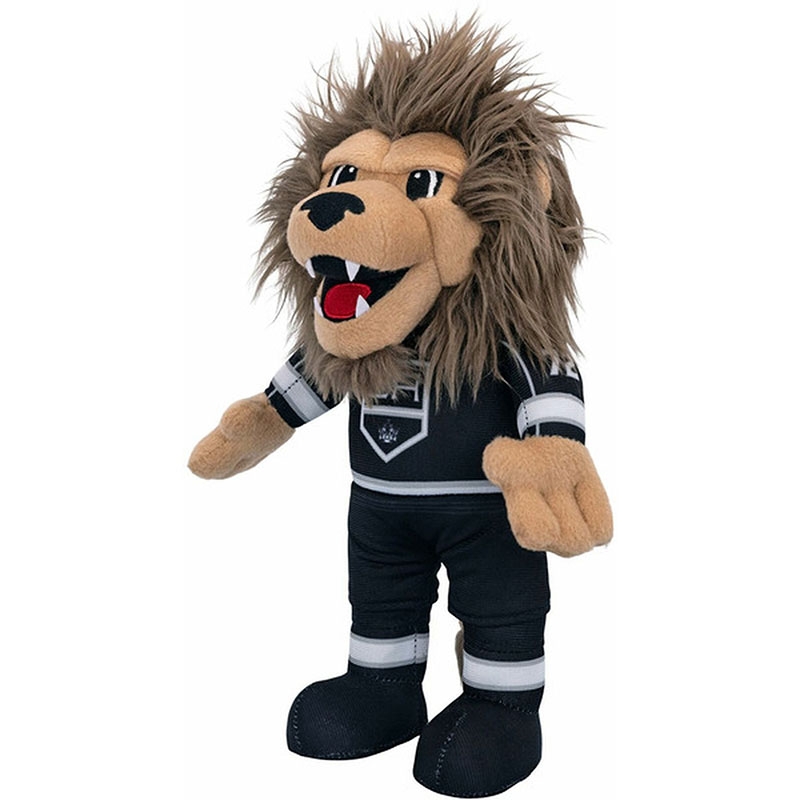
Mascot Plush Toys
Mascot plush toys are widely used by companies, sports teams, and events. Brands often turn their mascots into plush toys to increase brand visibility and customer engagement.
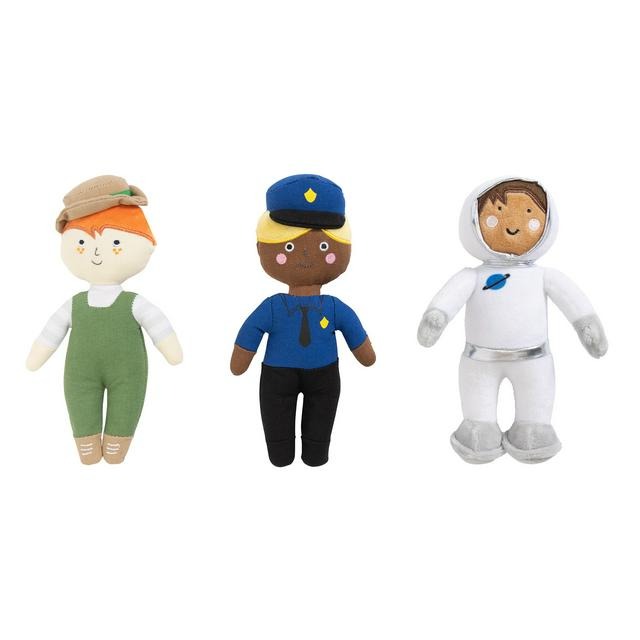
Plush Toy Dolls
Plush dolls usually feature human-style characters with clothing, accessories, and embroidered facial expressions. They are popular in fashion brands and collectible toy lines.
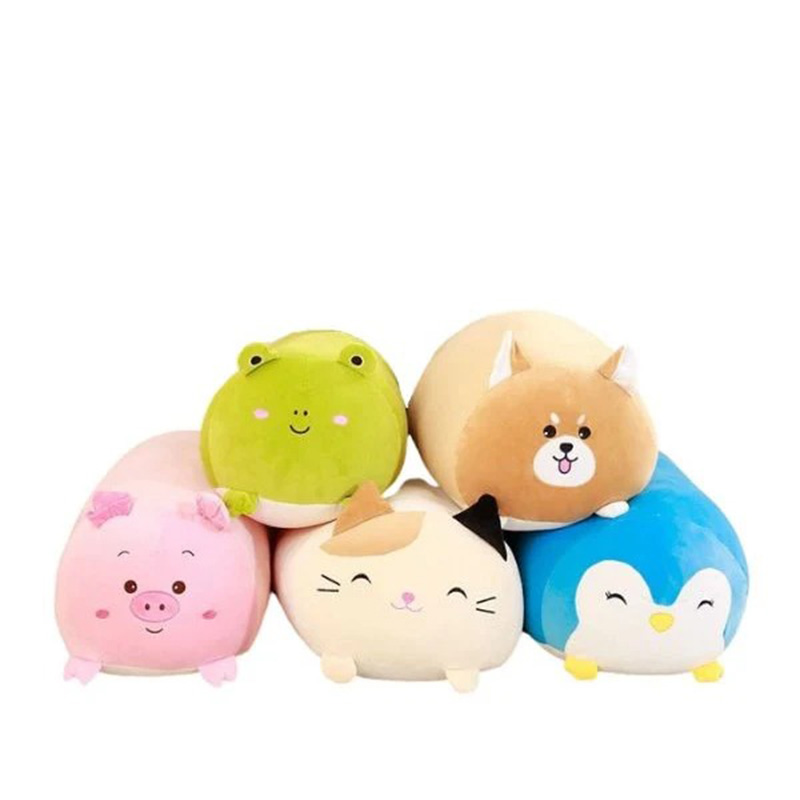
Plush Animal Pillows
Plush animal pillows combine plush toys and functional cushions. These products are often used for home decor, children’s rooms, or lifestyle brands.
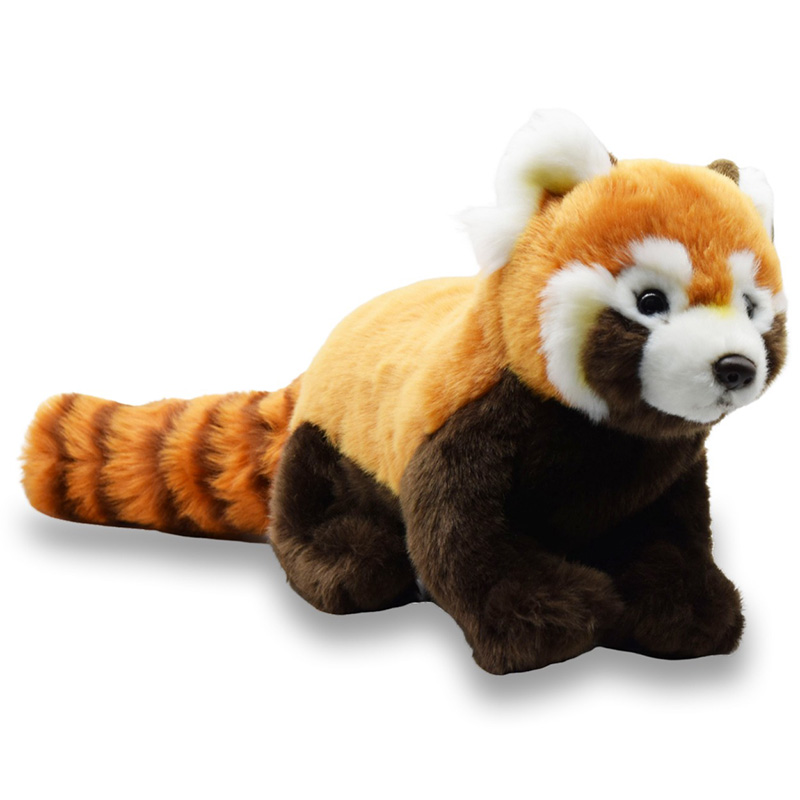
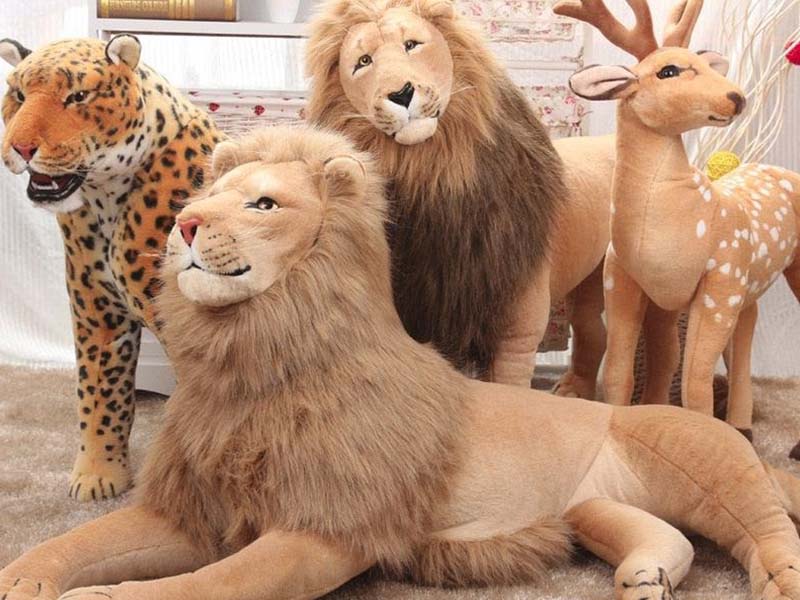
Realistic Animal Plush Toys
Realistic plush animals focus on detailed shapes and natural colors. These toys are commonly used in educational products, museum gift shops, and wildlife-themed brands.

Promotional Plush Toys
Promotional plush toys are developed for marketing campaigns, giveaways, or brand events. They are designed to reflect brand identity while remaining soft and appealing.
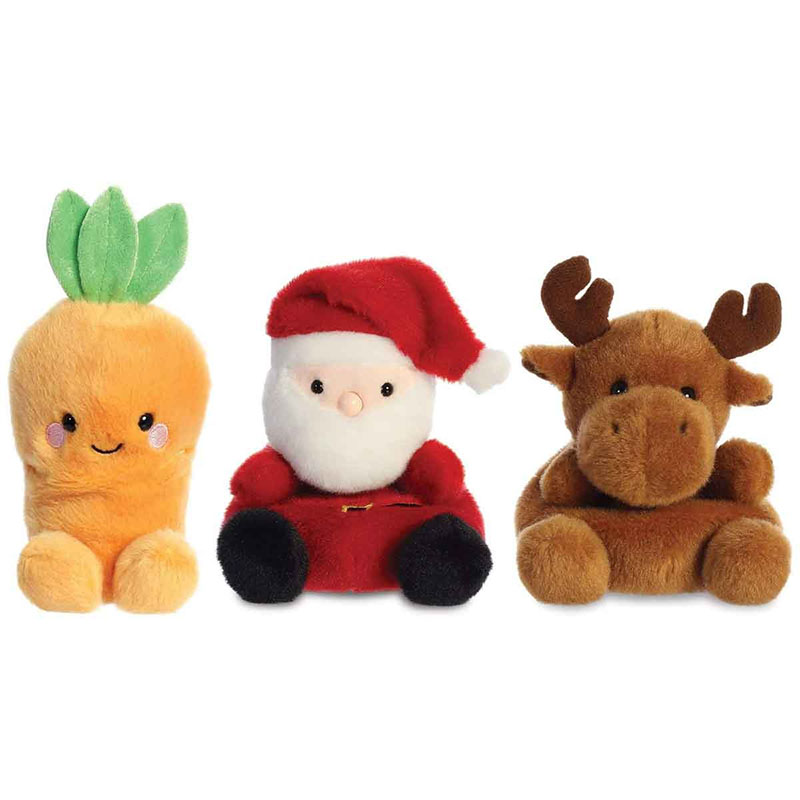
Holiday Plush Toys
Holiday plush toys are seasonal products used for Christmas, Halloween, Valentine’s Day, or other celebrations. These toys are popular in gift markets and retail promotions.

Plush Toy Backpack Characters
Plush toys can also be designed as wearable products such as plush backpacks. These products combine functionality with playful plush toy design.
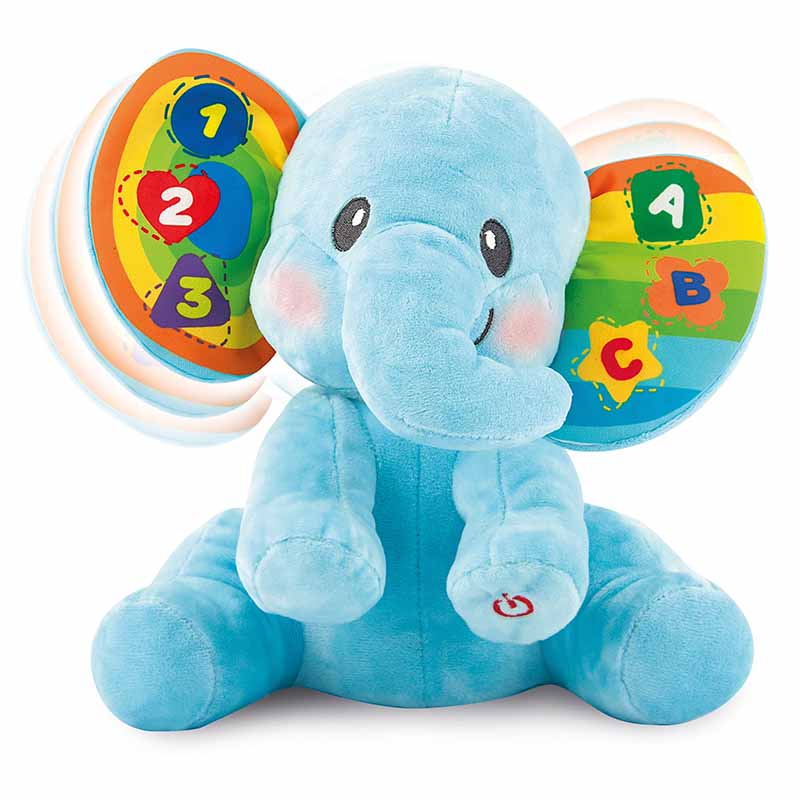
Interactive Plush Toys
Interactive plush toys may include sound modules, movement features, or electronic components. These products create a more engaging experience for children.
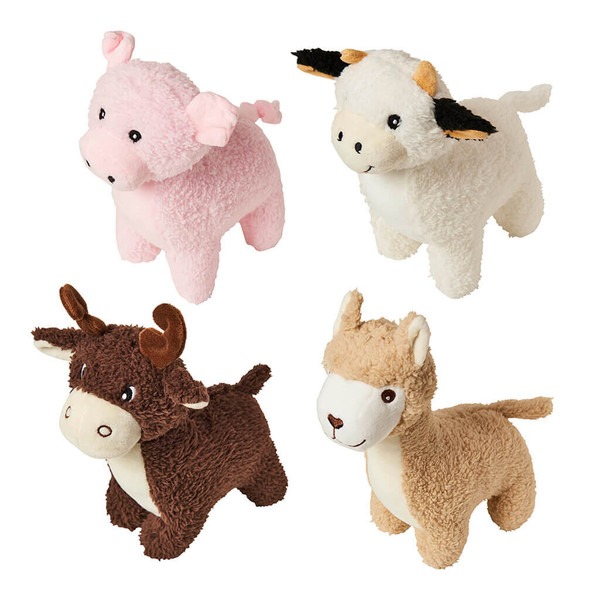
Pet Plush Toys
Plush toys designed for pets are durable and safe for animals. These toys are popular in pet brands and pet accessory markets.
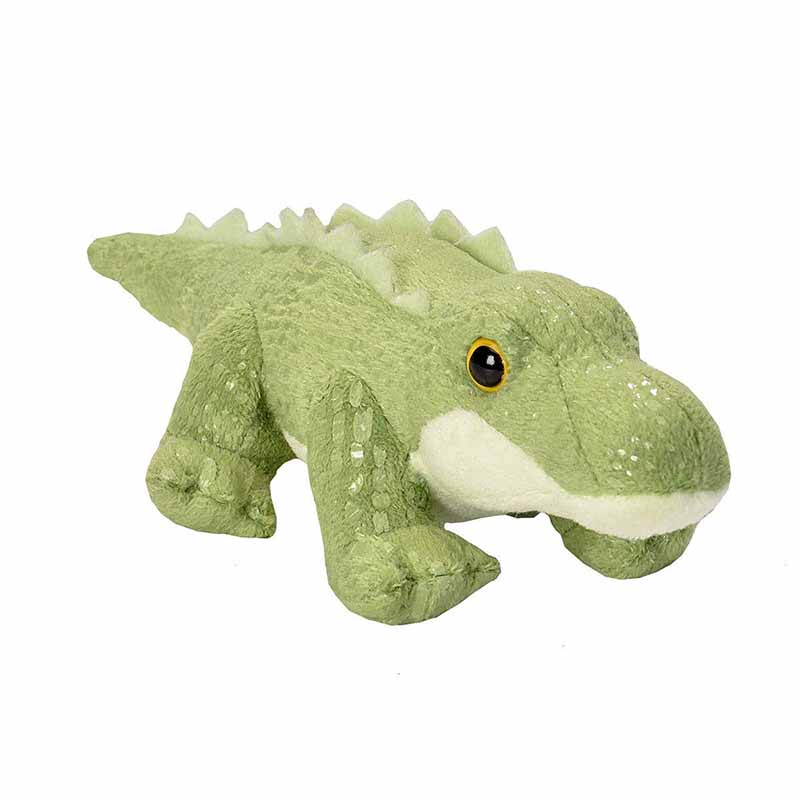
Mini Plush Collectibles
Mini plush collectibles are often sold in sets or series. Brands use them to create collectible product lines that encourage repeat purchases.
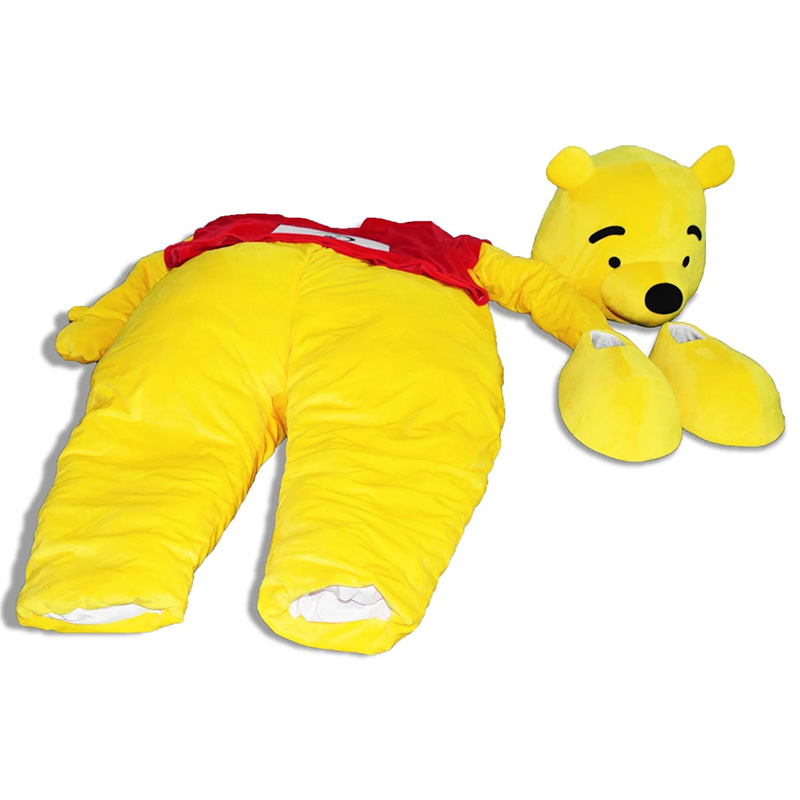
Custom Plush Mascot Costumes
Some brands expand their mascot products into full plush costumes used for events, marketing activities, and brand promotion.
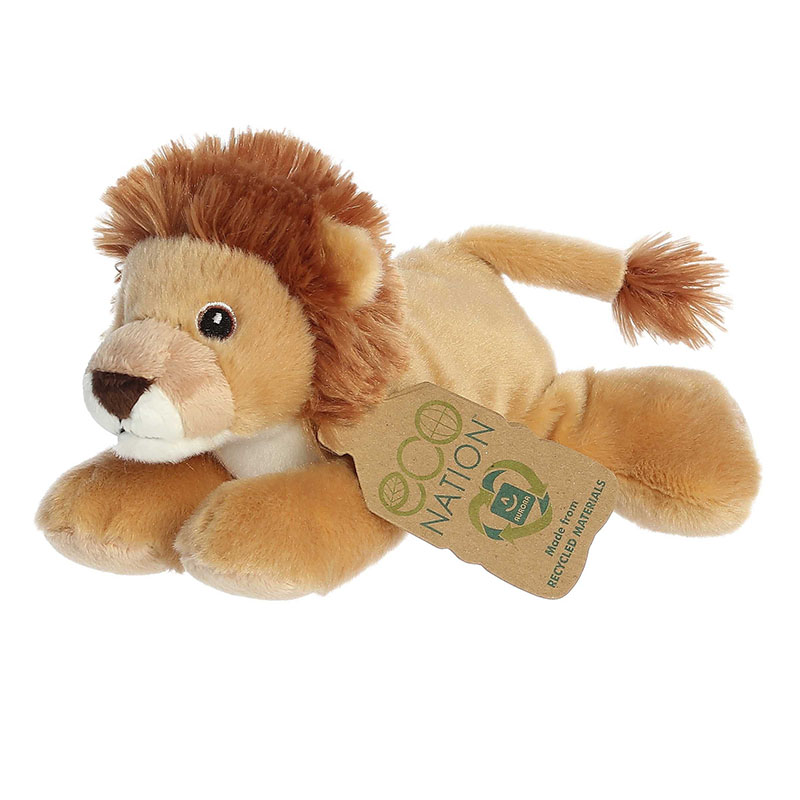
Eco-Friendly Plush Toys
Eco-friendly plush toys use recycled fabrics or sustainable stuffing materials. These products are becoming increasingly popular among environmentally conscious brands.
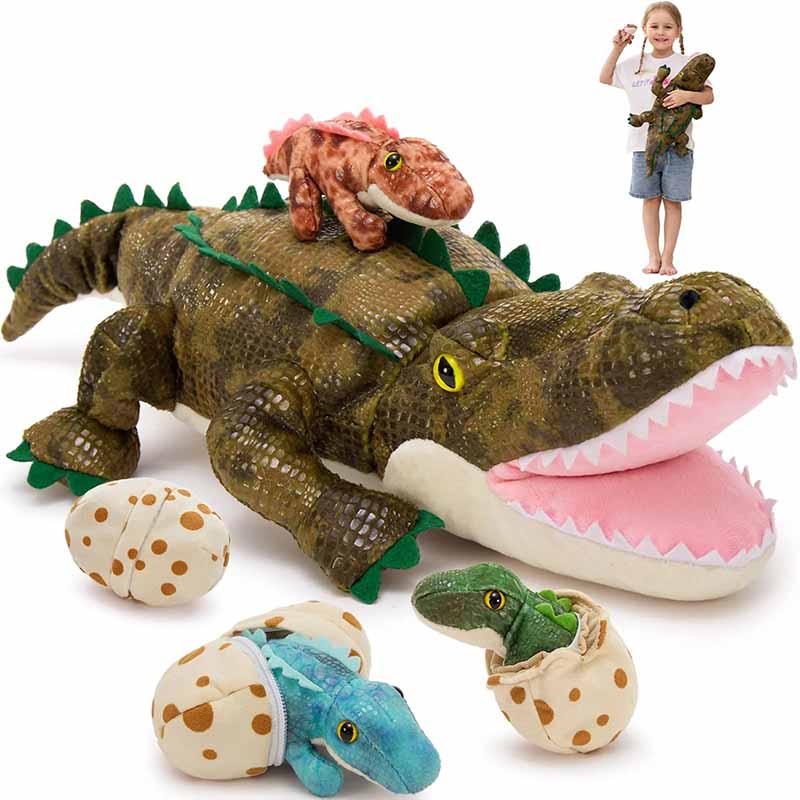
Limited Edition Plush Toys
Limited edition plush toys are often produced in smaller quantities for special releases, brand collaborations, or collectible product launches.
Plush Toy Manufacturing Capabilities of Our Factory
A reliable plush toy factory needs more than sewing machines. Strong manufacturing capability comes from experienced teams, structured production systems, and stable quality control. From custom plush toy development to large-scale stuffed animal production, our factory supports brands with flexible manufacturing solutions and consistent production results.
Custom Plush Toy Development & Prototyping
Our factory supports complete custom plush toy development, from initial concept to finished prototype. With experienced pattern makers and sample technicians, designs can be transformed into accurate plush toy samples that reflect the original artwork, structure, and proportions. This helps brands test designs quickly and move efficiently toward production.
Flexible Manufacturing for Different Plush Toy Designs
Different plush toy designs require different sewing techniques, materials, and structures. Our plush toy manufacturing team can handle various product styles, including character plush toys, animal plush toys, plush dolls, promotional plush toys, and collectible plush products, allowing brands to expand their product lines easily.
Stable Bulk Plush Toy Production
For brands planning large orders, stable production is essential. Our plush toy factory uses standardized manufacturing processes and experienced production teams to maintain consistent quality during bulk stuffed animal production, ensuring that large orders remain aligned with approved samples.
Quality-Controlled Plush Toy Manufacturing System
A structured quality control system ensures reliable plush toy manufacturing results. From material inspection to in-line production checks and final product inspection, each step is monitored carefully to reduce production risks and maintain consistent product quality.
Our plush toy manufacturing capabilities allow brands to develop new stuffed animal products with confidence, supported by reliable production systems and experienced manufacturing teams.
Plush Toy Sampling & Prototype Development in Our Factory
Fast, accurate plush toy sampling is the difference between a smooth launch and endless delays. A professional plush toy factory builds prototypes with clear steps, experienced pattern makers, and predictable timelines, so you can review a real sample early, reduce revisions, and move confidently into bulk stuffed animal production.
Structured Sampling Workflow for Faster Turnaround
We follow a clear plush toy sampling workflow—from design review and pattern making to material selection, cutting, sewing, stuffing, and finishing. Defined checkpoints help your custom plush prototype move forward smoothly and stay on schedule.
Experienced Pattern Making Improves First-Sample Success
Pattern making is critical to plush toy accuracy. Skilled pattern makers understand proportions, seam structure, and plush construction, helping the first prototype match your design intent and reducing unnecessary revision rounds.
Material & Technique Matching to Avoid Rework
We confirm important details early, including fabric selection, embroidery vs printing, fabric pile direction, seam allowance, and accessory attachment methods. This helps avoid situations where the sample looks good but cannot be produced efficiently.
Clear Feedback Loop Makes Revisions Faster
Feedback is organized into clear revision lists covering size, shape, color, embroidery, accessories, and stitching quality. Photo confirmations and structured updates help each revision move faster and closer to final approval.
Ready to speed up your custom plush toy sampling and move toward production with confidence? Share your design, and we will help you start with a clear sampling plan.
Plush Toy Fabrics and Filling Materials Used in Manufacturing
Choosing the right plush toy fabric and filling material plays an important role in the appearance, softness, durability, and safety of stuffed animals. Different plush fabrics create different textures and visual styles, while filling materials affect how soft, supportive, and durable the plush toy feels. Our plush toy factory works with a wide range of plush fabrics and stuffing materials to meet different product designs, safety requirements, and market preferences.
Plush Toy Fabrics
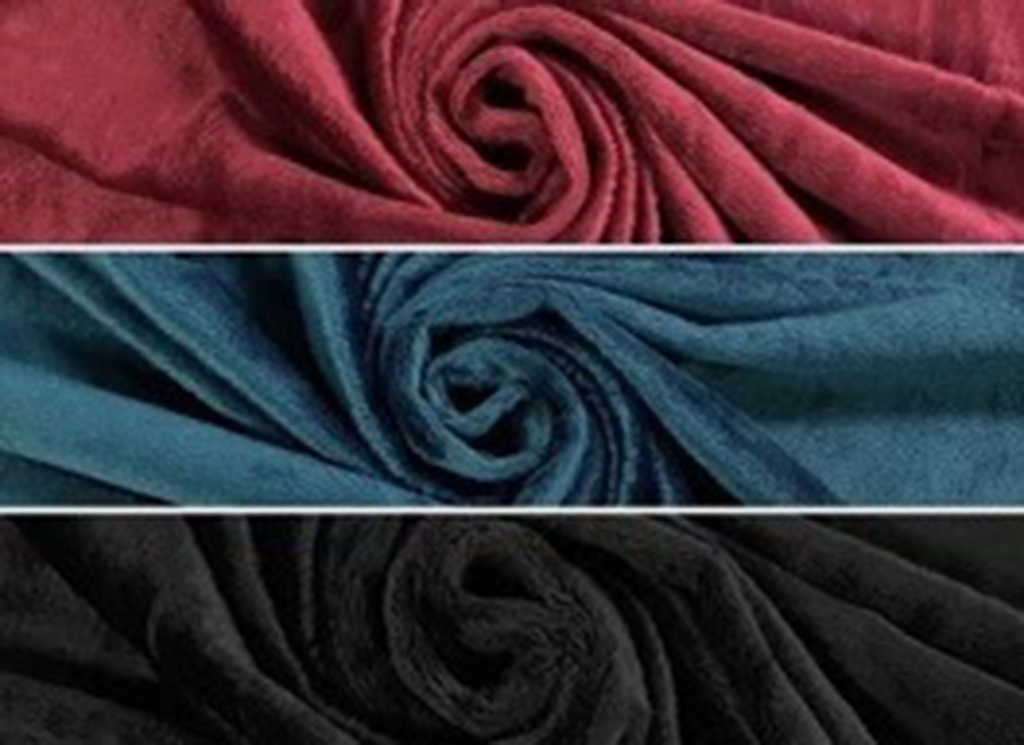 Velboa
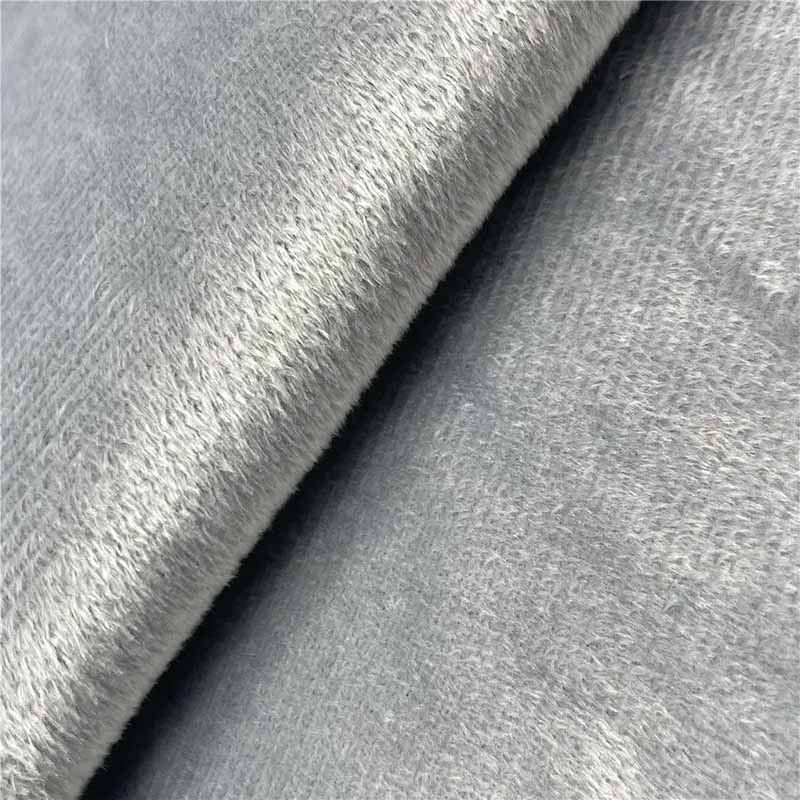 Short Plush Fabric
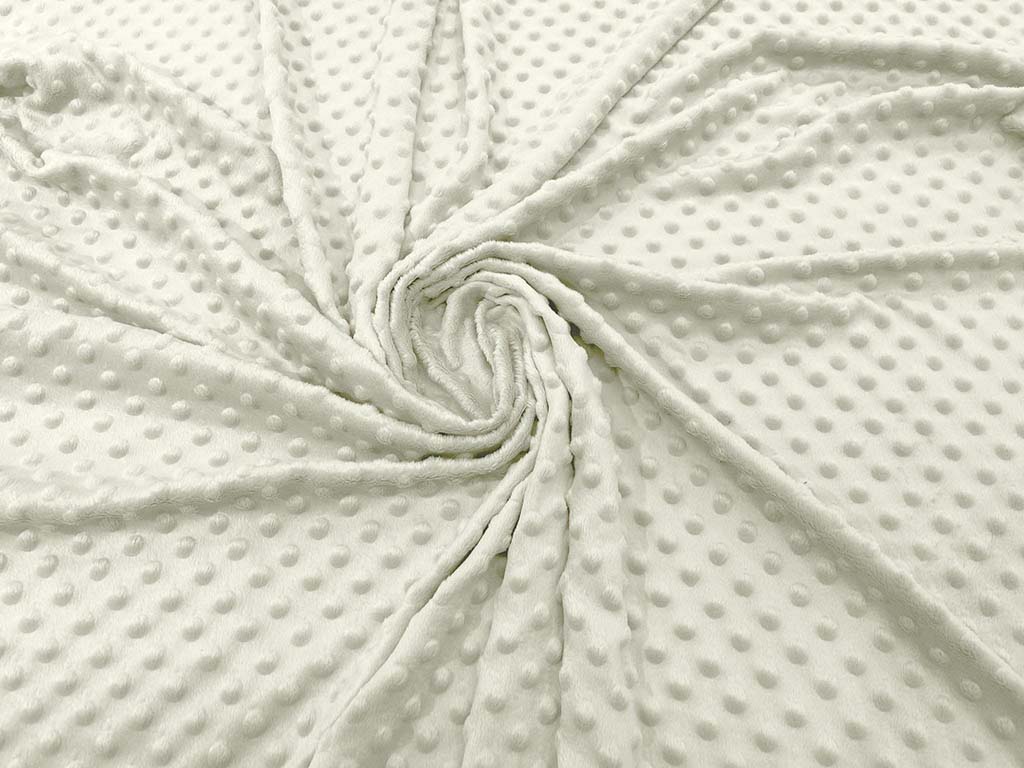 Minky Fabric
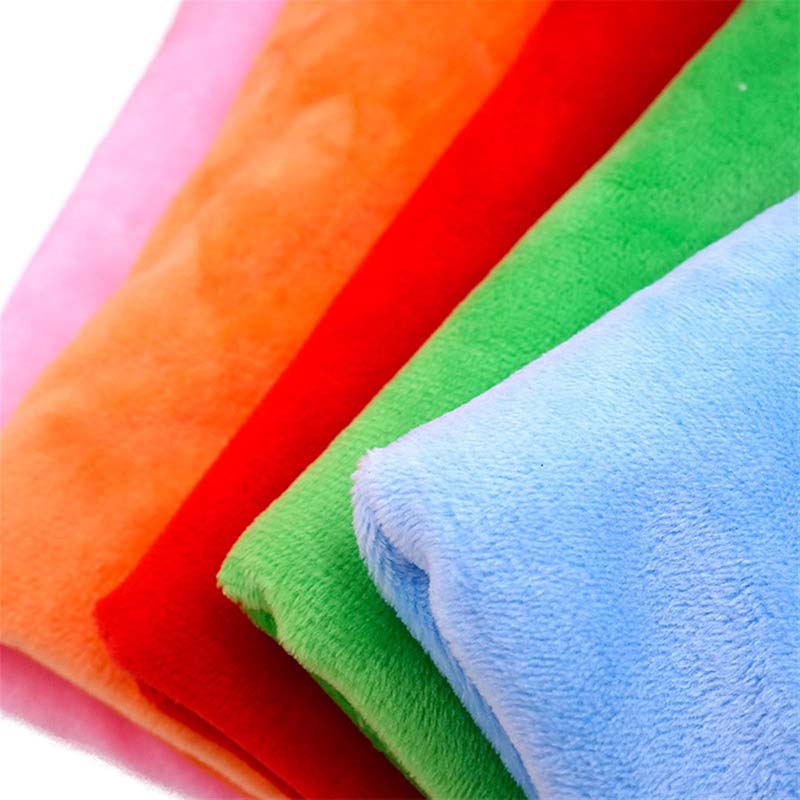 Crystal Super Soft Fabric
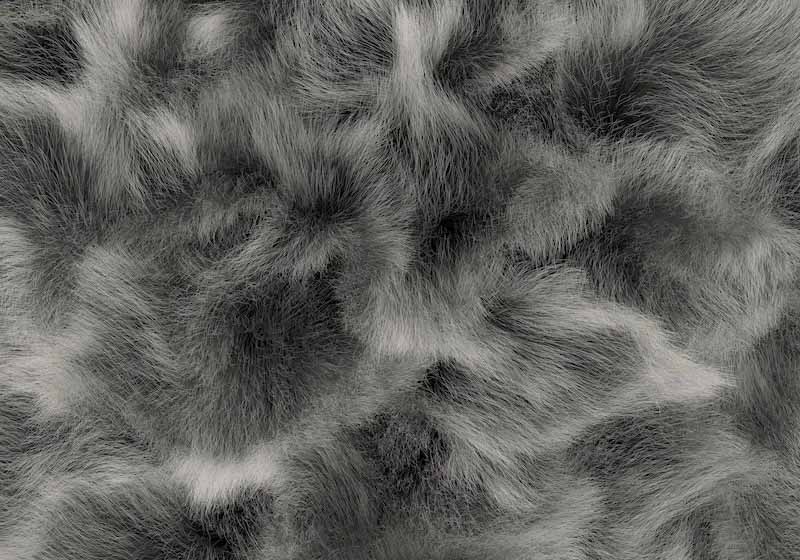 Faux Fur Fabric
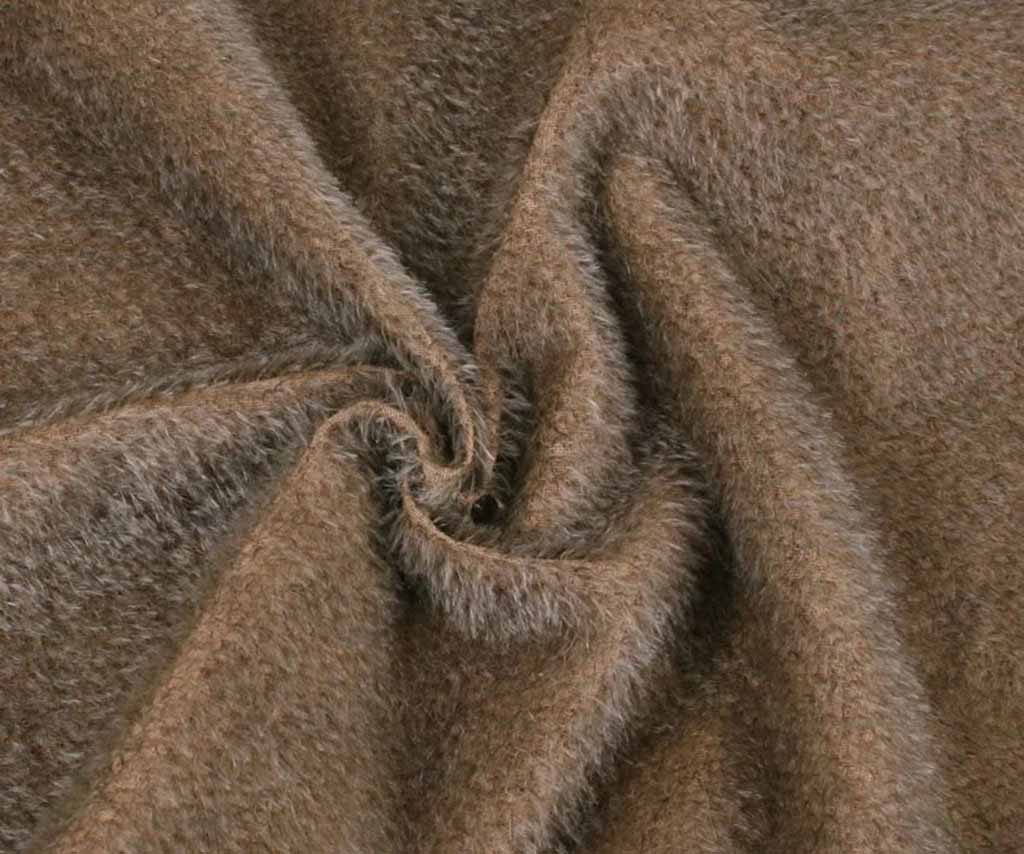 Long Pile Plush Fabric
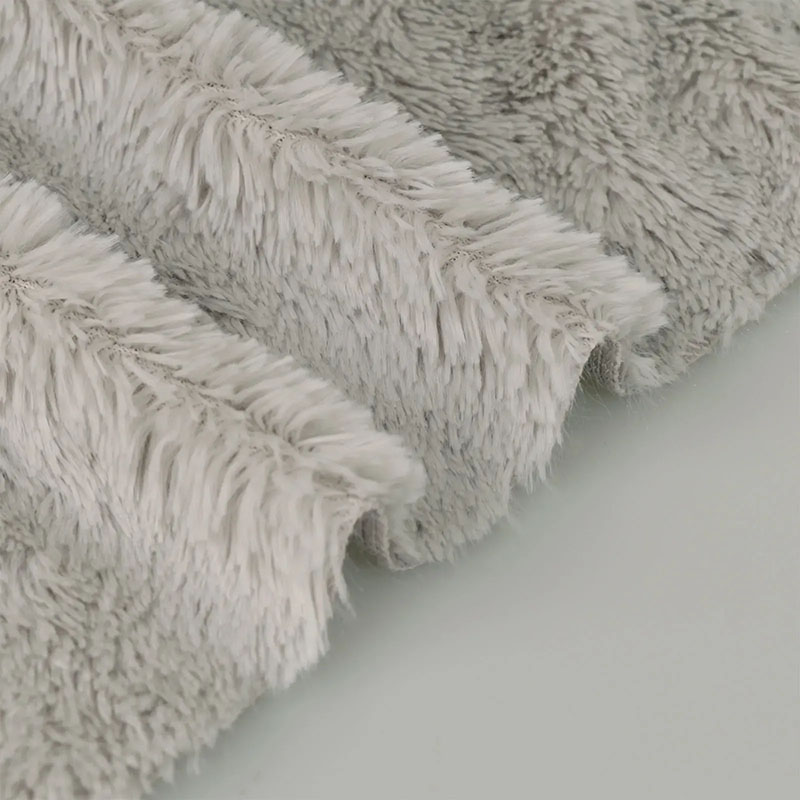 PV Plush Fabric
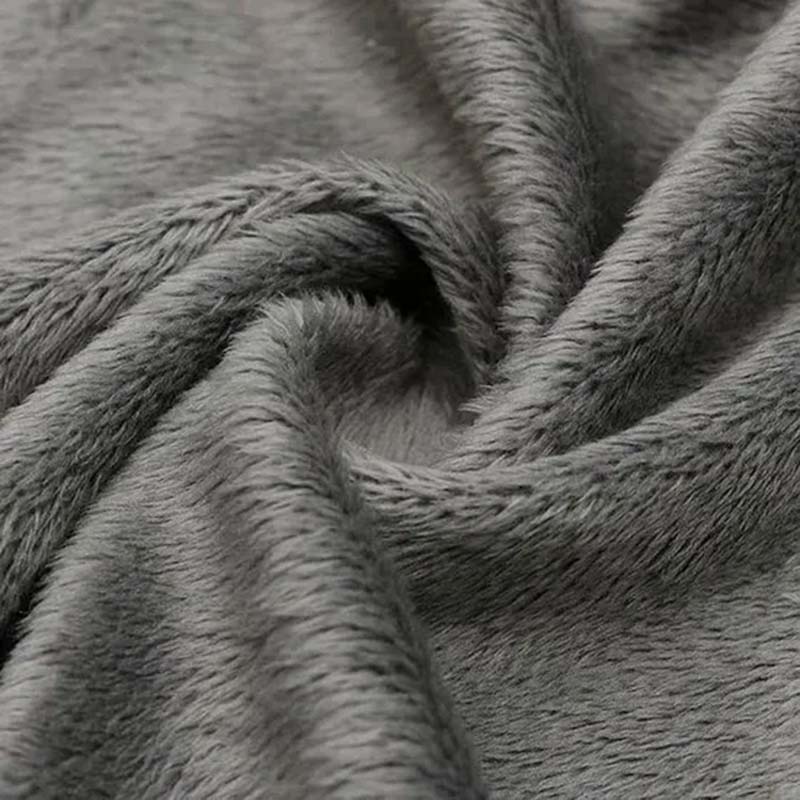 Super Soft Boa Fabric
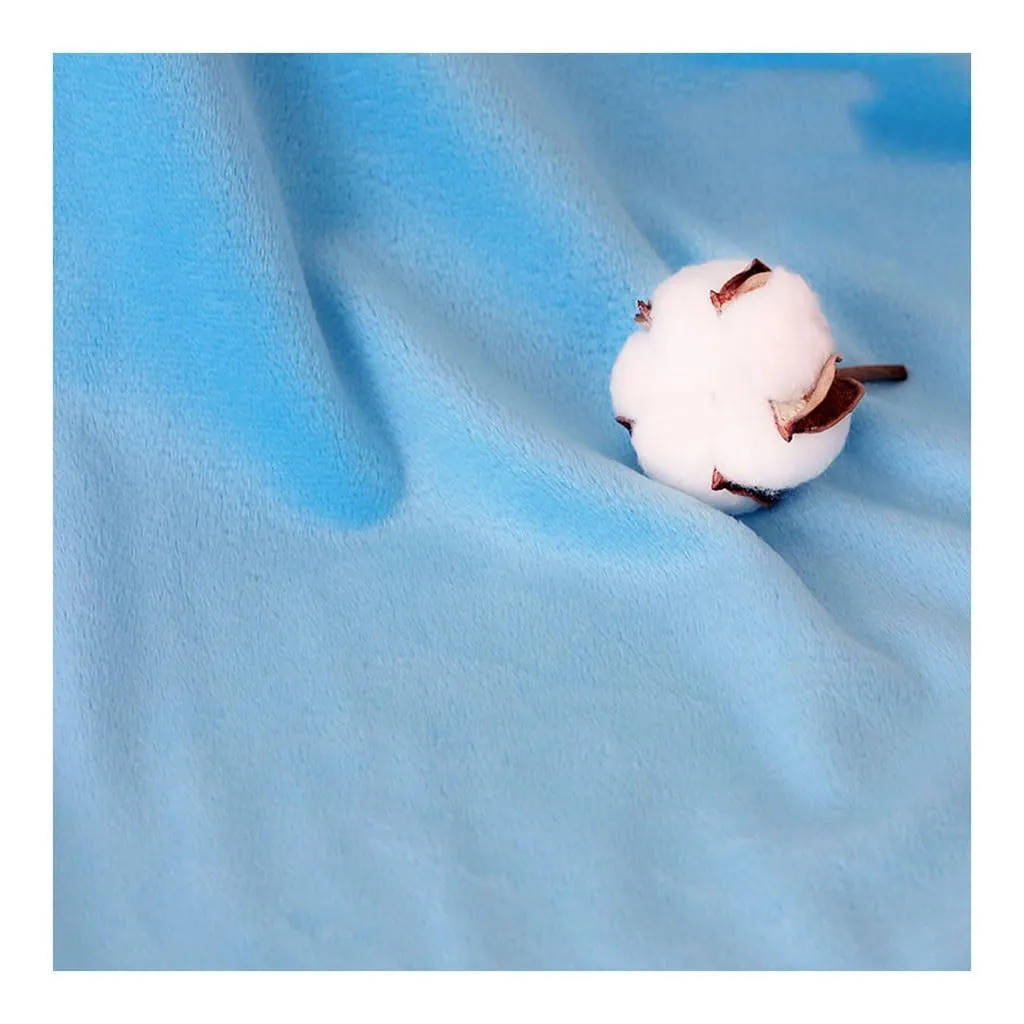 Cotton Plush Fabric
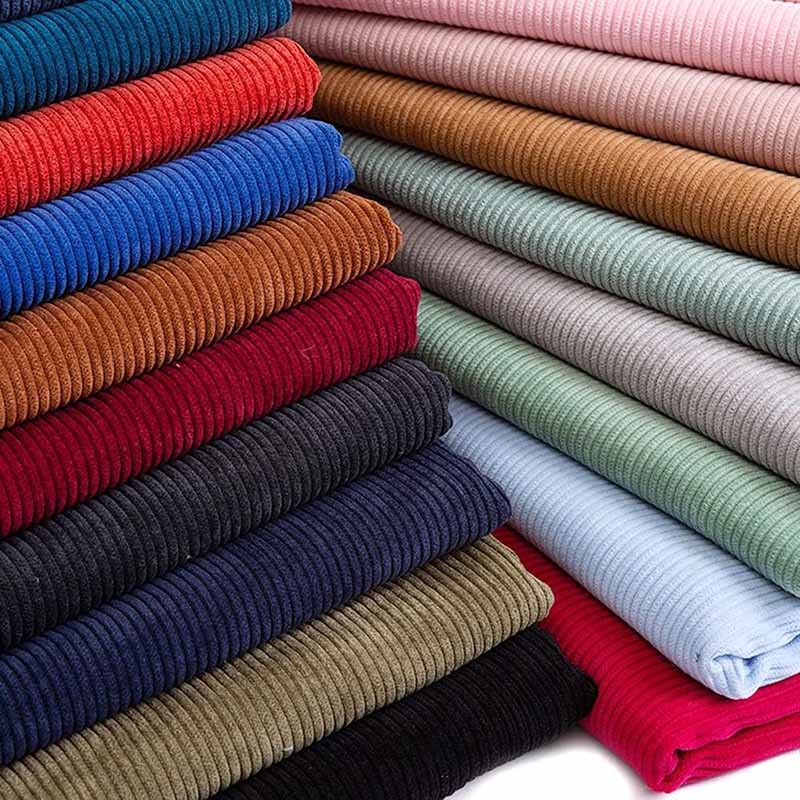 Corduroy Fabric
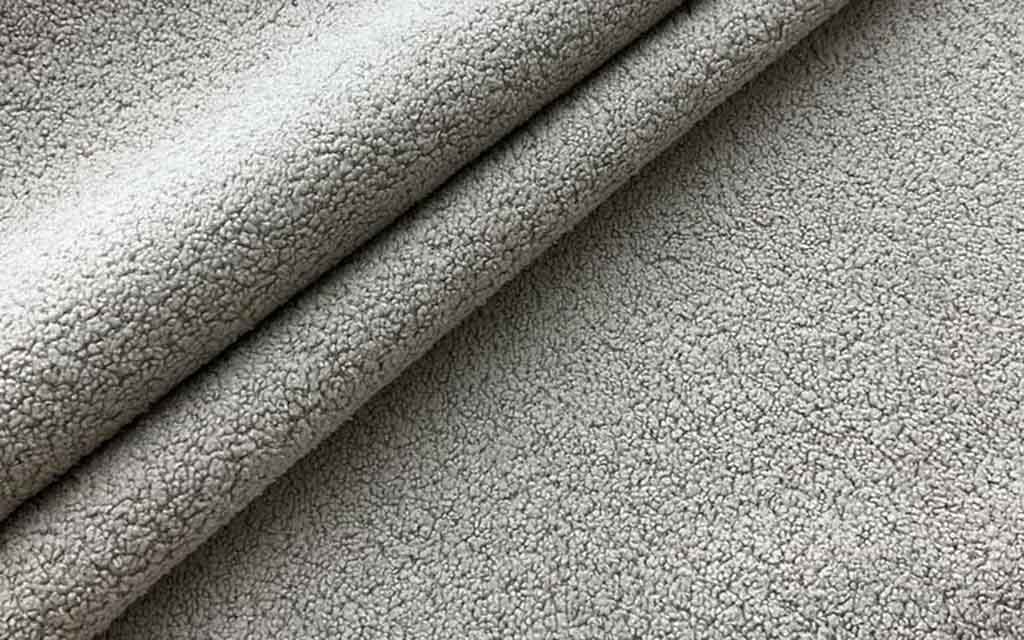 Sherpa Fabric
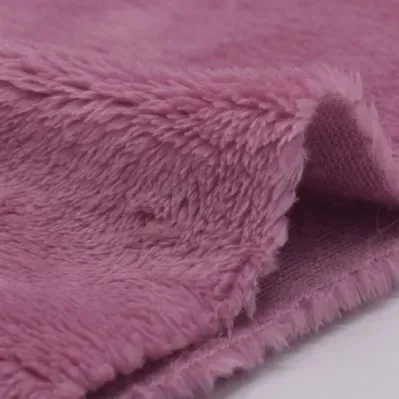 Flannel Fabric
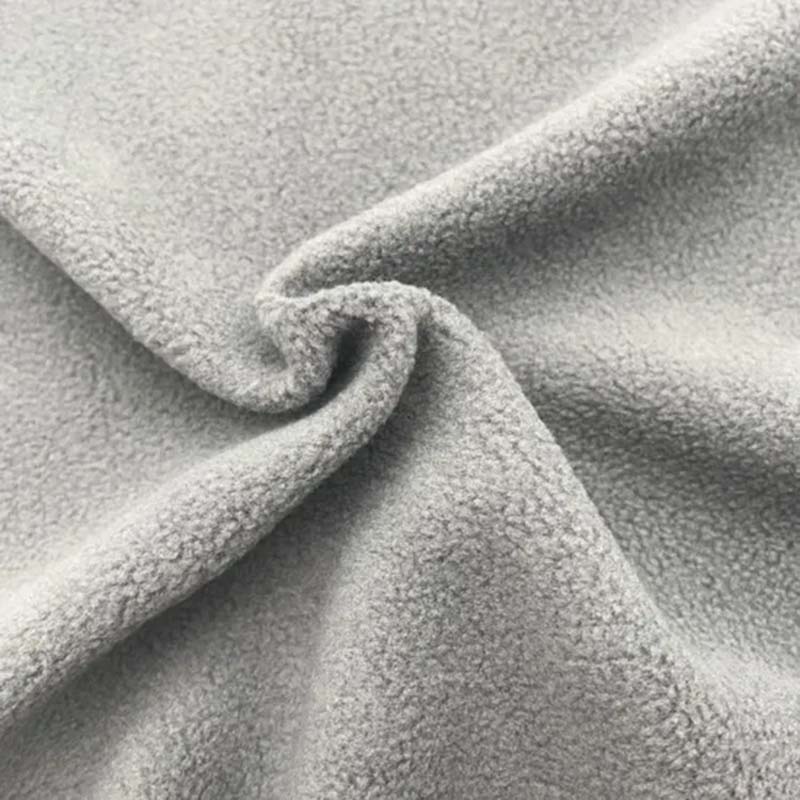 Polar Fleece Fabric
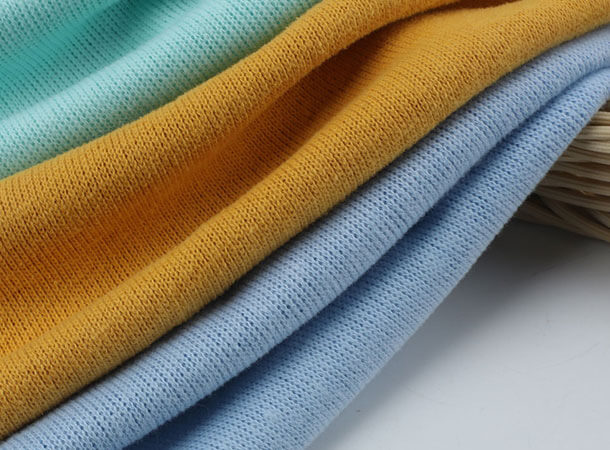 Knitted Plush Fabric
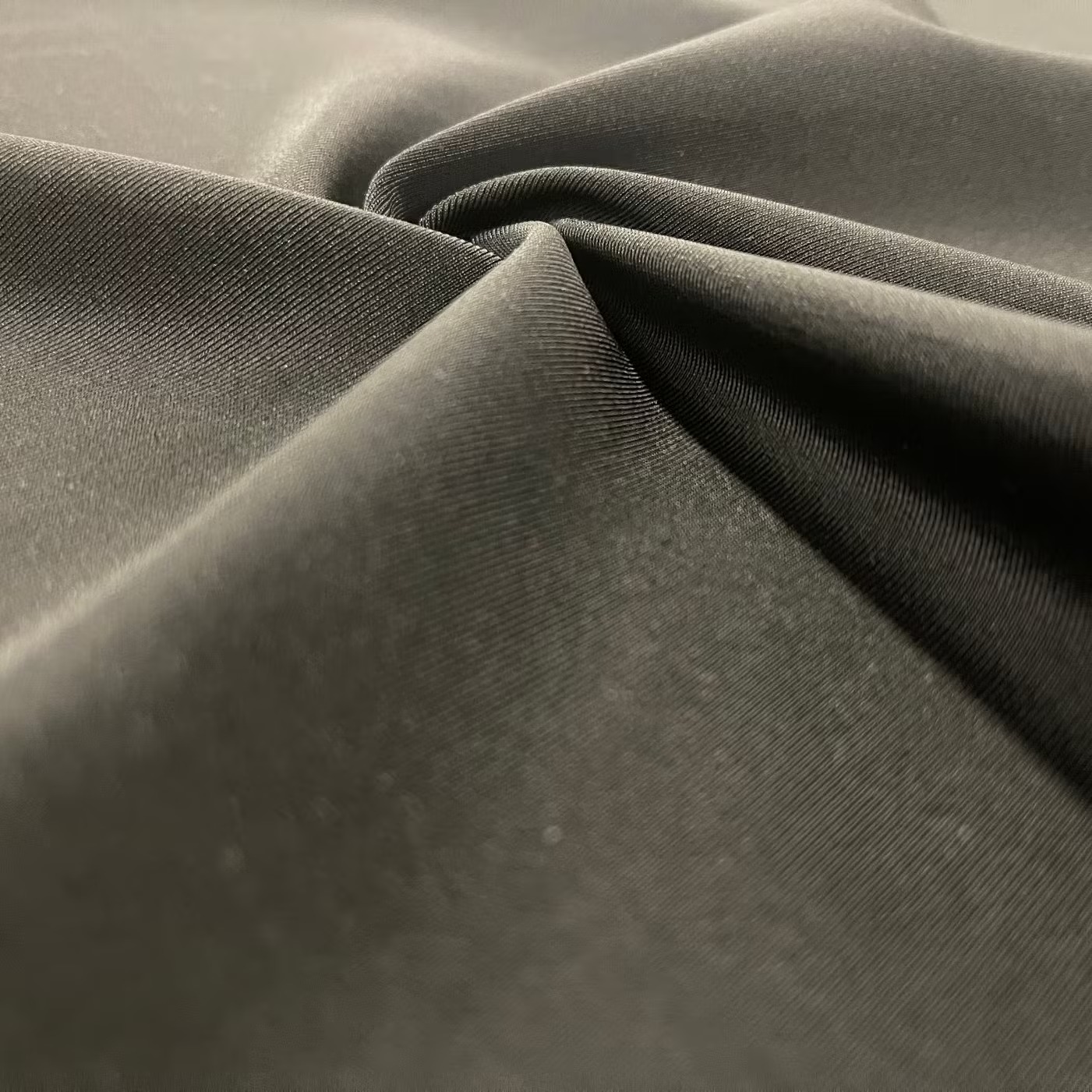 Eco-Friendly Recycled Plush Fabric
Plush Toy Filling Materials
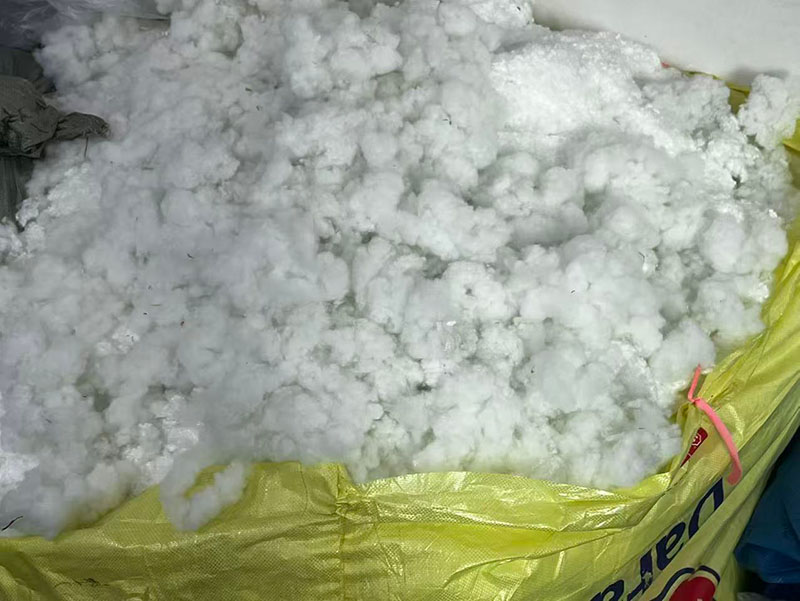 PP Cotton (Polyester Fiberfill)
 Recycled Polyester Fiberfill
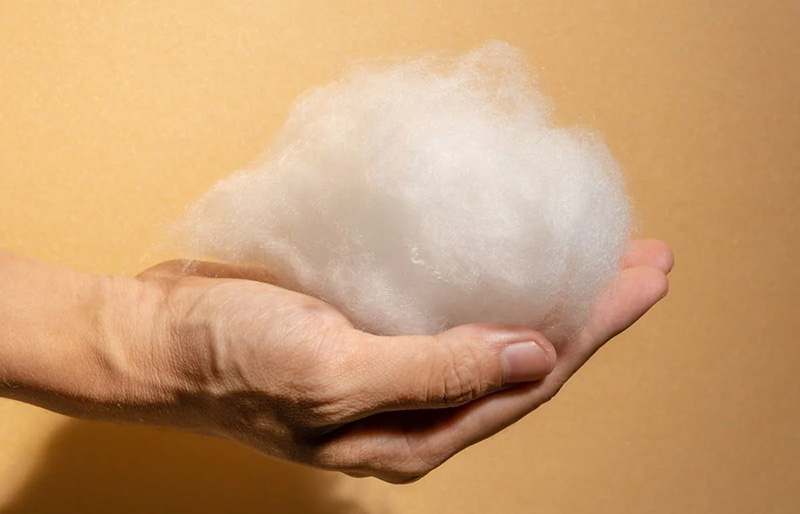 Microfiber Filling
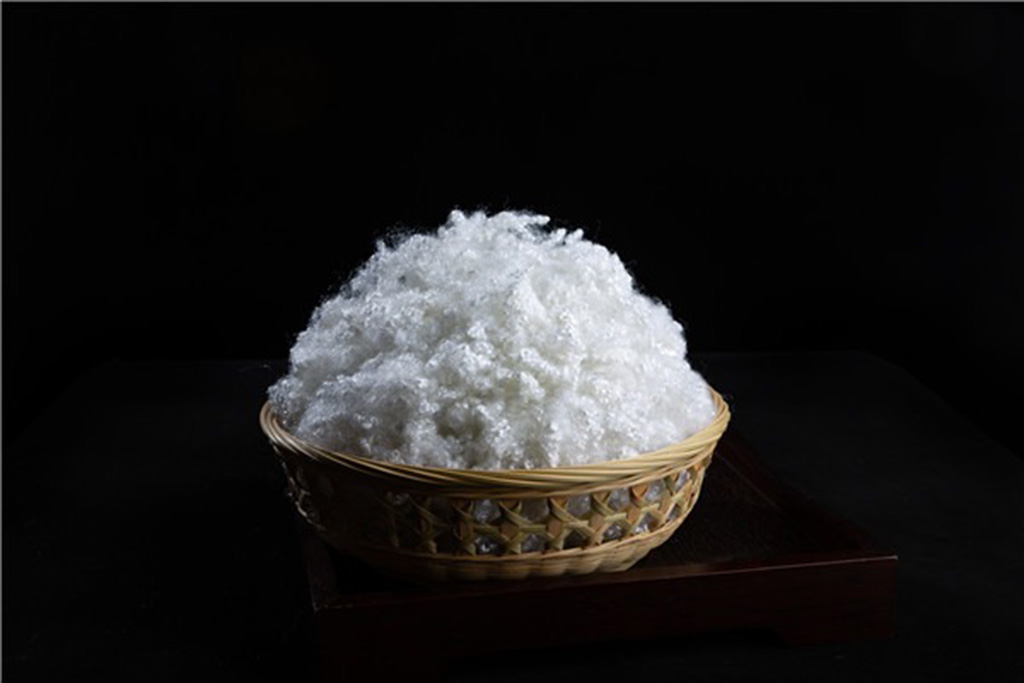 Hollow Conjugated Fiber
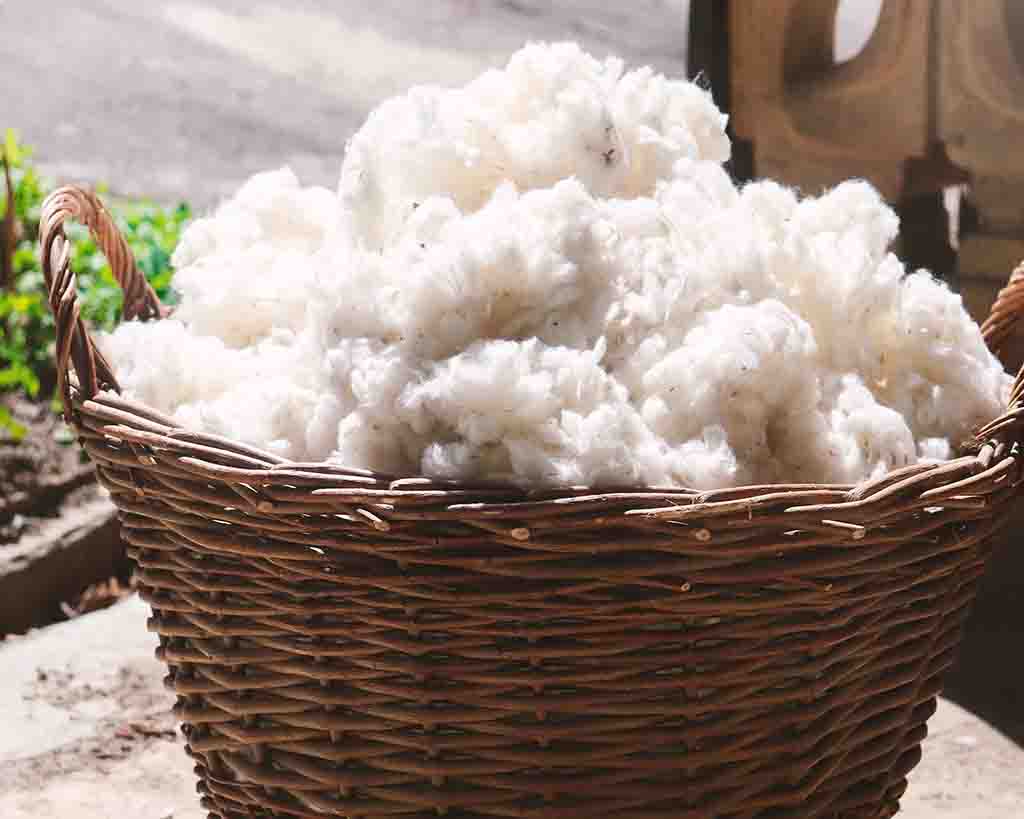 Cotton Filling
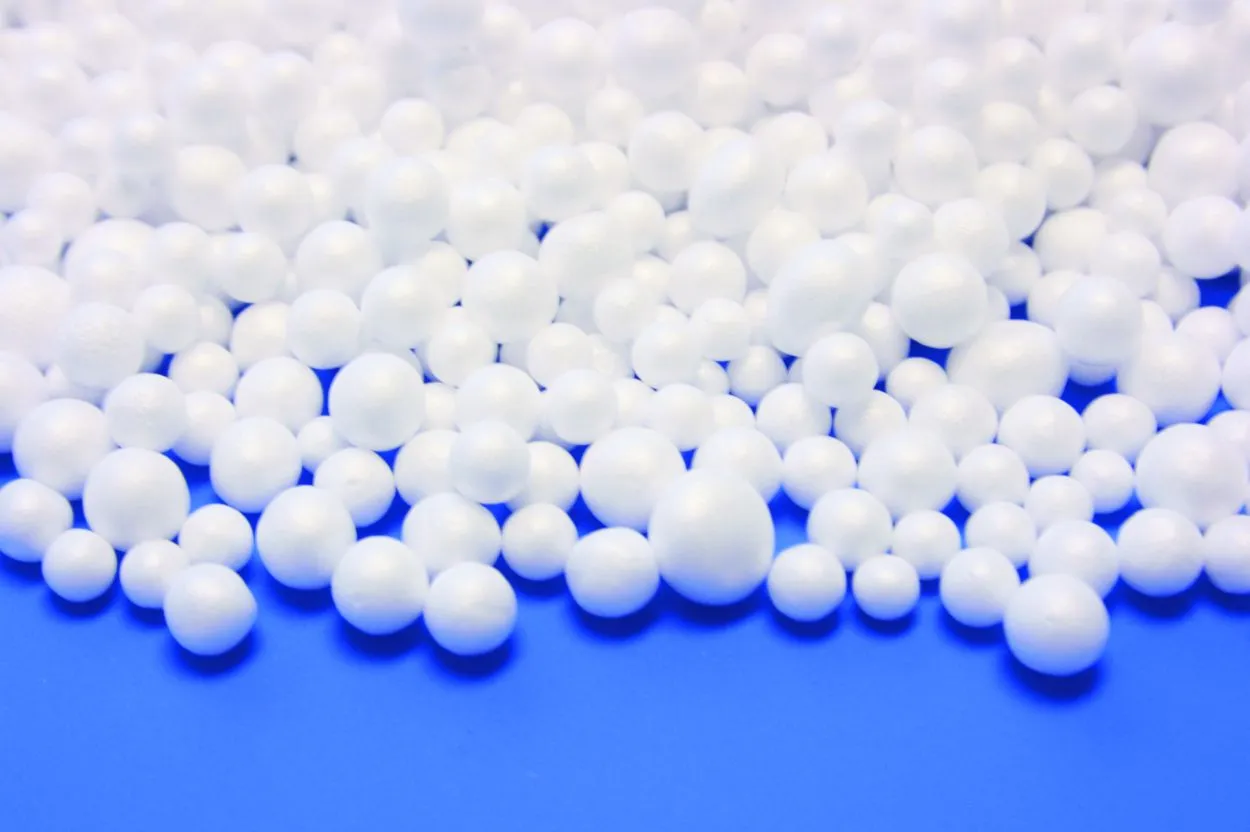 Foam Beads
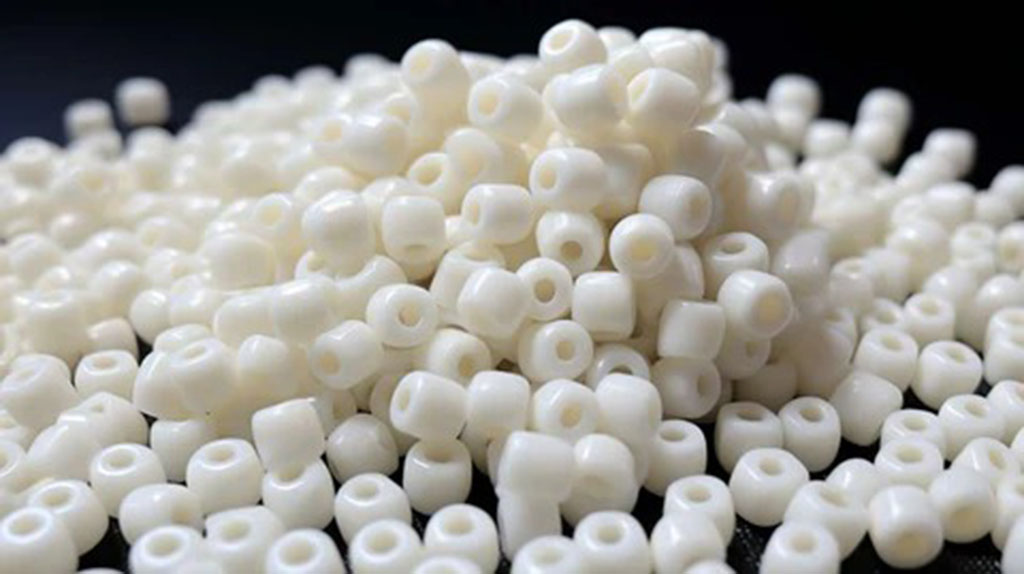 Plastic Pellets (Weighted Beads)
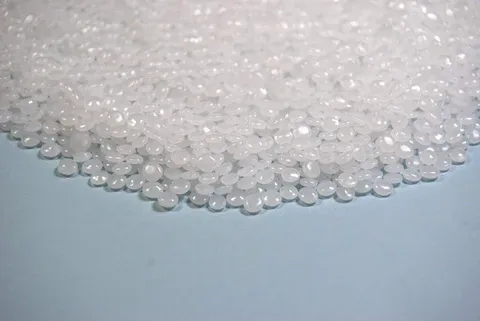 Glass Beads
 Memory Foam Filling
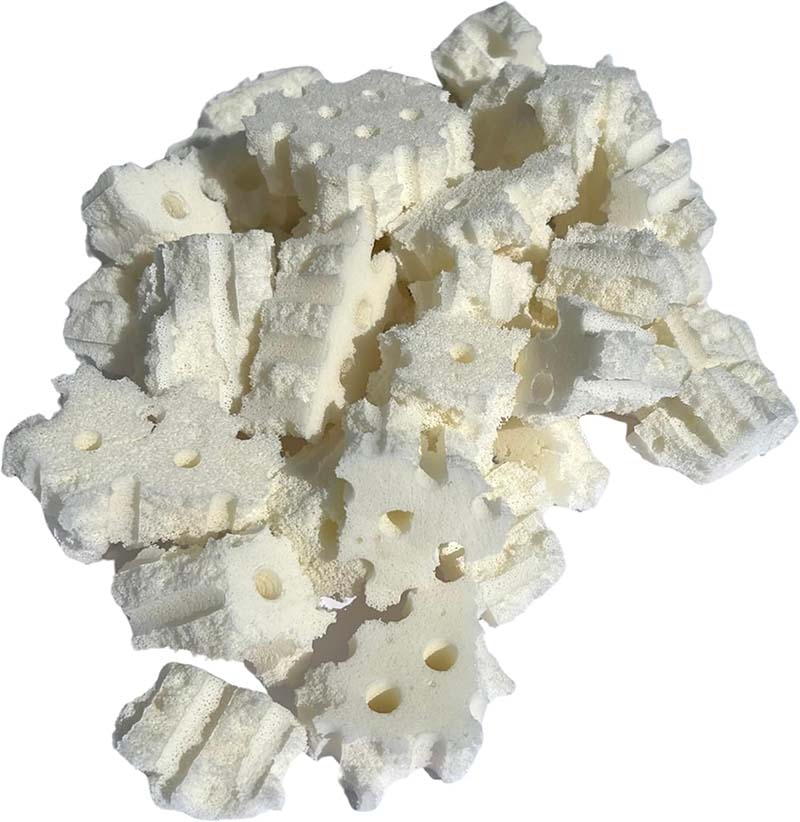 Natural Latex Filling
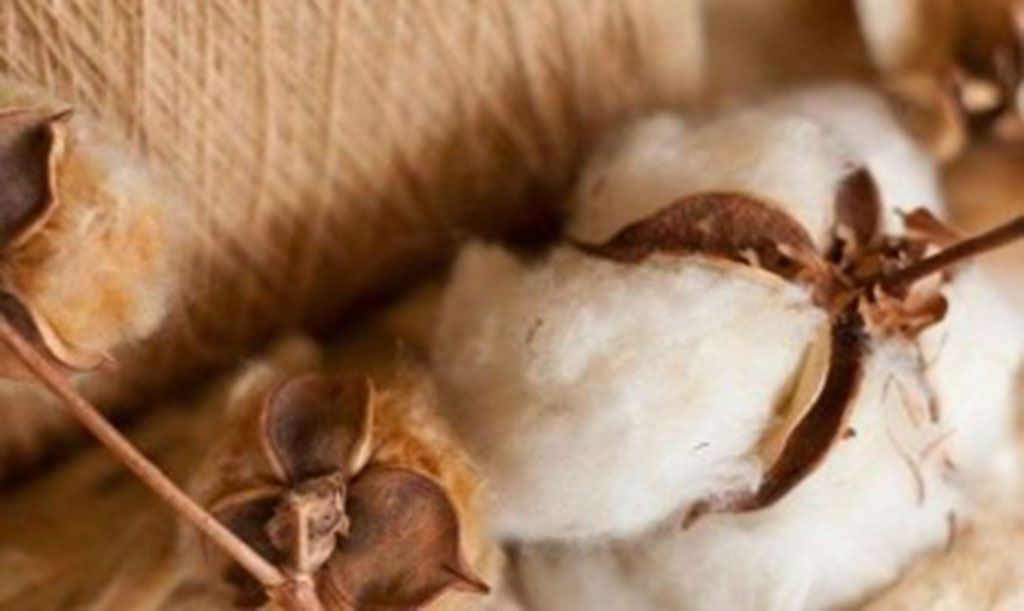 Organic Cotton Filling
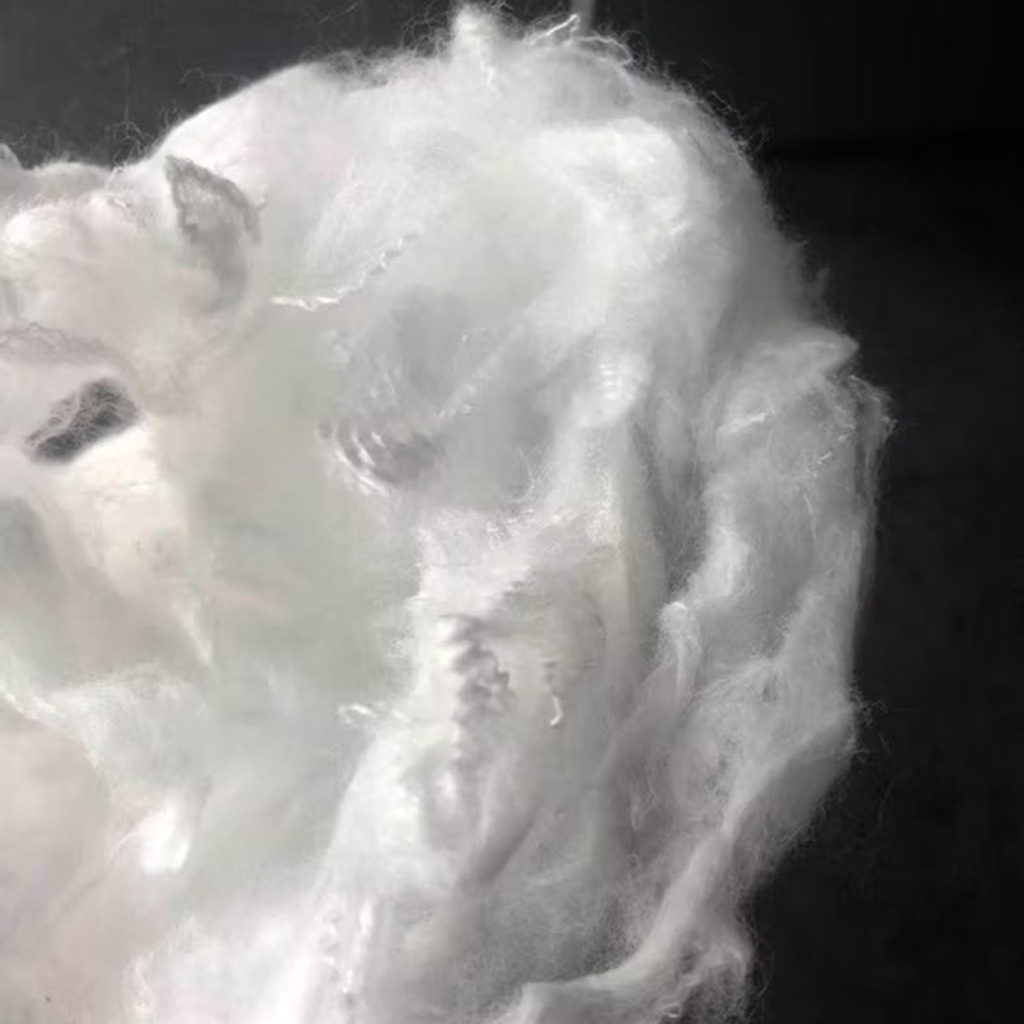 Corn Fiber Filling
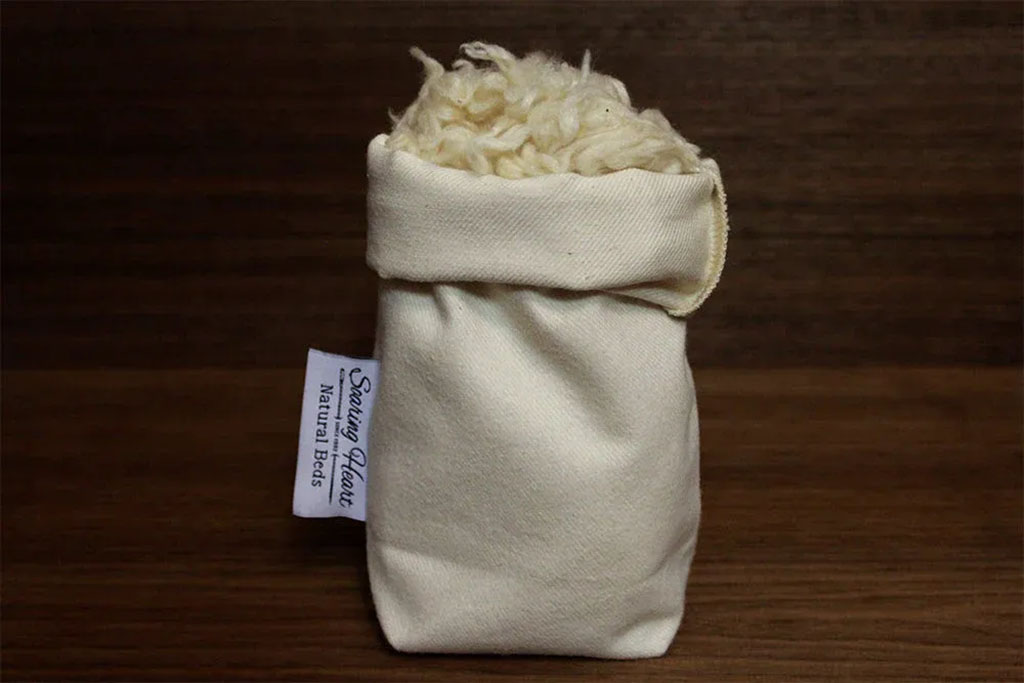 Kapok Natural Fiber Filling
Different plush toy fabrics and stuffing materials can be combined to achieve the desired softness, structure, durability, and safety level required for different stuffed animal products.
Custom Plush Toy Manufacturing Options for Your Brand
A professional plush toy factory should be able to support a wide range of customization options so brands can create unique stuffed animal products that match their design ideas, market positioning, and brand identity. From appearance and size to materials, accessories, and packaging, our factory supports flexible custom plush toy manufacturing to help brands develop distinctive plush products for different markets and applications.
Custom Plush Toy Appearance and Character Design
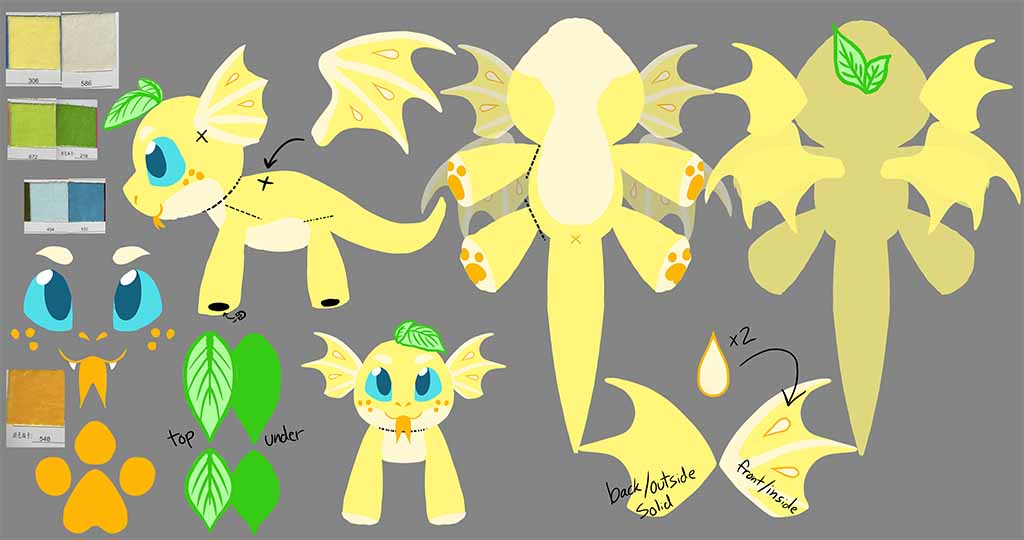
The appearance of a plush toy is one of the most important elements that defines a product’s uniqueness. Our plush toy factory supports full customization of character shapes, facial expressions, proportions, and visual style. Whether your plush toy is based on an original character, brand mascot, or illustration design, our team can translate artwork into a realistic stuffed toy structure that maintains the original design while ensuring manufacturability and durability.
Character shape
Animal shapes
Mascot characters
Cartoon characters
Human-style plush dolls
Facial expressions
Body proportions
Custom Plush Toy Size and Structure
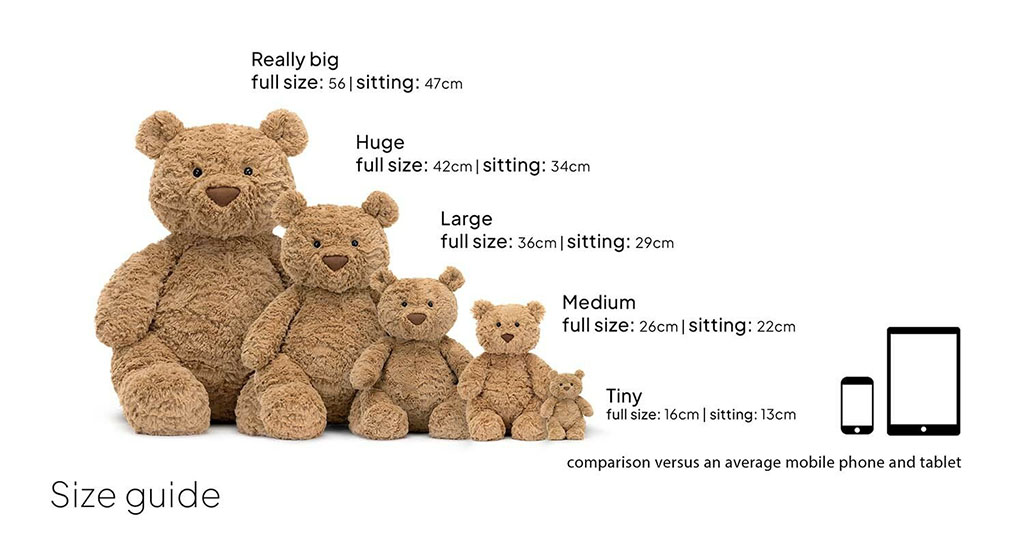
Different markets require different plush toy sizes and structural designs. Our factory supports plush toys ranging from small plush keychains to large display plush toys used for events or retail stores. Structural customization can also include sitting plush toys, standing plush toys, weighted plush toys, and plush cushions designed for both decorative and functional purposes.
Mini plush toys
Plush keychains
Medium plush toys
Large plush toys
Standing plush toys
Sitting plush toys
Plush pillows
Weighted plush toys
Custom Plush Toy Materials and Fabrics
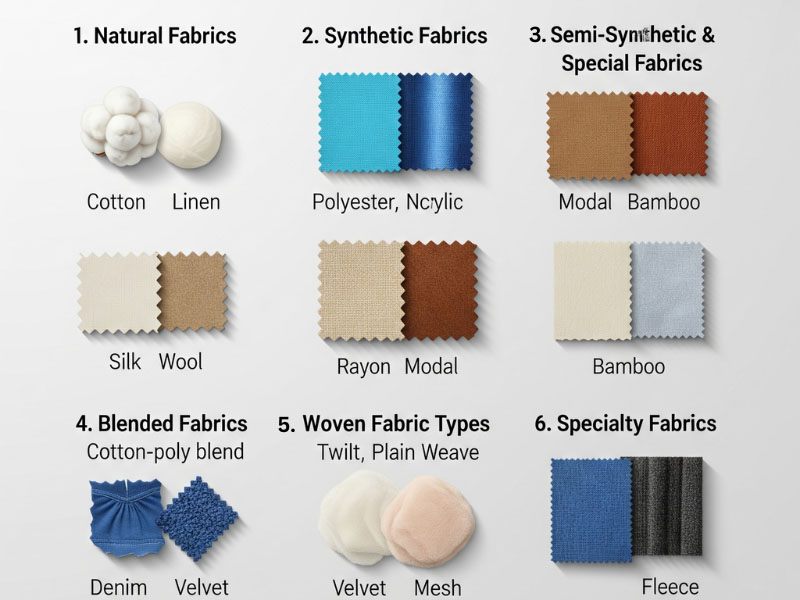
Material selection plays a major role in the final appearance, softness, durability, and safety of plush toys. Different plush fabrics create different textures, visual styles, and product positioning. Our plush toy factory helps brands choose the most suitable plush toy fabrics, stuffing materials, and accessory materials based on design requirements, target markets, and safety standards. For example, some plush toys require ultra-soft fabrics for baby products, while others may use long pile faux fur to create a more realistic animal appearance. During the development process, we also consider factors such as durability, sewing compatibility, and mass production stability to ensure the selected materials not only look good in samples but also perform consistently during bulk plush toy manufacturing.
Velboa fabric
Minky fabric
Faux fur fabric
Crystal super soft fabric
Sherpa fabric
Corduroy fabric
PP cotton filling
Recycled polyester filling
Custom Plush Toy Accessories and Details
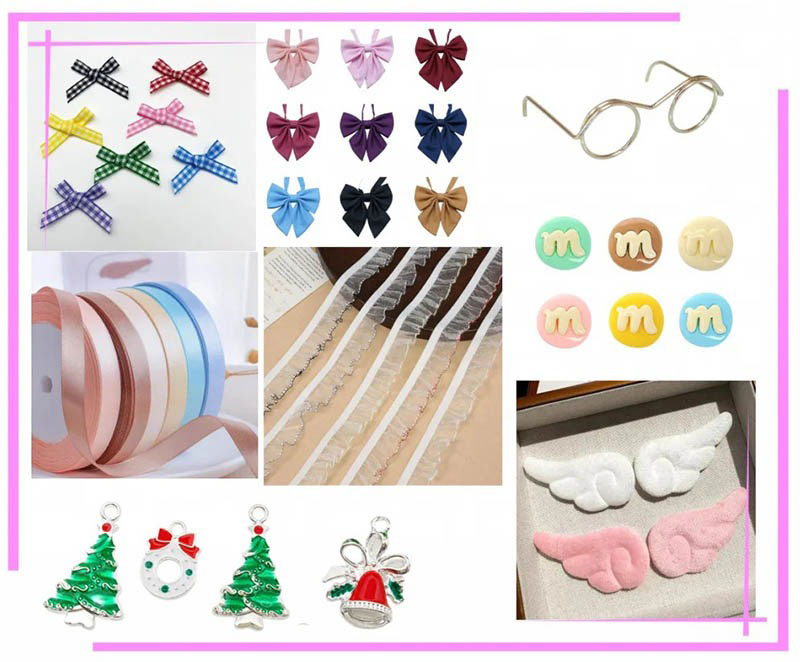
Small design details and accessories often determine whether a plush toy feels ordinary or truly unique. Our plush toy factory supports a wide variety of decorative elements and accessory customization options that allow brands to create more recognizable and distinctive plush toy products. These details may include embroidered facial expressions, printed patterns, clothing accessories, decorative patches, or character-specific elements. During development, our team also evaluates how accessories will be attached, ensuring they remain secure and safe for the intended market. By carefully balancing aesthetics, durability, and production feasibility, we help brands create plush toys that are visually appealing while remaining practical for large-scale stuffed animal manufacturing.
Embroidery logos
Printed patterns
Clothing accessories
Hats and scarves
Backpacks
Keychain hooks
Sound modules
Custom Plush Toy Packaging and Branding
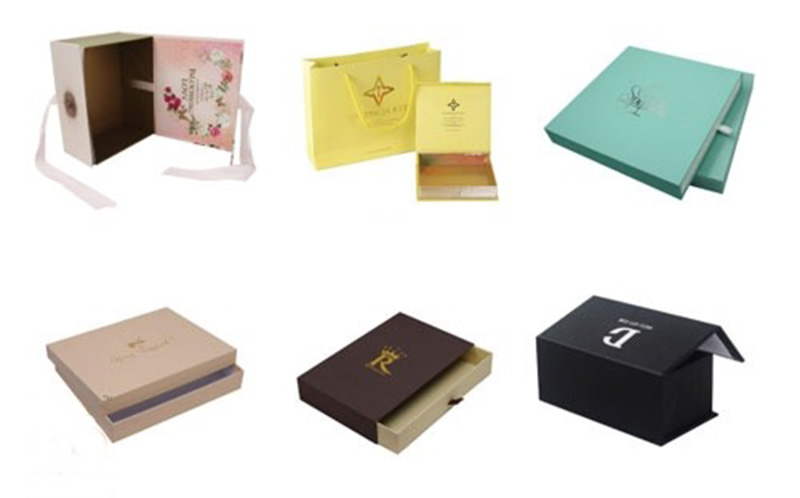
Packaging and branding elements are essential for presenting plush toys professionally in retail stores, gift markets, and e-commerce platforms. A well-designed packaging solution not only protects the plush toy during shipping but also enhances the perceived value of the product and reinforces brand identity. Our plush toy factory supports a variety of packaging and branding customization options, allowing brands to align their plush toy products with their marketing strategy and retail environment. Whether the product is intended for retail shelves, promotional campaigns, subscription boxes, or online stores, we can help develop packaging solutions that improve presentation while maintaining efficient logistics and cost control.
Custom woven labels
Hang tags
Printed poly bags
Gift boxes
Vacuum packaging
Retail display boxes
Brand logo labels
With flexible customization capabilities and professional plush toy manufacturing experience, our factory can help brands turn creative ideas into high-quality plush products ready for global markets.
From Plush Toy Sample to Mass Production Consistency
For many brands developing custom plush toys, one of the biggest concerns is whether the final bulk production will match the approved sample. A professional plush toy factory uses structured production control, clear reference samples, and standardized manufacturing processes to maintain consistency throughout large-scale stuffed animal production. This ensures that every batch of plush toys reflects the approved design, materials, and quality standards.
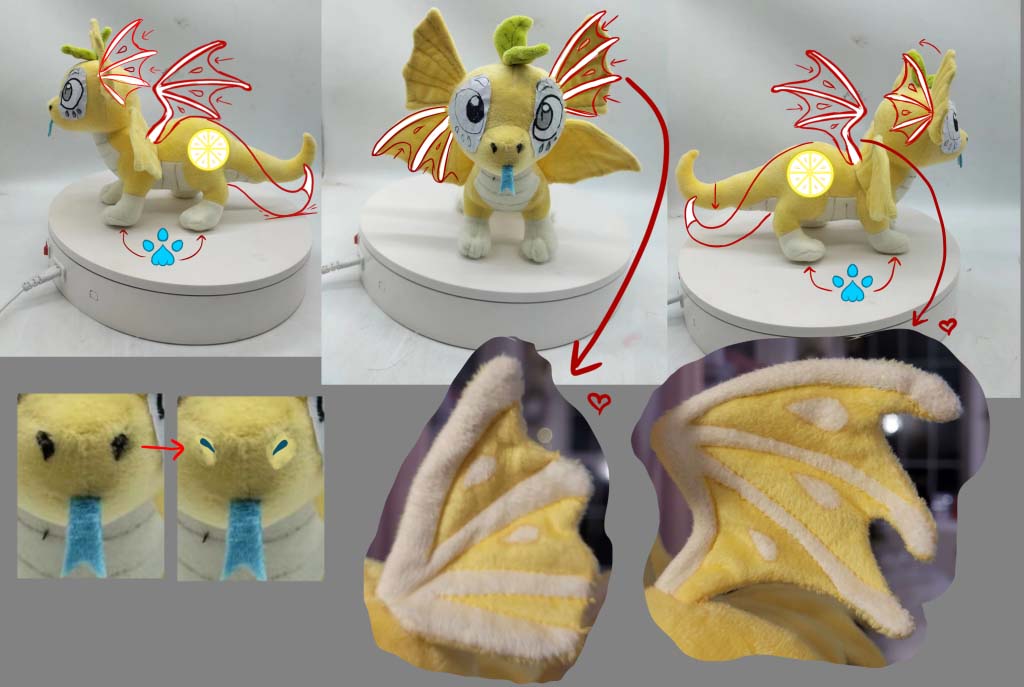
Golden Sample as the Production Standard
Once the sample is approved, a golden sample is kept as the official reference for production. This sample guides the production team in areas such as size, shape, stitching, and finishing details, ensuring that every plush toy produced follows the same standard.
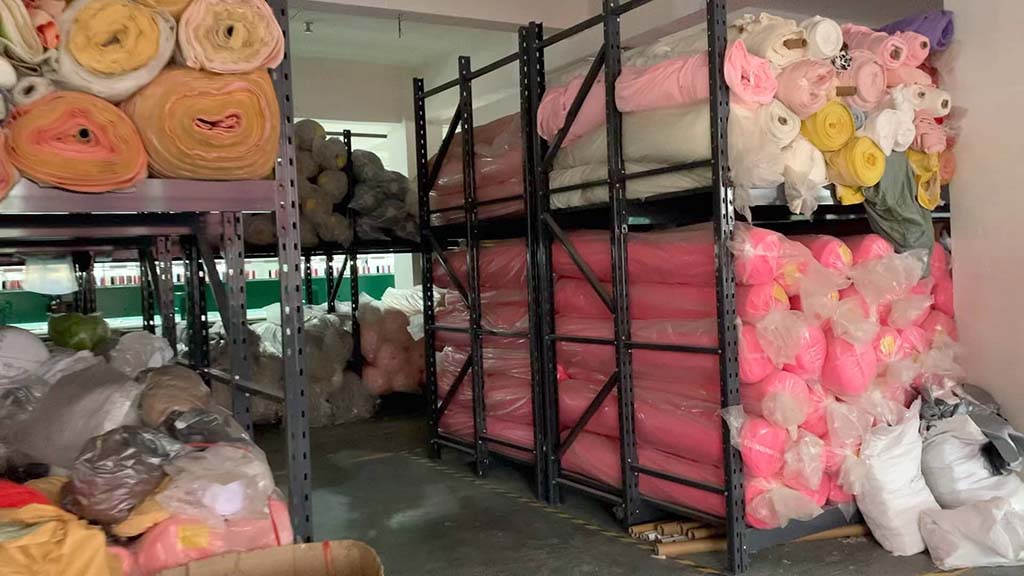
Material Confirmation Before Production
Before mass production begins, all fabrics, fillings, and accessories are confirmed according to the approved sample. This step ensures that the plush toy materials used in production match the materials used during sampling.
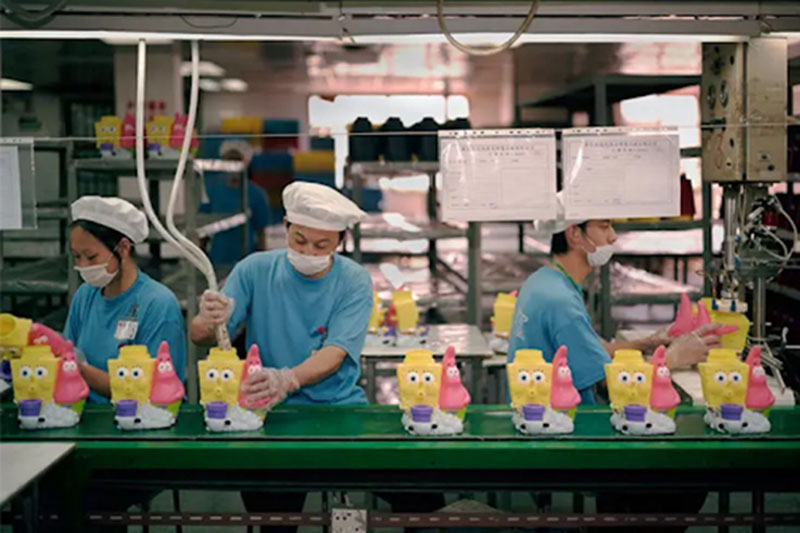
Standardized Plush Toy Production Process
A clear production workflow helps maintain consistency across different batches. From fabric cutting to sewing, stuffing, and finishing, each production step follows defined procedures and quality guidelines.
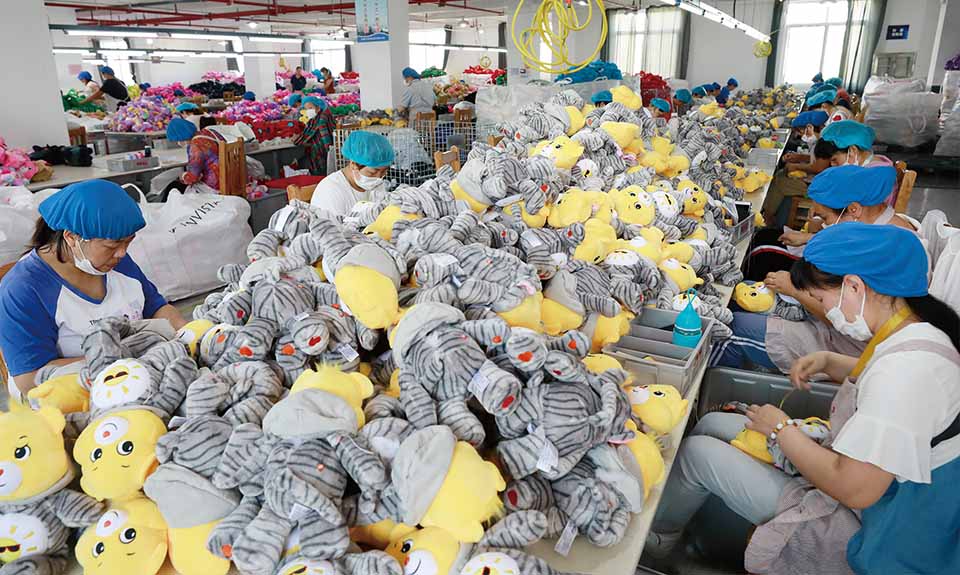
In-Line Quality Checks During Manufacturing
During plush toy production, in-line inspections are conducted at different stages of manufacturing. These checks help identify potential issues early and prevent inconsistencies from appearing in large orders.
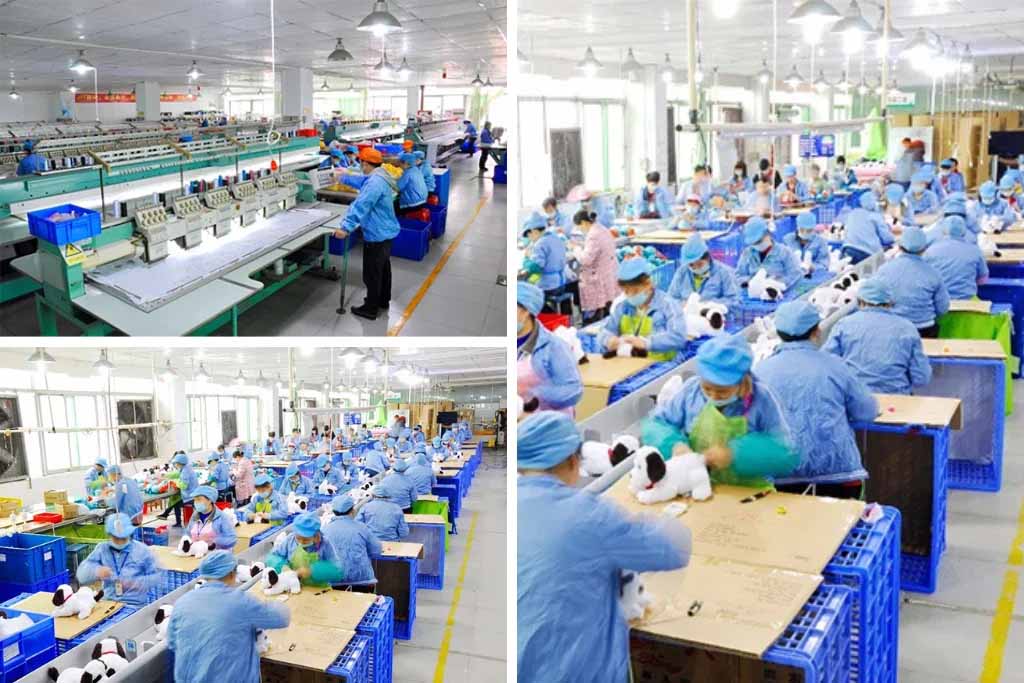
Skilled Production Teams for Stable Results
Experienced sewing technicians and production supervisors play an important role in maintaining product consistency. Their familiarity with plush toy structures and materials helps ensure each product meets the same quality expectations.
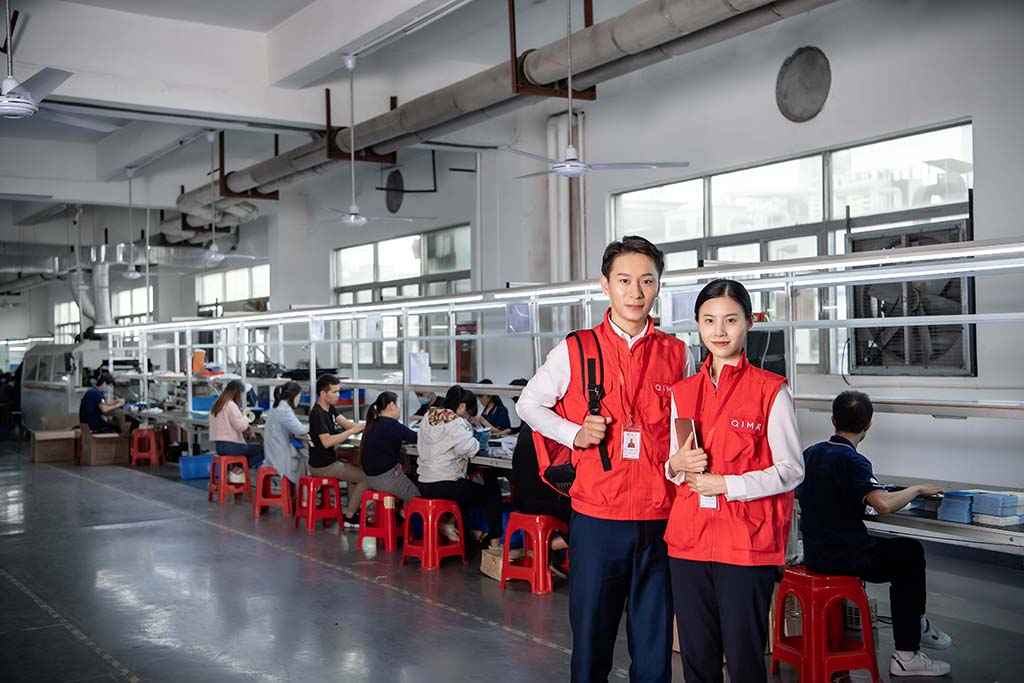
Final Inspection Before Shipment
Before shipment, finished plush toys go through a final inspection process to confirm overall quality, appearance, and workmanship. This step ensures that bulk plush toy orders meet the expected quality level before delivery.
Maintaining sample-to-production consistency is essential for brands that want reliable plush toy manufacturing and long-term product stability.
Plush Toy Manufacturing Quality Control System
Consistent quality is the foundation of reliable bulk plush toy production. A professional plush toy factory does not rely on “final inspection only.” Instead, quality is controlled through the entire manufacturing process— from incoming materials to in-line production and final shipment checks. Our quality control system follows a clear structure: IQC, IPQC, FQC, and OQC, helping brands reduce defects, prevent batch inconsistency, and protect product reputation in global markets.
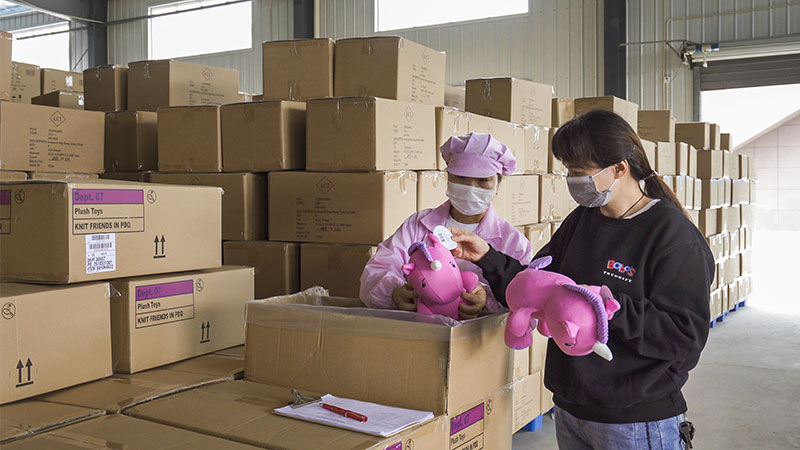
IQC (Incoming Quality Control)
Before production starts, incoming plush toy materials are inspected to prevent quality issues from entering the production line. Checks include fabric color consistency, texture, pile direction, material specifications, workmanship of trims, and potential safety risks. This helps avoid material substitution, color mismatch, and inconsistent fabric feel in bulk production.
IPQC (In-Process Quality Control)
During manufacturing, inspections are conducted at key steps such as fabric cutting, embroidery or printing, sewing, stuffing, and assembly. IPQC helps identify issues early—such as incorrect stitch length, misaligned embroidery, uneven stuffing, or shape deformation—before large quantities are produced.
FQC (Final Quality Control)
After production is completed, finished plush toys are inspected based on the approved sample and defined quality standards. Typical checks include appearance, size tolerance, stitching strength, embroidery quality, symmetry, accessory attachment, labeling accuracy, and packaging presentation.
OQC (Outgoing Quality Control)
Before shipment, packed goods are checked to confirm correct quantities, carton labels, assortments, and packaging integrity. OQC ensures that orders match shipping requirements and reduces the risk of wrong shipments, mixed models, missing pieces, or packaging damage during international transport.
A structured IQC–IPQC–FQC–OQC system helps your plush toy project stay consistent from materials to shipment, reducing quality risks while protecting your brand reputation.
Common Problems in Plush Toy Manufacturing and How We Prevent Them
When developing custom plush toys, many brands encounter similar production challenges that can delay launches, increase costs, or damage product quality. A professional plush toy factory helps identify these risks early and prevents them through clear processes, experienced teams, and stable manufacturing systems. By controlling these common issues, brands can move from design to bulk plush toy production with greater confidence and predictability.
Sample Does Not Match the Original Design
One of the most common issues in plush toy development is when the prototype looks different from the original artwork. This often happens due to incorrect proportions, unsuitable fabrics, or misunderstandings during pattern making. An experienced plush toy factory carefully interprets design drawings and adjusts patterns to maintain the intended shape, expression, and character details.
Sample Quality Is Different from Mass Production
Another common concern is when the approved sample looks perfect but the bulk plush toys appear different. This usually happens when materials or production methods are not standardized. A structured sample-to-production control system helps ensure that fabrics, stuffing, and sewing techniques remain consistent during mass production.
Unstable Plush Toy Quality Between Batches
Without clear production standards and inspection systems, plush toy quality may vary from one batch to another. Professional plush toy factories maintain consistent quality by using standardized manufacturing procedures and multiple quality inspection stages.
Production Delays That Affect Product Launch
Delays in sampling, material sourcing, or production scheduling can push back product launches and affect sales plans. Experienced plush toy manufacturers manage timelines carefully, coordinating sampling, materials, and production capacity to keep projects on schedule.
Incorrect Material Selection
Using the wrong plush fabrics or filling materials can affect both product appearance and durability. For example, some fabrics may not hold their shape well, while others may not meet safety standards. A professional plush toy factory helps select suitable materials based on product design and market requirements.
Poor Communication During Product Development
Communication gaps between designers, suppliers, and manufacturers can lead to misunderstandings and repeated revisions. Working directly with an experienced plush toy factory allows brands to communicate with the production team more efficiently, making product development smoother and faster.
Avoiding these common manufacturing problems helps brands build a more reliable plush toy product line and reduce risks during large-scale production.
Trusted by Leading Global Brands
Strong partnerships prove strong capabilities. Over the years, Kinwin has worked with world-leading brands and retailers to deliver interactive plush toys that meet the highest standards of creativity, safety, and quality. By choosing us, you gain a supplier that is trusted by top companies worldwide—and the same reliability is available to your brand.

Who Our Plush Toy Factory Works With
As a professional plush toy factory, we work with many types of clients across different industries and markets. From toy brands and retailers to promotional companies and IP owners, our custom plush toy manufacturing services help businesses turn creative ideas into high-quality stuffed animal products. Whether the project involves retail plush toys, promotional plush products, or licensed character plush toys, our factory supports brands with reliable production and flexible customization.
Whether you are launching a new plush toy product line, creating promotional stuffed animals, or developing licensed character plush toys, our plush toy factory supports your project with professional manufacturing experience and reliable production capacity.
Start Your Custom Plush Toy Project With a Reliable Plush Toy Factory
Developing a successful plush toy product requires more than just a creative design. It requires a manufacturing partner who understands plush toy development, sampling accuracy, material safety, and stable mass production. Working with an experienced plush toy factory allows your brand to move from concept to finished stuffed animal products more efficiently while maintaining consistent quality and reliable delivery timelines.
Our plush toy factory supports brands at every stage of the product development process. Whether you already have a finished design, a simple sketch, or just an initial idea, our team can help transform it into a manufacturable plush toy product. From custom plush toy sampling and material selection to bulk stuffed animal production and quality control, we focus on building a stable manufacturing process that helps brands reduce development risks and scale their plush toy product lines confidently.
With flexible customization options, experienced production teams, and structured quality control systems, our factory helps businesses develop plush toy products that are ready for global markets. If you are planning to launch a new plush toy product, create a branded mascot plush, or expand your stuffed animal product line, our team is ready to support your project.
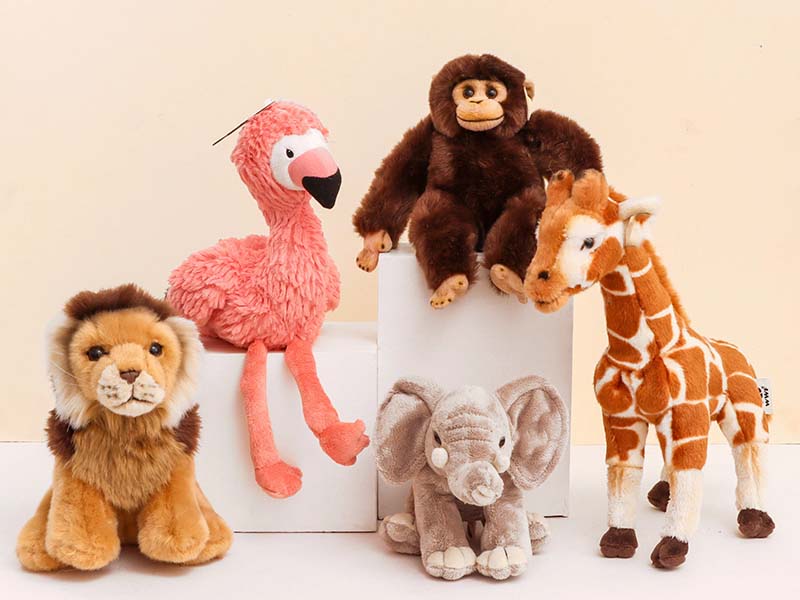
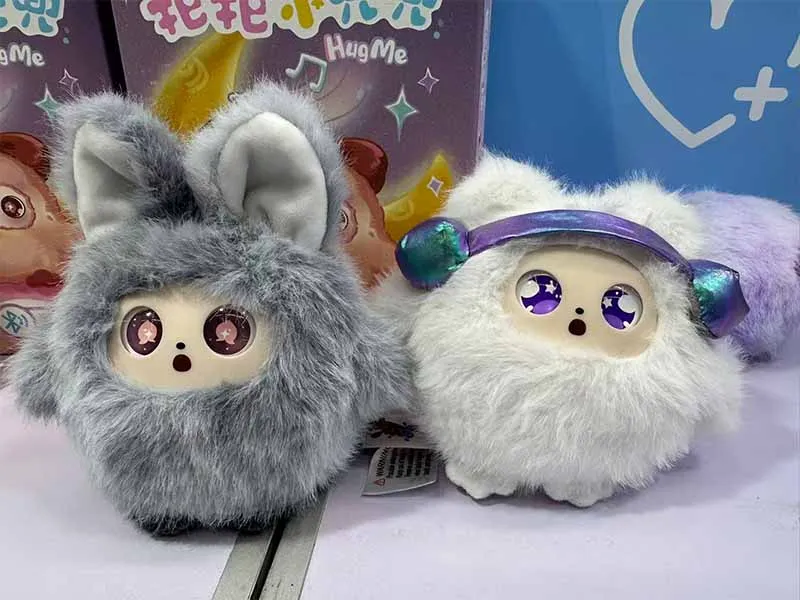
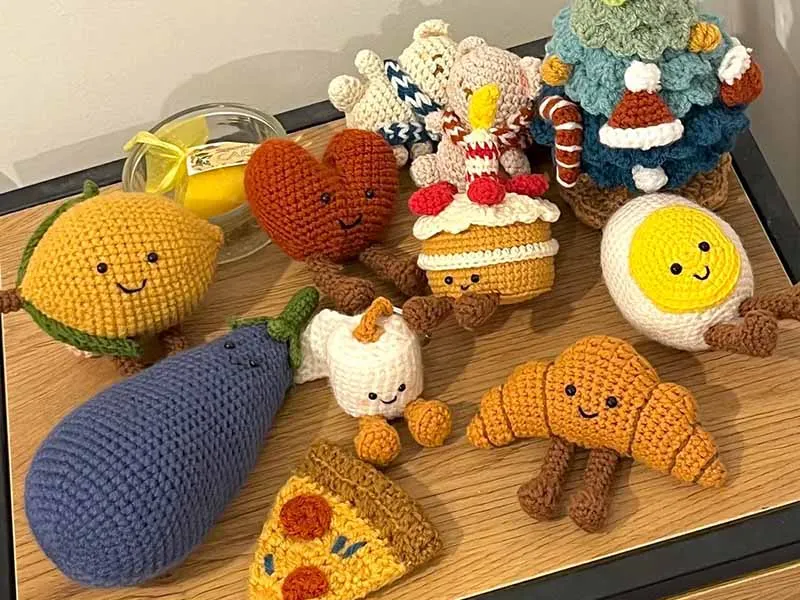
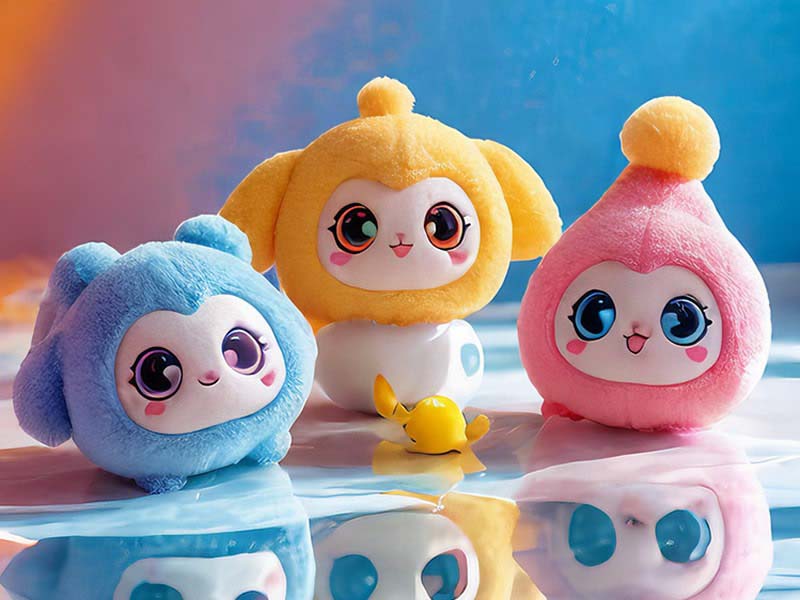
Explore Our Custom Plush Toy Series
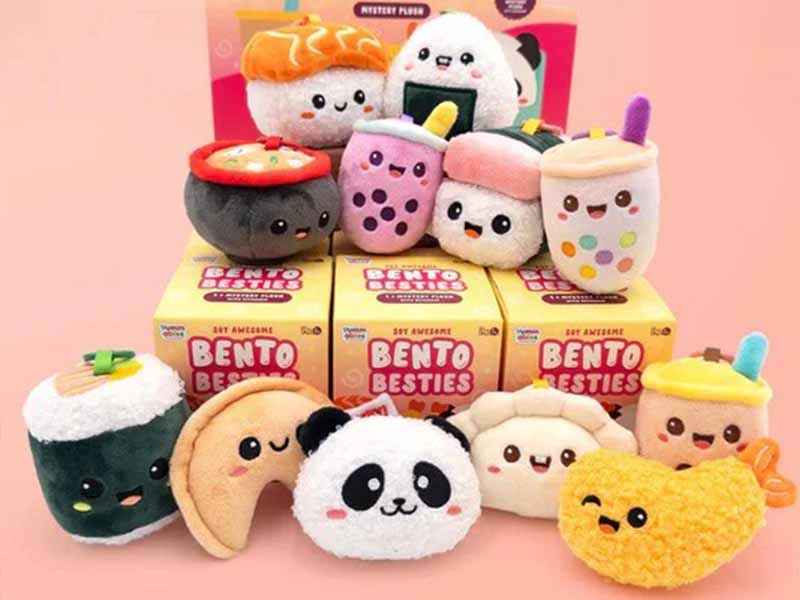
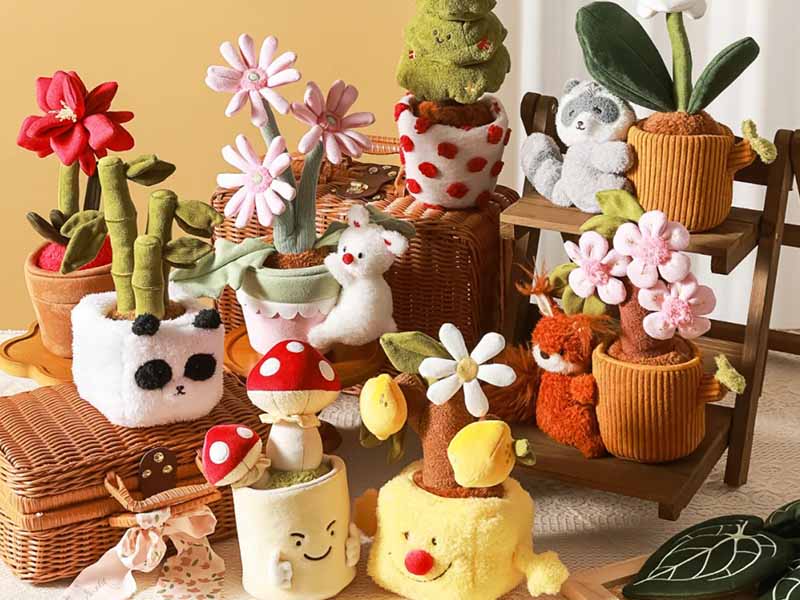
We offer a wide selection of plush toys to meet different business needs. From baby-safe stuffed animals to collectible plush dolls, our product lines are designed for global brands, retailers, e-commerce, and promotional projects.
Frequently Asked Questions
1. What services does a plush toy factory typically provide?
A professional plush toy factory usually provides complete custom plush toy manufacturing services. These services often include design consultation, plush toy sampling, prototype development, material sourcing, pattern making, embroidery or printing, sewing, stuffing, quality inspection, packaging, and export logistics. Many plush toy factories also support OEM and ODM manufacturing, helping brands turn original ideas, character artwork, or mascots into manufacturable stuffed animal products. Working directly with a factory also makes communication clearer during development and helps brands maintain stable product quality in bulk plush toy production.
2. What is the typical MOQ for custom plush toys?
The MOQ for custom plush toy manufacturing depends on the size of the toy, design complexity, materials, and accessories used. For most plush toy factories, the typical MOQ ranges from around 300 to 1000 pieces per design. Simple plush toys or smaller items such as plush keychains may allow lower quantities, while complex character plush toys with clothing or accessories may require larger orders. MOQ helps factories maintain efficient production scheduling and stable material sourcing.
3. How long does it take to develop a plush toy sample?
The sample development time for custom plush toys usually ranges from 7 to 15 days depending on the complexity of the design. Simple plush toys with basic shapes and fabrics can be produced faster, while detailed character plush toys with embroidery, accessories, or special structures may require additional development time. During sampling, the factory creates a prototype based on the design artwork and adjusts the structure, proportions, and materials until the sample meets the client’s expectations.
4. What materials are commonly used in plush toys?
Plush toys are typically made using soft plush fabrics such as velboa, minky, faux fur, crystal super soft fabric, or sherpa. The filling is most commonly polyester fiberfill (PP cotton), which provides softness and shape stability. Some products may also use recycled polyester filling, foam beads, or weighted pellets depending on the design. Material selection depends on the target market, safety requirements, and desired product feel.
5. How do plush toy factories ensure product safety for global markets?
Professional plush toy manufacturers follow international toy safety standards when selecting materials and producing stuffed animals. Common standards include CE and EN71 for the European market and ASTM F963 or CPSIA for the United States. Factories usually ensure that fabrics, fillings, and accessories meet safety requirements and conduct tests such as tensile strength testing and needle detection to reduce potential risks.
6. Can a plush toy factory produce toys based on my design or artwork?
Yes, most plush toy factories specialize in custom plush toy manufacturing based on client designs. Clients can provide sketches, digital artwork, character illustrations, or even reference images. The factory’s design and pattern-making team will translate the design into a plush toy prototype that can be manufactured efficiently while maintaining the original character style.
7. How do factories keep plush toys consistent from sample to mass production?
To maintain consistency, factories keep an approved “golden sample” as a reference for mass production. Production teams follow standardized procedures and material specifications based on this sample. In addition, quality inspections are conducted throughout the manufacturing process to ensure each batch of plush toys matches the approved prototype.
8. What factors affect the price of custom plush toys?
Several factors influence plush toy pricing, including size, design complexity, fabric type, accessories, embroidery or printing requirements, and order quantity. Larger toys or designs with multiple fabrics and accessories usually cost more to produce. Order quantity also affects pricing because larger production volumes help reduce manufacturing costs.
9. How long does bulk plush toy production usually take?
Mass production lead time for plush toys typically ranges from 30 to 60 days depending on order quantity, design complexity, and factory production schedule. Larger orders or complex plush toy designs may require more time. A reliable plush toy factory usually provides a clear production schedule so brands can plan their product launches accordingly.
10. Why is it better to work directly with a plush toy factory?
Working directly with a plush toy factory allows brands to communicate directly with the production team responsible for sampling, materials, and manufacturing. This improves efficiency during product development and reduces the risk of misunderstandings. Direct factory cooperation also helps maintain stable quality, better production control, and more reliable delivery schedules.
If You Can lmagine lt,We Will Create lt!
1.Tell Us What You Need
Tell us as specific as possible of your needs and share your idea.
2.Get Solution & Quote
We will work on the best solution according to yourrequirements,the specific quote will be provided within 24 hours.
3.Approve for Mass Production
We will start mass production after getting your approval.
