
Best Plush Toy Factory for Brands | Custom Plush Toys Manufacturer & OEM ODM Supplier
We help brands turn plush toy ideas into market-ready products with less risk and more consistency.
From custom plush toys and stuffed animals to OEM & ODM manufacturing, our factory supports your project from sampling to mass production. You get clear communication, stable quality, and a development process built for brand owners, licensed IPs, retailers, and long-term partners.
Whether you already have a finished design or only a concept, we focus on what matters most to brands: accurate samples, consistent bulk production, and reliable delivery for global markets.
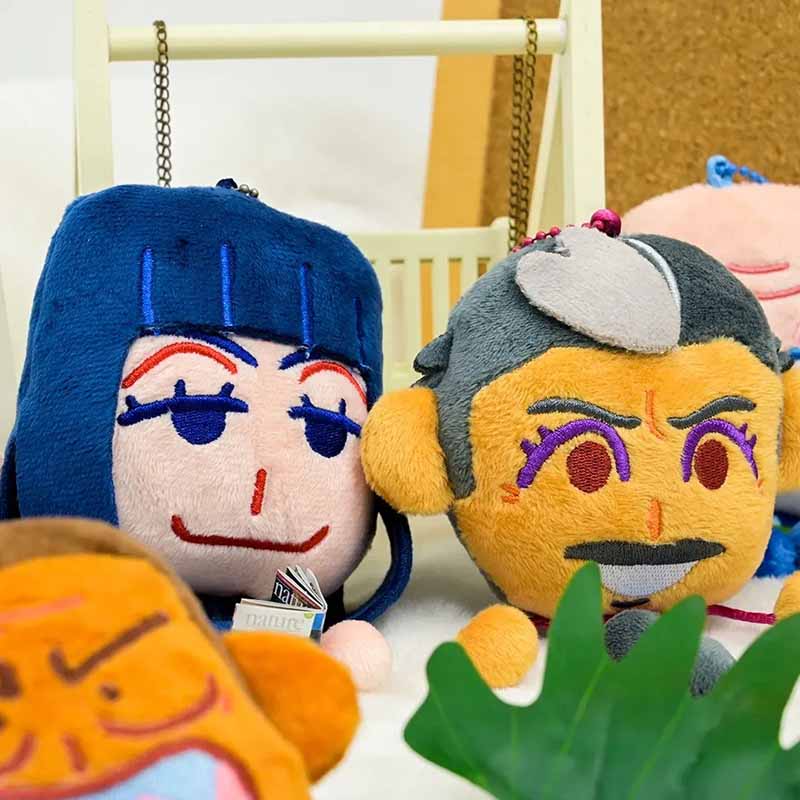
Why Brands Choose a Professional Plush Toy Factory
Brands choose a professional plush toy factory not because of price,
but because they need consistency, reliability, and predictable results for their brand products.
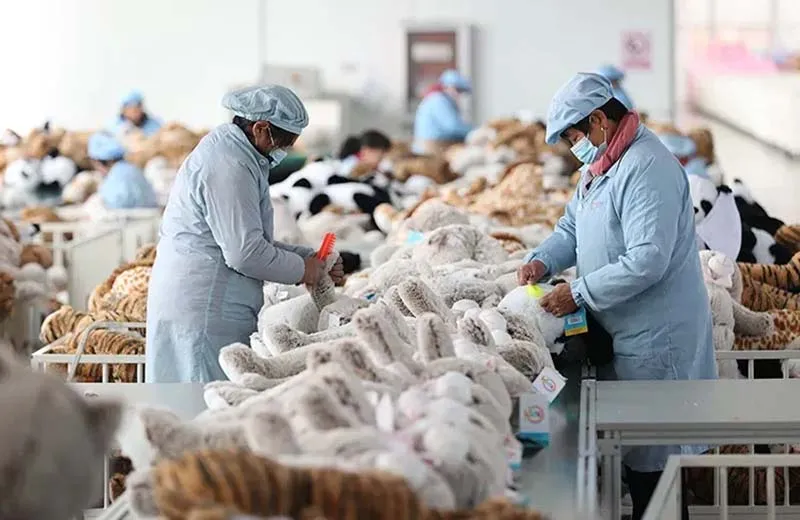
Accurate Design Reproduction
Brands need their designs to be reproduced correctly, not just “close enough.” A professional plush toy factory focuses on proportions, materials, and key details so approved samples truly match the original design, reducing revisions and speeding up development.
Sample-to-Mass Production Consistency
Brands care most about whether bulk production matches the approved sample. Clear confirmation steps and controlled processes help keep size, color, and workmanship consistent, protecting brand image and market trust.
Clear and Efficient Communication
Smooth cooperation depends on clear communication. Structured workflows, clear timelines, and direct feedback help brands avoid delays, misunderstandings, and unnecessary back-and-forth during development and production.
Stable Materials and Controlled Processes
Brands need assurance that materials will not be changed mid-project. Fixed material specifications and controlled manufacturing processes help prevent quality risks and ensure product stability from first order to repeat orders.
Support for Long-Term Brand Cooperation
Brands look for partners, not short-term suppliers. Stable quality, repeatable processes, and scalable capacity make long-term cooperation easier and help brands plan future product lines with confidence.
If you are looking for a plush toy manufacturing partner focused on brand consistency and long-term results, this factory model is built around your needs.
Confidentiality & Exclusive Cooperation for Plush Toy Brands
Brands need more than manufacturing capacity.
They need assurance that their ideas, designs, and market strategies are protected throughout development and production.
For custom plush toy projects, confidentiality and controlled cooperation are essential to reduce risk and support long-term brand growth.
Strict Design & IP Confidentiality
Brand designs, artwork, patterns, and concept files are managed under strict confidentiality. Access is limited to project-related teams only, helping protect original ideas, prevent unauthorized use, and reduce the risk of design leakage during development.
Project-Based Information Isolation
Each brand project is handled independently within the production system. Design details, material specifications, pricing information, and production data are isolated from other projects, reducing internal exposure and protecting brand competitiveness.
No Unauthorized Reproduction or Resale
Custom plush toys developed for brands are not reproduced, displayed, or offered to other clients. This policy ensures that your designs remain exclusive to your brand and are not reused, copied, or circulated in other markets.
Controlled Supplier & Material Management
Materials, fabrics, and components are sourced according to confirmed specifications. Supplier control and material locking help prevent substitution, ensure stable quality, and maintain product consistency across production runs.
Optional Market or Design Exclusivity
For qualified projects, exclusivity arrangements can be discussed based on product design, cooperation scope, or target market region. This supports brands that require protected positioning and controlled distribution strategies.
Built for Long-Term, Trust-Based Cooperation
Confidentiality is treated as a long-term commitment, not a one-time agreement. Clear internal processes, controlled access, and stable cooperation frameworks help brands scale production while keeping sensitive information secure.
If protecting your brand designs and maintaining controlled cooperation are important to your project, this manufacturing approach is built to support serious brand development.
Product Showcase | Custom Plush Toys for Brand Projects
Brands need a plush toy factory that can support a wide range of product ideas, styles, and market positioning.
From classic plush categories to trend-driven and functional designs, these product types show how brands can expand collections, test new concepts, and build consistent product lines through custom plush toy manufacturing.
Each category below can be fully customized in design, size, materials, and details to match brand identity and target markets.
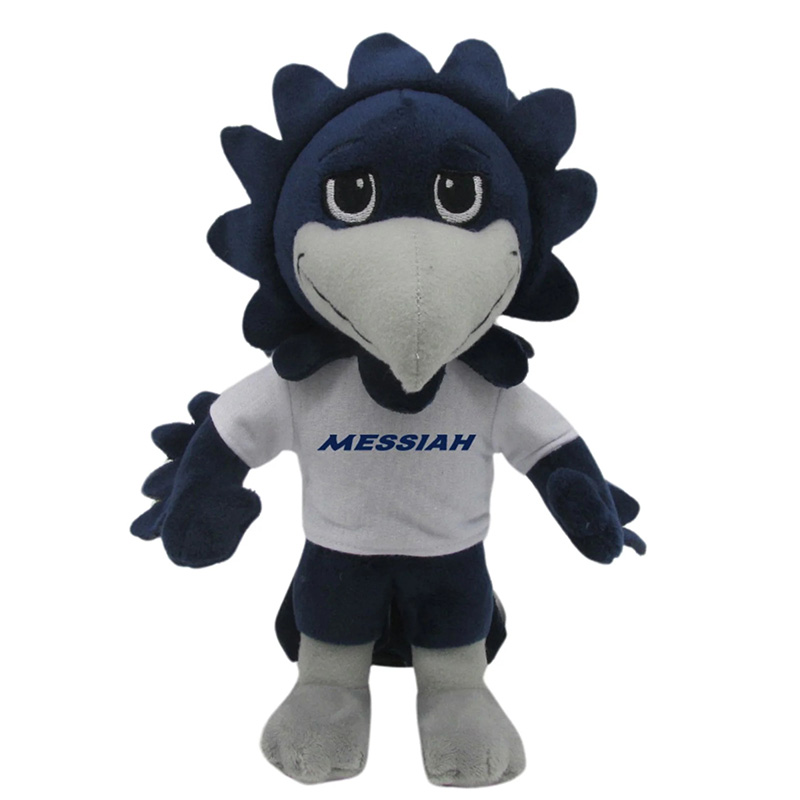
Mascot Plush Toys
Custom mascot plush toys designed to represent brand identity, campaigns, or events, helping brands build long-term recognition.
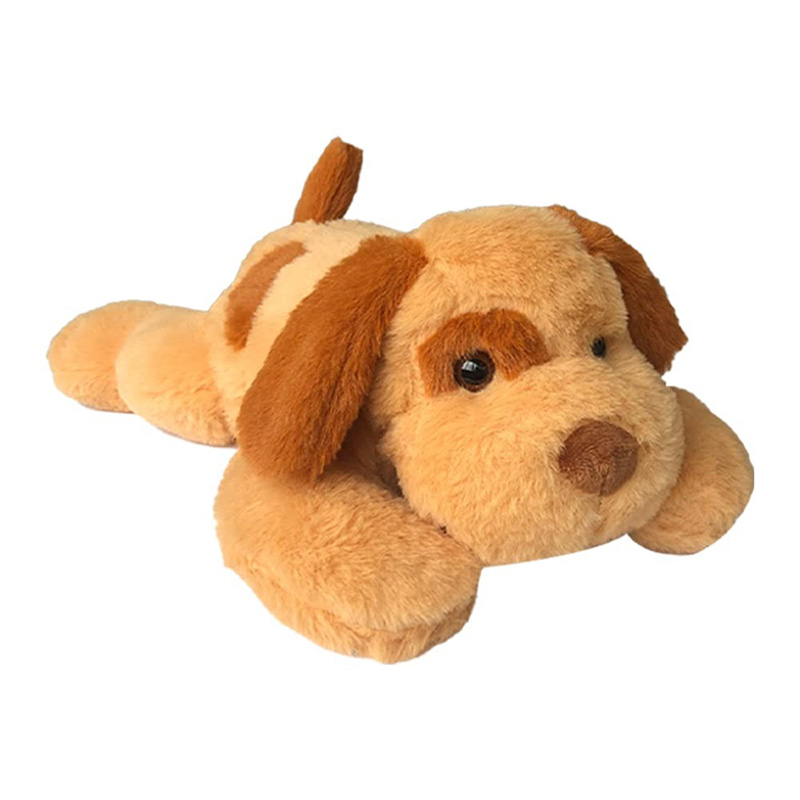
Weighted Plush Toys
Weighted plush toys developed for comfort and sensory use, with flexible weight options for different age groups and markets.
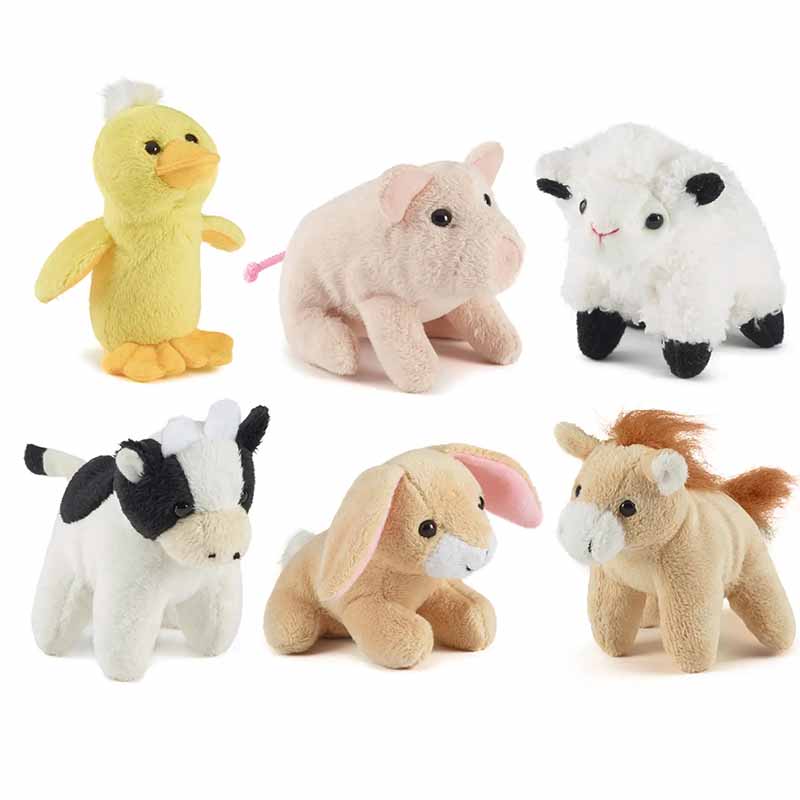
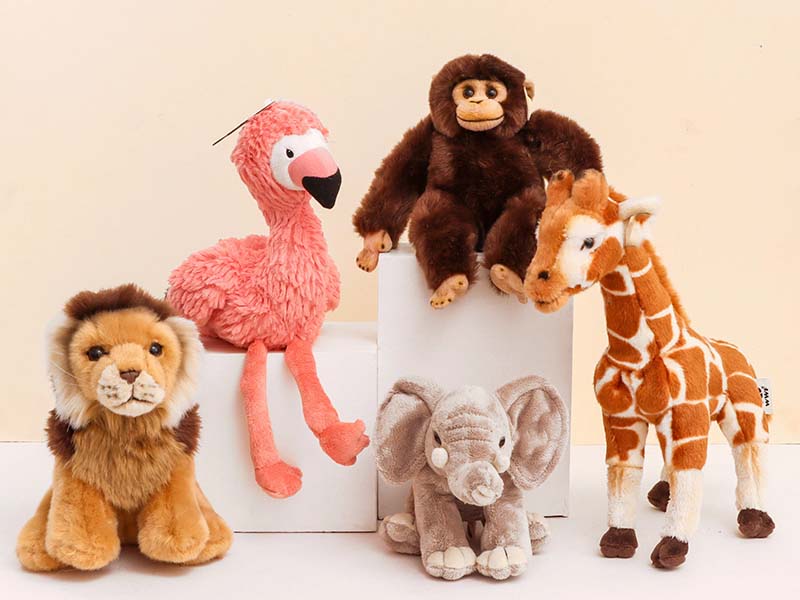
Animal Plush Toys
Custom animal plush toys covering pets, wildlife, and fantasy characters for retail and licensed brand projects.
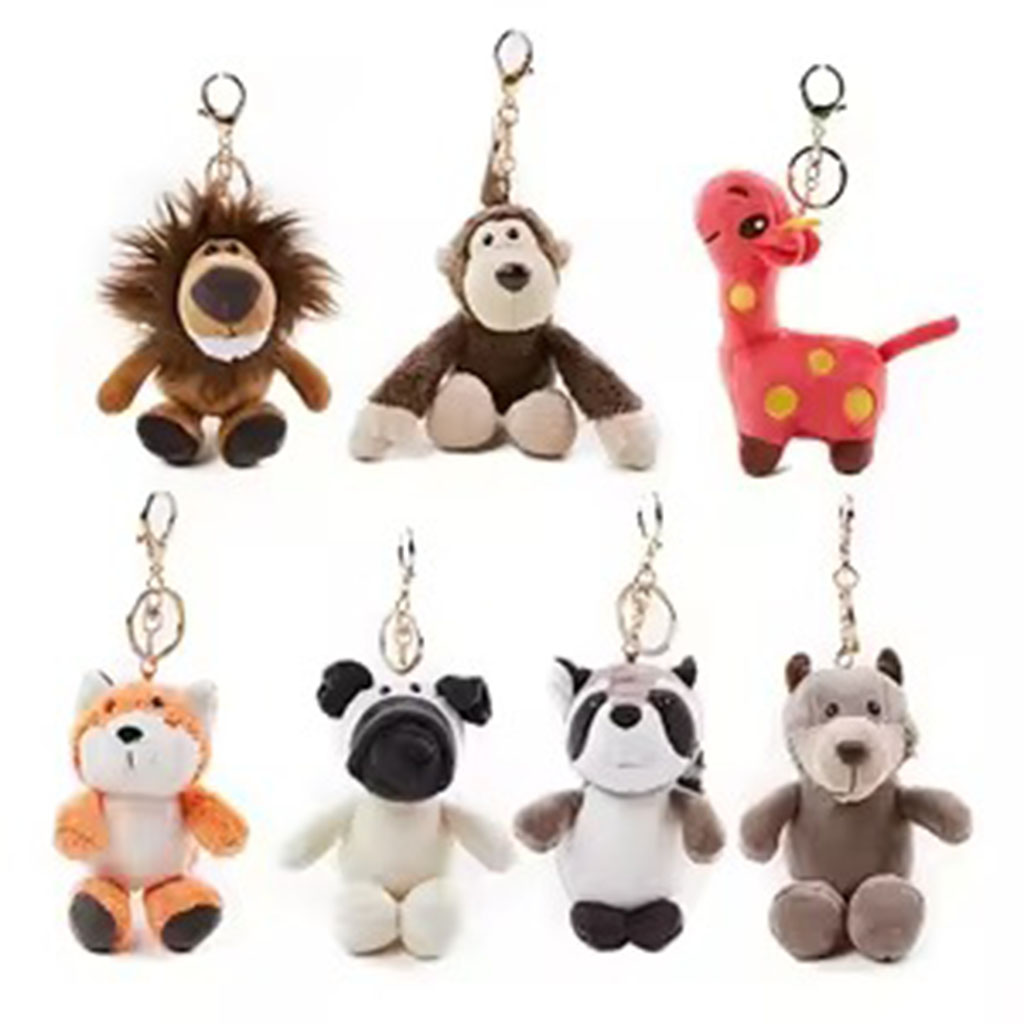
Plush Keychains
Small-size plush keychains ideal for blind boxes, promotions, and add-on merchandise.
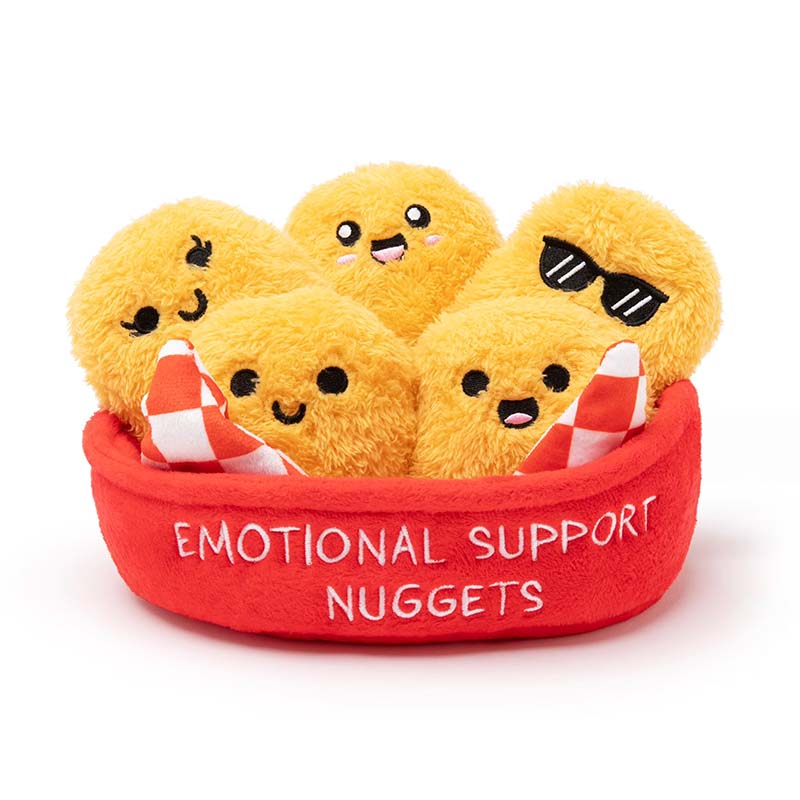
Food Plush Toys
Creative food-shaped plush toys designed to attract attention and increase gift and lifestyle product appeal.
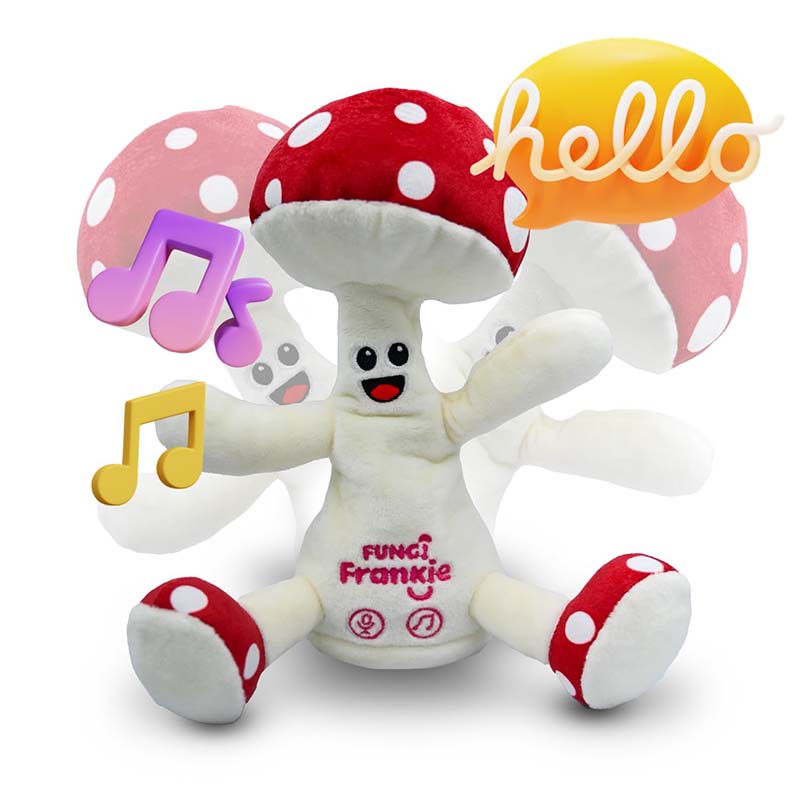
Interactive Plush Toys
Plush toys with sound, movement, or simple electronic features to enhance user interaction.
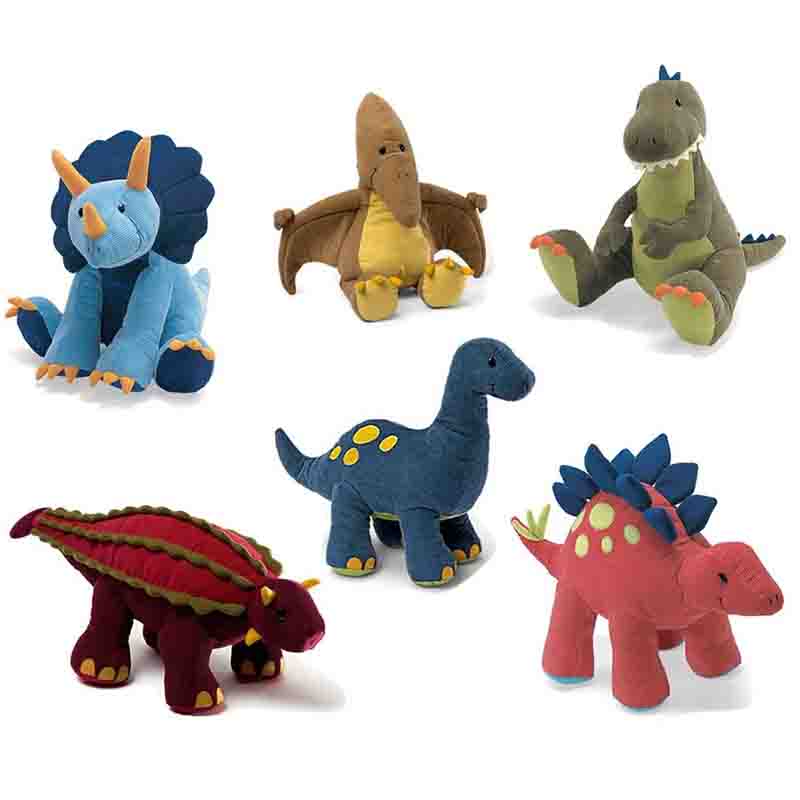
Dinosaur Plush Toys
Custom dinosaur plush toys ranging from cute styles to semi-realistic designs for kids and educational brands.
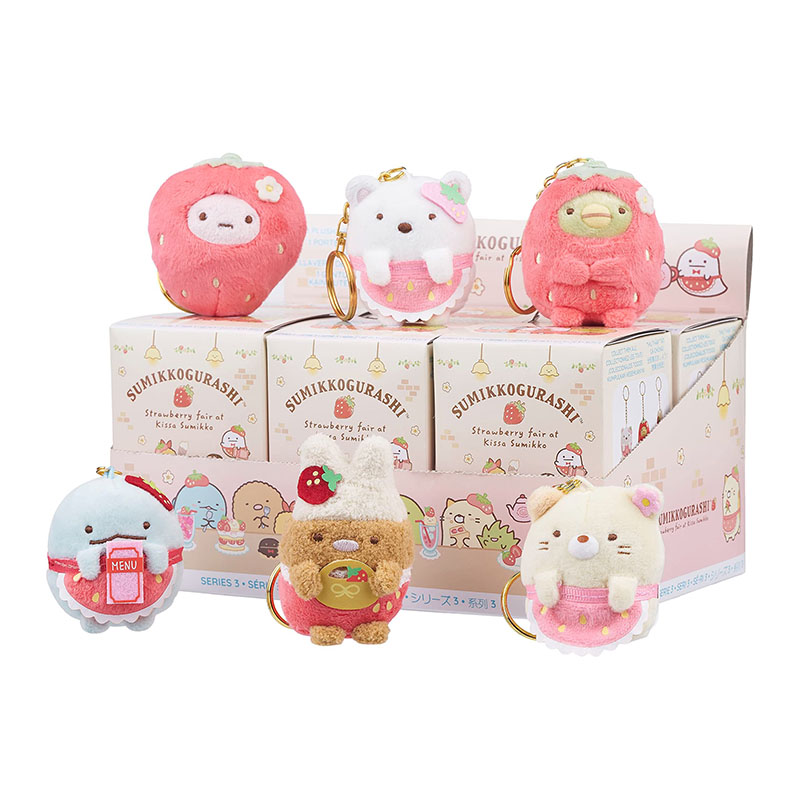
Blind Box Plush Toys
Plush toys designed for blind box collections, focusing on series consistency and character appeal.
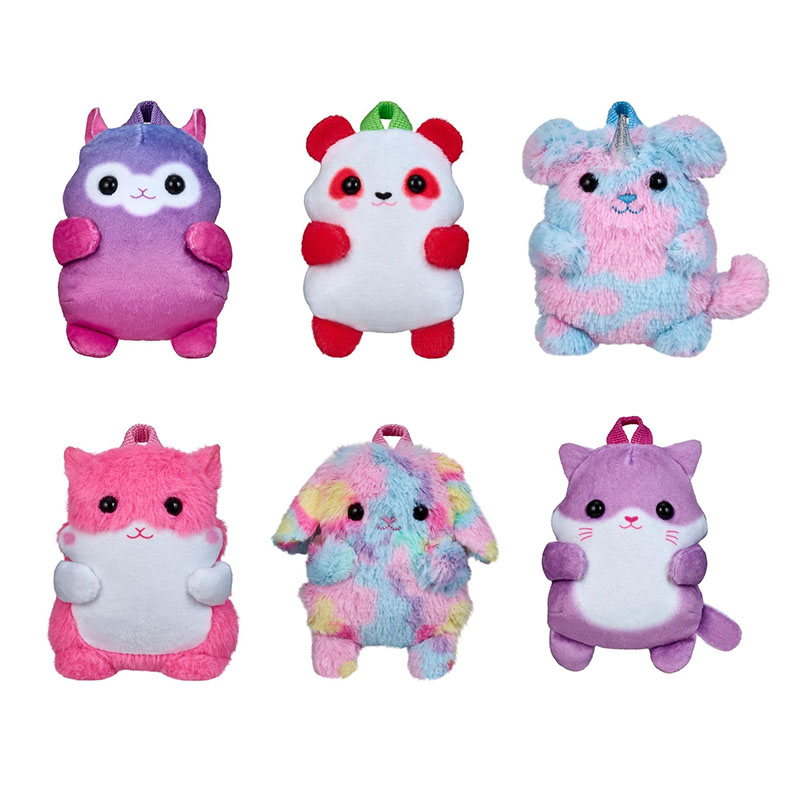
Plush Backpacks
Functional plush backpacks combining soft materials with practical storage for kids and lifestyle brands.
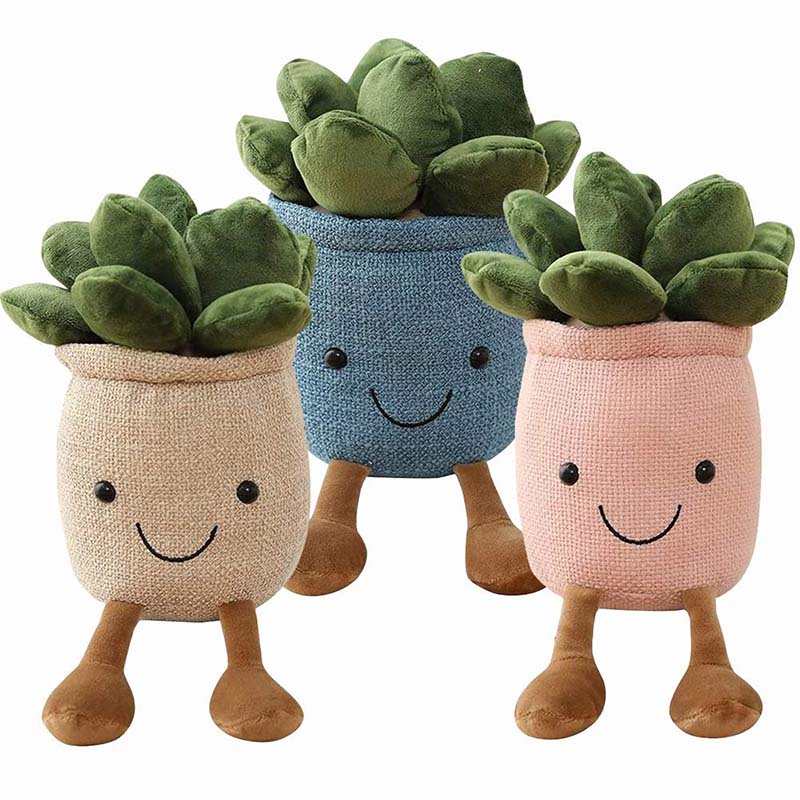
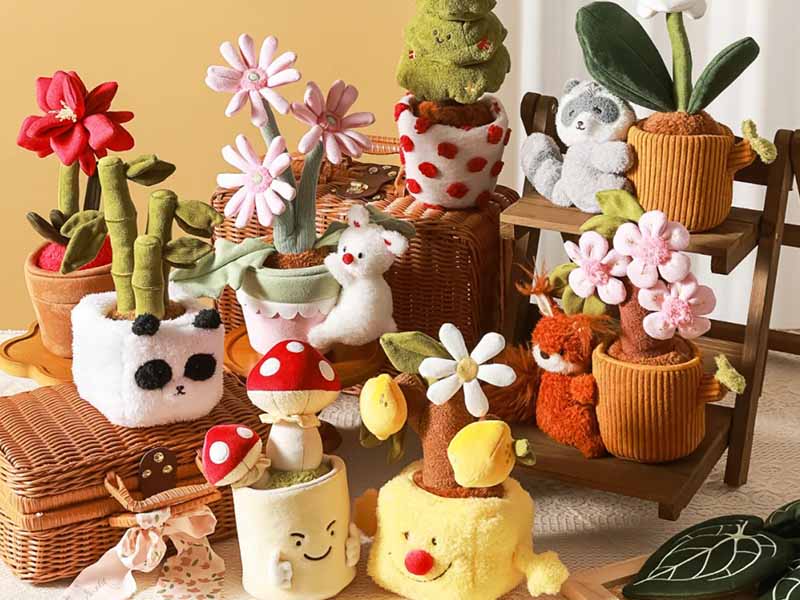
Plant Plush Toys
Plant-inspired plush toys offering a fresh alternative to traditional animal designs.
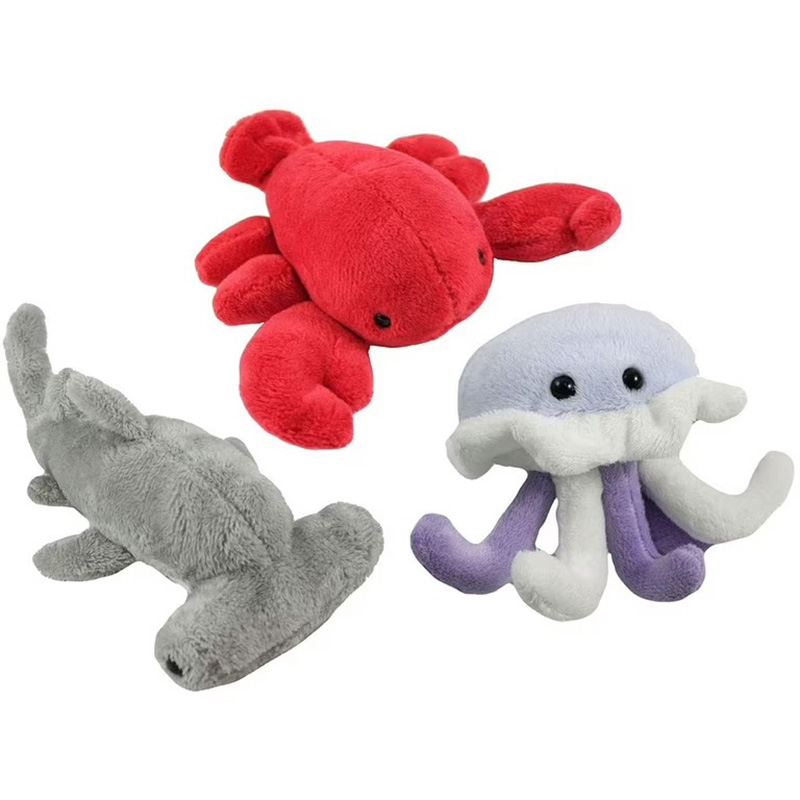
Ocean-Themed Plush Toys
Marine animal plush toys inspired by ocean life, suitable for educational and themed collections.
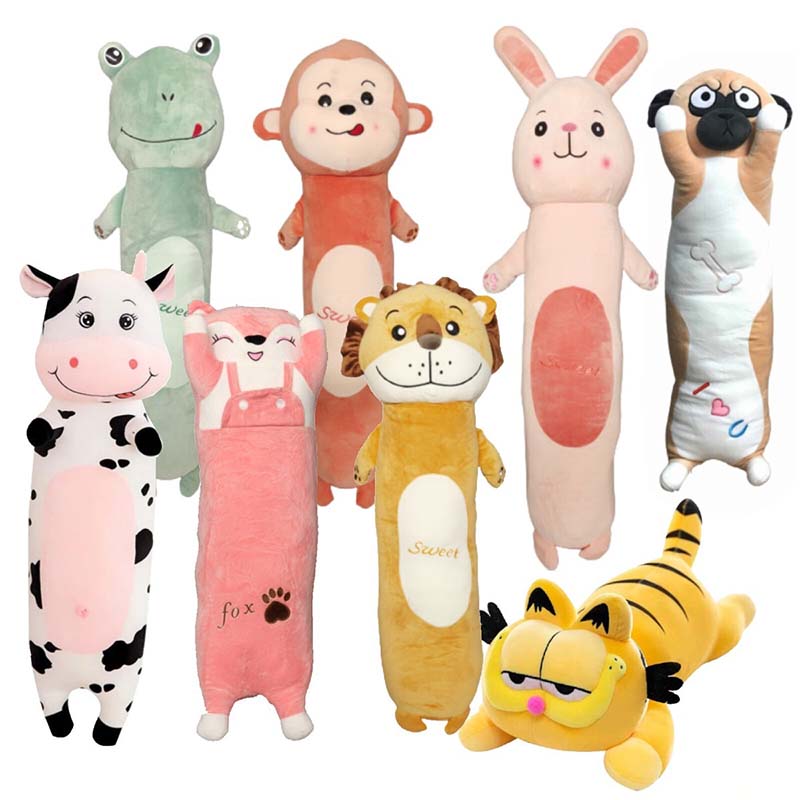
Plush Pillows
Soft plush pillows designed for comfort, decoration, and lifestyle retail channels.
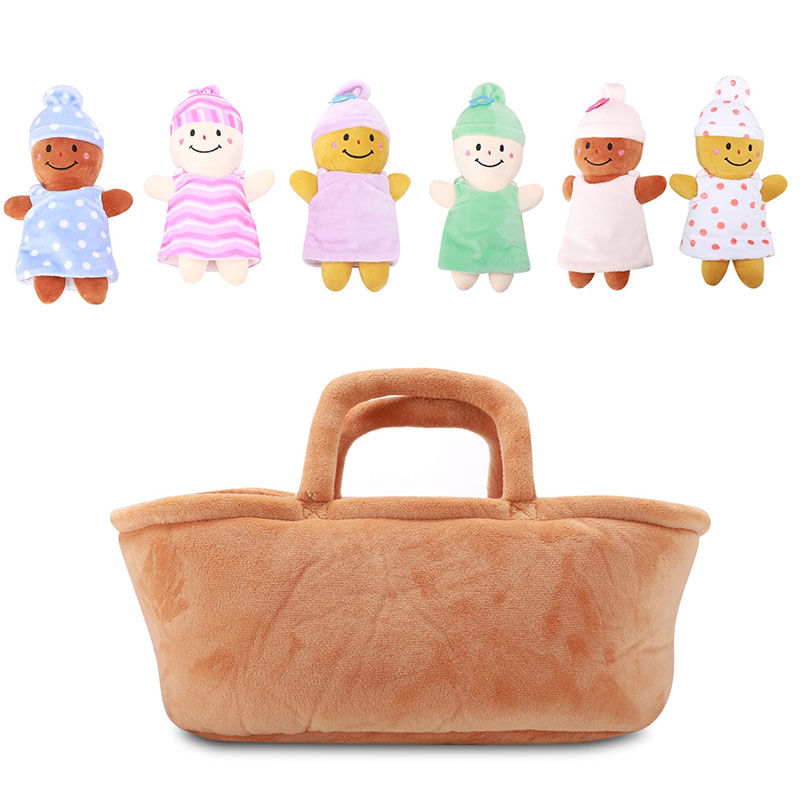
Baby Plush Toys
Baby-safe plush toys designed with soft materials and simple structures for infant products.
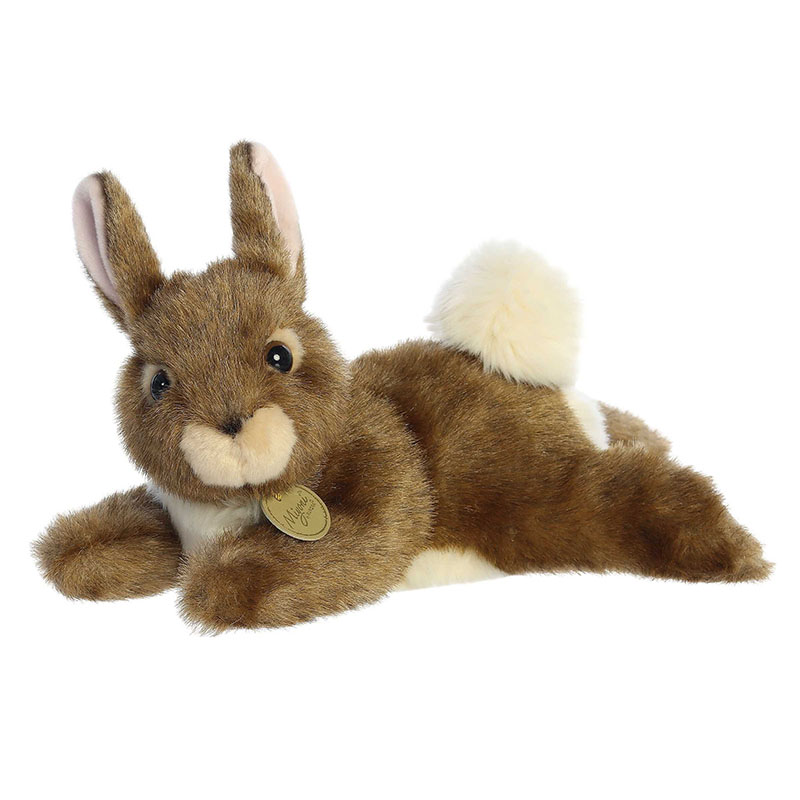
Realistic Plush Toys
Plush toys designed with realistic textures and proportions to enhance visual authenticity.
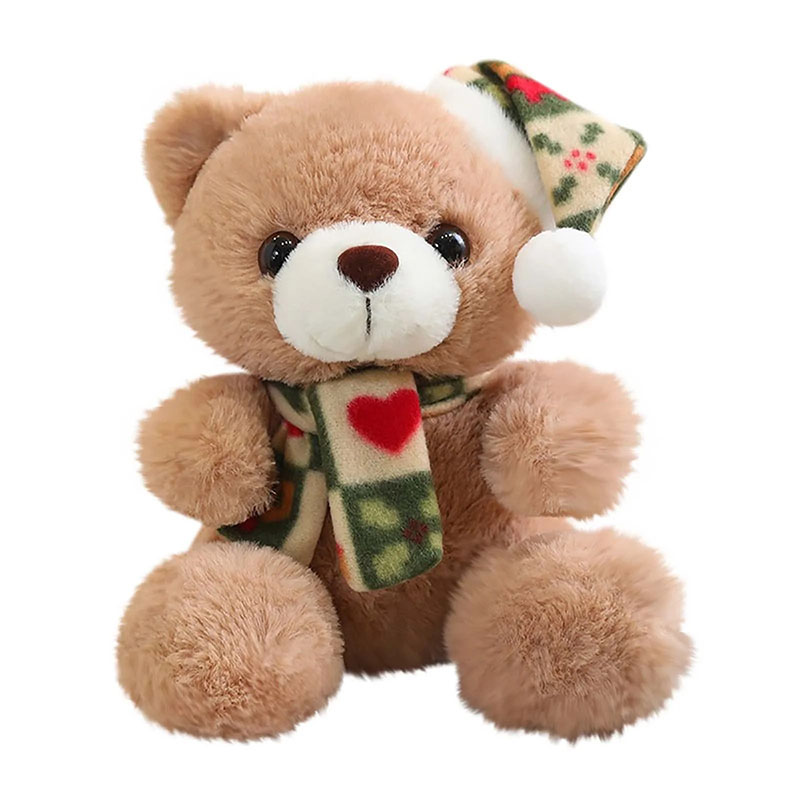
Holiday Plush Toys
Seasonal plush toys developed for holidays, promotions, and limited-time brand campaigns.
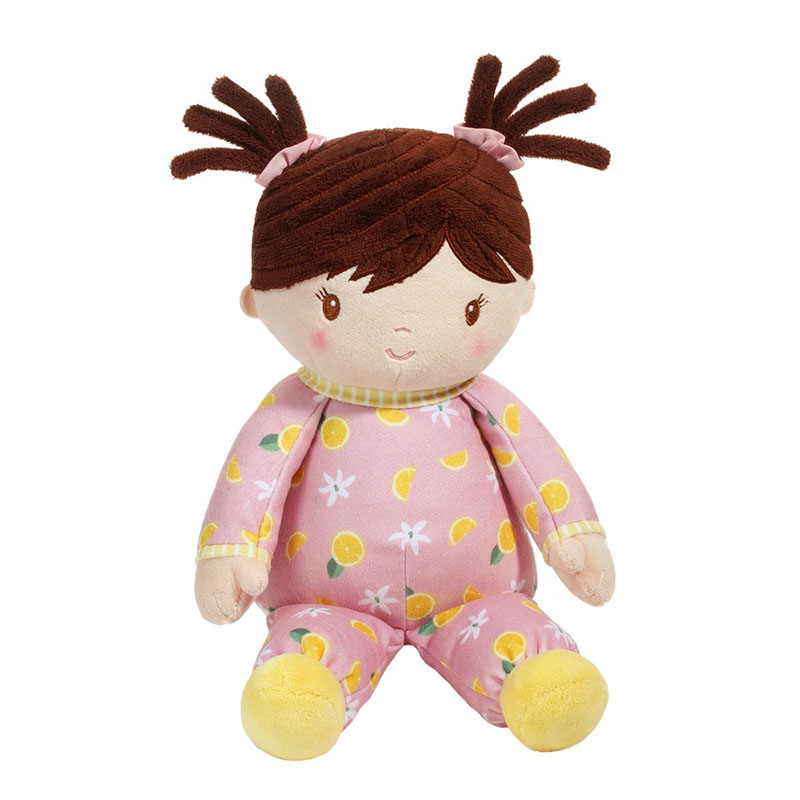
Doll Plush Toys
Custom plush dolls created based on characters, stories, or brand concepts.
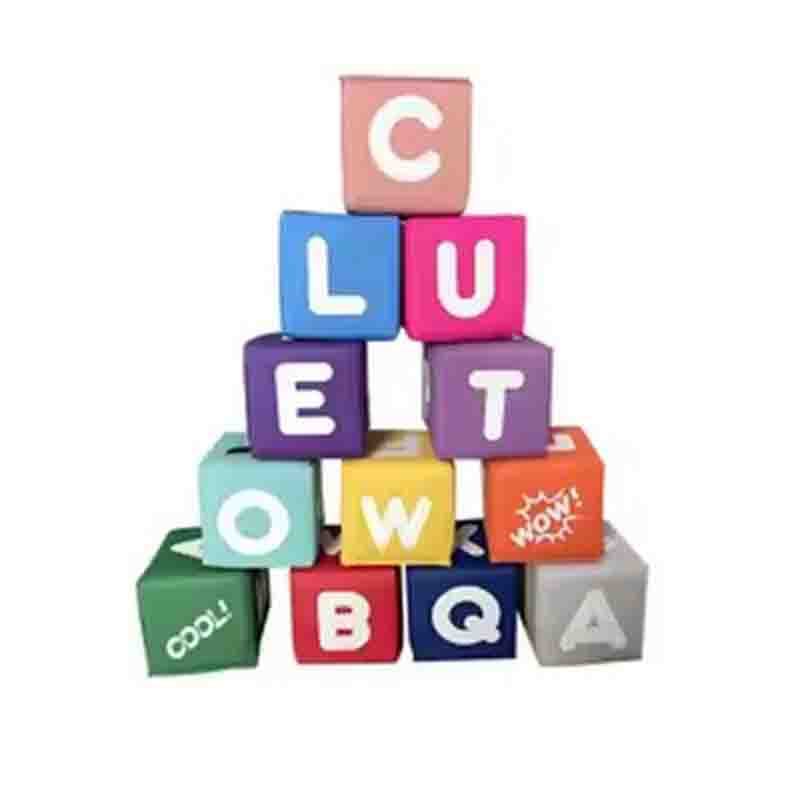
Educational Plush Toys
Plush toys designed to support learning themes, storytelling, and educational interaction.
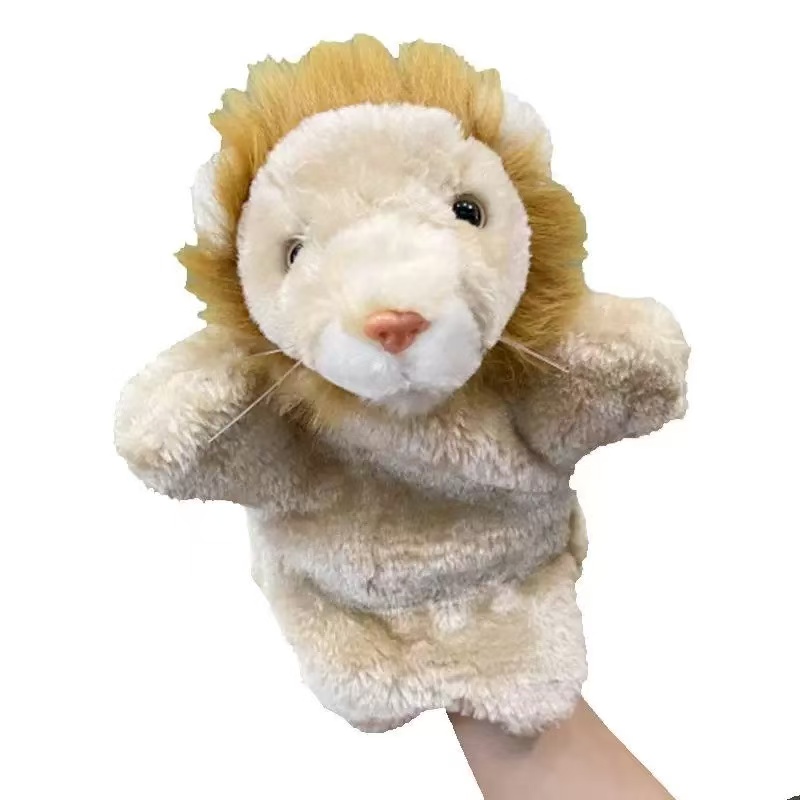
Hand Puppet Plush Toys
Plush hand puppets developed for storytelling, education, and interactive play.
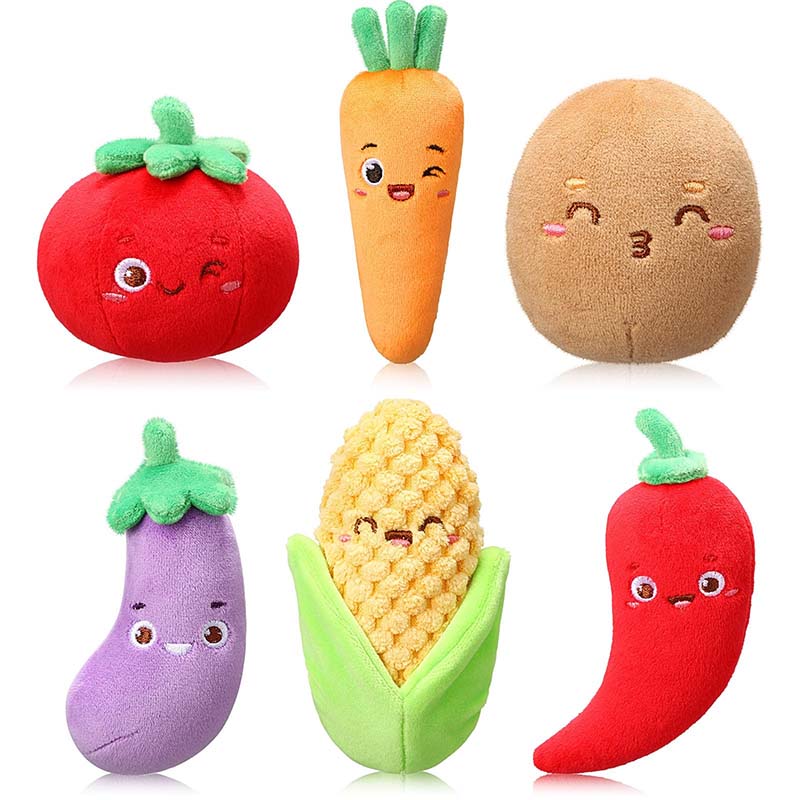
Fruit Plush Toys
Fruit-shaped plush toys designed with bright colors and playful forms for gift markets.
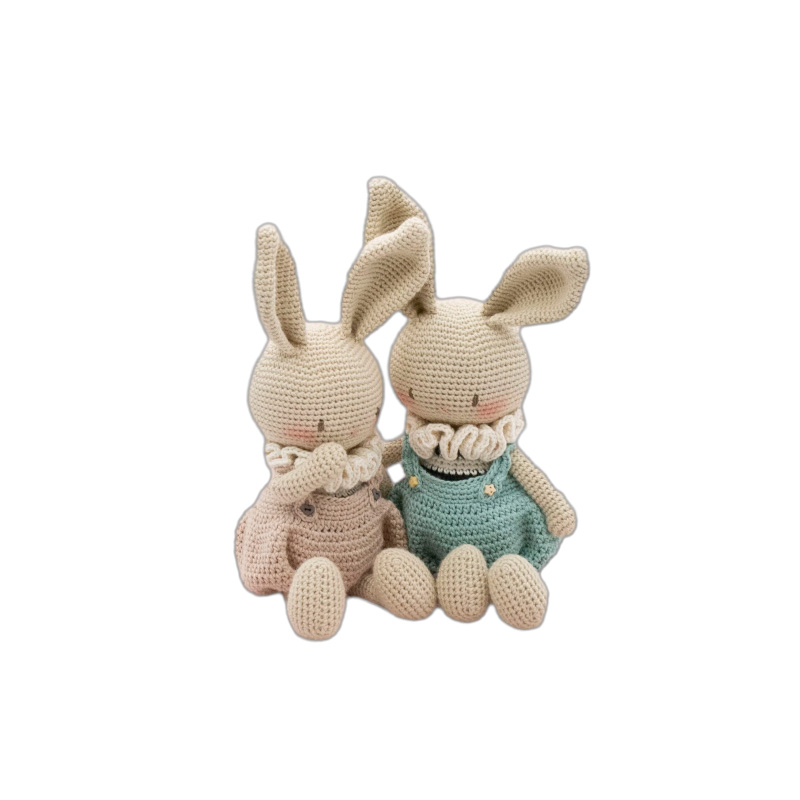
Crochet-Style Plush Toys
Plush toys designed with a handmade crochet look, combining soft materials with crafted aesthetics.
OEM vs ODM Plush Toy Manufacturing for Brands
Choosing between OEM and ODM plush toy manufacturing depends on where your brand is in its development stage. The right model helps reduce development uncertainty, control risk, and move products to market more smoothly. Understanding the difference allows brands to choose a manufacturing approach that fits their resources, timelines, and growth plans.
OEM Manufacturing for Brands with Finished Designs
OEM is suitable for brands that already have completed designs, tech packs, or clear specifications. The factory’s responsibility is to accurately translate your design into samples and mass production, focusing on consistency, material accuracy, and production execution rather than creative development.
OEM Risk Control and Factory Responsibility
In OEM projects, the main risk lies in sample-to-production consistency. A professional factory is responsible for following confirmed designs, locking materials, and maintaining quality standards to ensure bulk production matches the approved sample without deviation.
ODM Manufacturing for Brands with Concepts or IP
ODM is ideal for brands that have ideas, characters, or IP but lack detailed plush-ready designs. The factory supports design development, structure optimization, and material selection, helping transform concepts into manufacturable plush products.
ODM Risk Management and Development Support
For ODM projects, risks often involve unclear expectations or design changes. A capable factory helps manage these risks by providing clear design proposals, structured revisions, and feasibility feedback to guide brands through early-stage development.
Which Model Fits Different Brand Stages
Early-stage brands and new IP projects often benefit from ODM support, while mature brands with established designs typically prefer OEM for efficiency and control. Choosing the right model helps brands avoid unnecessary revisions and delays.
Reducing Uncertainty Through Clear Manufacturing Roles
Whether OEM or ODM, a professional plush toy factory clearly defines responsibilities at each stage. This clarity reduces misunderstandings, improves timelines, and gives brands greater confidence throughout development and production.
If you are deciding between OEM and ODM for your plush toy project, understanding these differences can help you move forward with fewer risks and clearer expectations.
Custom Plush Toys Manufacturing Scope for Brands
Brands need more than basic customization when developing plush toy products.
They need a manufacturing partner that can adapt designs, materials, and processes to different markets, product lines, and growth stages.
A clear and flexible customization scope helps brands reduce development uncertainty, control costs, and build scalable plush toy collections with consistent quality.
Design & Character Customization
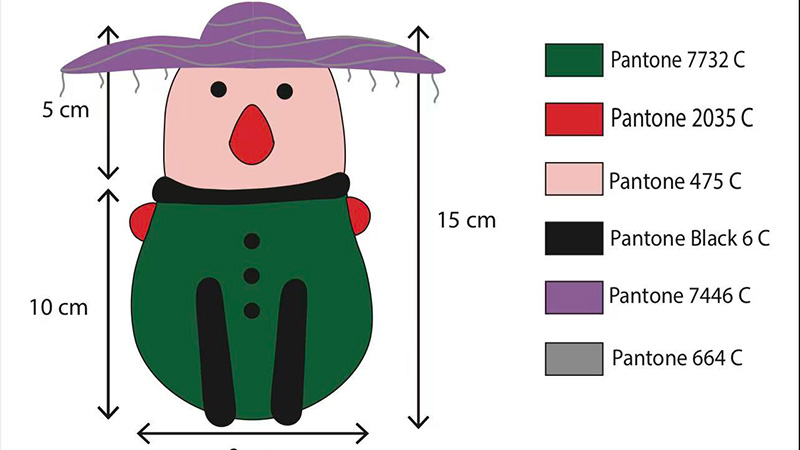
Brands can customize plush toys based on finished artwork, technical drawings, or early-stage ideas. The goal is not only to replicate a design, but to adapt it into a plush-friendly structure that balances visual accuracy, durability, and production feasibility. This approach helps brands move from concept to approval with fewer revisions and clearer expectations.
Customizable items include
Character shape and proportions
Facial expression and embroidery style
Body structure and pose
Size and scale options
Accessories and attached elements
Art style adaptation for plush production
Fabric & Material Selection
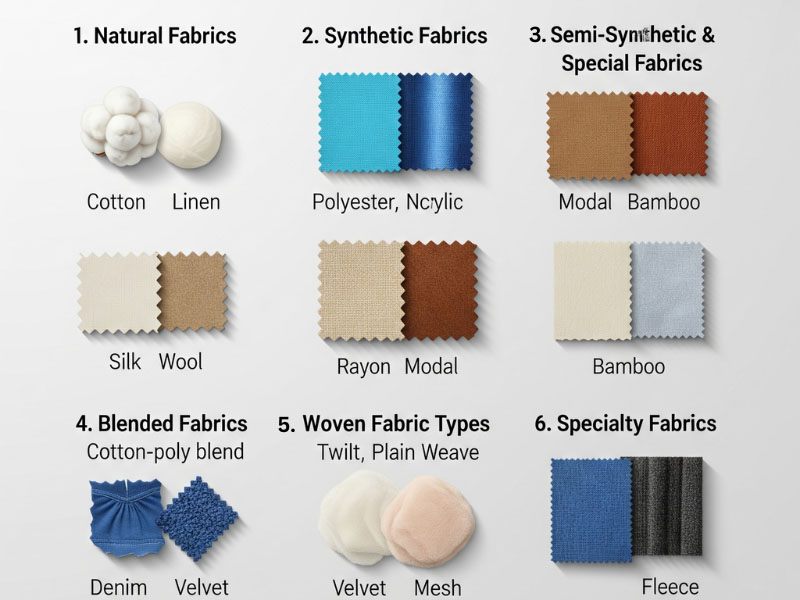
Fabric selection plays a key role in how a plush toy looks, feels, and performs in the market. Brands can choose materials based on target customers, price positioning, safety requirements, and sustainability goals. Proper material selection at an early stage also helps prevent quality issues and cost changes during mass production.
Customizable items include
Main plush fabric type
Fabric texture and pile length
Color and dye matching
Printed or patterned fabrics
Eco-friendly or recycled materials
Special-touch or premium fabrics
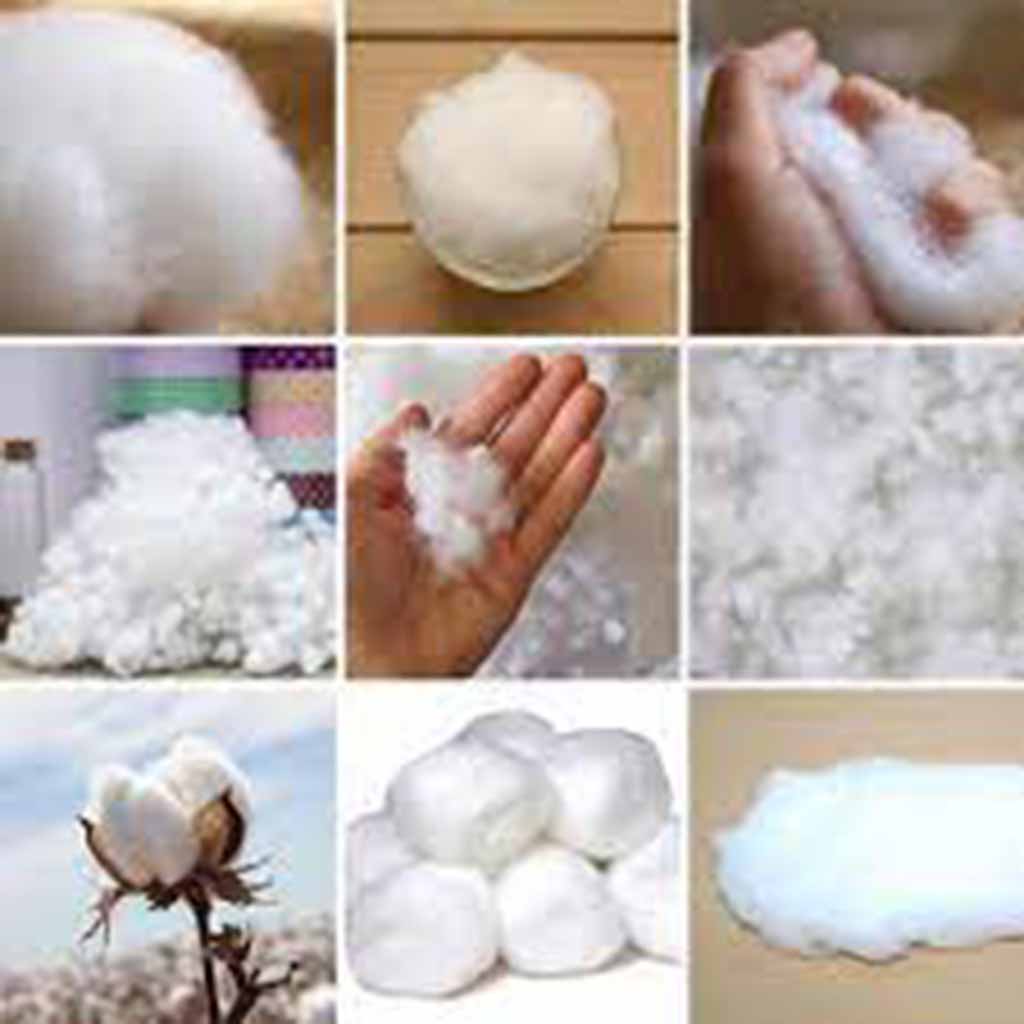
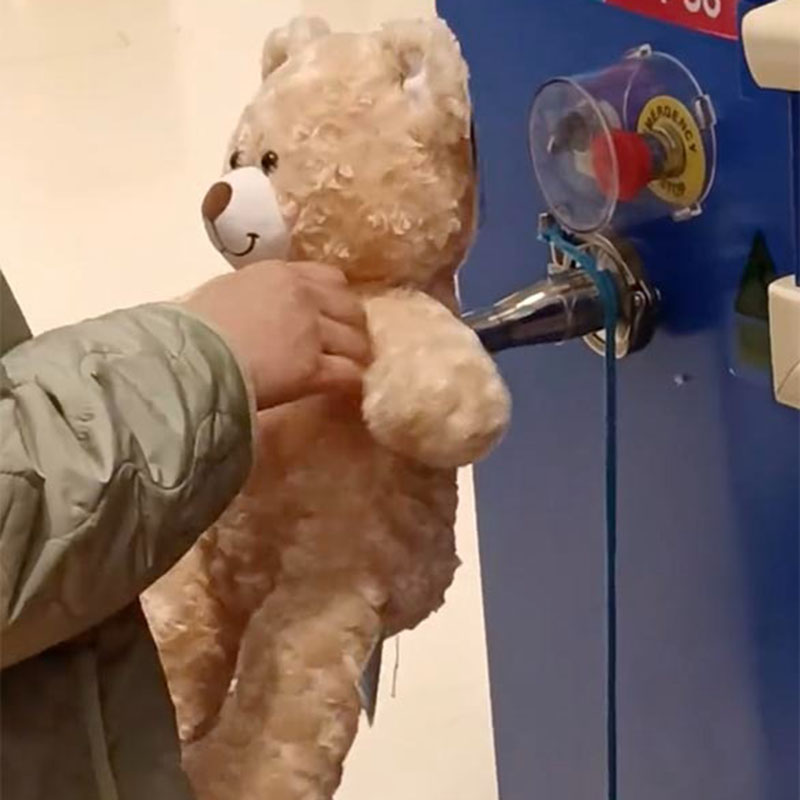
Filling & Internal Structure Options
Internal construction affects softness, weight, shape retention, and overall user experience. Brands can adjust filling and internal structure to meet functional needs such as comfort, sensory use, or display stability. Clear internal specifications also help ensure consistency from sample approval to bulk production.
Customizable items include
Filling material type
Stuffing firmness or softness
Weighted filling options
Internal support structures
Safety stitching and reinforcement
Shape-retention solutions
Craftsmanship & Decorative Techniques
Craft details directly influence perceived quality and brand value. Different decorative techniques can be applied based on design complexity, cost targets, and durability requirements. Choosing the right craftsmanship methods helps brands achieve the desired look while keeping production efficient and repeatable.
Customizable items include
Embroidery techniques
Appliqué and patch details
Printed graphics
Stitching methods
Decorative trims or accents
Hand-finished elements
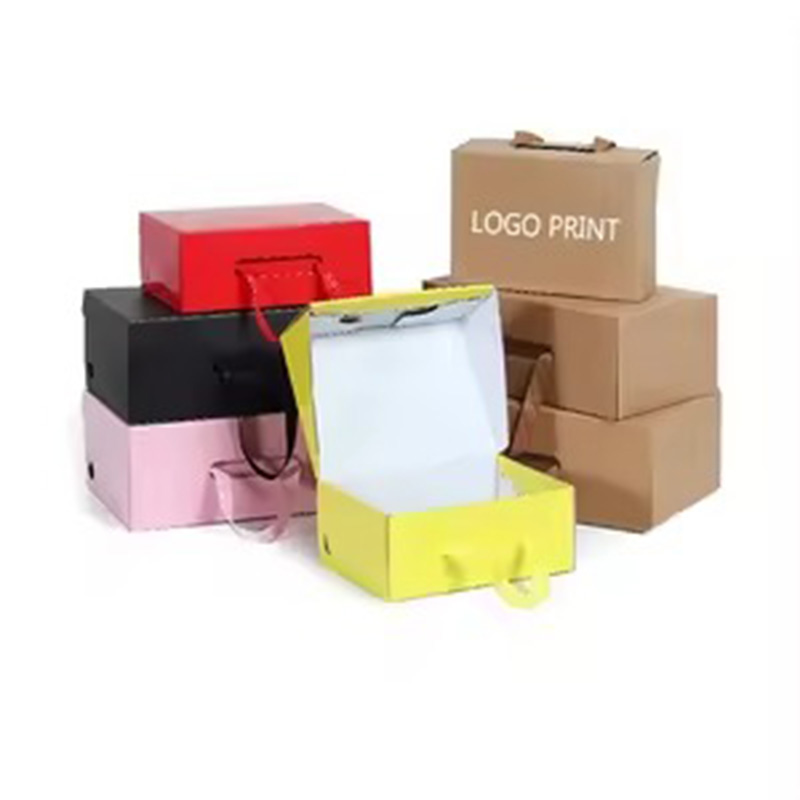
Packaging & Brand Presentation
Packaging is part of the overall brand experience, not just a protective layer. Brands can customize packaging to match retail display needs, e-commerce logistics, or promotional campaigns. Well-designed packaging also supports branding, storytelling, and customer perception at the point of sale.
Customizable items include
Individual or bulk packaging
Hangtags and woven labels
Brand cards and inserts
Gift-ready packaging
Vacuum or space-saving packing
Retail display solutions
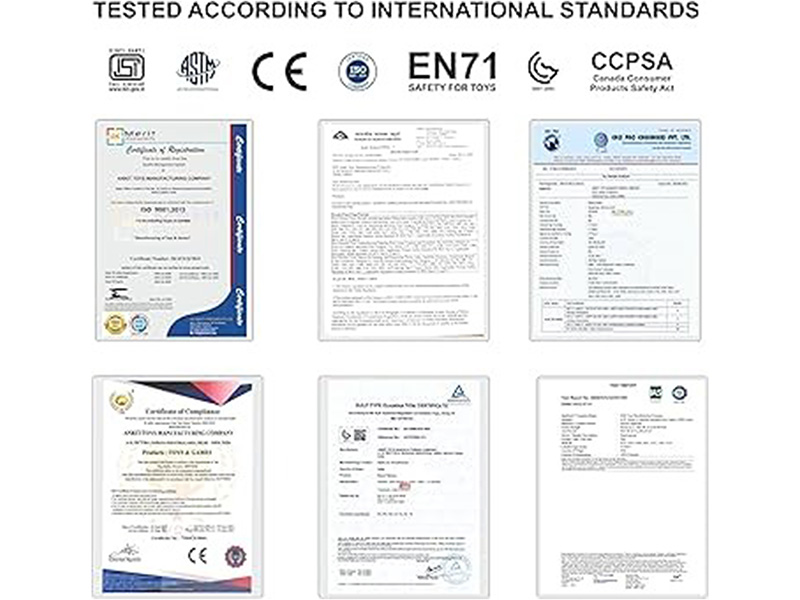
Compliance & Market-Specific Customization
Different regions have different safety standards and regulatory requirements. Customization aligned with target markets helps brands avoid compliance risks and delays. Early consideration of regulations allows smoother testing, labeling, and documentation during export and distribution.
Customizable items include
Market-specific safety standards
Age grading and warnings
Label language and content
Testing requirements alignment
Region-specific material choices
Documentation support
If your brand needs high customization without losing control over quality, cost, and consistency, this manufacturing scope is designed to support both creative development and long-term scalability.
Plush Toy Fabrics & Fillings for Custom Manufacturing
Material selection plays a critical role in how plush toys look, feel, perform, and comply with different market requirements. To support a wide range of brand projects, plush toy designs, and target audiences, we work with multiple fabric and filling options that can be selected based on product positioning, safety standards, and cost considerations.
Common Plush Fabrics
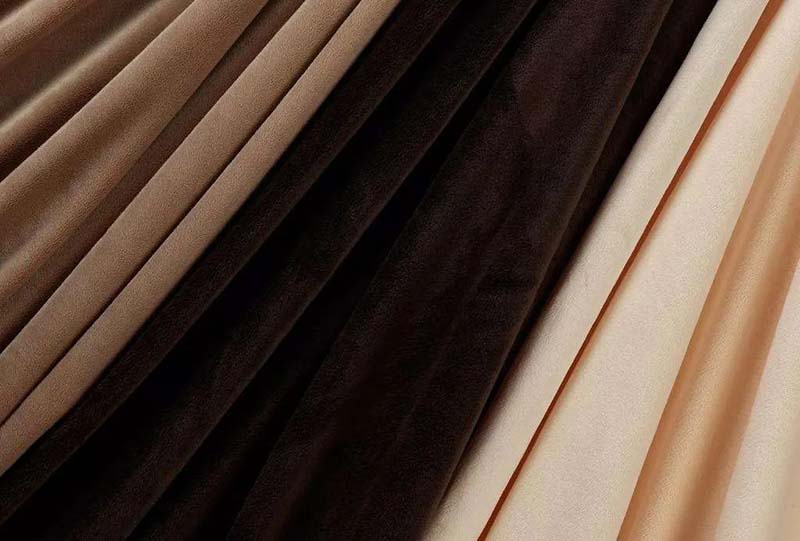
Velboa

Crystal Super Soft
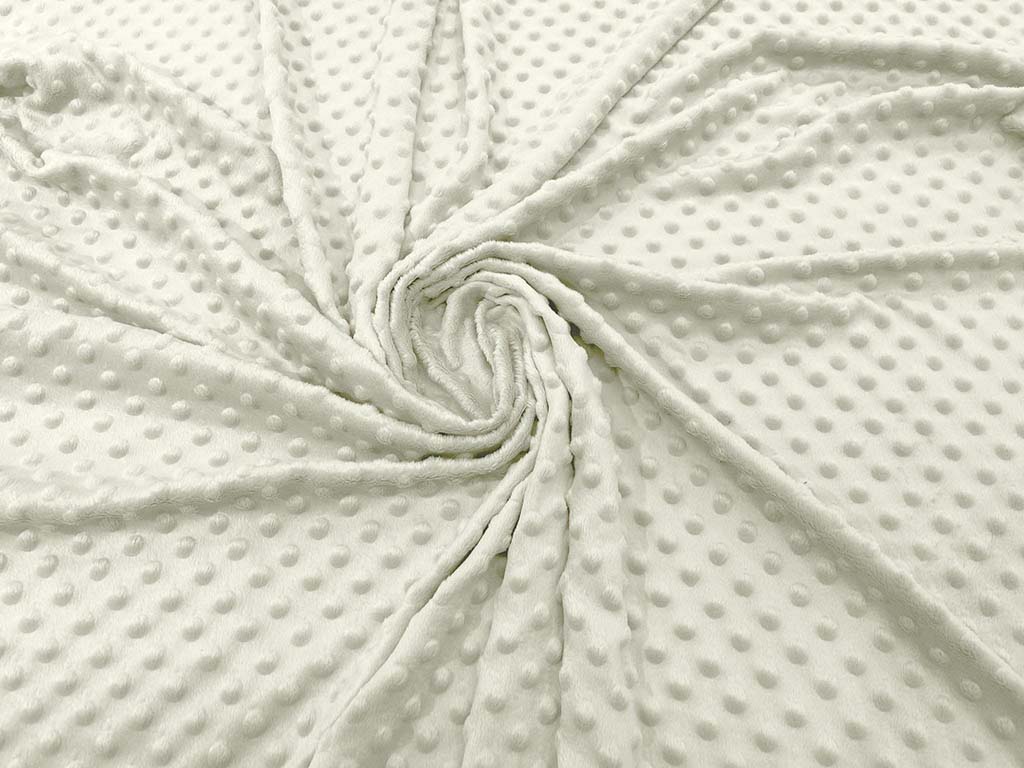
Minky Fabric
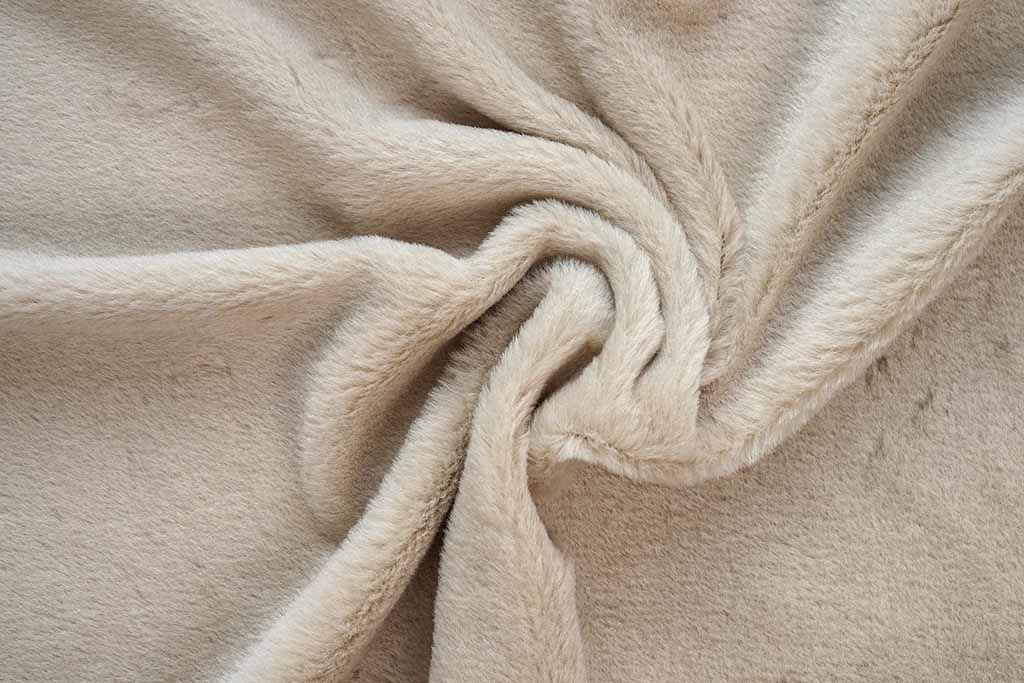
Short Pile Plush
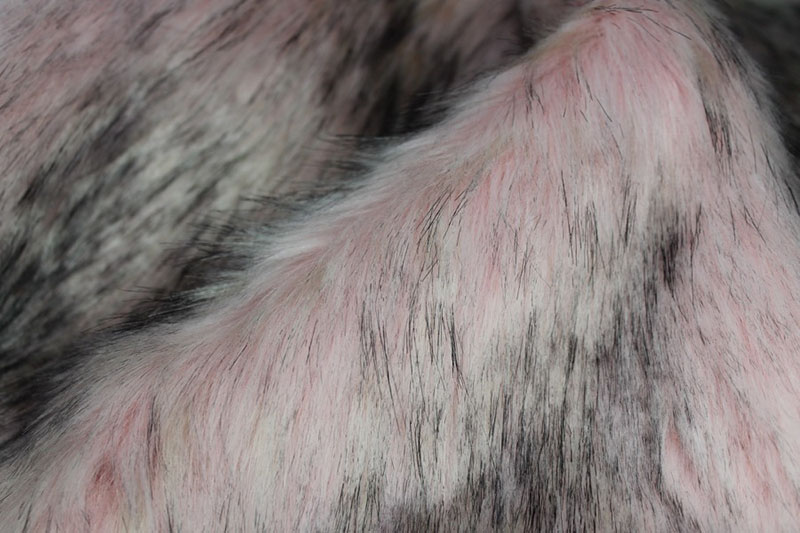
Long Pile Plush
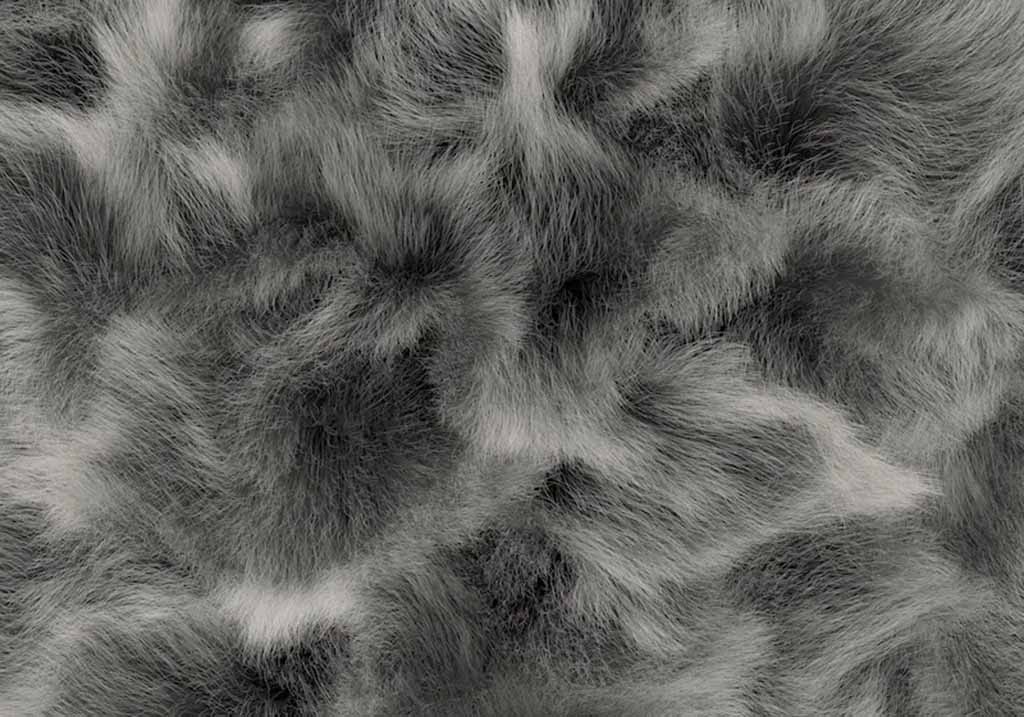
Faux Fur
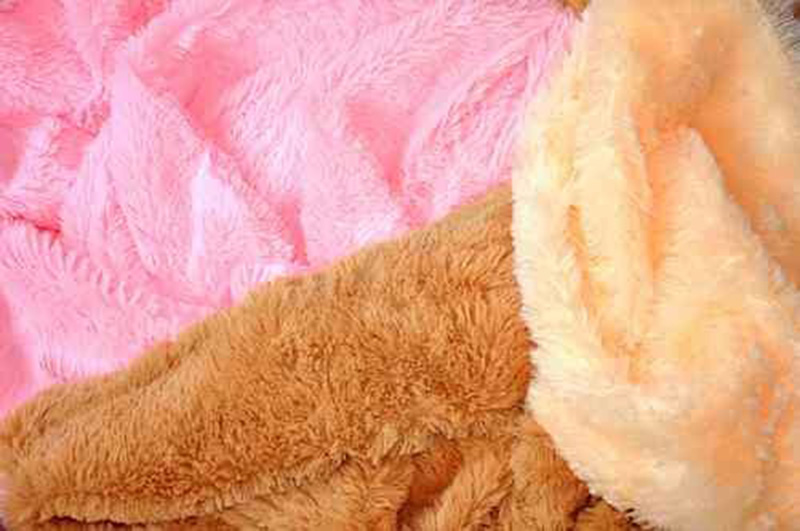
PV Plush
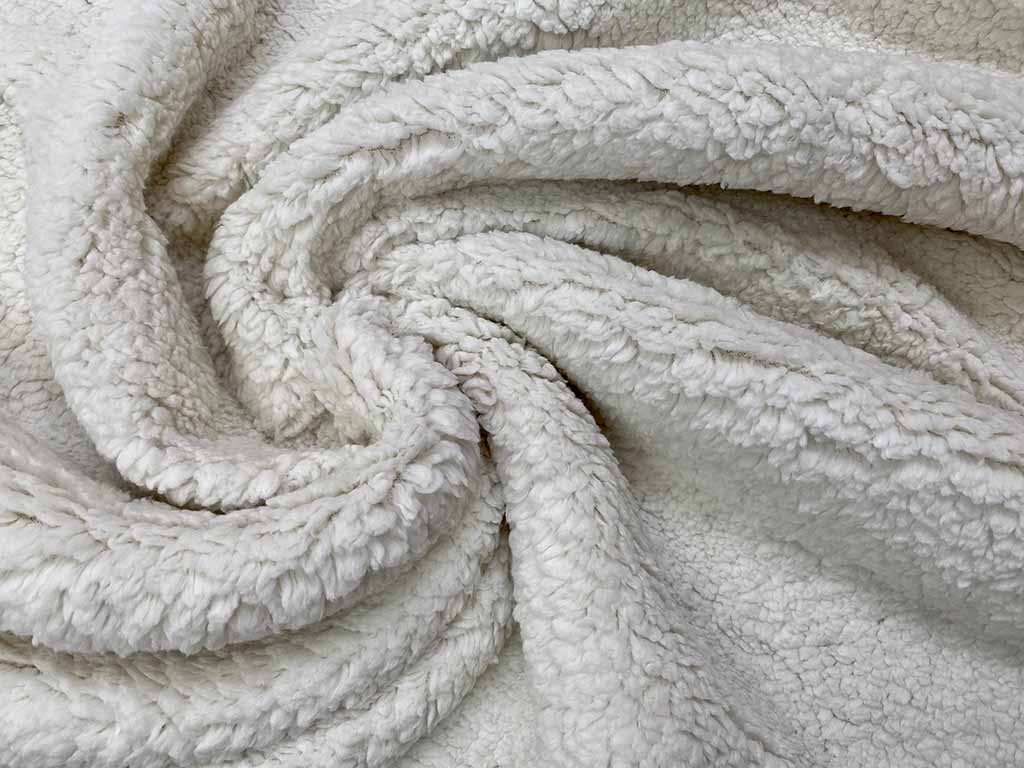
Sherpa Fabric
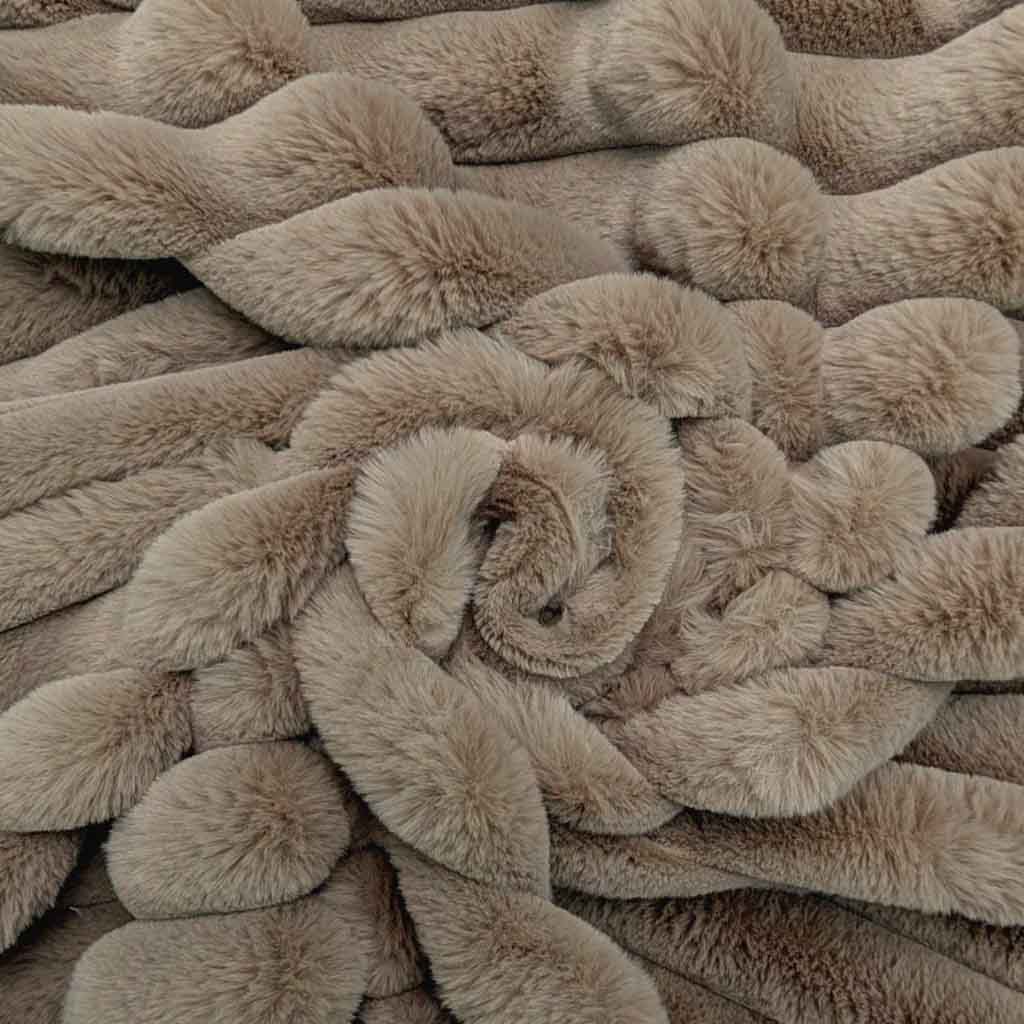
Corduroy Plush
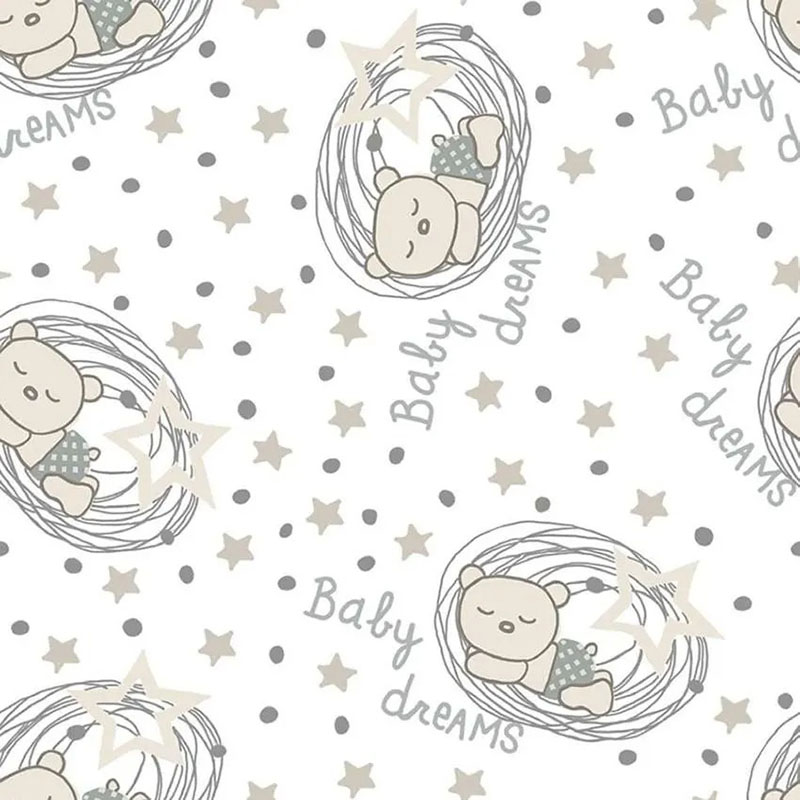
Printed Plush Fabric
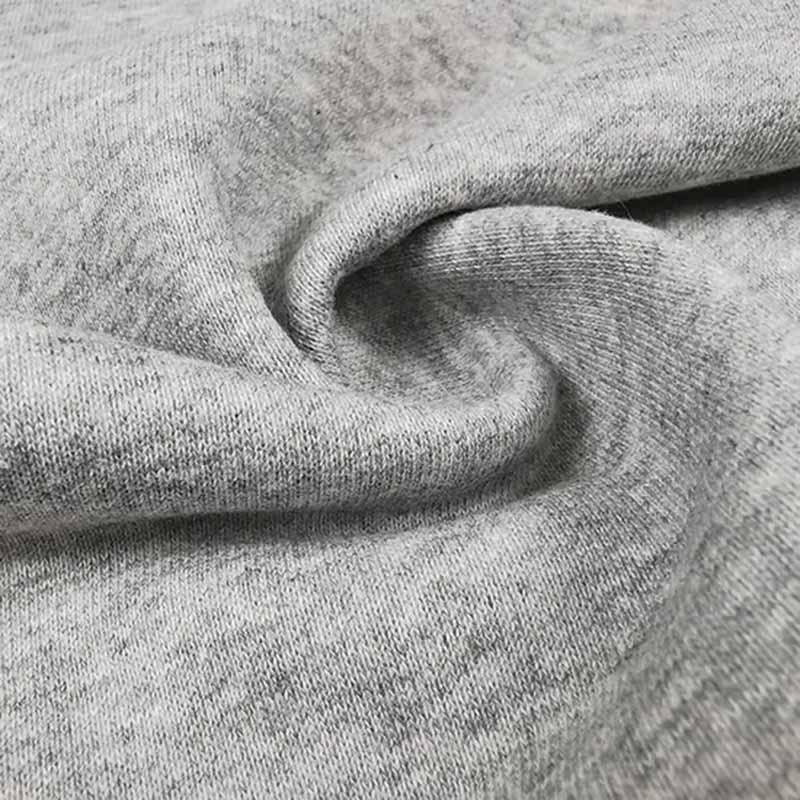
Organic Cotton Fabric
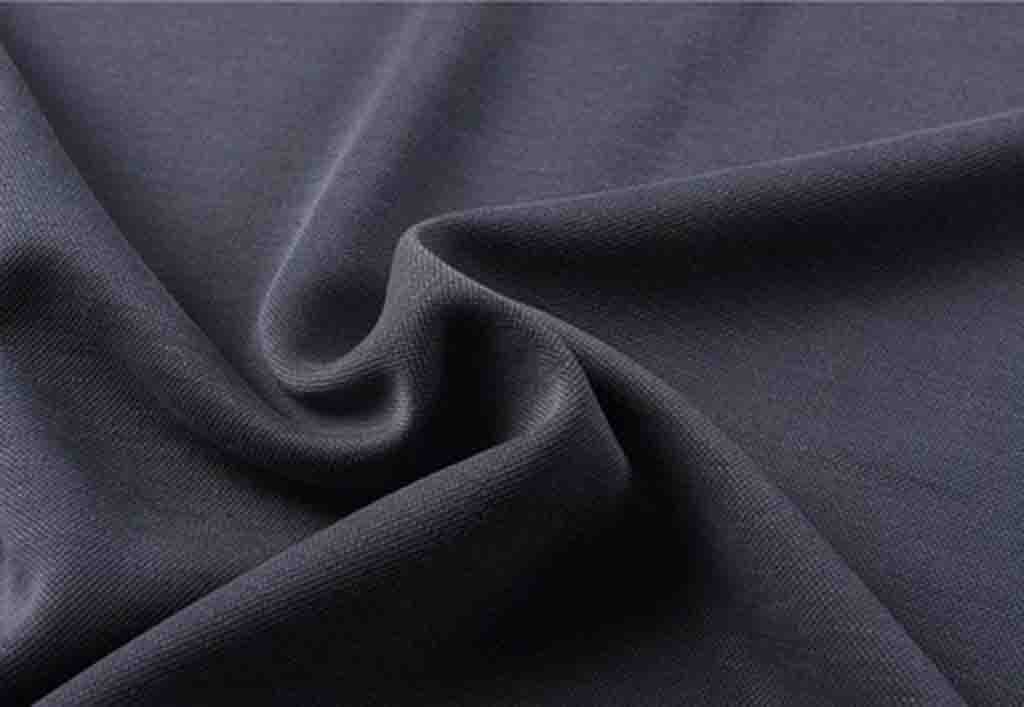
Recycled RPET Fabric
Common Plush Fillings
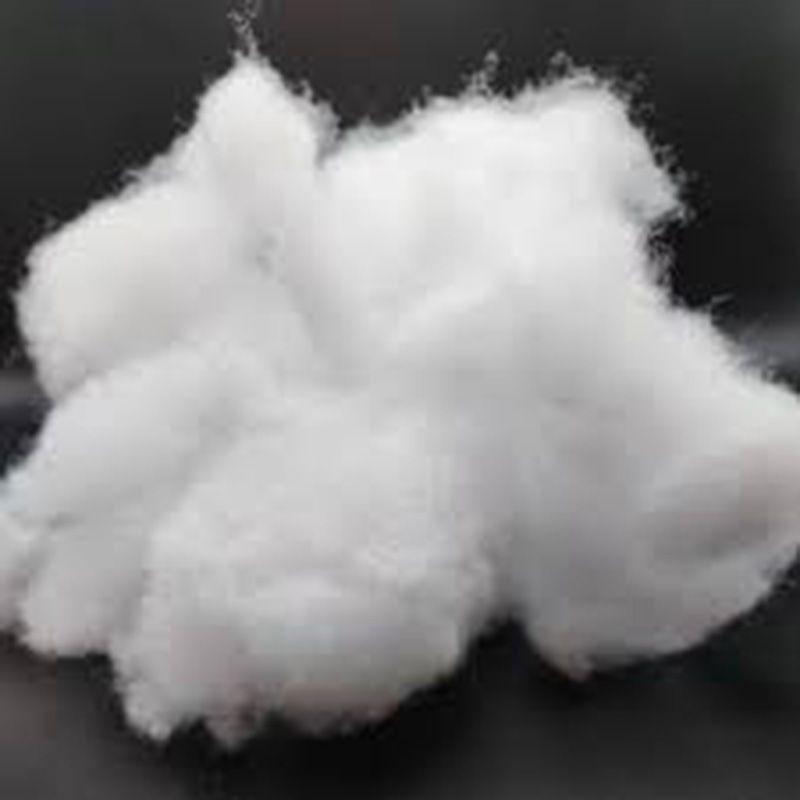
Polyester Fiber (PP Cotton)
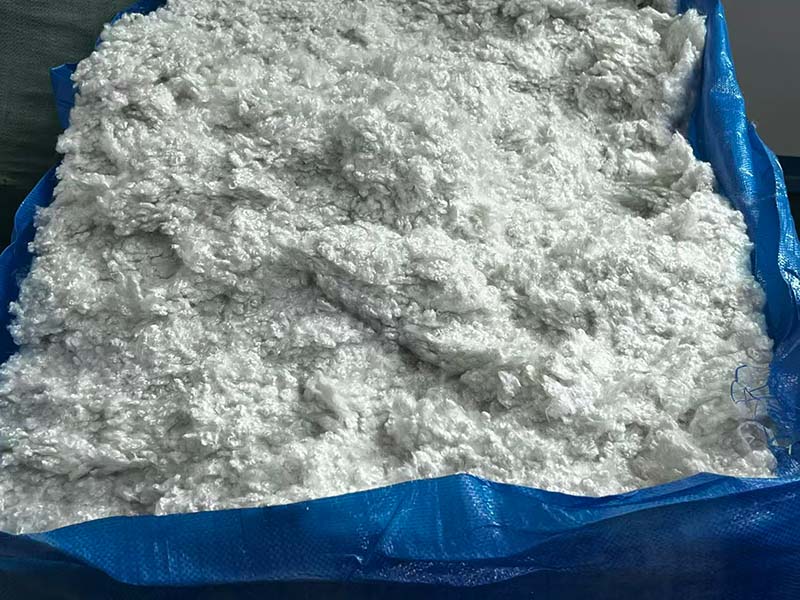
Recycled Fiber Filling
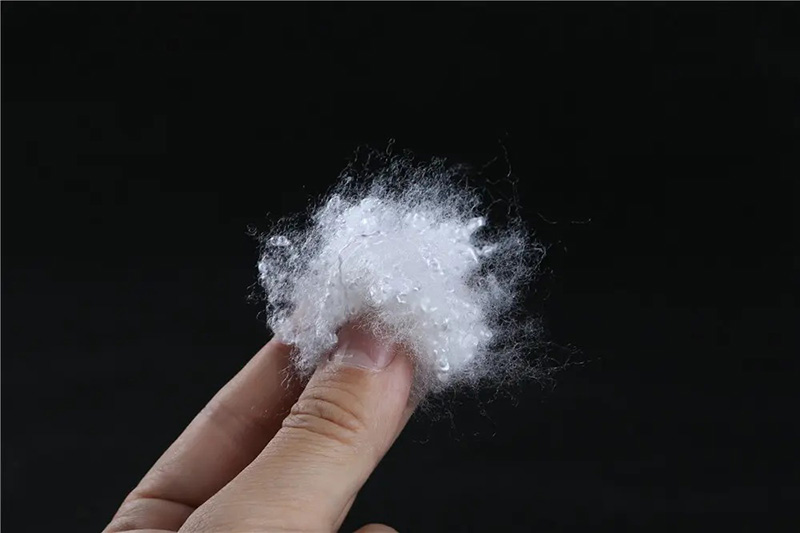
Down-like Fiber
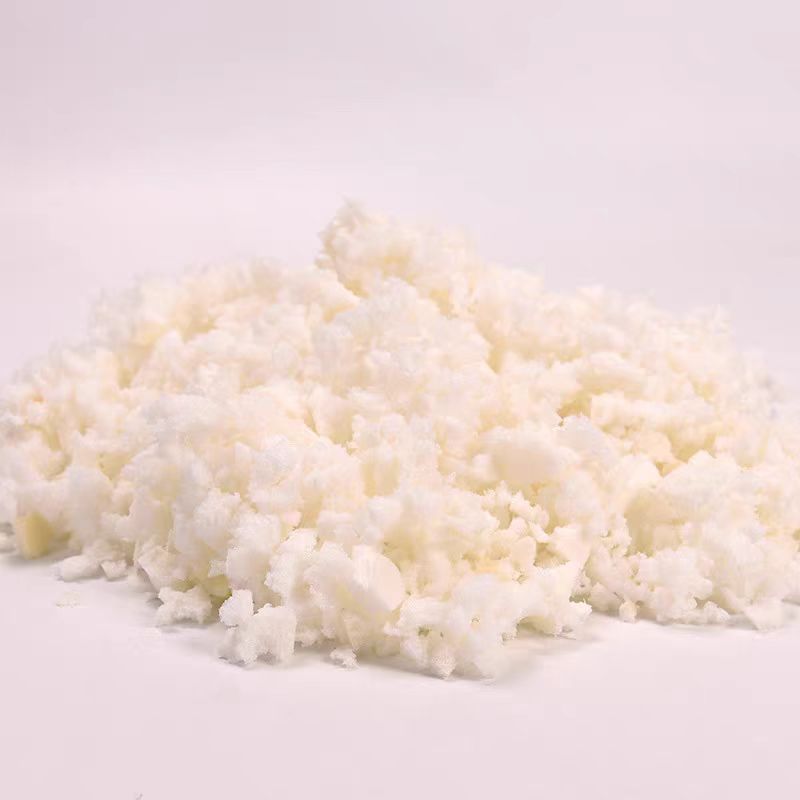
Memory Foam
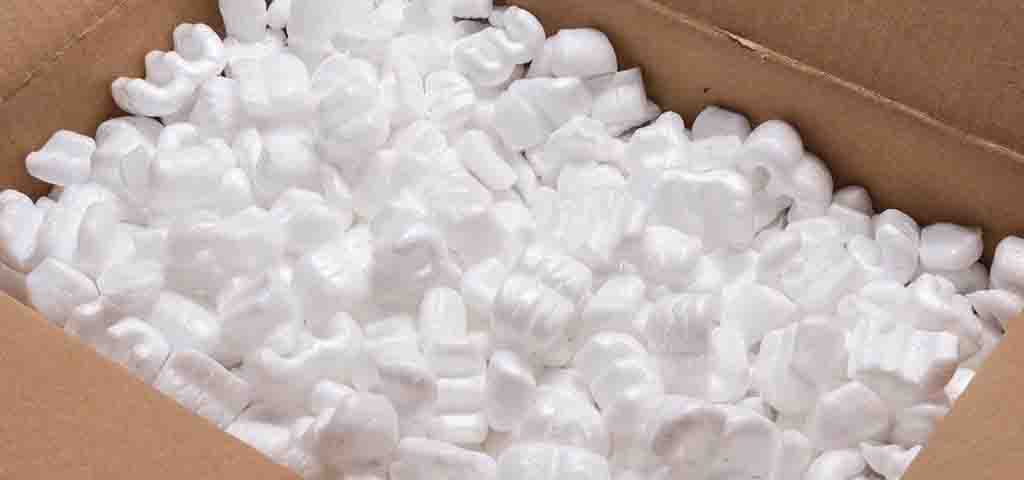
EPE Foam
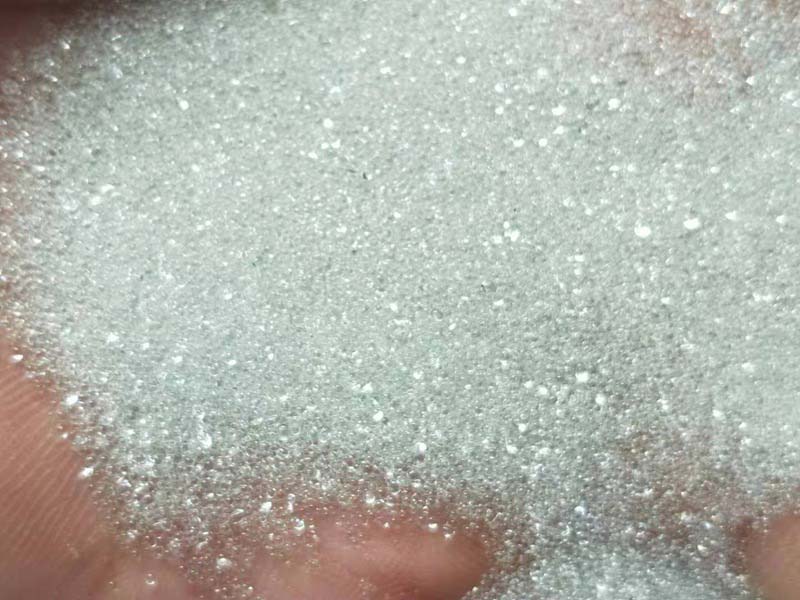
Weighted Glass Beads
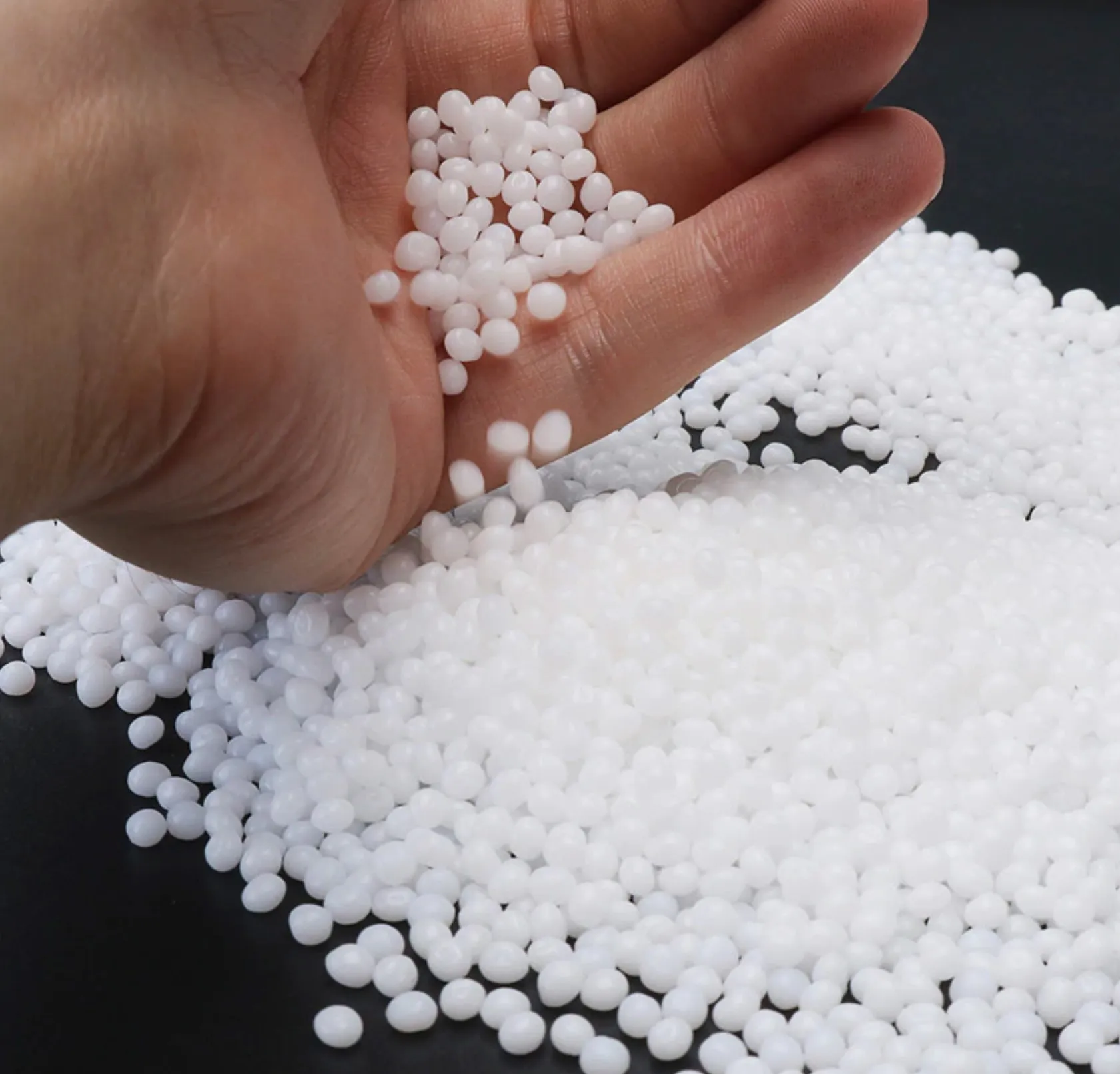
Plastic Pellets
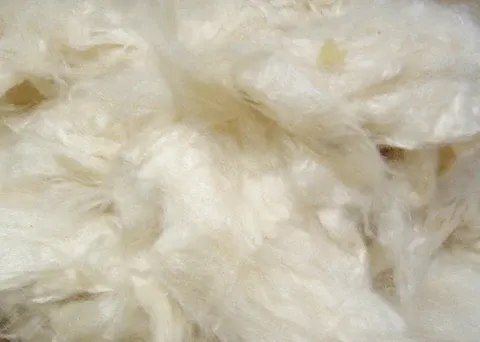
Natural Cotton Filling
Choosing the right combination of fabric and filling helps brands balance appearance, comfort, durability, and market expectations from sampling to mass production.
Design Support for Building Strong Plush Toy Brand Identity
Strong brand recognition does not come from random design choices.
It is built through consistent visual language, recognizable details, and designs that can be repeated across products and collections.
Design support in plush toy development helps brands translate identity into physical products that customers can recognize at a glance.
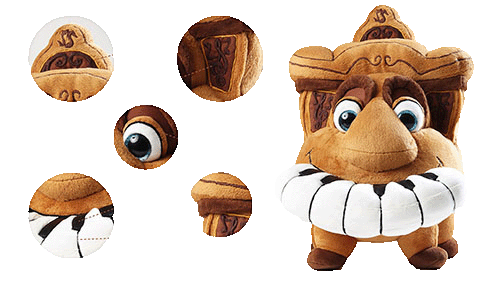
Signature Shapes and Proportions
Distinct silhouettes and proportions help plush toys stand out even without logos. By refining body shape, head-to-body ratio, and overall outline, brands can create plush characters that remain recognizable across different sizes and product variations.
Consistent Facial Expression and Character Details
Facial expressions play a major role in emotional connection. Consistent eye style, mouth shape, and embroidery techniques help maintain character personality and brand tone, making each plush instantly identifiable as part of the same brand family.
Brand-Driven Color and Material Choices
Color palettes and fabric textures can reinforce brand identity. Using consistent colors, signature materials, or specific surface textures helps brands build visual continuity across collections while keeping products aligned with brand positioning.
Design Systems That Scale Across Products
Brand recognition grows when designs are easy to extend. A clear design system allows characters, accessories, and product lines to evolve without losing identity, supporting long-term growth and repeat product launches.
From Sample to Mass Production: How Plush Toy Brands Ensure Consistency
For plush toy brands, the biggest risk is not making a sample,
but making sure the approved sample and mass production stay the same.
A clear, step-by-step process with defined quality checkpoints helps brands reduce uncertainty, avoid surprises, and maintain consistent results from first approval to final delivery.
Material Confirmation Before Production
All fabrics, fillings, and accessories are confirmed and locked before mass production begins. This step helps prevent material substitution and ensures that the texture, color, and performance seen in the sample are carried into bulk production.
Pre-Production Sample Approval
Before full production, a pre-production sample is created to reflect actual manufacturing conditions. This allows brands to review final workmanship, materials, and structure, reducing the risk of differences between sample and bulk orders.
Final Inspection Before Shipment
Completed products go through final inspection to check appearance, measurements, workmanship, and packaging. This step ensures that finished plush toys meet approved standards before shipment.
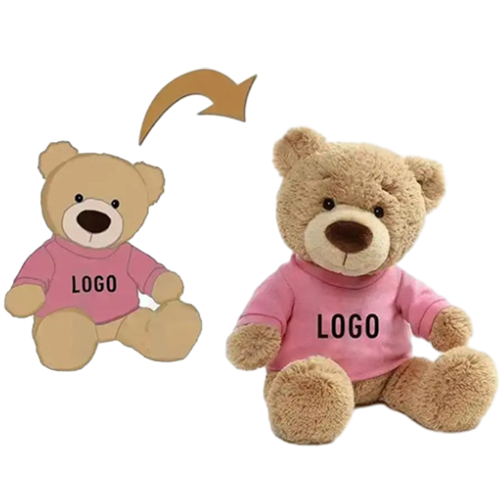
Sampling Based on Confirmed Design Requirements
Sampling starts only after key design details are confirmed. Size, proportions, materials, and functional requirements are reviewed before sample production, helping brands avoid unnecessary revisions and ensuring the first sample is close to final expectations.
In-Line Quality Control During Production
Quality checks are conducted during production rather than only at the end. In-line QC helps identify issues early, allowing corrections before defects spread across large quantities and protecting overall order quality.
Documented Workflow for Repeat Orders
Key specifications, materials, and process standards are documented for future production. This documentation supports repeat orders and long-term cooperation by keeping quality consistent across multiple batches.
If consistency between samples and mass production is critical for your brand, a structured production workflow with clear checkpoints makes a measurable difference.
Quality Control & Global Compliance for Plush Toy Brands
For brands, quality control is not just about factory standards.
It is about whether products can pass market requirements, enter major regions like the US and Europe, and be sold with confidence and minimal risk.
A reliable plush toy manufacturer focuses on practical safety control and regulatory alignment, rather than simply listing certificates.
Material Safety from the Source
Material safety starts at the sourcing stage. Fabrics, fillings, threads, and accessories are selected based on target market requirements and age grading. Materials are reviewed for chemical safety, skin contact suitability, and durability to reduce compliance risks before production even begins. This helps brands avoid costly testing failures and market rejections later.
Tensile and Strength Testing for Key Components
Plush toys must withstand pulling, twisting, and daily use, especially for children’s products. Tensile testing is applied to seams, embroidery, eyes, labels, and attached parts to reduce choking or detachment risks. This step helps brands meet safety expectations in regulated markets and protect end users.
Needle Detection and Metal Control
Needle detection is a critical safety checkpoint in plush toy manufacturing. Finished products go through metal detection to ensure no broken needles or metal fragments remain inside. This process helps eliminate hidden safety hazards and supports compliance with strict retail and import requirements.
Regulatory Alignment for Target Markets
Different markets have different safety and labeling rules. Instead of applying one standard to all products, manufacturing processes are aligned with the regulations of the target market, such as material restrictions, labeling requirements, and testing scope. This cooperative approach helps brands prepare products for smooth entry into the US, Europe, and other regulated regions.
If your brand needs plush toys that are built to pass market checks and meet global safety expectations, structured quality control and regulatory alignment make a real difference.
Who This Plush Toy Factory Is Best For
This plush toy factory is built to support brand-focused projects that require customization, consistency, and long-term cooperation. If your business fits one of the categories below, this manufacturing model is designed to match your development and production needs.
If you see your business reflected above, this plush toy factory may be a strong fit for your next project.
Trusted by Leading Global Brands
Strong partnerships prove strong capabilities. Over the years, Kinwin has worked with world-leading brands and retailers to deliver interactive plush toys that meet the highest standards of creativity, safety, and quality. By choosing us, you gain a supplier that is trusted by top companies worldwide—and the same reliability is available to your brand.

How We Ensure Successful Plush Toy Projects for Brands
Successful plush toy projects don’t happen by chance.
They come from clear expectations, controlled processes, and steady execution from start to finish.
This approach focuses on reducing uncertainty, protecting timelines, and helping brands move forward with confidence.
Clear Requirements Before Development
Each project starts with aligned expectations on design, materials, target market, and standards. This clarity helps avoid misunderstandings and reduces revisions later in the process.
Structured Workflow with Defined Milestones
Projects follow a step-by-step workflow with clear checkpoints. This keeps development on track and allows issues to be identified and resolved early.
Consistent Quality and Process Control
Key specifications and quality standards are confirmed and followed throughout sampling and production, helping maintain consistency across samples, bulk orders, and repeat projects.
Dedicated Project Coordination
Clear points of contact and coordinated communication help brands receive timely updates, faster feedback, and smoother cooperation across different stages.
Ready to Move Your Plush Toy Project Forward
Choosing the right plush toy manufacturing partner is a strategic decision for any brand.
Before pricing, before samples, and before production timelines, most brands simply want clarity.
They want to know whether their idea is feasible, whether risks can be controlled, and whether the factory truly understands brand-level expectations.
This is where an initial conversation makes a difference.
By discussing your concept, target market, and project goals, you can quickly understand what is realistic, what needs refinement, and how to move forward with fewer surprises.
There is no pressure to commit. The goal is to help you gain confidence, reduce uncertainty, and decide the next step with clearer information.
If you are planning a new plush toy line, developing a licensed character, or looking for a more reliable long-term manufacturing partner, this is the right place to start the conversation.
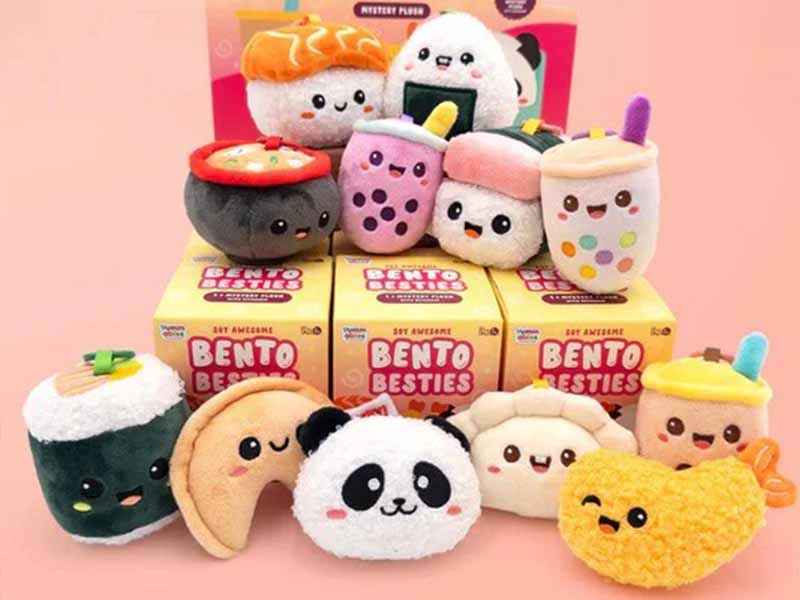
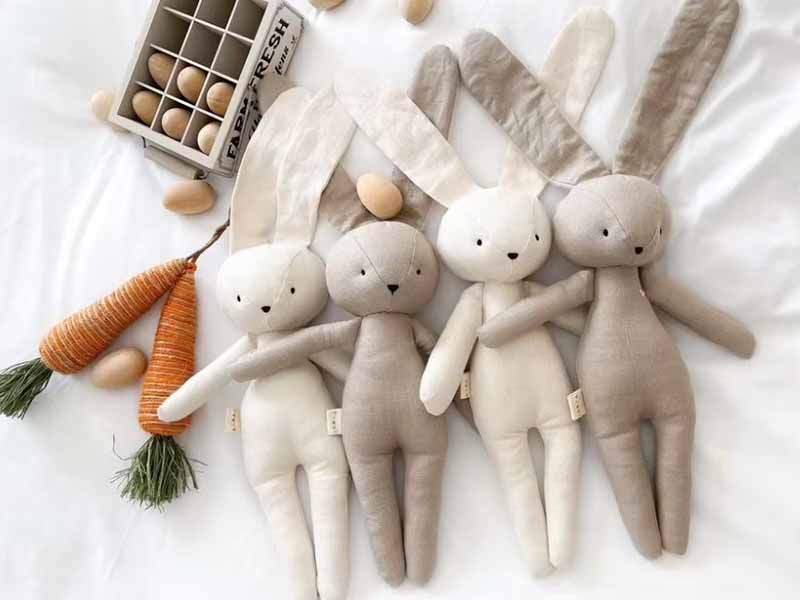
Explore Our Custom Plush Toy Series
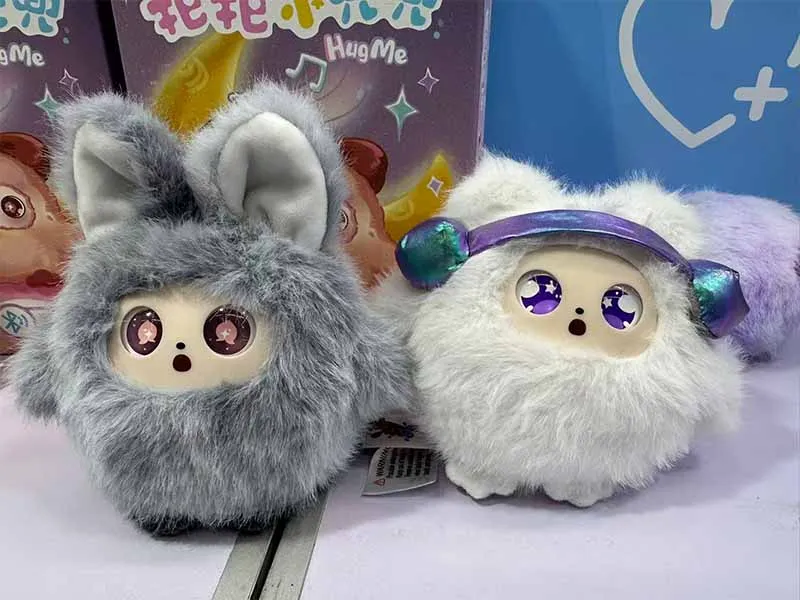
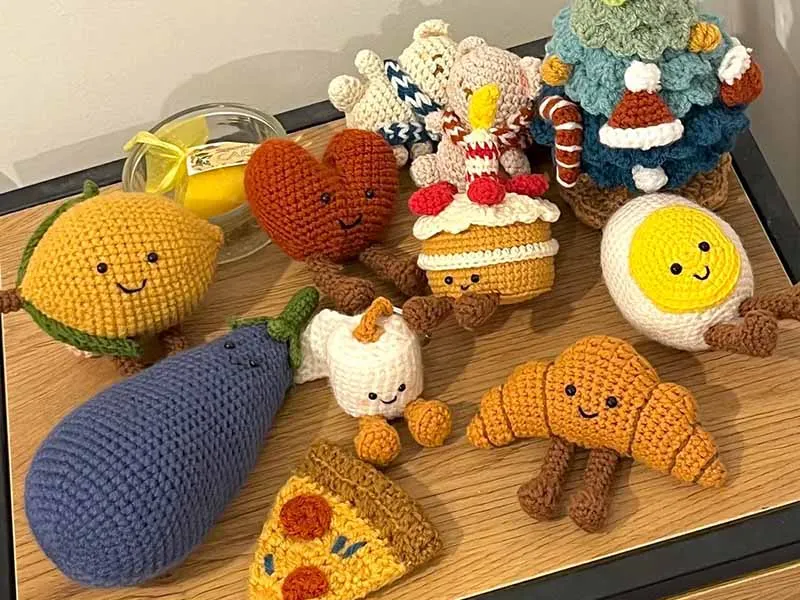
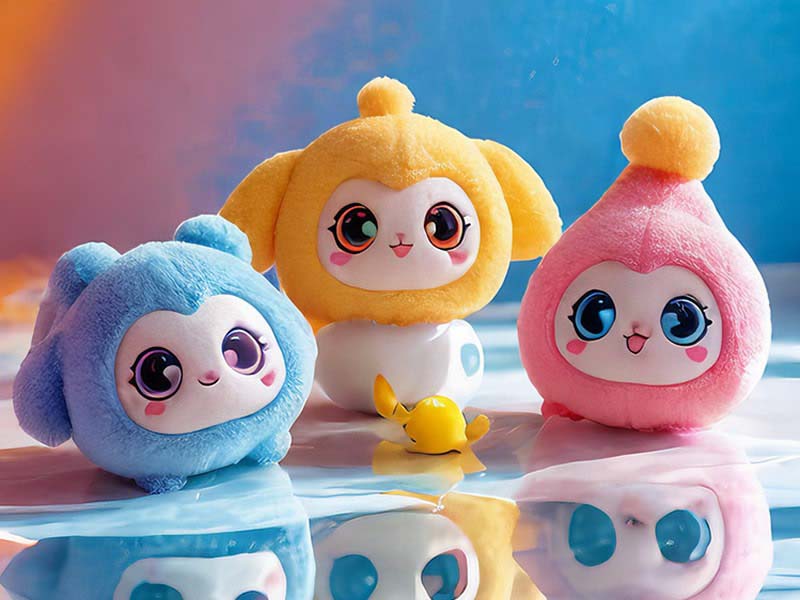
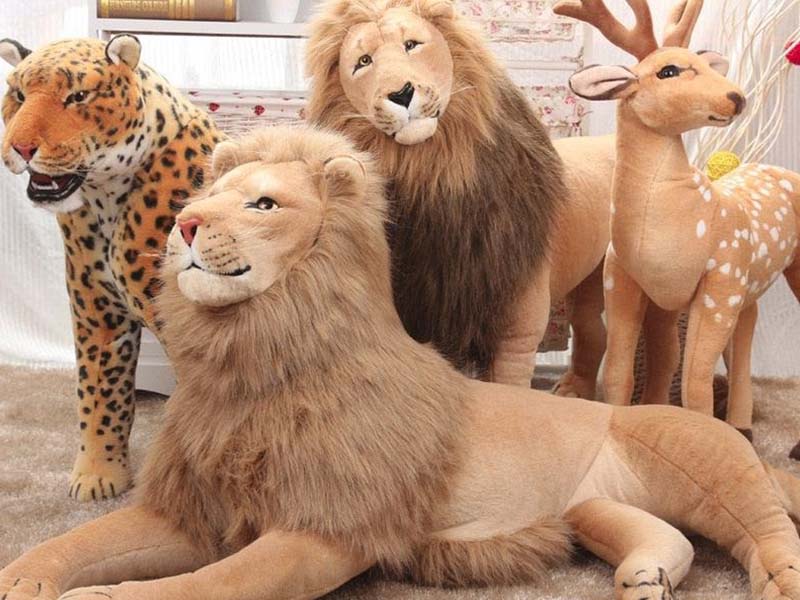
We offer a wide selection of plush toys to meet different business needs. From baby-safe stuffed animals to collectible plush dolls, our product lines are designed for global brands, retailers, e-commerce, and promotional projects.
Frequently Asked Questions
1. What is the typical MOQ for custom plush toys?
Our standard MOQ is 500 pieces. For orders below this quantity, please consult with our project manager. We may offer flexible solutions depending on the product size, complexity, and customization requirements.
2. How long does plush toy sampling usually take?
Sampling timelines vary based on design details and revision rounds. In general, the first sample can be completed within a few weeks. Clear design input and timely feedback help reduce revisions and shorten the overall development cycle.
3. Can you work with unfinished ideas or early-stage concepts?
Yes. Brands without finished designs can use ODM support. The factory helps convert ideas, sketches, or IP concepts into plush-ready designs by optimizing structure, materials, and manufacturability.
4. How do you ensure mass production matches the approved sample?
Consistency is controlled through material confirmation, pre-production samples, in-line quality checks, and final inspection. Key specifications are locked and followed throughout production to reduce deviations between samples and bulk orders.
5. Can plush toys be sold in the US and European markets?
Yes, when products are developed according to target market requirements. Materials, structure, labeling, and testing scope are aligned with relevant regulations, helping brands prepare products for the US, Europe, and other regulated markets.
6. How do you control safety risks in plush toy production?
Safety risks are managed through material safety checks, tensile testing on key parts, needle detection, and controlled production processes. These steps help reduce hazards related to detachment, sharp objects, or hidden metal fragments.
7. Will my design be kept confidential?
Brand designs and project information are handled under strict confidentiality. Custom products are not reproduced, displayed, or shared with other clients, helping protect brand ideas and market positioning.
8. Can you support long-term or repeat production?
Yes. Specifications, materials, and quality standards are documented to support repeat orders. This helps brands maintain consistent quality across multiple batches and long-term cooperation.
9. What information is needed to start a plush toy project?
Helpful information includes design files or references, target market, estimated size, quantity expectations, and usage requirements. Even partial information is enough to start a feasibility discussion.
10. Is it possible to scale production after market testing?
Yes. Many brands start with smaller production runs to test the market and then scale up. A structured production process and documented standards help support smooth scaling as demand grows.
If You Can lmagine lt,We Will Create lt!
1.Tell Us What You Need
Tell us as specific as possible of your needs and share your idea.
2.Get Solution & Quote
We will work on the best solution according to yourrequirements,the specific quote will be provided within 24 hours.
3.Approve for Mass Production
We will start mass production after getting your approval.