
Fabric Safety Standards for Plush Toys — Global Compliance Reference
Fabric Safety Standards for Plush Toys — Global Compliance Reference
OEKO-TEX · REACH · EN71 · ASTM F963 · Azo Dyes · Flammability · pH · Heavy Metals · Colorfastness
The fabric in a plush toy is not just a visual and tactile material — it is a regulated product that must meet specific chemical, flammability, and physical safety standards in every market where the finished toy is sold. Fabric-related compliance failures are the single most common cause of plush toy safety test rejections globally, and they carry serious consequences: product recalls, marketplace removals, customs seizures, and the reputational damage that comes from being associated with a product safety incident.
This guide provides the complete fabric safety standards reference for plush toy manufacturers and brands — covering every major standard, every substance category, the specific limits that apply by market, and how KINWIN ensures fabric compliance for every production order.
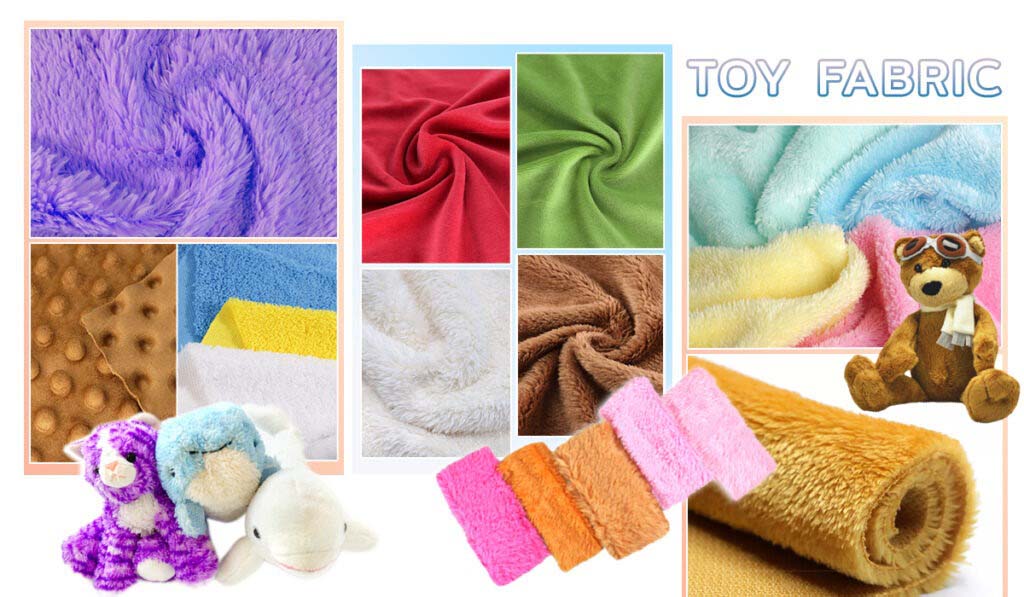
Fabric Safety Standards — Quick Reference by Market
Fabric Safety Standards — Quick Reference by Market
European Union
Primary standard: EN71 Part 3 (chemical migration) + REACH
Additional: Flammability EN71 Part 2
KINWIN approach: OEKO-TEX Class I certified fabrics
United Kingdom
Primary standard: EN71 Part 3 + UK REACH
Additional: Flammability EN71 Part 2
KINWIN approach: OEKO-TEX Class I certified fabrics
United States
Primary standard: ASTM F963 Section 4.3 (stuffing) + CPSIA
Additional: Flammability ASTM F963 4.2
KINWIN approach: OEKO-TEX + CPSIA-compliant sourcing
Australia
Primary standard: AS/NZS 8124 (equivalent EN71)
Additional: Flammability per AS/NZS 8124
KINWIN approach: OEKO-TEX + AS/NZS testing
Japan
Primary standard: ST Mark + Food Sanitation Act (for dyes)
Additional: PFOS/PFOA restrictions
KINWIN approach: OEKO-TEX + Japan-specific checks
All markets
Primary standard: OEKO-TEX Standard 100 (voluntary but universal)
Additional: Product Class I for under-3 products
KINWIN approach: Mandatory KINWIN requirement
OEKO-TEX Standard 100 — The Comprehensive Fabric Safety Framework
OEKO-TEX Standard 100 — The Comprehensive Fabric Safety Framework
OEKO-TEX Standard 100 is the most comprehensive independent textile safety certification available — and the single most effective tool for preventing fabric-related compliance failures in plush toy production. It tests textile products for more than 100 harmful substances, with limits calibrated specifically to the intended use and the age group of the end user.
OEKO-TEX Product Classes
Product Class I
Application: Products for babies and young children (under 36 months)
Plush toy relevance: Required for 0–3 age grade products
Strictness: Most stringent
Product Class II
Application: Products with direct prolonged skin contact
Plush toy relevance: 3+ age grade if extended skin contact
Strictness: High
Product Class III
Application: Products without direct skin contact
Plush toy relevance: Decorative elements not touched by child
Strictness: Standard
Product Class IV
Application: Decorative materials and home textiles
Plush toy relevance: Adult display plush
Strictness: Basic
What OEKO-TEX Tests — Complete Substance List
pH value
Substances: Overall acidity/alkalinity
Class I limit: 4.0–7.5
Why it matters: Skin irritation from incorrect pH
Formaldehyde
Substances: Free and hydrolysable formaldehyde
Class I limit: ≤ 20 mg/kg
Why it matters: Carcinogen from fabric finishing
Banned azo dyes
Substances: 22 specific aromatic amines
Class I limit: Not detectable
Why it matters: Most common compliance failure
Allergenic dyes
Substances: Listed disperse dyes
Class I limit: Not detectable
Why it matters: Skin sensitization
Heavy metals (extractable)
Substances: Pb, Cd, Cr(VI), Hg, As, Cu, Co, Ni
Class I limit: Strict per-element limits
Why it matters: Toxic accumulation; developmental harm
Pesticide residues
Substances: 100+ pesticides
Class I limit: Strict per-compound limits
Why it matters: Residues from fiber production
Chlorinated phenols
Substances: PCP, TeCP, and others
Class I limit: ≤ 0.05 mg/kg PCP
Why it matters: Biocide treatment residues
PVC plasticizers
Substances: DEHP, DBP, BBP, and others
Class I limit: ≤ 0.05% each
Why it matters: Endocrine disruption
Color fastness
Substances: Rubbing, perspiration, saliva, washing
Class I limit: Grade 3–4 minimum
Why it matters: Dye transfer to skin
Biocides
Substances: Triclosan, TCMTB, and others
Class I limit: Strict per-compound limits
Why it matters: Skin sensitization risk
Flame retardants
Substances: Banned halogenated flame retardants
Class I limit: Not detectable
Why it matters: Toxic flame retardant compounds
REACH — EU Chemical Compliance for Plush Toy Fabrics
REACH — EU Chemical Compliance for Plush Toy Fabrics
REACH (Registration, Evaluation, Authorisation and Restriction of Chemicals) is the comprehensive EU chemicals regulation that restricts the use of hazardous substances in products placed on the EU market. For plush toy fabrics, REACH compliance is mandatory and covers a broad range of substance categories.
- Annex XVII Entry 43: Azo dyes releasing specific aromatic amines — ≤ 30 mg/kg per amine — All fabric dyes
- Annex XVII Entry 48: Chromium VI in leather — ≤ 3 mg/kg — Leather accessories
- Annex XVII Entry 51: Phthalates in PVC — DEHP+DBP+BBP+DIBP ≤ 0.1% — Plastic accessories, PVC coatings
- Annex XVII Entry 60: Nonylphenol ethoxylates (NPE) in textiles — ≤ 0.01% — Fabric washing/finishing agents
- Annex XVII Entry 72: Certain PAHs in rubber/plastic — ≤ 1 mg/kg each — Rubber or plastic parts
- SVHC Candidate List: Substances of Very High Concern — Notification if >0.1% — Various potentially in dyes/finishes
- REACH Annex XIV: Substances requiring authorisation — Prohibited without authorisation — Certain dye compounds
UK REACH mirrors EU REACH requirements but operates as a separate regulatory framework since Brexit. Products sold in both the EU and UK must comply with both EU REACH and UK REACH — which are currently aligned but may diverge over time. KINWIN provides REACH compliance documentation for both EU and UK markets.
Flammability Standards for Plush Toy Fabrics
Flammability Standards for Plush Toy Fabrics
Flammability is the second most common fabric-related compliance failure in plush toy safety testing, after chemical failures. The flammability risk is particularly significant for long pile plush fabrics — the extended pile creates more surface area for flame propagation and some synthetic fiber blends burn faster than regulatory limits allow.
EN71 Part 2 — European Flammability Standard
EN71 Part 2 tests whether a toy’s fabric presents a fire hazard to children. For plush toys, the primary test is surface pile flammability — how quickly flame spreads across the pile surface after ignition.
- Surface flammability: Flame applied for defined duration; spread rate measured — Pass: Burns slowly or self-extinguishes / Fail: Flame spreads above regulatory rate
- Filling flammability: Filling material ignition and spread — Pass: Does not sustain combustion / Fail: Sustains independent combustion
Fabric types at highest flammability risk: very long pile (35mm+) especially in certain acrylic or polyester blends, chenille fabric (looped pile), and fabrics with fabric-applied coatings that reduce natural fire resistance. KINWIN pre-screens all long pile and specialty fabrics for flammability before confirming them for production.
ASTM F963 Flammability — US Standard
ASTM F963 Section 4.2 covers flammability requirements for stuffed toys sold in the United States. The standard references the flammability requirements of 16 CFR Part 1610 (Standard for the Flammability of Clothing Textiles) for fabric surface flammability, with additional toy-specific requirements for filling material and construction.
- 16 CFR Part 1610 Class 1: most fabrics that burn at acceptable rate pass
- Class 2 and 3 fabrics require additional treatment or substitution
- Filling materials must not sustain combustion independently
- KINWIN tests all fabrics under ASTM F963 flammability for US-destined products
Heavy Metal Standards for Plush Toy Fabrics
Heavy Metal Standards for Plush Toy Fabrics
Heavy metals enter plush toy fabrics primarily through dye compounds — particularly certain bright pigment dyes historically derived from metal salts — and through finishing chemicals. The primary regulatory concern is chemical migration: the release of heavy metals from accessible fabric surfaces into a child’s body when the toy is mouthed or handled.
Antimony (Sb)
EN71-3: 60 mg/kg · OEKO-TEX I: 30 mg/kg
Source: Polyester fiber (catalyst residue)
Arsenic (As)
EN71-3: 25 mg/kg · OEKO-TEX I: 0.2 mg/kg
Source: Historical mordant dyes
Barium (Ba)
EN71-3: 1,000 mg/kg · OEKO-TEX I: 1.0 mg/kg
Source: Pigment dyes
Cadmium (Cd)
EN71-3: 75 mg/kg · OEKO-TEX I: 0.1 mg/kg
Source: Bright yellow/orange dyes
Chromium (Cr)
EN71-3: 60 mg/kg · OEKO-TEX I: 1.0 mg/kg
Source: Chrome mordant dyes; metallic finishes
Chromium VI (Cr VI)
EN71-3: N/A (REACH ≤ 0.5 mg/kg) · OEKO-TEX I: Not detectable
Source: Certain chrome dyes
Cobalt (Co)
EN71-3: N/A · OEKO-TEX I: 1.0 mg/kg
Source: Blue dyes and pigments
Copper (Cu)
EN71-3: N/A · OEKO-TEX I: 25.0 mg/kg
Source: Copper-based dyes (turquoise)
Lead (Pb)
EN71-3: 160 mg/kg · OEKO-TEX I: 0.2 mg/kg
Source: Historical pigment dyes; CPSIA ≤90ppm
Mercury (Hg)
EN71-3: 60 mg/kg · OEKO-TEX I: 0.02 mg/kg
Source: Biocide treatments
Nickel (Ni)
EN71-3: N/A (REACH skin contact) · OEKO-TEX I: 1.0 mg/kg
Source: Metal accessories; some dyes
Selenium (Se)
EN71-3: 500 mg/kg · OEKO-TEX I: 0.2 mg/kg
Source: Pigment dyes
pH and Formaldehyde Standards for Plush Toy Fabrics
pH and Formaldehyde Standards for Plush Toy Fabrics
Fabric pH and formaldehyde are two distinct chemical safety parameters affected by dyeing and finishing processes during fabric manufacturing.
pH Value Standards
Fabric pH must be within a skin-compatible range — fabrics that are too acidic or too alkaline cause skin irritation, particularly problematic for plush toys with prolonged skin contact.
- OEKO-TEX Class I (under 3): 4.0–7.5 — Most stringent — baby products
- OEKO-TEX Class II: 4.0–7.5 — Direct skin contact products
- OEKO-TEX Class III: 4.0–9.0 — Non-direct skin contact
- ISO 3071 (EN standard): 4.0–8.5 — General textile reference
Formaldehyde Standards
Formaldehyde is used in fabric finishing processes — as a fixative for dyes, a wrinkle-resistance treatment, and a fabric stiffening agent. Residual formaldehyde in fabrics is a skin sensitizer and potential carcinogen, particularly concerning for children’s products with prolonged skin contact.
- OEKO-TEX Class I: ≤ 20 mg/kg — ISO 14184-1
- OEKO-TEX Class II: ≤ 75 mg/kg — ISO 14184-1
- EU Ecolabel (children’s fabric): ≤ 20 mg/kg — ISO 14184-1
- Japan Law 112 (children): Not detectable — Japan standard method
- China GB 18401 Class A (infant): ≤ 20 mg/kg — ISO 14184-1 equivalent
Colorfastness Standards for Plush Toy Fabrics
Colorfastness Standards for Plush Toy Fabrics
Colorfastness measures how well fabric dye resists transfer or fading under various stress conditions. For plush toys, the most critical colorfastness tests are those simulating conditions children create: rubbing (handling and hugging), perspiration (contact with sweaty skin), saliva (mouthing), and washing.
Rubbing — dry
Method: ISO 105-X12
OEKO-TEX Class I minimum: Grade 4
Significance: Dye transfer to clothing from handling
Rubbing — wet
Method: ISO 105-X12 wet
OEKO-TEX Class I minimum: Grade 3
Significance: Transfer when toy is wet
Perspiration — acid
Method: ISO 105-E04
OEKO-TEX Class I minimum: Grade 3–4
Significance: Contact with acidic sweat
Perspiration — alkaline
Method: ISO 105-E04
OEKO-TEX Class I minimum: Grade 3–4
Significance: Contact with alkaline sweat
Saliva
Method: EN 71-3 derived
OEKO-TEX Class I minimum: Grade 4
Significance: Critical for under-3
Washing
Method: ISO 105-C06
OEKO-TEX Class I minimum: Grade 3–4
Significance: Branded washable plush
Light
Method: ISO 105-B02
OEKO-TEX Class I minimum: Grade 3
Significance: Display products, UV exposure
How KINWIN Ensures Fabric Safety Standard Compliance
How KINWIN Ensures Fabric Safety Standard Compliance
KINWIN’s fabric compliance system operates at three levels — supplier qualification, incoming inspection, and third-party certification testing — providing a comprehensive defense against fabric-related compliance failures.
Level 1: Supplier Qualification
Level 1: Supplier Qualification
KINWIN’s fabric compliance begins before any material is ordered — at the supplier qualification stage. Only suppliers who meet our documented qualification requirements are approved for use in children’s plush toy production.
- OEKO-TEX Standard 100 certification is a mandatory requirement for all fabric suppliers for children’s plush toys — not a preference
- Certificates verified for validity (annual renewal), correct product class, and certificate number authenticity
- Supplier performance tracking: chemical compliance history, batch consistency, delivery reliability
- New supplier qualification requires documentation review + sample batch testing before approved
Level 2: Incoming Inspection
Level 2: Incoming Inspection
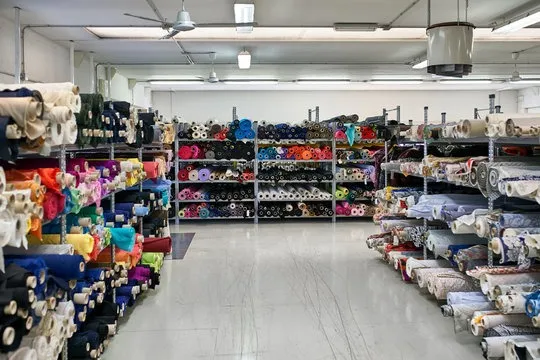
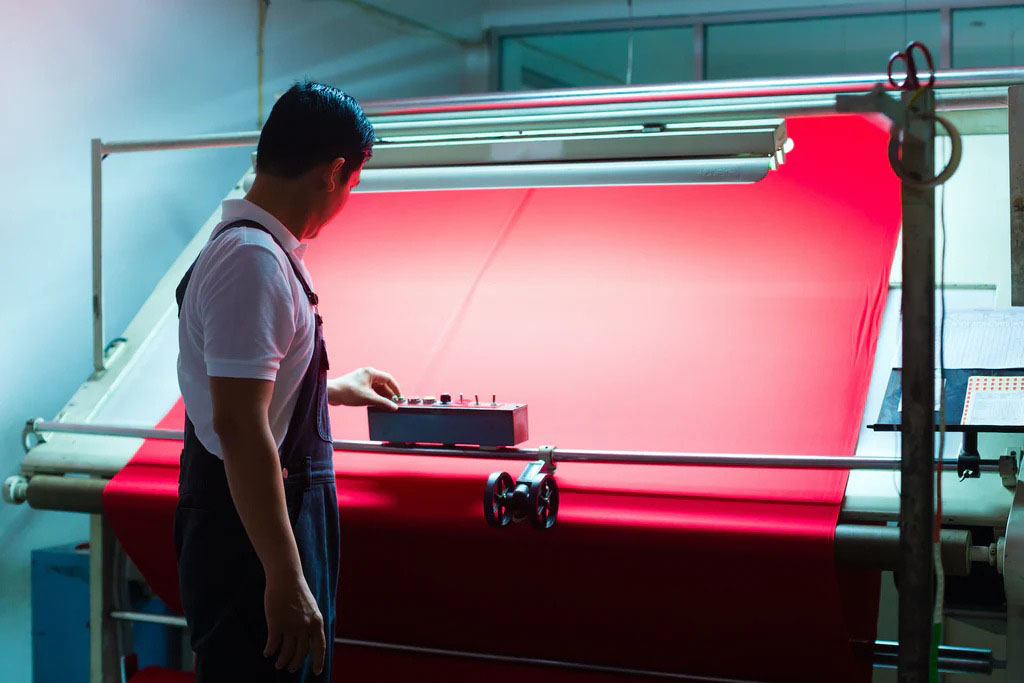
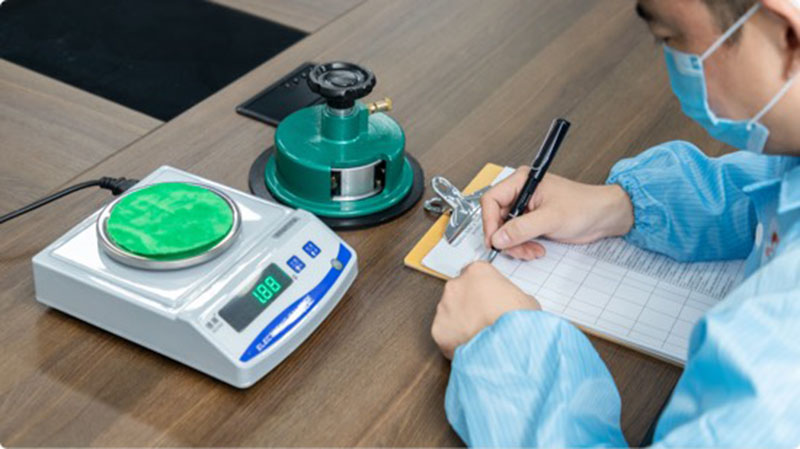
Every fabric delivery is inspected before entering production. This level catches batch-to-batch variation and manufacturing deviations that certification documentation alone cannot detect.
- Every fabric delivery inspected before entering production: visual quality, color vs Pantone reference, pile height, OEKO-TEX certificate validity
- Flammability pre-screening for all long pile fabrics (15mm+) before confirming for production
- Non-conforming fabric quarantined and returned — never enters production regardless of schedule pressure
Level 3: Third-Party Laboratory Certification
Level 3: Third-Party Laboratory Certification
Pre-production fabric samples are submitted to accredited third-party laboratories for market-specific safety certification testing — providing independent verification of compliance before production begins.
- Pre-production fabric samples submitted to SGS, Intertek, or Bureau Veritas for market-specific safety testing
- Tests conducted: EN71 Part 2 (flammability), EN71 Part 3 (chemical migration), REACH azo dye testing, colorfastness suite
- Failure resolution: root cause identified, alternative fabric sourced and re-tested before production proceeds
- Complete test reports included with every order for buyer compliance records
Why KINWIN’s Fabric Compliance System Protects Your Brand
Why KINWIN's Fabric Compliance System Protects Your Brand
✓ OEKO-TEX certified fabric sourcing mandatory for all children’s plush toy production — no exceptions
✓ Annual certificate validity verification — expired certificates do not enter the supply chain
✓ Flammability pre-screening for all long pile fabrics before production confirmation
✓ New supplier sample batch testing before approval — not just document review
✓ Third-party testing through SGS, Intertek, Bureau Veritas — market-specific standard coverage
✓ Complete test documentation with every order: EN71, ASTM, REACH, OEKO-TEX
✓ Failure root cause analysis and alternative sourcing — production does not proceed on failed fabric
✓ 17+ years of fabric compliance experience across 30+ markets
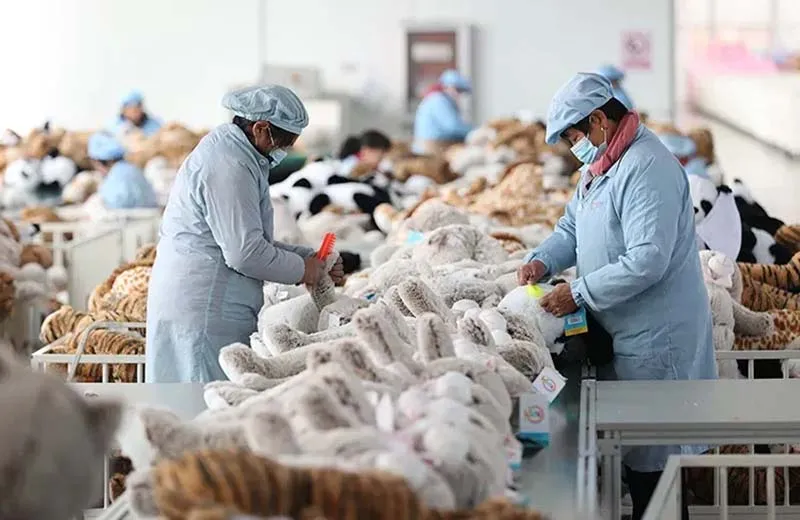
Fabric safety compliance is not a box to check at the end of development — it is the foundation that every other quality decision rests on. KINWIN builds compliance in from the first material specification.
Frequently Asked Questions — Fabric Safety Standards for Plush Toys
Frequently Asked Questions — Fabric Safety Standards for Plush Toys
Q1. Why do plush toys so often fail azo dye testing — and how is it prevented?
Azo dye failures occur when fabric manufacturers use dye compounds that contain or can generate restricted aromatic amines — typically to achieve specific bright colors (particularly certain reds, oranges, and yellows) at lower cost than fully compliant alternatives. The failure is difficult to detect visually — a fabric can look identical to a compliant version while containing banned dye compounds. Prevention requires: (1) sourcing exclusively from OEKO-TEX certified fabric suppliers who test specifically for banned azo dyes as part of their annual certification; and (2) not sourcing fabrics from uncertified suppliers regardless of price advantage. KINWIN’s policy of mandatory OEKO-TEX certification for all children’s plush toy fabrics is specifically designed to eliminate azo dye risk at source. No uncertified fabric enters KINWIN production for children’s toys.
Q2. Is flammability testing required for all plush toy fabrics or only specific types?
Flammability testing (EN71 Part 2 for EU/UK; ASTM F963 Section 4.2 for US) is required for all plush toys sold as children’s toys in regulated markets — not only specific fabric types. All fabric types are tested, but not all fabric types have the same flammability risk profile. Short pile polyester fabrics (2-8mm) typically pass flammability testing without difficulty. Long pile fabrics (15mm+), particularly in certain fiber compositions, present higher flammability risk and are more likely to fail — which is why KINWIN pre-screens all long pile fabrics for flammability before confirming them for production. Sherpa and teddy fabrics can also present flammability challenges depending on fiber composition. Providing test certificates from the fabric supplier’s own testing is not sufficient — the finished toy must be tested as a complete product.
Q3. How is the OEKO-TEX saliva colorfastness requirement relevant for older children's plush toys (age 3+)?
The saliva colorfastness test is most critical for products in the 0-3 age range where mouthing behavior is most prevalent and most prolonged — which is why OEKO-TEX Class I (for under-3 products) applies the strictest colorfastness requirements. For products in the 3+ age range, mouthing is less frequent but not absent — children aged 3-6 still mouth toys, particularly during calm or distracted moments. OEKO-TEX Class II requirements (applicable to products with direct prolonged skin contact for older children) maintain high colorfastness standards. For plush toys rated 3+, KINWIN applies Class I standards to all fabric sourcing regardless — because the additional cost of higher-grade certification is minimal and the risk reduction is significant. Most fabric compliance failures from colorfastness come from fabrics sourced without OEKO-TEX certification, not from fabrics that failed despite certification.
Q4. What is the difference between REACH compliance and OEKO-TEX certification for plush toy fabrics?
REACH is EU law — it sets legally binding limits on specific chemical substances in products placed on the EU market. OEKO-TEX Standard 100 is a voluntary private certification — it is not legally required, but it tests for a broader range of substances than REACH at generally stricter limits. The relationship: OEKO-TEX certification provides strong evidence of REACH compliance (all OEKO-TEX-tested substances include the REACH restricted substances), but OEKO-TEX certification is not itself a legal compliance document for REACH purposes. For EU market compliance, you need: REACH compliance (which can be demonstrated through supplier declarations and test reports including OEKO-TEX data), plus a Declaration of Conformity showing the product meets all applicable EU toy safety requirements. In practice, sourcing OEKO-TEX certified fabrics and documenting this is the most efficient path to demonstrating both REACH compliance and broader chemical safety for plush toy buyers and regulators.
Q5. How do fabric safety standards differ between children's plush toys and adult collector plush?
The strictness of fabric safety standards depends on the product’s age grade and marketing claims — not on how it is designed or who typically buys it. Products marketed as toys for children under 14 must meet full toy safety requirements (EN71, ASTM F963) including all fabric safety tests. Products marketed specifically as adult collectibles (14+ age grade, with appropriate labeling and marketing clearly targeting adults) may be subject to less stringent requirements in some markets. However, KINWIN recommends applying full OEKO-TEX Class I certified fabric standards to all plush products regardless of age grade — for several reasons: the marginal cost difference is negligible; some adult products are gifted to or handled by children despite age grading; and regulatory classification of ‘adult’ products is increasingly scrutinized when the product is visually toy-like. The reputational and liability risk of a chemical compliance failure in any plush product outweighs any cost saving from using non-certified fabrics.
If You Can lmagine lt,We Will Create lt!
1.Tell Us What You Need
Tell us as specific as possible of your needs and share your idea.
2.Get Solution & Quote
We will work on the best solution according to yourrequirements,the specific quote will be provided within 24 hours.
3.Approve for Mass Production
We will start mass production after getting your approval.