
Plush Toy Development Process — From Concept to Market
Plush Toy Development Process — From Concept to Market
Concept → Character Design → Tech Pack → Sampling → Safety Testing → Production → Launch
Developing a custom plush toy from concept to finished product is a multi-stage process that most first-time brand founders significantly underestimate — in both complexity and timeline. Unlike sourcing an off-the-shelf product, custom plush toy development requires original design work, specialist manufacturing craft, safety certification, and logistics coordination — all before a single unit reaches your customer.
This guide walks through every phase of the plush toy development process — what happens in each phase, what you as a brand owner need to decide or provide, what KINWIN delivers, and how long each phase takes. Whether you are developing your first character or expanding an existing product line, this is the complete roadmap.
Development Timeline Overview
Development Timeline Overview
Total first order to US/EU: 12–18 weeks. Reorder (existing approved design): 8–10 weeks.
Phase 1
Concept & Brief
Duration: 1–3 days
Milestone: Brief submitted
Client action: Submit brief + NDA
Phase 2
Character Design Development
Duration: 3–7 days
Milestone: Design reference approved
Client action: Review & approve design
Phase 3
Tech Pack Preparation
Duration: 3–5 days
Milestone: Tech pack complete
Client action: Review & sign off
Phase 4
Material Sourcing & Confirmation
Duration: 3–7 days
Milestone: Color swatches approved
Client action: Approve fabric & thread colors
Phase 5
Prototype Sampling
Duration: 7–15 days
Milestone: First physical sample ready
Client action: Evaluate sample
Phase 6
Sample Review & Revision
Duration: 5–21 days
Milestone: Golden sample approved
Client action: Provide revision feedback
Phase 7
Safety Testing
Duration: 10–14 days
Milestone: Test reports issued
Client action: Review compliance docs
Phase 8
Production Order Confirmation
Duration: 1–2 days
Milestone: Production authorized
Client action: Confirm order + deposit
Phase 9
Mass Production
Duration: 25–35 days
Milestone: Production complete
Client action: Monitor milestones
Phase 10
Final QC & Packaging
Duration: 3–5 days
Milestone: QC passed; goods packed
Client action: Balance payment
Phase 1 · Concept Definition & Brief Preparation [1–3 days]
Phase 1 · Concept Definition & Brief Preparation [1–3 days]
Every plush toy development project begins with a concept — and the quality of that concept definition determines the speed and accuracy of everything that follows. The development brief is the single most important document in the entire process: it translates your creative vision into the actionable instructions that KINWIN’s design and manufacturing teams work from.
What You Define at This Stage
- Character concept: who or what is the character? What is their personality, aesthetic, and emotional role?
- Design reference: any existing visual reference — artwork, sketches, reference images, mood boards, written descriptions
- Target size: what dimensions should the finished product be? (height, width, sitting vs standing)
- Material preferences: fabric type, filling type, any specific texture or feel requirements
- Functional requirements: sound, LED, weighted, scented, AI module, or standard plush
- Branding requirements: how will your brand be applied? Logo, labels, hangtags, packaging
- Target markets: which countries will you sell in? (determines safety certification path)
- Target launch date: work backwards to confirm the timeline is achievable
- Target order quantity: first order volume (informs pricing)
What KINWIN Delivers
- NDA signed before any design files are shared
- Initial brief review and clarifying questions
- Preliminary feasibility assessment
- Project quotation and timeline proposal within 24 hours
Phase 2 · Character Design Development [3–7 days]
Phase 2 · Character Design Development [3–7 days]
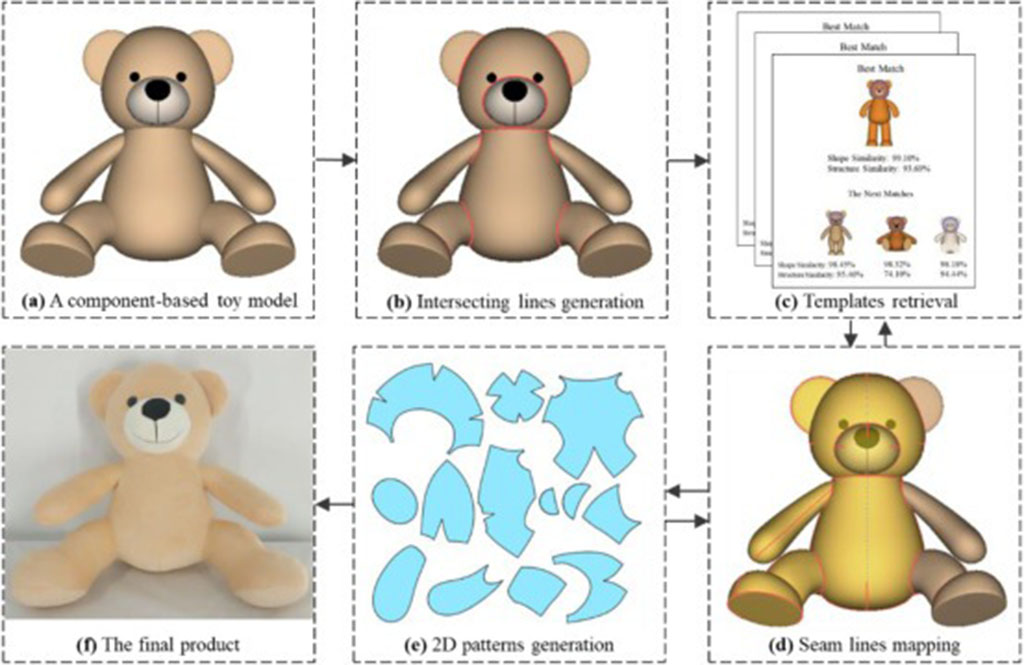
For brands without ready-to-manufacture design files, KINWIN’s design support team bridges the gap between your creative vision and the technical specifications that pattern makers can work from. This phase transforms rough concepts into production-ready reference sets.
Design Alignment Document
Before any pattern is cut, KINWIN prepares a design alignment document — a structured visual and written confirmation of how every design element will be interpreted in three-dimensional plush form. This document is the most important tool for preventing first-sample rejection.
- Body proportion decisions: head-to-body ratio, limb lengths, overall silhouette
- Facial feature specification: eye size (mm × mm), nose shape and size, mouth curve, highlight dot placement
- Color zone assignments with Pantone TPX references
- Pile direction for each body panel
- Functional module placement (if applicable)
- Accessory and clothing design decisions
- Branding application points: logo size, placement, method
Design Inputs Accepted
- Multi-view digital artwork (AI/PSD/PNG): Direct to tech pack + alignment doc — Fastest: Day 1–3
- Single-view digital artwork: Develop missing views + alignment doc — Standard: Day 2–4
- Hand-drawn sketch: Digitize + refine + multi-view + alignment — Standard: Day 3–5
- Physical reference sample: Study proportions + develop patterns — Standard: Day 2–4
- Written description + mood board: Concept sketching + multiple rounds — Extended: Day 4–7
- IP design bible: Extract production specs + alignment — Standard: Day 2–4
Phase 3 · Tech Pack Preparation [3–5 days]
Phase 3 · Tech Pack Preparation [3–5 days]
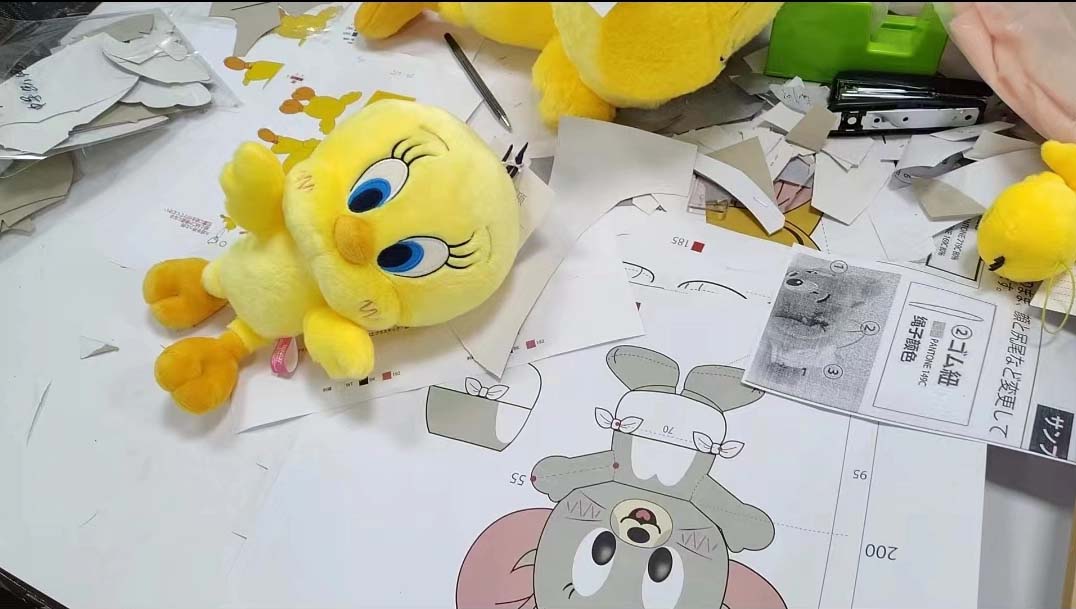
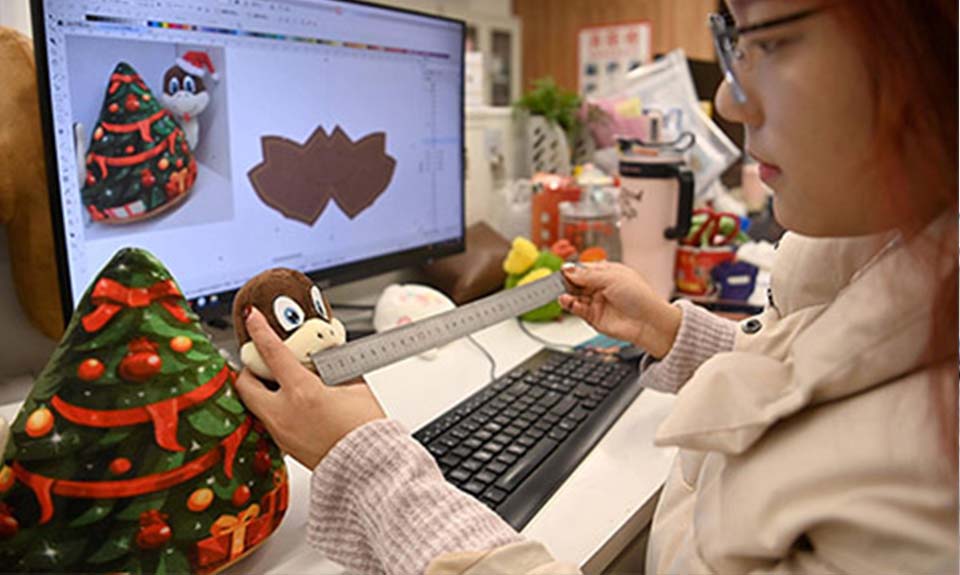
The tech pack (technical package) is the complete manufacturing specification document — the definitive reference that every member of the production team works from throughout sampling and mass production. A complete, accurate tech pack is the single most effective investment in production efficiency and quality consistency.
Tech Pack Contents
- Multi-view technical drawings: front, back, left side, right side, bottom, and detail views with dimensions
- Material specifications: fabric type, pile length, color (Pantone TPX reference) for every panel
- Filling specification: filling type and gram-weight target per body section
- Construction sequence: numbered assembly steps with part references
- Embroidery specification: placement coordinates, stitch type, thread color (Pantone reference), size per element
- Seam specifications: stitch type, stitch density, seam allowance per seam
Tech Pack Contents (continued)
- Functional module specifications: module type, placement, wiring, activation method
- Branding application: logo file reference, placement coordinates, method, size
- Label requirements: brand label, safety labels, care labels per target market
- Packaging specification: packaging type, dimensions, brand artwork placement
- Quality inspection checkpoints: key dimensions, tolerances, and visual reference points
Phase 4 · Material Sourcing & Color Confirmation [3–7 days]
Phase 4 · Material Sourcing & Color Confirmation [3–7 days]
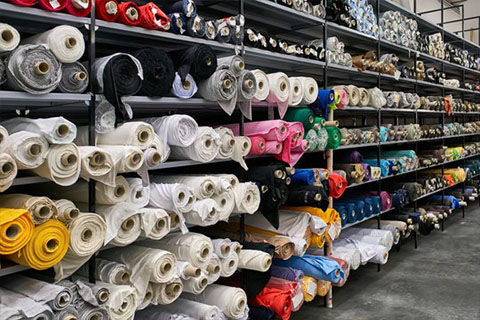
Material selection decisions made during the design phase now become physical reality. This phase confirms that all specified materials are available, correctly colored, and certified — before any fabric is cut for sampling.
Material Confirmation Activities
- Fabric color matching: production fabrics matched to Pantone TPX references; physical swatches produced
- Color swatch submission: physical fabric swatches shipped to client for approval against their Pantone reference
- Embroidery thread color matching: thread colors cross-referenced to Pantone; thread samples submitted
- OEKO-TEX certificate verification: all fabric certificates verified for validity and correct product class
- Filling material inspection: PP cotton grade, cleanliness, and fiber length confirmed
- Electronic component sourcing: module availability, spec confirmation, function test
- Label and packaging artwork preparation: label content finalized; print artwork prepared
Color approval at this stage is critical. Once fabric is purchased and cut, color changes require sourcing new fabric — adding 7-14 days and cost. KINWIN strongly recommends physical swatch approval (not screen-based evaluation) because screen color rendering varies significantly across devices.
Phase 5 · Prototype Sampling [7–15 days]
Phase 5 · Prototype Sampling [7–15 days]
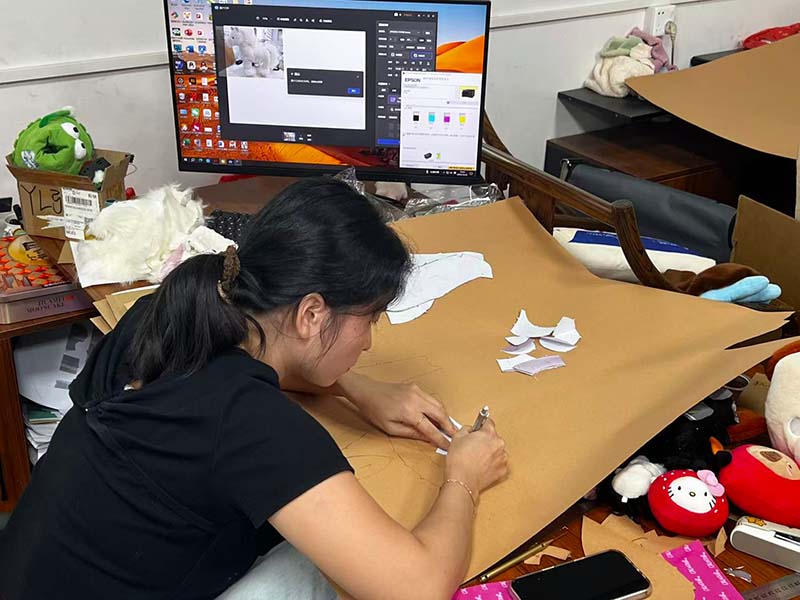
Prototype sampling is where concept becomes reality. KINWIN’s senior pattern makers hand-craft the first physical prototype of your character — the critical moment when you can evaluate the actual product for the first time. The standard sampling turnaround at KINWIN is 7 working days from confirmed design alignment and material approval.
Sampling Lead Times by Product Type
- Standard character plush (15–45cm): 7 working days — Most straightforward
- Mini keychain plush (10–15cm): 5–7 working days — Simpler construction
- Large character (60cm+): 10–12 working days — Complex pattern scaling
- Weighted plush (glass beads): 10 working days — Bead containment engineering
- Sound / LED module plush: 10–12 working days — Module sourcing + testing
- AI conversation module: 14–18 working days — AI integration complexity
- Crochet-style plush: 10 working days — Specialist knit technique
- Memory foam pillow: 10–14 working days — Foam sourcing + shaping
- Multi-character blind box series: 14–21 working days — Series coordination
What Is Delivered with Every Sample
- Physical prototype shipped via express courier
- HD photography from all angles against white background
- Construction report: actual dimensions, materials used, fill weight achieved, deviations from tech pack
- Revision guidance: KINWIN’s pre-assessment of areas most likely to need client feedback
Phase 6 · Sample Review, Revision & Golden Sample Approval [5–21 days]
Phase 6 · Sample Review, Revision & Golden Sample Approval [5–21 days]
This phase is the most variable in the entire development timeline — and the one where brand decisions have the greatest impact. The number of revision rounds required depends almost entirely on two factors: the quality of the design brief (how clearly the vision was communicated) and the quality of the revision feedback provided by the brand.
How to Provide Effective Sample Feedback
The difference between a one-round revision and a three-round revision is almost always in the specificity of feedback. KINWIN’s revision team needs actionable instructions — not subjective impressions.
- Eye position — Effective: ‘Move left eye 3mm right, 2mm up’ / Ineffective: ‘Eyes look uneven’
- Nose size — Effective: ‘Reduce nose size by 25%’ / Ineffective: ‘Nose too big’
- Filling density — Effective: ‘Body needs 20% more filling — too soft’ / Ineffective: ‘Not fluffy enough’
- Fabric color — Effective: ‘Right arm fabric is 2 shades lighter than reference Pantone 16-1439 TPX’ / Ineffective: ‘Color is slightly off’
- Proportion — Effective: ‘Head needs to be 10% larger relative to body’ / Ineffective: ‘Head looks too small’
- Expression — Effective: ‘Mouth curve too subtle — arc needs to be 30% more pronounced’ / Ineffective: ‘Doesn’t look happy enough’
Revision Economics
Each physical revision round adds approximately 10–14 days to the development timeline (7 days production + 3–7 days shipping each way). Digital revision rounds — where changes can be confirmed from photography rather than requiring a new physical sample — add only 3–5 days. KINWIN always provides HD photography of revisions first; a new physical sample is produced only when the photographic confirmation is insufficient.
Golden Sample
The final approved sample becomes the golden sample — the production benchmark against which every unit in the mass production run is compared. KINWIN retains the golden sample indefinitely, using it as the quality reference for the current order and all future reorders.
Phase 7 · Safety Testing & Compliance Certification [10–14 days]
Phase 7 · Safety Testing & Compliance Certification [10–14 days]
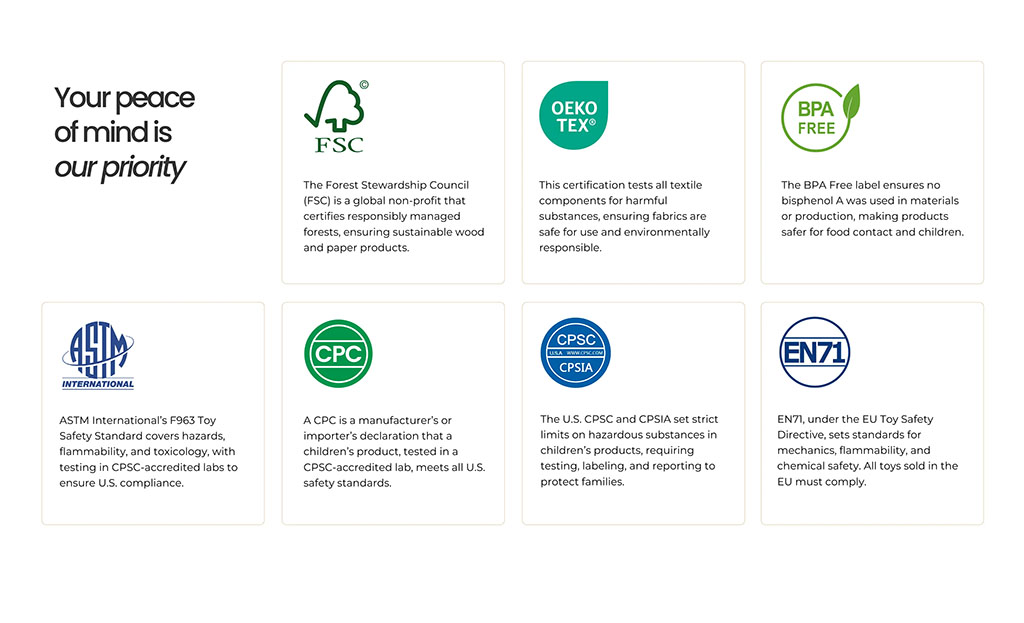
Safety testing is the regulatory gateway that determines whether your product can legally enter your target markets. KINWIN coordinates all testing through accredited third-party laboratories and provides complete compliance documentation formatted for marketplace listing, retail buyer submission, and customs clearance.
Safety Testing by Target Market
- EU: EN71 Parts 1–3 + REACH → CE Declaration + EN71 reports — 10–14 days
- UK: EN71 Parts 1–3 (UKAS lab) → UKCA Declaration + EN71 reports — 10–14 days
- USA: ASTM F963 + CPSC → Test report + CPC — 10–14 days
- Australia: AS/NZS 8124 → Test report + compliance cert — 12–16 days
- Electronic toys: Above + IEC 62115 → Above + electronic safety report — 14–21 days
- All markets: OEKO-TEX Standard 100 (fabric) → OEKO-TEX certificate — Pre-certified
KINWIN’s recommended approach: submit pre-production samples for safety testing in parallel with production preparation activities — not sequentially. This parallel approach saves 10–14 days versus waiting for sample approval before initiating testing.
Phase 8 · Production Order Confirmation & Scheduling [1–2 days]
Phase 8 · Production Order Confirmation & Scheduling [1–2 days]
With the golden sample approved and safety testing initiated (or completed), the production order is formally confirmed. This triggers material procurement and production scheduling on KINWIN’s 15 production lines.
- Production order confirmation with full specifications (golden sample reference, tech pack version, quantity breakdown)
- 30% deposit payment triggers production scheduling and material procurement
- Production start date confirmed based on line availability and component lead times
- Pre-production material check: all production materials verified against sampling specifications before production begins
- Production calendar shared: key milestones communicated to client (production start, mid-production QC, completion, shipment date)
Phase 9 · Mass Production [25–35 days]
Phase 9 · Mass Production [25–35 days]
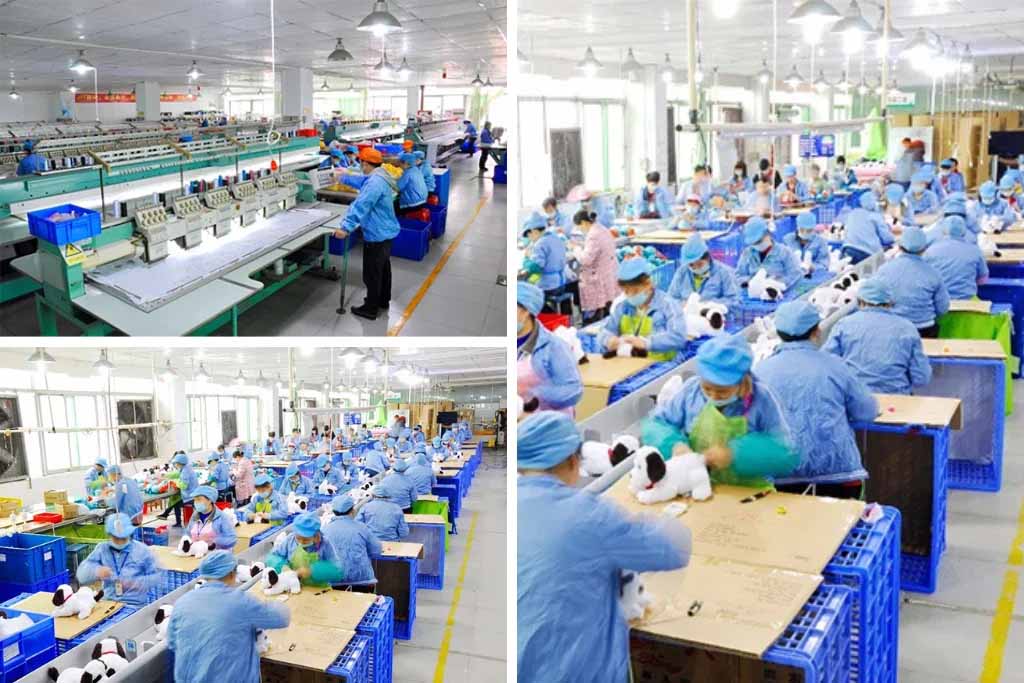
Mass production at KINWIN runs across 15 dedicated production lines organized into functional workstations — each staffed by trained specialists in their specific production stage. The golden sample is present on the production floor as the visual benchmark throughout.
Production Timeline by Volume
- 500–2,000 pcs: Standard character 25–28 days / Complex & Electronic 30–38 days
- 2,000–5,000 pcs: Standard 28–32 days / Complex 35–42 days
- 5,000–10,000 pcs: Standard 30–35 days / Complex 38–45 days — Multi-line parallel
- 10,000–30,000 pcs: Standard 35–45 days / Complex 45–60 days — Full line allocation
- 30,000+ pcs: Discuss with team / Custom scheduling
In-Process Quality Milestones
- Day 1–3 of production: first completed units compared against golden sample; any deviations corrected before full run
- Mid-production (30–40% complete): DUPRO (During Production) inspection checks consistency against golden sample
- Continuous in-process inspection at every production workstation
- 100% pull-force testing on all attached components
- Progress photos shared at production milestones
Phase 10 · Final QC, Packaging & Pre-Shipment Audit [3–5 days]
Phase 10 · Final QC, Packaging & Pre-Shipment Audit [3–5 days]
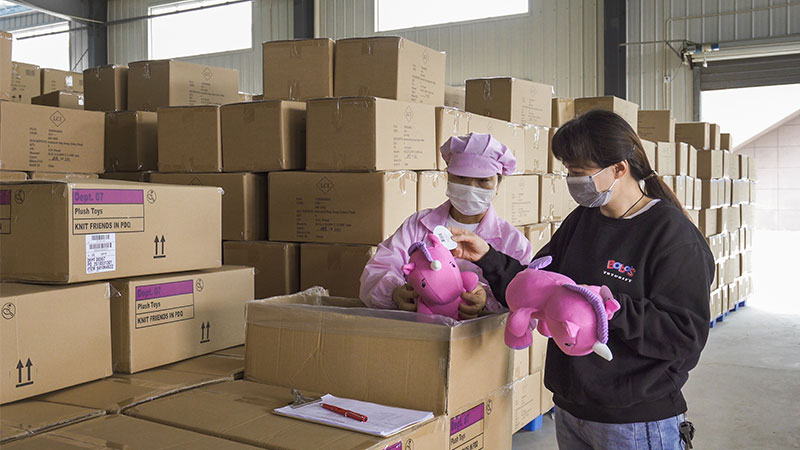
Production completion triggers the final quality gate — 100% inspection of every finished unit against the golden sample, followed by packaging and a pre-shipment audit of packed goods before shipment authorization.
- 100% final visual inspection: every unit checked against golden sample across all dimensions
- Packaging: poly bag, hang tag, gift box, or retail packaging per specifications
- FBA labeling where required: FNSKU, suffocation warning, age label
- Carton packing: inner cartons, outer export cartons, carton labeling
- Pre-shipment audit: 10% random carton check, packing list verification, document completeness
- Balance payment (70%) due after QC pass and before shipping booking
- Compliance documentation package assembled: CE/UKCA/ASTM test reports, CPC, OEKO-TEX certs, QC report
Phase 11 · Shipment, Customs & Delivery [15–35 days sea / 3–7 days air]
Phase 11 · Shipment, Customs & Delivery [15–35 days sea / 3–7 days air]
Goods are shipped via the agreed logistics method. KINWIN provides all necessary export documentation, coordinates with freight forwarders, and tracks shipments at every milestone.
- Sea FCL (full container): 15–35 days — Large orders (5,000+ pcs)
- Sea LCL (shared container): 18–38 days — Medium orders (500–5,000 pcs)
- Air freight: 3–7 days — Urgent restocking; samples
- Express courier: 3–5 days — Samples; small quantities
- DDP door-to-door: Sea/air transit + last mile — Full service; no import hassle
- Amazon FBA direct: Sea/air + FBA check-in — Amazon sellers
Critical Decision Points in the Development Process
Critical Decision Points in the Development Process
Five decision points in the development process have the greatest impact on timeline and quality outcomes. Getting these right eliminates the most common causes of delay and disappointment.
Decision 1 · Design Brief Completeness
The single most impactful decision in the entire process. A detailed brief with multi-view artwork, Pantone color references, and explicit size specifications reduces average revision rounds from 2-3 to under 1. The extra hour spent preparing a complete brief saves 2-3 weeks of development time. KINWIN’s brief template is available on request to help structure this information.
Decision 2 · Design Alignment Sign-Off
Signing off on the design alignment document before sampling begins is the most effective way to prevent first-sample rejection. Brands who rush through or skip this stage almost always require more revision rounds. The alignment document takes 30-60 minutes to review but prevents days of revision production time.
Decision 3 · Physical vs Digital Sample Review
Evaluating samples from photography alone risks missing tactile quality dimensions — filling density, fabric hand feel, and seam integrity that photographs cannot fully capture. For first prototypes of new characters, physical sample review is always recommended. For subsequent revisions where specific documented changes are being verified, digital review of HD photography may be sufficient.
Decision 4 · Safety Testing Timing
Initiating safety testing before the golden sample is formally approved — using pre-production prototypes that are equivalent in material and construction — saves 10-14 days versus the sequential approach. For most products using OEKO-TEX certified materials, the risk of material-related test failure is very low, making parallel testing the correct default approach.
Decision 5 · Production Slot Booking
During peak production seasons (June-September), KINWIN’s production lines are at maximum capacity. Brands who confirm their production intent and pay their deposit before sample approval formally completes can secure a production slot reservation — saving 1-3 weeks of queue time versus brands who wait for final sample approval before confirming. This is especially important for brands with fixed seasonal launch windows.
Development Process for Different Starting Points
Development Process for Different Starting Points
Not every brand starts from the same point. Here is how the development process adapts for different starting scenarios.
10–14 weeks
Complete production-ready artwork + Pantone refs
What is skipped: Character design development phase skipped
11–15 weeks
Detailed multi-view artwork (no Pantone)
What is skipped: Character design development skipped
12–16 weeks
Single-view reference + description
What is skipped: N/A — design development needed
13–17 weeks
Hand-drawn sketch only
What is skipped: N/A — design development needed
14–18 weeks
Rough concept / verbal description
What is skipped: N/A — concept + design development needed
8–10 weeks
Existing approved design (reorder)
What is skipped: Phases 2–7 entirely skipped
Why KINWIN Delivers Exceptional Development Outcomes
Why KINWIN Delivers Exceptional Development Outcomes
✓ Design alignment document process — prevents most first-sample failures before sampling begins
✓ 30+ senior pattern makers with average 8+ years plush toy specialization
✓ 7-day standard sampling turnaround — industry-leading speed without quality compromise
✓ Average 0.8 revision rounds to approval — more than half approved on first prototype
✓ 200,000+ samples per year — experience with virtually every construction challenge
✓ Complete tech pack management — KINWIN prepares and maintains all production documentation
✓ Parallel safety testing coordination — saves 10-14 days vs sequential approach
✓ Golden sample retained indefinitely — guarantees reorder consistency for years
✓ Full NDA protection from first design exchange to final delivery
✓ Transparent milestone communication throughout every development phase
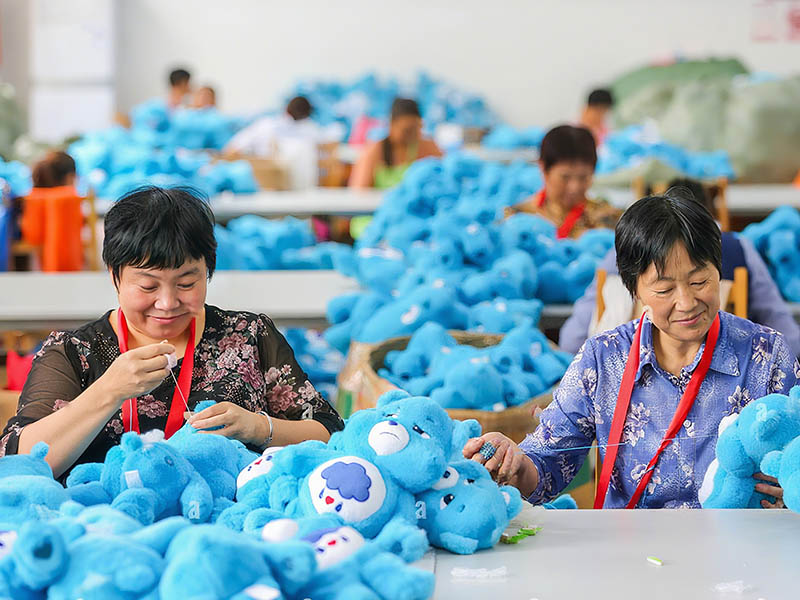
From your first sketch to your first sale — KINWIN manages every step of the development process so you can focus on building your brand.
Frequently Asked Questions — Plush Toy Development Process
Frequently Asked Questions — Plush Toy Development Process
Q1. I have a concept but no design file — can KINWIN still develop my plush toy?
Yes, absolutely. KINWIN’s design support team works from any starting point — including nothing more than a written description and a general aesthetic direction. The development process begins with a structured design consultation where we ask targeted questions about your character’s personality, proportions, colors, materials, and functional requirements. From your answers, we develop concept sketches, refine them into production-ready multi-view reference artwork, and prepare the tech pack and design alignment document before sampling begins. Brands with rough concepts and no design files are among our most common client type — the full design support is included in the project.
Q2. How do I protect my character design IP during the development process?
KINWIN supports full NDA (Non-Disclosure Agreement) execution before any design files, concepts, or reference materials are shared. Our IP protection protocols include: controlled access to design files (only personnel directly working on your project have access), strict project-to-project separation (your designs are never visible to teams working on other clients), no sharing of client IP with third parties under any circumstances, and secure retention of all design files with client-controlled access. For IP licensing programs, we support multi-party NDA structures. KINWIN has passed Disney FAMA factory audit — which includes IP security as a core assessment criterion — demonstrating our IP protection protocols meet the most stringent industry standards.
Q3. What is the most common reason plush toy development takes longer than expected?
By a significant margin, the most common cause of development timeline extension is multiple sample revision rounds — which almost always trace back to design brief ambiguity rather than poor manufacturing execution. When the brief is vague (single-view reference with no color or size specifications), the pattern maker must make interpretive decisions that the client may disagree with — resulting in revision rounds. KINWIN’s design alignment document process addresses this directly: by agreeing on every design decision before sampling begins, we eliminate the most common source of revision. Our data shows that brands providing detailed multi-view artwork with Pantone references average under 1 revision round, while brands providing vague references average 2-3 rounds — a difference of 2-4 weeks in total development time.
Q4. Can I see a production sample before committing to the full production order?
Yes — this is exactly how the process works. The golden sample approval stage (Phase 6) occurs before the production order is formally confirmed. You physically evaluate the approved prototype, request any revisions needed, and only authorize production after you are satisfied the sample meets your quality standard. There is no obligation to proceed to production at any stage of sampling. The only commercial commitment is the sample fee, which is charged to cover actual development costs but is fully deductible from the production order if you proceed. KINWIN does not rush you to commit to production — a sample you are not satisfied with is worse for both parties than taking the time needed to get it right.
Q5. How does the development process differ for a reorder vs a first-time order?
Reorders for existing approved designs are dramatically simpler and faster than first orders. Phases 2-7 (character design, tech pack, material sourcing, sampling, revision, and safety testing) are all bypassed — they were completed for the original order and the results are fully documented and retained. For a reorder, the process is: (1) confirm the order quantity and any changes; (2) retrieve the golden sample, tech pack, and material specifications from archive; (3) conduct a pre-production material check to confirm new fabric batch matches specifications; (4) produce the order against the golden sample benchmark; (5) final QC, packaging, and shipment. Total reorder timeline: 25-35 days production + freight time = 8-10 weeks to delivery. If a design change is required for the reorder (new colorway, expression variant, size change), only the changed elements require new sampling — typically adding 7-14 days depending on change complexity.
If You Can lmagine lt,We Will Create lt!
1.Tell Us What You Need
Tell us as specific as possible of your needs and share your idea.
2.Get Solution & Quote
We will work on the best solution according to yourrequirements,the specific quote will be provided within 24 hours.
3.Approve for Mass Production
We will start mass production after getting your approval.