
Reliable Custom Plush Toy Manufacturer for Risk-Averse Buyers
If you are searching for a reliable custom plush toy manufacturer, reducing sourcing risks is often your top priority. Many brands, retailers, and product developers worry about issues such as inconsistent quality, material changes, safety compliance, or delayed production. Working with an experienced stuffed animal manufacturer helps you avoid these common problems. With a clear development process, strict plush toy quality control, and global safety compliance, you receive stable plush toy production, consistent product quality, and a supply chain you can trust for long-term business growth.
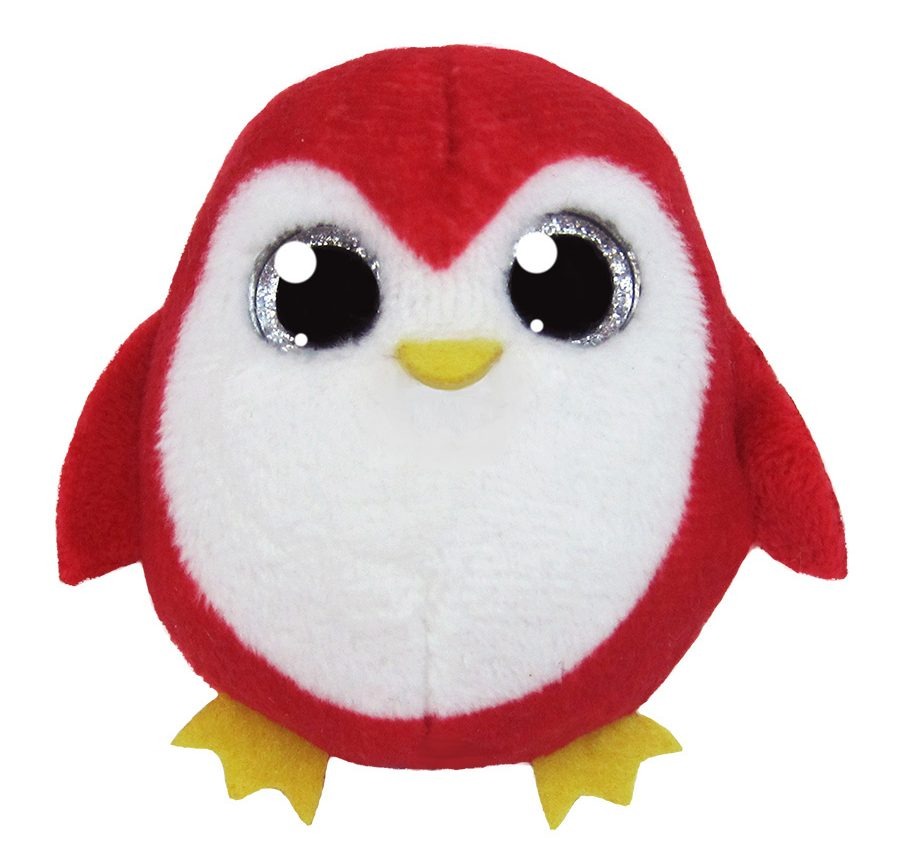
Why Risk-Averse Buyers Choose a Reliable Plush Toy Manufacturer
For many brands, choosing a plush toy manufacturer is not only about price. It is about reducing risks throughout the product development and production process. A reliable plush toy manufacturer helps maintain stable quality, meet global safety standards, and ensure reliable delivery schedules. This is why many buyers actively search for a reliable plush toy manufacturer, a trusted stuffed animal supplier, or a safe plush toy factory when developing new plush toy products.
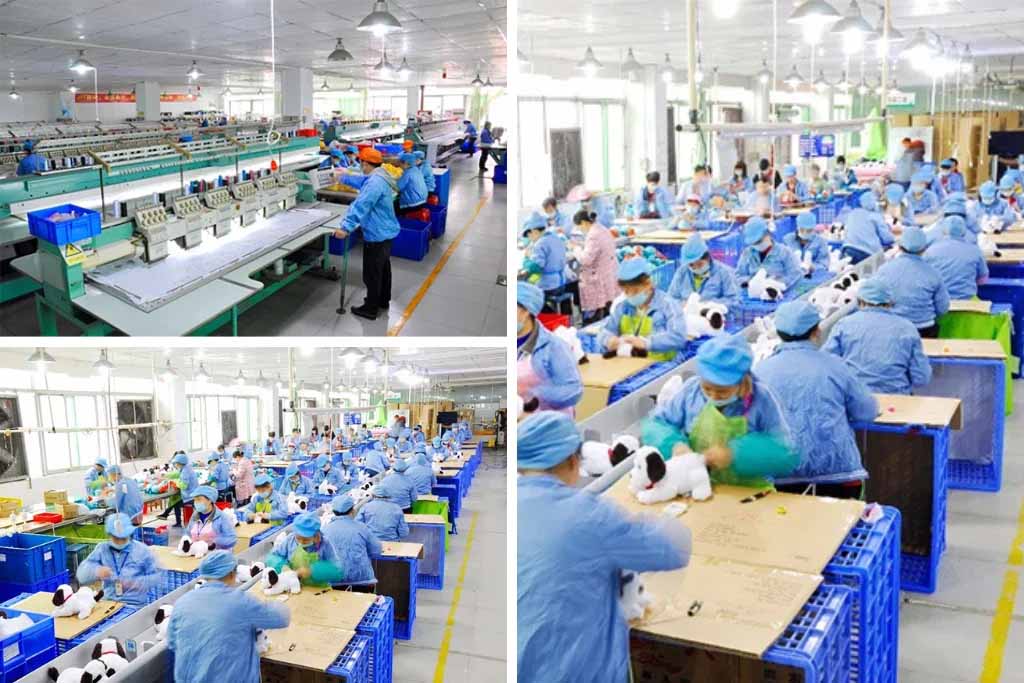
Product Quality Risk
In plush toy manufacturing, inconsistent product quality is one of the most common concerns for buyers. If production standards are not well controlled, stuffed animals from different batches may vary in stitching quality, fabric appearance, or overall durability. A reliable plush toy manufacturer uses clear production standards and regular inspections to keep plush toy quality stable across every order.
Compliance Risk
Plush toys sold in international markets must comply with safety standards such as EN71, ASTM F963, CPSIA, and REACH. Without proper material control and testing procedures, products may fail safety inspections or face import restrictions. Professional stuffed animal manufacturers help ensure that materials, accessories, and production processes meet global toy safety requirements.
Delivery Risk
Production delays can affect product launches, seasonal promotions, and retail supply chains. Factories without proper capacity planning may struggle to complete orders during peak seasons. A reliable plush toy factory maintains clear production scheduling and capacity planning to support stable and predictable delivery timelines.
Supply Chain Risk
The stability of materials and accessories directly affects plush toy production. Changes in plush fabrics, stuffing materials, or accessories during production may cause the final products to differ from approved samples. Experienced plush toy manufacturers maintain stable supply chains and work with trusted material suppliers to ensure consistent production quality.
Communication Risk
Clear communication is essential during custom plush toy development. Misunderstandings in design details, materials, or production specifications can lead to revisions, delays, or additional costs. A professional plush toy manufacturer provides structured project communication to ensure that design, sampling, and production requirements are clearly understood.
Working with a reliable plush toy manufacturer helps reduce sourcing risks, maintain consistent product quality, and build a more stable plush toy supply chain for your brand.
Global Plush Toy Safety Standards for EU and US Markets
For brands selling plush toys in international markets, safety compliance is essential. Plush toys must meet strict plush toy safety standards before entering markets such as the United States and Europe. A professional plush toy manufacturer helps ensure materials, accessories, and production processes comply with global regulations. This helps brands pass toy safety testing, reduce compliance risks, and launch products smoothly in global markets.
CE Certification for EU Markets
Plush toys sold in the European market must meet CE safety requirements and follow EN71 toy safety standards. Reliable plush toy manufacturers help ensure that plush fabrics, stuffing materials, and accessories comply with CE plush toys regulations. This allows brands to access EU markets with greater confidence and fewer compliance concerns.
ASTM F963 Safety Standard for the United States
The ASTM F963 safety standard is one of the most important requirements for stuffed animals sold in the United States. This regulation covers material safety, mechanical testing, and labeling requirements. Professional plush toy factories understand ASTM stuffed animals standards and help brands prepare products that can pass US toy safety testing.
CPSIA Compliance for Children’s Products
Plush toys designed for children must also comply with CPSIA regulations in the United States. This includes restrictions on lead content, phthalates, and product tracking labels. Experienced stuffed animal manufacturers help ensure that plush toys are produced using safe materials that meet children’s product safety standards.
REACH Compliance for Material Safety
REACH regulations in Europe focus on controlling harmful chemicals in materials used in consumer products. Plush toy manufacturers that follow REACH requirements ensure that fabrics, dyes, and accessories meet strict chemical safety standards. This helps brands reduce compliance risks when selling plush toys internationally.
Working with a plush toy manufacturer that understands global plush toy safety standards helps brands pass toy safety testing, reduce compliance risks, and enter EU and US markets with confidence.
Custom Plush Toys We Manufacture for Global Brands
Brands and retailers develop many types of plush toys for different markets and customer needs. A professional plush toy manufacturer can support a wide range of product styles, from classic stuffed animals to innovative plush products. With flexible design and manufacturing capabilities, you can develop plush toys that match your brand concept, target market, and seasonal sales opportunities.
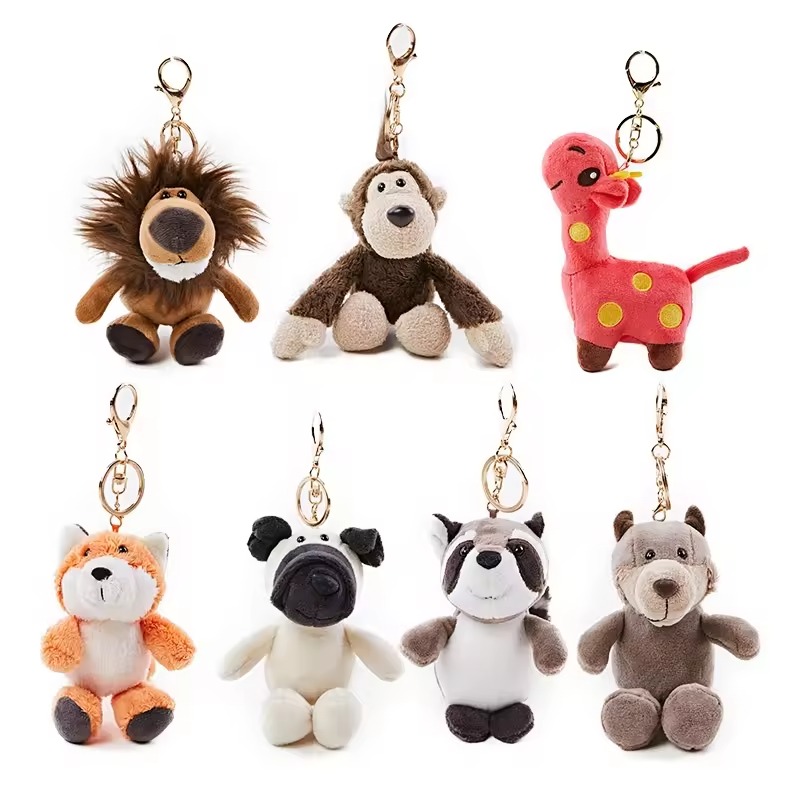
Plush Toy Keychains
Small plush toy keychains are popular promotional products and retail items. These compact plush toys are easy to carry and often used as brand merchandise or souvenir products.
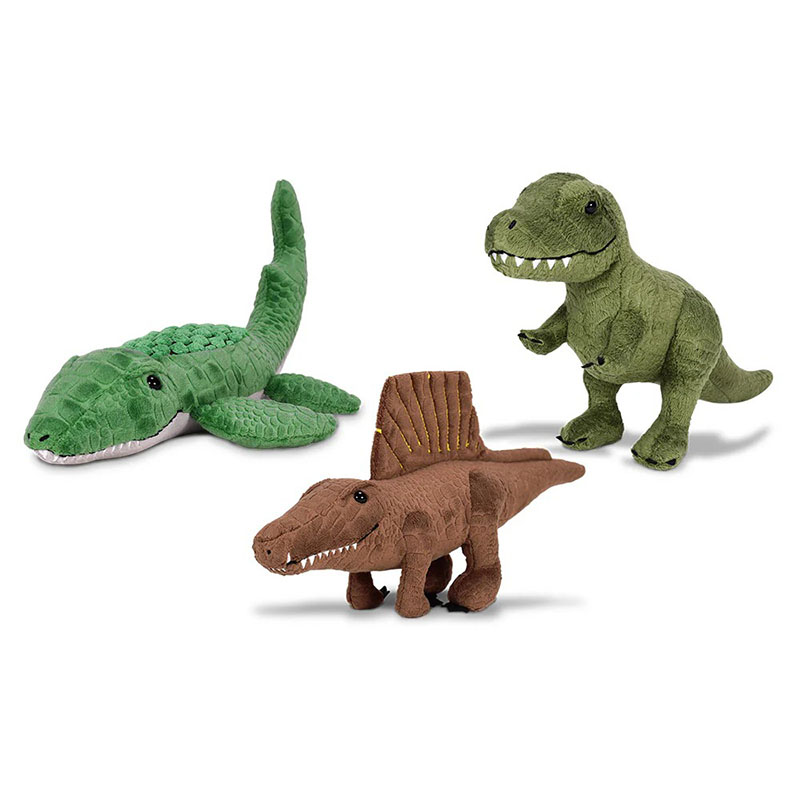
Dinosaur Plush Toys
Dinosaur plush toys are very popular among children and collectors. Different dinosaur species and colorful designs make these plush toys attractive for educational and retail markets.
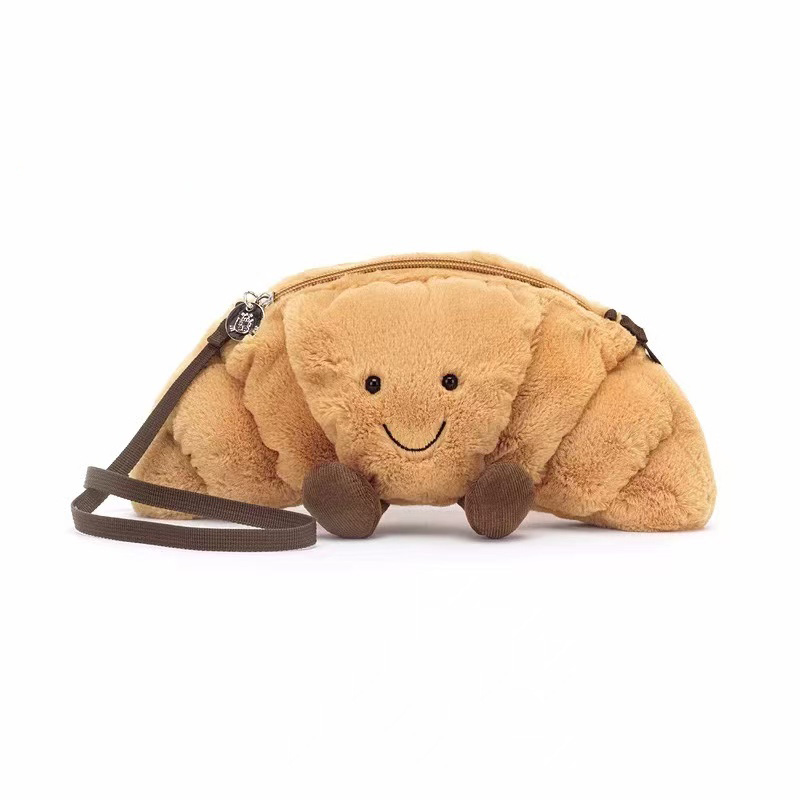
Plush Toy Backpacks
Plush backpacks combine toys and functional bags. They are popular among children and often used as school bags, travel bags, or themed retail products.
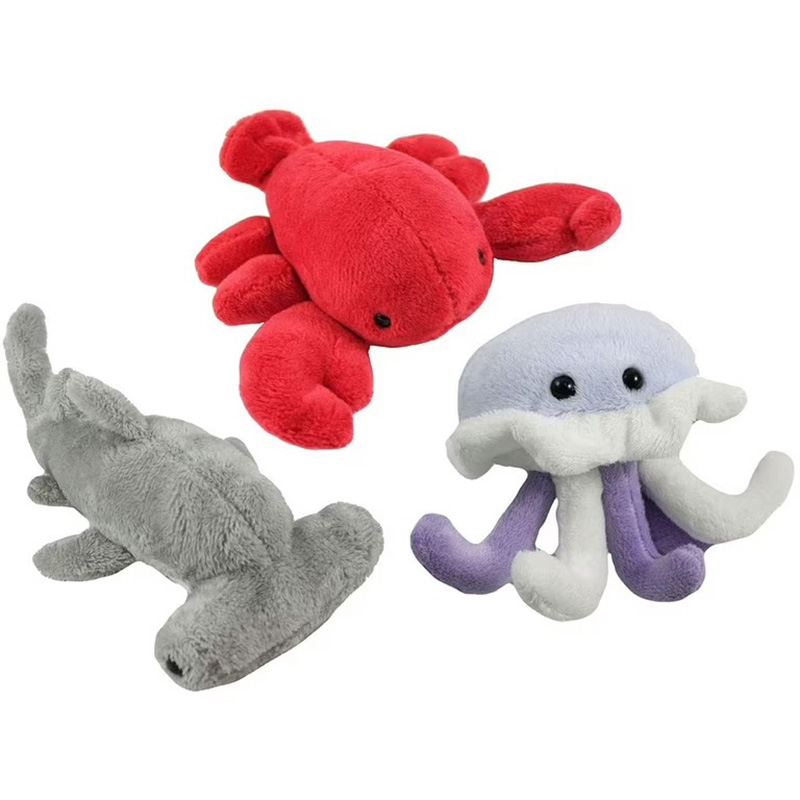
Ocean Animal Plush Toys
Ocean-themed plush toys such as whales, sharks, dolphins, and octopus toys are popular in educational stores, aquariums, and gift shops.
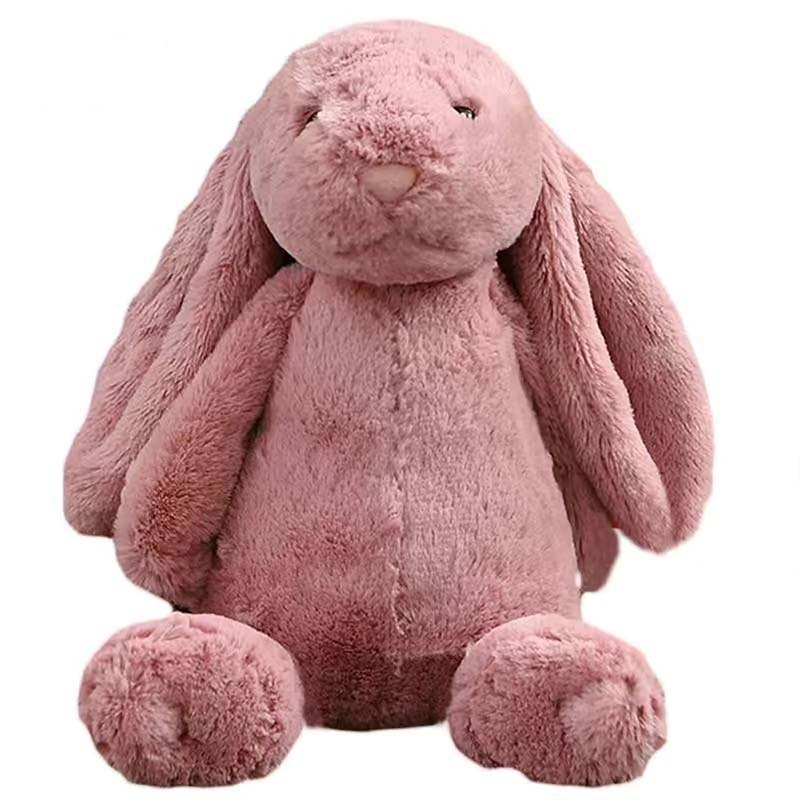
Weighted Plush Toys
Weighted plush toys are designed to provide a calming and comforting feeling. These plush toys are often used for relaxation, sensory support, and wellness products.
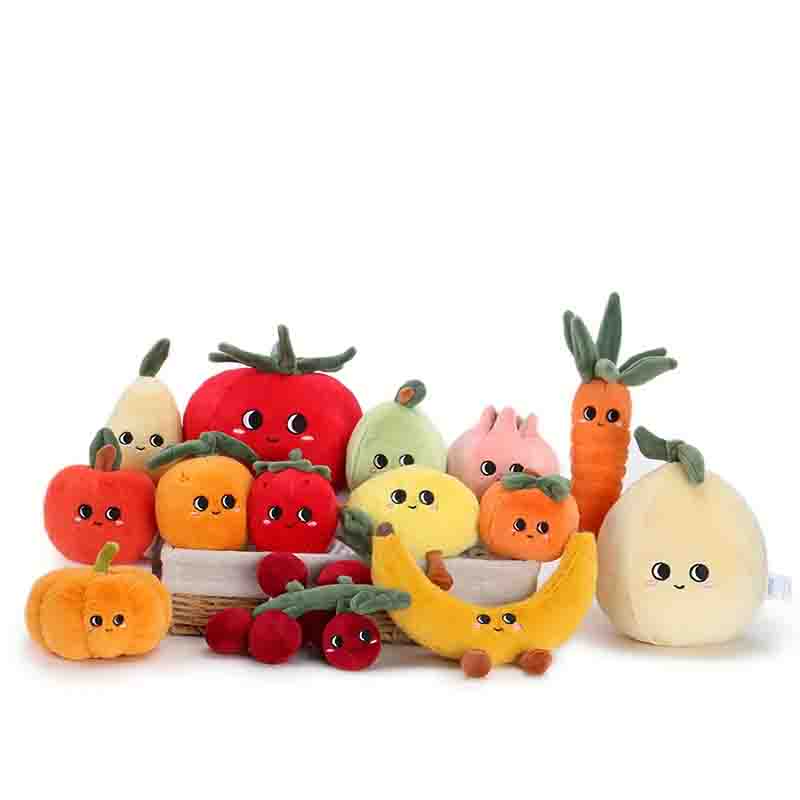
Plush Fruit Toys
Fruit-shaped plush toys are colorful and playful. They are commonly used in gift products, promotional toys, and educational learning tools for children.
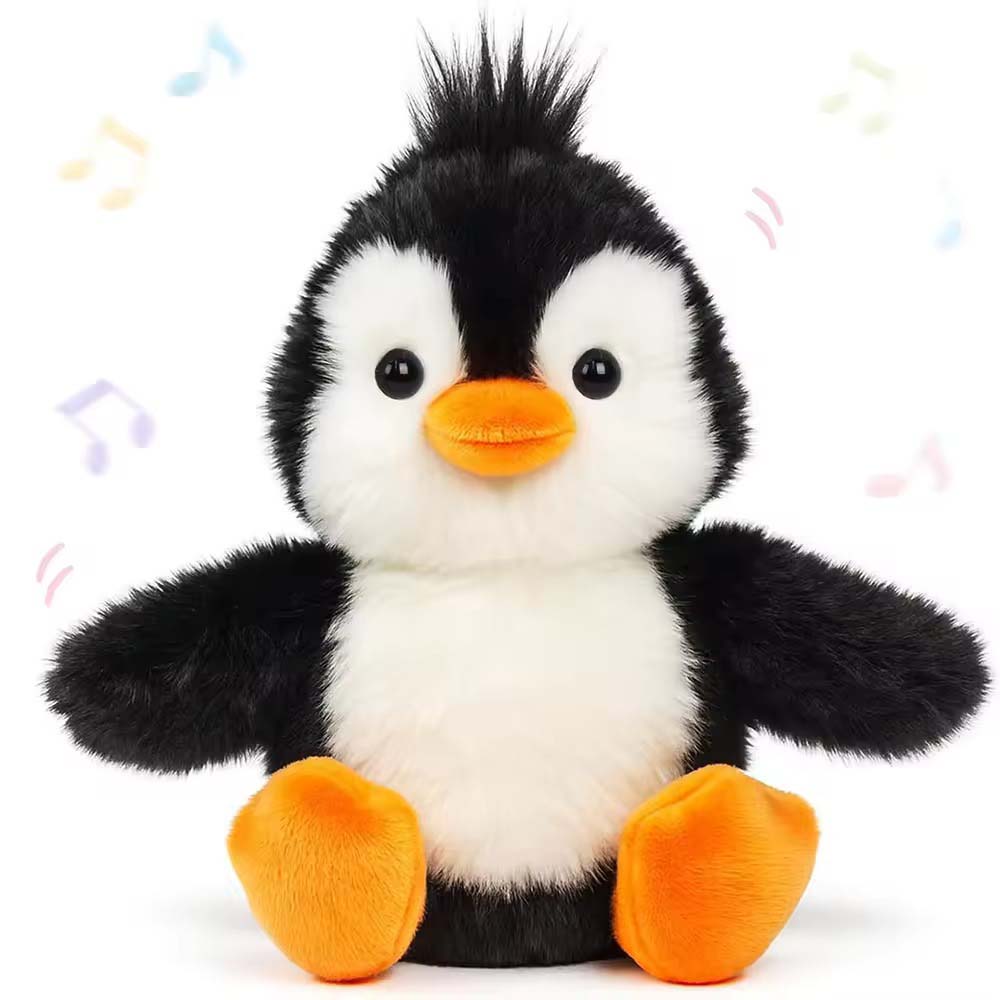
Interactive Plush Toys
Interactive plush toys include sound modules, movement features, or touch sensors. These toys create a more engaging play experience for children.
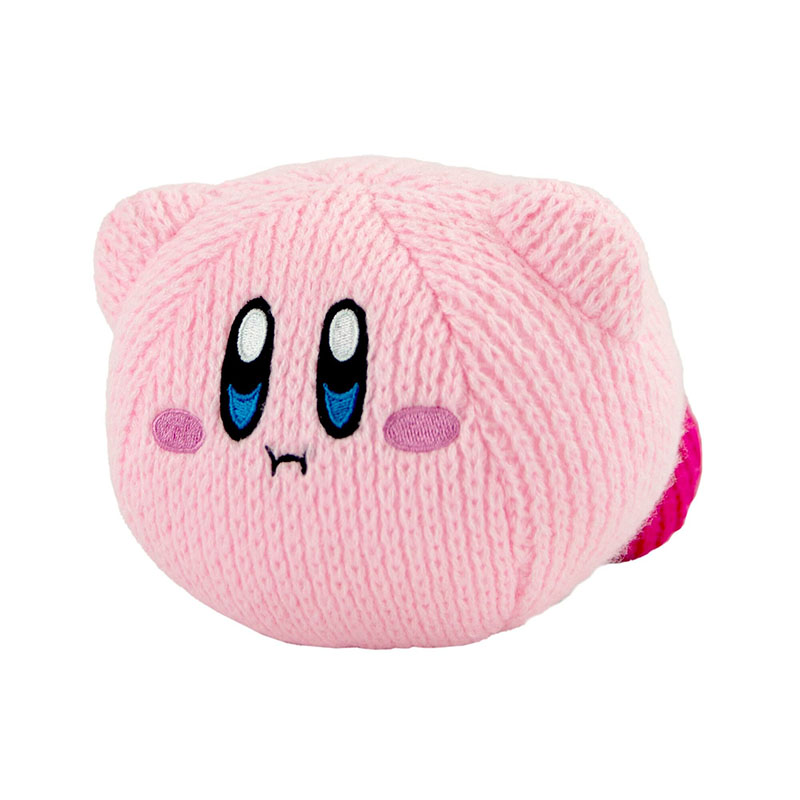
Crochet Plush Toys
Crochet plush toys are designed to imitate handmade knitting styles. They have a warm and creative appearance and are popular in boutique toy markets.
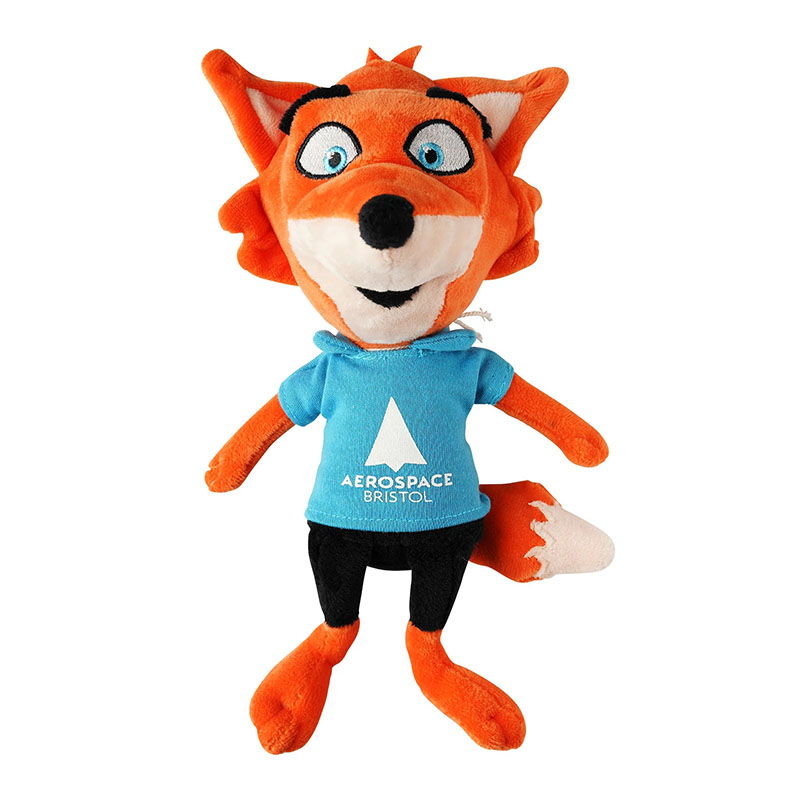
Mascot Plush Toys
Mascot plush toys are commonly used for brand marketing, sports teams, and company characters. They help brands create recognizable and memorable identities.
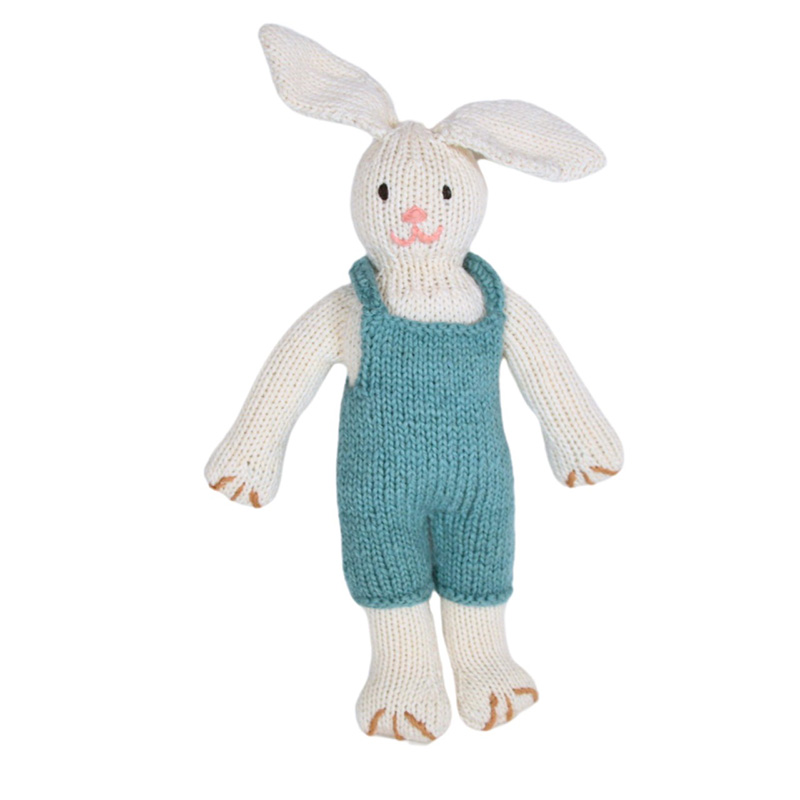
Plush Baby Toys
Baby plush toys are designed with extra safety and soft materials. They are commonly used for infant gifts and early childhood products.
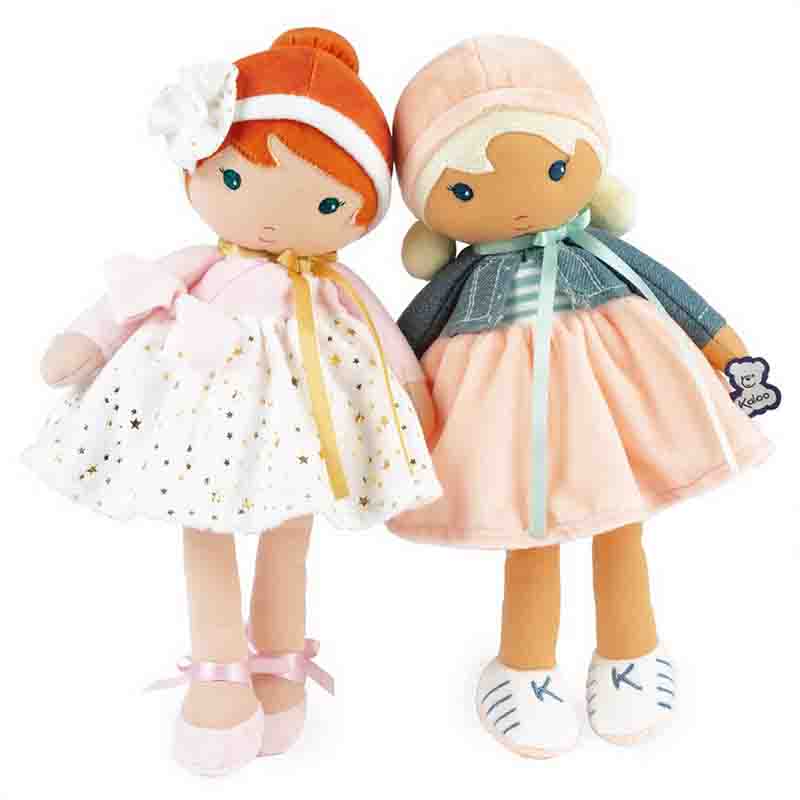
Plush Doll Toys
Plush dolls are popular character toys for children and collectors. They can represent cartoon characters, brand mascots, or original designs.
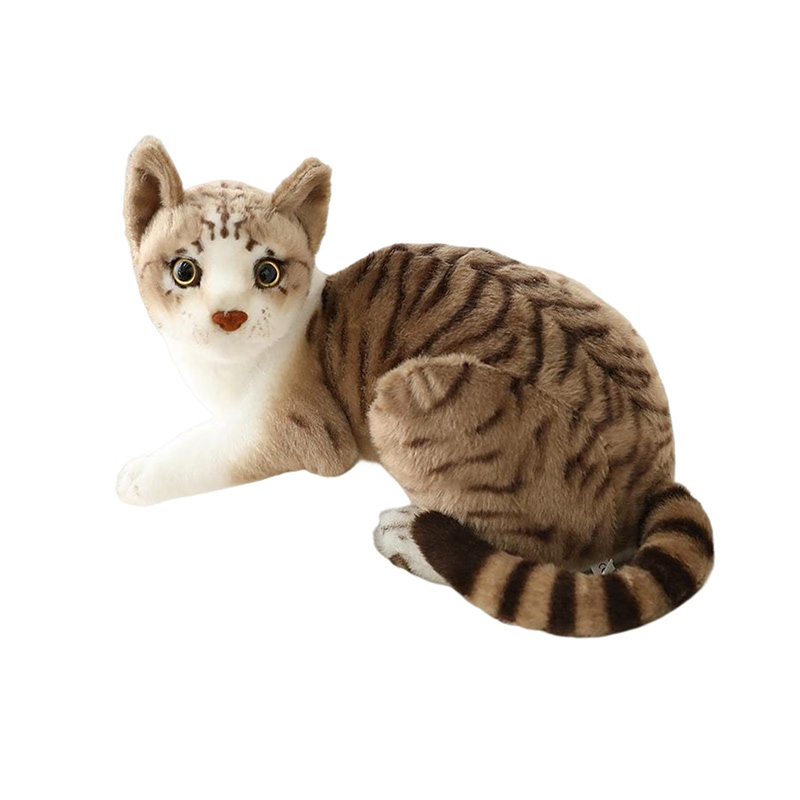
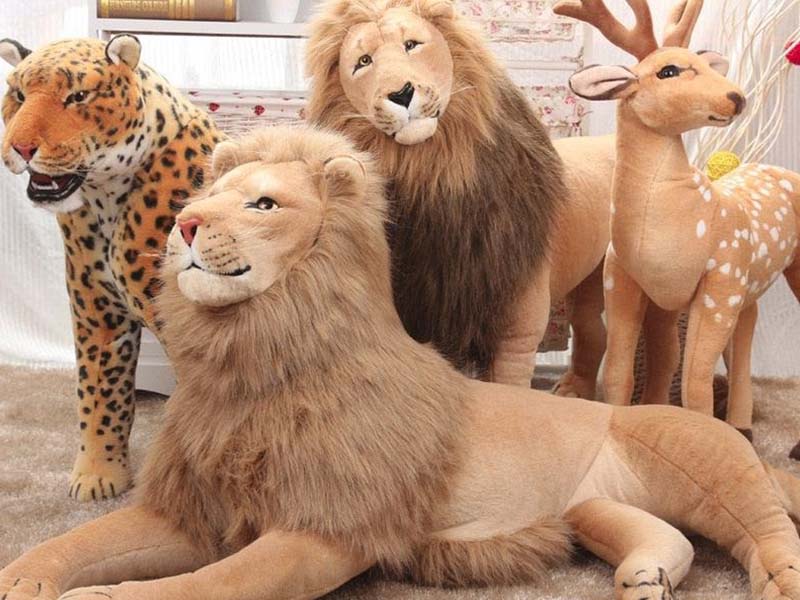
Realistic Animal Plush Toys
Realistic animal plush toys imitate the appearance of real animals. These toys are popular in educational markets, museums, and wildlife parks.
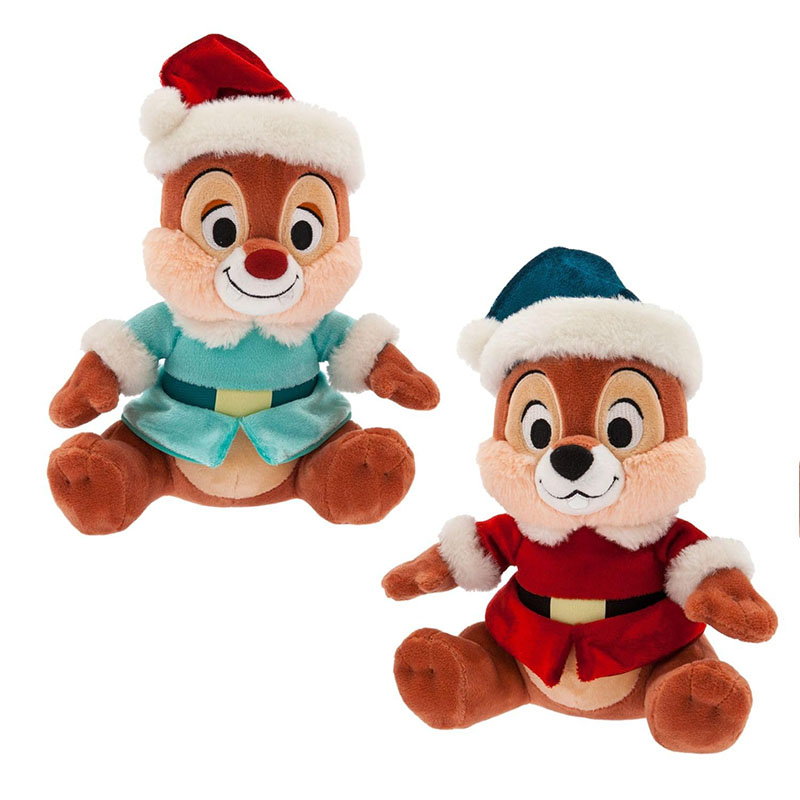
Holiday Plush Toys
Holiday plush toys are designed for seasonal events such as Christmas, Halloween, or Easter. These products are popular retail items during holiday sales seasons.
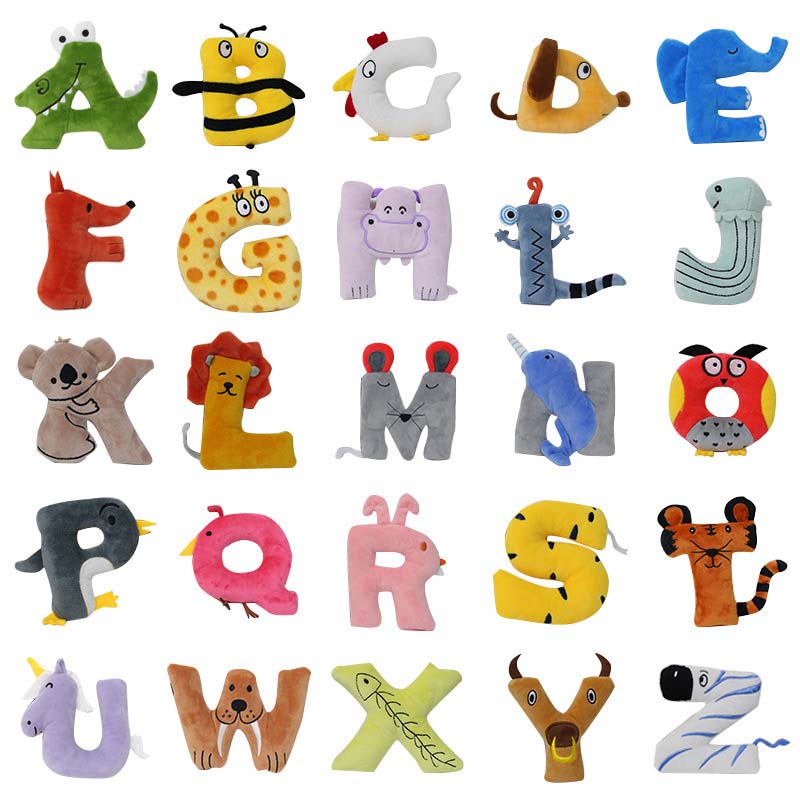
Educational Plush Toys
Educational plush toys help children learn through play. They are often used in schools, educational stores, and learning programs.
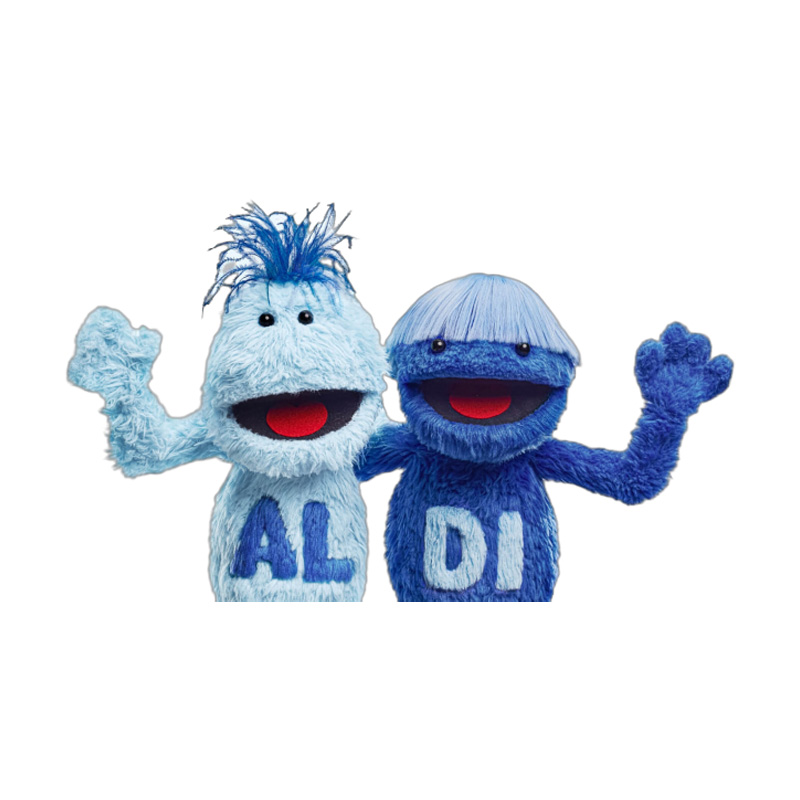
Puppet Plush Toys
Plush hand puppets are interactive toys often used for storytelling and educational activities. They are popular in schools and children’s entertainment programs.
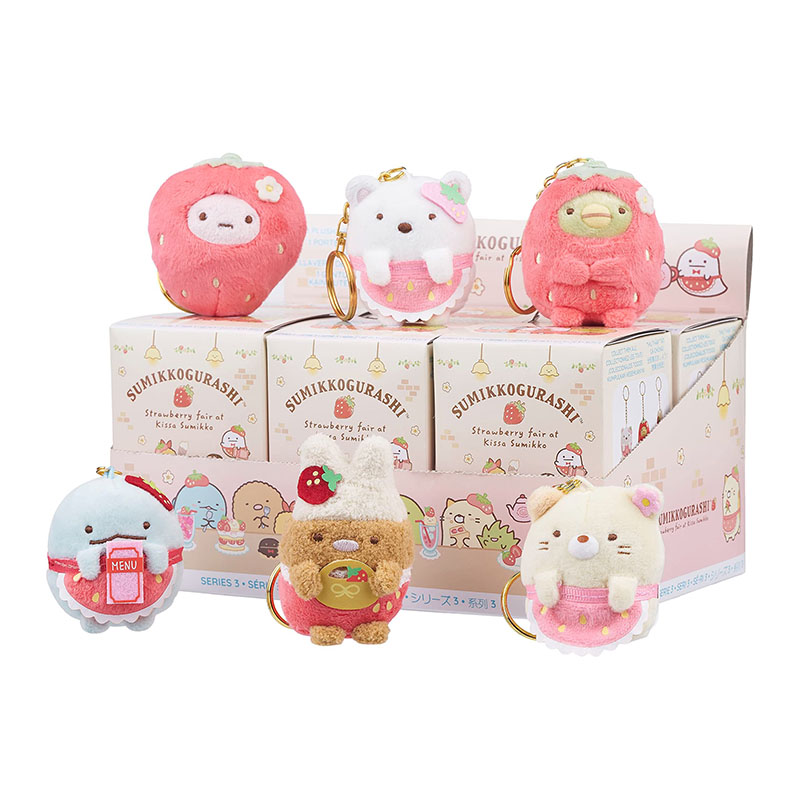
Blind Box Plush Toys
Blind box plush toys are popular collectible products. Each box contains a surprise plush character, which increases excitement and repeat purchases.
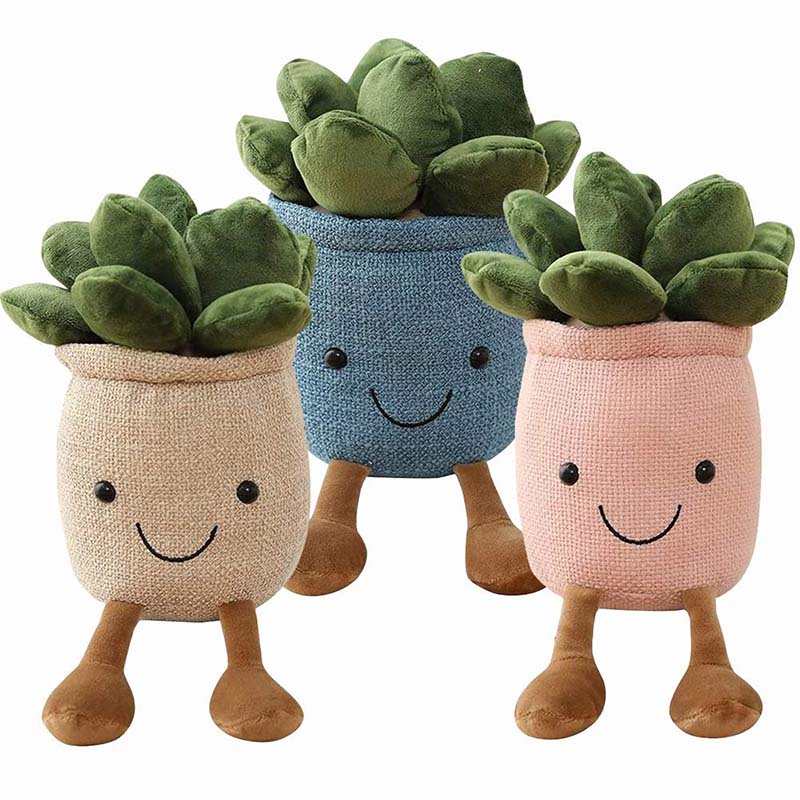
Plush Plant Toys
Plant-themed plush toys such as cactus or flower plush toys are creative decorative products. They are popular in gift markets and home décor stores.
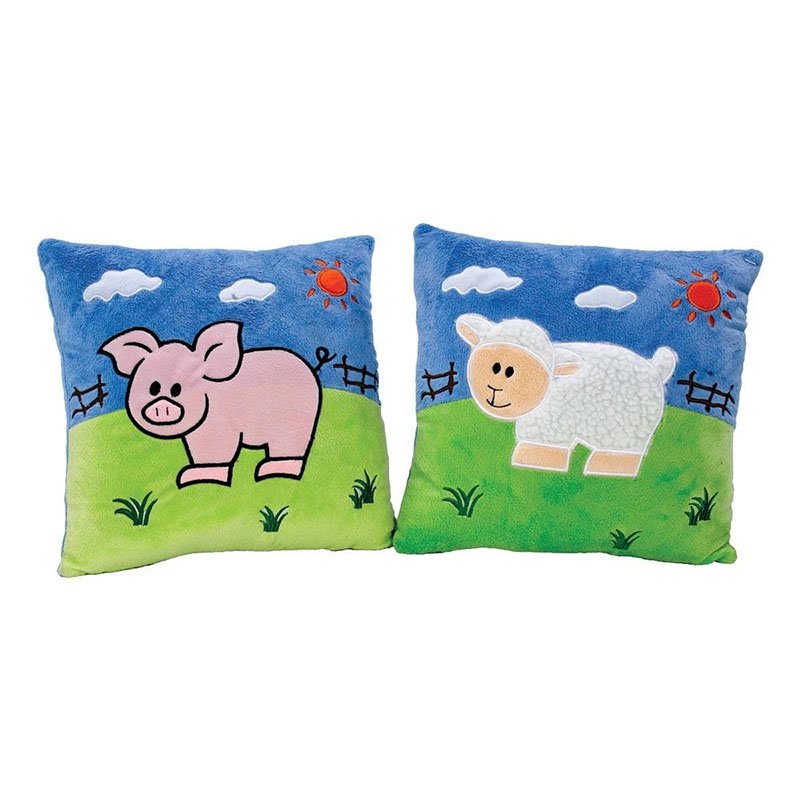
Plush Pillow Toys
Plush pillow toys combine comfort and decoration. These large plush toys are commonly used as home décor items or relaxation pillows.
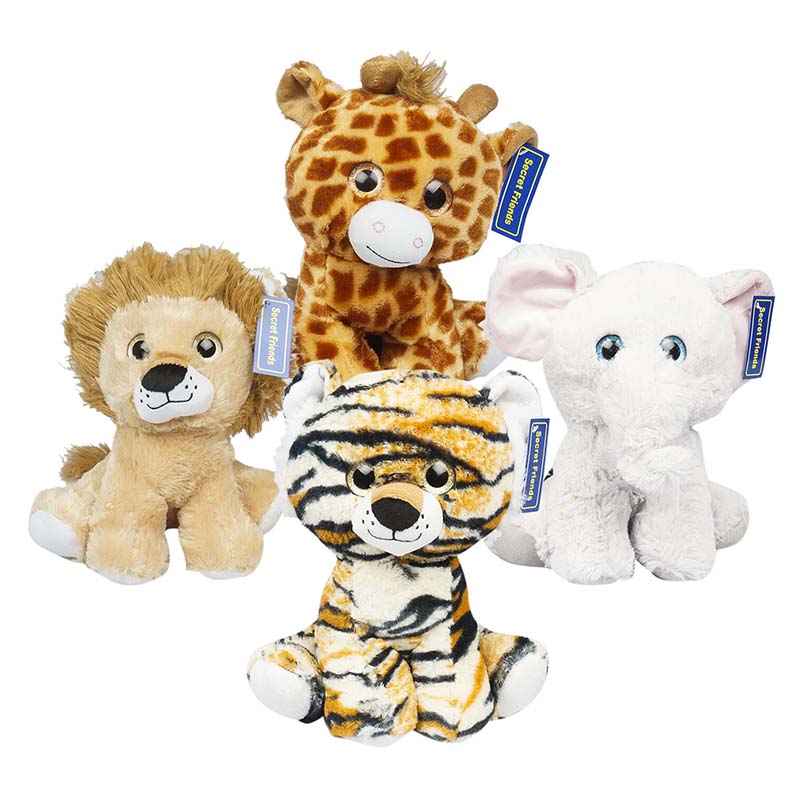
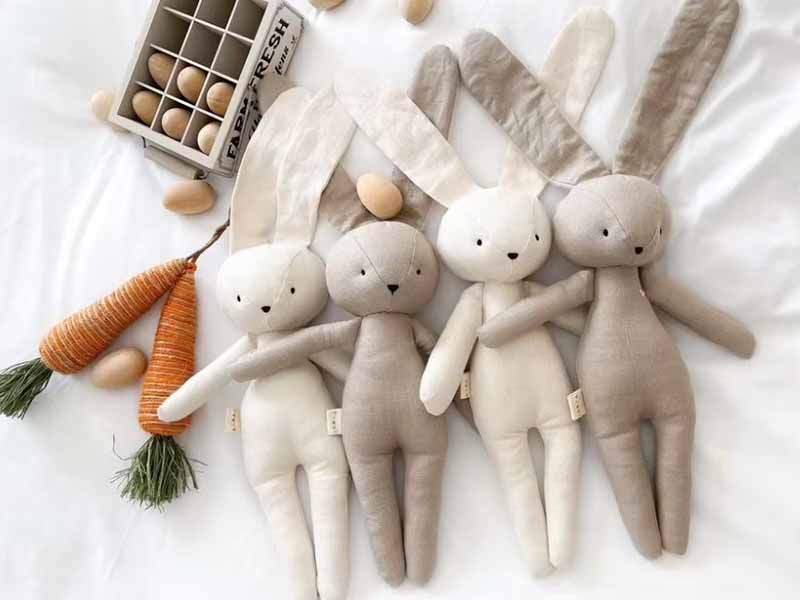
Animal Plush Toys
Animal plush toys are one of the most classic categories in the stuffed animal market. Bears, rabbits, dogs, and cats remain popular across all age groups.
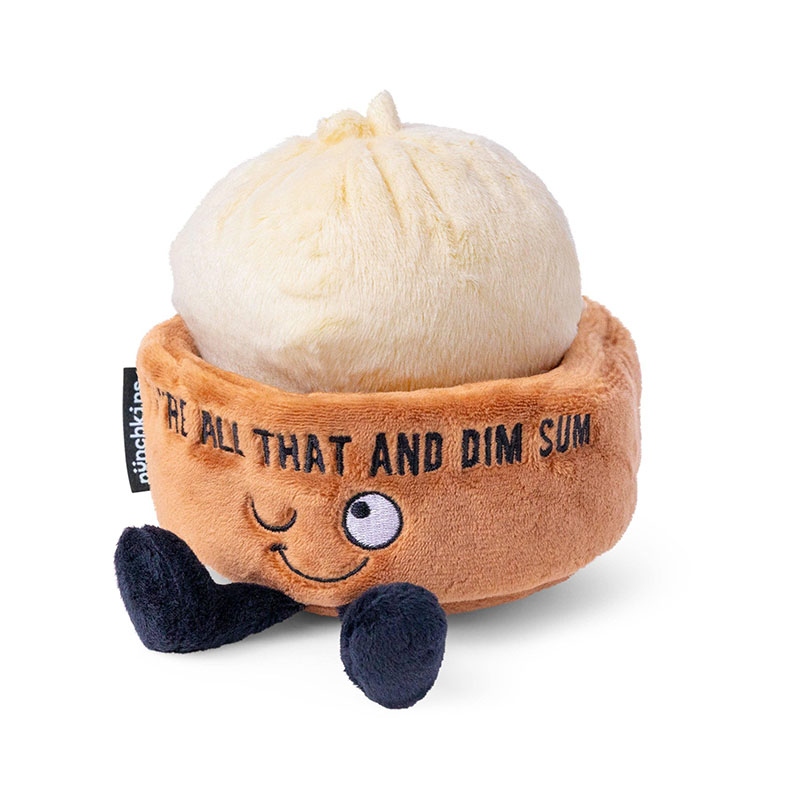
Food Plush Toys
Food-shaped plush toys such as burgers, pizza, and snacks are playful and colorful products. They are popular in gift shops and novelty product stores.
Common Plush Toy Manufacturing Risks and How to Avoid Them
When developing custom plush toys, brands often face multiple sourcing and production challenges. These plush toy manufacturing risks can affect product quality, safety compliance, delivery timelines, and long-term supply chain stability. Understanding these risks helps buyers make better sourcing decisions and work with a reliable plush toy manufacturer who can reduce stuffed animal sourcing risks throughout the entire project.
Sample and Mass Production Mismatch
Problem
The approved prototype sample looks perfect, but the mass production plush toys show visible differences in stitching quality, shape accuracy, embroidery details, or material texture.
Cause
This usually happens when factories do not strictly follow the approved sample specifications or when production teams lack standardized manufacturing procedures. Differences in cutting patterns, stuffing density, or sewing techniques can gradually change the final product appearance.
Solution
Reliable plush toy manufacturers control this risk through golden sample approval, detailed production specifications, and strict in-process inspections. By following standardized production procedures and using the approved sample as the reference standard, factories can maintain consistency between the prototype and mass production.
Material Substitution During Production
Problem
The fabrics, stuffing materials, or accessories used during mass production may differ from the materials approved during the sampling stage.
Cause
This can happen when factories change suppliers due to cost pressure or material shortages. In some cases, substitute materials may look similar but differ in durability, softness, or safety performance.
Solution
Professional plush toy factories maintain stable material supply chains and verify all fabrics, stuffing materials, and accessories before production. Clear material confirmation and supplier management help ensure that the final plush toys match the approved specifications.
Plush Toy Safety Compliance Risks
Problem
Plush toys may fail safety testing when entering markets such as the United States or the European Union.
Cause
This usually occurs when fabrics, dyes, plastics, or accessories do not comply with plush toy safety standards such as EN71, ASTM F963, CPSIA, or REACH regulations.
Solution
Experienced stuffed animal manufacturers use certified materials and follow strict production guidelines to meet global toy safety requirements. They also support third-party testing to ensure products can pass safety inspections before entering international markets.
Quality Inconsistency Between Batches
Problem
Different production batches may show variations in color tone, stitching strength, stuffing firmness, or overall finishing quality.
Cause
This often happens when factories lack strict quality control systems or when production teams use different materials or processes across batches.
Solution
Reliable plush toy manufacturers apply structured quality control systems throughout the production process, including incoming material inspection, in-process inspection, and final product inspection. This ensures consistent quality across all batches.
Production Delays in Peak Season
Problem
Production schedules may be delayed during peak seasons when factories receive large numbers of orders at the same time.
Cause
Factories without proper capacity planning or production management may struggle to allocate labor, machines, and materials efficiently.
Solution
Experienced plush toy manufacturers manage production capacity through structured scheduling systems and early planning. With stable production lines and clear planning, factories can handle peak season demand more reliably.
Communication Gaps with Overseas Suppliers
Problem
Misunderstandings in product design, materials, packaging, or production requirements may lead to revisions, delays, or unexpected costs.
Cause
Language barriers, unclear documentation, or insufficient communication during development can create confusion between buyers and suppliers.
Solution
Professional plush toy manufacturers use structured project communication and clear documentation during sampling and production. Regular updates and visual confirmations help ensure both sides share the same expectations.
Understanding these plush toy manufacturing risks allows brands to make smarter sourcing decisions when choosing a supplier. By working with an experienced plush toy manufacturer with clear production processes, strict quality control systems, and stable material supply chains, you can significantly reduce stuffed animal sourcing risks. This helps your brand maintain consistent product quality, meet international safety standards, and launch plush toy products with greater confidence in global markets.
From Plush Toy Sampling to Mass Production Consistency
For brands developing custom plush toys, one of the most common concerns is whether the final production will match the approved sample. In plush toy manufacturing, small differences in materials, stitching, or stuffing can easily change the final appearance. A professional plush toy manufacturer controls this risk through structured plush toy sampling procedures, standardized production processes, and strict quality checkpoints. This ensures that prototype stuffed animals and mass production plush toys remain consistent throughout the entire manufacturing process.
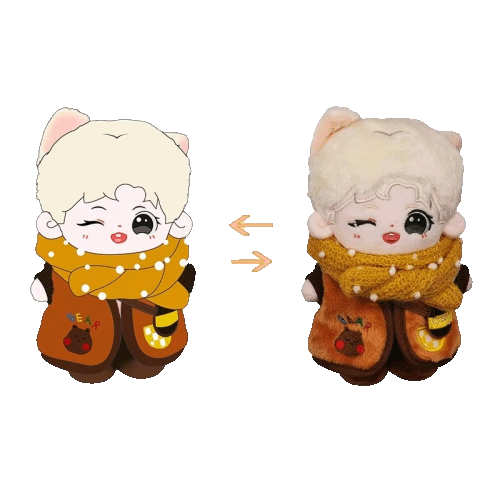
Golden Sample Control
After the prototype stuffed animals are approved, the confirmed sample becomes the golden reference for production. All manufacturing teams follow the golden sample as the visual and technical standard. This helps ensure that the mass production plush toys match the approved design, materials, and craftsmanship.
Standardized Production Processes
Consistent plush toy production requires clear and standardized manufacturing procedures. Cutting patterns, sewing methods, stuffing density, and finishing details are documented and followed during production. This structured process helps reduce variations between different production batches.
QC Checkpoints During Production
Quality control checkpoints are implemented at multiple stages of production. Incoming materials, semi-finished products, and finished plush toys are inspected to ensure they meet the approved sample standards. These inspections help identify issues early and prevent inconsistencies.
Controlled Plush Toy Sampling and Approval
A structured plush toy sampling process ensures that the prototype accurately reflects the final product design. Detailed confirmation of materials, embroidery, colors, and construction during the sampling stage reduces the risk of changes during mass production.
Custom Plush Toy Customization Options for Your Brand
Every brand has different design requirements when developing custom plush toys. A professional plush toy manufacturer offers flexible customization options so that each plush toy can match the brand’s concept, target audience, and market positioning. From materials and sizes to accessories and packaging, these customizable options help brands create unique plush toy products that stand out in competitive markets.
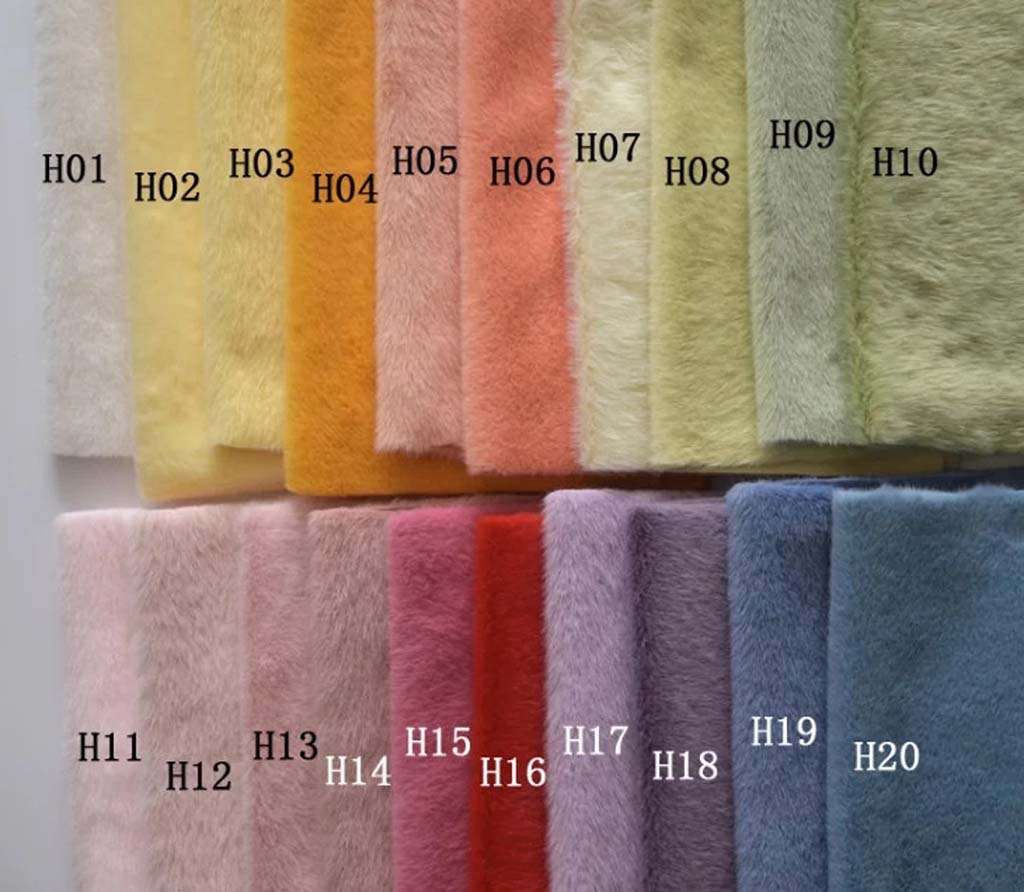
Plush Toy Materials and Fabrics
The choice of fabric plays a major role in the appearance, softness, and durability of plush toys. Different materials can create different visual styles and tactile experiences.
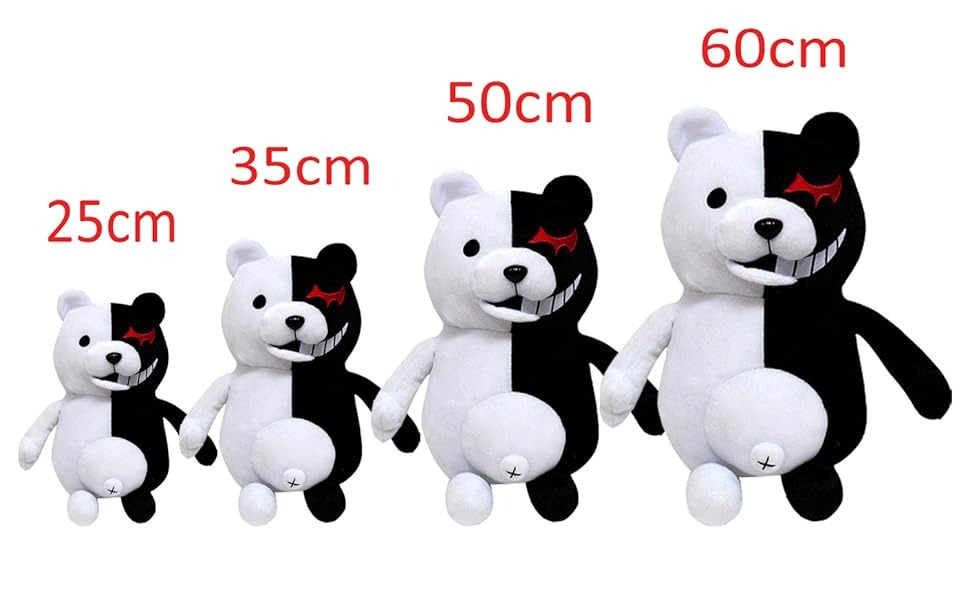
Plush Toy Sizes and Shapes
Custom plush toys can be produced in different sizes and shapes depending on the design and application.
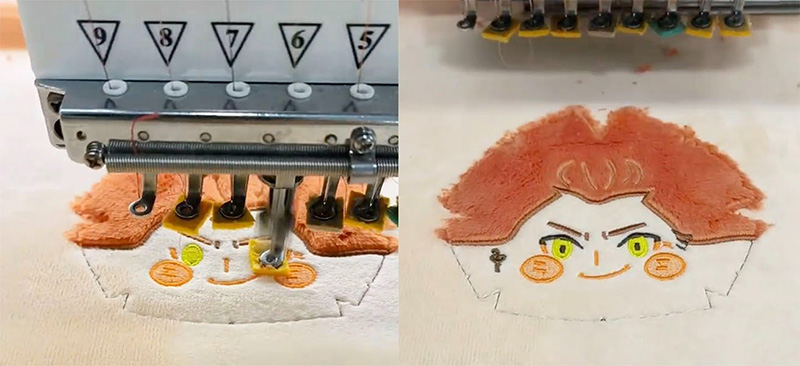
Plush Toy Embroidery and Printing
Brand identity and character details are often expressed through embroidery or printing.
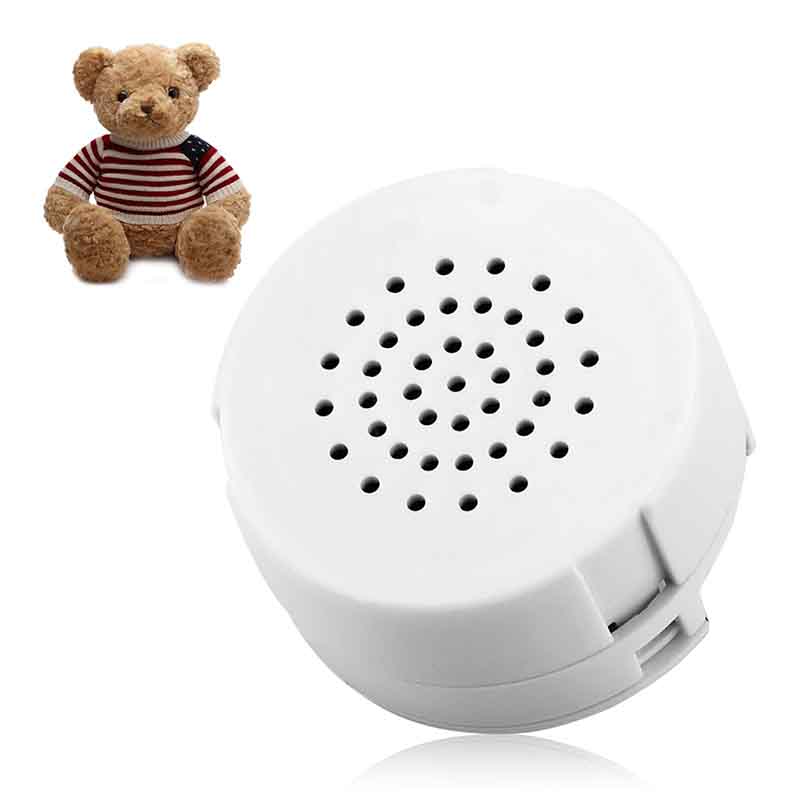
Plush Toy Accessories and Functional Features
Accessories and functional elements can make plush toys more interactive and attractive.
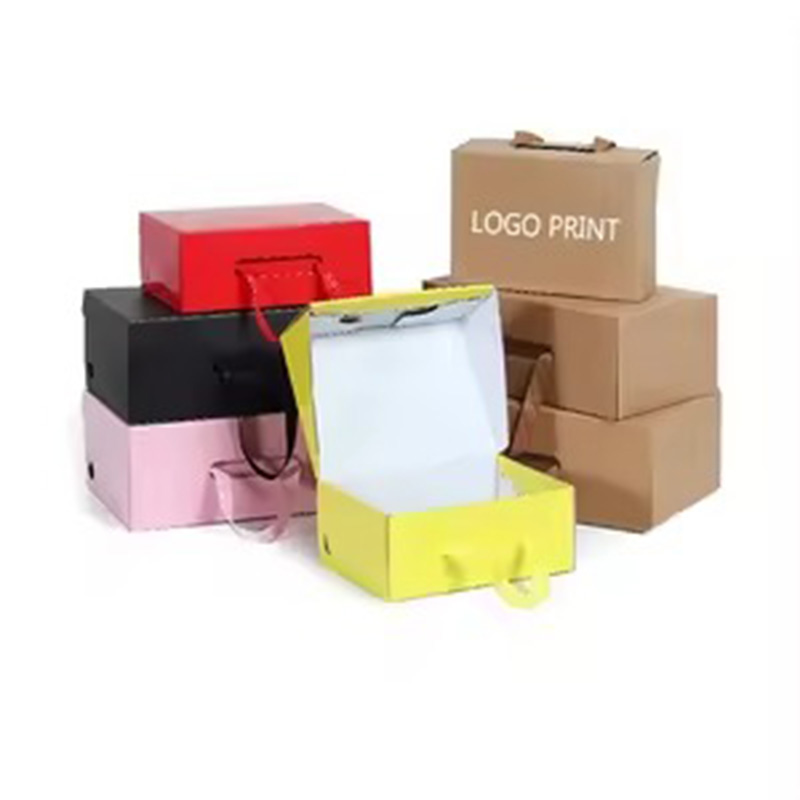
Plush Toy Packaging and Branding
Packaging is an important part of brand presentation. Custom packaging helps plush toys look more professional and retail-ready.
With flexible customization options, brands can develop plush toys that match their design vision and market strategy while maintaining consistent production quality.
Advanced Plush Toy Factory Equipment for Precision Production
Modern plush toy manufacturing relies on advanced production equipment to maintain efficiency, precision, and consistent product quality. A professional plush toy manufacturer invests in reliable plush toy factory equipment to support large-scale production while maintaining strict quality standards. With the right machines and production systems, factories can improve accuracy, reduce production errors, and deliver stable plush toy batches for global brands.
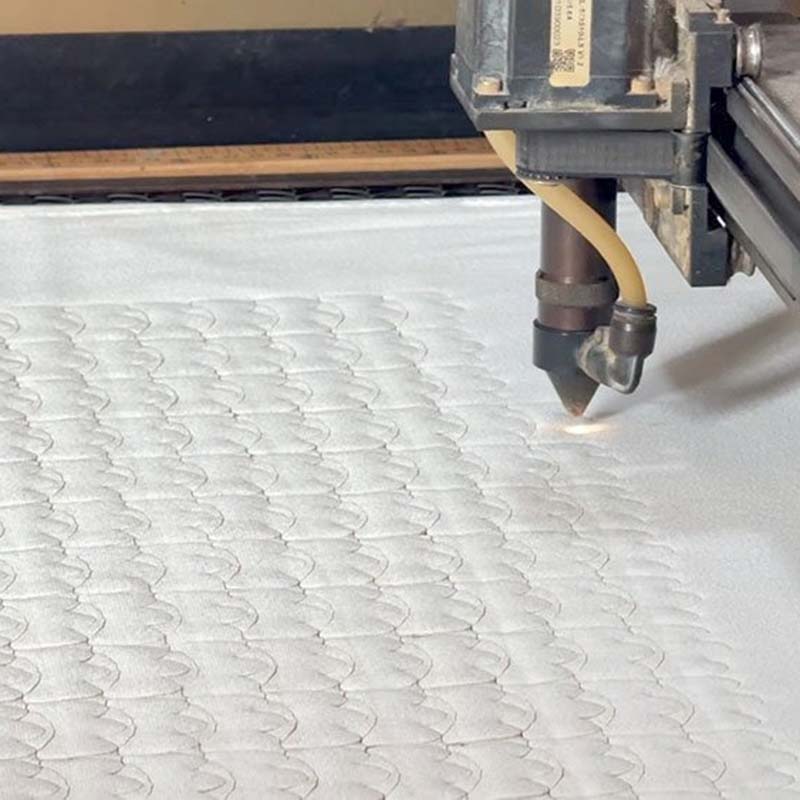
Automatic Fabric Cutting Machines
Automatic cutting machines are used to cut plush fabrics with high precision and efficiency. Compared with manual cutting, automated cutting helps ensure consistent pattern sizes and reduces material waste. This equipment improves production accuracy and helps maintain uniform plush toy shapes during mass production.
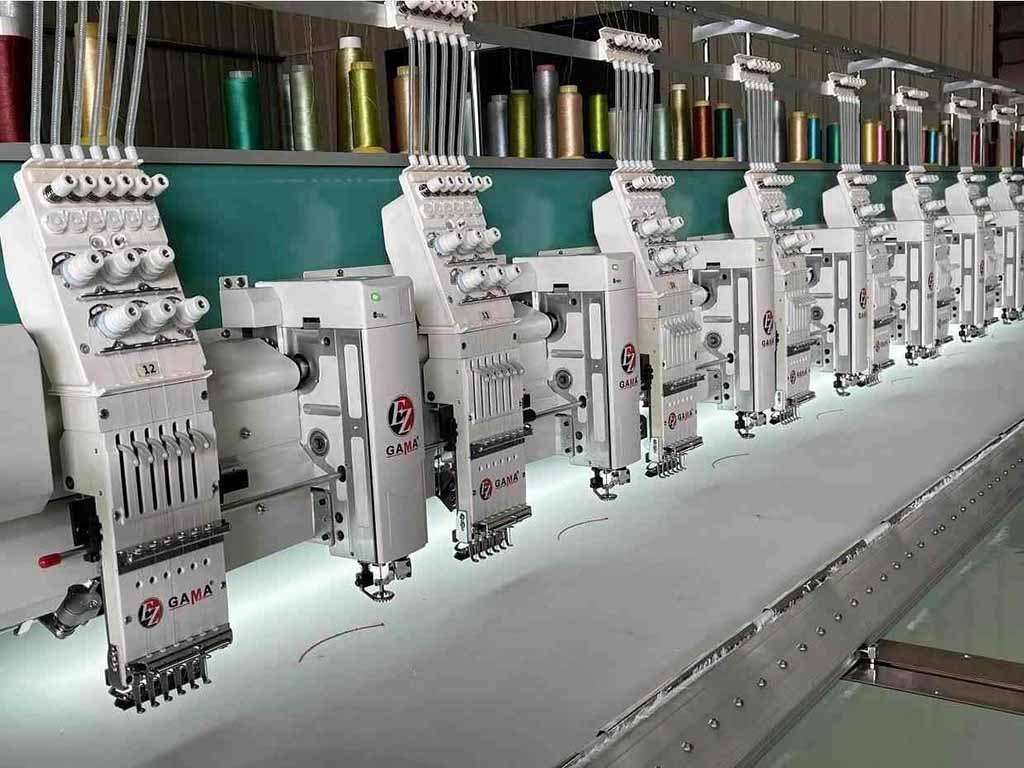
Computerized Embroidery Machines
Embroidery machines are used to create detailed logos, facial features, and decorative elements on plush toys. Computerized embroidery equipment allows factories to produce consistent embroidery patterns while maintaining high production speed. This is especially important for custom plush toys with brand logos or character designs.
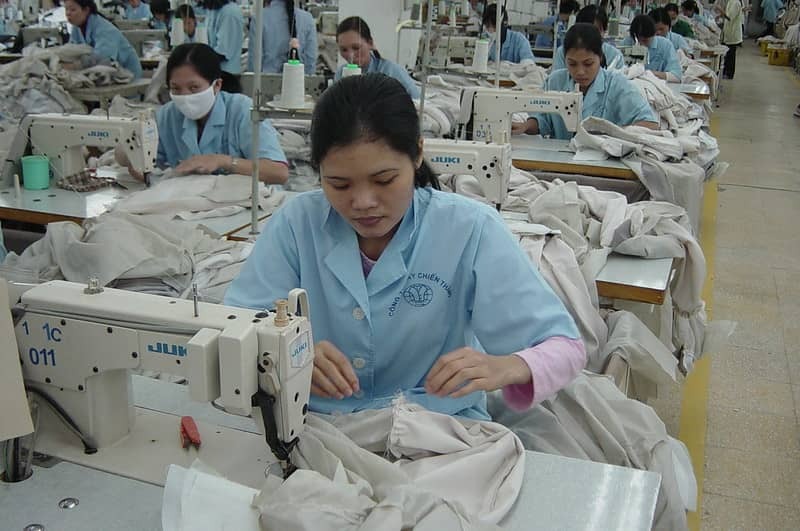
Sewing Production Lines
Professional sewing production lines ensure efficient assembly of plush toy components. Skilled workers and standardized sewing processes help maintain consistent stitching quality across large production batches. Well-organized sewing lines also improve production speed and reduce manufacturing errors.
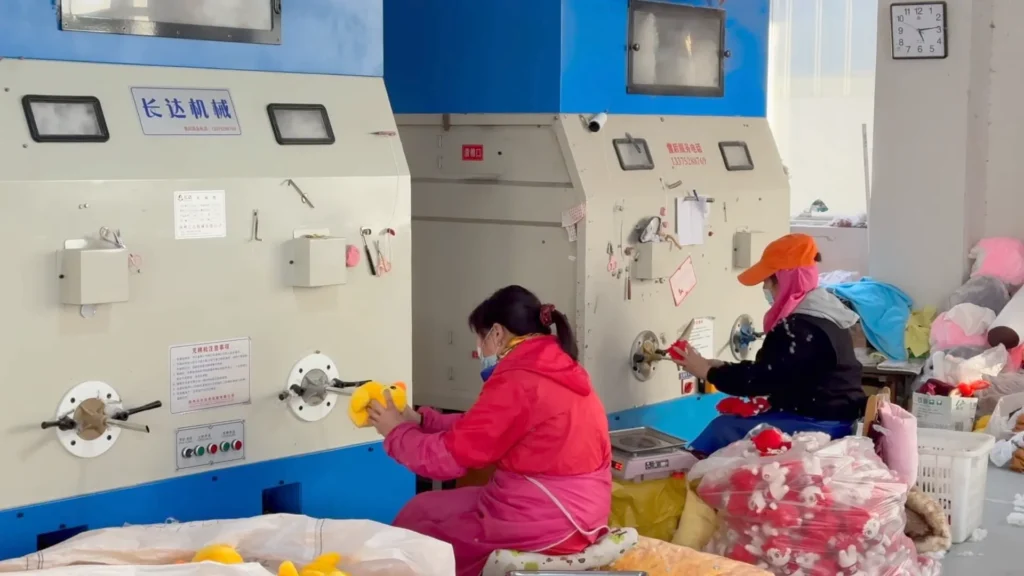
Plush Toy Stuffing Machines
Stuffing machines are used to fill plush toys with materials such as PP cotton or recycled fiberfill. Automated stuffing helps control filling density and ensures that each plush toy maintains the correct shape and softness. This equipment is important for achieving consistent product quality.
With advanced plush toy factory equipment and structured production systems, brands benefit from more accurate manufacturing, stable product quality, and efficient production capacity.
Custom Plush Toy Manufacturing Process: From Design to Mass Production
Developing custom plush toys requires a structured manufacturing process to ensure the final products match the approved design and quality expectations. A professional plush toy manufacturer follows a clear development workflow from concept design to mass production. With organized plush toy sampling, material confirmation, and production control, brands can develop prototype stuffed animals and move into stable large-scale manufacturing.

Design Review and Concept Development
The process begins with reviewing the customer’s design, sketches, or reference images. The development team evaluates structure, proportions, materials, and production feasibility to ensure the plush toy design can be manufactured accurately.
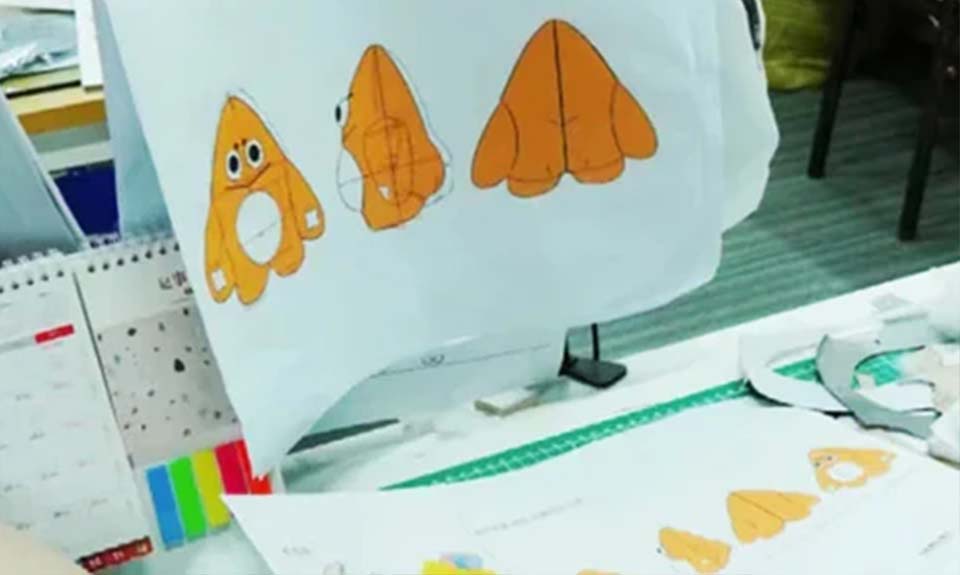
Plush Toy Pattern Making
After the design is confirmed, pattern makers create the cutting patterns used to produce the plush toy. Accurate pattern development is essential because it determines the final shape and proportions of the stuffed animal.
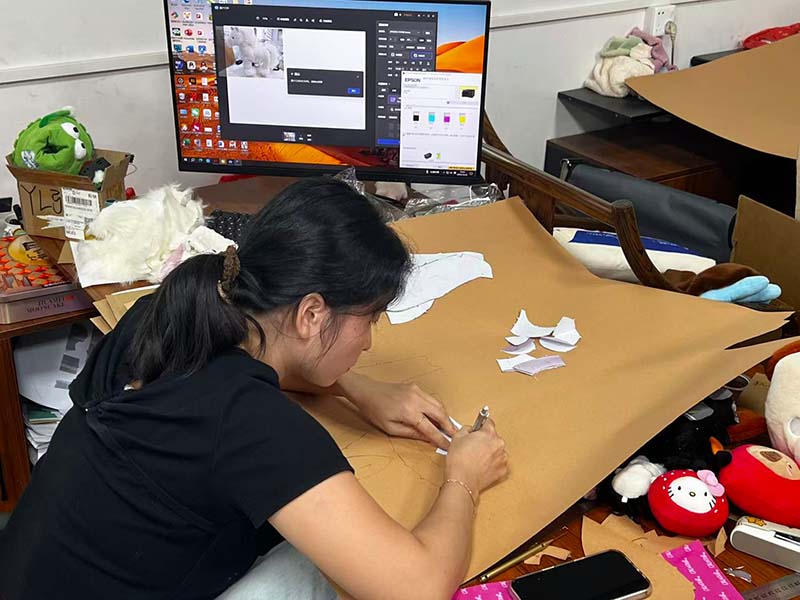
Prototype and Plush Toy Sampling
A prototype sample is produced using the selected fabrics, embroidery details, and stuffing materials. This plush toy sampling stage allows brands to review the product appearance, structure, and craftsmanship before mass production.
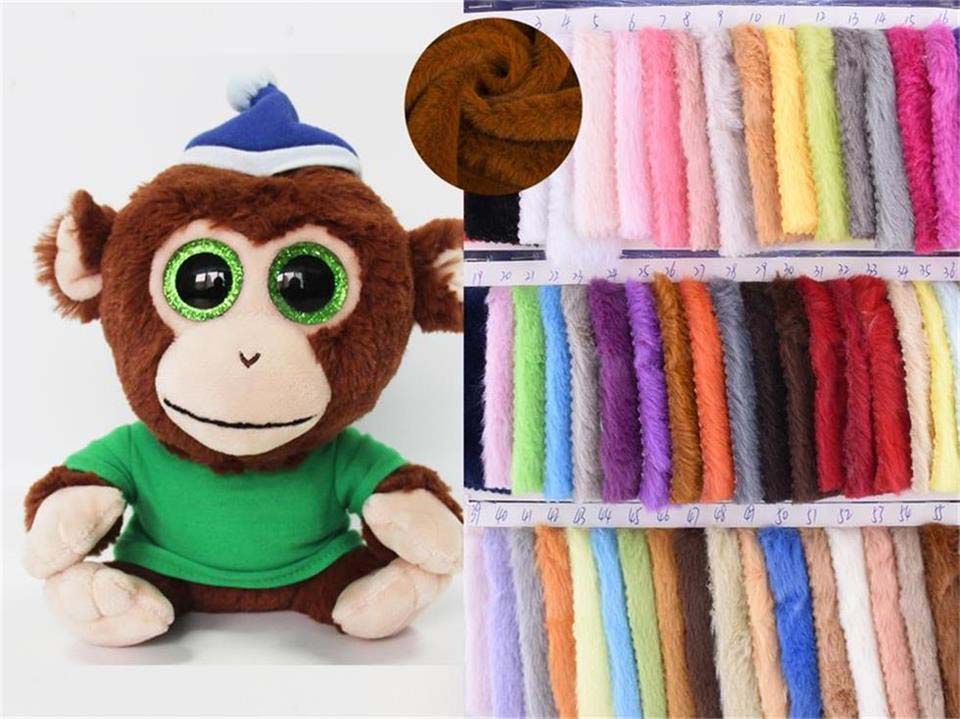
Sample Approval and Material Confirmation
Once the prototype stuffed animals are approved, all materials and specifications are finalized. This approved sample becomes the production reference for the following manufacturing stages.
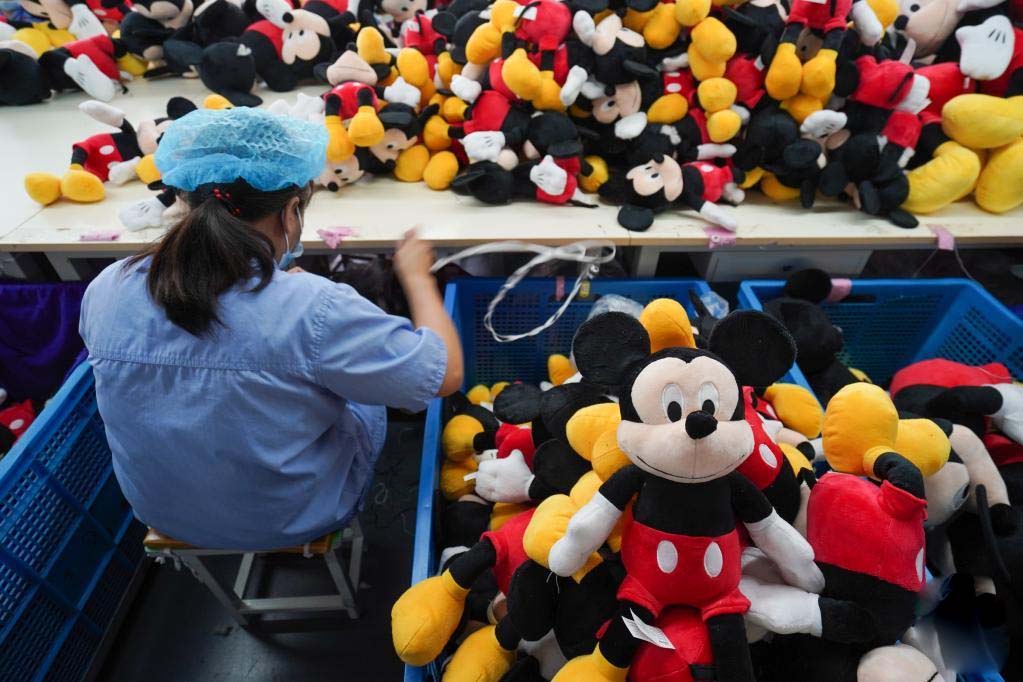
Mass Production and Assembly
During mass production, plush toy components are cut, sewn, stuffed, and assembled through organized production lines. Standardized procedures help ensure consistent quality across all plush toy batches.
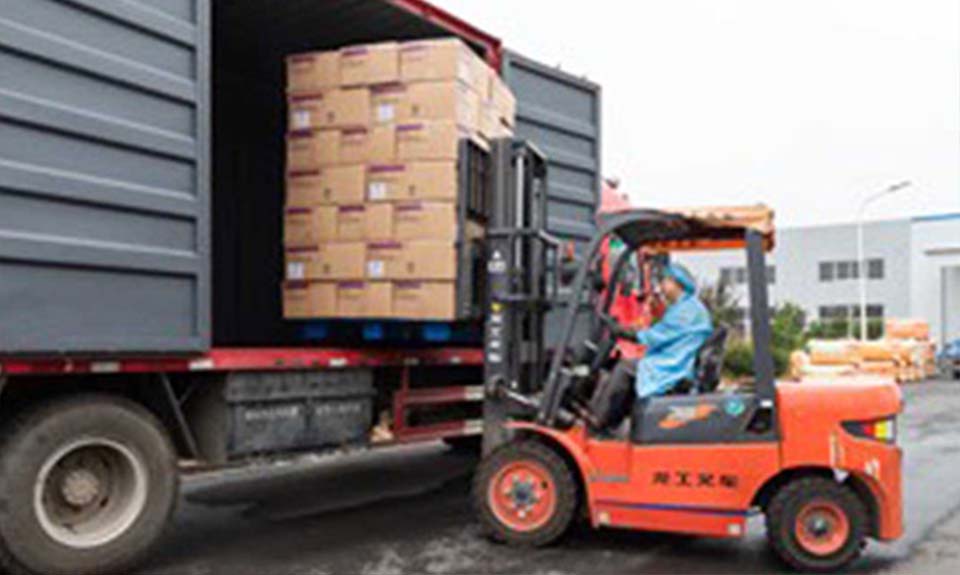
Final Inspection and Packaging
Before shipment, finished plush toys go through final inspection to verify stitching quality, appearance, and packaging requirements. Only products that meet quality standards are prepared for shipment.
With a clear custom plush toy manufacturing process, brands can move from design concept to finished products with greater efficiency and fewer production risks.
Plush Toy Quality Control System for Consistent Production
Maintaining consistent quality is one of the most important factors in plush toy manufacturing. A professional plush toy manufacturer follows a structured plush toy quality control system to ensure every product meets the required standards. Through strict stuffed toy inspection procedures and multiple quality checkpoints, a reliable plush toy factory QC system helps reduce production errors, maintain stable product quality, and ensure each order meets customer expectations.
Incoming Material Inspection
Incoming materials such as plush fabrics, stuffing materials, and accessories are inspected before entering the production process. This inspection ensures that all materials meet quality and safety standards. By controlling material quality at the beginning, plush toy manufacturers reduce the risk of defects during later production stages.
In-Process Quality Control
During production, IPQC inspectors monitor key manufacturing stages such as cutting, sewing, embroidery, and stuffing. Regular inspections during these processes help detect potential issues early and ensure that the plush toys follow the approved production specifications.
Final Product Inspection
After production is completed, finished plush toys are inspected to evaluate stitching quality, shape accuracy, material condition, and overall appearance. This final inspection ensures that the finished stuffed animals meet both factory standards and customer requirements.
Pre-Shipment Inspection
Before shipment, the finished products and packaging are inspected to confirm that quantities, packaging standards, and product quality meet the order requirements. This final step ensures that only qualified plush toys are prepared for delivery.
A structured plush toy factory QC system helps ensure consistent production quality, reduce manufacturing risks, and provide brands with reliable stuffed animal production.
Global Export Experience as a Plush Toy Manufacturer in China
Selling plush toys internationally requires more than manufacturing capability. A reliable plush toy manufacturer in China must understand different market regulations, product standards, and customer expectations across regions. With extensive export experience, a professional stuffed animal exporter can support global brands by ensuring product compliance, stable production, and efficient international shipping.
United States Plush Toy Market
The United States is one of the largest markets for plush toys and stuffed animals. Products sold in the US must comply with safety standards such as ASTM F963 and CPSIA. Experienced plush toy manufacturers help brands prepare compliant materials, proper labeling, and product testing to ensure smooth entry into the US market.
European Plush Toy Market
The European market requires strict compliance with CE certification and EN71 toy safety standards. Plush toy exporters working with European buyers must also follow REACH regulations for chemical safety. Reliable manufacturers help ensure plush toys meet these requirements before shipment.
Japan Plush Toy Market
Japan is known for high product quality standards and strict design expectations. Plush toys sold in Japan often require precise craftsmanship, soft materials, and detailed finishing. Manufacturers with export experience understand these quality expectations and adapt production accordingly.
Middle East Plush Toy Market
The Middle East has a growing demand for plush toys in retail stores, gift markets, and promotional products. Buyers in this region often focus on product durability, safe materials, and reliable delivery schedules. Experienced stuffed animal exporters can support this market with flexible production and stable supply.
With strong export experience across multiple regions, brands can work with a plush toy manufacturer in China to enter international markets with greater confidence and reduced sourcing risks.
Who This Plush Toy Manufacturer Is Best For
Many businesses rely on stable and reliable plush toy production to support product development and brand growth. For these buyers, working with a risk-controlled plush toy manufacturer helps reduce sourcing risks, maintain consistent product quality, and ensure smoother product launches. A professional plush toy manufacturer in China can support different types of global buyers with structured production systems and reliable supply chains.
If your business depends on reliable plush toy production, partnering with an experienced manufacturer can help reduce sourcing risks and build a more stable product supply chain.
Trusted by Leading Global Brands
Strong partnerships prove strong capabilities. Over the years, Kinwin has worked with world-leading brands and retailers to deliver interactive plush toys that meet the highest standards of creativity, safety, and quality. By choosing us, you gain a supplier that is trusted by top companies worldwide—and the same reliability is available to your brand.




Why Brands Choose Our Plush Toy Manufacturing Factory
For many brands, choosing a plush toy manufacturer is about more than production capacity. It is about reducing uncertainty and building a reliable supply chain. A professional plush toy factory provides structured development processes, stable quality control, and dependable production management. These advantages help risk-averse buyers reduce sourcing risks and develop plush toy products with greater confidence.
Lower Sourcing Risks
Working with an experienced plush toy manufacturer helps reduce sourcing risks during product development and production. Clear sampling procedures, stable material supply, and structured production management make the entire project more predictable and easier to control.
Stable Plush Toy Quality
Consistent quality is essential for brands selling plush toys in retail or global markets. Through strict plush toy quality control systems and standardized production procedures, reliable factories ensure that every batch of stuffed animals maintains the same level of quality.
Reliable Production Schedules
Reliable production scheduling helps brands plan product launches and manage inventory more efficiently. With organized production lines and structured manufacturing planning, plush toy factories can maintain stable delivery timelines even during busy seasons.
Long-Term Supply Chain Stability
A reliable plush toy manufacturer supports long-term cooperation by maintaining stable supplier networks, consistent production standards, and clear communication. This helps brands build a dependable supply chain for continuous product development.
Explore Our Custom Plush Toy Series
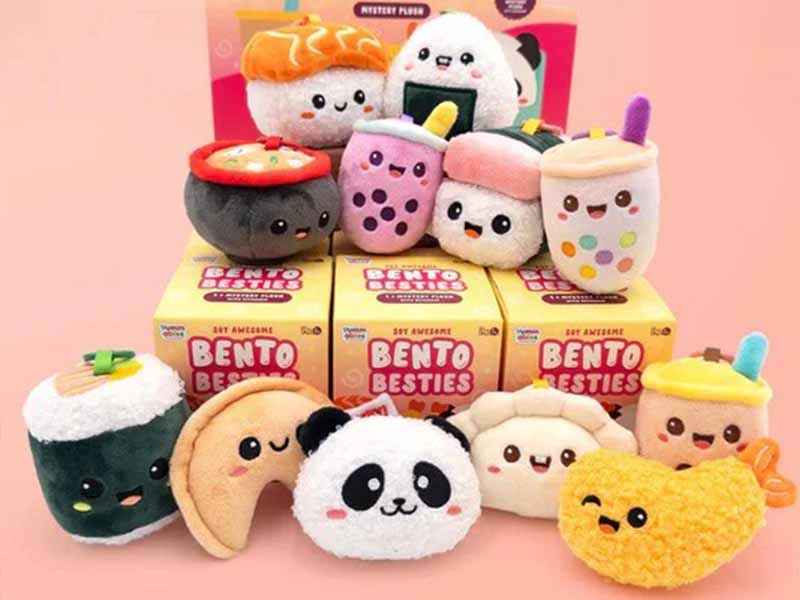
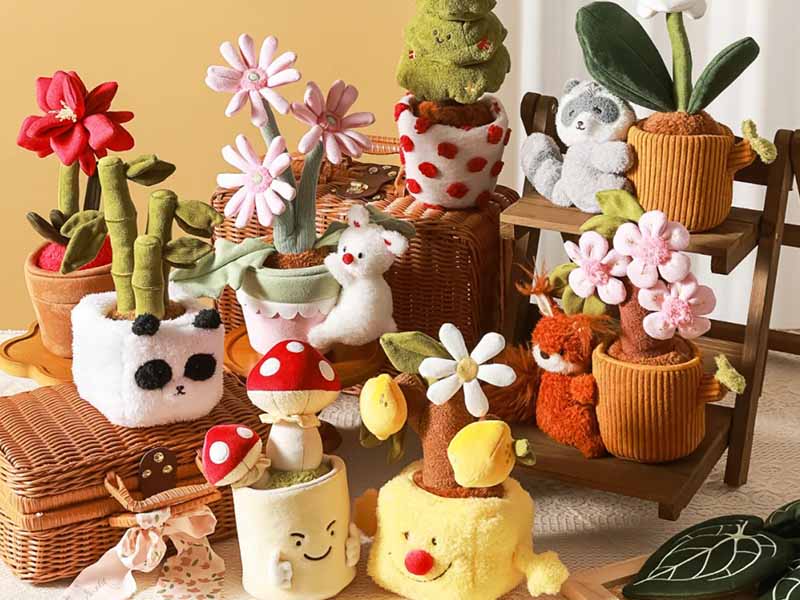
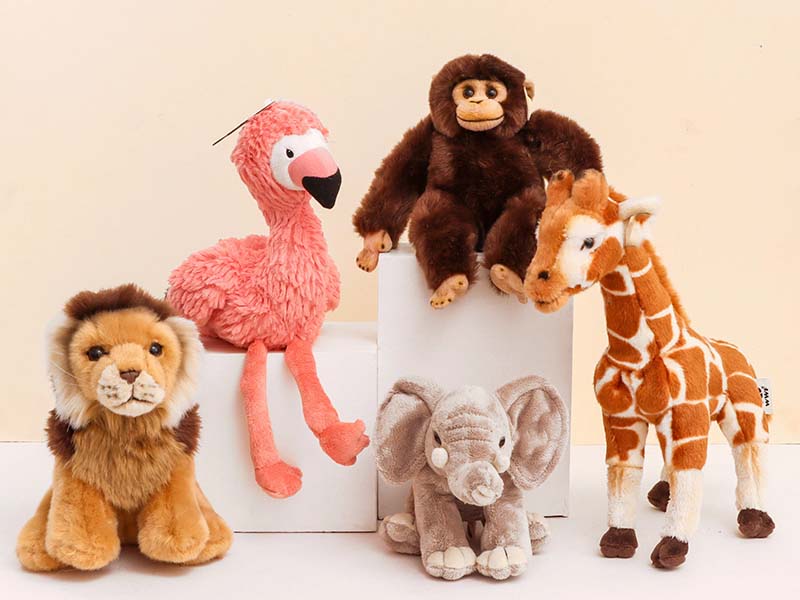
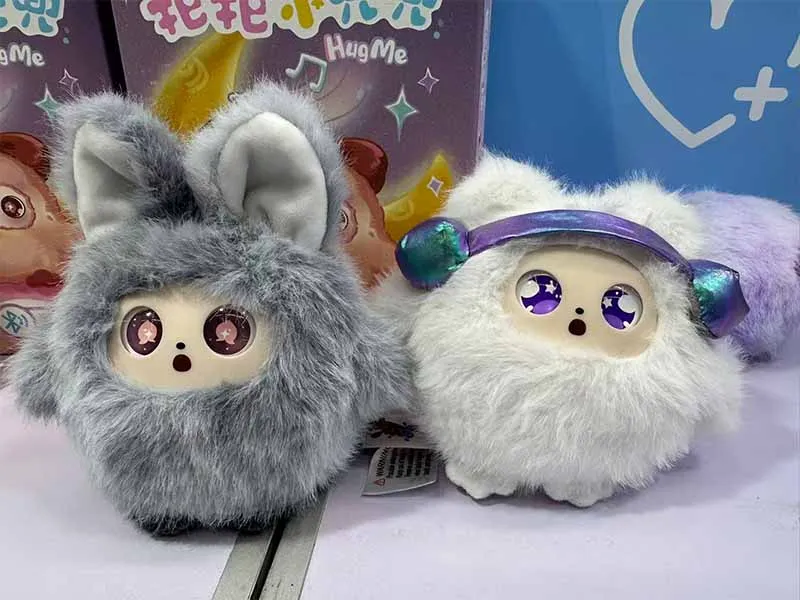
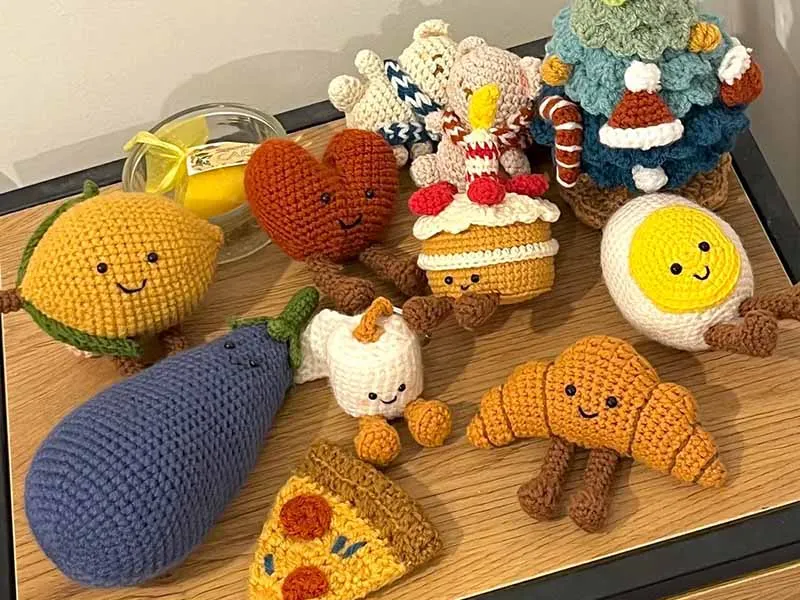
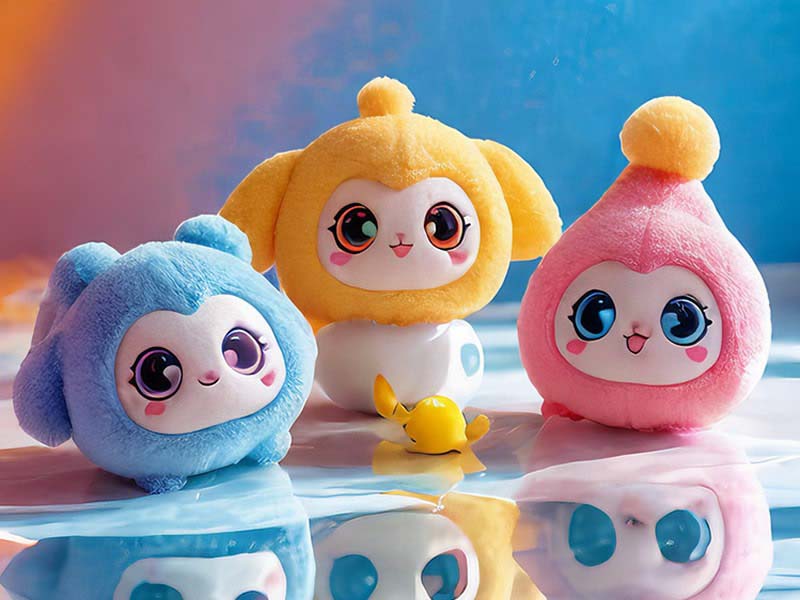
We offer a wide selection of plush toys to meet different business needs. From baby-safe stuffed animals to collectible plush dolls, our product lines are designed for global brands, retailers, e-commerce, and promotional projects.
Start Your Custom Plush Toy Project with a Reliable Manufacturer
Choosing the right plush toy manufacturer is one of the most important decisions when developing a new product line. A reliable manufacturing partner helps reduce sourcing risks, maintain stable product quality, and ensure smoother product launches. With a professional plush toy factory supporting your project, you gain access to experienced development teams, structured plush toy sampling processes, and consistent production systems designed for global brands.
Whether you are developing custom plush toys for retail, brand merchandising, promotional campaigns, or licensed character projects, working with an experienced plush toy manufacturer in China makes the entire development process more efficient and predictable. From prototype stuffed animals to full-scale production, every stage can be managed with clearer planning and stronger quality control.
Our team supports global buyers with plush toy design evaluation, plush toy sampling, material selection, and large-scale production management. With structured communication and stable supply chains, brands can develop plush toy products with fewer risks and greater confidence in international markets.
If you are looking for a plush toy manufacturer that prioritizes quality, reliability, and long-term cooperation, our factory is ready to support your next plush toy project.
Frequently Asked Questions
1. What is the typical MOQ for custom plush toys?
The minimum order quantity for custom plush toys usually depends on the size, complexity, and materials of the design. For most standard plush toys, the MOQ typically ranges from 500 to 1000 pieces per design. Smaller products such as plush keychains may have lower MOQs. A professional plush toy manufacturer can evaluate the design and recommend the most efficient production quantity to balance cost and production efficiency.
2. How long does it take to develop a plush toy sample?
The plush toy sampling process normally takes around 7–14 days depending on the complexity of the design and materials involved. During this stage, pattern making, fabric selection, embroidery setup, and prototype assembly are completed. Once the prototype stuffed animals are finished, customers can review the sample and request adjustments before mass production begins.
3. How do you ensure plush toy quality during production?
Professional plush toy manufacturers follow structured plush toy quality control systems. This usually includes IQC (incoming material inspection), IPQC (in-process inspection), FQC (final product inspection), and OQC (pre-shipment inspection). These steps help ensure that every plush toy batch meets the same quality standards as the approved sample.
4. What safety standards can plush toys meet for international markets?
Plush toys exported internationally usually need to comply with safety regulations such as EN71 for Europe, ASTM F963 and CPSIA for the United States, and REACH for material safety. Experienced stuffed animal exporters help ensure materials and production processes meet these safety standards before shipment.
5. What materials are commonly used in plush toy manufacturing?
Common plush toy materials include velboa fabric, minky plush fabric, faux fur, crystal super soft fabric, and cotton fabrics. Filling materials typically include PP cotton or recycled fiberfill. The choice of material depends on the design style, softness requirements, and target market.
6. How do you ensure that mass production matches the approved sample?
After the sample is approved, the confirmed sample becomes the golden reference for production. Factories document production specifications and follow standardized manufacturing procedures. Quality inspections during production help ensure the final plush toys match the approved design and materials.
7. Can you support OEM and ODM plush toy development?
Yes, professional plush toy manufacturers can support both OEM and ODM projects. OEM projects are produced based on the customer’s design, while ODM services allow factories to develop designs based on the customer’s concept or market needs.
8. What packaging options are available for plush toys?
Plush toys can be packaged using several options depending on retail or shipping requirements. Common packaging methods include polybags, custom printed boxes, vacuum packaging, and retail display packaging with hang tags and labels.
9. What is the typical production lead time for plush toys?
Mass production lead time typically ranges from 25–45 days depending on order quantity, product complexity, and production scheduling. During peak seasons, additional time may be required, so early planning is recommended.
10. How do international buyers communicate with plush toy manufacturers?
Most international buyers communicate through email, messaging platforms, and video meetings. Professional manufacturers provide structured communication during the design, sampling, and production stages to ensure clear project coordination.
If You Can lmagine lt,We Will Create lt!
1.Tell Us What You Need
Tell us as specific as possible of your needs and share your idea.
2.Get Solution & Quote
We will work on the best solution according to yourrequirements,the specific quote will be provided within 24 hours.
3.Approve for Mass Production
We will start mass production after getting your approval.