
Plush Manufacturer for Complex Plush Designs
Turn complex plush ideas into reliable, production-ready products. We help brands handle intricate plush designs involving multiple fabrics, layered embroidery, detailed facial expressions, special structures, and strict safety requirements. From early design review to final mass production, you gain clearer decisions, fewer revisions, and stable results you can trust.
Designed for brands that refuse to simplify their ideas just to fit a factory. Your design integrity stays intact, while manufacturing risks stay under control.
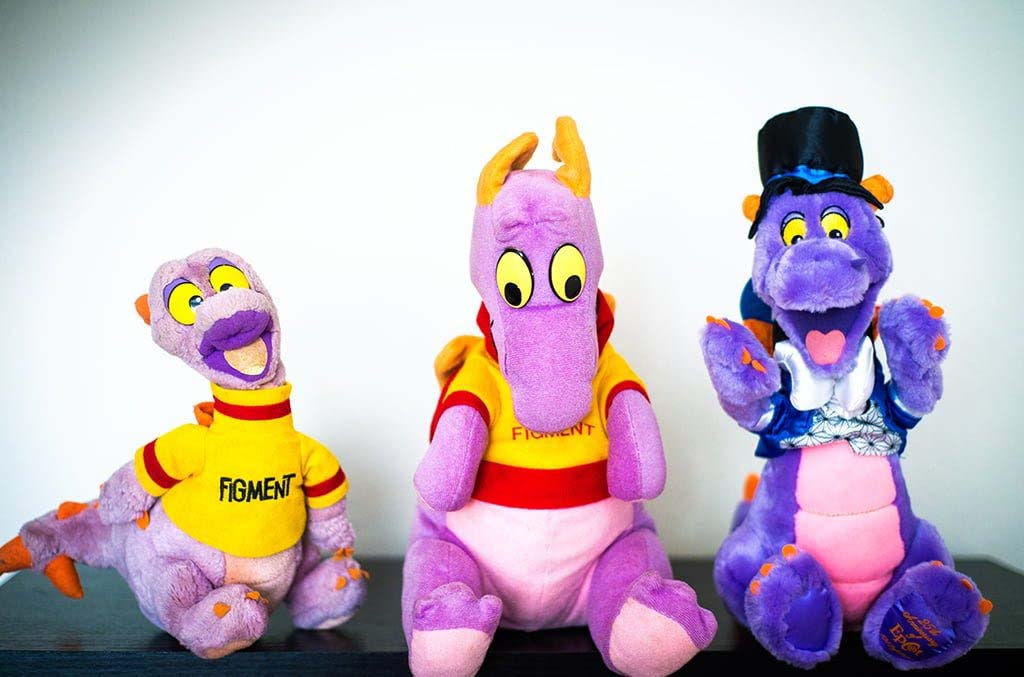
What Defines a Complex Plush Toy Design
Not all plush toys are created equal. A complex plush design usually involves higher development difficulty, more production risk, and stricter control requirements. If your project matches any of the scenarios below, it is considered a complex plush toy and requires an experienced manufacturer with strong design-to-production capabilities.
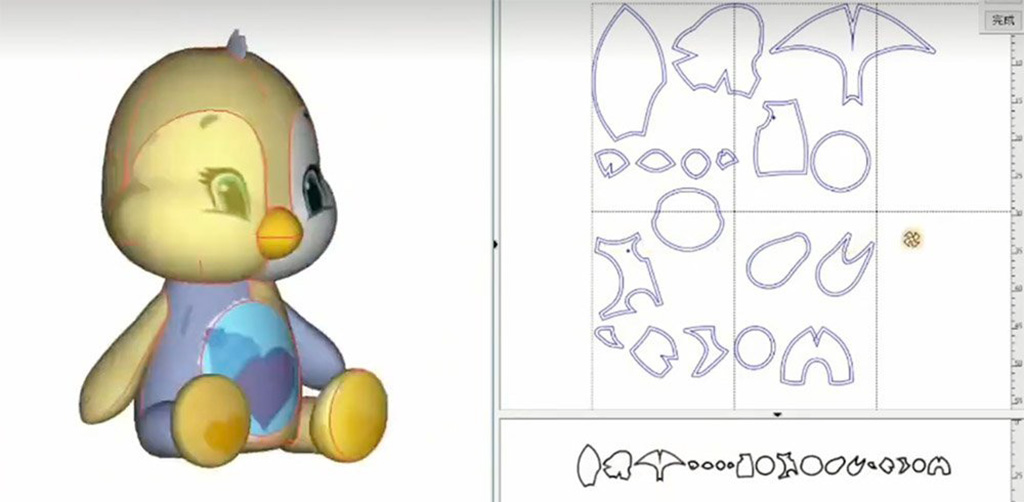
High Accuracy to Original Design
When a plush toy must closely match an original illustration, 3D model, or licensed character, even small proportion changes are unacceptable. This demands strong sampling accuracy and design-to-manufacturing conversion skills.
Design Under Strict Safety Regulations
Complex designs often involve more materials, parts, and construction details, making safety compliance more challenging. Proper control of small parts, stitching strength, and material safety is essential from the design stage..
Design-to-Manufacturing Capability
Using multiple fabrics in one plush toy—such as minky, faux fur, velboa, mesh, or specialty textiles—requires precise pattern planning and sewing control. Poor material coordination often leads to deformation, tension issues, or inconsistent appearance in mass production.
Irregular or Asymmetrical Structures
Non-standard shapes, uneven proportions, or asymmetrical designs increase structural complexity. These designs often require internal support optimization to maintain stability, balance, and durability after stuffing.
High-Density Embroidery & Detailed Facial Expressions
Dense embroidery, layered stitching, or expressive facial details demand advanced embroidery programming and strict quality control. Small deviations can greatly affect the character’s personality and brand recognition.
Multi-Component Assembly
Plush toys with separate limbs, accessories, attachments, or functional components require precise assembly and secure fixation. Every connection point must be stable, consistent, and compliant with safety standards.
If your plush project includes one or more of these elements, choosing the right manufacturer is critical to avoid delays, rework, and production risks.
Why Most Plush Factories Turn Down Complex Designs
Complex plush projects are often rejected—not because the ideas lack value, but because they demand higher responsibility, deeper expertise, and stronger systems. Below are the most common reasons many factories choose to step back from complex plush designs.
High Sampling Cost
Complex plush designs require more development time, multiple pattern adjustments, special materials, and repeated testing. For factories focused on fast and simple orders, the upfront sampling cost and effort often outweigh short-term returns.
High Communication Cost
Detailed designs involve frequent back-and-forth discussions on structure, materials, proportions, and safety. Without strong design understanding and clear internal coordination, communication becomes inefficient and error-prone.
Uncontrollable Production Risk
When complex elements are not fully validated during development, problems often surface late—during sampling or even mass production. Many factories avoid these projects to reduce the risk of delays, disputes, and unexpected losses.
Unstable Mass Production
Even if a complex sample looks good, maintaining consistency in bulk production is a major challenge. Factories without mature control systems struggle to reproduce the same quality across large quantities.
If your plush design has been declined or simplified by other factories, the issue is often capability—not feasibility. The right manufacturer makes complexity manageable.
Real Examples of Complex Plush Toy Designs
Complex plush designs are defined by how many variables must be controlled at the same time. The examples below illustrate different types of complexity we regularly handle, each requiring advanced sampling accuracy, material coordination, and stable mass production control.
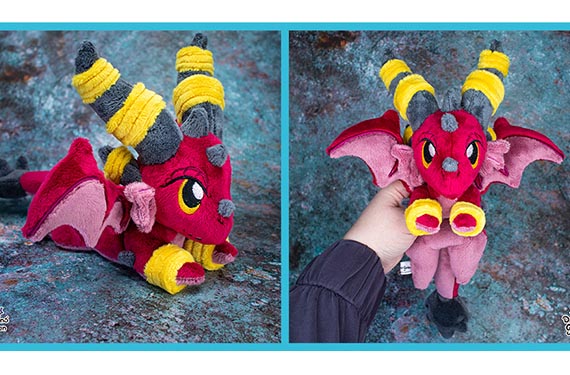
Multi-Material Plush Toys
These plush toys combine two or more fabric types within a single product, such as minky, faux fur, velboa, printed fabrics, or specialty textiles. Each material behaves differently during cutting, sewing, and stuffing. Without proper pattern planning and tension balance, seams may twist, surfaces may wrinkle, and the final shape can become inconsistent in bulk production.
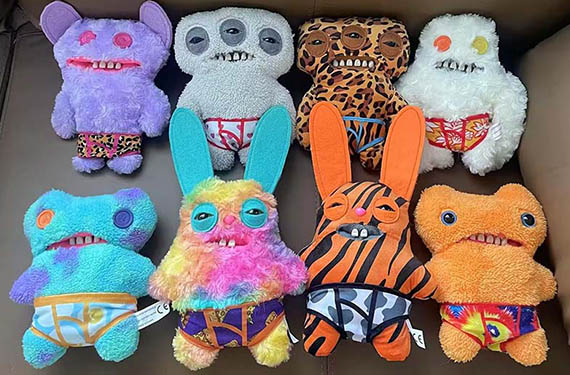
Irregular or Asymmetrical Plush Structures
Plush toys with non-standard silhouettes, uneven proportions, or asymmetrical designs are structurally more demanding. These products often require internal support optimization and precise stuffing distribution to maintain balance, durability, and long-term shape retention.
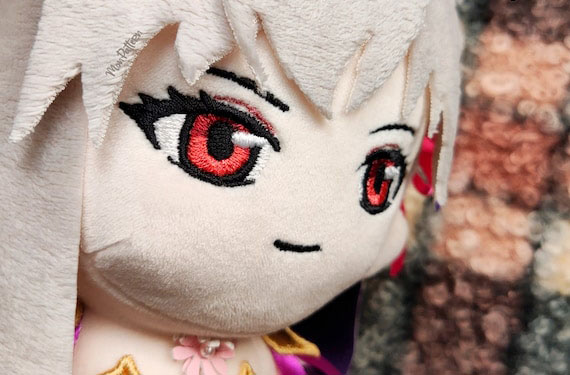
High-Density Embroidery & Detailed Facial Expressions
Dense embroidery, layered stitching, and detailed facial expressions require advanced embroidery programming and strict quality inspection. Small deviations in stitch density, thread direction, or placement can significantly change the character’s expression and perceived quality.
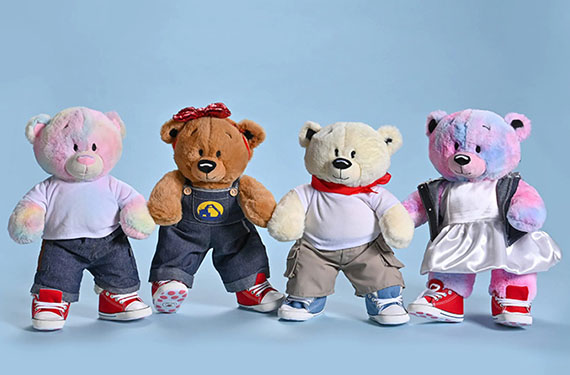
Multi-Component Plush Toys
These plush designs include separate limbs, accessories, attachments, or functional components that must be assembled securely. Each connection point must be consistent, durable, and compliant with safety standards, especially when the toy is intended for children.
High-Accuracy Character Plush Toys
When a plush toy must closely match an original illustration, 3D model, or licensed IP, proportion accuracy becomes critical. Even small changes in head size, limb length, or facial placement can affect brand identity and approval results.
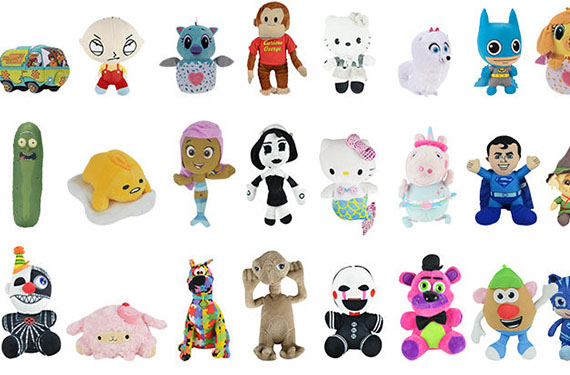
If your plush project matches any of the examples above, it requires more than basic production. It requires a manufacturer with proven experience in complex plush development and controlled mass production.
The 6 Most Common Failure Points in Complex Plush Designs
When a plush design becomes complex, problems rarely appear all at once. They usually surface at specific stages—often too late and too costly to fix. These are the issues buyers worry about most, and the ones we encounter repeatedly in complex plush development projects.
The Sample Looks Great, but Mass Production Fails
A visually perfect sample does not guarantee production stability. If key structures, materials, or processes are not validated for scale, factories may struggle to reproduce the same look and feel across hundreds or thousands of units.
Unstable Internal Structure
Complex shapes, asymmetry, or large proportions place higher demands on internal structure design. Without proper support and stuffing distribution, plush toys may deform, tilt, or collapse after use or transportation.
Distorted Facial Expressions
Small inaccuracies in embroidery density, eye placement, or facial proportions can completely change a character’s expression. This is especially critical for branded or character-based plush toys.
Materials Not Suitable for Mass Production
Some fabrics work well in samples but fail during bulk production due to supply inconsistency, color variation, shrinkage, or poor durability. This often leads to delays and redesigns.
Safety Testing Failures
Complex designs often involve more components and connection points, increasing the risk of failing safety tests. Issues such as loose parts, weak stitching, or non-compliant materials are frequently discovered too late.
Cost Goes Out of Control
Without early cost evaluation and design optimization, complex plush projects can quickly exceed the target budget. Last-minute changes are often the main cause of unexpected cost increases.
Recognizing these risks early can save months of development time, prevent costly rework, and protect your final product quality. Complex plush projects don’t fail because of creativity—they fail when risks are discovered too late.
Complex Plush Designs Become Predictable with the Right Approach
Complex plush projects often feel risky at first glance, but risk does not come from complexity itself. It comes from unclear processes, missing validation, and poor execution. When the right methods are applied early, complex plush designs become structured, predictable, and controllable.
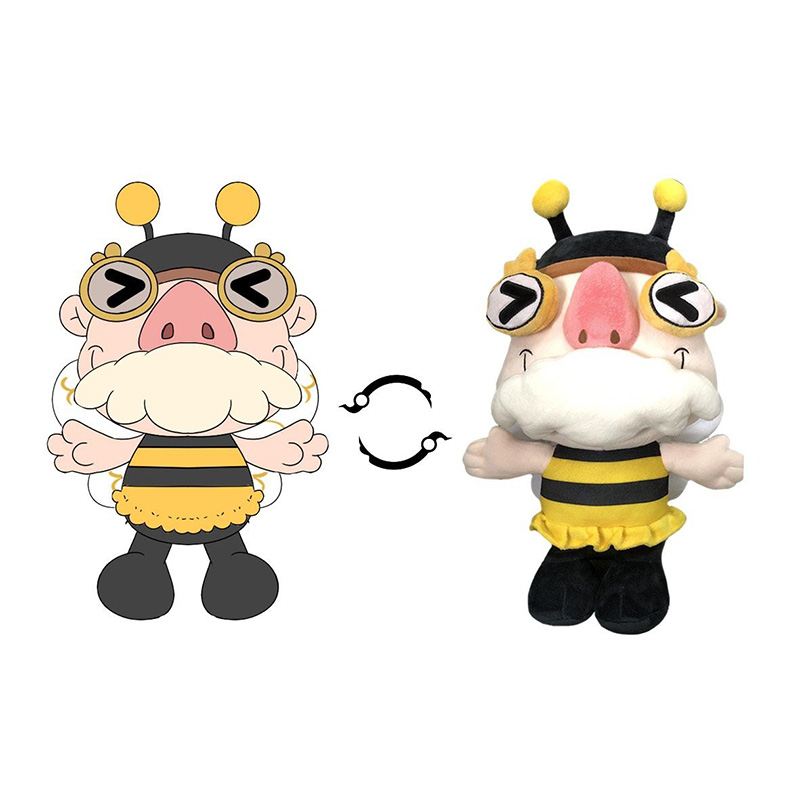

Risk Is Reduced When Complexity Is Identified Early
When complex elements are clearly identified at the beginning, potential problems can be addressed before sampling starts. Early evaluation allows design, structure, and materials to be adjusted with minimal cost and time impact.

Structure Turns Ideas into Manufacturable Products
Complex plush designs become manageable when internal structures are properly planned. Balanced support, controlled stuffing, and stable connections help transform creative ideas into products that can be reliably produced.

Controlled Sampling Prevents Costly Rework
A structured sampling process focuses on validating critical points rather than cosmetic details. This approach reduces unnecessary revisions and prevents expensive changes during mass production.

Standardized Processes Bring Predictable Results
When each production step follows defined standards, complexity becomes repeatable rather than risky. Consistency in processes ensures stable quality from the first sample to final bulk production.
Using the right method does not eliminate creativity—it protects it. With proper control, complex plush designs can move forward with confidence instead of concern.
How Complex Plush Designs Are Turned into Production-Ready Solutions
Complex plush designs don’t fail because the ideas are ambitious or detailed. They fail when creativity is pushed directly into production without a clear conversion path. The real challenge is not simplifying the design, but translating it into a stable, repeatable manufacturing solution that works at scale.
Design for Manufacturing from the Beginning
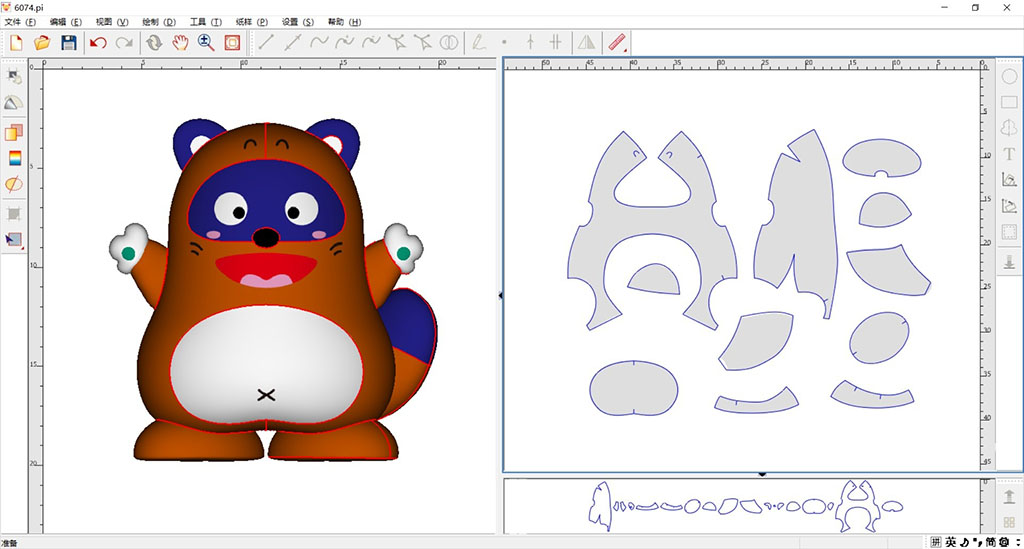
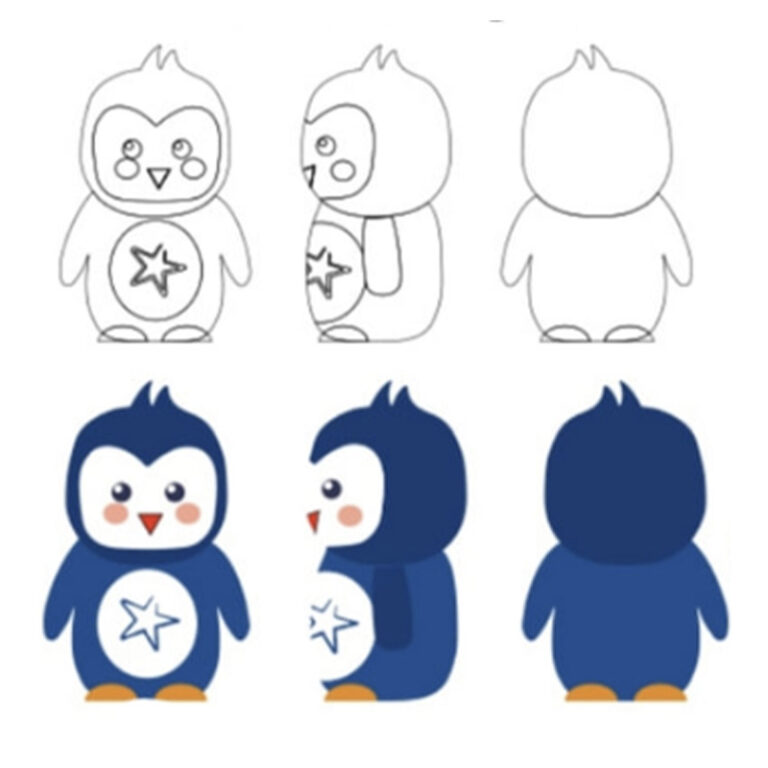
Complex designs are first reviewed through a manufacturing lens, not just an aesthetic one. This step focuses on how each element will be cut, sewn, stuffed, and assembled at scale. By identifying potential bottlenecks early—such as tight curves, layered seams, or difficult angles—you avoid redesigns that usually happen after sampling costs and timelines have already increased.
Structural Feasibility Validation
Before refining surface details, internal structure and support are validated to ensure the plush toy can maintain its shape, balance, and durability. This includes testing how weight is distributed, how limbs are supported, and how the product behaves after repeated handling or compression. Early structural validation prevents problems that are costly or impossible to fix once mass production has started.
Practical Material Substitution without Visual Compromise
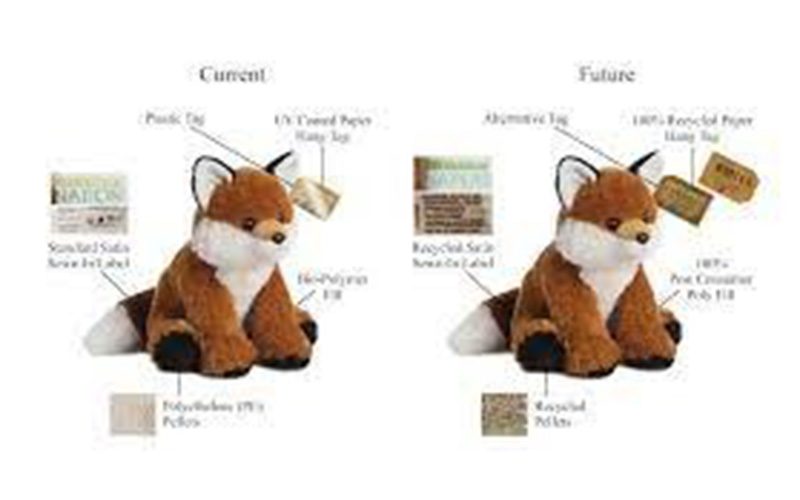
Some materials look perfect in samples but cause issues in bulk production due to inconsistent supply, unstable dye lots, shrinkage, or poor durability. Evaluating alternative materials early helps maintain the intended look and hand feel while reducing sourcing and quality risks. This also ensures long-term production stability for repeat orders.
Cost and Risk Balanced from the Start
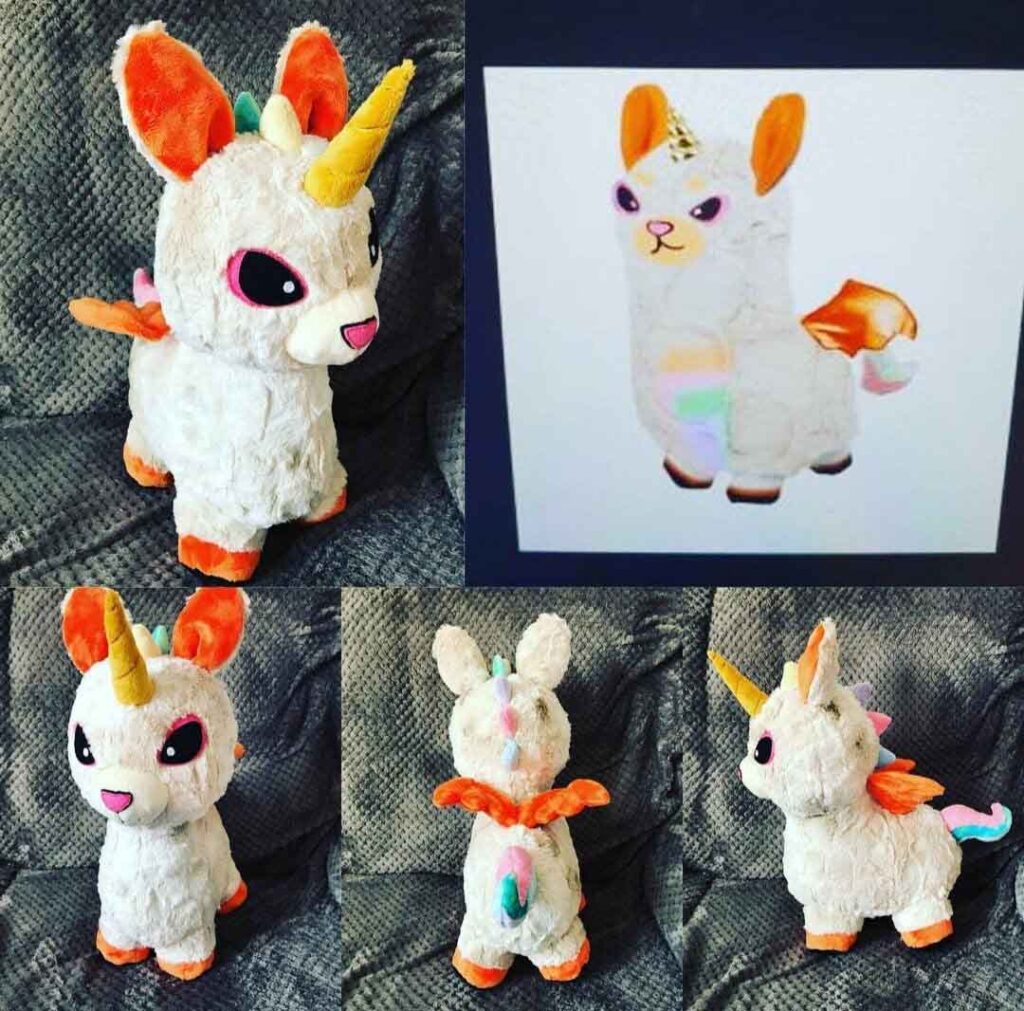
Cost issues often appear when complex designs move forward without early evaluation. By aligning design complexity, material selection, and production methods at the beginning, budget risks can be controlled before they escalate. This approach reduces the likelihood of late-stage changes that drive up costs and delay schedules.
Verified Checkpoints before Mass Production
Instead of relying on a single approved sample, critical risk points are verified step by step before mass production. This includes confirming structure stability, material consistency, stitching strength, and assembly accuracy. These checkpoints ensure that bulk production follows the same standards as the validated prototype, reducing surprises and rework.
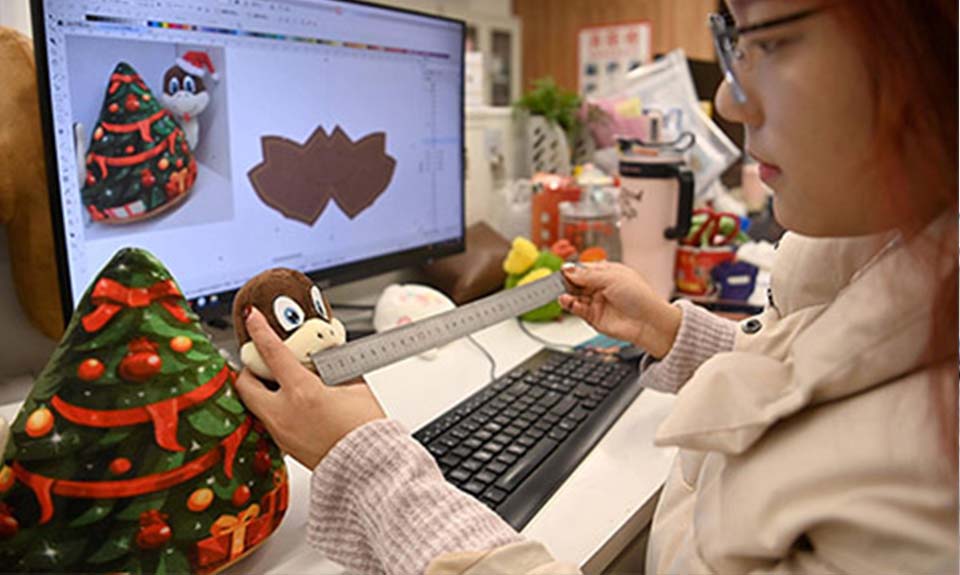
When complex designs are translated through the right process, production becomes controlled rather than uncertain. This is how ambitious plush concepts turn into reliable, scalable products.
Full Customization Capabilities for Complex Plush Designs
Complex plush projects require more than basic options. Our customization scope is built to support detailed designs, special structures, and brand-level requirements—so your concept can move forward without being limited by standard production boundaries.
Design & Structural Customization
Design concept adaptation
Character proportions
Head-to-body ratio adjustment
Asymmetrical shapes
Irregular silhouettes
Internal structure design
Weight distribution planning
Support reinforcement areas
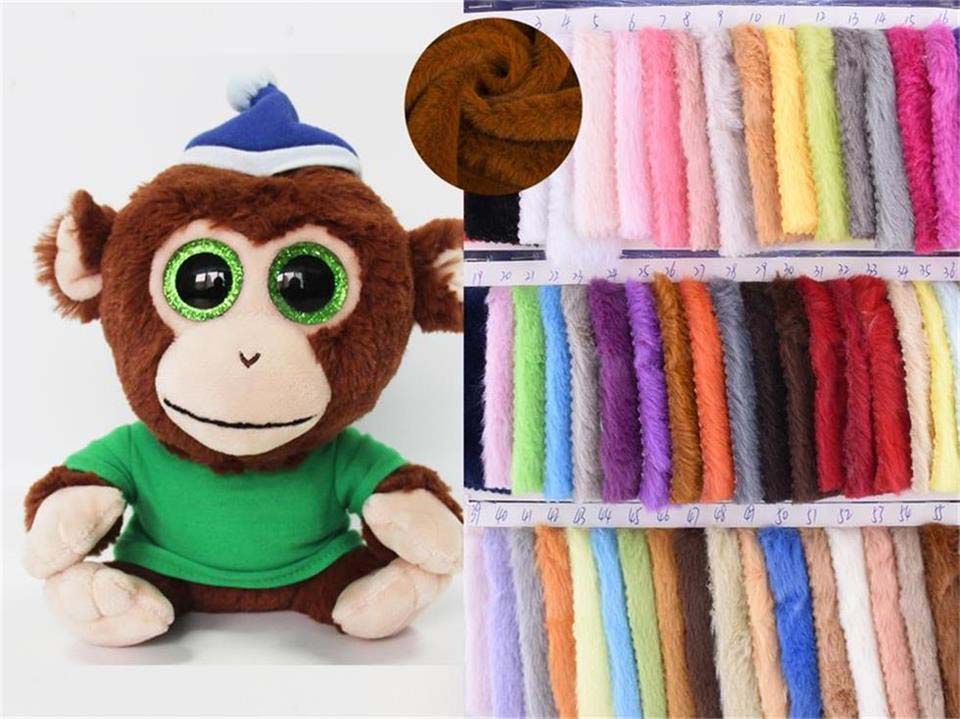
Materials & Fabric Customization
Minky
Velboa
Faux fur
Short pile plush
Printed fabrics
Textured fabrics
Mixed fabric combinations
Eco-friendly materials
Recycled fabrics (RPET)
Special color matching
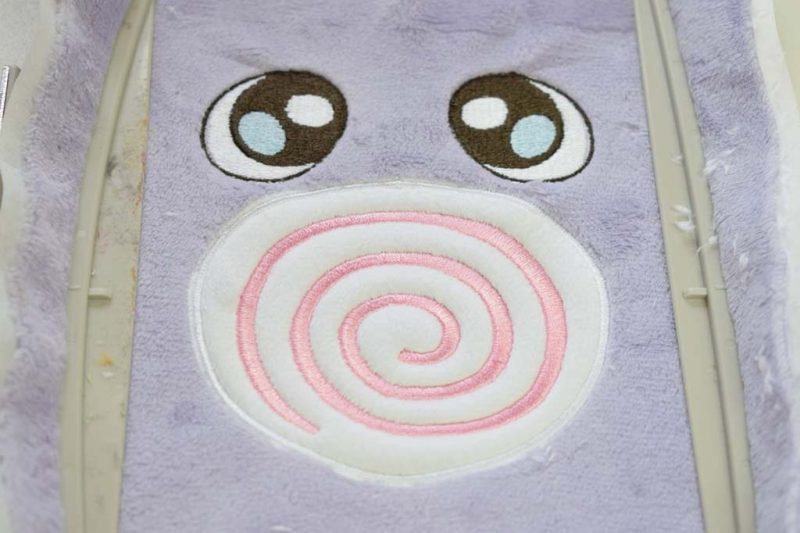
Facial Details & Craft Techniques
Embroidery styles
High-density embroidery
Layered embroidery
Appliqué
Patch embroidery
Eye types (embroidered / plastic / safety)
Nose types
Mouth expression control
Detailed facial positioning
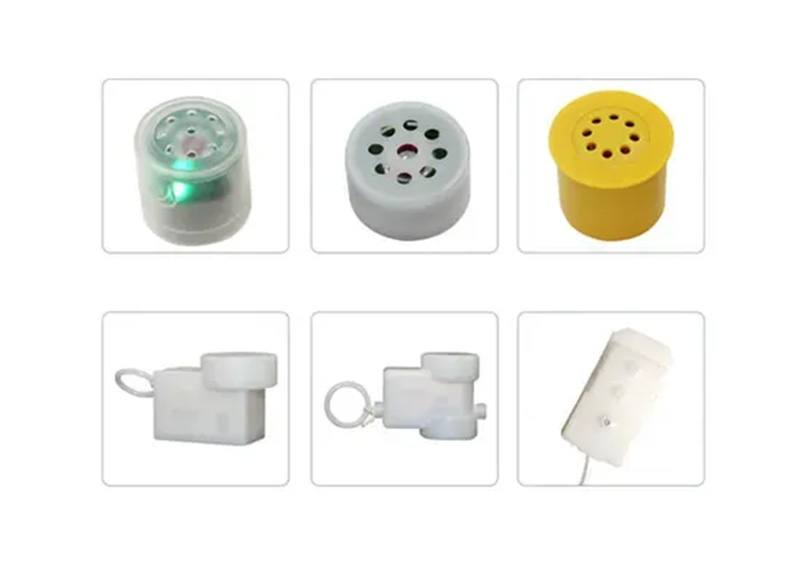
Size, Components & Functional Customization
Custom sizes
Mini to oversized plush
Multi-part assemblies
Detachable components
Accessories & attachments
Special internal elements
Sound modules
Weighted components
Special packaging requirements
If your plush design goes beyond standard templates, this level of customization ensures your project stays intact from concept to mass production.
Materials & Fillings Optimized for Complex Plush Designs
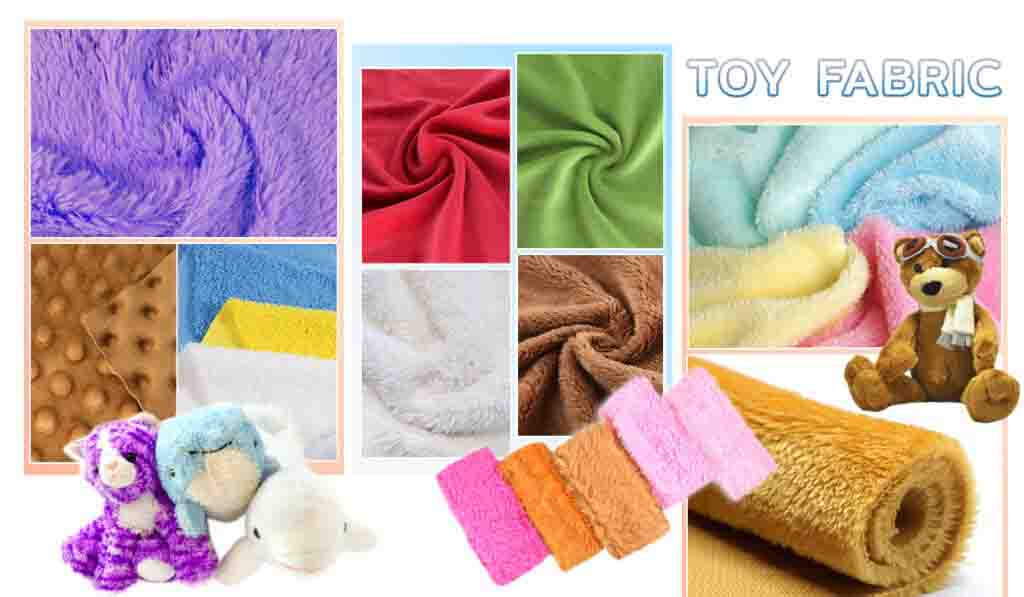
Material selection plays a critical role in complex plush projects. Different fabrics and fillings affect appearance, structure, safety, durability, and mass-production stability. Below are commonly used options selected to support multi-material designs and high-accuracy requirements.
Common Plush Fabrics
Minky
Velboa
Faux fur
Short pile plush
Long pile plush
Printed plush fabric
Textured fabric
Crystal super soft
PV fleece
Spandex plush
Eco-friendly plush fabric
Recycled fabric (RPET)
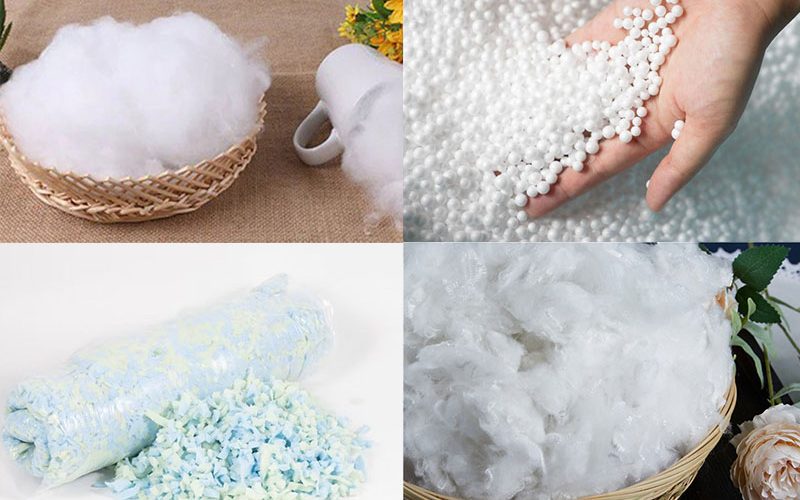
Common Fillings
PP cotton
Down cotton
Polyester fiber
Recycled polyester filling
Weighted pellets
Glass beads
Plastic pellets
Memory foam
Sponge filling
Mixed filling combinations
Choosing the right fabric and filling combination helps complex plush designs stay stable, safe, and consistent from sampling to mass production.
How We Keep Complex Plush Designs Consistent from Sample to Mass Production
Consistency is the biggest concern in complex plush projects. A good-looking sample means little if it cannot be reproduced reliably at scale. The following six control points are what truly protect your design from changing during mass production.
The Sample Is Treated as a Production Standard
In complex plush projects, the approved sample is not just a visual reference. It becomes the technical benchmark for structure, materials, stitching, and assembly. Treating the sample as a production standard helps prevent “looks similar but feels different” issues in bulk orders.
Key Risk Points Are Locked Before Production
Instead of focusing only on the final appearance, critical elements—such as structure stability, fabric behavior, and embroidery positioning—are confirmed in advance. This reduces the chance of uncontrolled changes during production.
Materials Are Fixed by Batch, Not by Name
Using the same material name does not guarantee the same result. Color tone, texture, and stretch can vary by batch. Fixing materials by approved batch standards helps keep the look and hand feel consistent across production runs.
Clear Production Instructions Reduce Interpretation Errors
Complex plush designs leave little room for guesswork. Clear instructions for sewing methods, stuffing distribution, and assembly order help prevent workers from making subjective adjustments that affect consistency.
In-Process Checks Catch Issues Early
Instead of waiting until products are finished, consistency is monitored during production. Early checks allow small deviations to be corrected before they become large-scale problems.
Final Output Is Compared Back to the Approved Sample
Before shipment, finished products are checked against the approved sample, not just internal standards. This final comparison ensures what you receive matches what you approved.
Consistency does not happen by chance. It is the result of controlled decisions at every stage—from sampling to mass production.
Who Is the Right Fit for Complex Plush Design Projects
Complex plush projects require more than basic production capacity. They demand clear communication, structured development, and long-term thinking. The clients below benefit the most from a controlled, experience-driven approach to complex plush design and manufacturing.
Brands with original plush designs
Licensed IP holders & character owners
High-end & premium plush brands
Buyers rejected by other factories
Projects with complex structures or materials
Brands requiring high design accuracy
Startups with ambitious plush concepts
Long-term brand development projects
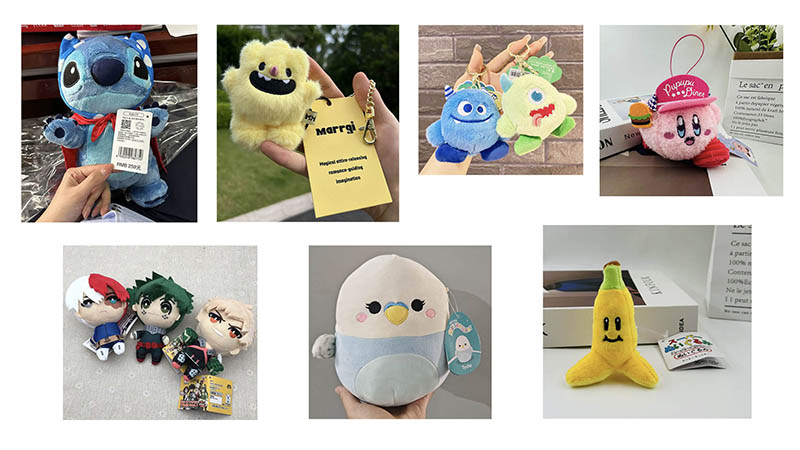
If your project fits any of the categories above, a structured approach to complex plush manufacturing can significantly reduce risk while protecting your original design intent.
Trusted by Leading Global Brands
Strong partnerships prove strong capabilities. Over the years, Kinwin has worked with world-leading brands and retailers to deliver interactive plush toys that meet the highest standards of creativity, safety, and quality. By choosing us, you gain a supplier that is trusted by top companies worldwide—and the same reliability is available to your brand.






Common Pitfalls in Complex Plush Design Projects
Complex plush projects often fail not because of the design itself, but because of misunderstandings during early decision-making. These misconceptions can quietly increase risk, cost, and development time if not addressed early.
A Good Sample Automatically Means Safe Mass Production
Many buyers assume that once a sample looks good, mass production will naturally follow. In reality, a sample without production validation can hide risks that only appear at scale.
Complex Design Can Be Fixed Later
Delaying structural, material, or safety decisions often leads to costly rework. Complex issues are far easier and cheaper to solve before production starts.
Lower Sample Cost Means Lower Overall Cost
Low sample pricing can result in rushed development and incomplete validation. This frequently leads to higher costs during mass production due to corrections and delays.
All Factories Handle Complexity the Same Way
Complex plush manufacturing requires experience, systems, and coordination. Treating all factories as equal often results in mismatched expectations and unstable outcomes.
Ready to Move Forward with a Complex Plush Design?
Complex plush projects don’t fail because they are ambitious—they fail when the right questions are asked too late. If your design includes multiple materials, special structures, high accuracy requirements, or strict safety standards, early clarity makes all the difference.
This is the stage where the right manufacturing feedback can save months of development time, prevent costly revisions, and protect the integrity of your original design. Instead of guessing what might work, you can start with a clear, realistic path forward—before risks turn into problems.
Whether you already have detailed artwork, a prototype, or just a complex concept that other factories hesitated to take on, a focused discussion can help you understand feasibility, production risks, and next steps with confidence.
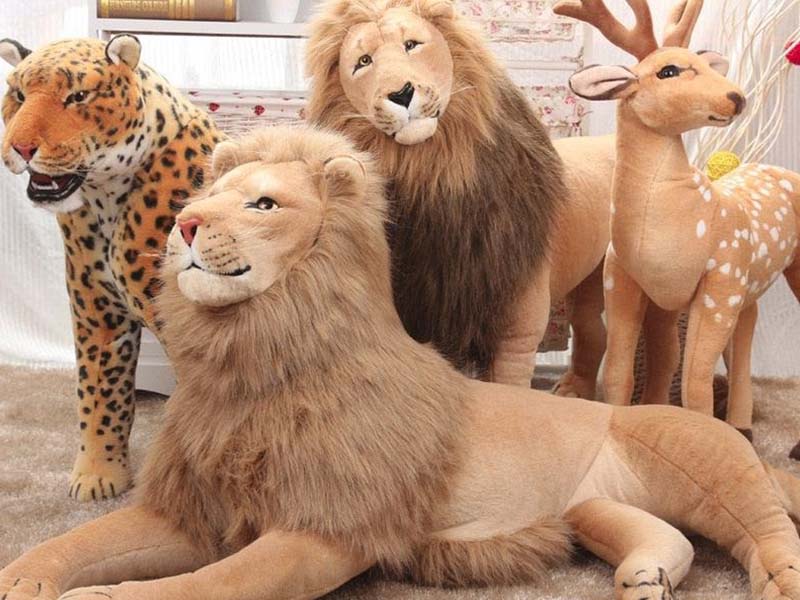
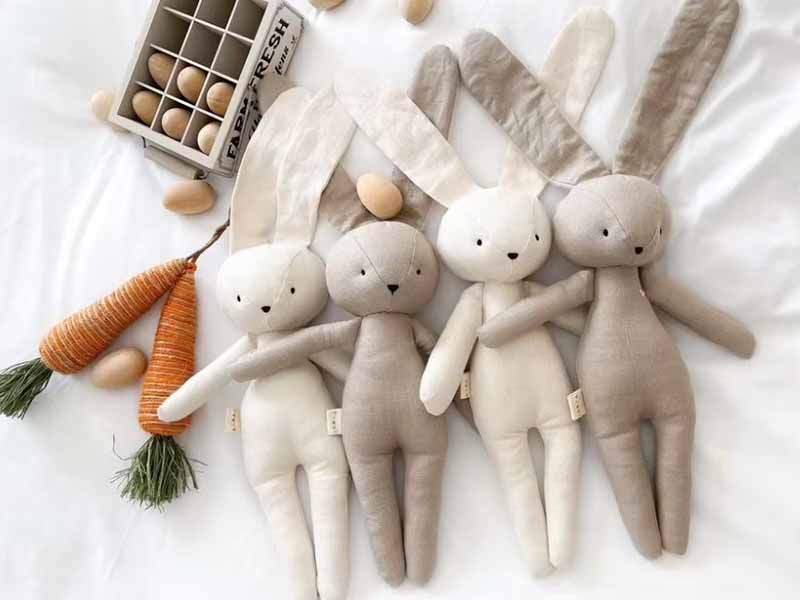
Explore Our Custom Plush Toy Series
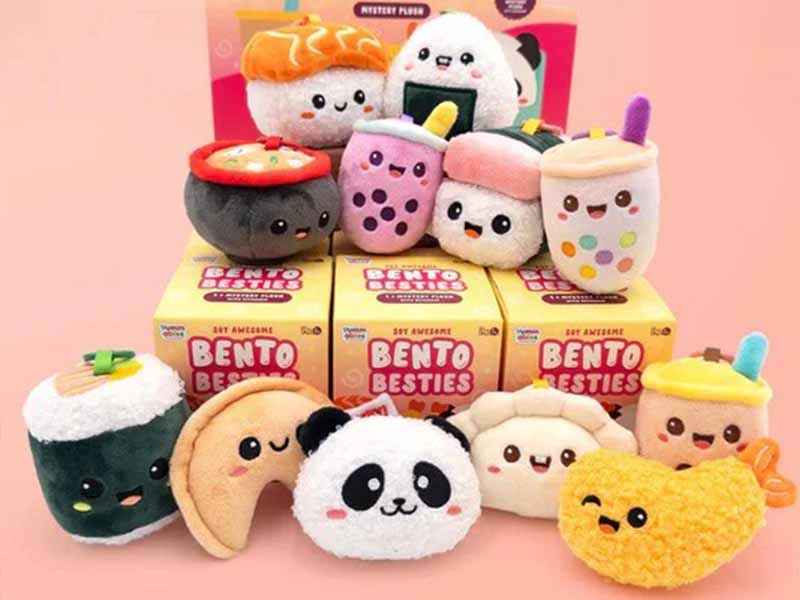
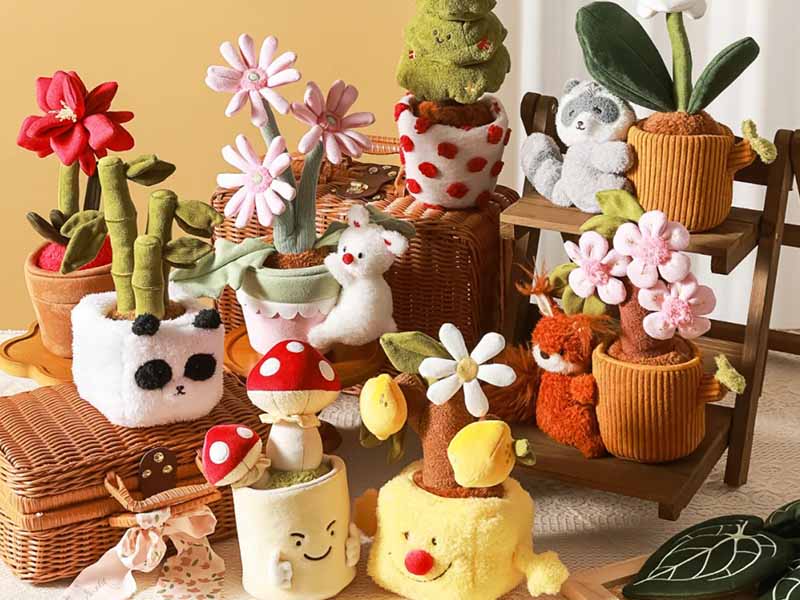
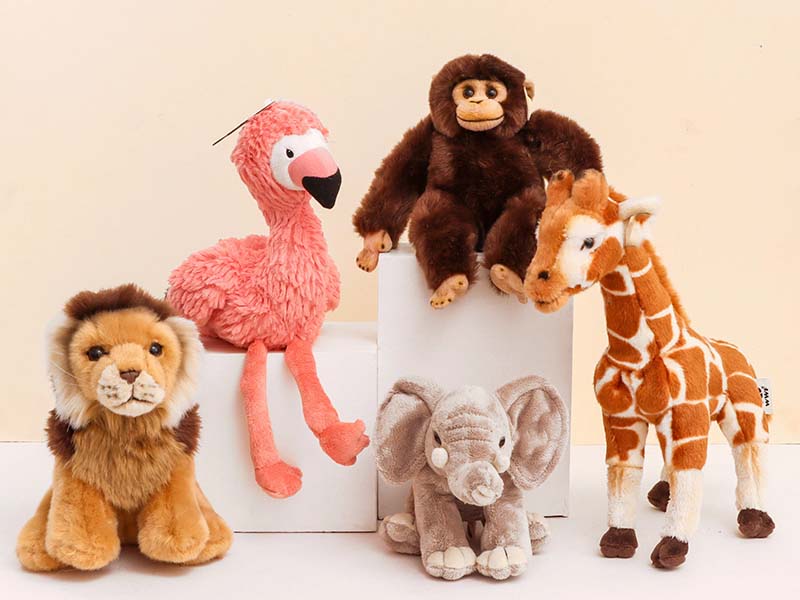
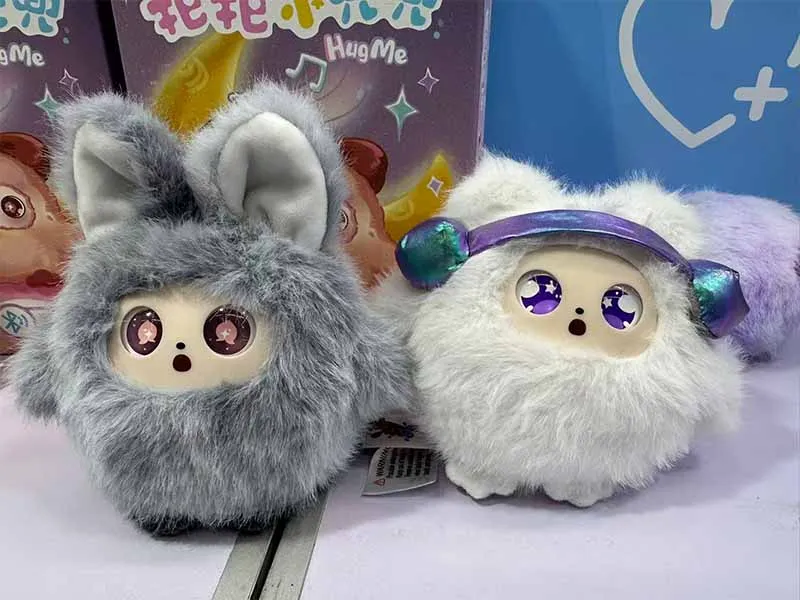
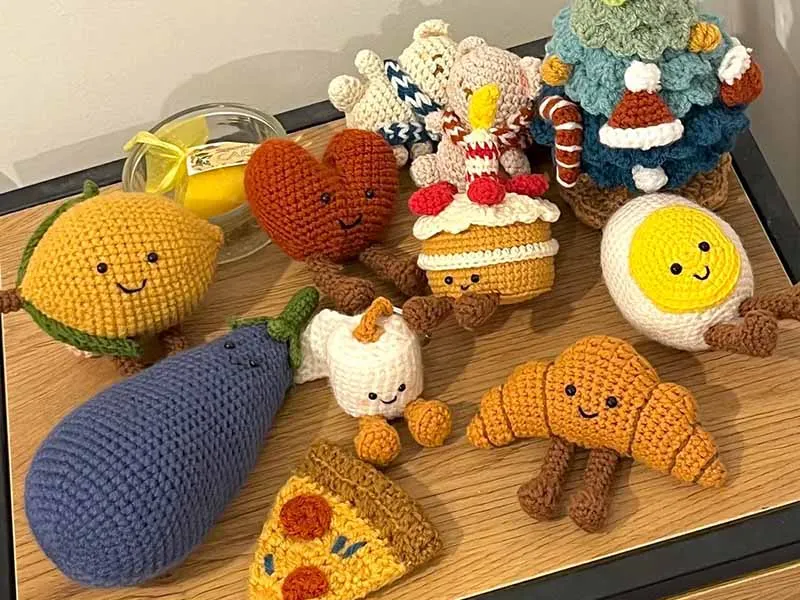
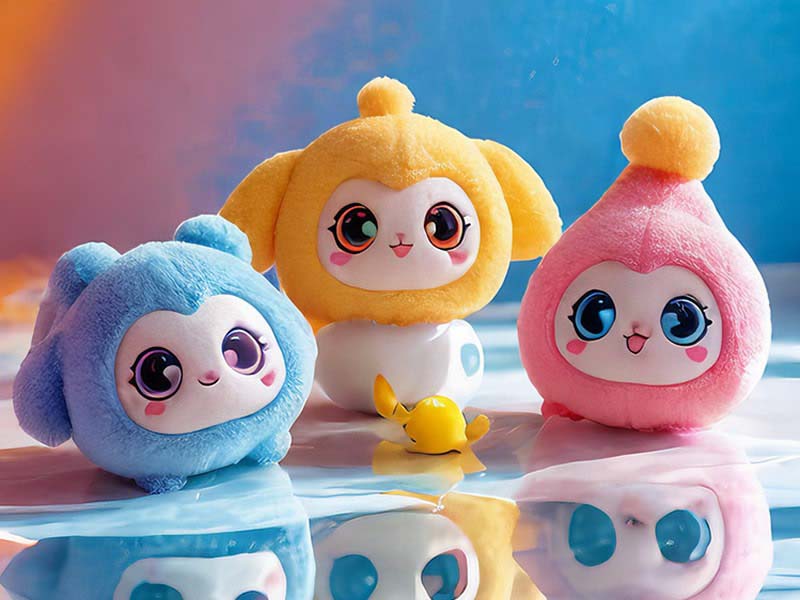
We offer a wide selection of plush toys to meet different business needs. From baby-safe stuffed animals to collectible plush dolls, our product lines are designed for global brands, retailers, e-commerce, and promotional projects.
Frequently Asked Questions
1. What is considered a “complex” plush design?
A plush design is considered complex when it involves multiple fabrics, irregular or asymmetrical structures, detailed facial expressions, multiple components, high accuracy to original artwork, or strict safety and compliance requirements. These factors significantly increase development and production difficulty compared to standard plush toys.
2. Does complex plush design always mean higher risk?
Not necessarily. Risk comes from unclear processes and insufficient validation, not from complexity itself. With proper design review, structured sampling, and controlled production, complex plush projects can be just as stable as simpler designs.
3. Why do many factories refuse complex plush projects?
Complex projects require higher upfront effort, stronger technical capability, and more responsibility. Many factories prefer simple, repeatable products to avoid development risk, communication cost, and mass production instability.
4. How can I make sure my sample can be mass-produced?
A sample must be treated as a production standard, not just a visual reference. Key structures, materials, embroidery, and assembly methods should be validated specifically for bulk production before approval.
5. Can materials used in samples cause problems in mass production?
Yes. Some materials perform well in small quantities but show issues such as color inconsistency, shrinkage, or supply instability in bulk. Early material evaluation and alternative planning are essential for complex designs.
6. How do you control facial accuracy in complex plush toys?
Facial accuracy is controlled through precise embroidery programming, strict positioning standards, and repeatable production processes. Even small deviations are monitored to ensure consistency with the approved design.
7. Will complex plush designs increase production cost significantly?
Complexity can increase cost if not managed early. However, early design optimization and risk balancing often reduce overall cost by avoiding late-stage changes, rework, and delays.
8. How do you ensure consistency between sample and bulk production?
Consistency is maintained through locked materials, standardized production instructions, in-process checks, and final comparison against the approved sample before shipment.
9. Are complex plush designs harder to pass safety tests?
They can be if safety is not considered early. Complex designs involve more parts and connections, so safety requirements must be built into the design and validated before production.
10. When should I involve a manufacturer for a complex plush idea?
The earlier, the better. Early involvement helps evaluate feasibility, reduce risk, and shape the design into a production-ready solution—before costly changes are needed.
If You Can lmagine lt,We Will Create lt!
1.Tell Us What You Need
Tell us as specific as possible of your needs and share your idea.
2.Get Solution & Quote
We will work on the best solution according to yourrequirements,the specific quote will be provided within 24 hours.
3.Approve for Mass Production
We will start mass production after getting your approval.