 Skip to content
Custom Plush Toy Manufacturer for Fast Product Launch
Launching a new plush product should not take months. With an experienced plush toy manufacturer, your brand can move from idea to market much faster. Our team supports every stage of plush toy development, from plush toy design and plush toy sampling to prototype development and reliable mass production. Whether you are creating custom plush toys for a new brand, an IP character, or a seasonal promotion, working with a professional stuffed animals manufacturer helps reduce development time and brings your products to market faster.
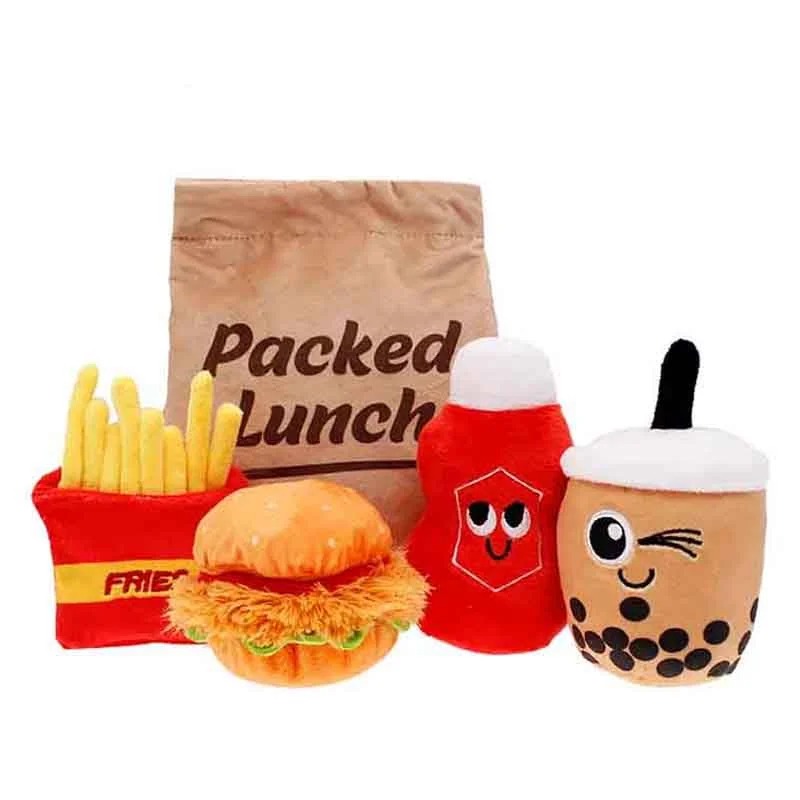
Why Fast Plush Toy Product Launch Matters for Modern Brands
In today’s toy market, speed matters. Many brands lose valuable opportunities because product development takes too long, samples require multiple revisions, or suppliers cannot maintain a stable production schedule. A faster plush toy product launch helps your brand respond to market trends, seasonal demand, and viral opportunities more quickly. With professional plush toy development and reliable stuffed animal manufacturing, your brand can reduce delays, control risks, and bring new plush products to market at the right time.
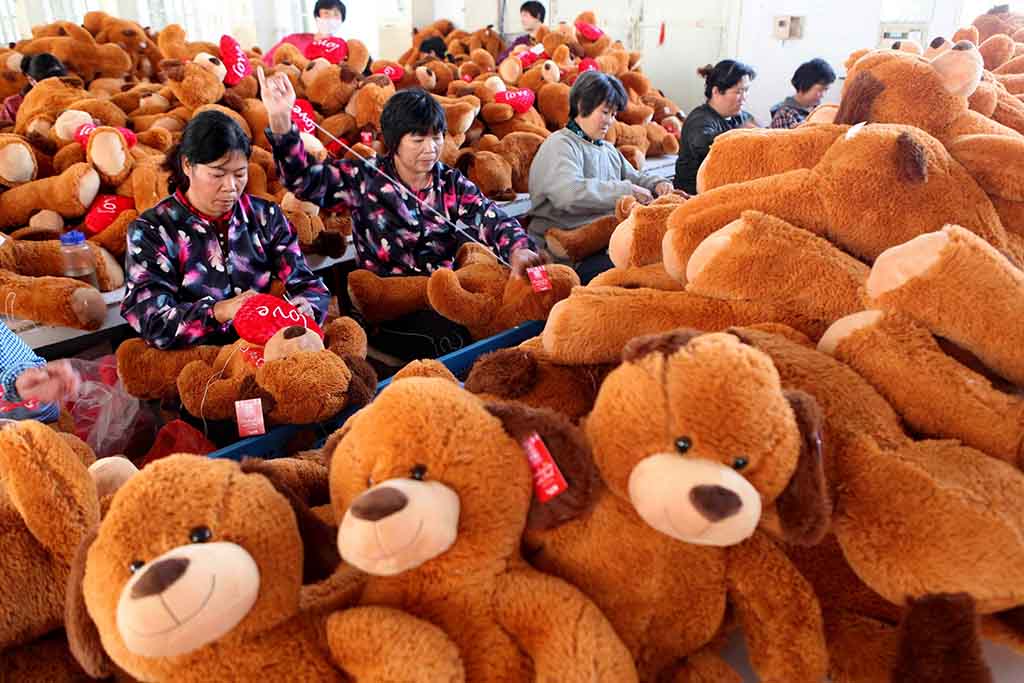
Faster Plush Toy Development for New Product Ideas
Many plush toy ideas start with a concept sketch or character design. However, slow plush toy development can delay market entry and reduce the value of a new idea. A fast development process allows brands to quickly transform concepts into real plush samples, helping teams test designs, gather feedback, and prepare for production without long waiting times.
Respond Quickly to Seasonal Plush Toy Opportunities
Seasonal plush products such as Christmas plush toys, Valentine’s plush gifts, or holiday-themed stuffed animals often have a very limited selling window. If development and stuffed animal manufacturing take too long, brands may miss the entire season. Faster product launch cycles help ensure seasonal plush toys reach retailers and online stores before peak demand begins.
Capture Viral Plush Toy Trends
Social media and online communities can quickly turn a plush character into a viral product. However, trends can disappear just as quickly. Brands that can accelerate plush toy product launch are better positioned to capture viral demand while the trend is still growing. Fast sampling and efficient manufacturing allow companies to turn trending ideas into real products before competitors do.
Support IP Plush Toy Projects and Licensing Programs
IP-based plush toys often follow strict marketing schedules tied to film releases, game launches, or promotional campaigns. Delays in plush toy development or manufacturing can disrupt the entire marketing timeline. A fast and organized production process ensures IP plush toys are ready for launch alongside major promotional events.
Improve Supply Chain Stability and Reduce Launch Risks
When product development is slow and communication is unclear, brands often face repeated sampling, material changes, and inconsistent production results. A professional partner in stuffed animal manufacturing helps streamline the process, stabilize production schedules, and reduce supply chain risks during product launch.
Launching plush toys faster allows your brand to stay competitive, respond to market trends, and grow product lines with confidence. Working with an experienced manufacturer ensures your plush toy projects move forward smoothly from concept to production.
Fast Plush Toy Sampling for Rapid Product Development (7–10 Days)
Fast and accurate plush toy sampling is one of the most important steps in plush toy development. A well-made stuffed animal prototype allows your team to evaluate the design, materials, and structure before moving into production. With an experienced team and a structured plush toy sample development process, brands can reduce development delays, test products faster, and move closer to a successful plush toy product launch.
Professional Pattern Makers for Accurate Plush Toy Sampling
Experienced pattern makers play a critical role in plush toy sample development. They convert 2D artwork or concept sketches into precise plush toy patterns, ensuring correct proportions, seam alignment, and structural balance. Professional pattern making improves the quality of the stuffed animal prototype and significantly reduces repeated revisions during development.
Fast Plush Toy Prototyping for Efficient Product Development
Efficient plush toy prototyping helps brands shorten the overall product development cycle. Once the pattern is finalized, skilled technicians quickly assemble the stuffed animal prototype, allowing your team to evaluate shape, softness, size, and overall design accuracy. Faster prototyping means faster decision-making and quicker progress toward production.
Embroidery and Printing Adjustment During Sampling
During plush toy sampling, embroidery and printing details are carefully adjusted to match the original design. This includes embroidery density, stitching position, color matching, and printing clarity. Fine-tuning these details at the sampling stage ensures the final plush toy maintains consistent visual quality in mass production.
Fabric Matching for the Right Plush Toy Texture
With fast and structured plush toy sampling, your brand can test designs earlier, validate product ideas faster, and move into production with greater confidence. A reliable sampling process reduces unnecessary revisions and helps accelerate the entire plush toy product launch timeline.
Popular Custom Plush Toy Types We Manufacture for Global Brands
A professional plush toy manufacturer can develop many different product categories to support brand growth and product line expansion. From retail plush toys to promotional gifts and collectible items, flexible plush toy development allows brands to create unique custom plush toys for different industries and audiences. Below are common plush toy categories that can be produced through professional stuffed animal manufacturing.
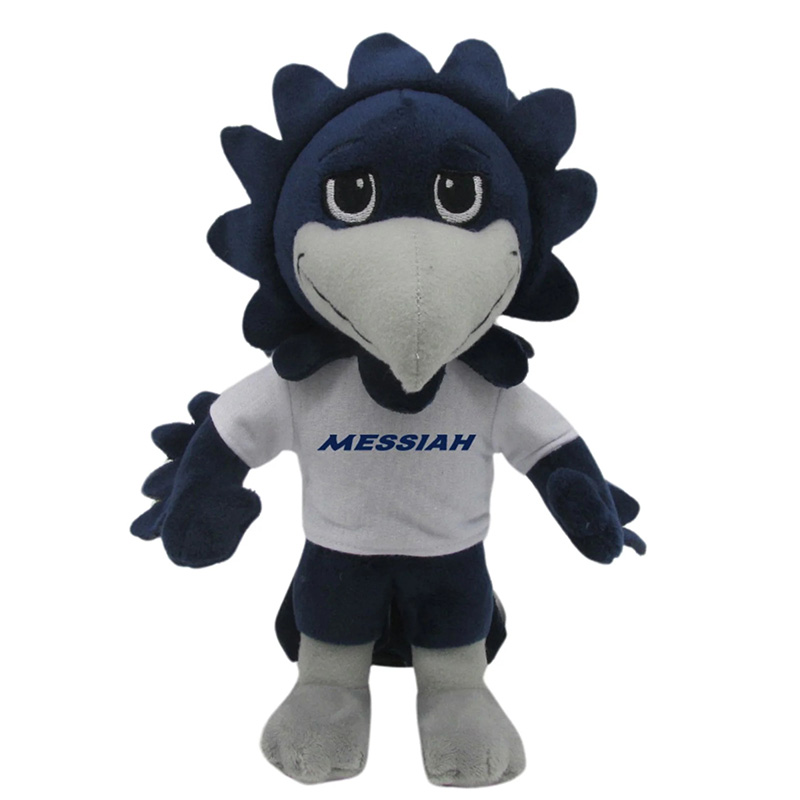
Mascot Plush Toys
Mascot plush toys are commonly used by brands, sports teams, and events to represent their identity in a soft and friendly form.
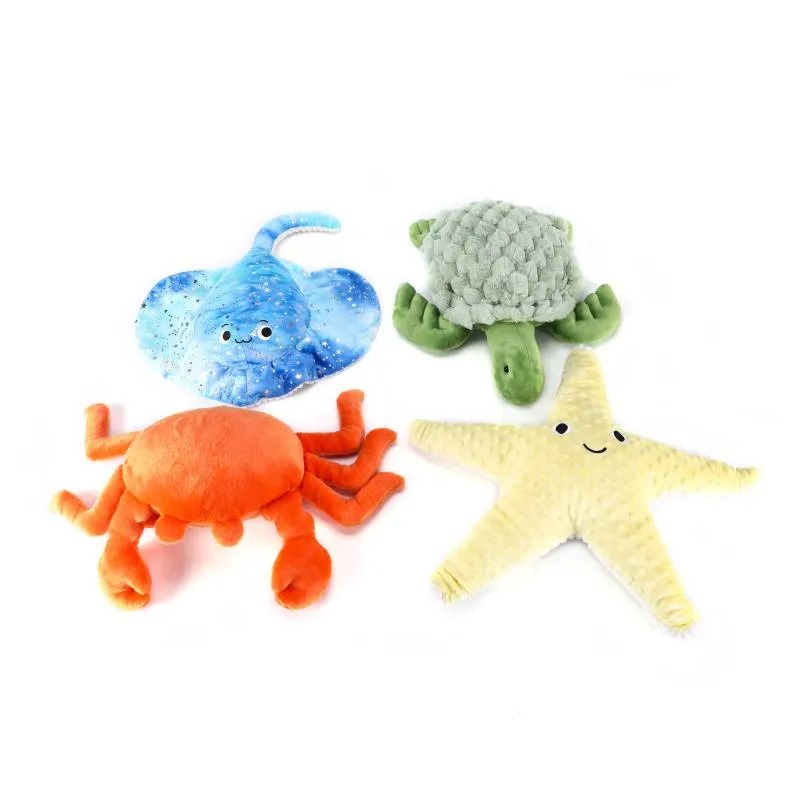
Ocean Animal Plush Toys
Ocean-themed plush toys such as whales, dolphins, and turtles are popular in gift shops and educational toy collections.
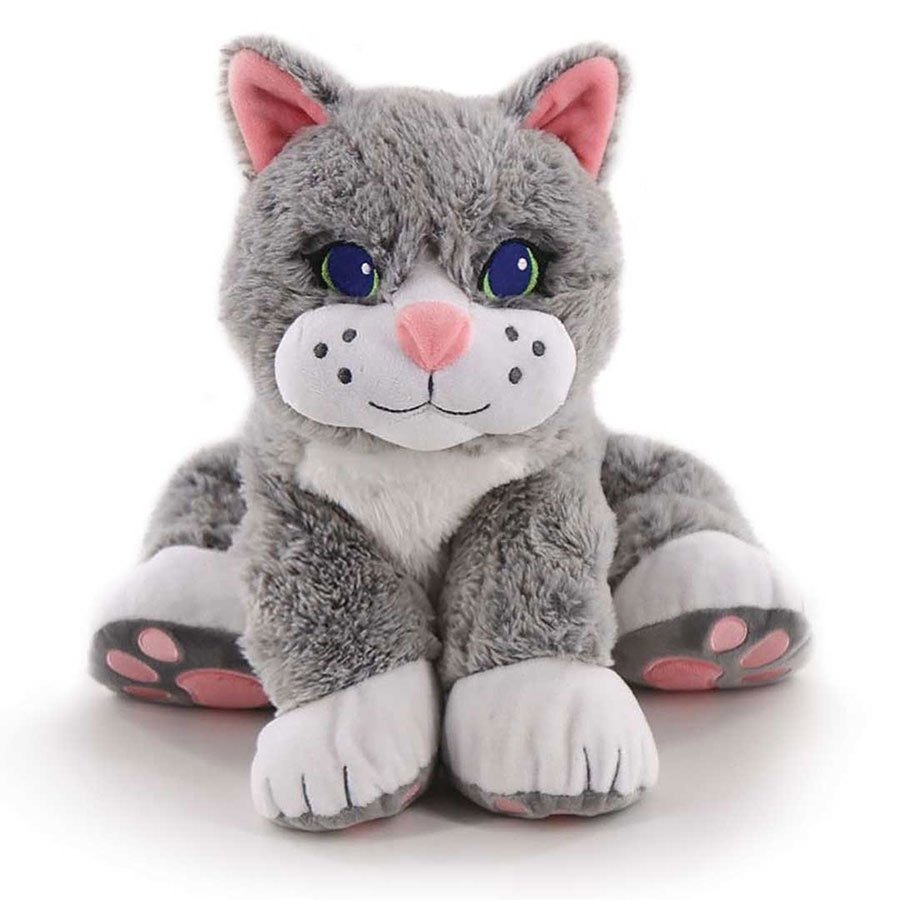
Weighted Plush Toys
Weighted plush toys include small internal weights that provide a calming and comforting feeling.
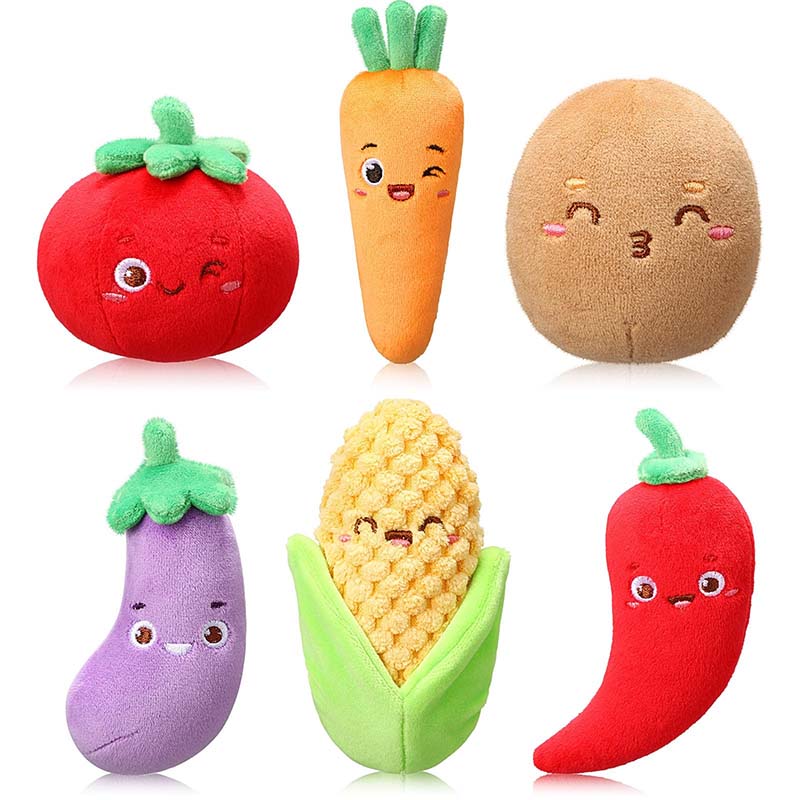
Plush Fruit Toys
Fruit plush toys such as strawberries, bananas, and oranges are bright and playful products for retail and promotional markets.

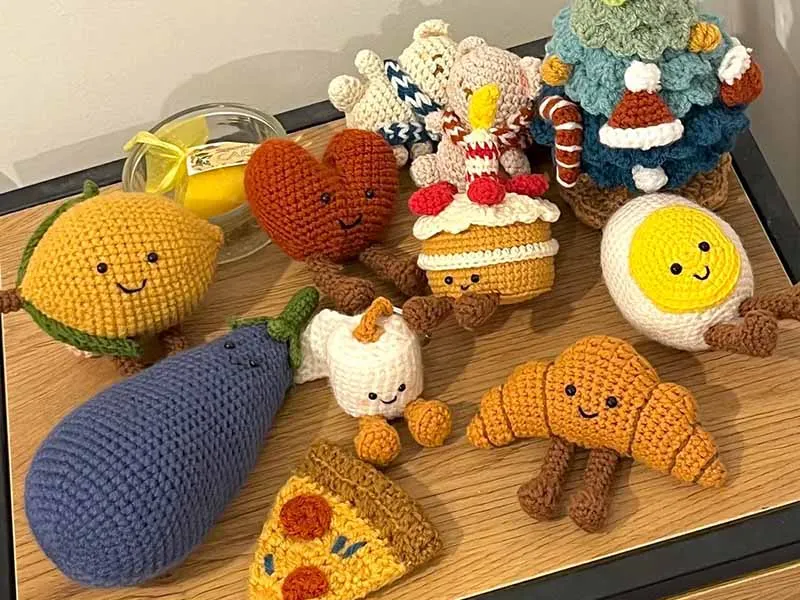
Crochet Plush Toys
Crochet plush toys feature handcrafted textures and unique styles that appeal to niche and boutique markets.
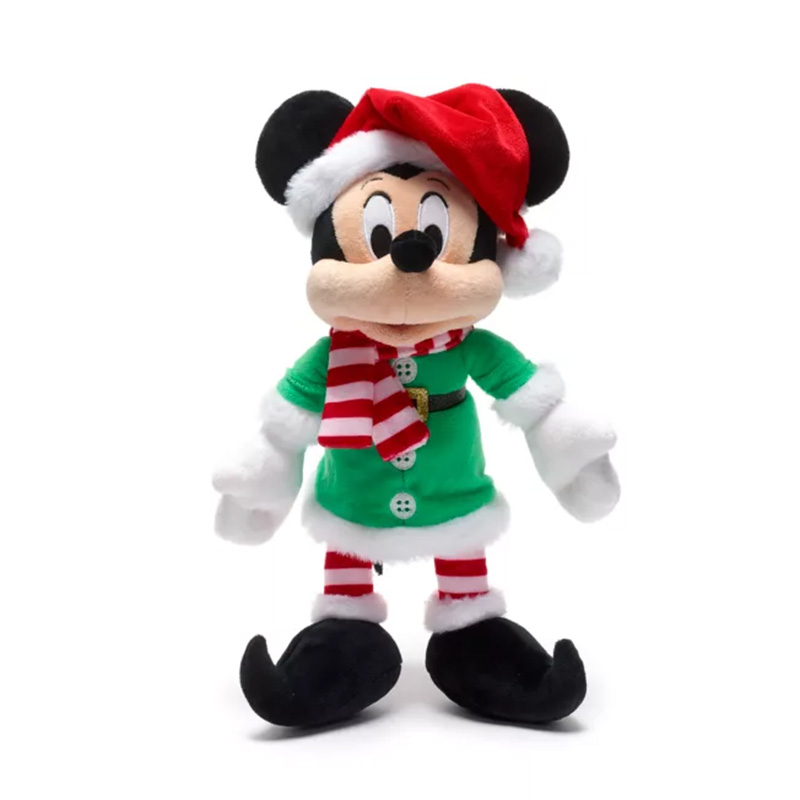
Holiday Plush Toys
Holiday plush toys such as Christmas characters or Valentine’s gifts are designed for seasonal retail sales.
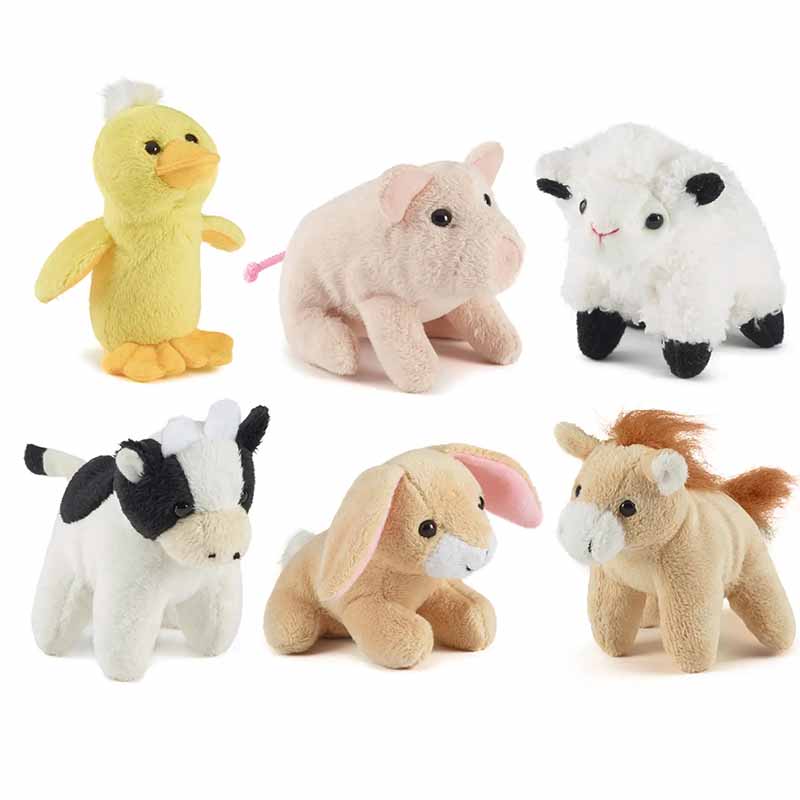
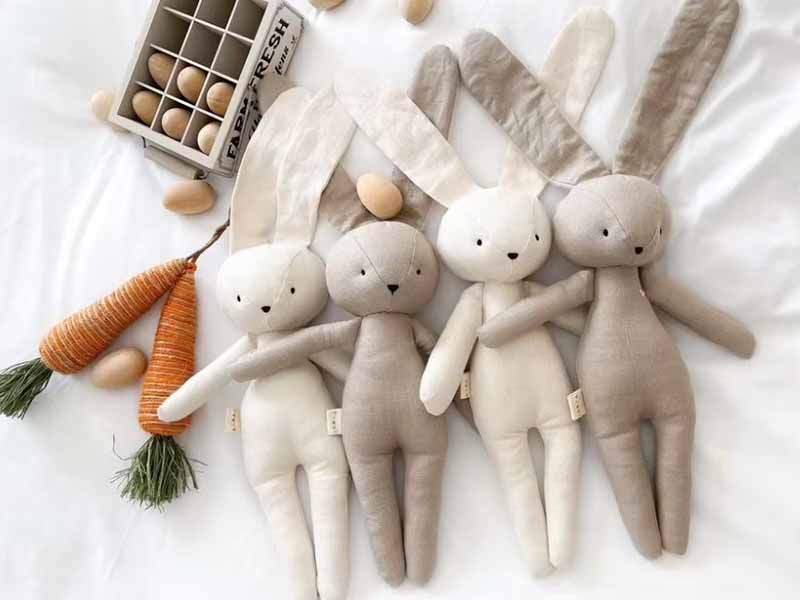
Animal Plush Toys
Animal plush toys remain one of the most popular plush categories, including bears, rabbits, dogs, and many other cute characters.
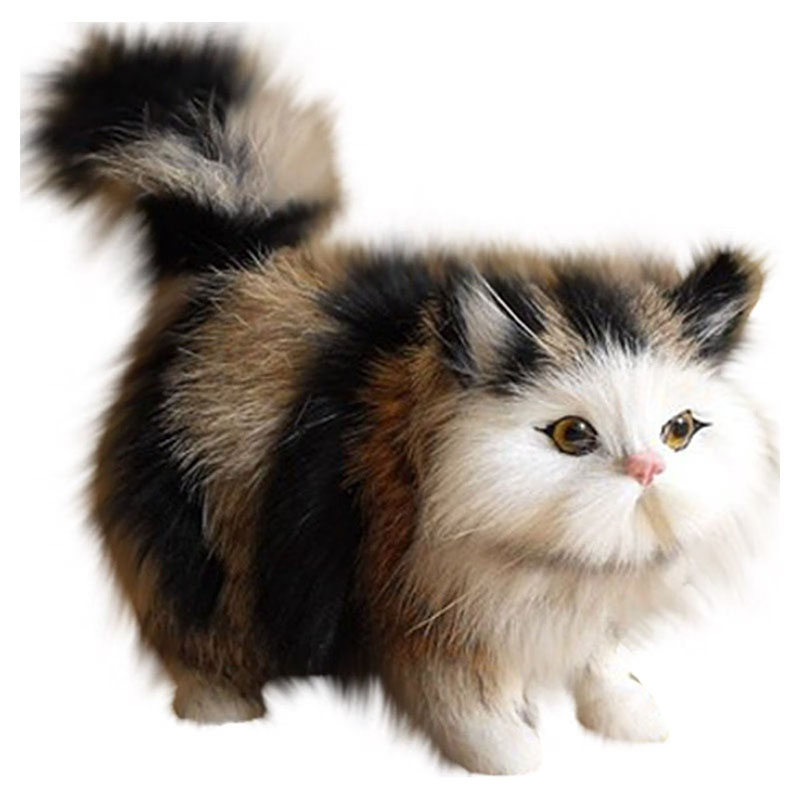
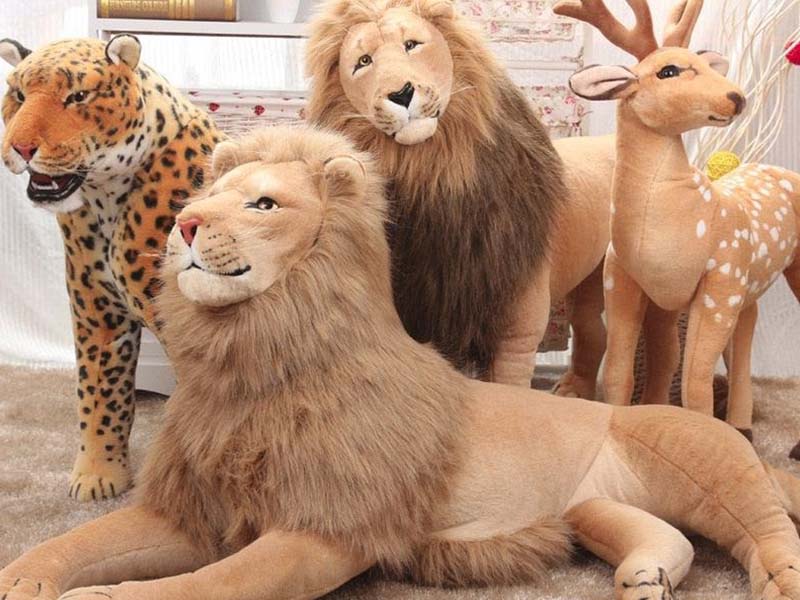
Realistic Plush Animals
Realistic plush animals focus on lifelike shapes and detailed fabrics to replicate real wildlife species.
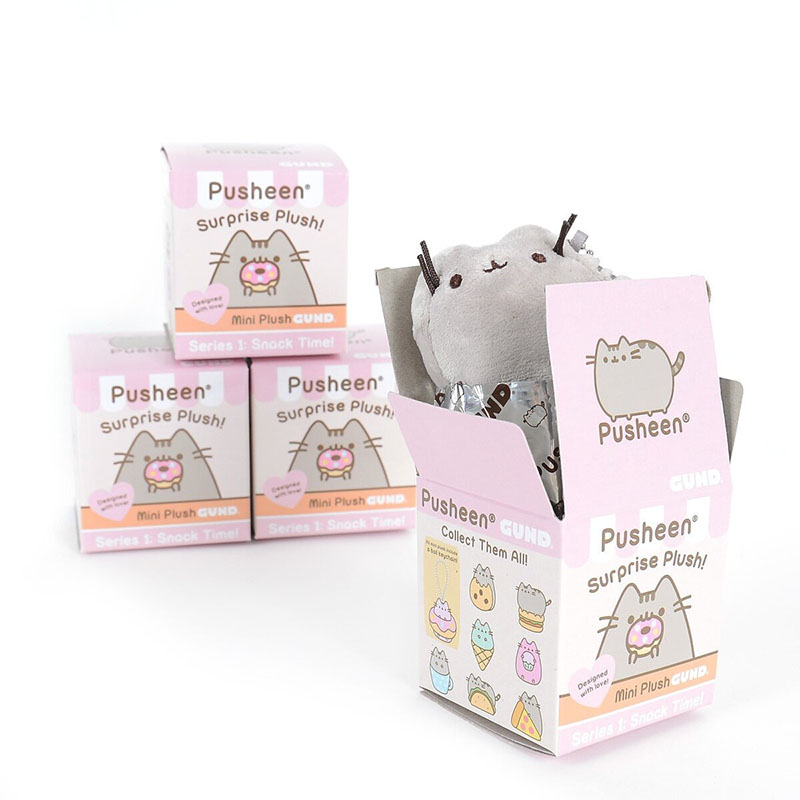
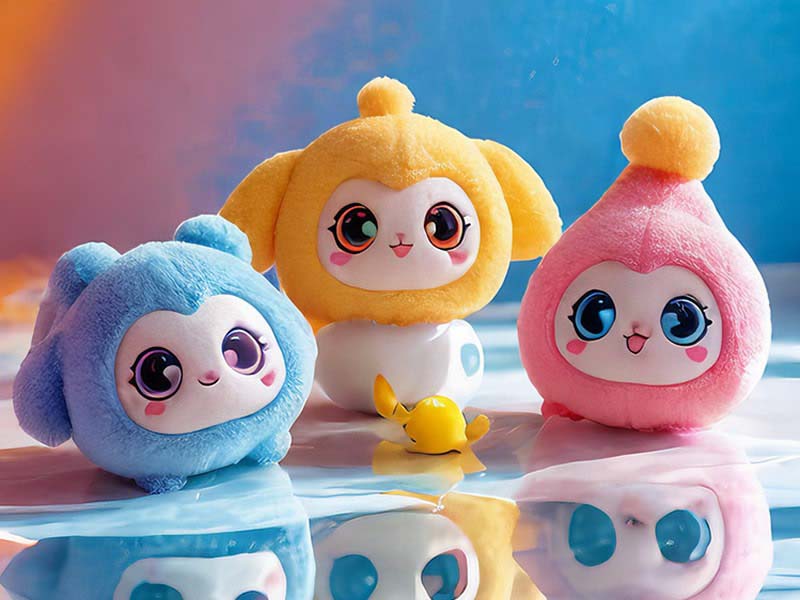
Blind Box Plush Toys
Blind box plush toys create excitement for collectors by offering surprise characters inside sealed packaging.
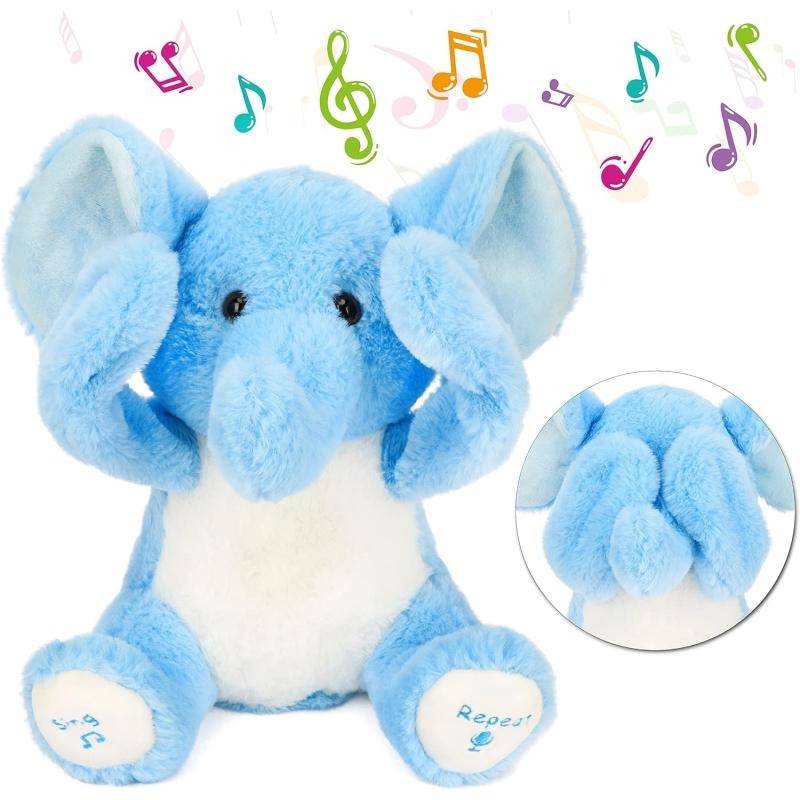
Interactive Plush Toys
Interactive plush toys may include sound modules, motion sensors, or simple electronic features for added play value.
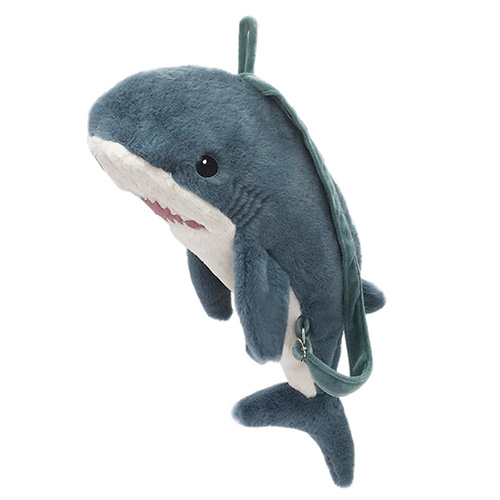
Plush Backpacks
Plush backpacks combine cute plush designs with practical storage, making them popular among children and teenagers.
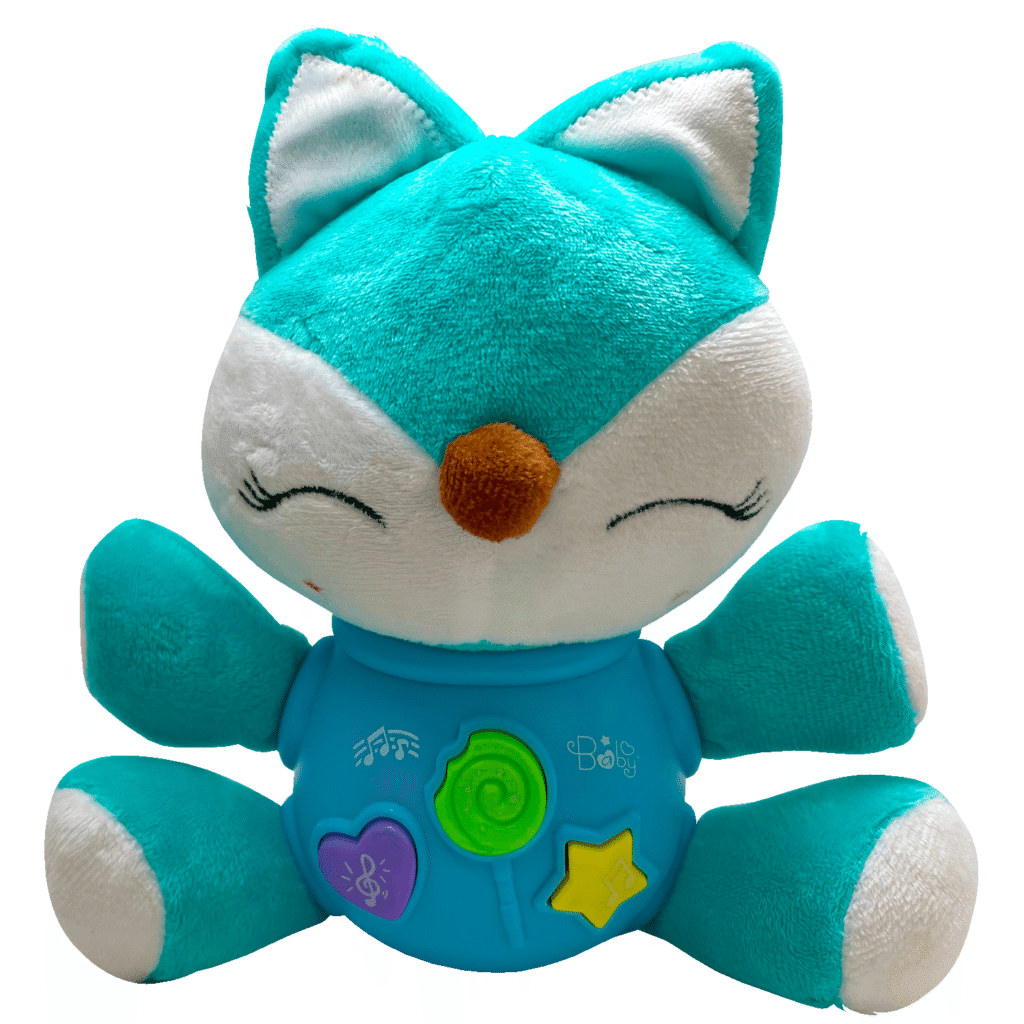
Baby Plush Toys
Baby plush toys are designed with soft materials and safe construction suitable for infant products.

Plush Doll Characters
Plush dolls often represent characters from brands, stories, or games and are widely used in licensed products.
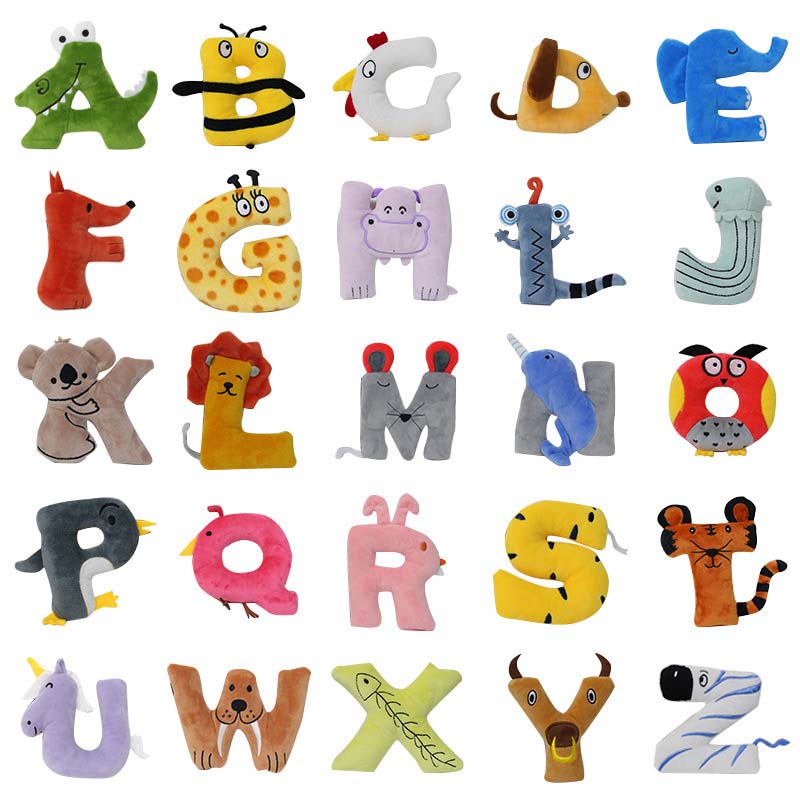
Educational Plush Toys
Educational plush toys combine play with learning concepts such as numbers, letters, or animal recognition.
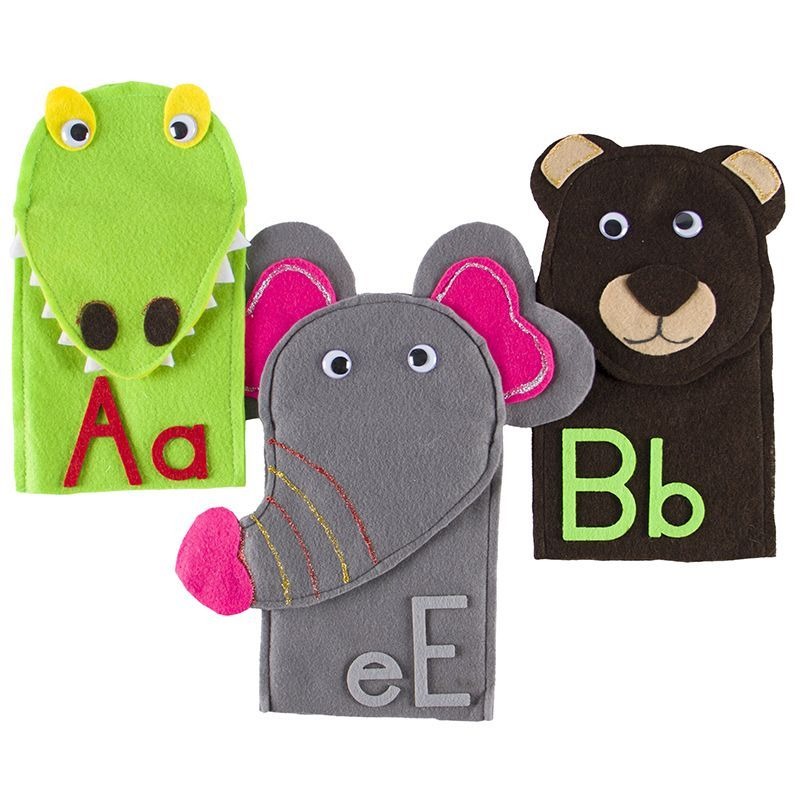
Plush Hand Puppets
Plush hand puppets are popular in storytelling, education, and interactive children’s activities.
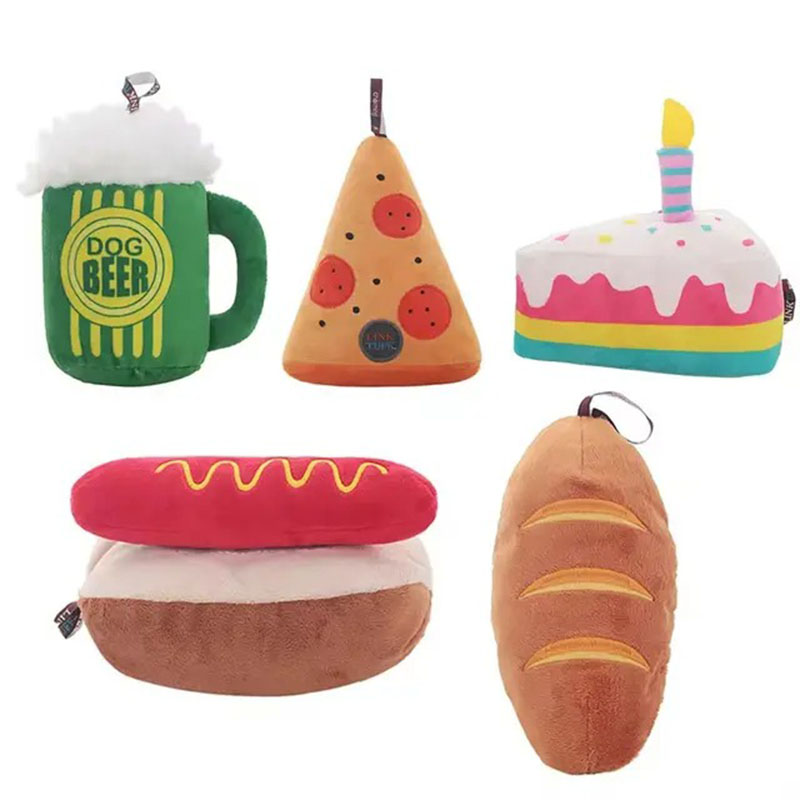
Plush Food Characters
Food-themed plush toys such as pizza, donuts, or cupcakes bring playful personality to novelty products.
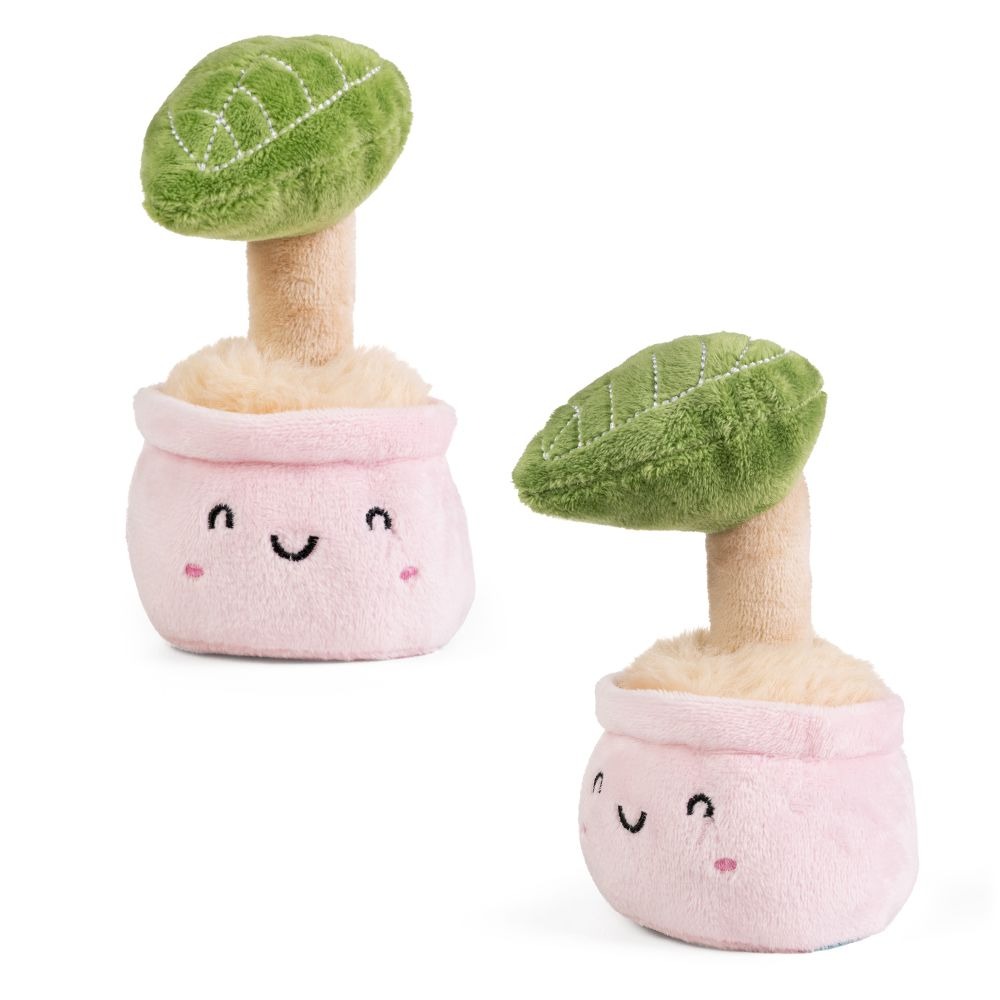
Plant Plush Toys
Plant plush toys include cactus, flowers, and other botanical designs used for decoration or gifts.
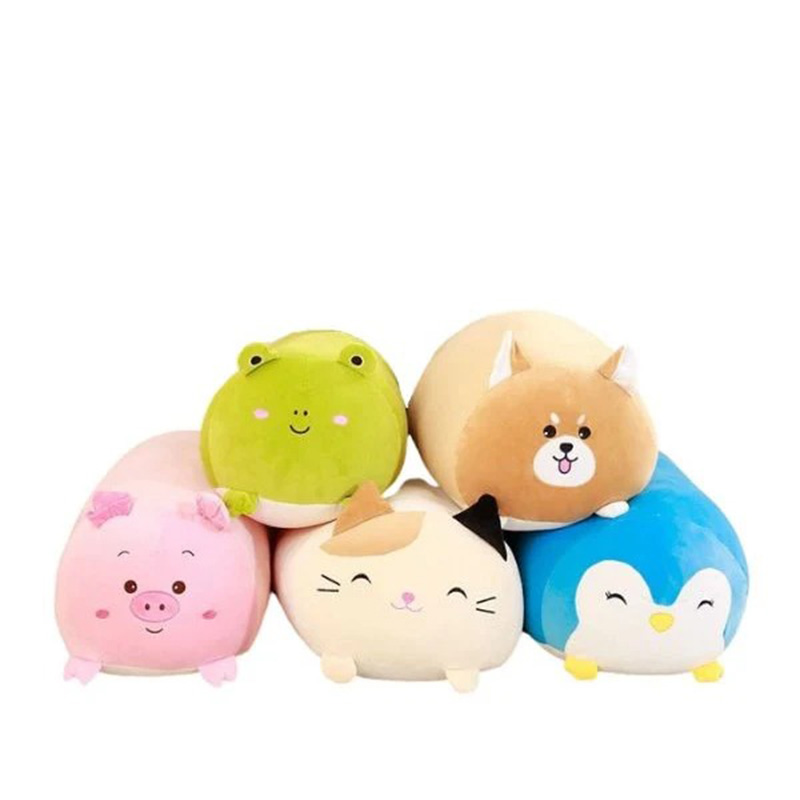
Plush Pillows
Plush pillows combine comfort and decorative design, often used in home décor or themed merchandise.
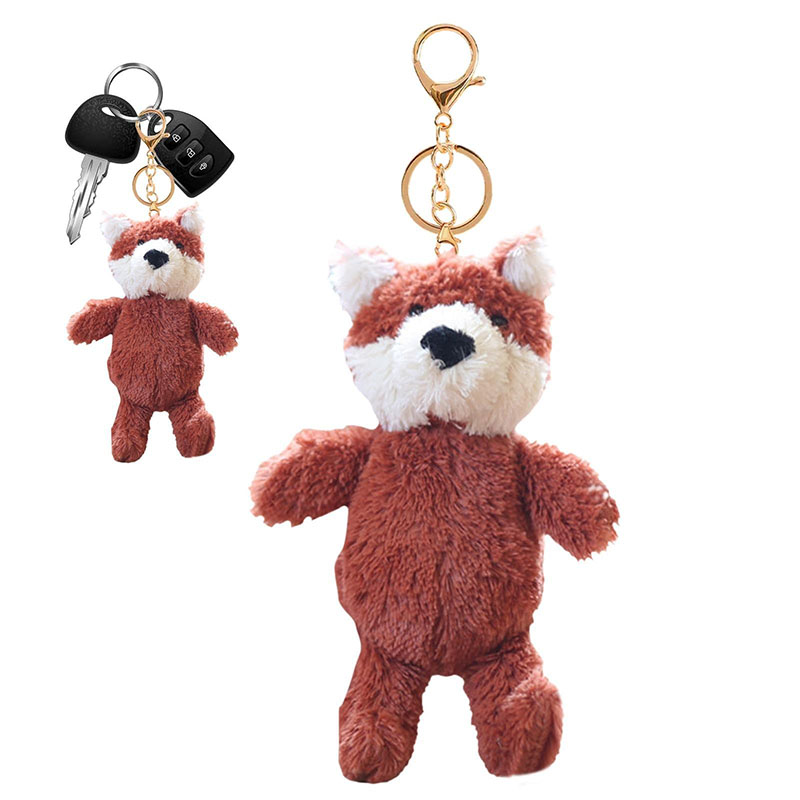
Keychain Plush Toys
Keychain plush toys are small collectible products that can attach to bags, keys, or accessories.
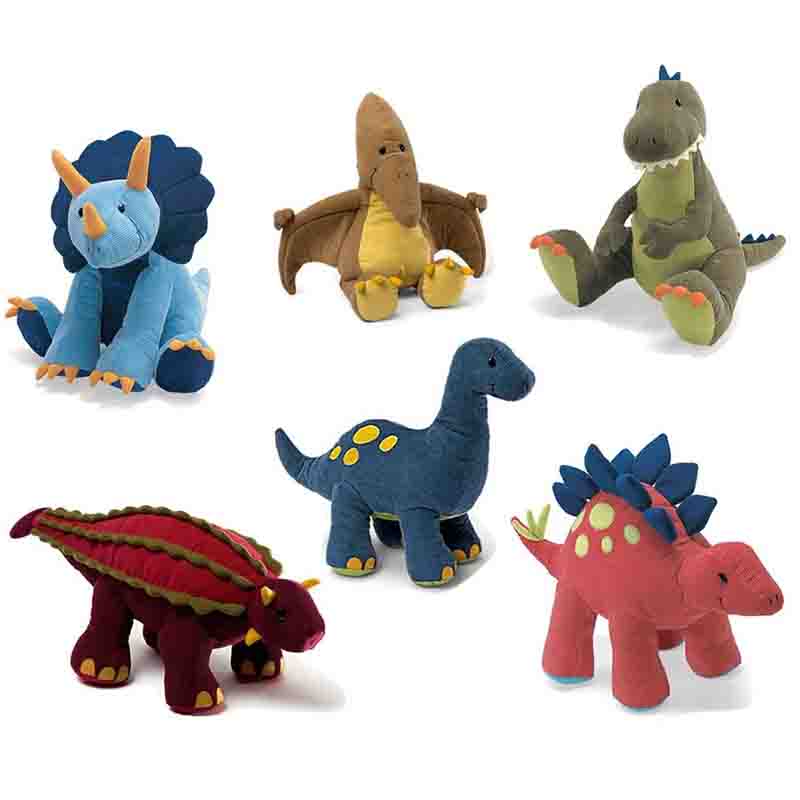
Plush Dinosaur Toys
Dinosaur plush toys are highly popular among children and are widely used in educational and themed toy collections.
Strong Plush Toy Factory Capacity for Fast Market Launch
Fast product development must be supported by reliable factory capacity. Without stable production resources, even the best plush toy development plan can face delays. A professional factory with strong plush toy factory capacity ensures your products move smoothly from sampling to plush toy mass production. With organized stuffed animal manufacturer production systems, brands can launch new plush toys faster and maintain stable supply for growing markets.
15 Production Lines for Stable Plush Toy Mass Production
Multiple production lines increase overall plush toy factory capacity and allow factories to handle multiple projects simultaneously. With organized production planning, different plush toy orders can move forward without affecting each other’s timelines, supporting faster product launches for brands.
Experienced Sewing Workers Ensure Efficient Production
Skilled sewing workers are essential for consistent stuffed animal manufacturer production. Experienced teams understand plush toy construction, stitching precision, and panel alignment, which helps maintain production speed while keeping product quality stable.
Stable Material Supply for Continuous Production
Reliable suppliers and organized material management help maintain a stable supply of plush fabrics, fillings, and accessories. A stable supply chain ensures plush toy mass production continues smoothly without unexpected delays caused by missing materials.
Efficient Production Planning for Large Orders
Structured production scheduling allows factories to manage different order sizes efficiently. Proper planning ensures that both small development batches and large plush toy mass production orders can be completed on time.
Quality Monitoring During Production
During stuffed animal manufacturer production, continuous inspection ensures each batch maintains consistent standards. Monitoring key processes helps prevent production errors and protects product quality throughout the manufacturing stage.
Export Logistics Support for Global Delivery
Efficient export logistics coordination ensures finished plush toys can be shipped to global markets quickly. Organized packing, documentation, and freight arrangements support fast delivery after production is completed.
Strong factory capacity allows brands to scale production confidently while maintaining stable quality and delivery schedules. With reliable manufacturing support, your plush toy products can reach the market faster and meet growing demand.
Plush Toy Sample Accuracy Control to Avoid Rework
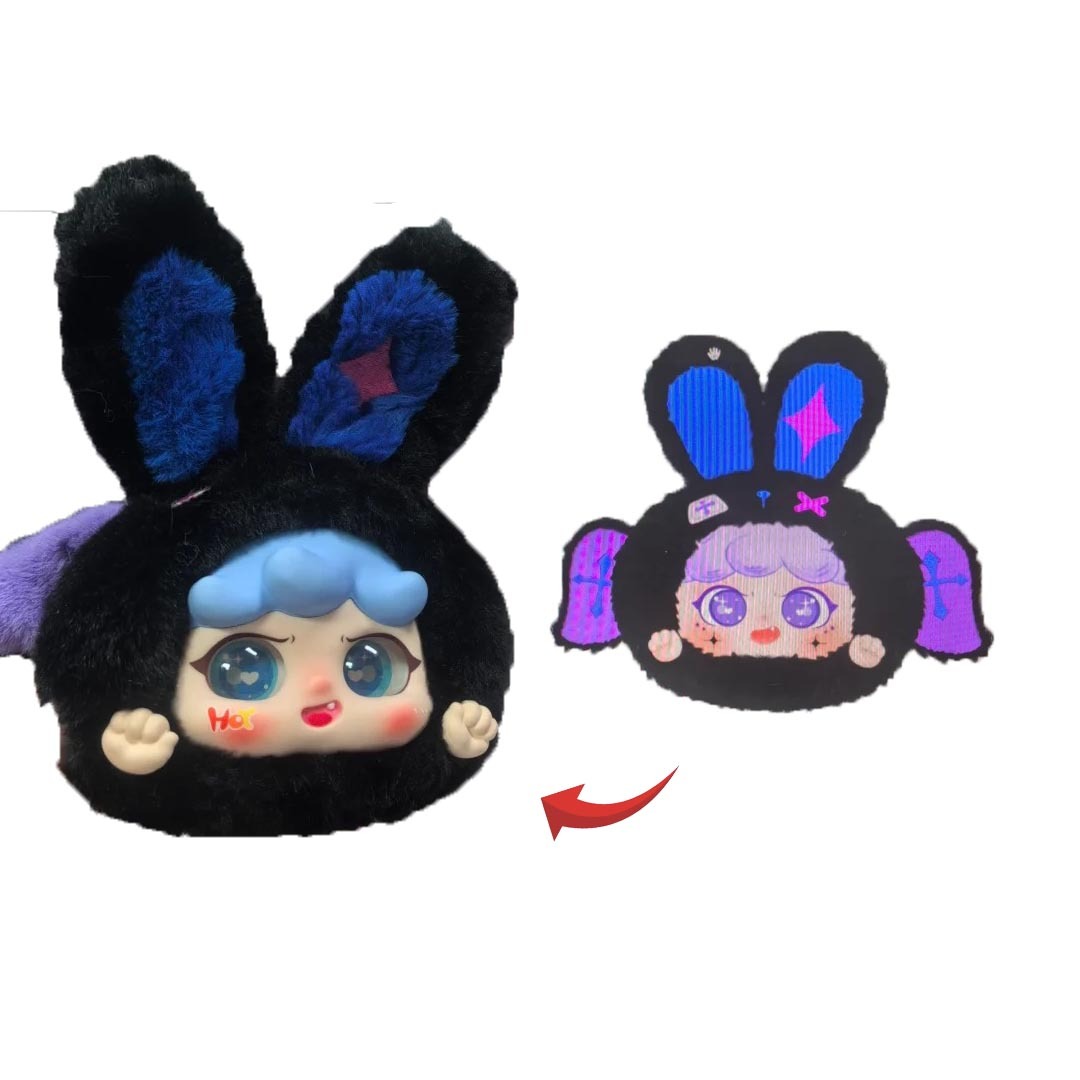
In plush toy development, one of the biggest concerns for brands is whether the approved sample can truly match the final production. Poor plush toy sample accuracy often leads to repeated revisions, delayed production, and higher development costs. A structured stuffed toy development control system ensures that the approved plush toy prototype becomes a reliable reference for mass production. With proper plush toy prototype approval procedures, brands can move into manufacturing with confidence and reduce unnecessary rework.
Golden Sample Control for Production Reference
Once a plush toy prototype is approved, it becomes the official golden sample used as the production reference. Maintaining strict golden sample control helps ensure that all future production batches follow the same structure, appearance, and construction standards.
Pattern File Management for Consistent Development
Proper pattern file management plays an important role in stuffed toy development control. Organized digital and physical pattern records allow factories to reproduce the same plush toy structure accurately across future production runs.
Measurement Tolerance Control for Stable Structure
Precise measurement tolerance control ensures that each plush toy maintains the correct size, proportions, and overall shape. This helps protect plush toy sample accuracy and prevents unexpected variations during plush toy mass production.
Embroidery Position Control for Visual Consistency
Embroidery details such as facial features, logos, and decorative elements must remain consistent in every production batch. Careful control of embroidery positioning ensures that the final plush toys match the approved plush toy prototype.
Custom Plush Toy Options for Your Brand
Every brand has unique product ideas, target customers, and visual identities. A professional plush toy manufacturer provides flexible customization options so your custom plush toys can fully match your brand concept and market positioning. During the plush toy development process, every element—from character design and fabric selection to accessories and packaging—can be customized to create distinctive products. With structured stuffed animal manufacturing, brands can build product lines that are visually appealing, consistent in quality, and suitable for retail, e-commerce, promotional campaigns, or IP licensing projects.
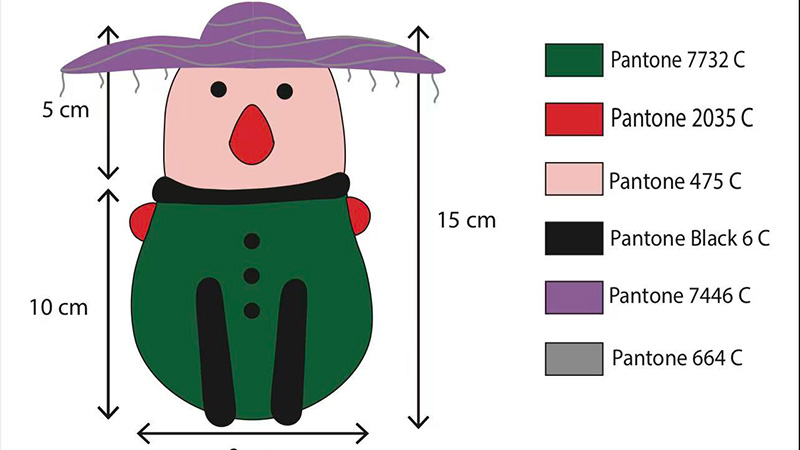
Plush Toy Design Customization
The design stage is where the identity of a plush toy is created. During plush toy development, designers and pattern makers translate concept sketches or digital artwork into three-dimensional plush structures. This process involves adjusting proportions, refining facial expressions, determining color placement, and balancing structural stability. Careful design development also improves plush toy sample accuracy, which helps ensure that the final product closely matches the original concept. Strong design customization allows brands to build memorable characters that stand out in crowded retail markets and strengthen brand recognition.
Customizable design elements:
Character shape
Facial expressions
Body proportions
Color schemes
Character details
Accessory elements
Plush Fabric and Material Customization
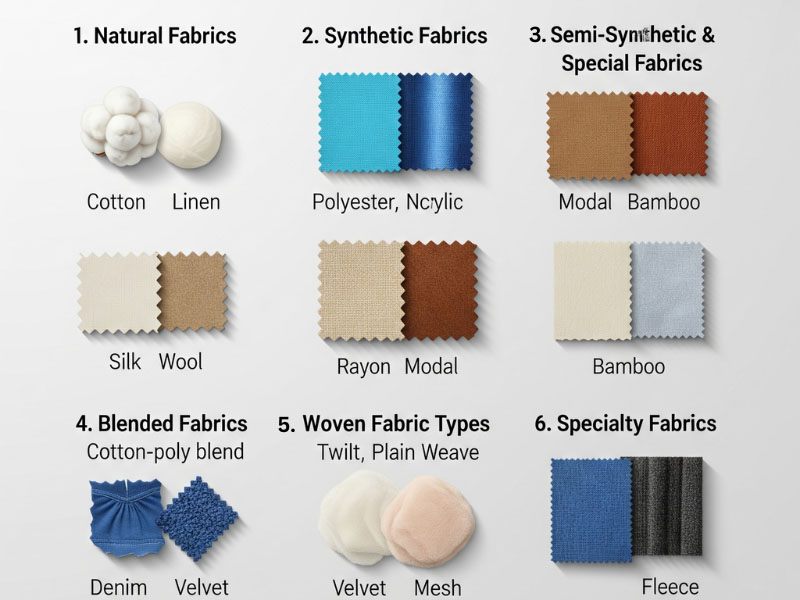
Material selection greatly influences the softness, durability, and visual quality of plush toys. Different fabrics can create completely different product experiences, from ultra-soft premium plush to textured decorative plush toys. During plush toy sample development, material selection is carefully tested to ensure that the fabric matches the design style while also meeting safety standards required in international markets. By selecting the right materials, brands can position their plush toys for different segments such as baby products, premium collectibles, promotional gifts, or retail plush toys.
Customizable materials:
Minky fabric
Velboa fabric
Faux fur plush
Short plush fabric
Organic cotton fabric
Recycled plush fabric
Plush Toy Accessories Customization
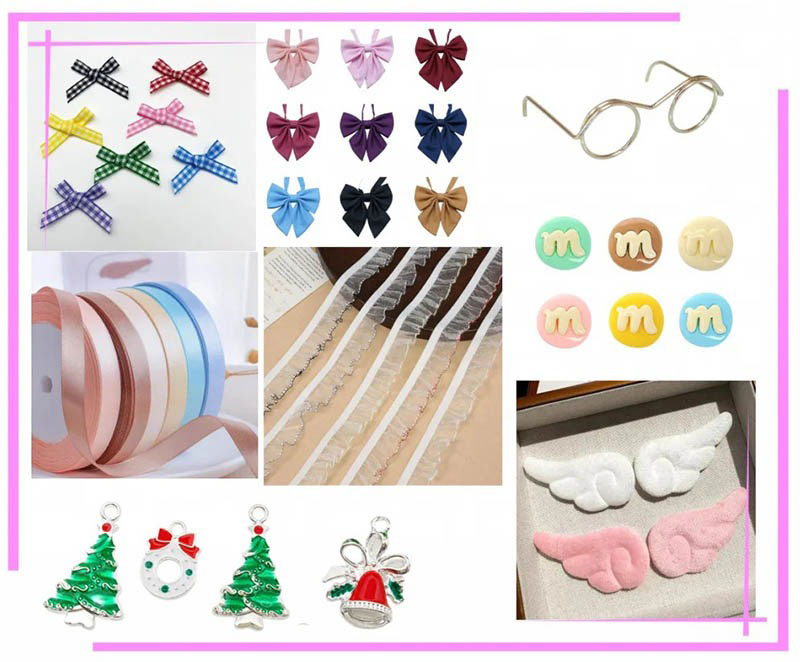
Accessories can add personality and functional features to plush toys. During the stuffed animal manufacturing process, various accessories can be integrated into the plush structure to enhance product value and play experience. Accessories may include decorative elements, functional components, or interactive modules that create additional engagement for users. Customizing accessories also allows brands to create themed products, seasonal editions, or character-specific details that strengthen the uniqueness of the plush toy.
Customizable accessories:
Embroidery details
Printed graphics
Safety eyes
Sound modules
Clothing accessories
Decorative patches
Plush Toy Size and Structure Customization
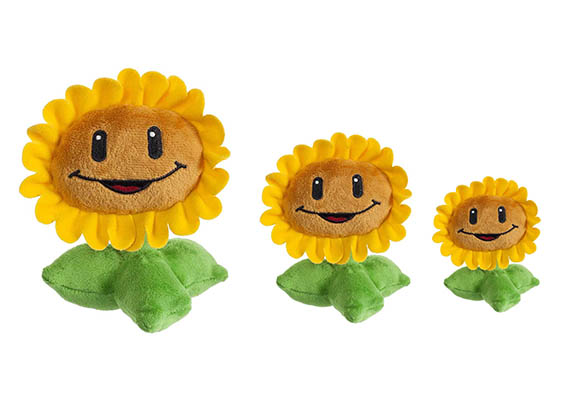
Different plush toy products require different sizes and internal structures depending on their use scenarios. Small plush toys are ideal for keychains or promotional gifts, while larger plush toys are suitable for display or home decoration. Structural customization during plush toy development ensures that the plush toy maintains proper balance, softness, and durability. Internal structures such as weighted inserts or reinforced stitching can also be adjusted to improve functionality and product quality.
Customizable size and structure options:
Mini plush toys
Medium plush toys
Large plush toys
Weighted plush toys
Plush backpacks
Plush pillows
Plush Toy Packaging Customization
Packaging is an important part of product presentation and brand communication. Customized packaging helps improve product value while protecting plush toys during shipping and retail display. During stuffed animal manufacturing, brands can choose packaging styles that match their marketing strategy, whether for retail shelves, e-commerce delivery, or promotional campaigns. Well-designed packaging also enhances brand recognition and improves the overall customer experience.
Customizable packaging options:
Poly bags
Vacuum packaging
Gift boxes
Display boxes
Custom hang tags
Brand labels
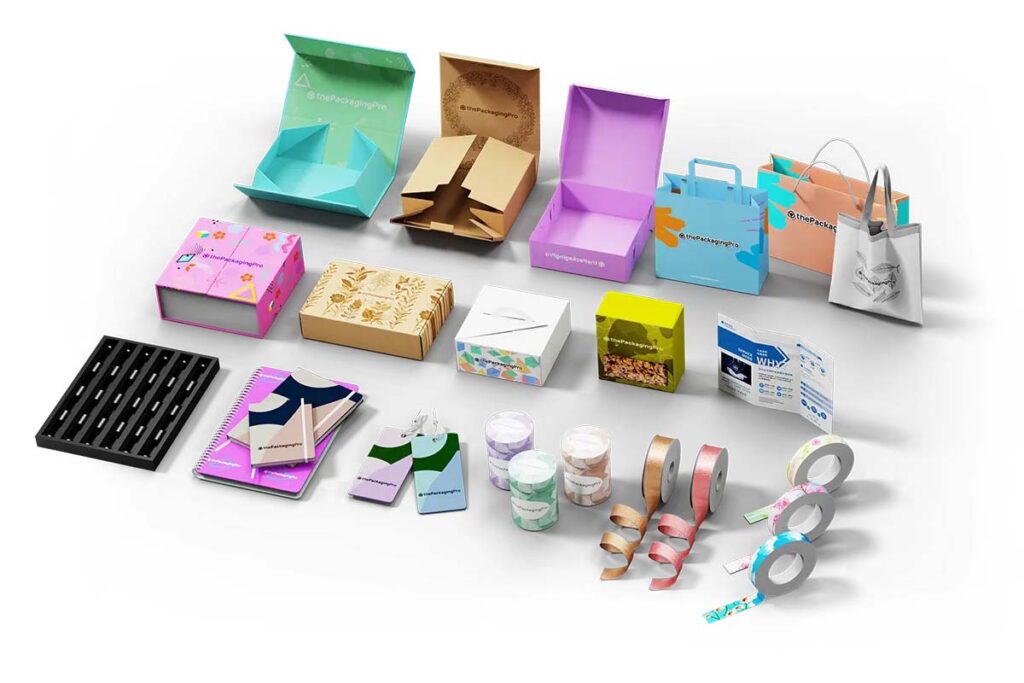
With flexible customization options, brands can develop plush toys that truly represent their characters, stories, and marketing goals. A professional plush toy manufacturer helps transform creative ideas into high-quality products ready for global markets.
Fast Plush Toy Production Process for Efficient Product Launch
A structured production process is essential for turning a plush toy idea into a finished product quickly and efficiently. A professional plush toy manufacturer follows a clear workflow that connects plush toy development, sampling, material preparation, and plush toy mass production. With an organized stuffed animal manufacturing process, brands can reduce delays, improve communication, and launch new plush toys faster.

Design Review and Development Planning
The first step of the process is reviewing the product design and understanding the development requirements. Designers and product specialists analyze the character design, structure, size, and materials to prepare an efficient development plan. This step ensures the plush toy development process starts with clear technical guidelines.
Plush Toy Pattern Making
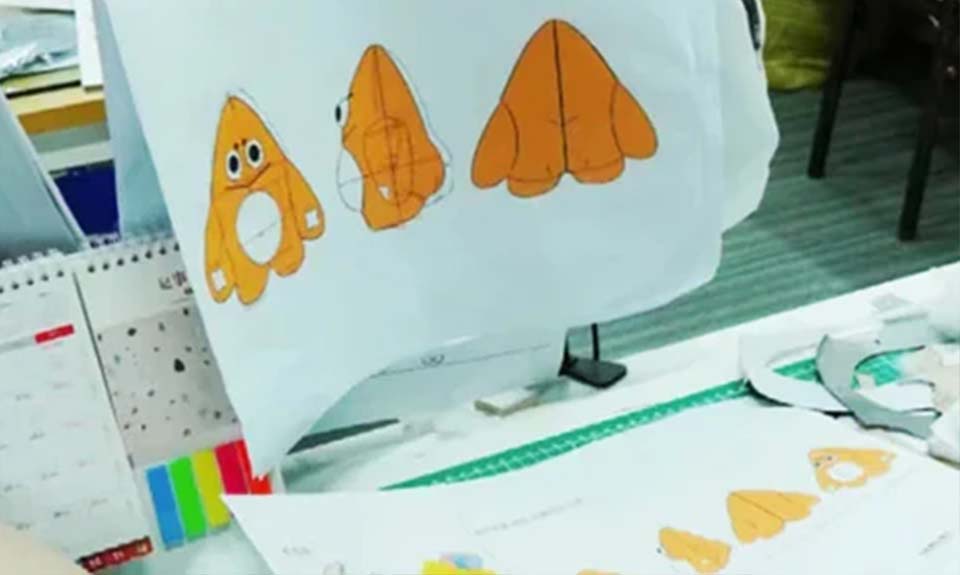
Pattern making converts the design into a three-dimensional plush toy structure. Professional pattern makers create accurate panel shapes and sewing lines to ensure the plush toy maintains the correct proportions and structure. Proper pattern development improves plush toy sample accuracy and supports smooth production.
Plush Toy Sampling and Prototype Creation
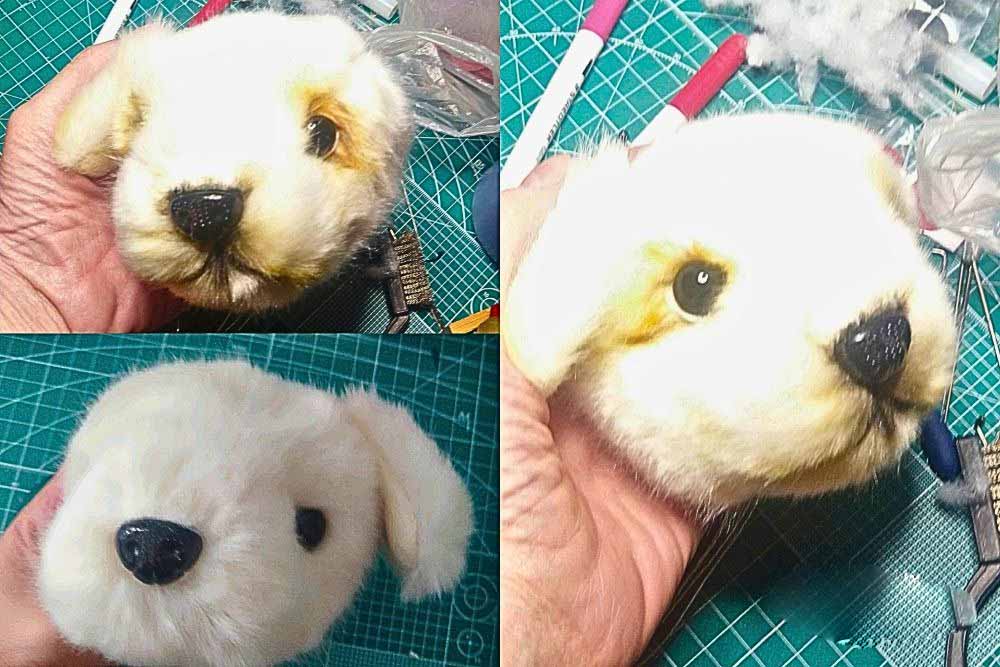
Once the pattern is ready, technicians produce a stuffed animal prototype to evaluate the design in real form. The sample helps confirm size, materials, stitching quality, and overall appearance before production begins. Fast plush toy sampling allows brands to move quickly to the next stage of development.
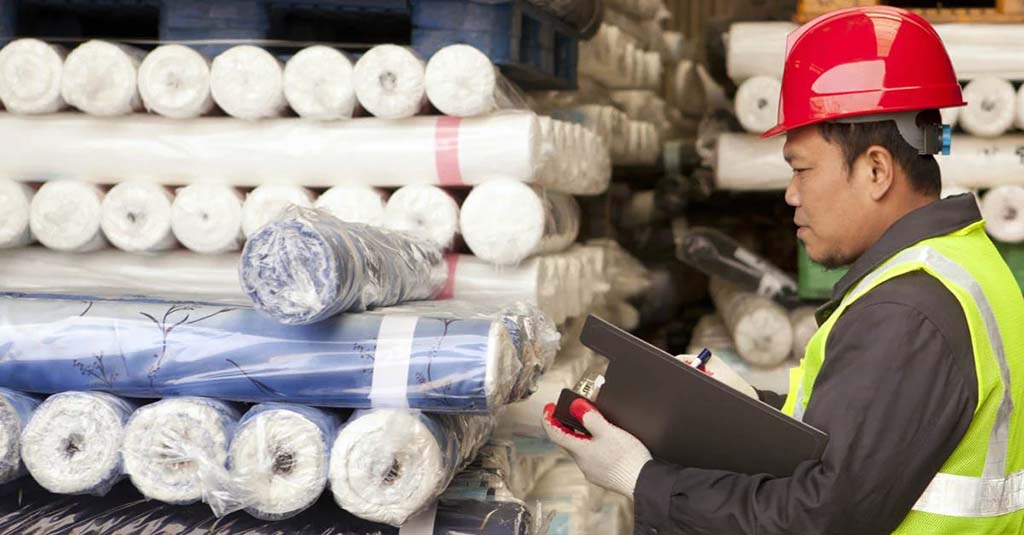
Material Preparation and Production Setup
After the sample is approved, materials such as fabrics, fillings, and accessories are prepared for production. Proper material management ensures that plush toy mass production can start without delays caused by missing components. Production planning also schedules the order into the factory’s workflow.
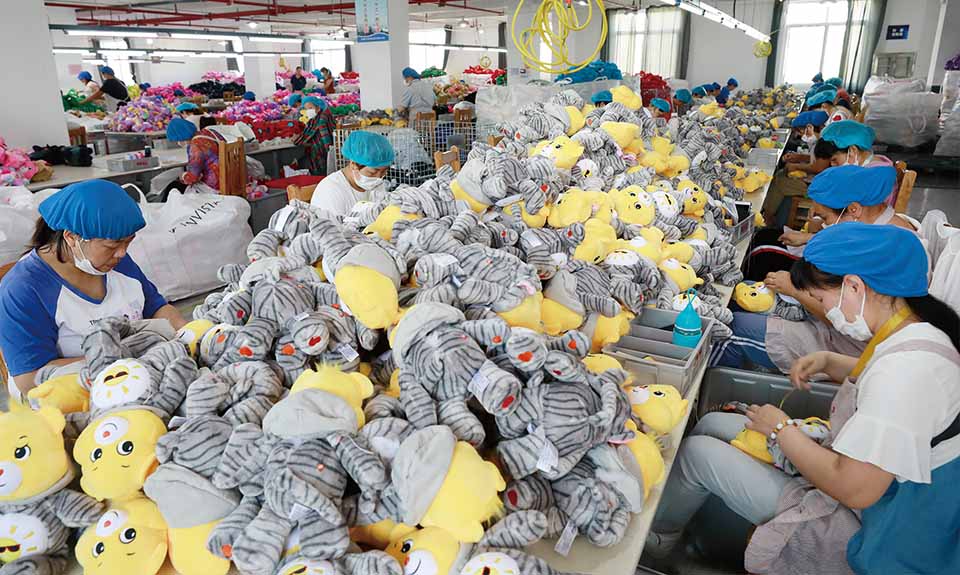
Plush Toy Mass Production
During this stage, trained sewing teams assemble the plush toys according to the approved golden sample and production specifications. With experienced workers and organized production lines, stuffed animal manufacturing can maintain consistent quality while producing large quantities efficiently.
Final Inspection and Export Preparation
Before shipping, finished plush toys undergo final inspection to ensure they meet quality standards and safety requirements. Products are then packed according to export specifications and prepared for global shipping. This final step ensures your plush toys reach the market safely and on time.
With a structured and efficient production process, brands can transform creative ideas into market-ready plush toys much faster. Reliable manufacturing support helps reduce delays and ensures stable product quality across production batches.
Plush Toy Quality Control During Fast Production
Speed should never compromise product quality. In professional stuffed animal manufacturing, fast production is achieved through organized systems rather than rushing the process. A structured plush toy quality control system ensures that every stage of production follows strict inspection standards. With a complete plush toy factory QC workflow and continuous stuffed toy inspection, brands can launch products quickly while maintaining stable quality and consistent product standards.
IQC – Incoming Material Quality Control
Incoming Quality Control ensures that all raw materials meet required standards before entering production. Fabrics, fillings, accessories, and packaging materials are carefully inspected to verify color accuracy, material quality, and safety compliance. Strong IQC procedures protect the entire plush toy quality control process from the very beginning.
IPQC – In-Process Production Inspection
In-Process Quality Control monitors key production stages such as cutting, embroidery, sewing, and stuffing. Continuous stuffed toy inspection during production helps detect problems early and prevents defects from continuing through the production line. This ensures production remains efficient while maintaining consistent quality.
FQC – Finished Product Quality Inspection
Finished Quality Control takes place after plush toys are fully assembled. Inspectors check product appearance, stitching strength, shape consistency, and overall workmanship. This stage ensures every plush toy meets the approved sample standards and follows the factory’s plush toy factory QC specifications.
OQC – Outgoing Shipment Inspection
Outgoing Quality Control is the final inspection before shipment. Products are randomly checked based on inspection standards to confirm that packaging, labeling, and product quality meet export requirements. This final stuffed toy inspection step ensures that plush toys delivered to customers match the approved specifications.
A reliable plush toy factory QC system ensures that fast production never sacrifices product quality. With consistent inspection procedures, brands receive stable product batches and dependable manufacturing results.
Common Challenges When Launching Plush Toys Quickly (and How to Solve Them)
Launching plush toys quickly can help brands capture seasonal demand, viral trends, and new product opportunities. However, if the plush toy development process is not properly managed, fast development can lead to delays, product inconsistencies, or supply chain risks. By understanding these common issues, brands can work with experienced stuffed animal manufacturers to prevent problems and ensure a smooth product launch.
Prototype Delays
Problem: Prototype development takes longer than expected, slowing down the entire product launch timeline.
Cause: Delays often occur when factories lack experienced pattern makers or design files do not include enough technical details.
Solution: A structured plush toy sampling system with experienced pattern makers and clear technical communication helps accelerate prototype development and reduces revision cycles.
Material Mismatch
Problem: Materials used in production may differ from those used in the approved sample, affecting texture and product quality.
Cause: Fabric batches may change or suppliers may not maintain a strict material tracking system.
Solution: Reliable supply chains and strict material management ensure fabrics, fillings, and accessories remain consistent between sampling and production.
Quality Inconsistency
Problem: Plush toys from different batches may vary in size, stitching, or shape.
Cause: Production standards may not be clearly defined or inspection systems may be weak.
Solution: A structured plush toy factory QC system with multiple inspection stages ensures stable product quality during manufacturing.
Production Scheduling Issues
Problem: Disorganized production schedules can delay delivery and affect product launch plans.
Cause: Poor production planning or limited factory capacity can lead to scheduling conflicts between orders.
Solution: Factories with organized production planning and stable capacity can manage multiple projects while maintaining reliable delivery timelines.
Communication Gaps
Problem: Miscommunication may cause incorrect product details, delayed approvals, or repeated revisions.
Cause: Technical specifications may not be clearly documented or feedback may not be communicated efficiently.
Solution: Structured communication processes with clear documentation and development updates help keep both sides aligned.
Compliance and Safety Risks
Problem: Plush toys that do not meet international safety standards may face import restrictions or recalls.
Cause: Some factories may not be familiar with global toy safety regulations such as EN71, ASTM F963, or CPSIA.
Solution: Working with experienced manufacturers that understand international toy safety standards helps ensure compliance in global markets.
Launching plush toys quickly becomes much easier when these common risks are properly managed. With professional development control and structured manufacturing systems, brands can reduce delays, maintain product quality, and bring plush toys to market with confidence.
Who Needs a Fast Plush Toy Manufacturer
Many businesses need to launch plush toy products quickly in order to respond to market trends, seasonal opportunities, and brand campaigns. A professional plush toy manufacturer with fast plush toy development, rapid sampling, and reliable stuffed animal manufacturing helps different types of companies bring products to market faster while maintaining stable quality.
Working with an experienced plush toy manufacturer helps these businesses reduce development time, control production risks, and launch new plush toy products faster in competitive markets.
Trusted by Leading Global Brands
Strong partnerships prove strong capabilities. Over the years, Kinwin has worked with world-leading brands and retailers to deliver interactive plush toys that meet the highest standards of creativity, safety, and quality. By choosing us, you gain a supplier that is trusted by top companies worldwide—and the same reliability is available to your brand.




Why Brands Choose Us for Fast Plush Toy Product Launch
Launching plush toys quickly requires more than just fast production. Brands need a reliable partner who understands plush toy development, maintains strong plush toy quality control, and supports stable stuffed animal manufacturing. A professional manufacturer helps brands shorten development timelines, avoid common production risks, and bring new products to market faster. By working with an experienced team, you can launch plush toys with greater confidence and efficiency.
Faster Plush Toy Sampling
Efficient plush toy sampling allows brands to move from concept to prototype quickly. With experienced pattern makers and a structured plush toy sample development process, samples can be produced accurately and within shorter timelines. Faster sampling allows brands to evaluate designs earlier and move into production sooner.
Stable Plush Toy Development
A structured plush toy development process ensures that product designs, materials, and construction details are clearly defined before mass production begins. Stable development reduces repeated revisions and ensures the final product closely matches the approved sample.
Reliable Plush Toy Mass Production
Reliable plush toy mass production ensures that production capacity, quality control, and supply chain coordination work together smoothly. This allows brands to produce large quantities of plush toys while maintaining consistent quality across batches.
Lower Development Risks
Working with an experienced stuffed animal manufacturer helps reduce risks related to sampling errors, material inconsistencies, or production delays. Professional development management ensures your plush toy project progresses smoothly from concept to final production.
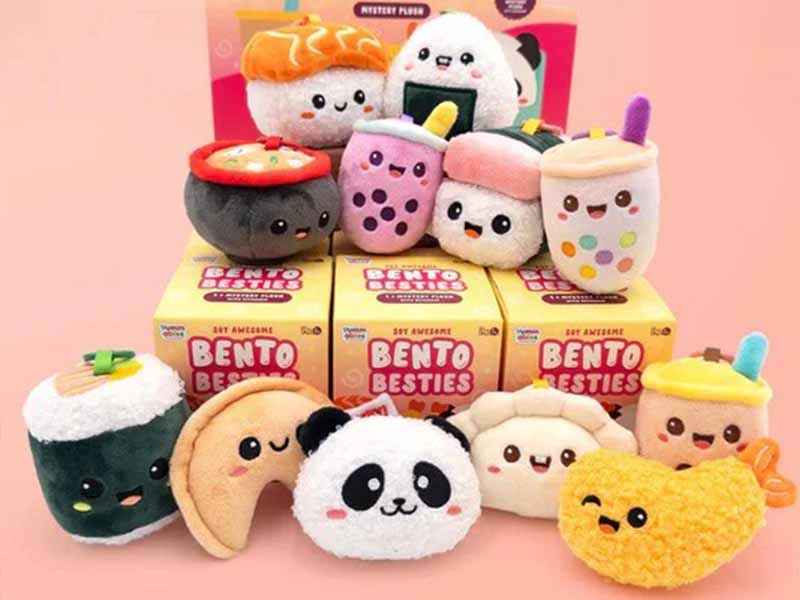
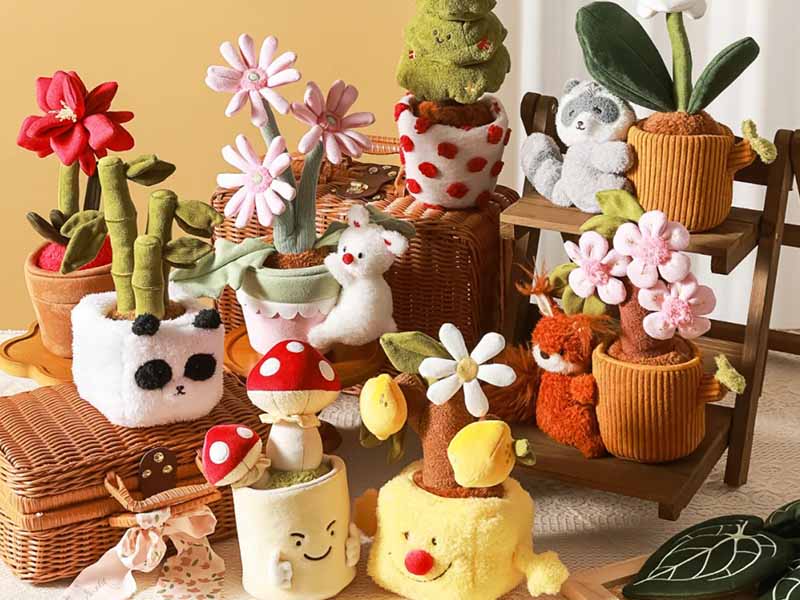
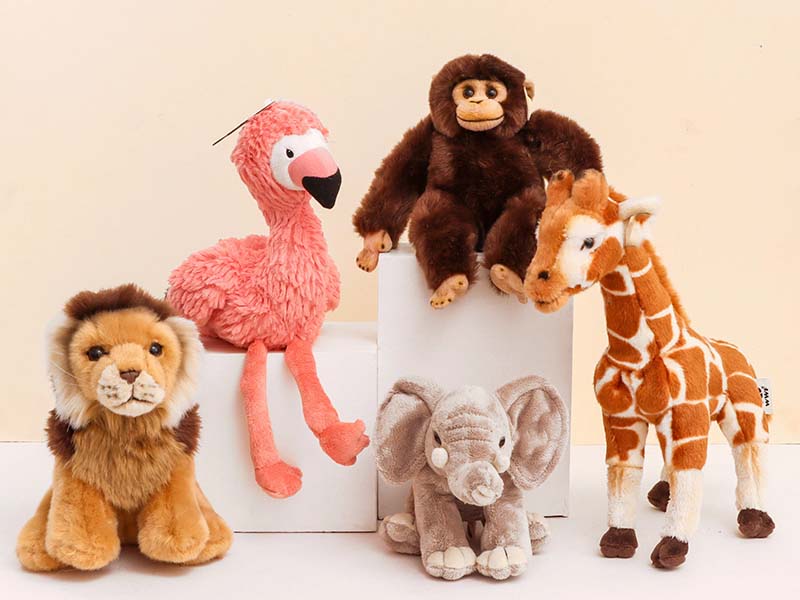
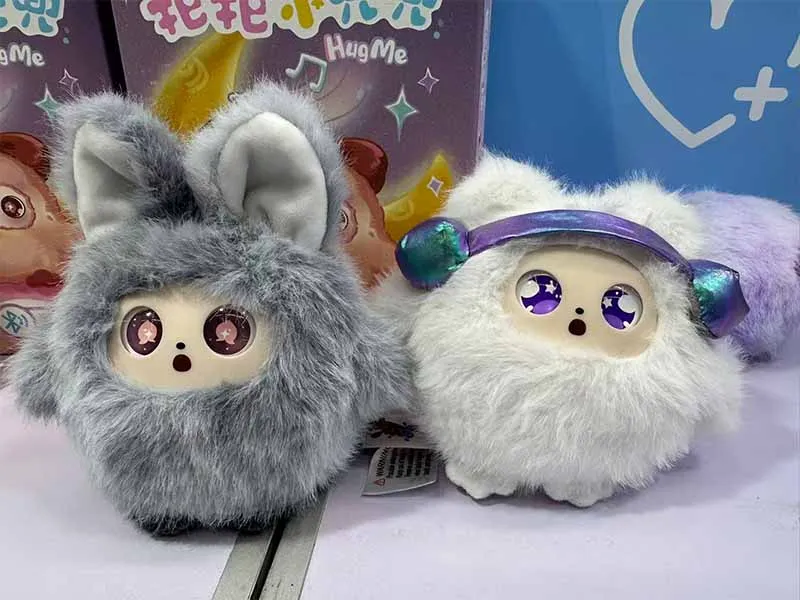
Explore Our Custom Plush Toy Series
We offer a wide selection of plush toys to meet different business needs. From baby-safe stuffed animals to collectible plush dolls, our product lines are designed for global brands, retailers, e-commerce, and promotional projects.
Start Your Plush Toy Project with a Fast and Reliable Manufacturer
Launching a successful plush toy product requires more than just a creative idea. Brands need a manufacturing partner who can support fast plush toy development, accurate plush toy sampling, and reliable plush toy mass production. With an experienced plush toy manufacturer, your team can move from concept to market much faster while maintaining stable product quality.
A structured development system helps ensure that every stage of the process runs smoothly—from design review and prototype creation to large-scale stuffed animal manufacturing. With organized production planning, stable material supply, and strong plush toy quality control, brands can reduce development delays and launch products with confidence.
Fast product development also gives your brand a strong competitive advantage. When you can produce samples faster, approve designs earlier, and begin production sooner, your products reach retailers and customers before competitors. This is especially important for seasonal products, viral plush toys, promotional campaigns, and IP-based merchandise.
Working with an experienced plush toy manufacturing team also reduces common risks such as repeated sampling, inconsistent product quality, or supply chain disruptions. With clear communication, structured development control, and reliable factory capacity, your plush toy project can move forward efficiently and predictably.
Whether you are developing custom plush toys for retail, launching a new toy brand, creating promotional plush products, or producing licensed character merchandise, a fast and reliable production partner helps turn your ideas into market-ready products.
Frequently Asked Questions
1.How long does plush toy sampling usually take?
Plush toy sampling usually takes around10-15 days depending on the complexity of the design. During this stage, pattern makers develop the structure of the plush toy, select suitable fabrics, and create the first stuffed animal prototype. If the product includes embroidery details, accessories, or sound modules, the development process may require additional adjustments. Fast plush toy sampling allows brands to test product concepts earlier and move faster toward mass production.
2. What is the typical production time for custom plush toys?
After the plush toy sample is approved, mass production usually takes around 30–35 days depending on the order quantity and production complexity. During this stage, materials are prepared, production lines are scheduled, and plush toys are manufactured according to the approved golden sample. Efficient production planning ensures that plush toy mass production remains stable and predictable.
3. What is the minimum order quantity for custom plush toys?
The minimum order quantity often depends on the design, materials, and production complexity. For most custom plush toys, factories usually require a minimum order of around 500–1000 pieces per design. Larger production quantities help optimize manufacturing efficiency and reduce the cost per unit.
4. Can you develop plush toys from sketches or design concepts?
Yes. Professional plush toy manufacturers can develop plush toys from sketches, concept drawings, or digital artwork. Designers and pattern makers transform the design into a three-dimensional plush structure and produce a prototype sample for review. This development process helps ensure the plush toy matches the original concept as closely as possible.
5.How do you ensure plush toy sample accuracy?
Sample accuracy is controlled through golden sample management, pattern file storage, and precise measurement standards. Once the prototype sample is approved, it becomes the official reference for mass production. This structured development control ensures that production batches match the approved plush toy sample.
6. What materials are commonly used for plush toys?
Common plush toy fabrics include minky fabric, velboa, faux fur plush, and short plush materials. For filling, most plush toys use PP cotton or recycled fiberfill. The choice of materials depends on the product design, softness requirements, and safety standards for the target market.
7.Can plush toys include sound modules or interactive features?
Yes, plush toys can include various functional components such as sound modules, squeakers, vibration devices, or simple electronic features. These interactive elements can enhance the play experience and are commonly used in educational toys, promotional plush toys, and children’s products.
8.How do you control quality during plush toy production?
Quality control is managed through a structured inspection system that includes IQC, IPQC, FQC, and OQC procedures. Each stage of production is inspected to ensure that materials, workmanship, and finished products meet required quality standards. This process ensures stable product quality across production batches.
9.Can you meet international toy safety standards?
Yes. Professional stuffed animal manufacturers can produce plush toys that meet international safety standards such as EN71, ASTM F963, CPSIA, and REACH requirements. Compliance testing ensures that plush toys are safe for children and suitable for global markets.
10.Can you support long-term plush toy production for brands?
Yes. Many brands build long-term partnerships with experienced plush toy manufacturers to maintain stable product quality and supply chain reliability. Long-term cooperation allows brands to expand product lines, optimize production costs, and launch new plush toy collections more efficiently.
If You Can lmagine lt,We Will Create lt!
1.Tell Us What You Need
Tell us as specific as possible of your needs and share your idea.
2.Get Solution & Quote
We will work on the best solution according to yourrequirements,the specific quote will be provided within 24 hours.
3.Approve for Mass Production
We will start mass production after getting your approval.
