 Skip to content
Reliable Plush Toy Manufacturer for High Consistency Orders
When your brand scales, product consistency becomes critical. Every plush toy batch must maintain the same appearance, size, softness, and quality. A professional plush manufacturer helps you achieve stable production across large and repeat orders. With standardized plush toy manufacturing processes, strict stuffed animal quality control, and reliable material sourcing, your products remain consistent from prototype development to mass production. This allows your brand to launch products confidently and maintain a stable supply chain.
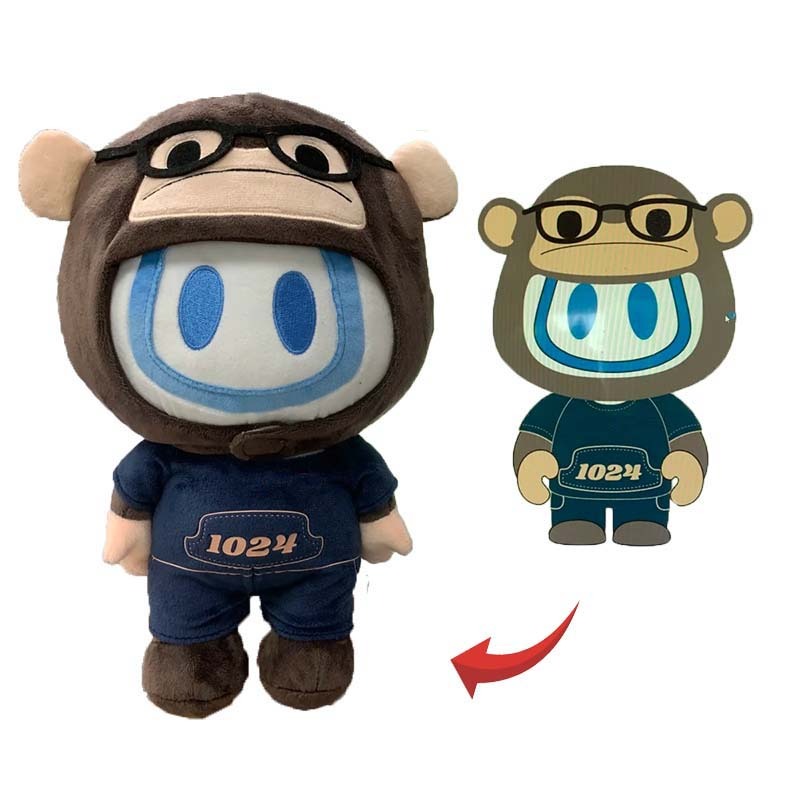
Why Production Consistency Matters in Plush Toy Manufacturing
In plush toy manufacturing, consistency directly affects product quality, brand reputation, and customer satisfaction. When a plush toy design is produced in large quantities, every batch must maintain the same size, color, stitching quality, and softness. A professional stuffed animal manufacturer uses standardized production processes and strict quality control to ensure that each plush toy meets the same standard. This helps your brand deliver reliable products and maintain a stable supply chain.
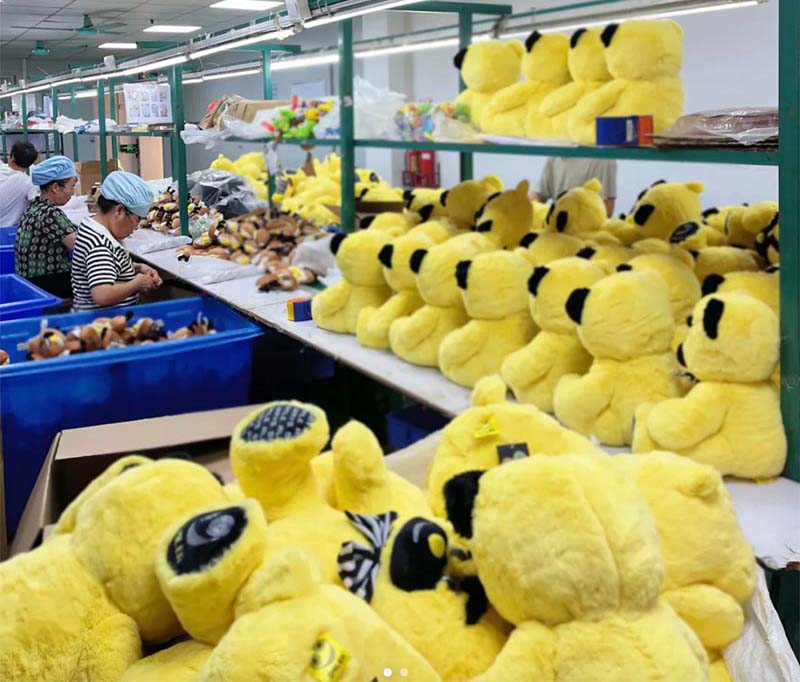
Stable product appearance
Consistent plush toy manufacturing ensures that every product looks the same across different production batches. From fabric color to embroidery details, maintaining a uniform appearance helps your brand deliver the exact design customers expect and keeps product displays consistent in retail stores and online platforms.
Reliable plush toy quality
A professional plush toy factory maintains strict production standards so every stuffed animal meets the same quality level. Consistent stitching, balanced filling, and controlled assembly processes ensure that each toy feels and performs the same for every customer.
Lower product return rates
When plush toys remain consistent across batches, customers receive exactly what they expect. This reduces quality complaints, minimizes product returns, and helps maintain positive reviews in both retail and e-commerce channels.
Stronger brand reputation
Consistent plush toy quality builds long-term trust with buyers, retailers, and distributors. When your products always meet the same standard, your brand becomes known for reliability and professionalism in the toy market.
Easier product restocking
For brands and retailers, consistent plush toy production makes restocking much easier. New production batches will match previous inventory, ensuring product lines stay uniform and ready for long-term sales.
Working with an experienced plush toy manufacturer allows your brand to maintain stable product quality across every order. From sampling to large-scale production, consistent manufacturing helps you reduce risk, simplify supply management, and grow your product line with confidence.
How a Professional Plush Toy Manufacturer Ensures Production Consistency
Maintaining consistent quality across large plush toy orders requires a well-organized manufacturing system. A professional plush manufacturer uses standardized production processes, experienced technicians, and strict quality control to ensure every stuffed animal matches the approved design. From sample development to large-scale production, each stage is carefully managed so that every batch of plush toys remains consistent in appearance, structure, and quality.
Standardized plush toy pattern development
Professional plush manufacturers create precise stuffed animal patterns during the sample development stage. These patterns define the exact size, shape, and structure of the plush toy. Once approved, the same pattern is used throughout production, ensuring that every toy follows the same structural standard.
Golden sample production control
The approved prototype, often called the golden sample, becomes the reference standard for all production batches. Production teams compare every stage of manufacturing with the golden sample to ensure that materials, stitching details, and overall appearance remain consistent.
Stable material sourcing and supplier management
Consistent plush toys require stable materials. Professional factories maintain long-term relationships with trusted fabric suppliers and accessory manufacturers. This helps ensure that plush fabrics, fillings, embroidery threads, and accessories remain consistent across production batches.
Strict multi-stage quality inspection
A strong plush toy quality control system checks products throughout the manufacturing process. From material inspection to final shipment inspection, each stage verifies that the plush toys meet the required standards. This greatly reduces the risk of variation between production batches.
Working with a professional plush toy manufacturer allows your brand to produce large and repeat orders with confidence. Consistent manufacturing processes, stable materials, and strict quality control help ensure that every plush toy meets the same standard across all production batches.
Types of Plush Toys We Manufacture with Consistent Quality
A professional plush toy manufacturer should be able to produce many different plush toy categories while maintaining consistent quality across large orders and repeat production. Standardized manufacturing processes and stable material sourcing help ensure every product maintains the same appearance, softness, and structure. This allows your brand to expand product lines while keeping plush toy quality stable.
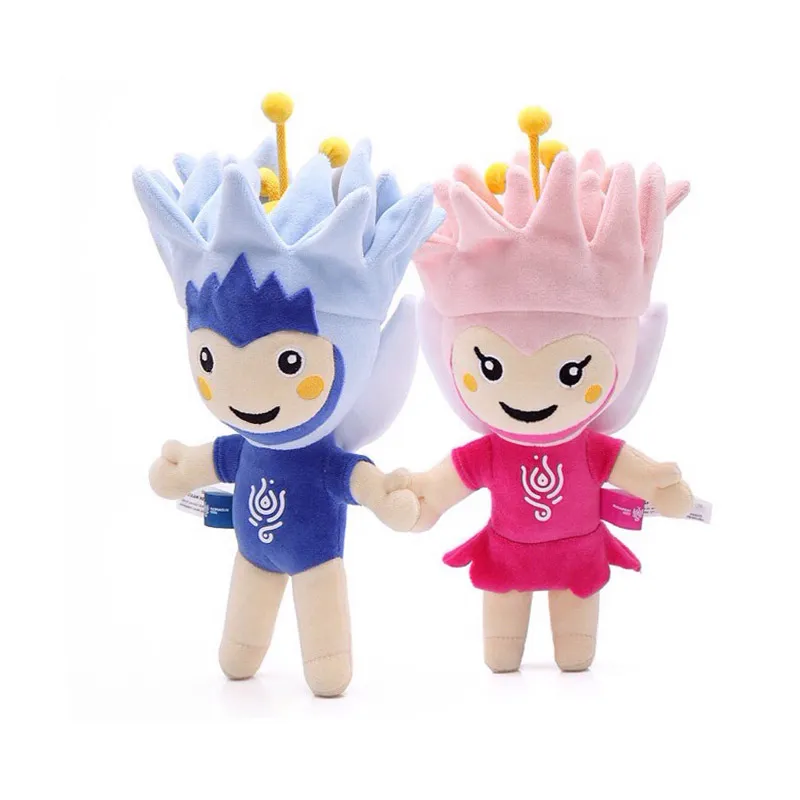
Mascot Plush Toys
Mascot plush toys are widely used for brand promotion and character merchandise. Consistent pattern making and embroidery control ensure every mascot keeps the same recognizable appearance.
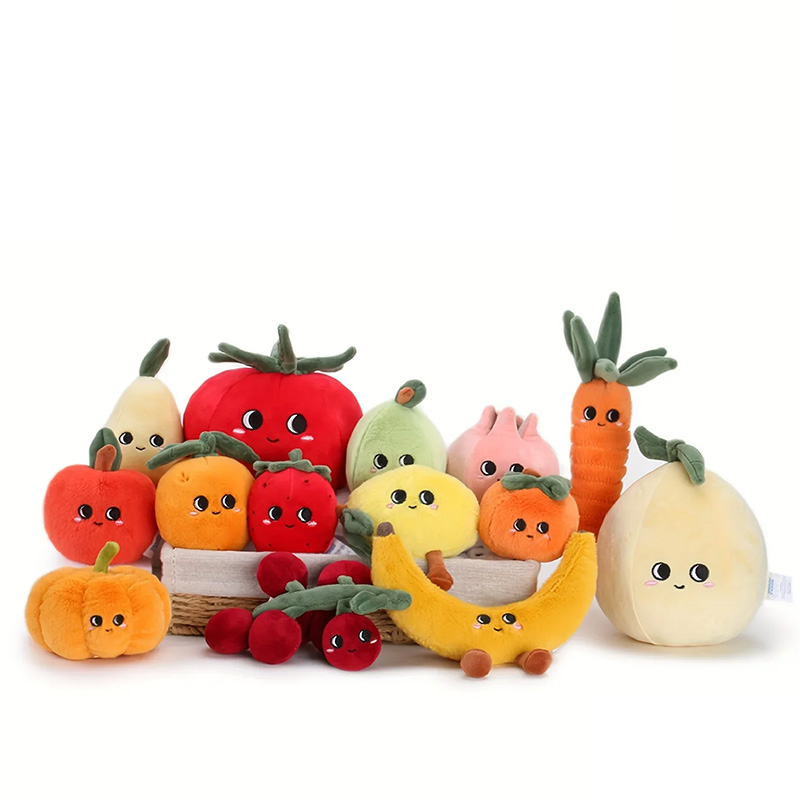
Fruit Plush Toys
Fruit plush toys are popular for creative gifts and themed retail products. Standardized fabric and cutting processes help maintain consistent colors and shapes.
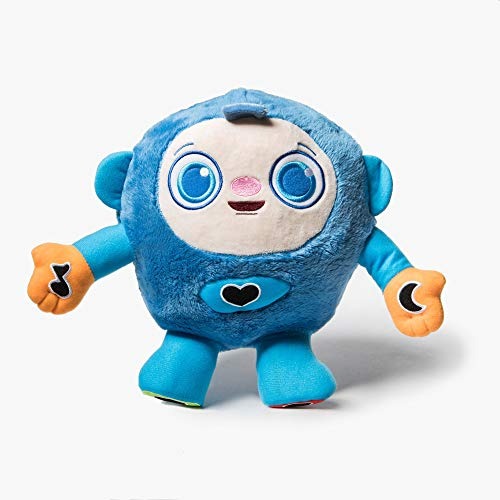
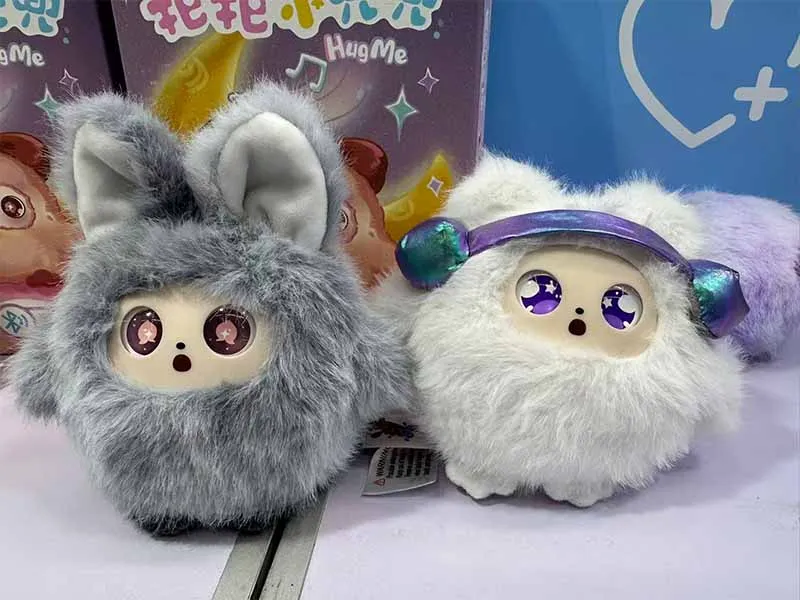
Interactive Plush Toys
Interactive plush toys include sound modules or simple movement features. Controlled assembly ensures each toy maintains the same functionality.
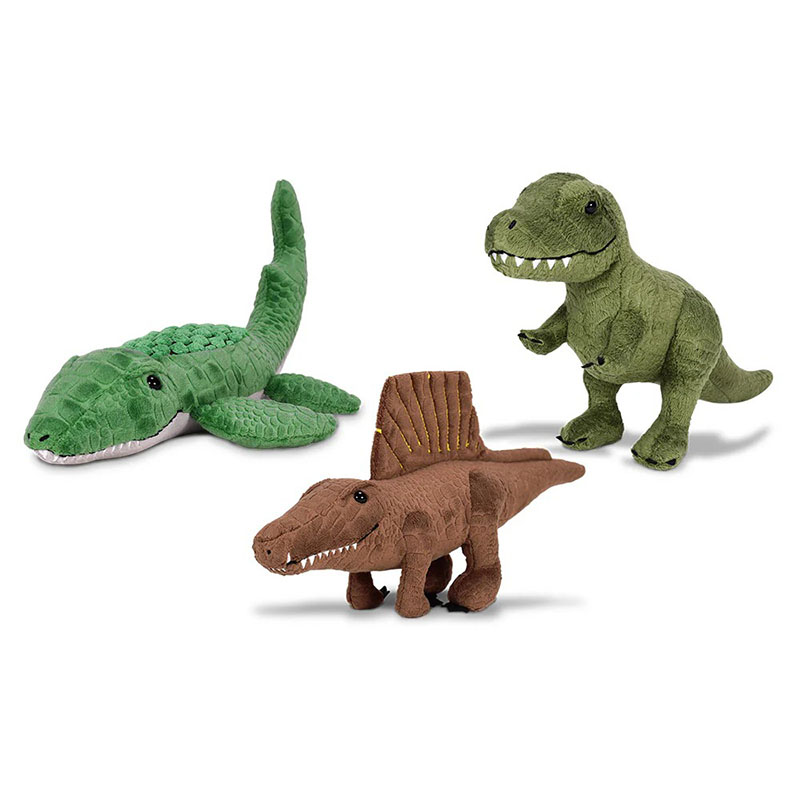
Dinosaur Plush Toys
Dinosaur plush toys are popular among children and educational brands. Accurate patterns help maintain consistent shapes and details.
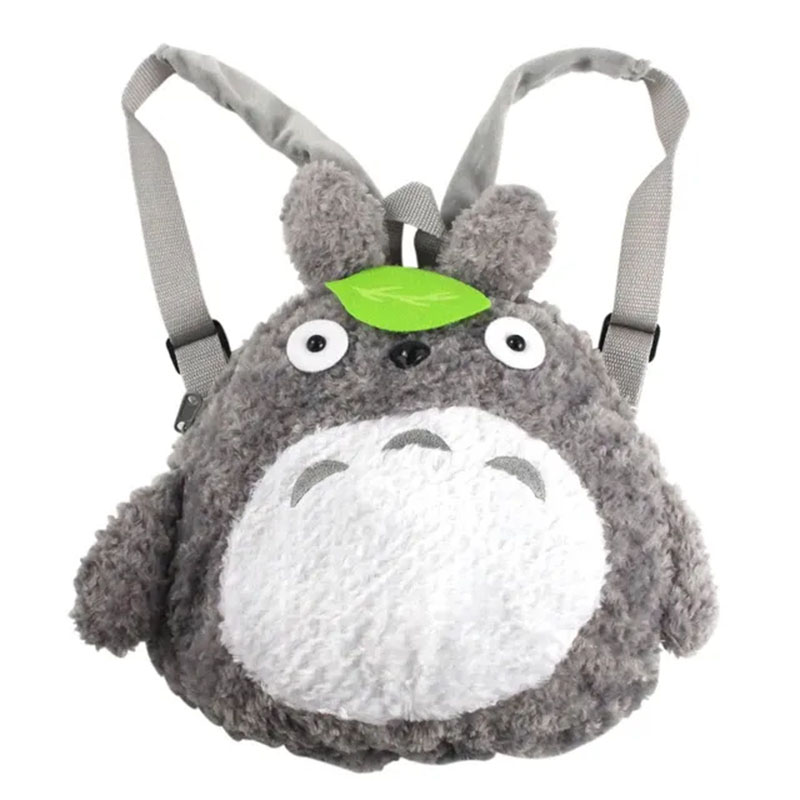
Backpack Plush Toys
Backpack plush toys combine toys with functional bags. Reinforced stitching ensures durability and consistent structure.

Ocean Plush Toys
Ocean plush toys include whales, sharks, and other sea animals. Structured sewing helps maintain consistent shapes.
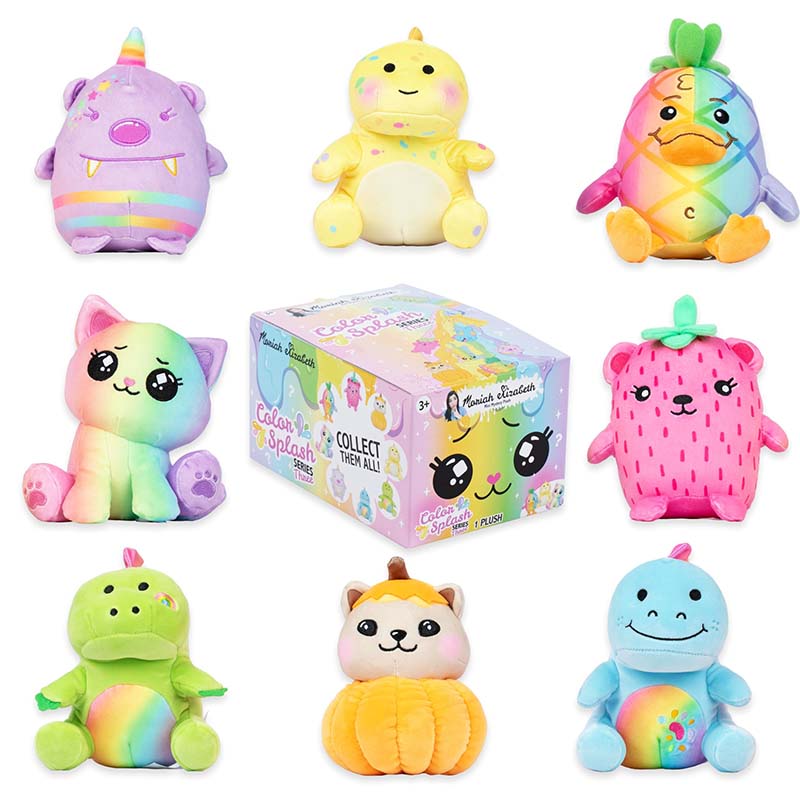
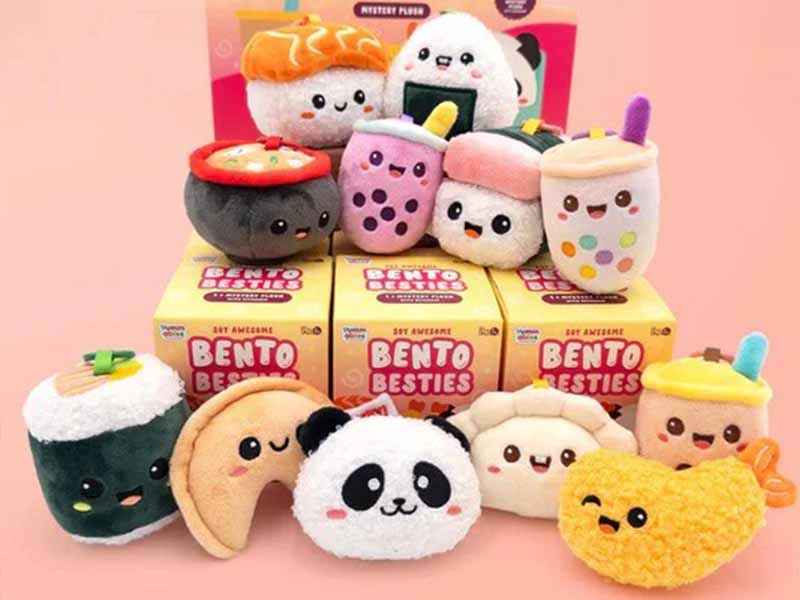
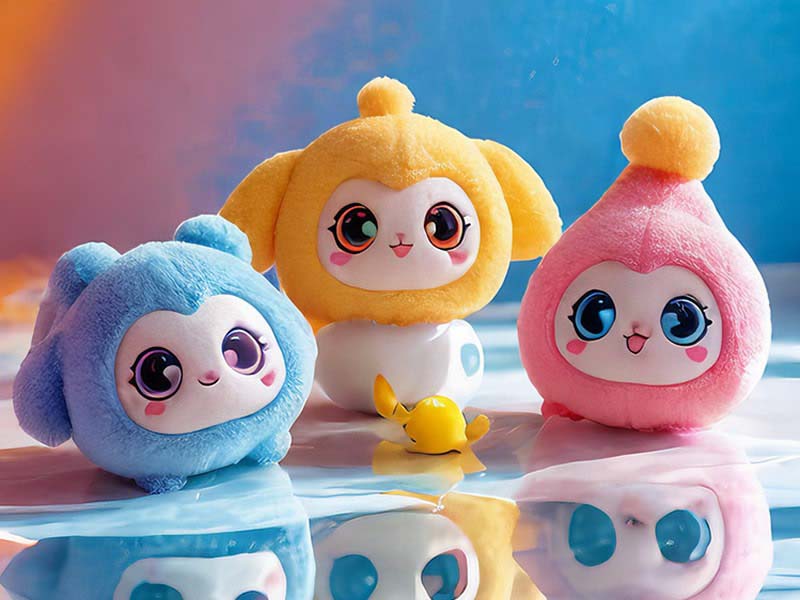
Blind Box Plush Toys
Blind box plush toys are designed for collectible toy series. Consistent production ensures each design meets the same quality standard.
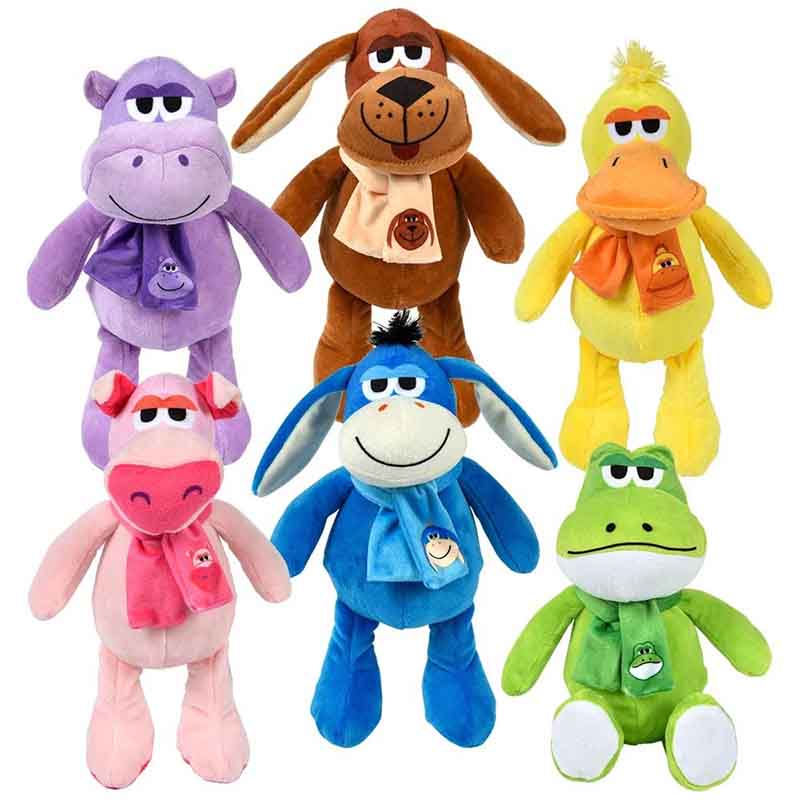
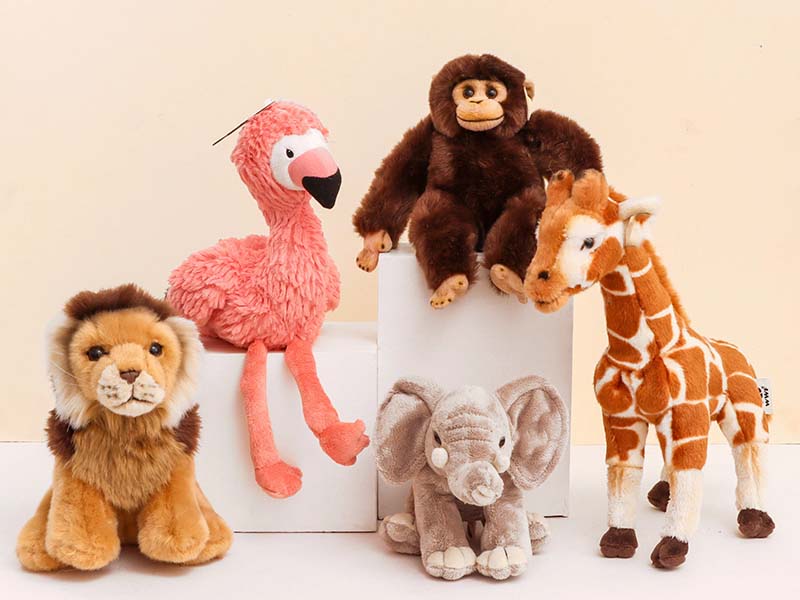
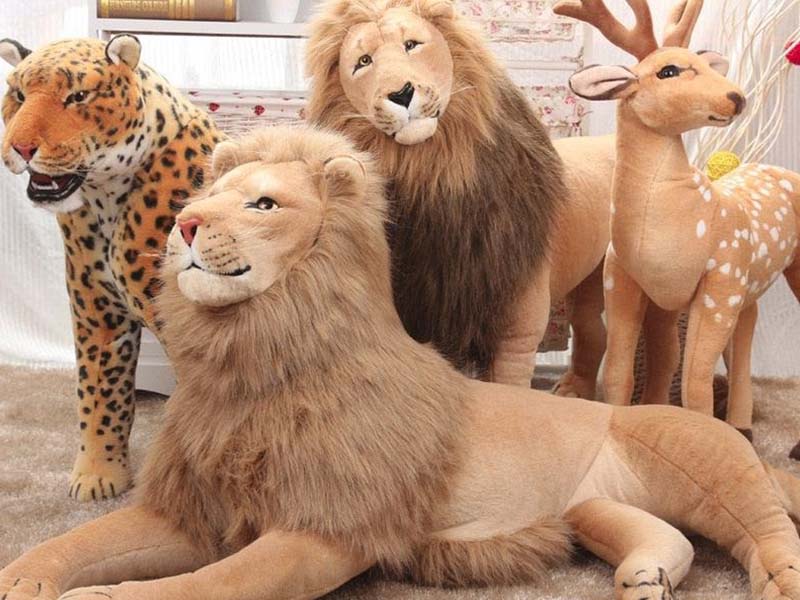
Animal Plush Toys
Animal plush toys remain one of the most popular plush toy categories worldwide. Standardized production keeps appearance and softness consistent.
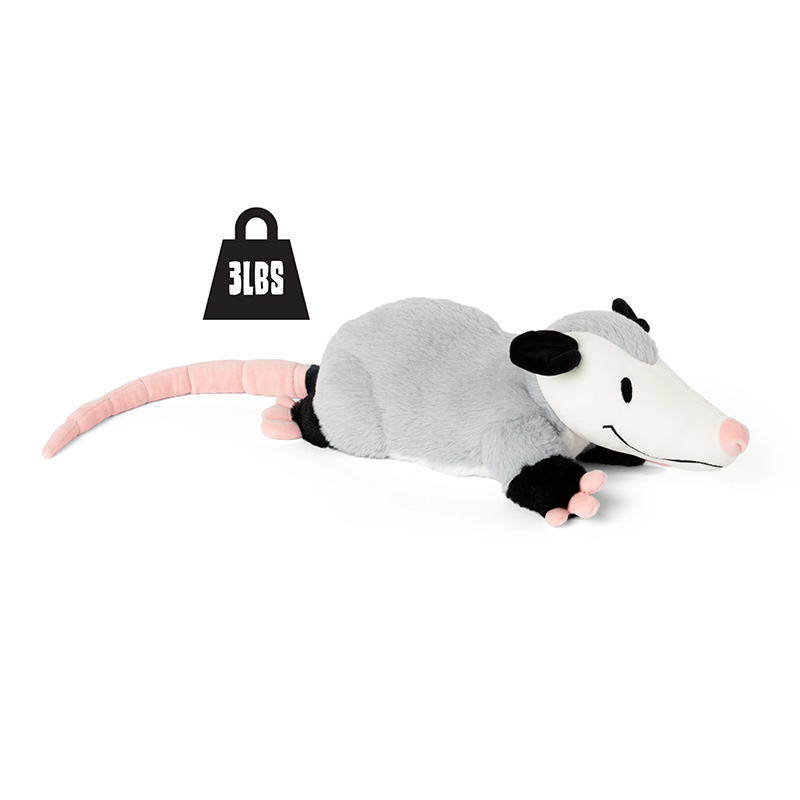
Weighted Plush Toys
Weighted plush toys provide a calming sensory experience. Balanced filling ensures stable weight distribution.

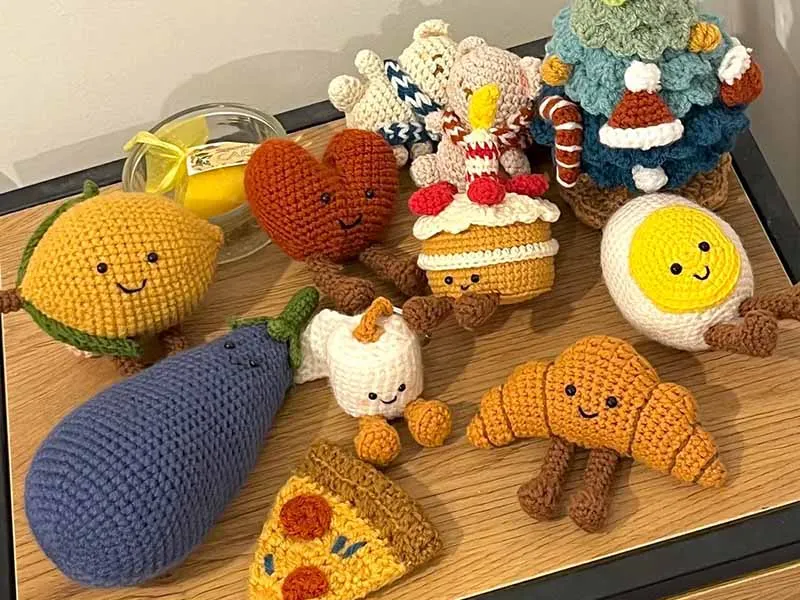
Crochet Plush Toys
Crochet plush toys feature knitted textures and handmade styles. Consistent stitching helps maintain uniform appearance.
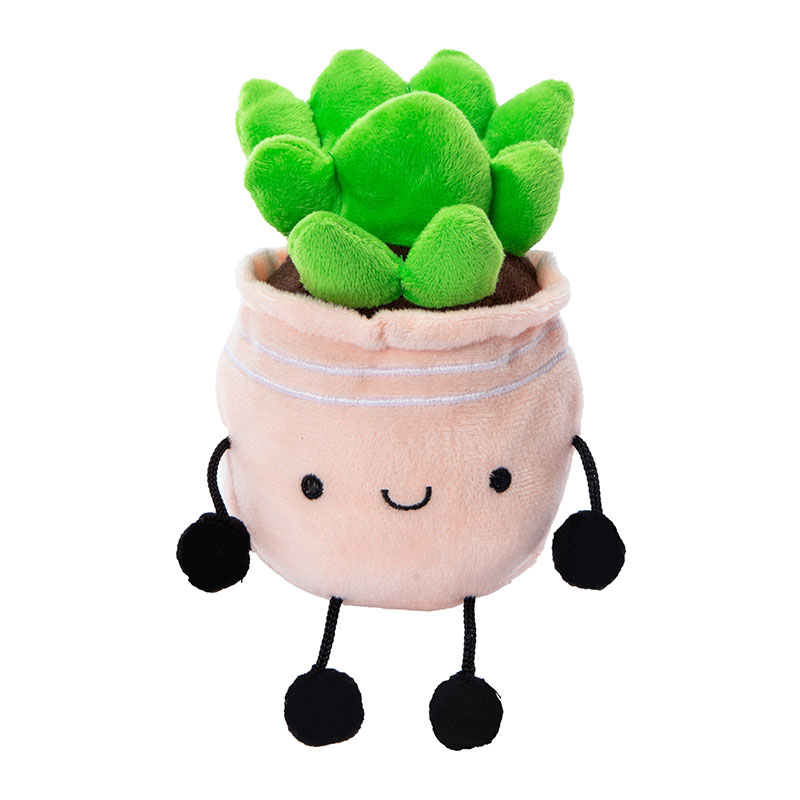
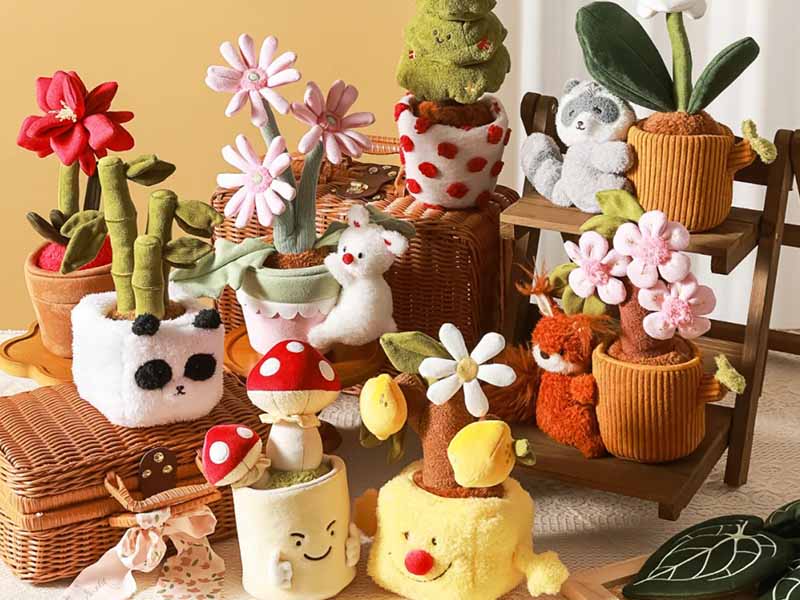
Plant Plush Toys
Plant plush toys bring playful decorative designs inspired by nature. Consistent embroidery ensures uniform appearance.
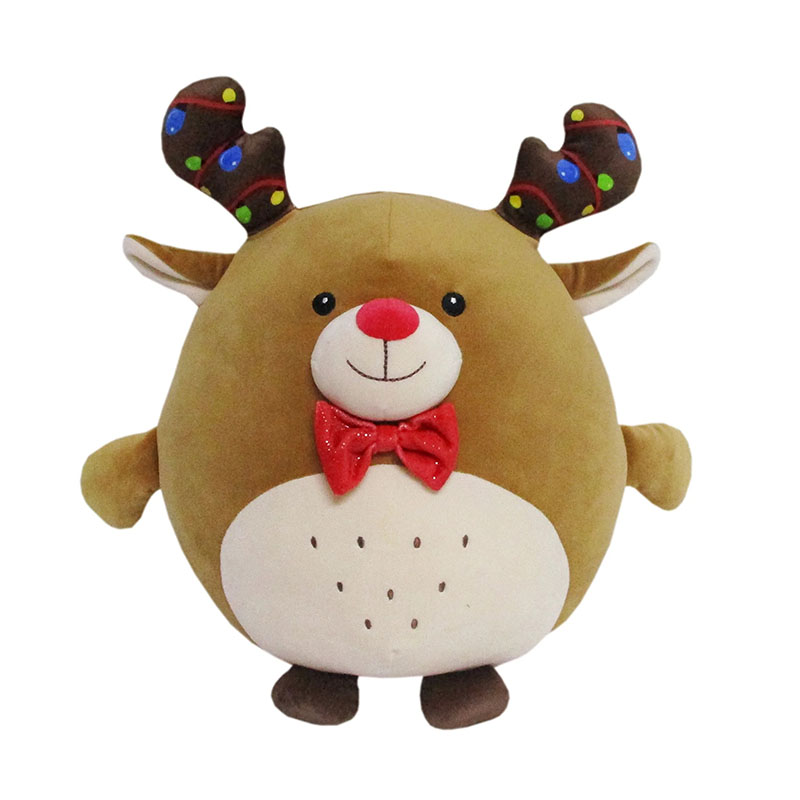
Holiday Plush Toys
Holiday plush toys are created for seasonal events like Christmas or Halloween. Consistent production keeps festive designs uniform.
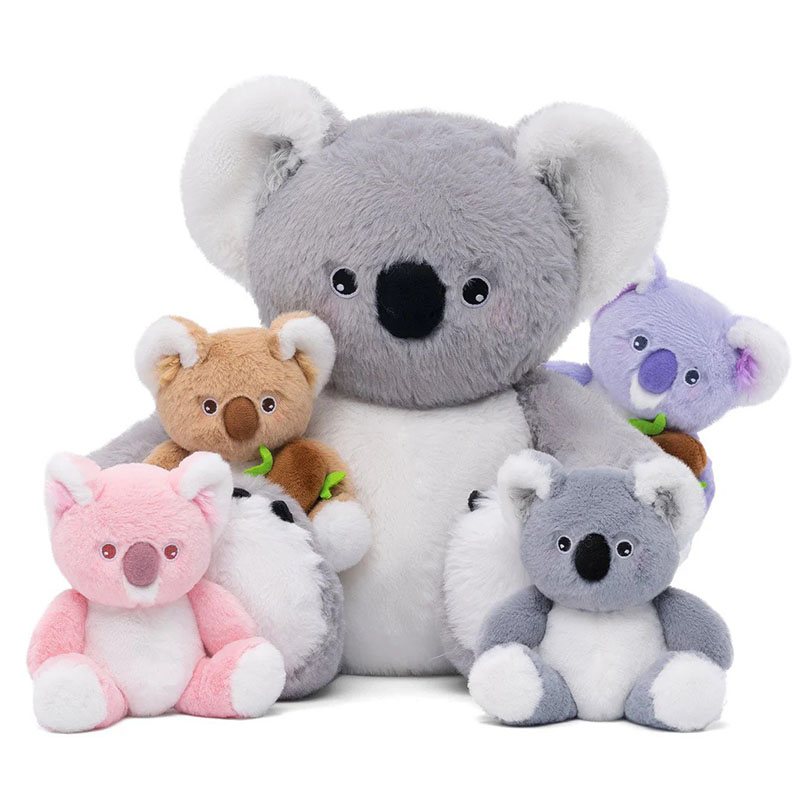
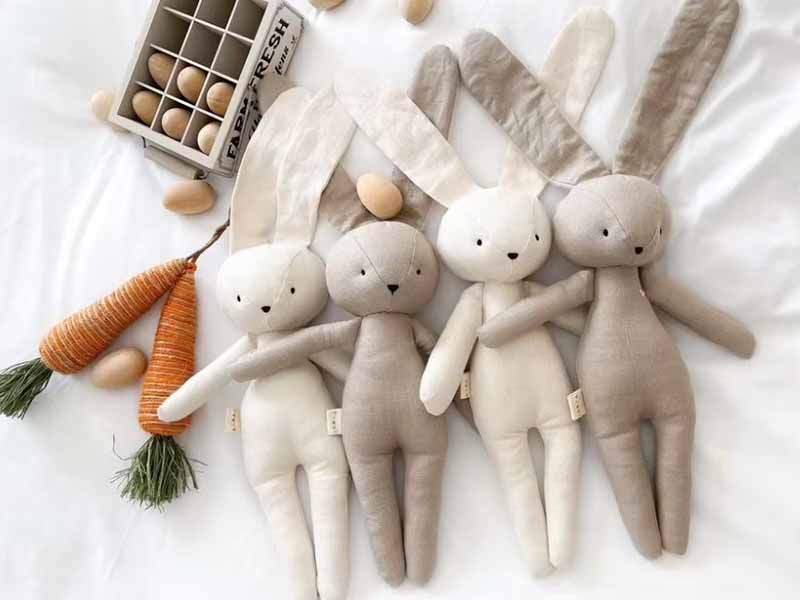
Baby Plush Toys
Baby plush toys are made with soft and safe materials. Careful material control ensures consistent safety and comfort.
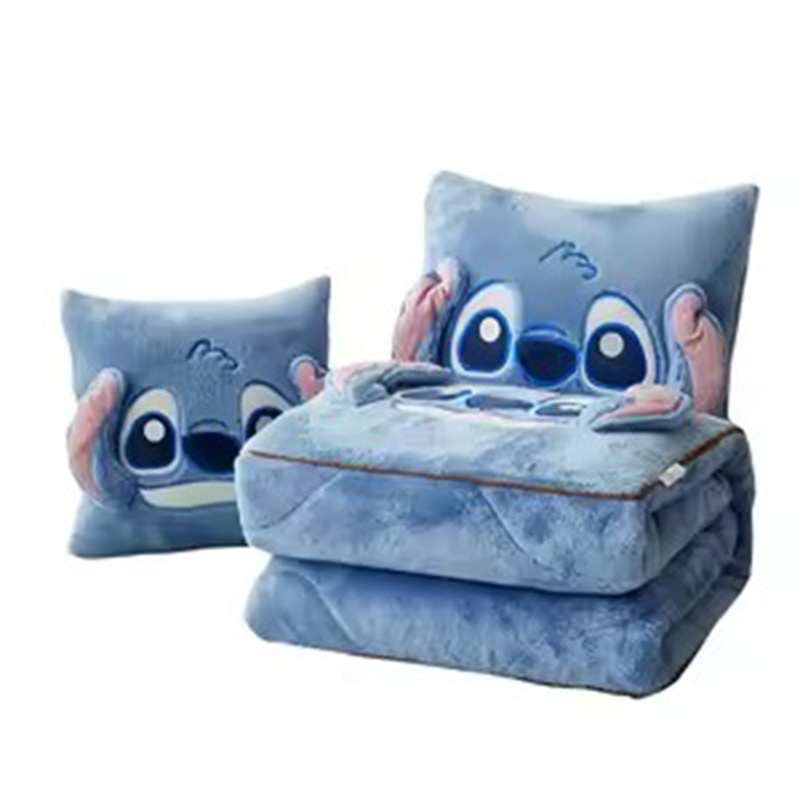
Plush Pillows
Plush pillows are large soft toys used for decoration and comfort. Balanced filling keeps softness consistent.
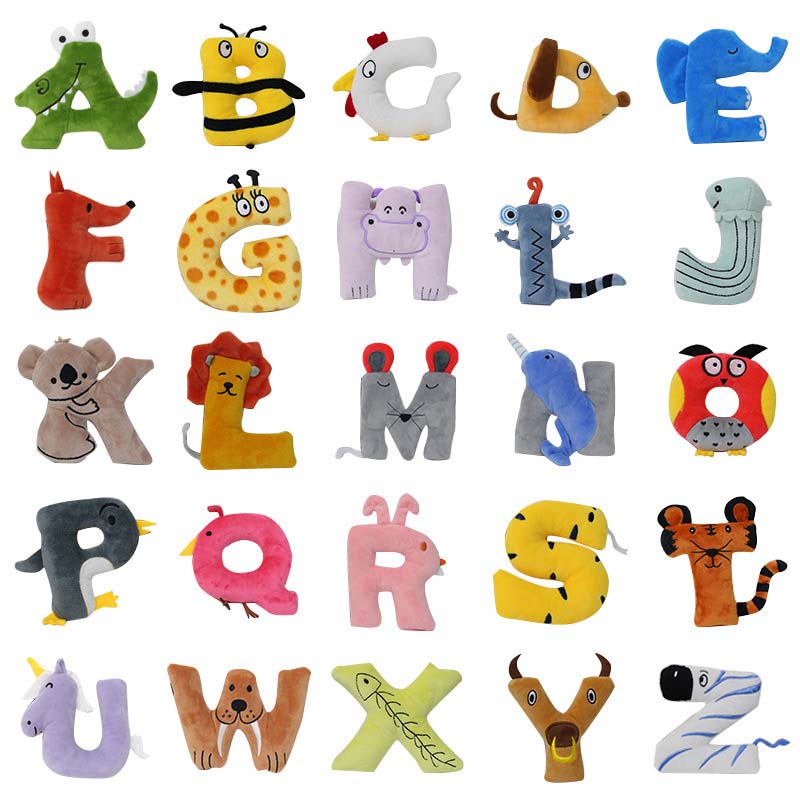
Educational Plush Toys
Educational plush toys help children learn through play. Stable production ensures consistent shapes and features.
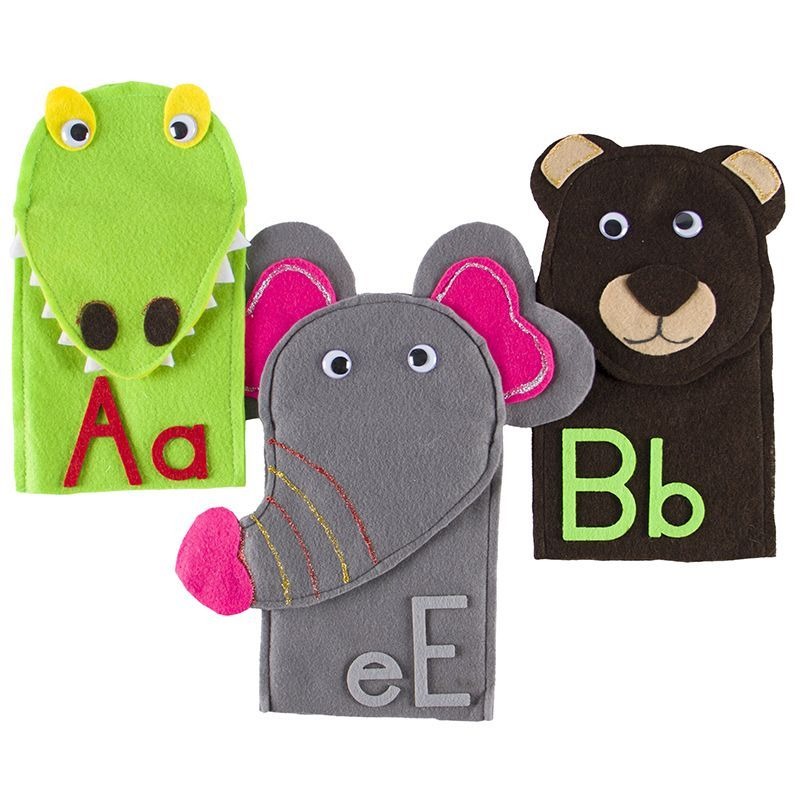
Hand Puppet Plush Toys
Hand puppet plush toys allow interactive storytelling and play. Consistent sewing ensures comfortable hand movement.
From Plush Toy Sampling to Consistent Mass Production
Consistency in plush toy manufacturing begins long before mass production starts. A professional plush manufacturer builds a standardized system that connects sample development, material preparation, and production management. By controlling every stage of the process, plush toys can maintain the same appearance, structure, and softness across different production batches. This allows your brand to move from prototype development to large orders with stable and predictable product quality.
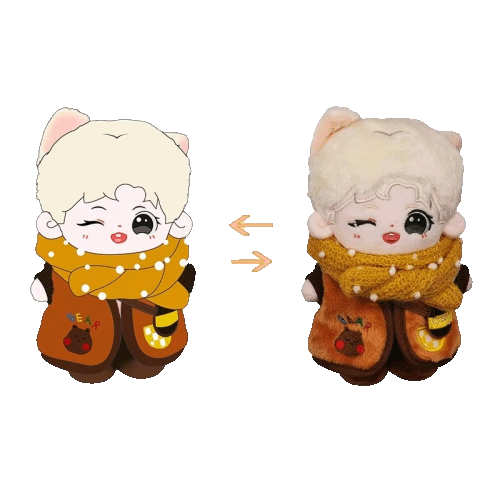
Accurate plush toy prototype development
The sampling stage is the foundation of consistent plush toy production. Experienced pattern makers transform your artwork or design concept into a three-dimensional plush toy structure. During this stage, the size, proportions, embroidery placement, and stuffing structure are carefully adjusted. This ensures the prototype accurately represents the final product before entering mass production.
Golden sample approval as the production reference
After the sample is approved, it becomes the golden sample used as the production reference. This standard sample defines the exact appearance, size, materials, and construction of the plush toy. During production, the factory compares each stage of manufacturing with the golden sample to ensure every product follows the same specification.
Standardized material preparation and sourcing
Consistent plush toys require stable materials. Professional plush toy manufacturers work with reliable suppliers to ensure fabrics, fillings, embroidery threads, and accessories remain consistent across orders. Material batches are carefully managed to prevent color differences, texture variations, or structural inconsistencies.
Controlled mass production process
During large-scale production, strict manufacturing standards ensure each plush toy follows the same cutting, sewing, and stuffing procedures. Production supervisors monitor each stage to ensure the final products remain consistent in shape, softness, and finishing details. This allows thousands of units to be produced with the same quality standard.
Plush Toy Production Capacity for Large and Repeat Orders
For brands, retailers, and distributors, strong production capacity is essential when placing large or repeat plush toy orders. A professional plush manufacturer must be able to scale production while maintaining stable product quality. With organized production lines, experienced workers, and reliable supply chain management, large plush toy orders can be produced efficiently while keeping the same standards for appearance, structure, and softness.
Multiple plush toy production lines
Professional plush toy factories operate multiple production lines for cutting, sewing, stuffing, and finishing. Each production line follows standardized procedures, allowing large plush toy orders to be manufactured efficiently while maintaining consistent product quality across every batch.
Experienced plush toy production teams
Experienced sewing workers and production technicians play a key role in maintaining product consistency. Skilled teams are familiar with plush toy structures, stitching techniques, and finishing standards, which helps reduce production errors and improve overall efficiency.
Stable material supply chain
Consistent plush toy production depends on stable material sourcing. Reliable suppliers provide consistent plush fabrics, fillings, embroidery threads, and accessories, ensuring that every production batch maintains the same materials and product appearance.
Efficient production planning and scheduling
A well-organized production planning system allows factories to manage multiple orders at the same time. Clear scheduling helps prevent delays and ensures large plush toy orders are completed on time without affecting quality standards.
Flexible capacity for repeat plush toy orders
Reliable plush manufacturers maintain flexible production capacity for repeat orders. When popular plush toy designs need to be reordered, the factory can quickly restart production using the same patterns, materials, and standards.
Export logistics and shipment coordination
Professional plush toy factories also coordinate packaging, export documentation, and shipping arrangements. This ensures large plush toy orders can be delivered efficiently and safely to international markets.
With strong production capacity and organized manufacturing systems, your brand can confidently place large or repeat plush toy orders. Stable production ensures consistent quality, reliable delivery schedules, and long-term supply chain stability.
Material Consistency in Plush Toy Manufacturing
Material stability plays a critical role in consistent plush toy manufacturing. Even small variations in fabric texture, color tone, or filling density can lead to noticeable differences between production batches. A professional plush toy manufacturer carefully manages material sourcing, supplier relationships, and quality inspections to ensure that every plush toy maintains the same appearance, softness, and durability. With stable materials and controlled supply systems, brands can confidently place large and repeat orders while maintaining consistent product quality.
Consistent Plush Fabric Sourcing
Plush fabrics such as velboa, minky, faux fur, or super soft plush determine the overall look and feel of a stuffed animal. Professional plush toy manufacturers work with long-term fabric suppliers to maintain consistent color tones, textures, and fabric thickness across production batches. By controlling fabric sourcing and checking each material batch before production, factories can prevent color differences and ensure every plush toy maintains the same visual appearance.
Controlled Filling Material Quality
The filling material, usually PP cotton fiberfill, plays a key role in the softness, shape, and durability of plush toys. High-quality plush manufacturers use consistent filling materials with controlled density and elasticity. During production, the filling amount is carefully measured and monitored so that each plush toy maintains the same shape, softness, and weight across large production batches.
Standardized Accessory Materials
Accessories such as plastic safety eyes, noses, embroidery threads, ribbons, and decorative elements contribute to the final look of plush toys. Reliable plush manufacturers source accessories from stable suppliers and maintain strict quality standards. This ensures that small but important details remain consistent across all production batches.
Material Batch Tracking and Control
Professional factories track the material batches used in each production order. By recording and managing material lot numbers, manufacturers can ensure the same materials are used throughout the production cycle. This system helps prevent mixing different fabric or filling batches, which could otherwise lead to inconsistencies.
Certified Safety Materials for Global Markets
For plush toys sold internationally, materials must meet strict safety standards. Professional manufacturers use materials that comply with certifications such as EN71, ASTM F963, CPSIA, and REACH. Using certified materials ensures both safety and consistency, helping brands confidently sell products in global markets.
With stable material sourcing and strict material control systems, plush toy manufacturers can maintain consistent product quality across large and repeat orders. This stability helps your brand deliver reliable plush toys while building long-term trust with customers.
Our Plush Toy Manufacturing Process from Design to Production
A professional plush toy manufacturer follows a clear and standardized manufacturing process to ensure consistent product quality. From the initial design evaluation to final packaging and shipment, every step is carefully managed to maintain stable plush toy appearance, structure, and safety. A well-organized production process also helps brands develop products efficiently and scale production with confidence.
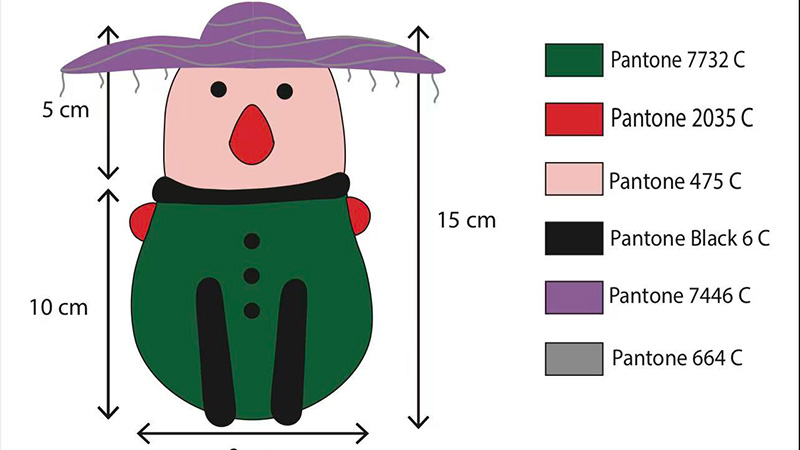
Design evaluation
The process begins with evaluating the plush toy design. Our team reviews the artwork, size requirements, fabric options, and construction details to ensure the design can be produced efficiently while maintaining the intended appearance and structure.
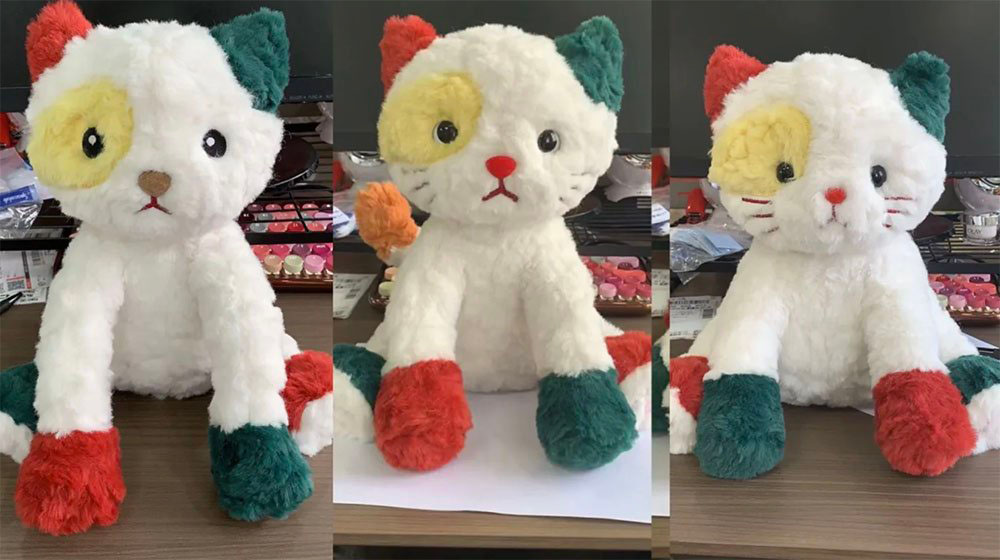
Plush toy sampling
During the sampling stage, experienced pattern makers create the first plush toy prototype based on the design. Adjustments may be made to shape, embroidery placement, or stuffing structure until the sample accurately represents the final product.
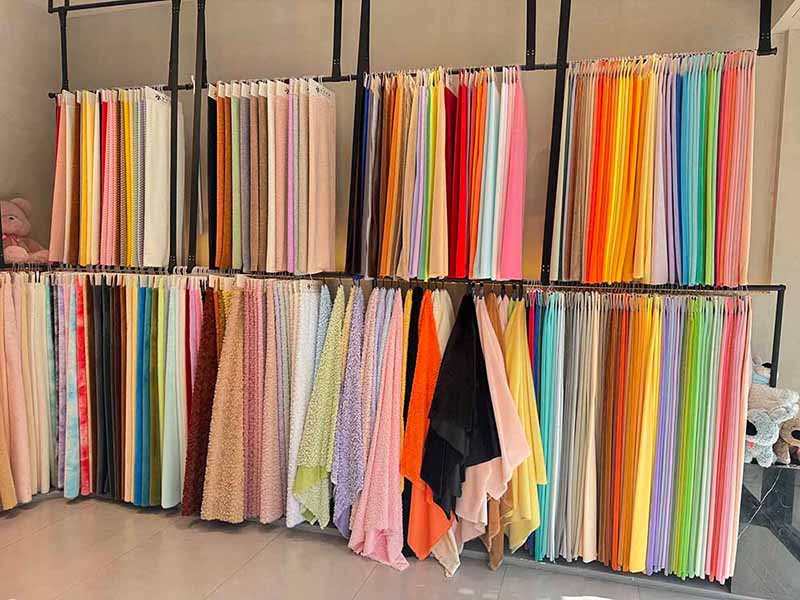
Material sourcing
Once the sample is approved, suitable materials are prepared for production. This includes plush fabrics, filling materials, embroidery threads, and accessories. Stable suppliers help ensure material consistency across production batches.
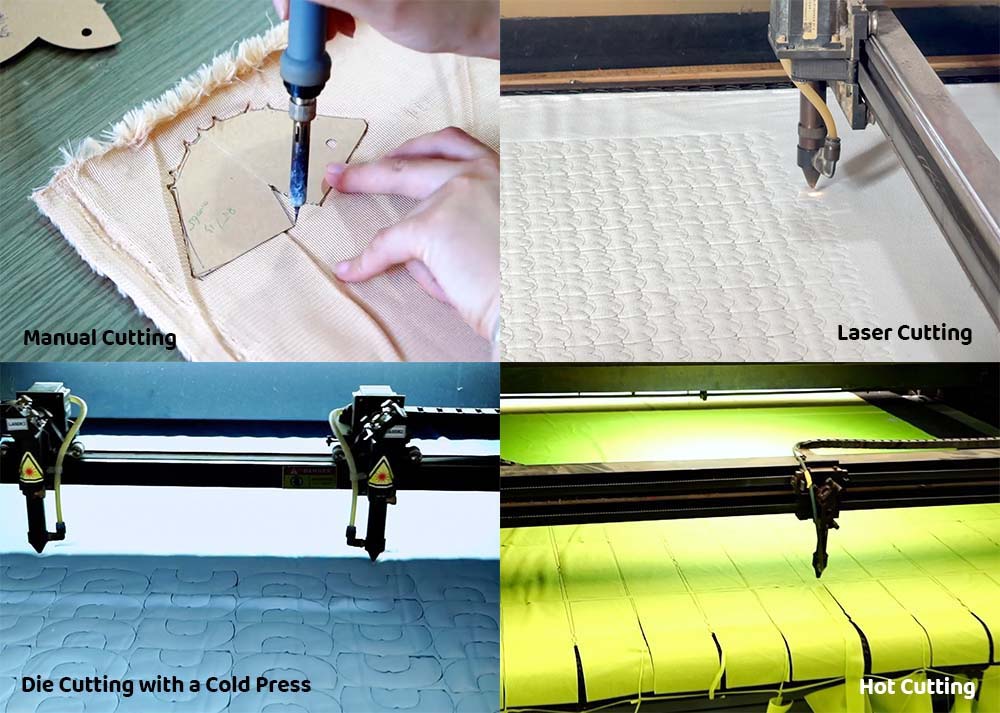
Fabric cutting
After materials are prepared, fabrics are cut according to the approved patterns. Accurate cutting is essential to ensure every plush toy maintains the same size and structure during production.
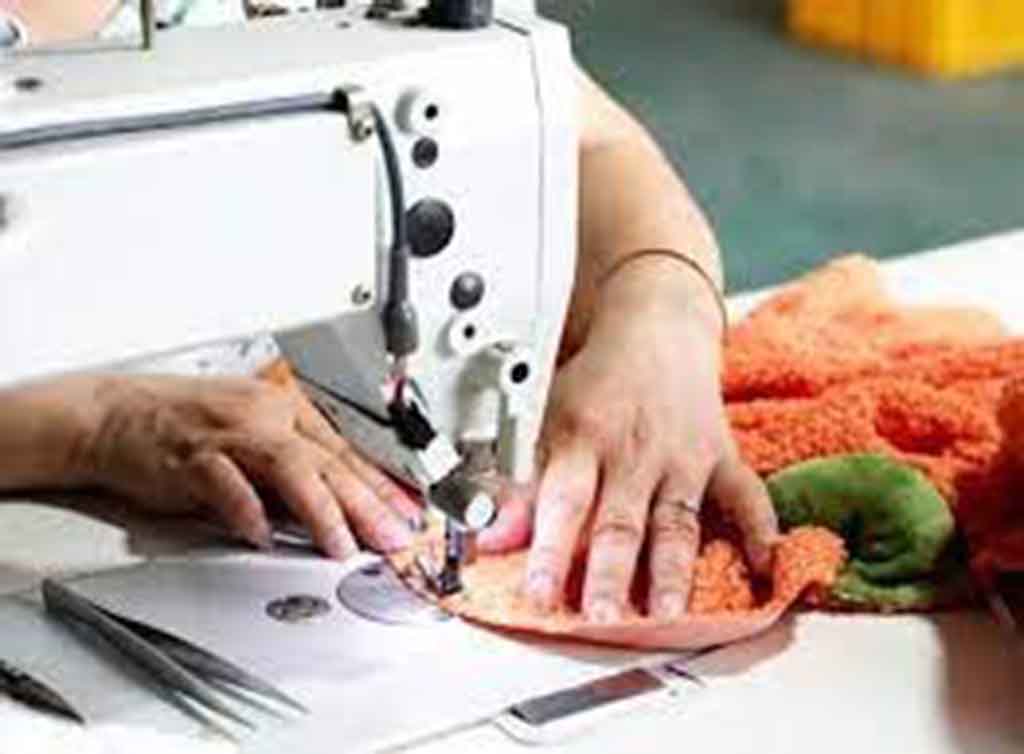
Sewing and assembly
The cut fabric pieces are sewn and assembled to form the plush toy body. Skilled sewing workers follow standardized stitching methods to ensure durability and consistent appearance.
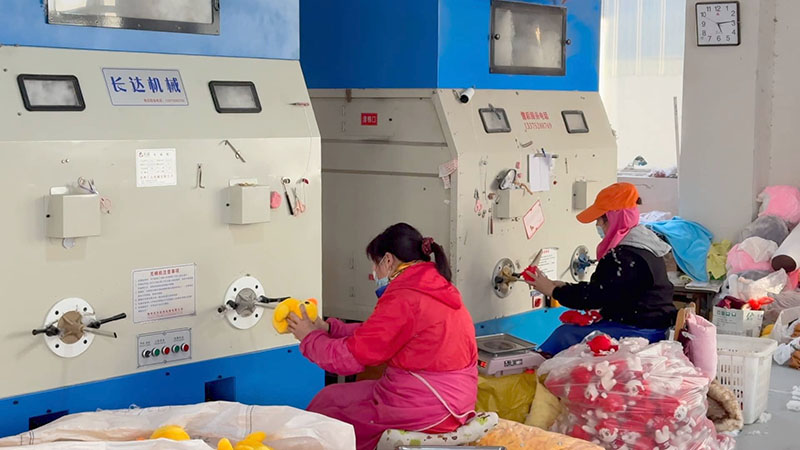
Stuffing and shaping
Once the plush body is assembled, the toy is filled with PP cotton or other filling materials. Controlled stuffing ensures consistent softness, shape, and weight across all products.
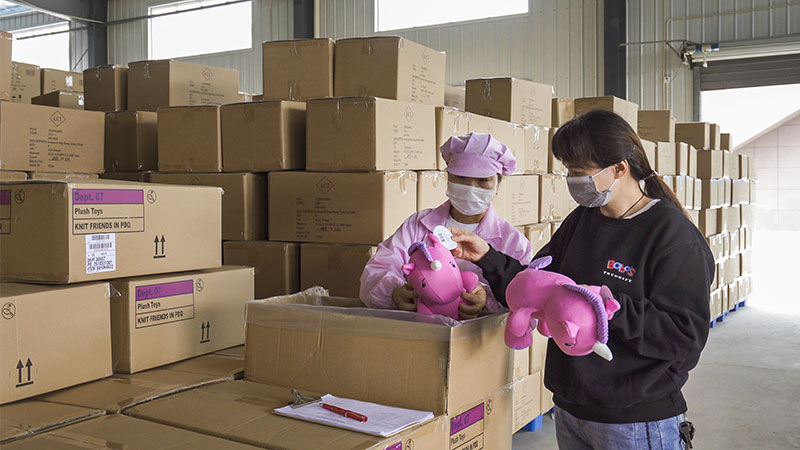
Quality inspection
Each plush toy undergoes quality inspection to ensure it meets production standards. Inspectors check stitching strength, shape accuracy, embroidery details, and overall appearance.
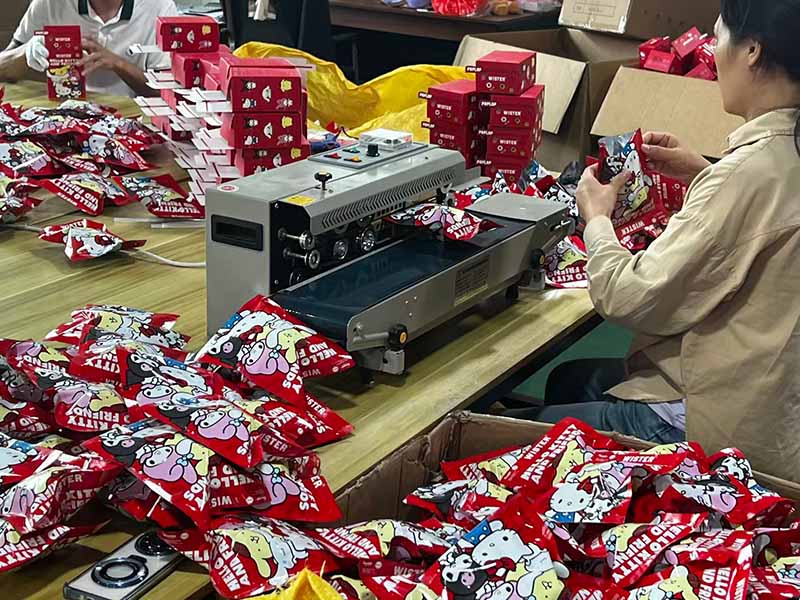
Packaging and shipment
After passing inspection, the plush toys are packed according to customer requirements. The factory then arranges export documentation and shipment to ensure products are delivered safely and on time.
With a standardized plush toy manufacturing process, every stage of production is carefully controlled. This ensures your plush toys maintain consistent quality from the first sample to large production orders.
Our Plush Toy Quality Control System for Consistent Production
Consistent plush toy quality depends on a strong and well-organized quality control system. A professional plush toy manufacturer monitors every stage of production to ensure each product meets the same safety and quality standards. From raw material inspection to final shipment checks, strict quality control procedures help maintain stable plush toy appearance, structure, and durability across every order.
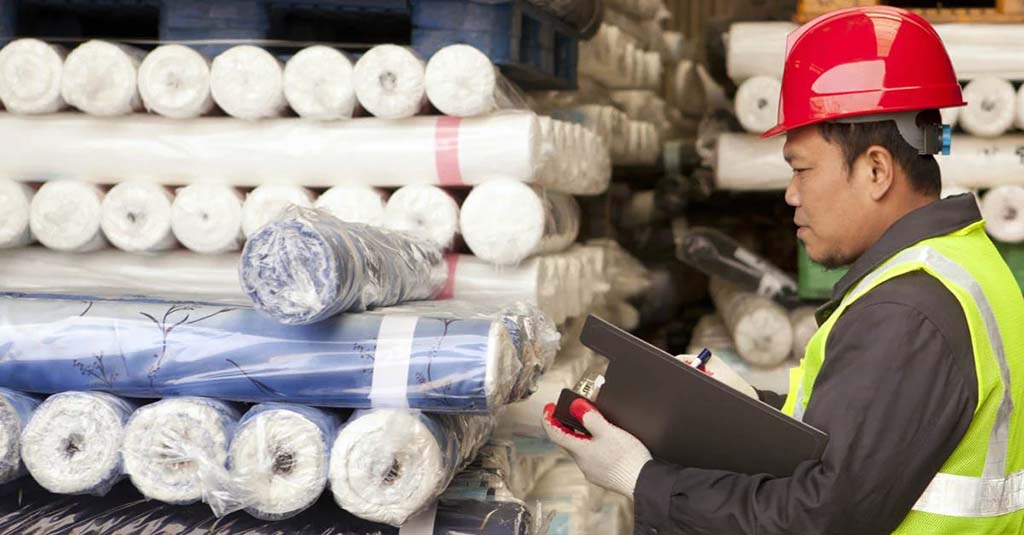
Incoming Material Inspection
Before production begins, all raw materials are carefully inspected. Plush fabrics, filling materials, embroidery threads, and accessories are checked for color consistency, texture quality, and safety compliance. This helps prevent defective materials from entering the production process.

In-Process Quality Control
During production, quality inspectors monitor each stage such as cutting, sewing, and stuffing. They check product size, stitching quality, and assembly accuracy to ensure that every plush toy meets the required specifications.
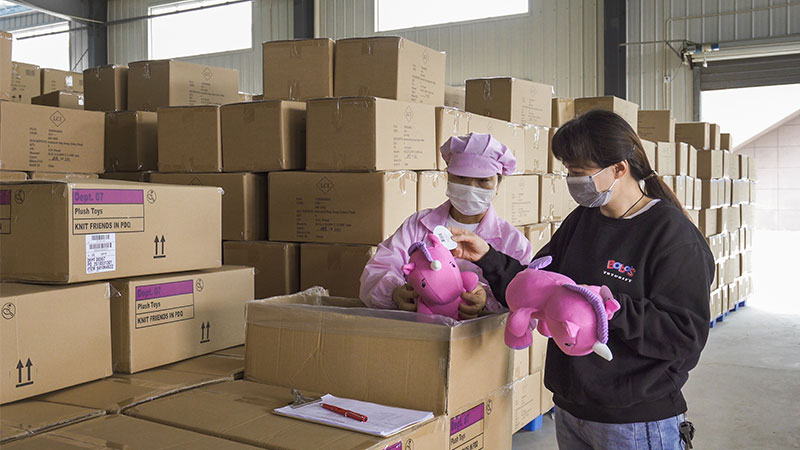
Finished Product Inspection
After the plush toys are completed, a detailed inspection is performed on finished products. Inspectors evaluate appearance, shape accuracy, embroidery details, and stuffing balance to confirm the toys meet quality requirements.
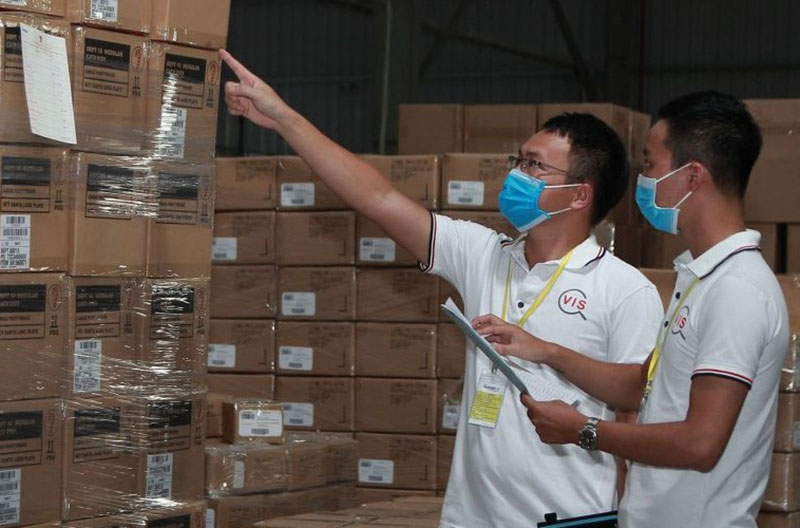
Outgoing Quality Control
Before shipment, final random inspections are carried out to verify the entire order meets the required standards. Packaging, labeling, and product safety are also checked to ensure the products are ready for delivery.
With a structured quality control system, every plush toy is carefully inspected throughout production. This ensures consistent quality across large orders and repeat production while giving your brand confidence in every shipment.
Common Plush Toy Manufacturing Problems and How to Solve Them
Inconsistent plush toy manufacturing can create serious risks for brands, retailers, and distributors. Small variations in size, fabric color, stitching, or filling can cause product quality differences between batches. These problems often lead to customer complaints, delayed shipments, and higher sourcing risks. A professional plush toy manufacturer prevents these issues through standardized production systems, stable material control, and strict quality inspection procedures.
Size Variation Between Batches
Different production batches may produce plush toys with slightly different sizes, making product displays inconsistent.
Unstable pattern control or inaccurate fabric cutting during production.
Professional plush manufacturers standardize patterns during sample development and store approved patterns as production references. Cutting templates and size specifications are strictly controlled, while in-line inspectors regularly measure key product dimensions to ensure size consistency across large and repeat orders.
Fabric Color Mismatch
Plush toys produced in different batches may show visible color differences.
Using fabrics from different suppliers or mixing material batches.
Professional factories maintain long-term partnerships with reliable fabric suppliers and control fabric batches for each order. Fabric color is checked before production to ensure consistent appearance across all products.
Uneven Stuffing and Softness
Some plush toys may feel softer or firmer than others within the same order.
Inconsistent filling amounts or uncontrolled stuffing processes.
Professional plush toy manufacturers use controlled stuffing standards and trained workers to maintain consistent filling density. Production supervisors monitor stuffing weight and structure to ensure every plush toy maintains the same softness and shape.
Inconsistent Stitching Quality
Differences in sewing quality may cause visible variations in product appearance.
Different sewing techniques used by workers or weak process supervision.
Professional factories provide standardized sewing guidelines and training for production teams. Process inspectors check stitching quality during production to maintain uniform product finishing.
Accessory Inconsistencies
Accessories such as safety eyes, embroidery details, or decorative elements may differ between batches.
Unstable accessory sourcing or inconsistent quality control.
Professional plush manufacturers source accessories from stable suppliers and establish accessory inspection procedures to ensure consistent color, size, and placement across production batches.
Production Delays Caused by Quality Issues
Quality inconsistencies can lead to rework, production delays, or shipment problems.
Lack of standardized production processes and quality control systems.
Professional plush toy factories use structured production management and multi-stage quality inspection systems. By monitoring each production stage, potential issues are identified early, helping ensure stable production schedules and reliable delivery timelines.
By working with an experienced plush toy manufacturer, your brand can avoid many common sourcing risks caused by inconsistent production. Stable materials, standardized processes, and strict quality control help ensure that every plush toy meets the same quality standard across all orders.
Who Needs a Plush Toy Manufacturer for Consistent Production
High consistency in plush toy manufacturing is especially important for businesses that rely on stable product quality and repeat production. When plush toys are produced in large quantities or restocked frequently, every batch must maintain the same appearance, structure, and softness. A professional plush manufacturer helps ensure that products remain consistent across every order, supporting reliable supply chains and long-term brand growth.
If your business depends on stable plush toy quality, repeat production, or large-volume orders, working with a professional plush toy manufacturer becomes essential. Consistent manufacturing systems help ensure every batch meets the same standards, giving your brand the confidence to grow and expand product lines.
Trusted by Leading Global Brands
Strong partnerships prove strong capabilities. Over the years, Kinwin has worked with world-leading brands and retailers to deliver interactive plush toys that meet the highest standards of creativity, safety, and quality. By choosing us, you gain a supplier that is trusted by top companies worldwide—and the same reliability is available to your brand.









Why Brands Choose Our Plush Toy Factory for Consistent Production
For brands, retailers, and distributors, consistent product quality is essential for long-term success. When plush toys are produced in large volumes or repeated orders, every batch must maintain the same appearance, structure, and softness. Our plush toy factory focuses on standardized production systems, stable material sourcing, and strict quality control to ensure every order delivers the same reliable results.
Consistent plush toy quality across every order
Our manufacturing system is designed to maintain the same plush toy quality from the first sample to large production batches. Standardized patterns, controlled materials, and strict quality inspections ensure that every plush toy maintains the same size, softness, and visual appearance.
Reliable repeat production for growing brands
As your brand grows, popular plush toys often require repeat orders. Our factory keeps production standards, patterns, and material specifications organized so that repeat production can be completed efficiently while maintaining consistent quality.
Stable supply chain and material sourcing
We work with reliable material suppliers to ensure stable plush fabrics, fillings, and accessories. This helps prevent material differences between production batches and keeps product appearance consistent.
Professional production management and inspection
Our experienced production teams and quality inspectors monitor each stage of manufacturing. From cutting and sewing to stuffing and finishing, every step is carefully controlled to ensure stable product quality.
Explore Our Custom Plush Toy Series
We offer a wide selection of plush toys to meet different business needs. From baby-safe stuffed animals to collectible plush dolls, our product lines are designed for global brands, retailers, e-commerce, and promotional projects.
Start Your Consistent Plush Toy Production with a Reliable Manufacturer
If your business depends on consistent plush toy quality, stable supply chains, and reliable repeat production, choosing the right plush toy manufacturer is critical. A professional plush toy factory helps you maintain the same product appearance, materials, and craftsmanship across every order. This is especially important for brands that require large-volume production, seasonal restocking, or long-term product lines.
By working with an experienced plush toy manufacturer, you gain a production partner who understands standardized manufacturing processes, material consistency, and strict quality control. This ensures your plush toys maintain the same quality from sampling to mass production. As your business grows, consistent production allows your brand to scale faster, reduce product risks, and keep customers satisfied with reliable products.
Frequently Asked Questions
1. How do plush toy manufacturers ensure consistent quality across large orders?
Professional plush toy manufacturers use standardized production systems to maintain consistent quality. This includes approved production patterns, controlled material sourcing, and detailed manufacturing instructions. During production, quality inspectors monitor cutting accuracy, stitching quality, stuffing balance, and accessory placement. By combining these systems with strict quality control procedures, factories can ensure that every plush toy maintains the same appearance and structure across large and repeat orders.
2. Why is consistency important in plush toy manufacturing?
Consistency is essential for brands that rely on repeat orders and large-scale distribution. If plush toys vary in size, color, or softness between batches, it can create customer complaints and damage brand reputation. Consistent manufacturing ensures that every product matches the original approved sample, allowing brands to maintain reliable product quality and stable customer satisfaction.
3. What factors can cause inconsistent plush toy production?
Inconsistent plush toy production may occur due to unstable materials, inaccurate pattern control, untrained sewing operators, or weak quality management systems. Differences in fabric batches, stuffing amounts, or accessory placement can also create visible variations in finished products. Professional manufacturers minimize these risks through standardized production processes and strict inspection systems.
4. How do plush toy factories maintain consistency between samples and mass production?
Professional plush factories treat the approved sample as the production standard. All production patterns, materials, and manufacturing instructions are based on the confirmed sample. During mass production, factories regularly compare products with the approved sample to ensure consistent size, structure, and finishing details.
5. How do stable materials improve plush toy production consistency?
Using stable materials helps maintain the same product appearance and feel across different production batches. Professional manufacturers work with reliable suppliers and control material batches for each order. This ensures that fabrics, filling materials, and accessories remain consistent in color, texture, and quality.
6. What quality control steps are used in plush toy manufacturing?
Most professional plush toy factories implement multiple quality control stages, including incoming material inspection (IQC), in-process quality control (IPQC), finished product inspection (FQC), and outgoing inspection (OQC). These inspections help identify and correct problems early in the production process.
7. Can a plush toy manufacturer handle repeat orders with the same quality?
Yes. Professional manufacturers maintain production records, pattern archives, and material specifications for each product. When repeat orders are placed, the same production standards can be followed to ensure that the new batch matches previous orders.
8. How does production capacity affect plush toy order consistency?
Factories with sufficient production capacity can better manage production schedules and maintain consistent quality. When production lines are overloaded, errors and quality variations may occur. A well-equipped plush toy factory with organized production planning can ensure stable manufacturing results.
9. How can brands reduce sourcing risks when ordering plush toys?
Brands can reduce sourcing risks by choosing experienced plush toy manufacturers with strong quality control systems and stable supply chains. Clear product specifications, approved samples, and regular production inspections also help ensure consistent manufacturing results.
10. What should brands look for when choosing a plush toy manufacturer?
Brands should evaluate manufacturing experience, production capacity, quality control systems, and material sourcing stability. A reliable plush toy manufacturer should be able to maintain consistent quality across samples, large orders, and repeat production while supporting long-term product development.
If You Can lmagine lt,We Will Create lt!
1.Tell Us What You Need
Tell us as specific as possible of your needs and share your idea.
2.Get Solution & Quote
We will work on the best solution according to yourrequirements,the specific quote will be provided within 24 hours.
3.Approve for Mass Production
We will start mass production after getting your approval.
