 Skip to content
Plush Doll Supplier for Brands & Retailers | Custom OEM & ODM Solutions
Work with a plush doll supplier that understands brand positioning, retail standards, and long-term supply stability. From custom OEM & ODM development to reliable bulk production, we help you reduce sourcing risk, maintain consistent quality, and launch plush dolls that fit your market, timeline, and budget.
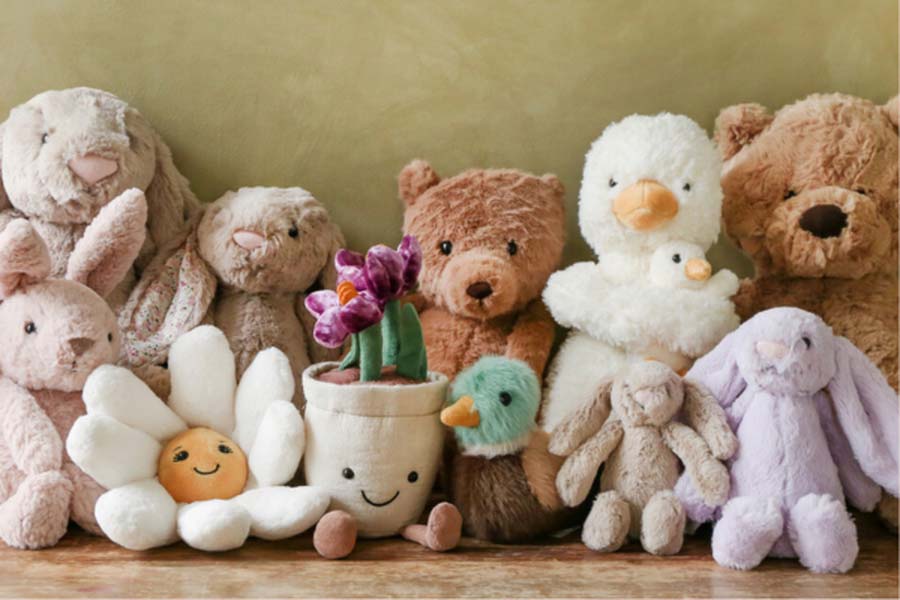
Core Advantages of Our Plush Doll Supplier Services
Our advantages are built to support brands and retailers with reliable execution, stable quality, and scalable supply—making plush doll sourcing simpler and more predictable.
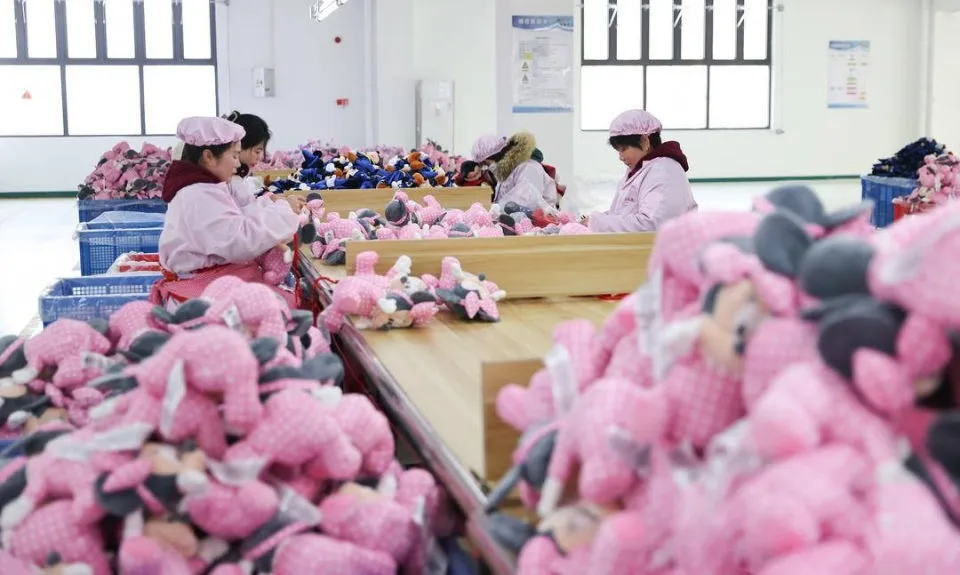
95%+ Accuracy in Plush Doll Development
Production-ready design review and sampling help achieve high visual accuracy and reduce repeated revisions.
Flexible OEM & ODM Support
Support both client-owned designs and factory-developed solutions to match different brand stages.
Stable Quality for Repeat Orders
Standardized processes keep quality consistent across reorders and volume growth.
Clear Communication & Fast Response
Simple documentation and timely updates keep projects on track.
Global Compliance & Export Experience
Experience with international standards supports smoother market entry.
High replication accuracy is achieved through repeatable systems, not guesswork. This is how we consistently deliver plush animal toys that match expectations and scale reliably.
CE & ASTM Certification for Plush Dolls: Safety and Compliance Assurance
CE and ASTM certifications are critical requirements for plush dolls entering major international markets. They help ensure product safety, reduce regulatory risk, and support smooth cooperation with distributors, retailers, and platforms. A structured certification approach allows brands to scale with confidence.
CE Compliance for European Market Entry
CE certification confirms that plush dolls comply with essential European Union requirements related to product safety, health protection, and environmental responsibility. This includes evaluation of physical structure, seam strength, labeling accuracy, and material safety. CE-compliant plush dolls are more easily accepted by European importers and retail chains, face fewer customs delays, and reduce the risk of market withdrawal due to regulatory issues, helping brands establish stable distribution in Europe.
ASTM F963 Compliance for the U.S. Market
ASTM F963 is the primary toy safety standard in the United States and is widely required by regulators, retailers, and e-commerce platforms. It addresses risks related to mechanical safety, small parts, flammability, and material performance. Plush dolls that meet ASTM requirements are more likely to pass customs inspections smoothly, avoid platform penalties, and reduce exposure to legal disputes, supporting reliable and scalable sales in the U.S. market.
Certification-Oriented Material and Structure Planning
Certification requirements are considered from the earliest development stage. Fabrics, fillings, accessories, and internal structures are selected and adjusted to align with CE and ASTM standards. This proactive approach minimizes redesign during testing, shortens development timelines, and helps brands avoid unexpected compliance costs while keeping product appearance and functionality unchanged.
Documentation Support and Compliance Coordination
We support certification-related documentation preparation, including material records, test coordination, and compliance references required by different markets. Clear documentation and traceability simplify audits, retailer reviews, and platform onboarding. This also ensures repeat orders can move forward faster with consistent compliance standards already in place.
CE and ASTM certification is not just a regulatory requirement. It is a foundation for safer products, smoother market entry, and long-term brand trust in global plush doll supply.
Precision Instrument Testing Process
This video demonstrates how calibrated testing equipment is used to verify plush toy safety and durability. Metal and needle detection, tension testing, and strength checks are performed with objective standards to ensure consistent, compliant results for global markets.
Plush Doll Product Range for Wholesale & Custom Supply
As a plush doll supplier, we offer a wide range of doll-based product types suitable for branding, retail, gifting, and promotional markets. All plush dolls below support OEM & ODM customization.
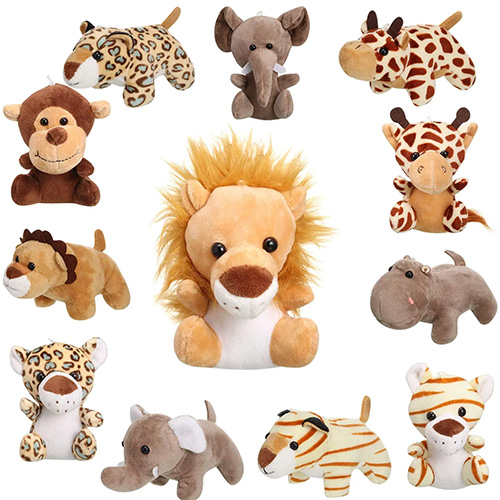
Animal Plush Toys
Plush dolls designed in animal shapes, suitable for classic retail collections and brand characters.
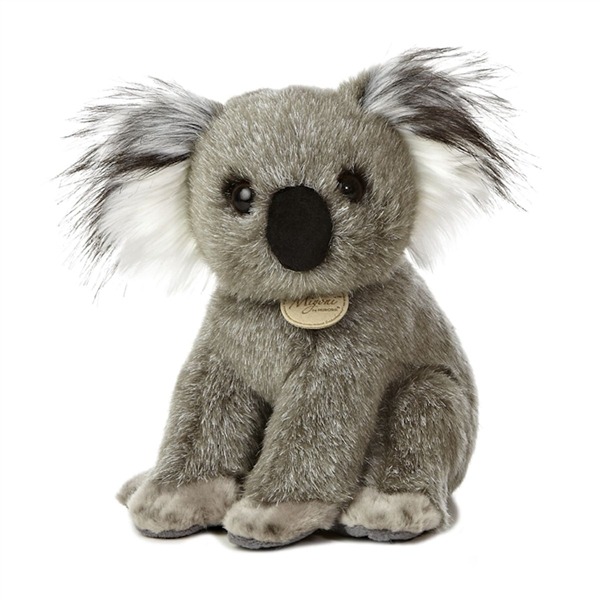
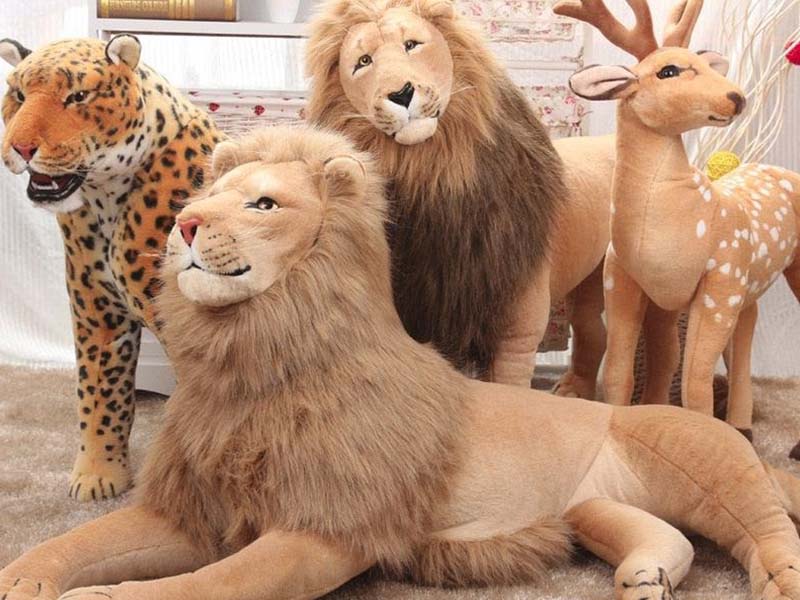
Realistic Plush Toys
More lifelike plush dolls with refined proportions and surface textures for premium or educational markets.
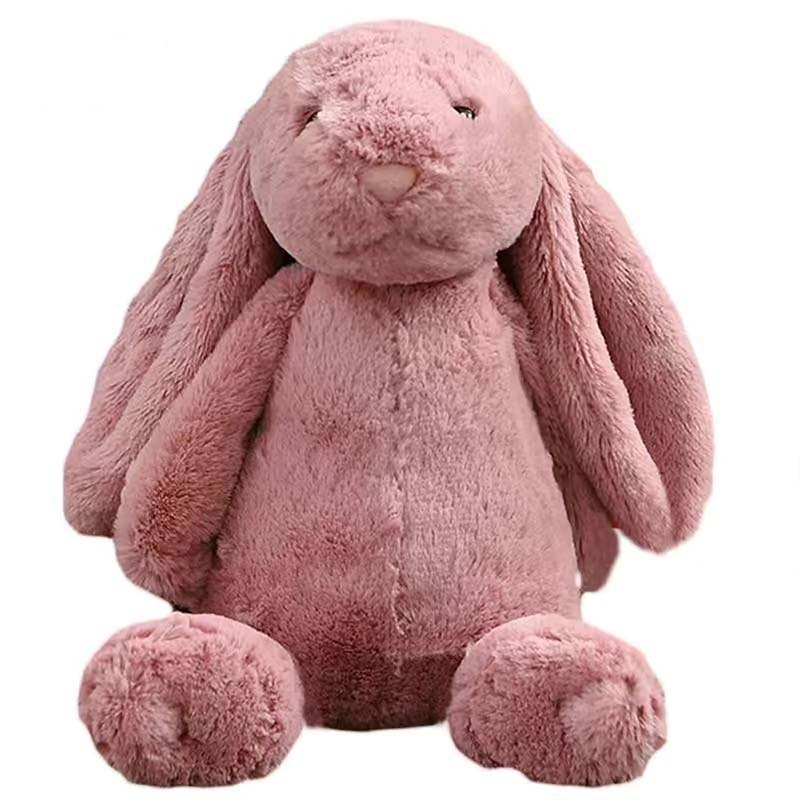
Weighted Plush Toys
Plush dolls with internal weighted structures for calming, comfort, or sensory-focused use.
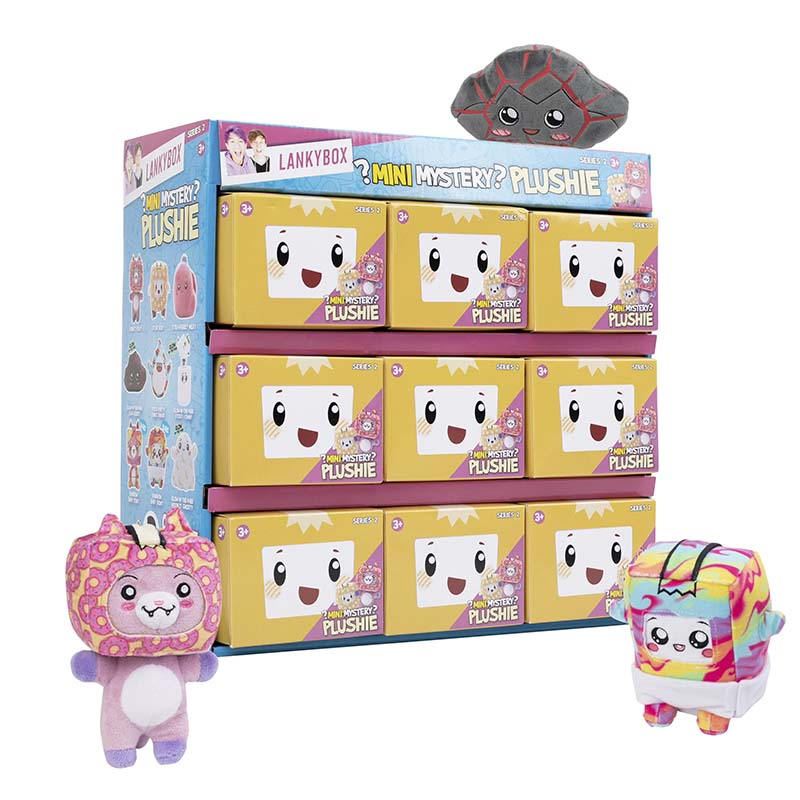
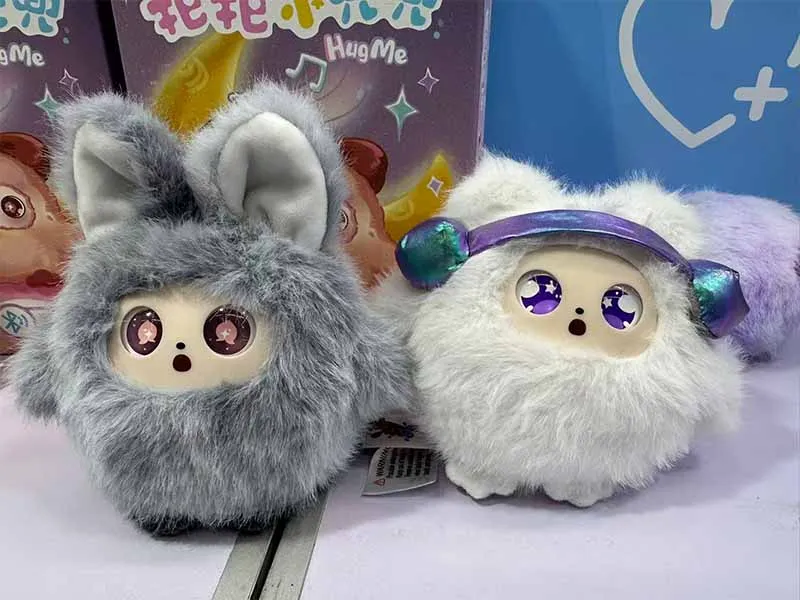
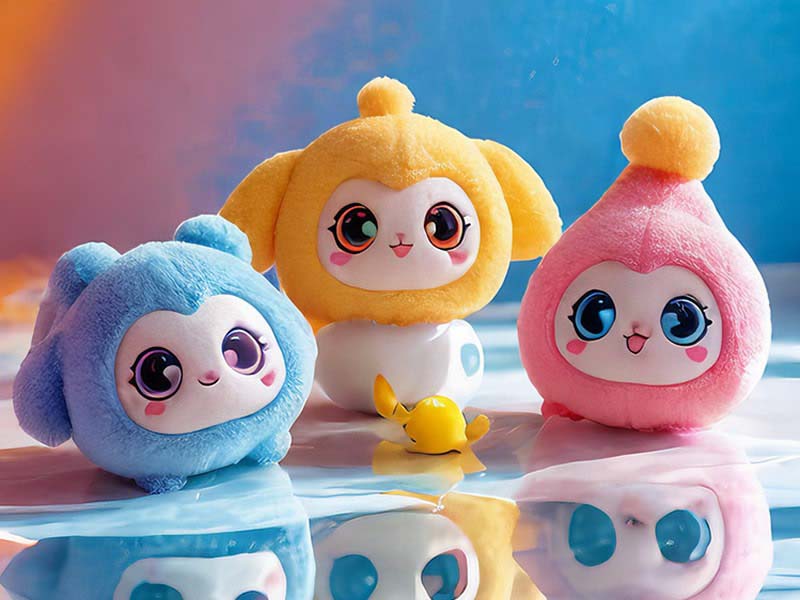
Blind Box Plush Toys
Small plush dolls developed for collectible blind box series and repeat-purchase models.
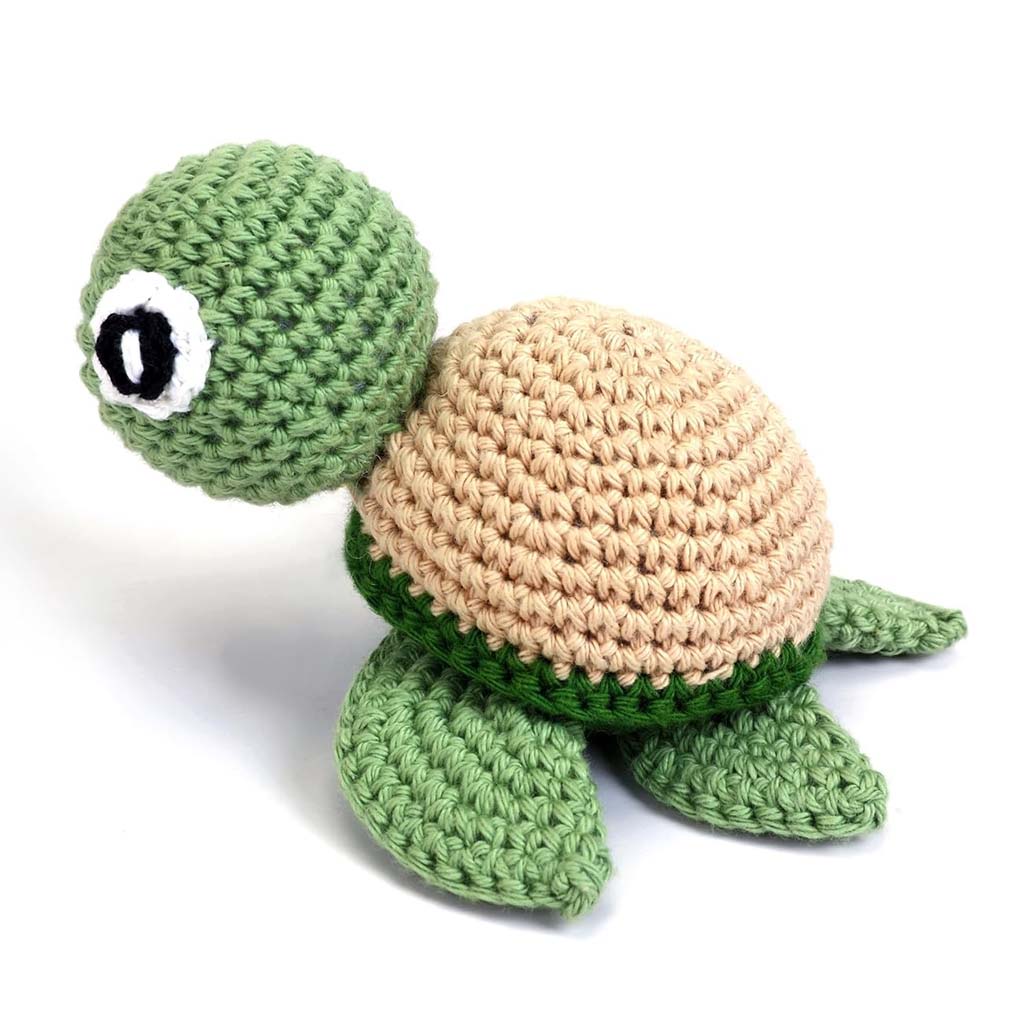
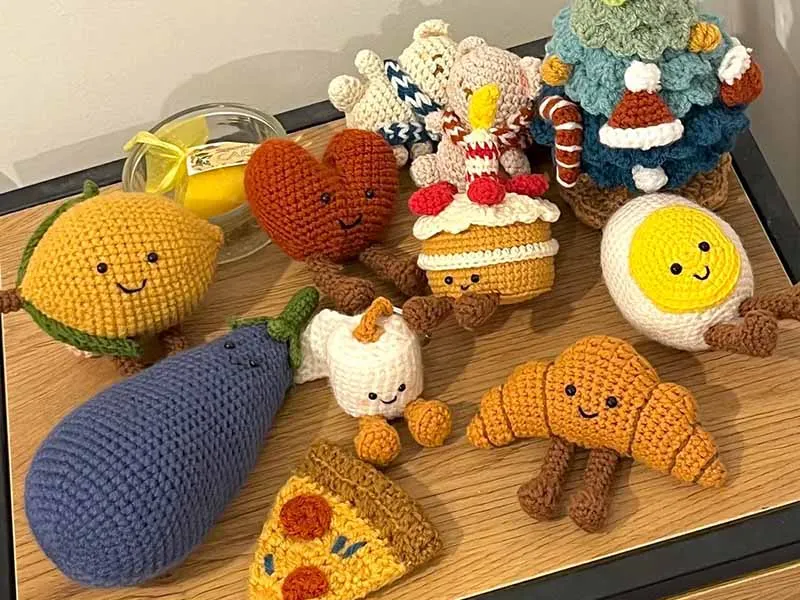
Crochet Plush Dolls
Plush dolls with a crochet or handcrafted appearance, popular in lifestyle and gift markets.
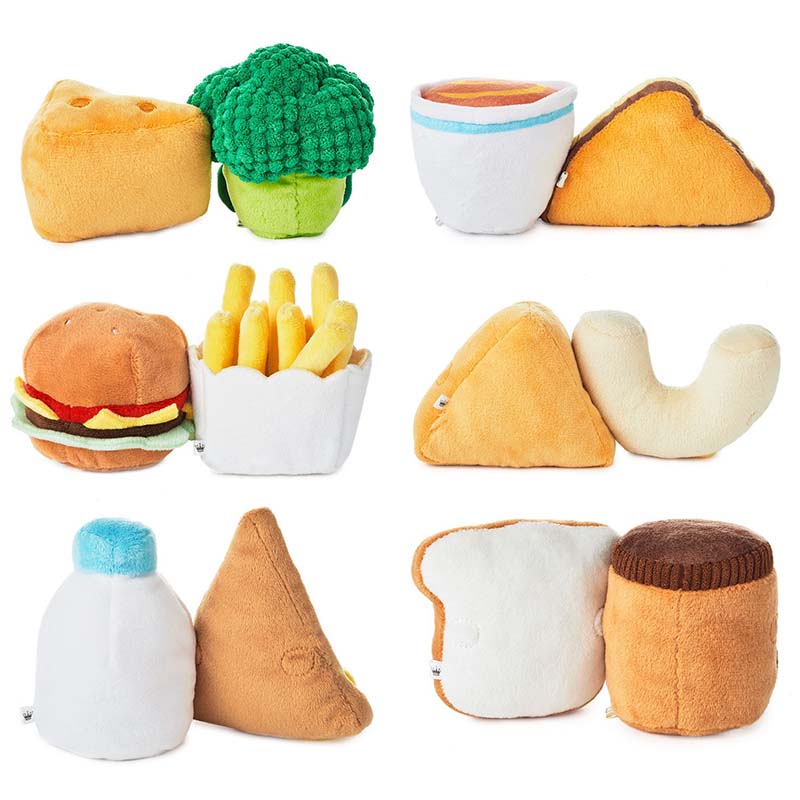
Food Plush Toys
Creative plush dolls inspired by food themes such as fruits, desserts, and snacks.
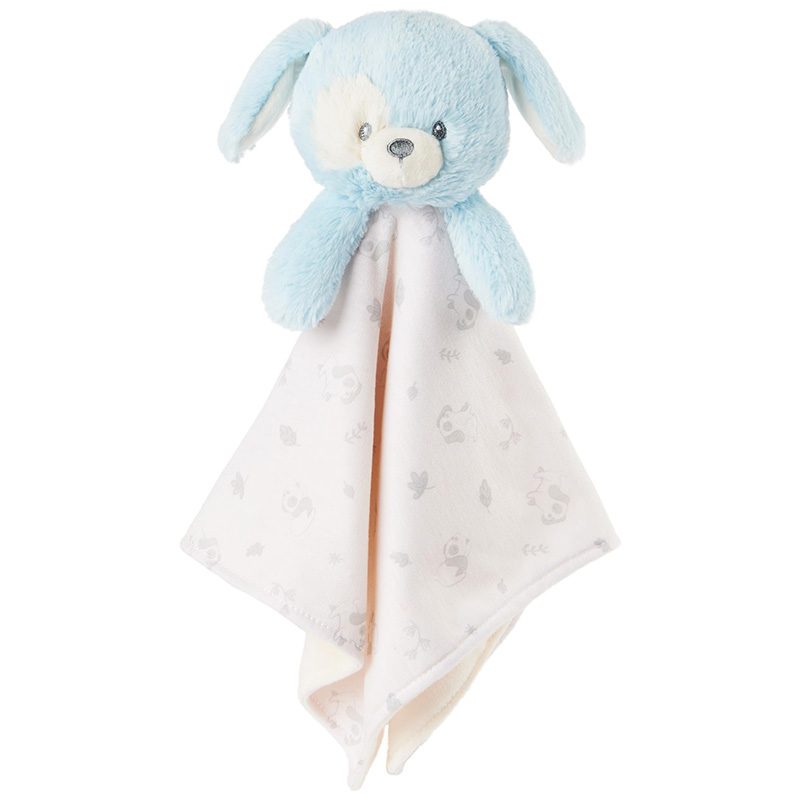
Baby Plush Toys
Soft and simple plush dolls designed for infants and toddlers, focusing on safety and comfort.
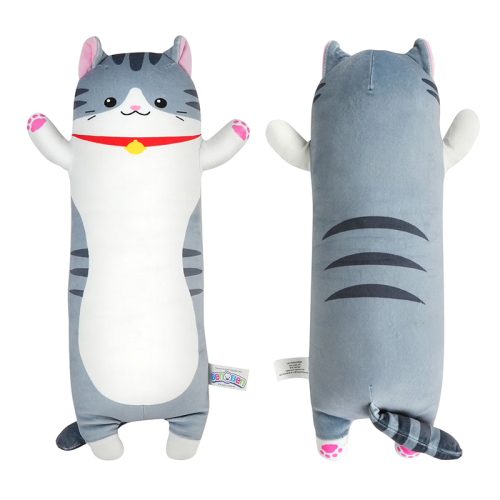
Plush Pillow Toys
Hybrid designs combining plush dolls with pillow or cushion functions.
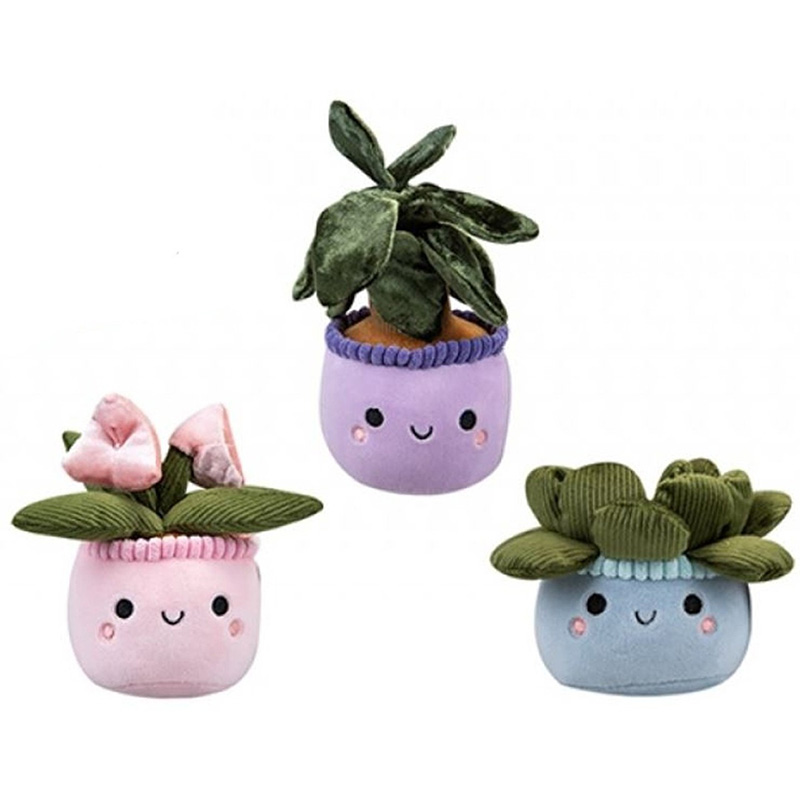
Plant Plush Toys
Plush dolls inspired by plants, flowers, and nature themes for decorative collections.
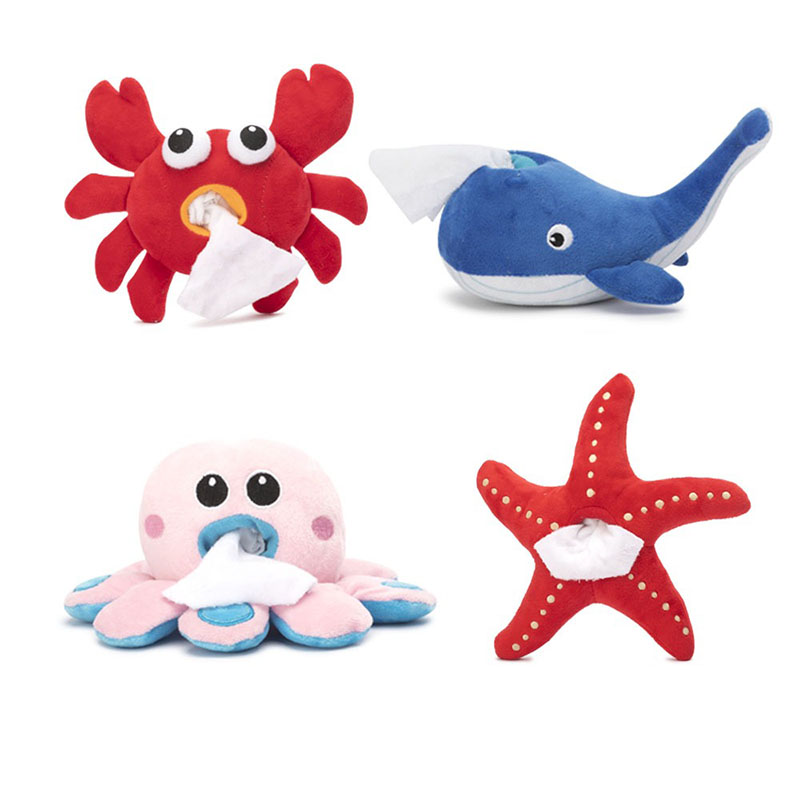
Ocean Plush Toys
Plush dolls based on ocean and marine themes, suitable for themed collections and gift shops.
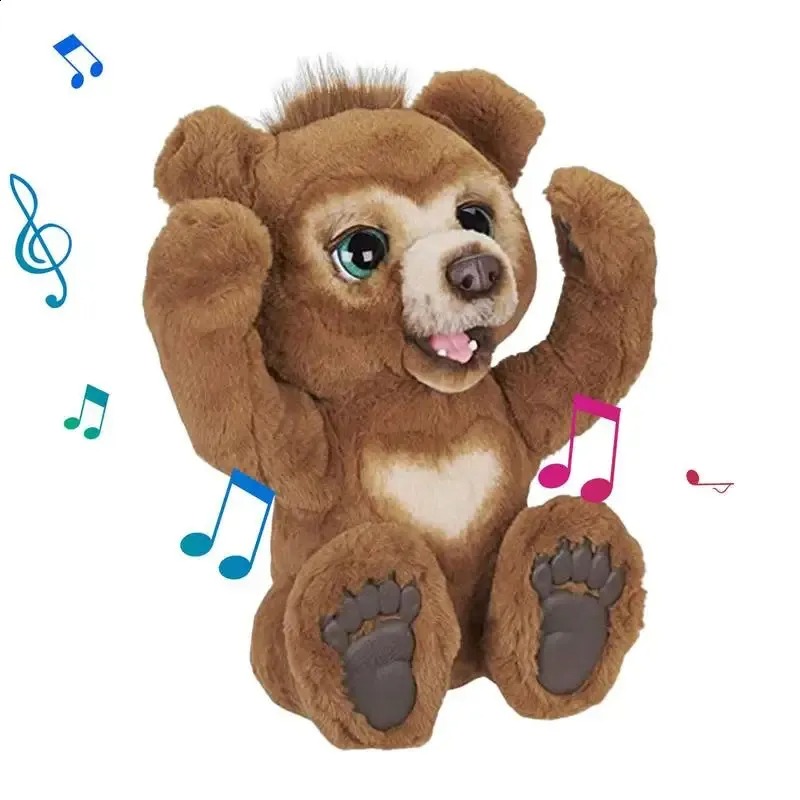
Interactive Plush Dolls
Plush dolls with sound, motion, or simple interactive features to enhance engagement.
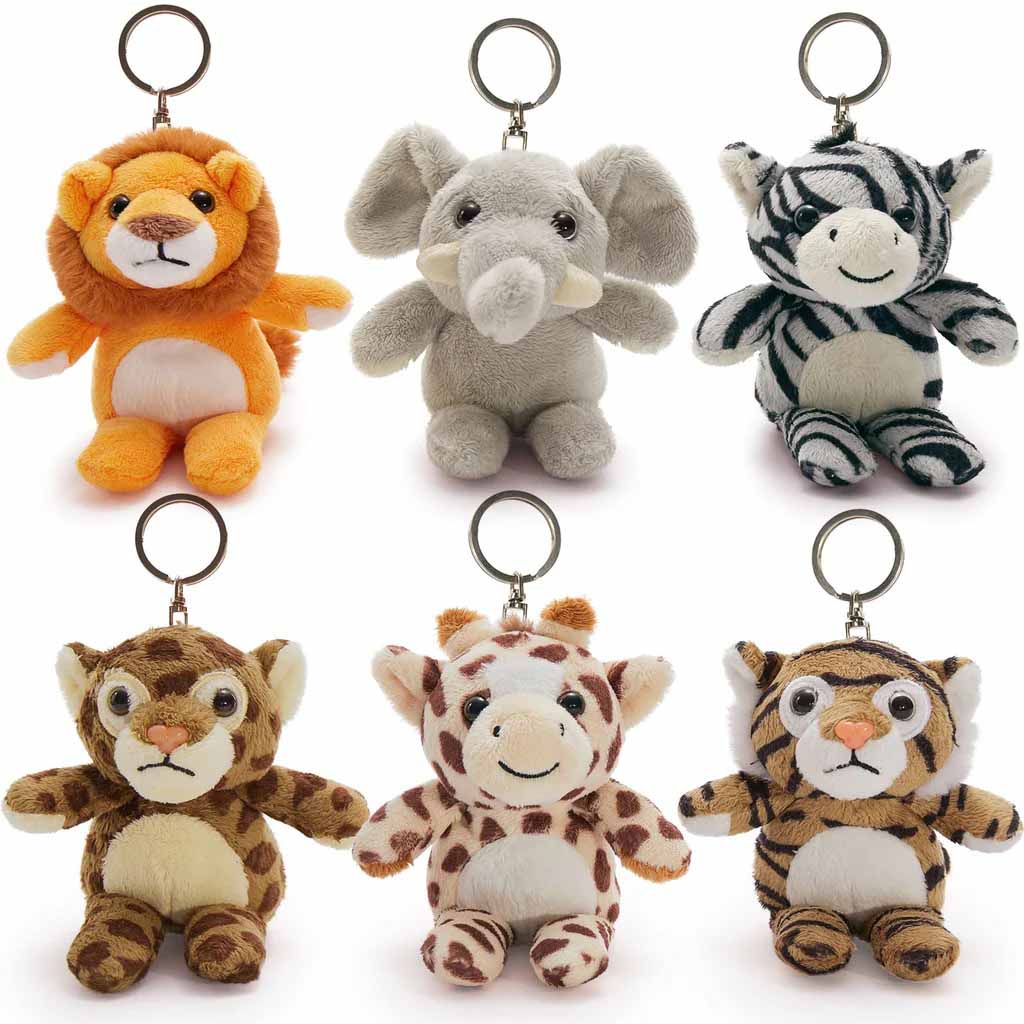
Plush Keychain Toys
Mini plush dolls designed as keychains or bag charms for promotional use.
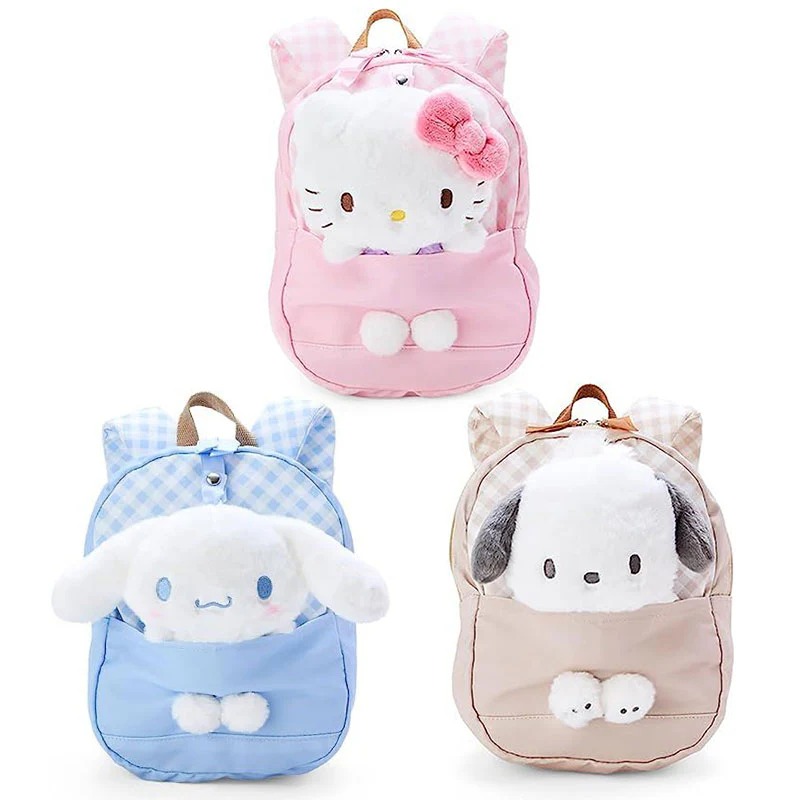
Plush Backpack Toys
Plush doll designs integrated with backpack structures, popular in children’s markets.
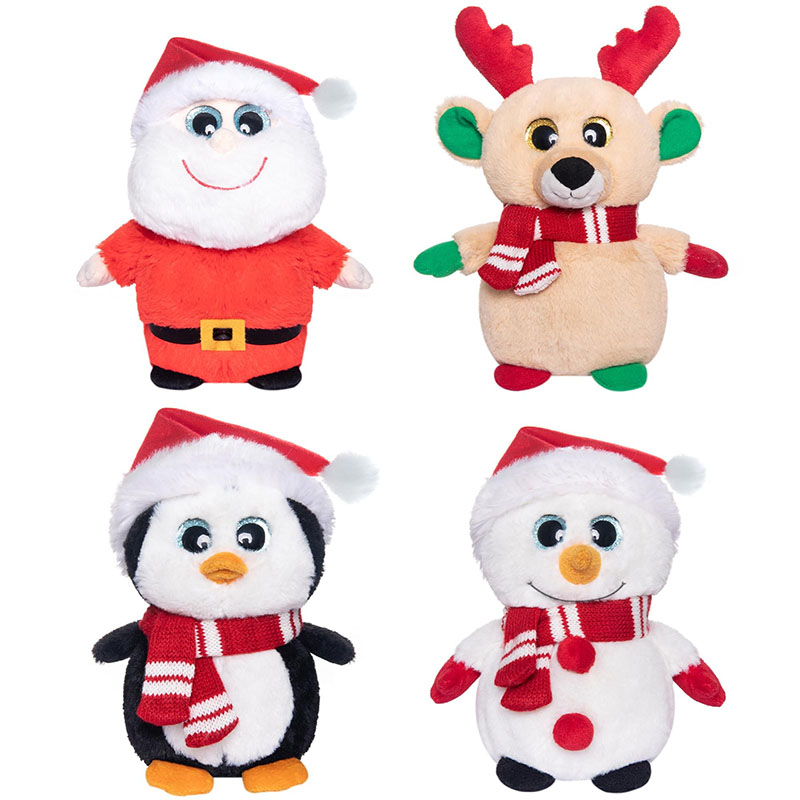
Holiday Plush Toys
Seasonal plush dolls developed for Christmas, Valentine’s Day, Easter, and other festivals.
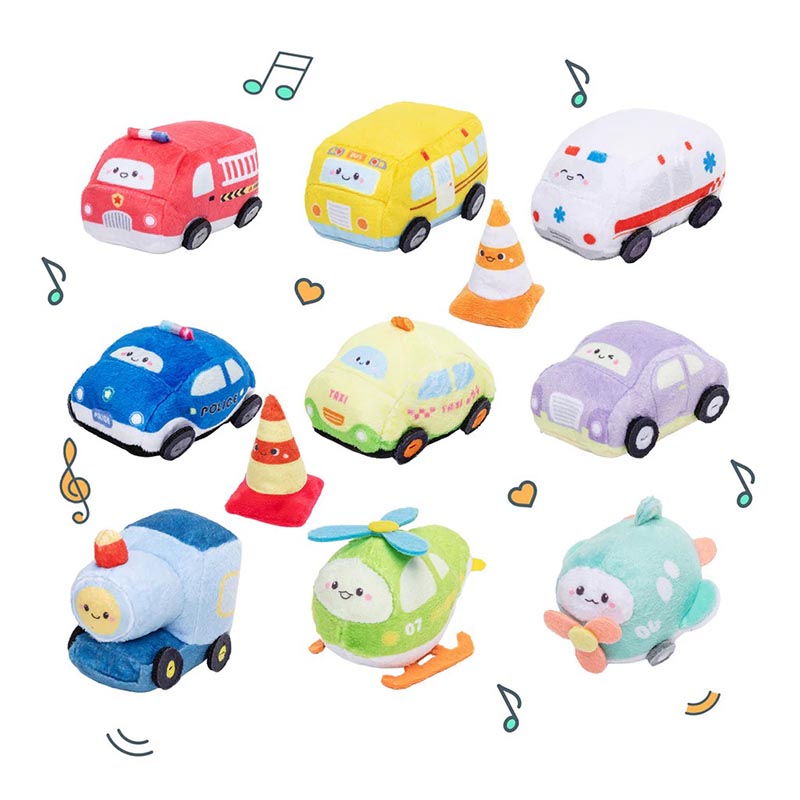
Vehicle Plush Toys
Plush dolls inspired by cars, trains, and transportation themes for kids’ collections.
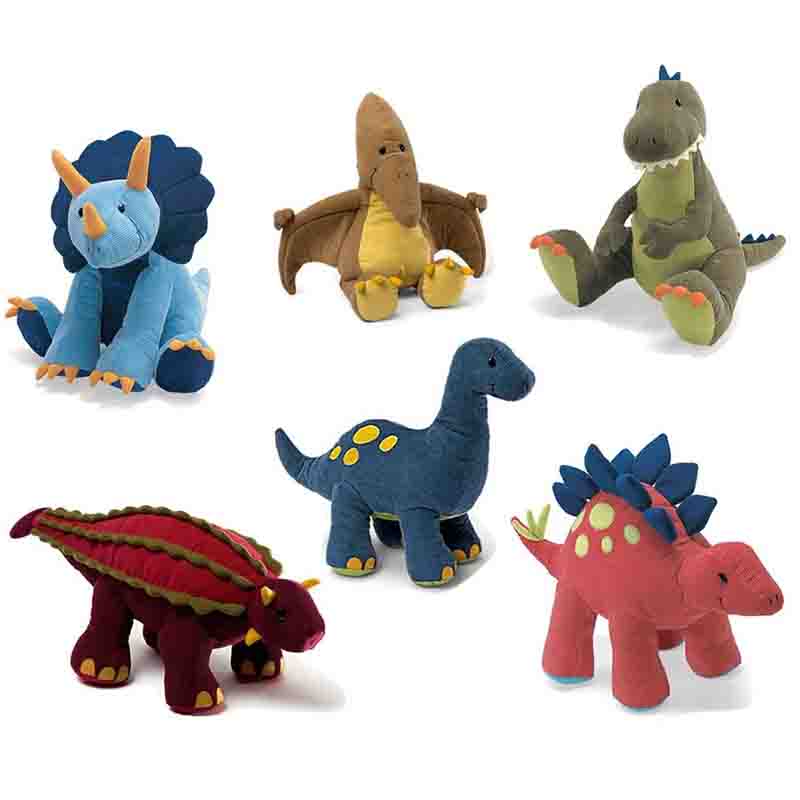
Dinosaur Plush Toys
Dinosaur-themed plush dolls in cartoon or stylized forms with strong market appeal.
How New Brands Build Differentiation with Custom Plush Dolls
For new brands, custom plush dolls are more than products—they are tools to express identity, build emotional connection, and stand out in crowded markets. A well-planned customization strategy helps brands move faster, look more professional, and compete beyond price.
Build a Recognizable Brand Character or Mascot
Custom plush dolls allow new brands to turn abstract ideas into visible, memorable characters. By defining unique shapes, facial expressions, and proportions, brands can create a mascot that represents their values and story. This makes the brand easier to recognize across packaging, social media, and offline channels, helping customers remember and emotionally connect with the brand from the first interaction.
Differentiate Through Materials and Tactile Experience
Material choice plays a key role in how a plush doll feels and is perceived. New brands can stand out by selecting distinctive fabrics, fillings, or textures that align with their positioning—such as softness, premium feel, or sustainability. A differentiated tactile experience often leaves a stronger impression than visual design alone and encourages repeat engagement.
Use Customization to Tell a Brand Story
Custom plush dolls can carry storytelling elements through colors, outfits, accessories, and packaging. New brands can design each detail to reflect their background, mission, or target audience. This storytelling approach adds depth to the product and helps customers feel they are buying into a story, not just a toy.
Create Limited Editions to Increase Perceived Value
Limited-edition or small-batch custom plush dolls help new brands create scarcity and exclusivity. This strategy is effective for launches, campaigns, or seasonal promotions, encouraging faster purchasing decisions. Limited runs also allow brands to test market response before scaling production.
Align Plush Dolls with Marketing and Social Content
Custom plush dolls work well as visual anchors for marketing campaigns and social media content. New brands can use them in photos, videos, and user-generated content to create a consistent visual language. This strengthens brand presence online and makes marketing materials more engaging and shareable.
Design with Scalability in Mind from the Start
Differentiation should not sacrifice scalability. New brands benefit from designing plush dolls that are visually unique but structurally feasible for mass production. This ensures that once demand grows, products can be scaled without major redesign, keeping costs and timelines under control.
Custom plush dolls help new brands stand out visually, emotionally, and strategically—turning differentiation into a long-term brand asset rather than a short-term design choice.
Custom Plush Dolls from Your Design, Image, or Idea
We make custom plush dolls based on your designs, references, or ideas. Whether you provide complete files or only a concept, our team helps turn it into a production-ready plush doll with high accuracy and stable quality.
1. Provide Finished Design Files
AI, PSD, PDF, or CAD files can be used directly for plush doll development.
2. Send Reference Images or Photos
Photos, sketches, or similar product references help us understand shape and style.
3. Start with Hand Sketches or Drafts
Rough drawings are enough to begin structure and proportion planning.
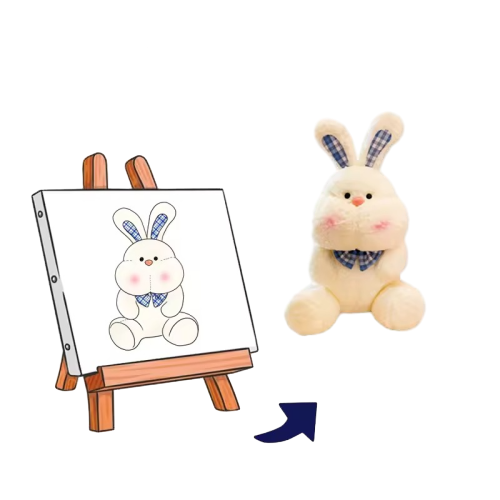
4. Only an Idea or Concept Description
You can start with a written idea, theme, or story direction.
5. Structure Optimization for Production
We adjust structure to keep appearance while improving production feasibility.
6. 95%+ Replication Accuracy Support
Sampling focuses on matching visual details and overall feel closely.
Flexible input options allow you to start custom plush doll projects without design barriers.
Precision Design vs Final Product Accuracy
This video compares the original design with the finished plush product side by side, clearly showing how accurately the final result matches the approved artwork. Key details such as proportions, facial expressions, embroidery placement, color matching, and overall structure are closely aligned, demonstrating our ability to achieve 95%+ design accuracy. This level of replication gives brands confidence to approve samples and move forward with bulk production.
OEM vs ODM for Plush Dolls: Which Is Right for Your Brand?
Choosing between OEM and ODM affects development speed, cost control, brand ownership, and long-term scalability. Understanding the differences helps brands select the right model for their current stage and growth plan.
OEM (Original Equipment Manufacturer) – Full Brand Control with Custom Execution
OEM is ideal for brands that already have designs, IP assets, or clear product specifications. You provide the artwork, structure requirements, and branding direction, while we focus on material sourcing, pattern making, sampling, and mass production. This model gives brands full ownership of the design and strong control over visual identity, making it suitable for IP projects, licensed characters, and brands with established design teams. OEM projects usually require more development coordination, but they offer higher differentiation and long-term brand value once production is stabilized.
ODM (Original Design Manufacturer) – Faster Launch with Optimized Solutions
ODM is suitable for brands seeking faster market entry with lower development pressure. Based on proven structures and existing design foundations, we adapt appearance, materials, and branding to meet your needs. This model shortens development timelines, reduces upfront cost, and lowers risk—especially for new brands testing the market or retailers launching seasonal programs. ODM allows brands to focus on marketing and sales while still delivering customized plush dolls aligned with brand positioning.
Both OEM and ODM can work well when matched with the right brand stage. The key is choosing the model that balances speed, control, and scalability for your goals.
Common Fabrics & Fillings for Plush Doll Production
Choosing the right fabrics and fillings directly affects plush doll appearance, hand feel, durability, and compliance. Below are the most commonly used materials in plush doll production, suitable for different market needs and product positioning.
Common Plush Fabrics
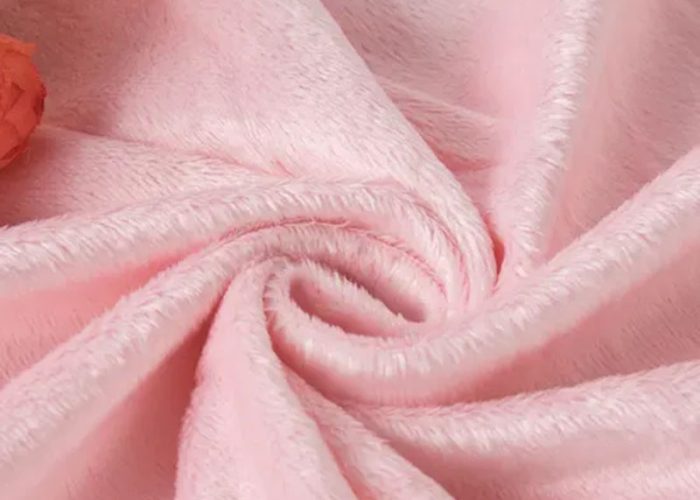
Velboa Fabric
Velboa is one of the most widely used plush fabrics. It offers a smooth surface, rich color options, and stable quality, making it suitable for character plush dolls, mascot dolls, and large-volume retail programs.
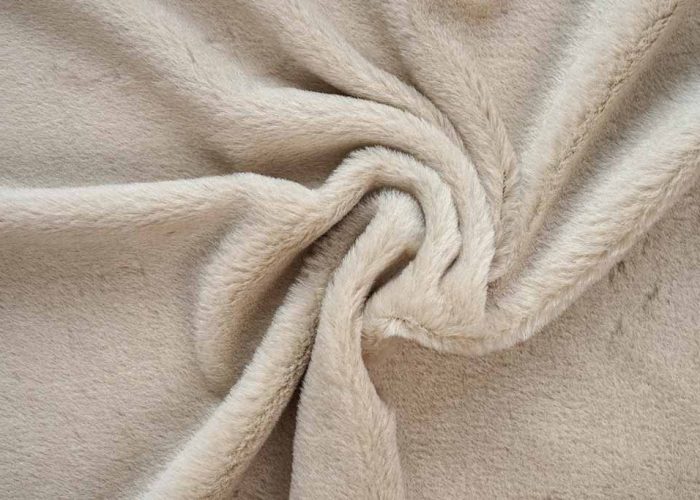
Short Pile Plush Fabric
Short pile plush provides a soft touch with clear shape definition. It is often used for plush dolls that require visible facial details or embroidered expressions.
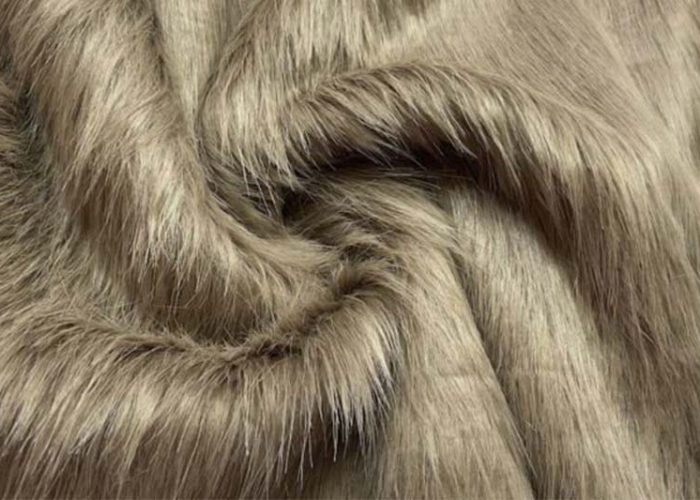
Long Pile Plush Fabric
Long pile plush creates a fluffy and cozy appearance, suitable for premium or decorative plush dolls. It adds visual volume and a warm feel.
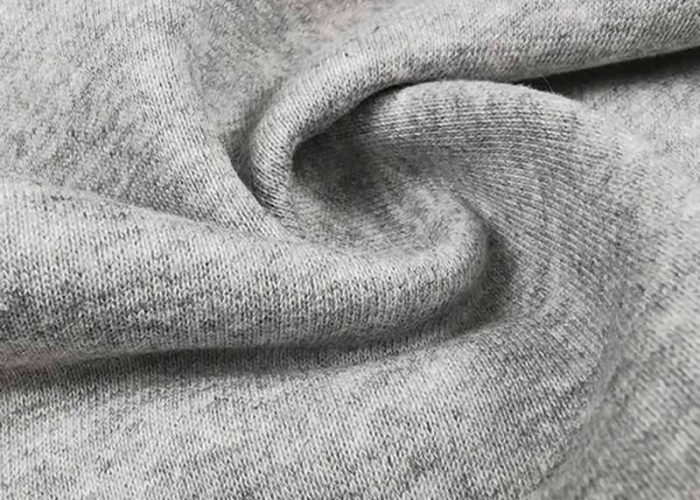
Cotton or Blended Fabric
Cotton-based or blended fabrics are often used for doll clothing or specific design elements, offering breathability and a natural texture.
Common Plush Accessories
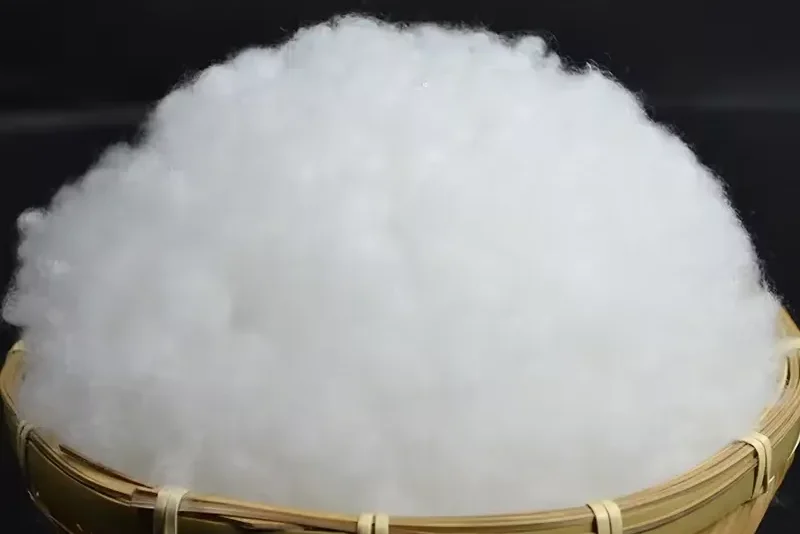
PP Cotton Filling
PP cotton is the most common filling material, known for its light weight, resilience, and cost efficiency. It suits most plush doll types.
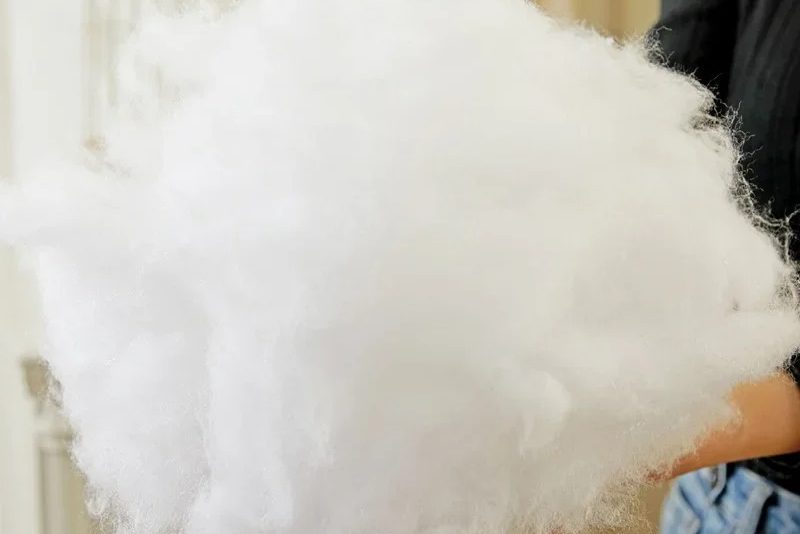
Down Cotton Filling
Down cotton offers a softer and more premium hand feel, often chosen for higher-end plush dolls or gift-oriented products.
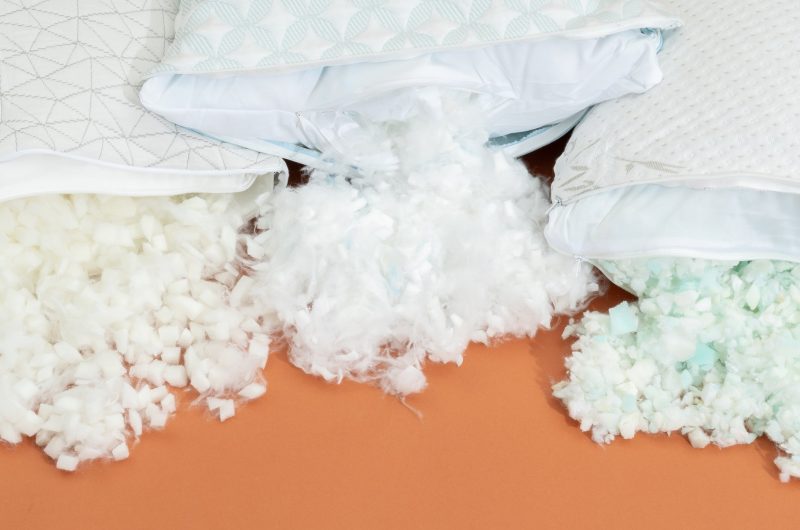
Memory Foam Filling
Memory foam is used in special plush dolls that require shape retention or support, such as pillows or functional plush products.
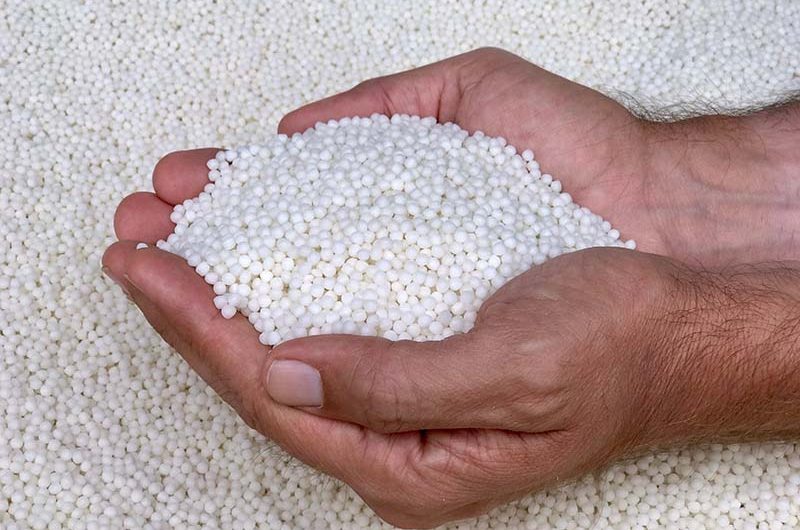
Weighted Filling Materials
Glass beads or weighted pellets are used to add weight for sensory or calming plush dolls.
By selecting the right combination of fabrics and fillings, plush dolls can achieve the desired balance between appearance, comfort, durability, and compliance.
Key Factors That Affect Plush Doll Pricing
Plush doll pricing is influenced by multiple production and sourcing factors. Understanding these elements helps brands plan budgets more accurately and avoid unexpected cost increases during development or bulk production.

Design Complexity and Structure
Plush dolls with complex shapes, layered patterns, special clothing, or detailed embroidery require more labor time and technical handling. Increased sewing steps and structure complexity directly raise production costs compared to simpler designs.

Material Selection and Quality Level
Fabric type, filling material, and accessory quality significantly affect unit price. Premium fabrics, higher-density fillings, or certified materials usually increase cost but also improve hand feel, durability, and market positioning.

Order Quantity and Production Scale
Larger order quantities help spread fixed costs such as pattern making, setup, and testing. Smaller orders often result in higher unit prices due to limited production efficiency and material utilization.

Customization Level and Compliance Requirements
Custom logos, special packaging, and market-specific compliance testing add extra cost. Products requiring multiple certifications or customized packaging usually involve higher development and approval expenses.
By balancing design, materials, order size, and customization needs, brands can better control plush doll pricing while maintaining desired quality levels.
What We Can Customize for Plush Doll Projects
Our customization scope is designed to support brands and retailers at different stages, from concept testing to large-scale production. Each option below can be adjusted to fit your market, budget, and timeline.
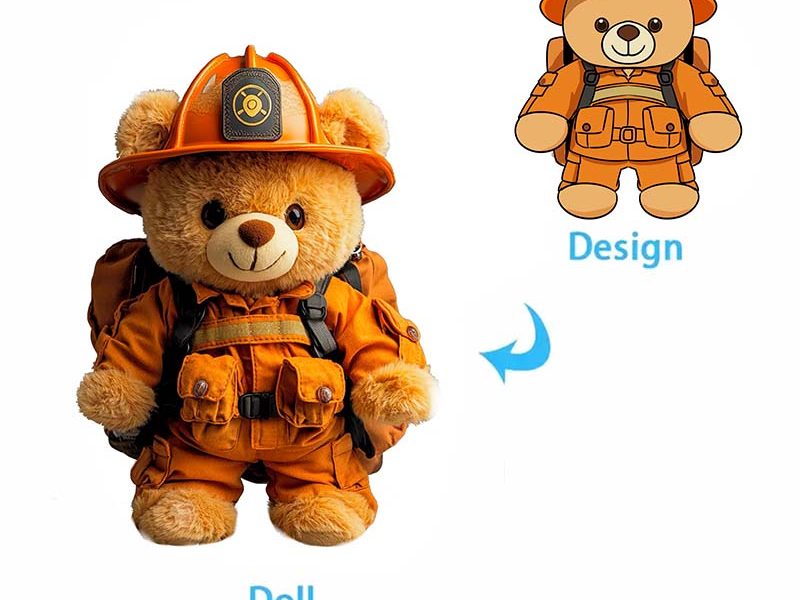
Plush Doll Design & Character Development
We support custom shapes, proportions, facial expressions, and character styles based on your brand positioning or IP concept.
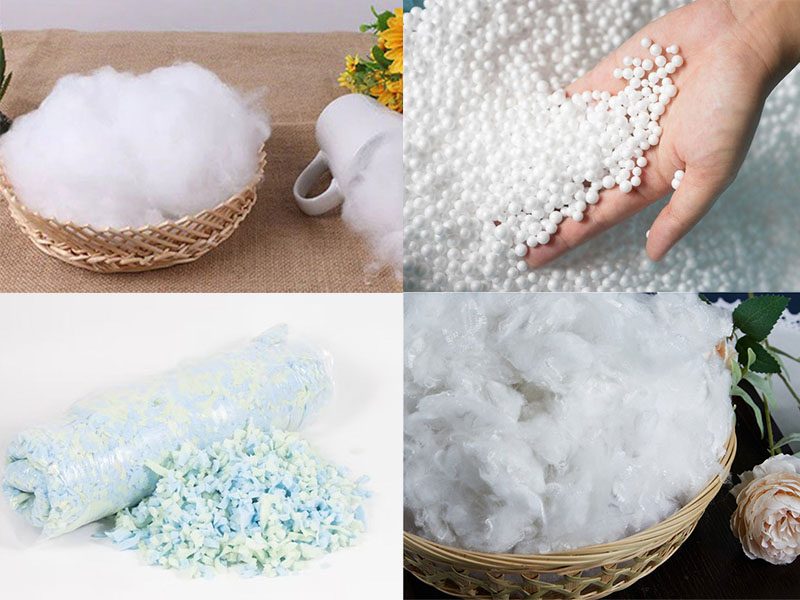
Materials, Fabrics & Fillings Customization
Fabric types, colors, textures, and filling materials can be selected to match comfort, durability, and compliance needs.
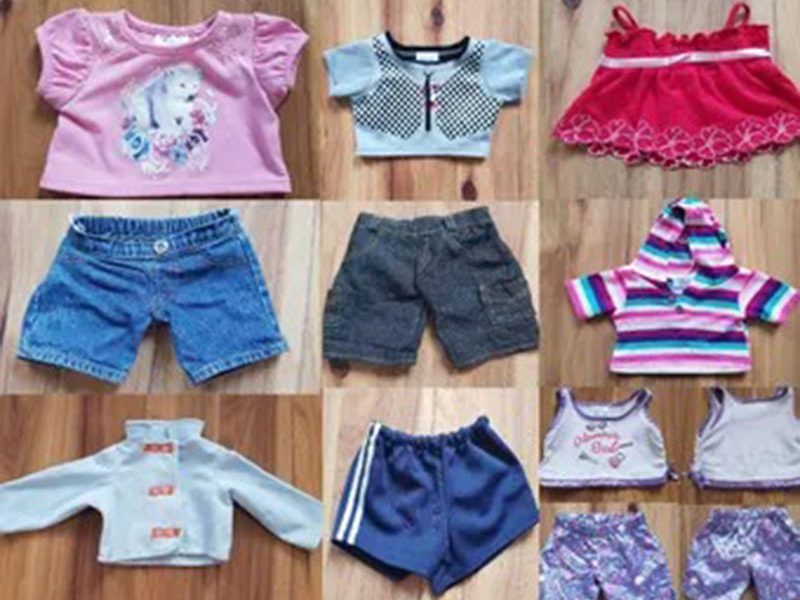
Branding, Clothing & Accessories
Logos, outfits, embroidery, tags, and accessories can be customized to strengthen brand recognition.
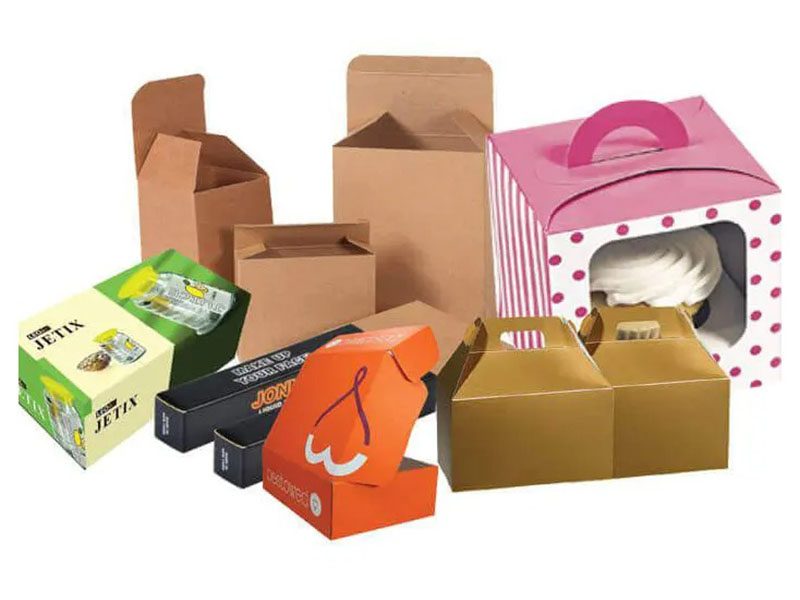
Packaging & Market-Specific Requirements
Packaging styles and product details can be adjusted for retail, gifting, or promotional channels in different markets.
A clear customization scope allows brands to control product direction while keeping development and production efficient.
Standardized Production Process for Plush Dolls
A clear production process helps ensure consistent quality, predictable timelines, and smooth bulk delivery. Below is our standard workflow for plush doll projects.
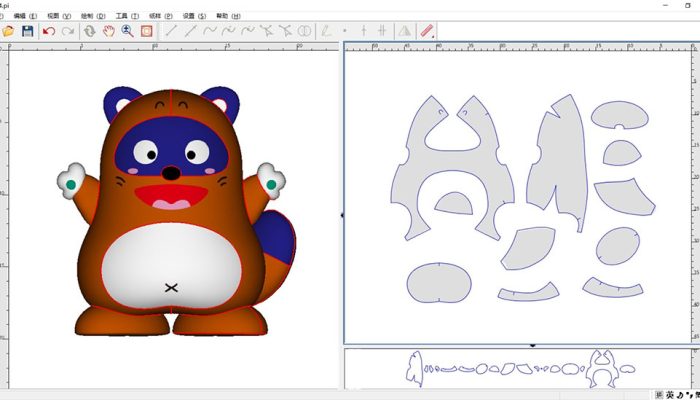
Design Review & Technical Confirmation
We review designs or references to confirm structure, proportions, materials, and production feasibility before development begins.
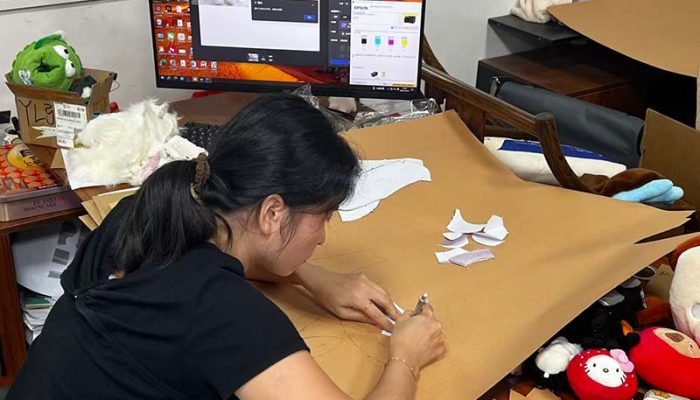
Pattern Making & Material Preparation
Patterns are created and materials are prepared according to confirmed specifications, colors, and fillings.
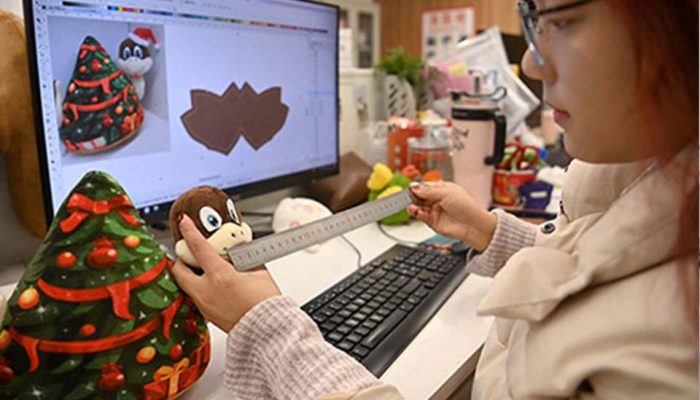
Sample Development & Approval
Production-level samples are made to verify appearance, hand feel, and overall quality before bulk production.
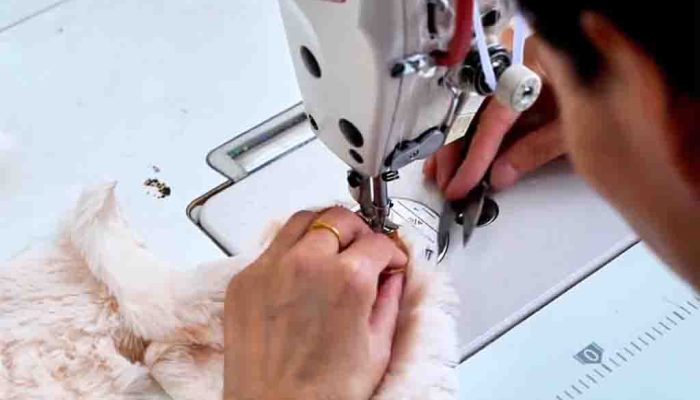
Bulk Cutting & Sewing
Approved designs move into batch cutting and sewing under standardized production procedures.
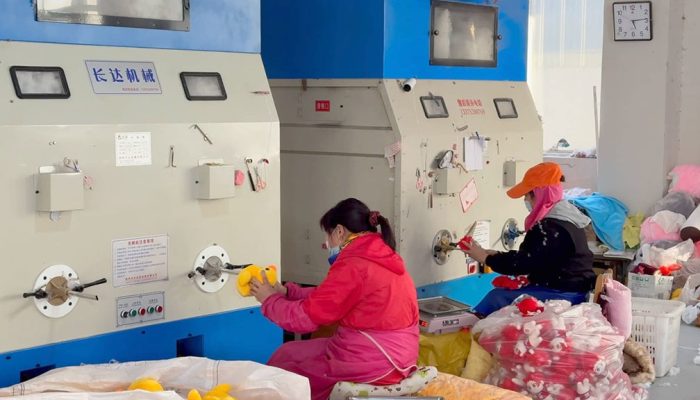
Stuffing, Shaping & Finishing
Plush dolls are filled, shaped, trimmed, and refined to match approved samples.
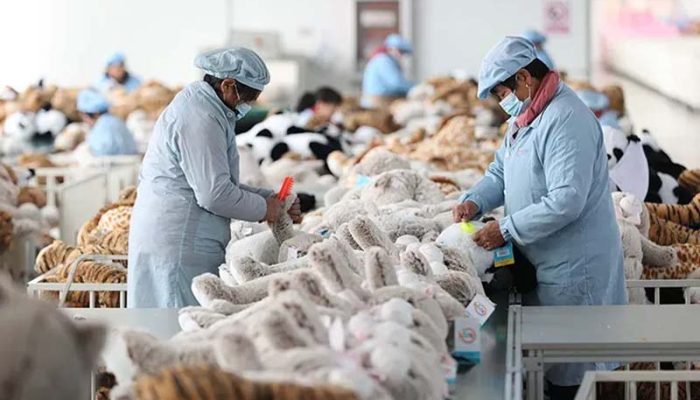
Final Inspection & Packing
Finished products undergo final inspection and are packed according to market and shipping requirements.
A standardized production process reduces risk, improves consistency, and supports reliable long-term supply.
Precision Automated Packing Machine
This video showcases our automated packing machine used for large-scale plush toy orders. By automating counting, bagging, sealing, and packing steps, the system significantly improves efficiency while reducing manual errors. Automated packing ensures consistent packaging quality and supports fast, stable delivery for bulk production.
Quality Control Checkpoints in Plush Doll Production
Consistent quality control is essential for plush doll projects, especially when products are developed for retail, brands, or long-term supply programs. Our quality inspection system focuses on preventing issues early, maintaining consistency during production, and ensuring every finished plush doll meets agreed standards.
Material Inspection Before Production
All fabrics, fillings, and accessories are checked before production starts to confirm color accuracy, texture, safety compliance, and consistency with approved samples. Early material inspection helps prevent downstream issues such as color deviation, fabric defects, or non-compliant components that could affect final quality or certification results.
Pattern and Cutting Accuracy Check
Cutting patterns are reviewed to ensure correct sizing, shape alignment, and fabric direction. Accurate cutting is critical for maintaining plush doll proportions and reducing assembly errors. This checkpoint helps prevent size inconsistency and fitting problems during sewing.
Sewing and Assembly Quality Control
During sewing, stitch density, seam strength, and alignment are inspected regularly. This ensures seams are secure, shapes are symmetrical, and no weak points are created. Continuous monitoring at this stage reduces the risk of seam failure during use or transport.
Stuffing, Shaping, and Appearance Inspection
Stuffing weight, distribution, and shaping are checked to ensure consistent hand feel and appearance. Inspectors verify that plush dolls maintain correct proportions, smooth surfaces, and an overall look consistent with approved samples.
Functional and Safety Checkpoints
Accessories, decorations, and attachments are tested for firmness and safety. This includes checking small parts, embroidery, and add-ons to reduce risks such as detachment or damage during normal handling and use.
Final Inspection and Packing Verification
Finished plush dolls undergo final inspection before packing. Inspectors check overall appearance, labeling, quantity, and packaging method to ensure products meet order requirements and are ready for shipment without issues.
By controlling quality at each key stage, we help brands reduce returns, protect reputation, and maintain consistent product standards across repeat orders.
Trusted by Leading Global Brands
Strong partnerships prove strong capabilities. Over the years, Kinwin has worked with world-leading brands and retailers to deliver interactive plush toys that meet the highest standards of creativity, safety, and quality. By choosing us, you gain a supplier that is trusted by top companies worldwide—and the same reliability is available to your brand.



Everyday Application Scenarios of Plush Dolls
In modern daily life, plush dolls serve practical, emotional, and aesthetic purposes far beyond traditional toy use. When designed with real-life usage in mind, plush dolls naturally integrate into everyday environments and become long-term lifestyle products rather than short-term purchases.
Emotional Comfort and Long-Term Companionship
Plush dolls are widely used as emotional comfort items in everyday life, especially during moments of rest, stress, or solitude. Their soft texture, familiar shape, and approachable expressions provide a sense of safety and reassurance. Over time, users often develop emotional attachment, keeping plush dolls close in bedrooms, on sofas, or personal spaces, making them part of daily emotional routines rather than occasional objects.
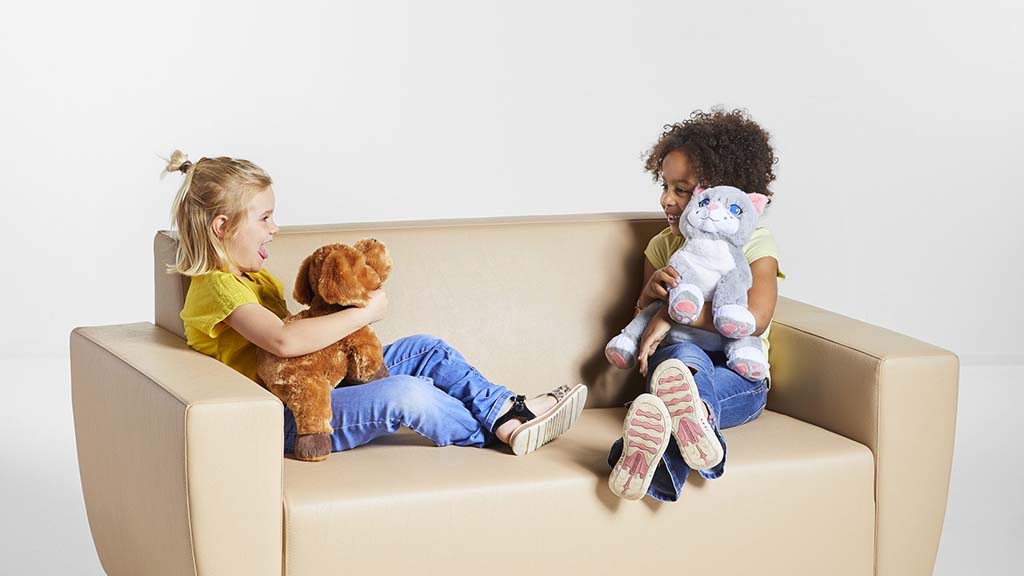
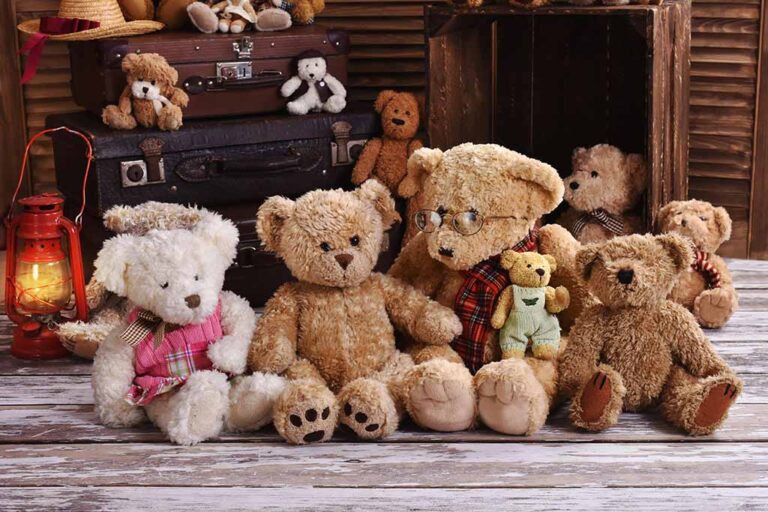
Home Decoration and Everyday Interior Styling
In home environments, plush dolls function as decorative and lifestyle elements rather than pure toys. Placed on beds, chairs, shelves, or reading corners, they add warmth, personality, and softness to living spaces. Many consumers intentionally choose plush dolls that match their interior style, using them to balance visual aesthetics and create a more inviting everyday atmosphere.
Everyday Gifting and Emotional Expression
Plush dolls are frequently chosen as gifts for both everyday moments and special occasions. In daily life, they are used to express care, encouragement, celebration, or comfort without complex explanations. Their universal appeal across age groups makes them suitable for spontaneous gifting, allowing emotional messages to be conveyed in a simple and lasting form.
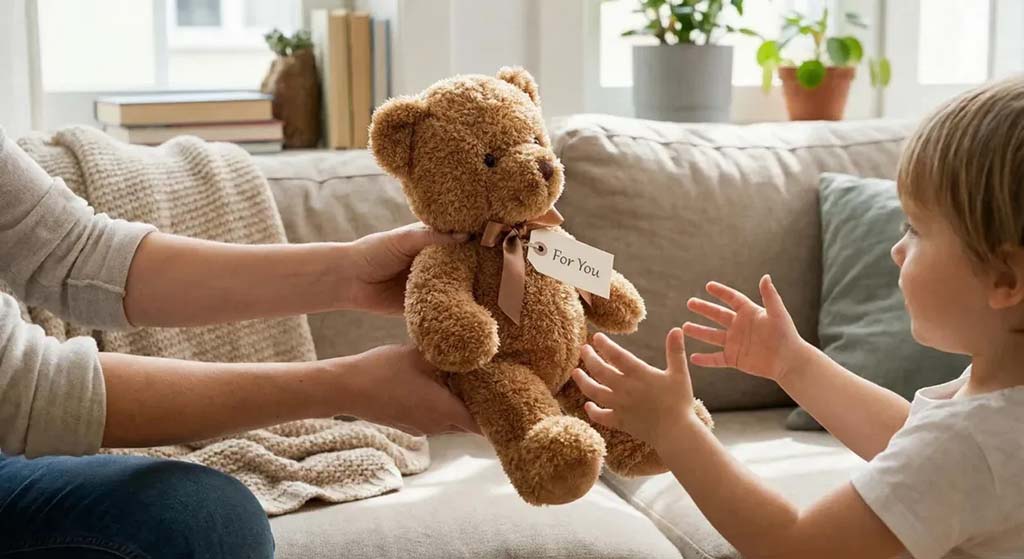
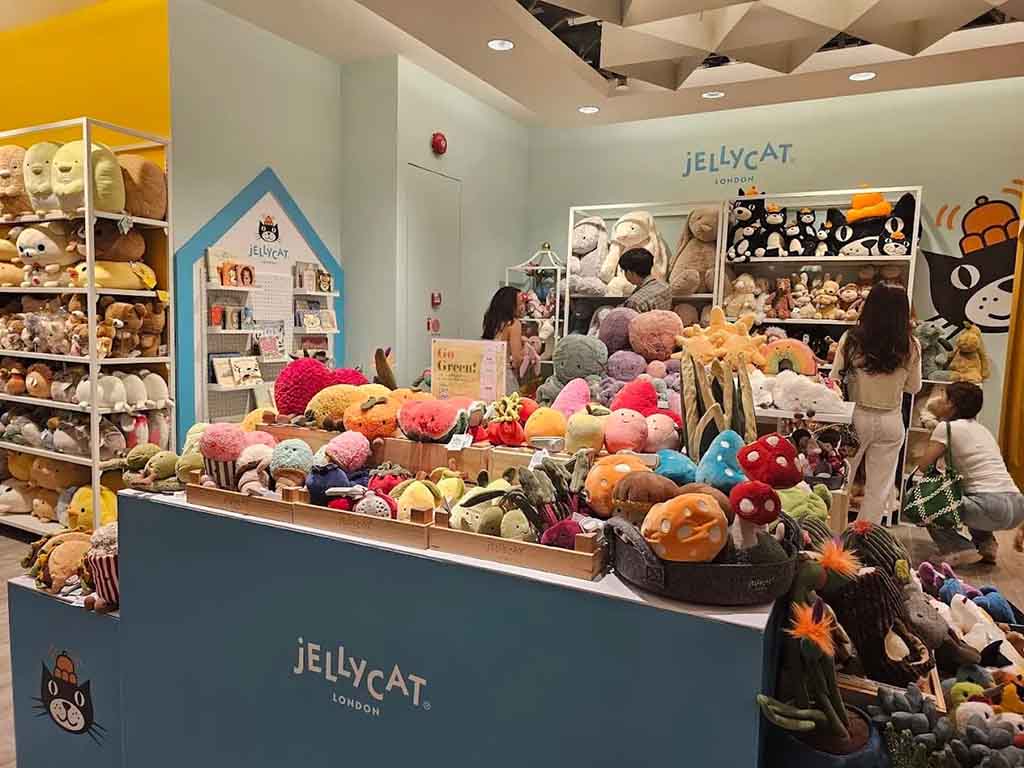
Brand Integration in Daily Consumer Touchpoints
Custom plush dolls are often used by brands as mascots or physical brand representations in daily consumer environments. Appearing on desks, shelves, or in content creation, they become familiar brand touchpoints. This continuous presence helps reinforce brand identity through everyday exposure without disrupting the user’s routine.
Relaxation, Leisure, and Personal Routine Use
During everyday leisure activities such as reading, watching television, or resting, plush dolls are commonly used as pillows, back support, or comfort items. Their softness enhances relaxation experiences and contributes to a sense of familiarity. Over time, plush dolls become part of personal routines, used repeatedly rather than stored away.
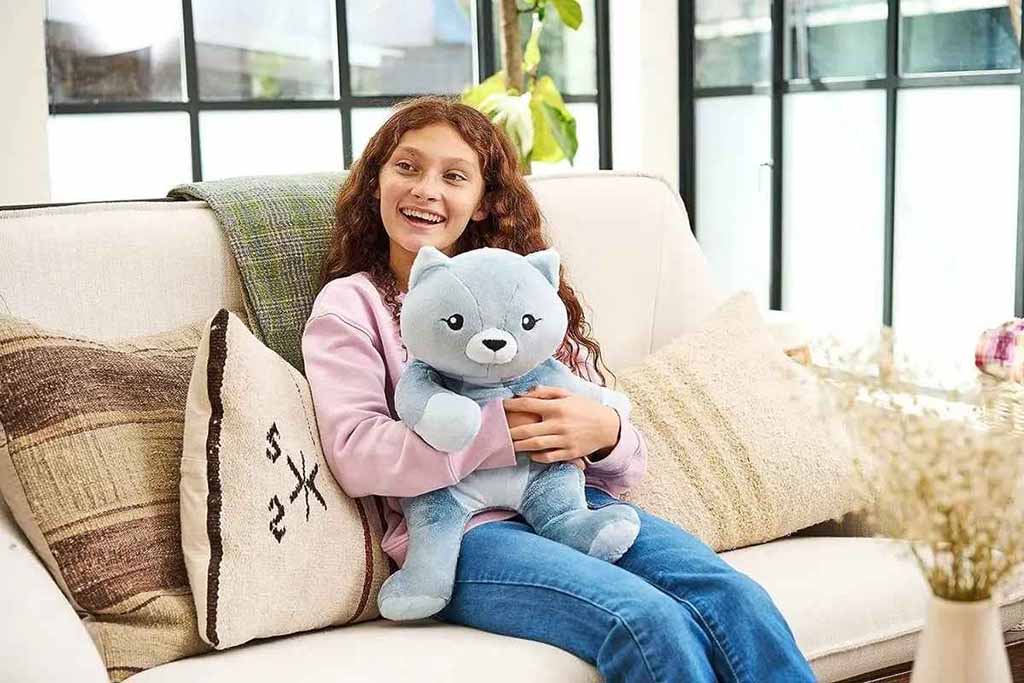
By fitting naturally into everyday life, plush dolls encourage repeated interaction, emotional attachment, and long-term use, increasing their value for both consumers and brands.
Start Your Custom Plush Doll Project with a Trusted Supplier
Choosing a plush doll supplier is a strategic decision that impacts product quality, delivery stability, and long-term brand growth. Whether you are launching a new plush doll concept, expanding an existing product line, or searching for a more reliable OEM & ODM partner, our team is ready to support you with clear communication and practical execution. From early idea discussion and sampling to bulk production and compliance coordination, we help you reduce uncertainty, control costs, and move forward with confidence at every stage.
Share your ideas, reference images, target market, or sourcing concerns with us. We will review your needs, suggest suitable customization options, and help you plan a plush doll solution that matches your budget, timeline, and quality expectations—without unnecessary complexity or hidden risks.
Explore Our Custom Plush Toy Series
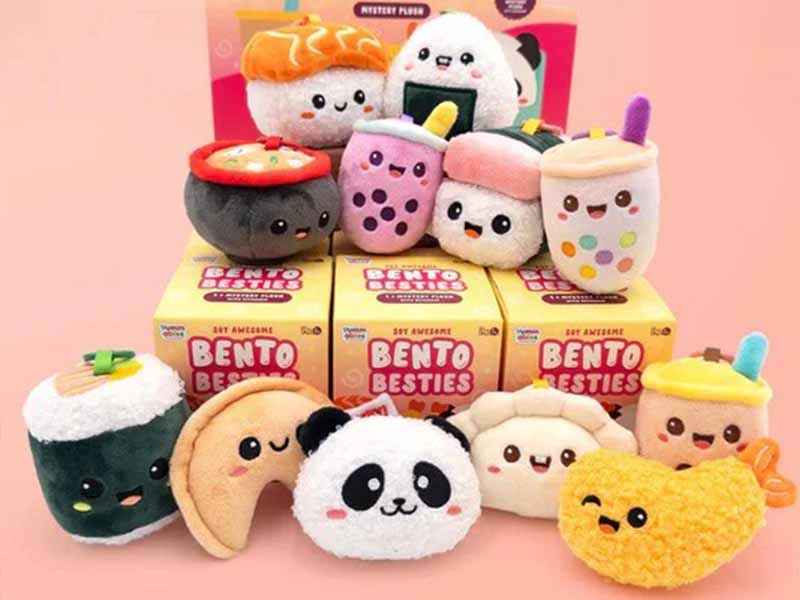
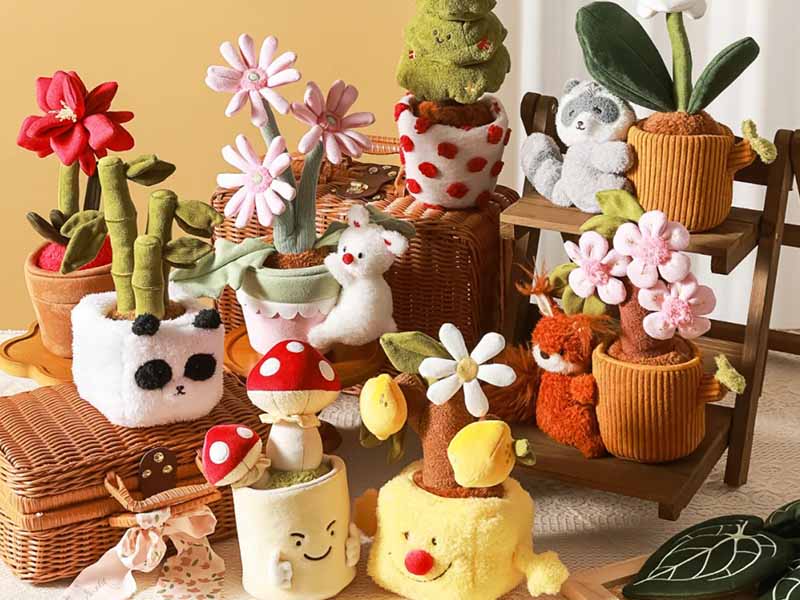
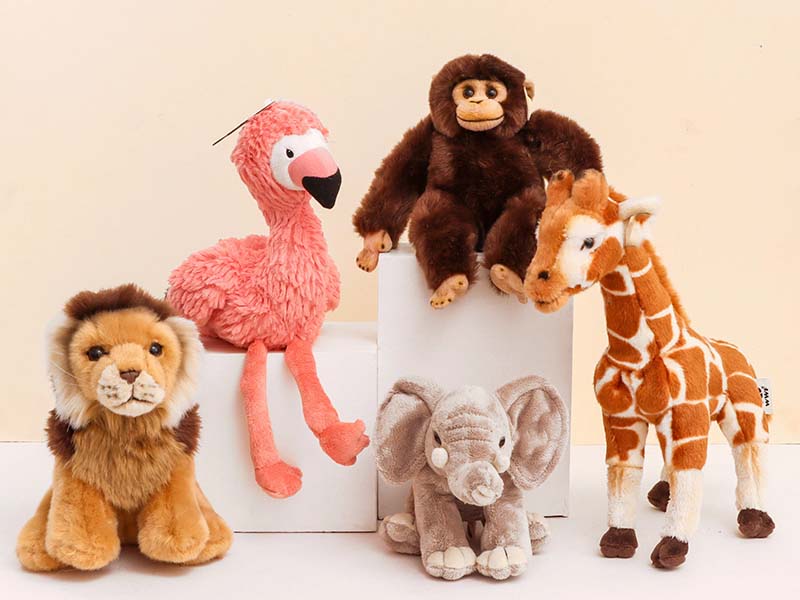
We offer a wide selection of plush toys to meet different business needs. From baby-safe stuffed animals to collectible plush dolls, our product lines are designed for global brands, retailers, e-commerce, and promotional projects.
Frequently Asked Questions
1. What types of plush dolls do you specialize in?
We specialize in a wide range of plush dolls, including character dolls, animal dolls, mascot dolls, baby plush dolls, seasonal dolls, and promotional plush products. All styles can be customized in size, materials, structure, and branding to fit different markets and sales channels.
2. Can you work with new brands that have no production experience?
Yes. We regularly support new brands from concept stage to bulk production. Our team helps with design optimization, material selection, cost planning, and production guidance to reduce risk and speed up market entry.
3. What is your typical MOQ for plush dolls?
Our standard MOQ is 500 pieces. For orders below this quantity, please consult with our project manager. We may offer flexible solutions depending on the product size, complexity, and customization requirements.
4. How long does the sampling process take?
Sampling usually takes around 10–15 working days after design confirmation. This includes pattern making, material matching, and sample refinement.
5. Can I customize fabrics, fillings, and accessories?
Yes. Fabrics, fillings, embroidery, clothing, accessories, and packaging can all be customized based on your product positioning and compliance requirements.
6. Do you support both OEM and ODM projects?
Yes. We support OEM projects based on your designs and ODM solutions for faster product launches, allowing flexibility at different brand stages.
7. How do you ensure quality consistency for repeat orders?
After sample approval, key specifications are locked. Standardized production and inspection processes are applied to every order to ensure consistent quality.
8. Are your plush dolls compliant with international safety standards?
Yes. We align materials and production processes with major standards such as CE, ASTM, and EN71, and support required documentation for target markets.
9. How do you handle delivery timelines and peak seasons?
We plan capacity and material preparation in advance, especially for long-term partners, to maintain stable delivery even during peak seasons.
10. How is design confidentiality protected?
Client designs and project information are used only for authorized production. Internal processes are in place to protect confidentiality and long-term cooperation.
If You Can lmagine lt,We Will Create lt!
1.Tell Us What You Need
Tell us as specific as possible of your needs and share your idea.
2.Get Solution & Quote
We will work on the best solution according to yourrequirements,the specific quote will be provided within 24 hours.
3.Approve for Mass Production
We will start mass production after getting your approval.
